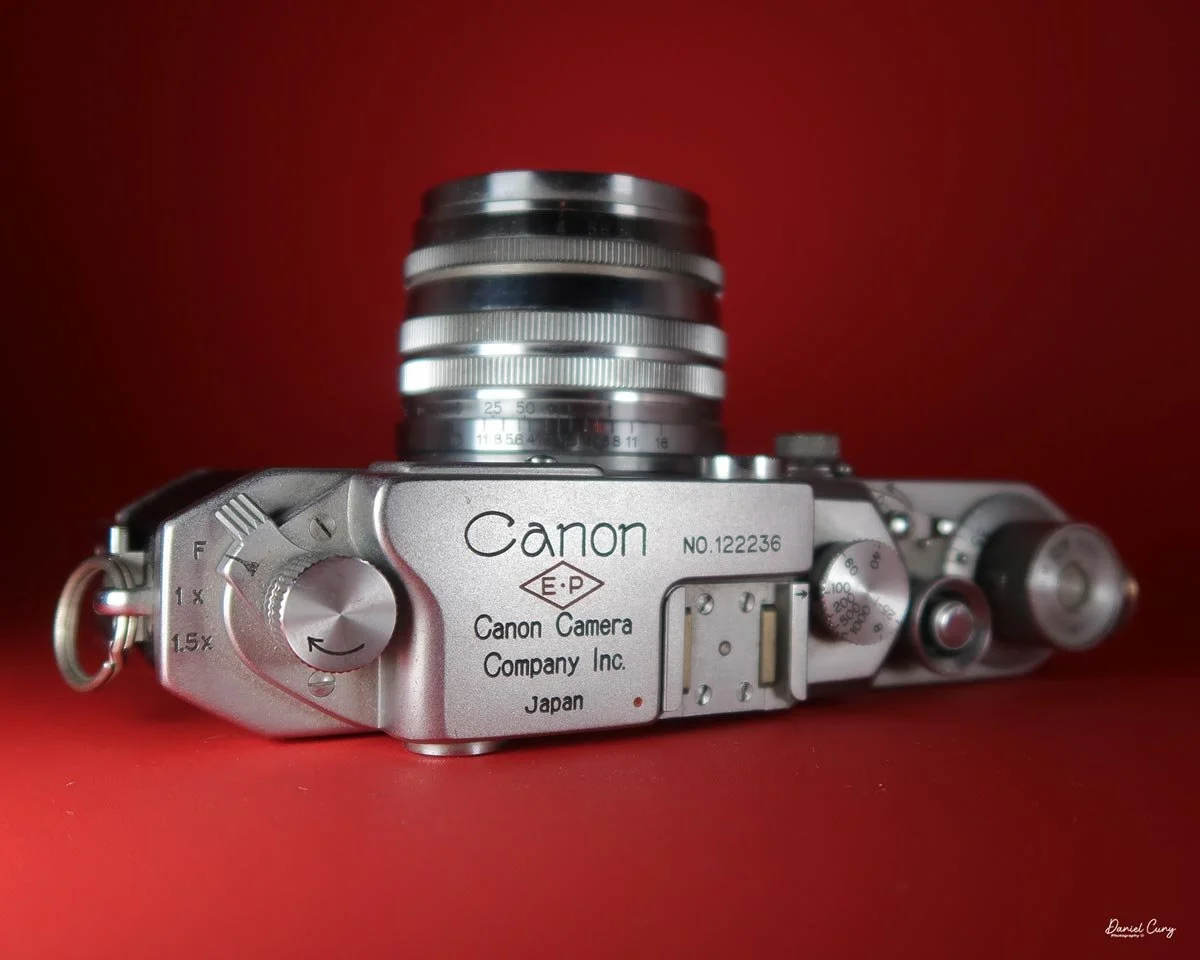
My Canon IV Sb camera
Being a lifelong Nikon shooter, along with working in the retail photo industry for nearly 20 years during the 1970s, I became very tired of Canon's dominance and marketing strategy around the Canon AE-1, which was the "hottest" camera around when it was released in 1976.
The Canon AE-1 was under restricted distribution, meaning demand far outstripped supply, and the camera was extremely sought after. There were people waiting months to get the camera. I say this because, as someone who was hounded almost daily for the camera, I started to dislike the brand.
Don't get me wrong, their cameras are decent, and even when they dominated the digital world with the 5D, 5D Mark II, and other cameras, it still irked me that they sold so many units. I was tired of them—especially as a member of the gold-and-black team (Nikon).
In Canon's early years, they made some extremely well-made and sought-after cameras, the Canon IV Sb being one of them. Companies like Nikon, Nicca, Minolta, and Leotax made some of the better rangefinder cameras coming from Japan during this timeframe. They competed well with the more sought-after German companies of Leica, Zeiss, and Voigtländer.
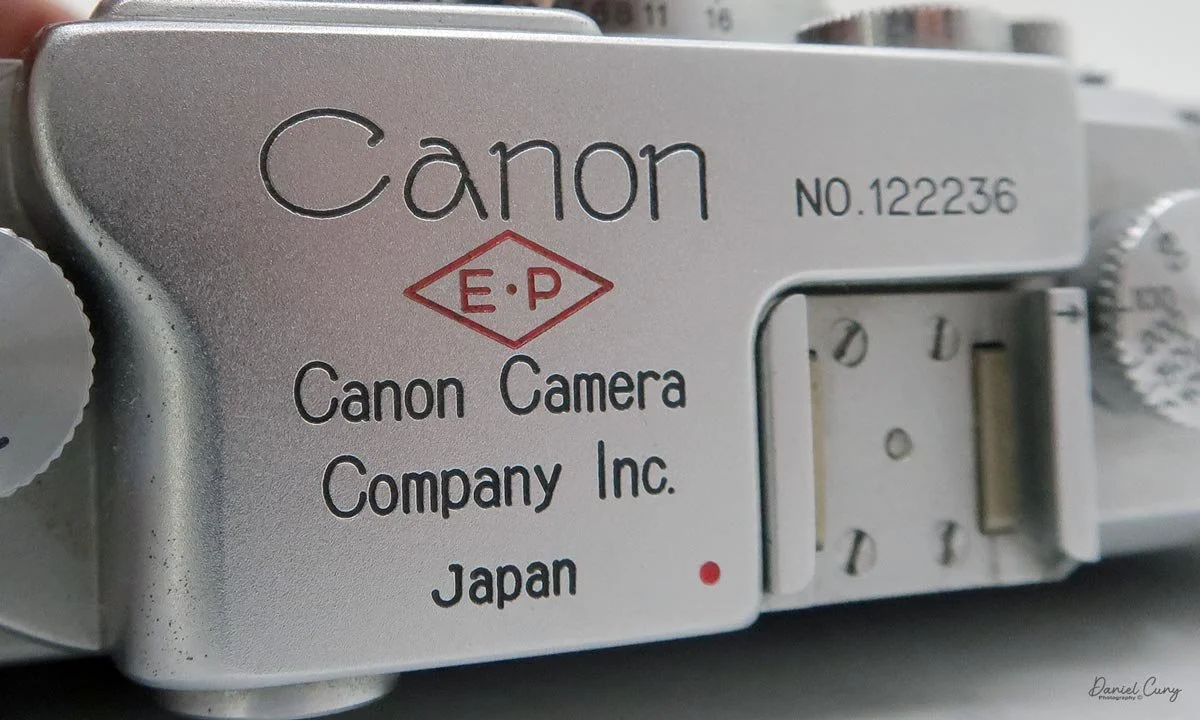
I enjoy the early font on the Canon name.
I say this because I've owned Canon rangefinder cameras in the past. Still, because of my past biases, I rarely look for them unless one comes up at a very good price or is included in a group lot I've purchased.
It's interesting that while Canon rangefinders have produced some amazing products—especially the extremely fast Canon 50mm f/0.95 lens—their cameras are generally priced less than their Nikon counterparts, which produced more "professional" products during the 1950s–1990s.
Fast forward to this week's blog on cameras in my collection: the Canon IV Sb, included in the camera lot I purchased in Las Vegas about a month ago. The camera is in very good condition, except for a repaired blemish on the second shutter curtain. The lens is bright and clear; the rangefinder is clean, bright, and seems accurate; the chrome shows no tarnish; and all shutter speeds sound accurate, even the slower ones.
It's been quite some time since I ran film through one, so I figured now was a good time to put a roll of expired Plus-X 20-exposure film from my gaggle of film in, walk through the neighborhood, and take some photos.
History:
Canon started in 1933 in a small room in Tokyo's Roppongi district, where four men—Goro Yoshida, Saburo Uchida, Takeshi Mitarai, and Takeo Maeda—founded the Precision Optical Instruments Laboratory. Their goal was simple and ambitious: build a Japanese camera that could stand up to Germany's best. At the time, all the fine cameras came from Europe.
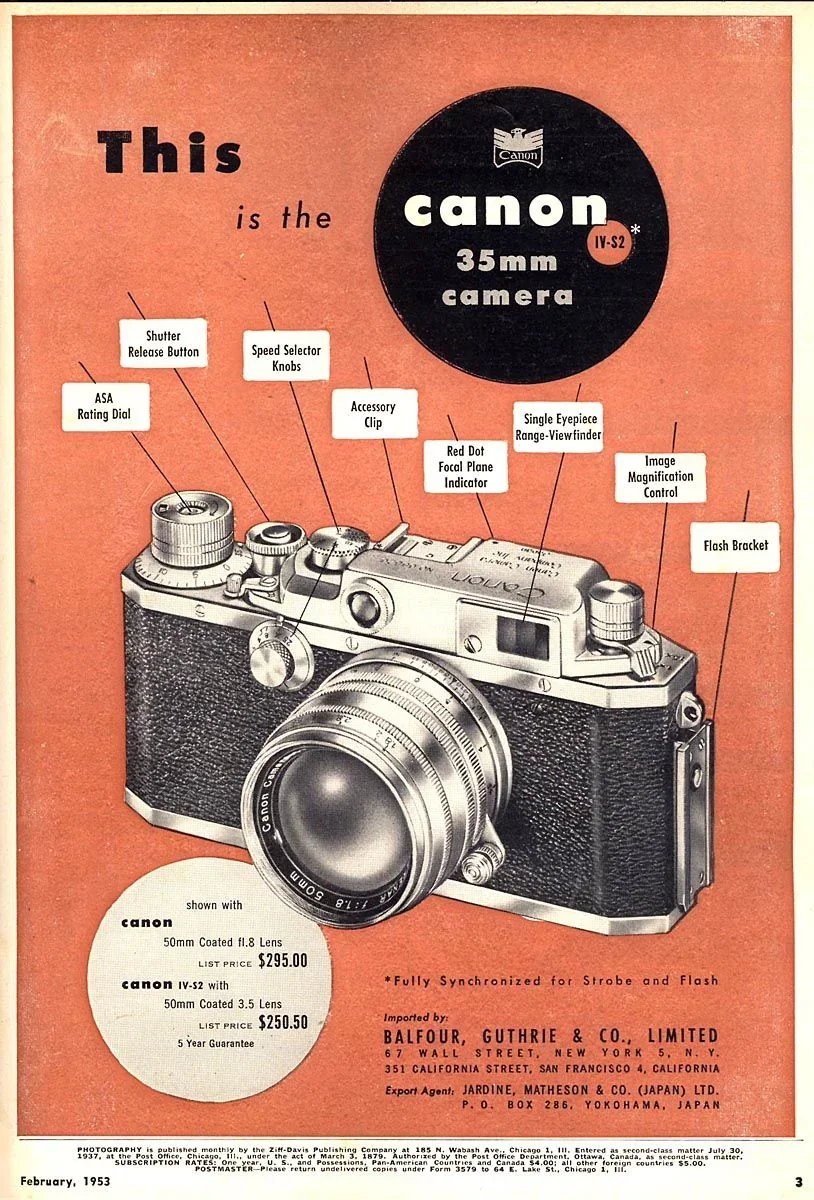
Canon IV Sb advertisment.
Their first effort, built in 1934, was the Kwanon, named after the Buddhist goddess of mercy. It was Japan's first 35mm focal-plane-shutter camera and only a prototype—it never went on sale. Yoshida had studied a Leica II to figure out how it all worked. In 1936, the company released its first commercial camera, the Hansa Canon, which became known by the name we'd all come to know. Since the little company couldn't make its own lenses yet, the earliest Canons shipped with Nikkor lenses from Nippon Kogaku—yes, Nikon. The two companies that would become lifelong rivals started as customer and supplier.
The company became Canon Camera Co. in 1947, and just Canon Inc. in 1969. Through the 1950s, it built fine rangefinders, but the future was the SLR. Canon's first one, the Canonflex, arrived in 1959. Then, in 1961, the Canonet arrived: a fixed-lens rangefinder that became one of the best-selling cameras of its day—a real people's camera.
The 1970s were Canon's big decade. The F-1 of 1971 was its first true professional system camera, and the new FD lens mount gave it its own mount. But the camera that changed everything was the AE-1 in 1976—the first 35mm SLR with a microprocessor inside. It was cheap, easy to use, and sold in the millions, putting real SLRs into the hands of ordinary shooters.
In 1987, Canon made its boldest move: the EOS system and the all-electronic EF mount. The old FD lenses wouldn't fit, which angered plenty of loyalists. Still, the clean-slate design let Canon leap ahead in autofocus. It was the right bet. Canon rode the autofocus era into the digital age with the EOS D30 in 2000, then broke new ground in 2005 with the EOS 5D, the first affordable full-frame digital camera.
Today, Canon's EF mount has given way to the RF mirrorless mount, introduced with the EOS R in 2018. From a four-person workshop in Roppongi to a photography giant, Canon got there by doing what its founders set out to do: build cameras for everyone, not just professionals.
The Camera:
My Canon IV Sb came with a Canon 50mm f/1.8 lens and is similar in size to some Leicas, like the IIIB and others from the same era. The camera measures 5.5 inches wide by 3.75 inches tall and 2.75 inches deep, and weighs 1 pound, 11.7 ounces. The serial number on my body is 122236, and the lens is 100470.
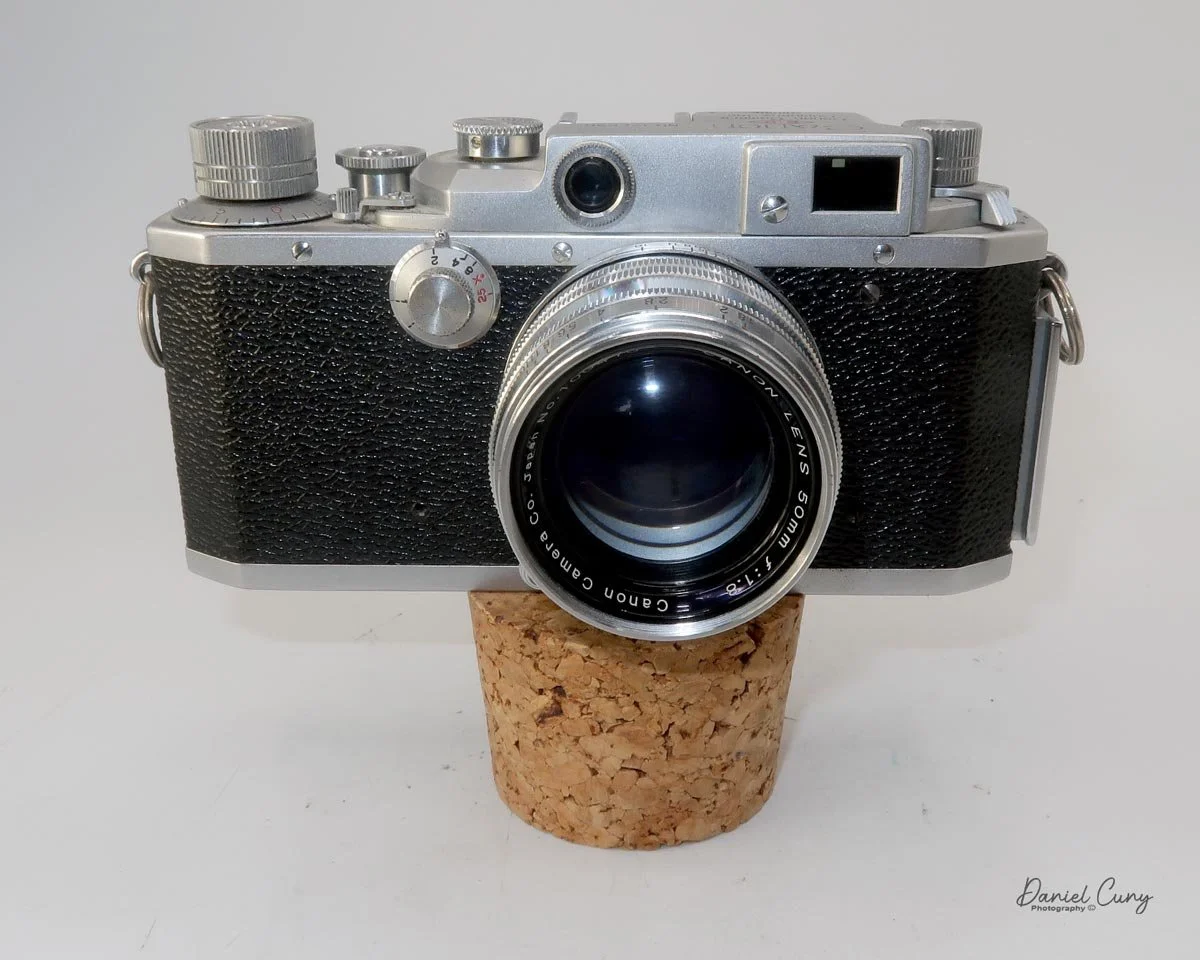
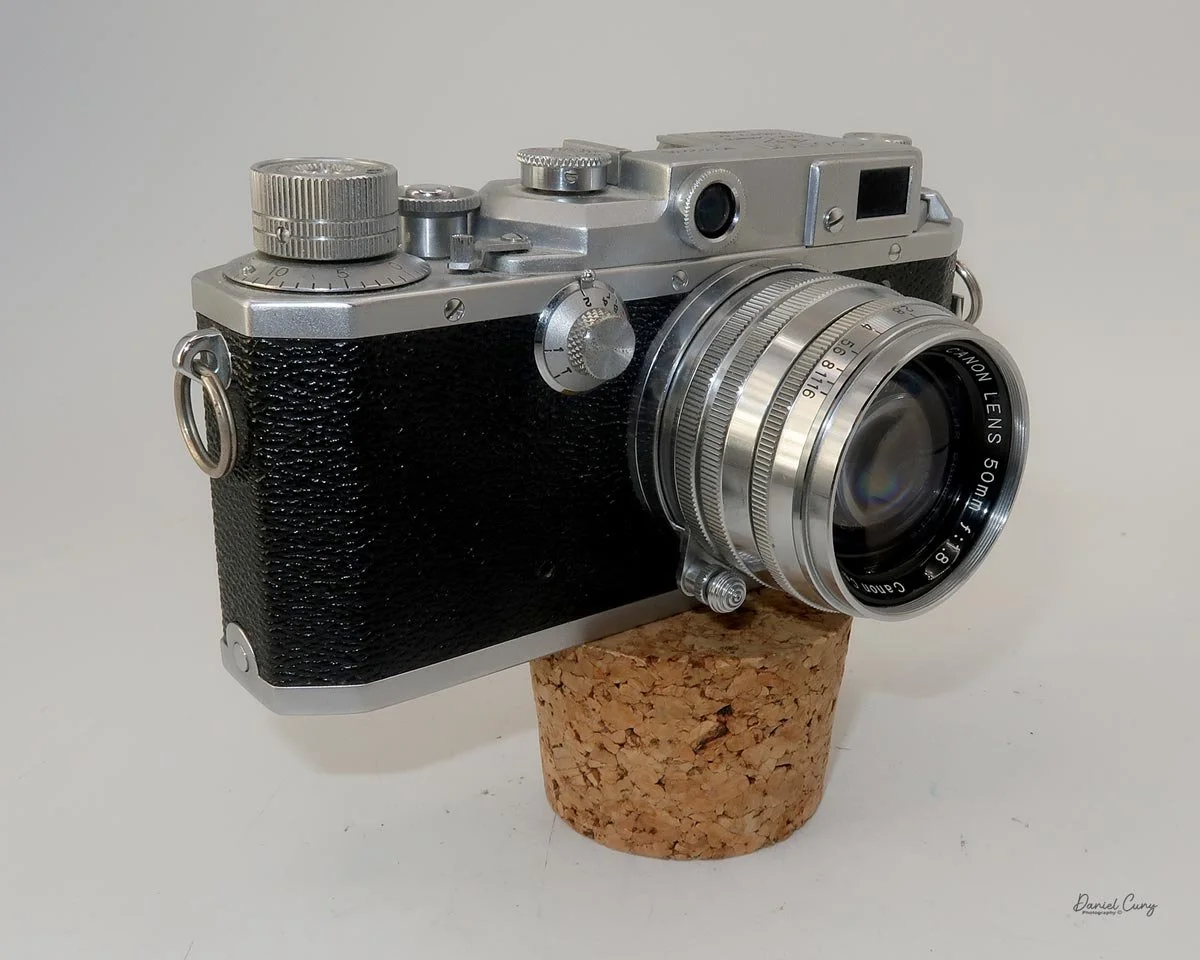
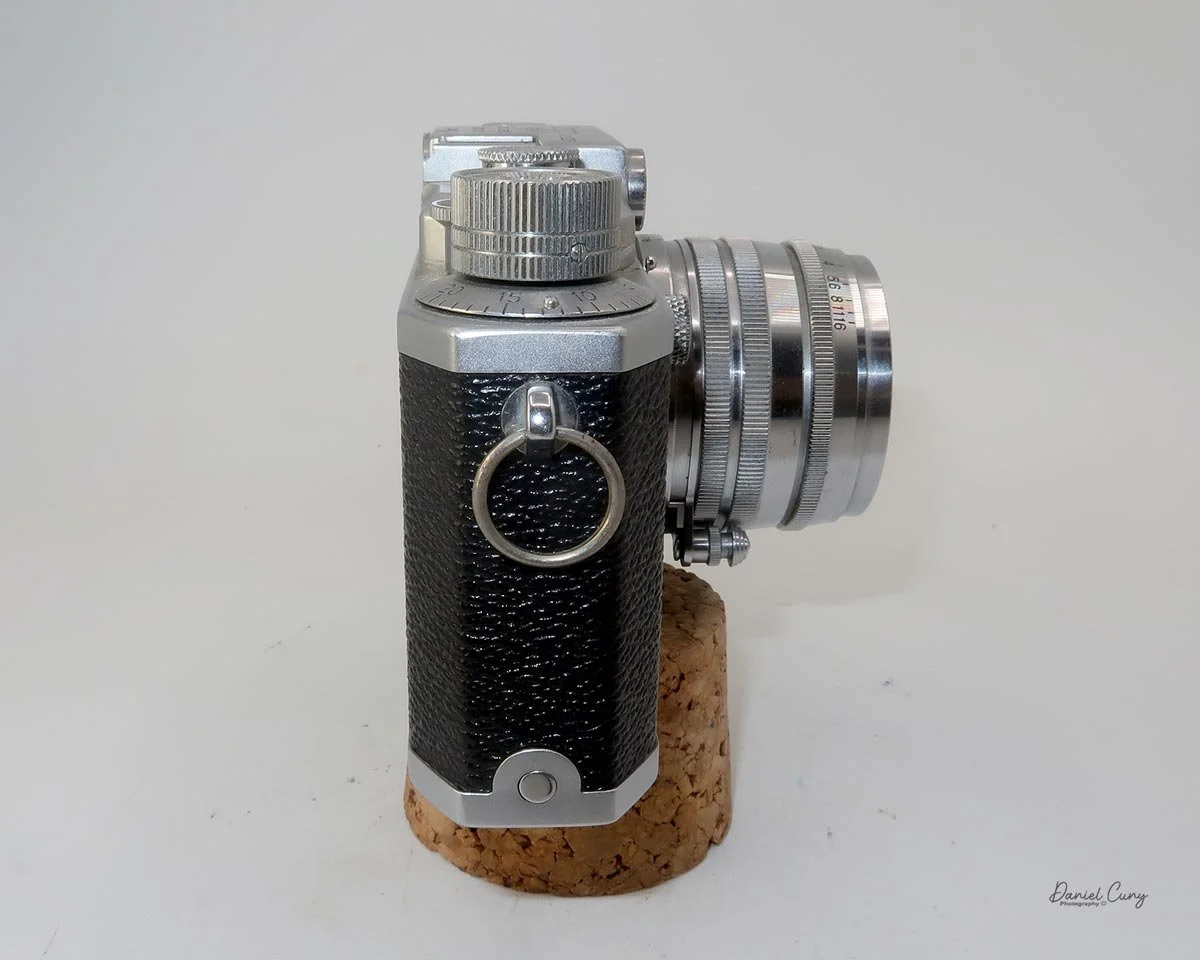
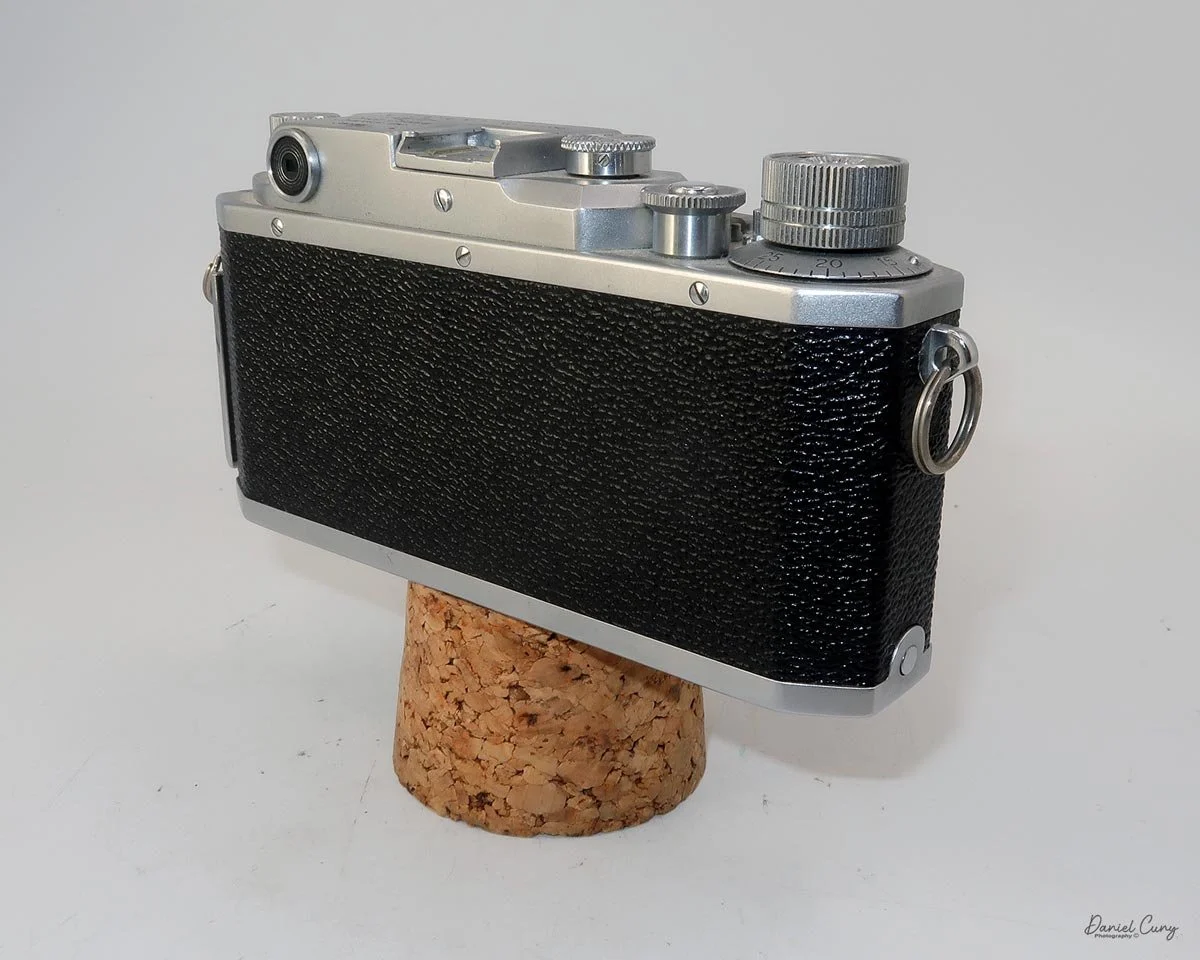
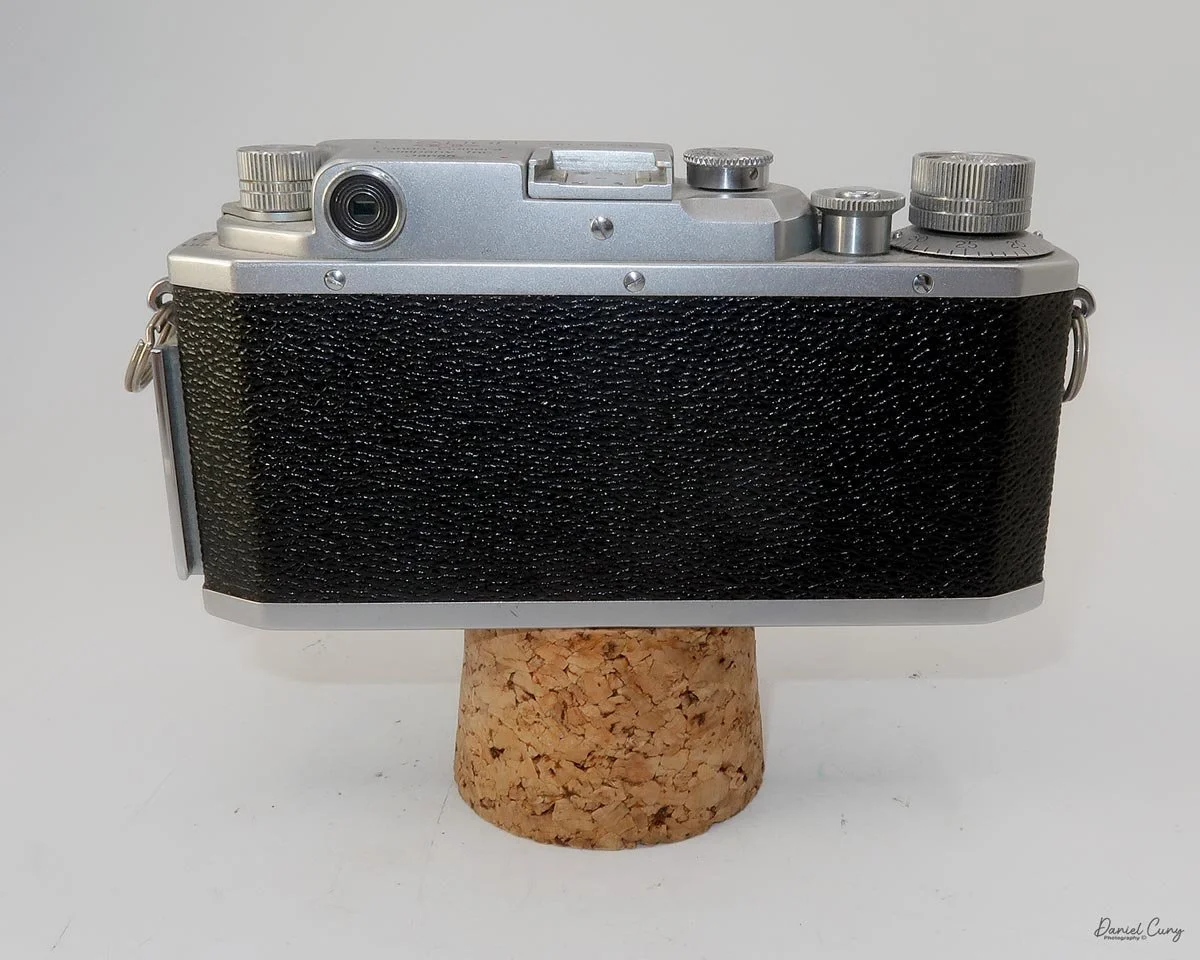
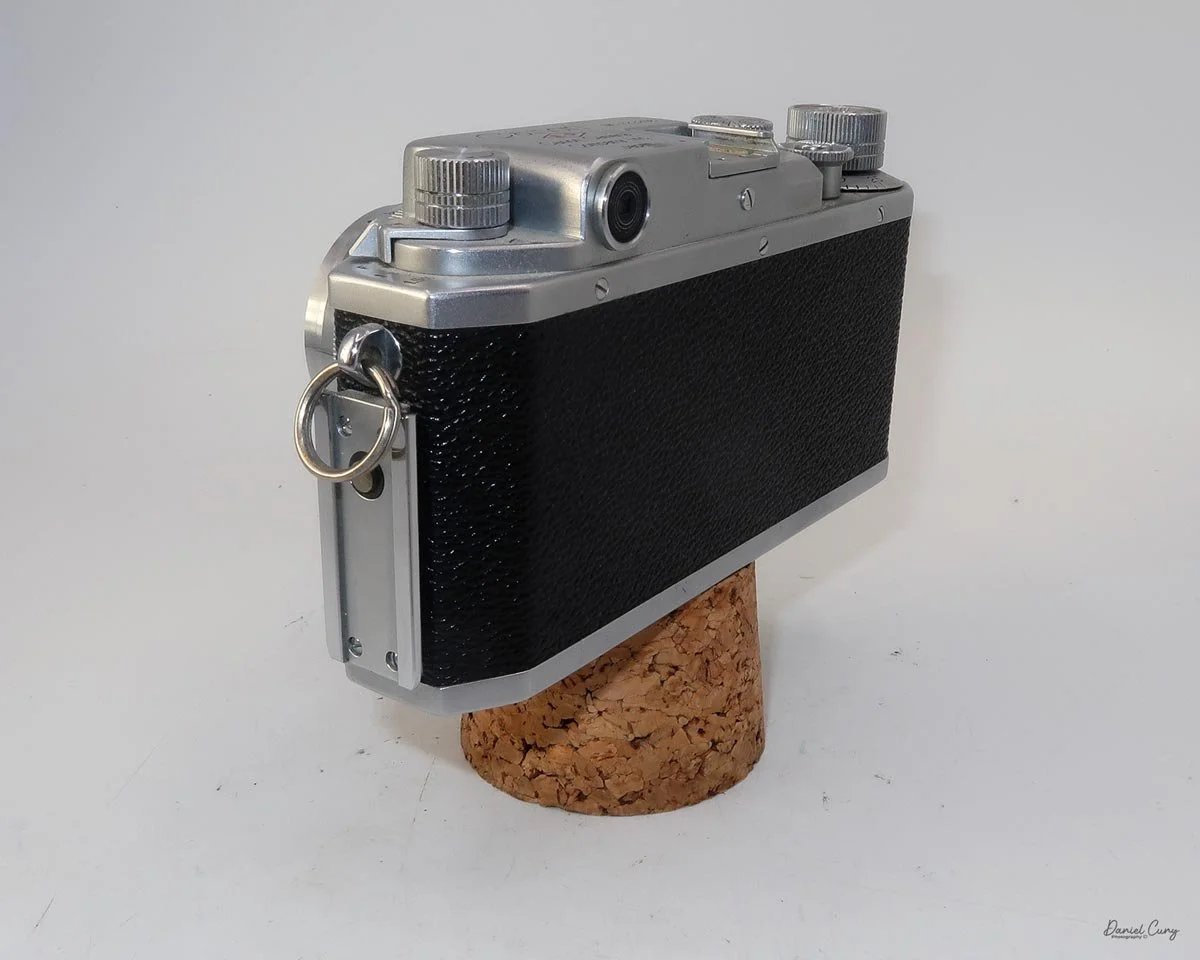
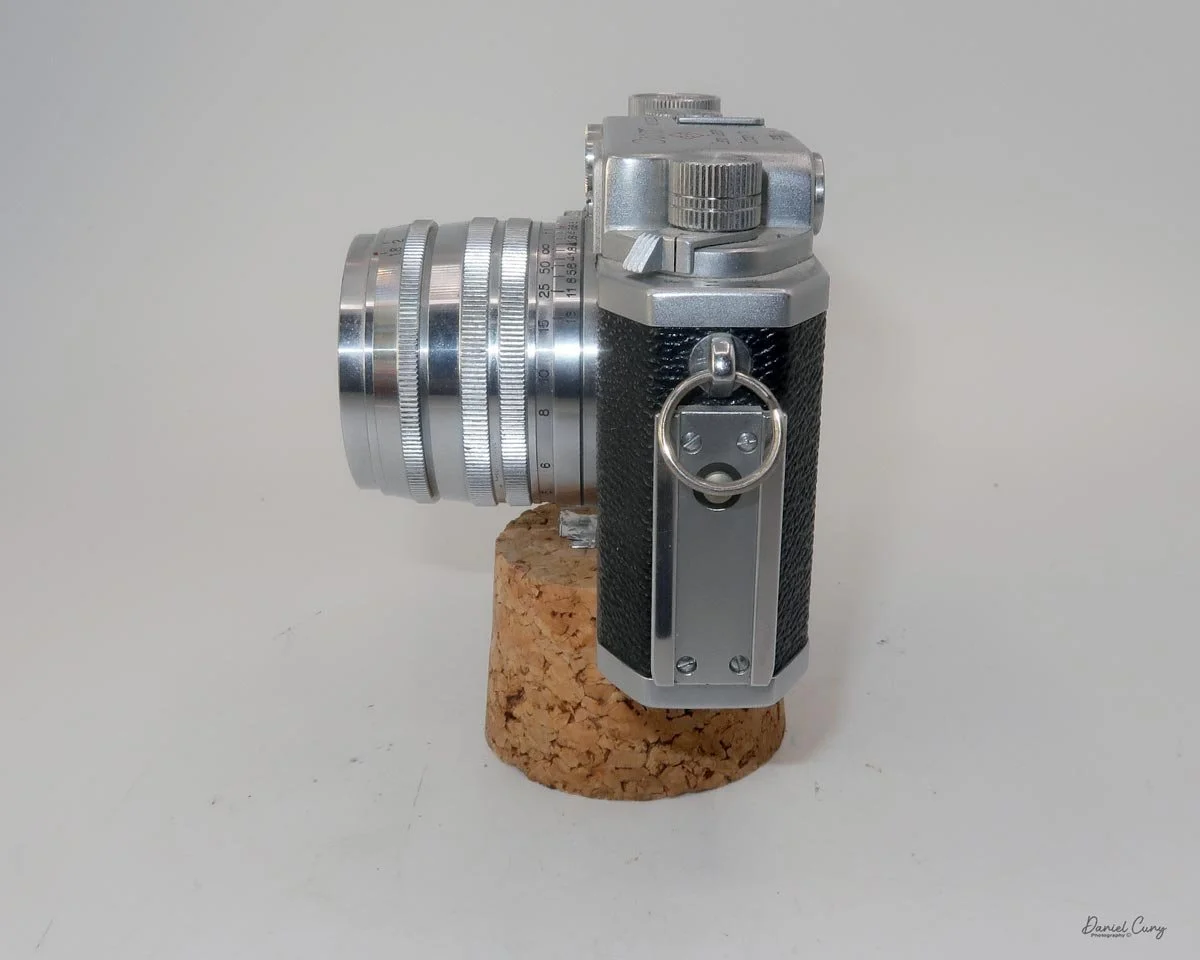
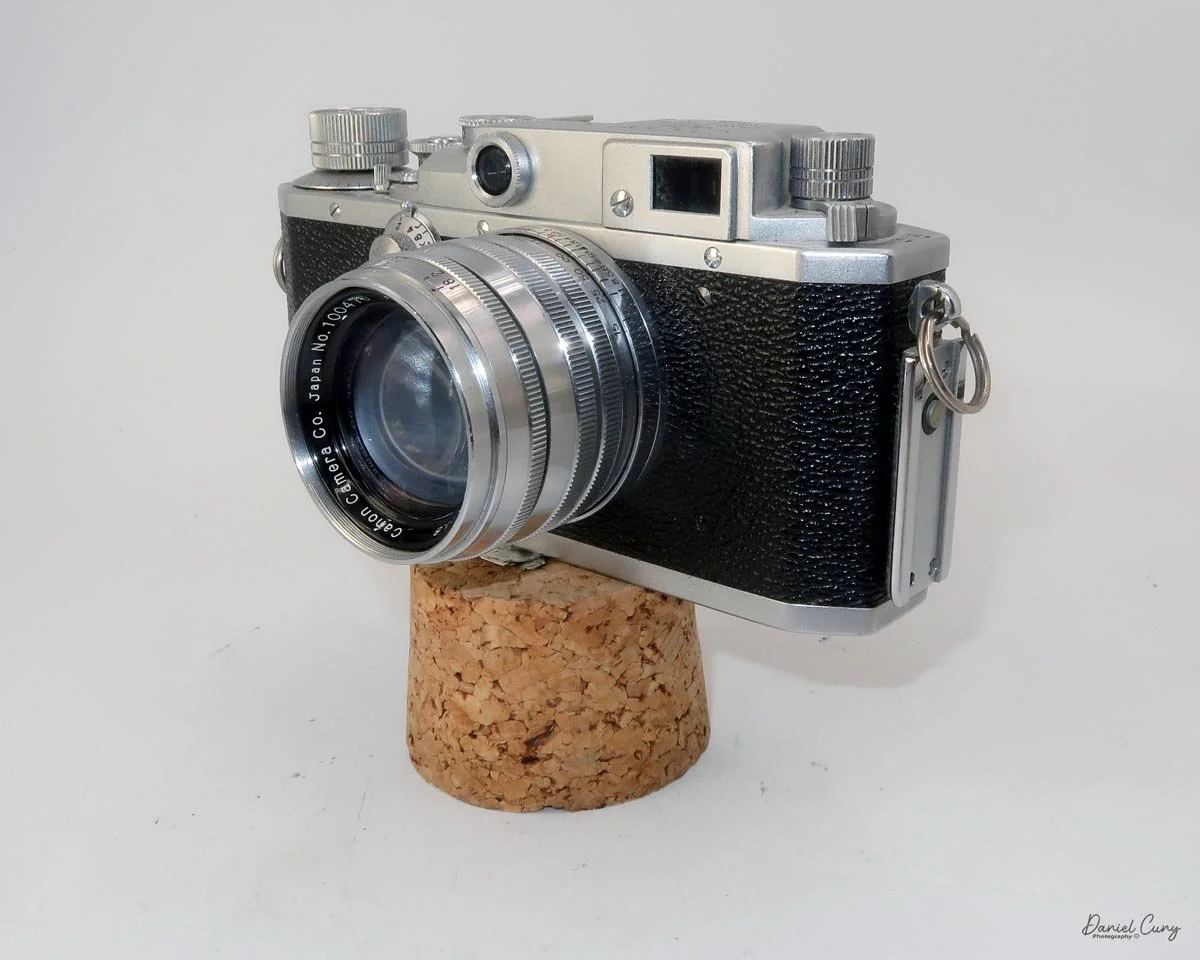
My camera is marked "E.P." in red, surrounded by a red diamond on the top plate. This doesn't necessarily make the camera more or less valuable than others. Still, it marks the camera as most likely purchased at a U.S. military base, identifying the camera and lens as duty-free or tax-free when imported into the U.S.
The Canon IV Sb was introduced in December 1952 and was available until the upgraded IV Sb2 was marketed in March 1954. The camera has an M39/LTM lens mount and offered either a Serenar or Canon f/1.8 or f/1.5 lens as a standard option.
The 50mm lens I have features the aperture ring on the outer knurled ring, with settings from f/1.8 to f/16. It has a locking lever, like other LTM lenses, that locks when focused at infinity, with a minimum focusing distance of 3.5 feet.
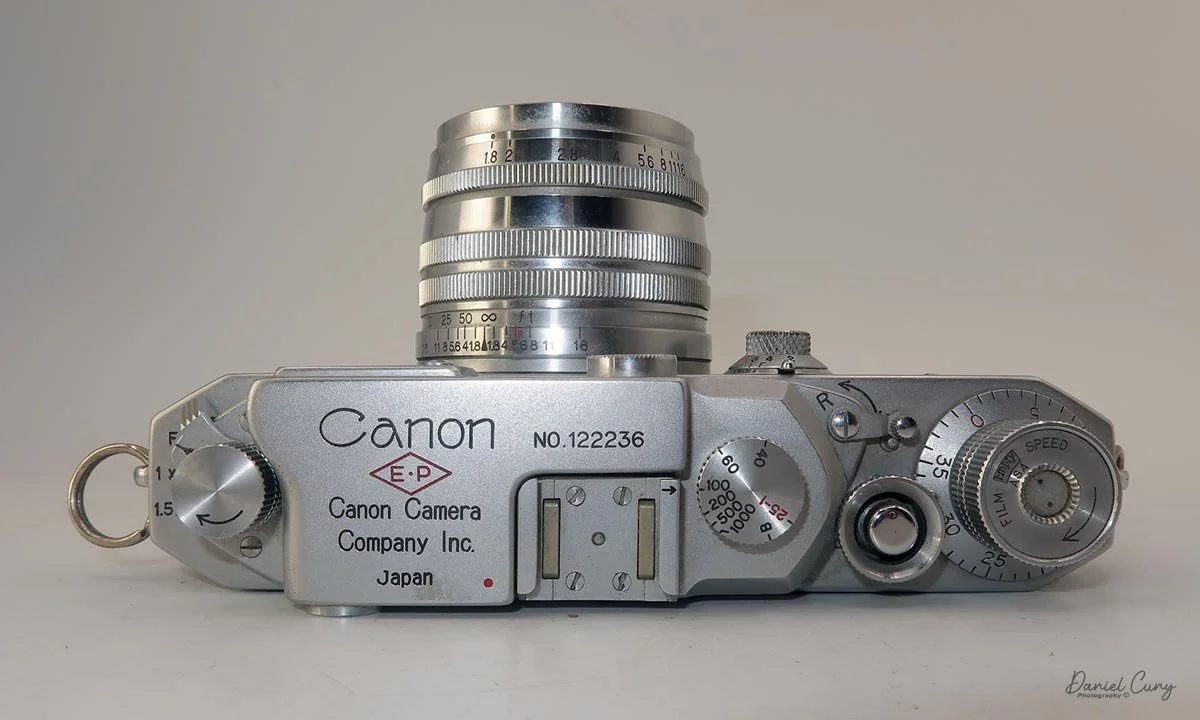
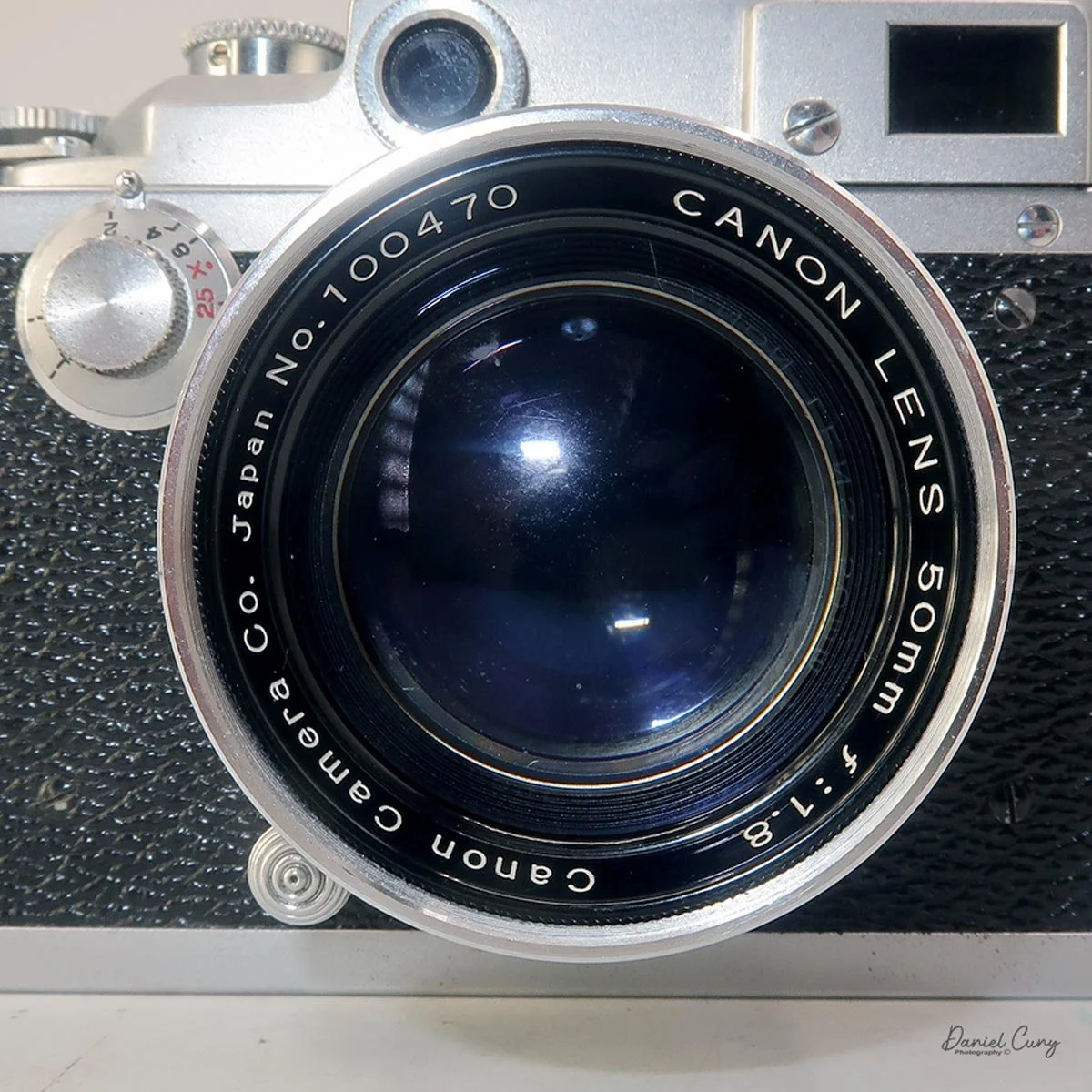
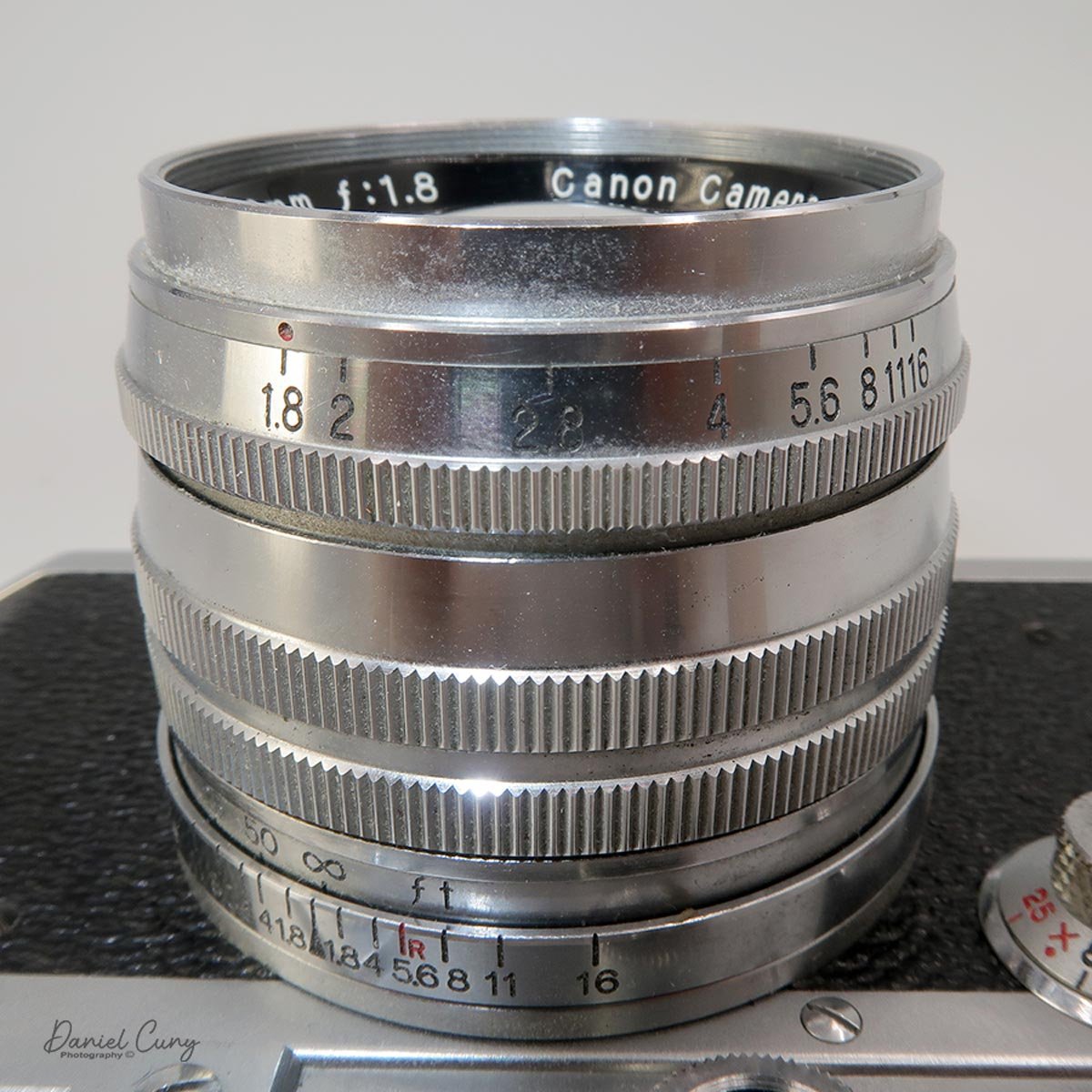
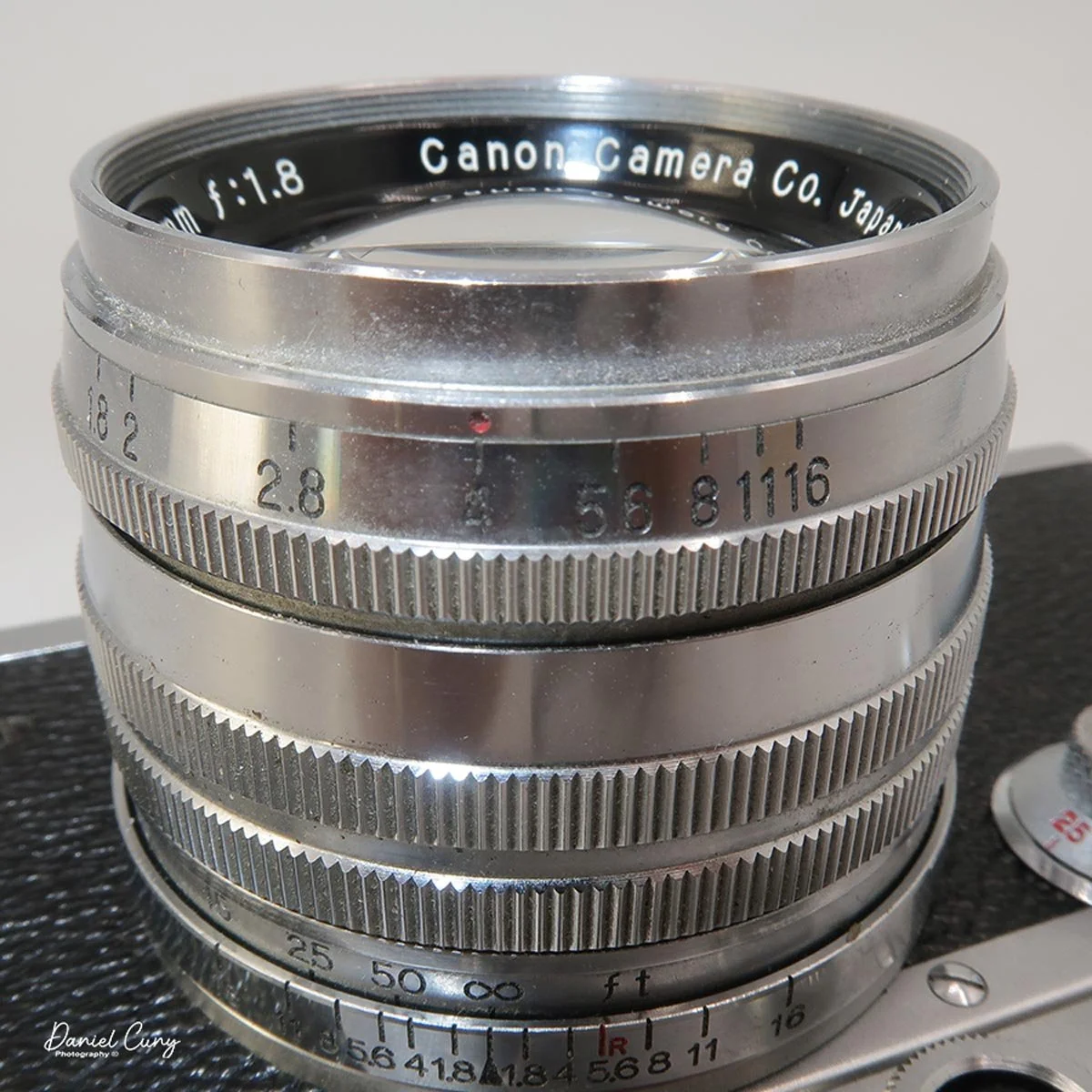
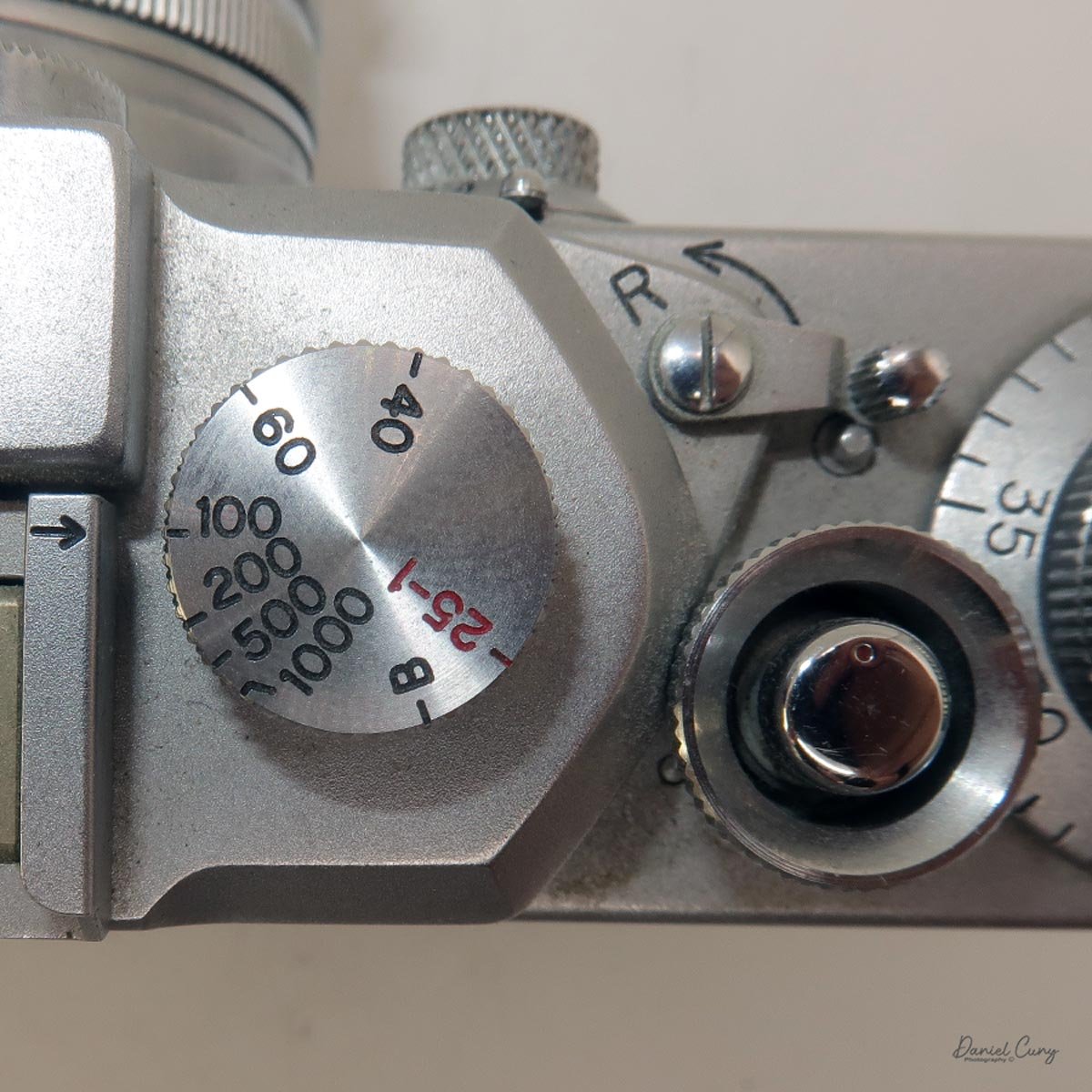
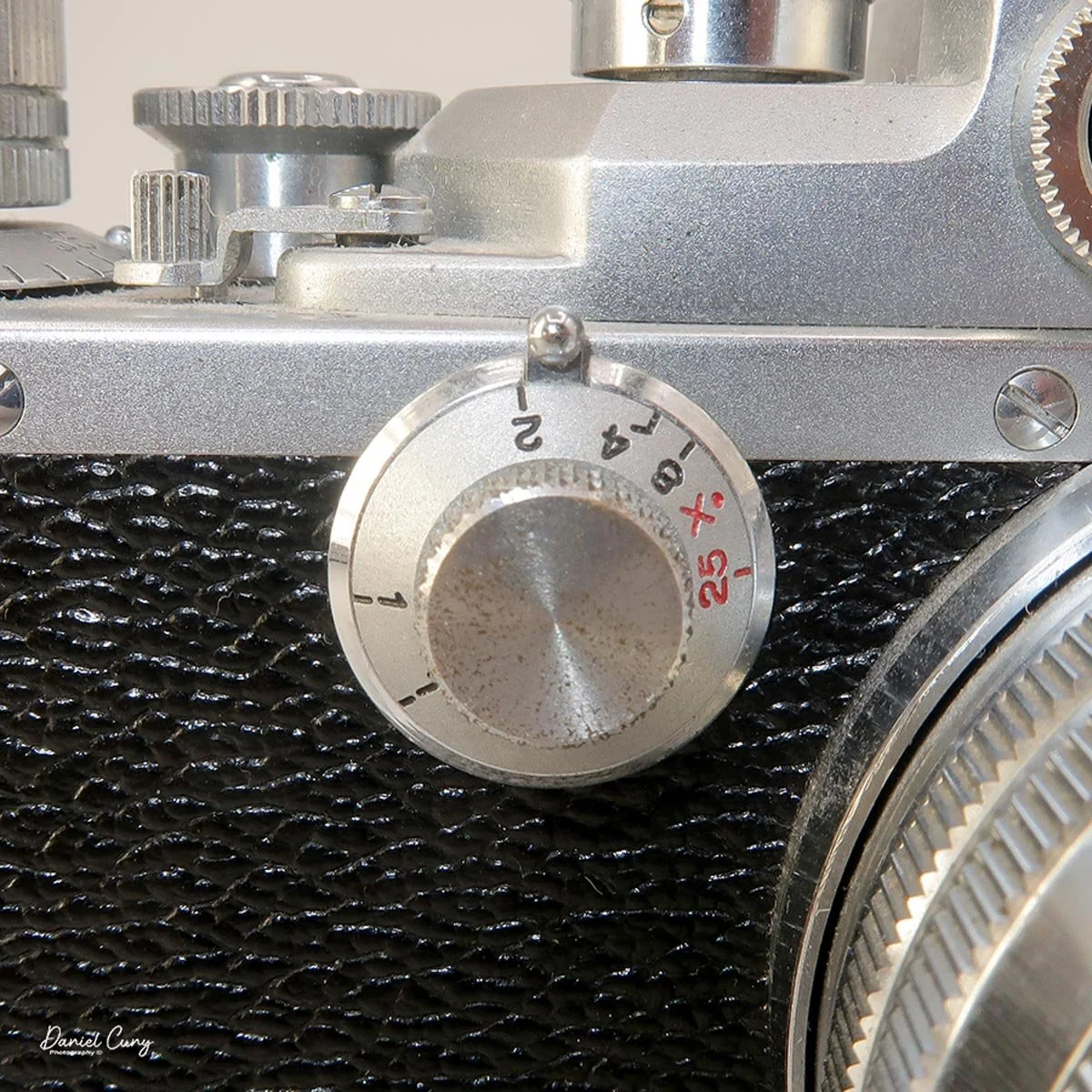
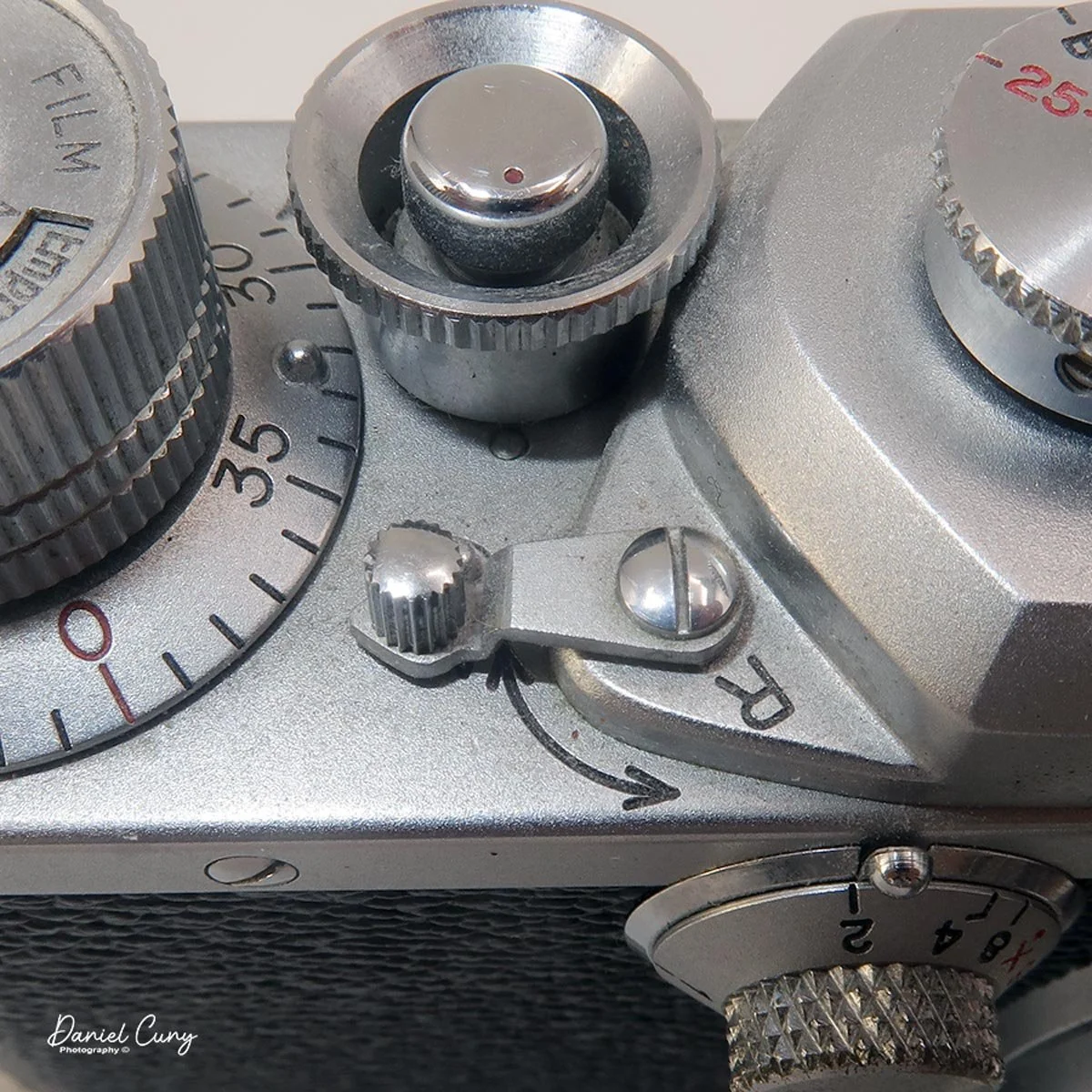
The camera has a vertical-traveling cloth shutter, with speeds from 1/1000 to 1/25 on the top shutter speed dial, and from 1/25 to 1 second (plus "B" for time exposures) on the secondary shutter speed dial on the front face of the camera. One distinguishing feature of the Canon IV Sb is the ability to lock the front secondary shutter speed dial with a small tab on top.
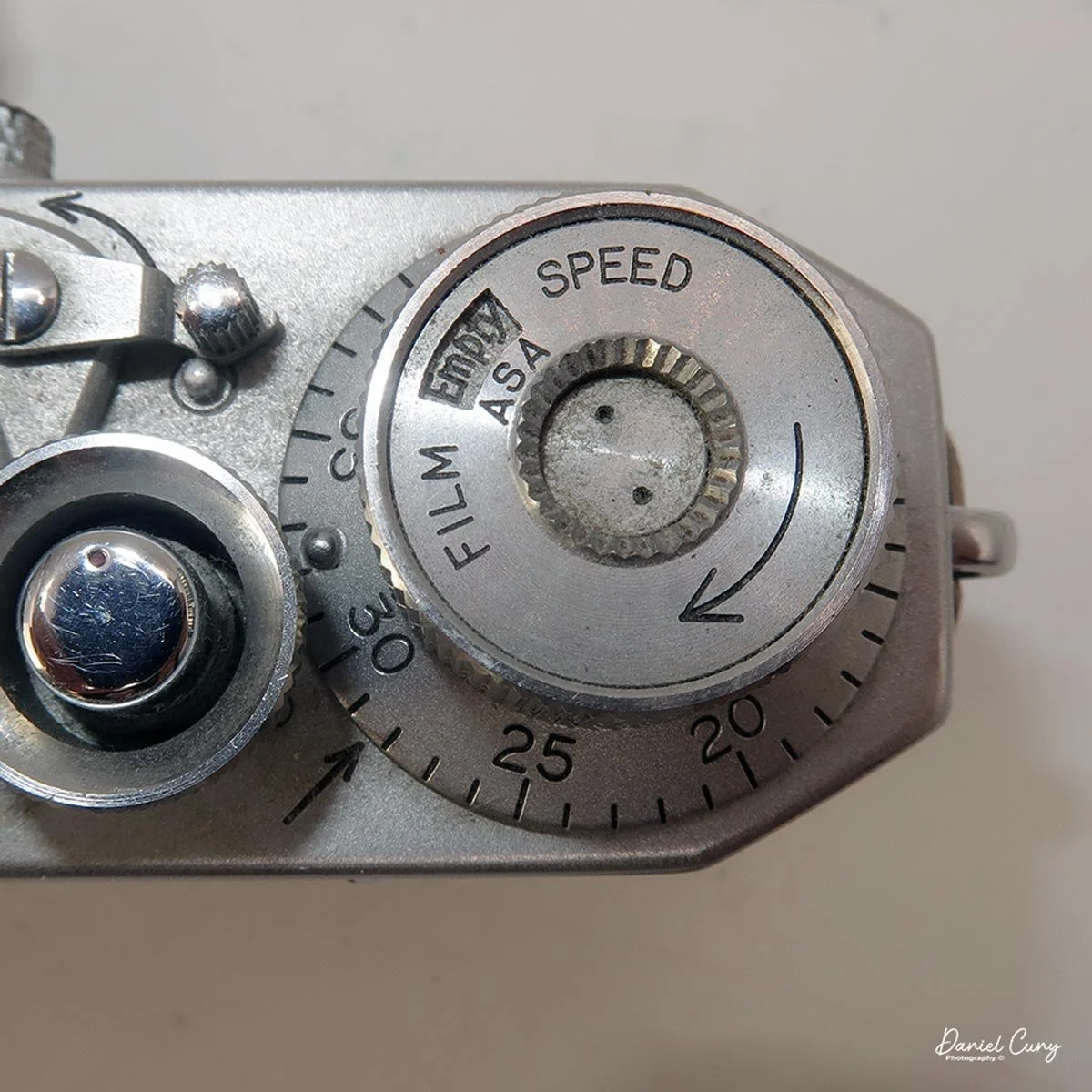
Like other cameras from this period, the film advance is a round knob that rotates clockwise to cock the shutter and advance the film to the next frame. Inside the film winding knob is a reminder dial to set the film speed (there is no meter in the camera, so this is just a personal reminder). The frame counter is on the bottom of the film advance knob and must be set manually when you load a roll of film into the camera.
The shutter release is on top of the camera, just left of the film advance knob. Above the shutter release is the film rewind lever, which is lowered for normal film operation and flipped up to the "R" position to rewind the roll into the cassette when it's finished.
The Canon IV Sb also has an accessory shoe on top for auxiliary viewfinders. On the far left side of the camera is the film rewind knob, which can be pulled up to make the rewind process easier when you've exhausted the full roll of film.
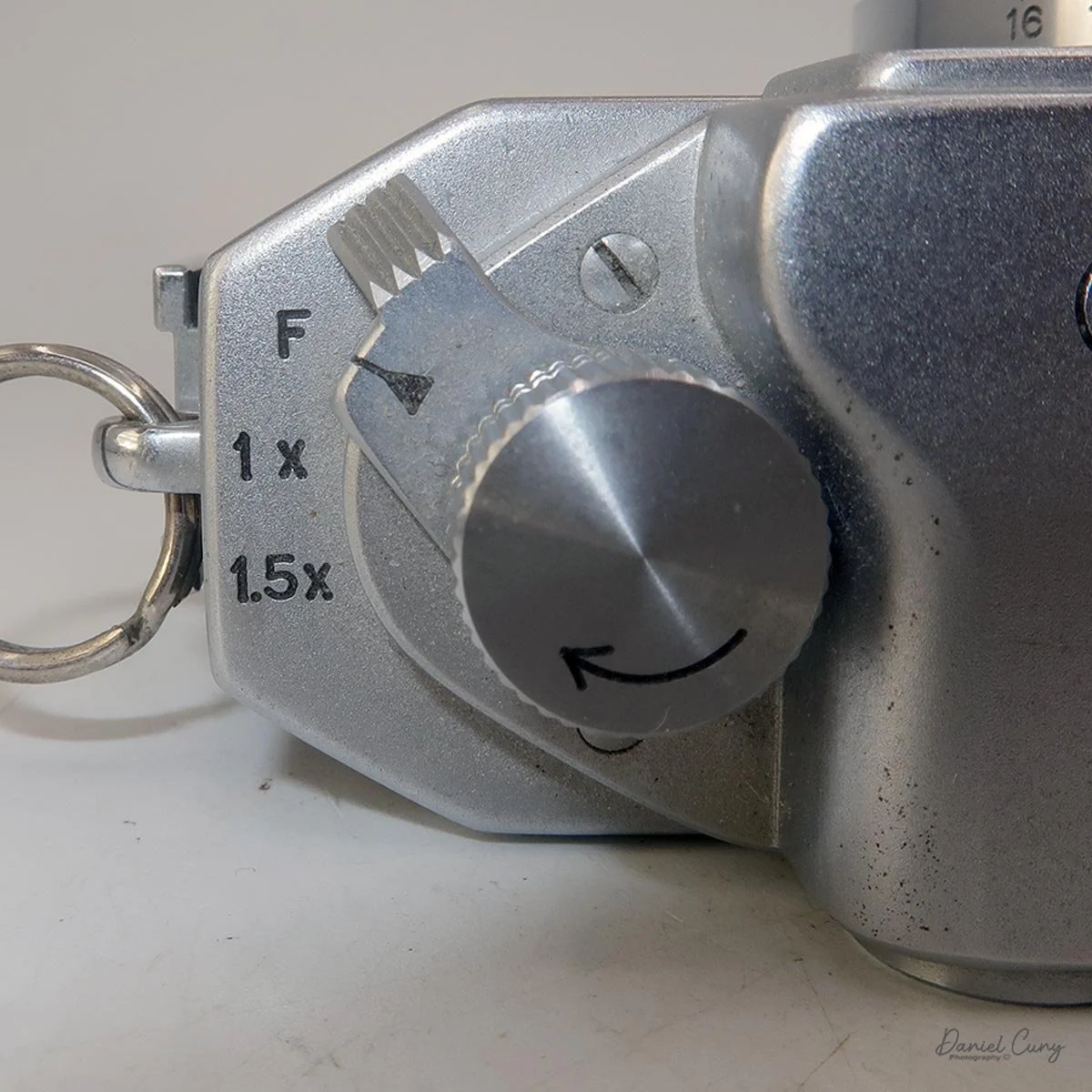
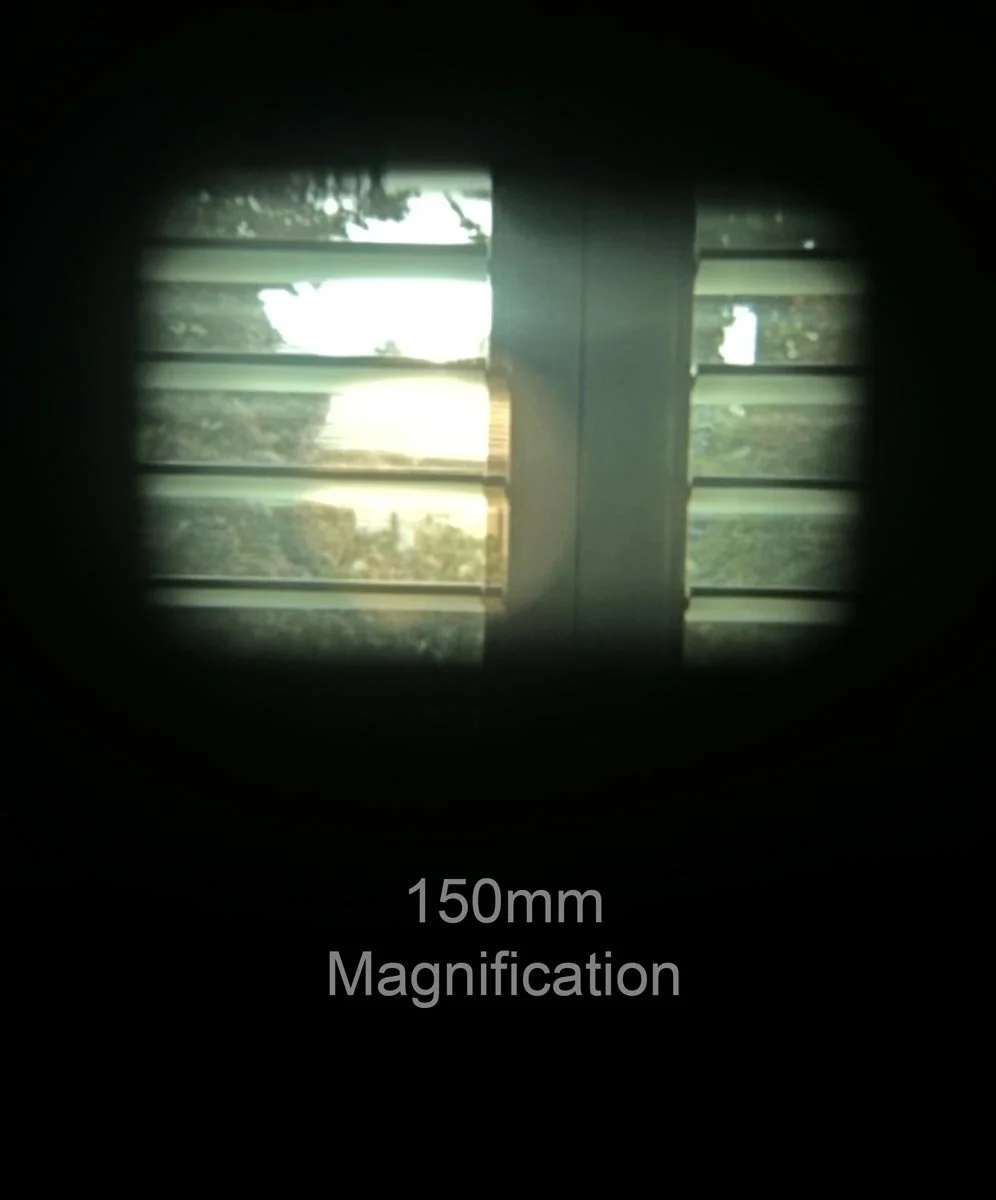
Just below the rewind knob is the viewfinder selector lever with F, 1x, and 1.5x settings, allowing you to magnify the viewfinder for use with 50mm, 100mm, or 150mm lenses. By choosing different magnifications, it slides a magnifying lens into the finder to replicate the crop for your chosen focal length. It's a great feature, and I really enjoyed it.
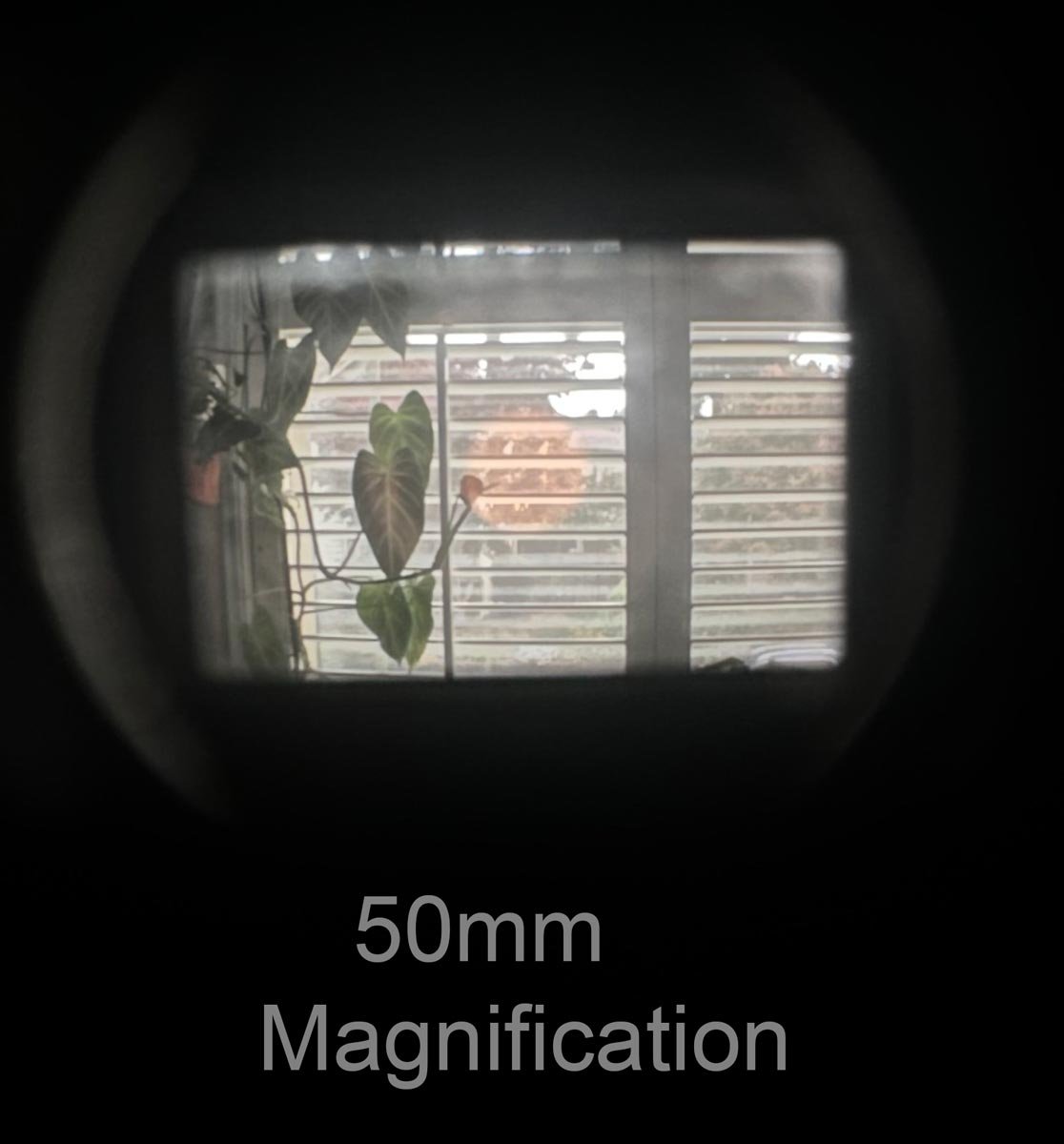
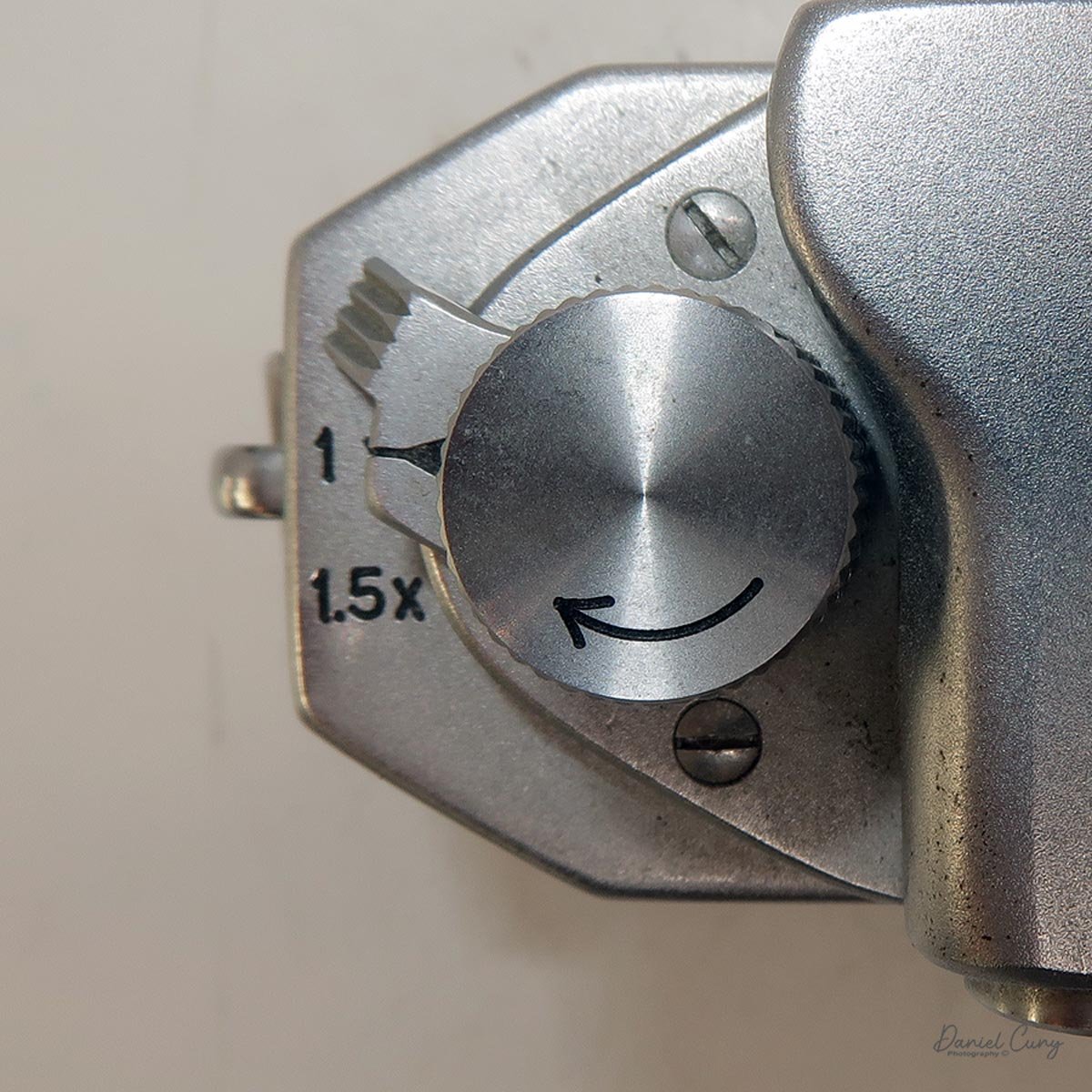
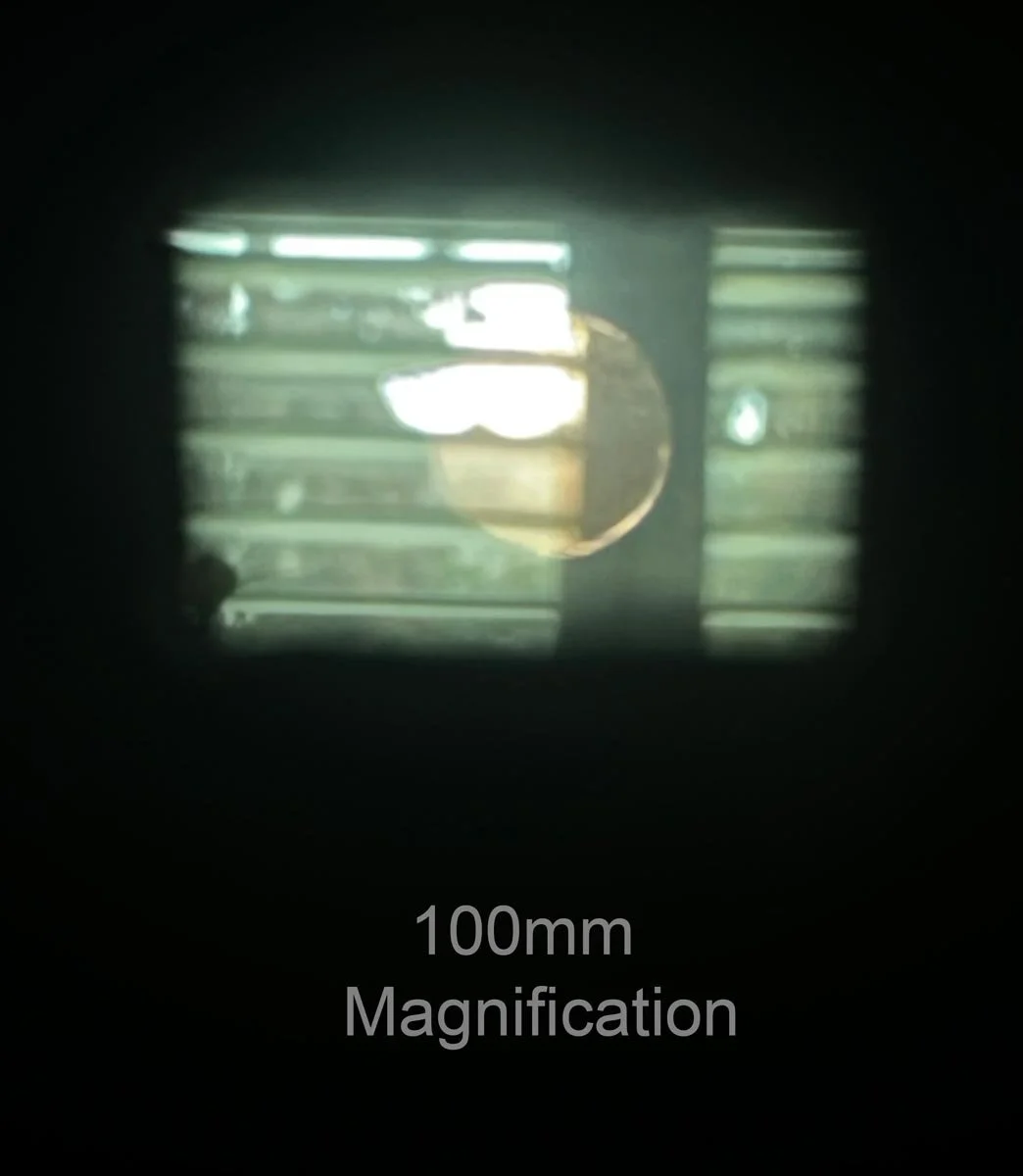
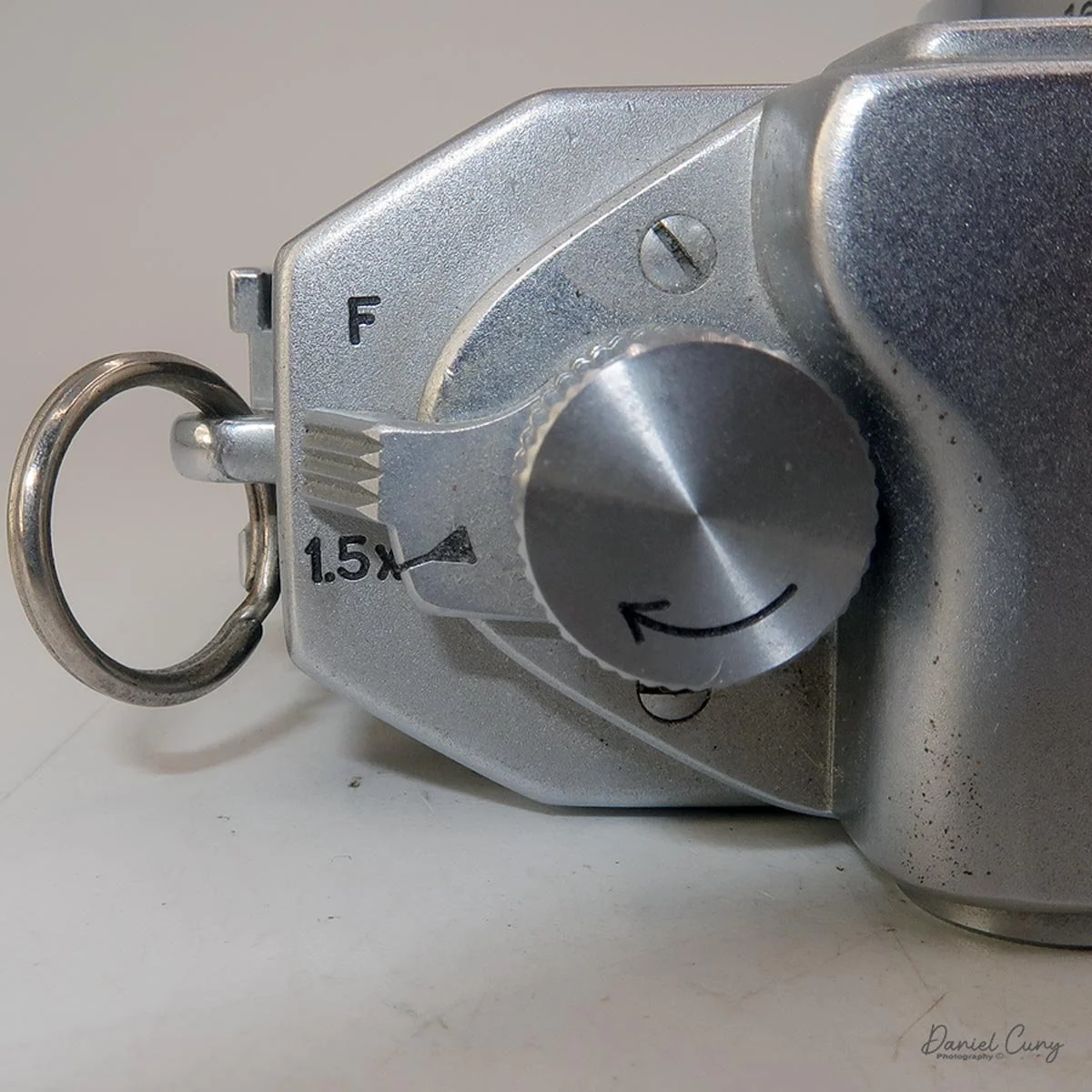
The camera body has no standard flash sync port, as the Canon IV Sb uses a proprietary flash connection system for bulb or electronic flash. The downside is that all contacts are made through a sliding bar on the camera's left side. Without the Canon Flash Unit Model Y and its accessories, traditional flash isn't readily available.
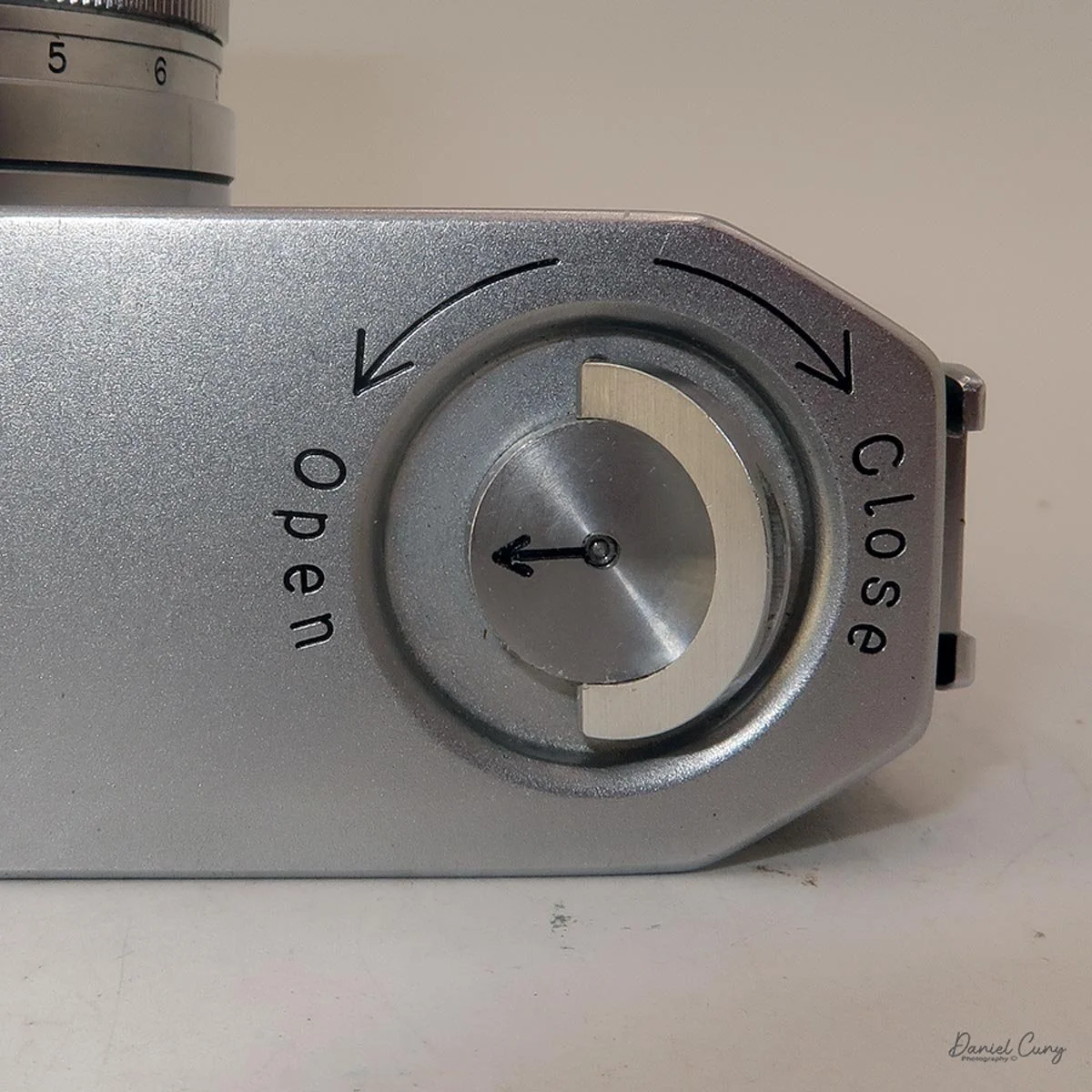
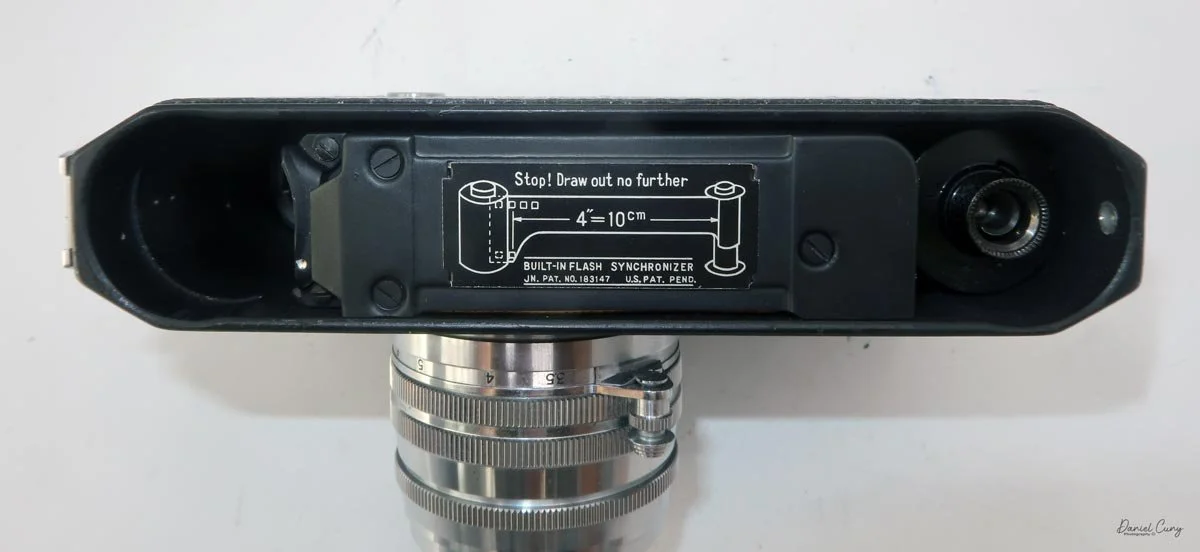
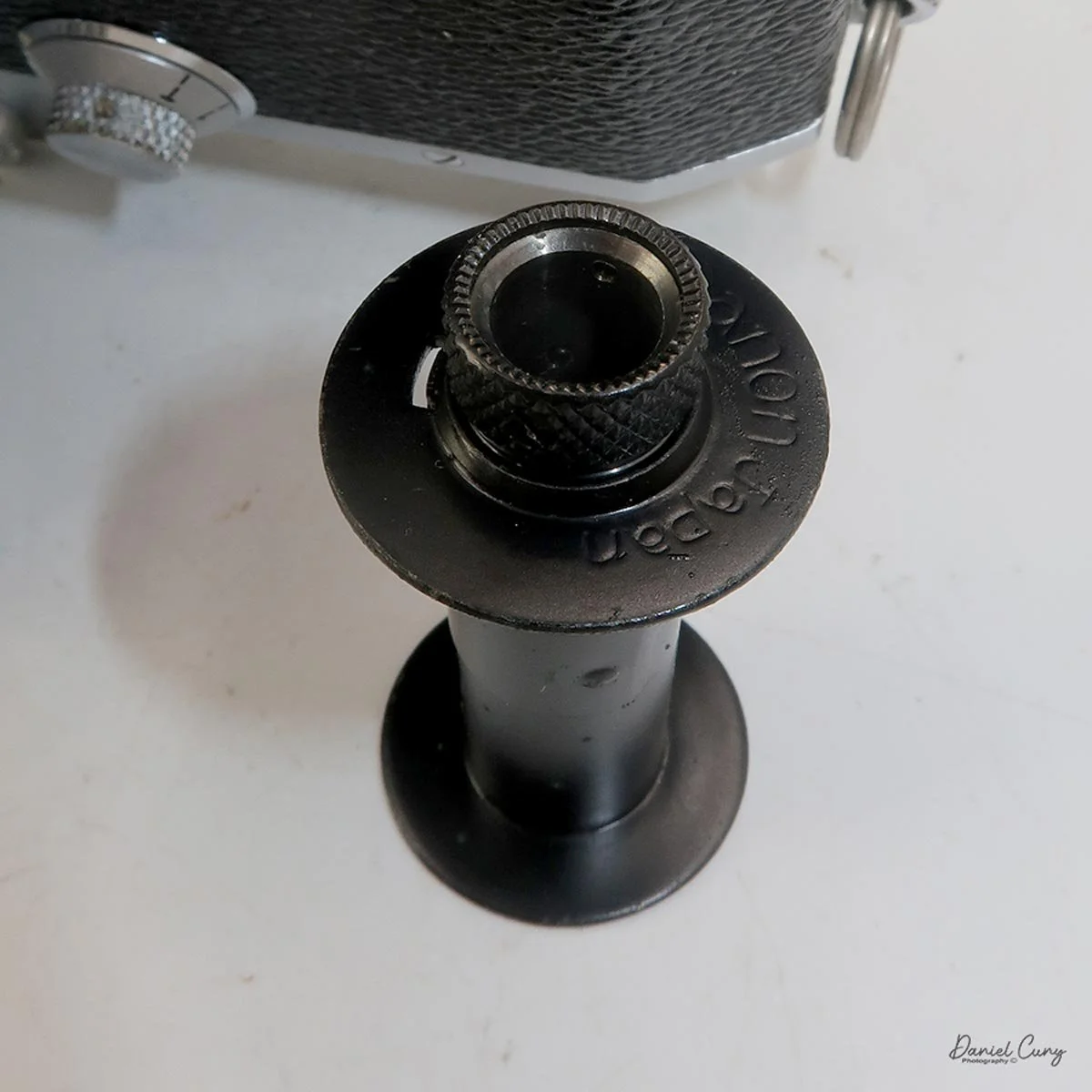
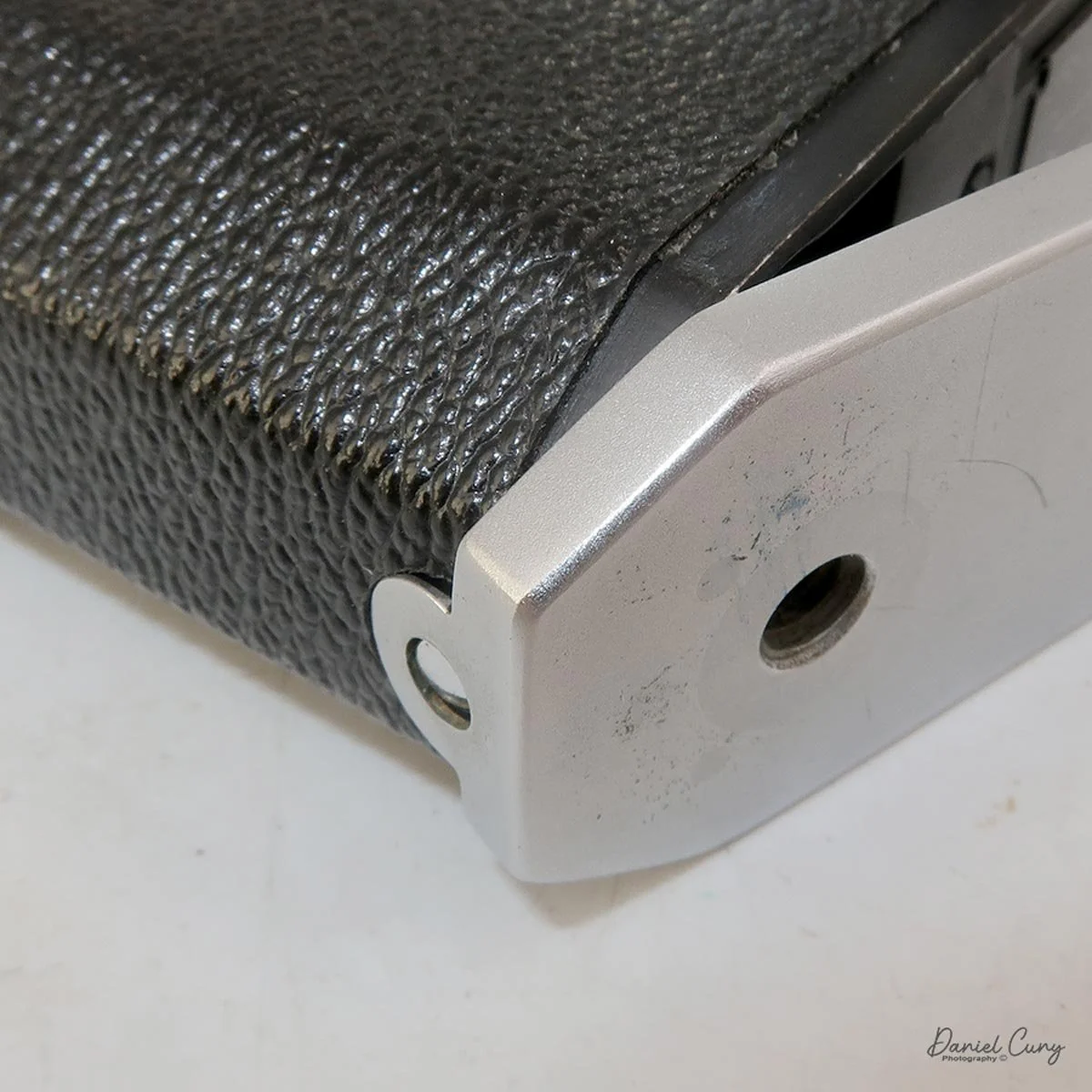
To load film into the camera—similar to other rangefinders of this era—unlatch the lock on the bottom plate and pull it off, exposing the film chamber and take-up spool. Pull out the take-up spool, thread the lead from a fresh roll of film into it, and slide both the spool and the film canister into the camera body. Take up the slack of the film with the film rewind lever and advance the film to the first frame. Reset the frame counter to one and start taking photos.
My Results:
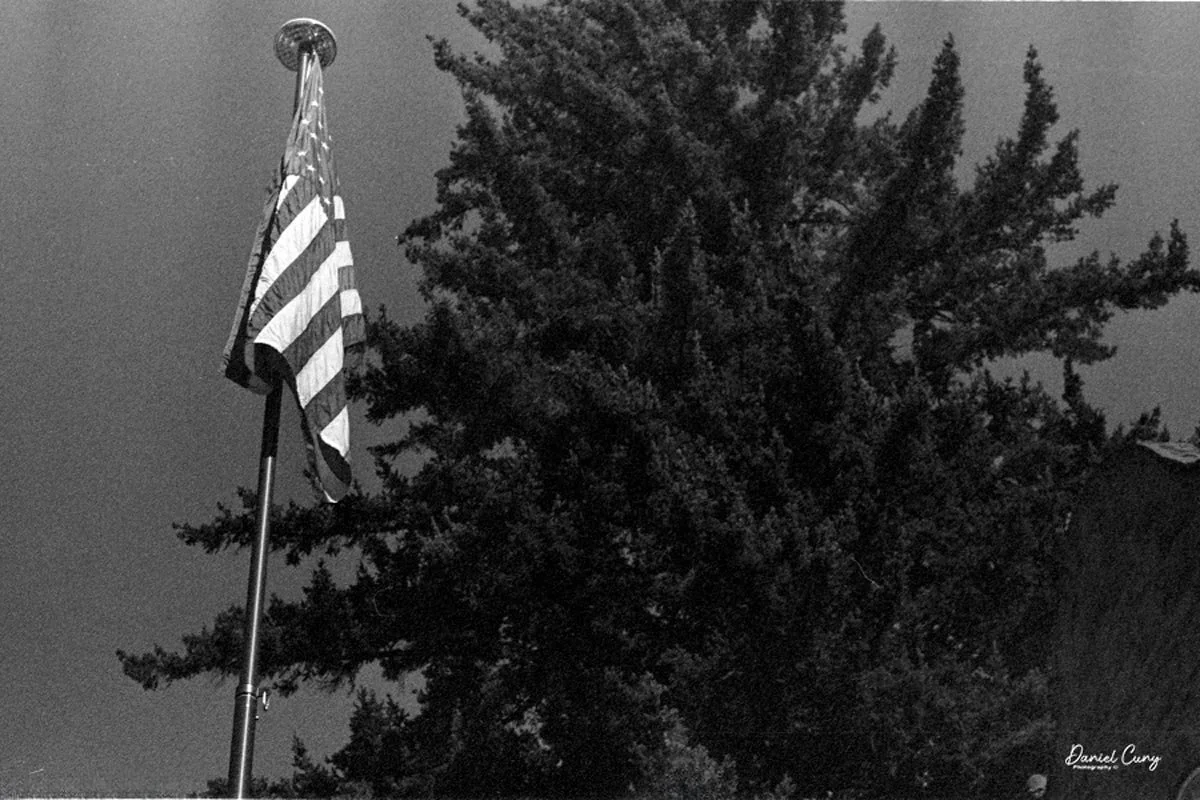
I loaded the camera with an expired roll of Plus-X that expired in June 1976. I like shooting this film because it has only 20 exposures, so I don't waste extra film when shooting for the blog.
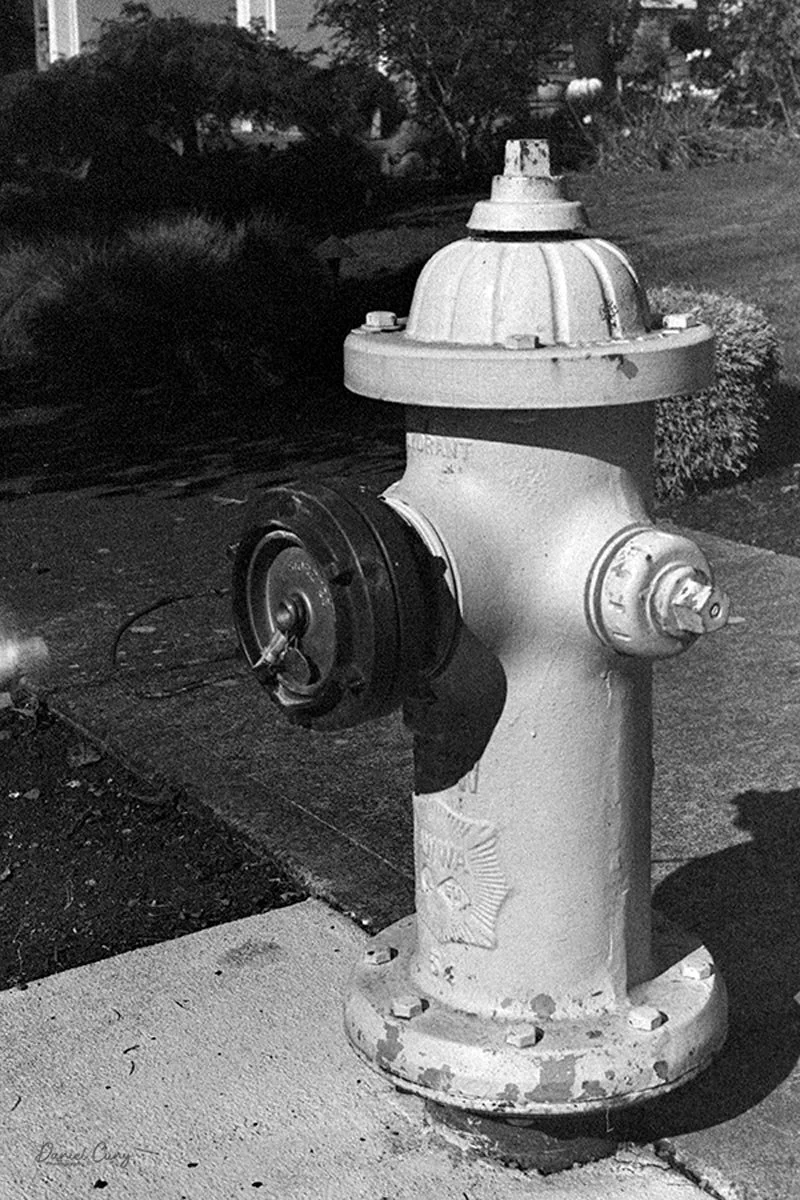
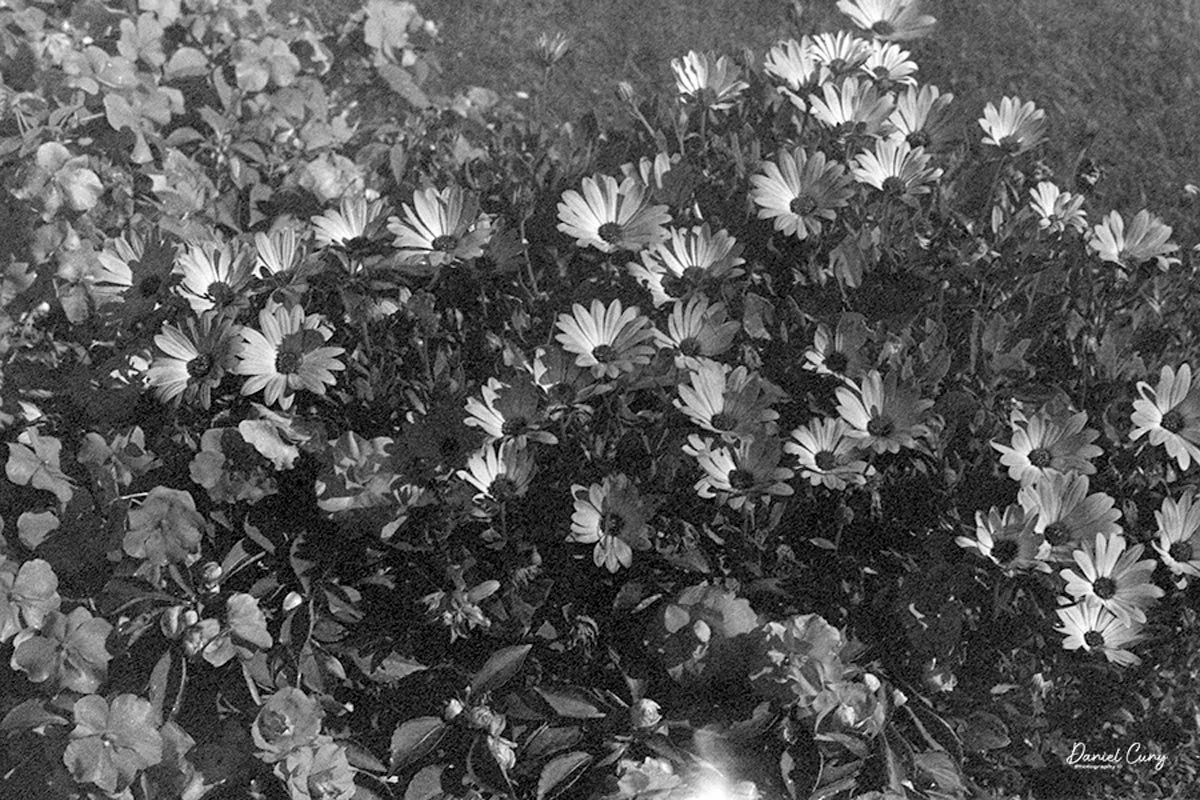
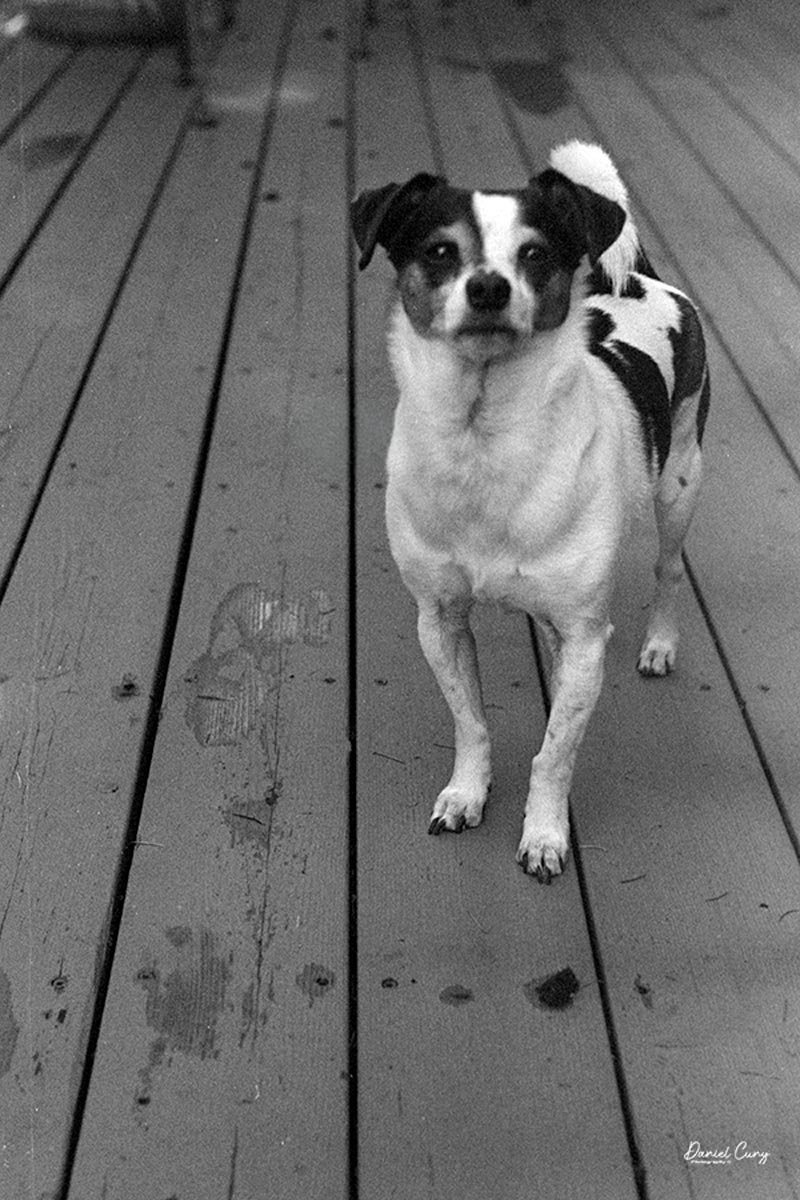
Conclusion:
The camera did a wonderful job and was fun to use. I really enjoyed the bright rangefinder focusing, and the ability to magnify the image through the viewfinder for the 100mm and 150mm lenses makes this a wonderful user camera. It would have been great if they'd also included a wider viewfinder window for wide-angle lenses, but that may be asking too much, especially for a camera made over 70 years ago.
For this period, I still prefer Nikon rangefinder cameras and completely understand why professionals chose them alongside Leica. While the Canon IV Sb is easy to use, its flash system is unusual for the time and forces photographers to use its proprietary ecosystem.
Are you interested in other cameras? Check out some of my other Camera Reviews.
Also, check out my Cuny's Camera Collection YouTube channel, where I'm putting together video overviews of the cameras I write about. Be sure to subscribe and like the channel!
You can also visit Cuny's Cameras and Photos, my online eBay store, where you'll find some of the cameras I've reviewed, along with a wide range of other cameras, lenses, and photography items from my collection that I'm thinning out.
Until next week, please be safe.