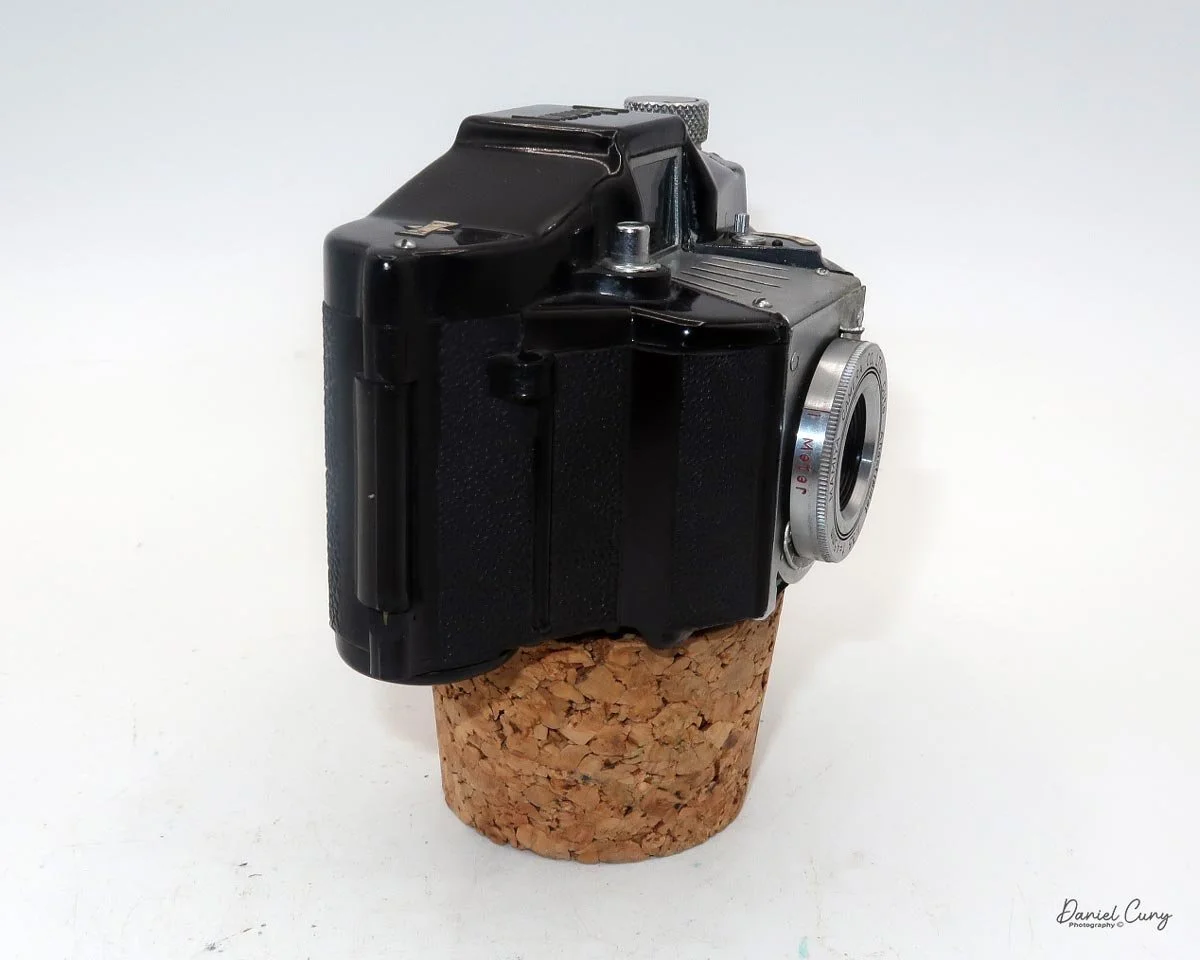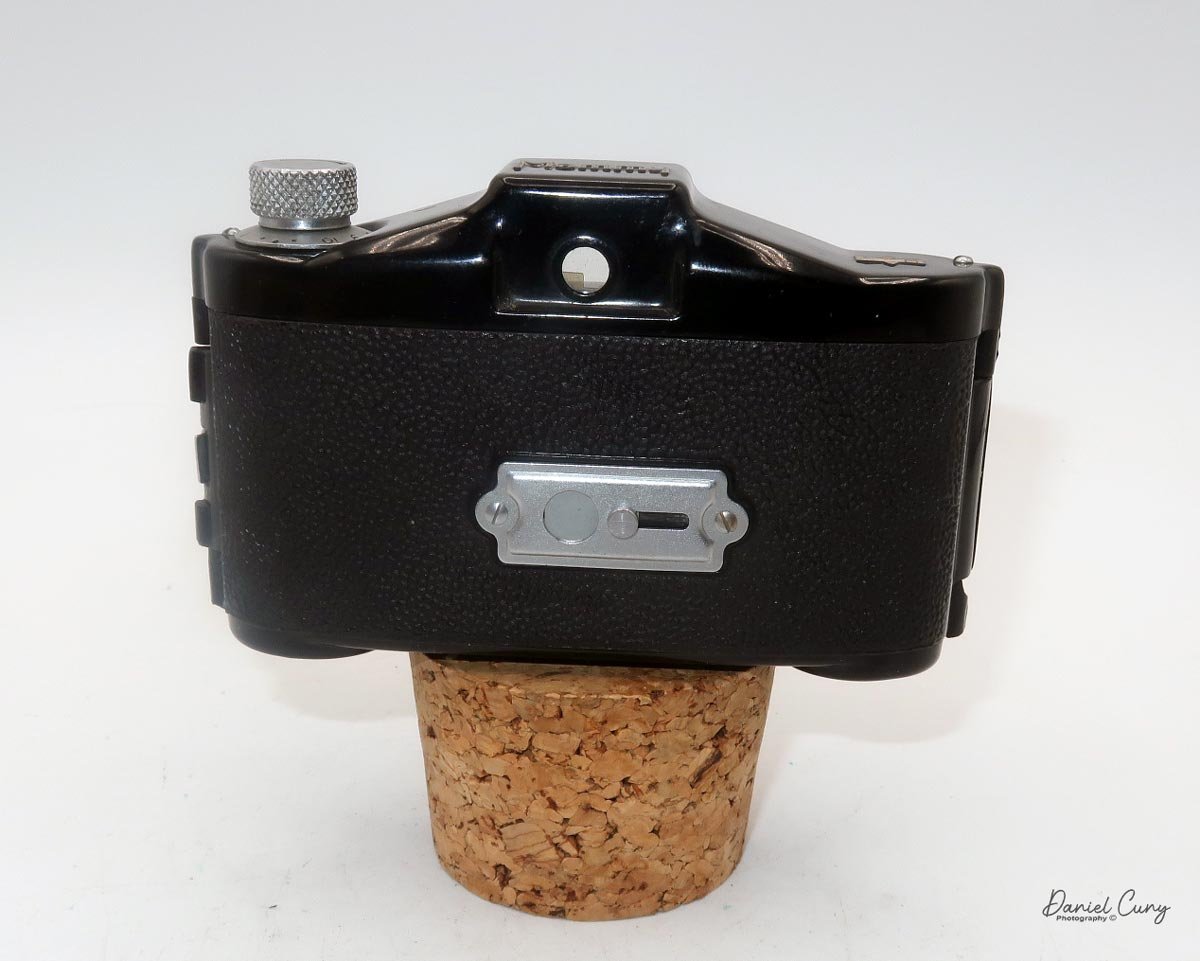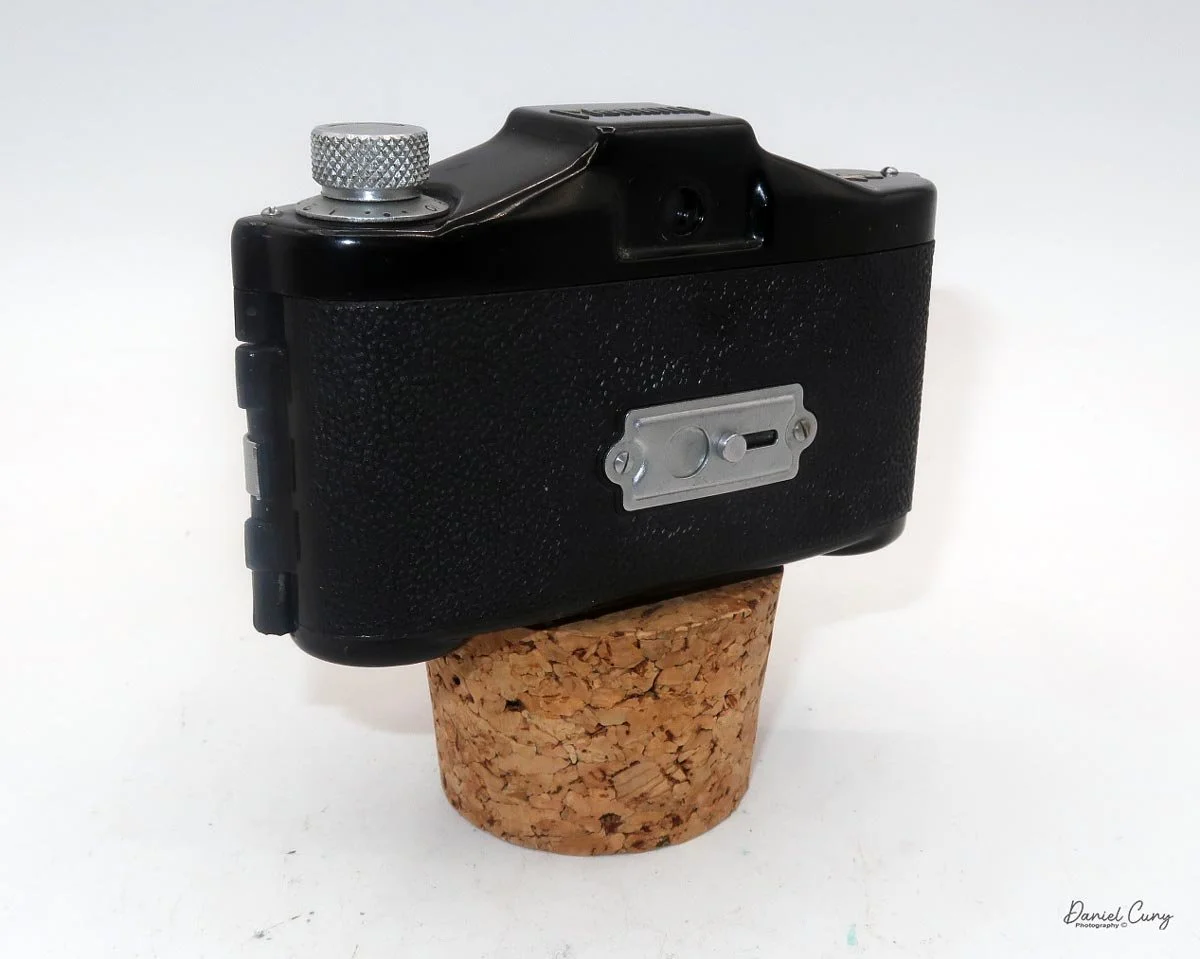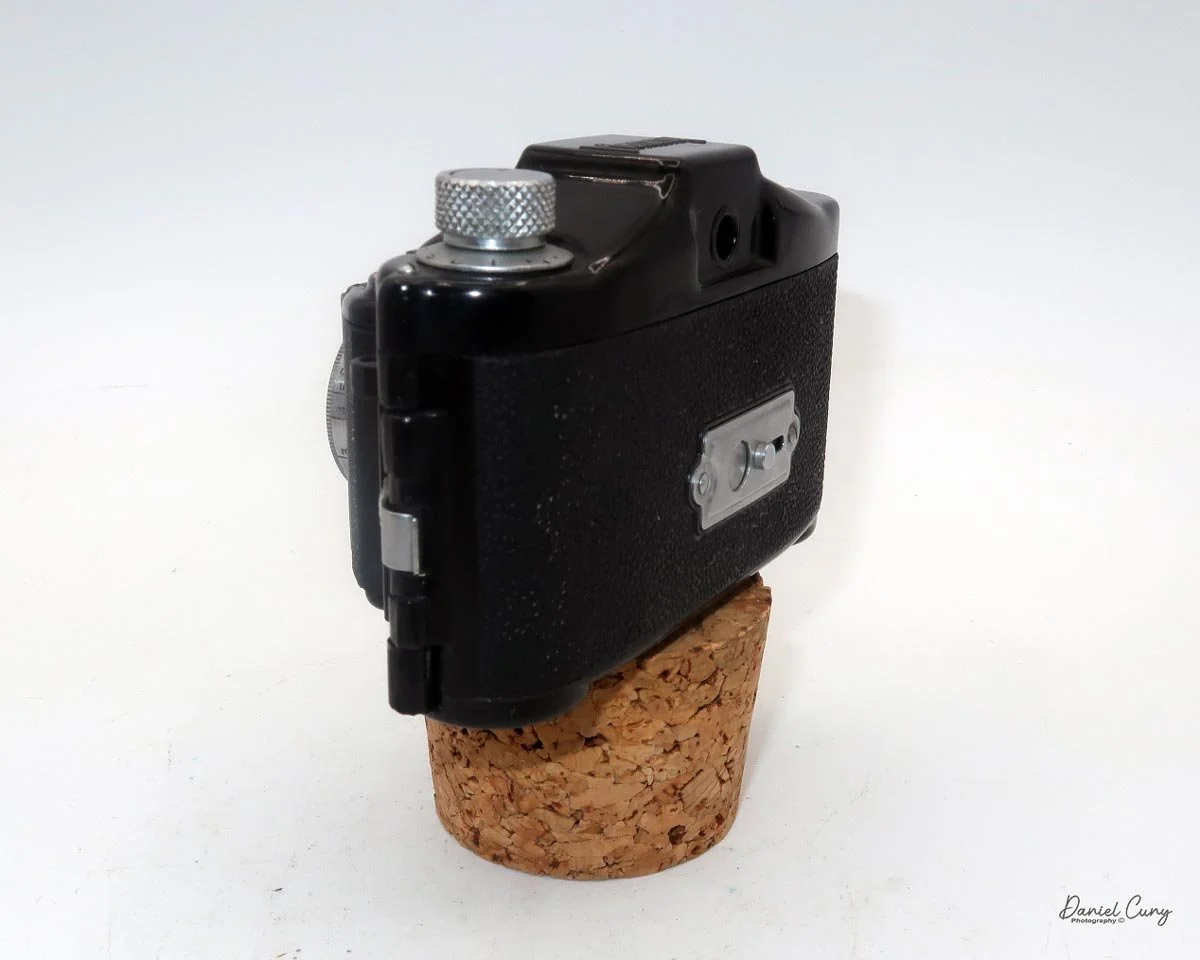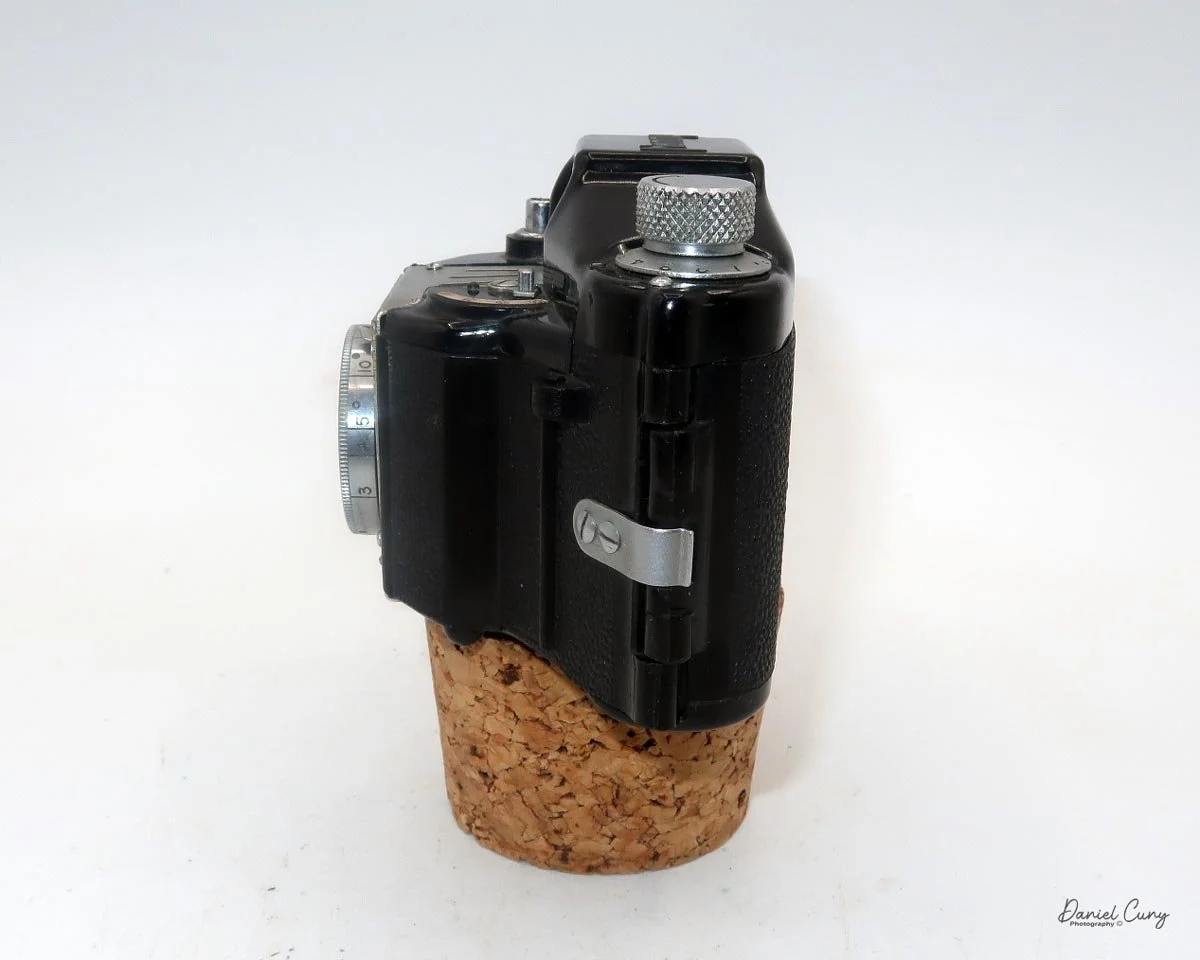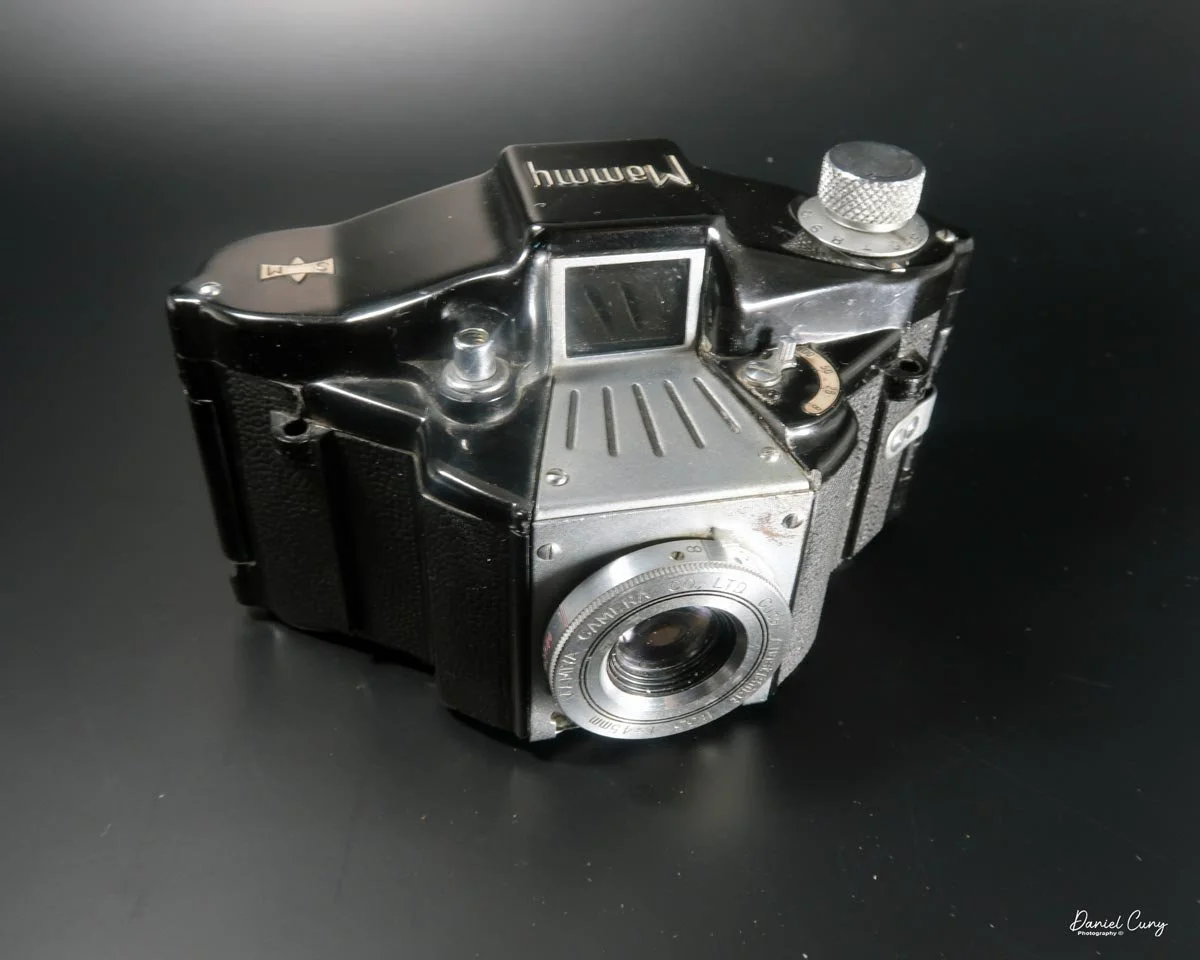
Mamiya Mammy camera

My Mamiya Mammy camera

It was on my first trip to Kitamura Camera's massive seven-story flagship store in Tokyo that I came across the camera for this week's camera-collecting blog: the Mamiya Mammy. It was on the third floor "bargain" area, tucked away in one of the corner showcases, where I spotted the camera.

 Asking the salesperson to take the camera from the showcase, he placed it on one of the lower, central showcases for me to look it over, along with other cameras I was considering purchasing.

 Having read the massive, latest version of McKeown's Camera from 2005-2006 several times over, I remember seeing and reading about the Mamiya Mammy camera and was intrigued by its shape.

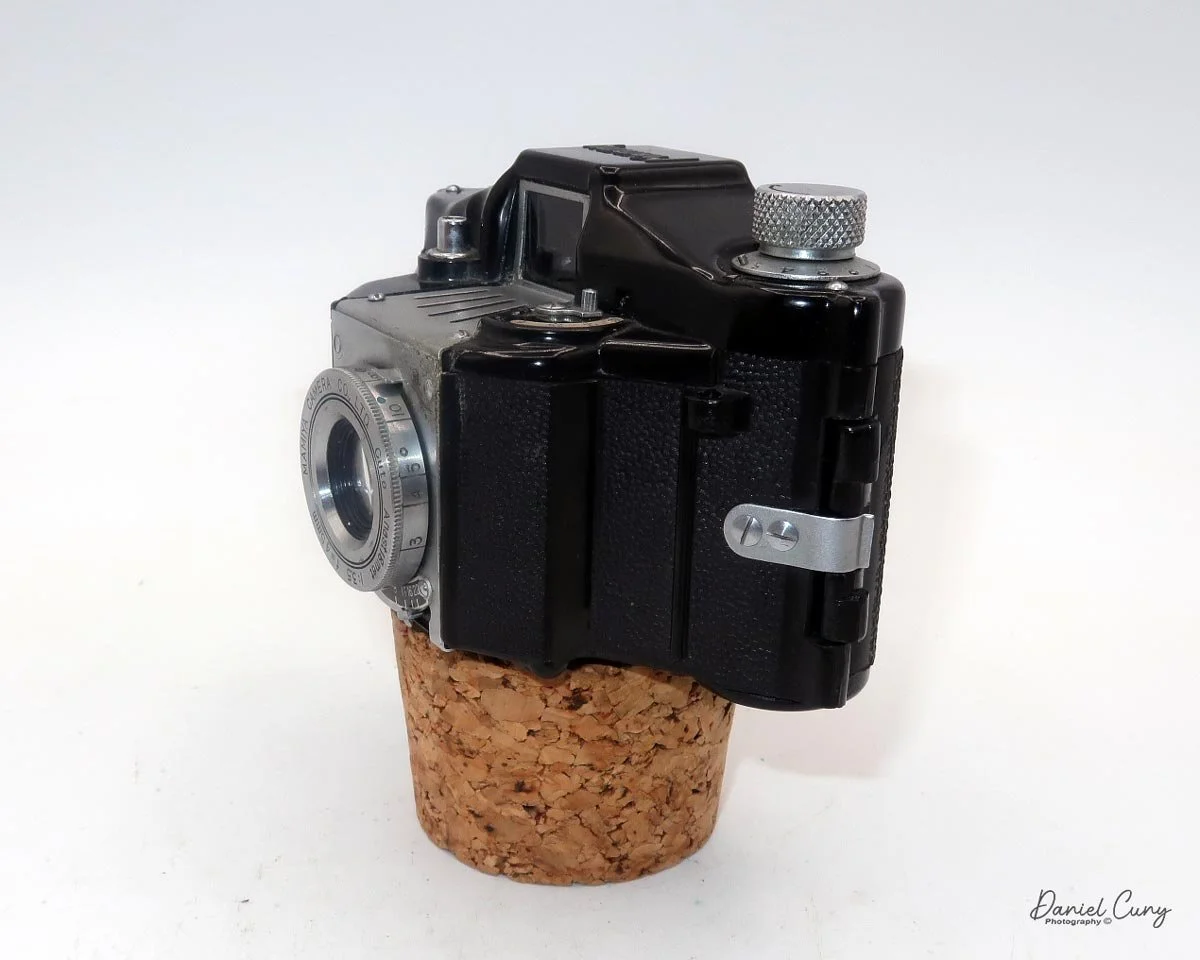
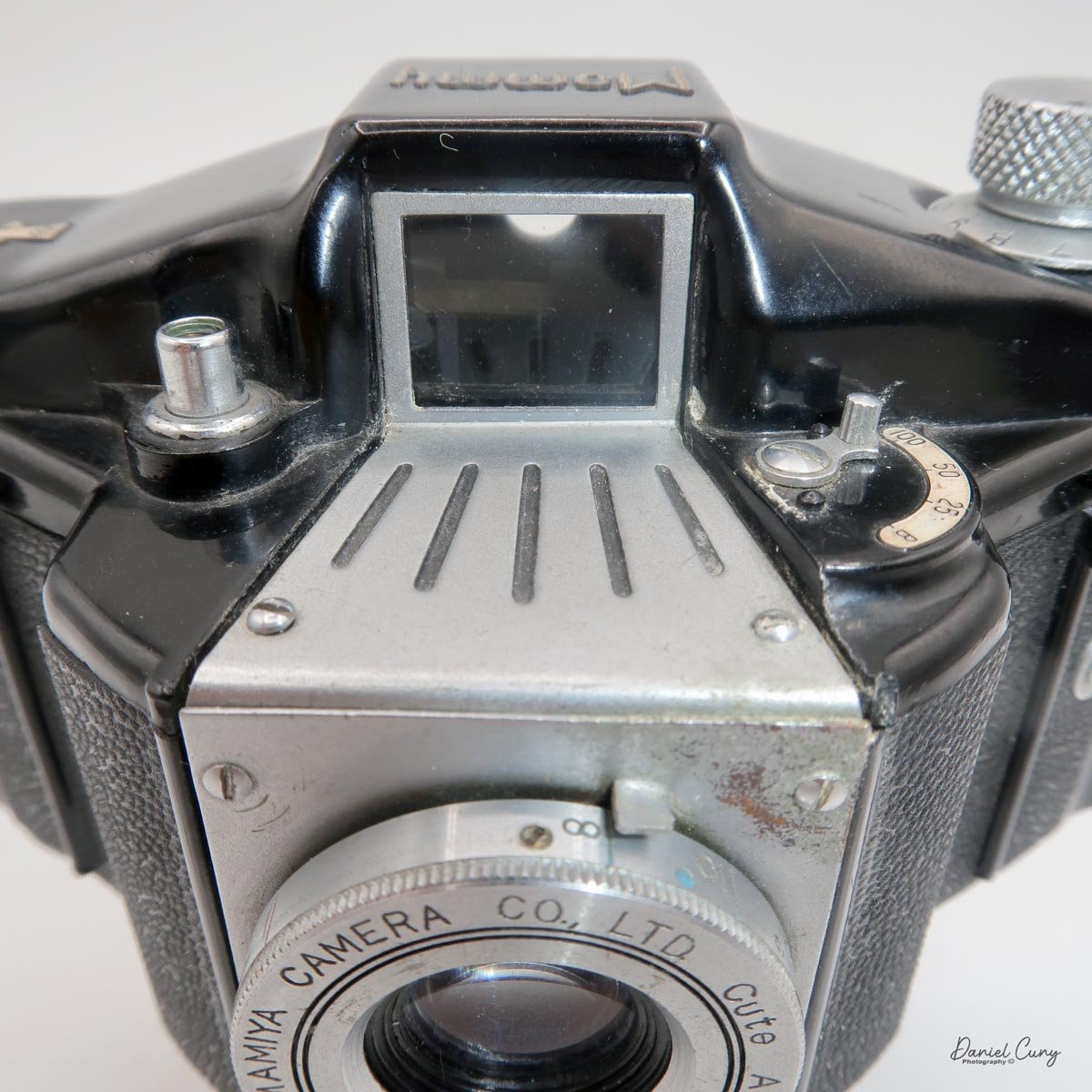
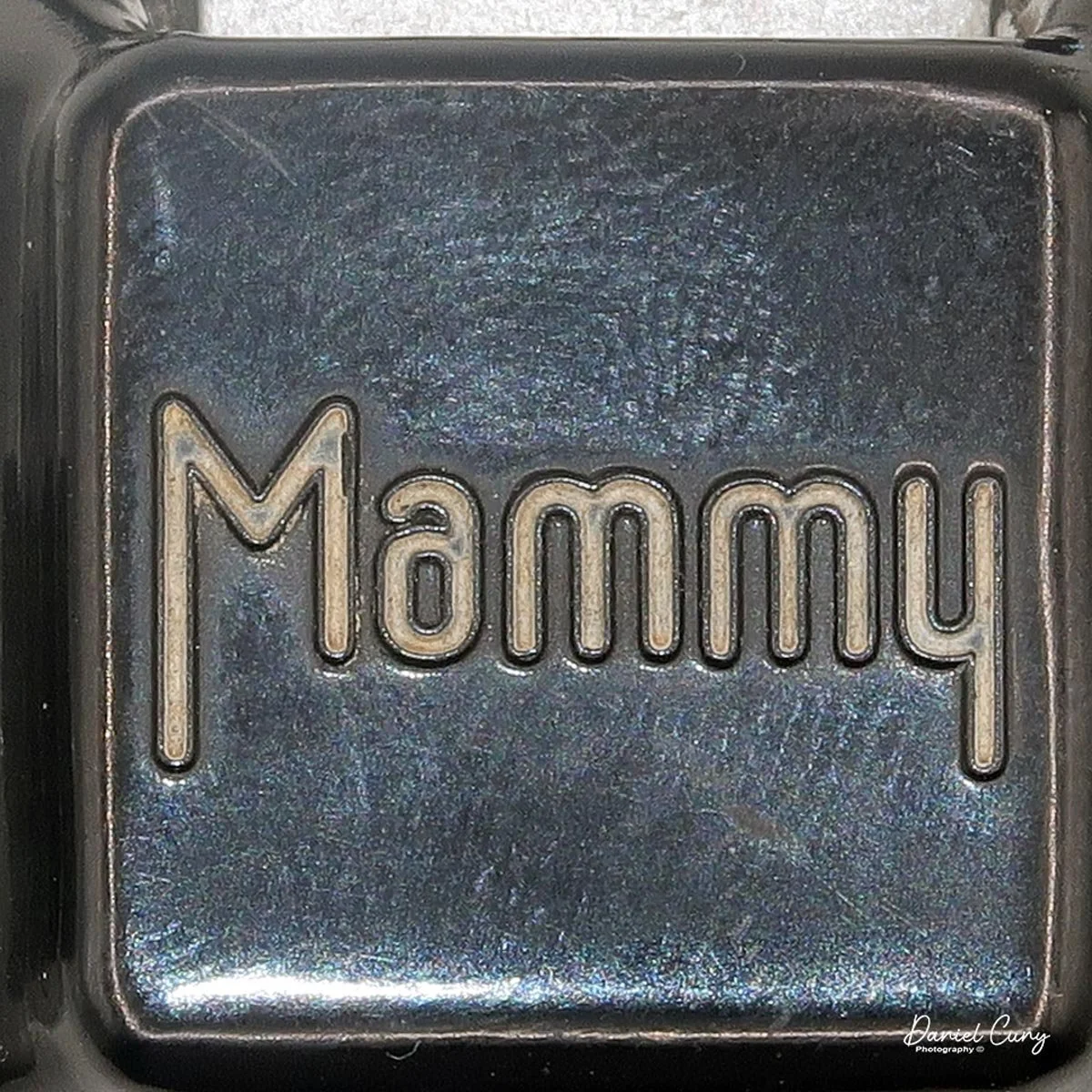
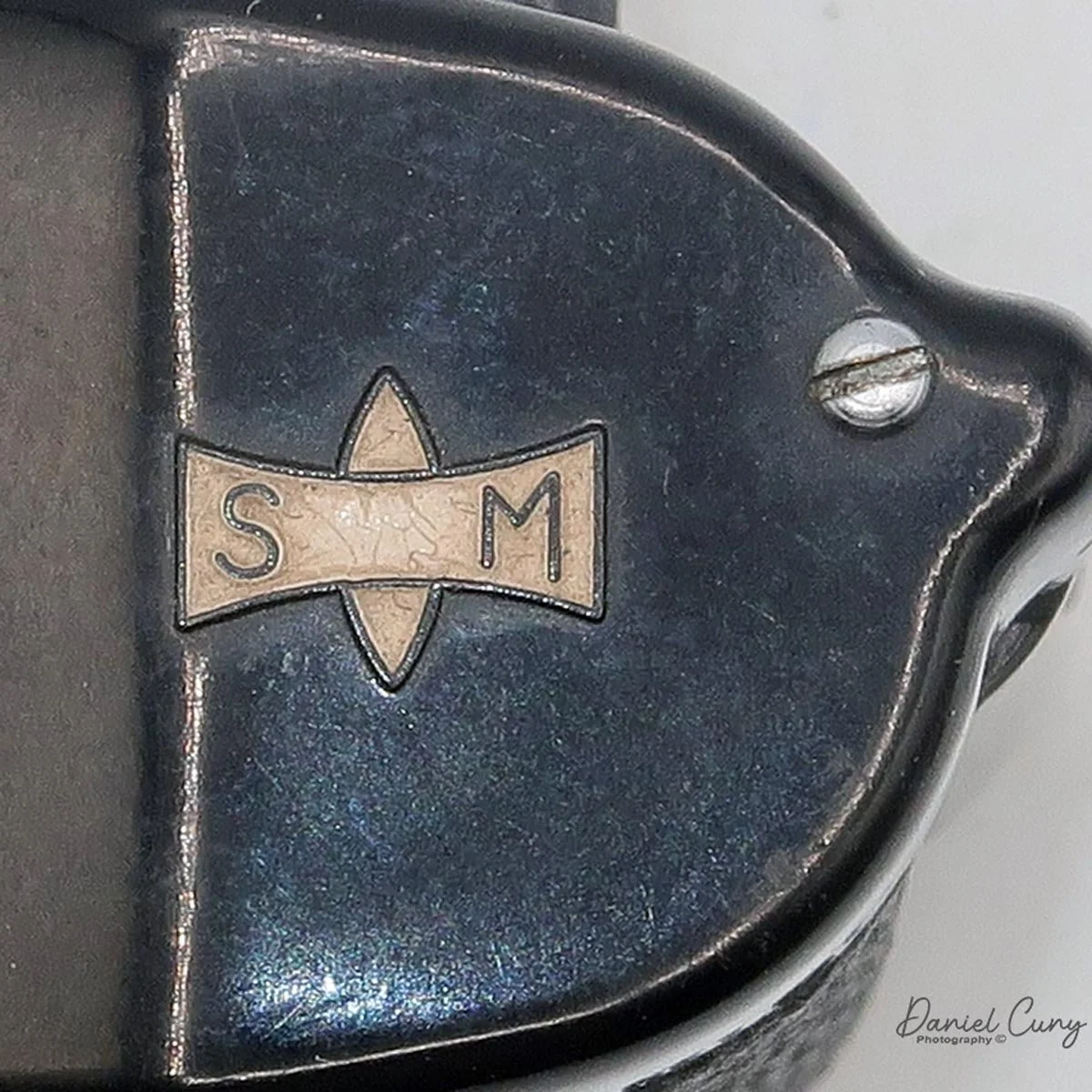
 It wasn't until I physically saw the Mamiya Mammy camera in the showcase that I realized the one thing that drew me to it was simply the text on the top. The extended leg on one of the M's matches the length of the "Y," and the rounded double "m's" in the center are a classic design.

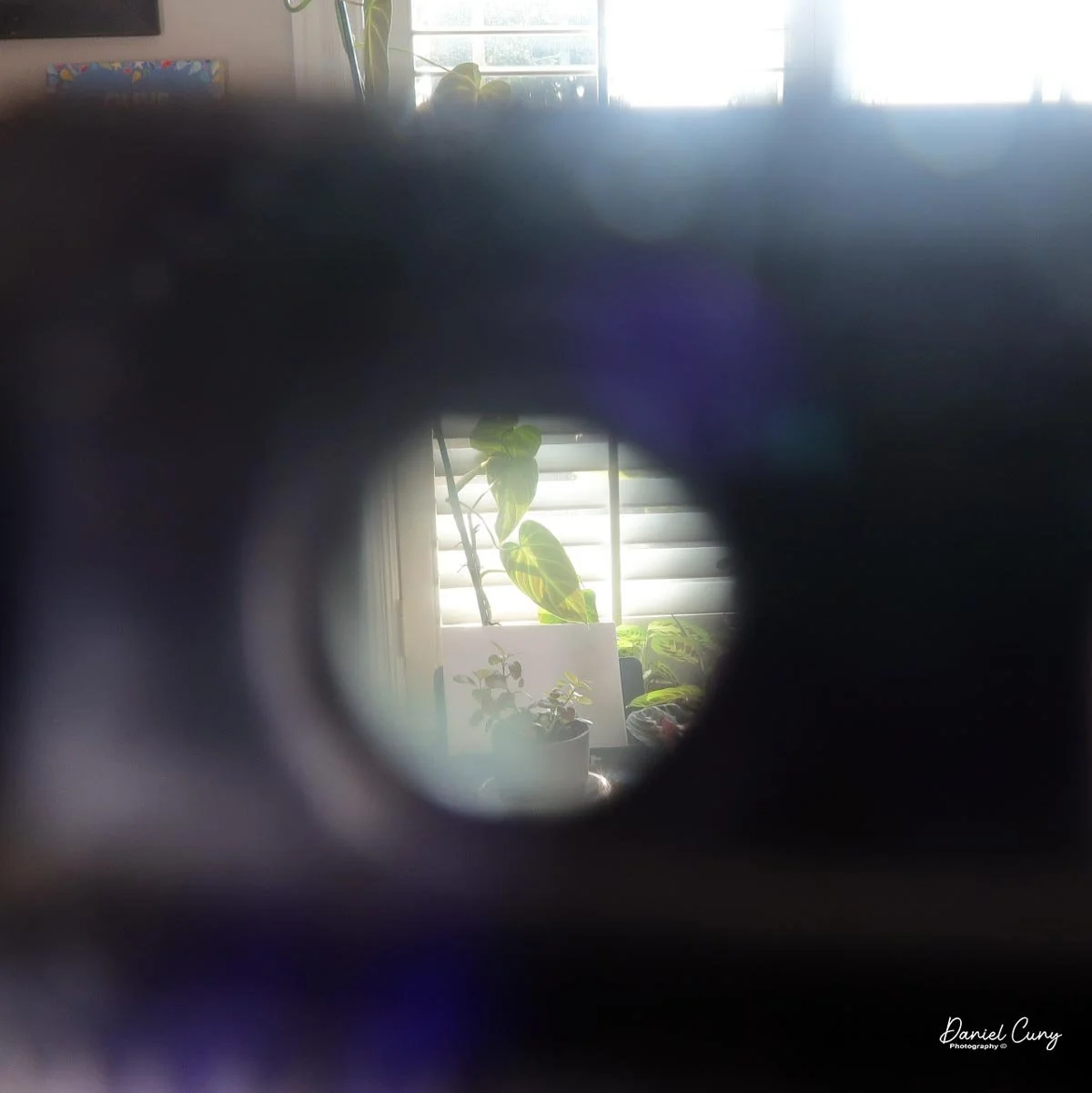
 At this time, I was actually holding a camera I had only seen in books. Not only did the camera's odd shape, classic text on top, and compactness give me joy, but I could also feel the excitement of holding one of these gems in my hands, operating the shutter, and looking through the camera's viewfinder. The tactile enjoyment of finding where the specific controls are located on the camera and adjusting the shutter speeds.
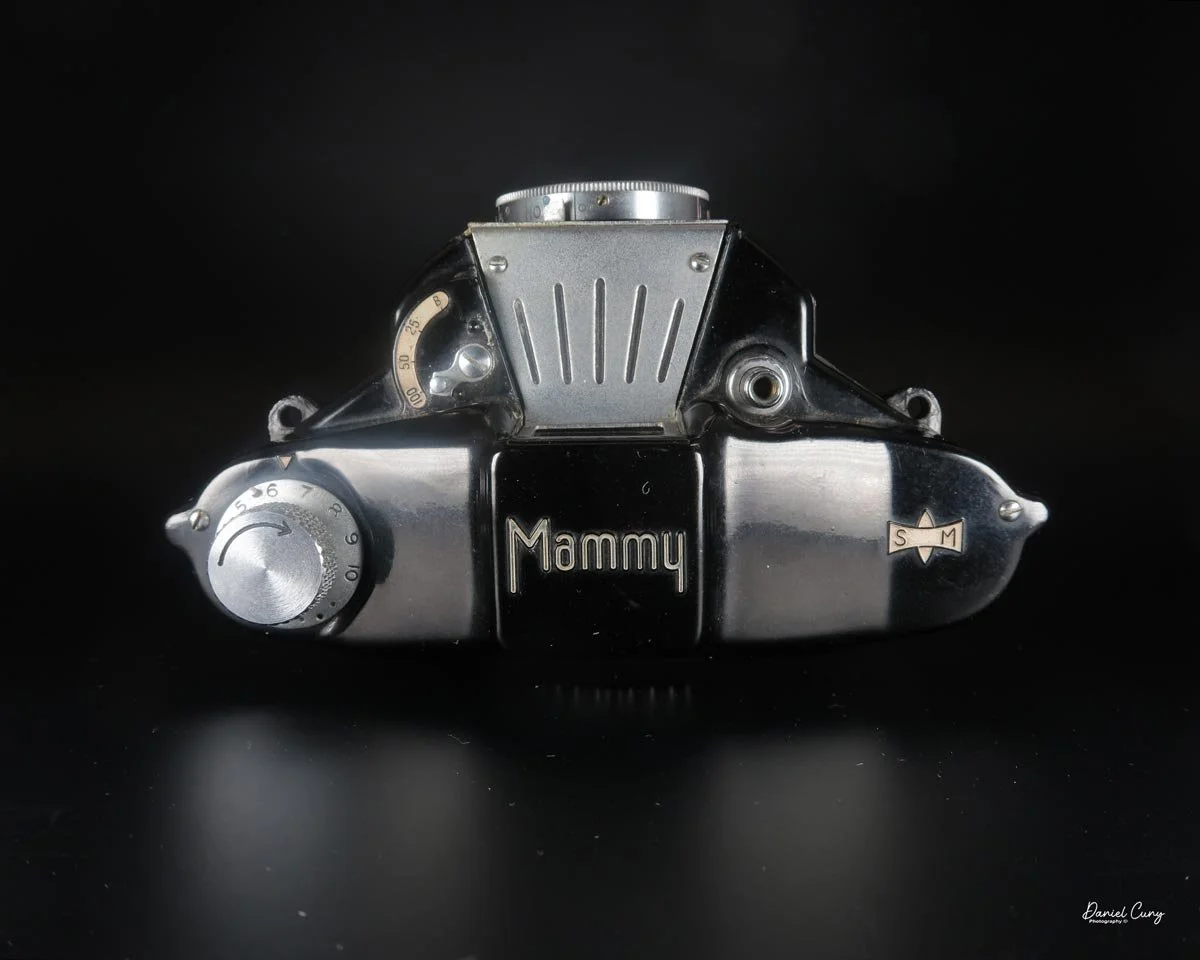
Top view of Mamiya Mammy camera

 This may sound odd to some, but for me having an unknown, but sought after camera in my hands, getting familiar with the controls and hearing the distinct "click" sound of the shutter are enjoyment to me.

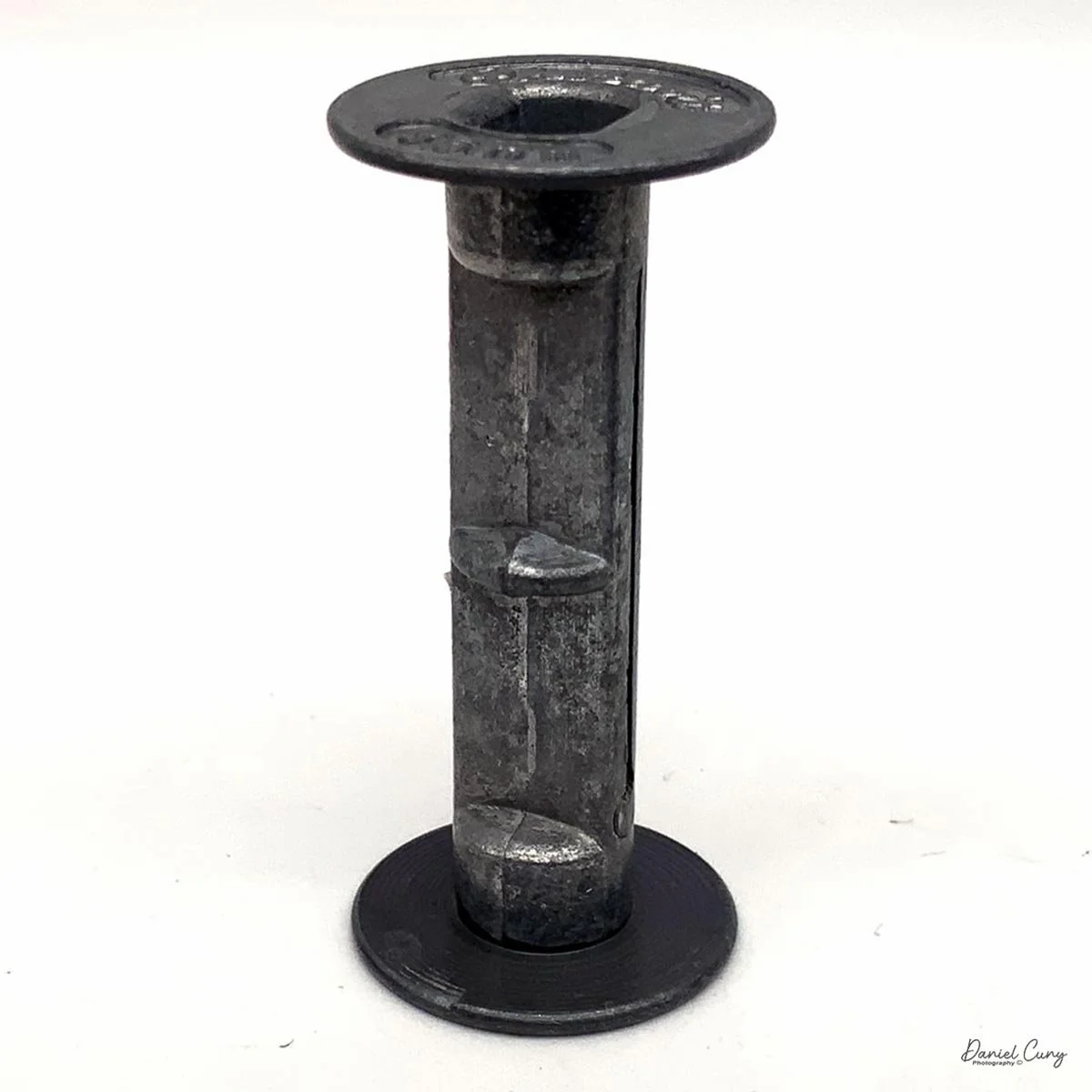
 While the camera appeared to be in tiptop shape, upon further inspection the shutter didn't always open and close as it should. Opening the back of the camera, there were no cassettes or empty film reels left behind, so it took me a minute to realize the camera was a Bolta film camera due to the odd shaped take up connector. It was considerably thicker than a normal film spool. But the price of the camera was extremely low, so I decided to snatch it up and take it home with me along with several other cameras from the shop.

 I've always been intrigued but the Bolta style of cameras like the Mamiya Mammy camera,  due to the compactness and smaller size they range in. I have a few other Bolta cameras in my collection, the very rare Inoca Stereo camera, the Photovit from Germany and,  Start camera from Japan. The last two I still need to review soon.

History:

 Mamiya Camera Company began in 1940 as Mamiya Koki Seisakusho, founded by businessman Tsunejiro Sugawara and engineer Seiichi Mamiya. Its early identity was shaped by a blend of business ambition and technical ingenuity, and the company’s first camera, the Mamiya Six, established the medium-format direction that would define much of Mamiya’s reputation.

 The Mamiya Six was a folding 6x6 camera introduced as the company’s first product, and it stood out for an unusual focusing system in which the film plane moved rather than the lens. That design reflected the inventive approach that became a hallmark of the brand. The camera was successful enough to lay the groundwork for Mamiya’s later expansion into other formats.
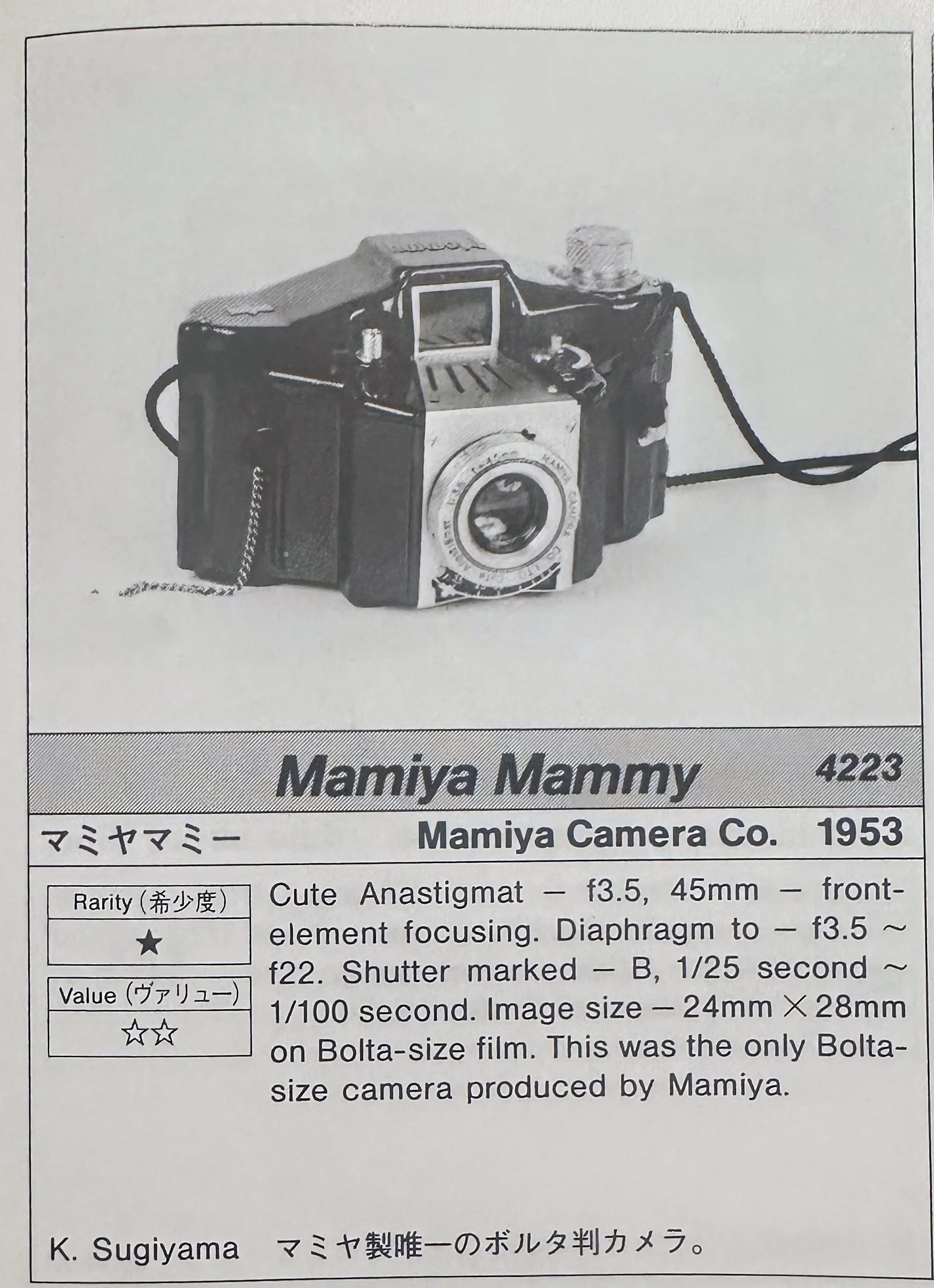
From: The Collectors Guide to Japanese Cameras

 World War II disrupted the company’s early growth. Mamiya’s Tokyo facilities were destroyed during the war, forcing a major rebuild afterward. In the immediate postwar period, production resumed under difficult conditions, and sales were initially limited to Allied personnel rather than the Japanese public.

 In the late 1940s, Mamiya began broadening its lineup. It built Japan’s first flash-synchronized twin-lens reflex camera, the Mamiyaflex, in 1948, and followed with its first 35mm camera, the Mamiya 35-I, in 1949. Around this time, the company also started producing more of its own components, including shutters and lenses, which helped it reduce dependence on suppliers and strengthen its manufacturing base.

 By 1950, the company had incorporated as Mamiya Camera Company, Ltd., and by 1951 it was listed on the Tokyo Stock Exchange. These milestones show how quickly Mamiya moved from a small postwar camera maker into a recognized industrial company. Its early history is especially important because it set up the medium-format specialization and engineering reputation that later made Mamiya a major name among serious photographers.

 In short, Mamiya’s early story is one of innovation, wartime disruption, and steady recovery. From the Mamiya Six to the Mamiyaflex and the Mamiya 35-I, the company built its identity through practical design and technical originality.

My Camera:

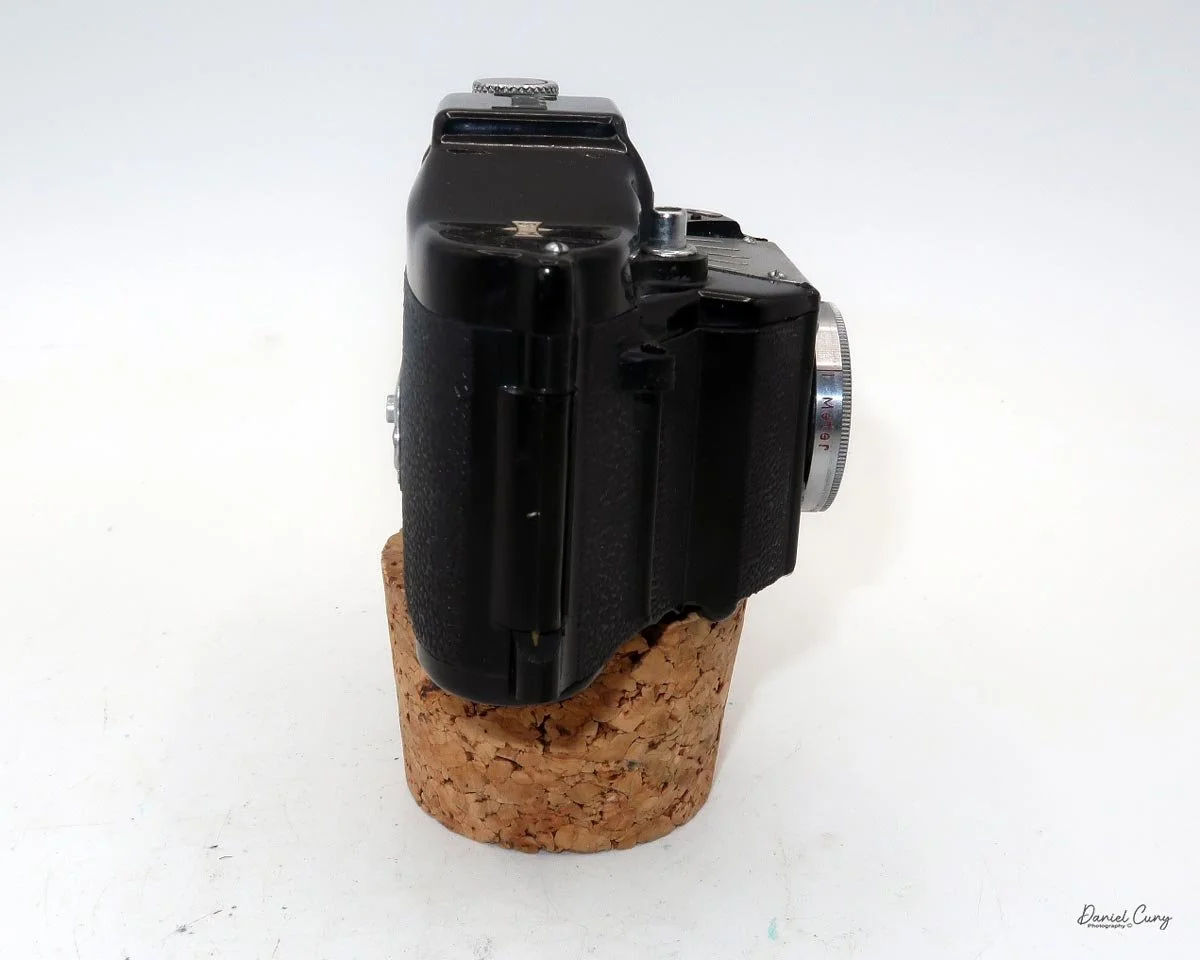
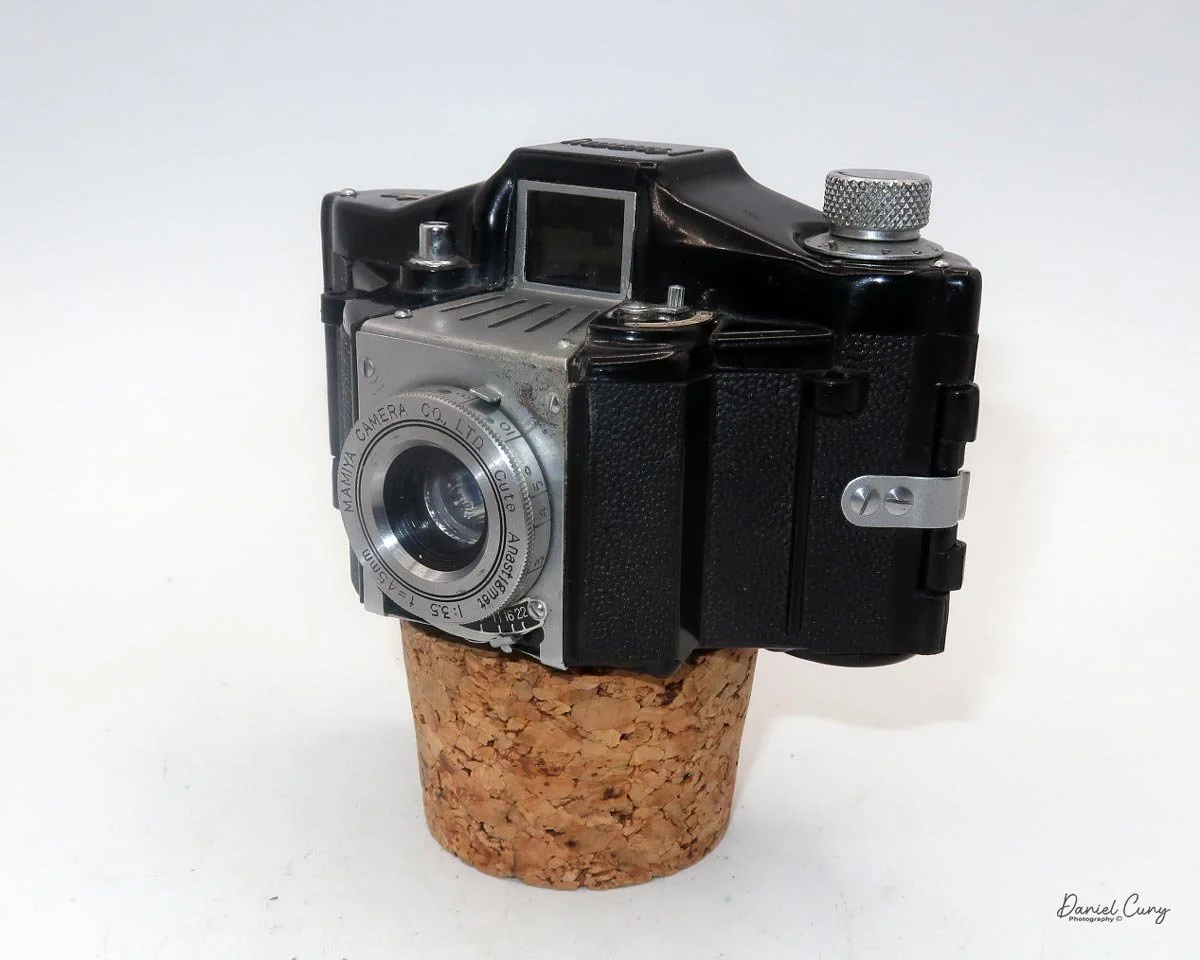
 My Mamiya Mammy camera is a small, compact camera made of Bakelite, with chrome accents along the top of the lens area, around the front viewfinder, the winding knob, shutter release, and lens. The camera was built in early 1953, soon after the end of World War II, during Japan's rebuilding. It was the only Bolta film camera produced by Mamiya.

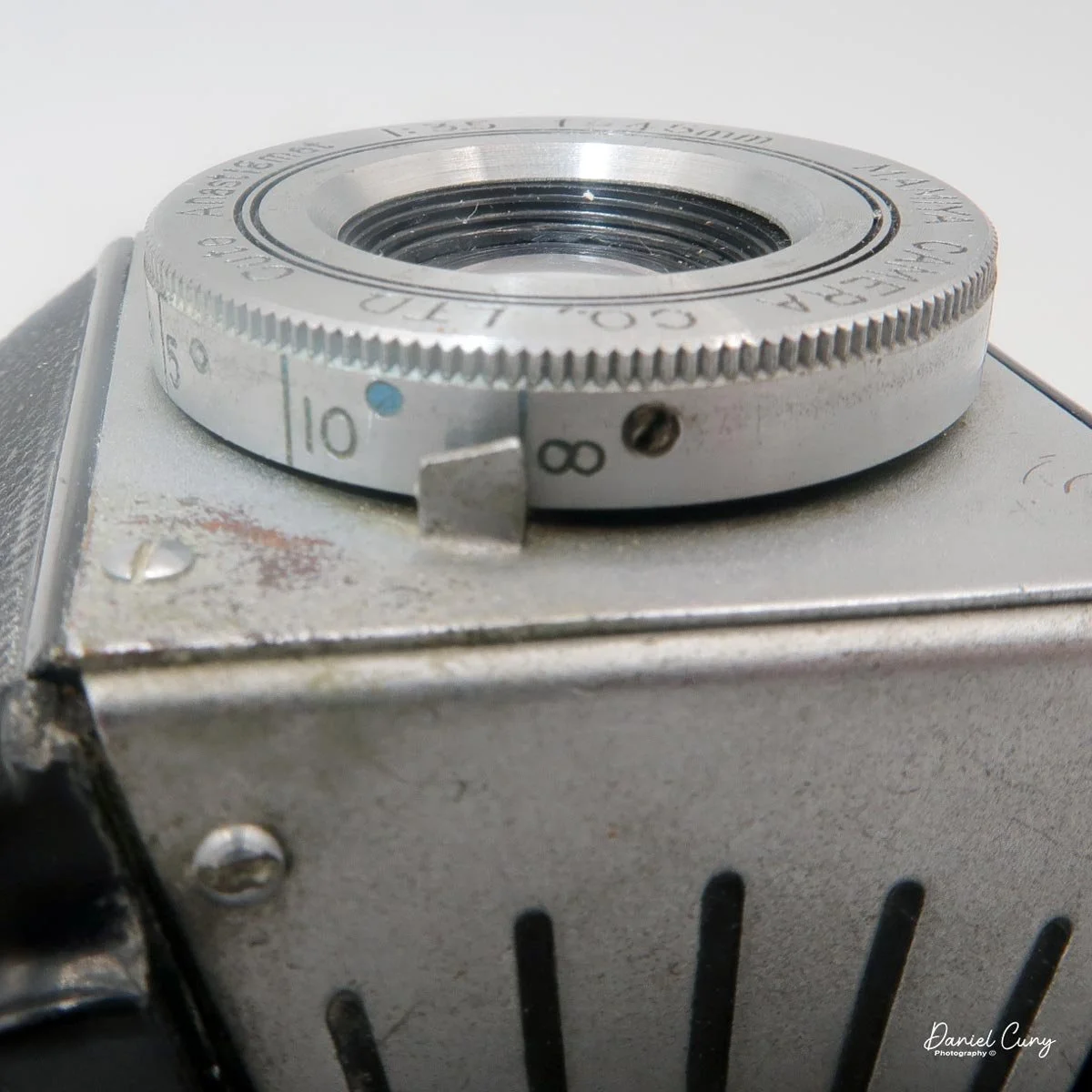
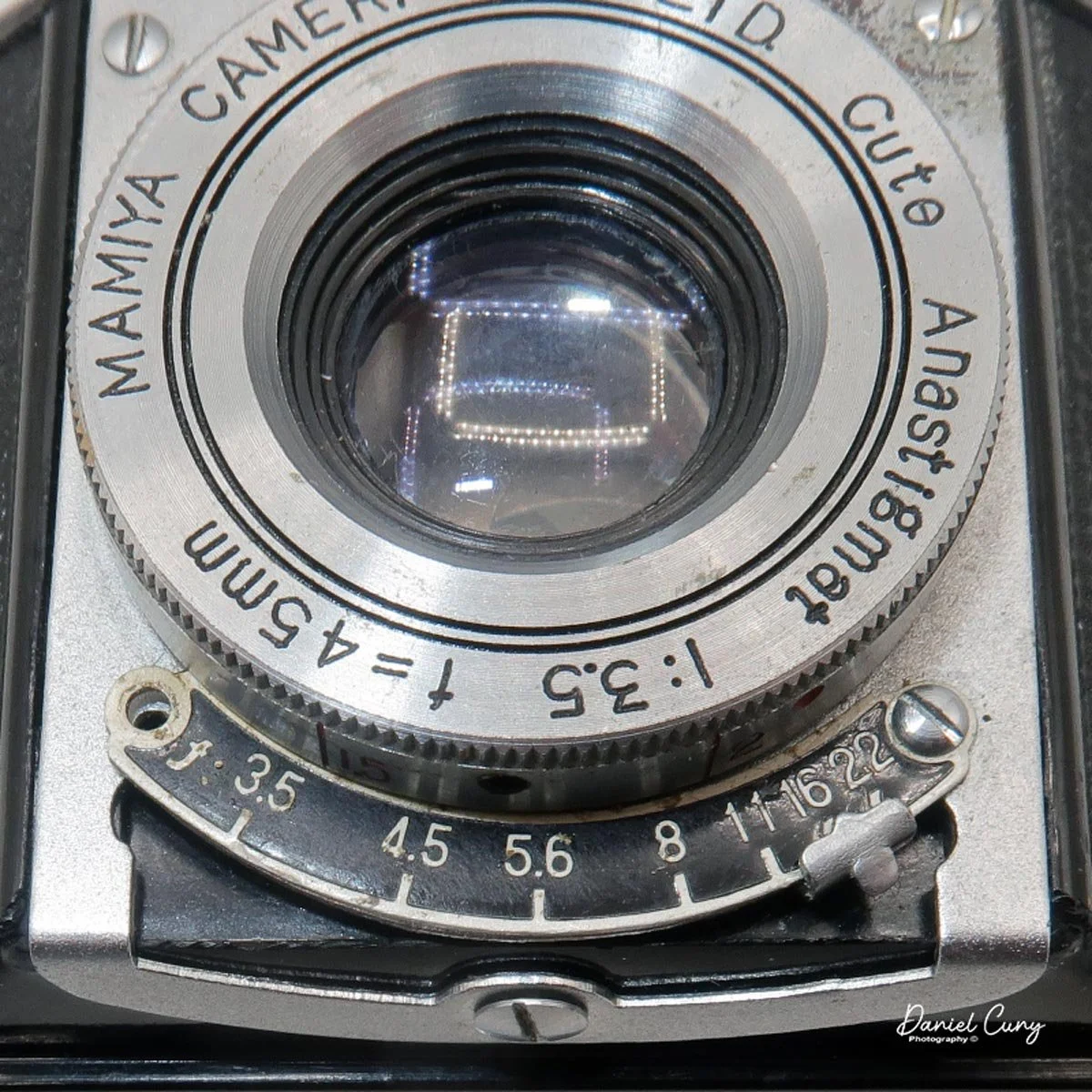
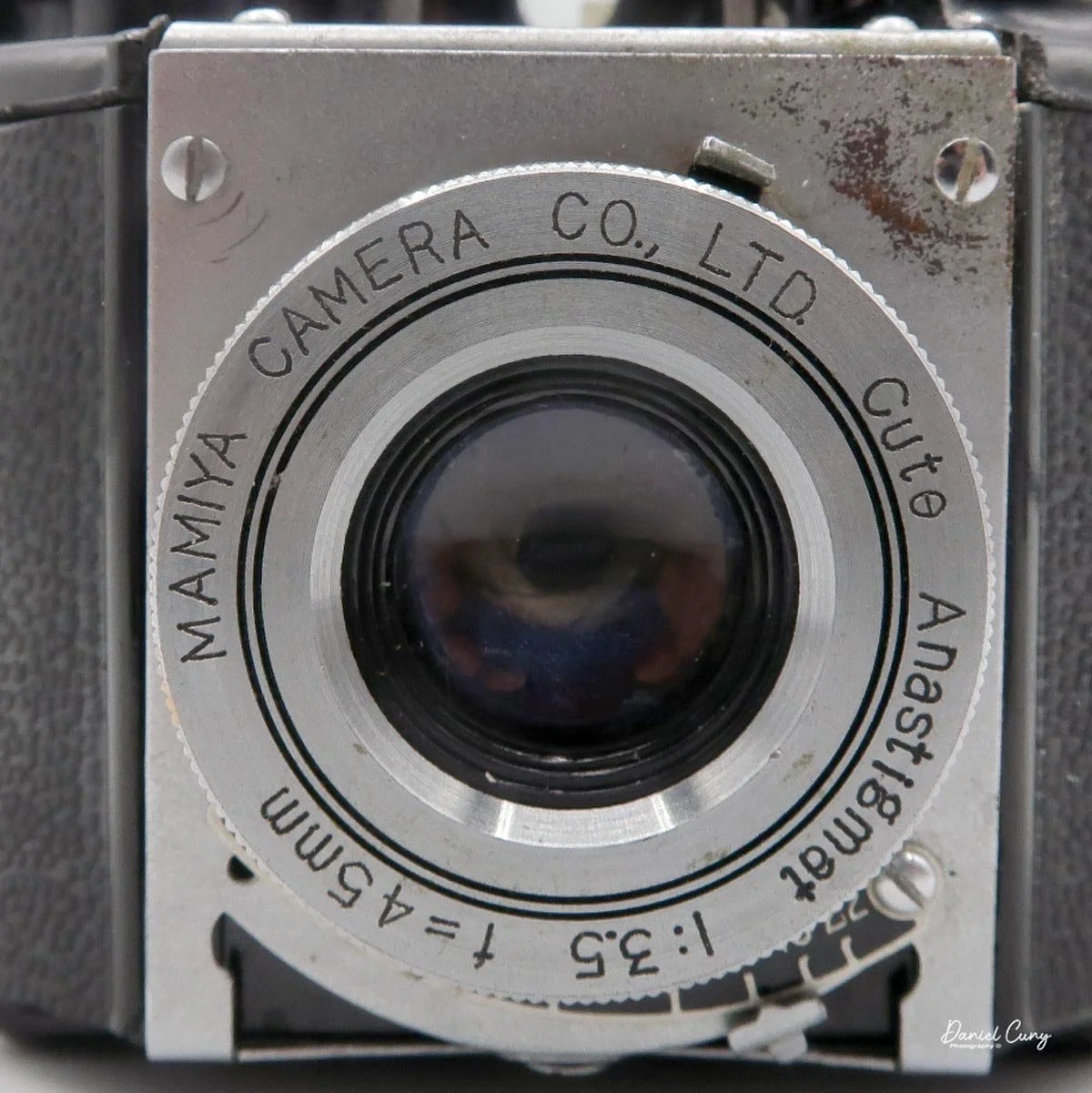
 The Mammy camera is 4.5" wide by 2.5" deep and 2.5" tall, weighing only 6.6 ounces without film loaded in the camera. The camera houses a Mamiya Camera Company LTD. Cute Anastigmat 45mm f/3.5 lens, which is focusable by turning the lens until you approximate the distance to your subject, and with a minimum focus distance of 2 meters to infinity.
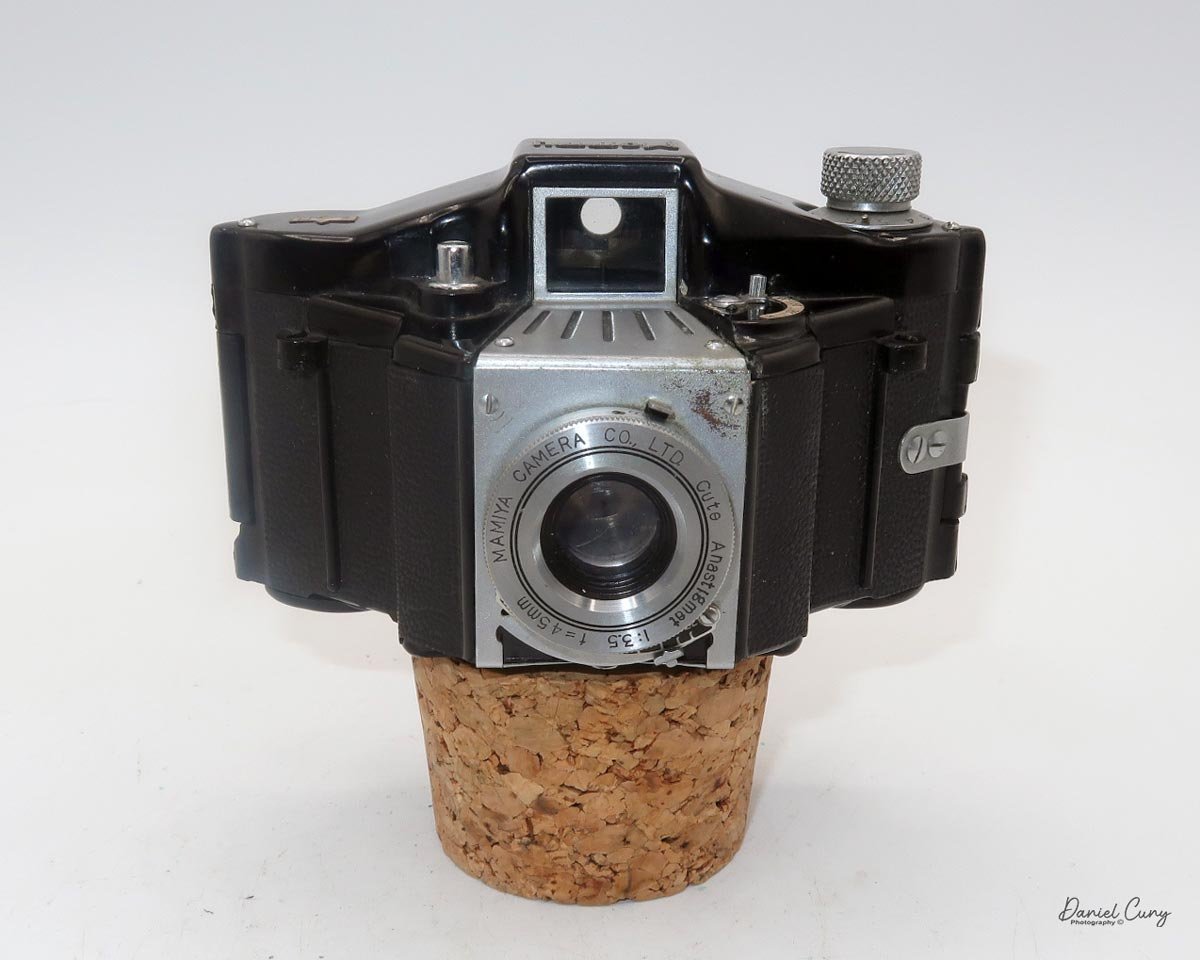
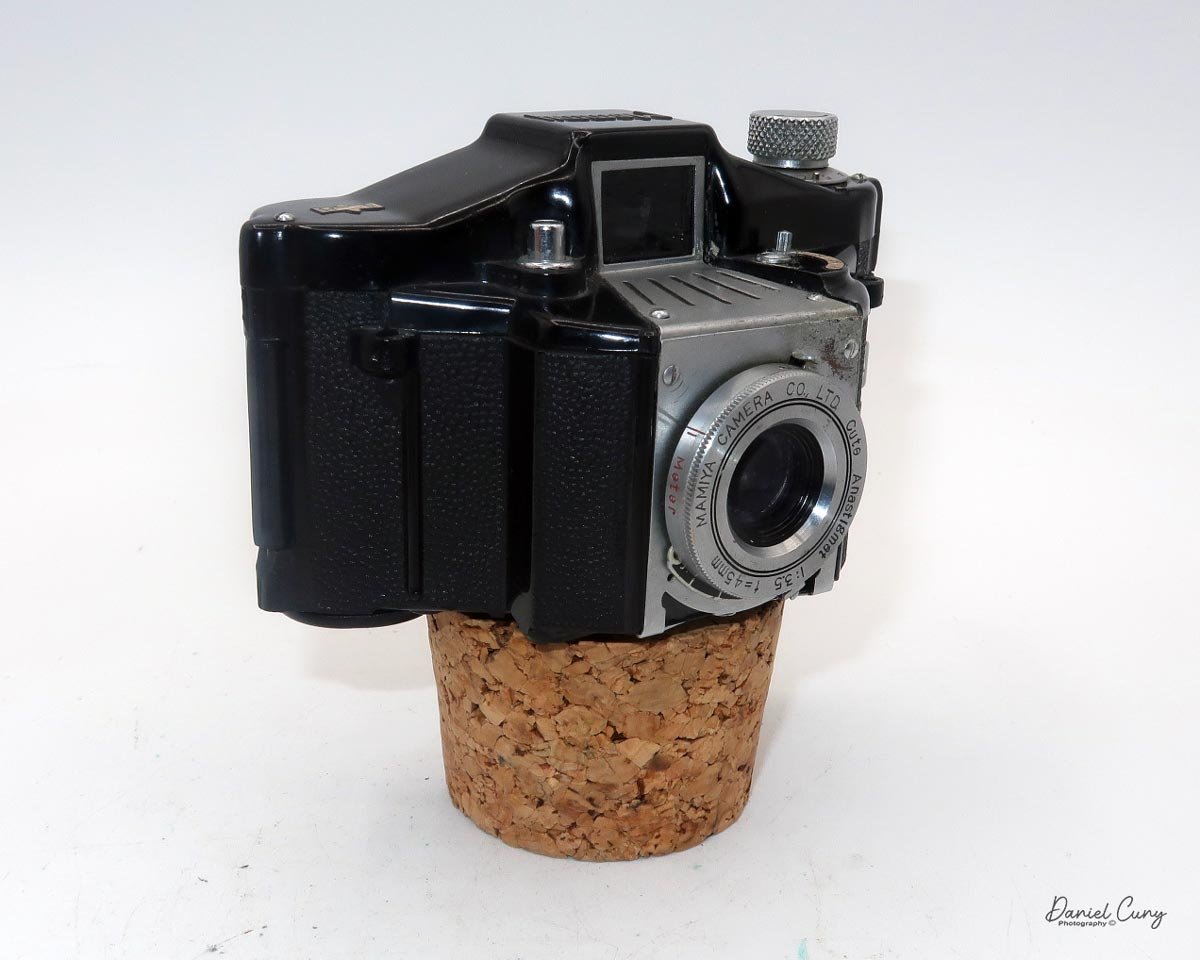
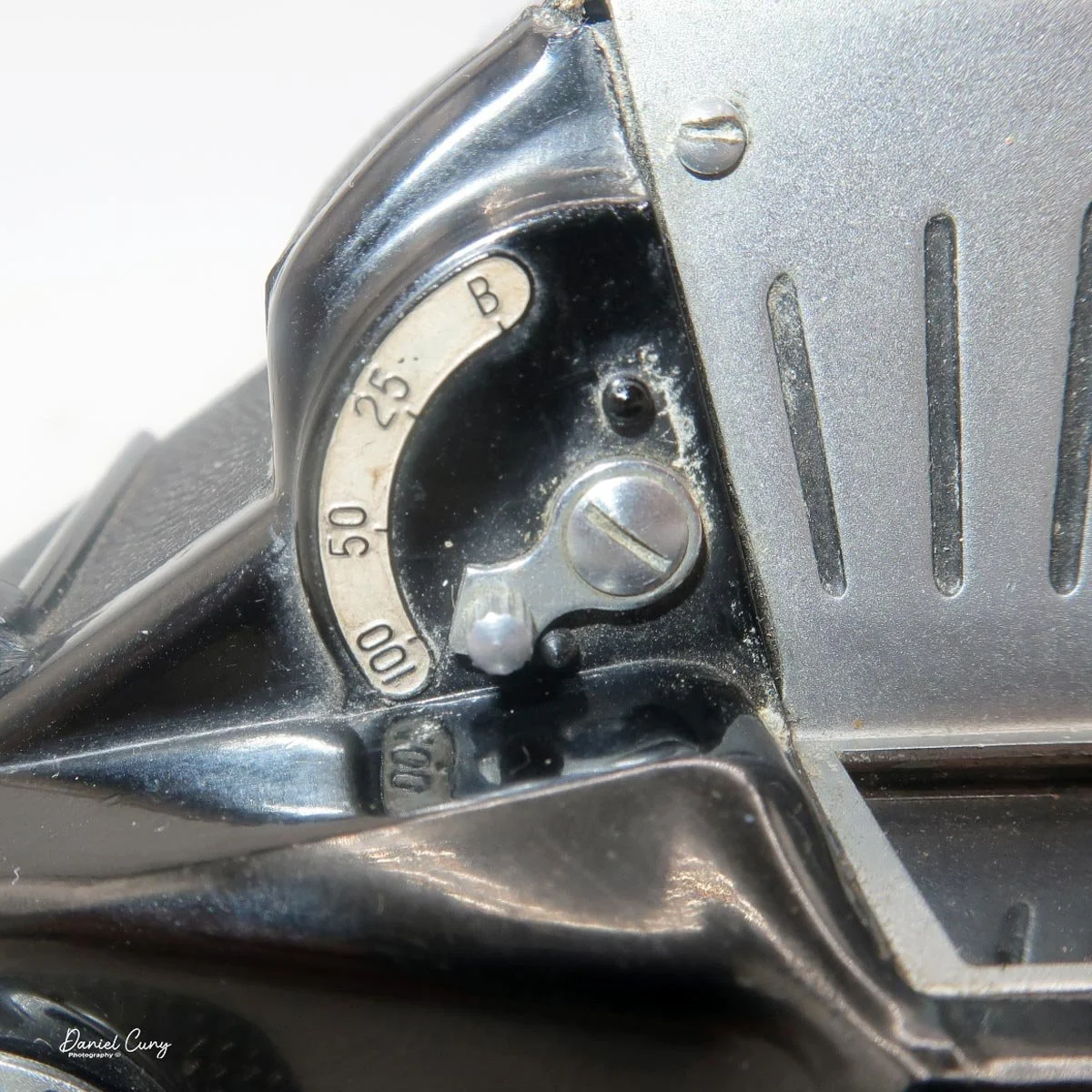
The camera offers three shutter speeds, of 1/100, 1/50, and 1/25, along with "B" for timed exposures. The shutter speed selector is on top of the lens housing on the left side of the camera and is selected by turning a lever to the desired speed.

 The Mammy camera has an aperture range from F/3.5 to F/22. Under the lens is the aperture selector. Slide the small arrow to the desired aperture settings. It wasn't until I started taking photos of the aperture settings that I noticed one of the screws holding the aperture plate on the camera was missing. The shutter release is located on the  right side of the lens housing, opposite side of the shutter speed selector.
The Mamiya Mammy camera uses paperbacked Bolta film which was invented by Bolta-Werks in Germany in 1936 for their Boltavit model camera. Bolta film was paperbacked unperforated 35mm film which used a red window system on their camera to count the frame numbers. This was less expensive than using perforated film of the time. 

 Bolta film also became popular in Japan when a Japanese company produced a camera named Boltax in the late 1930s. Bolta sized cameras became very popular during the 1940s and into the 1950s due to the cost difference in films at the time. Bolta film was similar to any roll film camera like 127 or 828 film and was sold in paper backed rolls

 My Mamiya Mammy camera doesn't have an empty spool or cassette used in Bolta cameras from the time. I do however have a Photovit camera which uses special Bolta cassettes to house the film. Inside these cassettes is a spool that would fit into the Mamiya Mammy camera which has a much larger end on the spool to fit into the camera.
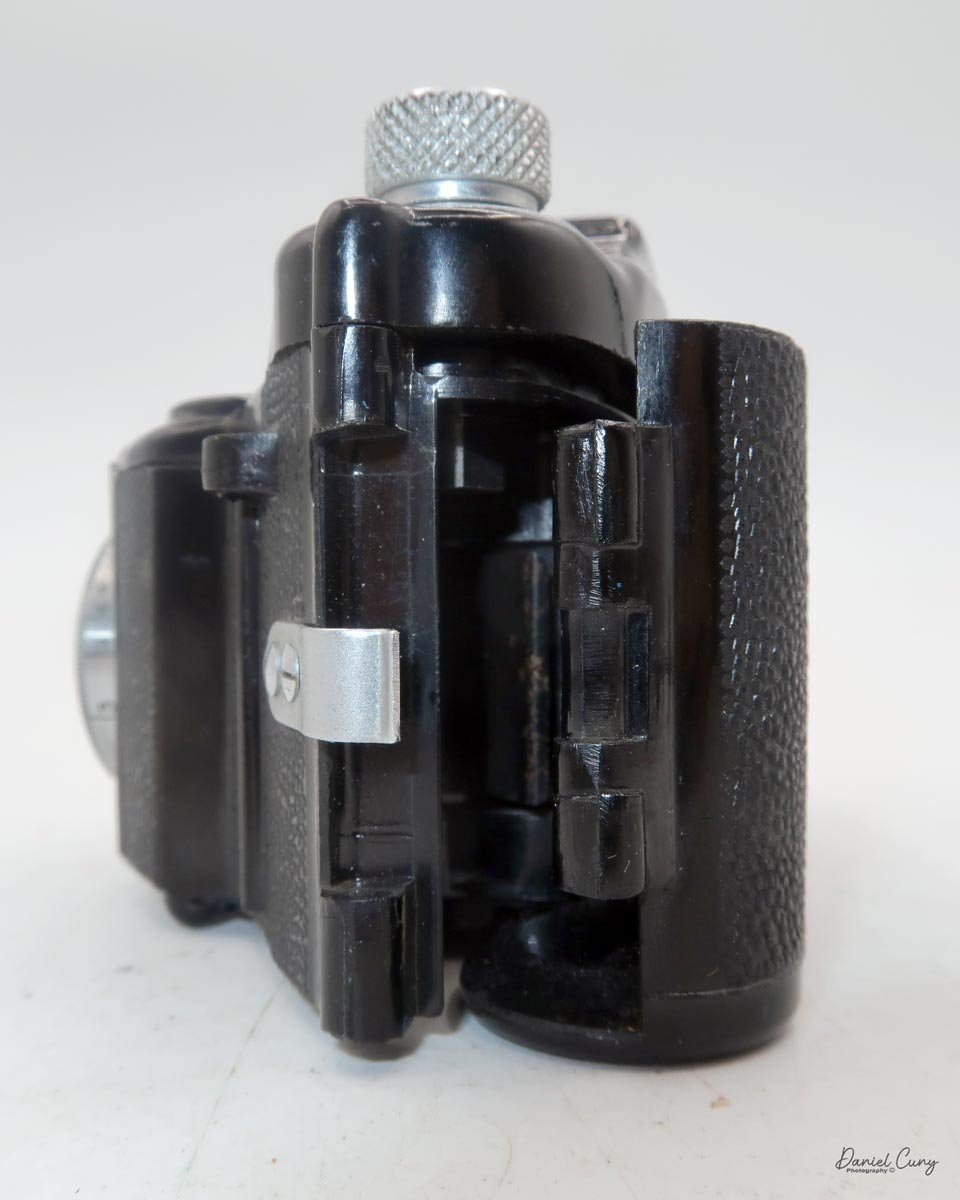
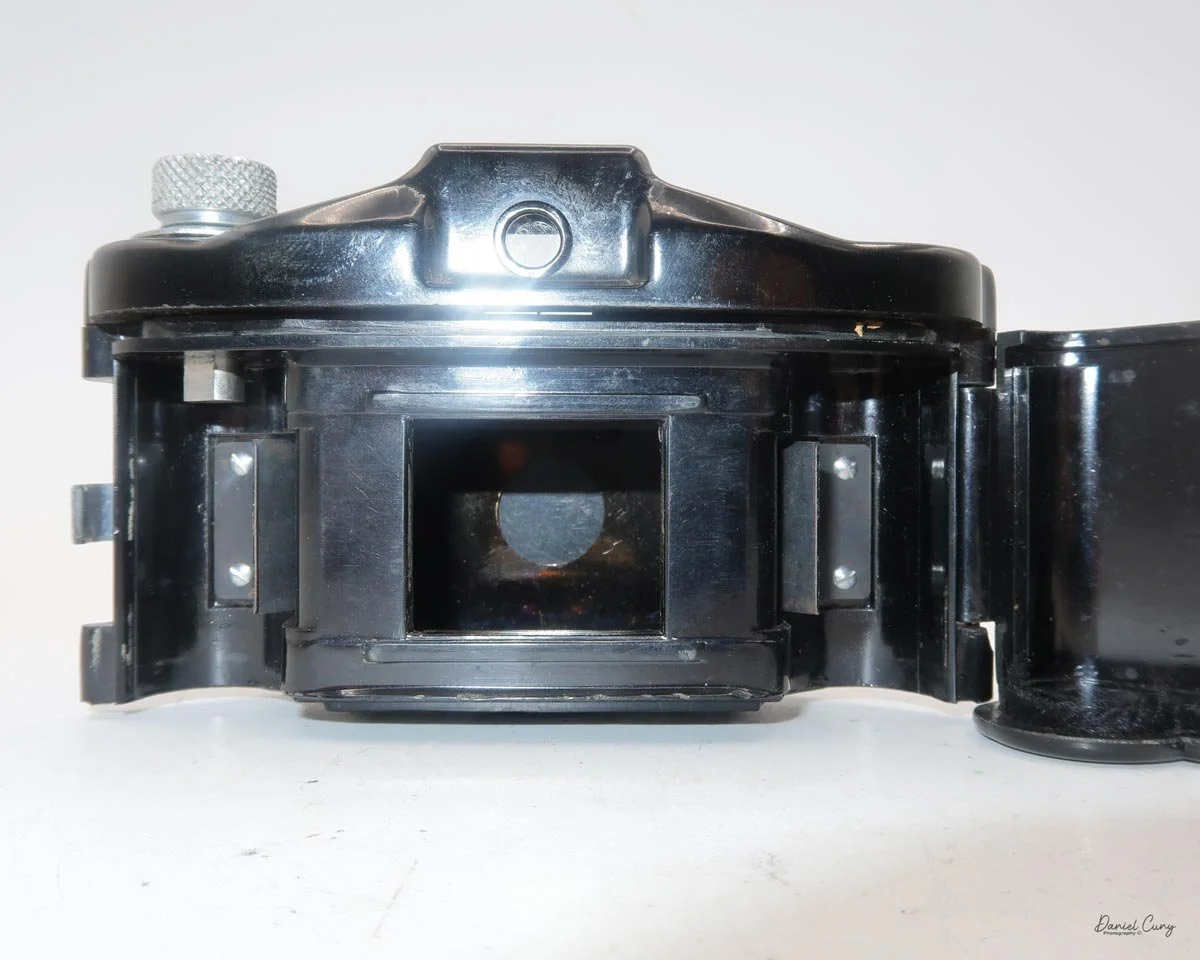
Most Bolta camera have a similar film format to 35mm, 24x36mm. Some Japanese Bolta cameras such as the Rich-Ray cameras who made Bolta cameras have a film format 24x24mm, but the Mamiya Mammy camera has a film format of 24x28mm.

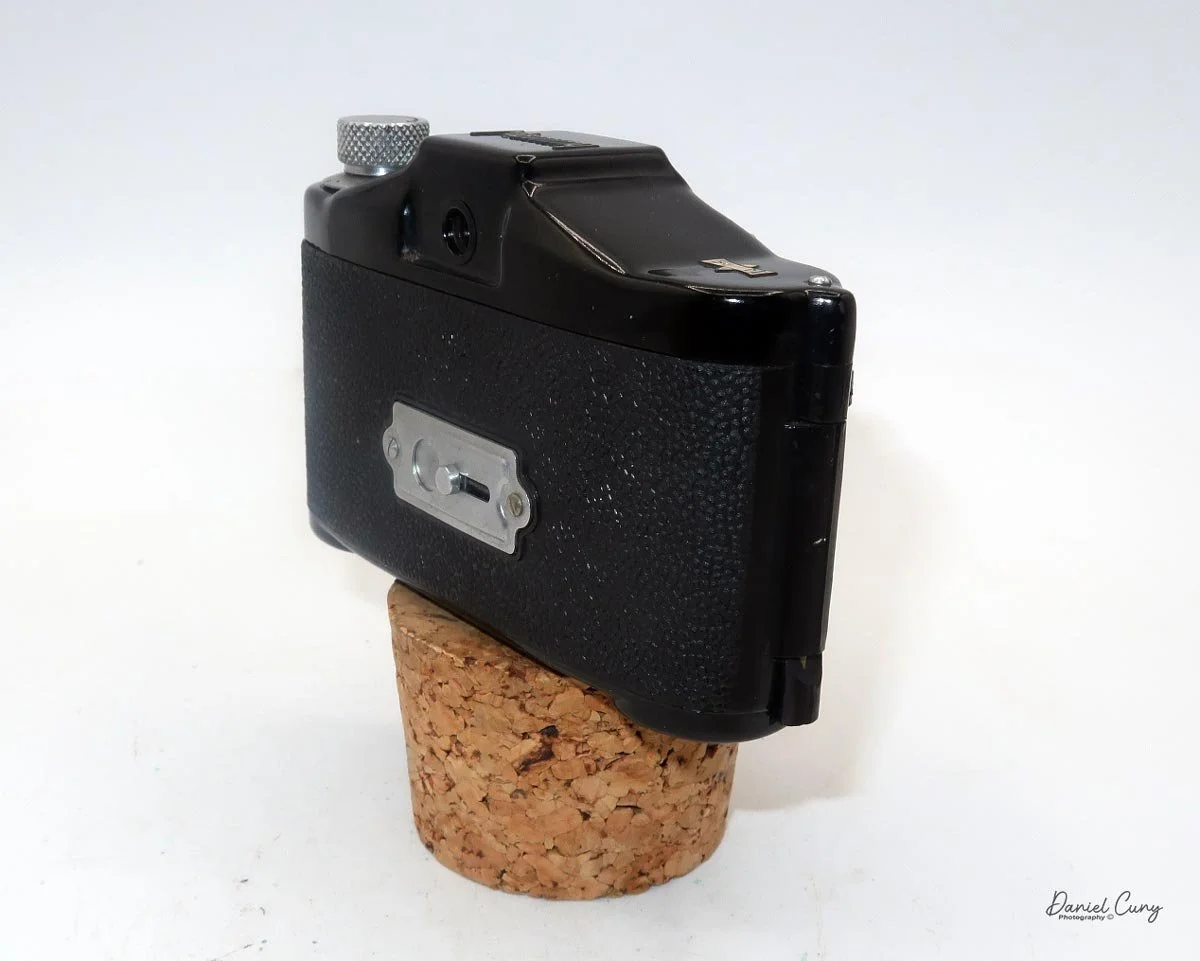
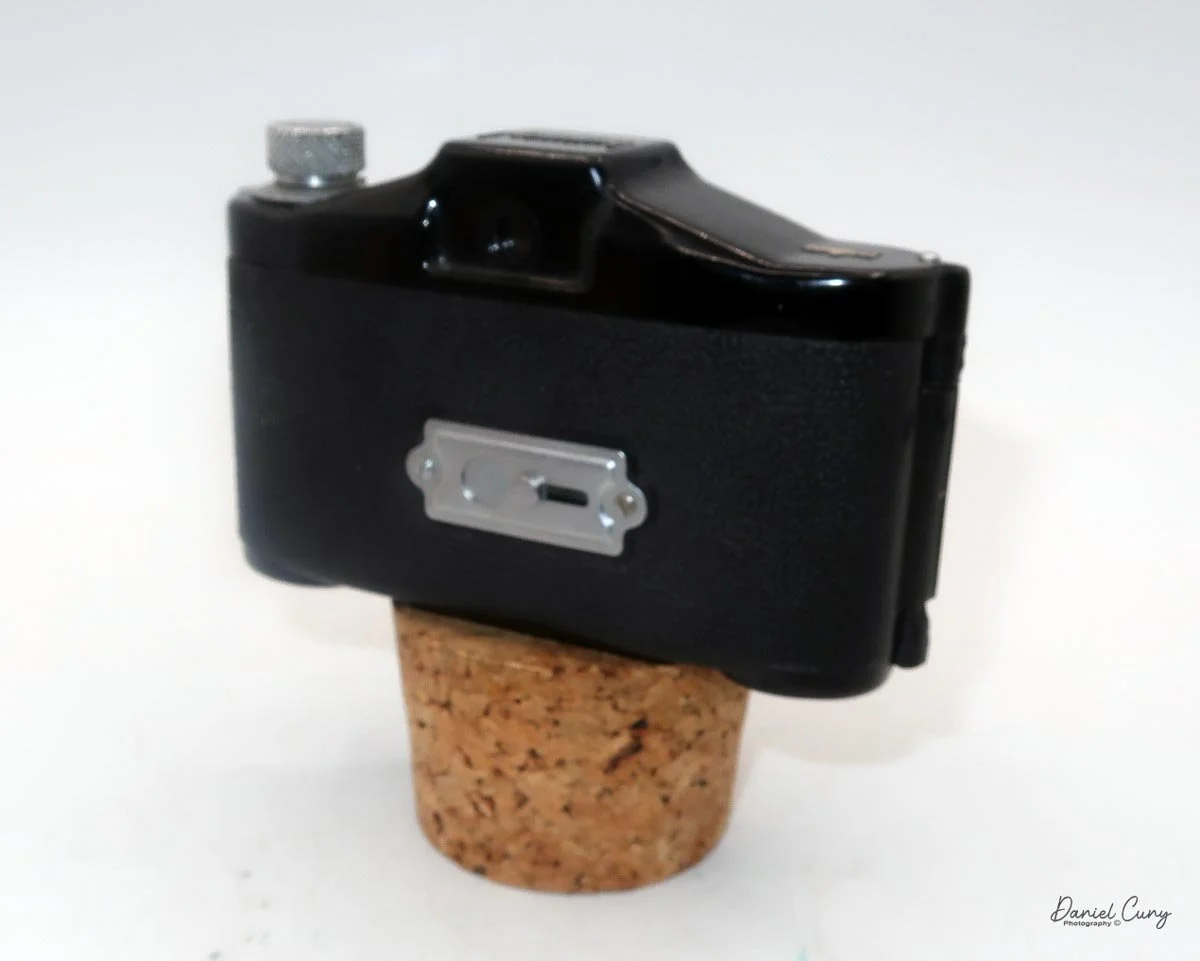
 I find that odd because Mamiya Mammy camera does have a red window on the back of the camera, but the film advance knob on the camera, which also cocks the shutter on the camera, stops after cocking the shutter. So unless you have the numbers set exactly in the red window, the red window frame counting system is no needed. Also, there a frame counter along the outside of the film advance knob which advances when you wind the film to the next frame.

 To open the camera to load film, there is a spring clip on the left side of the camera which holds the front and rear together. Just pulling the back away from the camera body opens the back door, exposing the film chamber of the Mamiya Mammy camera.
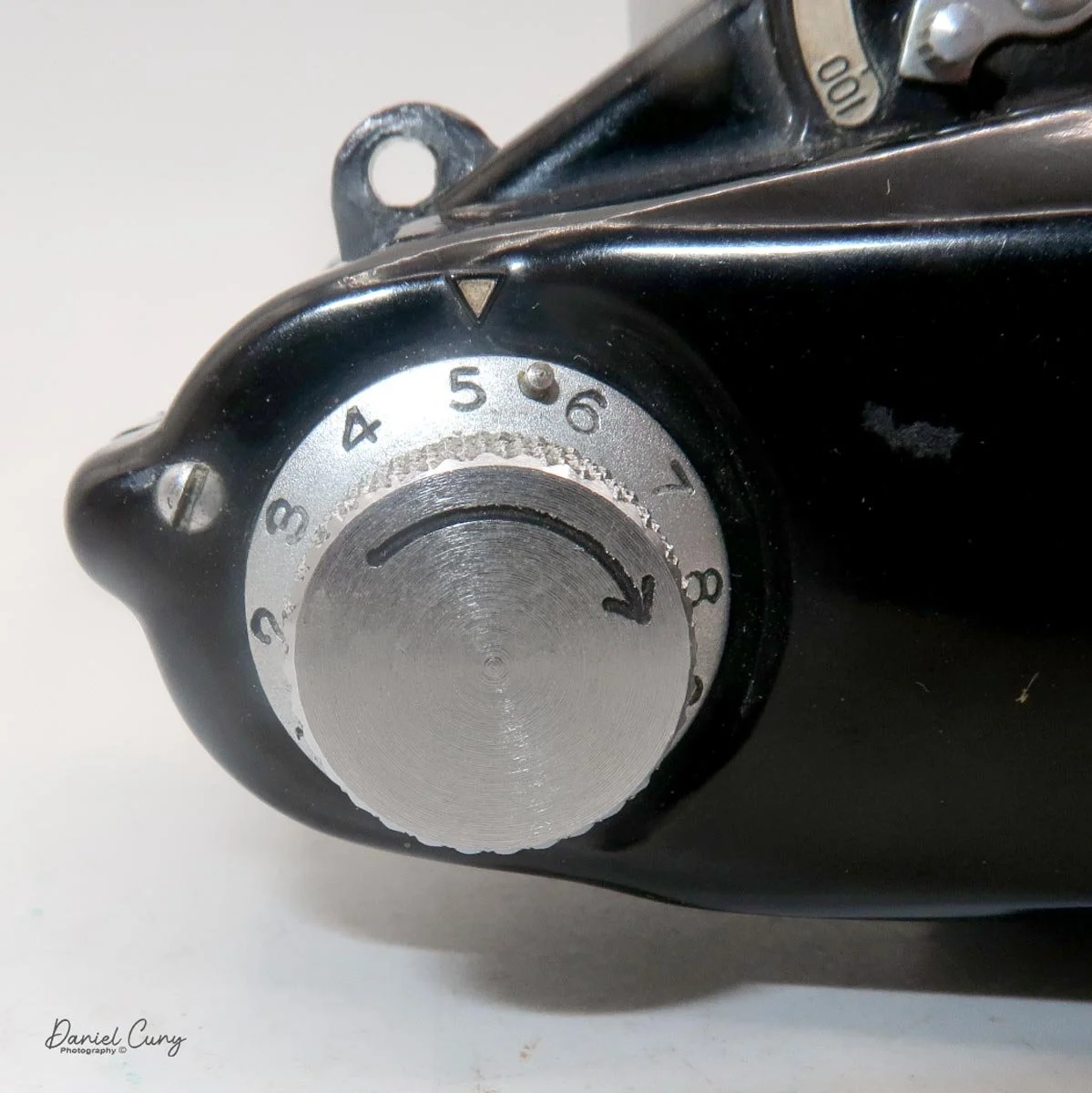
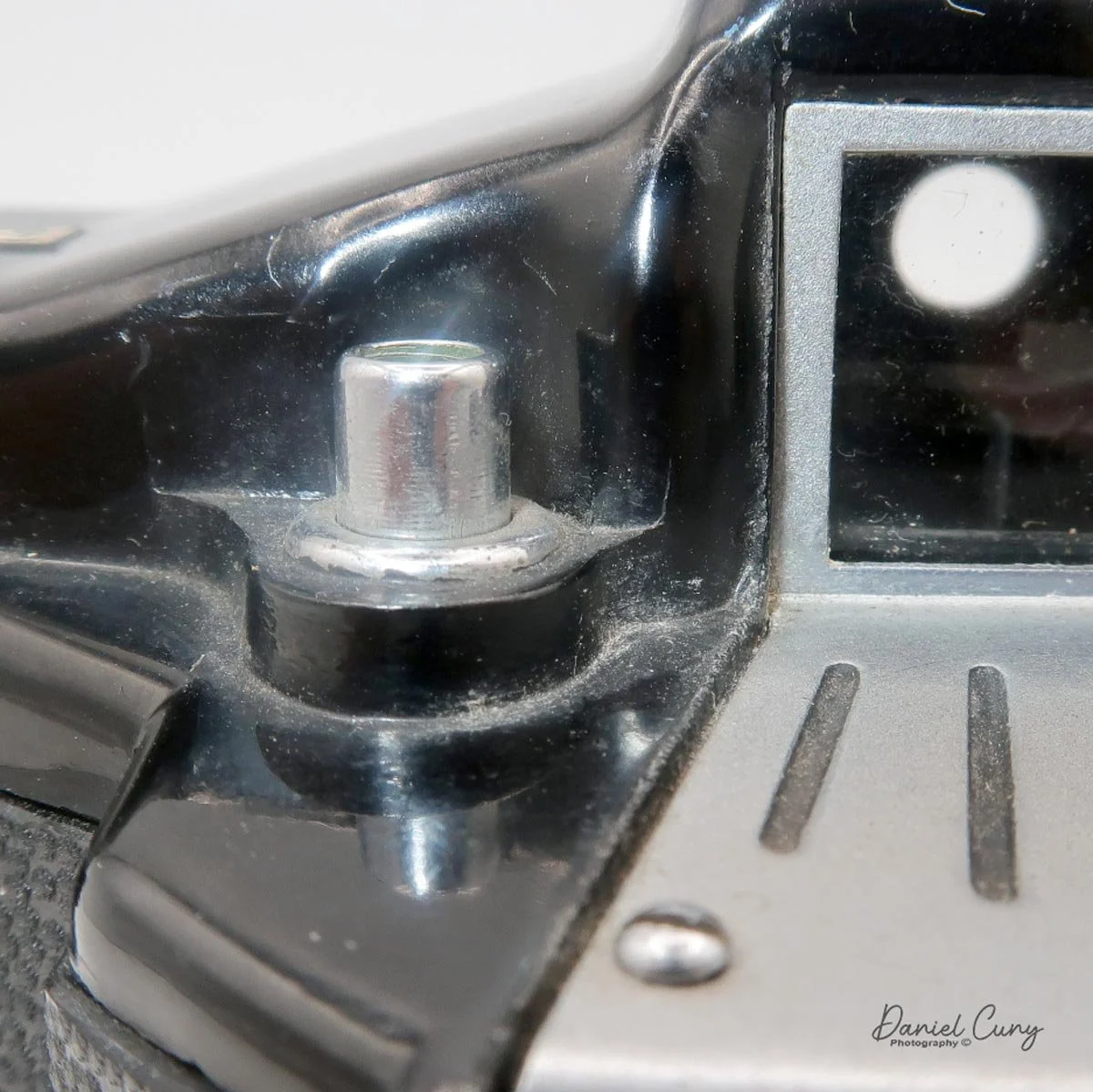
Unfortunately, the shutter on my Mamiya Mammy is extremely sluggish, so even if I were to make some paper-backed 35mm film to load into the camera, I'm afraid the images wouldn't turn out because of the faulty shutter.

 Possibly in the future, if I can get the shutter working as it should, I do have some paper backing from some 828 film, and I'll load some 35mm film onto one of the Photvit spools and see if I can get the camera to make some images. But for this article, I'm sorry I won't be able to shoot with it.
 

Conclusion:

 The Mamiya Mammy is a camera I'm very happy to have in my collection. Having worked for Mamiya America Corp for many years, I hold almost any Mamiya camera dear to my heart. I do have to say, with all honesty, there are a few Mamiya cameras I doubt I'll own just due to my time working in camera shops. Cameras like the 1000DTL or 500DTL were ones I'd see almost daily. The sheer amount of them I saw over those almost twenty years, I seriously doubt I'd purchase.
Then there are some Mamiya cameras that I love owning. Any of the Mamiya RB, or RZ system cameras, some of the later 645 cameras, and of course, my all-time favorite medium format camera, and one that's eluded me, is the Mamiya 7II. WOW, what a beautiful camera.

 Thank you for taking Time from your day to read about this Bolta-style camera made in the early 1950s by one of the major camera companies to come out of Japan.

 Here are my other Camera Reviews.

 Cuny's Camera and Photos is my online eBay store where you can find some of the previously reviewed cameras for sale, along with other cameras, lenses, and photo oddities I've accumulated over the past 50 years of collecting.

 I'll be taking next week off due to a holiday my wife and I will be taking to celebrate our 50th wedding anniversary.

 Until next week, please be safe.
Kodak Bantam Special

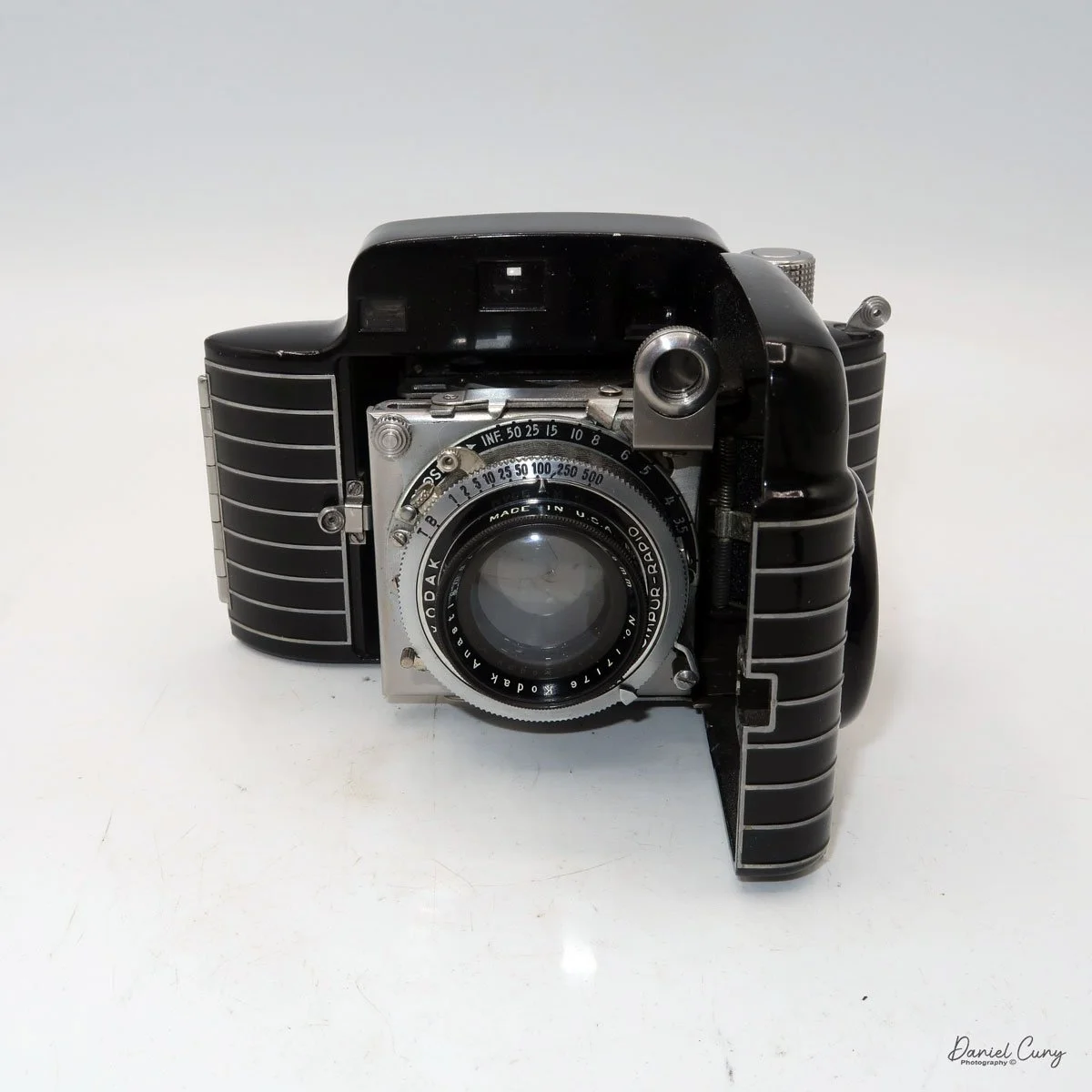
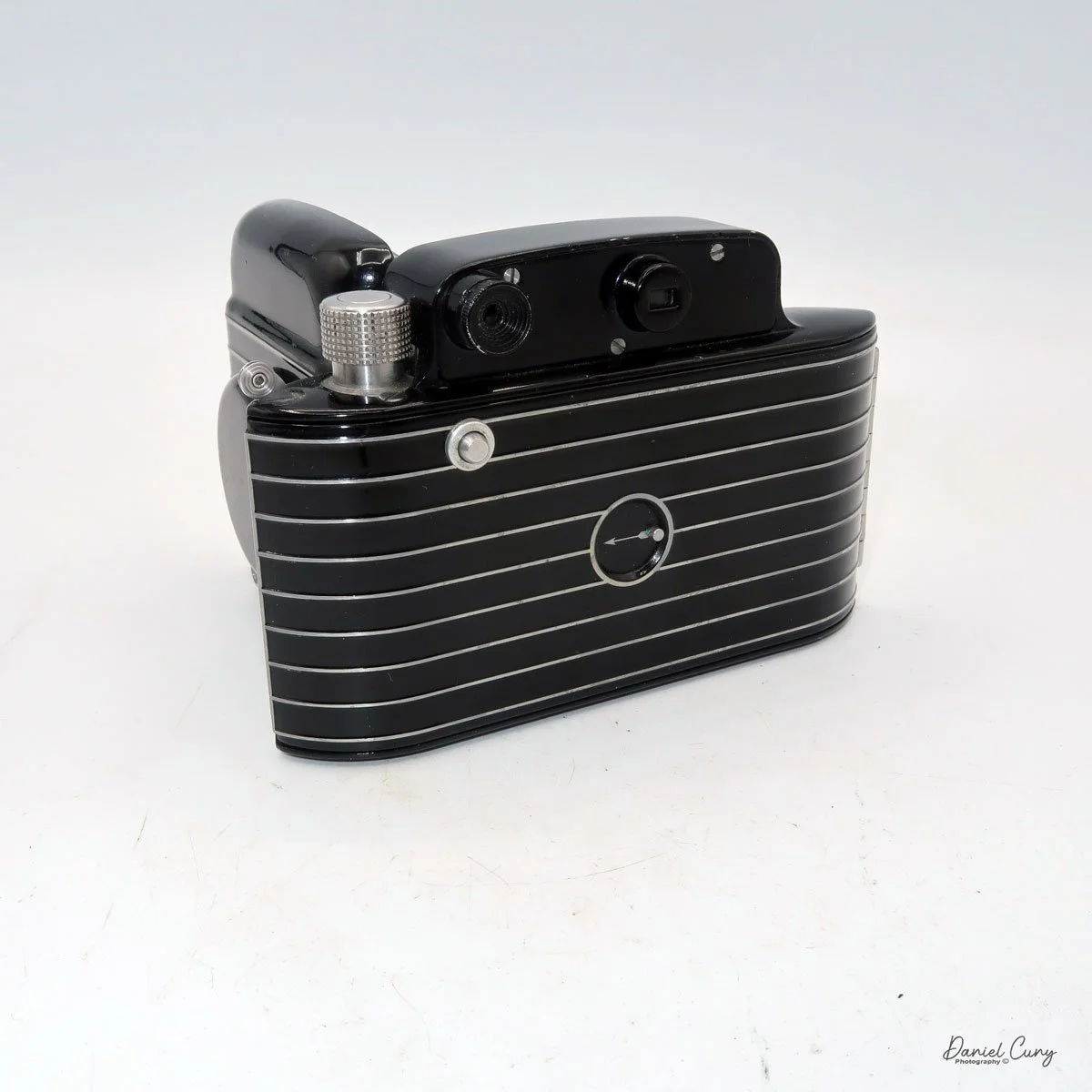
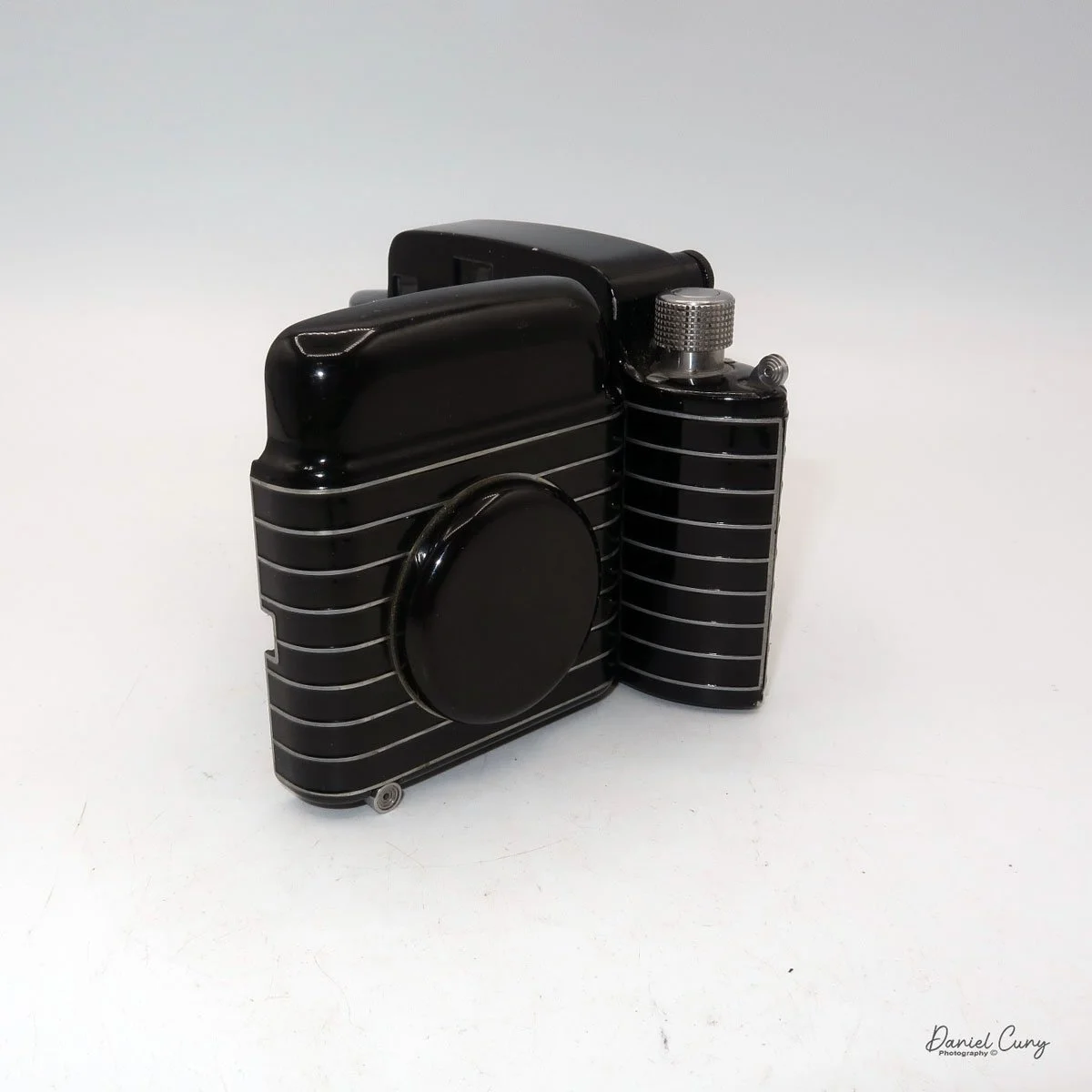
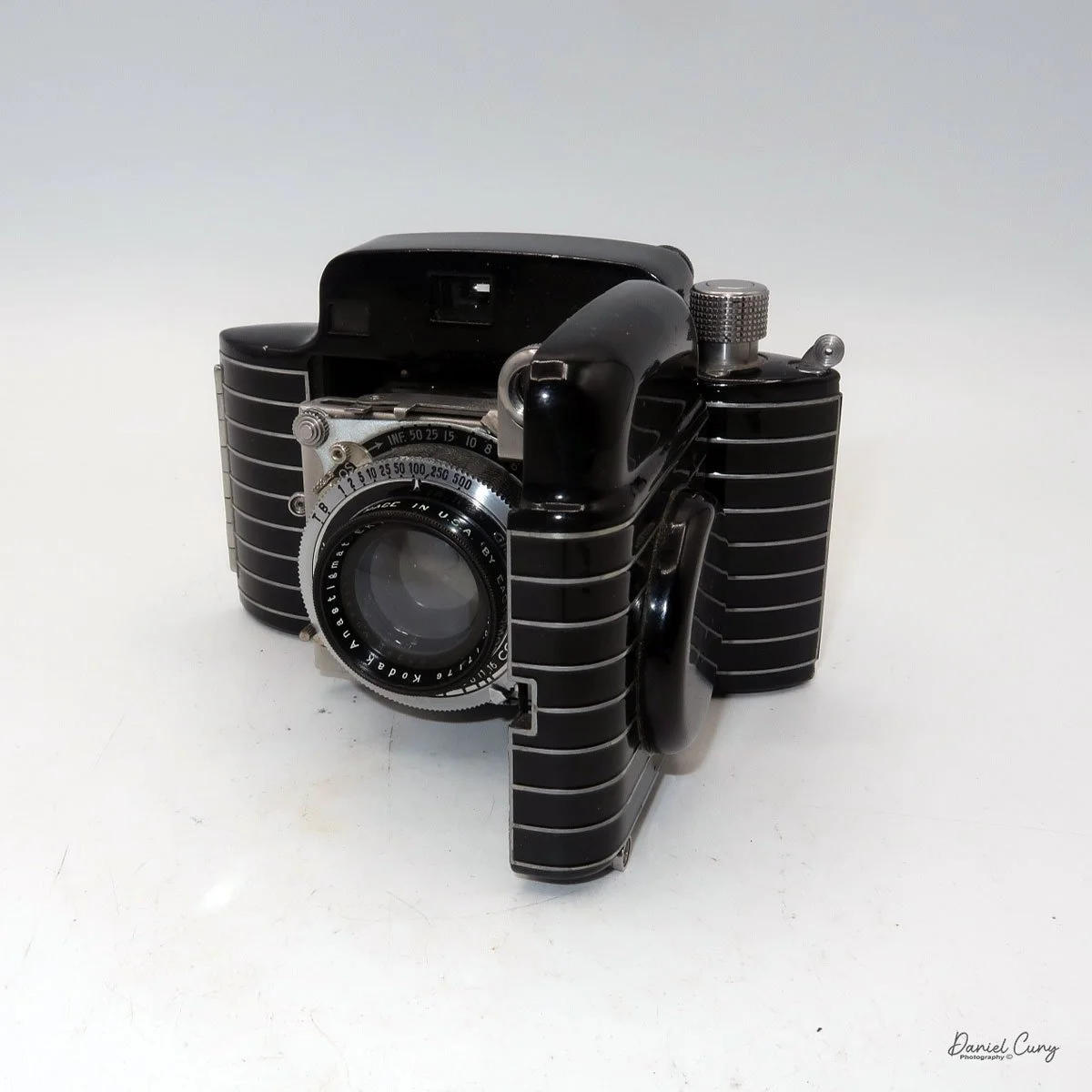
My Kodak Bantam Special camera.

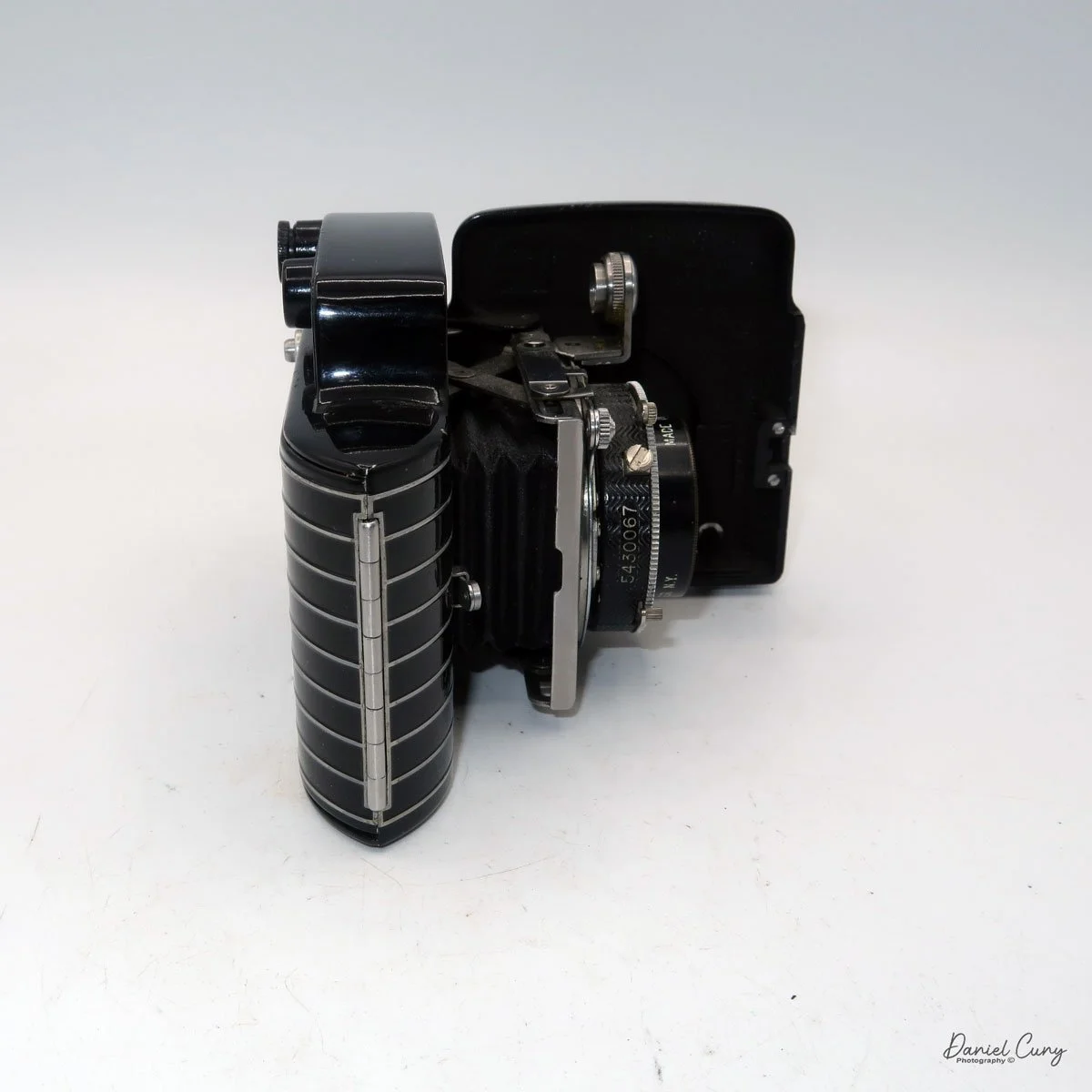
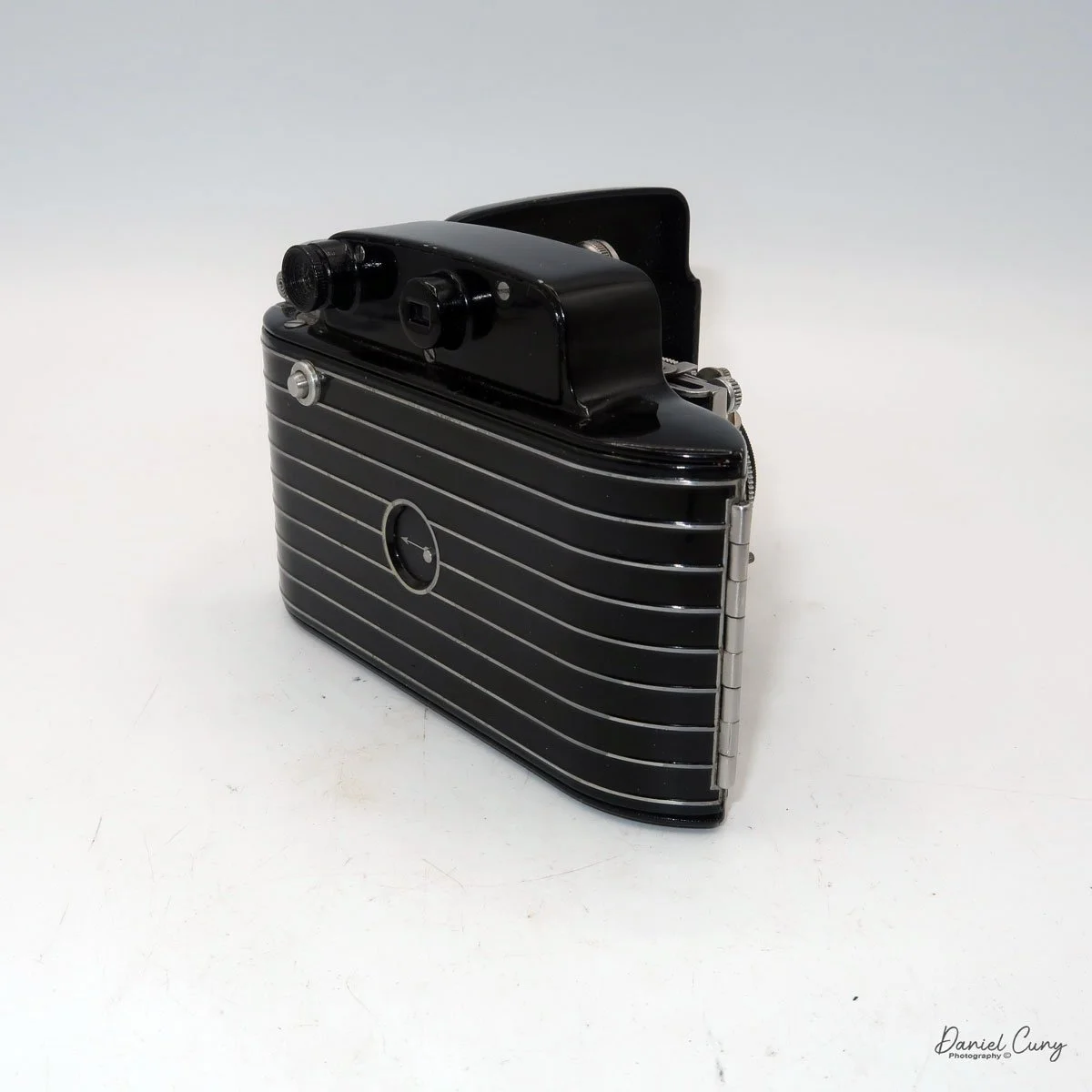
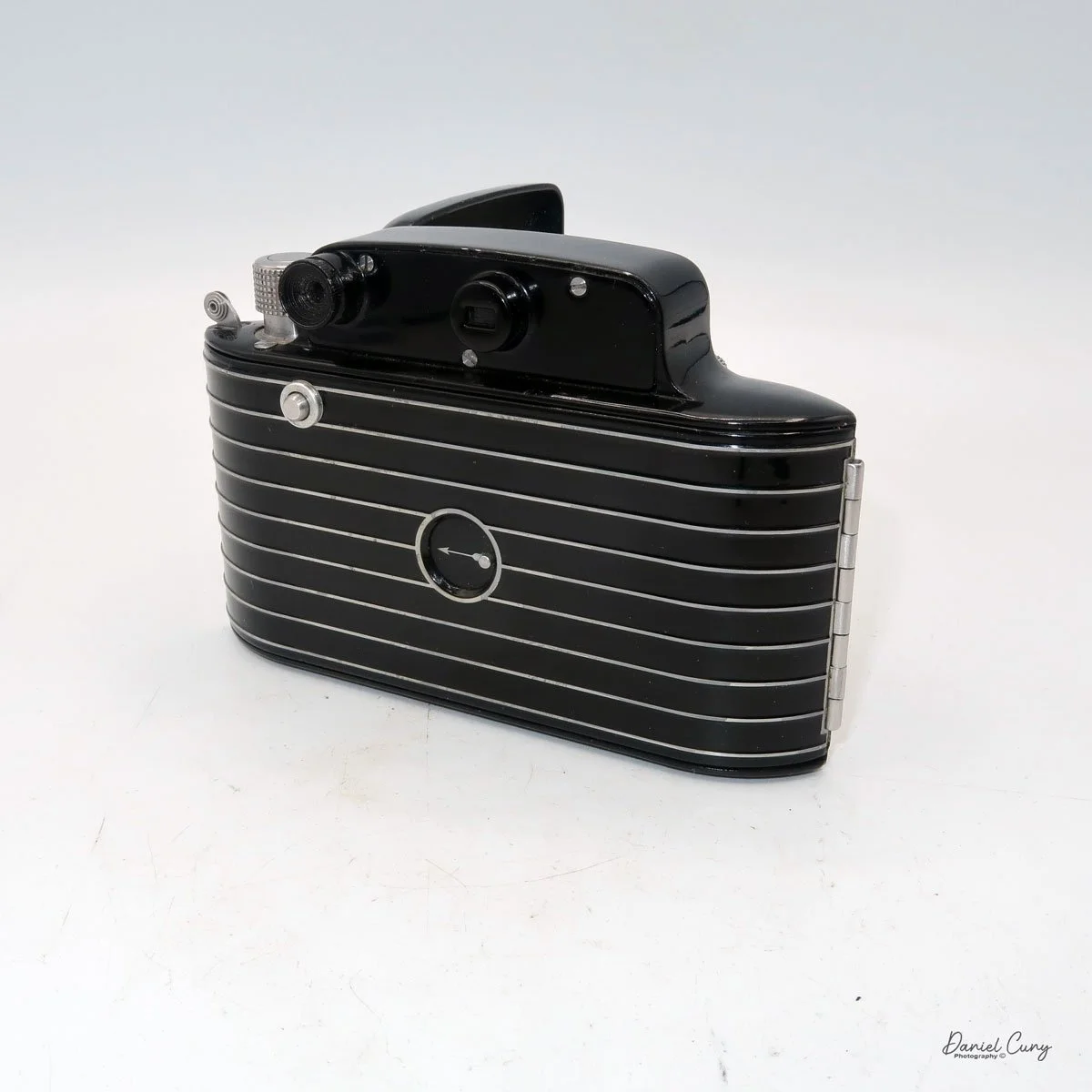
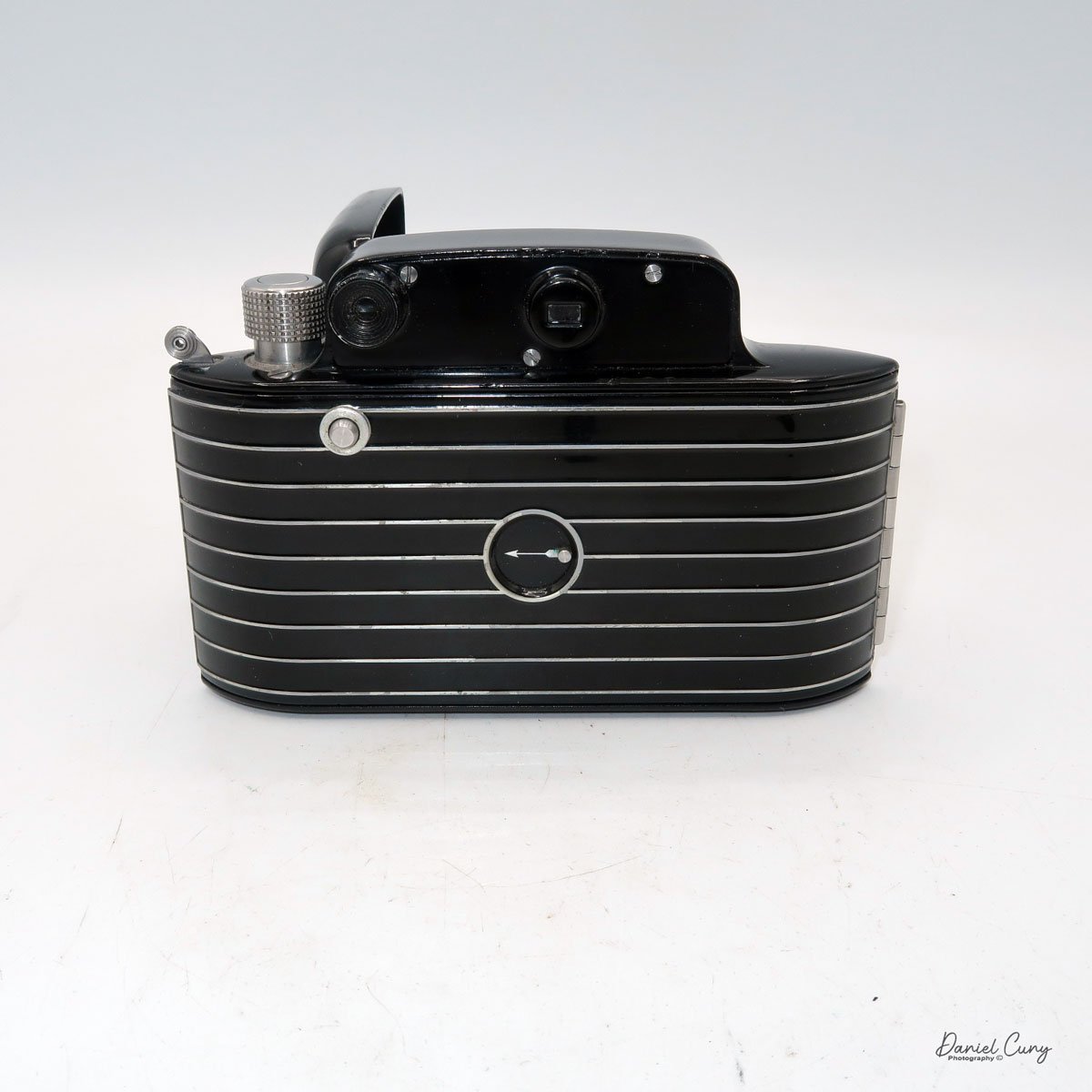
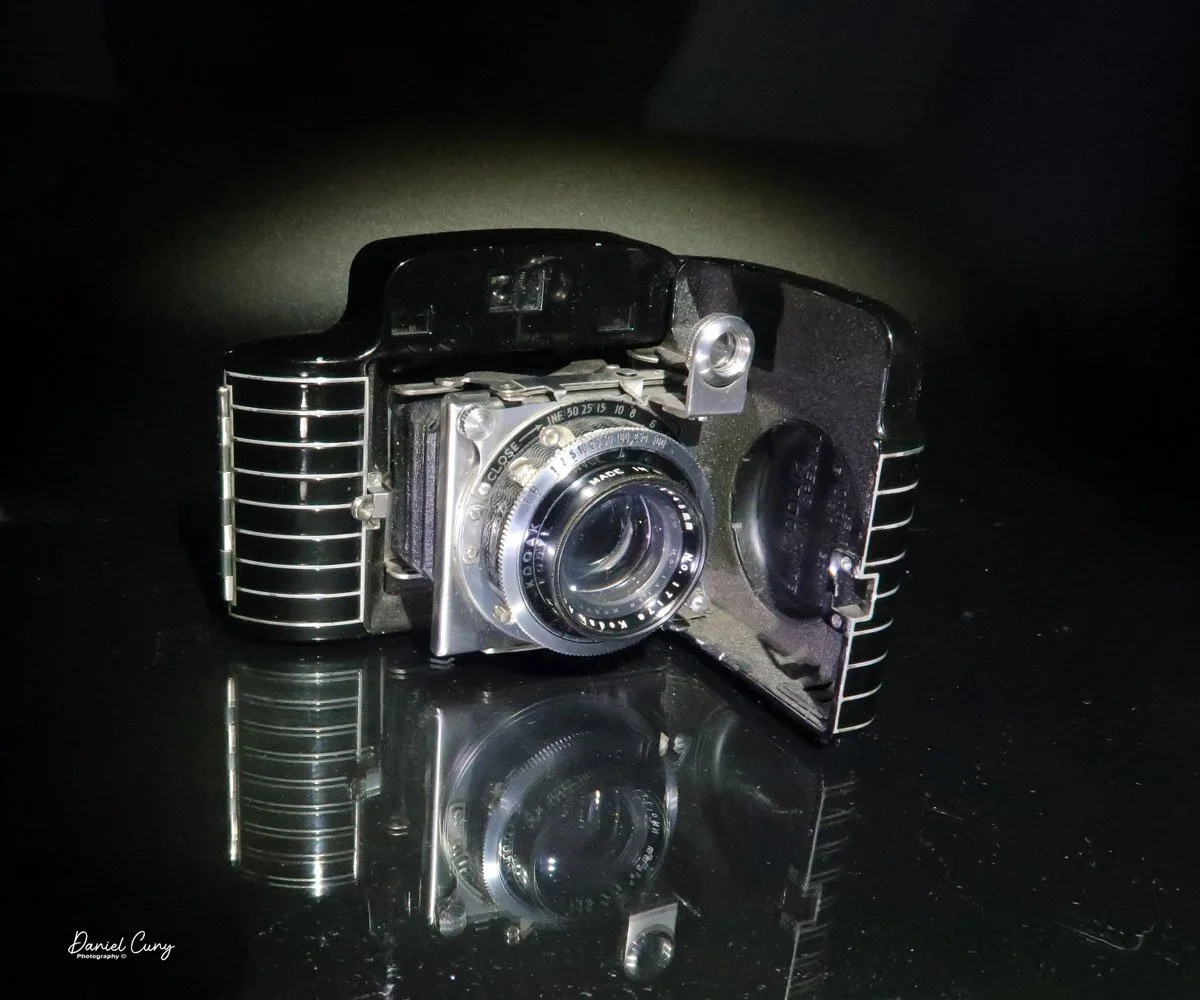
There are a few cameras that, just due to their sheer design, stand out in any person's collection. Cameras like the Kodak Super Six-20, Polaroid SX-70, Welta Reflekta, and the Kodak Brownie Beau all have a very striking design, whether on the faceplate or the camera's overall design. In my opinion, the one camera that is the most striking and beautifully made is the subject of this week's camera collecting blog, the Kodak Bantam Special.

 The Kodak Bantam Special is a camera made between 1936 and 1948, during the heyday of camera innovation and manufacturing not only in the United States but worldwide. If you think about the cameras produced in this era, there were the Zeiss Ikon Contax I, II, and III. Leica had the IIIC, Ihagee had the Kine Exakta, Kodak produced the Retina, Medalist, Rolleiflex continued to improve their models, and companies like Argus, Voigtlander, Agfa, and in Japan, Canon produced the Hansa in 1936.
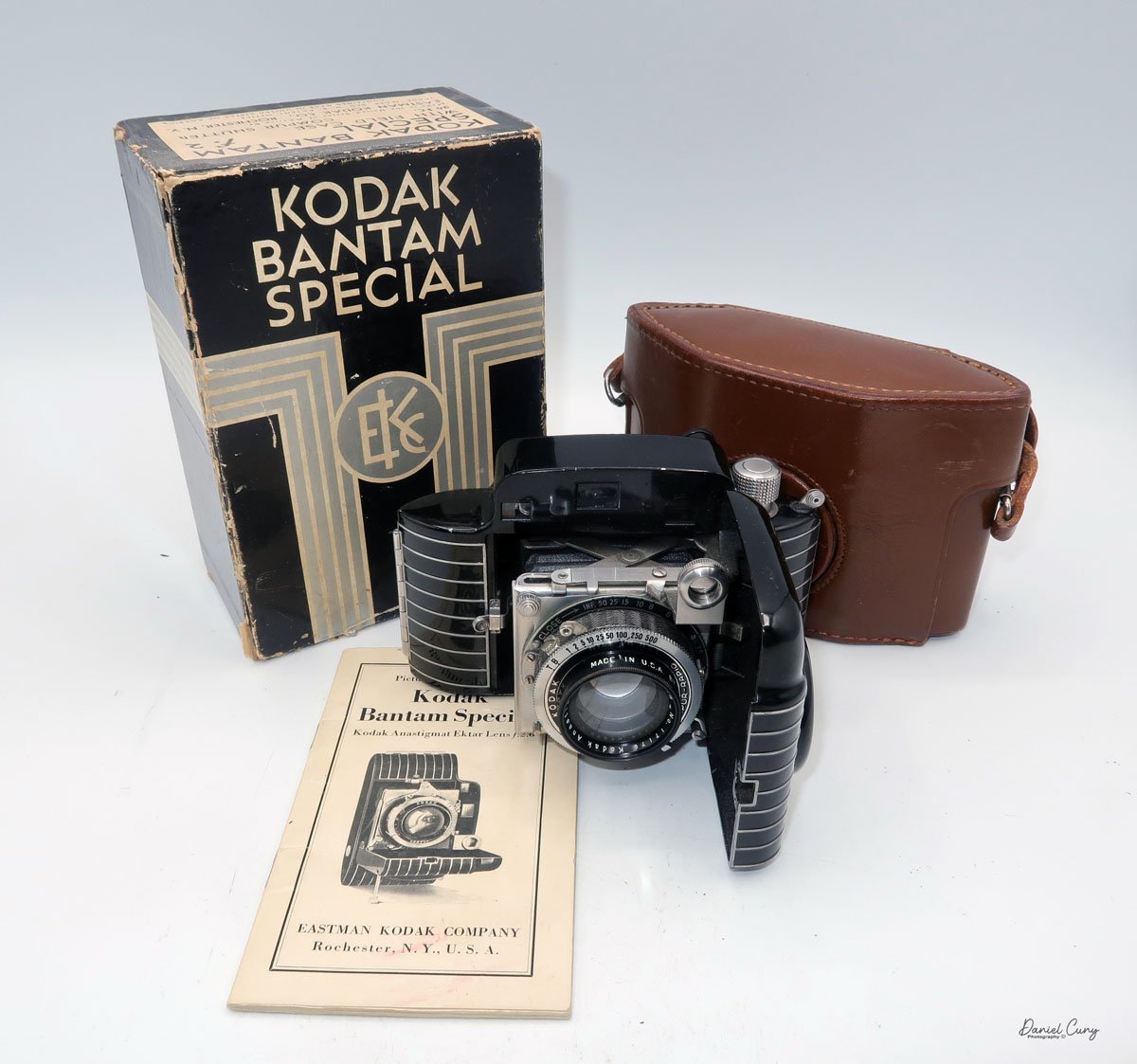
Kodak bantam Special with case, manual and original box.

 I've had my Kodak Bantam Special for 20 years or longer at this point, and one of the things I like about my Bantam Special is it's a very clean camera, with a working shutter, very bright viewfinder, a very nice case, the original box and instruction manual(s) too. When I opened the box to retrieve the case, I found two manuals inside. Something I have forgotten about.

 I've owned several different Kodak Bantam cameras, which are relatively common and easy to find, but the Bantam Special truly is a "special" camera. I've owned a couple before the one I have now, but they were in relatively poor condition, with either chips in the paint or a shutter that wasn't working. But when I found this camera online, not only was the price reasonable, but it was complete. The only thing it didn't have was the camera's hang tag, which is extremely difficult to find.

 As I was looking over the cameras above my desk, thinking about the camera I wanted to write about this week, my eyes skimmed over the Bantam Special, thinking I must have written about it in the past. Still, when I looked at my camera reviews, it was one I'd overlooked. 

 The reason it's been looked over was the lack of 828 film I have in my refrigerator, which I use to review cameras. I have many of the other film formats,  35mm, 120, 620, 116, and 127, but no 828. So, a couple of weeks ago, I went to the local vintage camera store in town, which carries several of the film sizes I shoot with, and bought a couple of rolls.

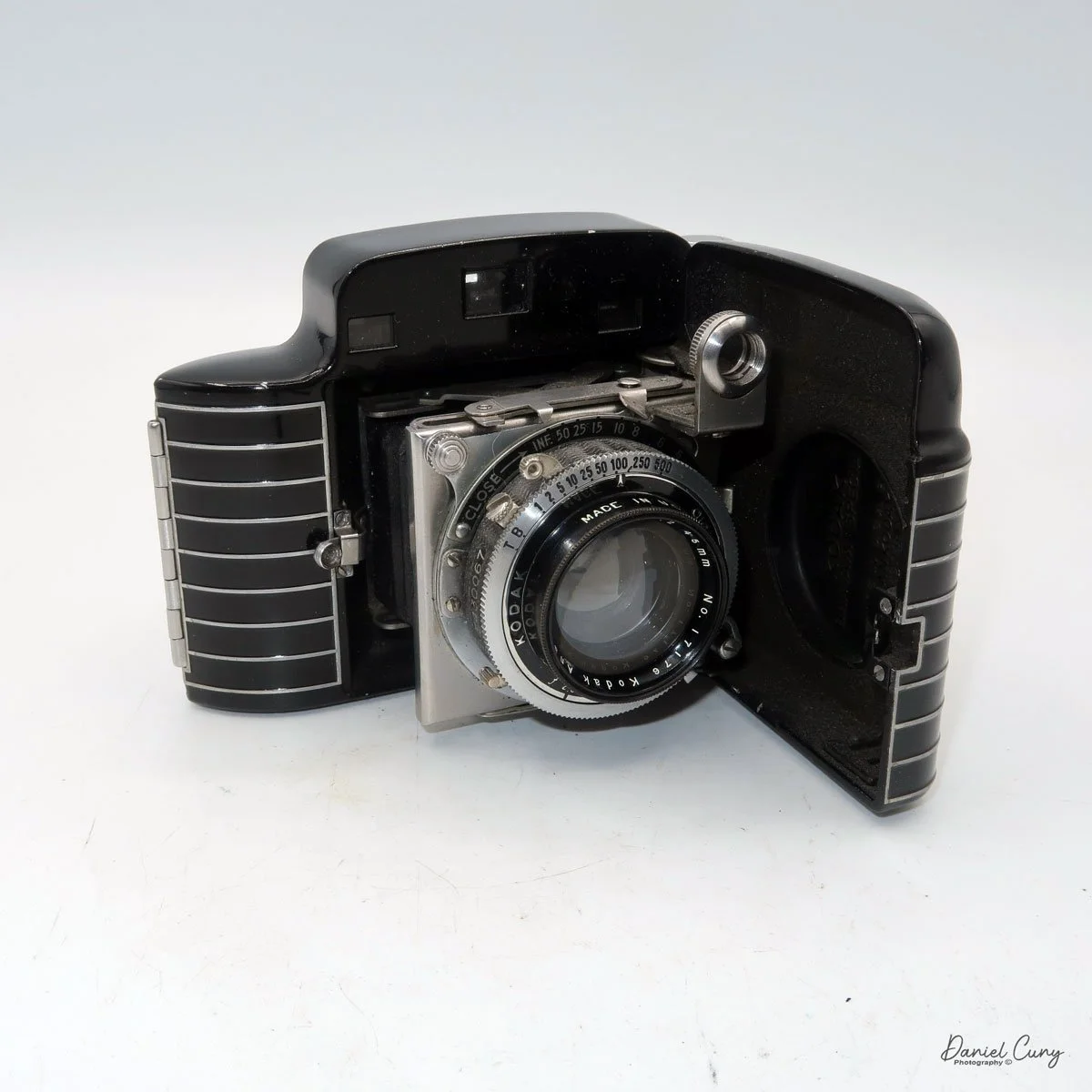
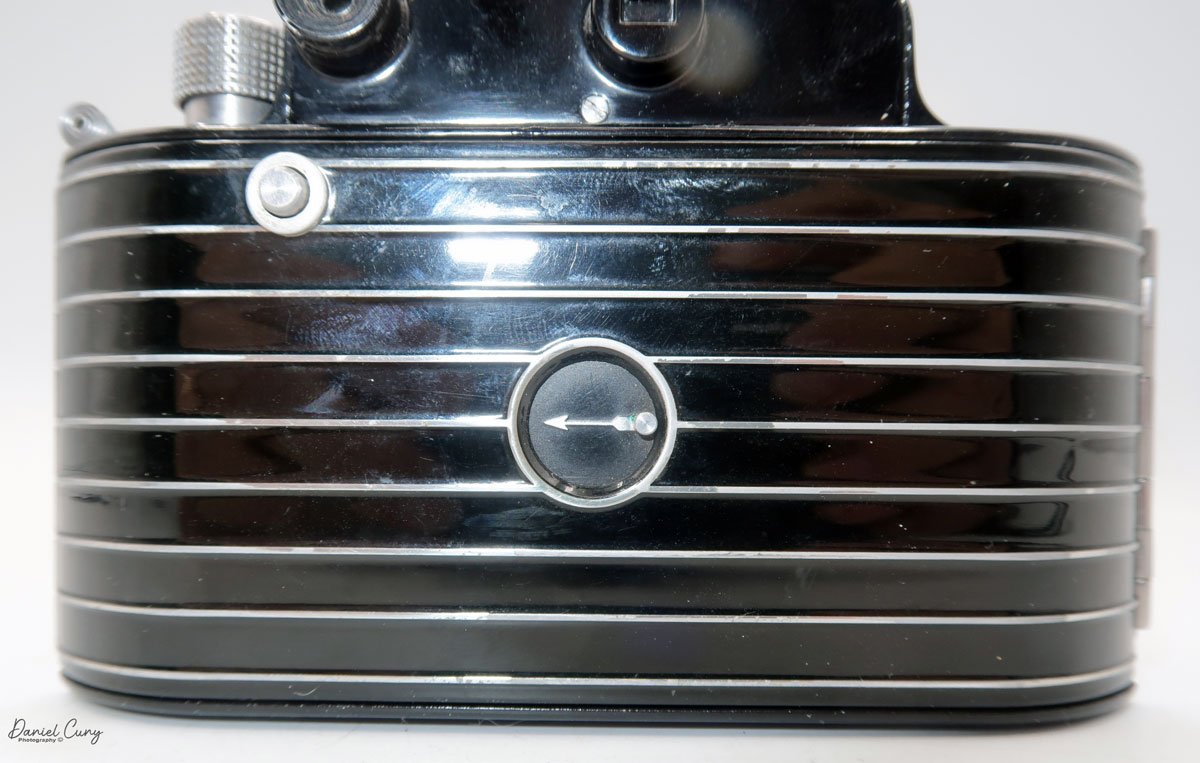
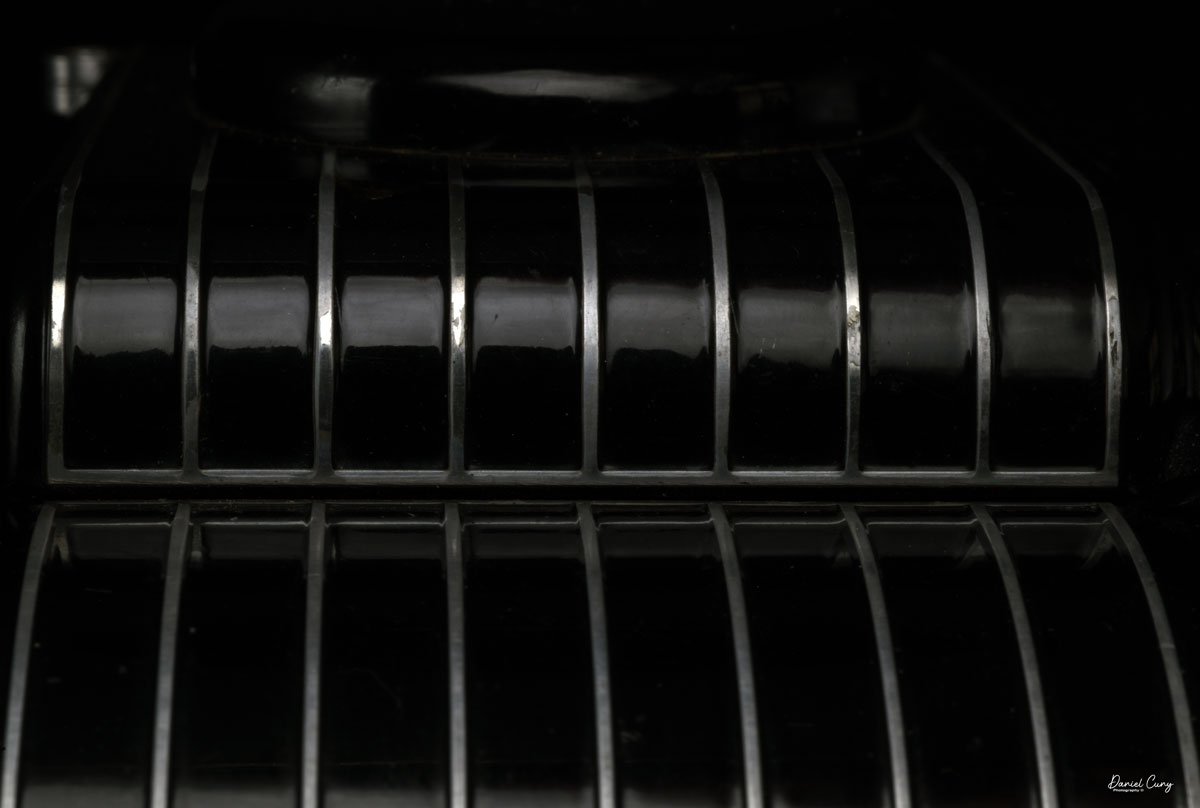
An artistic view of Kodak Bantam Special camera

 For the history section, I've already written about the history of George Eastman, Eastman Kodak, and Walter Dorwin Teague, my favorite camera designer, so I thought I'd talk a bit about the not-too-popular film size that went away almost 40 years ago, 828 film.

History:

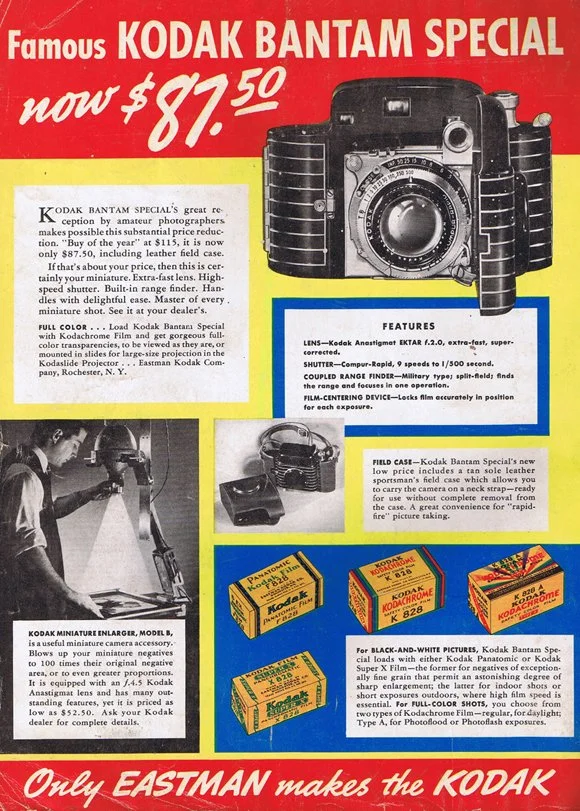
 828 film is a niche but significant chapter in the evolution of roll-film photography. Introduced by Eastman Kodak in 1935, 828 was designed as an alternative to 35mm film for compact consumer cameras. Kodak developed it alongside the launch of the original Kodak Bantam, a stylish, pocket-sized camera meant to bring high-quality photography to a broader audience. The goal was to offer the image quality of 35mm negatives without the mechanical complexity and cost associated with perforated 35mm film cassettes.

Kodak Bantam Special ad with 828 film

 Physically, 828 film is 35mm wide, identical to standard 35mm film in width, but it is paper-backed like 120 film. Instead of the multiple perforations found in 35mm stock, 828 features a single registration hole per frame, which helped position each exposure. This simplified both camera design and film advancement mechanisms. The standard frame size—28×40 mm—is actually slightly larger than the 24×36 mm frame on typical 35mm film, giving it a modest image-quality advantage despite its amateur-market positioning.

 Throughout the late 1930s and 1940s, Kodak produced a variety of Bantam models that used 828 film, including several Art Deco designs, such as the Bantam Special, known for its high-quality lenses and elegant styling. Other camera manufacturers occasionally experimented with the format as well, but 828 remained overwhelmingly associated with Kodak.

 The format reached its peak popularity in the 1940s and early 1950s, especially in the United States. However, its momentum began to fade as 35mm film gained dominance, propelled by the rise of precision German and later Japanese cameras, reusable metal cassettes, and the convenience of automated processing. By the 1960s, 828 had become a minor format, kept alive mainly by Kodak's continued film production and the long lifespan of Bantam cameras already in circulation.

 Kodak manufactured 828 film until the mid-1980s, after which demand dwindled, and the film was discontinued. Today, 828 is considered an obsolete format, though it retains a small following among camera collectors and experimental photographers. Enthusiasts occasionally reload old 828 spools with cut-down 35mm film, keeping the distinctive format alive in a niche, hands-on way.

My Camera:

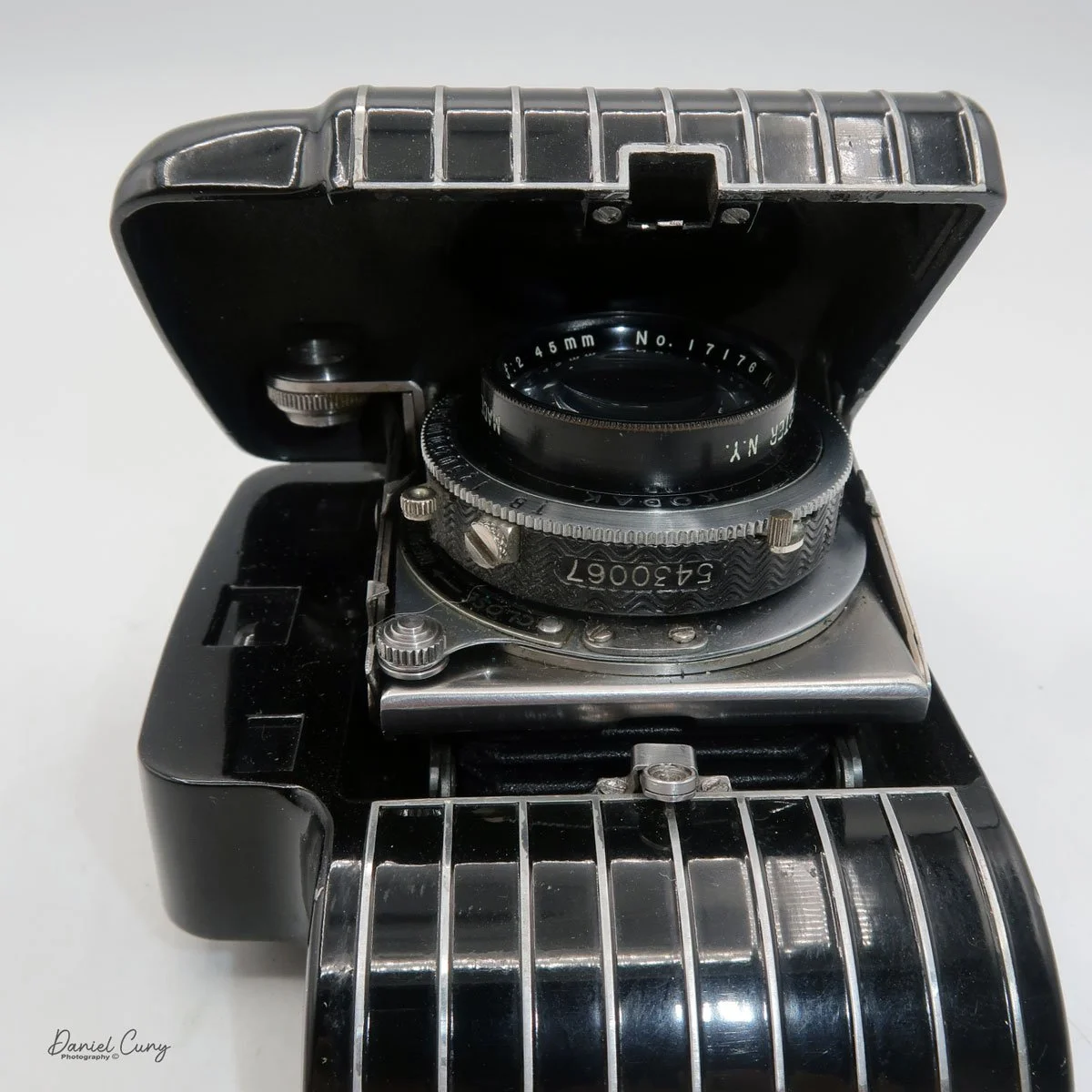
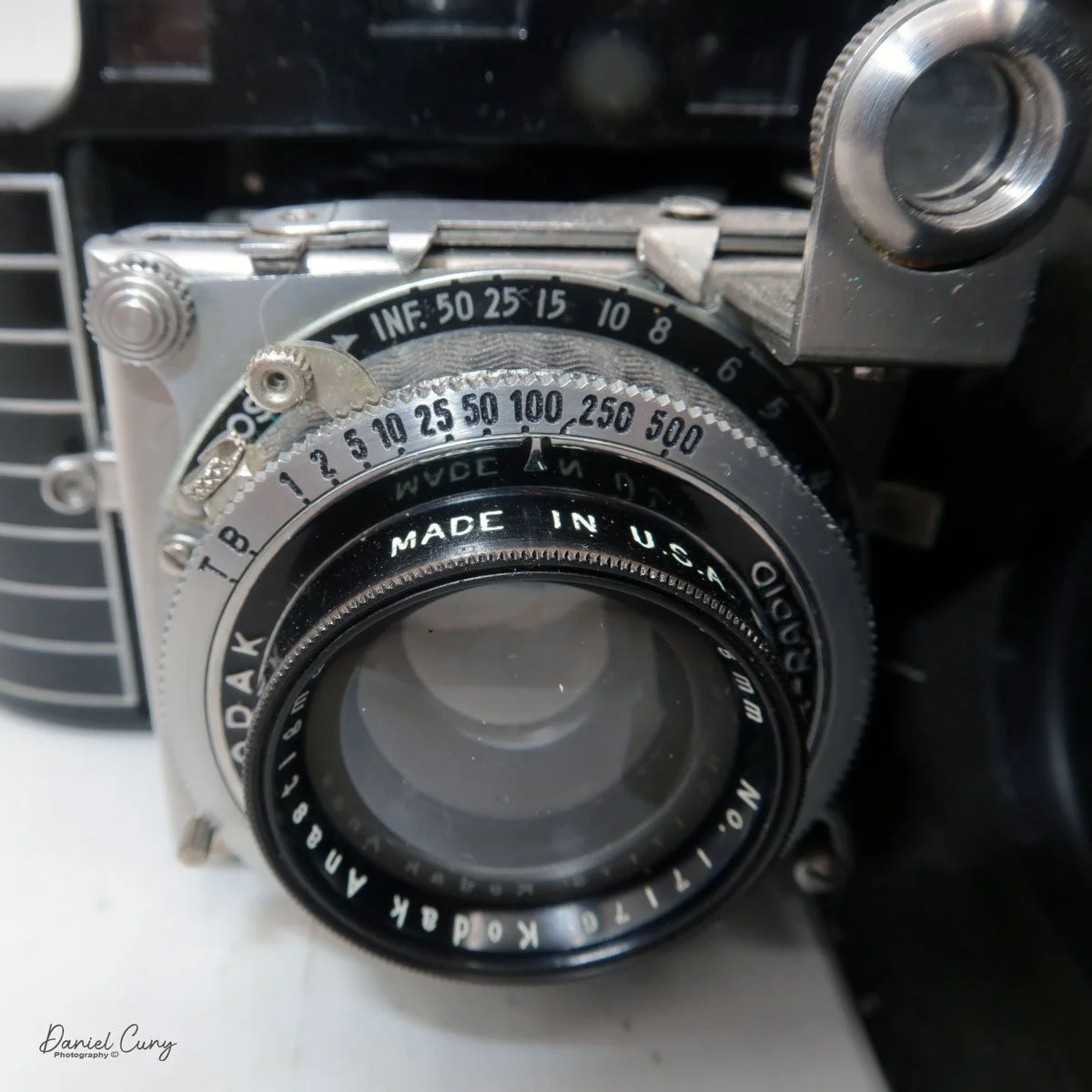
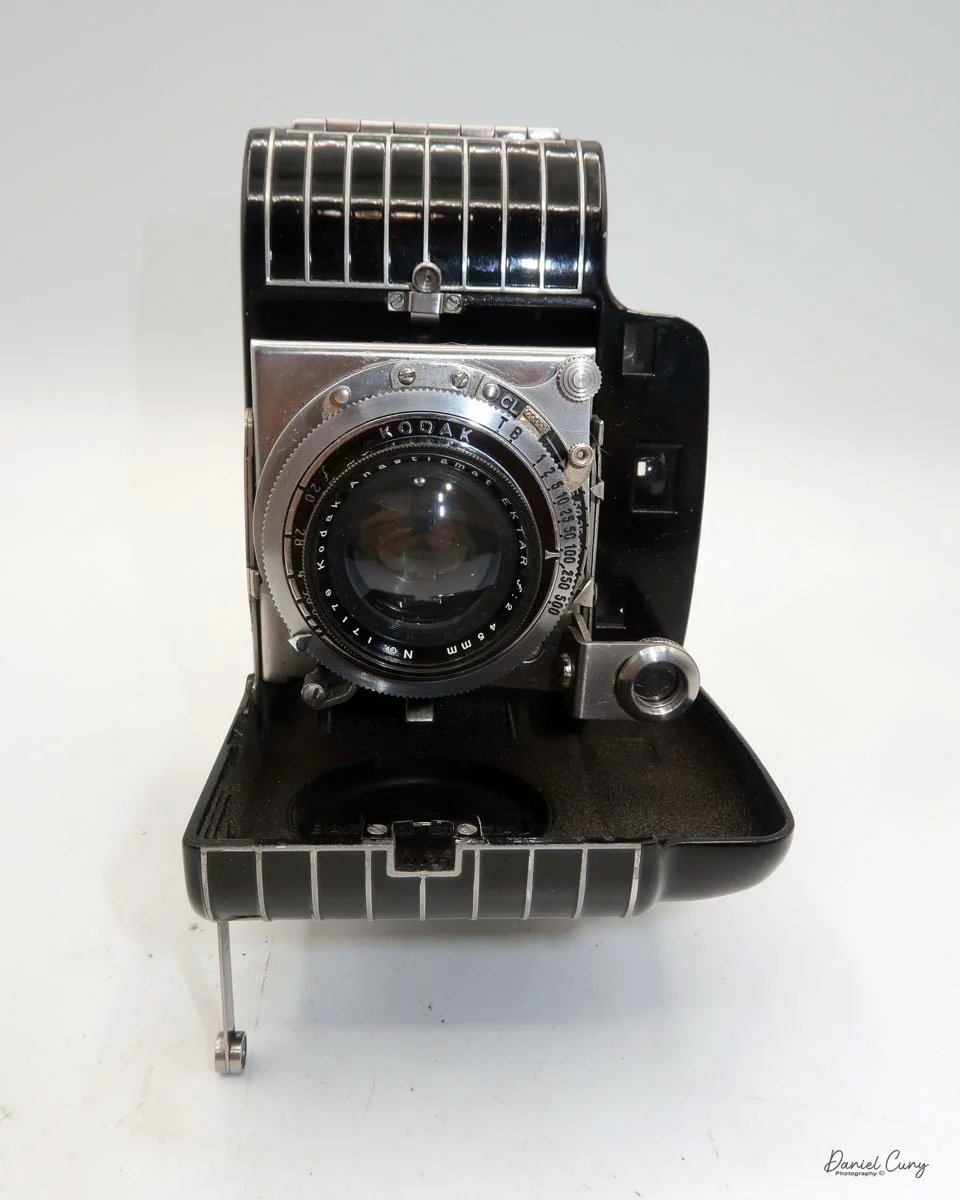
 My Kodak Bantam Special camera is 5" wide by 3" tall by 2" deep with the lens closed, and 4" deep when the lens is extended. It weighs 1 pound, 0.5 ounces with a roll of film loaded. The camera is very sleek and stylish, with a Kodak Anastigmat Ektar 45mm f/2.0 lens and a Compur Rapid shutter. The camera was distributed between 1936 and 1940 with the Compur Rapid shutter made in Germany; after the war, Kodak distributed the camera with a Supermatic shutter between 1941 and 1948. 

To open the camera to take a photo, press the button on the right side, right in the middle, adjacent to the lens door. The door swings open to the left as you hold the camera, which is the opposite of how the popular Kodak Retina line of cameras opens to take a photo. 

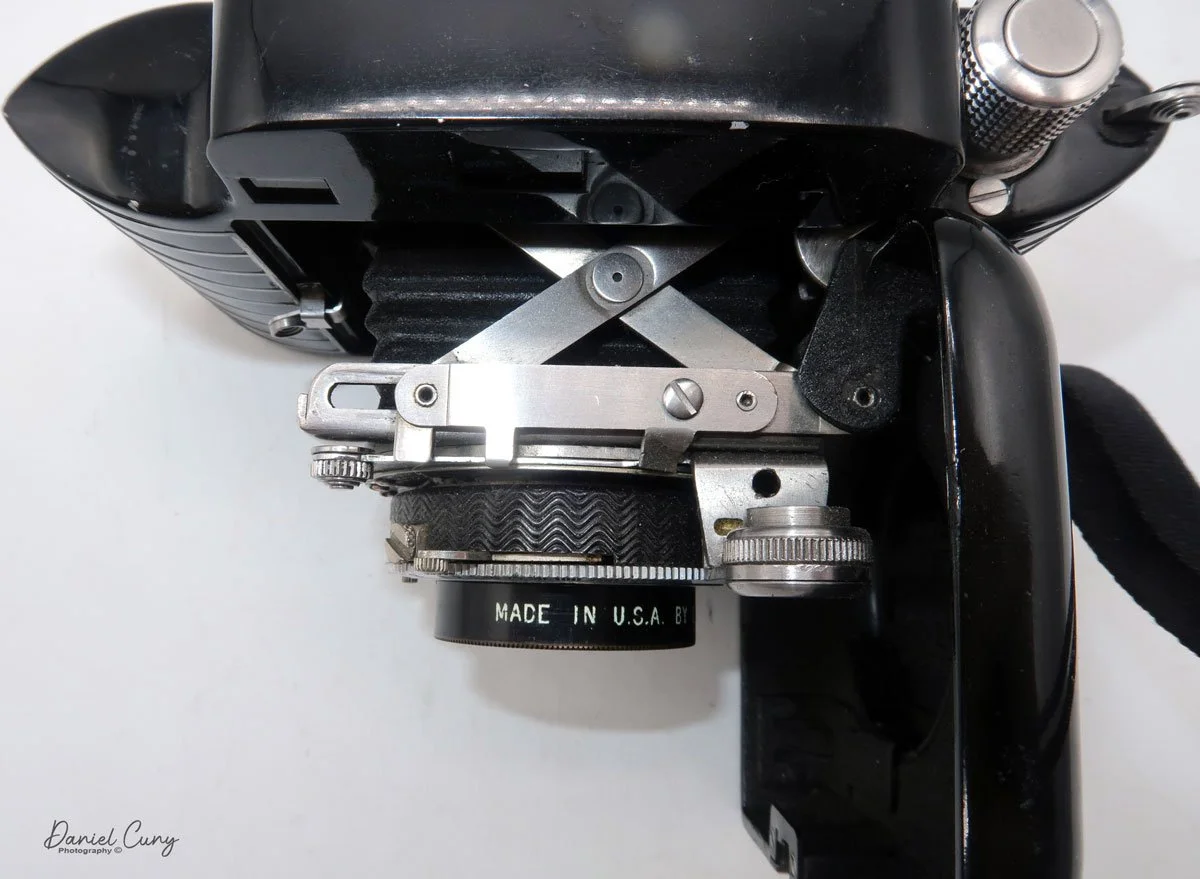
 Similar to the Kodak Retina, the Bantam Special's lens is on a lens board, which is attached to a short black bellows that extends as the lens extends, with a scissor-style truss connecting the lens board to the camera body.

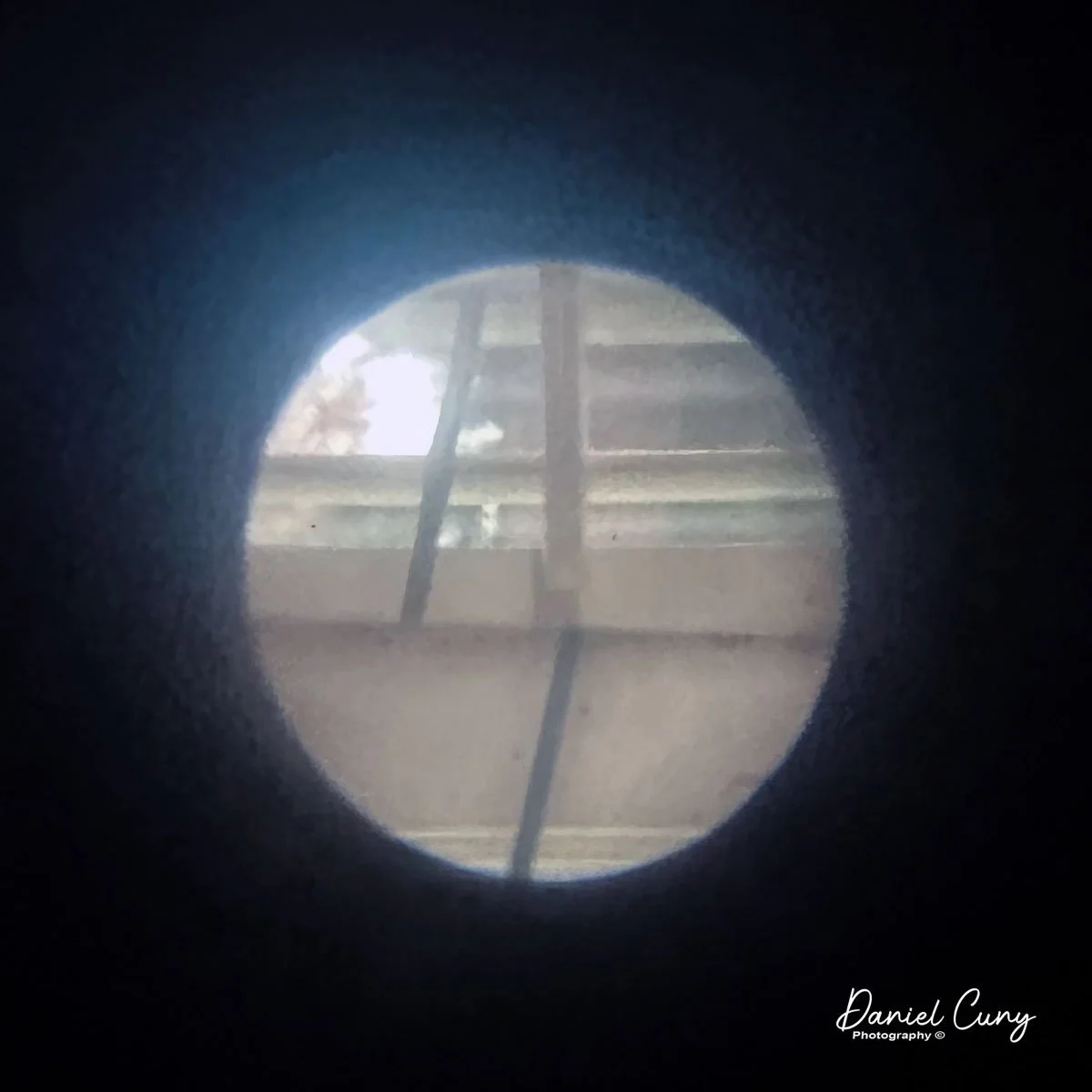
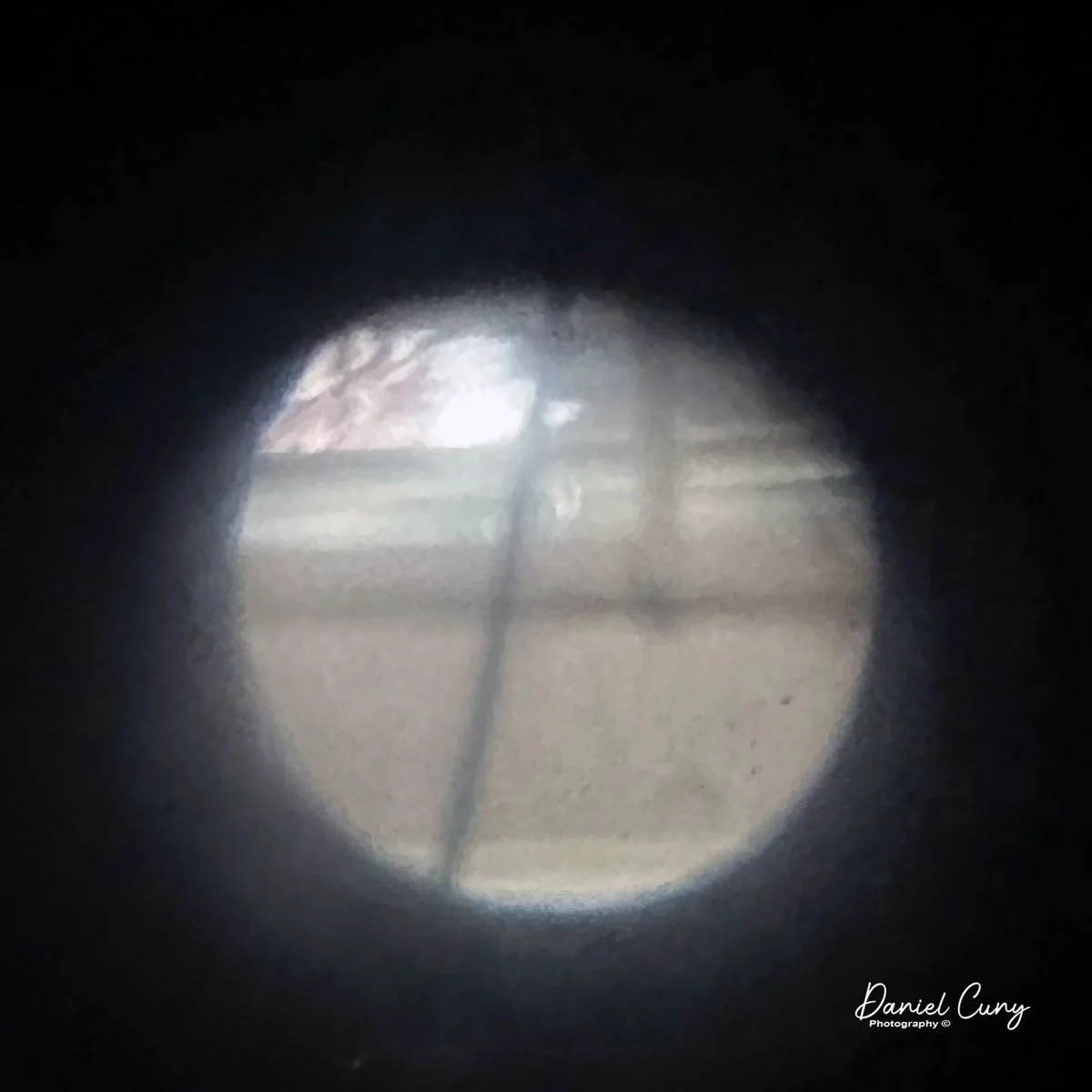
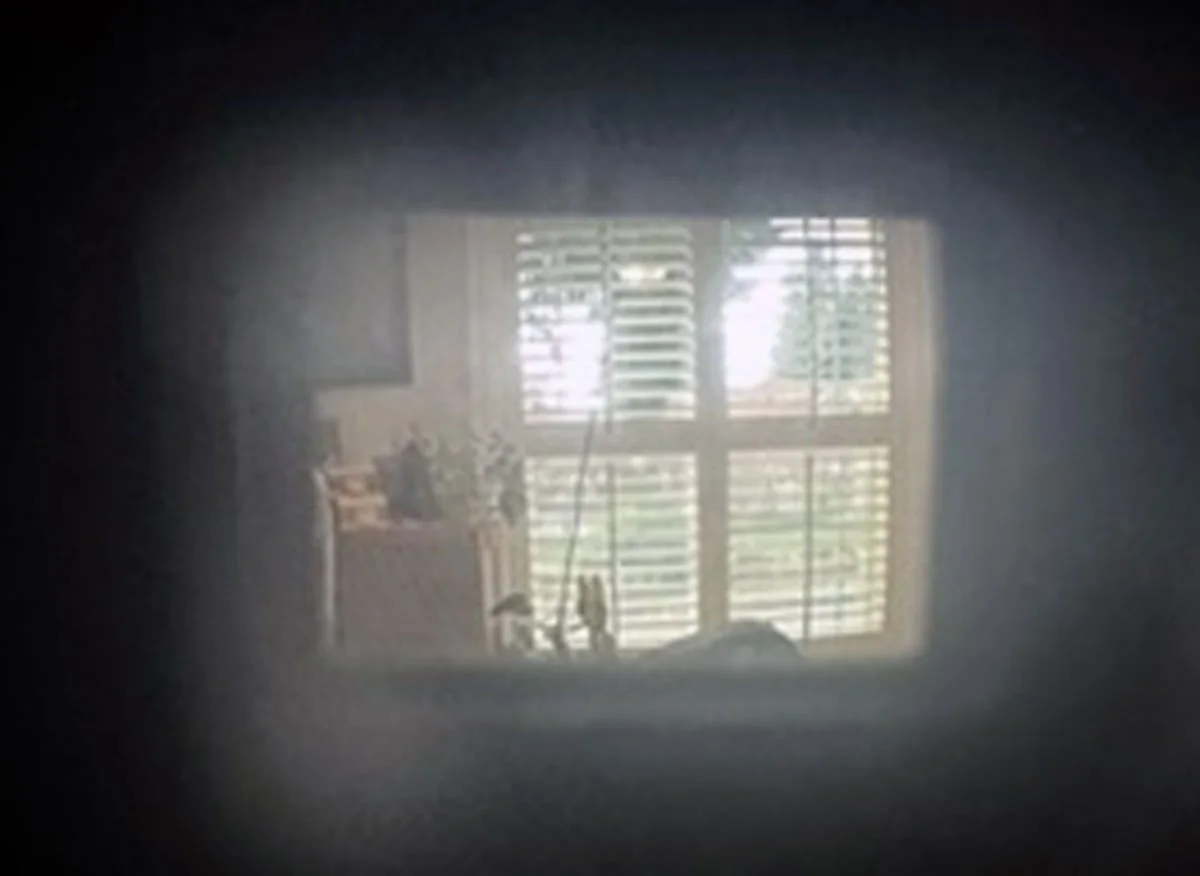
To focus the lens, the camera incorporates a "military style" rangefinder system. The focus adjustment is in the upper-right corner of the lens board when you hold the camera. Sliding the lever down focuses the lens. The rangefinder is viewed through the left-hand window on the back and provides a magnified view of the subject you're focusing on. The rangefinder in my camera is very bright and easy to focus with. Just slide the focus lever until a vertical line becomes a single, straight line, which indicates the camera is focused. The viewfinder is the window on the right-hand side that allows the photographer to frame their subject. 

The focus ring is also used to close the lens back into the camera body. Slide the ring up past the infinity marker in the direction of the "close" arrow. The lens's door will unlock, allowing you to retract the lens back into the camera and shut the front door for transportation.

 The shutter speeds and aperture settings are done on two separate settings on the Compur Rapid shutter. The shutter speed range is from 1/500 to 1 sec, along with "B" and "T" settings. The Aperture range is from f/2.0 to f/16 and is set via a sliding lever on the bottom of the shutter.

The shutter's cocking lever is on top of the shutter system, and the shutter release button is in the lower right of the camera's shutter. The placement and size of the shutter release were the most challenging aspects of using the Kodak Bantam Special camera. I'd get the camera focused, set the exposure, set the shutter speed and aperture, frame, cock the shutter, and I kept missing the shutter release. It's relatively small, and while not hidden, it's not in a very convenient place. If there were a shutter release on the top of the camera similar to the Retina's, that would make the camera much easier to use.

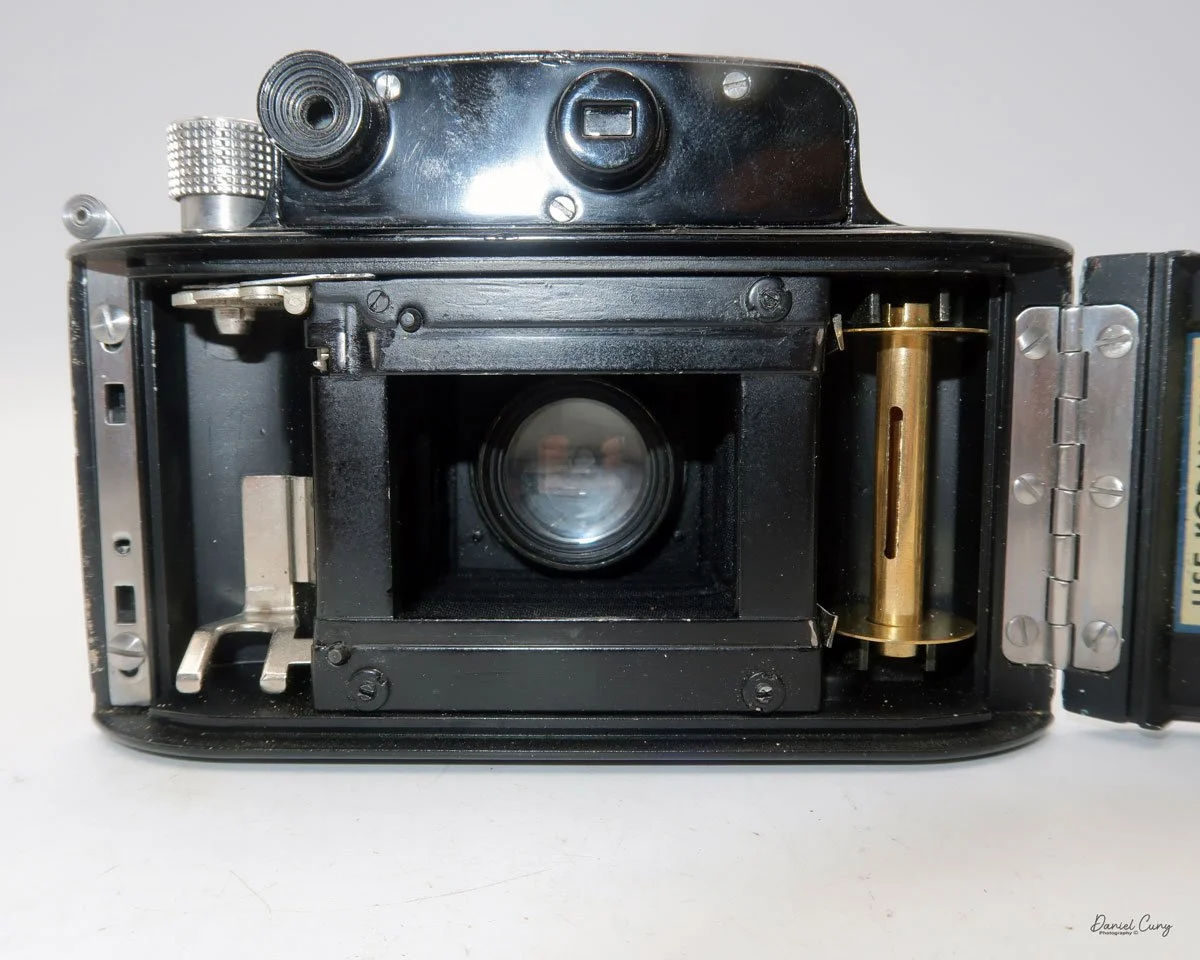
To open the back to load the film, on the top left of the camera, as you're holding it, is a protruding clip you pull up to release the lock for the back door. Once open, the camera is like many roll film cameras, with the empty spool going under the winding lever and the new roll of film on the right side of the camera body. Pull the film's leader out, and across the shutter area, and slide the tab into the slot of the empty film spool. Wind the leader until you see the "start" sign on the film's paper backing and close the film door. Open the camera's green window on the back door to see the frame numbers appear, indicating when to stop and take your next photo.

According to the manual, there is a button on the back of the camera that unlocks the frame advance knob, allowing you to advance the film to the next frame. Either the "film for classics" film used to take photos didn't have an automatic frame stop, or the item on my camera wasn't working because I didn't need to press the button to advance the film, and the film didn't stop automatically at the next frame. Either way, it wasn't a significant hindrance, and I just stopped advancing the film when I saw the following number on the roll.

My results:

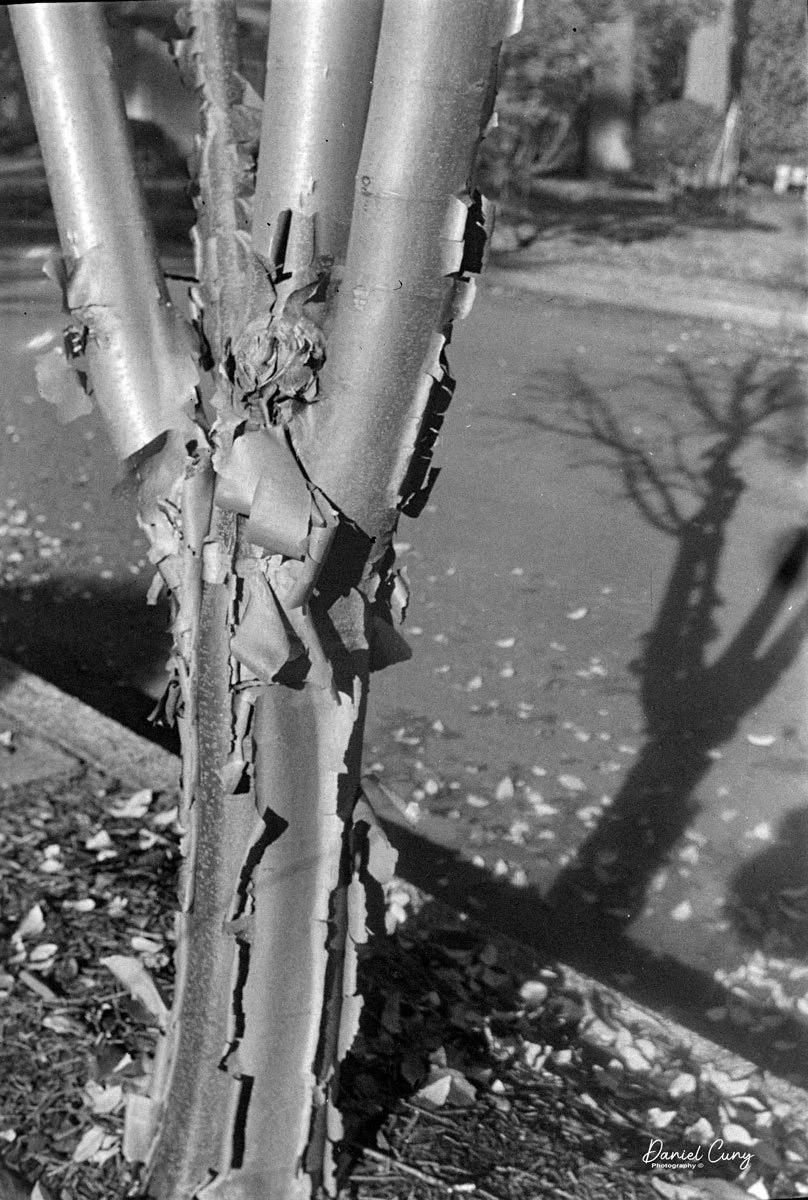
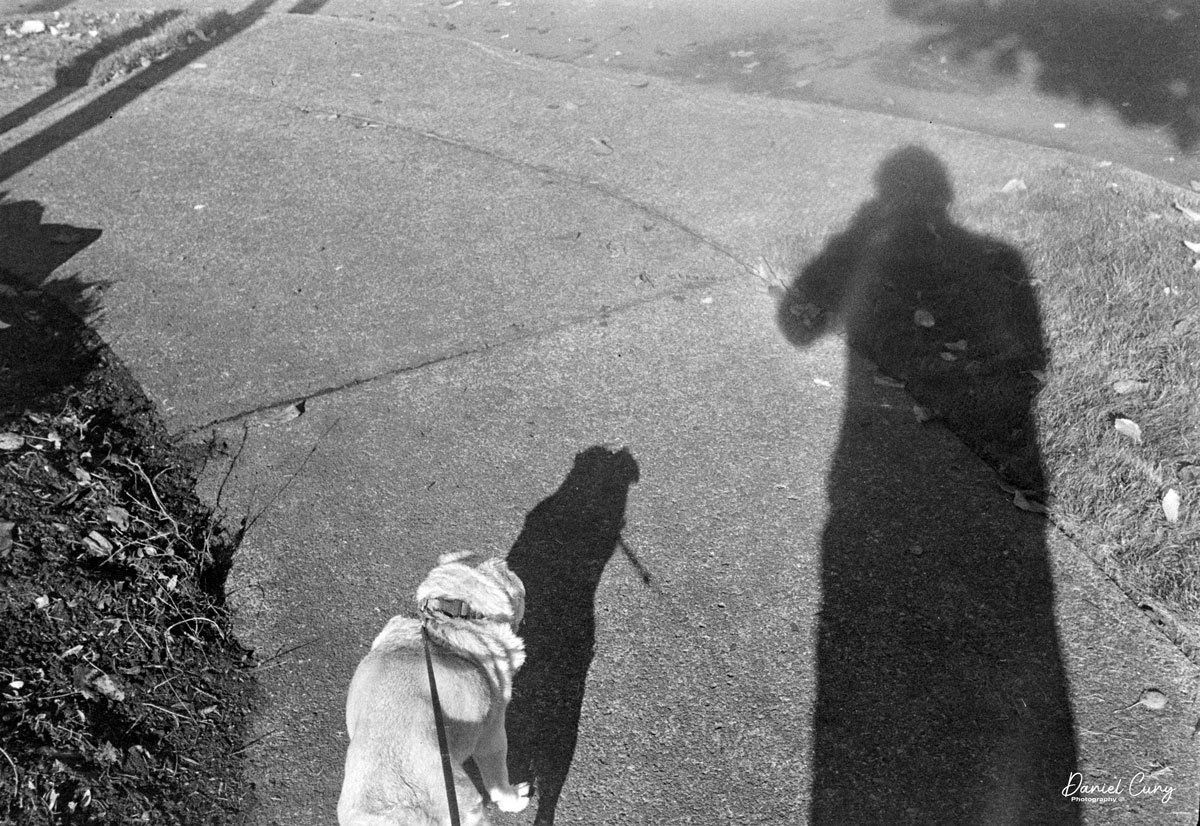
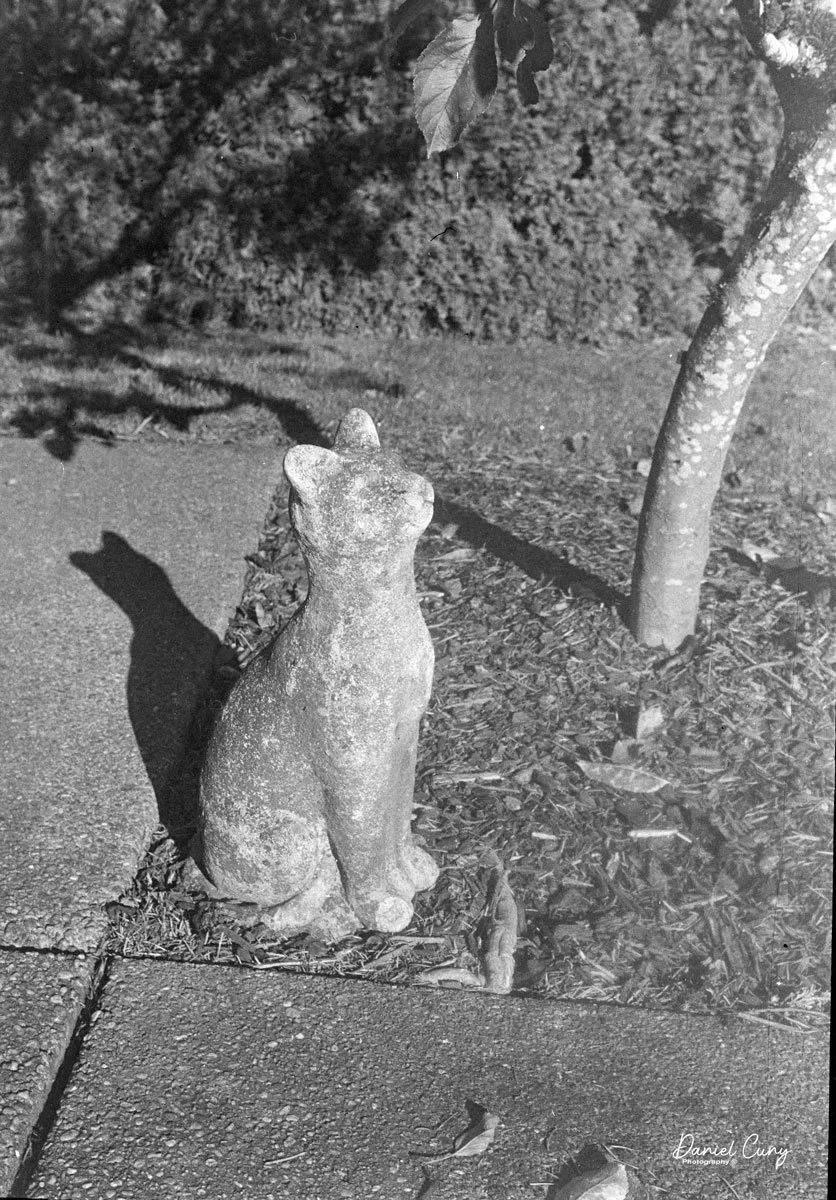
 Other than the difficulty I had finding the shutter release to take the photo, the camera was enjoyable to use. It's slim and fits nicely into my pocket when I walk around the neighborhood taking pictures. The shutter started to lag after the second shot on the roll, and the rest of the roll didn't turn out because of it. I exercised the shutter for an hour or so, running through all the shutter speeds, and that helped. Luckily, I purchased two rolls of film, and the following day, I loaded the camera and tried again, with much better results, as you can see from the examples below.

 The rangefinder was bright and extremely easy to use. The regular viewfinder was a bit small, but that's probably more to do with me getting older and having an eye issue with my "taking" eye, so I needed to swap over and shoot "left-eyed," which is something I'll need to get used to.

 I loaded a roll of Classics 828 film into the camera and walked the neighborhood for photos. With only eight frames per roll on 828 film, I can see why 35mm became more popular. That's not that many photos before having to change to the next roll of film.

 Anyway, here are the results from my walk around the neighborhood with my Kodak Bantam Special.

Conclusion:

 On a scale of 1 to 10 for camera usability, I'd give it a 7, but for overall appearance, artistry, and appeal, it's a solid 10 in my books. There aren't many other cameras with this one's overall beauty.

 The photos turned out terrific, and it was great fun to use. Other than the price of black-and-white film at over $20.00 per roll, I'd use the camera more often. Still, for special occasions, it is a great camera to use, and one I'm pleased to have in my collection, especially with the case, manual, and box.

 Here's a link to my other Camera Reviews.

 I have some of the reviewed cameras along with other interesting cameras and photo items in my eBay store, Cuny's Cameras and Photos. Please stop by, and if you mention the blog, I'll be happy to offer a discount.

 Thank you for taking the time to read about this fabulous camera from the late 1930s. The Kodak Bantam Special is just that, Special.

 Until next week, please be safe.