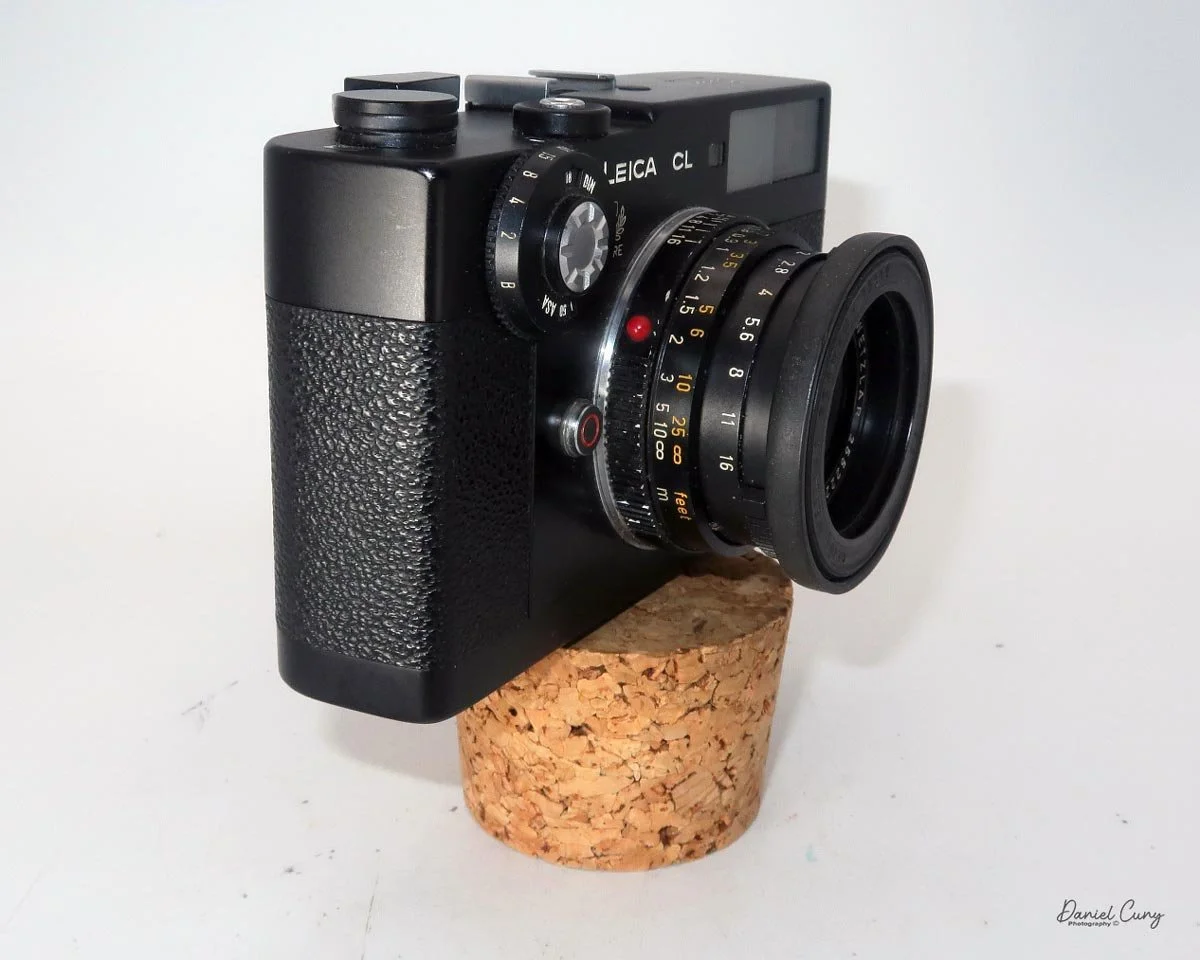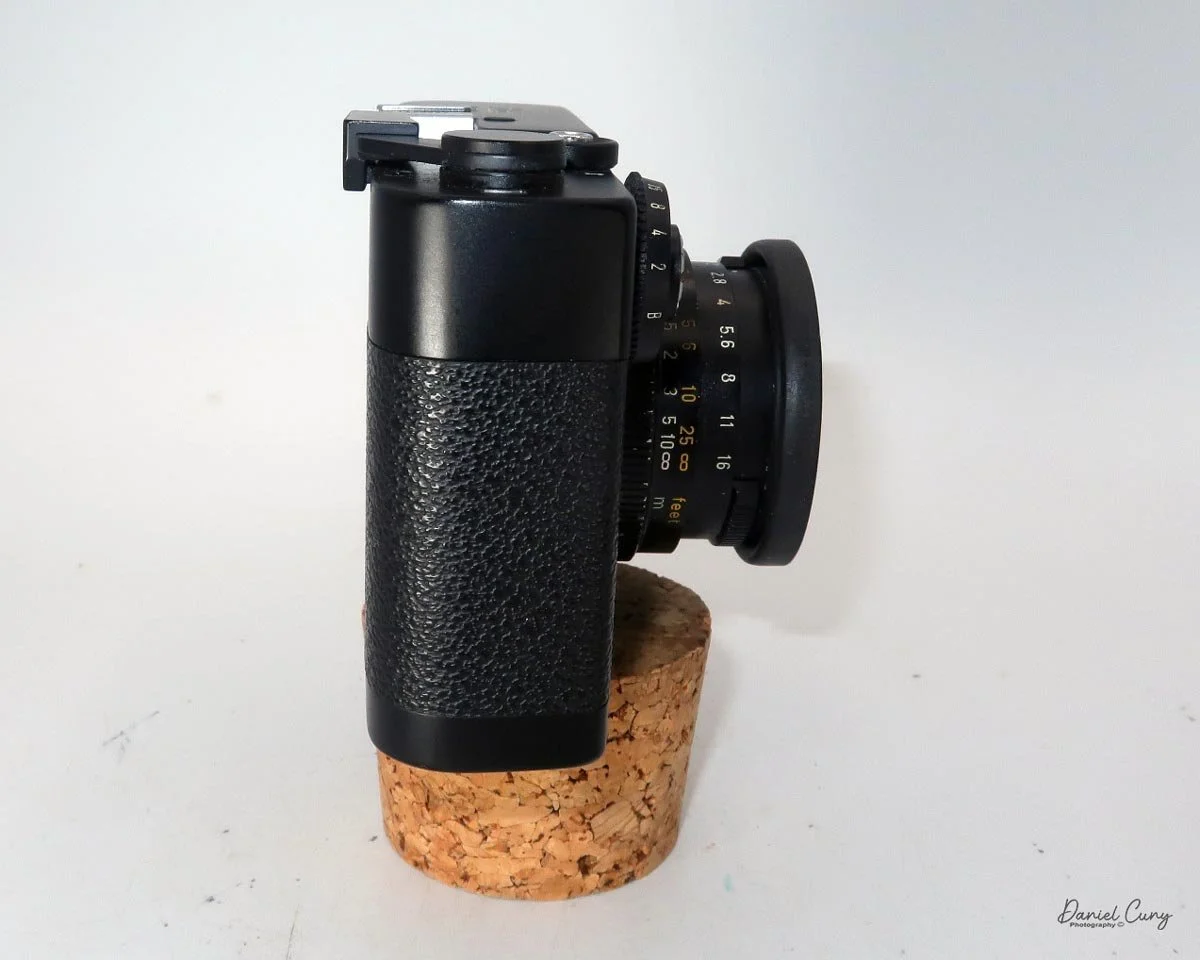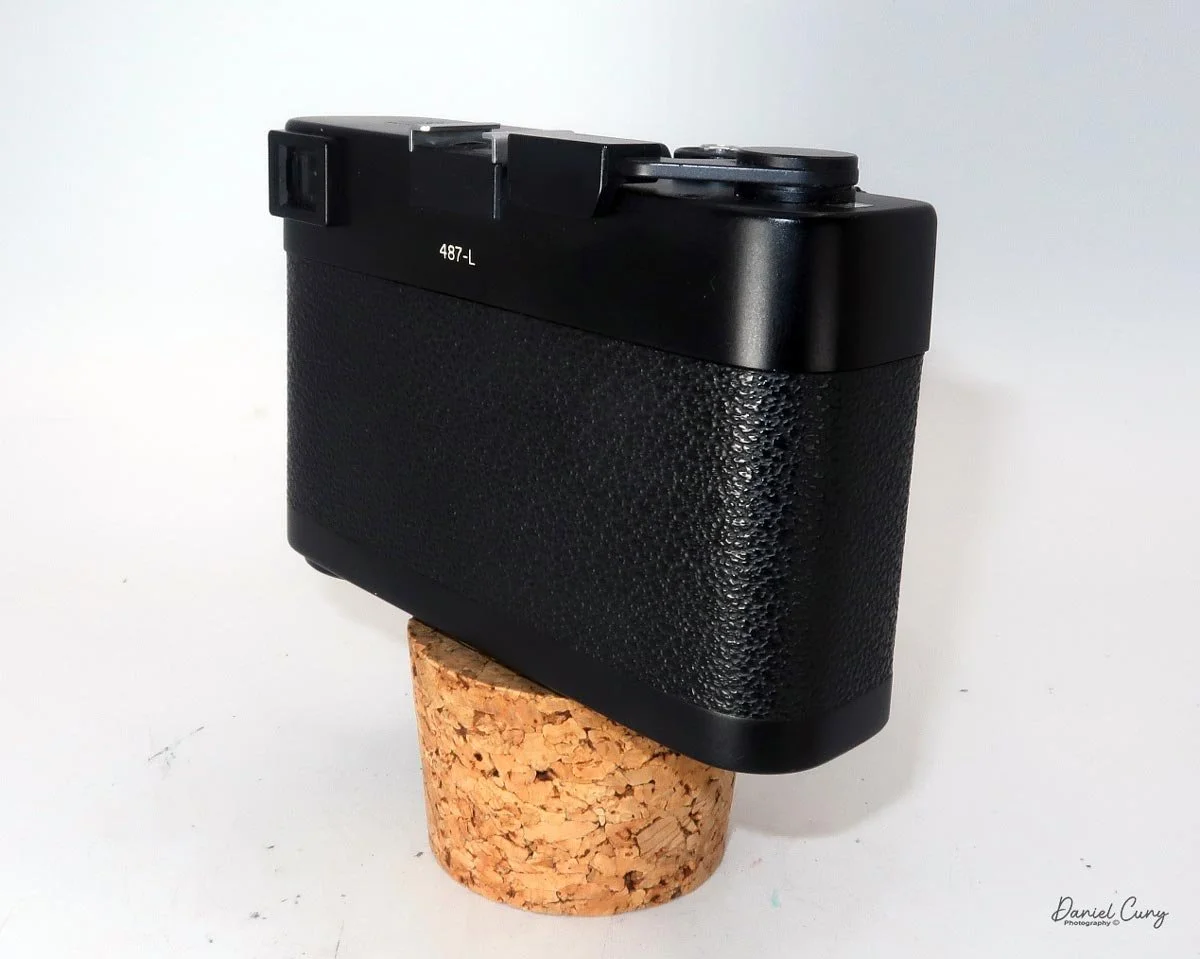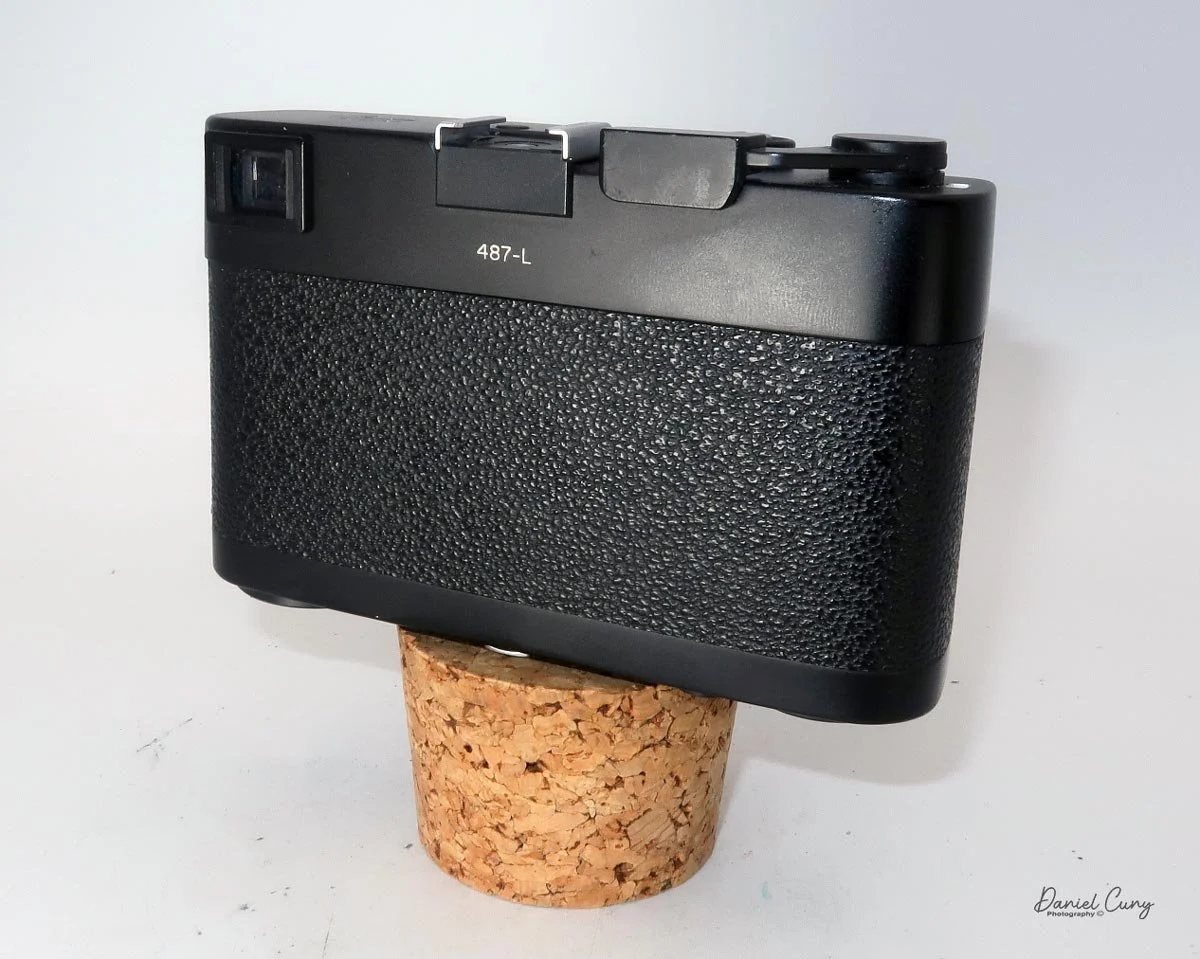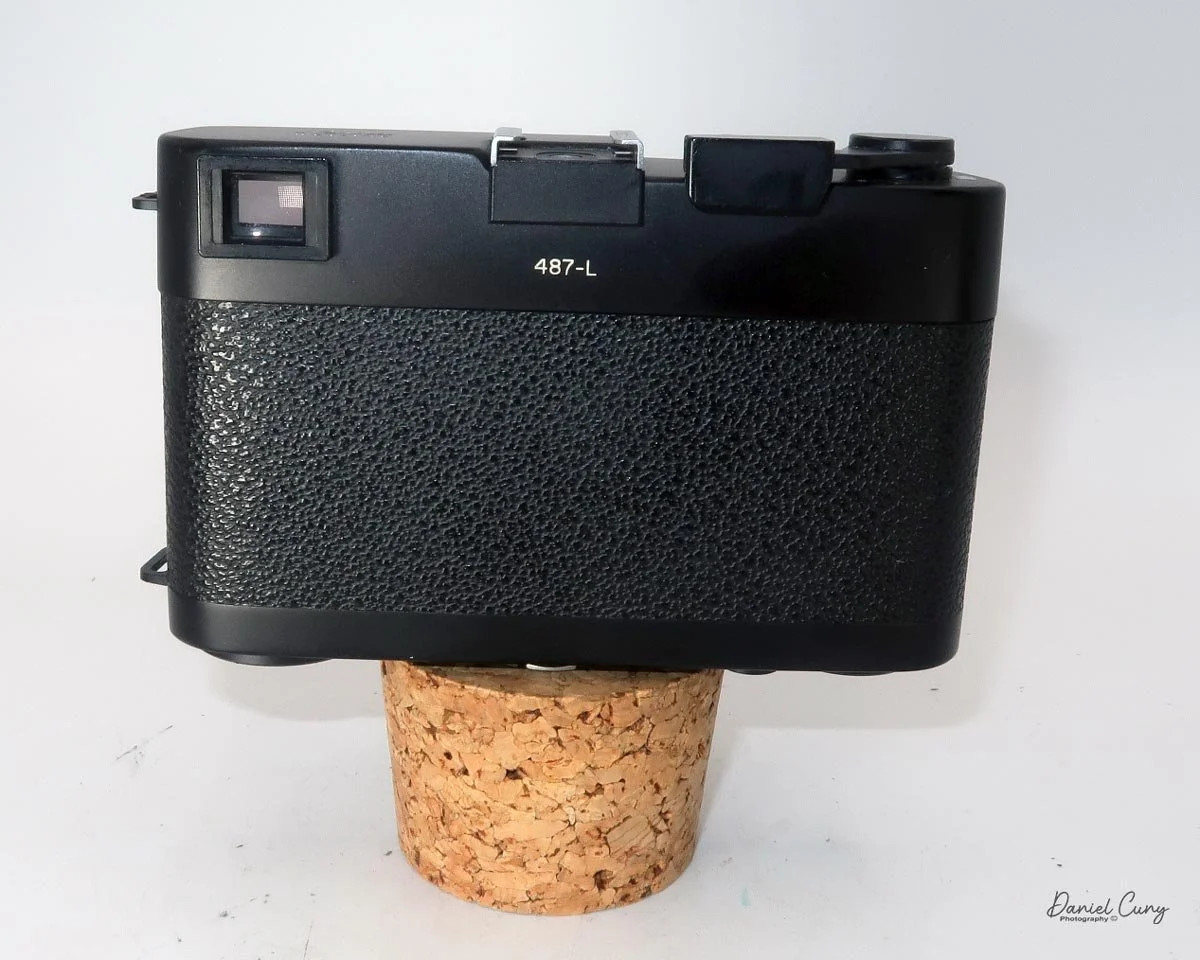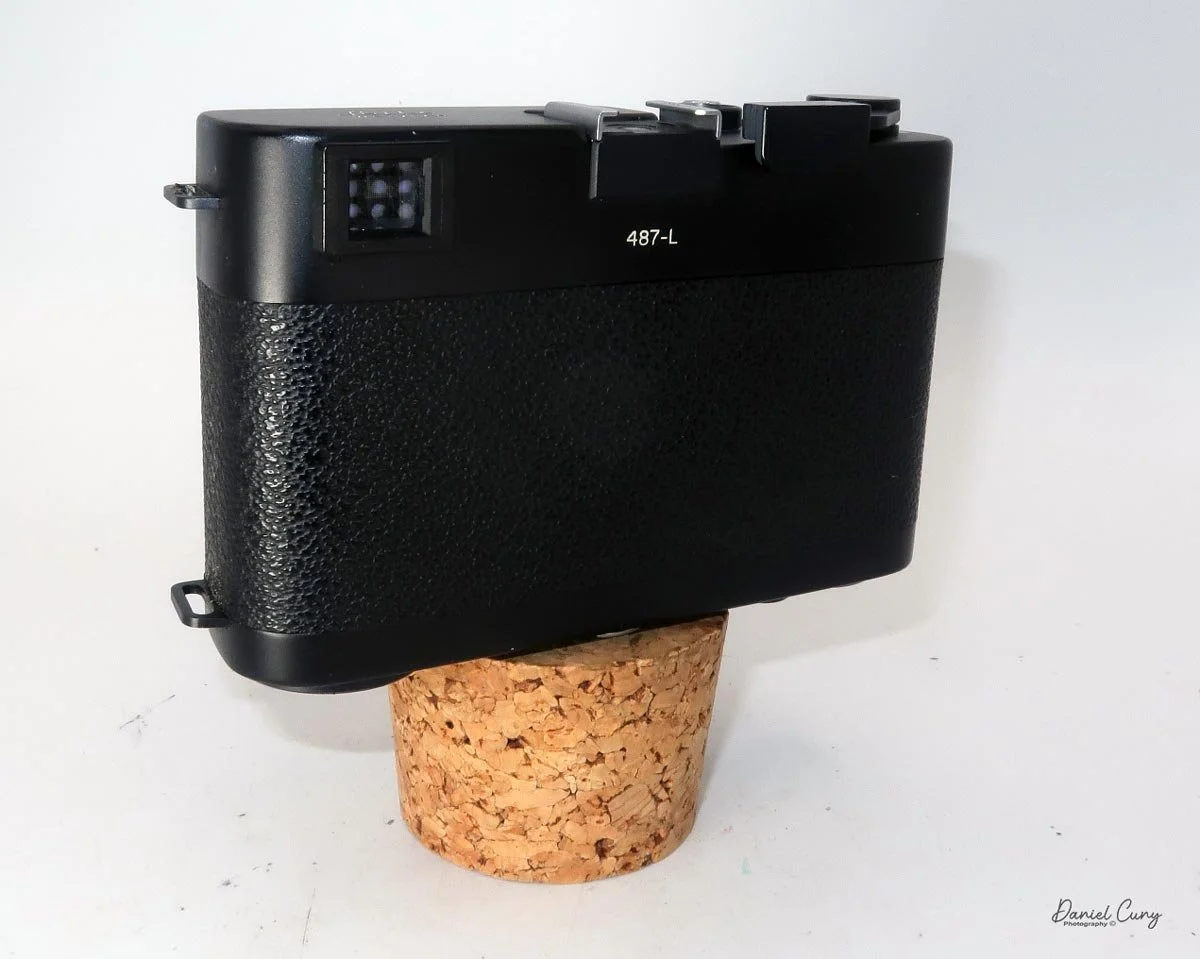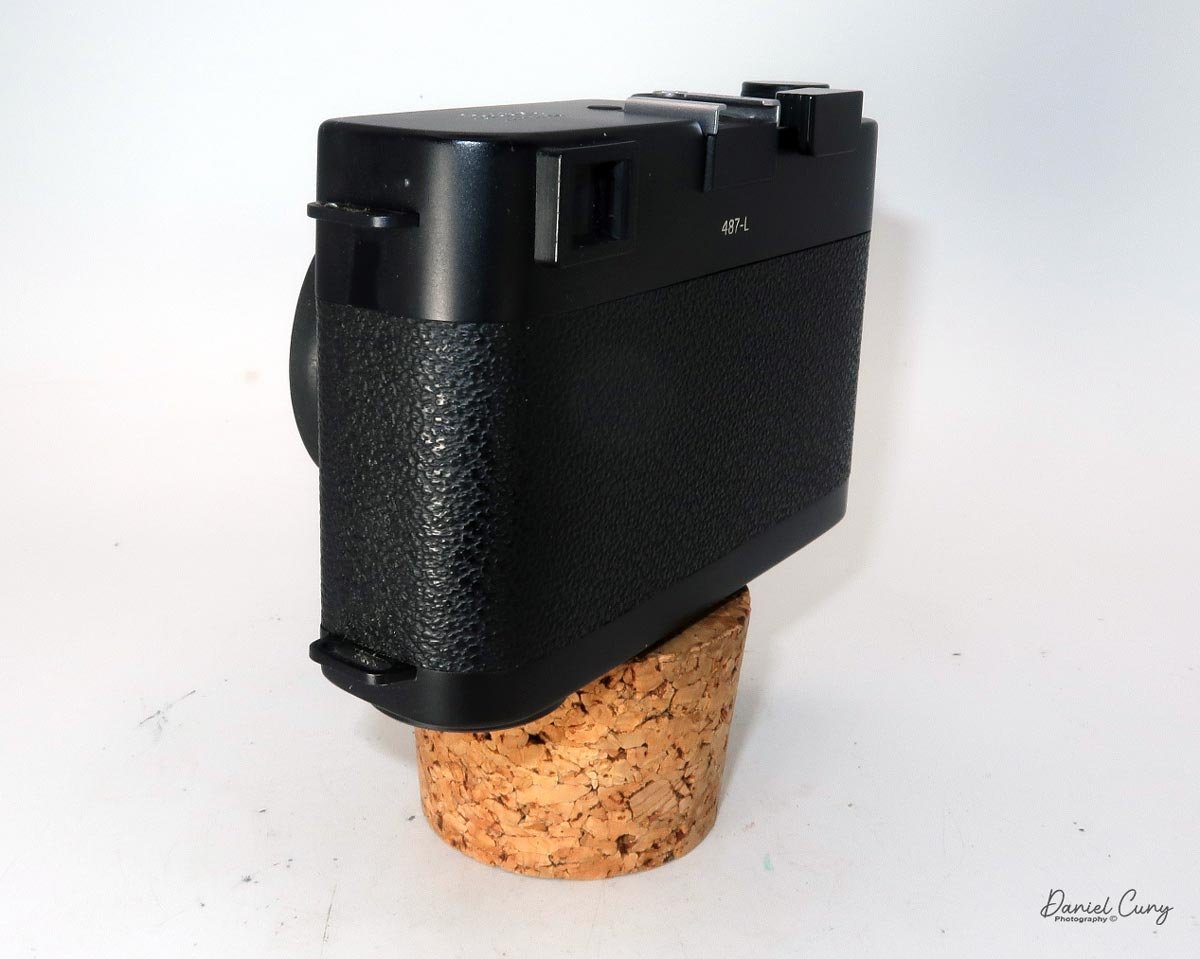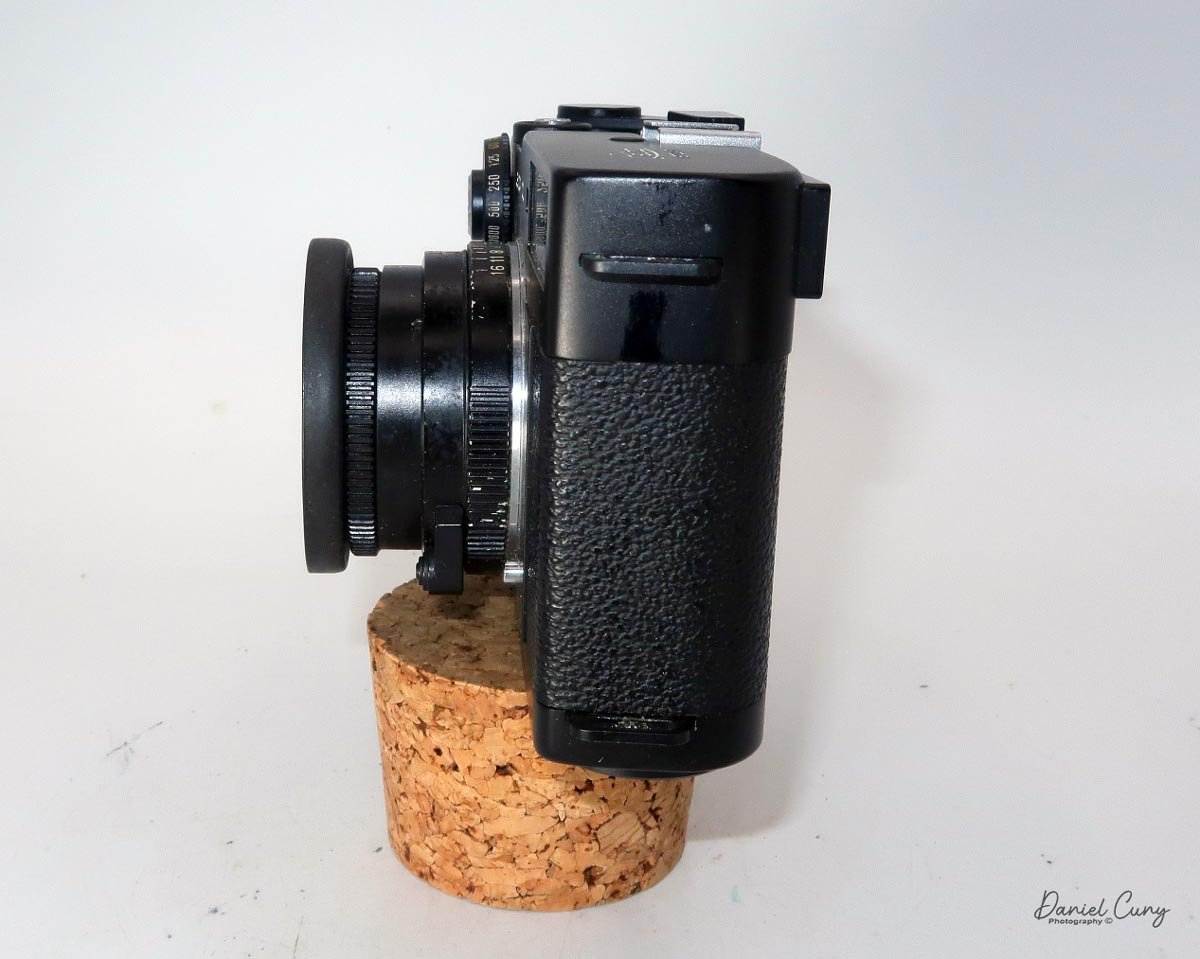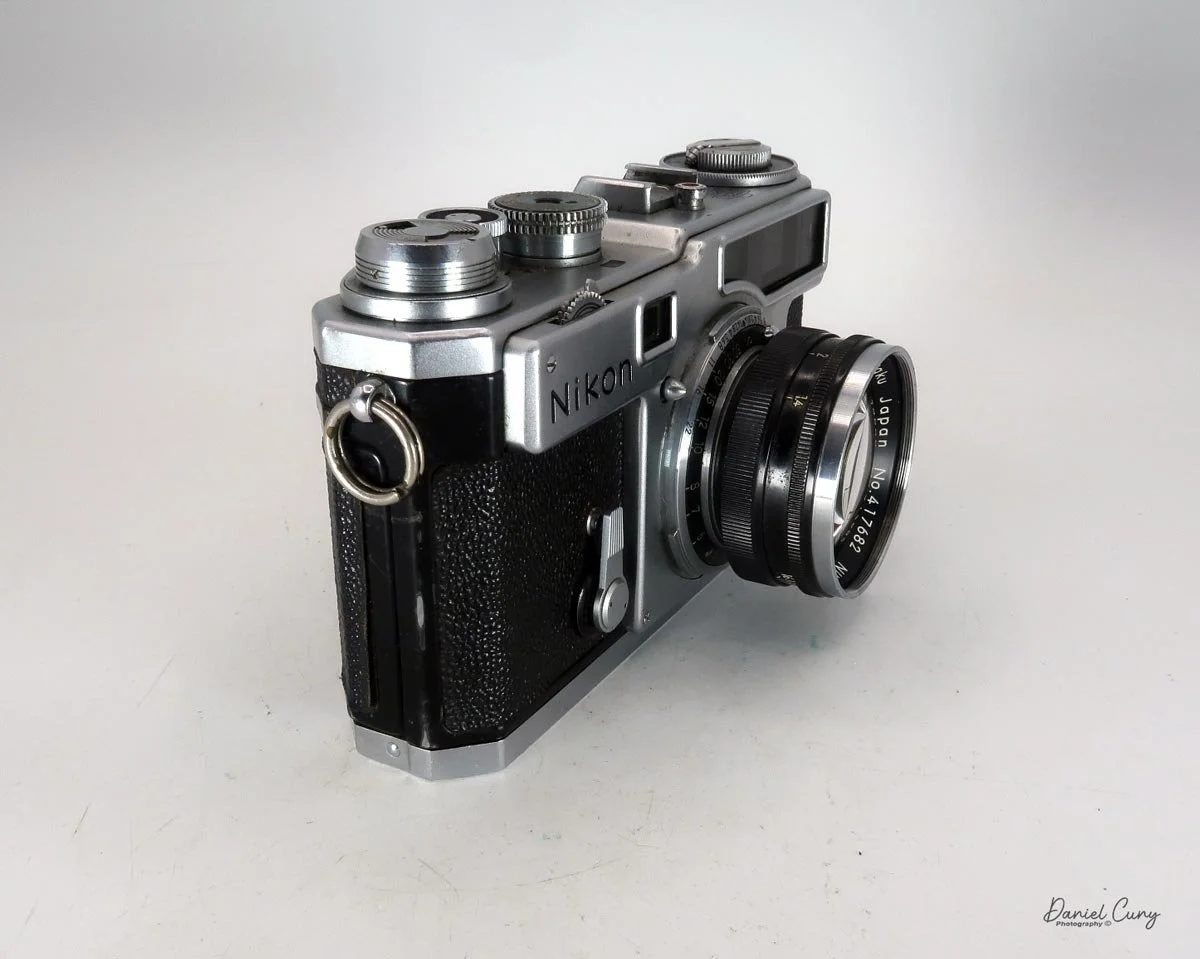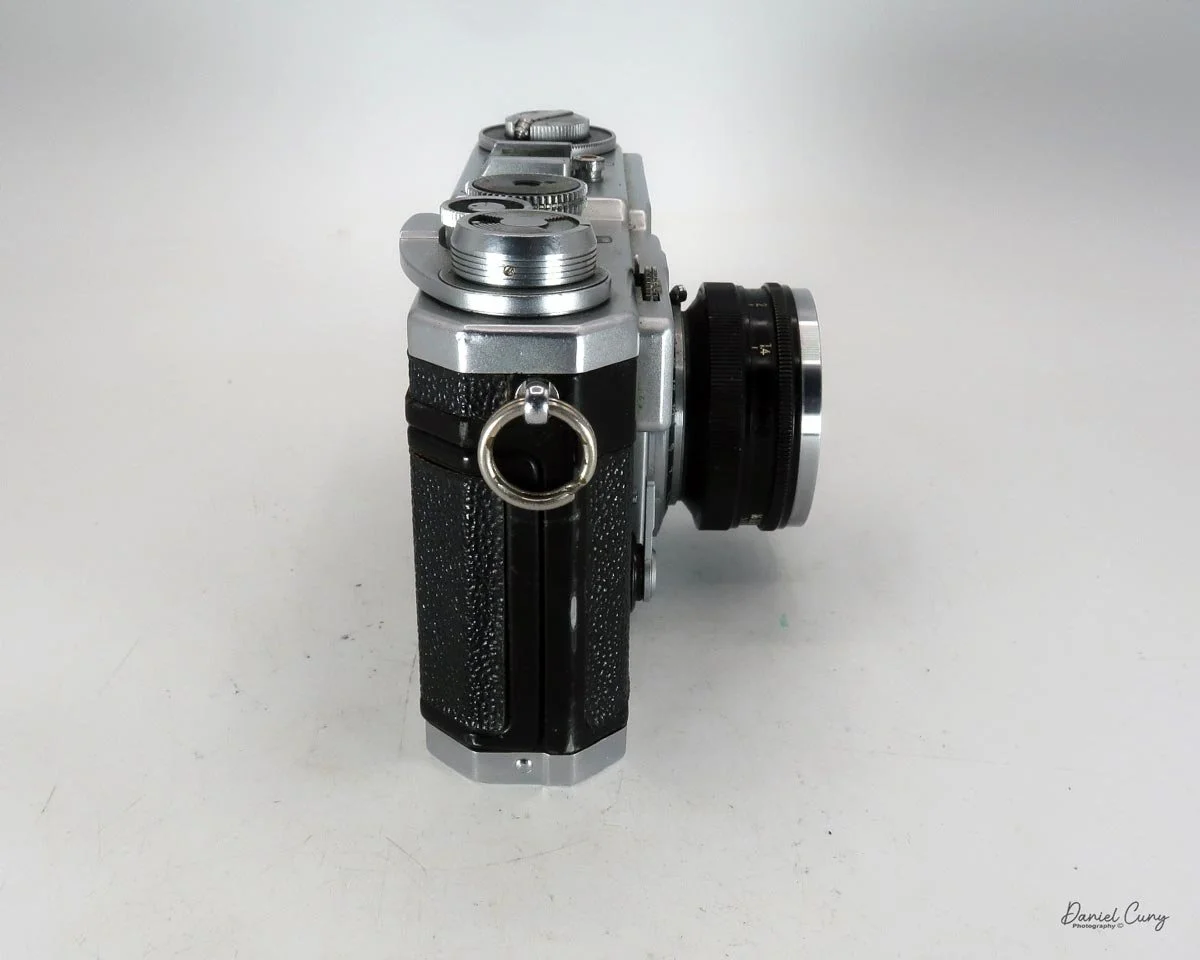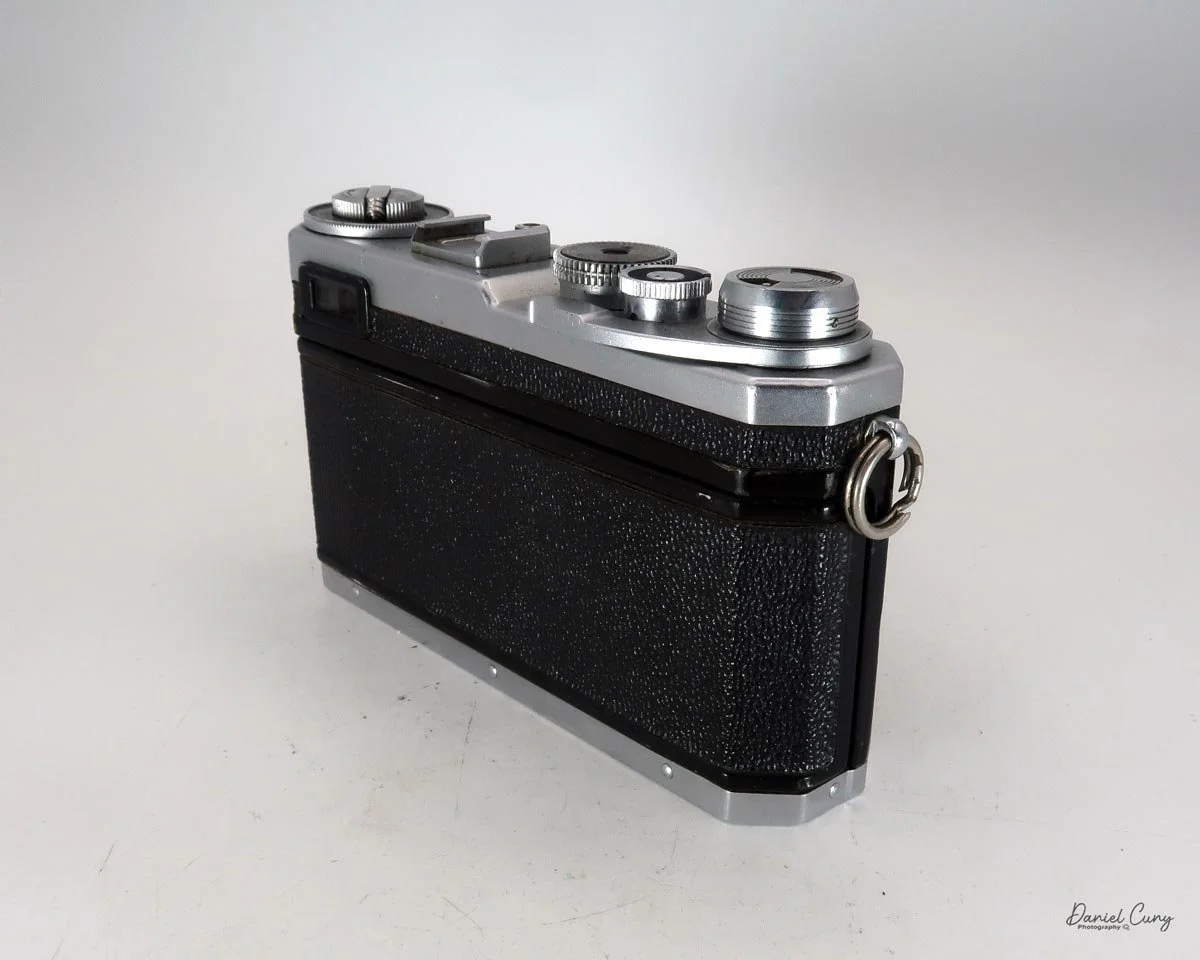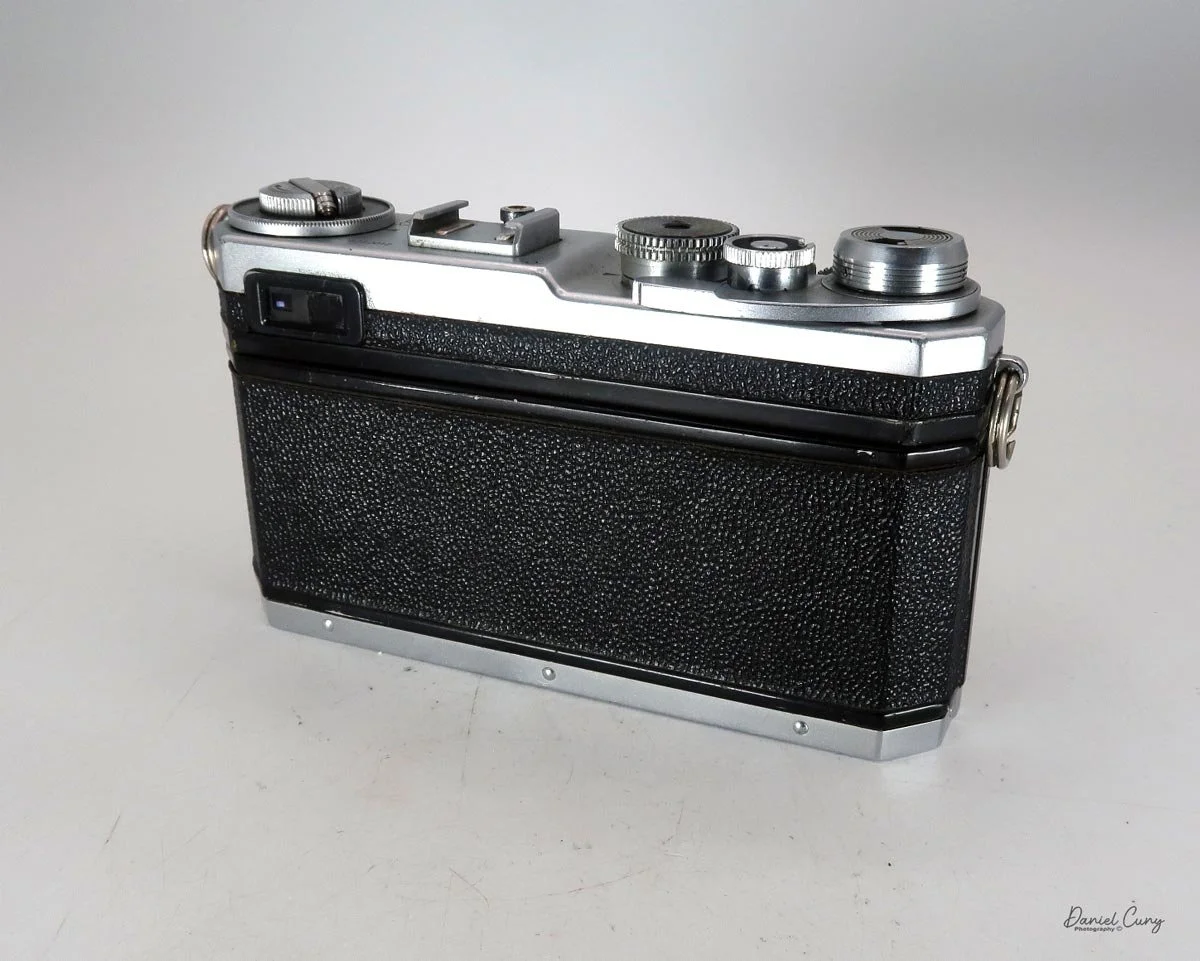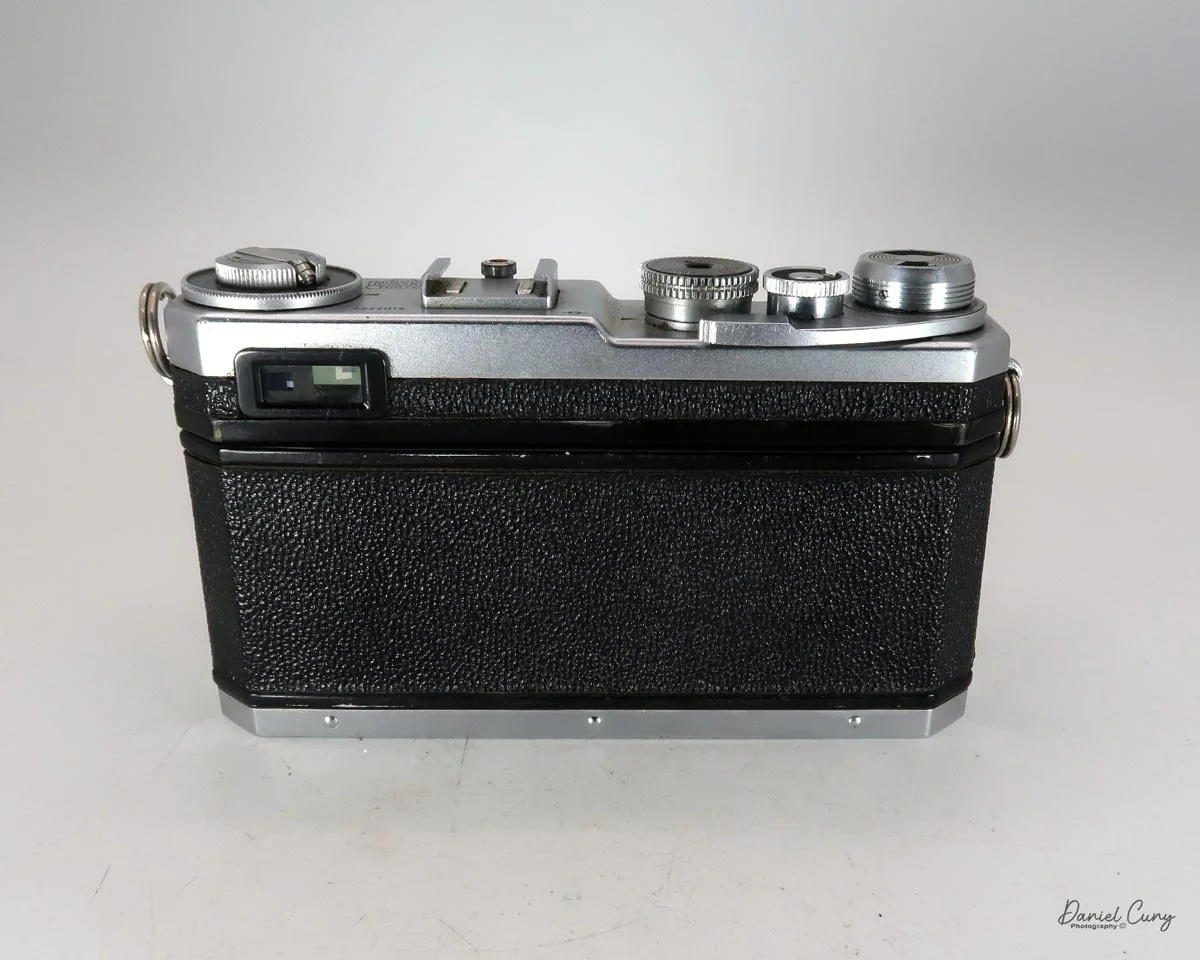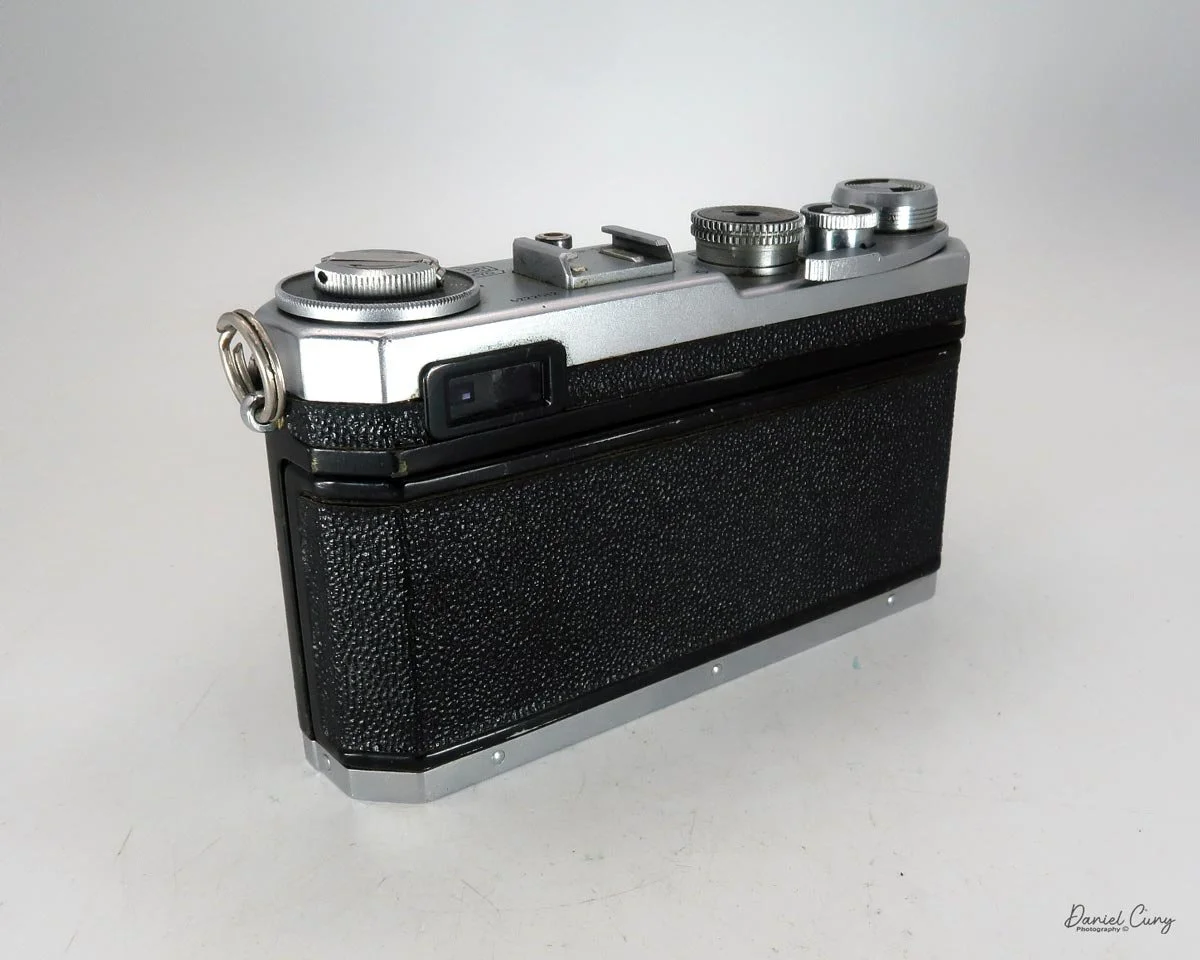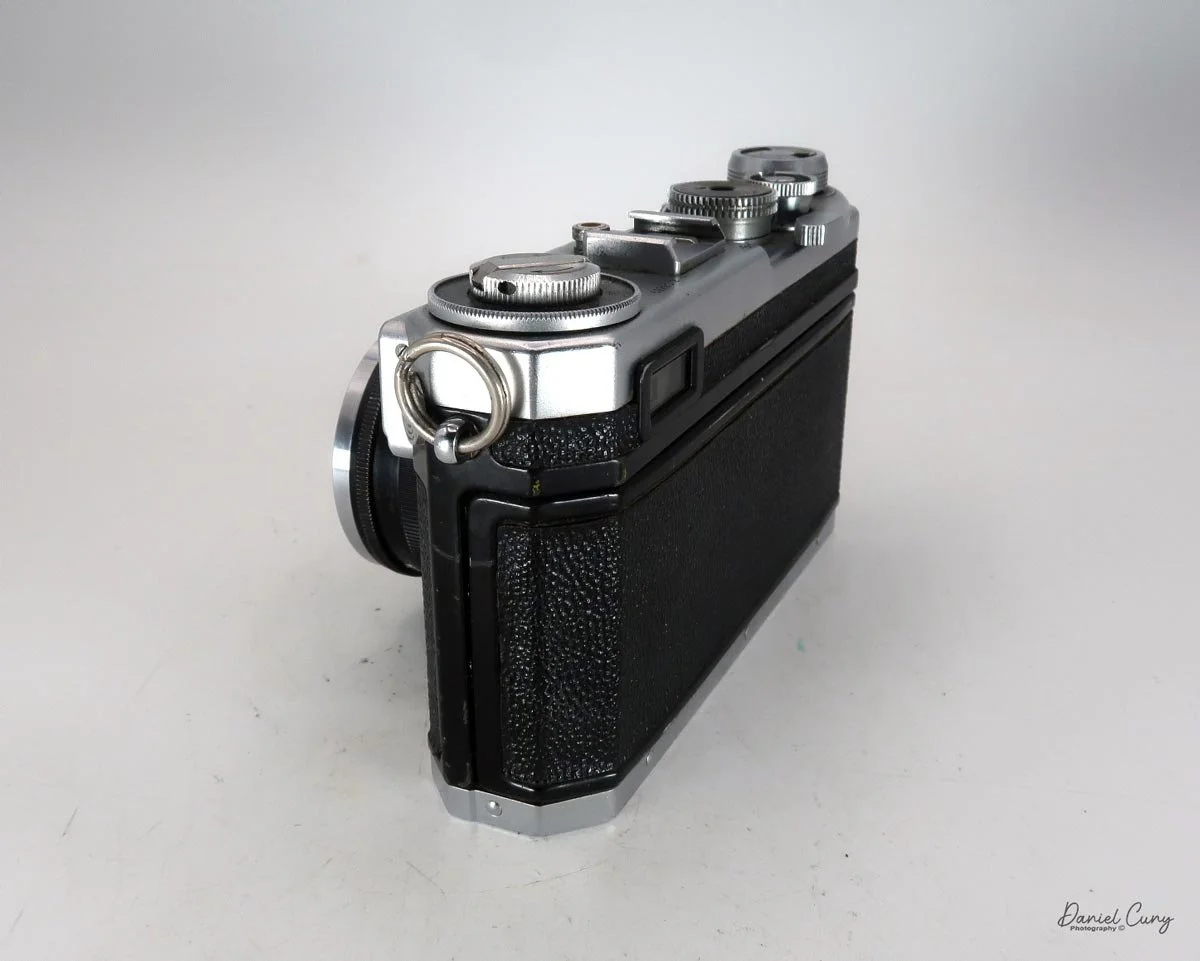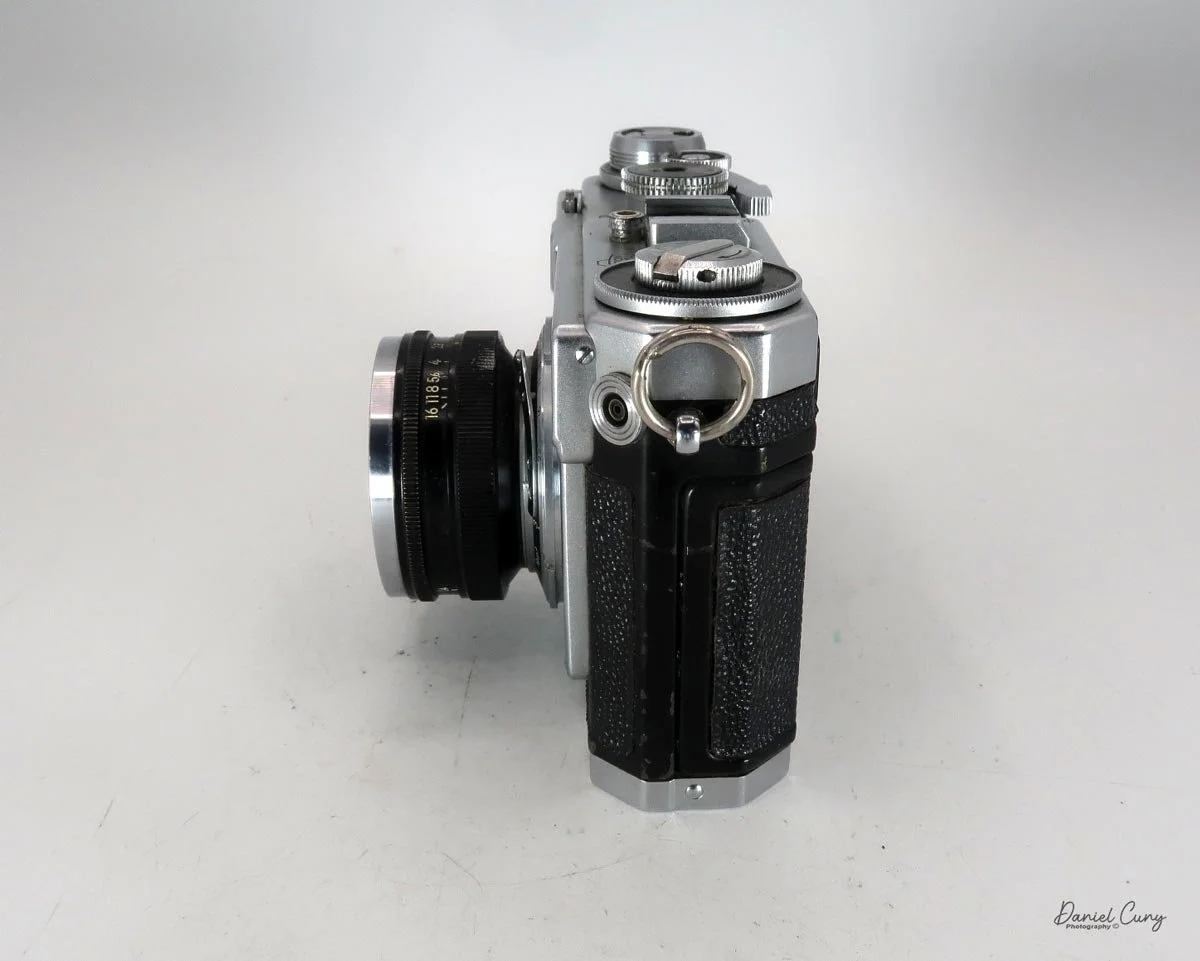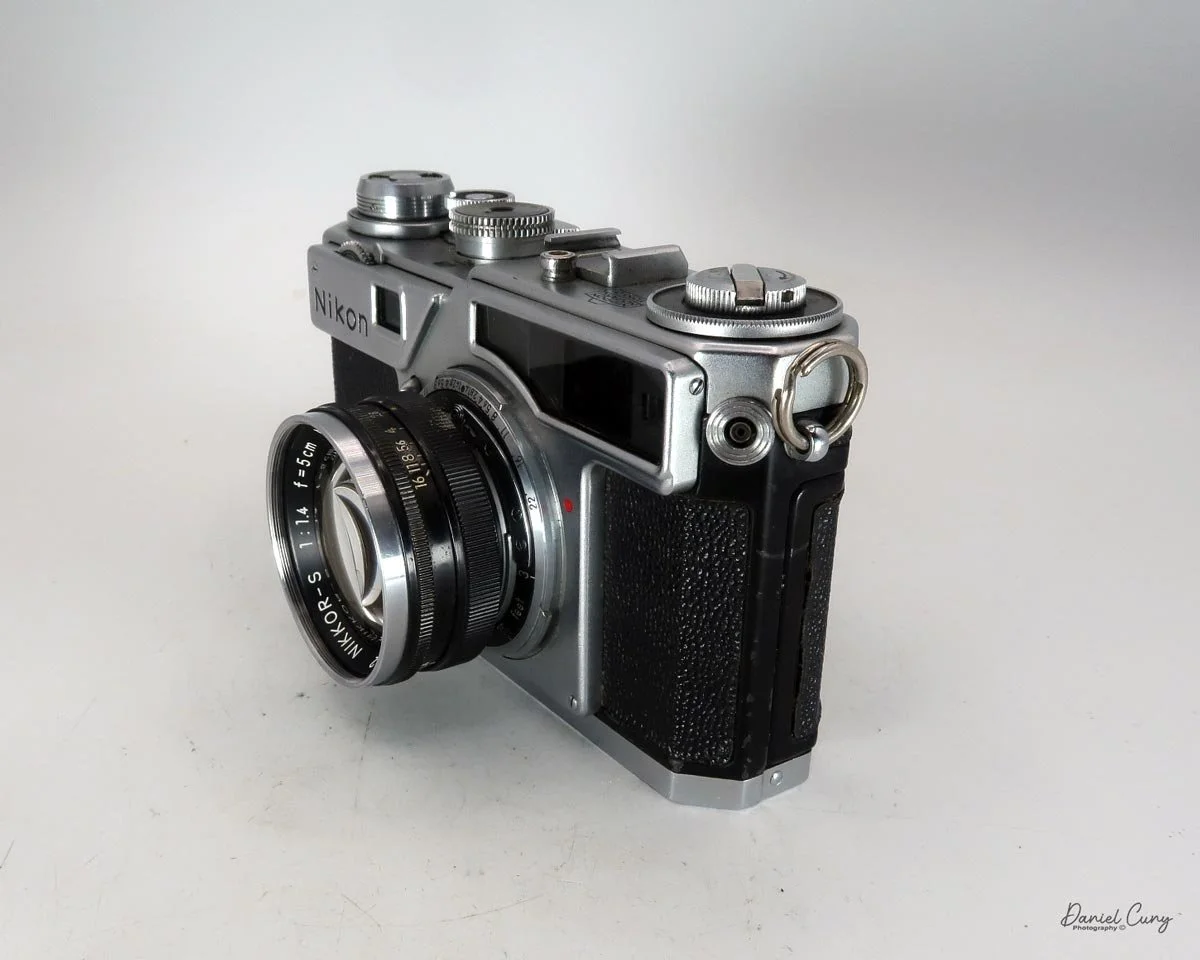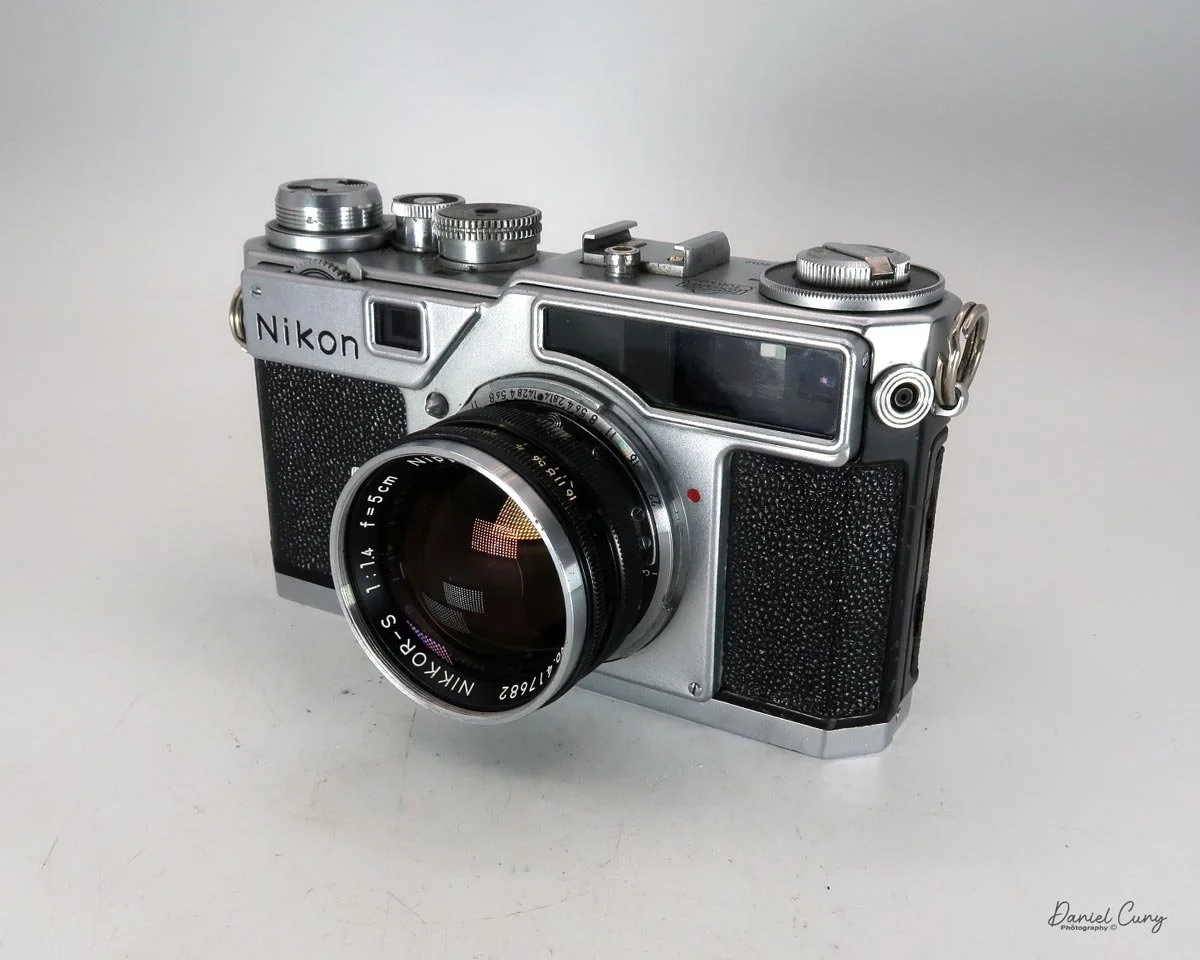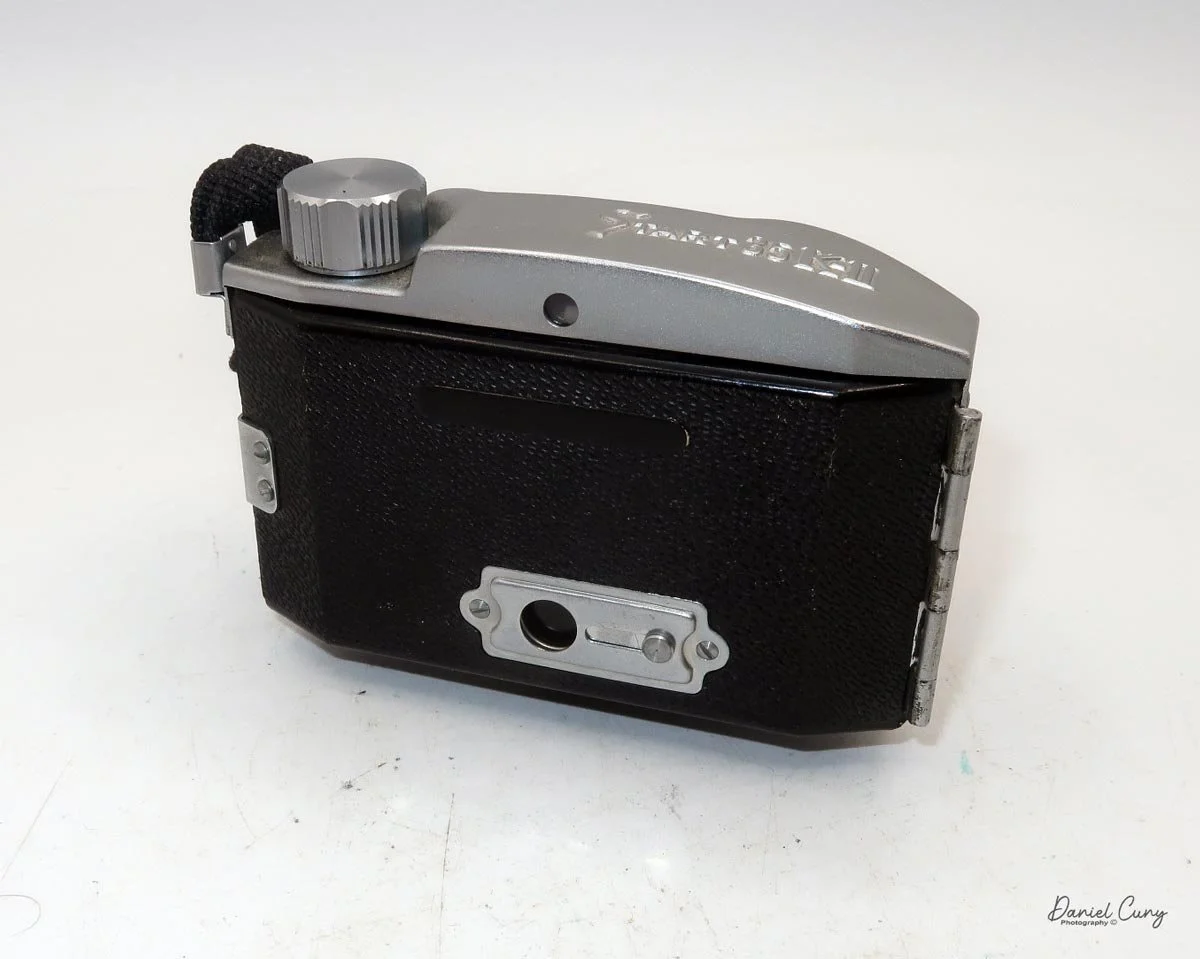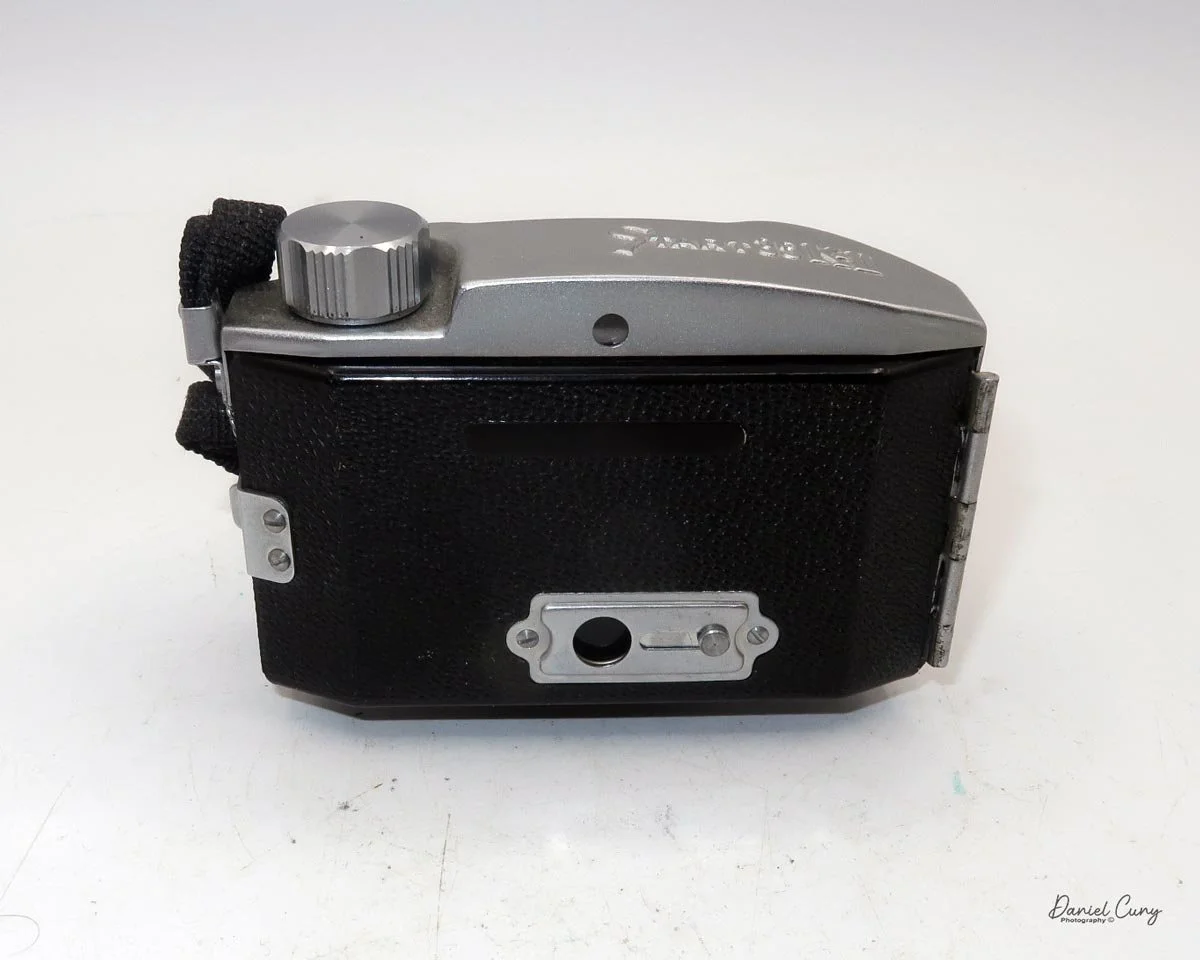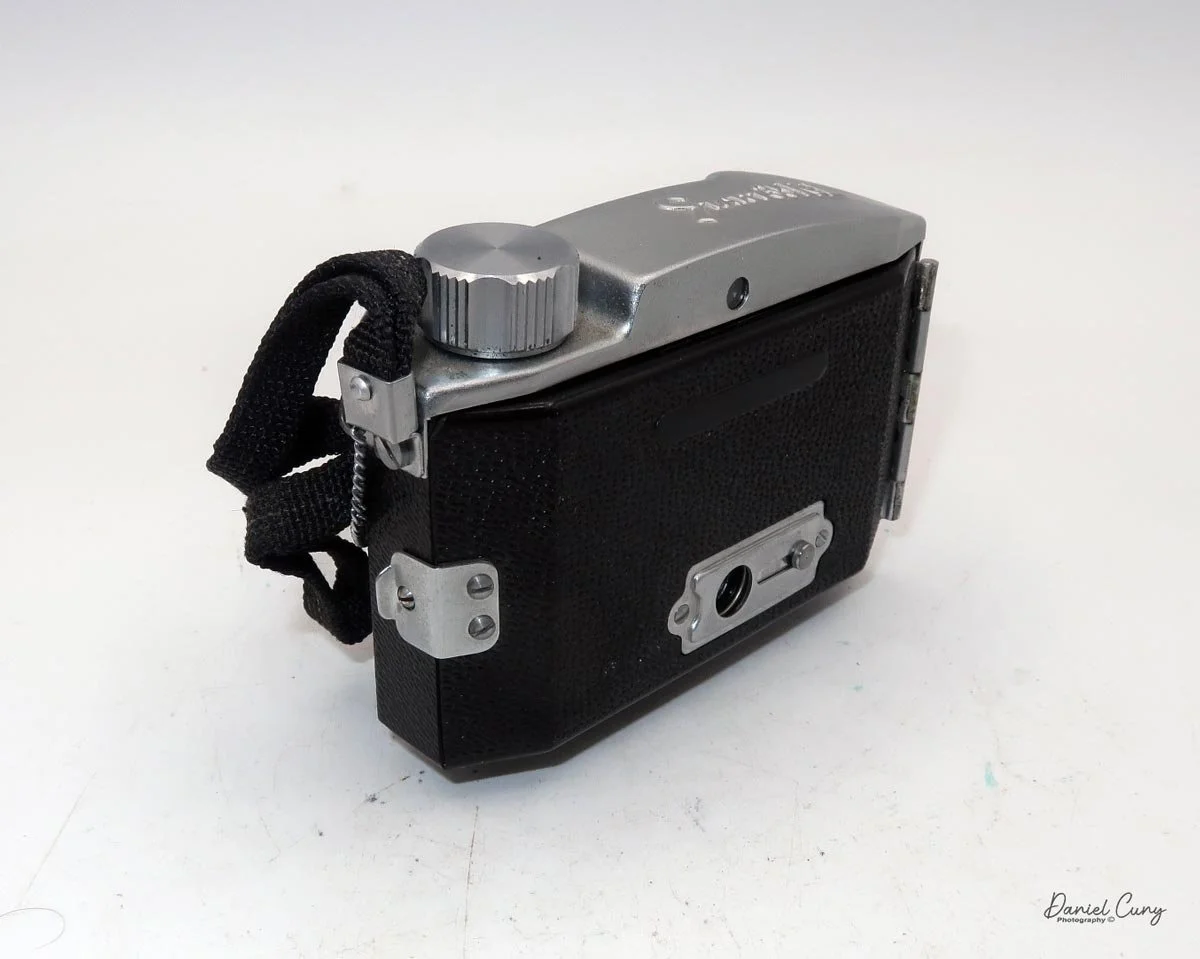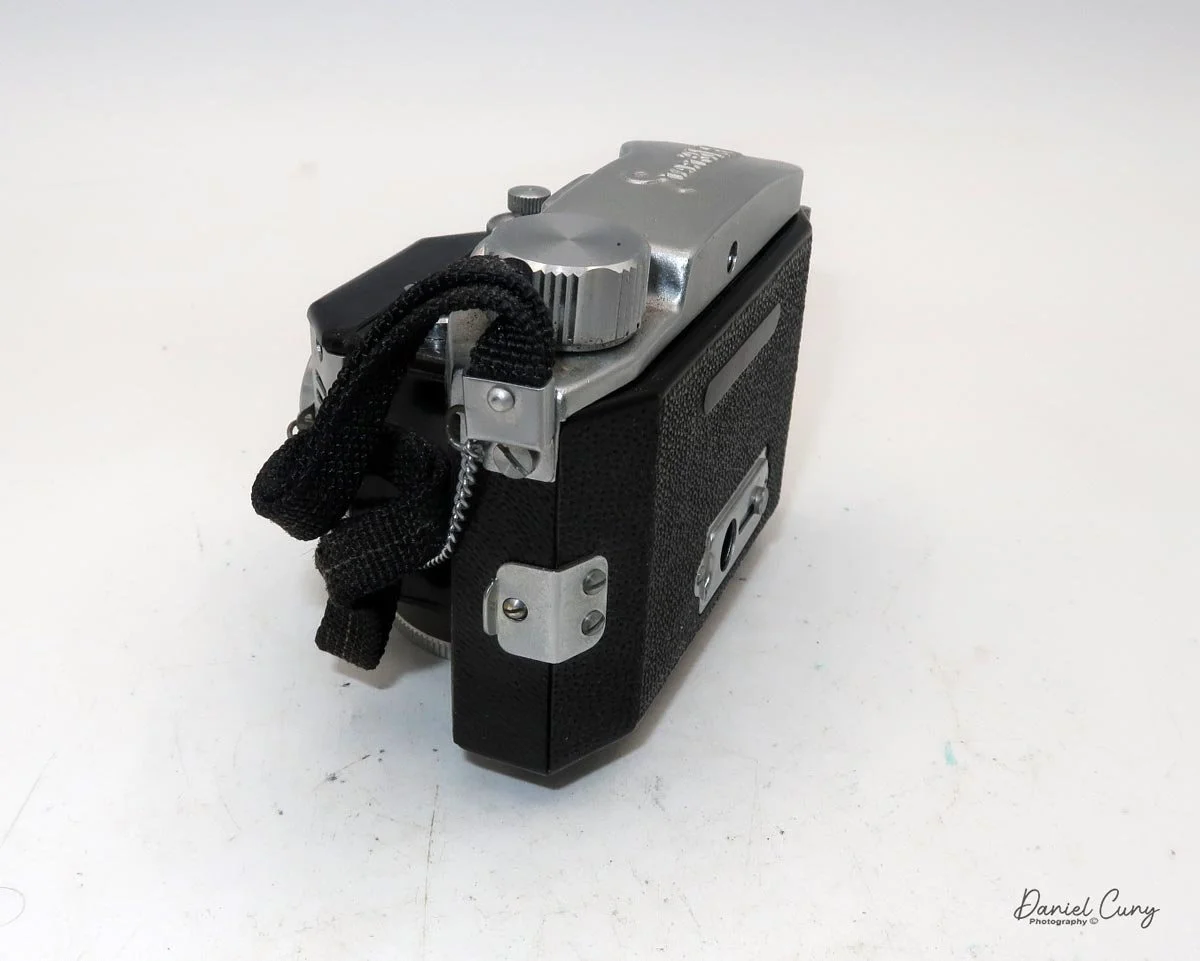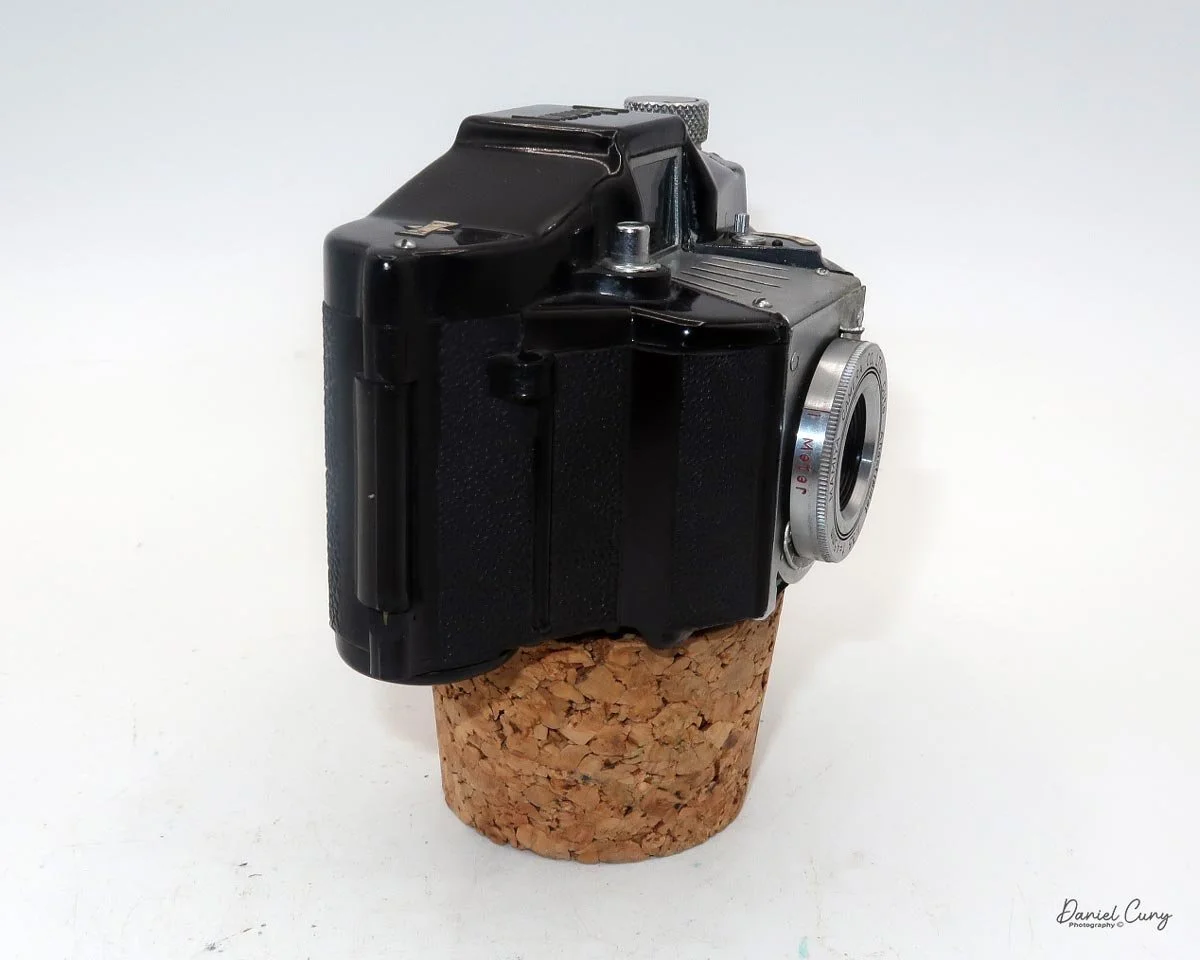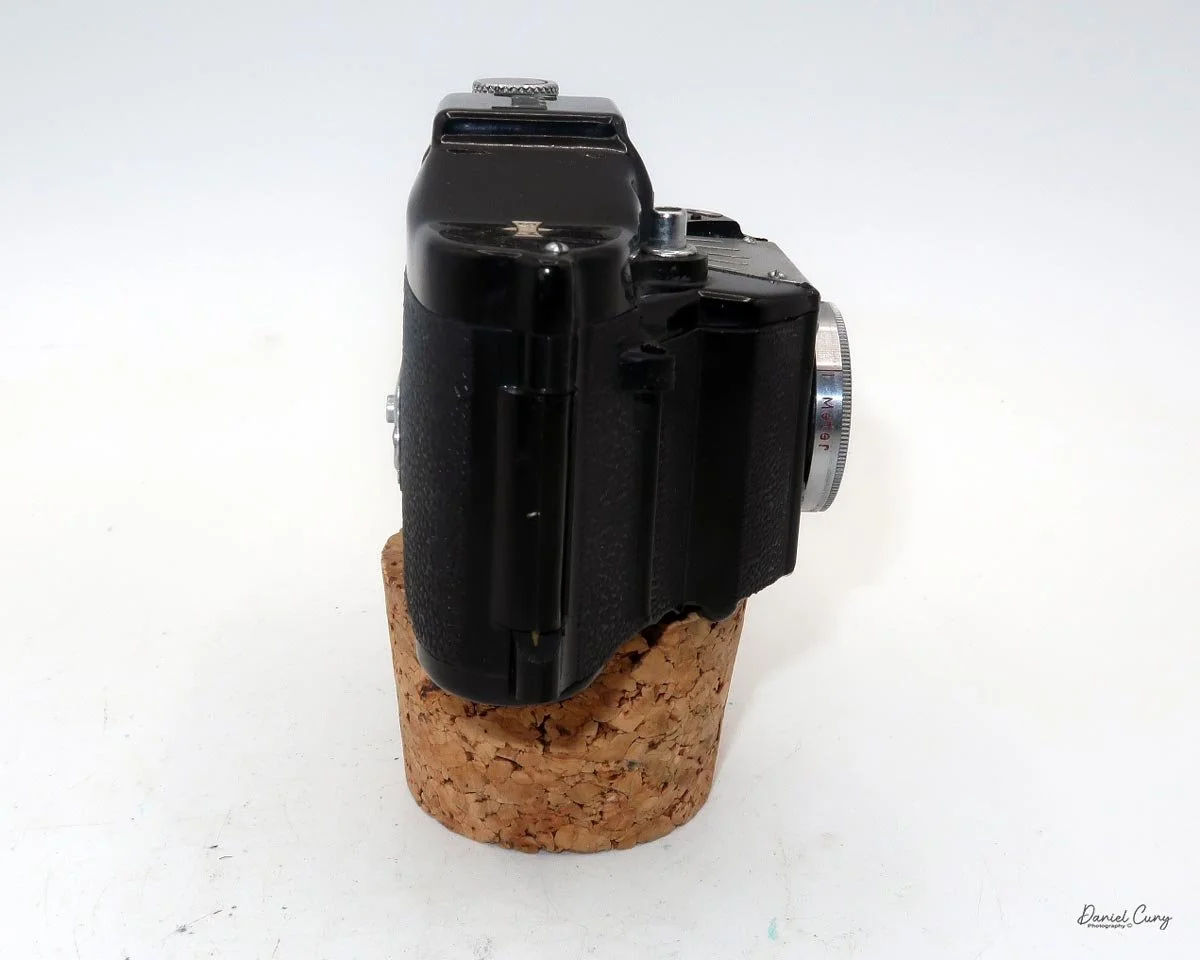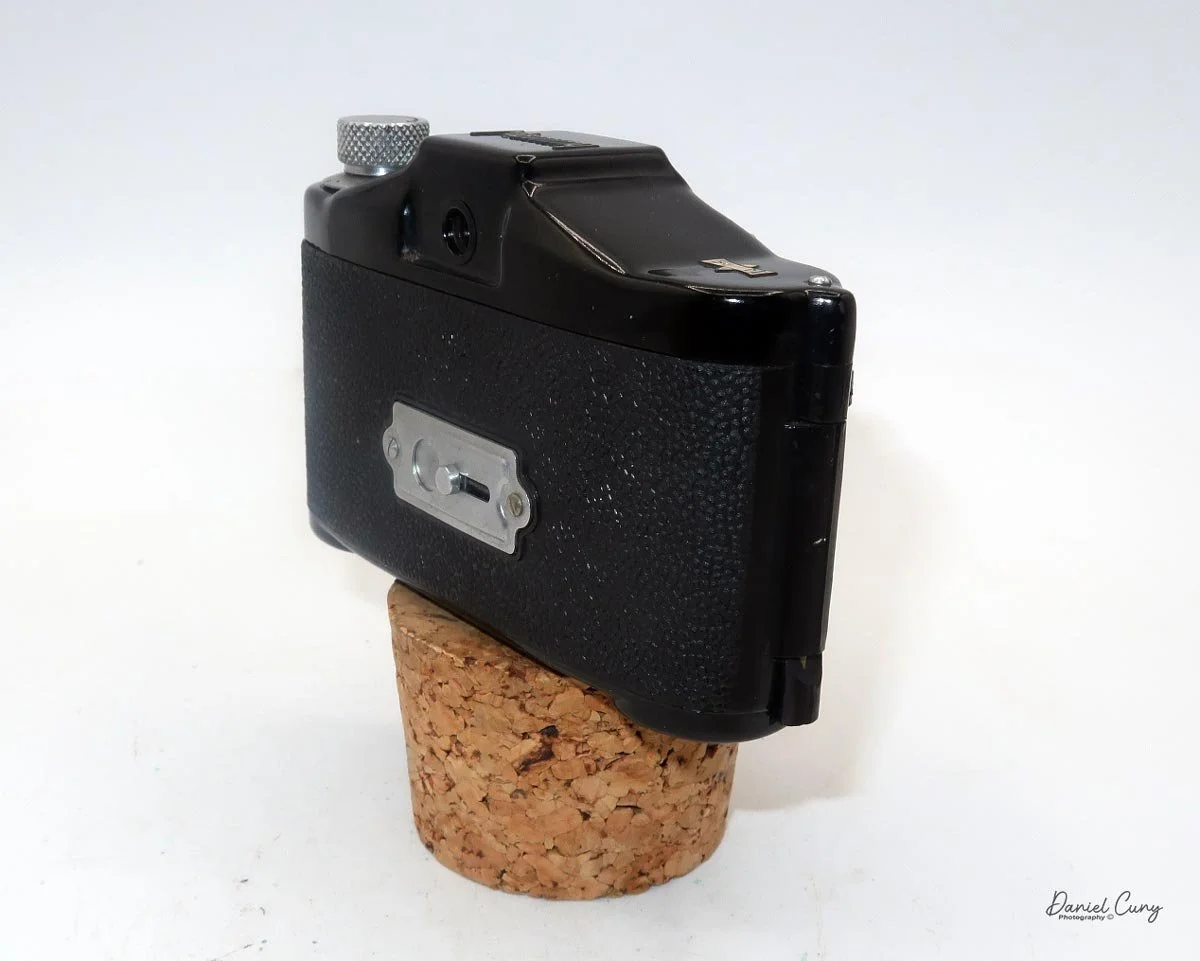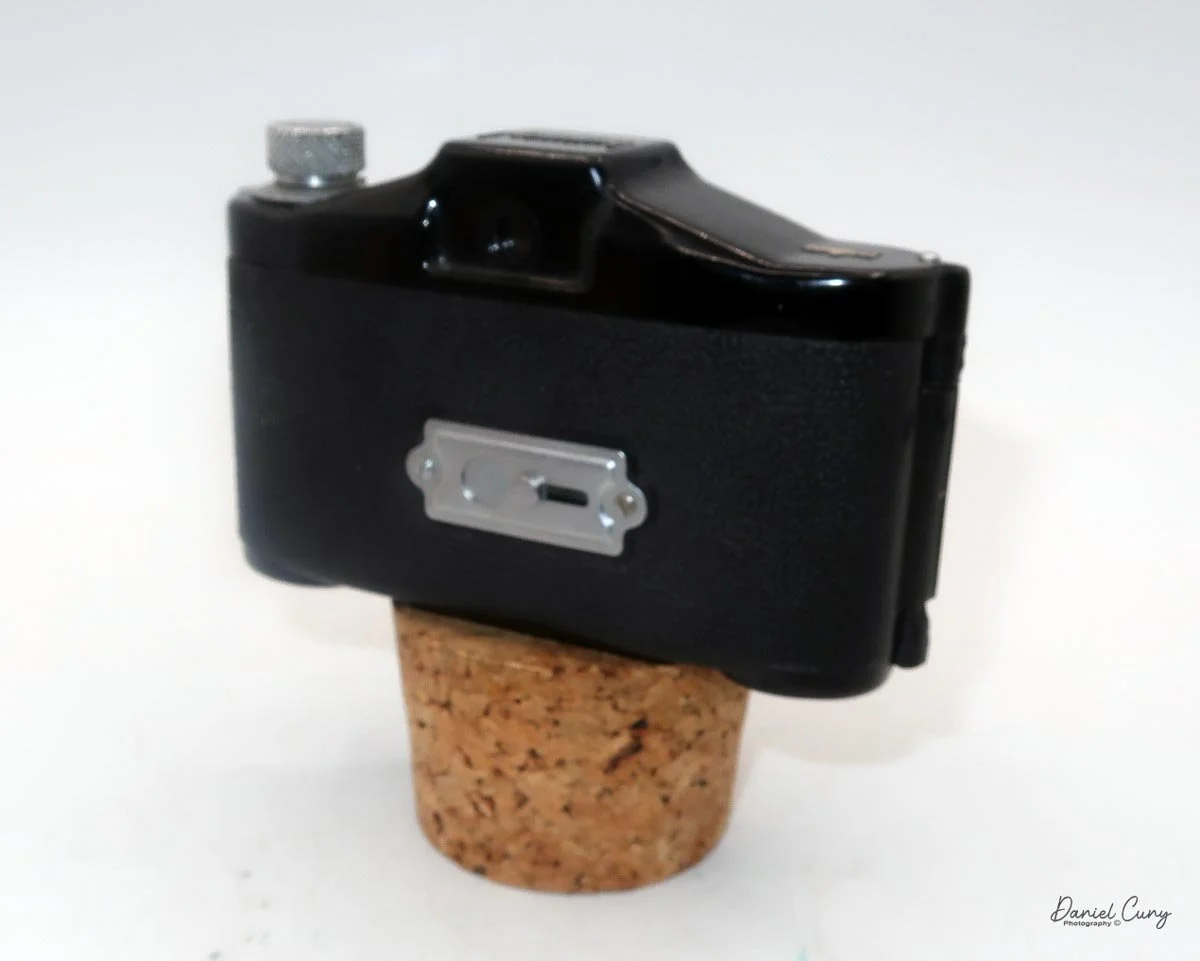
Nikon SP camera

My Nikon SP camera

As a Nikon photographer since my early career—starting with Nikkormat cameras and moving on to the Nikon F series in the early 1970s—the early Nikon rangefinder cameras have always intrigued me. I view them not necessarily as "shooting" cameras, but more from a collector's perspective.

 I believe this is due to how I learned photography. Having grown up with SLR cameras, I feel more comfortable with a larger, brighter viewfinder. I always found it difficult to focus a rangefinder-style camera, especially in darker, low-light situations. Finding the yellow area to bring into focus was always a challenge for me. However, as I became more accustomed to them, I learned to look for someone's eye, the edge of a leaf, or any sharp contrast to bring the two images into one.

 When you shoot with a rangefinder-style camera, you (or at least I do) really appreciate its quieter shutter system. You only hear the low click of the camera's shutter opening and closing, without a mirror clunking up and down during the exposure. This can be extremely helpful, especially when photographing someone in a quiet setting. I learned this the hard way when I was photographing a musician in a small, café-style venue. My SLR was way too noisy, and some of the audience actually shushed me. It was very embarrassing, to say the least!

 Another advantage of the rangefinder style is its compactness. Because these cameras lack a mirror system, they are considerably smaller, less bulky, and lighter. This goes for their lenses, too. Their compact nature allows a photographer to either pack more gear into the space normally reserved for an SLR, or use a smaller bag—saving your shoulders and back from the strain of a large, heavy system.

 I was lucky when I found my Nikon SP. While I already owned several different Nikon rangefinders at the time—mainly earlier models like the S and S2—the SP was always out of reach due to the financial responsibilities of raising a family and owning a home.

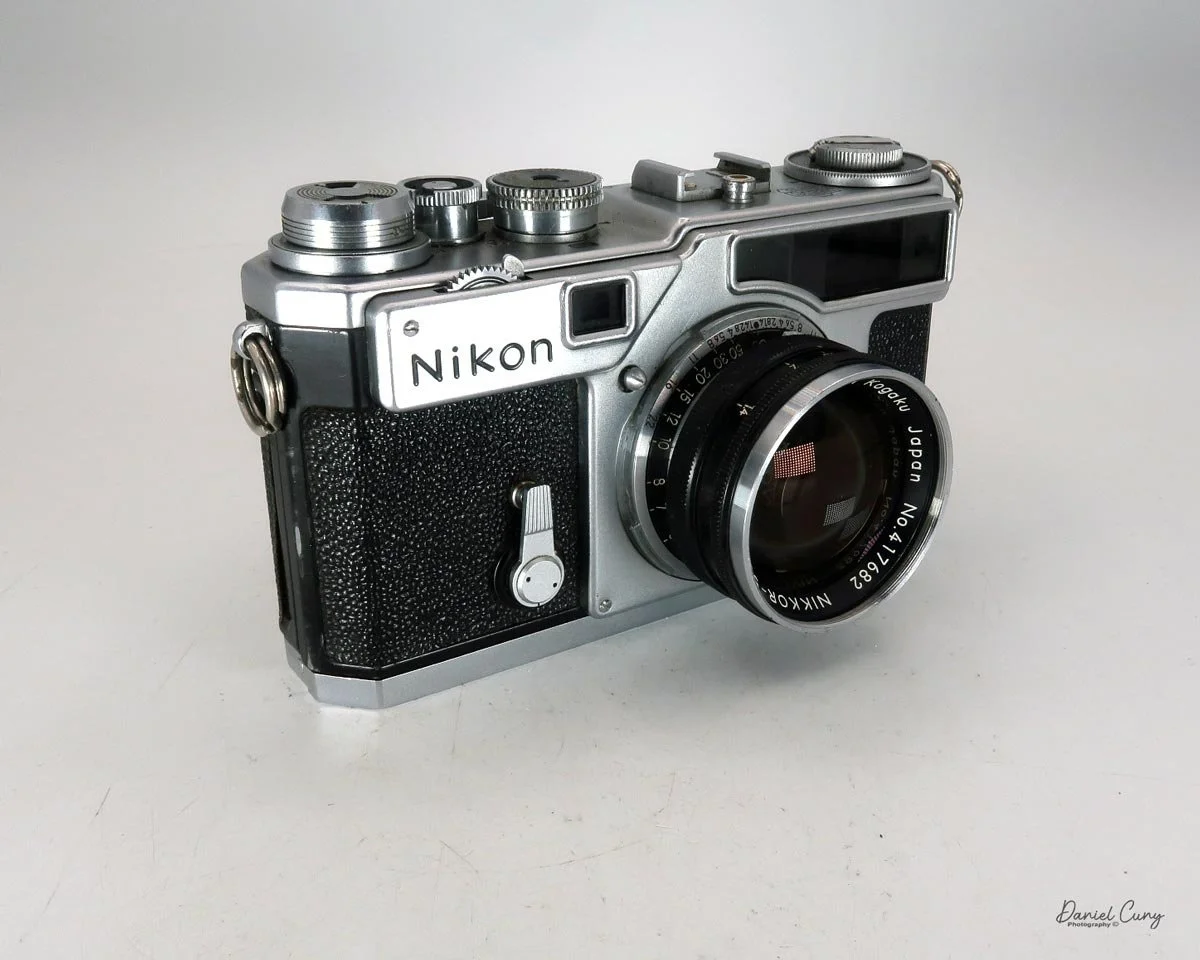
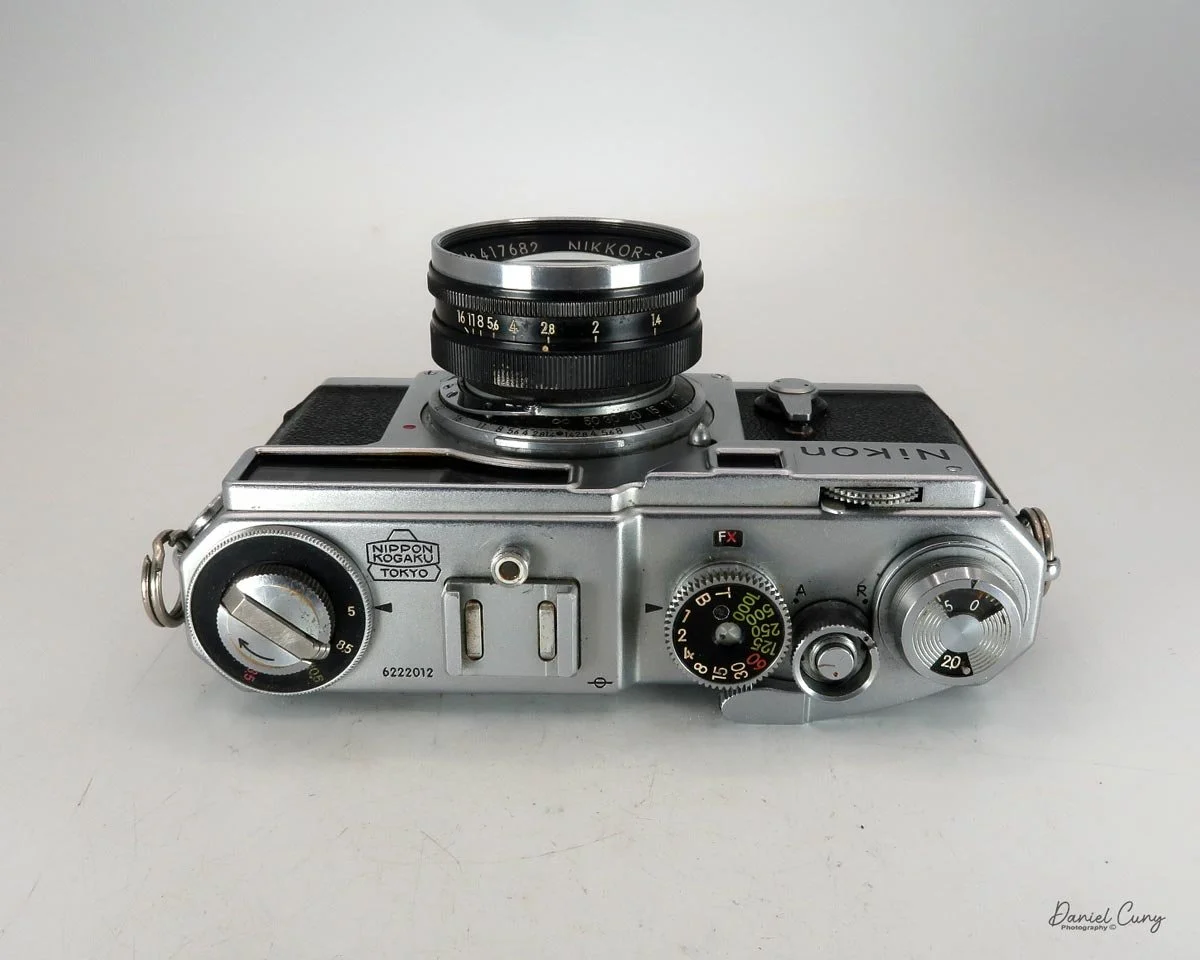
Top view of the Nikon SP camera

After several years, with a bit more financial freedom, I found a Nikon SP in great working condition. The shutter appeared to have been serviced, and while the camera had its normal slight scratches and small dings, it was selling for a great price. I pulled the trigger and purchased it, hoping to shoot with it more often.

 When the Nikon SP arrived, it was in exactly the condition I expected from the photos. The lens was very clean and even included a protective filter from a different manufacturer, which had done a great job keeping the glass free of scratches. The camera felt incredibly comfortable in my hands, especially after holding so many Nikon SLRs over the years. Now, it was just a matter of reacquainting myself with the rangefinder and the dual viewfinder—which I knew might be a challenge following my recent eye surgery.

 The surgery has made me more of a "left-eyed" shooter, as the sharpness in my right eye had been failing for years. While the procedure helped, my vision isn't quite what it was 20 or 30 years ago. It's not a big deal; it just means getting used to bringing the camera up to my left eye after using my right for so long. At the very least, my images have been sharper ever since I made the switch.

 I really enjoy taking my Nikon SP out for a spin a few times a year. In fact, I'm somewhat shocked I haven't written about it before now! During the week, I often brainstorm which camera to feature in my next blog. Last week, the SP popped into my head, and I felt there was no better time to write about one of my absolute favorites.

History

Nikon's rangefinder cameras began as a postwar effort by Nippon Kogaku to enter the 35mm market. They quickly became the foundation of the brand's reputation for precision optics and rugged construction. The original Nikon, later called the Nikon I, was approved in 1946, manufactured starting in 1948, and sold later that year. It used a Contax-inspired mount and a compact rangefinder body that looked unlike anything else coming out of Japan at the time.

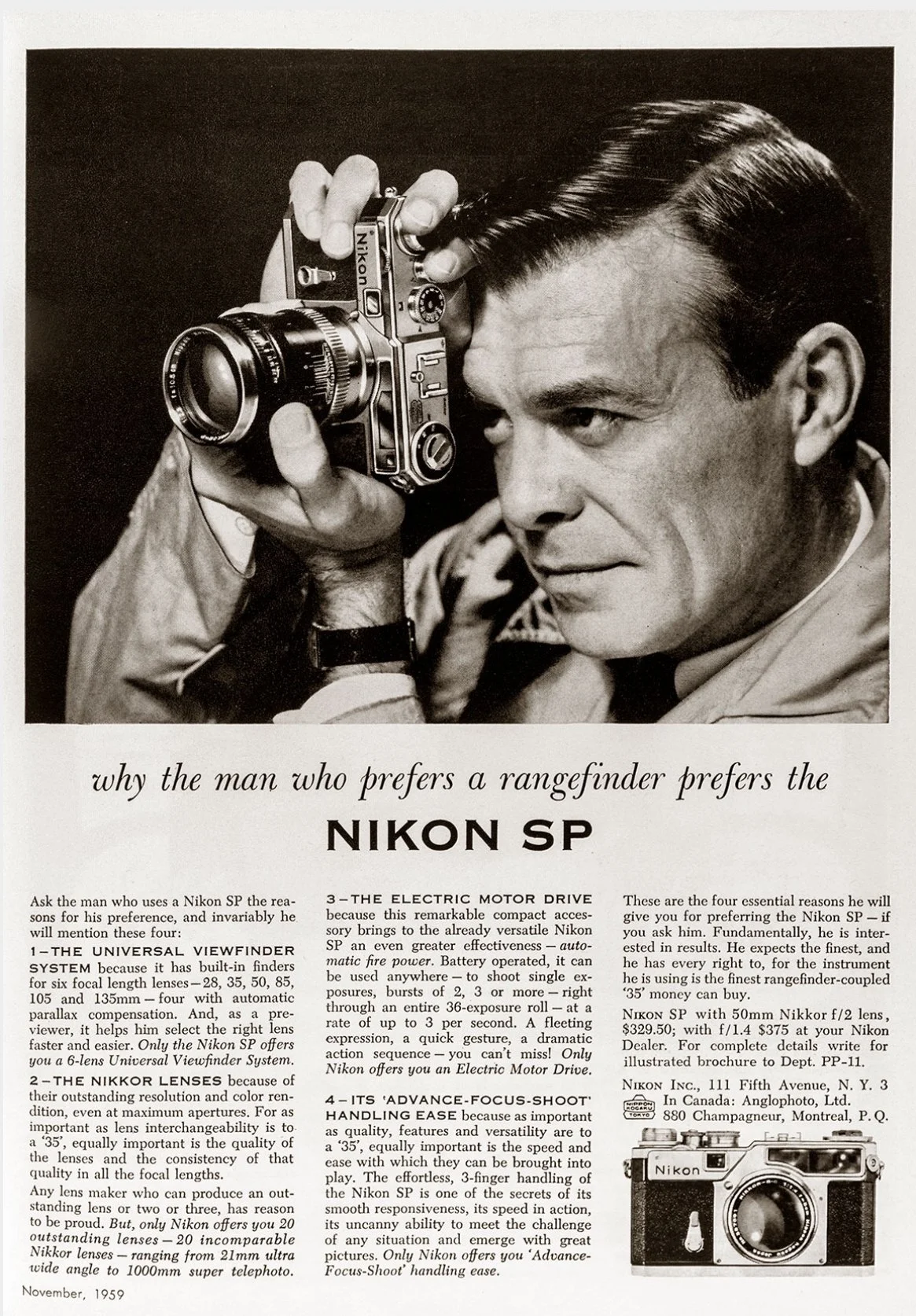
Advertisment for Nikon SP camera

 A key early turning point came with the Nikon M in 1949. Nikon had originally used a 24 x 32mm frame size, but export concerns pushed the company to revise the film gate and related mechanics. This created the M with a 24 x 34mm format that was more acceptable in overseas markets. That change helped Nikon gain traction outside Japan, especially as American photographers began to notice the quality of Nikkor lenses in the early 1950s.

 The 1951 Nikon S was the model that broadened Nikon's presence in the West, establishing the company as a serious contender in professional photography. Nikon kept refining the line throughout the 1950s with the S2, S3, S4, and SP, gradually improving usability and standardizing the full 24 x 36mm frame from the S2 onward. The SP, in particular, became one of the most admired Nikon rangefinders because of its advanced finder system and professional ambitions.

 What made these cameras historically important was not only the bodies themselves but also the Nikkor lenses mounted on them. Reports from photographers and magazines such as Life helped spread the idea that Japanese lenses could rival or surpass the best German optics, which was a major shift in postwar camera culture. Nikon rangefinders also became associated with news and documentary work, building credibility before the company moved into reflex cameras.

 By the late 1950s, Nikon had already used lessons from its rangefinders to shape the 1959 Nikon F, and rangefinder production soon faded as SLRs took over the professional market. Today, Nikon rangefinders are prized by collectors for their place in camera history, their engineering, and their role in Nikon's rise from a strictly optical manufacturer to a global photographic powerhouse.

My Camera

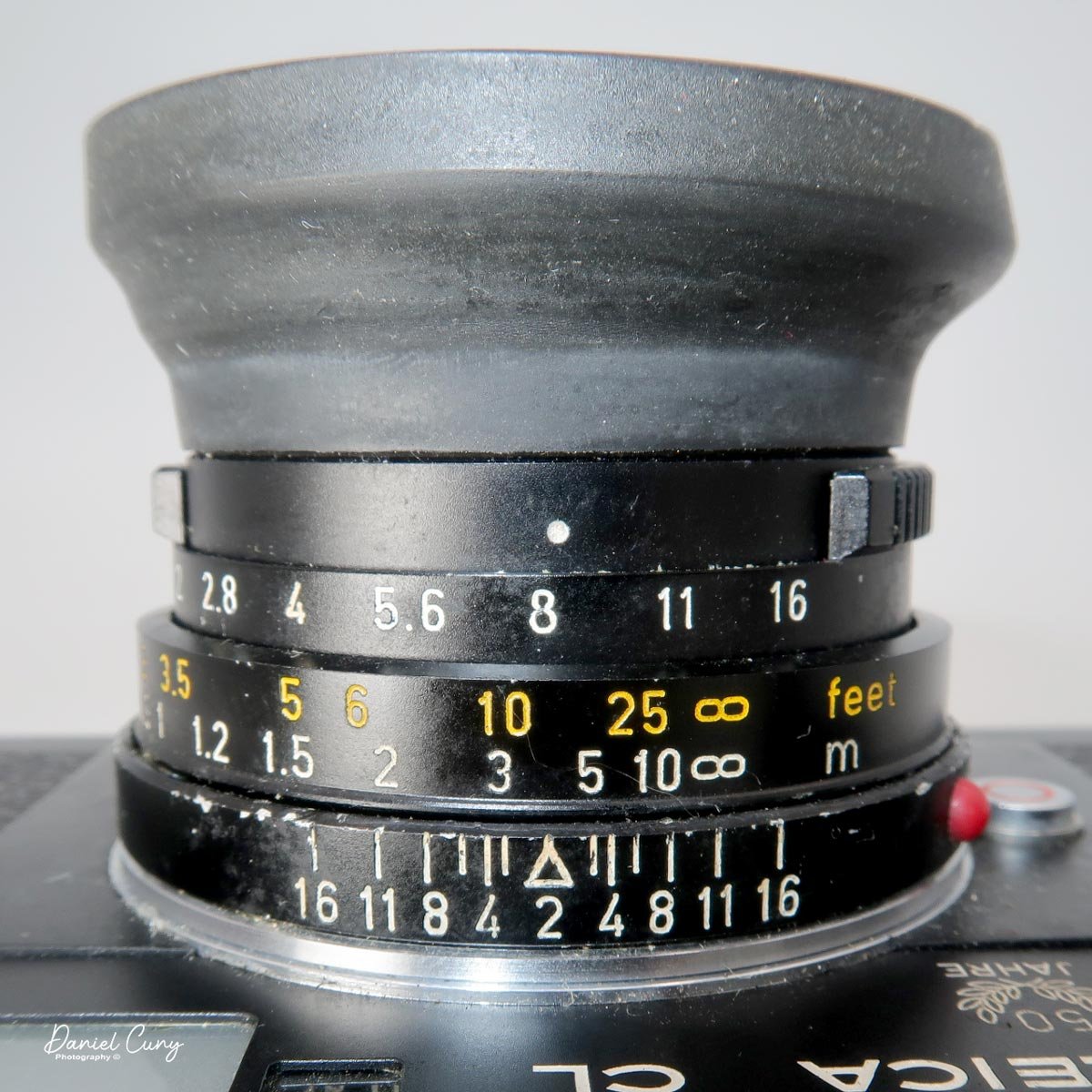
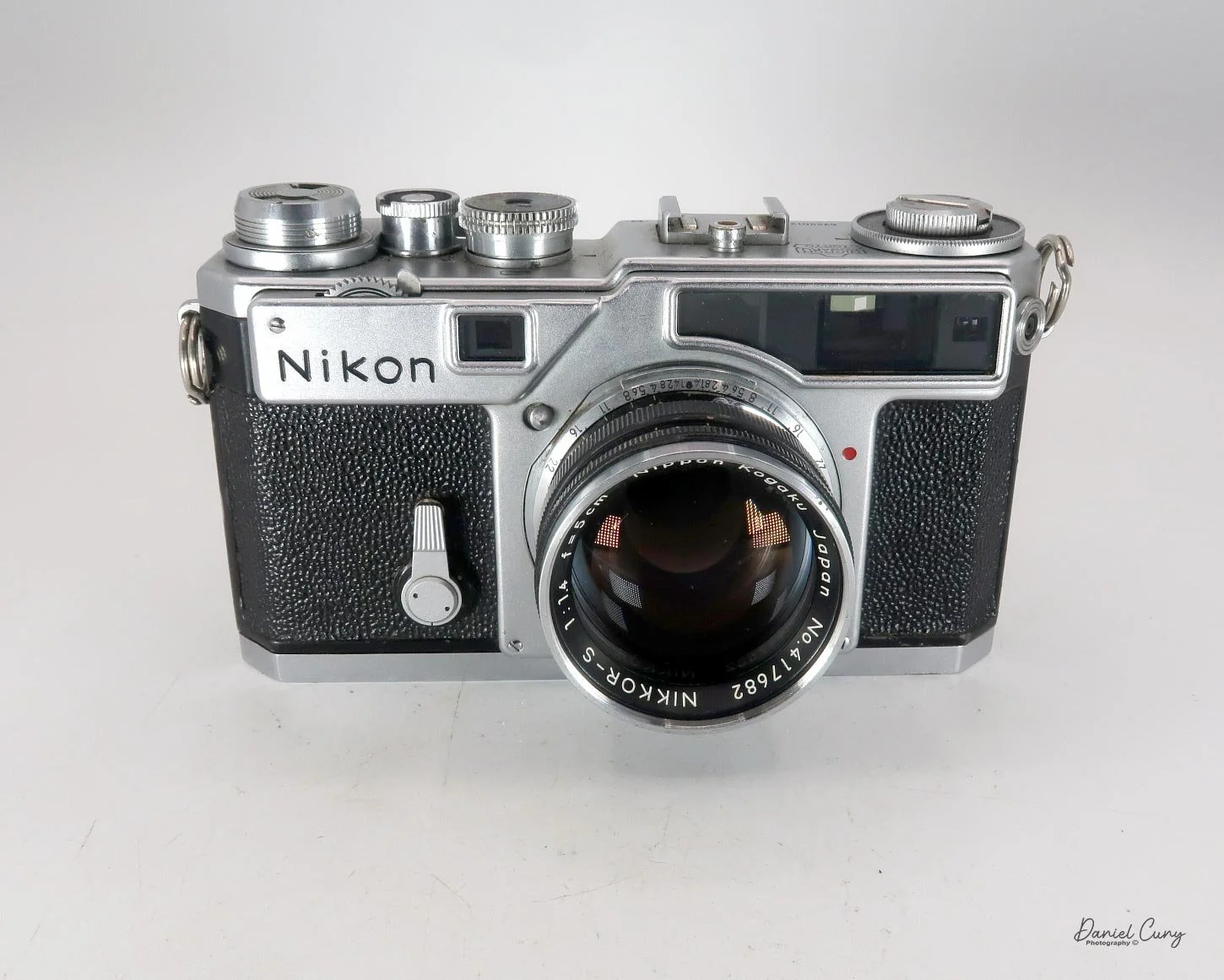
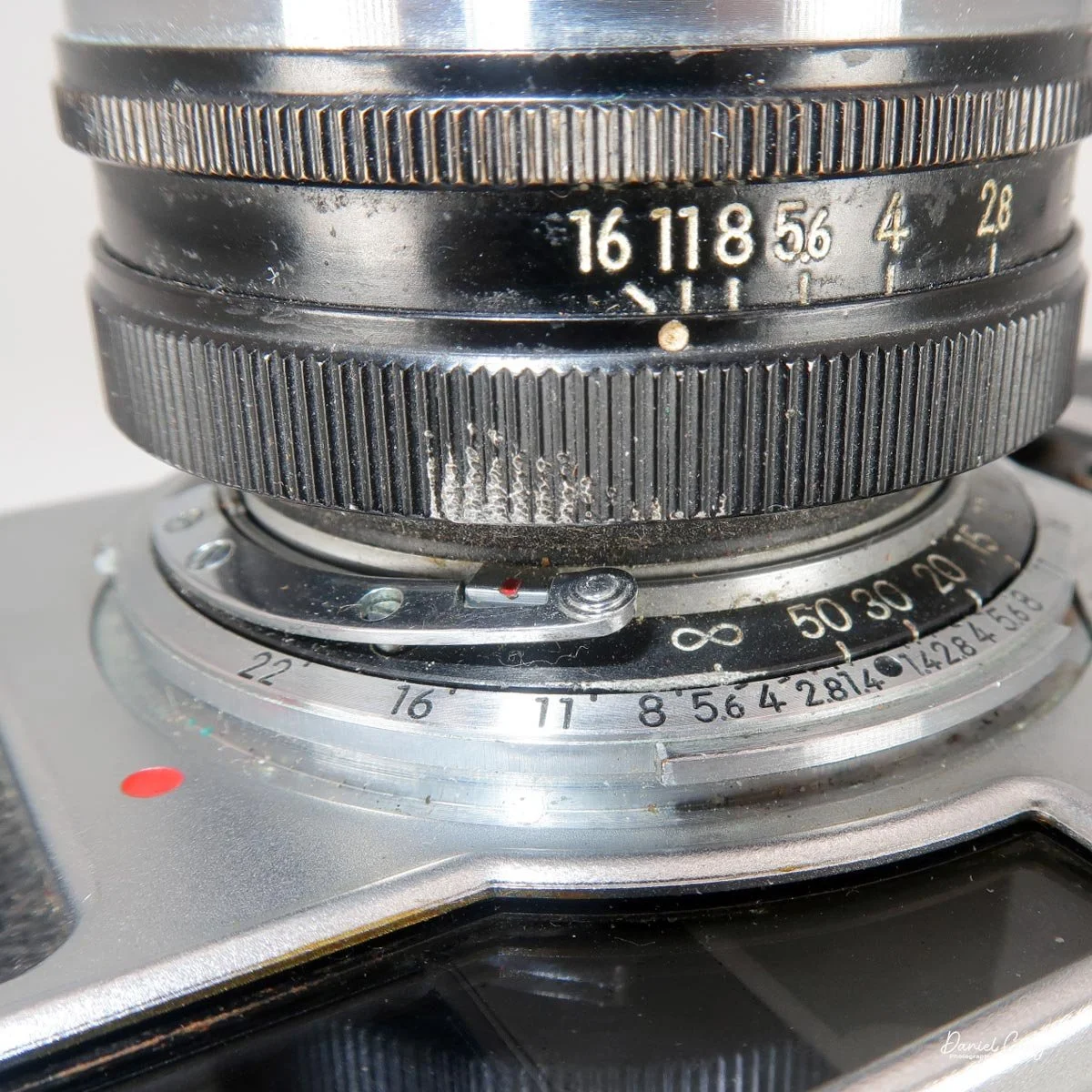
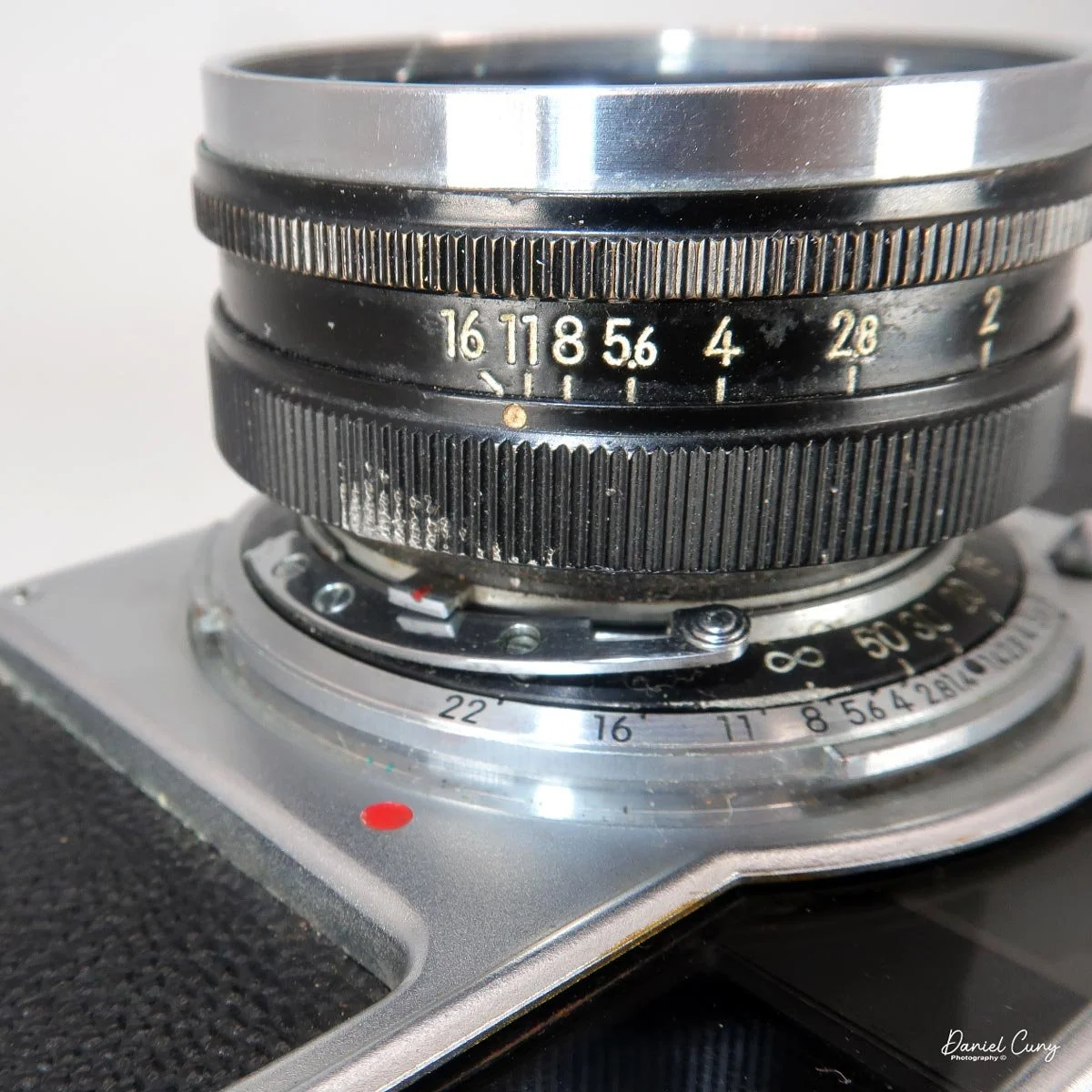
When I received the Nikon SP, it came with the bottom portion of its leather case, though I chose not to include it in the blog photos. My Nikon SP is serial #6222012. The camera measures 5.5" wide (including the strap lugs) by 3.25" tall and 2.5" deep. It's paired with a Nippon Kogaku Nikkor-S 5cm f/1.4 lens, serial #417682. The lens also features a chrome Kenko UV filter specifically made for the Nikkor 1.4, which is stamped directly on the filter ring (not pictured). To adjust the aperture, you turn the ring on the front of the lens.

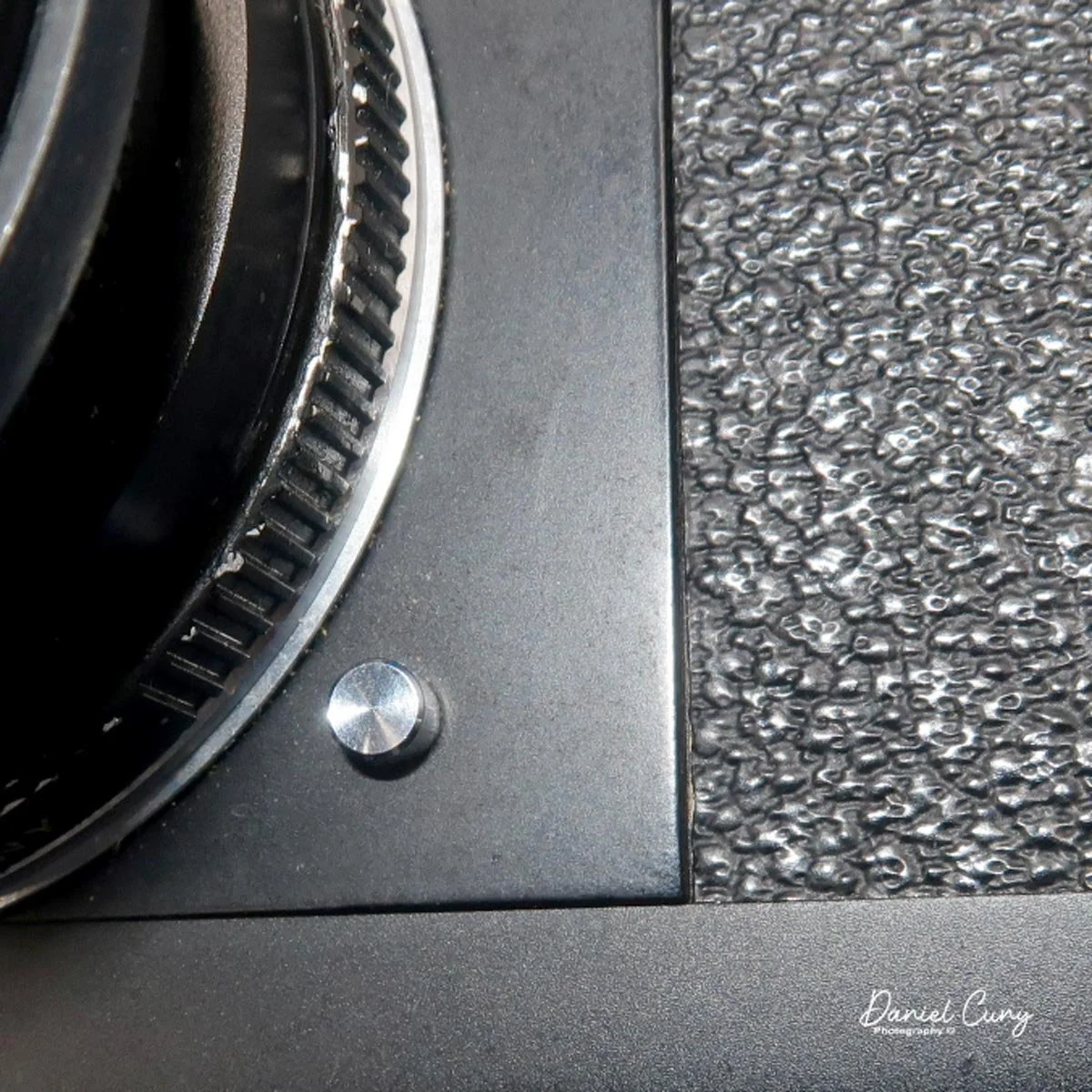
On the front of the camera body is the self-timer—the SP was actually the first model Nikon equipped with this feature. You pull down the lever and press the small button behind it to activate the 10-second delay.

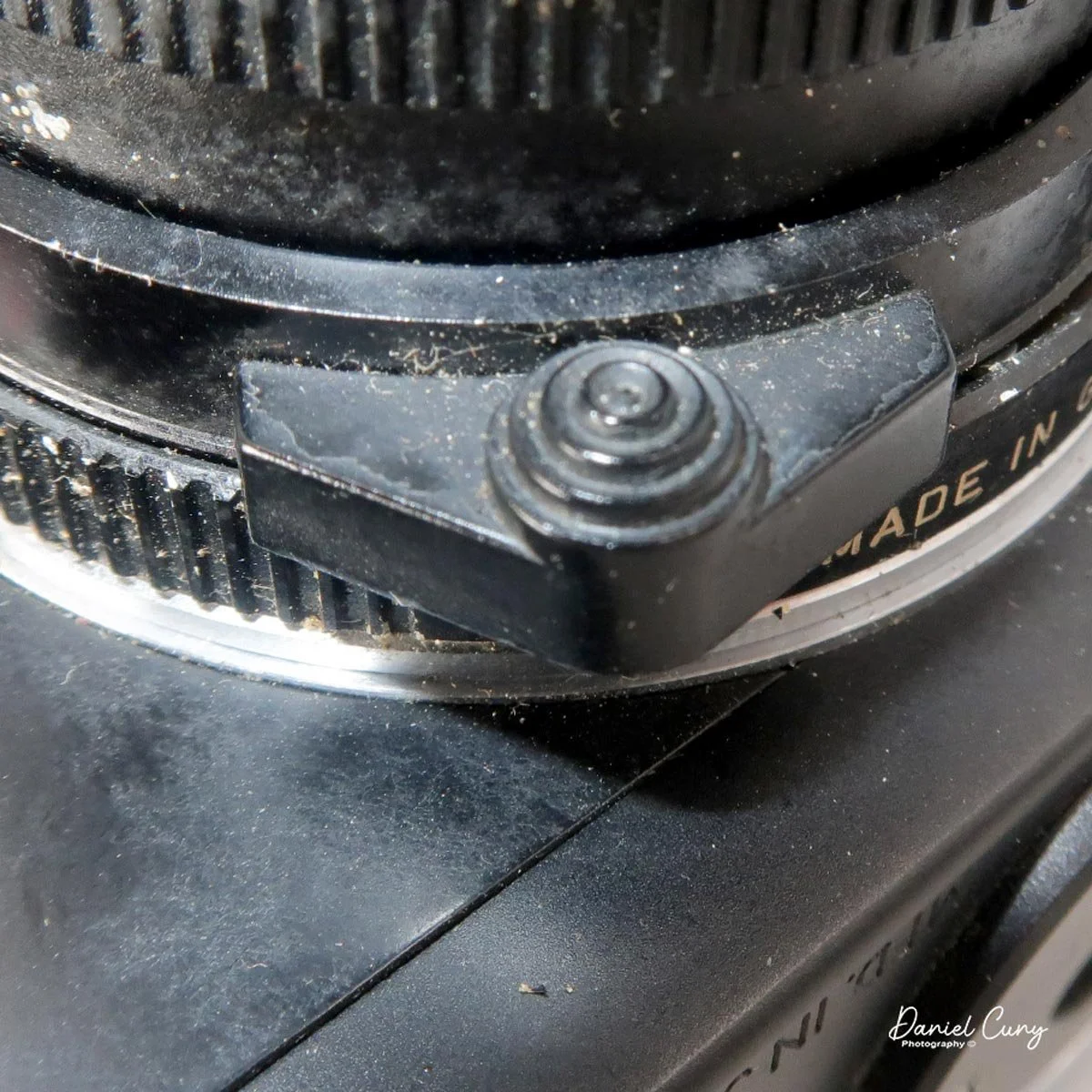
 To remove the lens, locate the small lever just behind the focus ring. Press it in toward the camera body, which allows the lens to be twisted and removed—exactly like the Contax system. To reattach a lens, match the red dot and small tab on the lens to the red dot on the camera body, then turn clockwise until it locks securely into place.

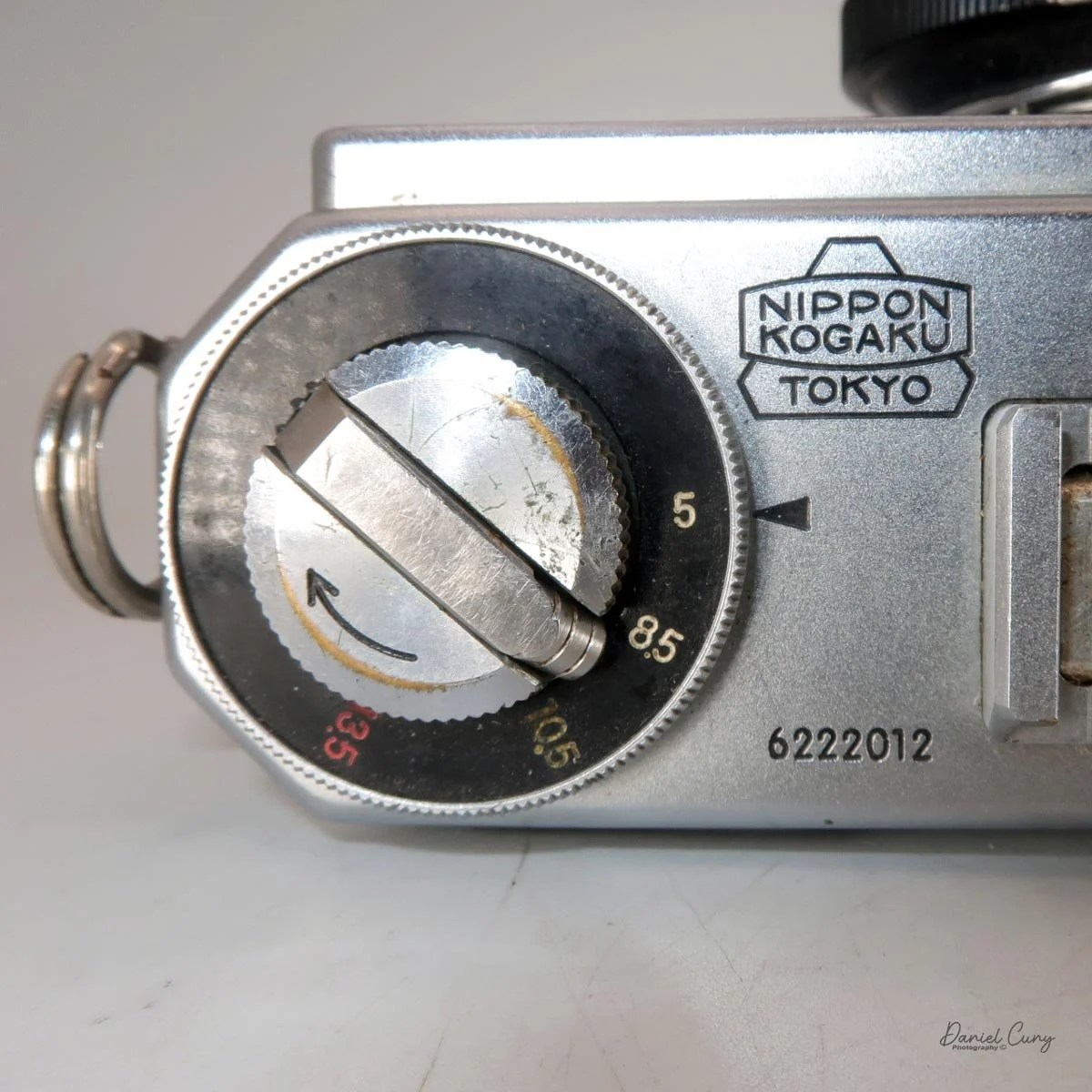
Looking at the top plate, the Nikon SP closely resembles the later Nikon F, except for a wheel on the far left. This wheel adjusts the viewfinder frame lines depending on the focal length of the lens you're using. The settings cover 5cm, 8.5cm, 10.5cm, and 13.5cm lenses. Nestled inside this collar is the film rewind crank. (I'll touch more on the viewfinder a bit later in the article.)

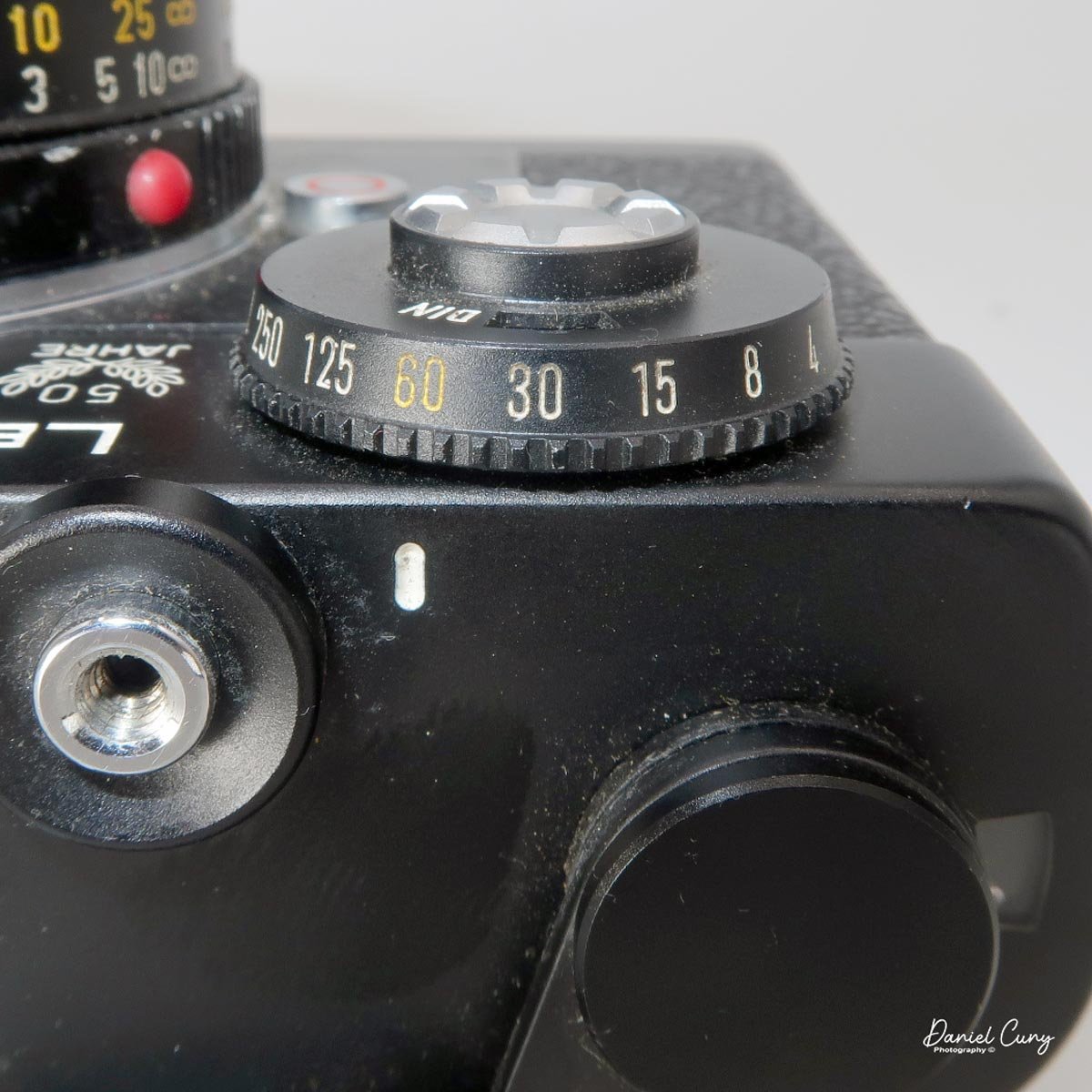
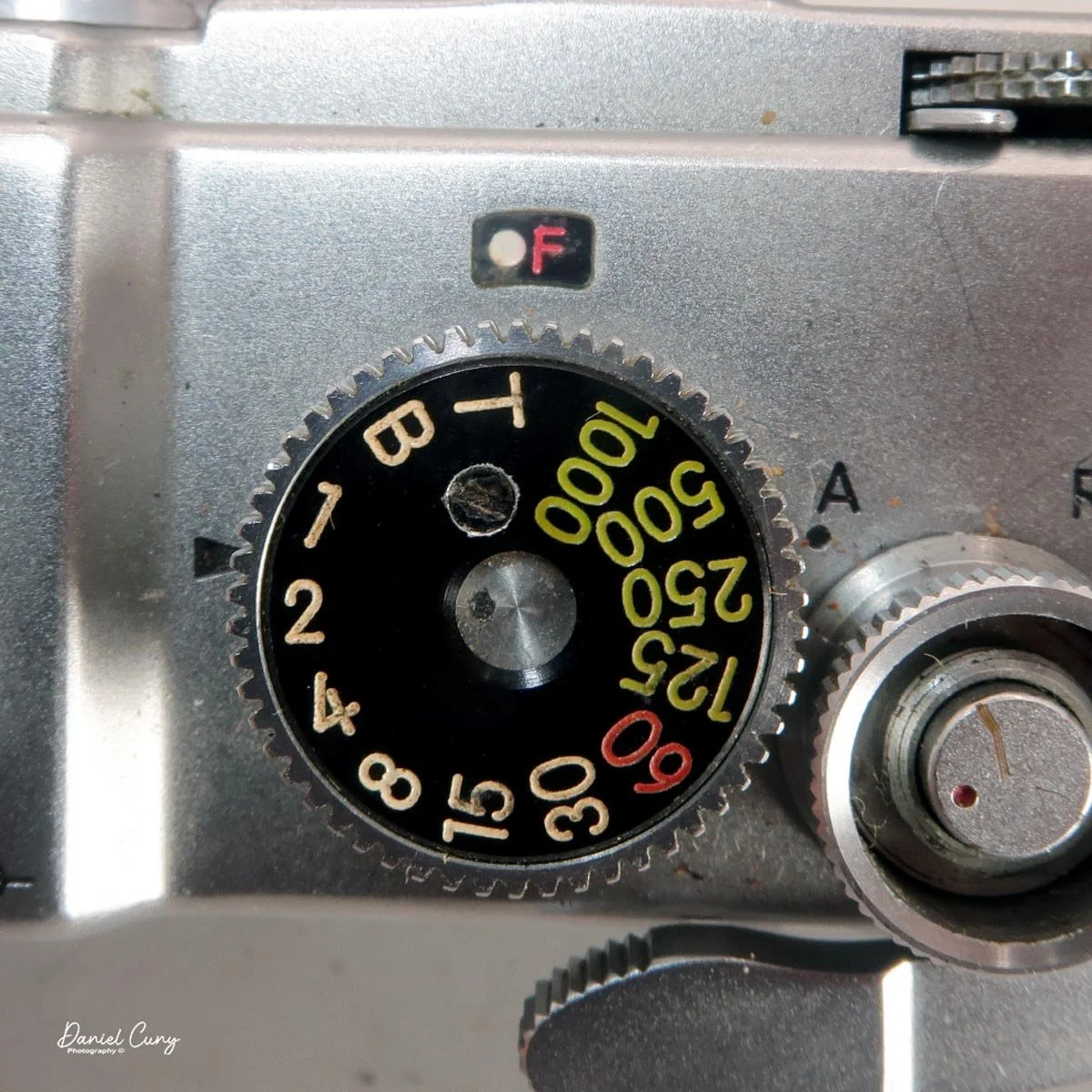
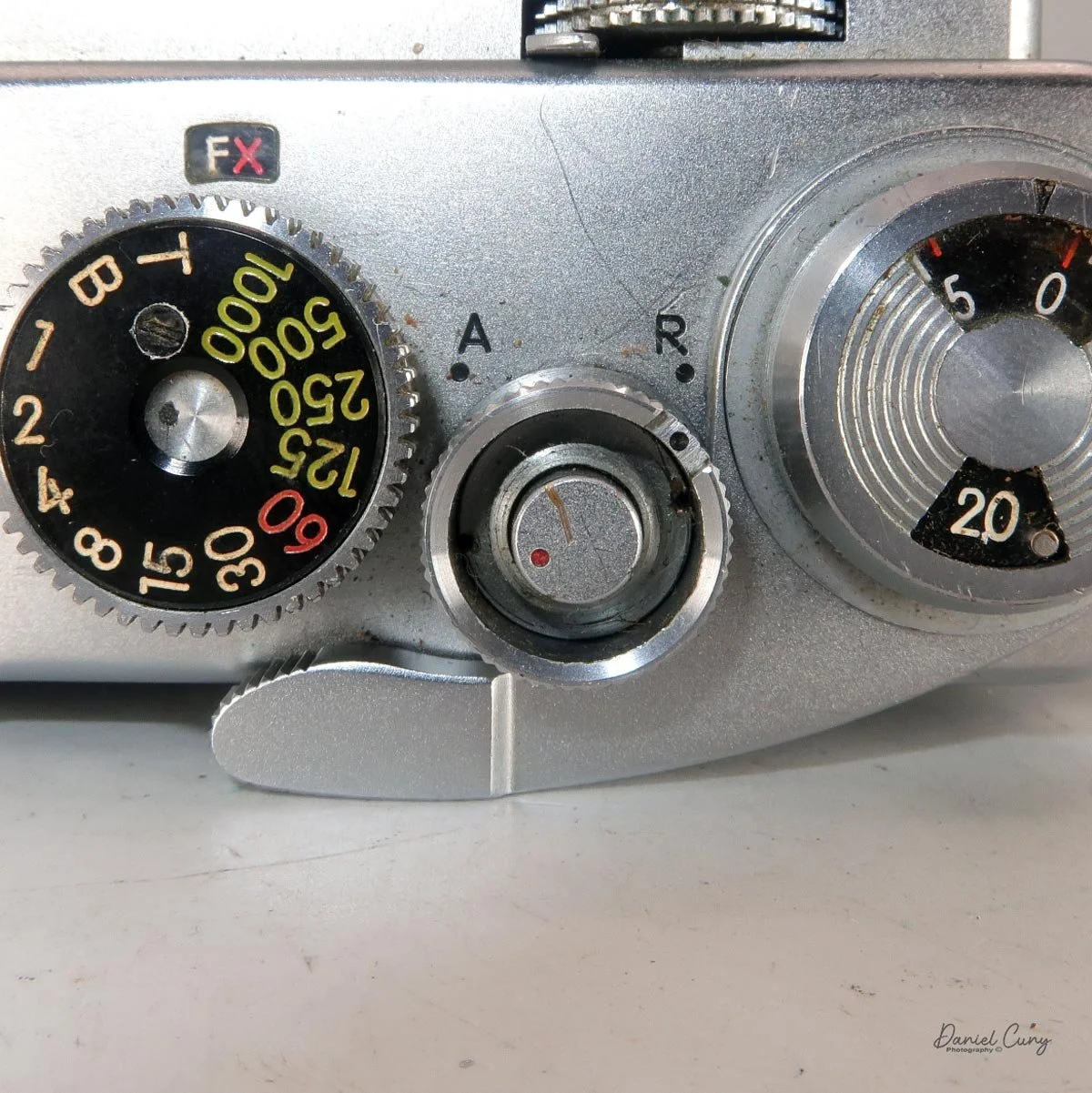
Next to the viewfinder selector wheel is the accessory shoe for a flash, and to the right of that sits the very familiar shutter speed dial. It offers speeds ranging from 1 second to 1/1000th of a second, along with "B" (Bulb) and "T" (Time) settings. Lifting the outer ring on the shutter speed selector adjusts the flash synchronization: "FX" is for standard electronic flash, while the white dot, red dot, and white "F" settings are for syncing various types of vintage flash bulbs.

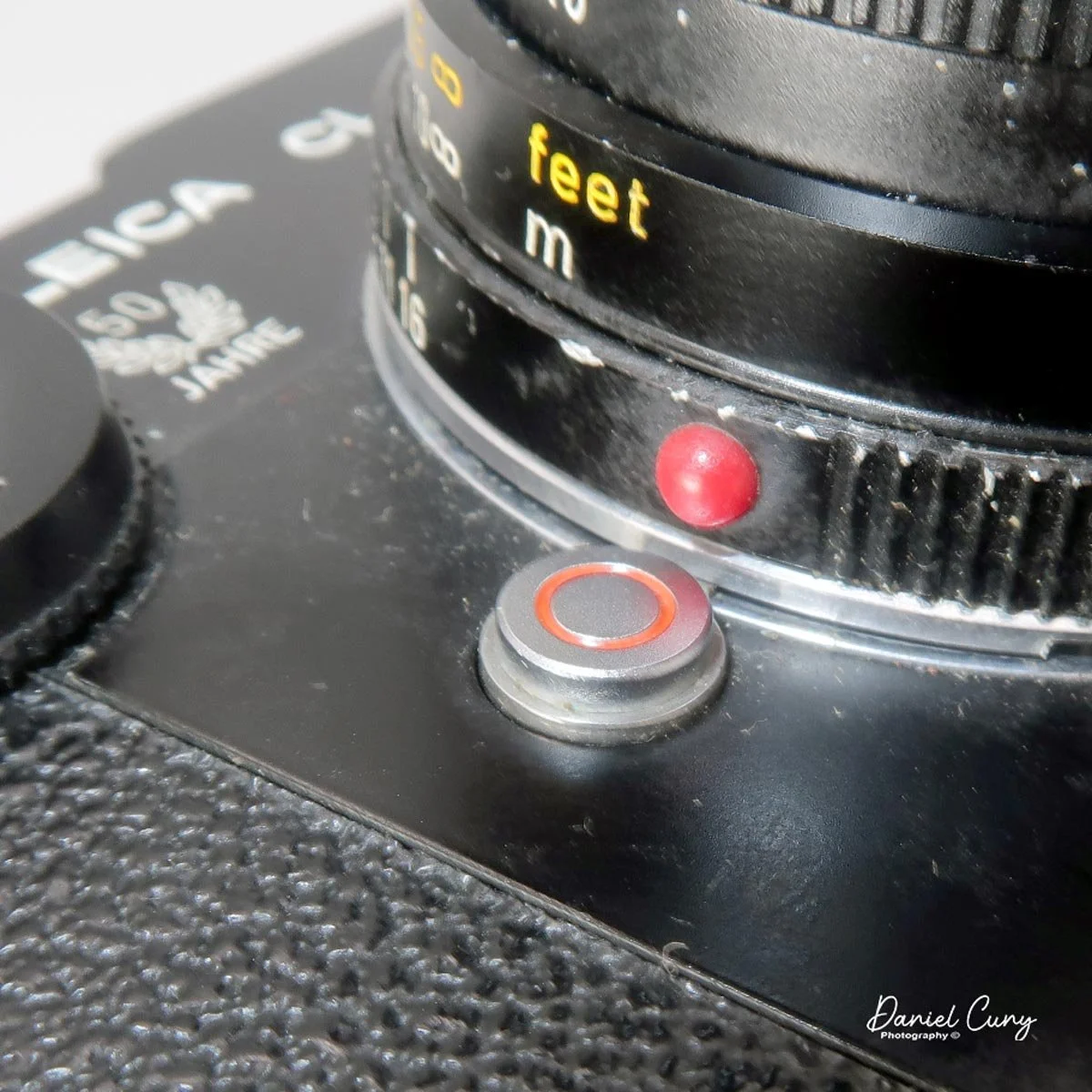
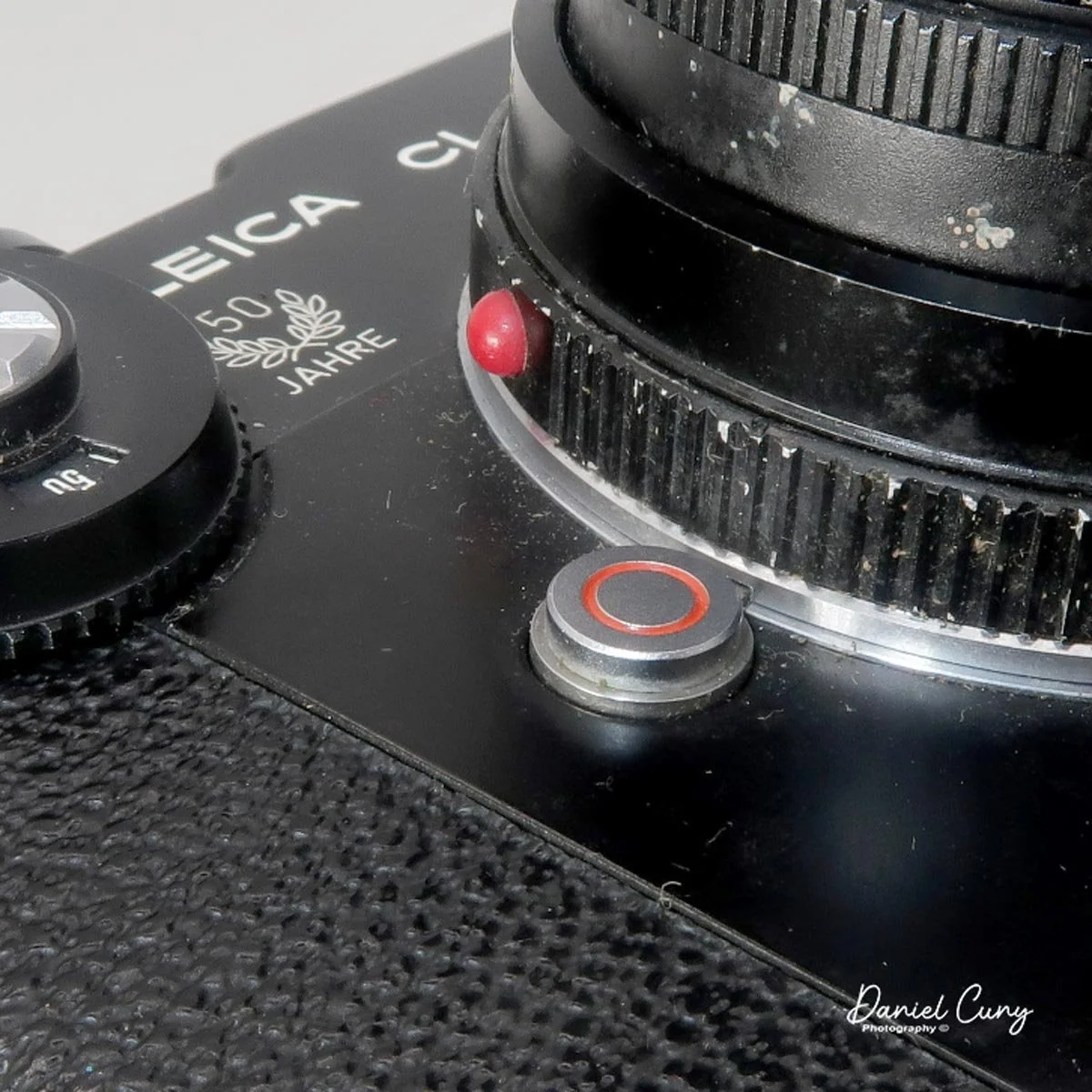
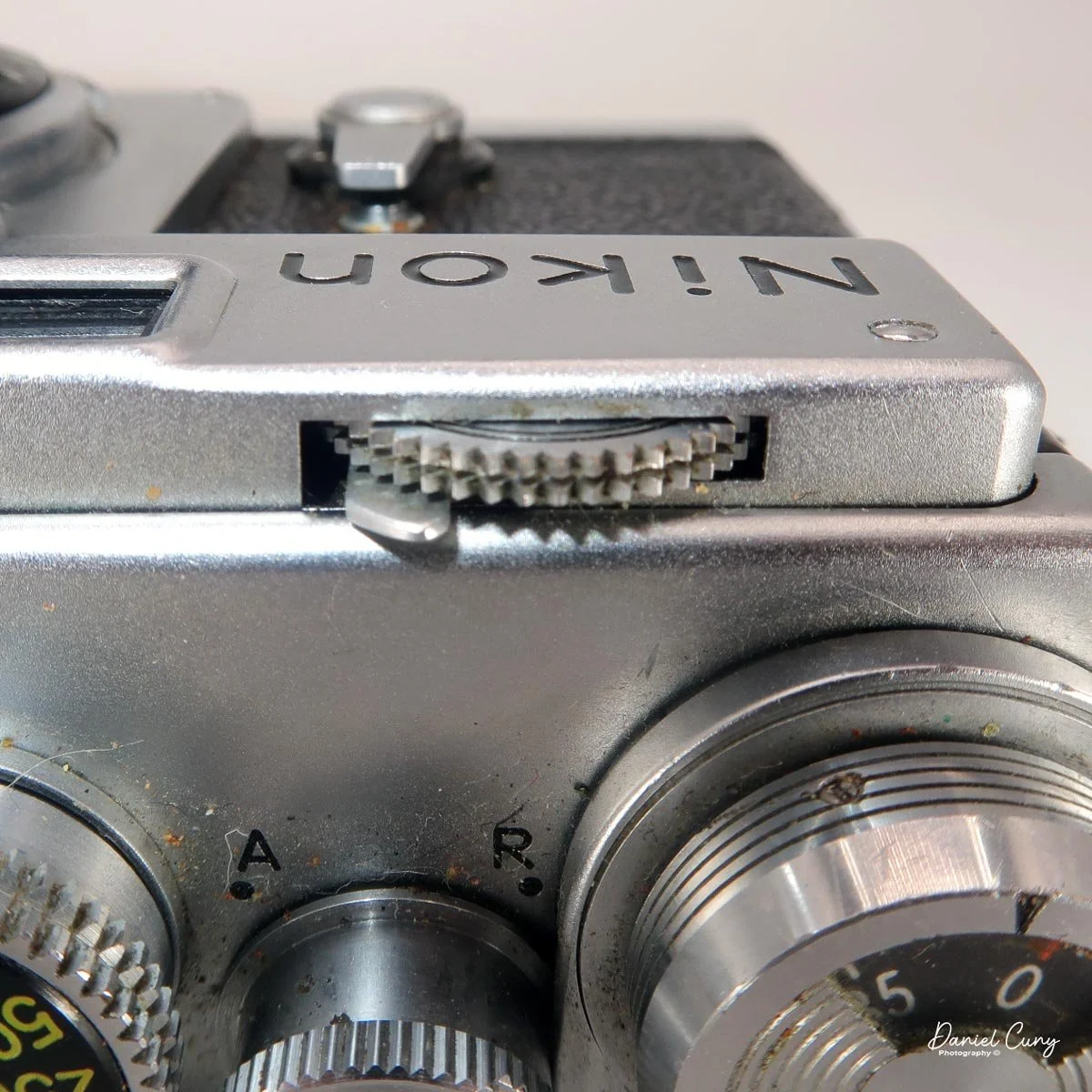
To the right of the shutter speed dial is the shutter release button. As with many Nikon F cameras, this button features a red dot. Because the release is directly geared into the transport system—which drives the film from the cassette to the take-up spool—this red dot rotates as you advance the film (though it will turn even if the camera is empty). Around the shutter release is another collar with a black dot. During standard shooting, it should point to "A" (Advance). Turning this collar to "R" (Rewind) releases the camera's drive gear, allowing you to wind the film back into the cassette without tearing the sprockets.

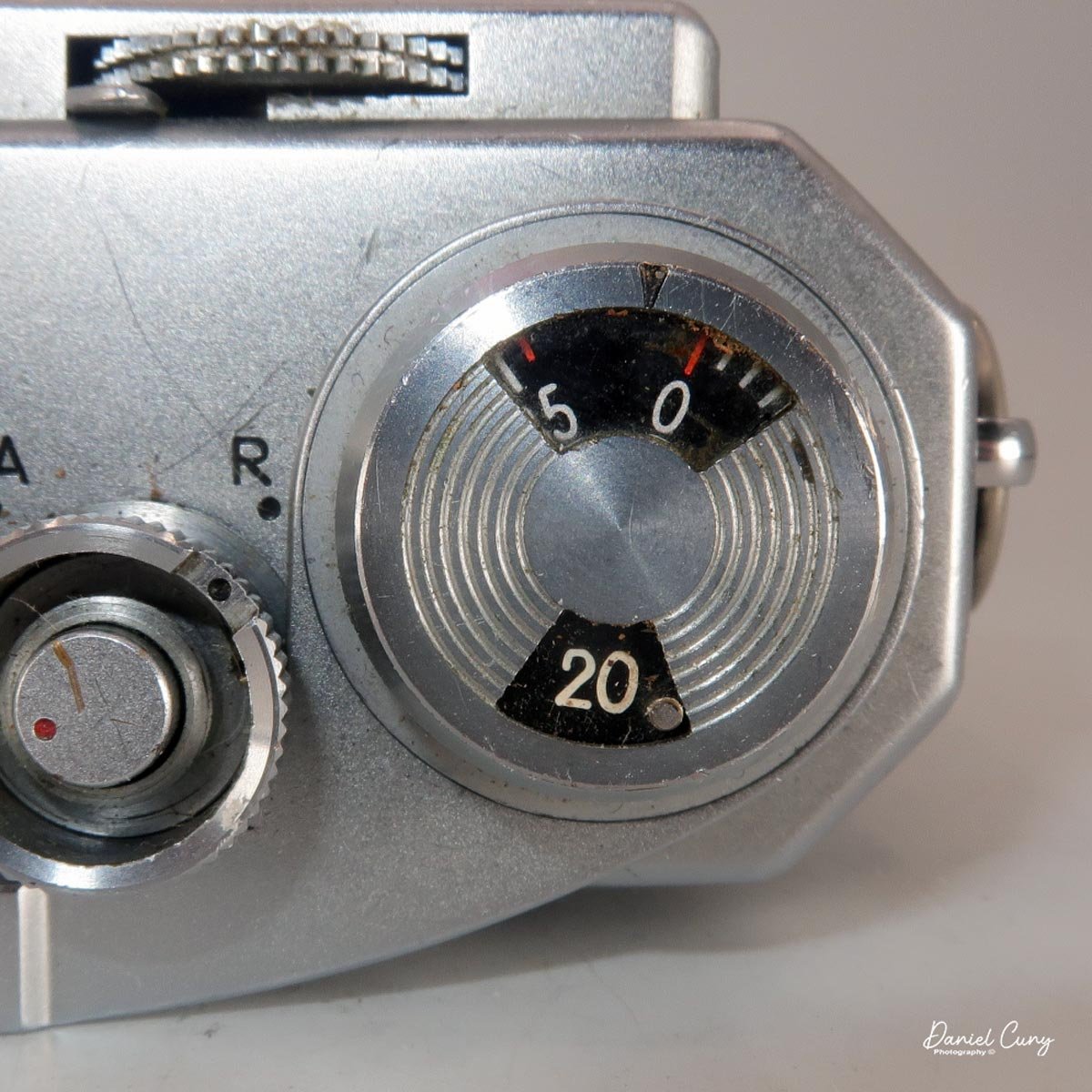
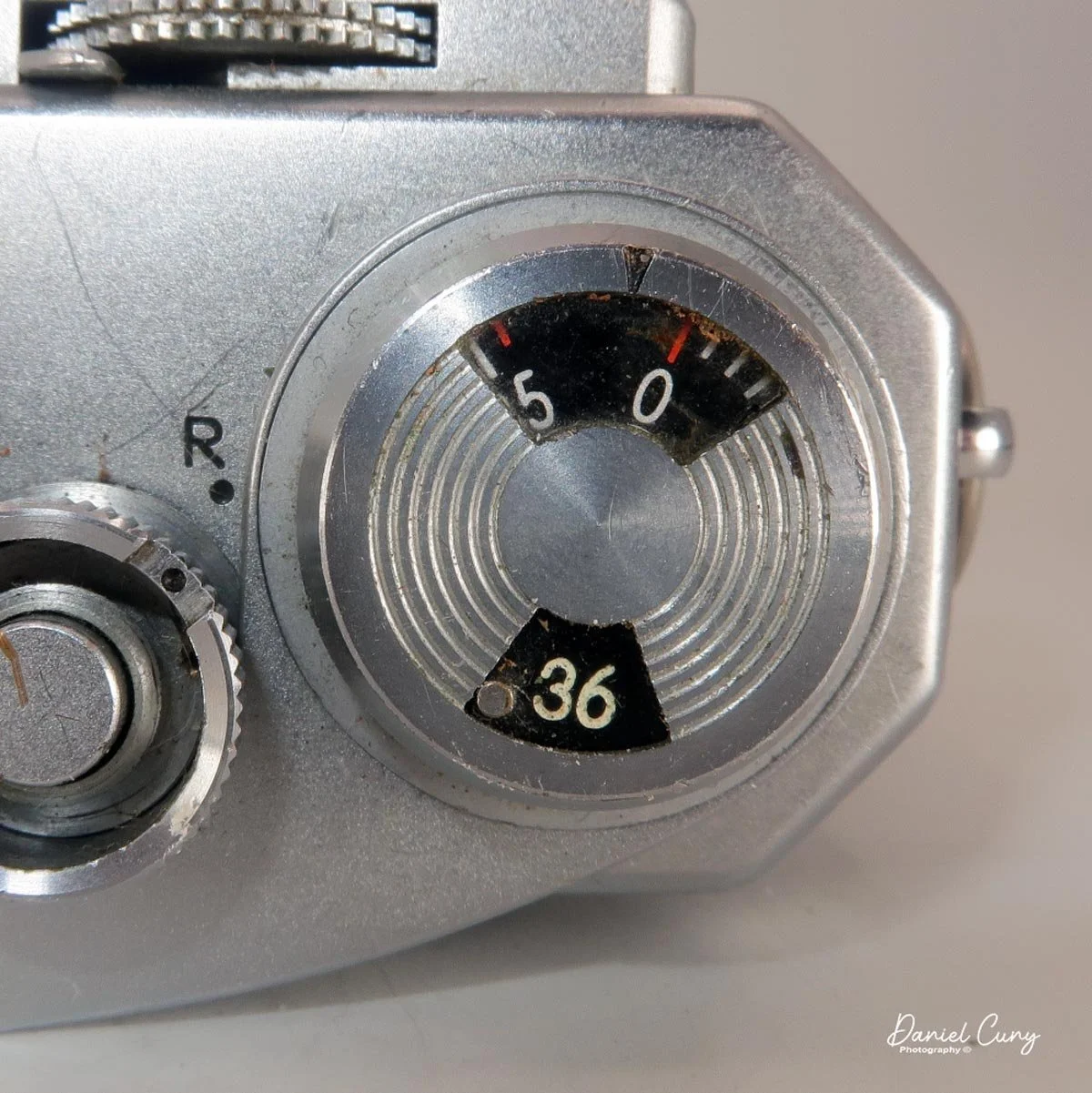
 On the far right of the top plate sits the film advance lever, which features two small windows. The forward window is your frame counter, indicating which exposure you're on. The rear window acts as a reminder for whether you loaded a 20- or 36-exposure roll, set by flipping a small tab from one side to the other. And yes, for those wondering—it wasn't until the early 1980s that film manufacturers started producing 24-exposure rolls; before then, 20-exposure rolls were the standard short option!

 At the very front of the top plate, on the right side, is the camera's focusing wheel. You can focus the lens using this wheel, a mechanism borrowed directly from the Contax system that inspired these cameras. When the lens is set to infinity, it locks into position. To unlock it, press down on the small tab just behind the focusing wheel. This frees up the wheel, allowing you to dial in your focus. Once unlocked, you also have the option to focus normally by turning the lens barrel, if you prefer.

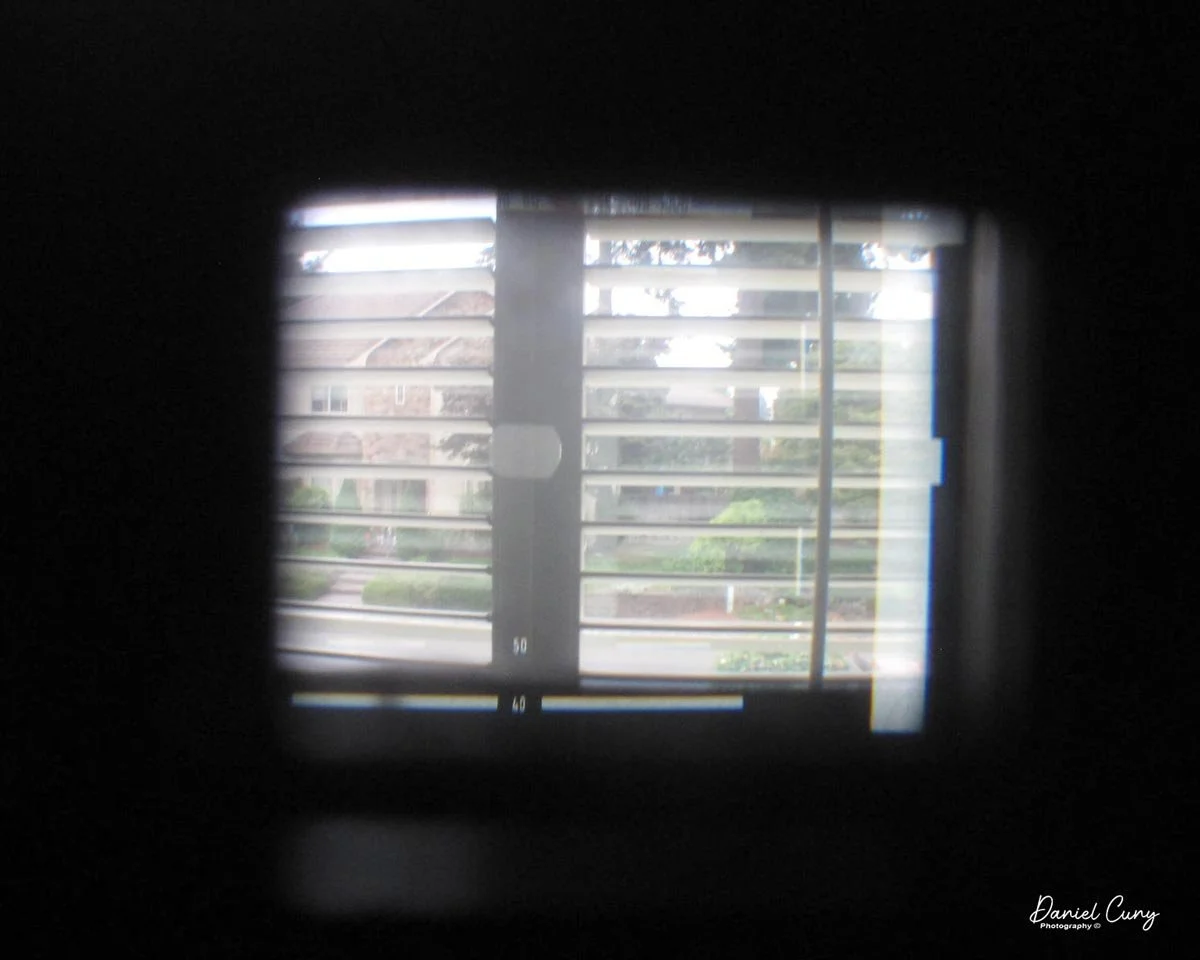
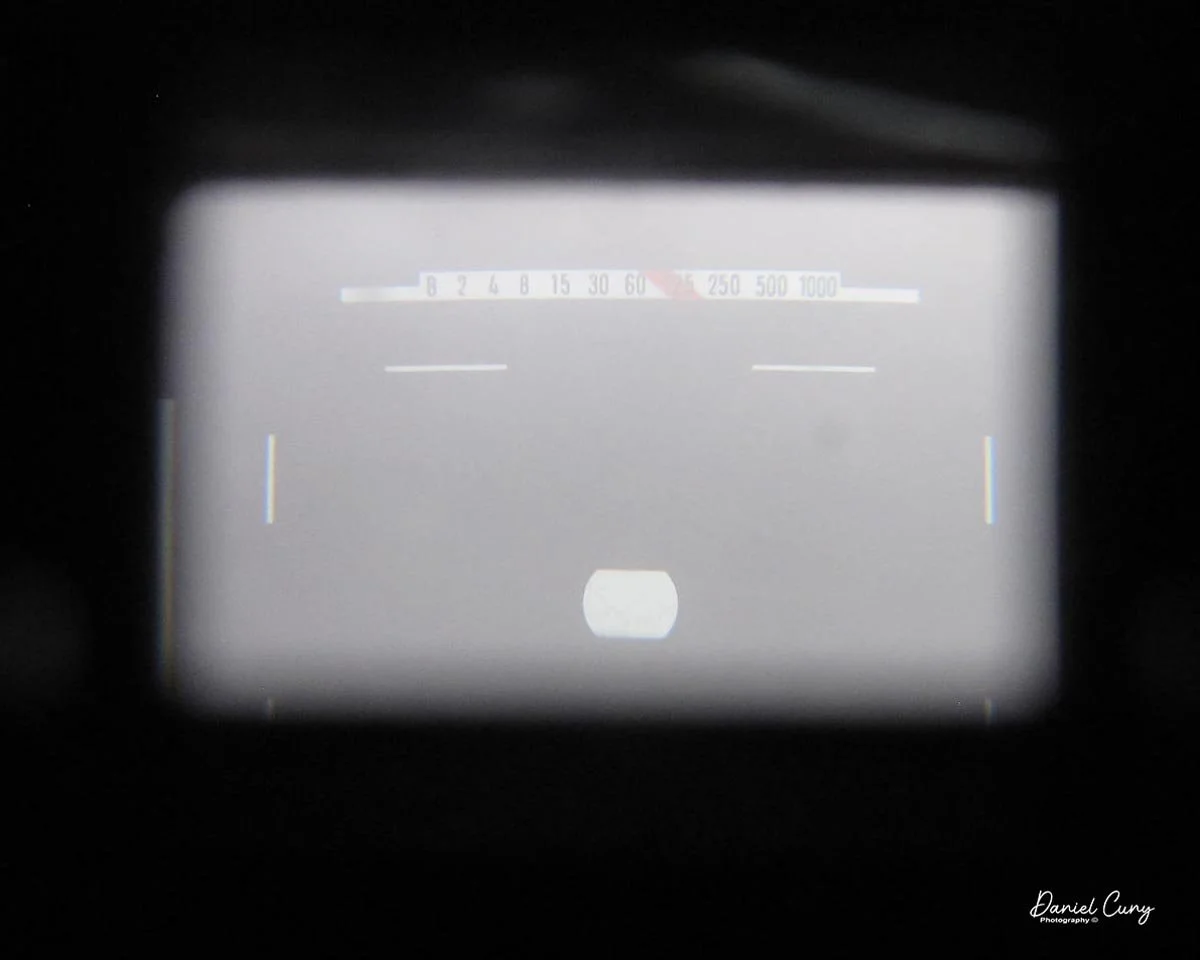
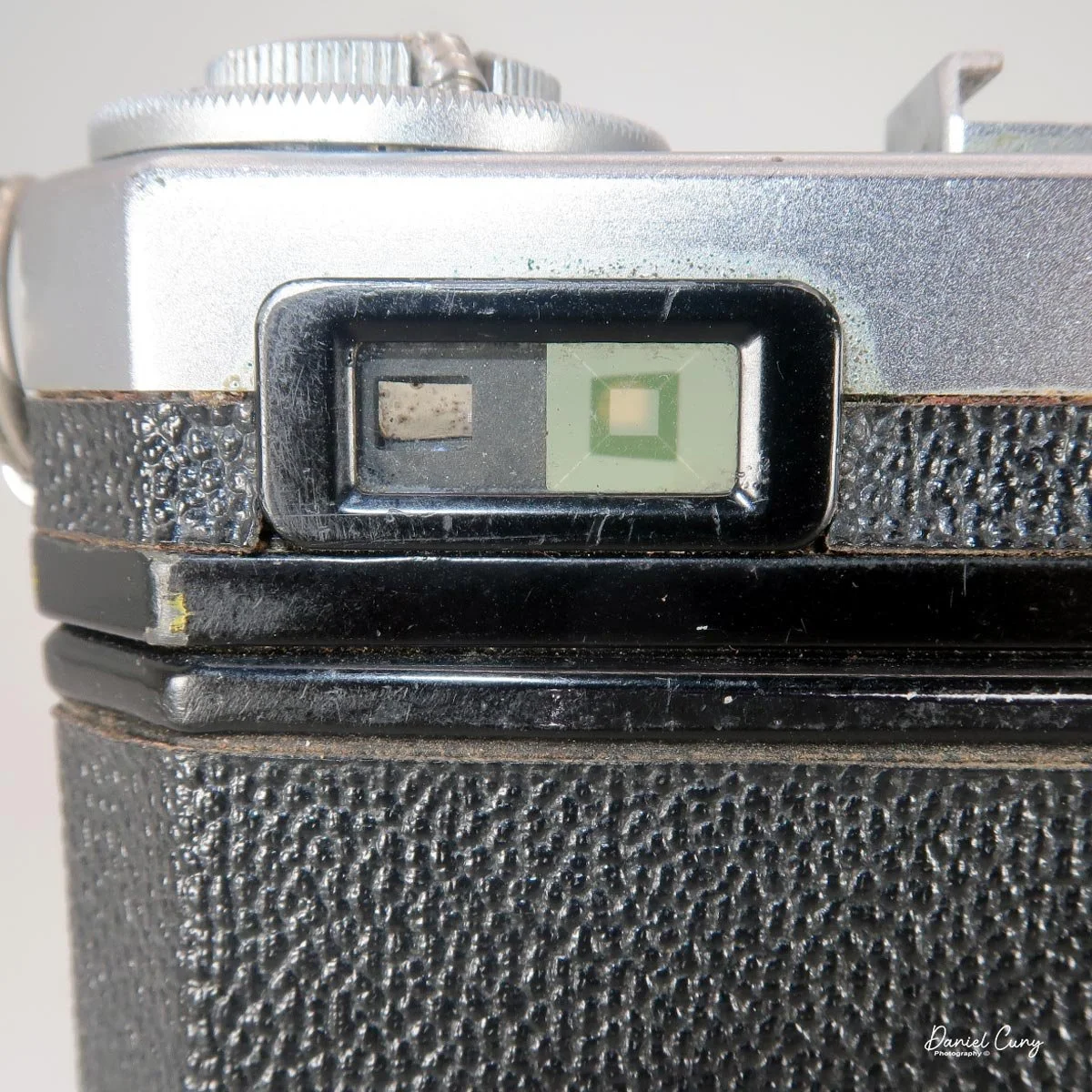
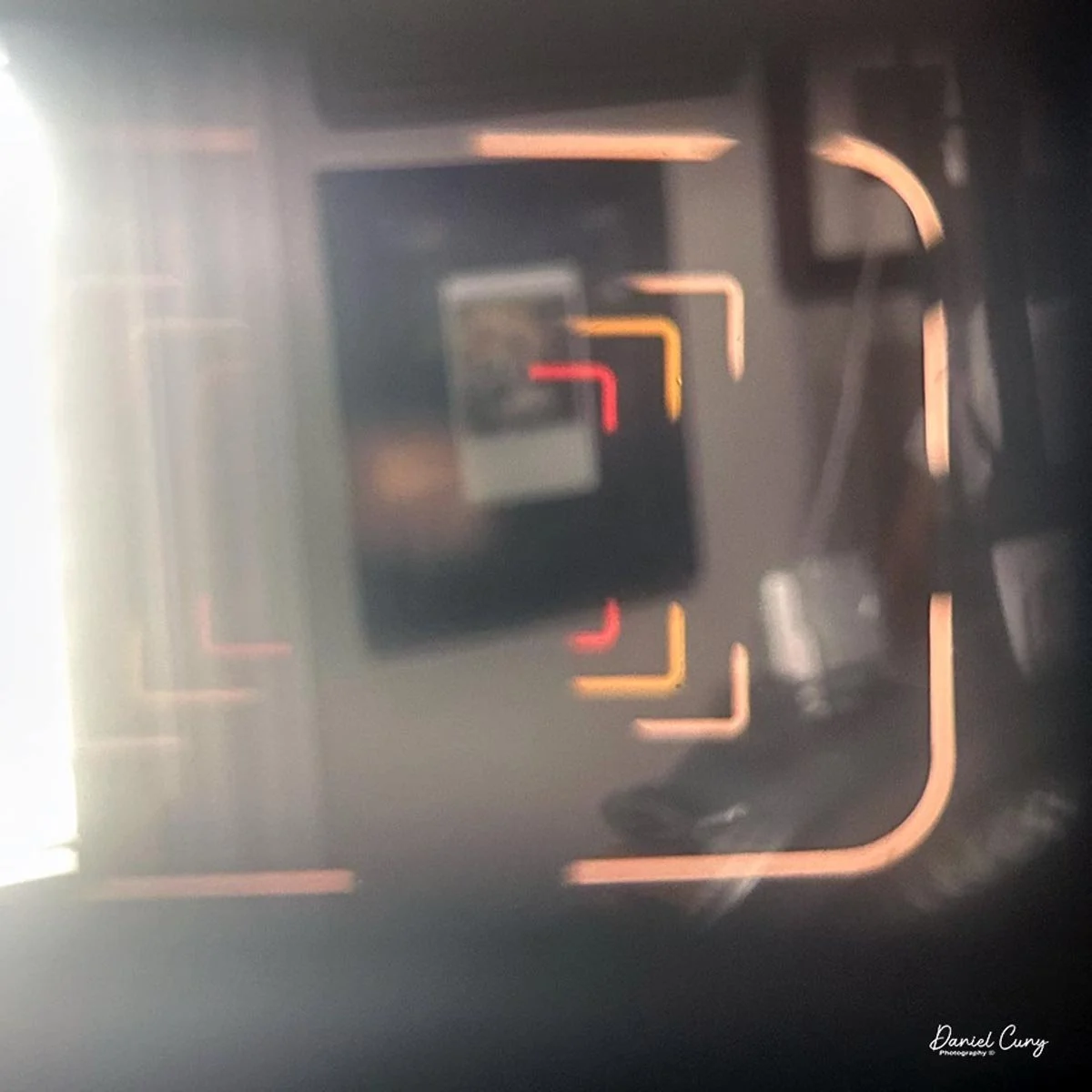
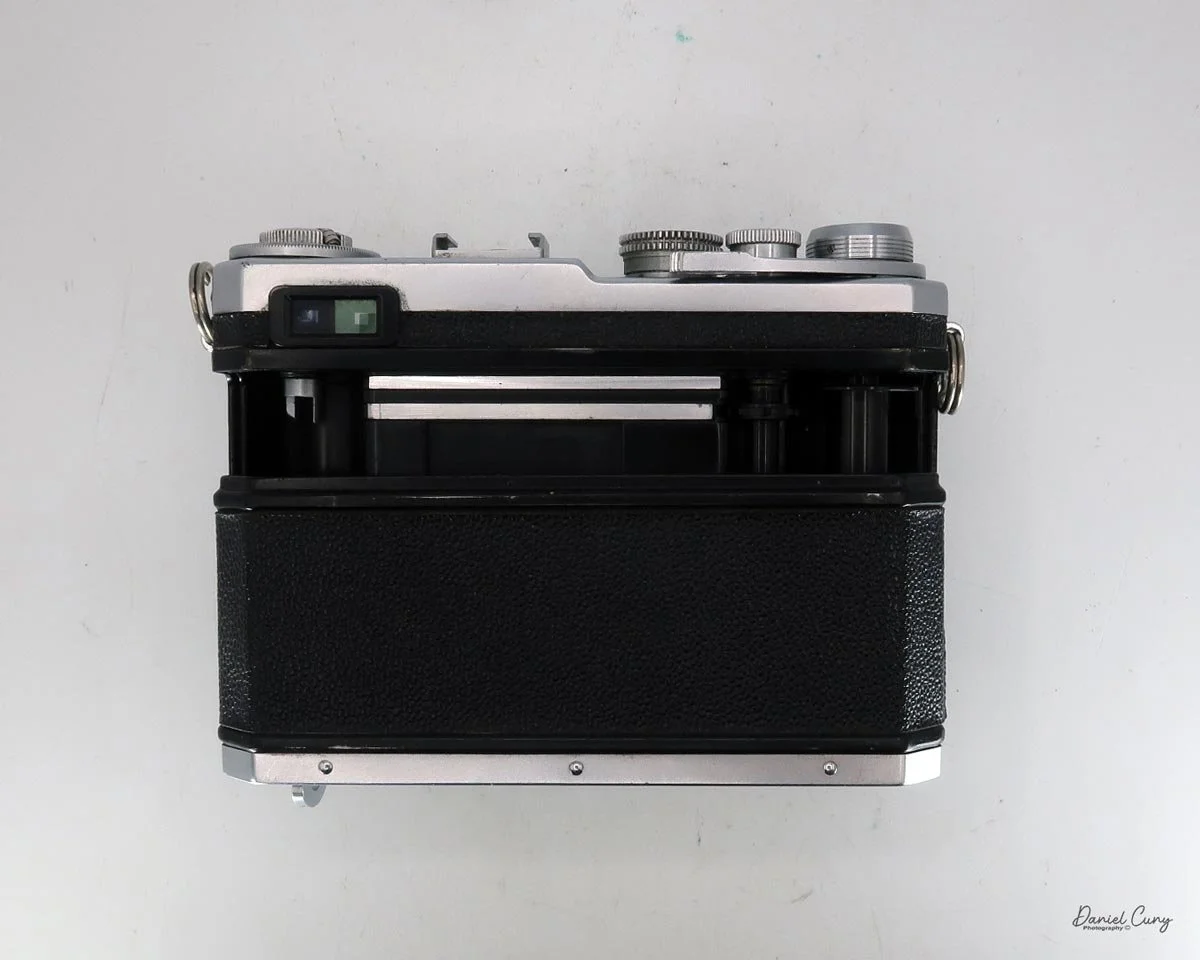
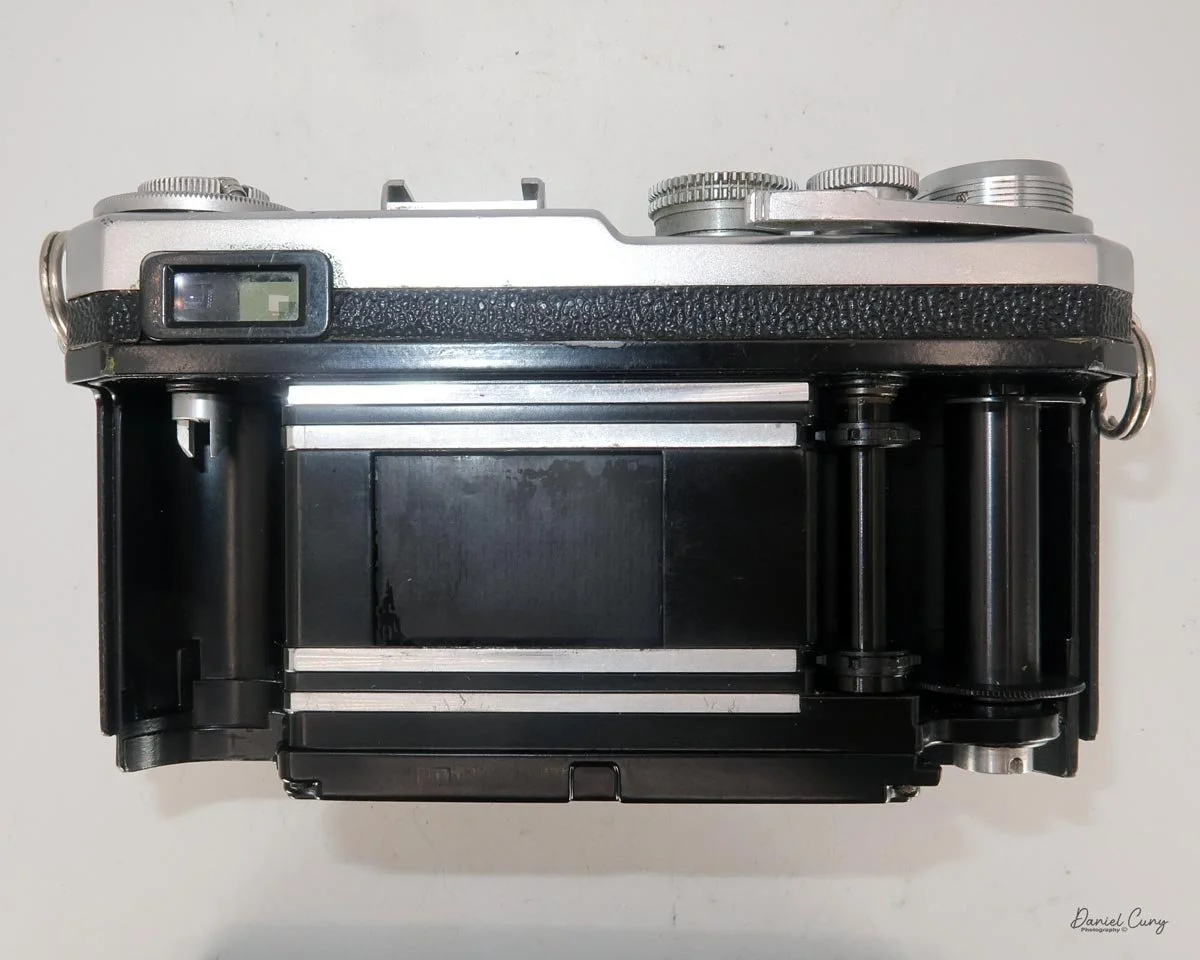
The upper left side of the camera back houses the SP's famous dual viewfinders. The finder on the right is the standard rangefinder for the lenses mentioned earlier: 5cm, 8.5cm, 10.5cm, and 13.5cm. As you turn the collar around the rewind crank, different bright lines appear in this window. Each frame line is added as you select a longer focal length, with the 13.5cm lines appearing in red to match the marking on the collar. Brilliantly, these frame lines are parallax-corrected as you focus closer to your subject.

The viewfinder on the left is a bit smaller and is dedicated to 2.8cm and 3.5cm wide-angle lenses, featuring black frame lines for each. While Nikon also manufactured ultra-wide 2.5cm and 2.1cm lenses at the time, as well as telephotos longer than 13.5cm, those required separate accessory finders that slid into the shoe on top of the camera.

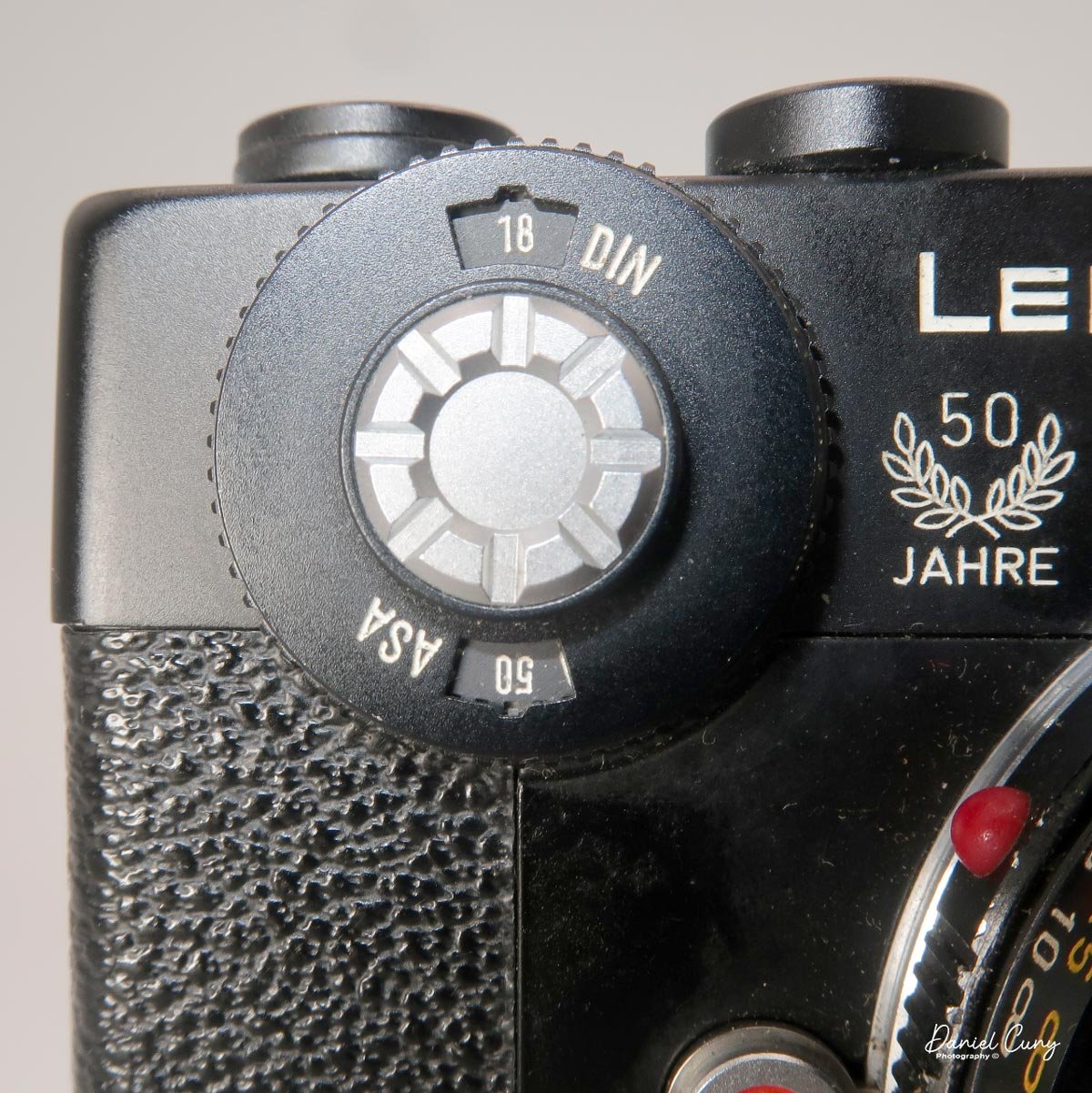
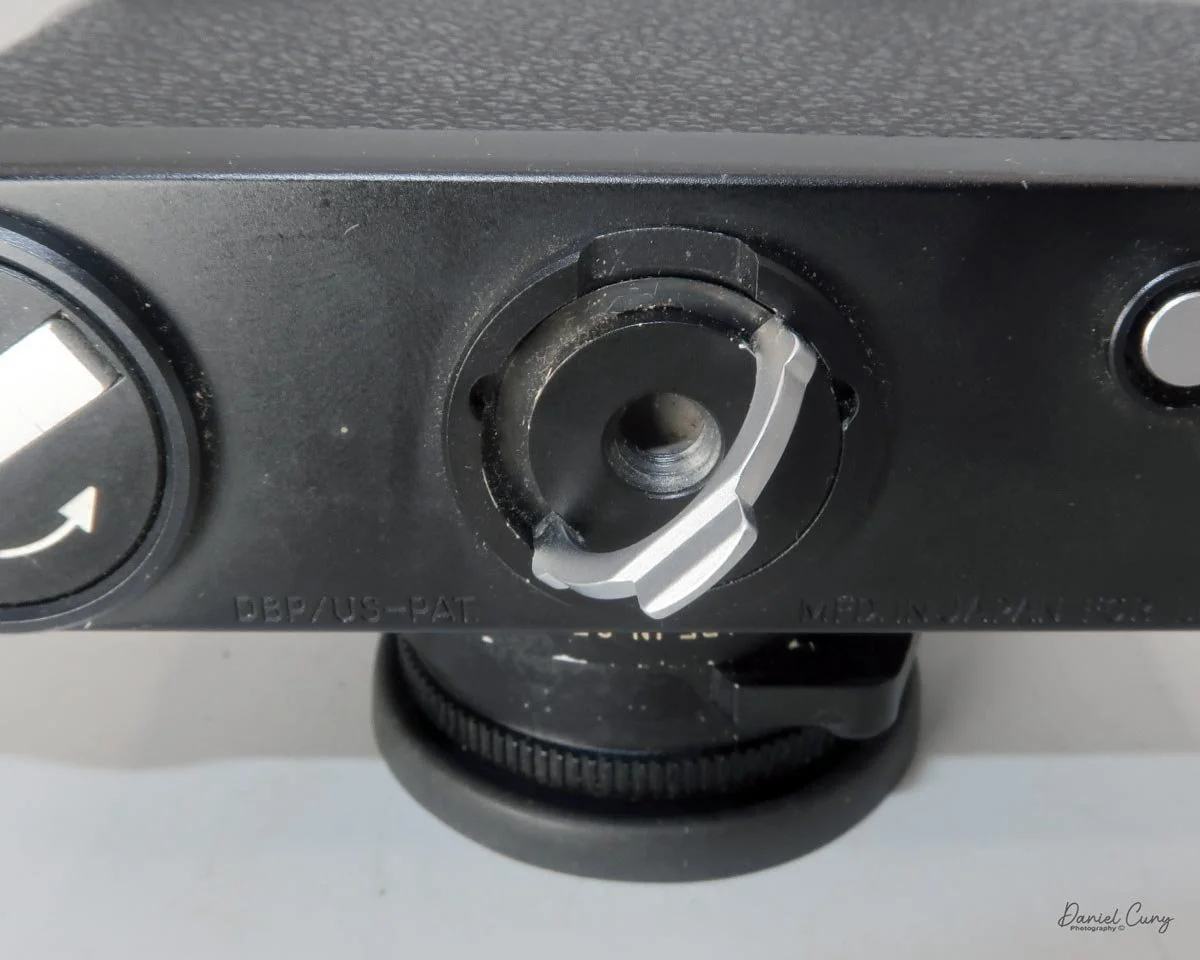
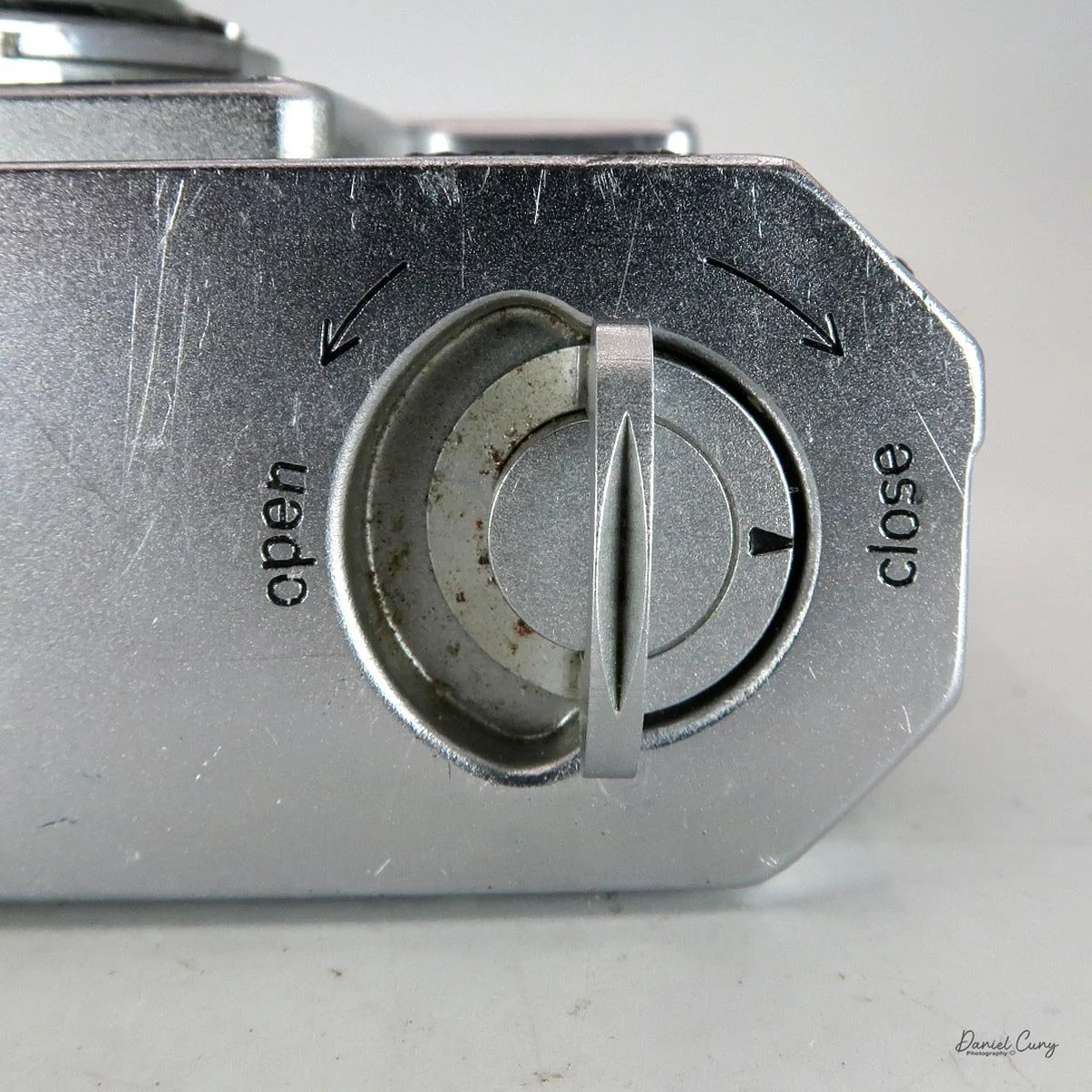
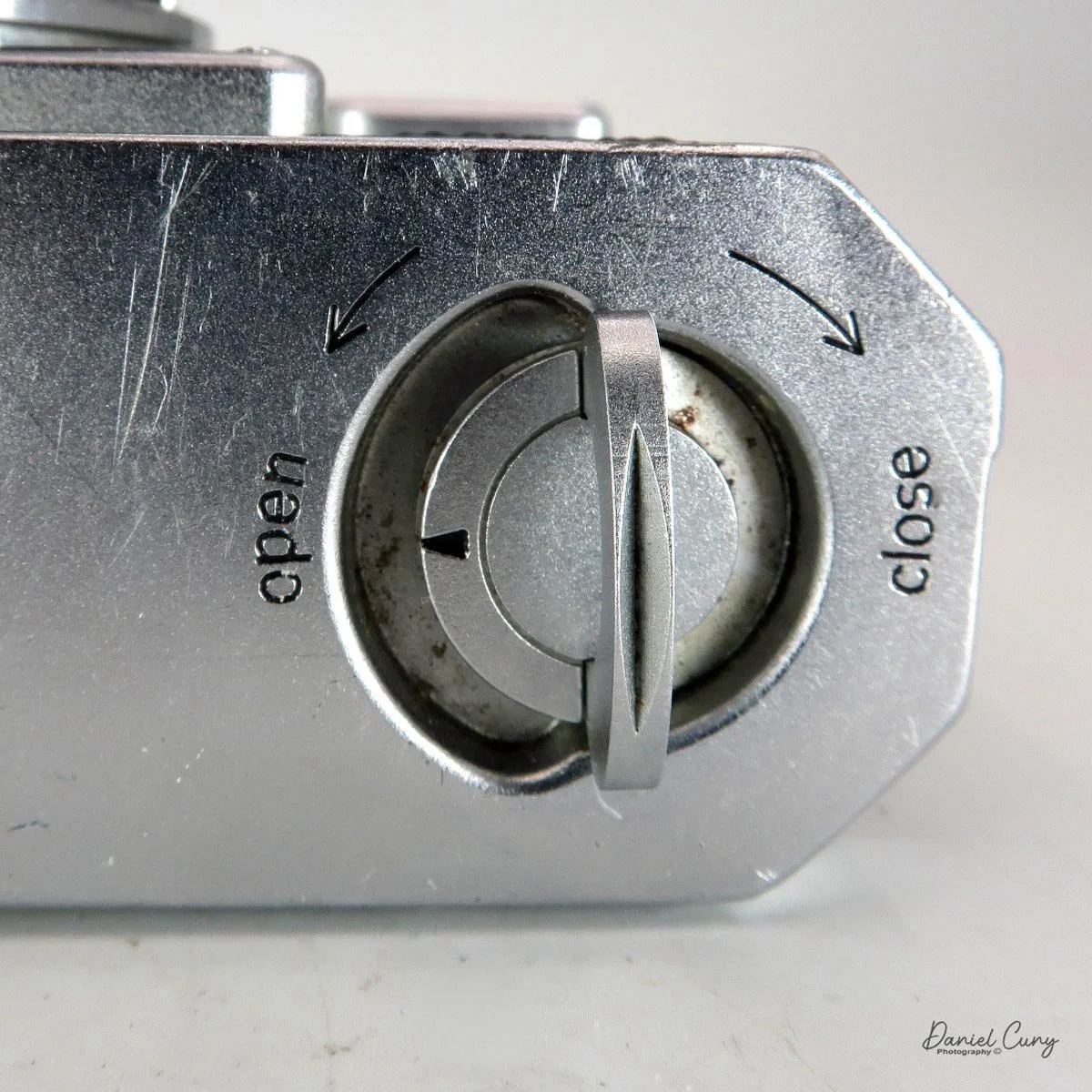
 On the bottom of the camera is the locking lever used to remove the back for film loading. Turn the dial from "Close" to "Open," and the entire back slides down along its tracks to expose the film chamber. (This design is shared across all Nikon rangefinder and Nikon F bodies.) After loading your film like any standard 35mm camera, align the back on the rails, slide it up into place, and lock it tight. At this point, you're ready to shoot! The bottom plate also houses a standard tripod socket and an ASA reminder dial. (For younger shooters, ASA was the predecessor to ISO and uses the same sensitivity scale.)

My Results

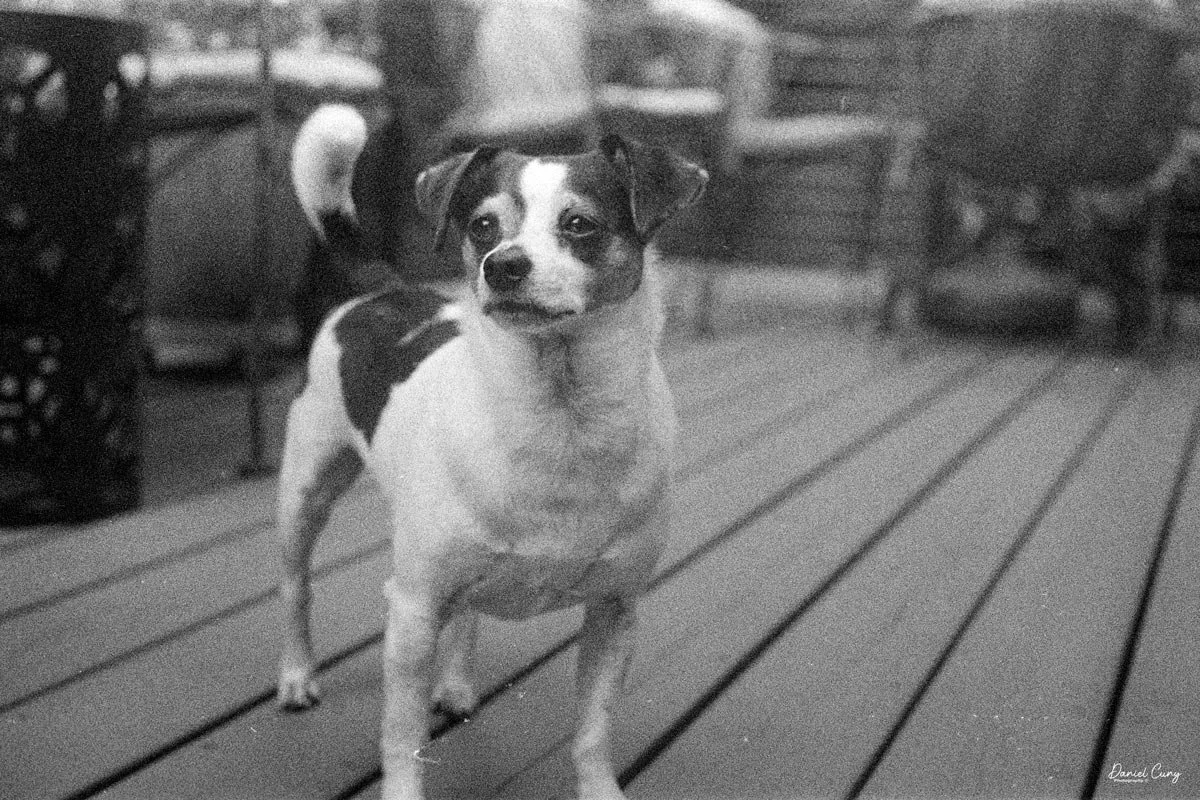
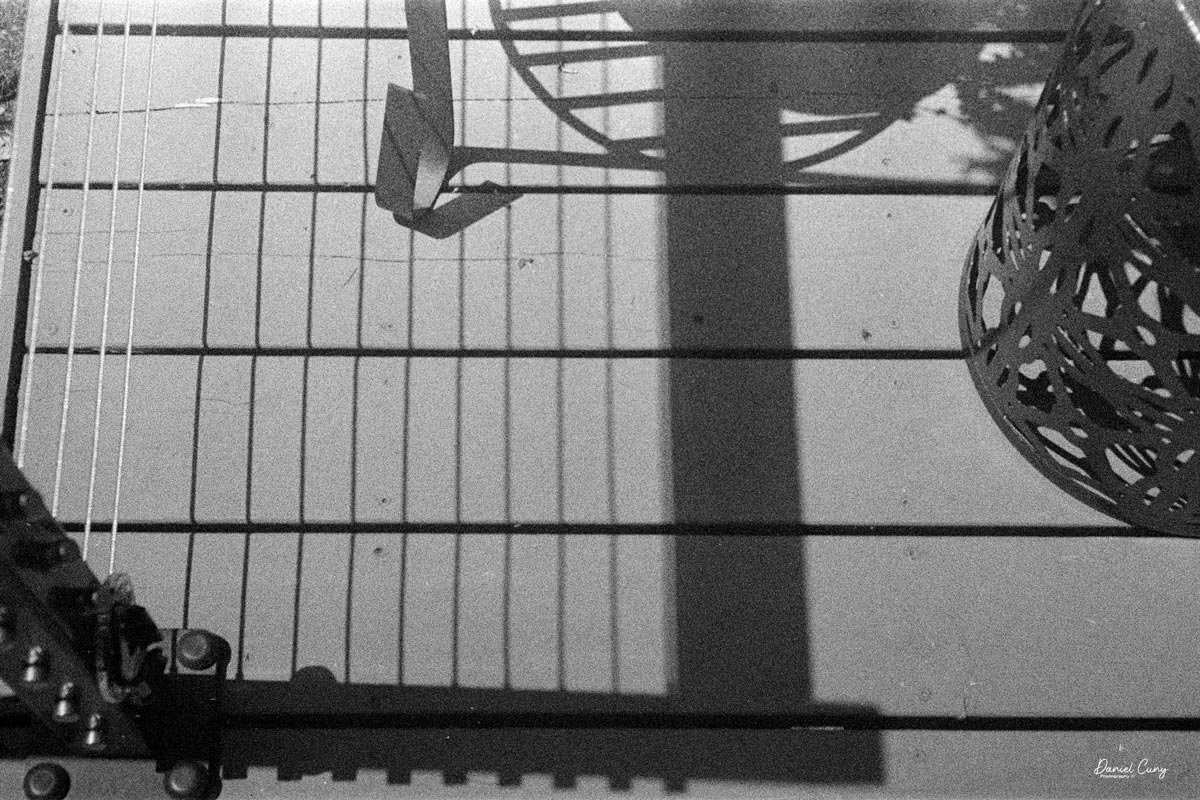
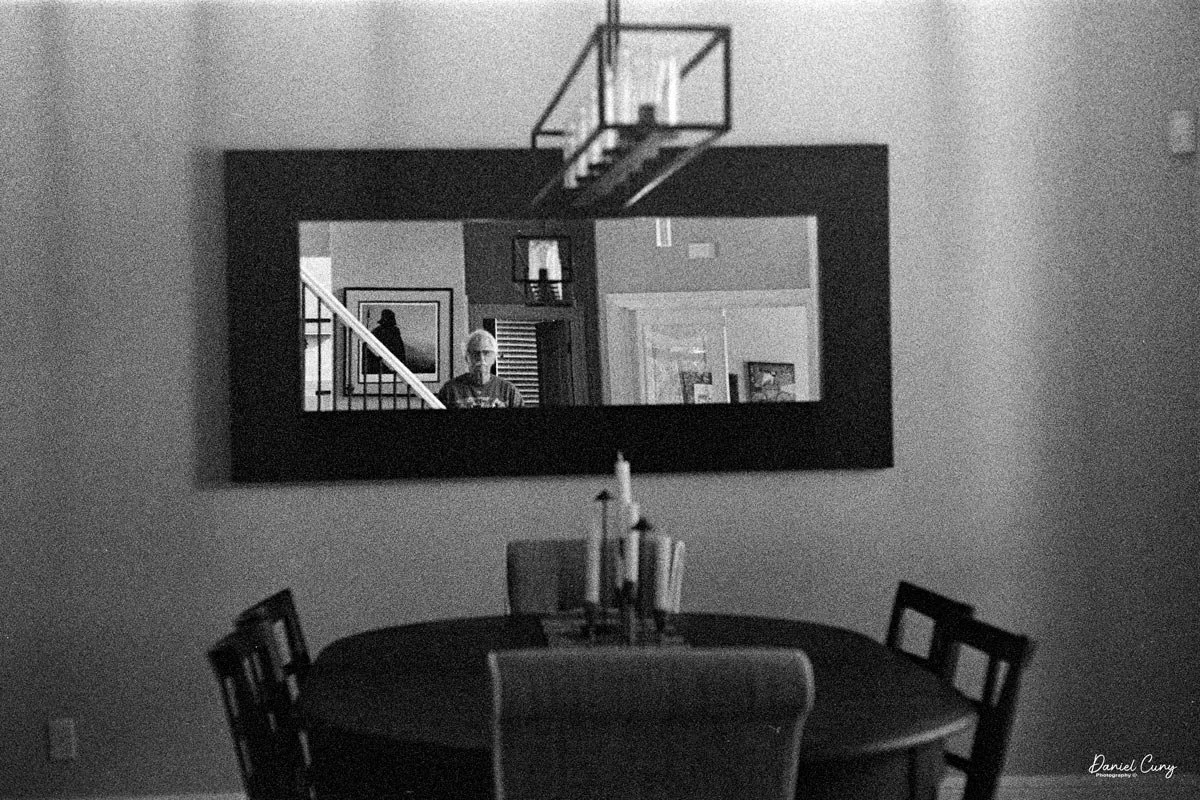
I didn't have much 35mm black-and-white film left in my fridge after our last vacation, but I did find an expired roll of Kodak Tri-X from 1970. I figured it would be the perfect roll to load into the Nikon SP for a spin around the neighborhood.

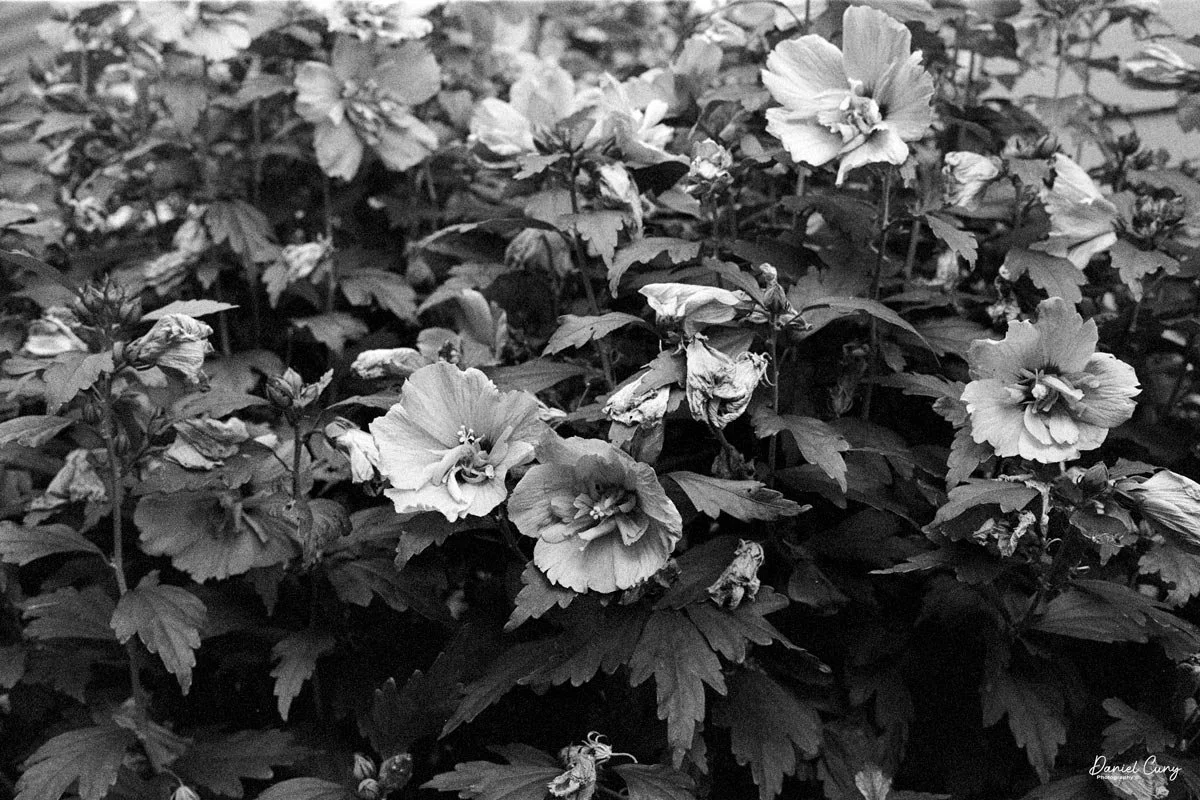
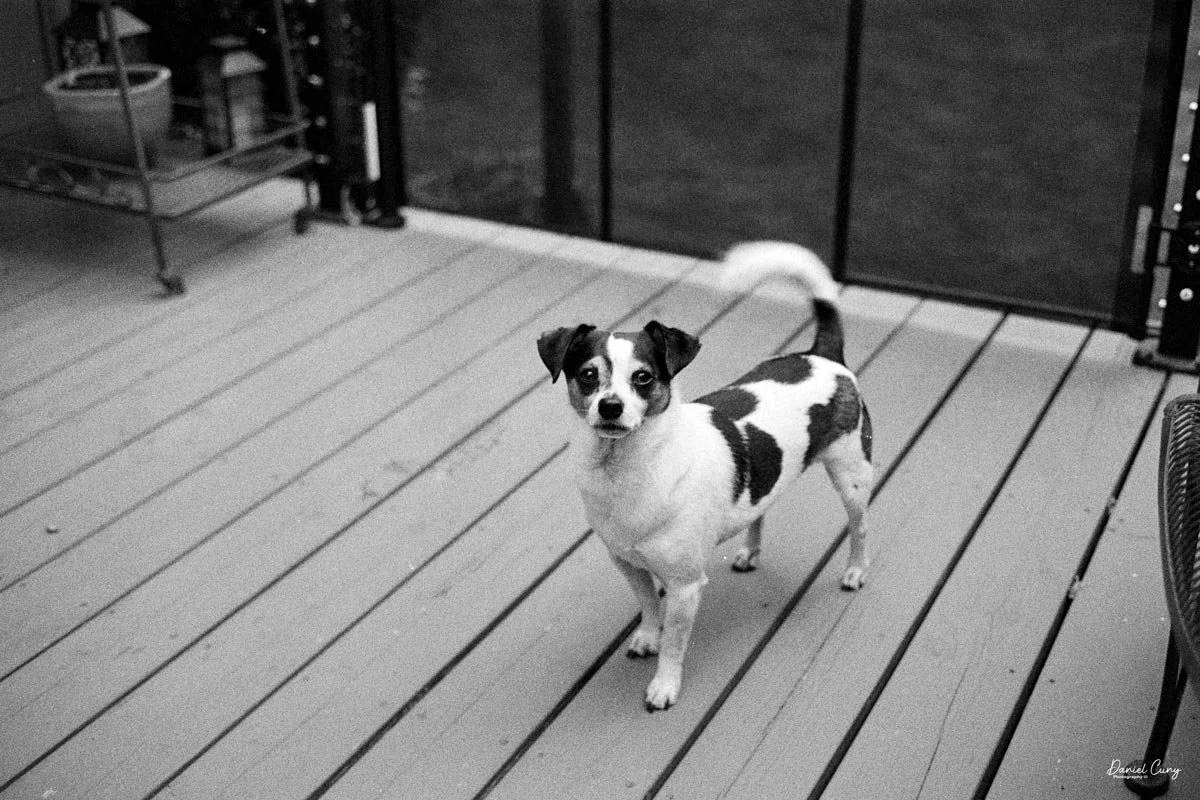
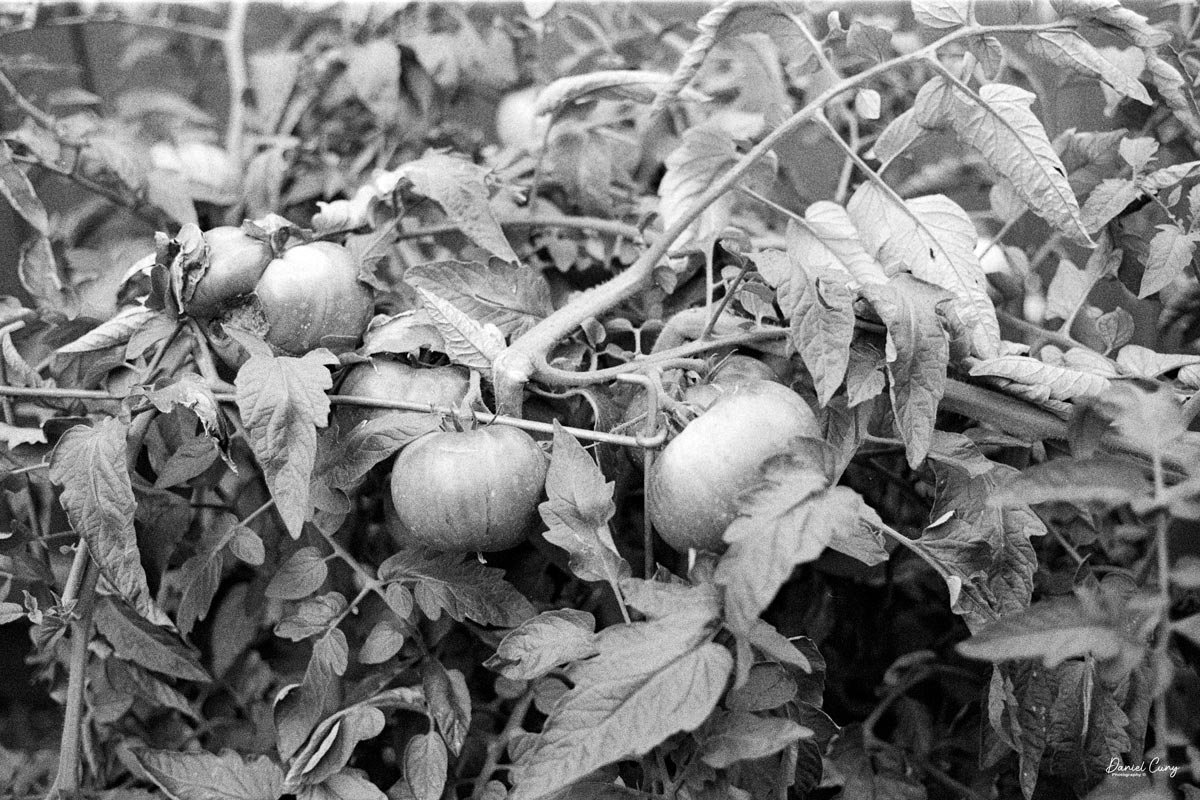
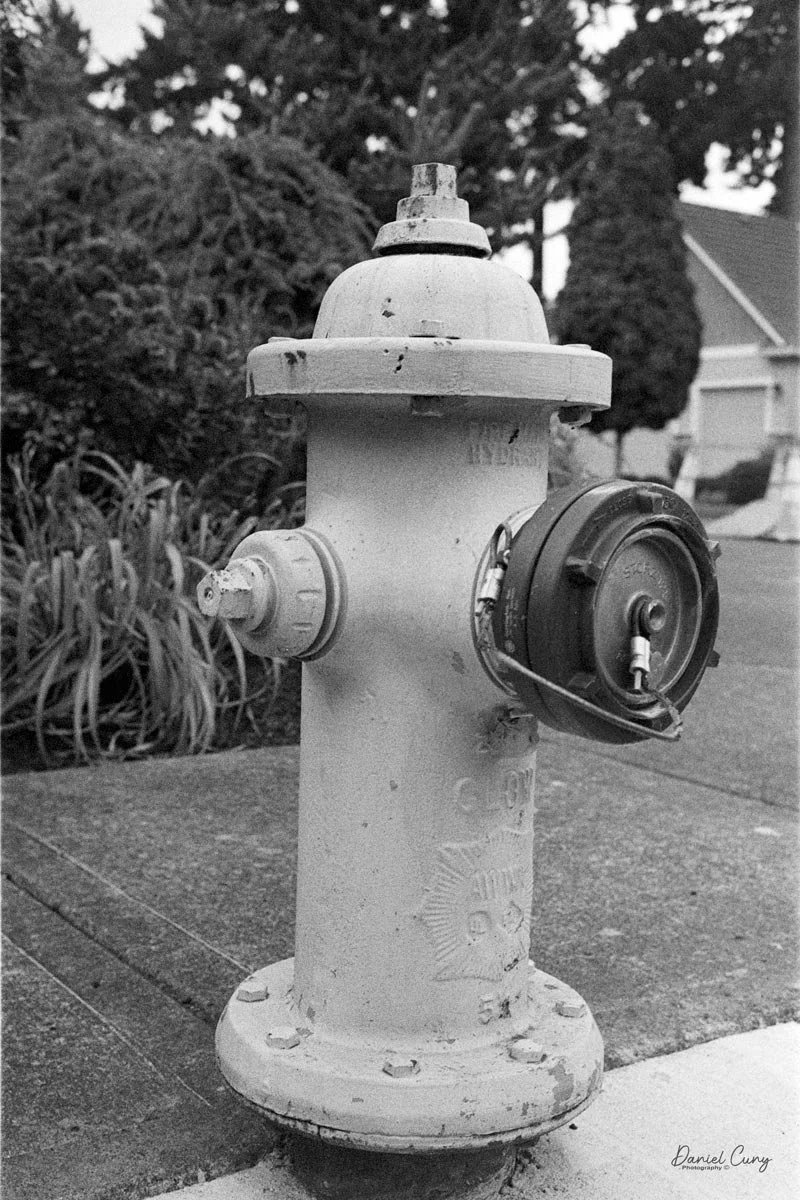
Here are the results from my walk:

Conclusion

Even though I've shot with this camera in the past, I still get a thrill every time I take it out. It has a wonderful, comfortable feel in the hand—especially for someone who has been a dedicated Nikon user for so many years. The rangefinder is bright, and both the focusing and film transport are incredibly smooth. Overall, the camera worked like a charm.

 The images turned out beautifully sharp, and I loved the aesthetic of shooting such an old roll of Tri-X. I had forgotten how grainy—in a good way—that film can be. I even processed it in Rodinal, which normally retains a bit more of a "fine grain" structure, but the classic Tri-X texture pushed through anyway, and I really enjoyed the results.

 Thank you for taking the time to read about the Nikon SP. As the first true model in Nikon's line of "professional" cameras, it laid the groundwork for why the brand became so beloved by working photographers around the world.

 Here are some of my other Camera Reviews.

Check out my Cuny's Camera Collection YouTube channel, where I am putting together video overviews of the cameras I write about. Be sure to subscribe and like the channel, too!

Cuny's Cameras and Photos is my online eBay store, where you will find some of the cameras I have reviewed, along with a wide range of other cameras, lenses, and items from my collection that I am thinning out.

 Until next week, please be safe.
 

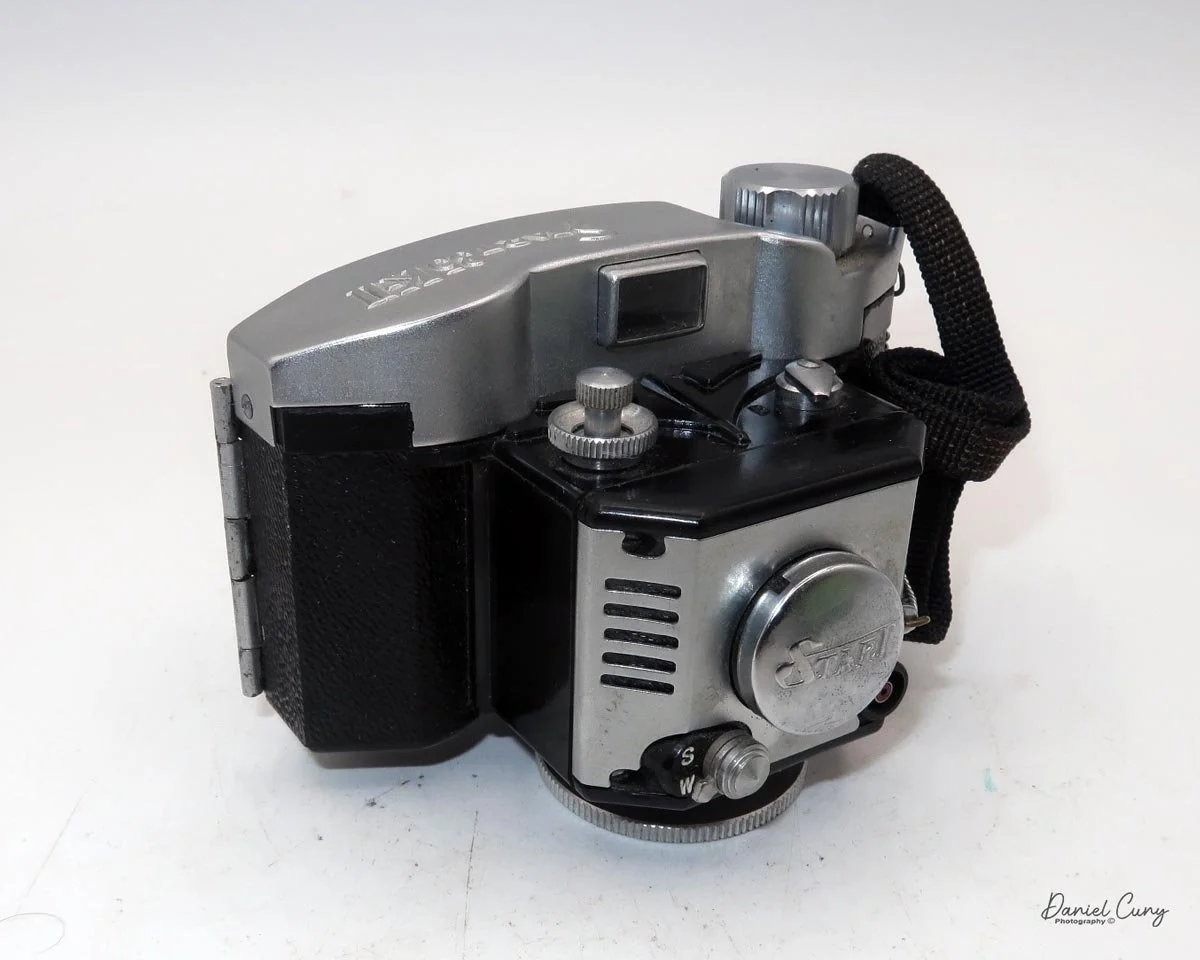
Start 35 K-II Camera

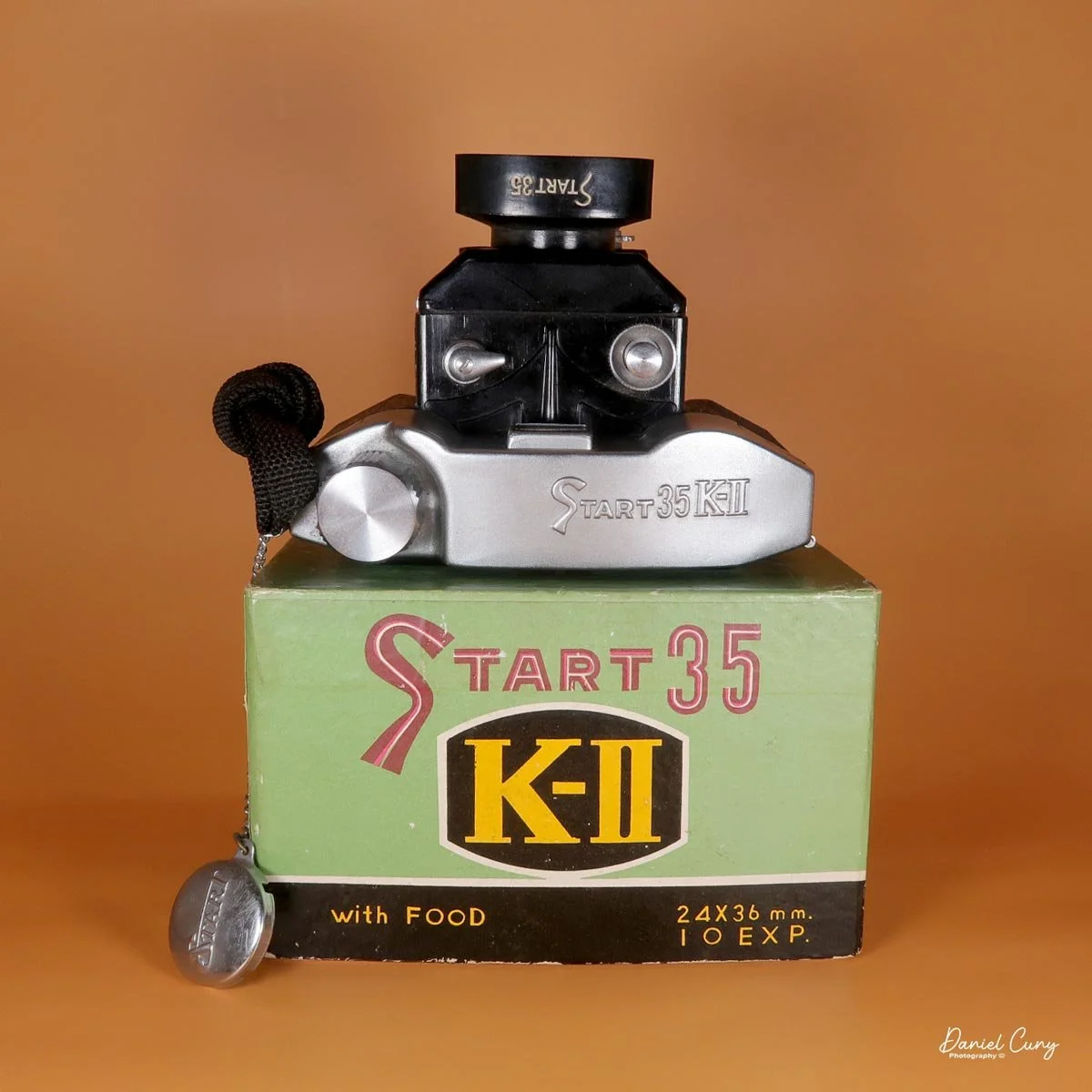
My Start 35 K-II camera with hood and complete box

I can remember when I purchased the Start 35 K-II camera because it was part of a fairly modest camera lot. There were several miniature and subminiature cameras in the group. All of the cameras came with fitted cases, and some even included their original boxes, which I think adds to a camera’s collectability.

 There were other examples of the Start series at camera shows, online, and in books, and I have always enjoyed the chrome and black Bakelite construction of the camera. To me, it has a modernist, almost space-age look. I suppose that was the style they were aiming for, especially for a camera built in the early 1950s.

 When I unpacked the camera lot, I found a few extra items in the box that I wasn’t expecting. While the Start 35 K-II camera itself does not have a fitted case, it did include the “Start” plastic lens hood, along with an aluminum item that appears to be some sort of stand or screw-in accessory used to hold a case onto a camera. The aluminum “stand” is much larger than a typical case-holding screw, so my guess is that it was probably used as a display stand in someone’s collection, since it seems too large to be anything else.

Start 35 K-II camera on stand. I still chuckle at “with Food” on the box.

 Another interesting detail about this camera still makes me smile whenever I see it: the box. The box itself is in wonderful condition, but just below the attractive graphics and the camera’s name, it says “with Food.” I have no idea what that means, or why it would appear on the box of a camera.

 The only explanation I can think of is that it was lost in translation. Perhaps the camera came with rolls of film, or a single roll of film, and the wording “with Food” was meant to indicate that the camera came with something it would consume. Other than that, I really do not know why that phrase appears on the box.

 The Start 35 K-II uses Bolta film, which during this period was a paper-backed 35mm film sold in short rolls and generally less expensive than standard 35mm film. Some cameras used special cassettes for Bolta film, but many Japanese cameras that used Bolta film relied on a special spool with a larger receptacle that fit into the camera, similar in concept to other roll-film systems such as 127 and 828.

History

Ikko Sha Co. Ltd. was a small Japanese camera maker active in the early postwar years, best remembered today for its Start 35 family of compact viewfinder cameras. While it never became a major household name like Canon or Nikon, the company is a good example of the many modest Japanese firms that helped shape the country’s camera boom after World War II.

 The Start 35 line appears to have begun around 1950, when Ikko Sha introduced a Bakelite 35mm camera designed for 24x24mm exposures on Bolta film rolls. That was followed by the Start 35 K in 1952, which added a hinged back door, and later by the Start 35 K-II around 1958, which brought flash synchronization, a metal top plate, a 24x36mm exposure area, and lens-surround caps. These incremental changes suggest a company refining a simple, practical product rather than chasing a wide model range.

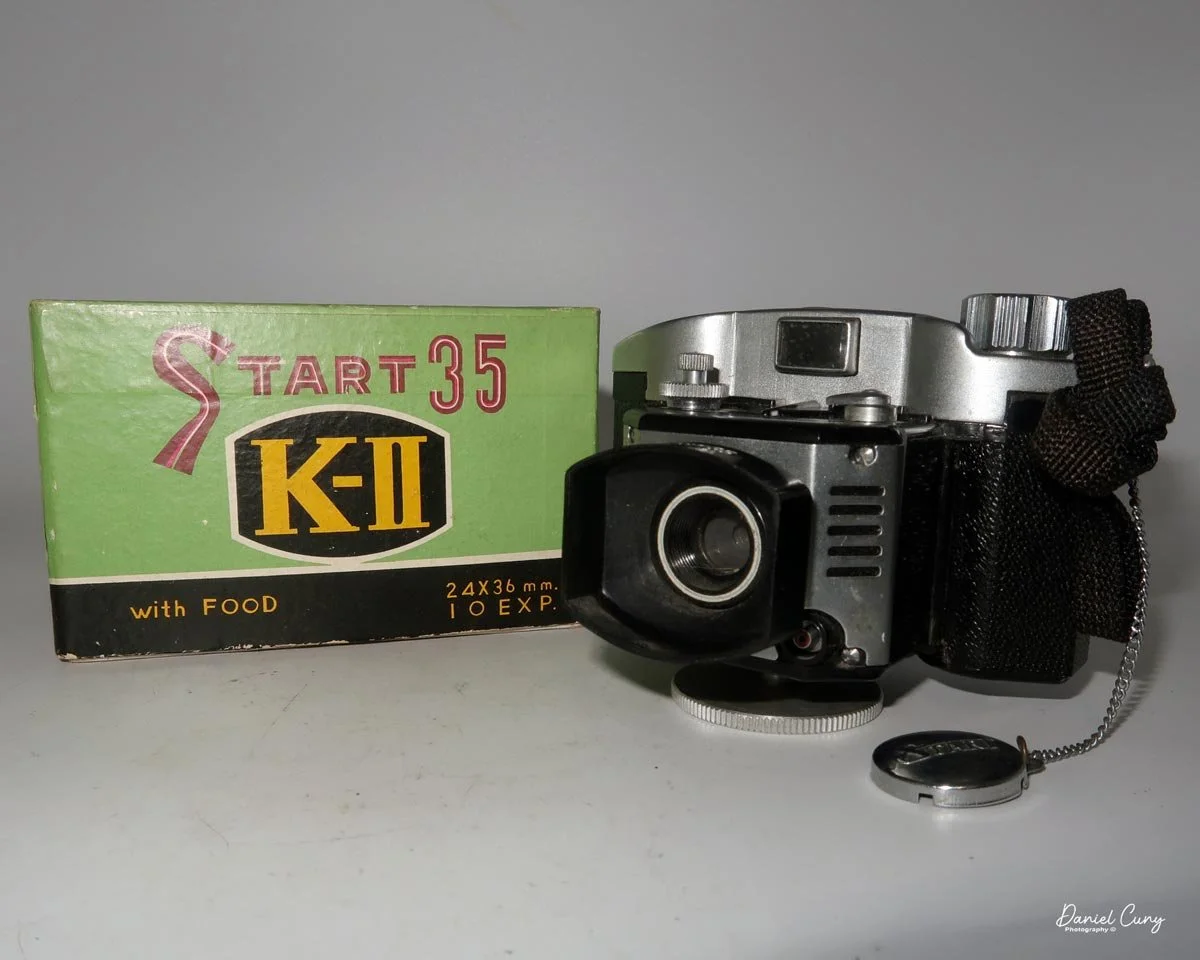
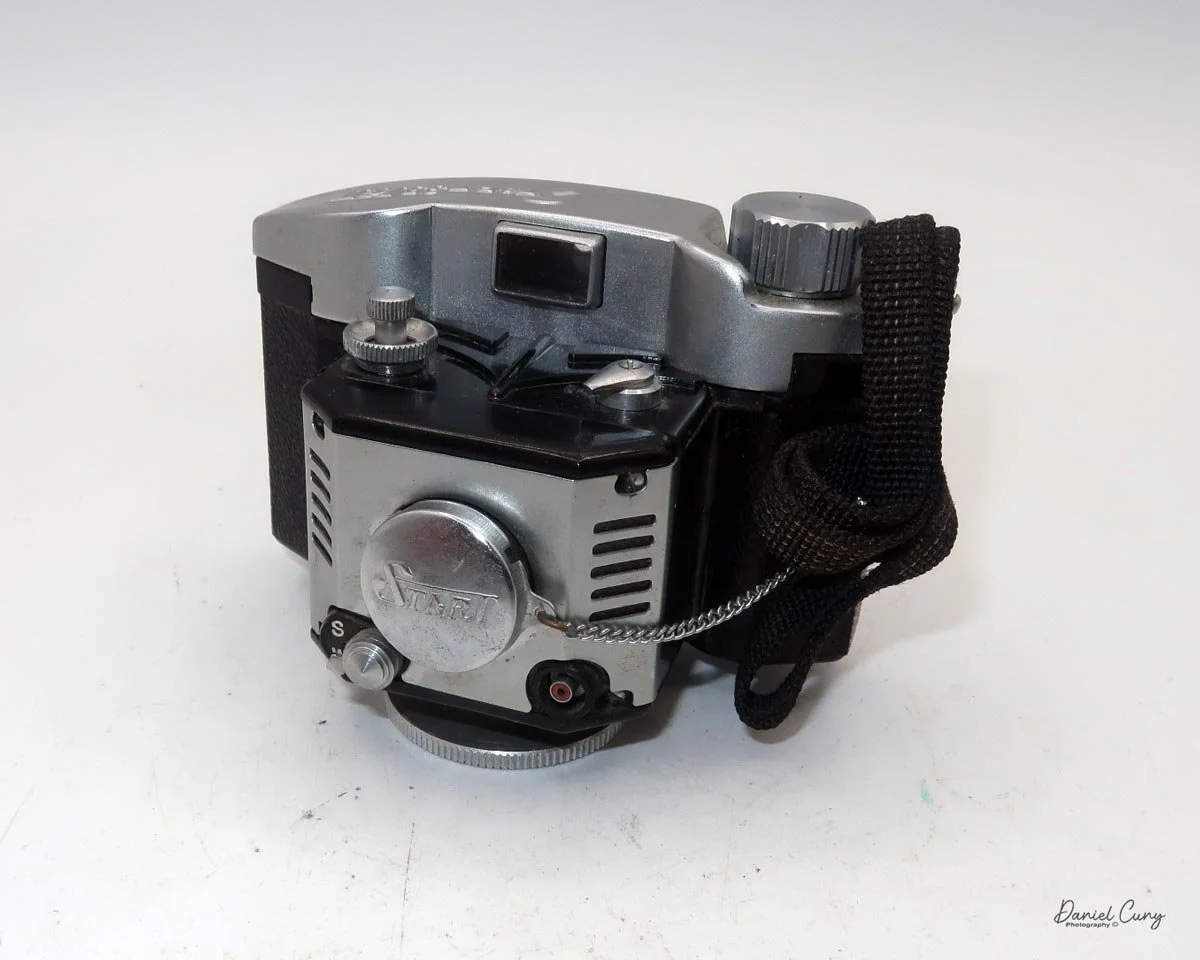
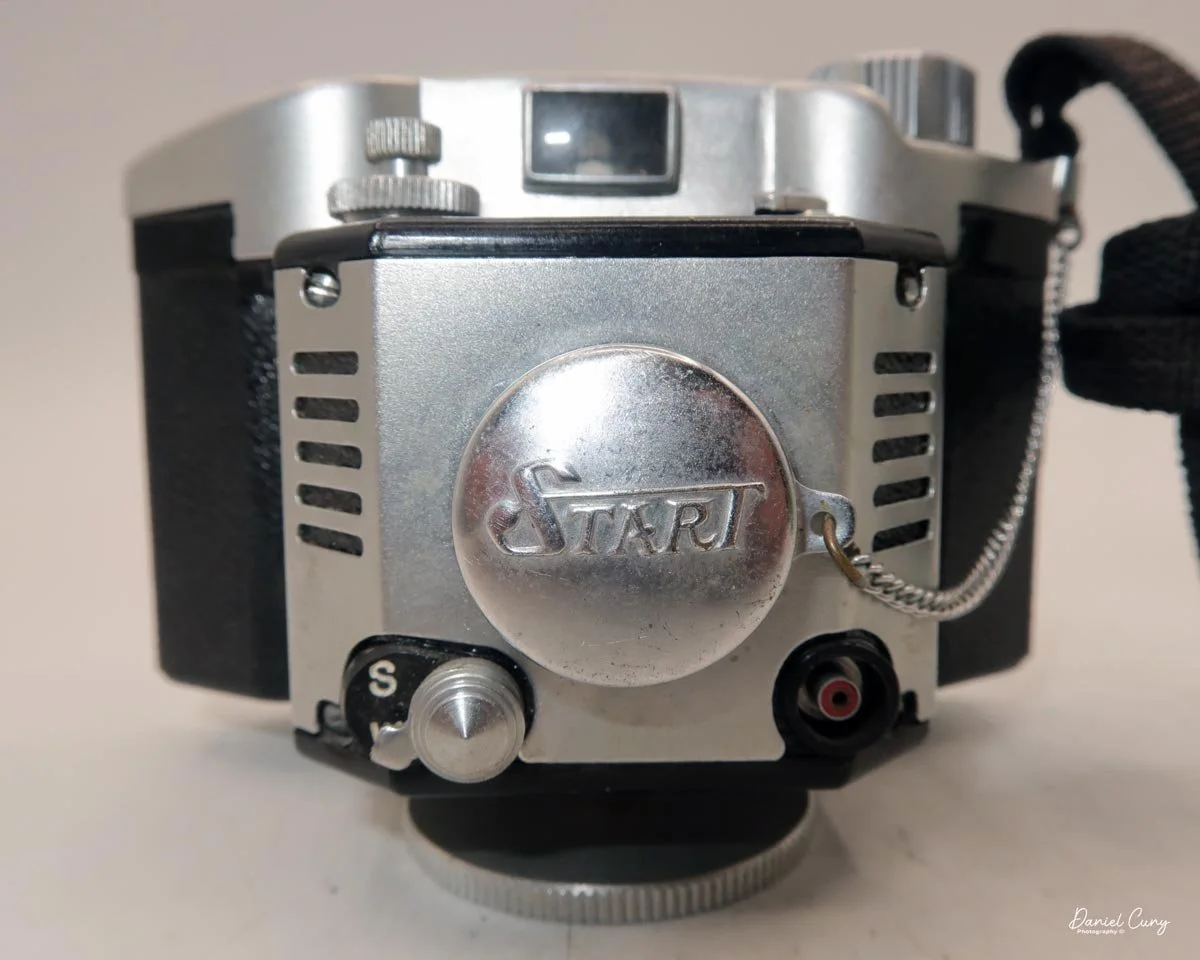
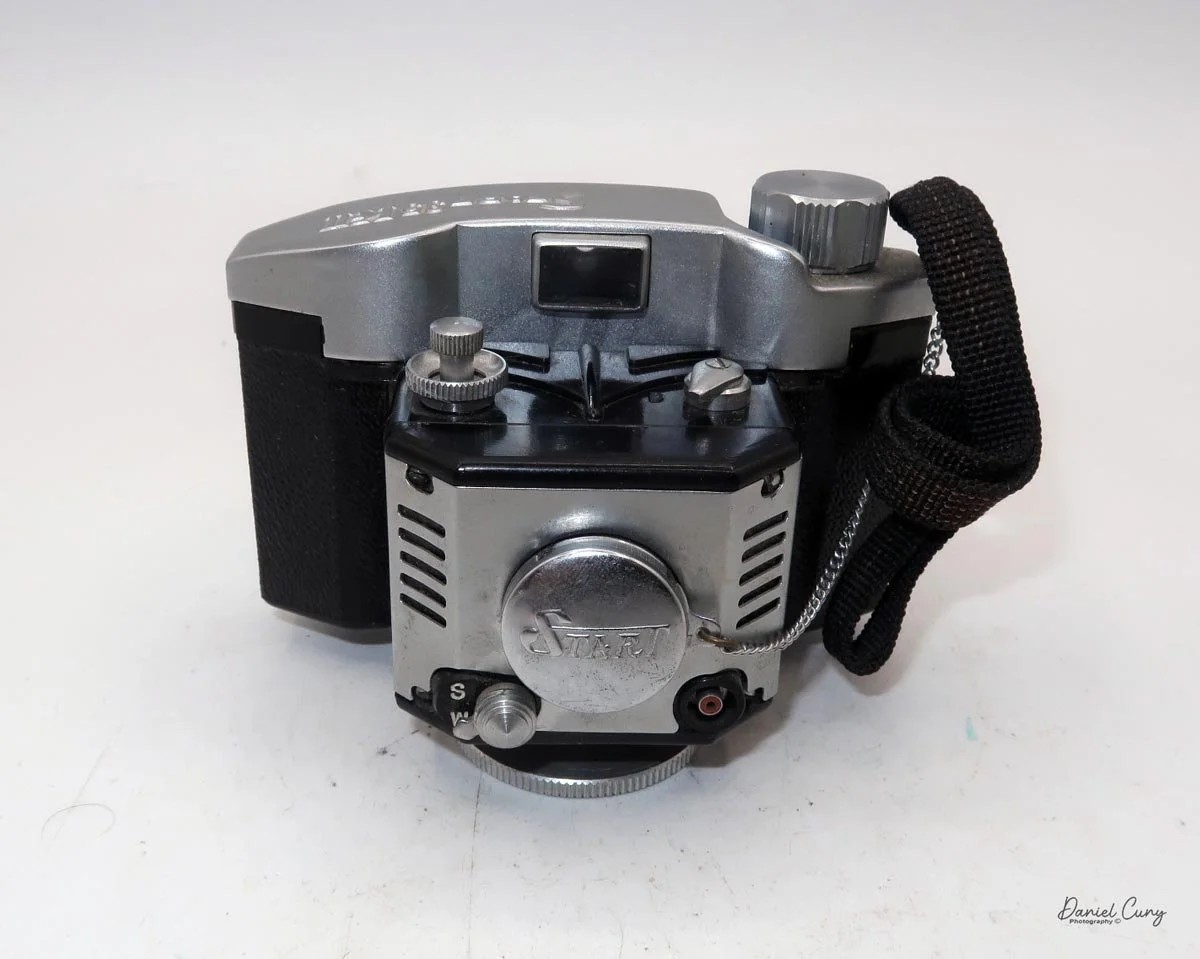
Front view of Start 35 K-II camera with embossed lens cap

 Ikko Sha’s place in camera history comes as much from context as from production volume. Postwar Japan produced dozens of small camera firms, many of them serving the growing demand for inexpensive 35mm cameras at home and abroad. Ikko Sha belonged to that energetic ecosystem, where innovation often came through compact designs, clever packaging, and steady model revisions rather than large-scale manufacturing power.

 For collectors, Ikko Sha cameras are appealing because they are uncommon and clearly rooted in a transitional moment in photographic history. The Start 35 series shows how Japanese manufacturers experimented with materials, formats, and user features before the industry consolidated around stronger global brands. A camera like the Start 35 K-II may be modest, but it captures the ingenuity of an era when even small firms could leave a lasting mark on the collecting world.

 Today, surviving Ikko Sha cameras are mostly encountered in collections, auctions, and enthusiast write-ups rather than in mainstream histories. That scarcity only adds to their charm, especially for collectors who enjoy tracing the overlooked branches of Japanese camera development.

My Camera

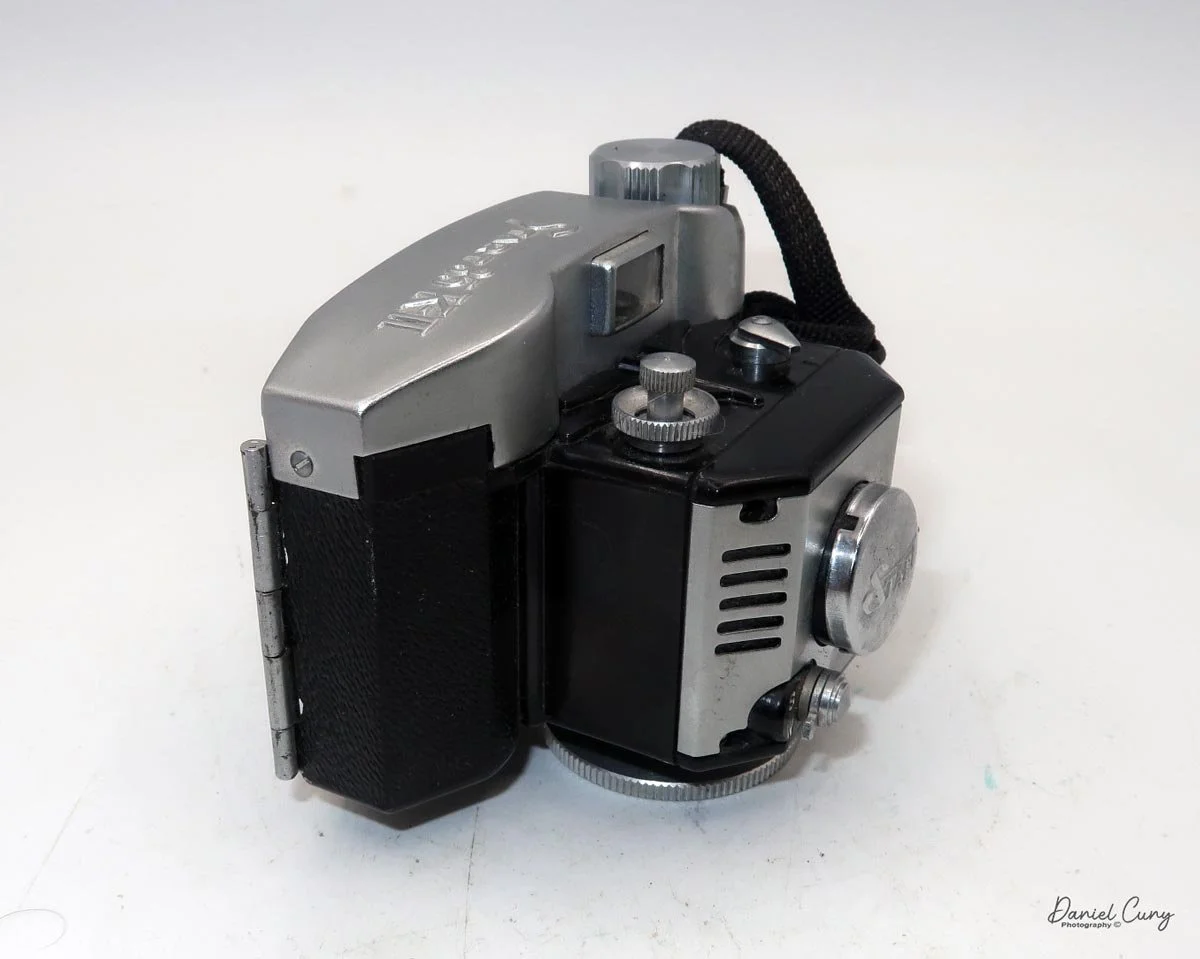
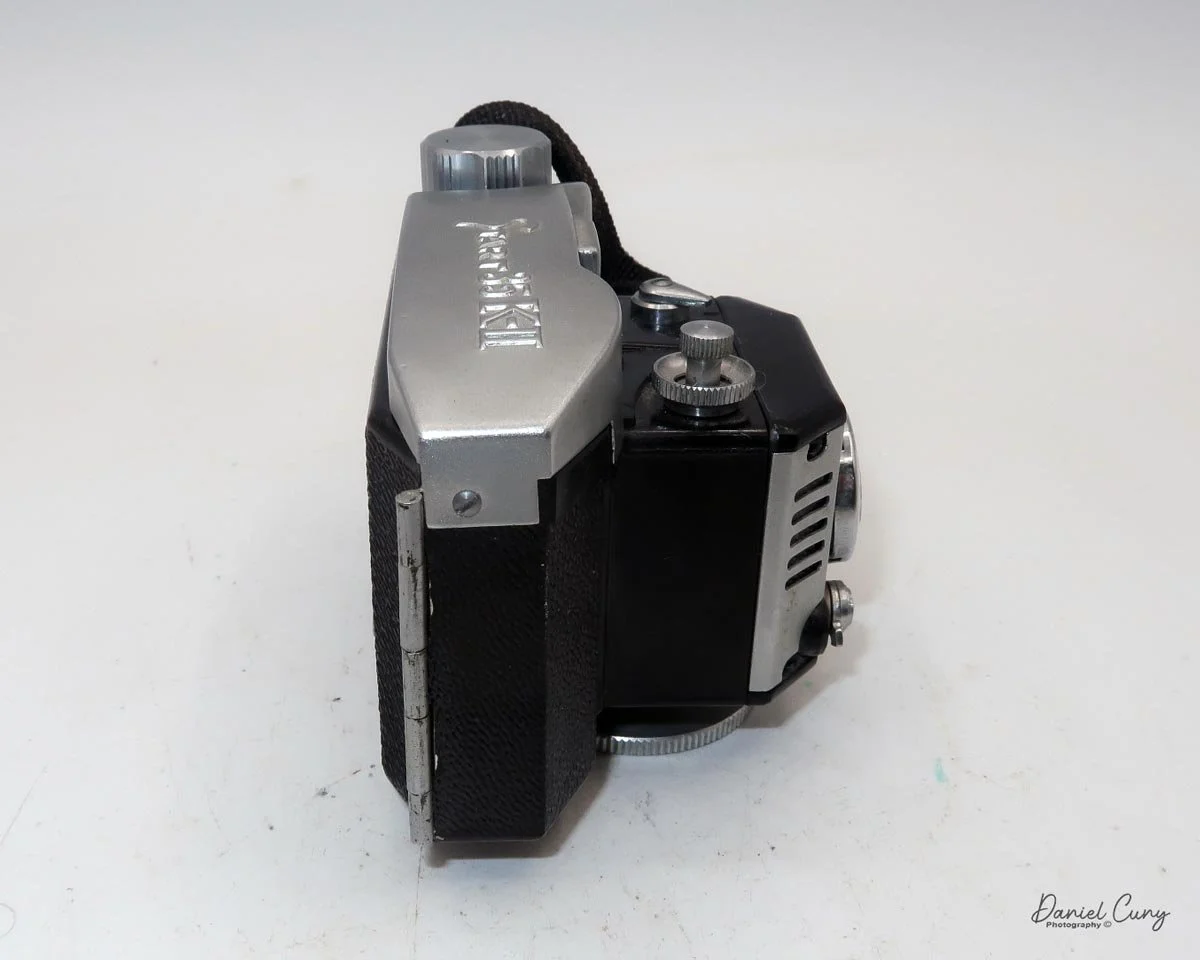
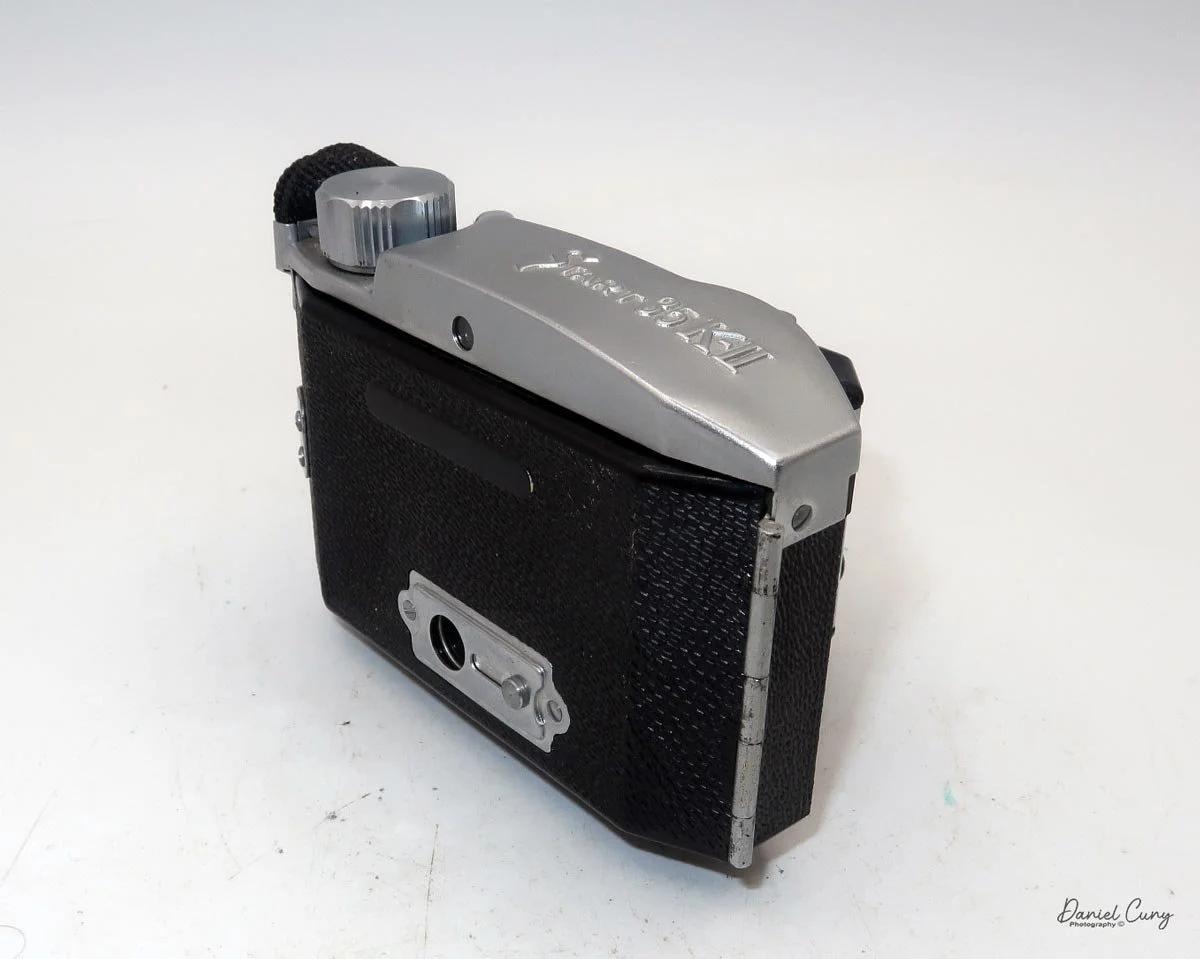
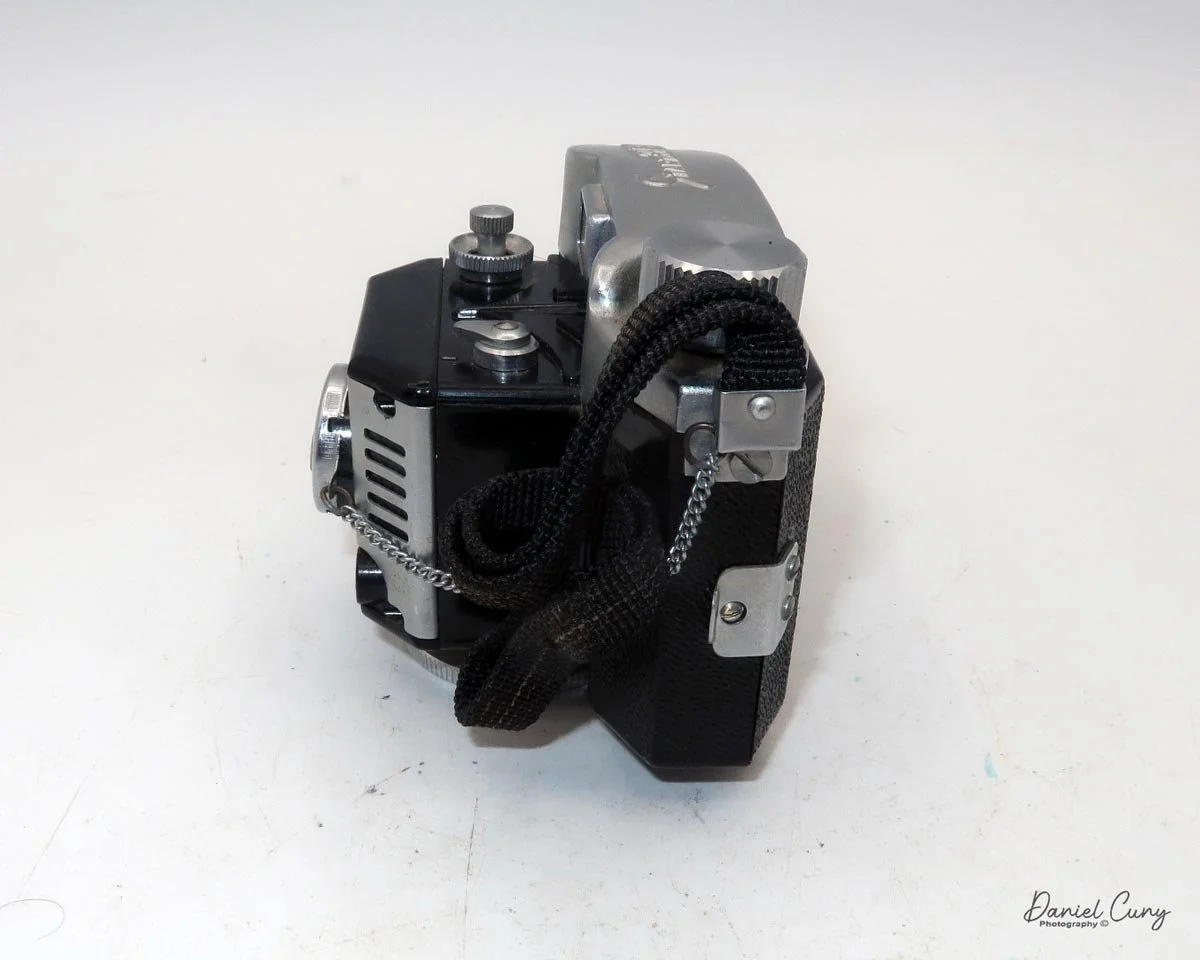
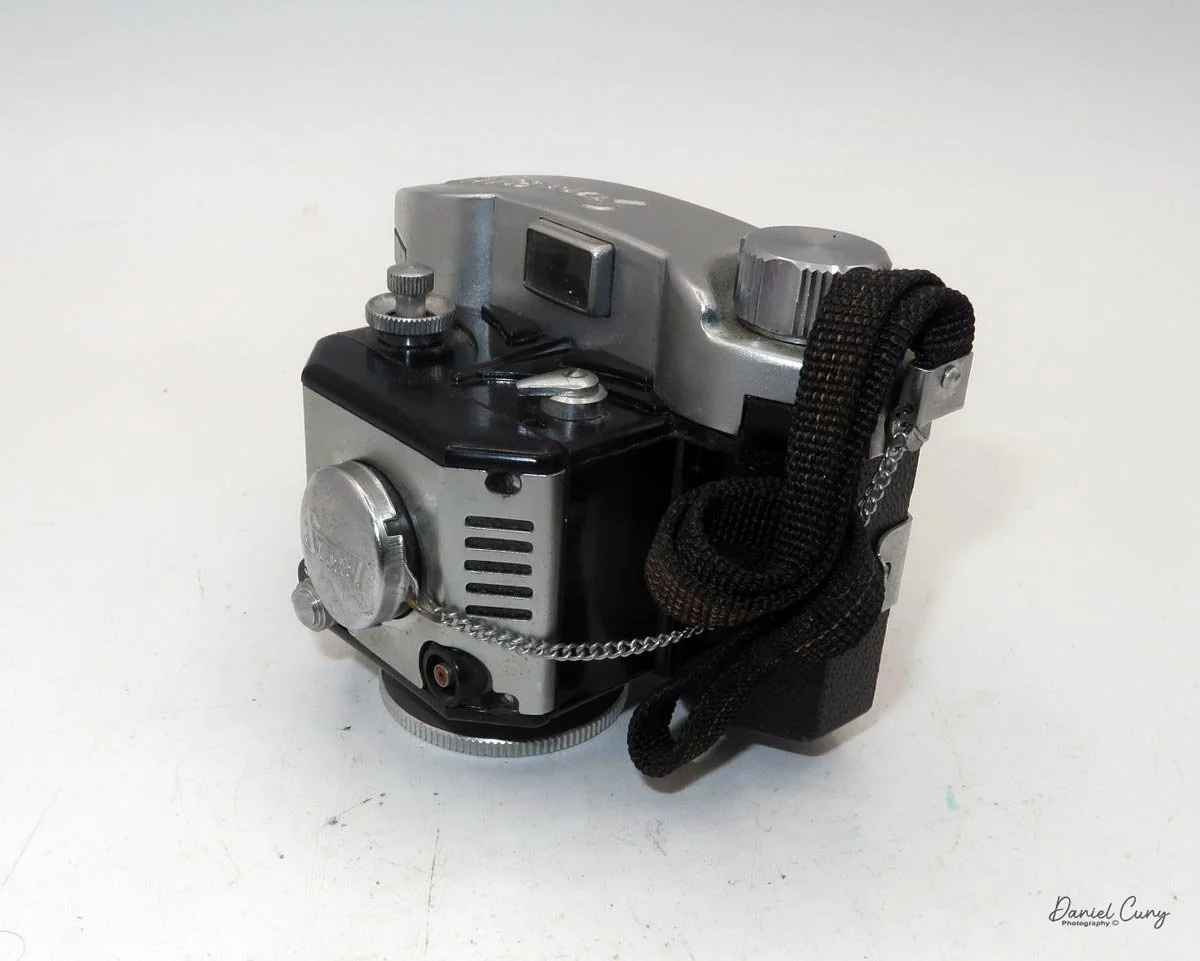
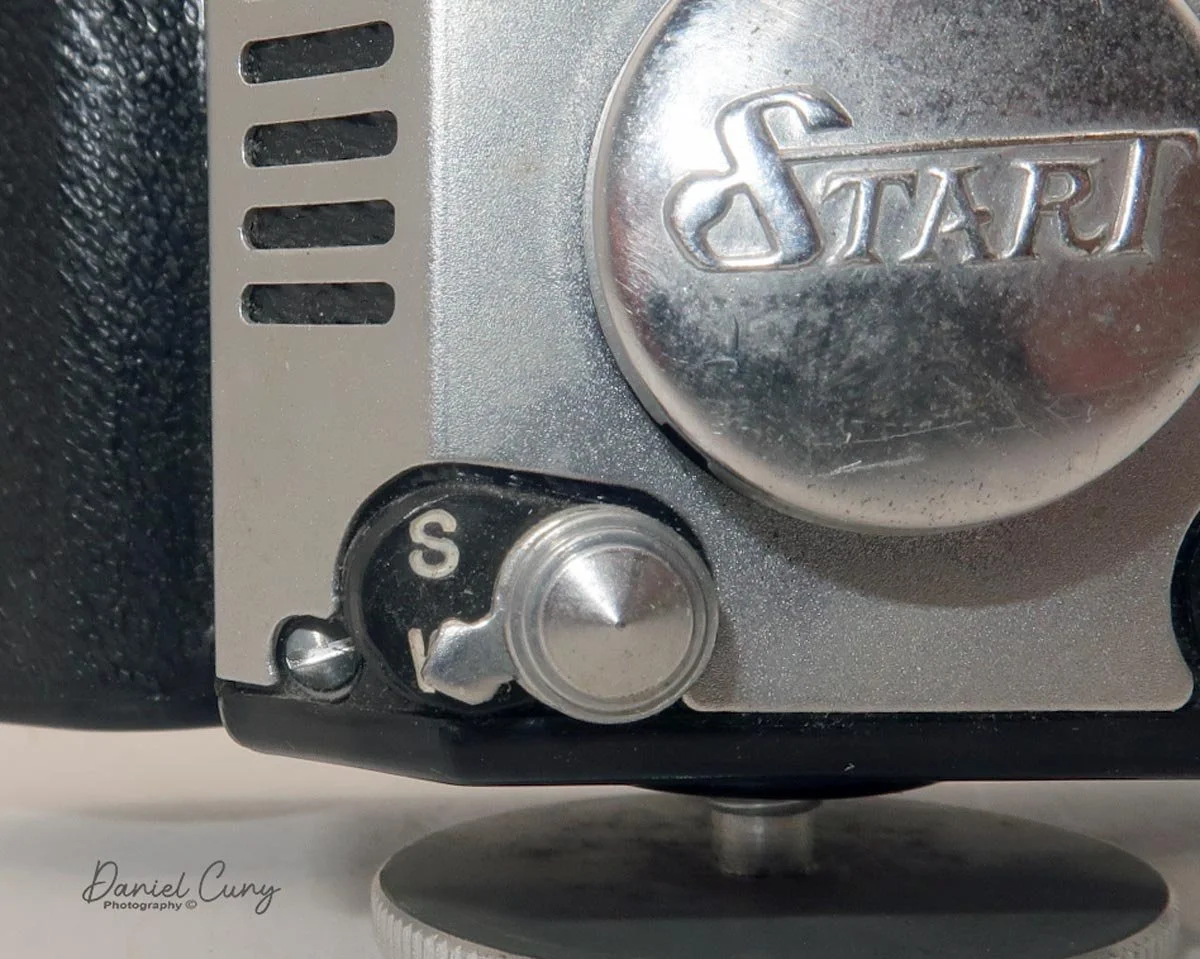
My Start 35 K-II camera measures 4 inches wide by 2.25 inches tall and 2.5 inches deep, not including the attached lens hood. The camera weighs 6.6 ounces without film loaded. It is made of black Bakelite with an aluminum top covering the viewfinder, and the metal also wraps around the lens with five slots on either side, giving the camera a modernist look.

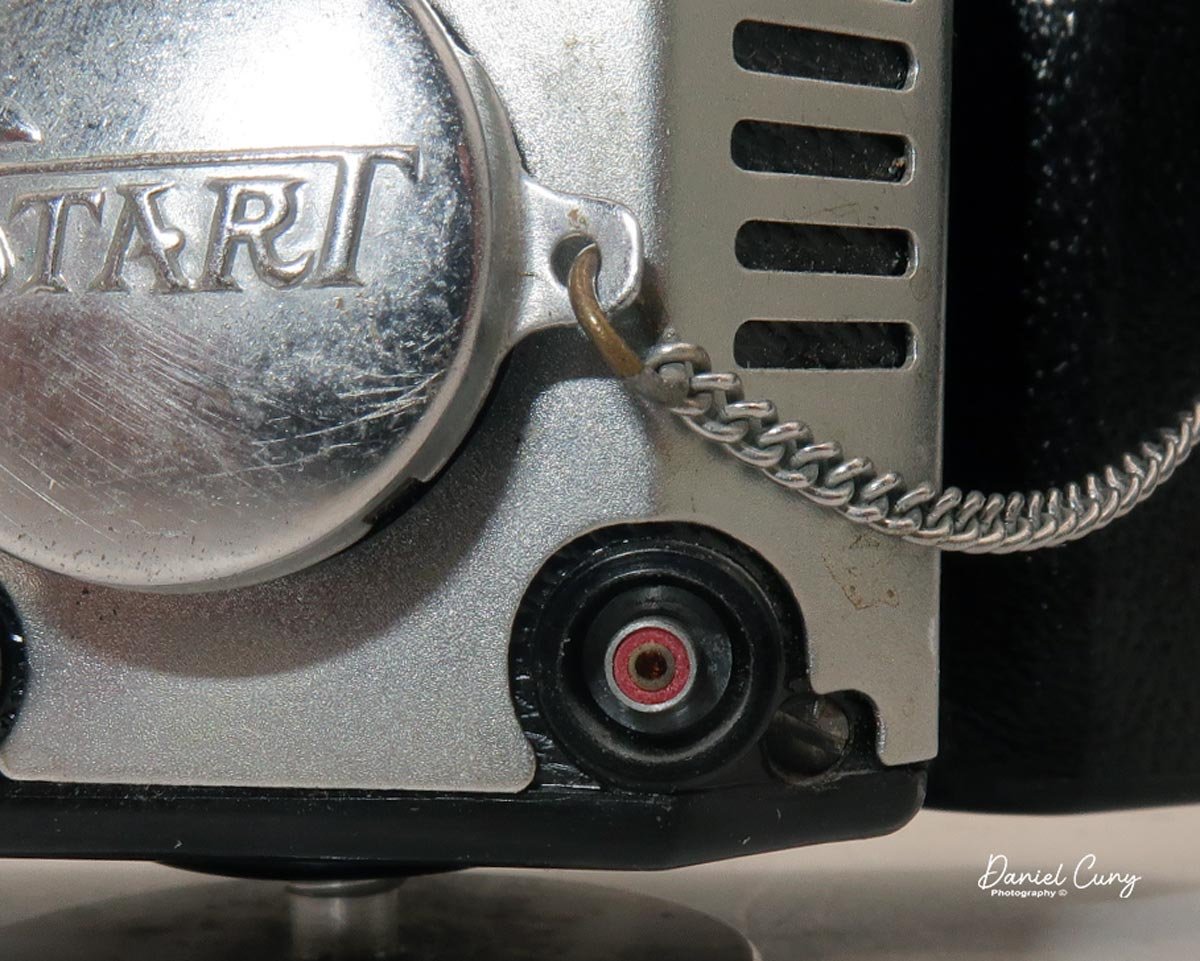
On the left side of the camera is a nylon wrist strap attached next to the film winding knob. Also attached to the strap is a metal chain with a metal lens cap embossed with a stylized “START” logo. On the bottom of the camera is a tripod socket, along with “Made in Japan” embossed into the Bakelite.

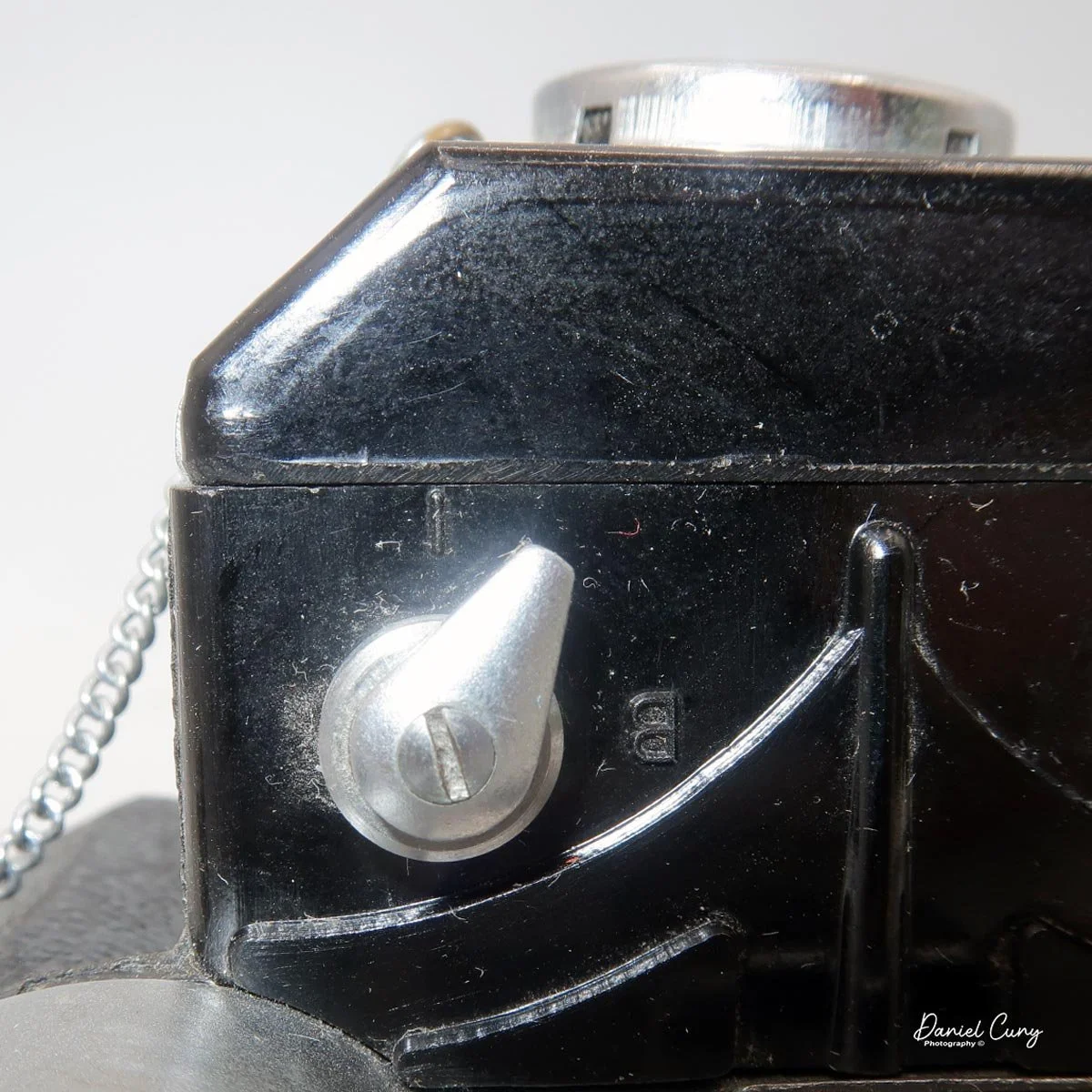
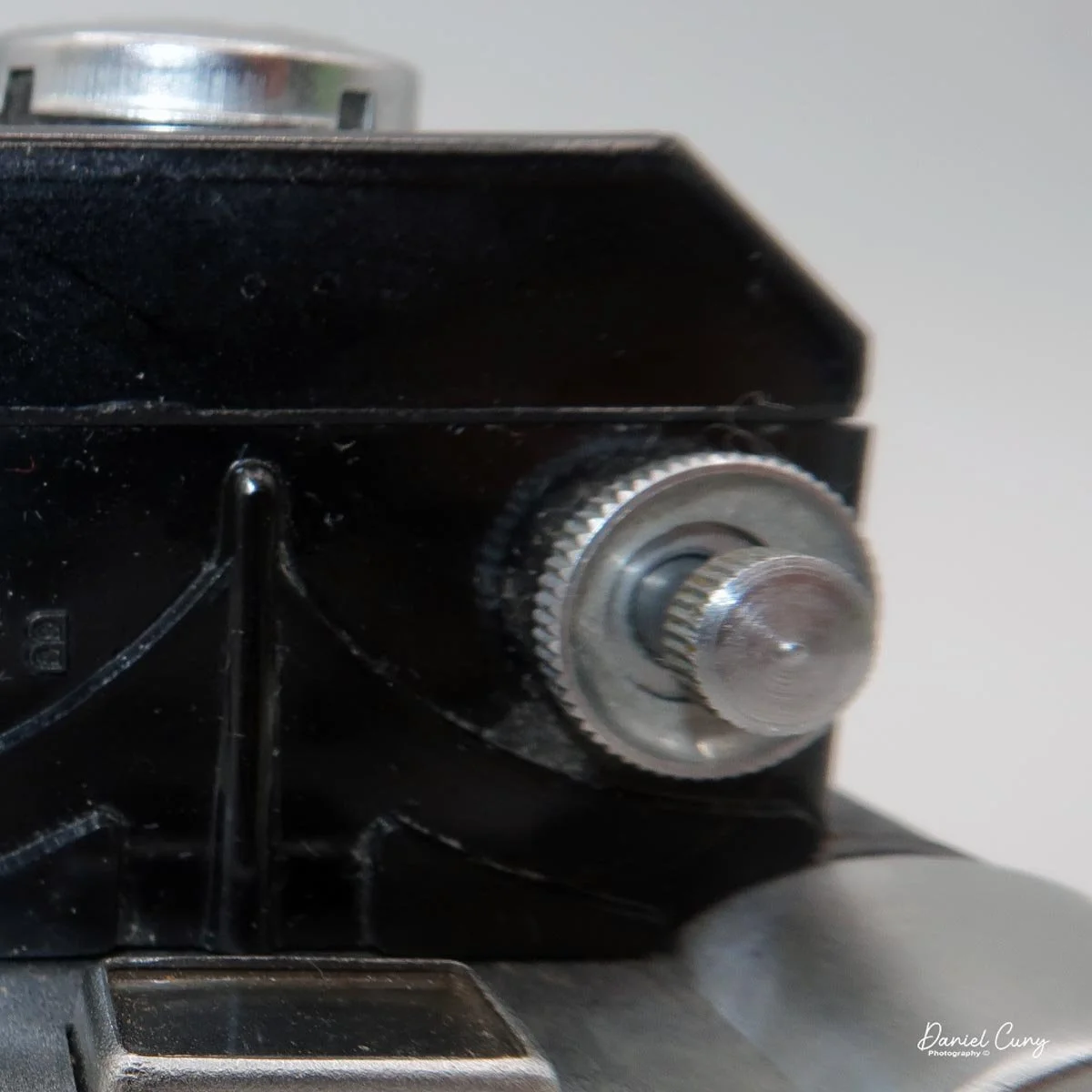
 The camera is very basic when it comes to controls. The shutter release is on the top right of the camera, located on the extending lens portion, and on the opposite side is the shutter control switch. You have the option of either “I” for instant or “B” for timed exposures.

The lens is fixed and cannot be focused. Under the lens, on the left side, are two aperture settings, “W” and “S.” “W” is wider open, and switching to the “S” setting selects a smaller aperture. On the left side of the camera is a PC socket for flash. Since there is no accessory shoe, you need to use a bracket if you want to use flash with the Start 35 K-II.

 To open the camera for loading film, there is a simple latch on the left side that opens the back and exposes the film chamber. On the right side, you place a fresh roll of Bolta film, bring the leader across to the left, and thread it into the take-up spool. Start winding to make sure the film is seated properly, then close the back and advance the film until you see the number 1 in the window on the back of the camera.

 My Results

Since I do not have Bolta film, I used some bulk 35mm film and leftover paper backing from 127 film, which I cut down to fit the Bolta reels I have.

 Taping a short roll of 35mm film onto the paper backing in total darkness was not the easiest task, but it was manageable if most of the prep work was done ahead of time and the process was carefully thought through before turning off the light.

 I also loaded the film into the camera in the dark to make sure I had not made any mistakes when attaching the paper backing to the 35mm film. I knew the numbers on the backing paper would not line up exactly, so I simply guessed how many turns to advance the film.

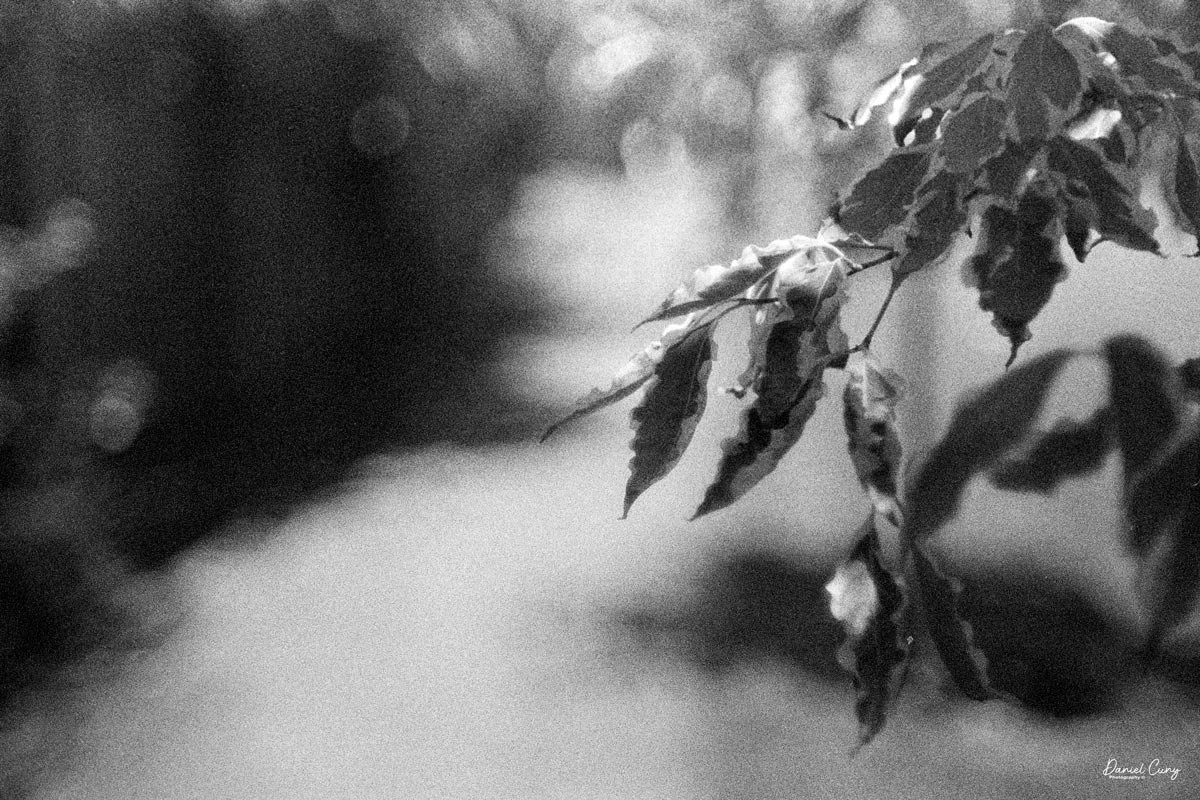
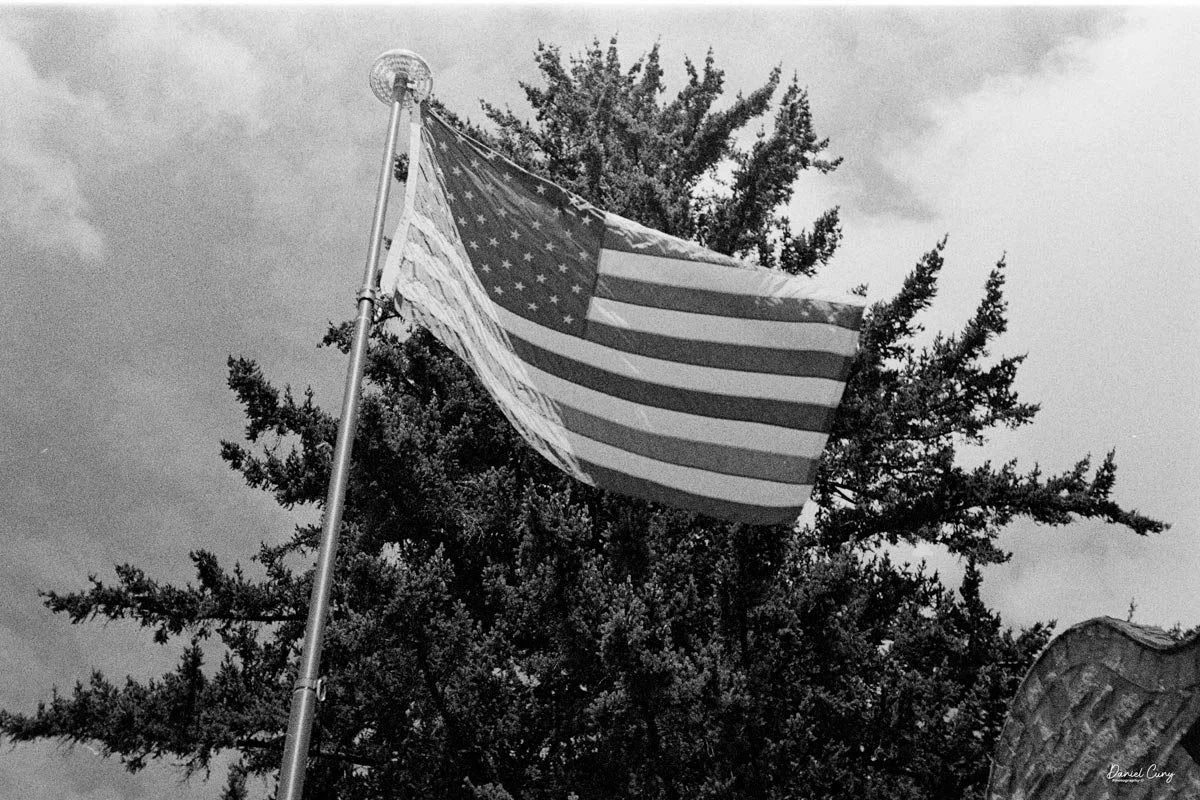
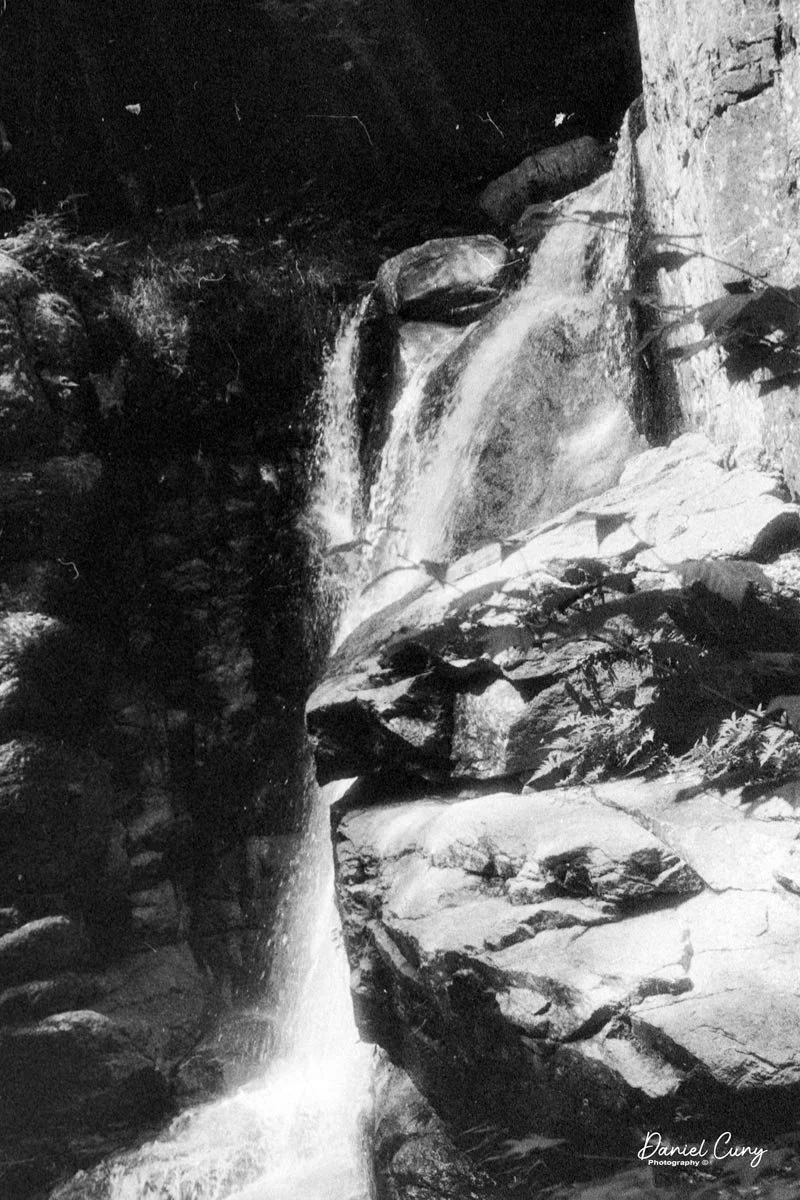
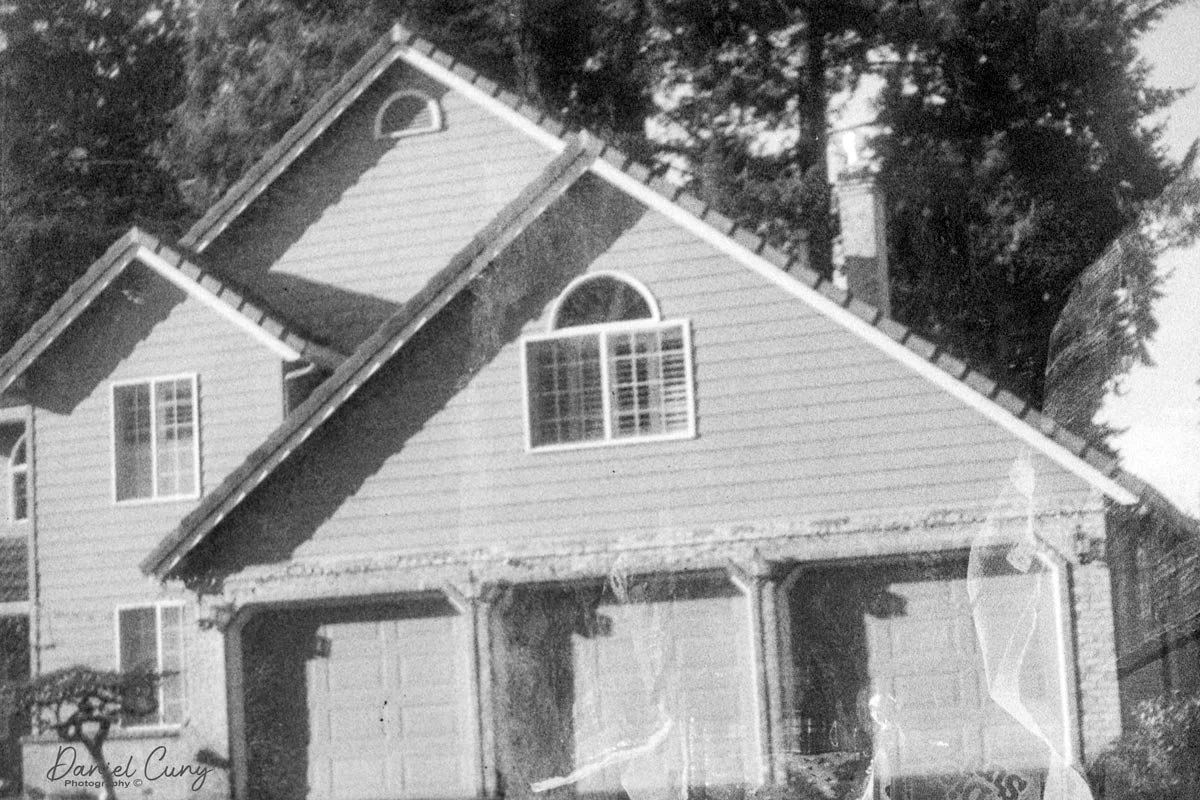
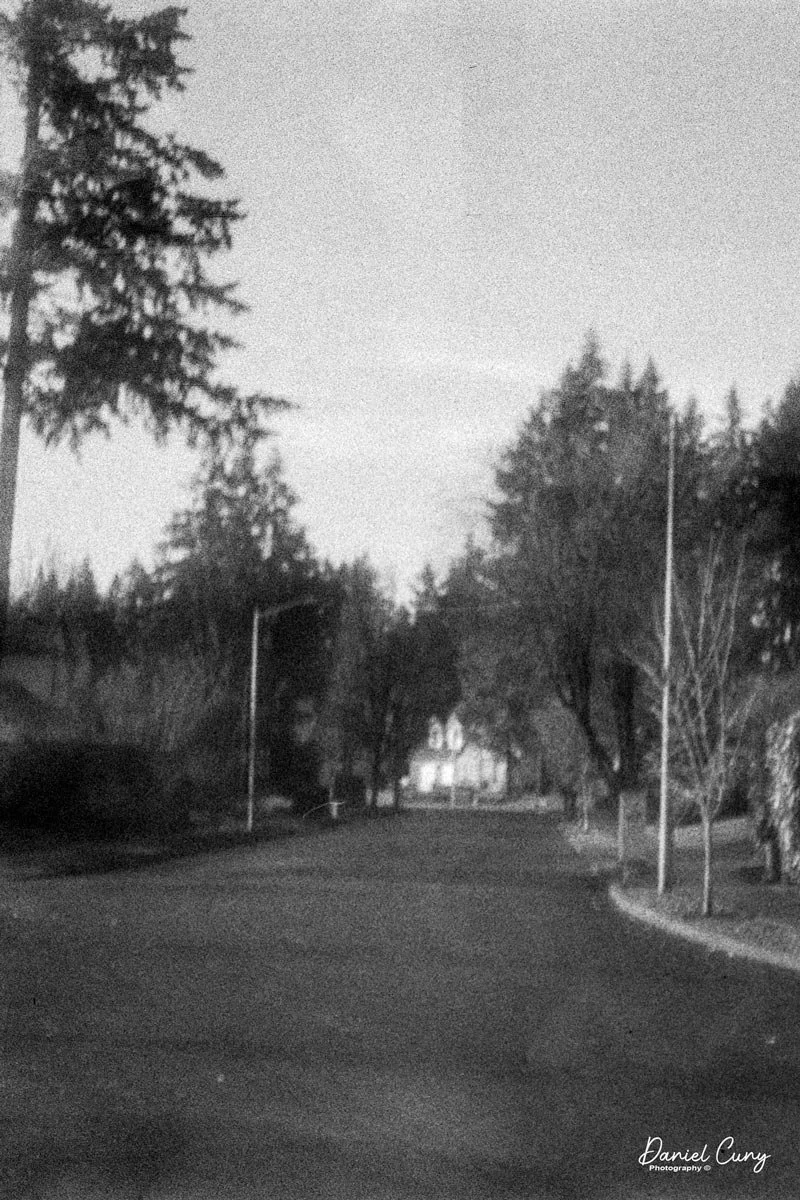
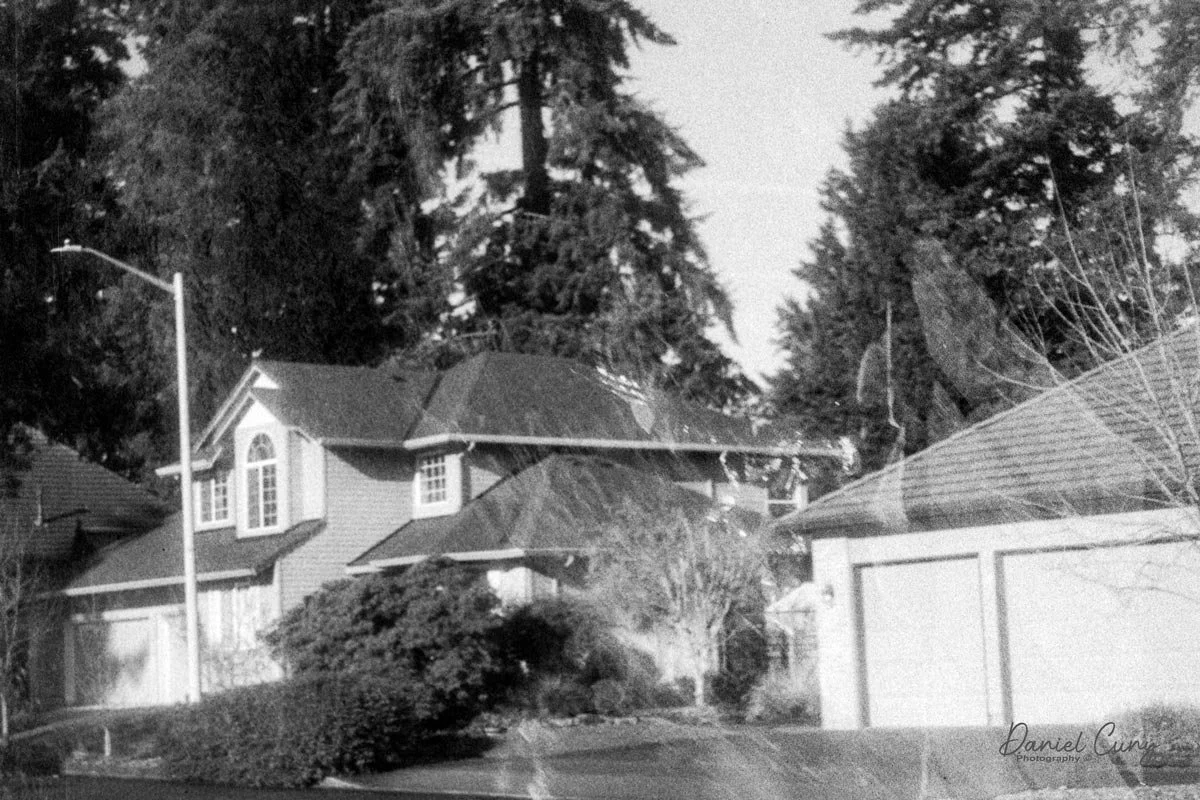
 With film in the camera, I took it to a local waterfall and walked through the neighborhood to make a few photographs.

 Here are the results from the Start 35 K-II camera:

Conclusion:

While the images from the Start 35 K-II were sharper than I expected, something must have gone wrong in processing, or perhaps light leaked through the paper backing, because there are some strange light streaks on many of the images. My guess is that it was operator error, most likely related to the paper-backing process.

 The next time I review a Bolta film camera, I will try to do a better job with the paper-backing method. Overall, though, the camera is pretty nice, easy to use, and produces some nice images for a camera that is close to 70 years old.

 Thank you for taking the time to learn about this unusual Bolta film camera made in the late 1950s.

 Here are some of my other Camera Reviews.

 Check out my YouTube channel, where I am putting together video overviews of the cameras I write about. Be sure to subscribe and like the channel, too.

 Cuny’s Cameras and Photos is my online eBay store, where you will find some of the cameras I have reviewed, along with a wide range of other cameras, lenses, and items from my collection that I am thinning out.

 Until next week, please be safe.
 

Mamiya Mammy camera

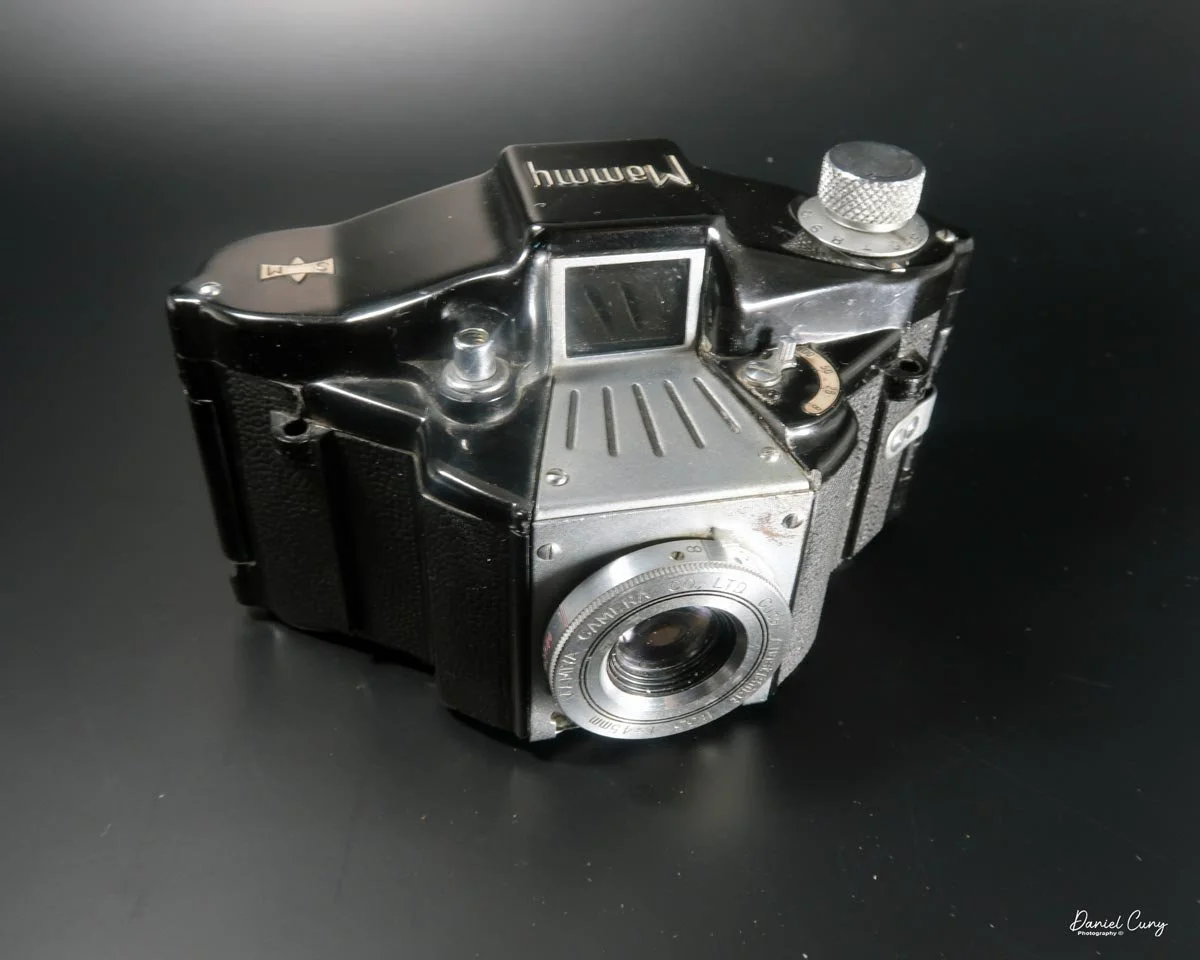
My Mamiya Mammy camera

It was on my first trip to Kitamura Camera's massive seven-story flagship store in Tokyo that I came across the camera for this week's camera-collecting blog: the Mamiya Mammy. It was on the third floor "bargain" area, tucked away in one of the corner showcases, where I spotted the camera.

 Asking the salesperson to take the camera from the showcase, he placed it on one of the lower, central showcases for me to look it over, along with other cameras I was considering purchasing.

 Having read the massive, latest version of McKeown's Camera from 2005-2006 several times over, I remember seeing and reading about the Mamiya Mammy camera and was intrigued by its shape.
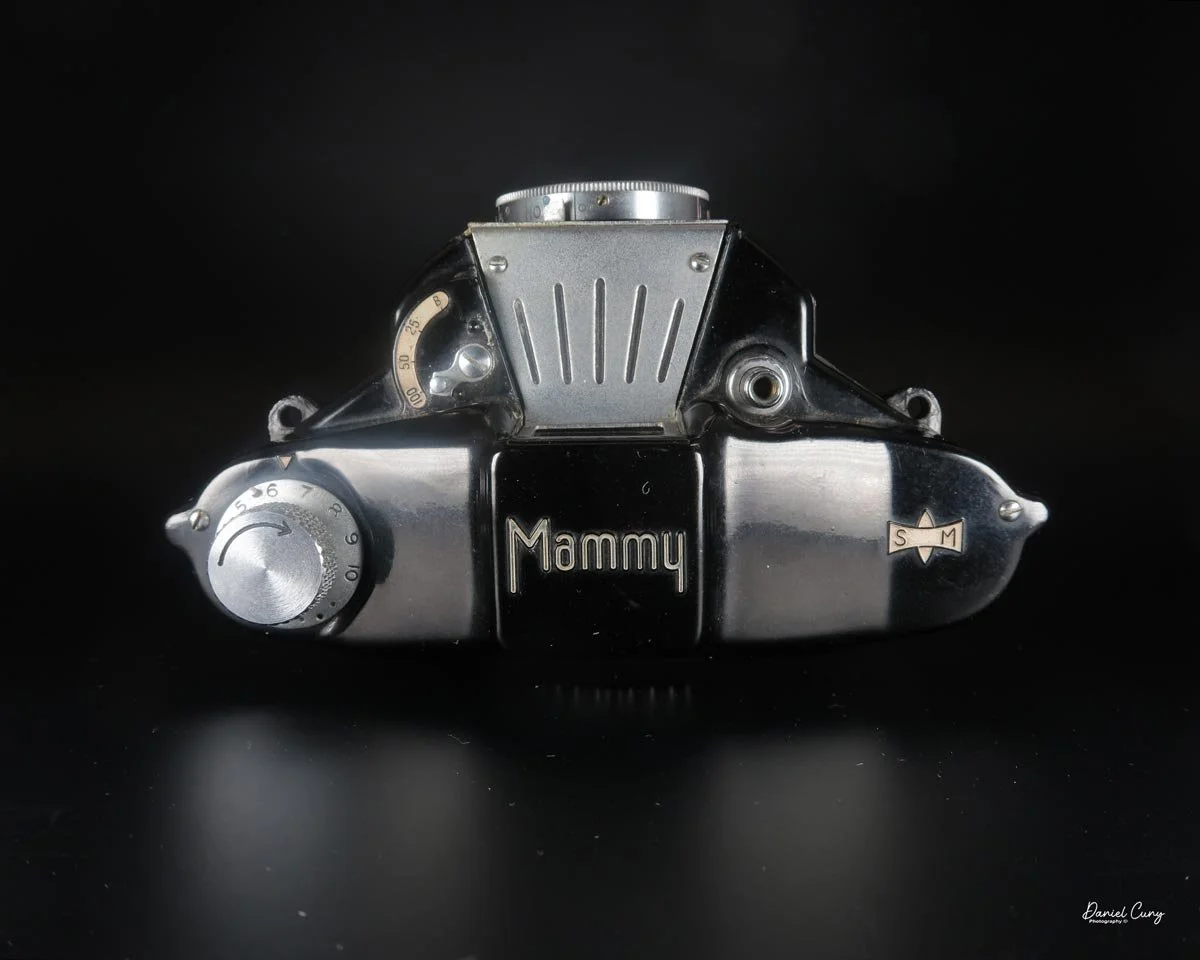
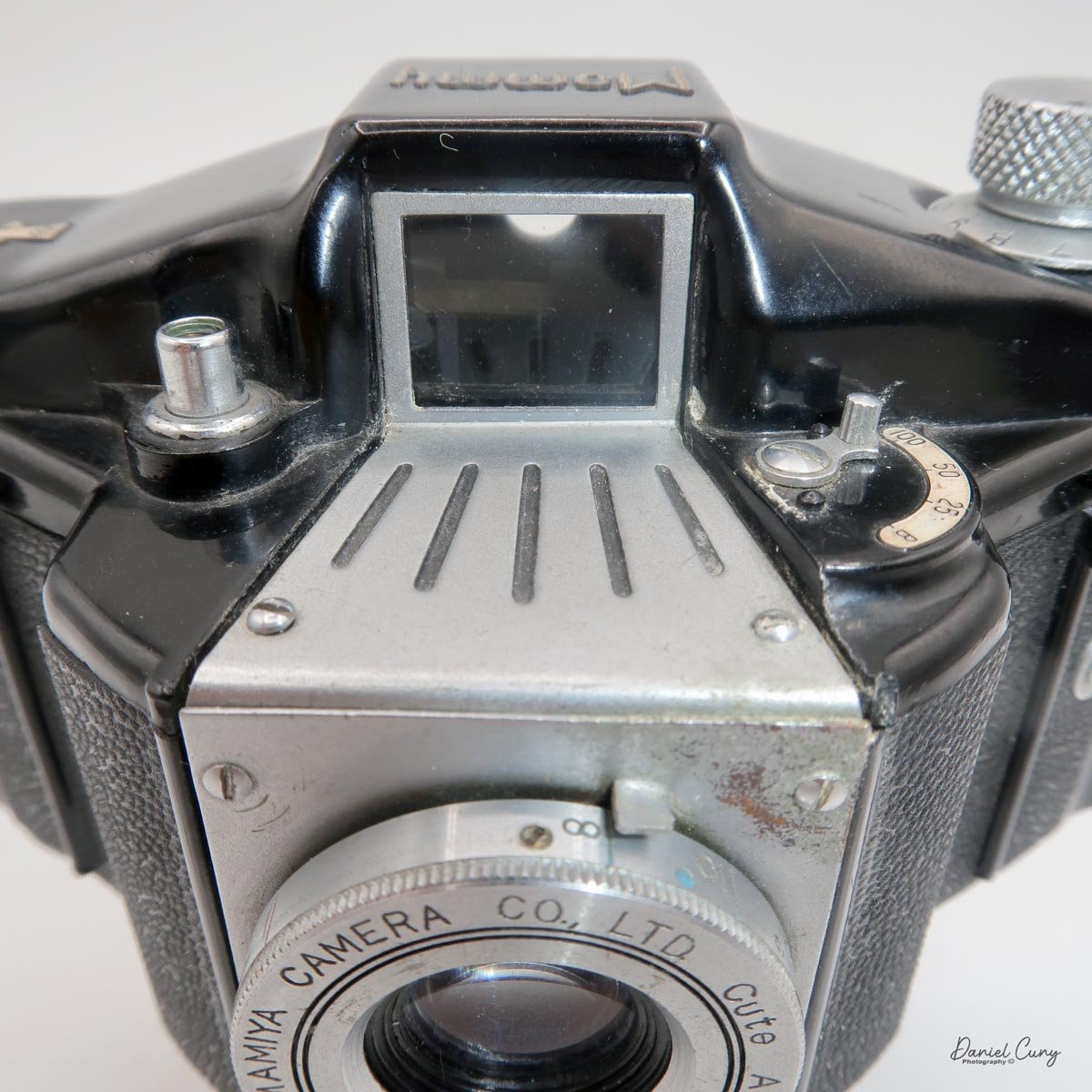
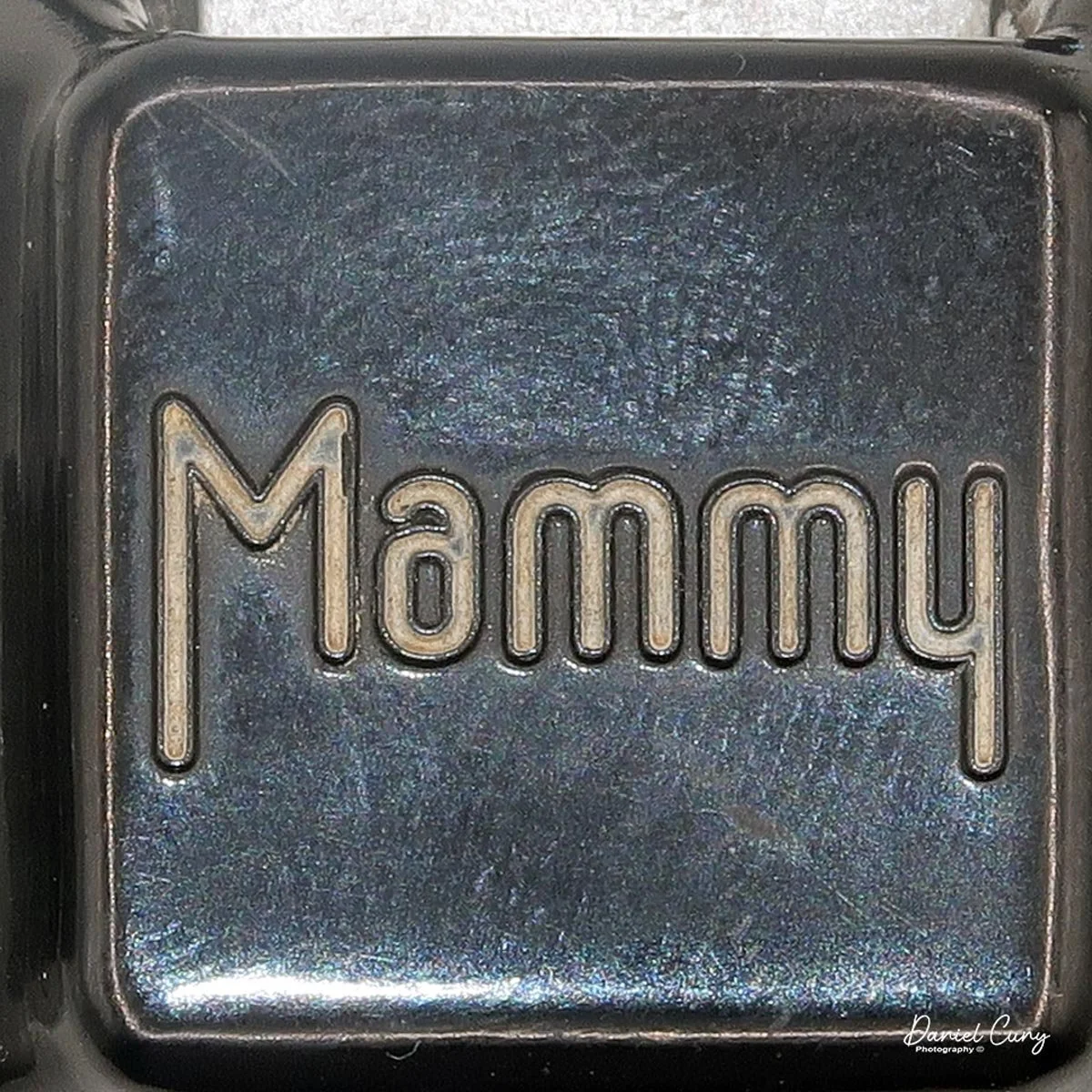
 It wasn't until I physically saw the Mamiya Mammy camera in the showcase that I realized the one thing that drew me to it was simply the text on the top. The extended leg on one of the M's matches the length of the "Y," and the rounded double "m's" in the center are a classic design.
 At this time, I was actually holding a camera I had only seen in books. Not only did the camera's odd shape, classic text on top, and compactness give me joy, but I could also feel the excitement of holding one of these gems in my hands, operating the shutter, and looking through the camera's viewfinder. The tactile enjoyment of finding where the specific controls are located on the camera and adjusting the shutter speeds.

Top view of Mamiya Mammy camera

 This may sound odd to some, but for me having an unknown, but sought after camera in my hands, getting familiar with the controls and hearing the distinct "click" sound of the shutter are enjoyment to me.

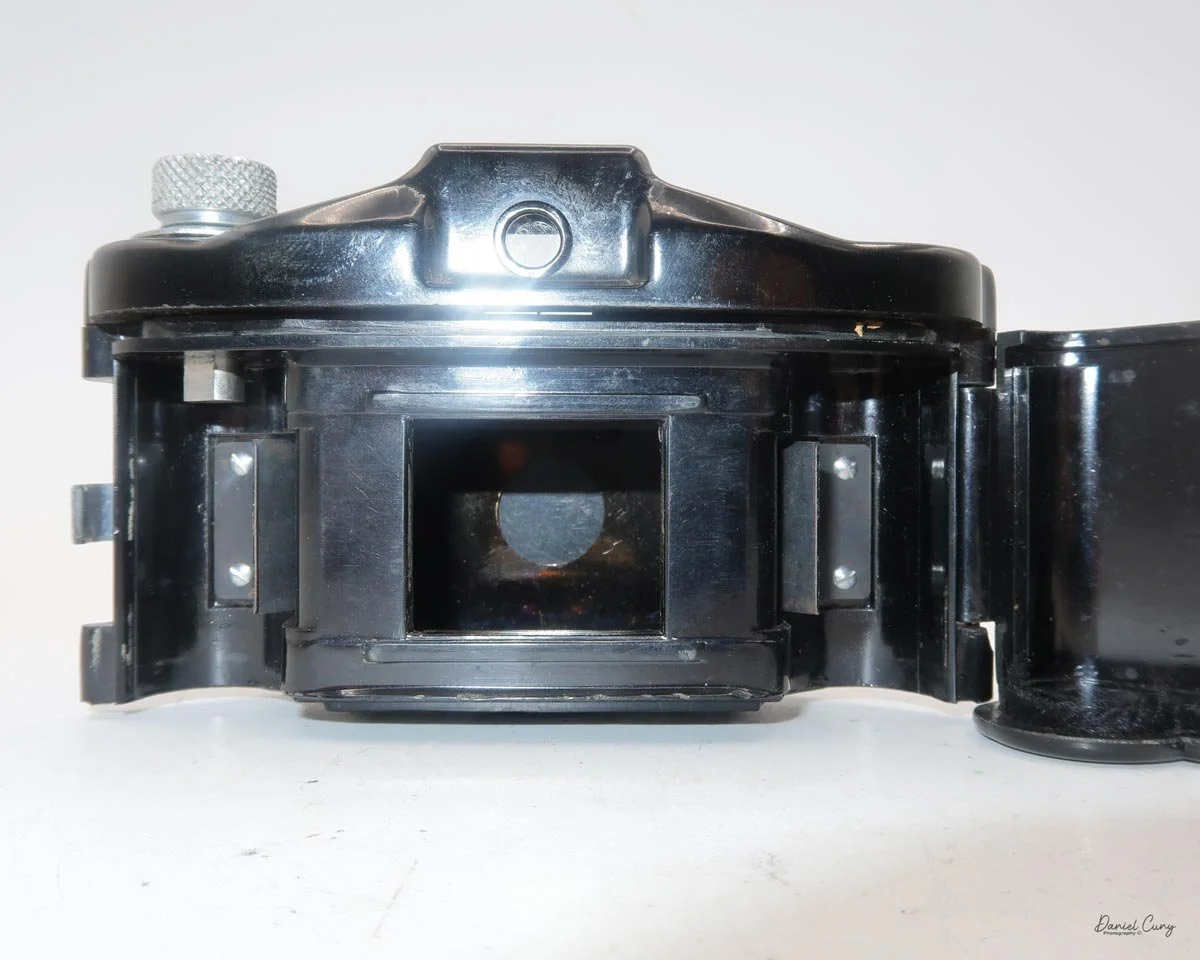
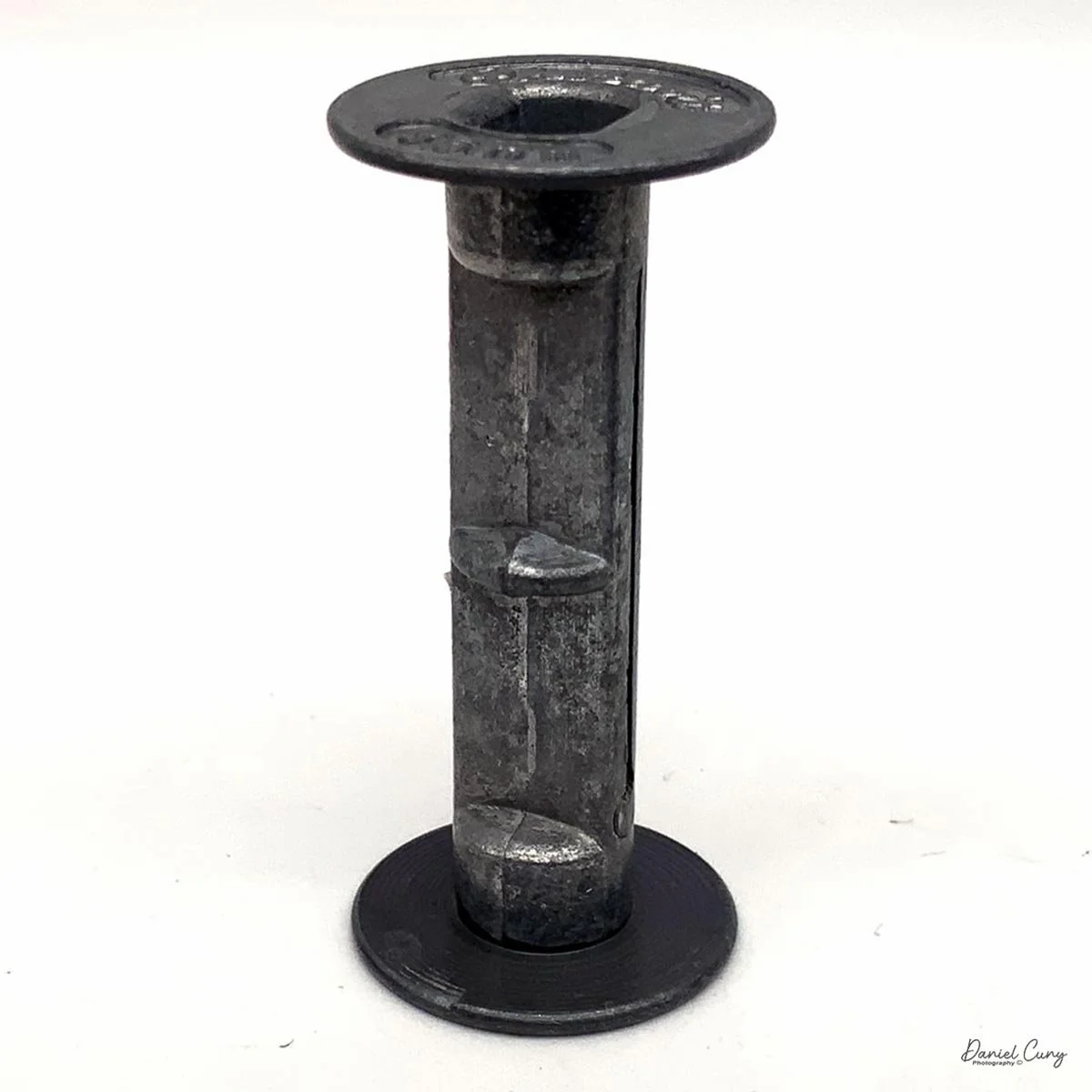
 While the camera appeared to be in tiptop shape, upon further inspection the shutter didn't always open and close as it should. Opening the back of the camera, there were no cassettes or empty film reels left behind, so it took me a minute to realize the camera was a Bolta film camera due to the odd shaped take up connector. It was considerably thicker than a normal film spool. But the price of the camera was extremely low, so I decided to snatch it up and take it home with me along with several other cameras from the shop.

 I've always been intrigued but the Bolta style of cameras like the Mamiya Mammy camera,  due to the compactness and smaller size they range in. I have a few other Bolta cameras in my collection, the very rare Inoca Stereo camera, the Photovit from Germany and,  Start camera from Japan. The last two I still need to review soon.

History:

 Mamiya Camera Company began in 1940 as Mamiya Koki Seisakusho, founded by businessman Tsunejiro Sugawara and engineer Seiichi Mamiya. Its early identity was shaped by a blend of business ambition and technical ingenuity, and the company’s first camera, the Mamiya Six, established the medium-format direction that would define much of Mamiya’s reputation.

 The Mamiya Six was a folding 6x6 camera introduced as the company’s first product, and it stood out for an unusual focusing system in which the film plane moved rather than the lens. That design reflected the inventive approach that became a hallmark of the brand. The camera was successful enough to lay the groundwork for Mamiya’s later expansion into other formats.

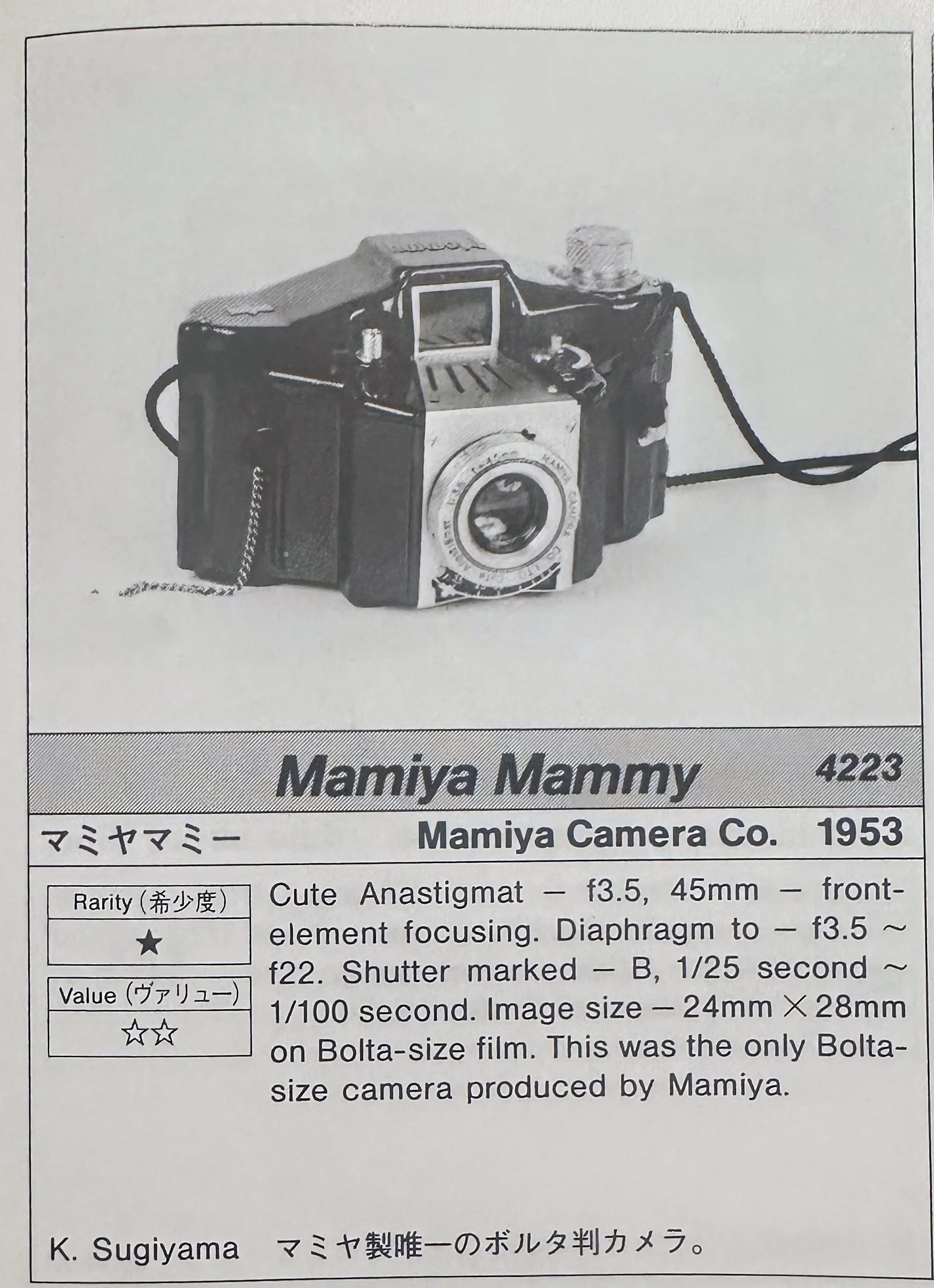
From: The Collectors Guide to Japanese Cameras

 World War II disrupted the company’s early growth. Mamiya’s Tokyo facilities were destroyed during the war, forcing a major rebuild afterward. In the immediate postwar period, production resumed under difficult conditions, and sales were initially limited to Allied personnel rather than the Japanese public.

 In the late 1940s, Mamiya began broadening its lineup. It built Japan’s first flash-synchronized twin-lens reflex camera, the Mamiyaflex, in 1948, and followed with its first 35mm camera, the Mamiya 35-I, in 1949. Around this time, the company also started producing more of its own components, including shutters and lenses, which helped it reduce dependence on suppliers and strengthen its manufacturing base.

 By 1950, the company had incorporated as Mamiya Camera Company, Ltd., and by 1951 it was listed on the Tokyo Stock Exchange. These milestones show how quickly Mamiya moved from a small postwar camera maker into a recognized industrial company. Its early history is especially important because it set up the medium-format specialization and engineering reputation that later made Mamiya a major name among serious photographers.

 In short, Mamiya’s early story is one of innovation, wartime disruption, and steady recovery. From the Mamiya Six to the Mamiyaflex and the Mamiya 35-I, the company built its identity through practical design and technical originality.

My Camera:

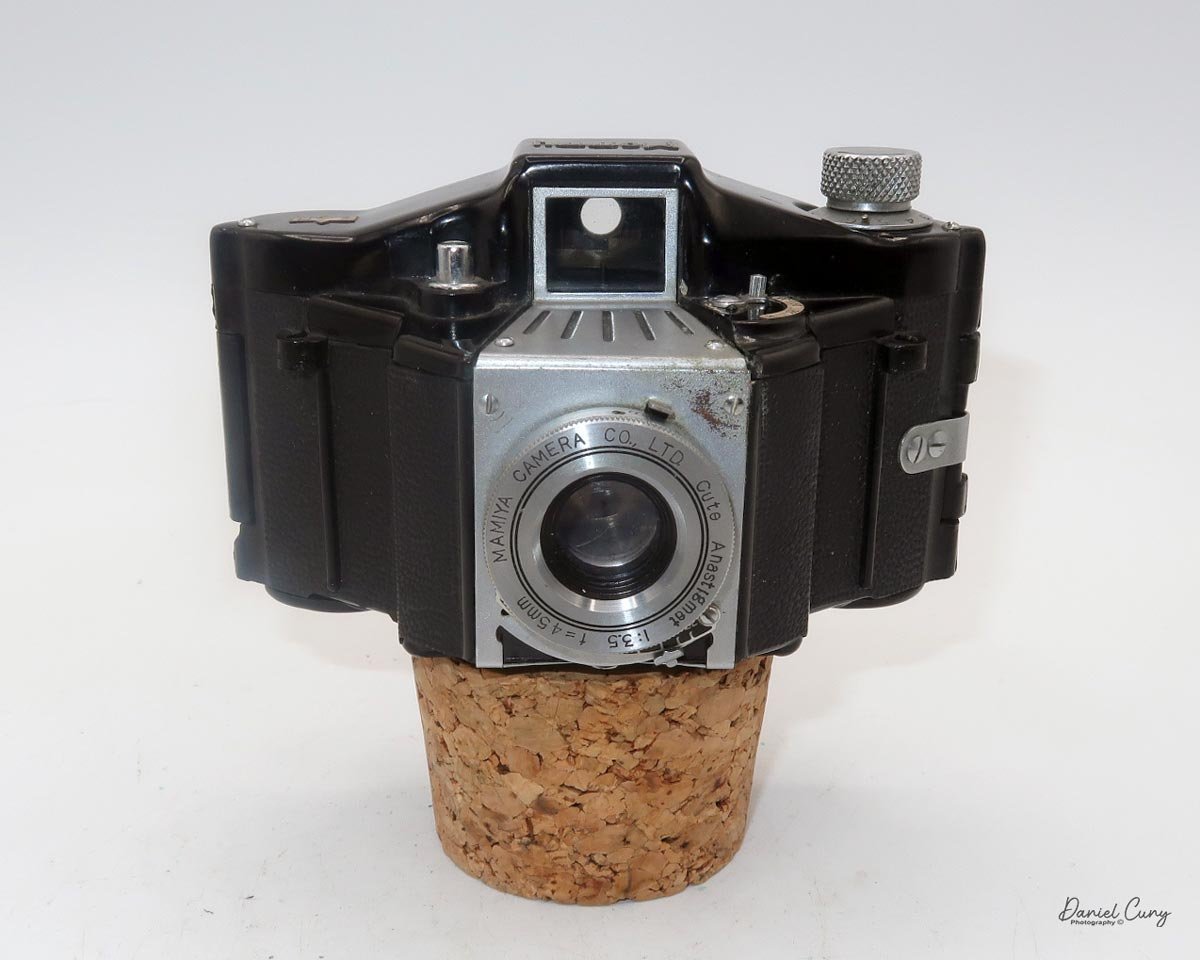
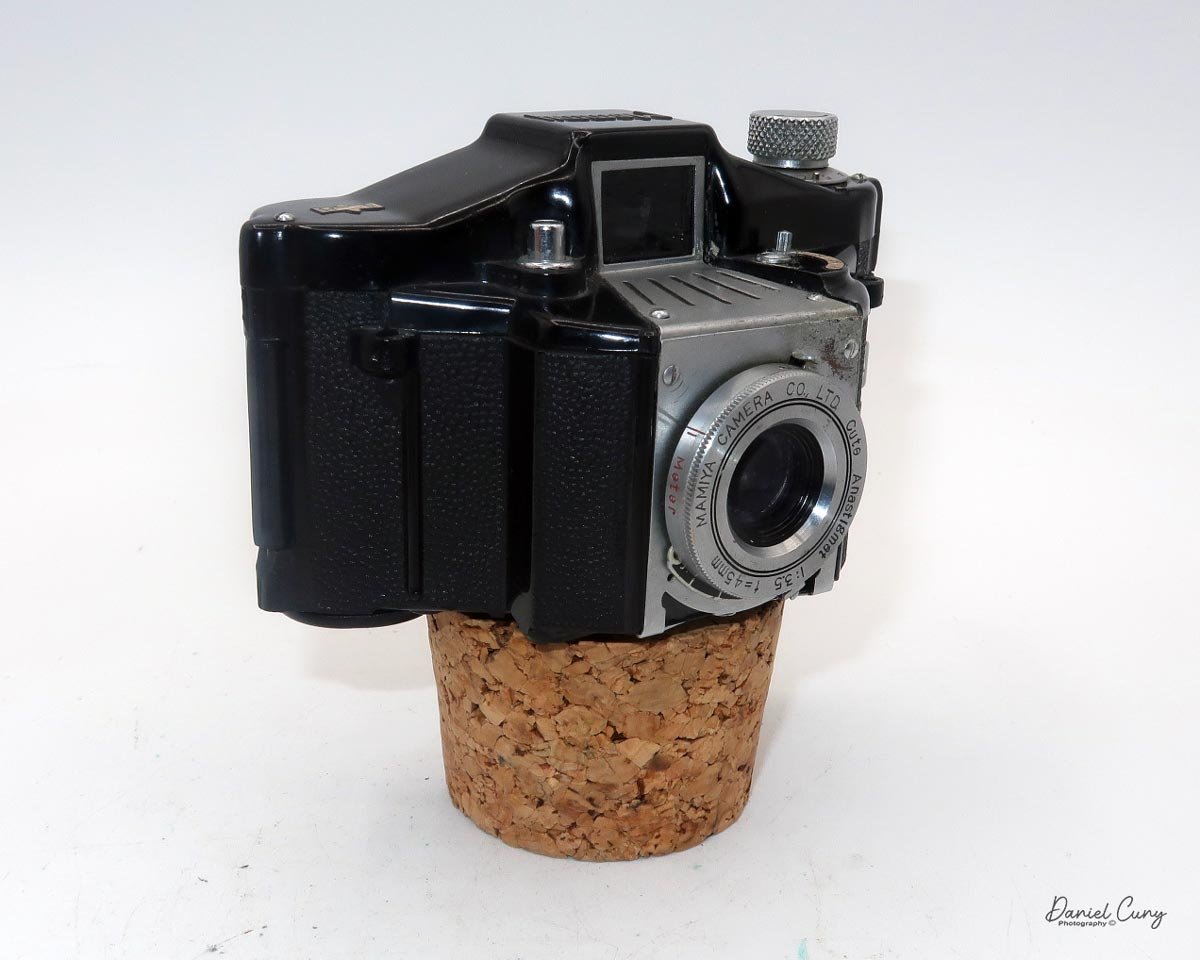
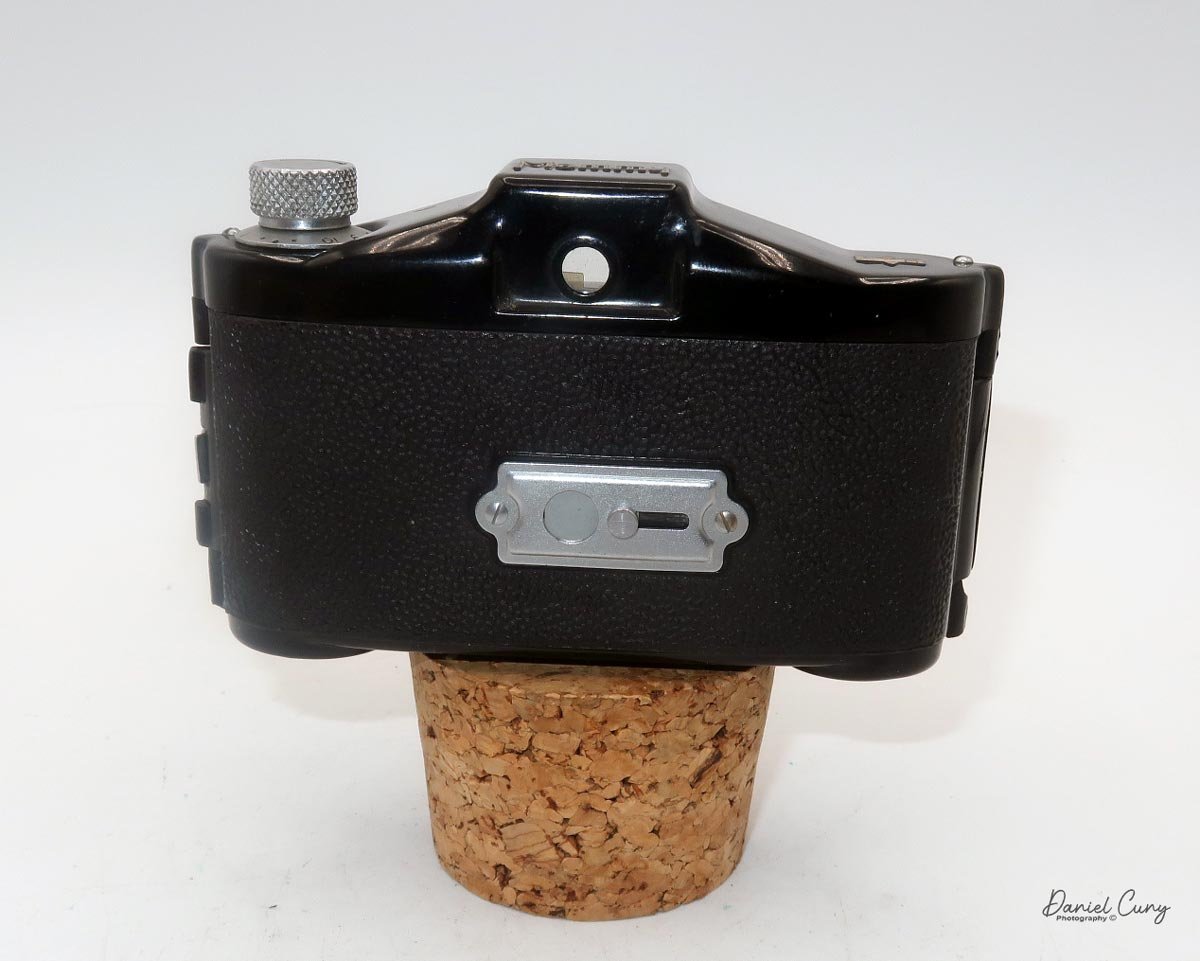
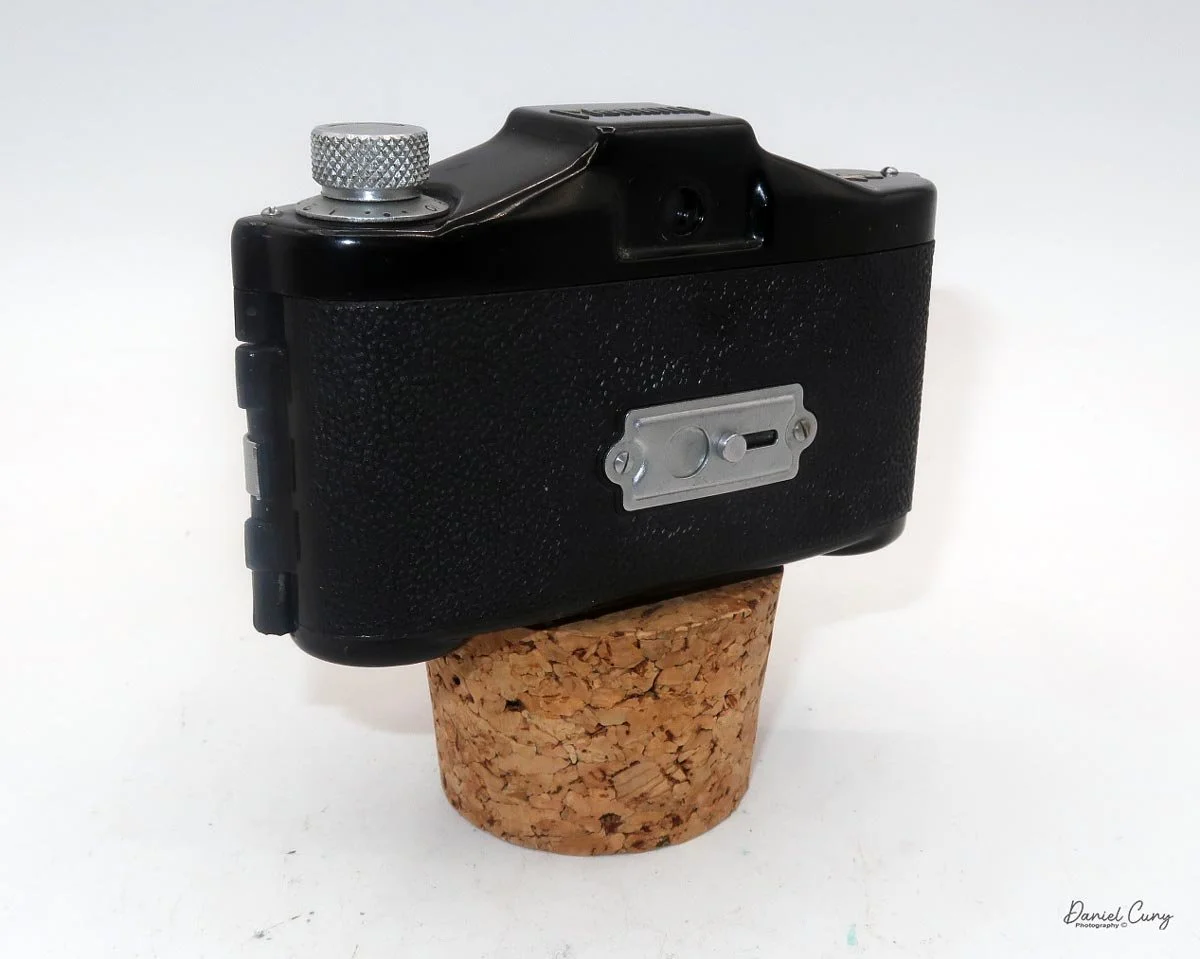
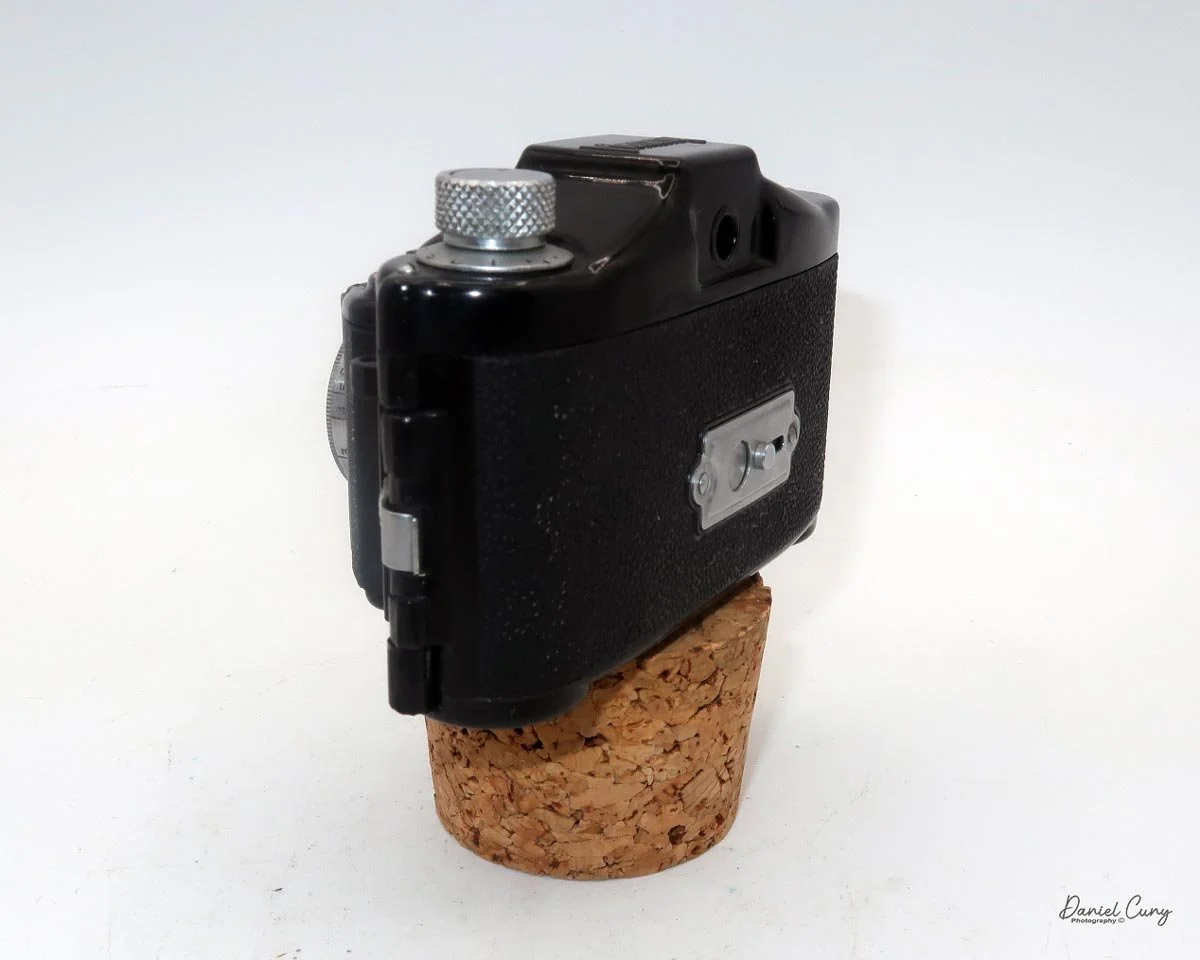
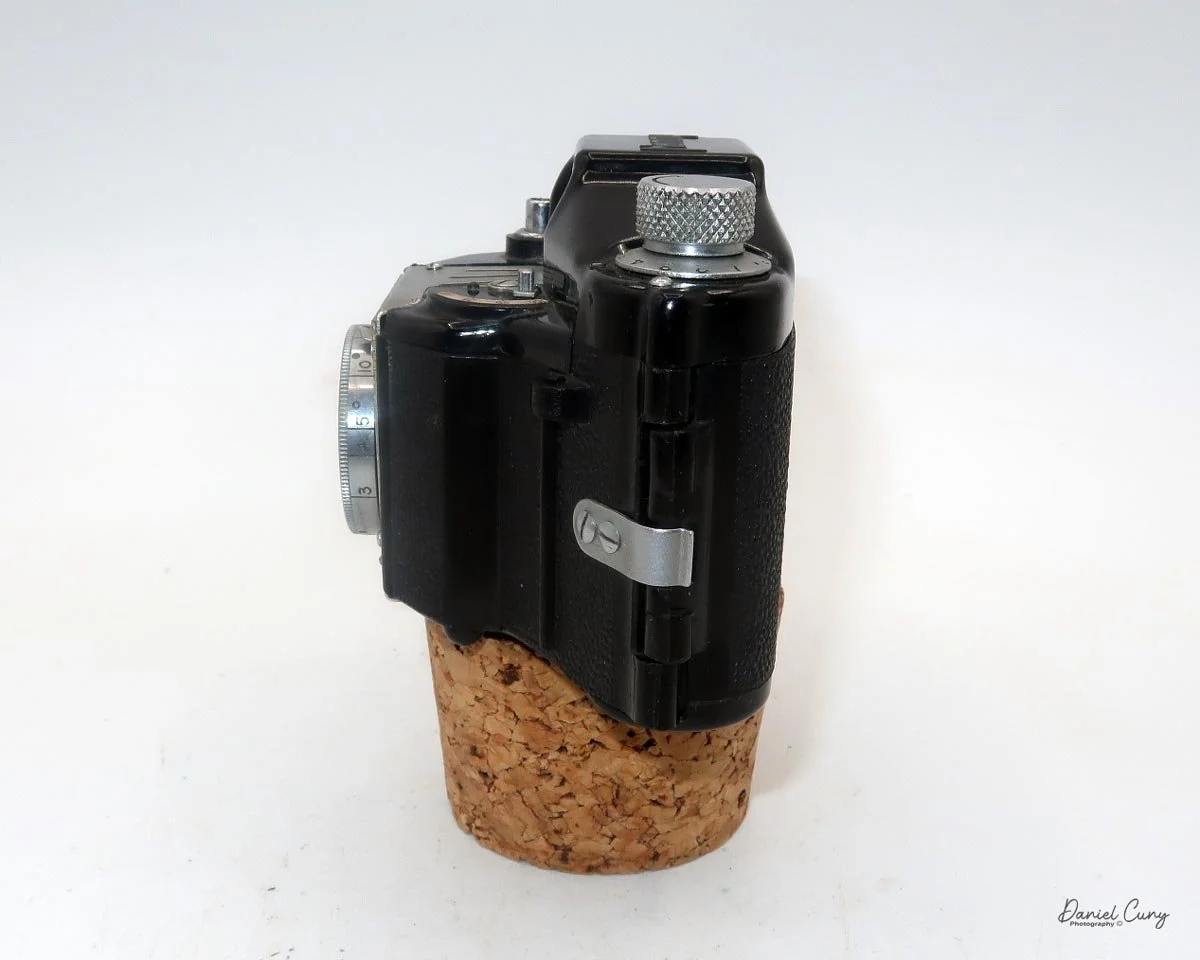
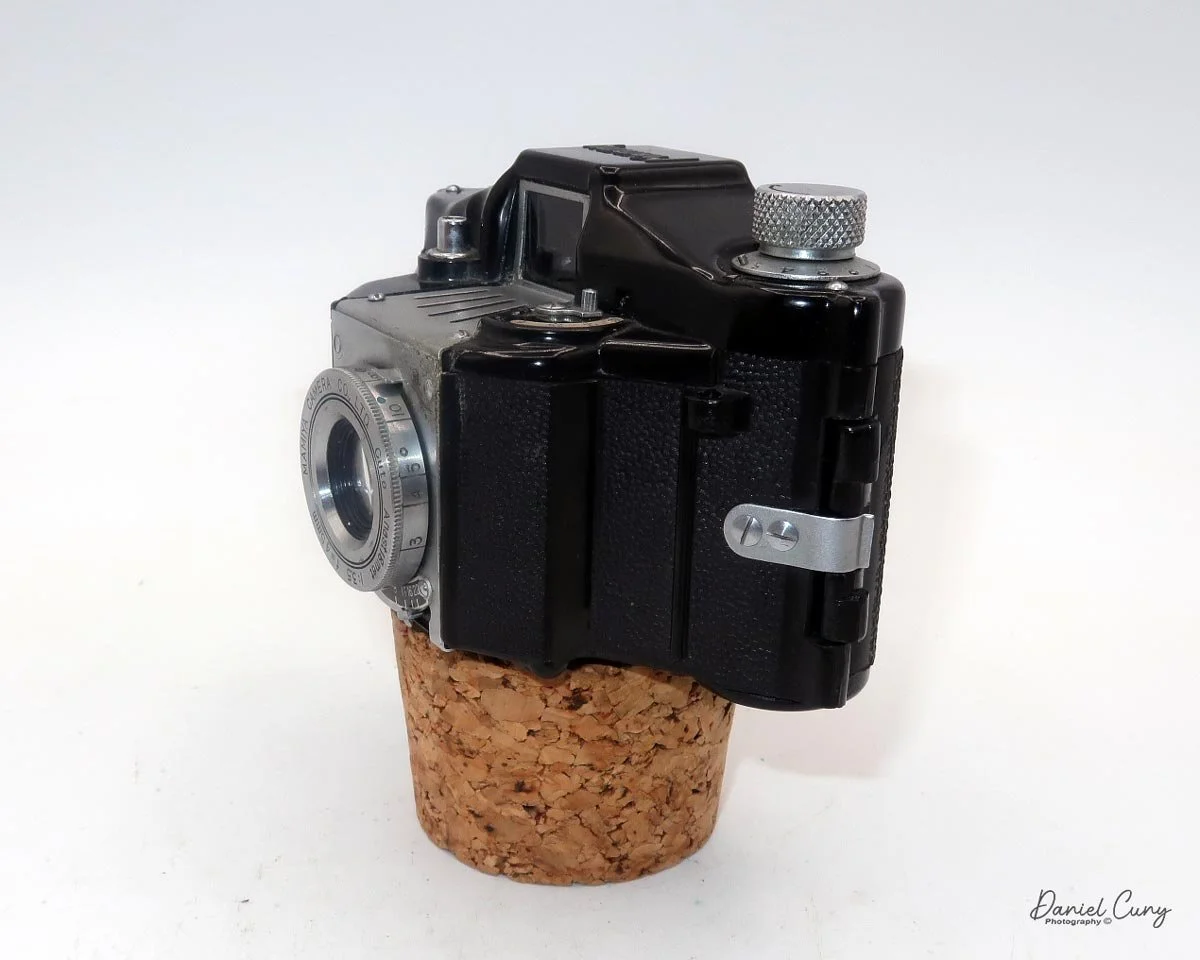
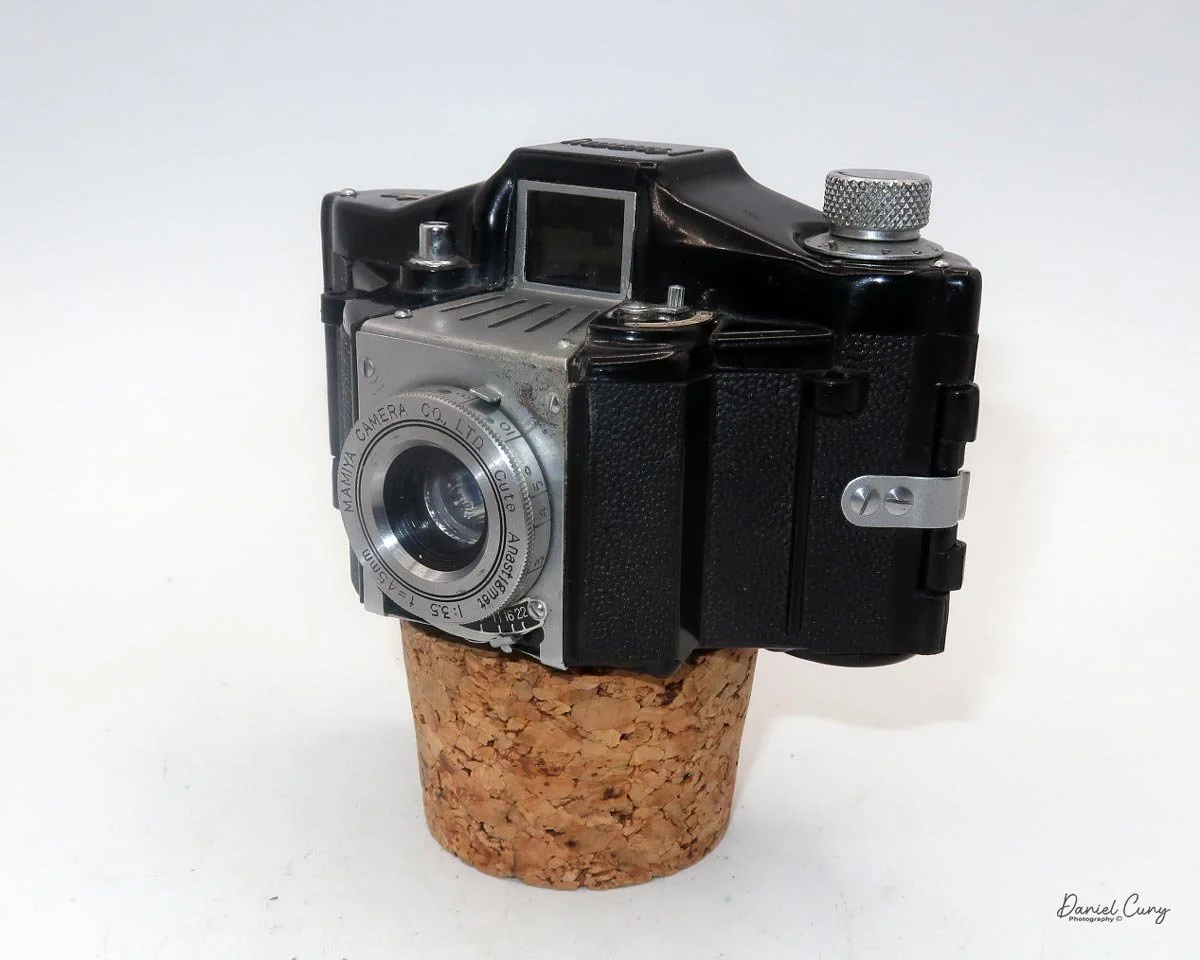
 My Mamiya Mammy camera is a small, compact camera made of Bakelite, with chrome accents along the top of the lens area, around the front viewfinder, the winding knob, shutter release, and lens. The camera was built in early 1953, soon after the end of World War II, during Japan's rebuilding. It was the only Bolta film camera produced by Mamiya.

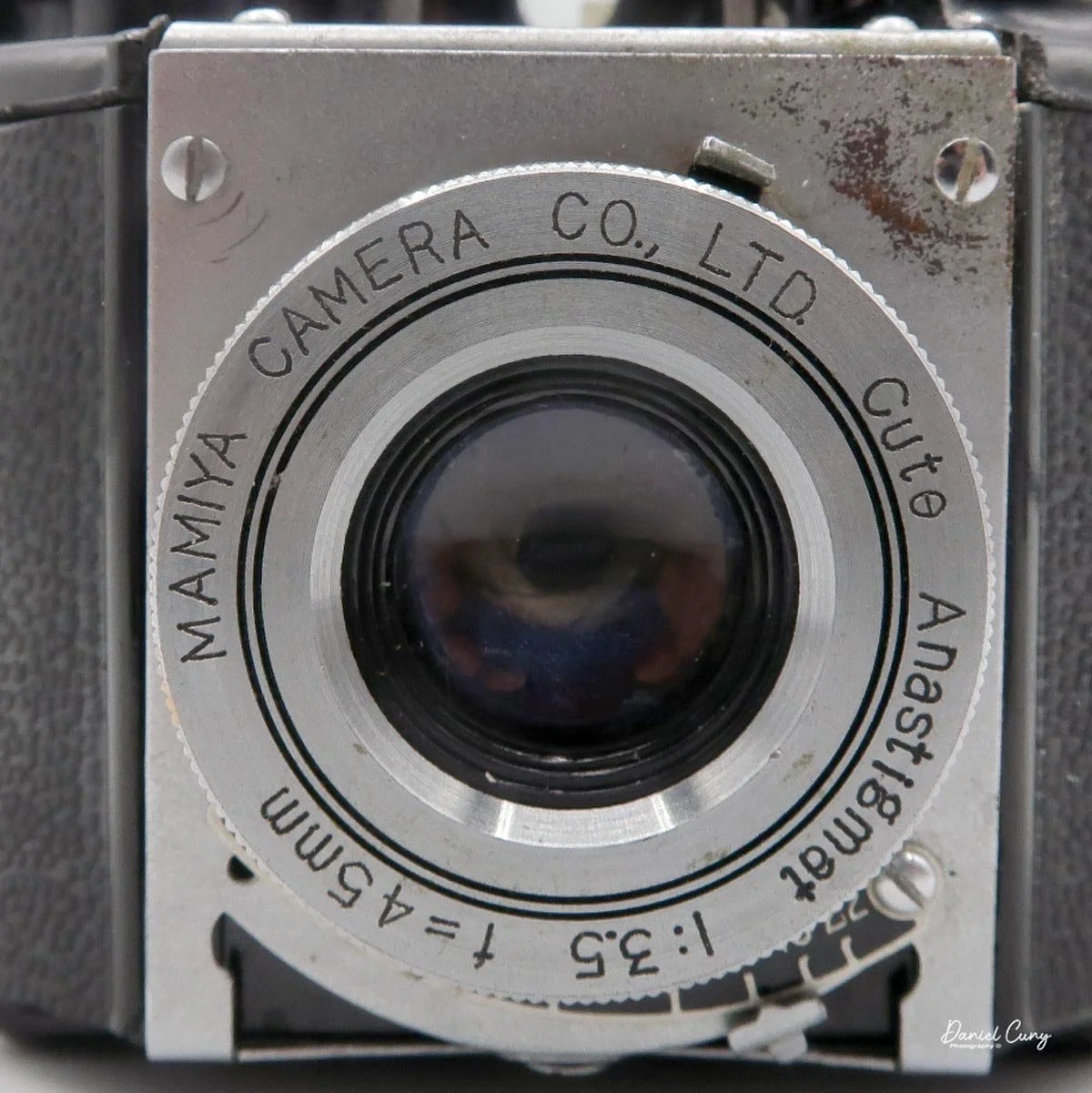
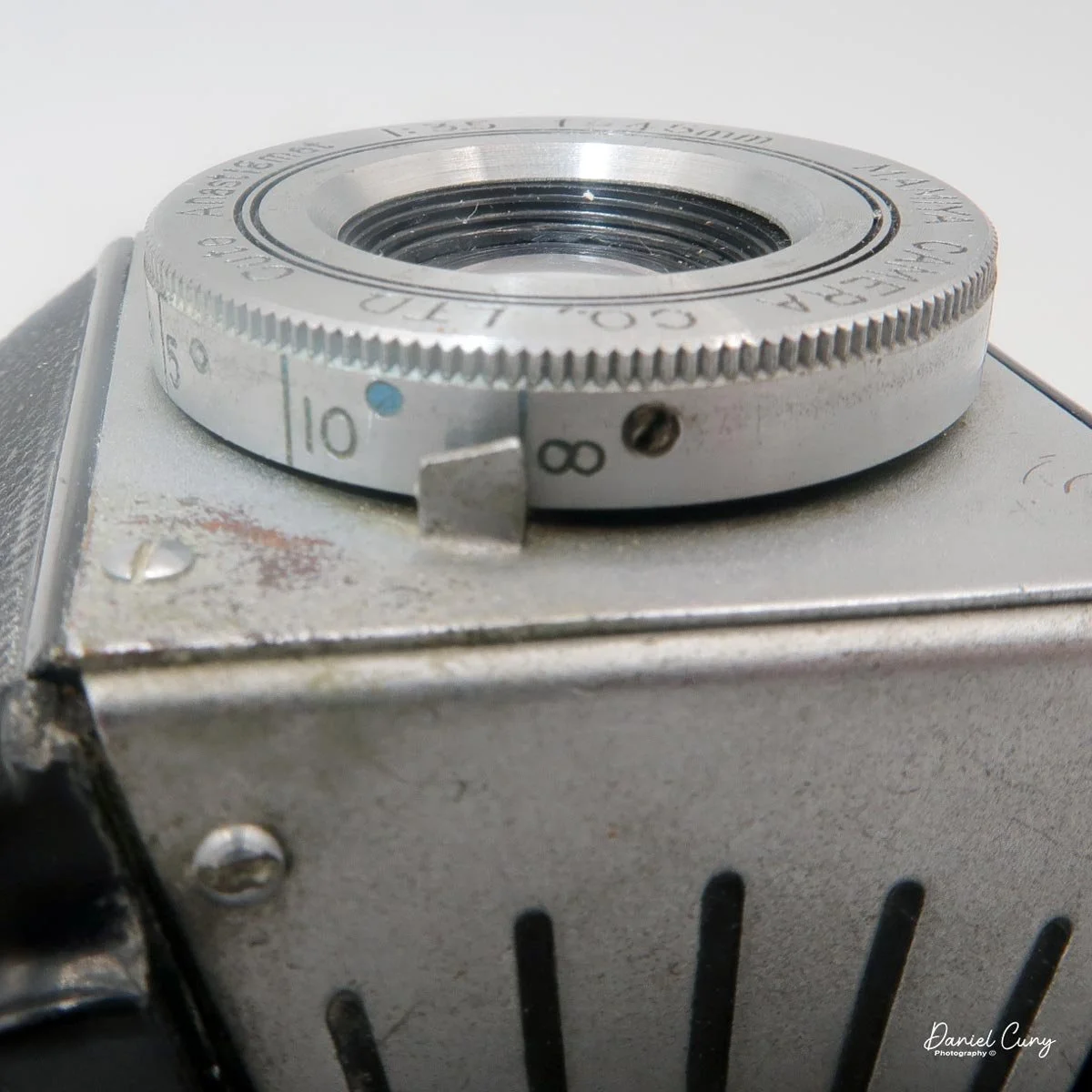
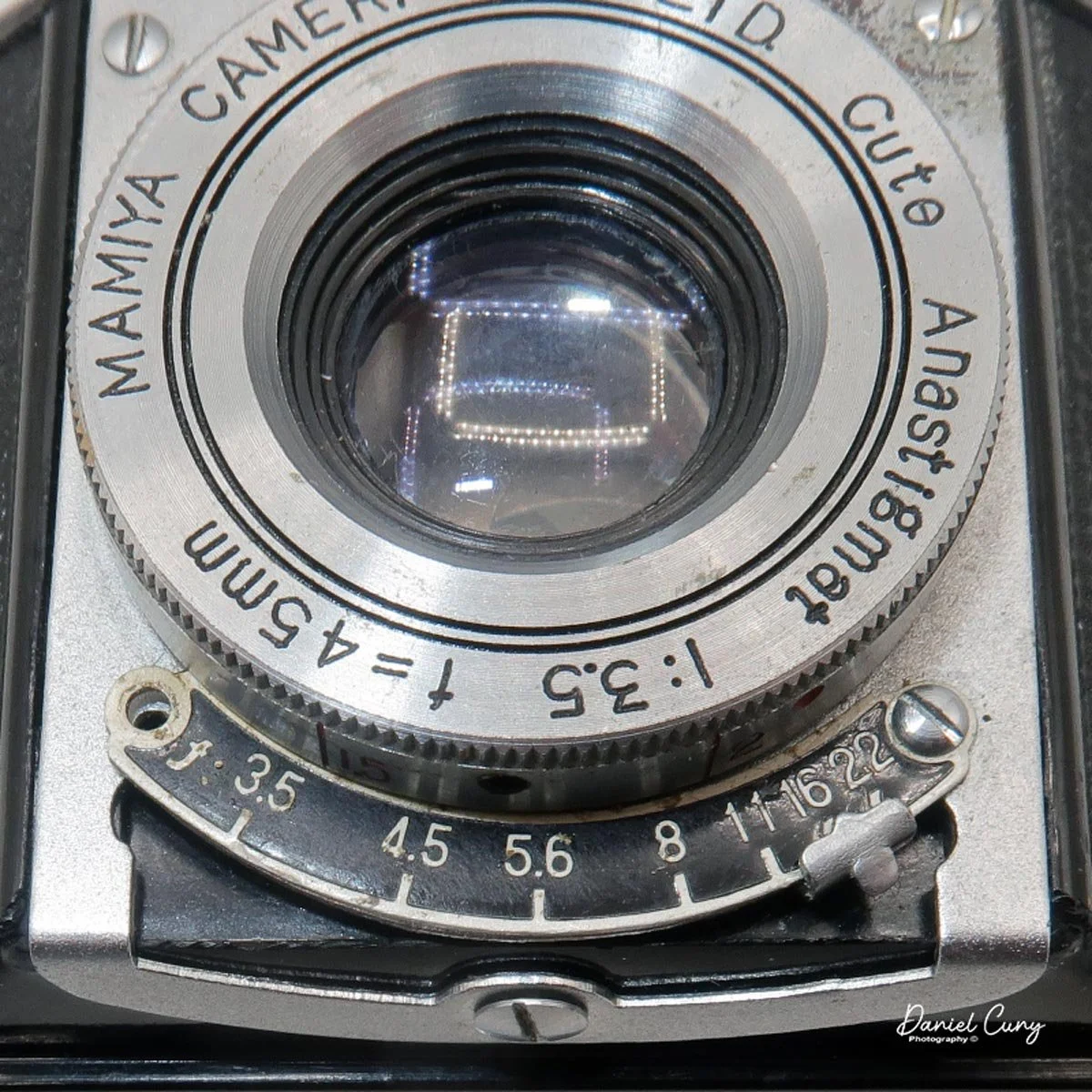
 The Mammy camera is 4.5" wide by 2.5" deep and 2.5" tall, weighing only 6.6 ounces without film loaded in the camera. The camera houses a Mamiya Camera Company LTD. Cute Anastigmat 45mm f/3.5 lens, which is focusable by turning the lens until you approximate the distance to your subject, and with a minimum focus distance of 2 meters to infinity.

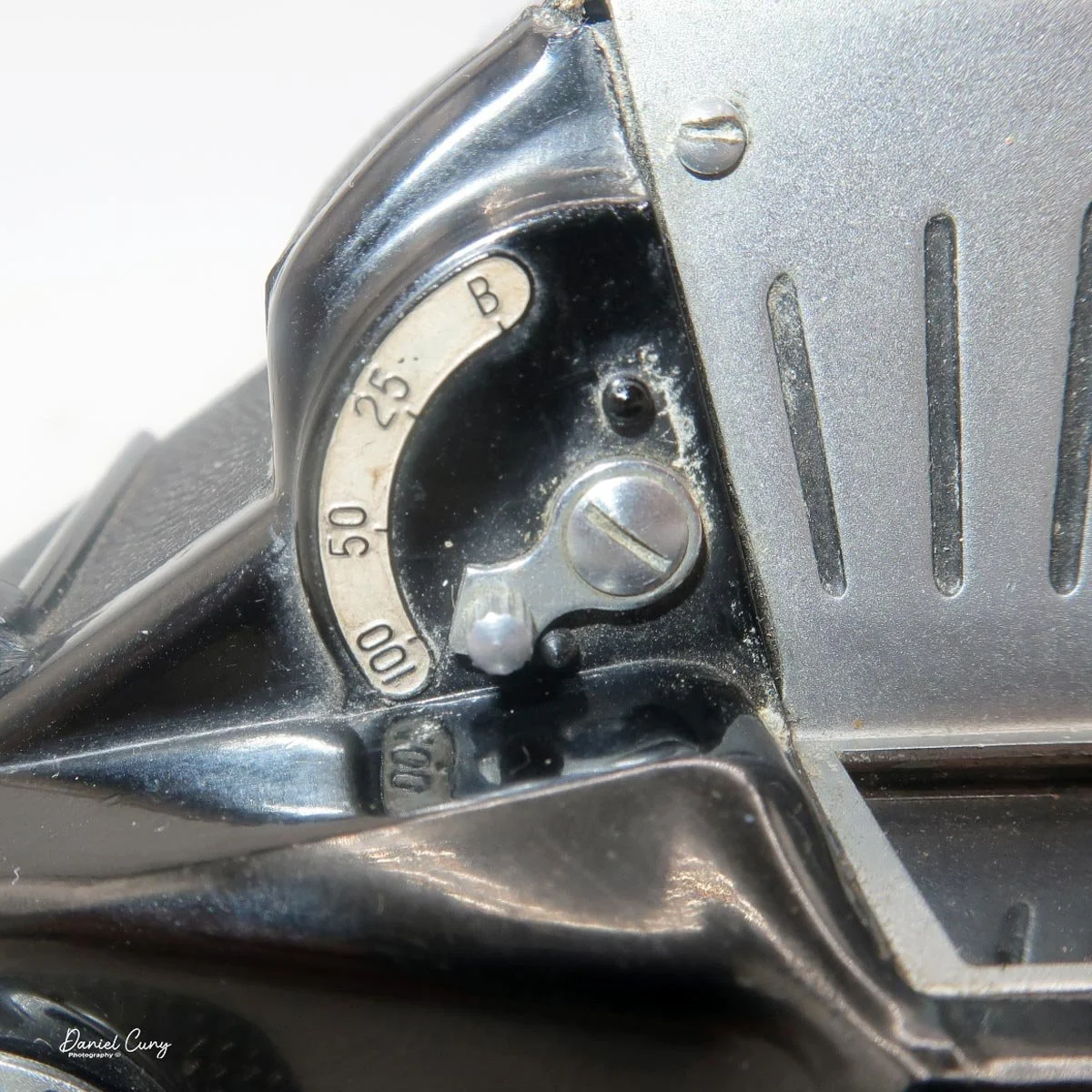
The camera offers three shutter speeds, of 1/100, 1/50, and 1/25, along with "B" for timed exposures. The shutter speed selector is on top of the lens housing on the left side of the camera and is selected by turning a lever to the desired speed.

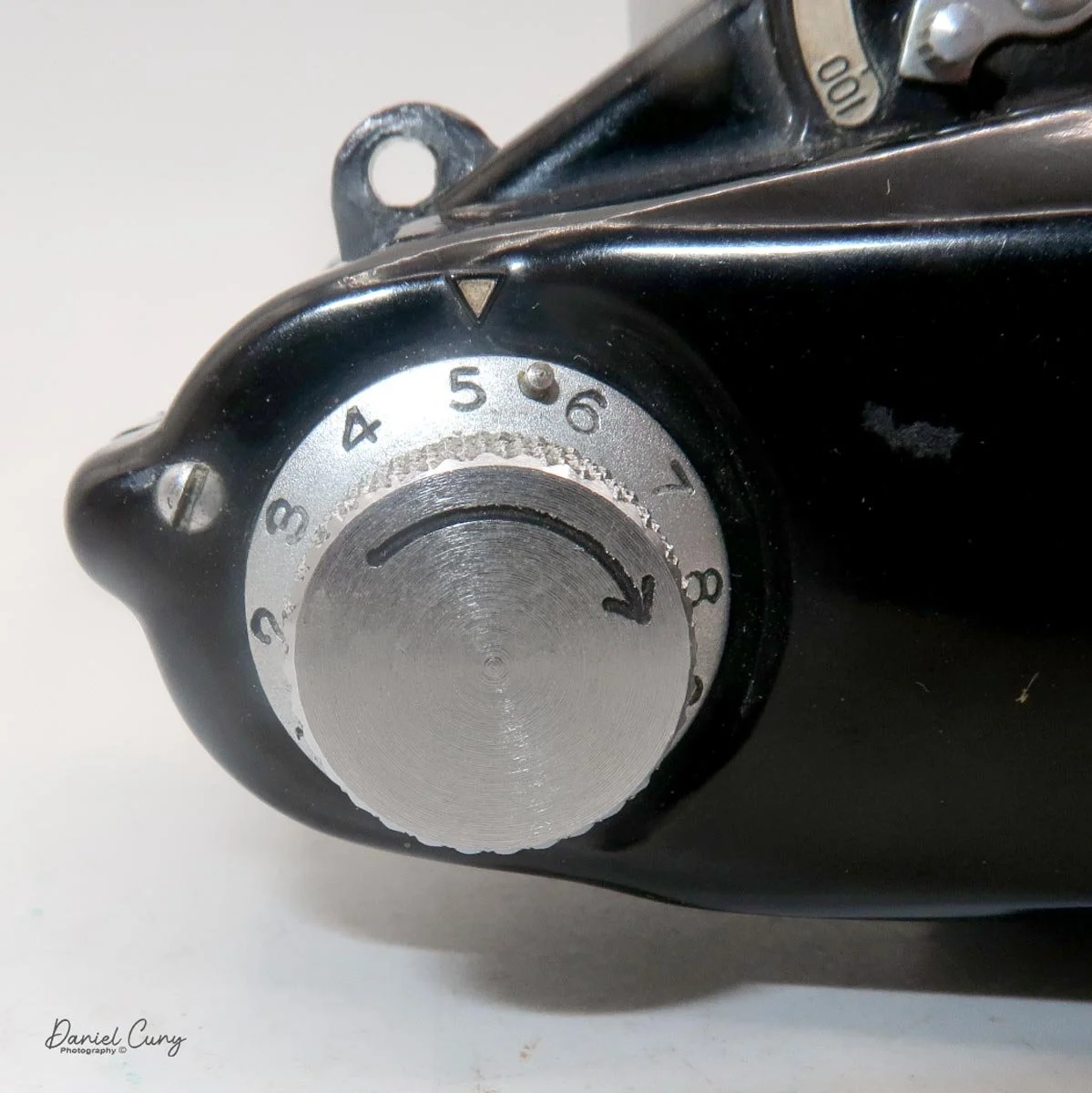
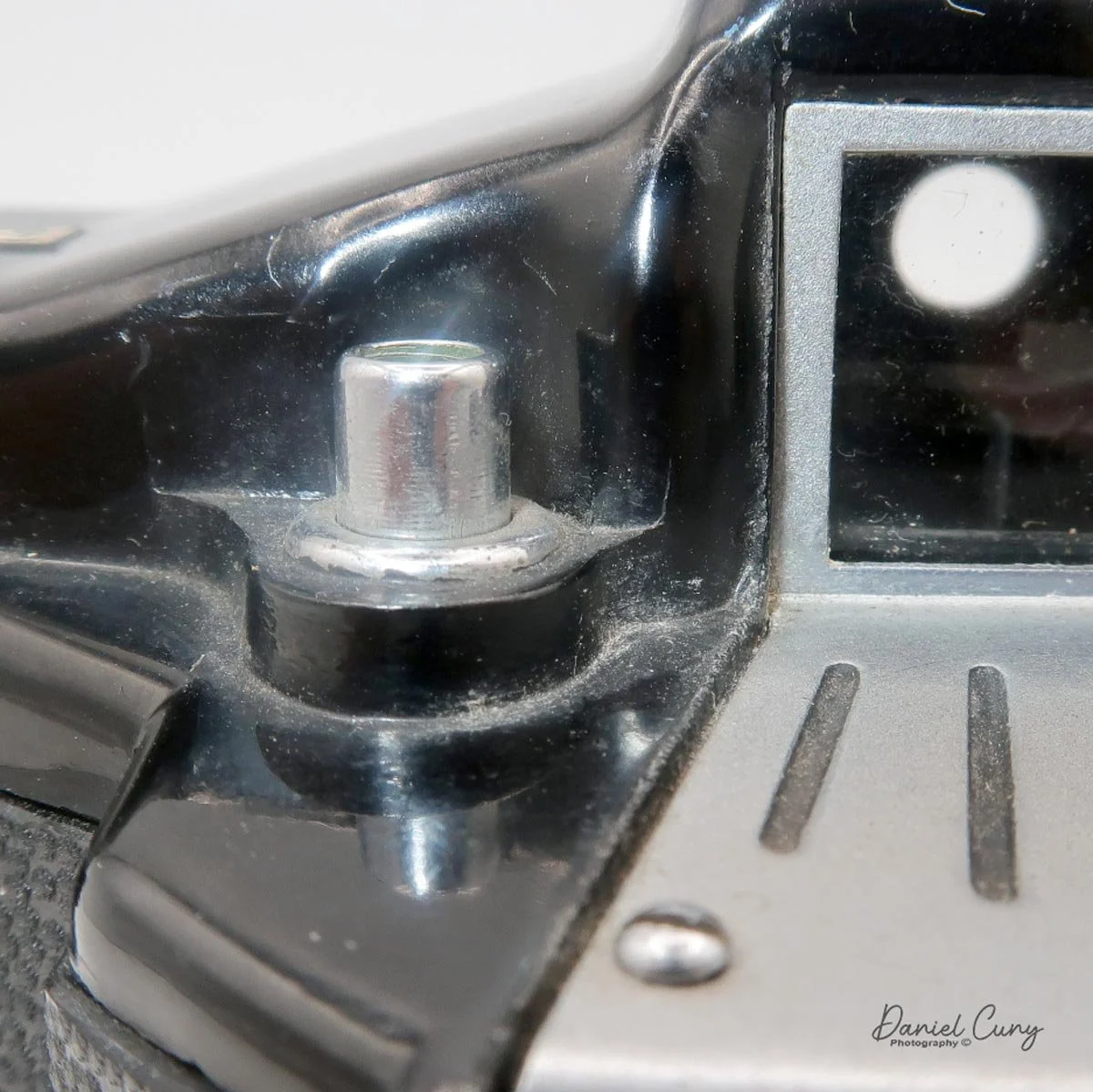
 The Mammy camera has an aperture range from F/3.5 to F/22. Under the lens is the aperture selector. Slide the small arrow to the desired aperture settings. It wasn't until I started taking photos of the aperture settings that I noticed one of the screws holding the aperture plate on the camera was missing. The shutter release is located on the  right side of the lens housing, opposite side of the shutter speed selector.

The Mamiya Mammy camera uses paperbacked Bolta film which was invented by Bolta-Werks in Germany in 1936 for their Boltavit model camera. Bolta film was paperbacked unperforated 35mm film which used a red window system on their camera to count the frame numbers. This was less expensive than using perforated film of the time. 

 Bolta film also became popular in Japan when a Japanese company produced a camera named Boltax in the late 1930s. Bolta sized cameras became very popular during the 1940s and into the 1950s due to the cost difference in films at the time. Bolta film was similar to any roll film camera like 127 or 828 film and was sold in paper backed rolls

 My Mamiya Mammy camera doesn't have an empty spool or cassette used in Bolta cameras from the time. I do however have a Photovit camera which uses special Bolta cassettes to house the film. Inside these cassettes is a spool that would fit into the Mamiya Mammy camera which has a much larger end on the spool to fit into the camera.

Most Bolta camera have a similar film format to 35mm, 24x36mm. Some Japanese Bolta cameras such as the Rich-Ray cameras who made Bolta cameras have a film format 24x24mm, but the Mamiya Mammy camera has a film format of 24x28mm.

 I find that odd because Mamiya Mammy camera does have a red window on the back of the camera, but the film advance knob on the camera, which also cocks the shutter on the camera, stops after cocking the shutter. So unless you have the numbers set exactly in the red window, the red window frame counting system is no needed. Also, there a frame counter along the outside of the film advance knob which advances when you wind the film to the next frame.

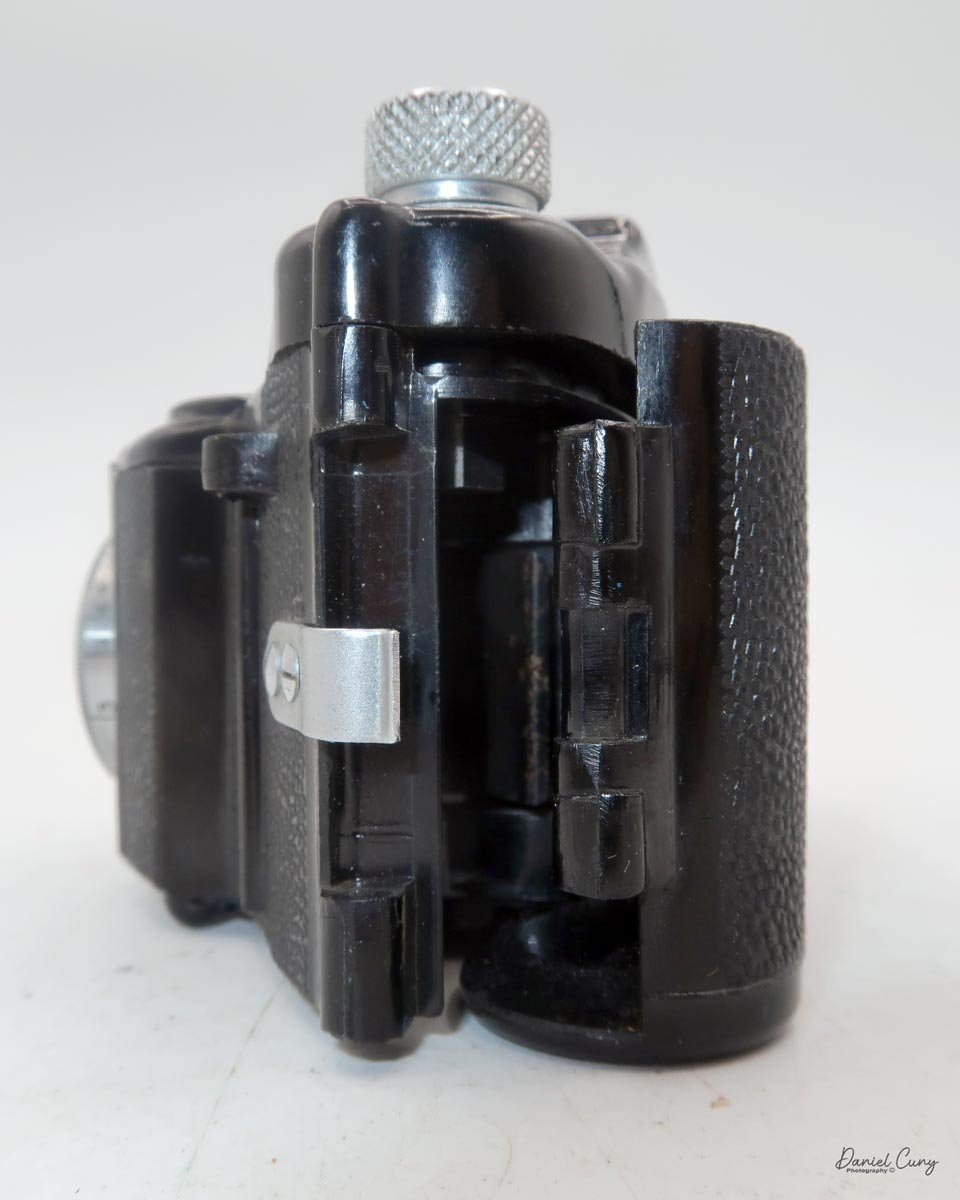
 To open the camera to load film, there is a spring clip on the left side of the camera which holds the front and rear together. Just pulling the back away from the camera body opens the back door, exposing the film chamber of the Mamiya Mammy camera.

Unfortunately, the shutter on my Mamiya Mammy is extremely sluggish, so even if I were to make some paper-backed 35mm film to load into the camera, I'm afraid the images wouldn't turn out because of the faulty shutter.

 Possibly in the future, if I can get the shutter working as it should, I do have some paper backing from some 828 film, and I'll load some 35mm film onto one of the Photvit spools and see if I can get the camera to make some images. But for this article, I'm sorry I won't be able to shoot with it.


Conclusion:

 The Mamiya Mammy is a camera I'm very happy to have in my collection. Having worked for Mamiya America Corp for many years, I hold almost any Mamiya camera dear to my heart. I do have to say, with all honesty, there are a few Mamiya cameras I doubt I'll own just due to my time working in camera shops. Cameras like the 1000DTL or 500DTL were ones I'd see almost daily. The sheer amount of them I saw over those almost twenty years, I seriously doubt I'd purchase.

Then there are some Mamiya cameras that I love owning. Any of the Mamiya RB, or RZ system cameras, some of the later 645 cameras, and of course, my all-time favorite medium format camera, and one that's eluded me, is the Mamiya 7II. WOW, what a beautiful camera.

 Thank you for taking Time from your day to read about this Bolta-style camera made in the early 1950s by one of the major camera companies to come out of Japan.

 Here are my other Camera Reviews.

 Cuny's Camera and Photos is my online eBay store where you can find some of the previously reviewed cameras for sale, along with other cameras, lenses, and photo oddities I've accumulated over the past 50 years of collecting.

 I'll be taking next week off due to a holiday my wife and I will be taking to celebrate our 50th wedding anniversary.

 Until next week, please be safe.