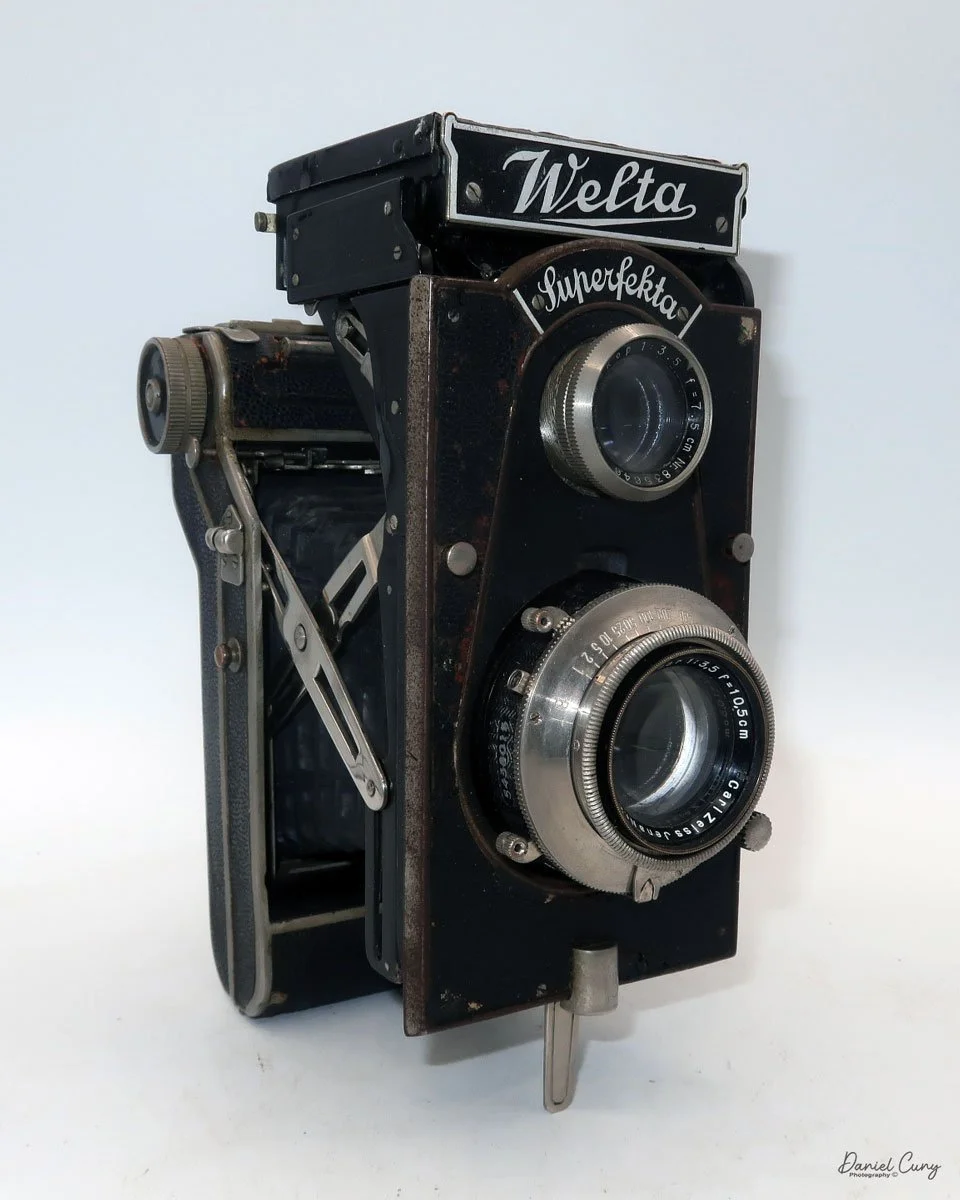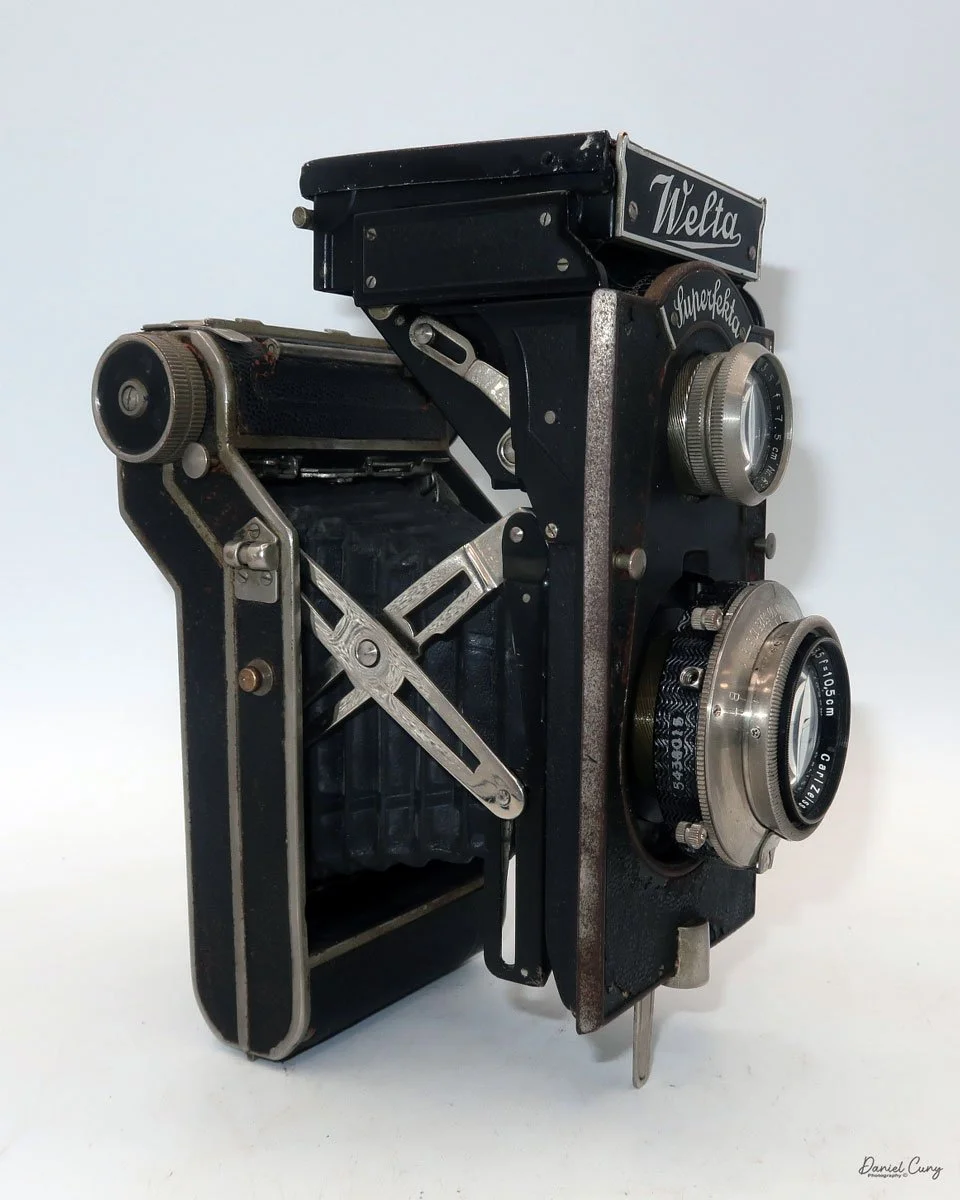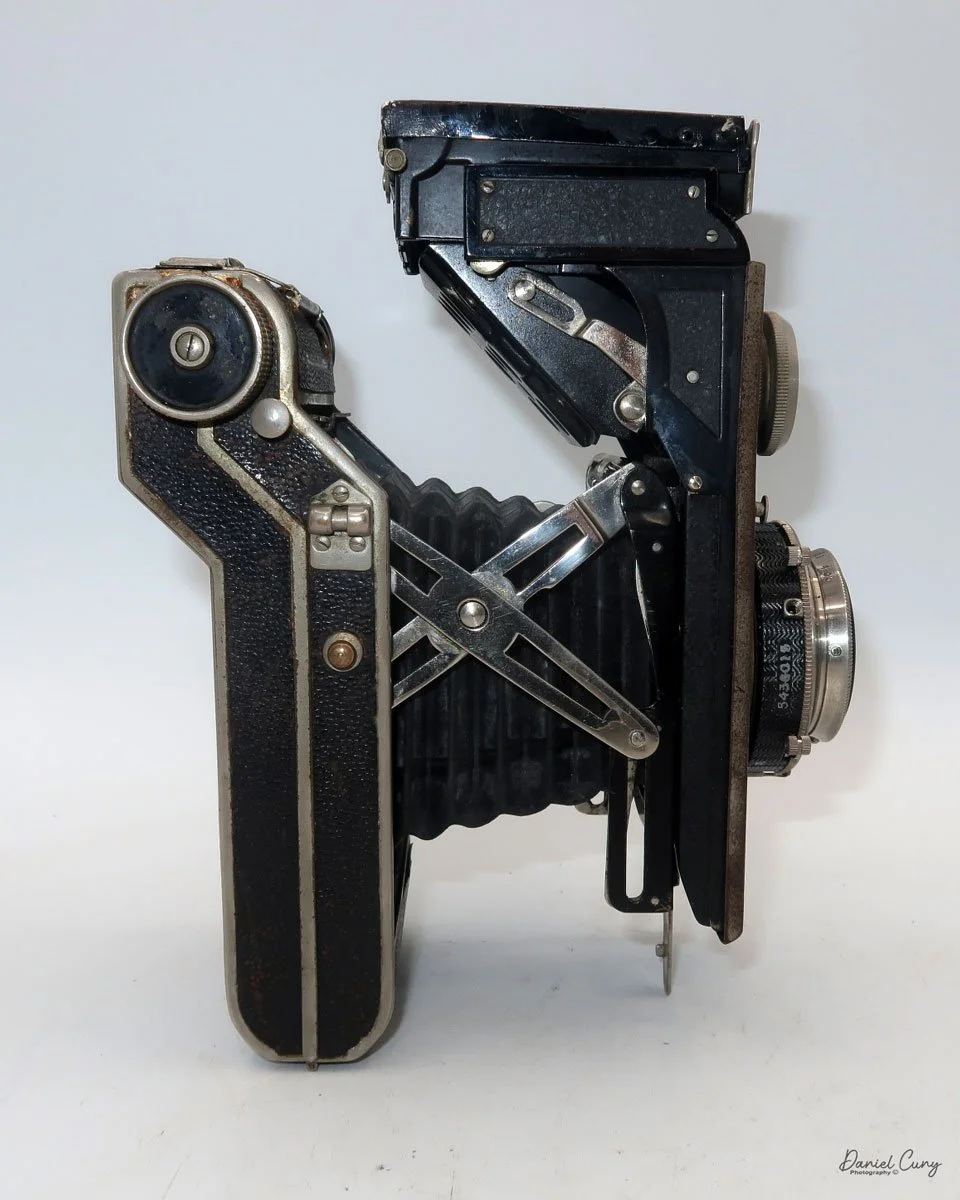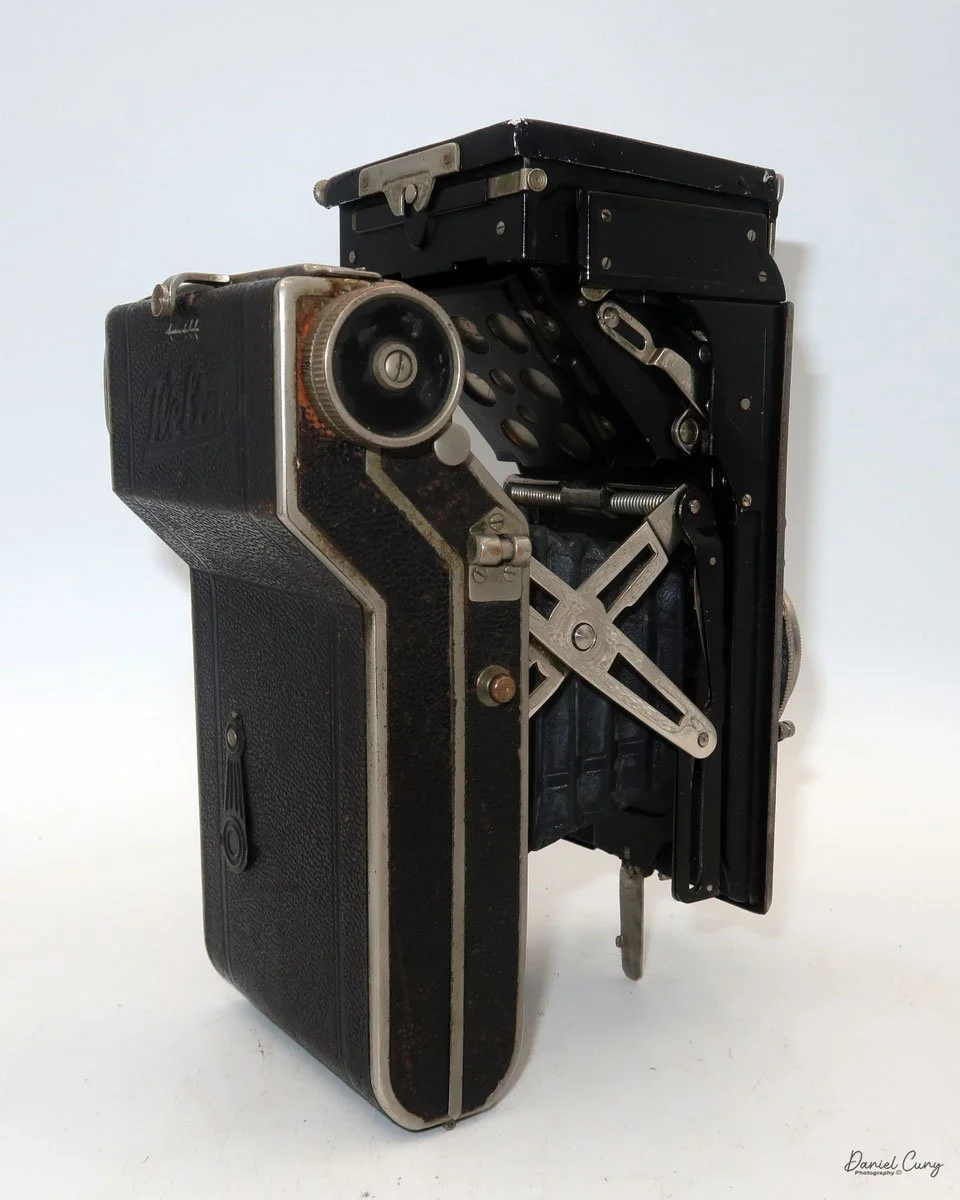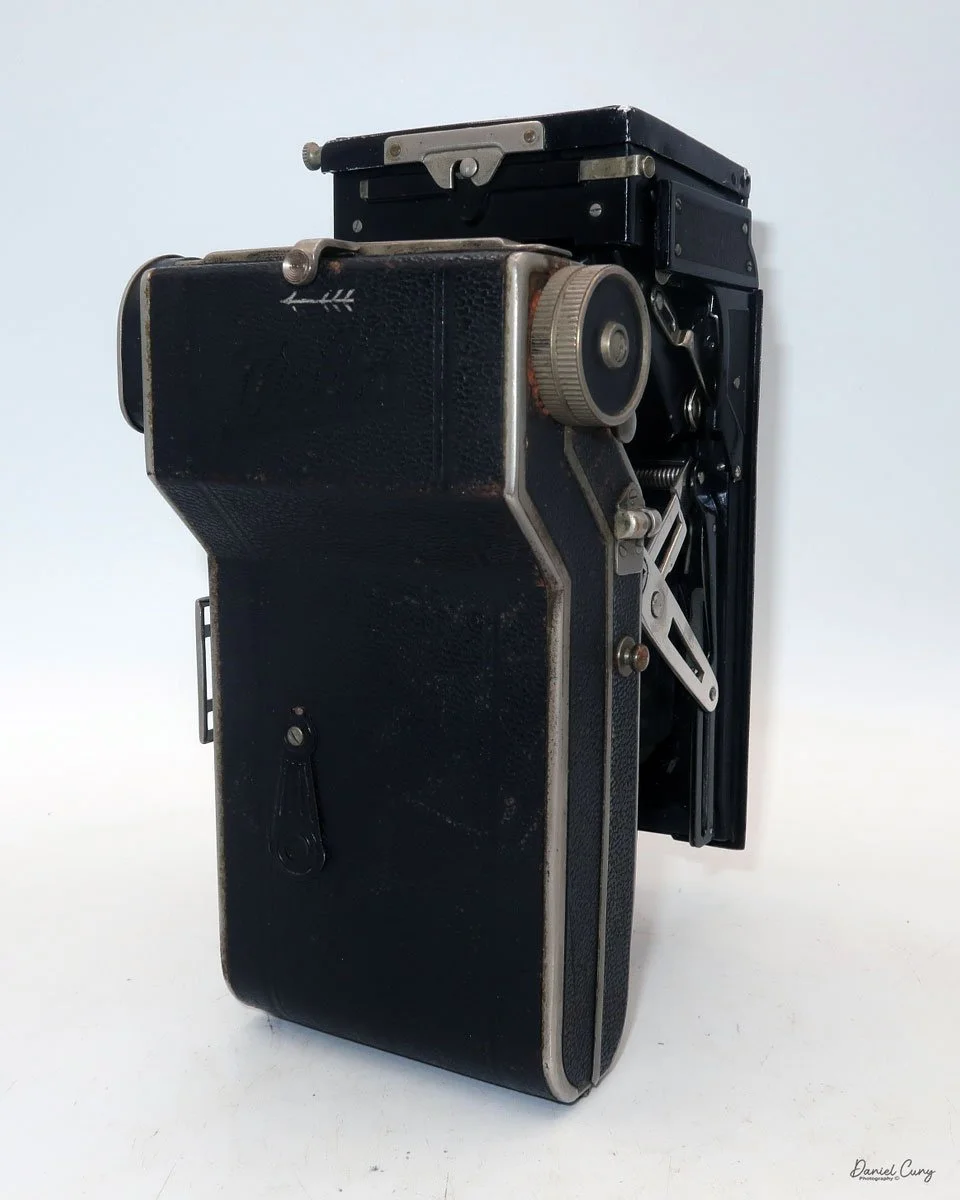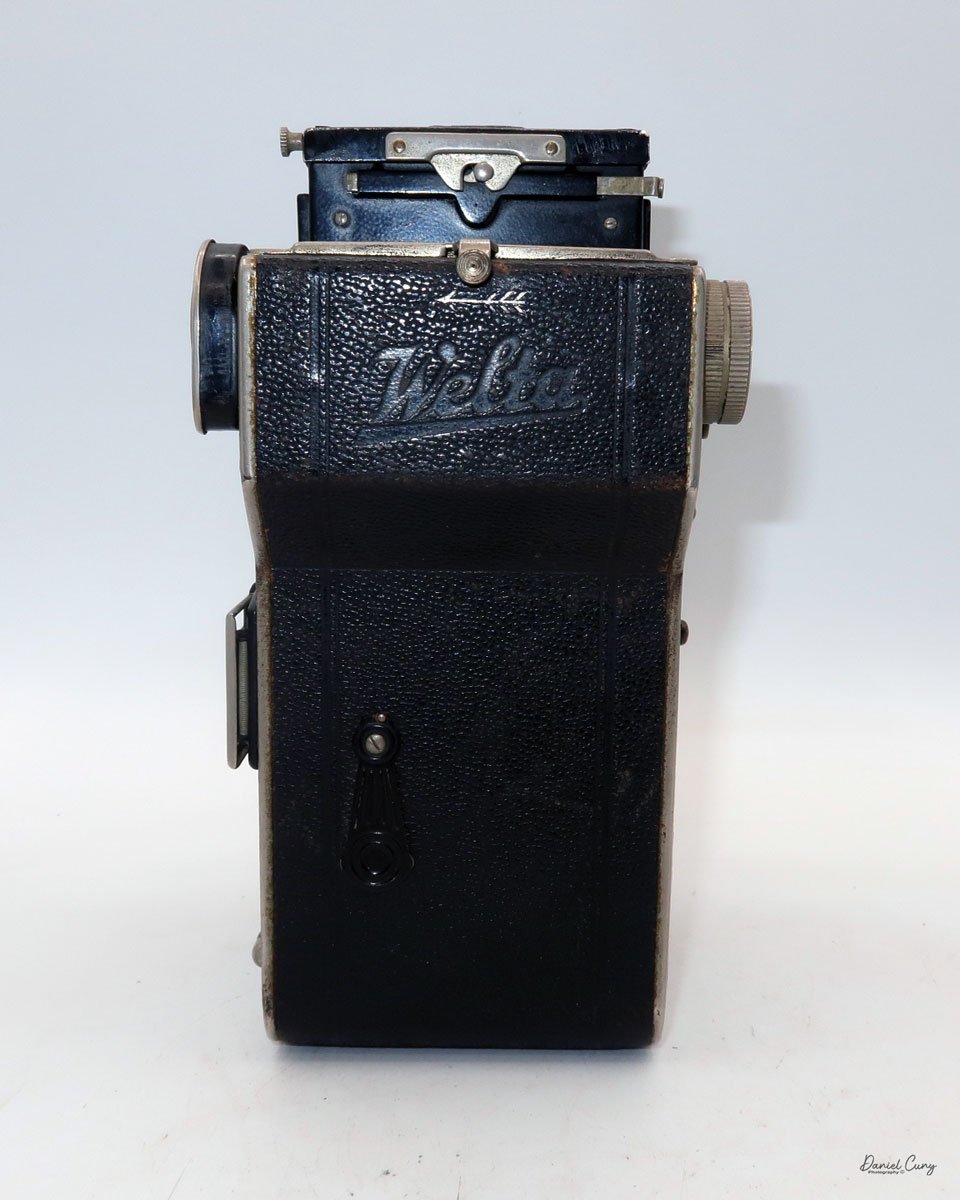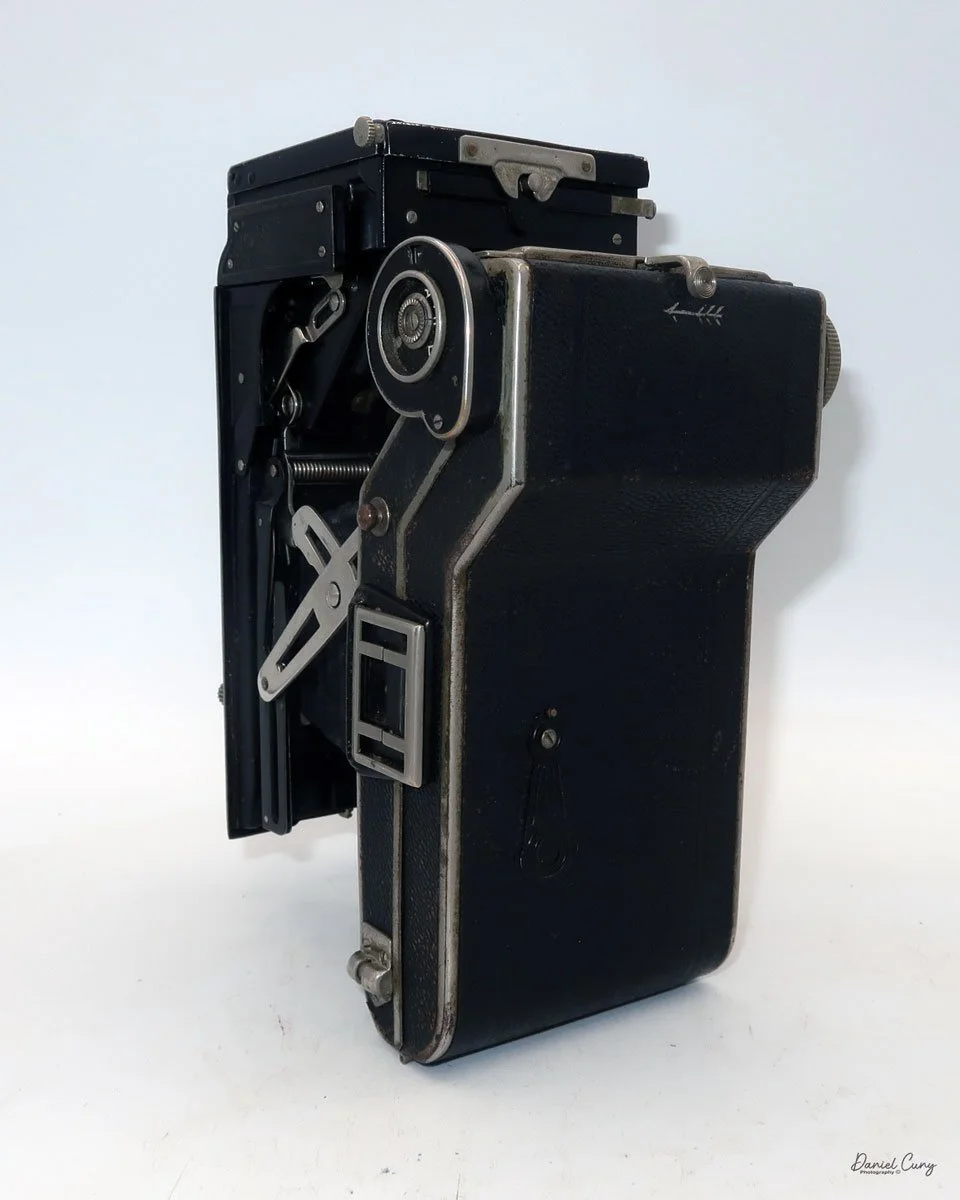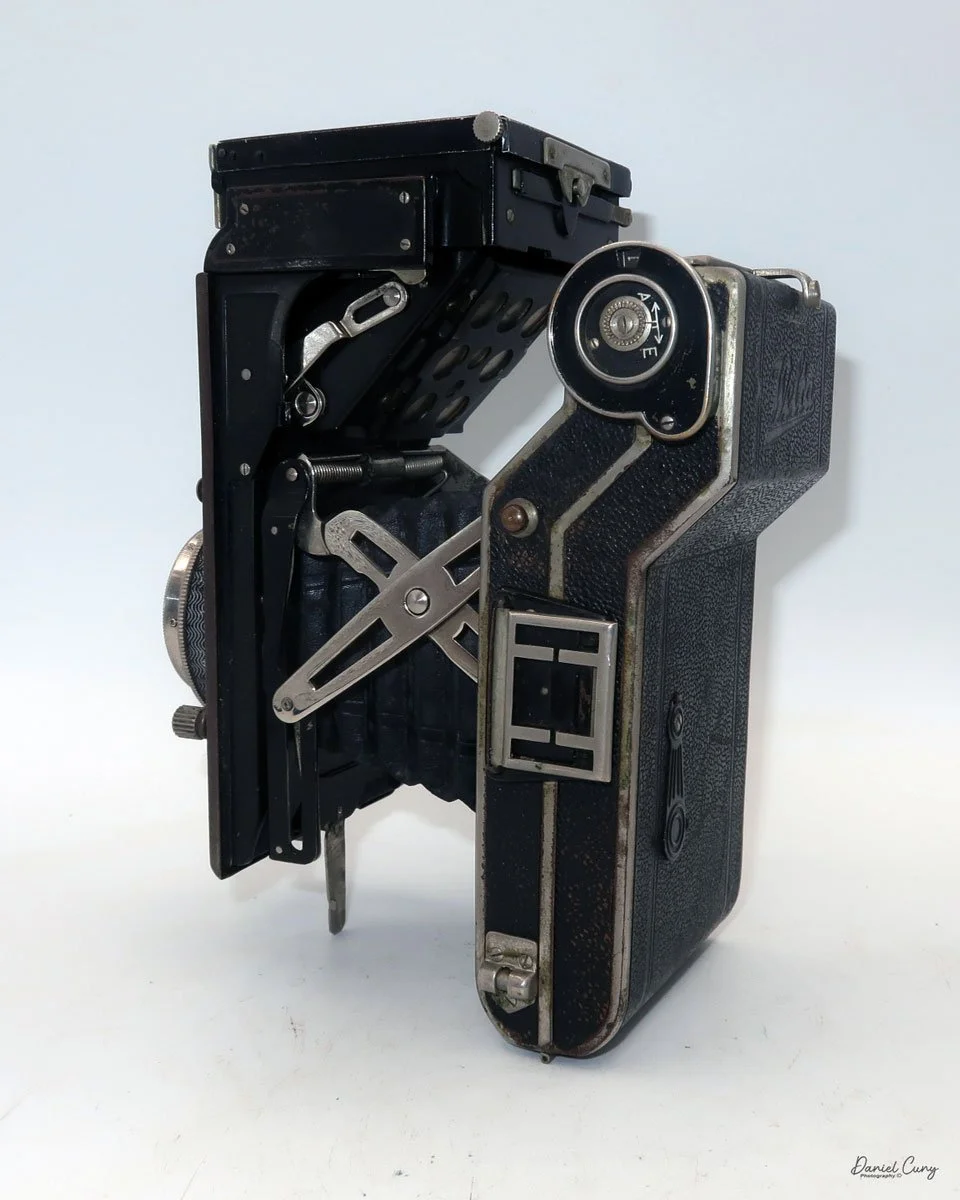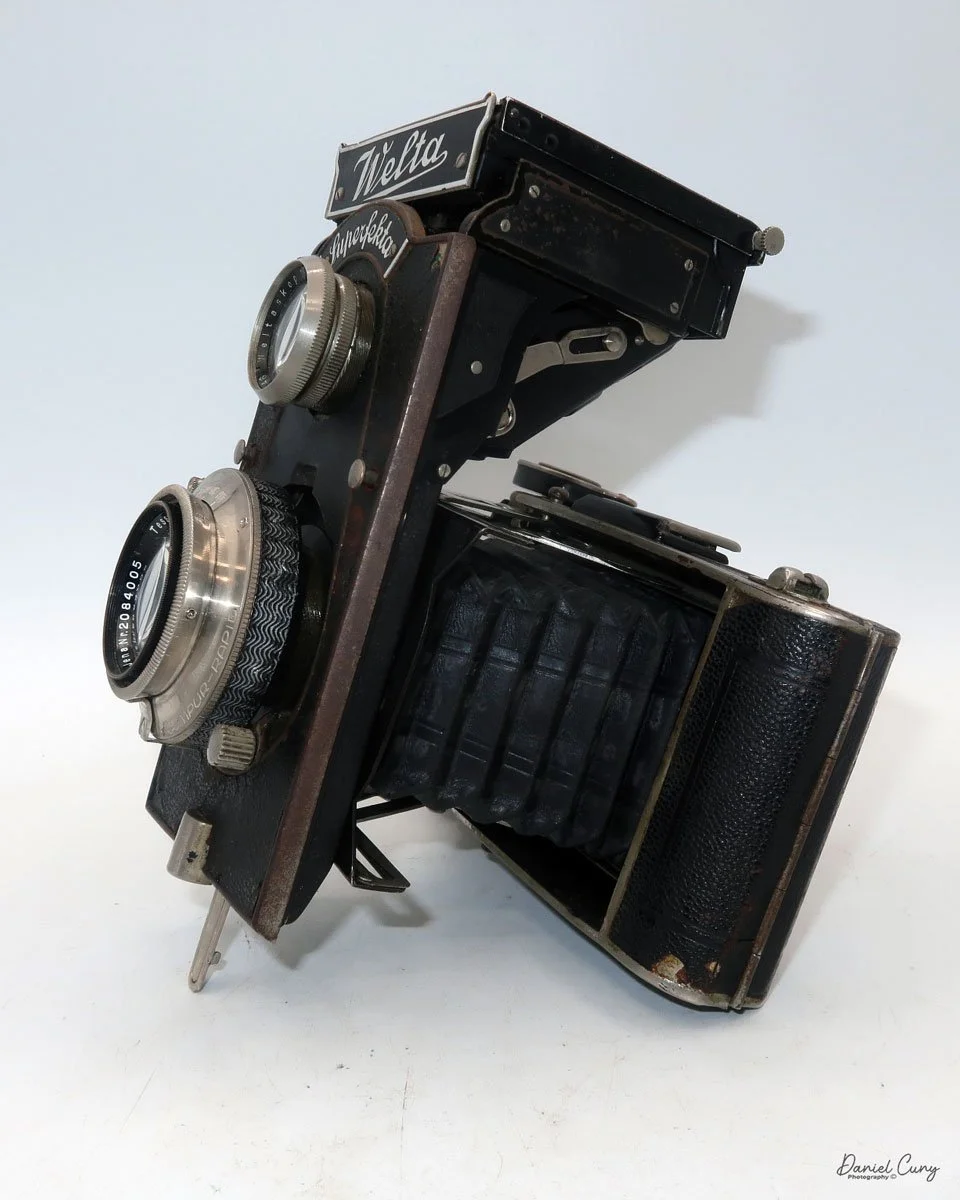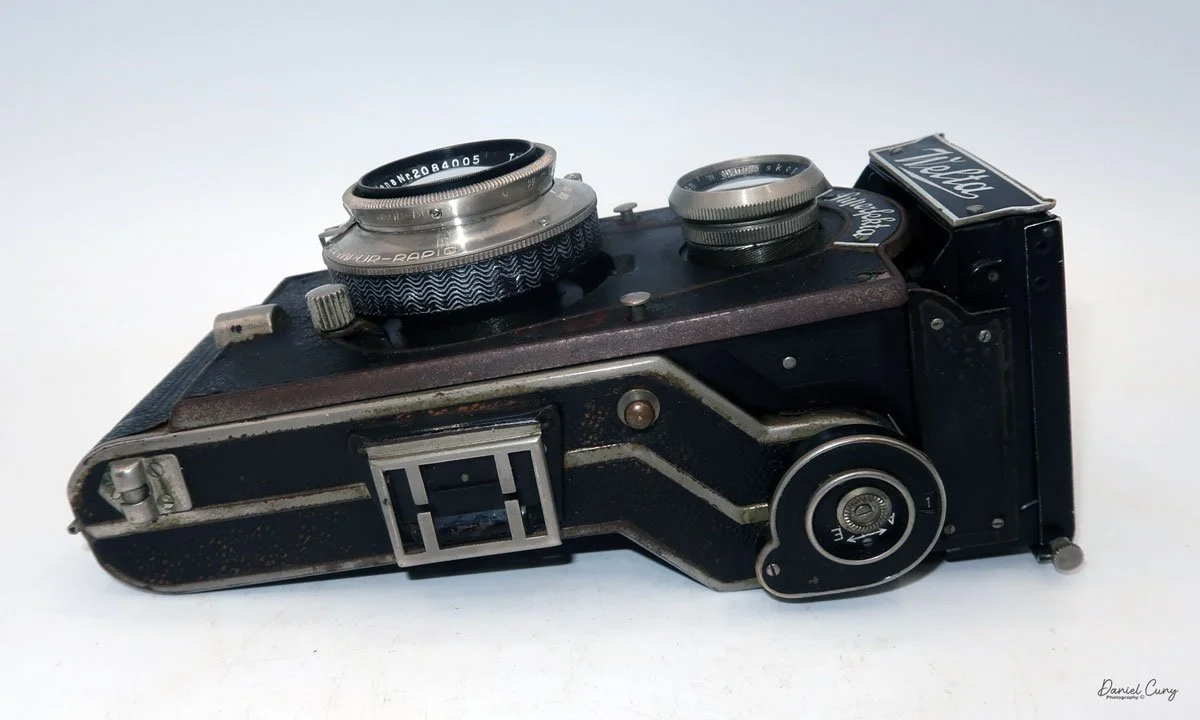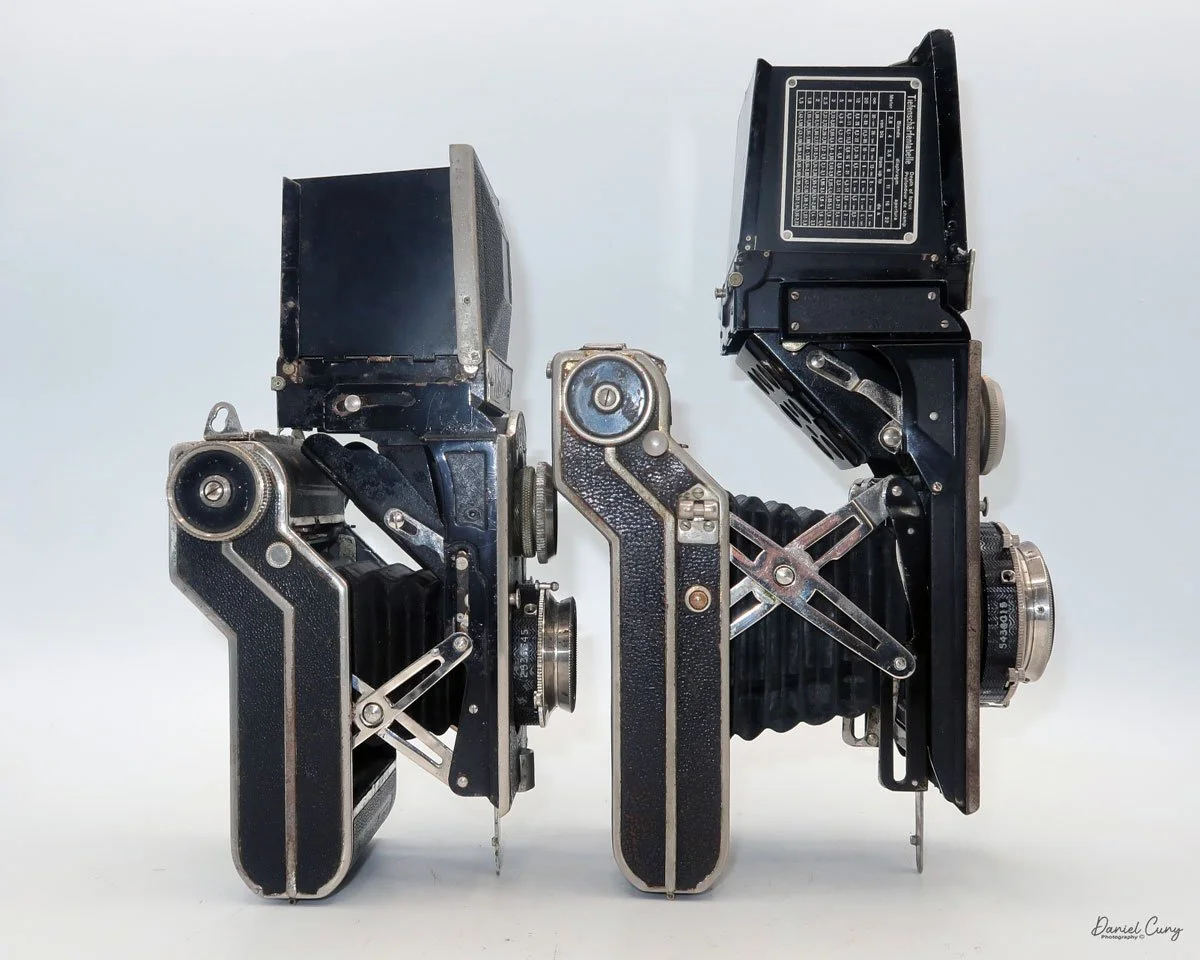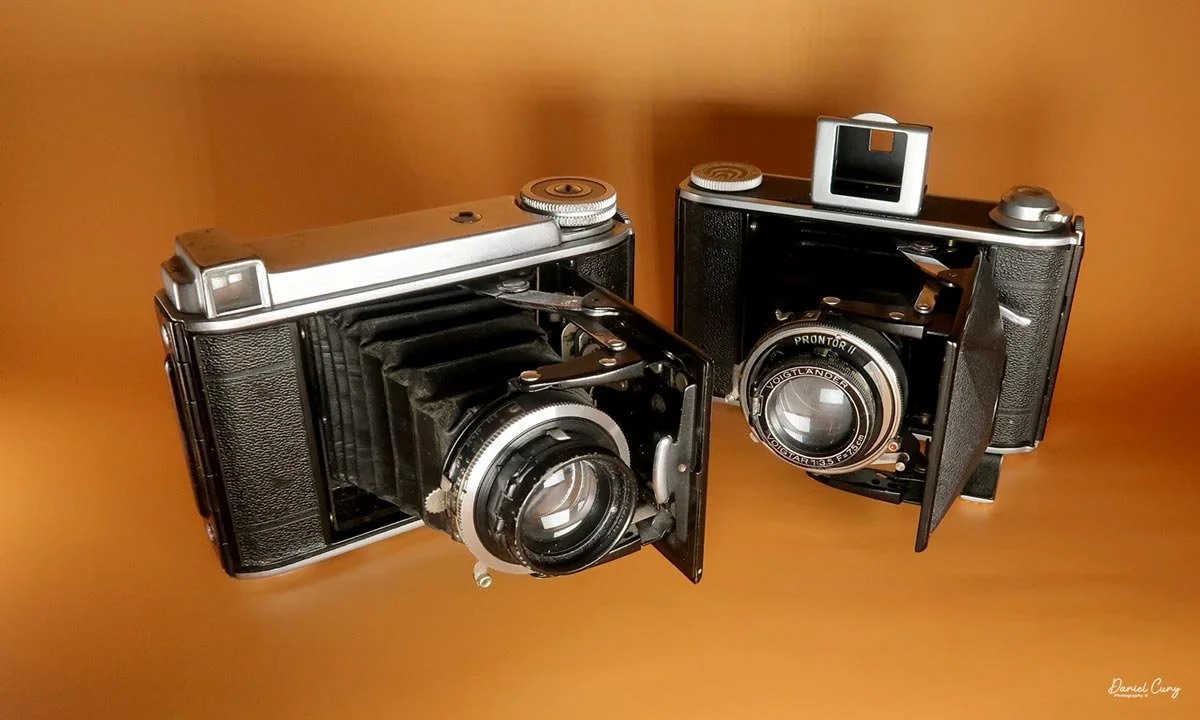
My two Bessa 66 cameras
It's interesting how you can notice some cameras and miss others at the same time.
While I've owned a Voigtländer Bessa in the past, I picked up the smaller Baby Bessa, or Bessa 66, from a collection in Las Vegas about a month ago. I dismissed the camera as I thought it was a similar-looking Voigtländer Vito, a much different 35mm camera than the Bessa 66, which is a compact, medium format 6x6cm camera.
There were actually three similar-looking cameras in the group I had set aside because I had mistaken them for Voigtländer Vito cameras, but after popping the fronts open, I was surprised to see longer bellows and shutters.
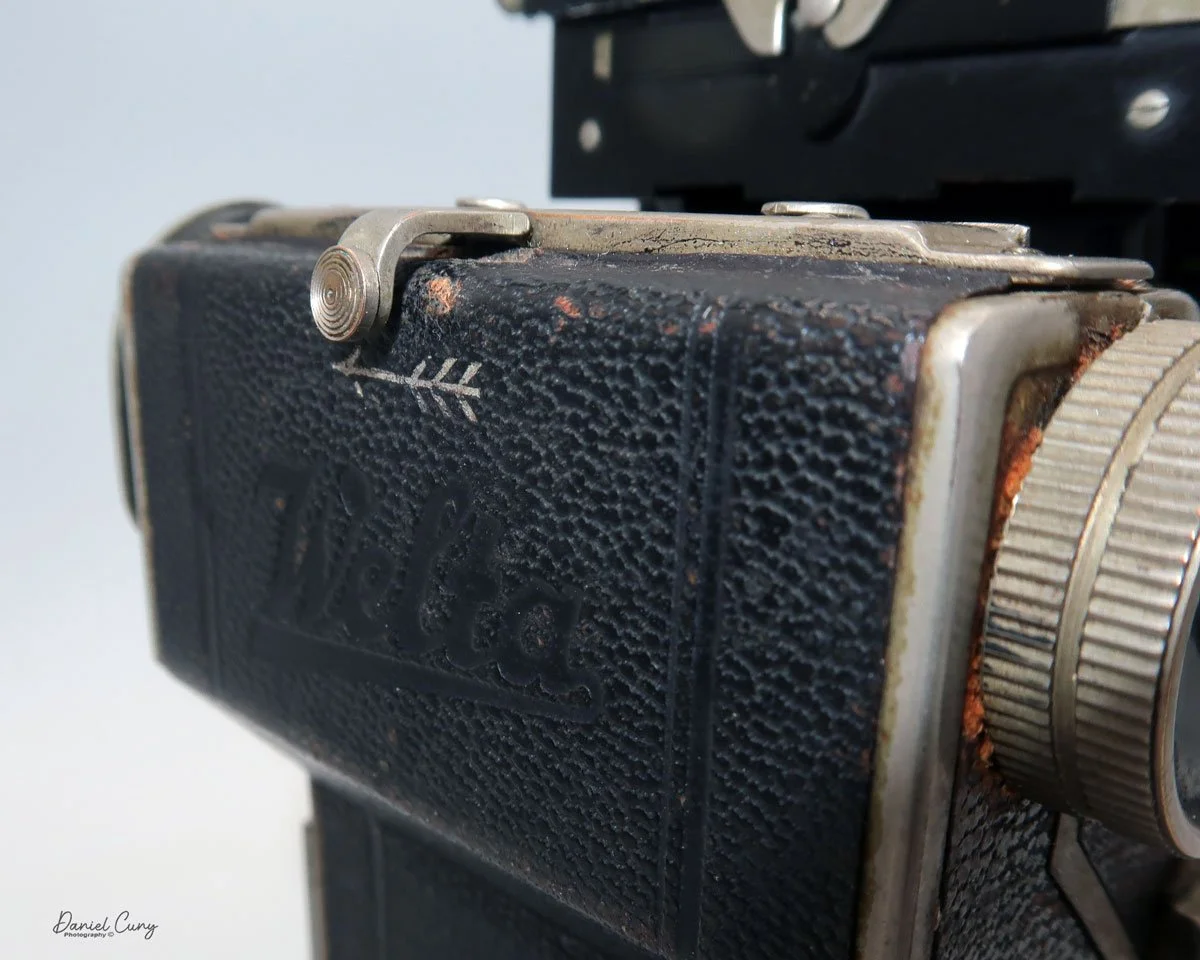
As I turned over the camera, I then noticed the embossed BESSA 66 on the back of the camera, and realized that the camera was slightly bigger than the Vito cameras I've had in the past. I was going on merely the appearance of the camera's shape, which is similar. It's the domed front of the camera that houses the lens that is similar on many of the Voigtländer cameras.
After I gathered the three similar cameras for a thorough check-out, I mistakenly thought they were different. Still, I found out two were Bessa 66 cameras and the third was a more refined Perkeo I. At this point, I figured it would be fun to write about the two Bessa 66 cameras and put the Perkeo away for another day.
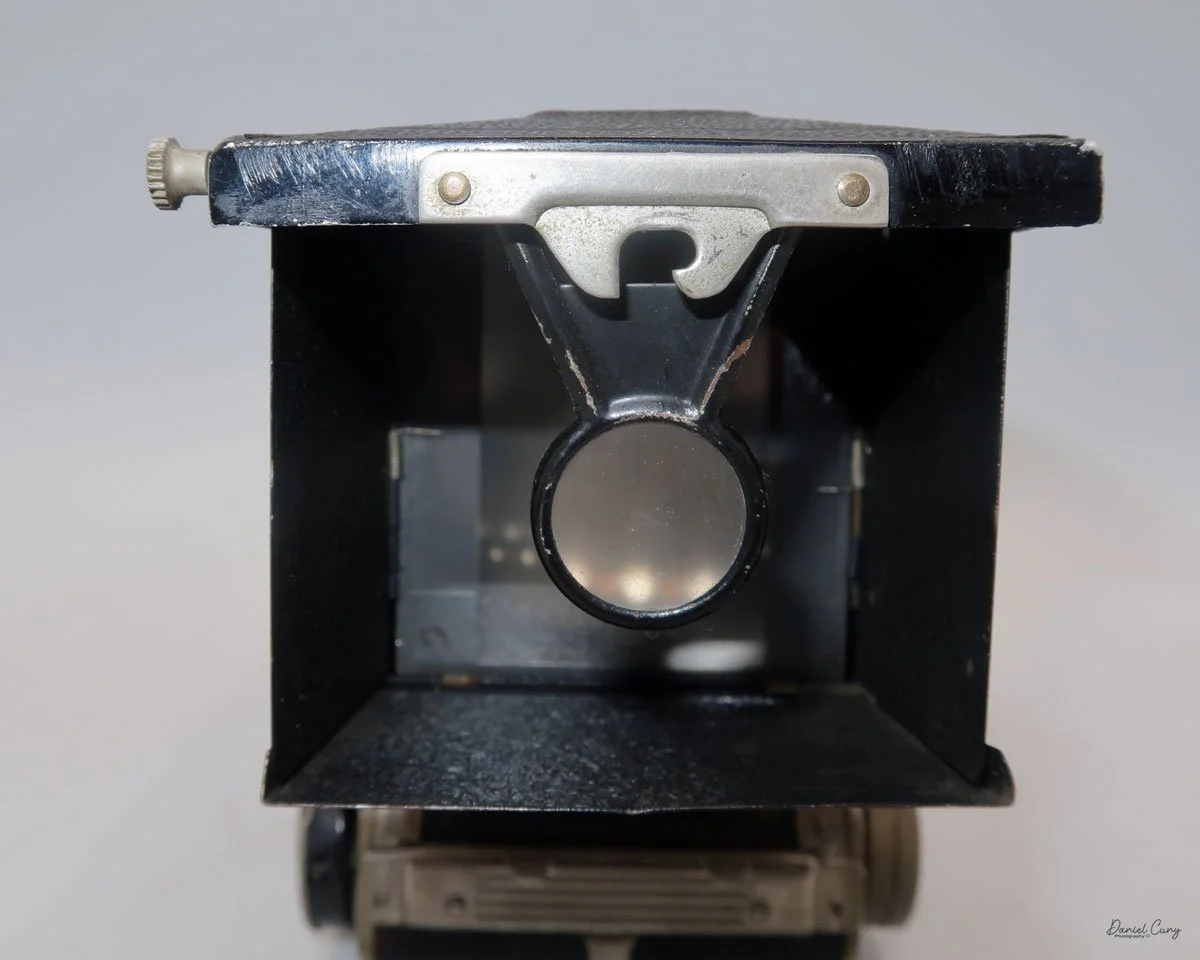
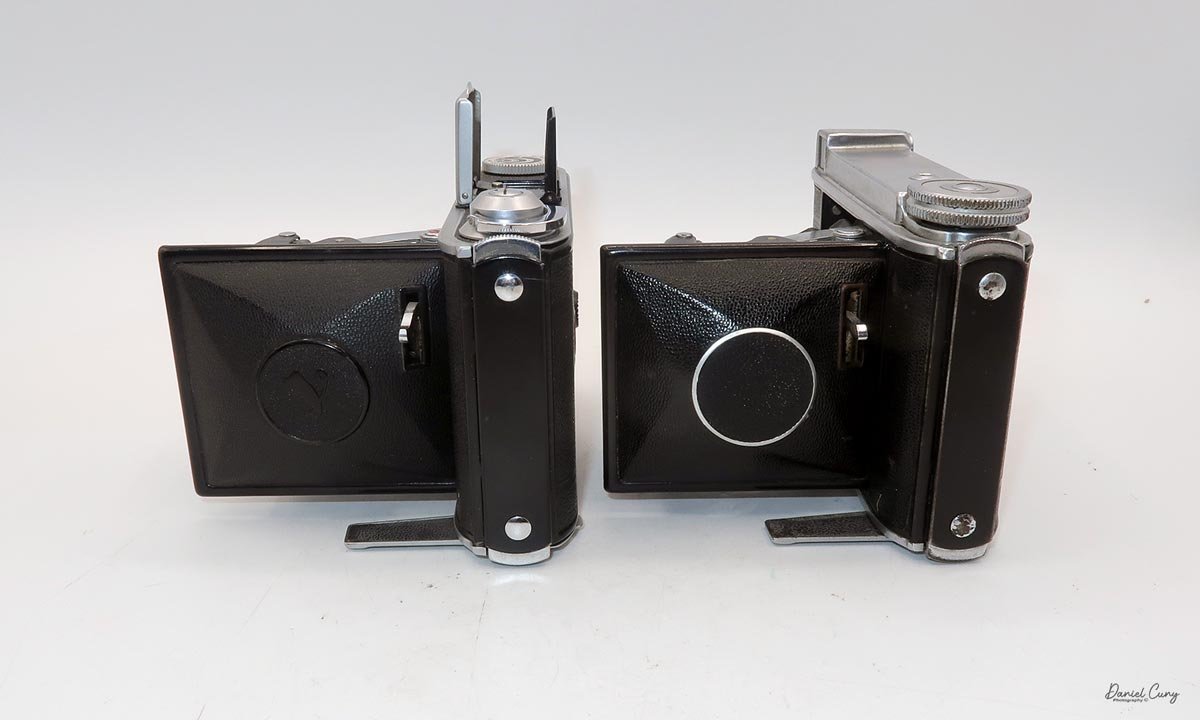
There were a couple of differences I noticed right away about the two Bessa 66 cameras. The main difference was the viewfinder on top of the cameras. One had a fold-out, pop-up finder, more like a sports finder. In contrast, the other has an optical finder incorporated into the top of the camera.
The second thing I noticed was that the film-advance knobs differed between the two cameras. One has a lift-up handle to advance the film, while the other has a more robust wheel, which makes advancing the film easier.
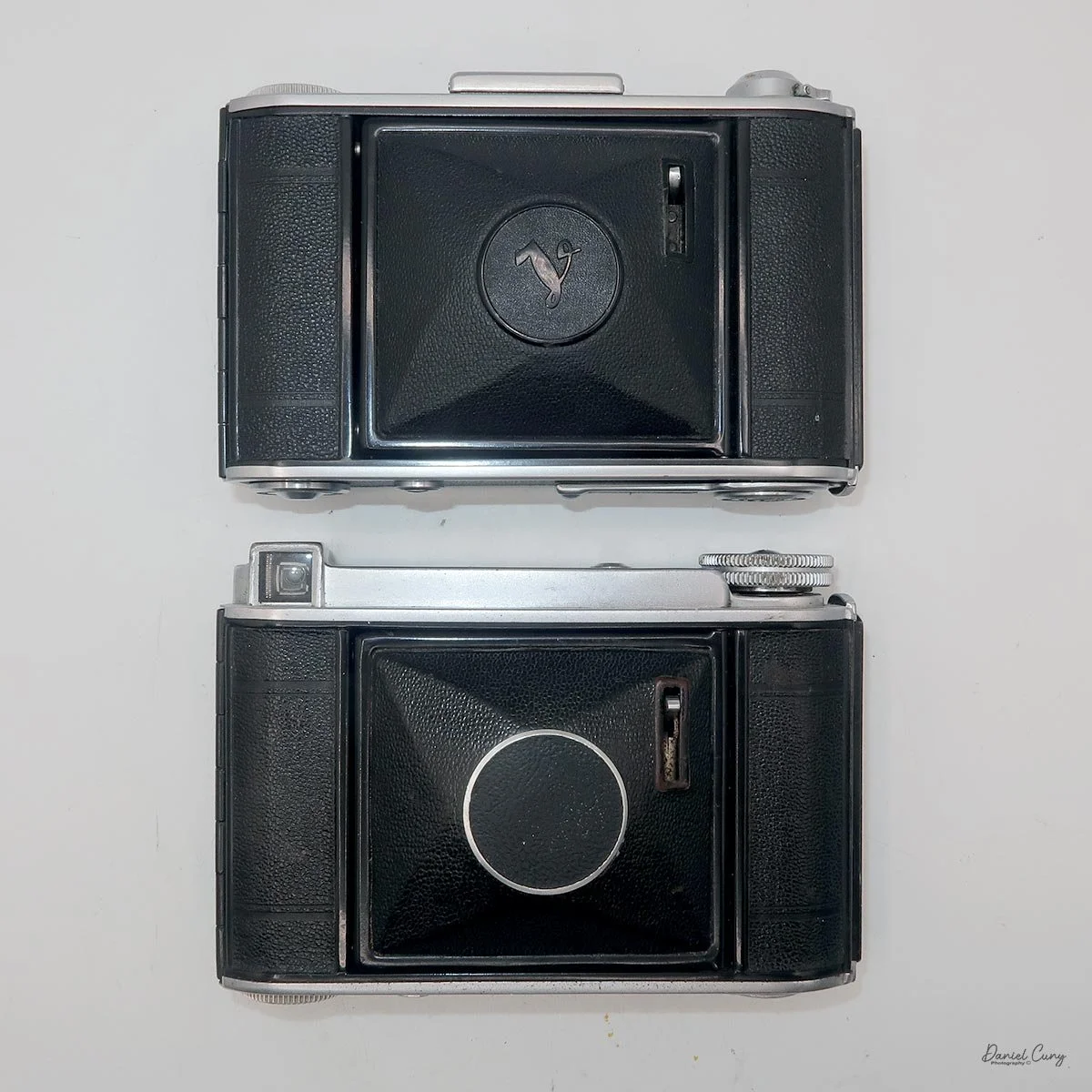
Bessa 66 Standard (top), and Bessa 66 Deluxe (bottom)
Looking online at the differences between the two cameras, one is an earlier "Standard" version with the pop-up finder and handle advance. In contrast, the later camera, which some people call the "Deluxe" version, has an optical viewfinder and a round film-advance knob.
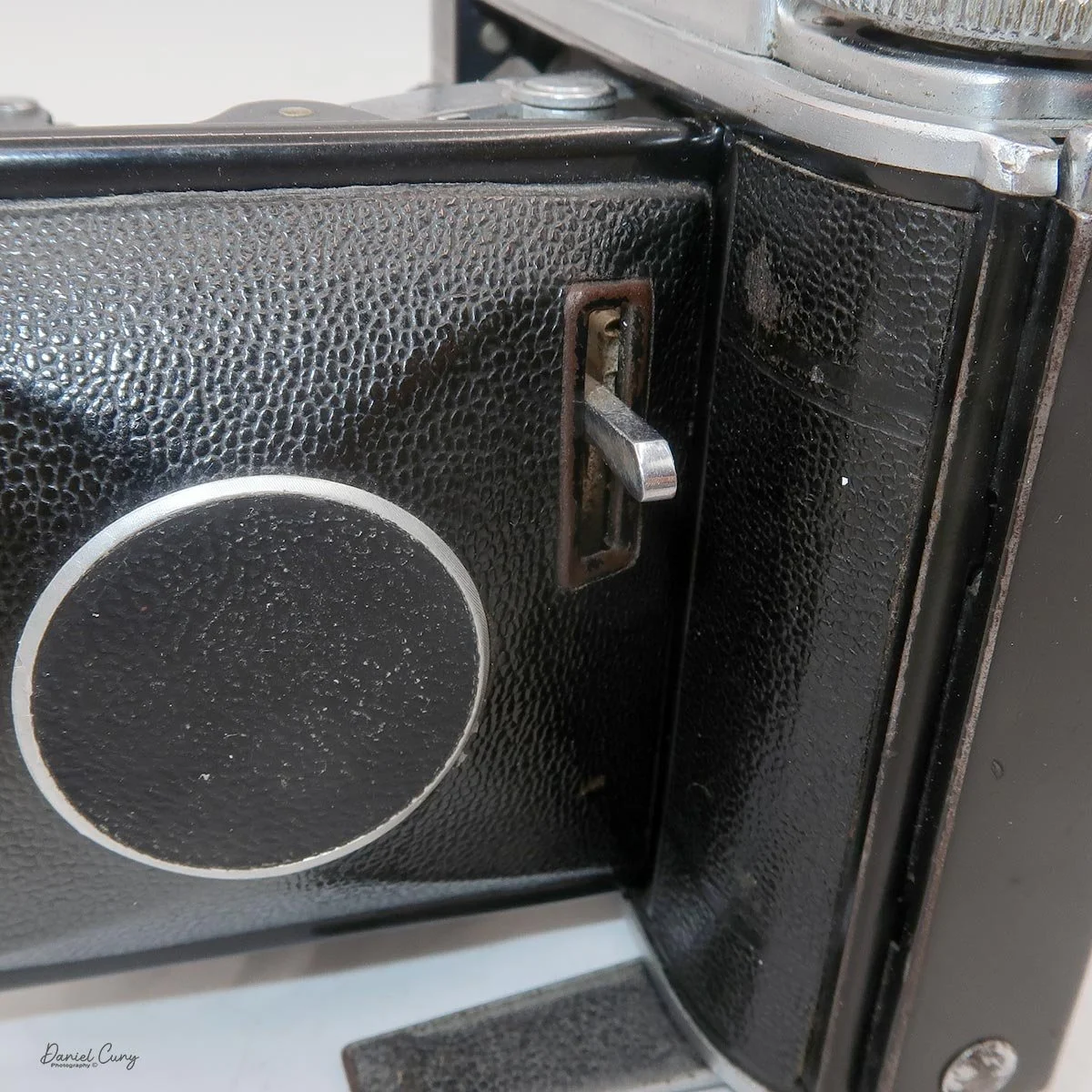
The only other thing I noticed looking at the cameras from the outside is that the Deluxe camera has a bigger and sturdier knob on the bottom where the new roll of film is placed, which resembles the winding knob on top, as opposed to a slightly different one on the "Standard" version. These knobs don't affect how the camera operates, since neither pulls out to let the fresh roll into the film chamber. Still, I'll get into loading the camera later in the post.
At this point, I'm impressed with the Bessa 66 cameras, as I am with many of the Voigtländer cameras. They feel very similar to other folding 6x6cm cameras from this timeframe, like the Zeiss Ikontas made before WWII, in size and artistry, along with other Japanese cameras like the Mamiya Six and Mizuho Six.
The larger film format makes them terrific travel cameras. They are small and compact, have wonderful lenses, shoot 6x6 (or, in some cases, 6x4.5 or 6x7), and fit in your pocket for easy transport.
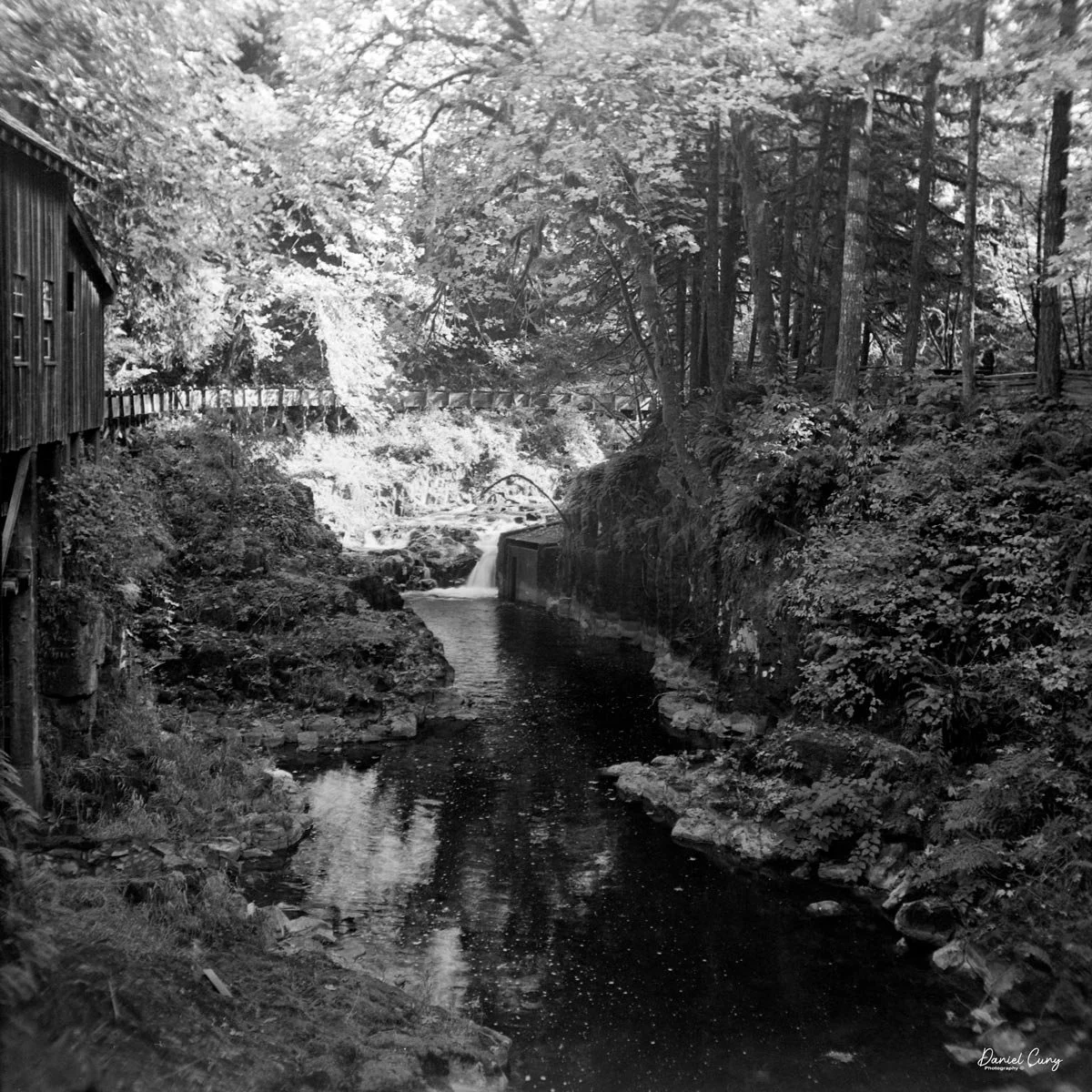
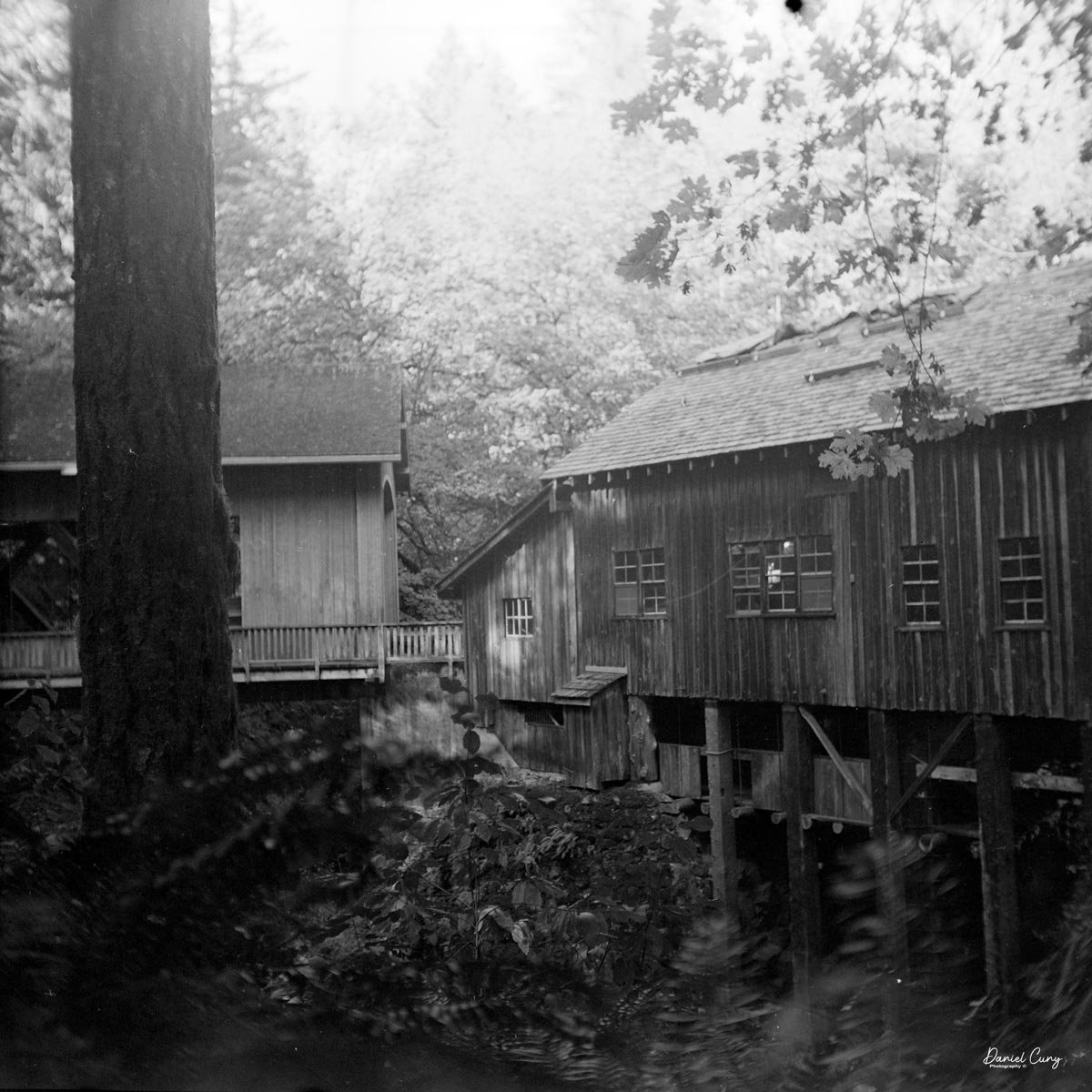
My wife wanted to go to a local Grist Mill, which is about 30 minutes from our house. So I loaded a roll of outdated Plus-X film into the Bessa 66 Deluxe, and off we went to see how the camera performed.
History: The Voigtländer Bessa Cameras
Voigtländer is the oldest name in photography. Johann Christoph Voigtländer founded the firm in Vienna in 1756, making optical instruments long before photography existed, and the company opened its Braunschweig, Germany, branch in 1849. By the time the Bessa arrived, Voigtländer had already been building cameras for nearly a century.
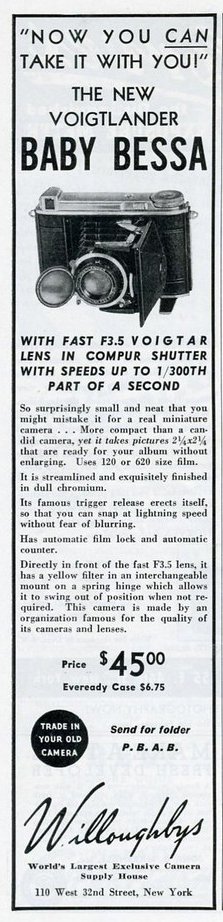
Bessa 66 advertisment
The Bessa line began in 1929 with a folding rollfilm camera that was clever in a very practical way: it was a dual-format camera, taking both 6x9 and 4.5x6 pictures on standard 120 film. A photographer could shoot large negatives or twice as many smaller ones by changing the mask. In 1935, Voigtländer added a coupled rangefinder version, the Bessa Rangefinder, and the line became one of Germany's best-known folding camera families.
The cameras most collectors mean by "Baby Bessa" came out in 1938. These were the single-format Bessa 46 and Bessa 66, smaller companions to the big Bessa. The Bessa 46 shot sixteen 4.5x6 frames on a roll of 120, while the Bessa 66 shot twelve square 6x6 frames. Both were self-erecting folders: press a button on the baseplate and the front springs open, ready to shoot. Focusing was by guesswork, using a scale on the lens, and neither Baby Bessa was ever sold with a coupled rangefinder.
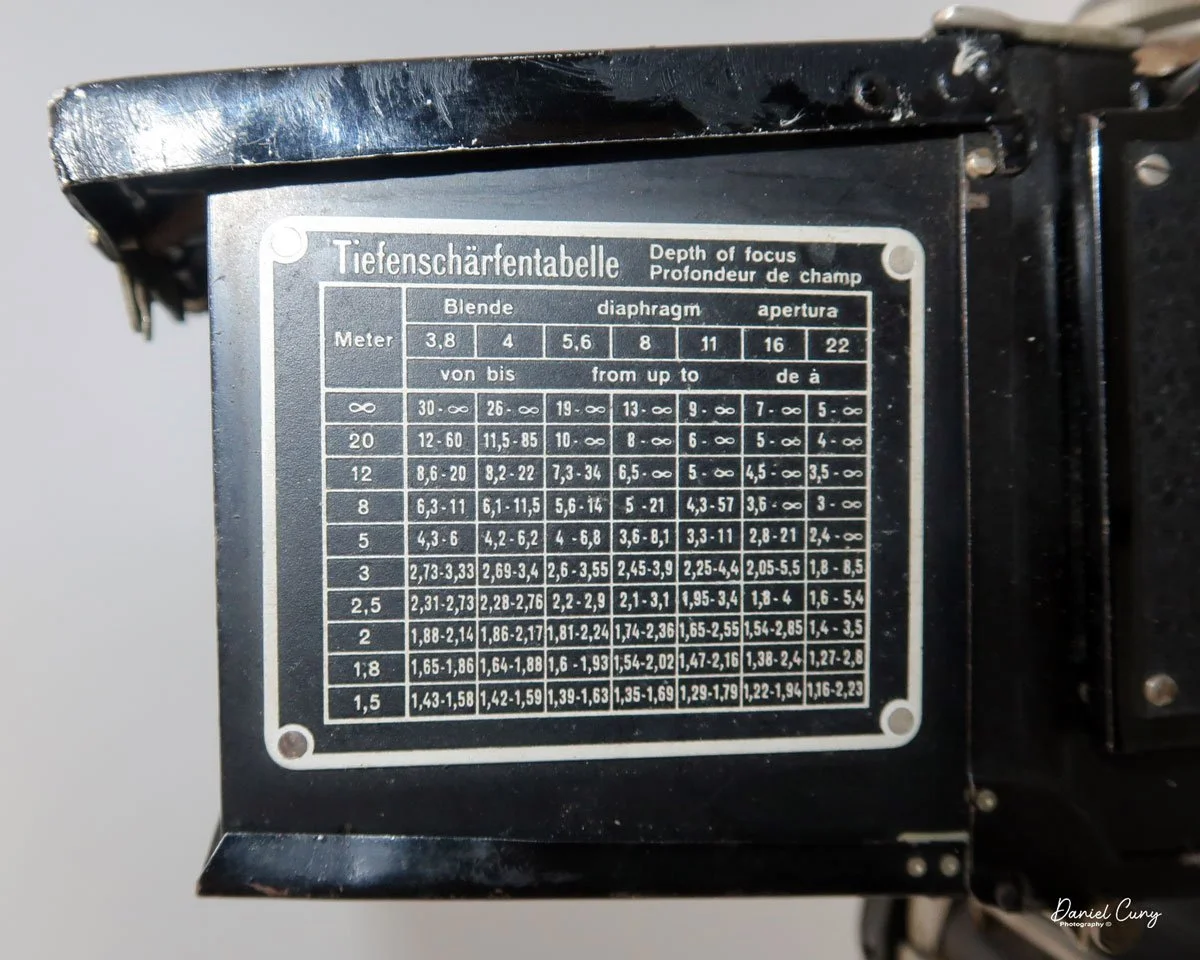
Like most German cameras of the period, the Baby Bessas came in a wide range of lens and shutter combinations, which is part of what makes collecting them fun. Entry-level models carried the three-element Voigtar or Vaskar. Better models got the four-element Skopar or the famous five-element Heliar, usually with a Compur or Prontor shutter. Early models had a folding frame finder; later ones got a proper optical viewfinder on the top plate, along with a film counter, a depth-of-field calculator, and a hinged yellow filter.
Production was interrupted by the Second World War, and after the war only the Bessa 66 came back, since the 4.5x6 format was already covered by the regular Bessa. Post-war Bessa 66 cameras came with coated lenses, a Vaskar version selling in America for $49.50 and a Color-Skopar version for $64.50. In 1950 the little folder was reborn under the older Perkeo name, and the Perkeo E of 1954 finally added a rangefinder the Baby Bessa never had. The line ended around 1955, shortly after the Carl Zeiss Foundation acquired Voigtländer.
The big Bessa lived on a little longer as the Bessa I and Bessa II of 1950, and the Bessa name itself would return decades later on Cosina's rangefinder cameras. But the Baby Bessa remains the line's sweet spot: a genuinely pocketable 120 folder, built by the oldest camera maker in the business, that still shoots beautifully today.
My Cameras
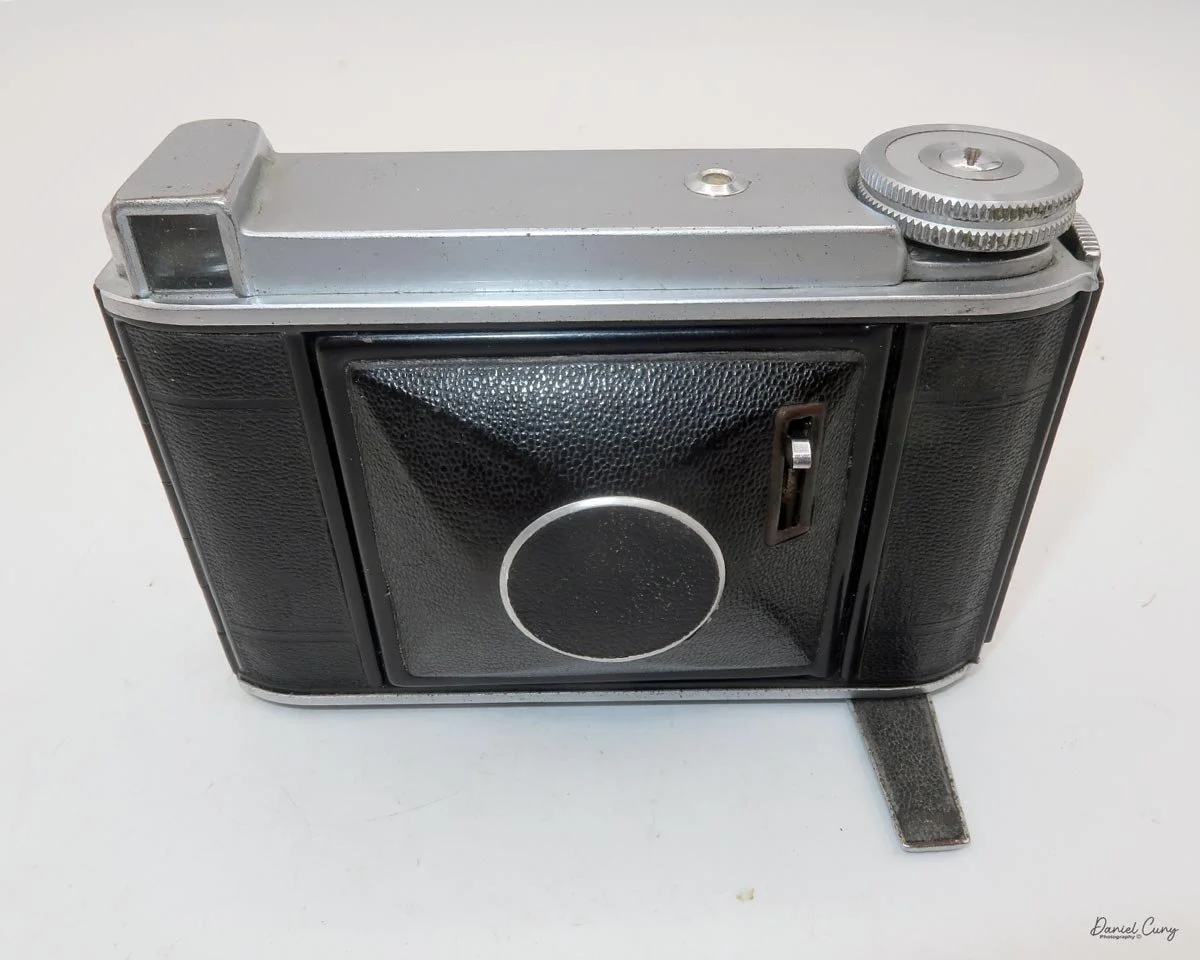
The two Voigtländer Bessa 66 cameras are virtually the same size, with the Deluxe slightly taller because of the optical viewfinder. I'll mainly talk about the Deluxe version, as it's the camera I put film in and shot with. The camera is 3.5" tall by 5" wide, and 1.75" deep with the lens closed and 4" deep with the lens extended. The camera weighs 1 pound, 2 ounces without film loaded.
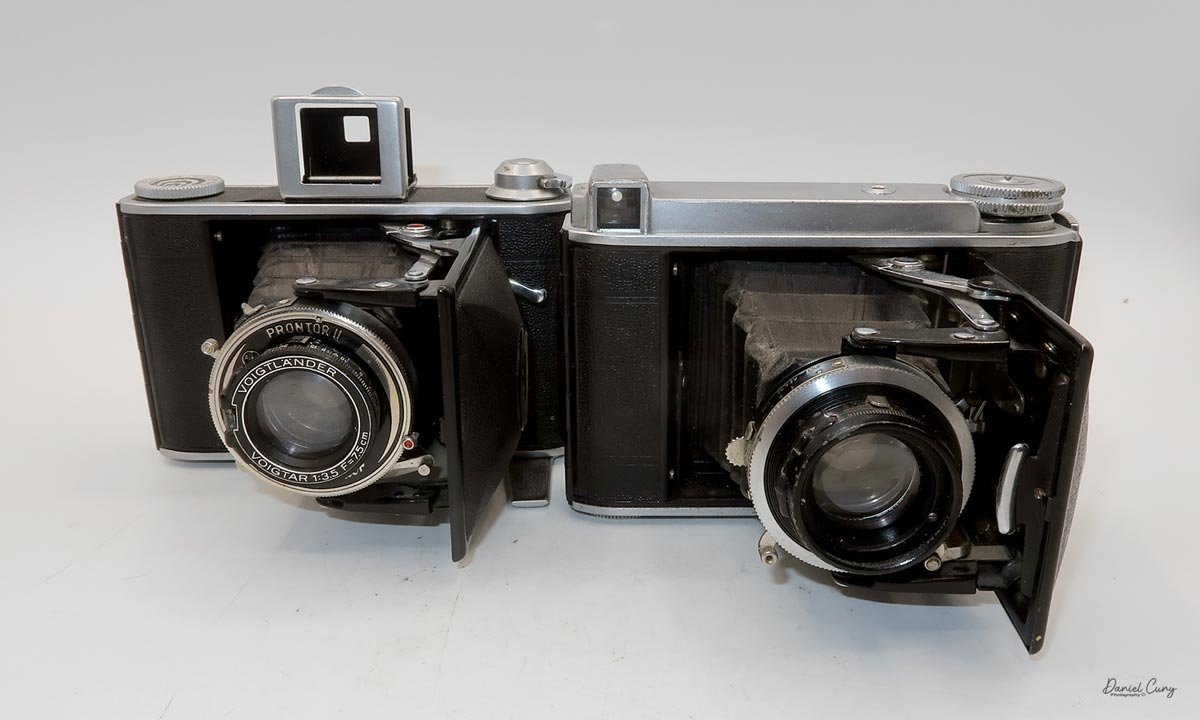
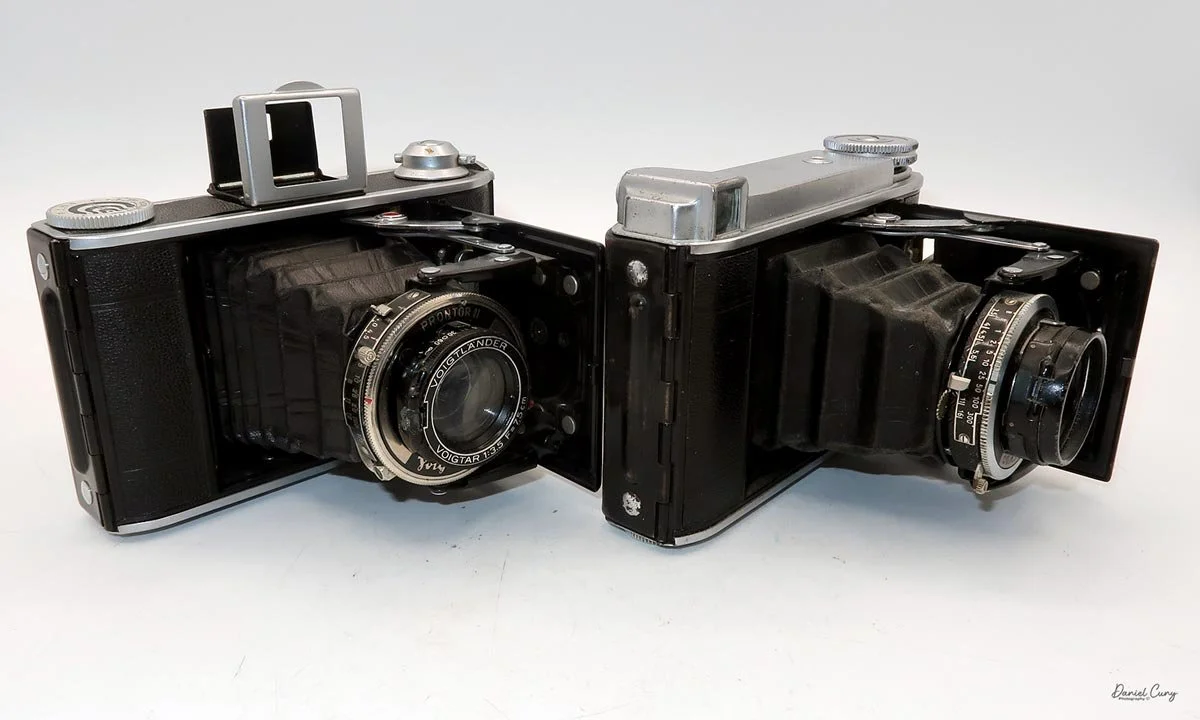
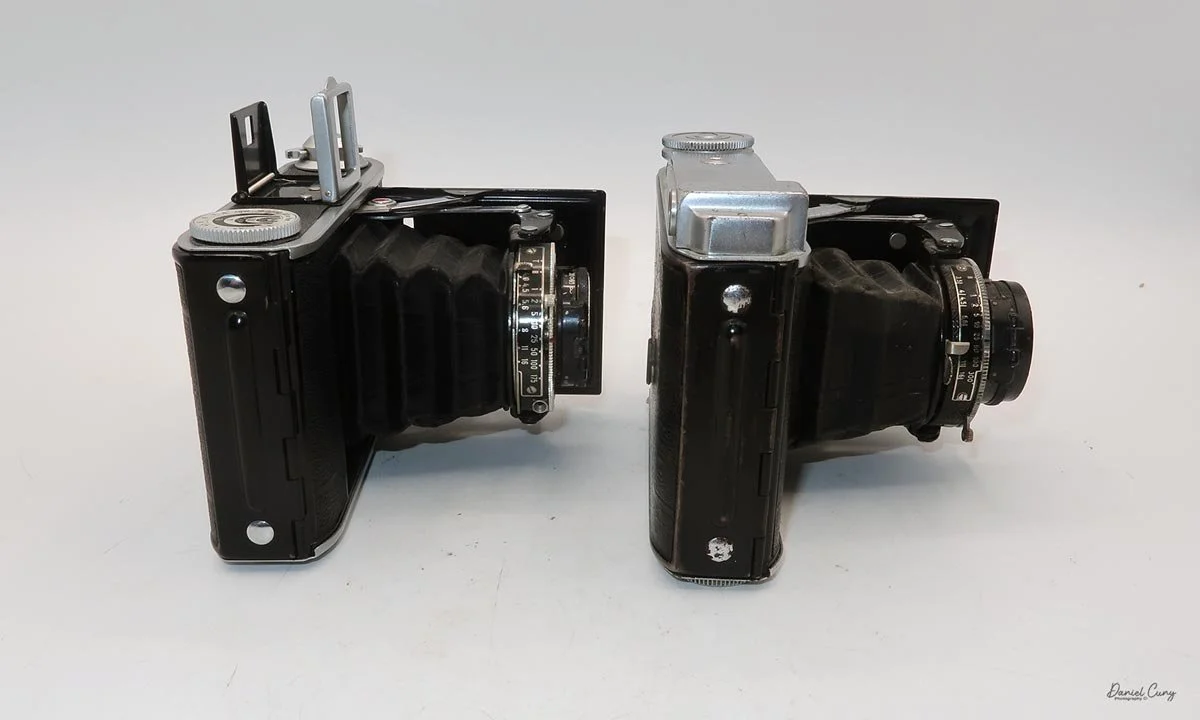
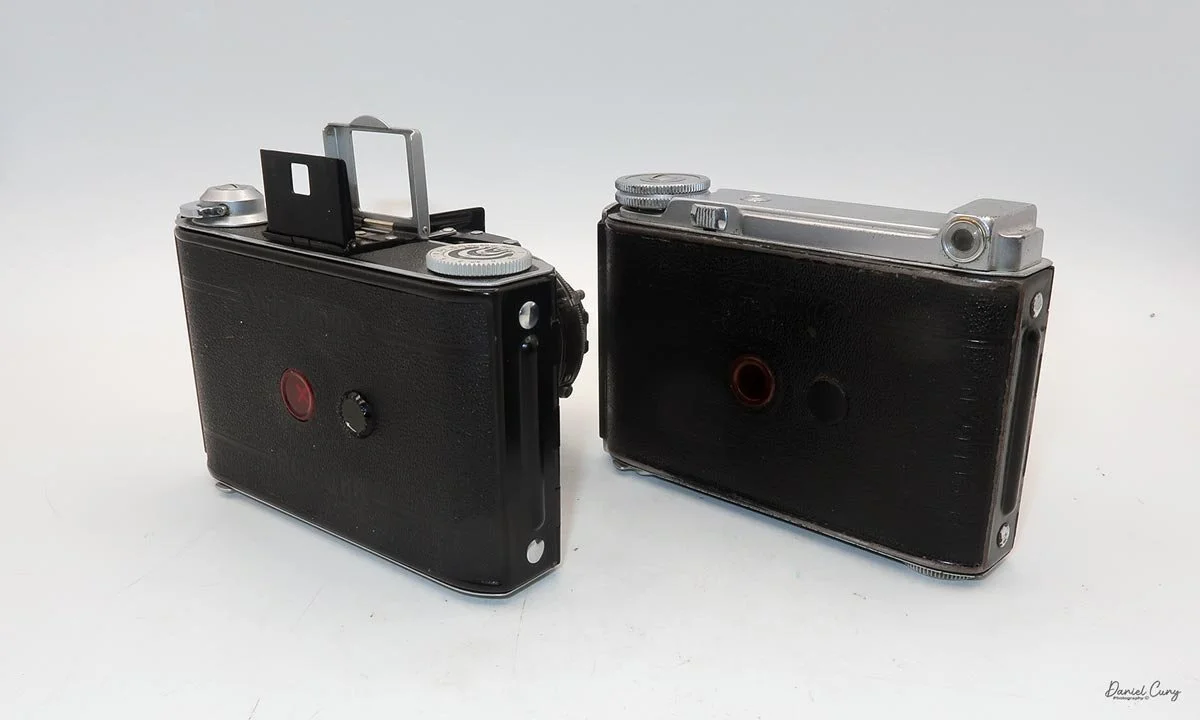
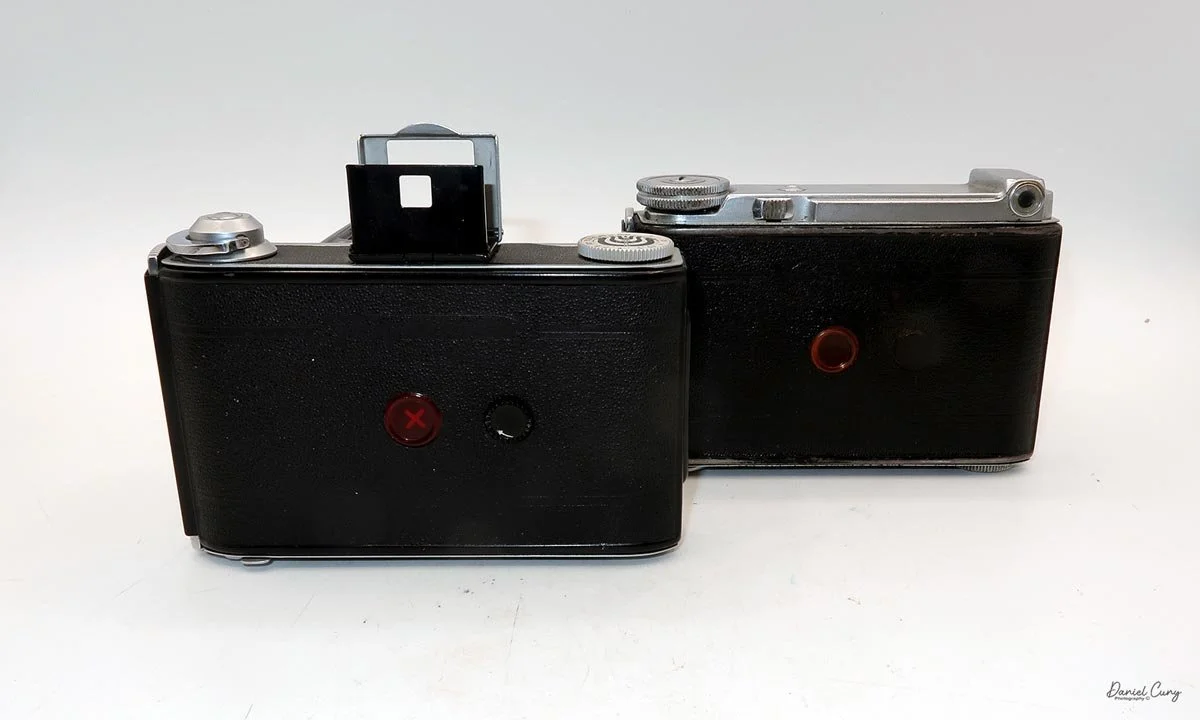
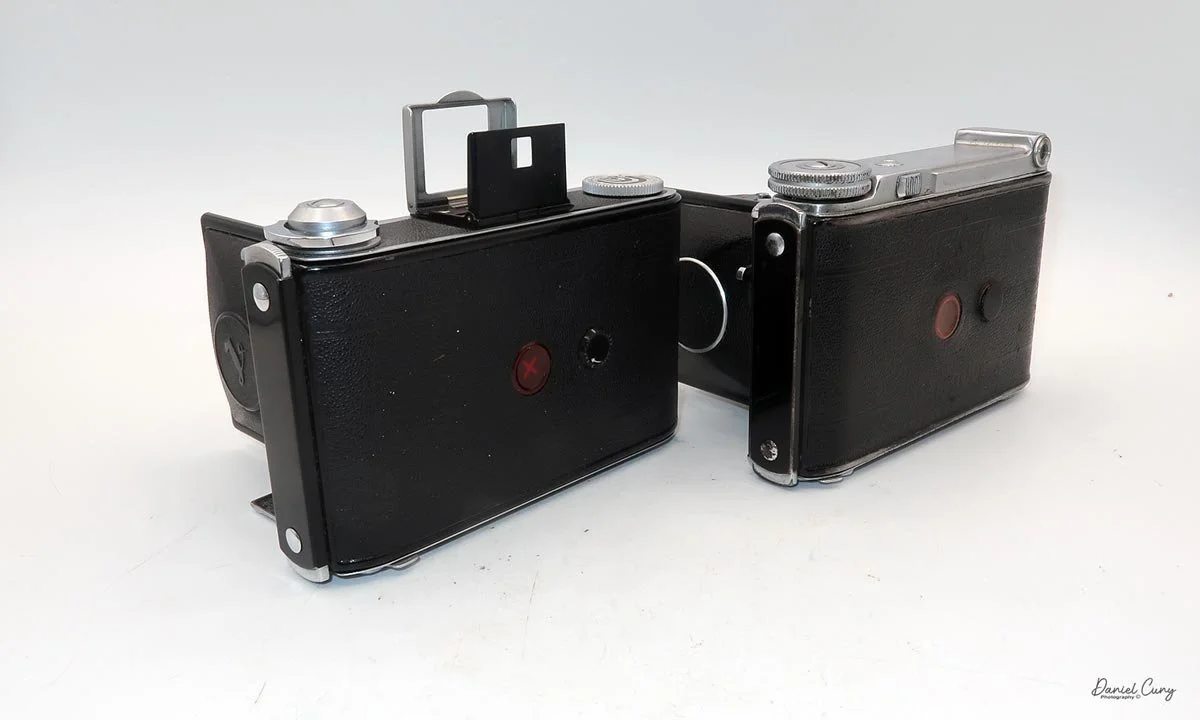
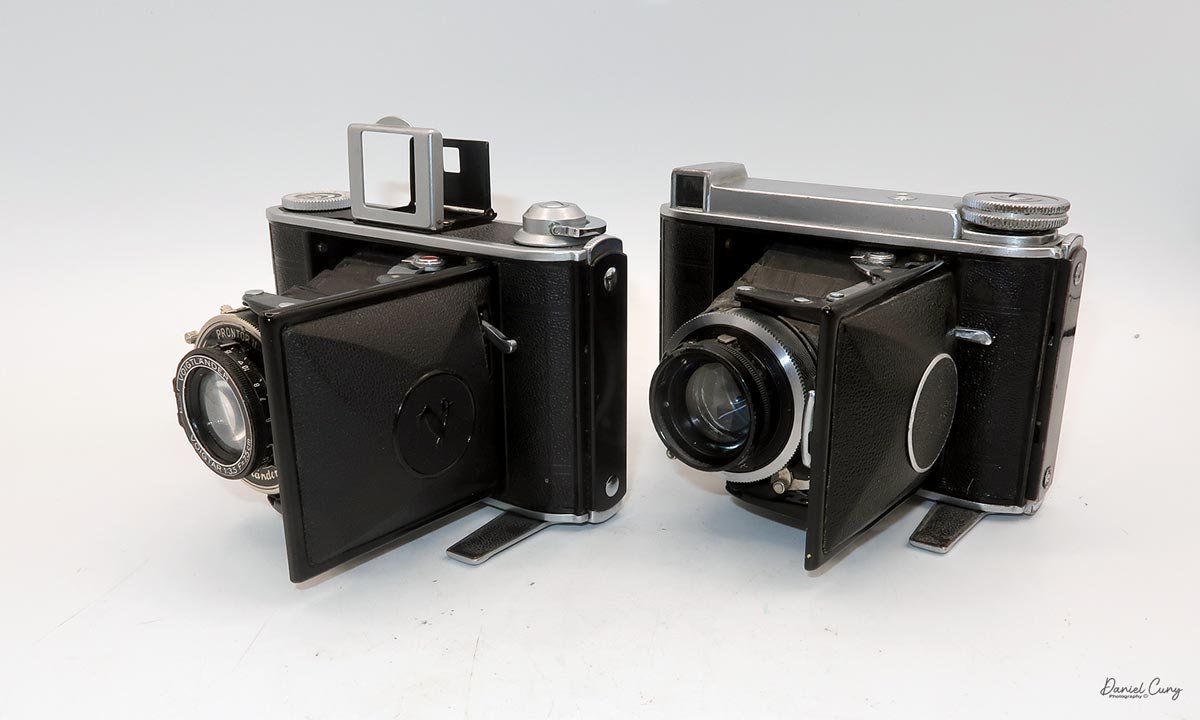
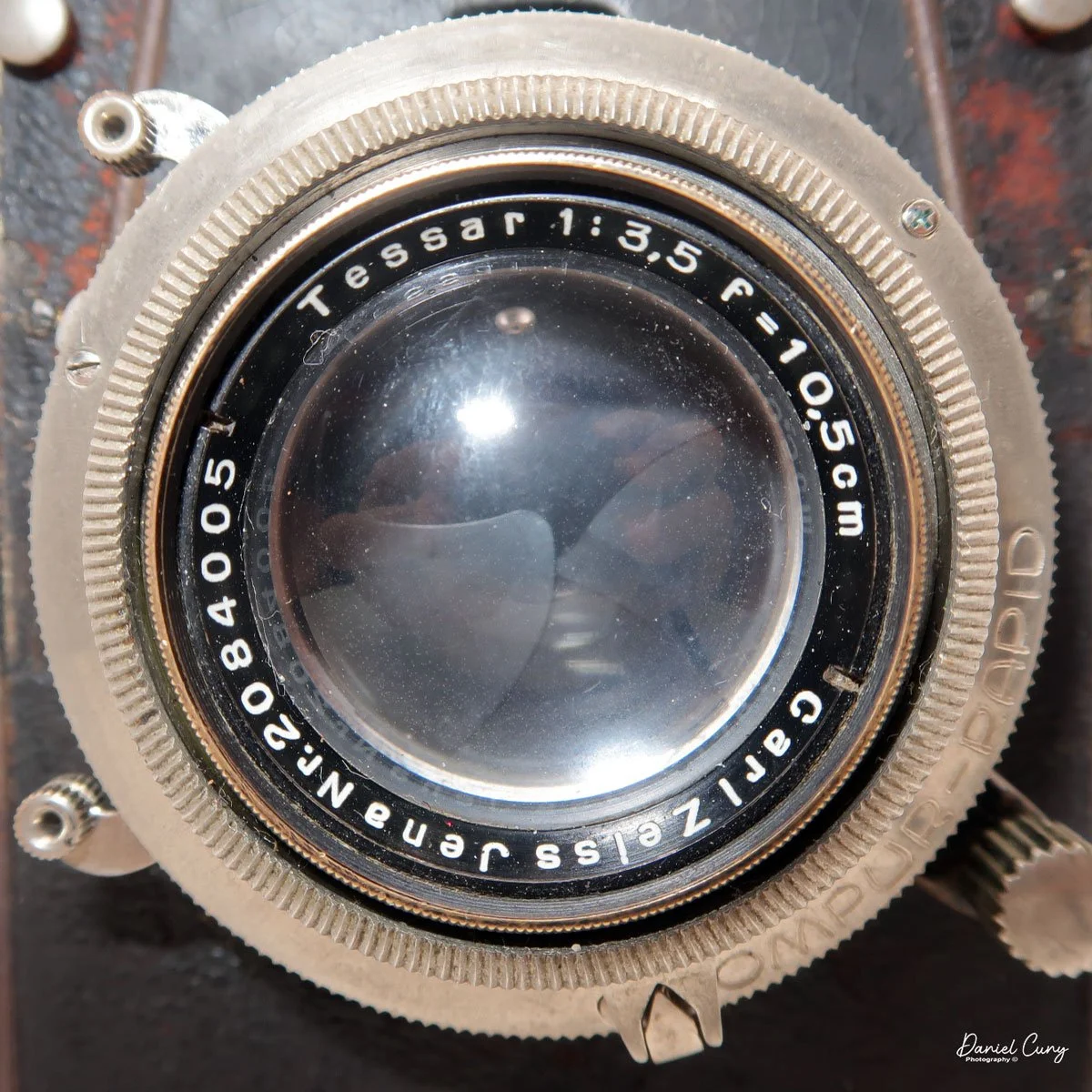
My Bessa 66 Deluxe version has a few issues. One of the nice things about the pre-war Bessa 66 versions is that it has a flip-up yellow, or contrast, filter for black-and-white film. Unfortunately, the glass part of the filter is gone on the camera I have. It also looks like the ring around the lens with the lens name, focal length, and maximum aperture is missing from my Deluxe camera but is on the Standard camera. So I'm not sure if the Deluxe camera has the four-element Skopar or the famous five-element Heliar lens.
The lenses on either of the Bessa 66 cameras are manual, meaning there is no rangefinder for focus, so you'll have to manually guess the distance to your subject and turn the lens to that "guessed" distance, then take your photo.
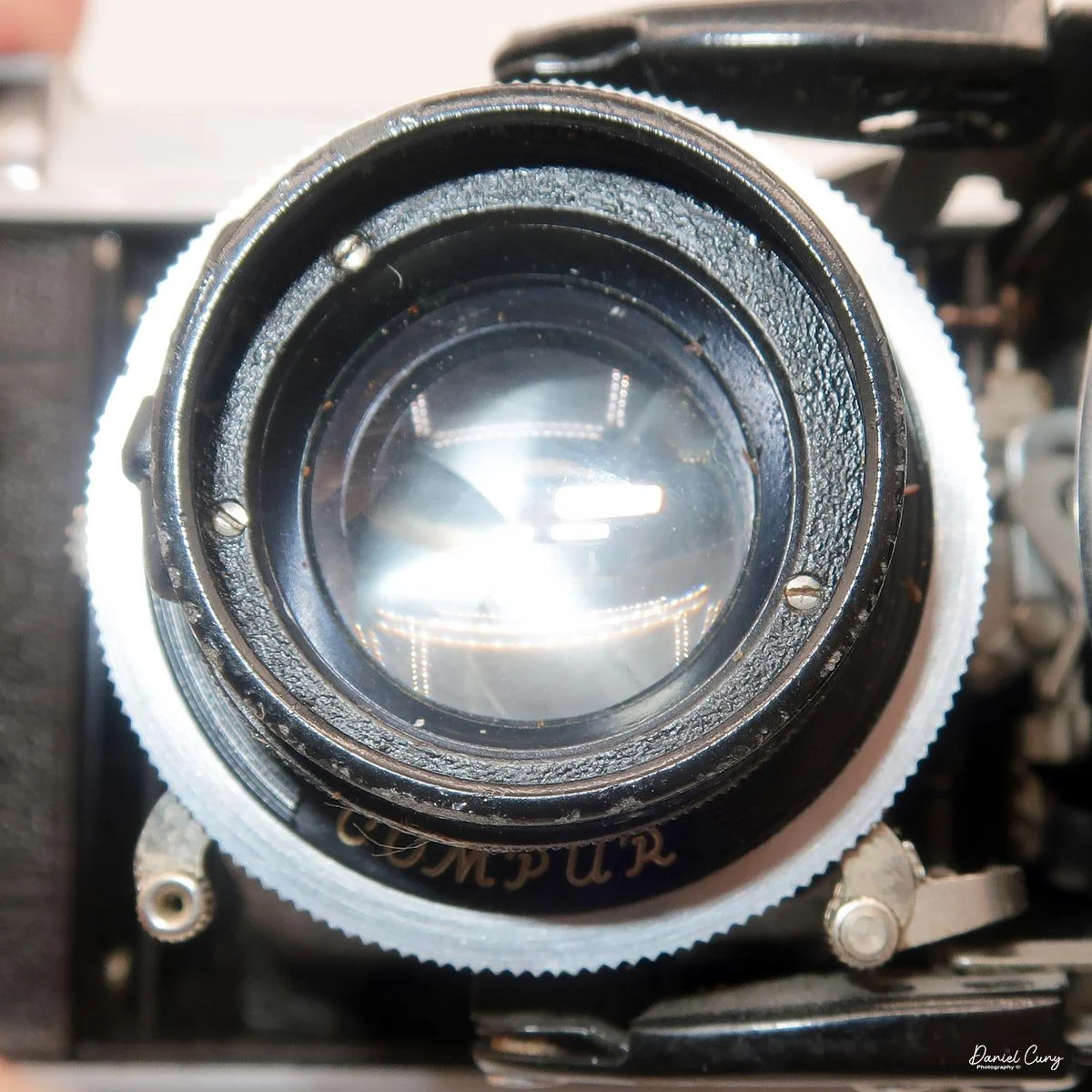
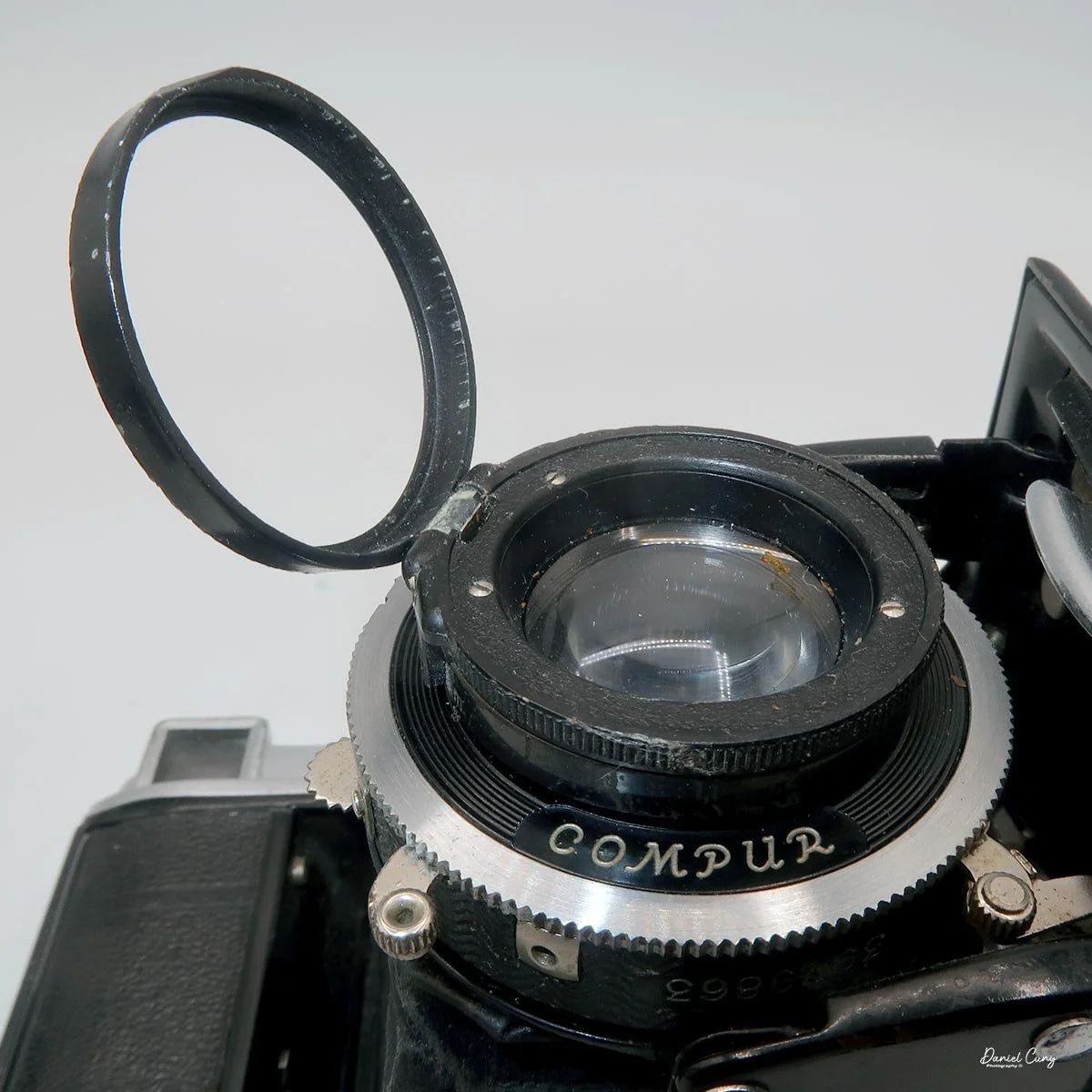
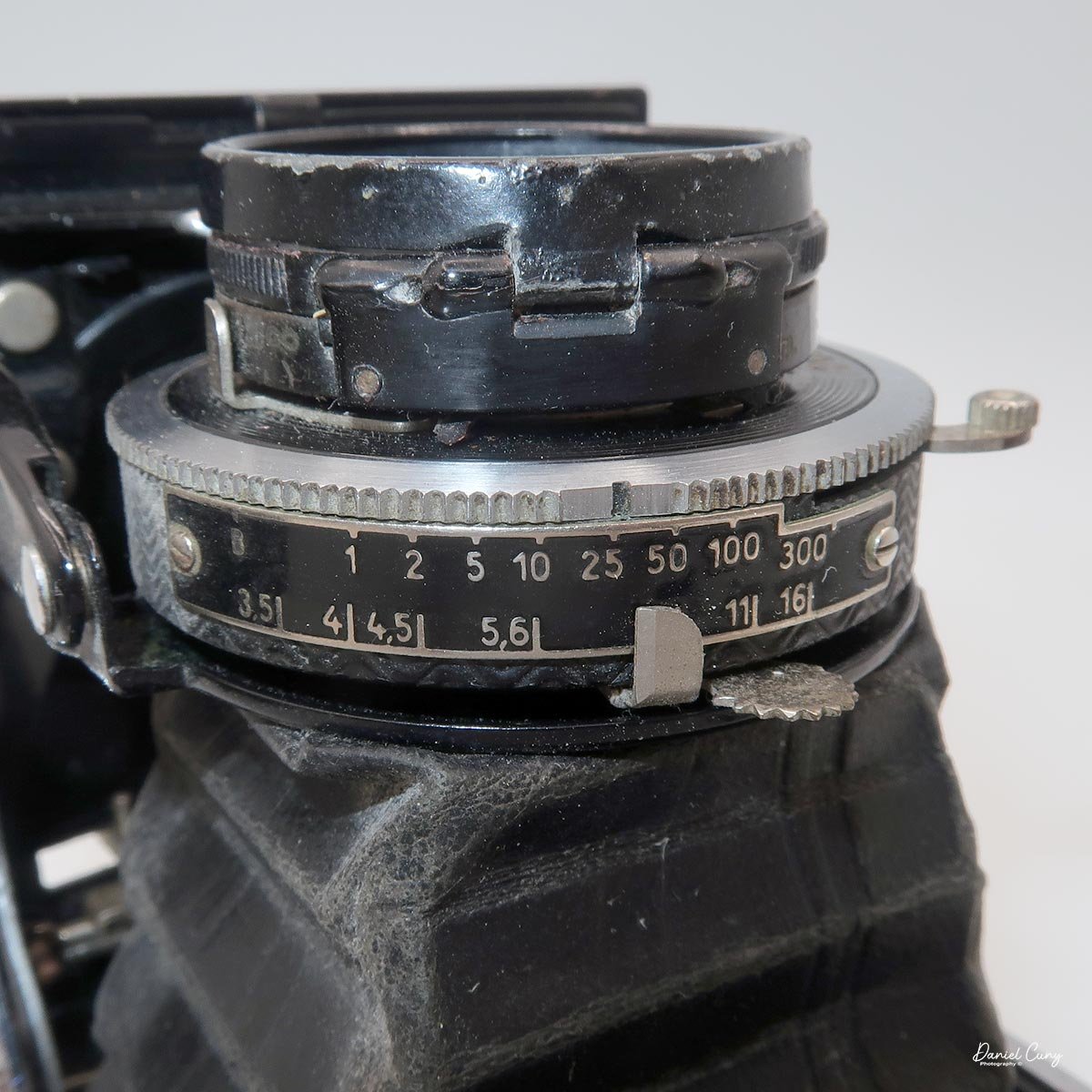
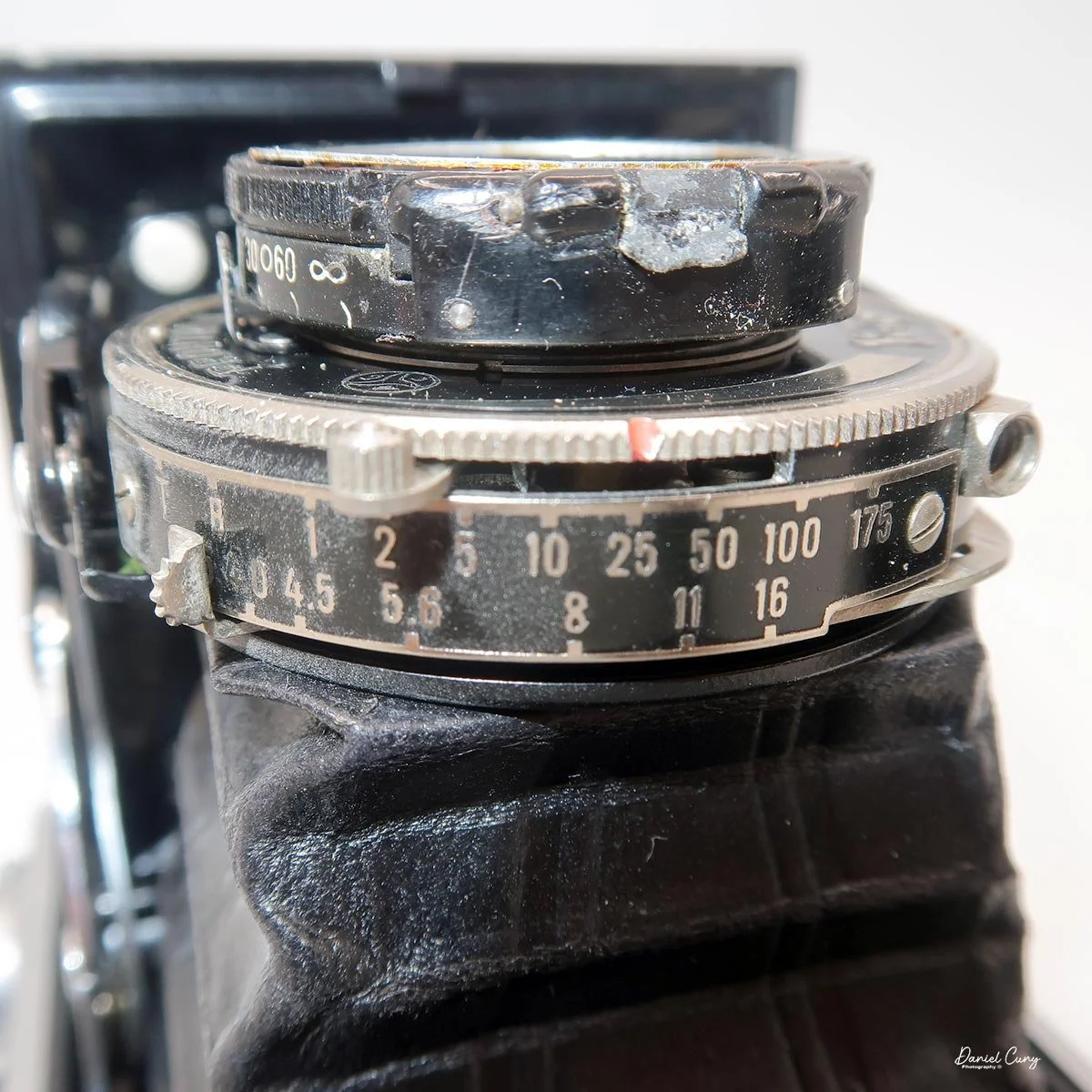
The pre-war Bessa 66 cameras had the hinged filter, which was not fitted to the post-war cameras. Because the filter was fragile, many cameras had it broken off through use. On the Standard camera I have, it looks like the filter has been broken off the camera.
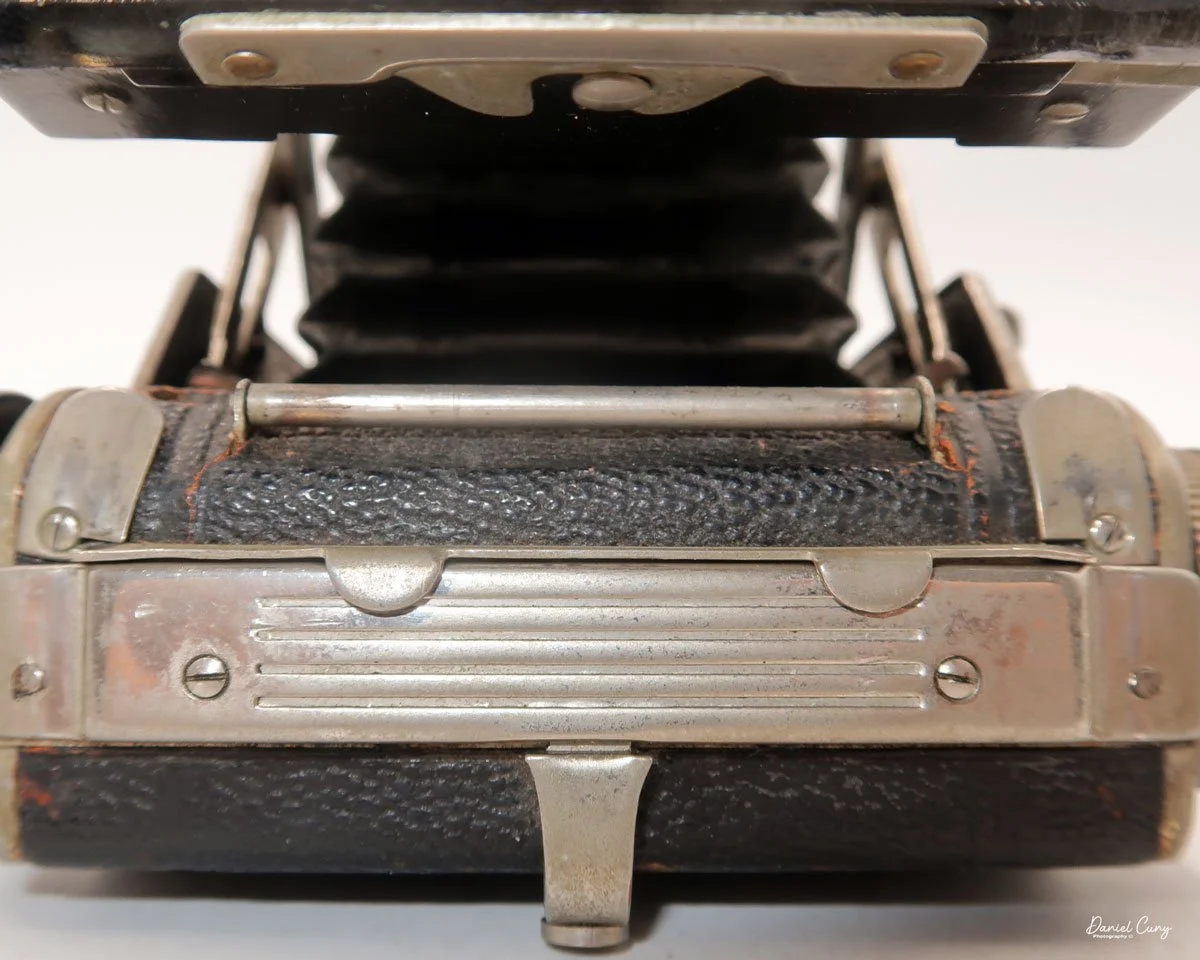
To open the camera to expose the lens and shutter, which is on a black bellows, press the chrome button on the bottom of the camera; the lens/shutter then pops out.
My Deluxe camera has a Compur shutter with shutter speeds from 1/300 to 1 second, plus B for timed exposures. The Standard camera has a Prontor II shutter, which offers shutter speeds from 1/175 to 1 second and "B" for timed exposures. Both cameras have maximum apertures of f/3.5 and go to f/16.
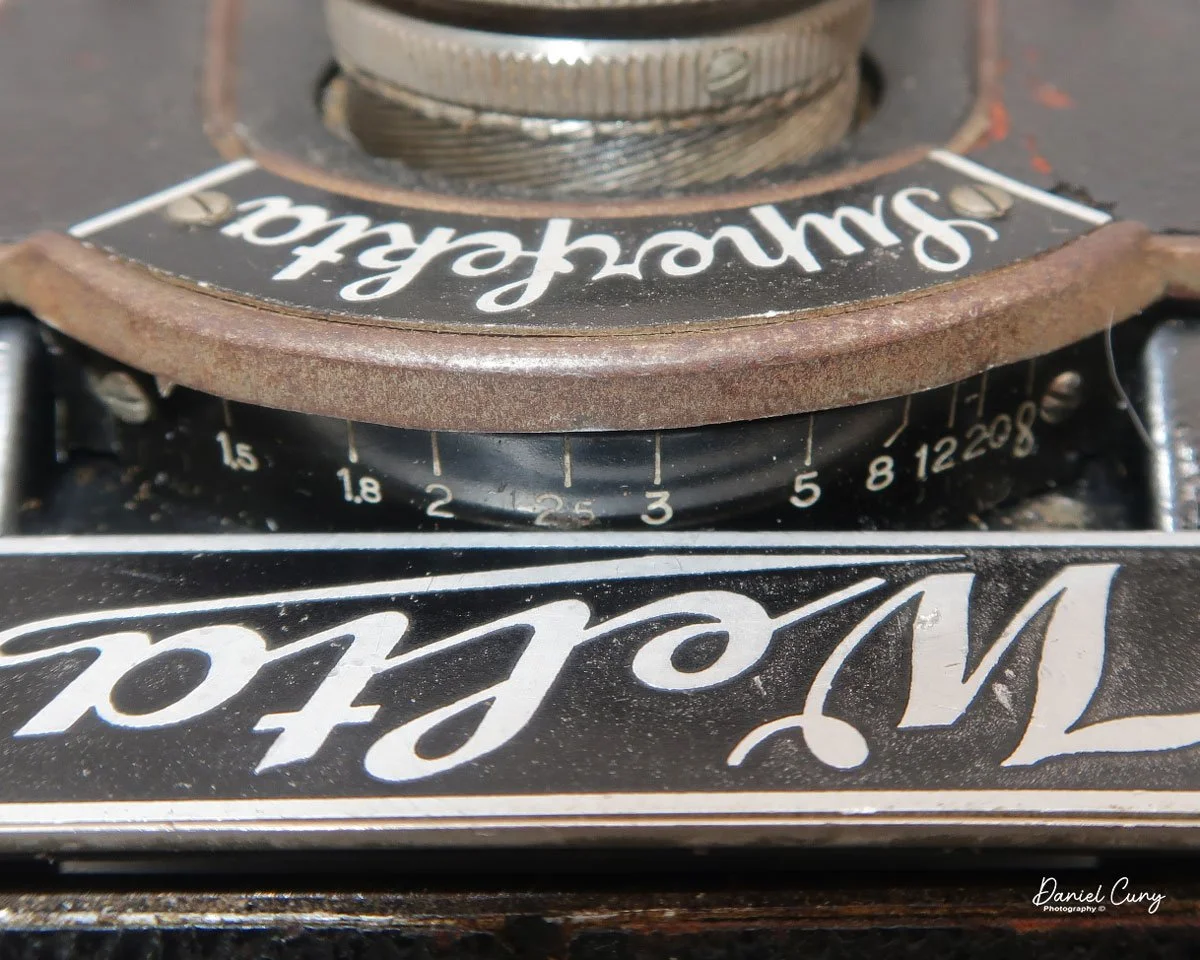
Once the camera is opened, the shutter speeds can be changed by turning the outer ring around the shutter. A red dot points towards the desired shutter speed. The aperture is set via a sliding lever which will point to the desired aperture setting. You cock the shutter by pulling back the cocking lever on the right side of the shutter.
Both the Standard and the Deluxe Bessa 66 release the shutter by the shutter release that is incorporated into the lens door, which trips the shutter via linkage inside the lens door. You'll need to get used to this shutter release, as it's an uncommon place for one.
To close the lens/shutter back into the camera, pull out the hinged locking Standard on either side of the Standard camera; the camera starts to collapse, then press in the front door to close it.
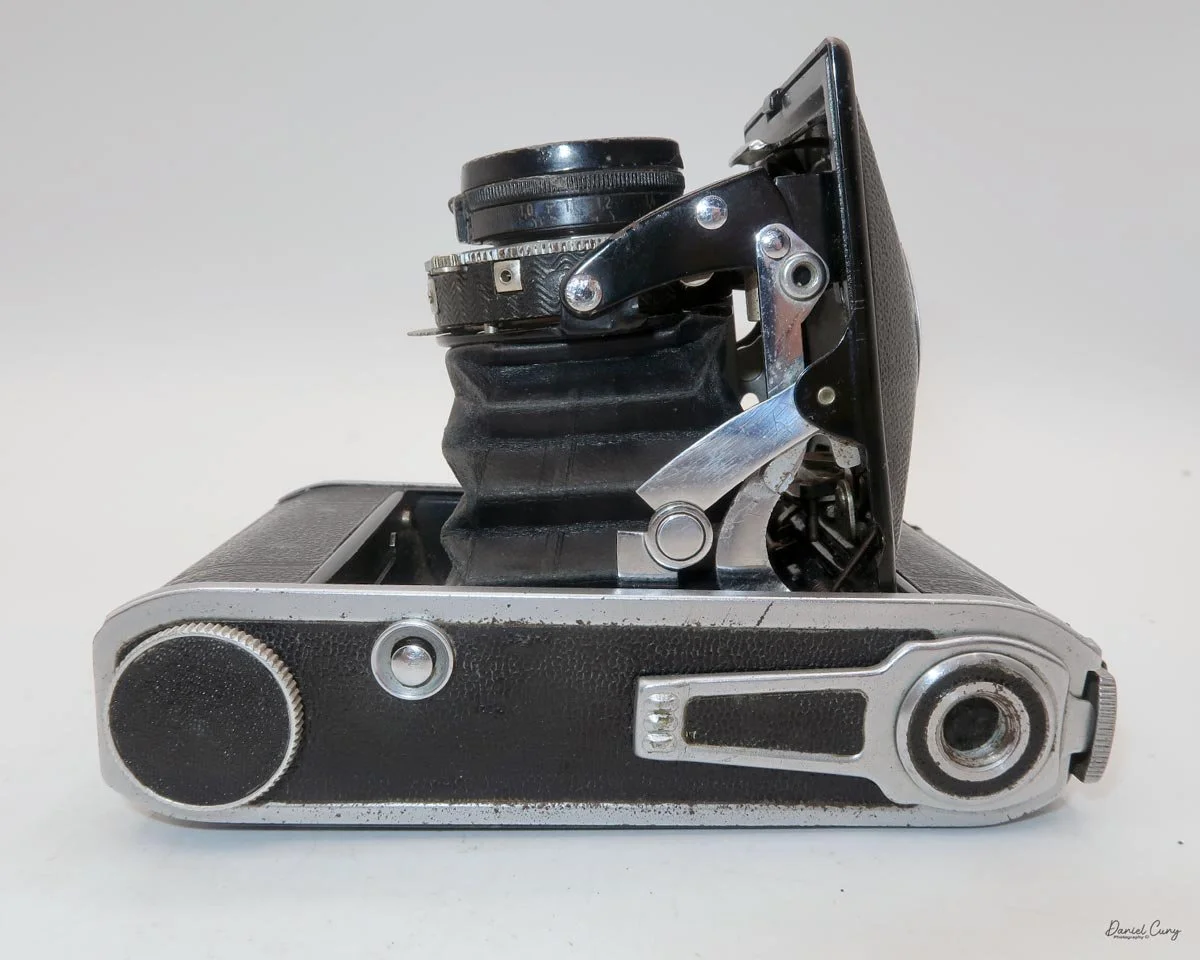
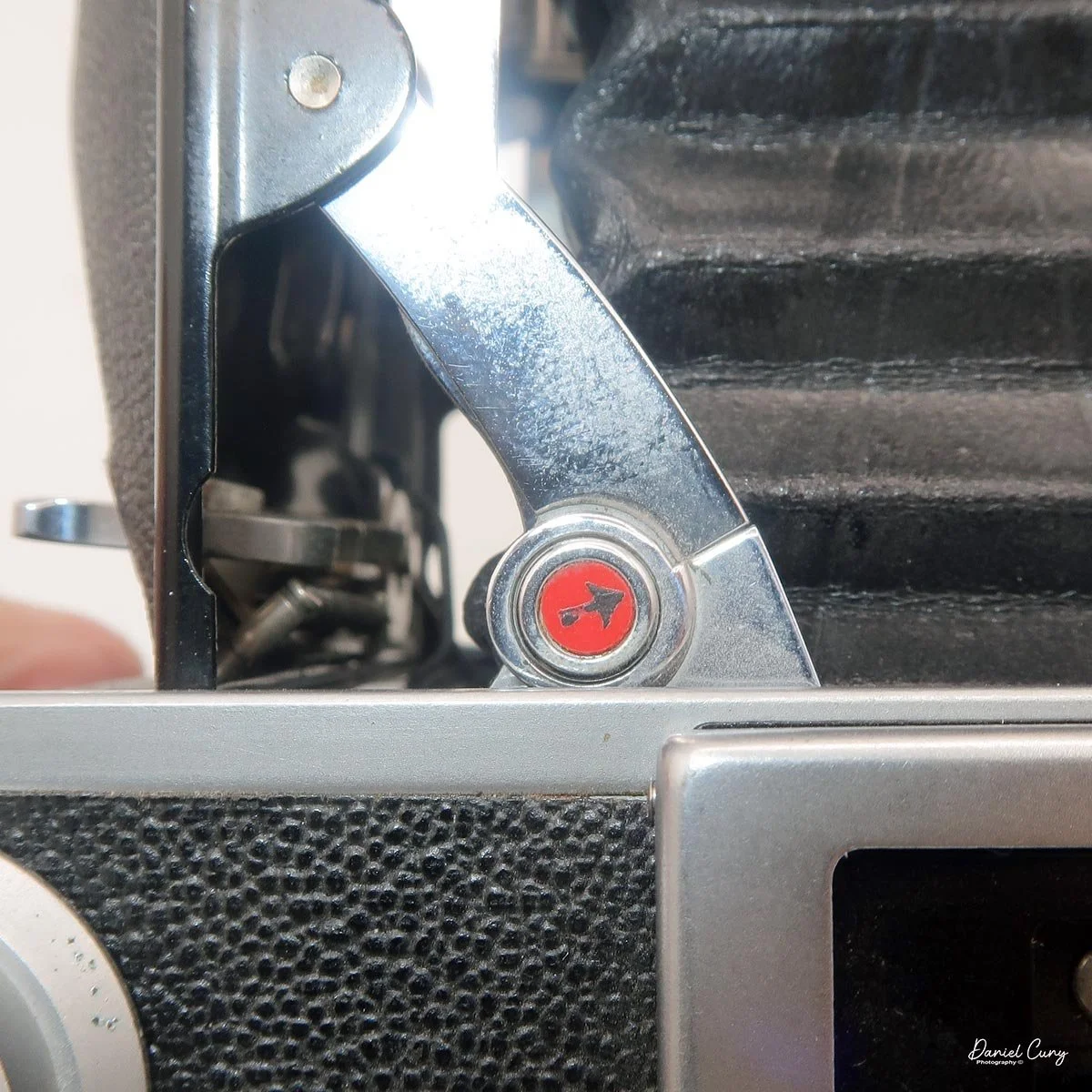
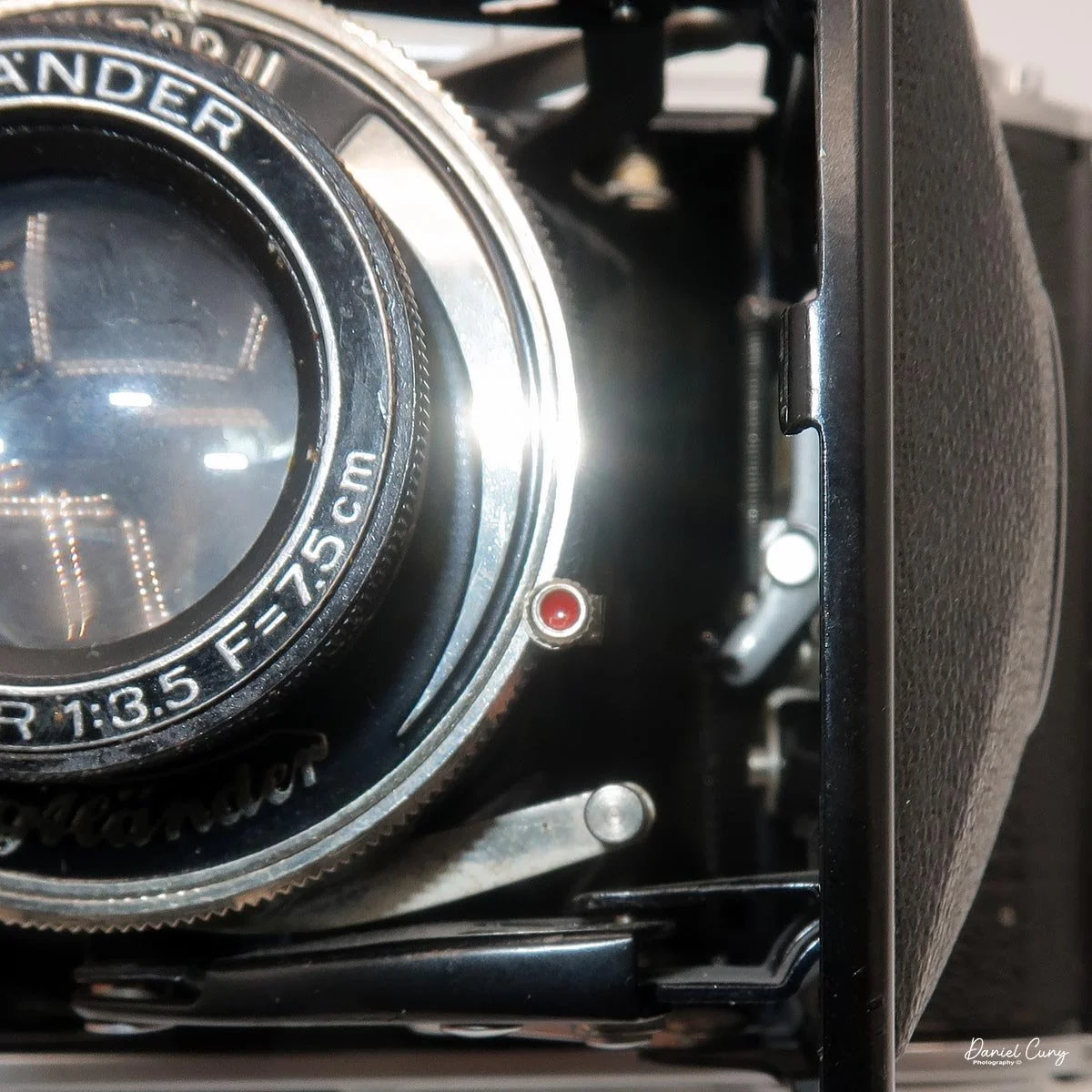
The Deluxe camera closes a bit differently. In the front, just below the lens, press in the chrome bar to release the locked hinge holding the lens rigid; then press in the lens door to close it. Both are similar, but the Deluxe camera is simpler and more of a nicety, which makes closing it easier.
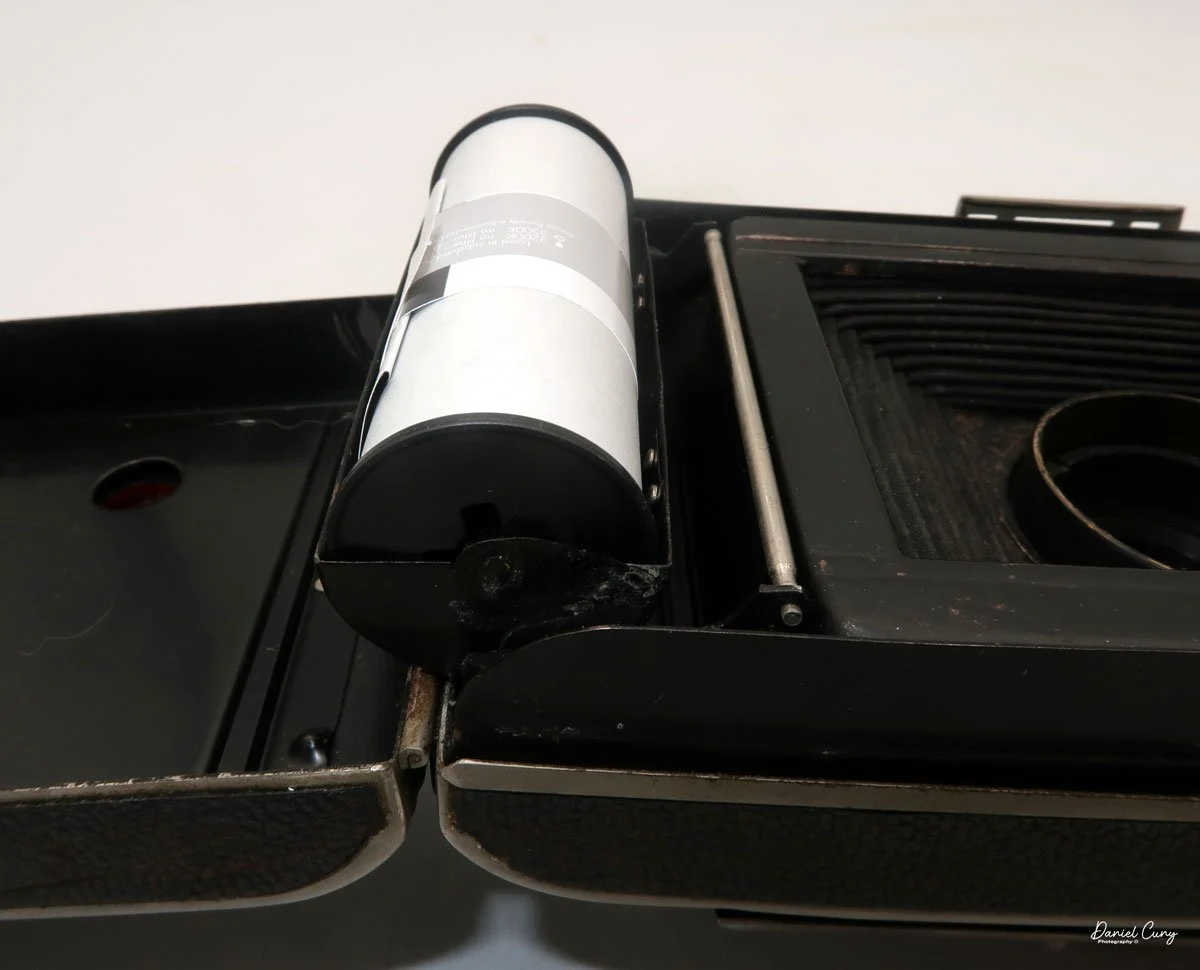
To open the back of the camera to load film, slide the chrome-and-black foot on the bottom of the camera. This foot has two features. One keeps the back locked, as one end slides under the bottom latch needed to open the film back. This prevents anyone from pressing the bars together to open the film back. The other feature, and the more useful one, is that sliding the leg out creates a base that keeps the camera upright and prevents the front from tipping forward onto the lens.
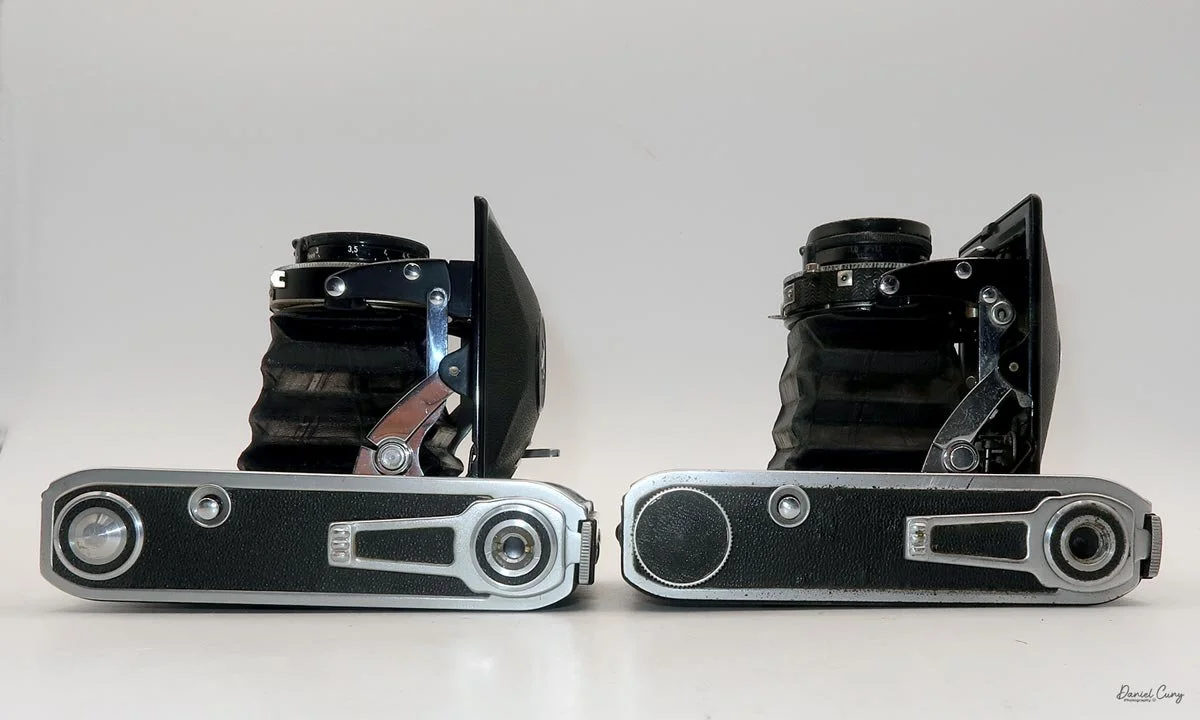
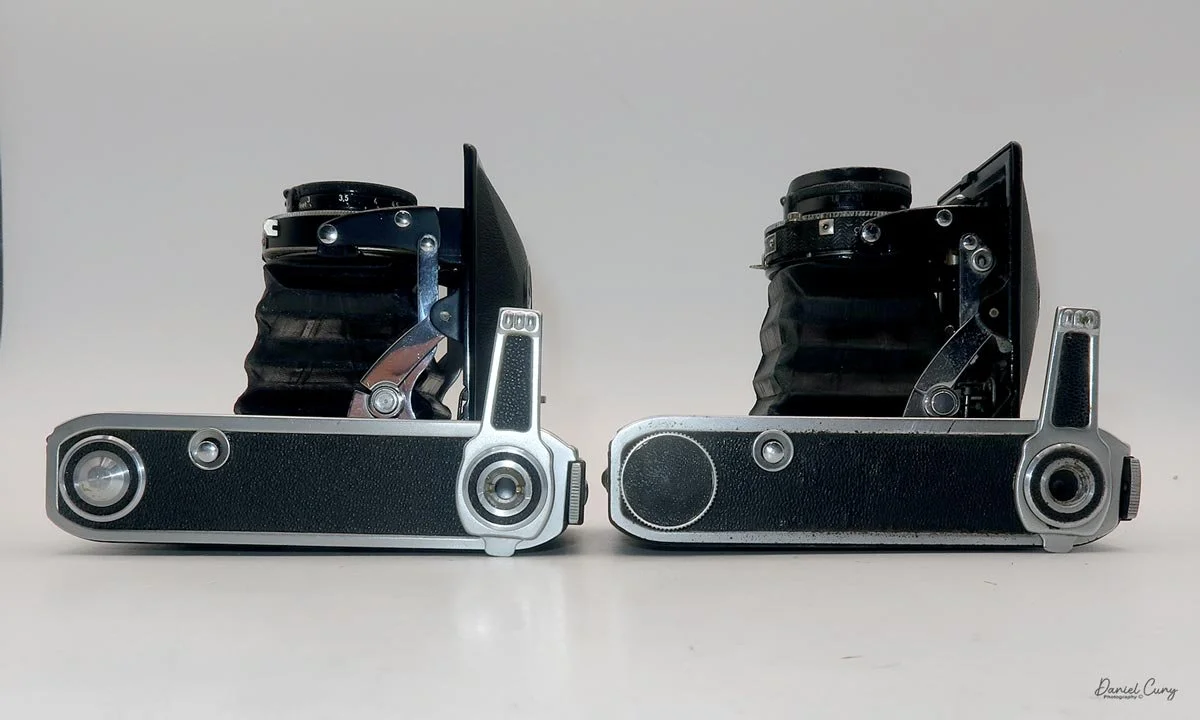
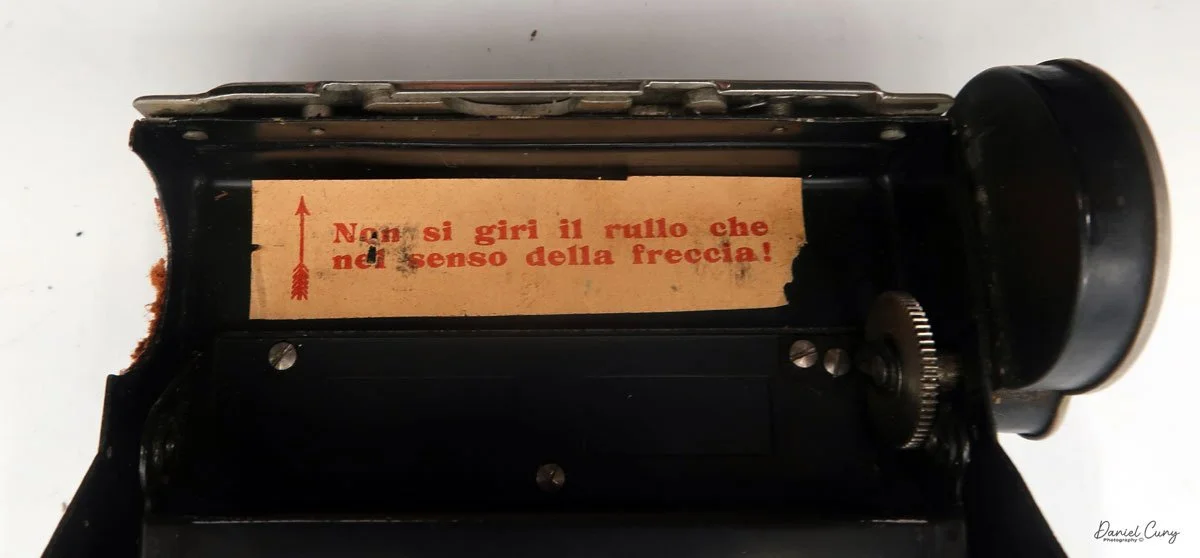
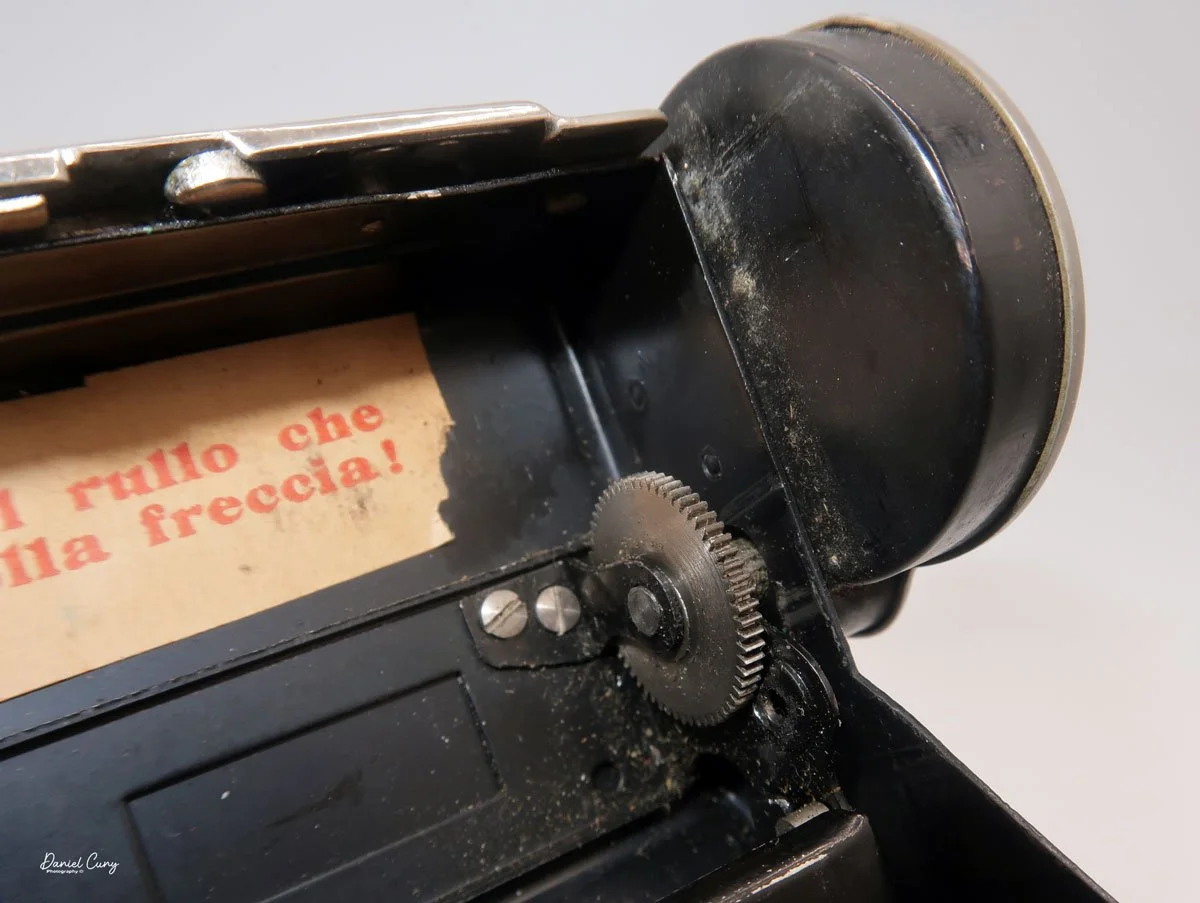
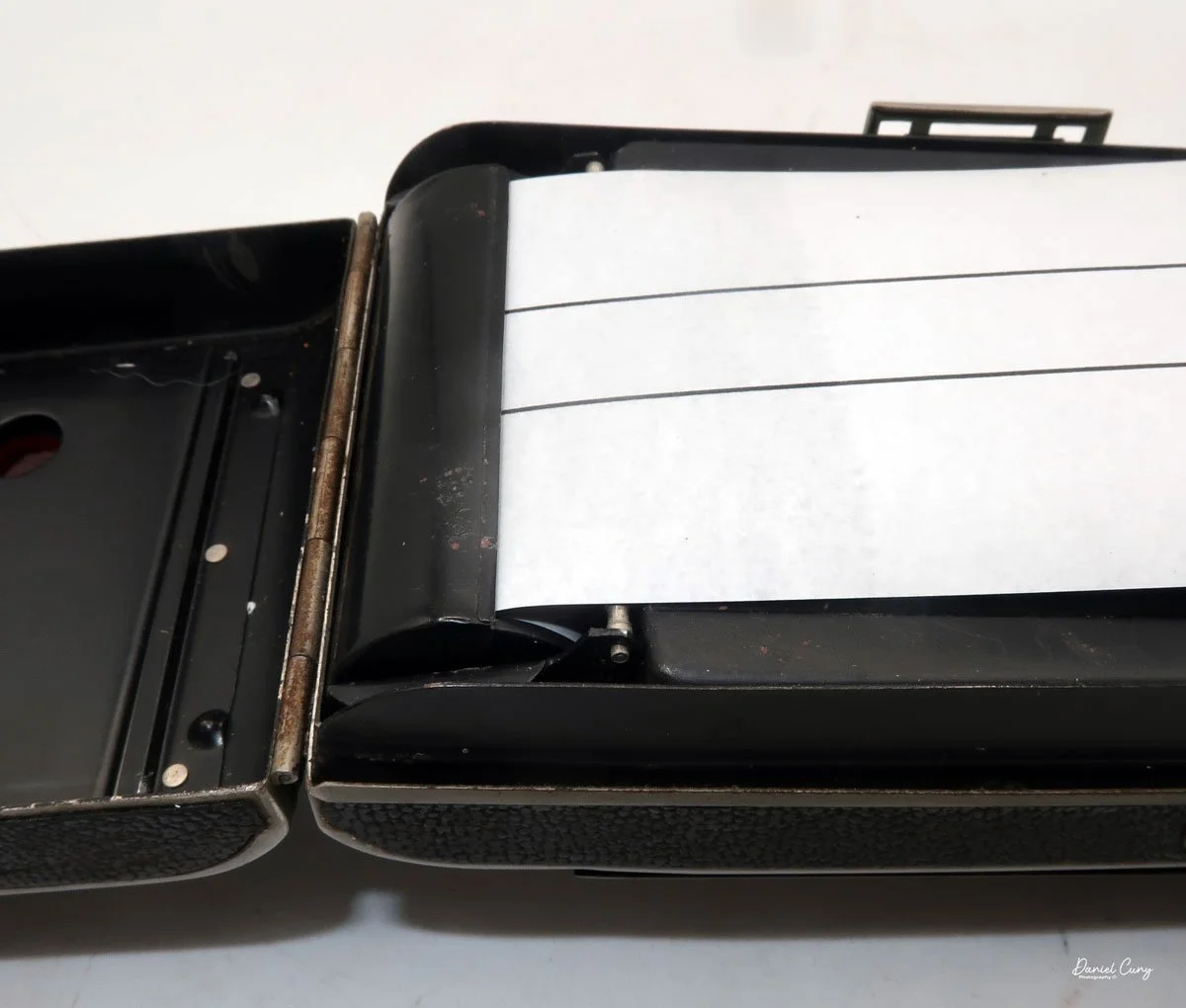
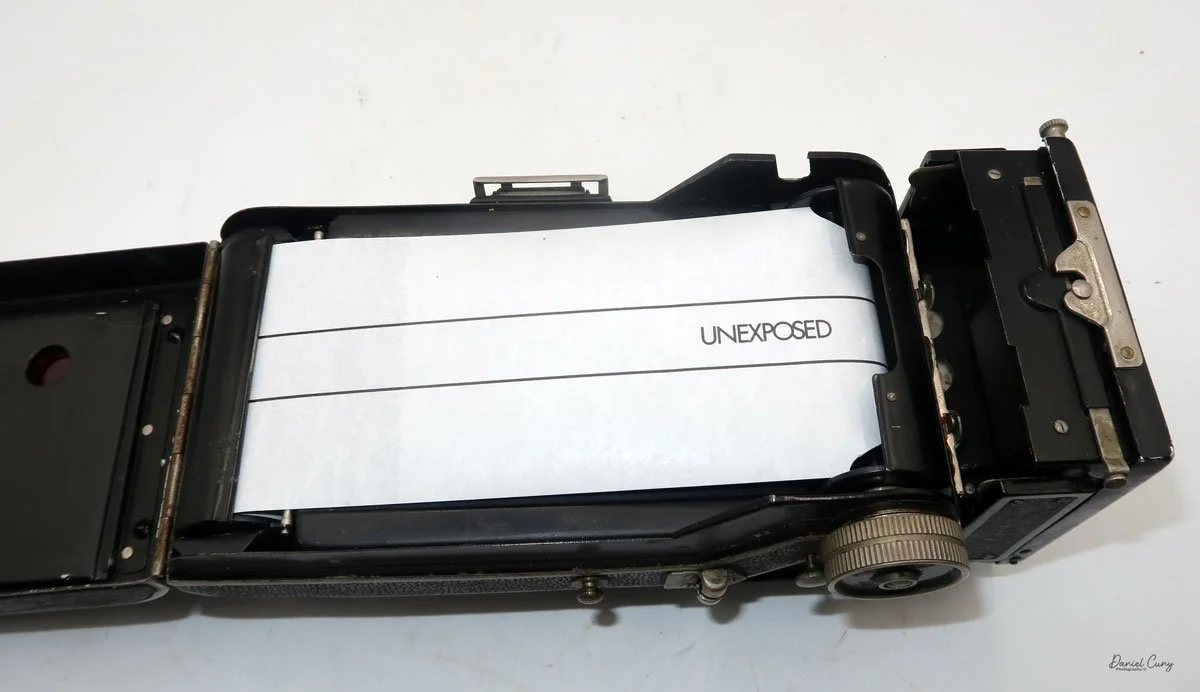
Once the foot is in the out position, press the two bars together on the film door to open the back. At this point, load film into the Bessa as you would any 120 film camera: thread the lead into the take-up spool, wind until you see the start arrows, then close the back of the camera.
Both the Deluxe and Standard cameras have a red window on the back to wind until you see the next frame number. These windows also have a cover you can open or close via a small black knob next to it. When closed, the window shows an "X" so you know it's closed.
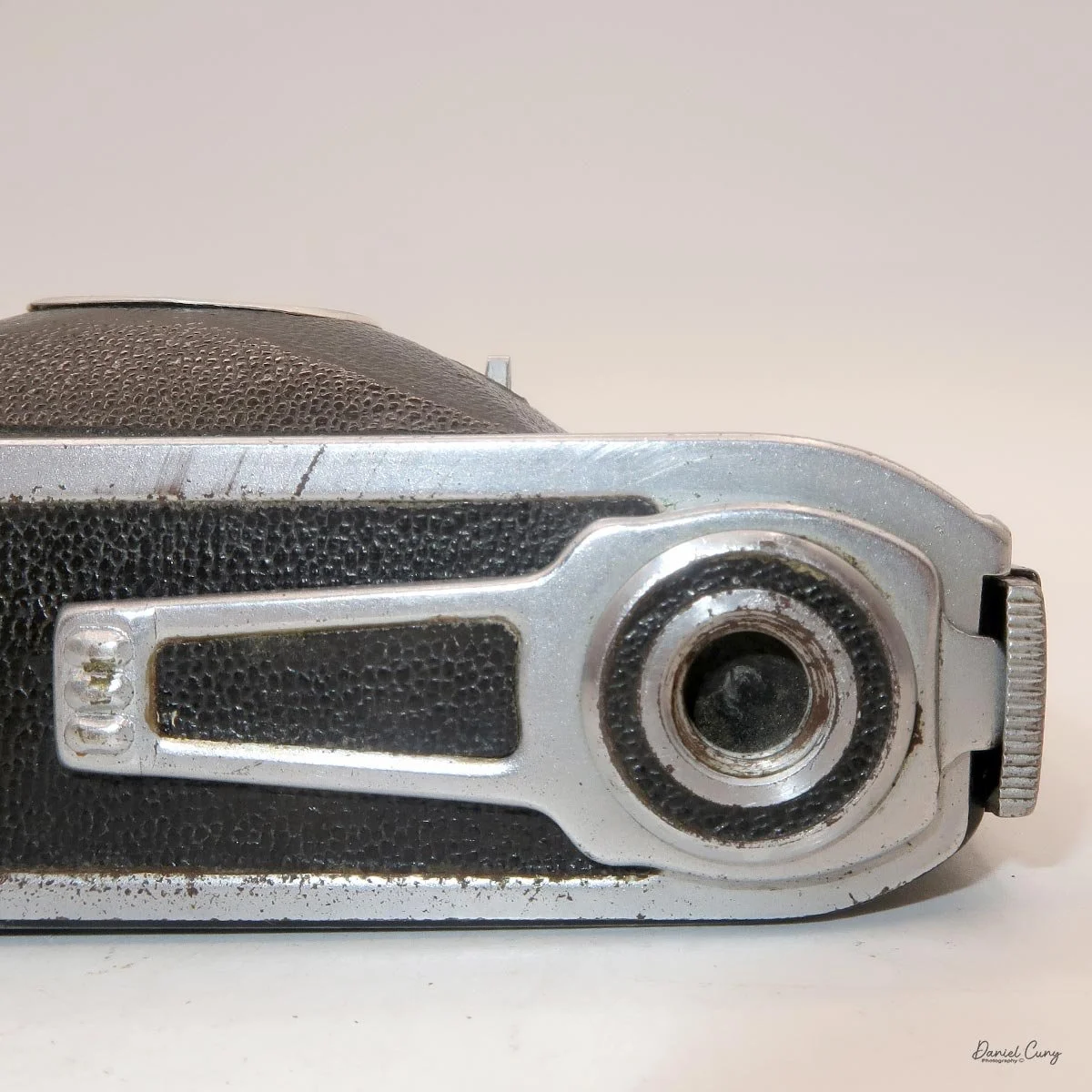
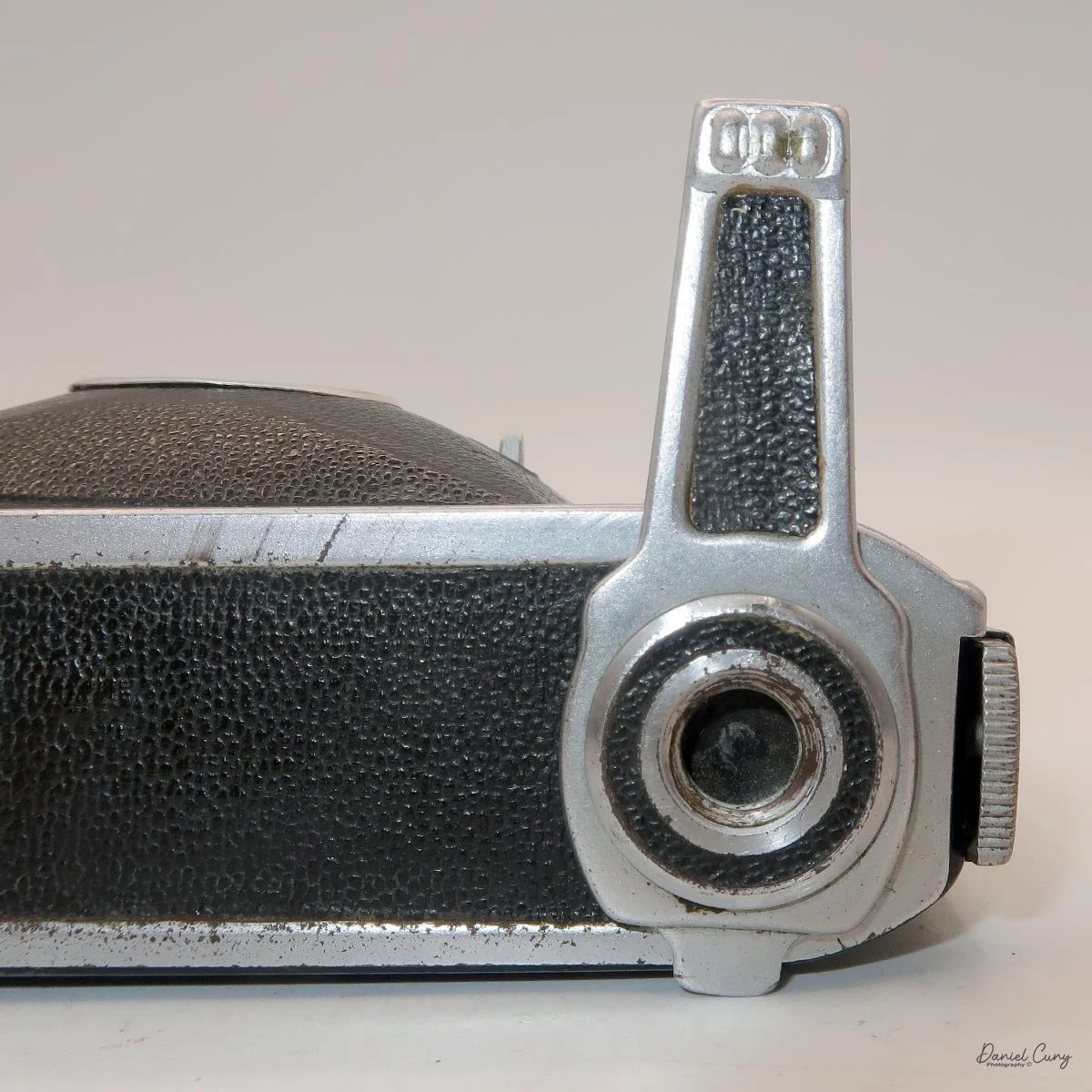
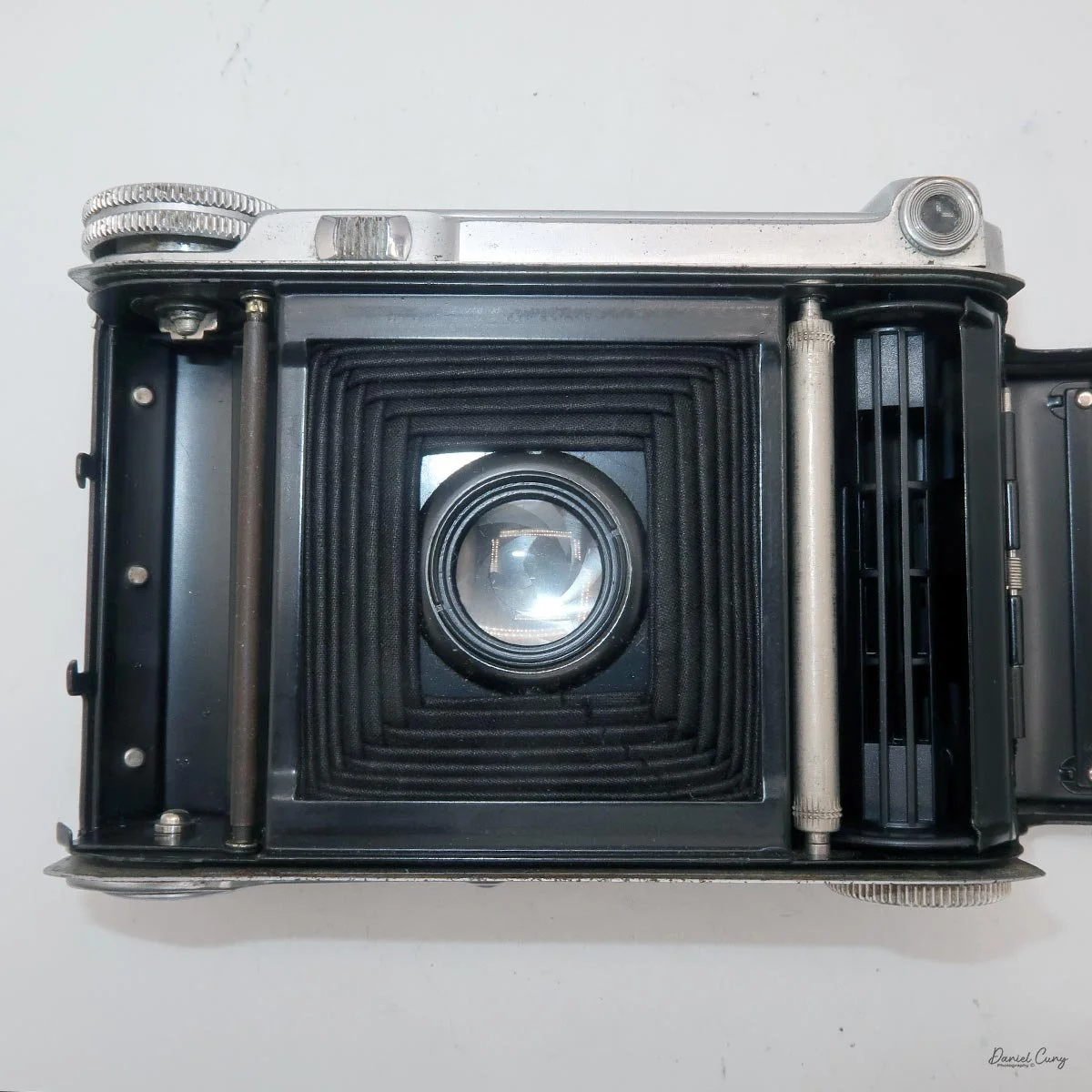
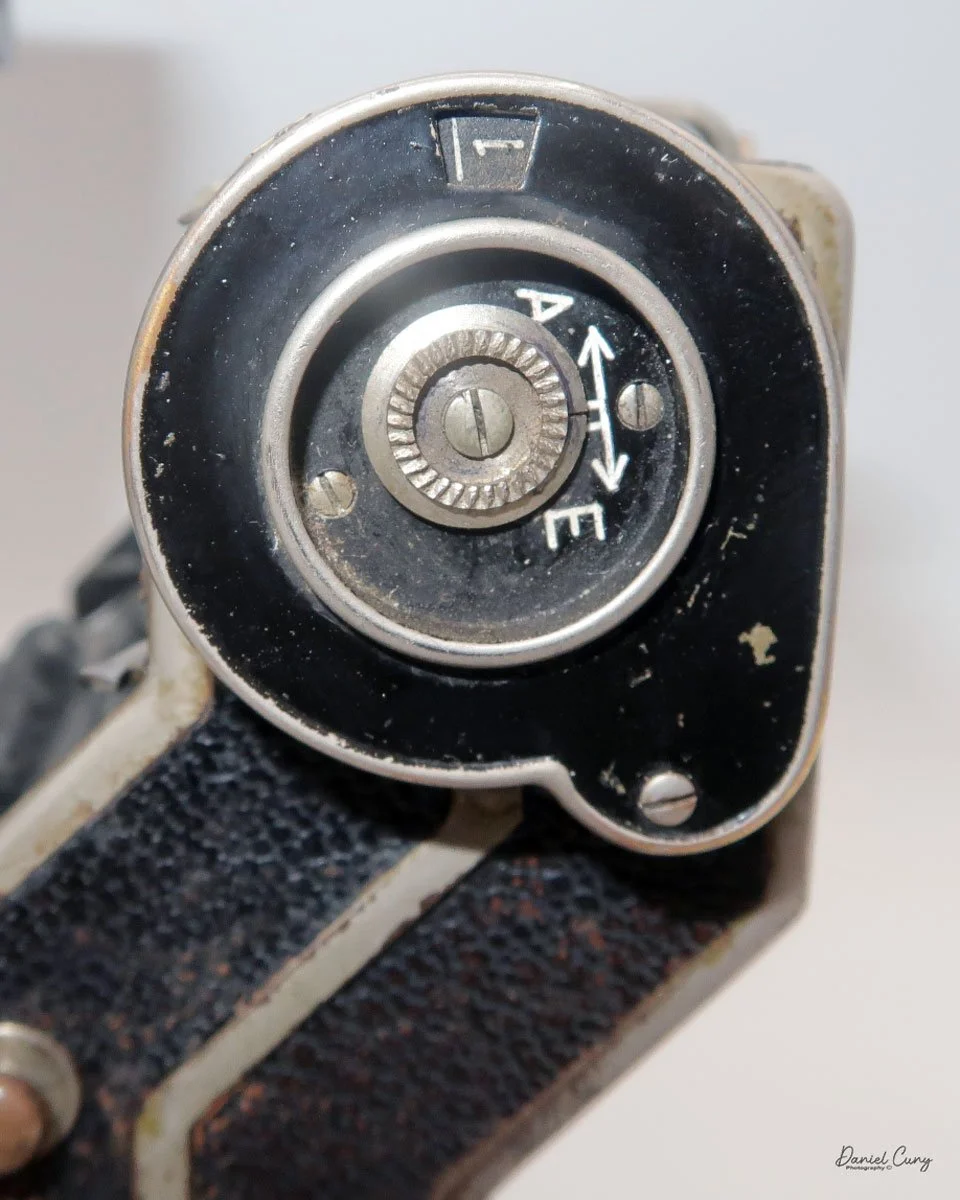
The Deluxe camera has a "Semi-Automatic Film Advance system," as described in Mike Butkus's manual and his other incredible camera manuals. The camera has a switch on the back and a frame counter on top.
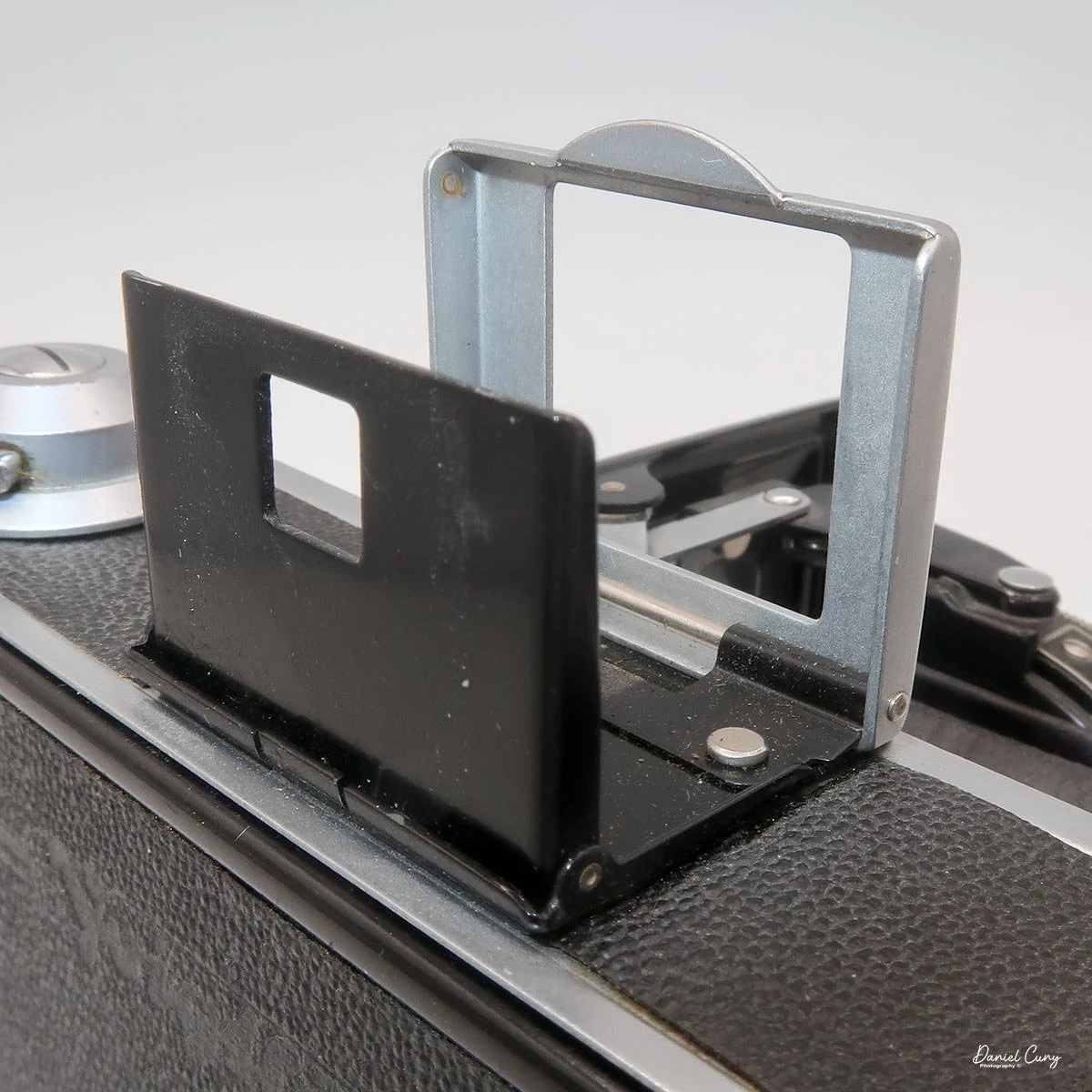
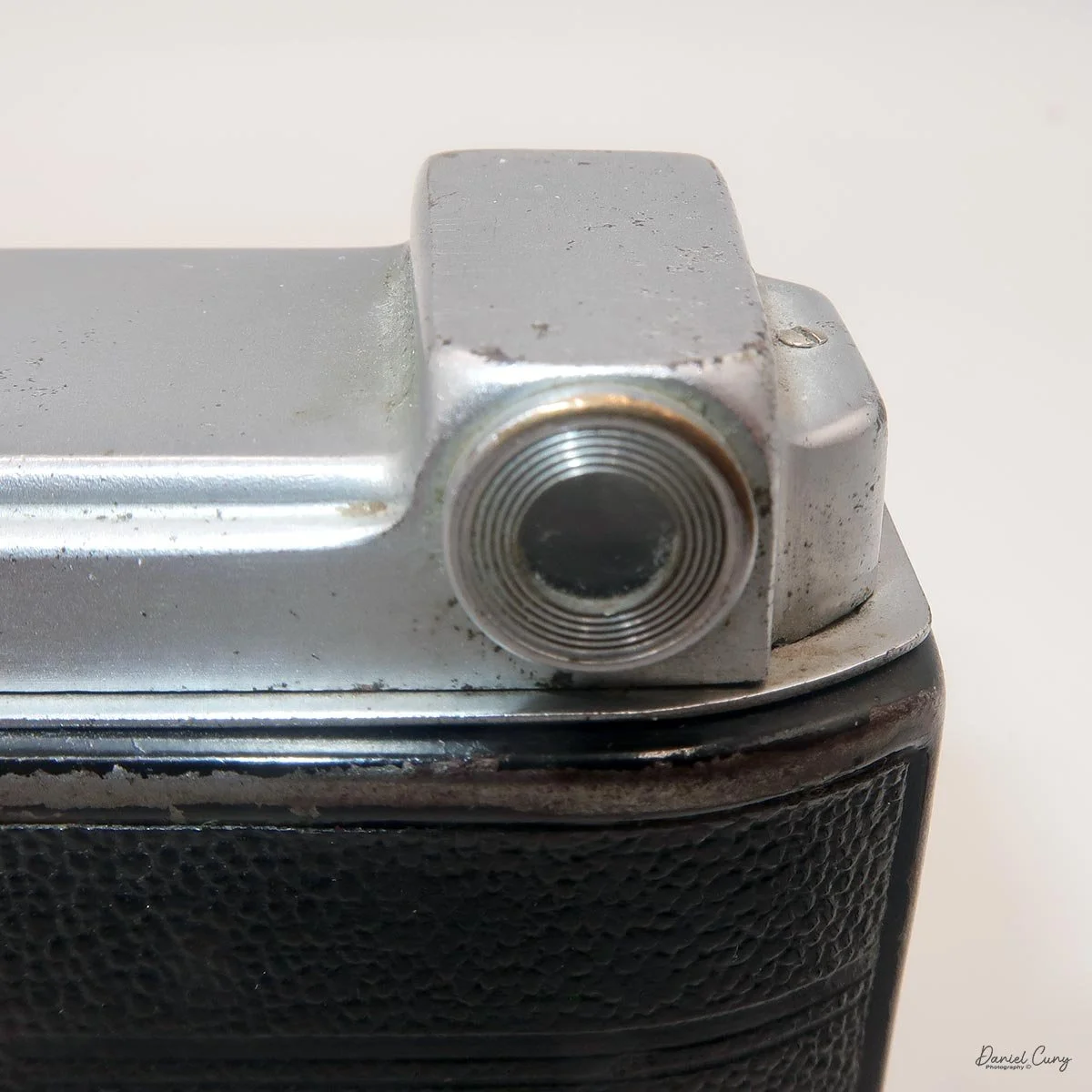
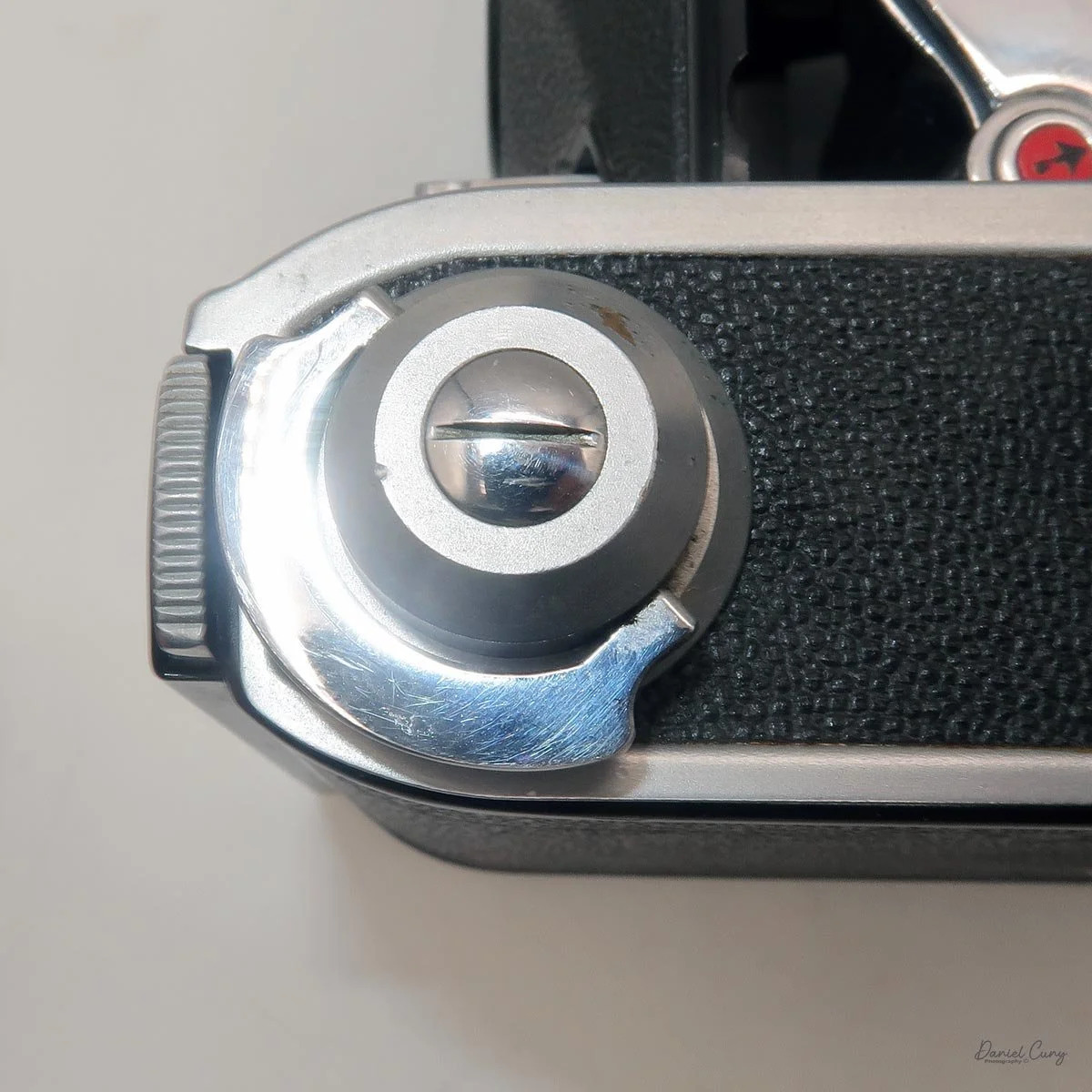
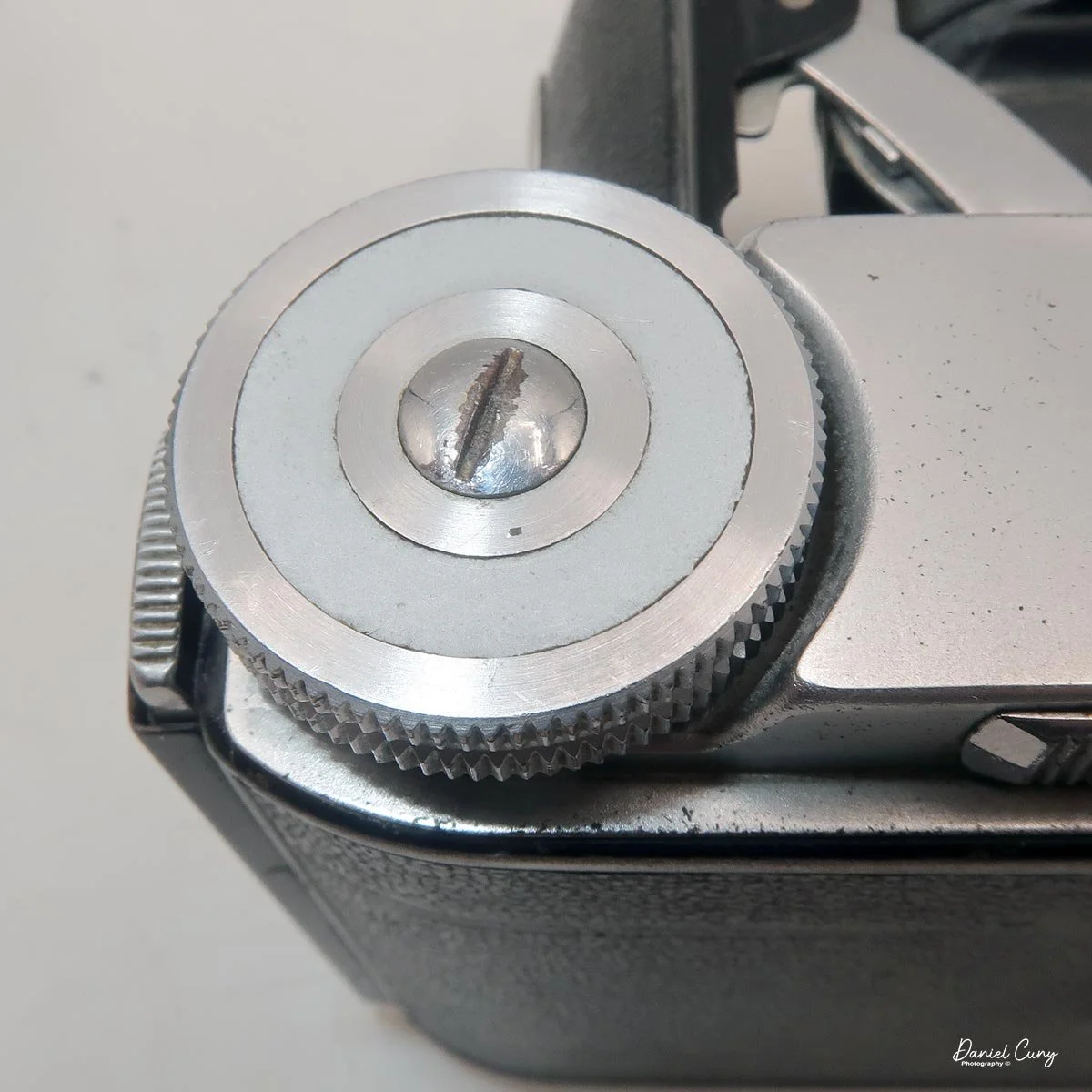
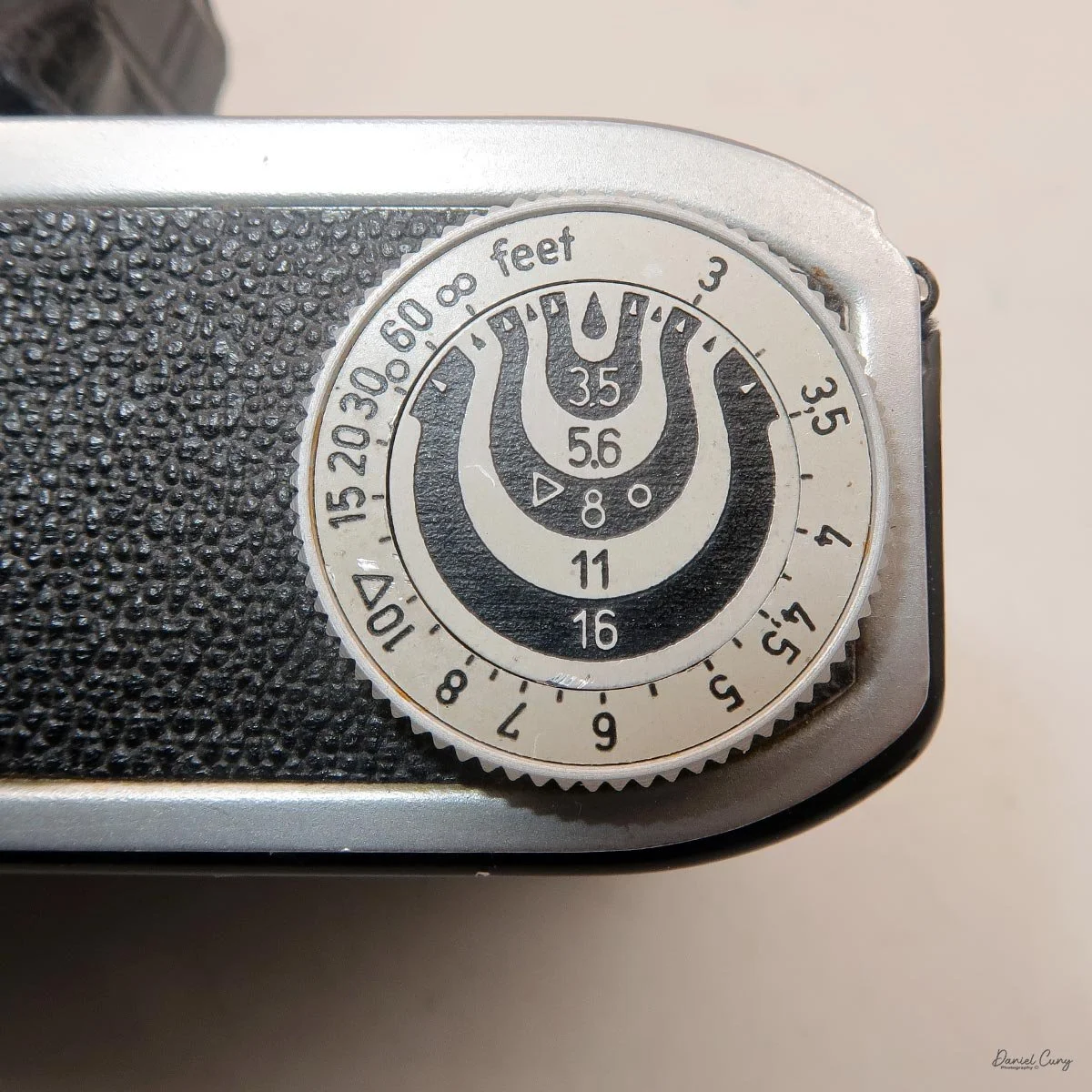
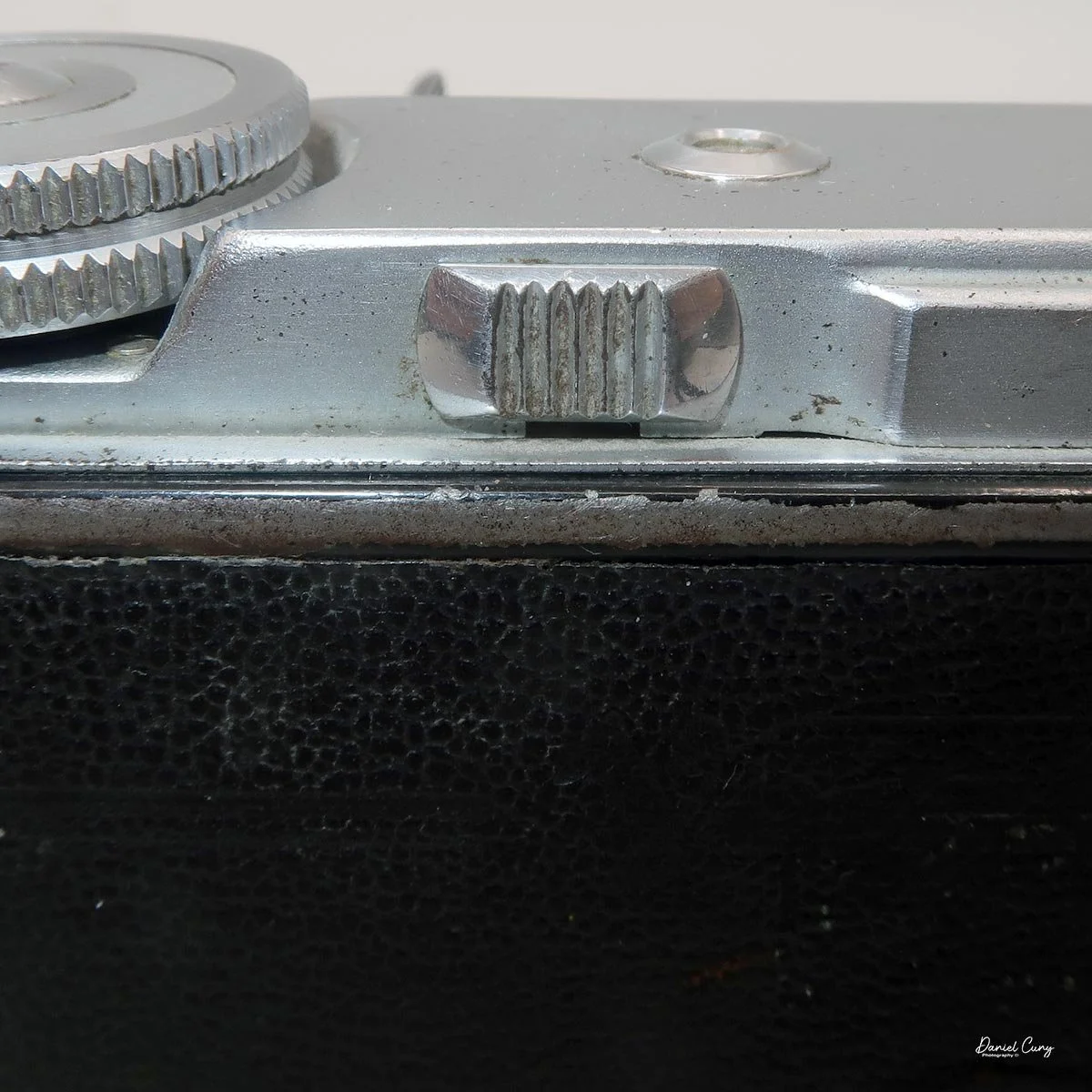
Here's how the film advance works on the Deluxe camera:
-- On the back and front of the camera, just under the top, next to the film winding knob, are two sliding latches. If the frame counter on top doesn't show 0, slide these latches to the left and right, back and front in turn until the frame counter shows 0.
-- On the back of the camera is a red window that will show an X. To the right of it is a flat serrated wheel of equal diameter.
-- Open the red window by turning the wheel 90 degrees clockwise. Turn the winding knob until the number 1 appears in the red window.
-- Turn the wheel back to close the red window.
-- Looking at the top of the camera, slide the latch on the back to the left. The frame counter on top will show 1. The camera is now ready to take the first picture.
-- To advance the film, slide the latch on the front to the right. The frame counter will show 2. Turn the winding knob until it stops. Take the second picture. Repeat until the counter shows 12 and take the last picture. Slide the front latch one more time until the counter shows 0, then turn the knob until the film is completely wound.
My Results:
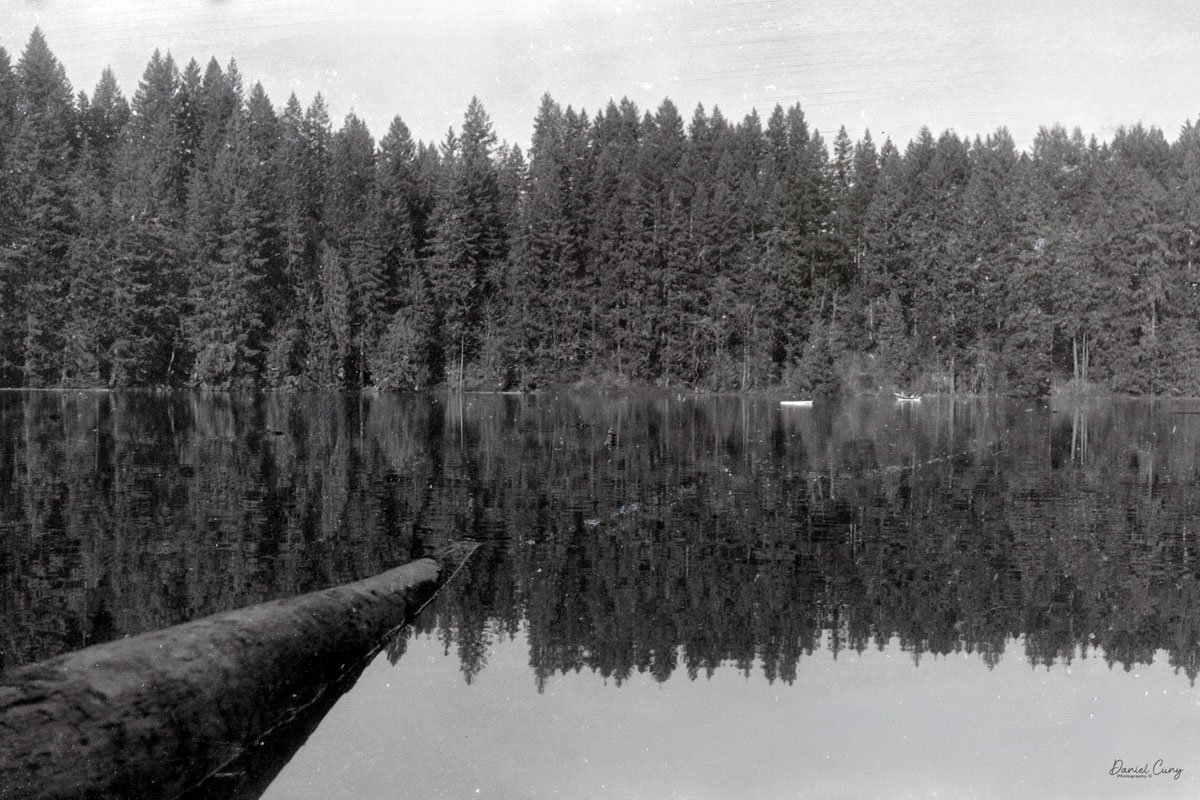
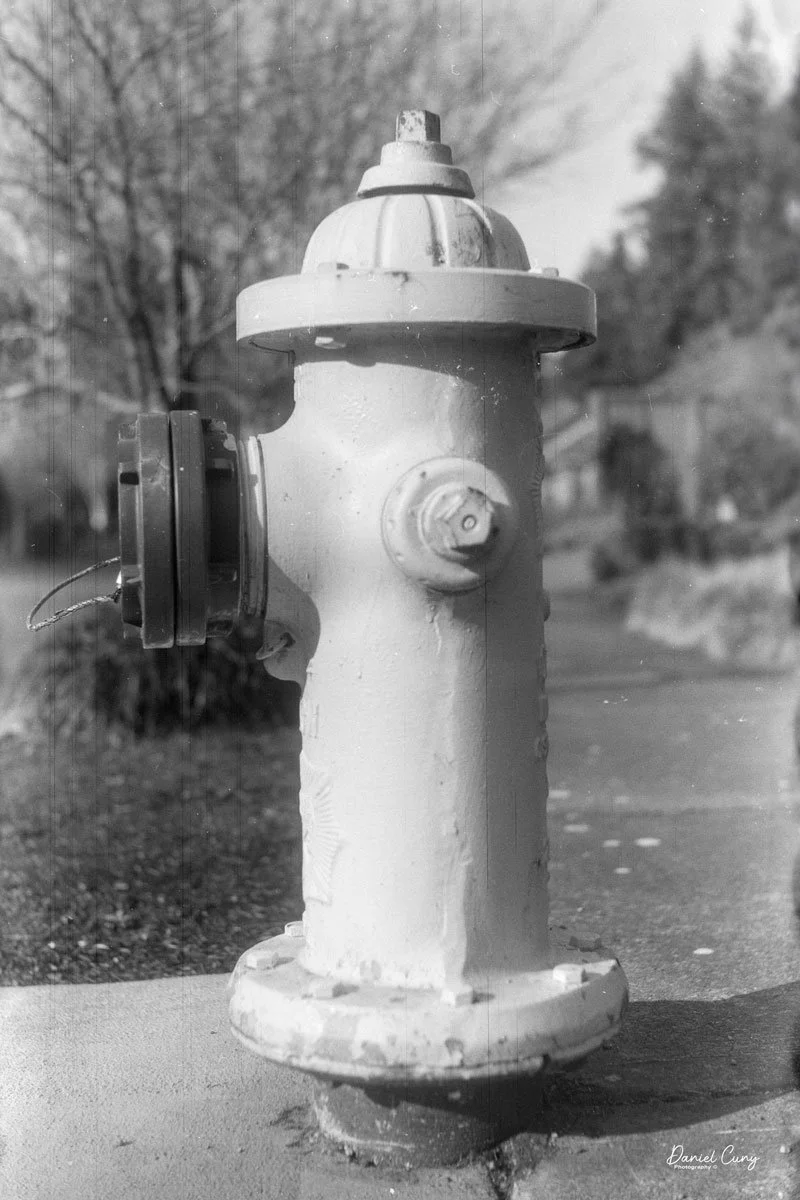
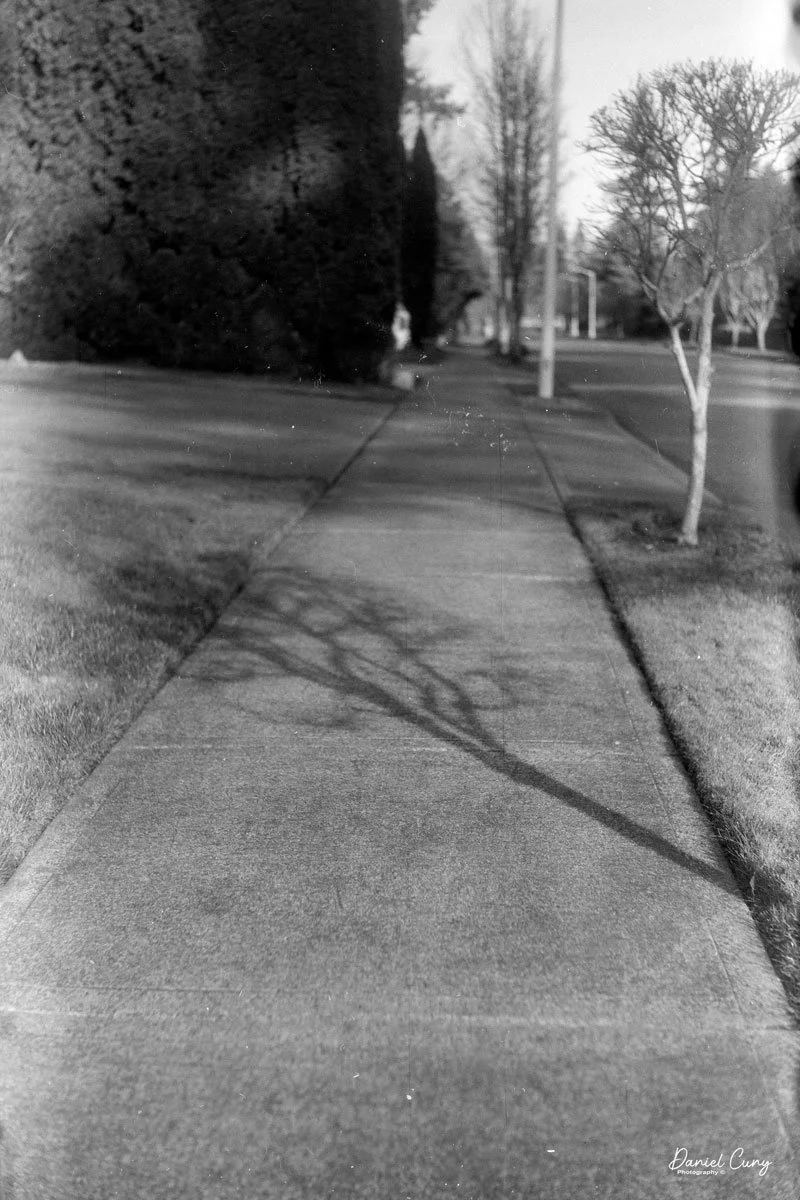
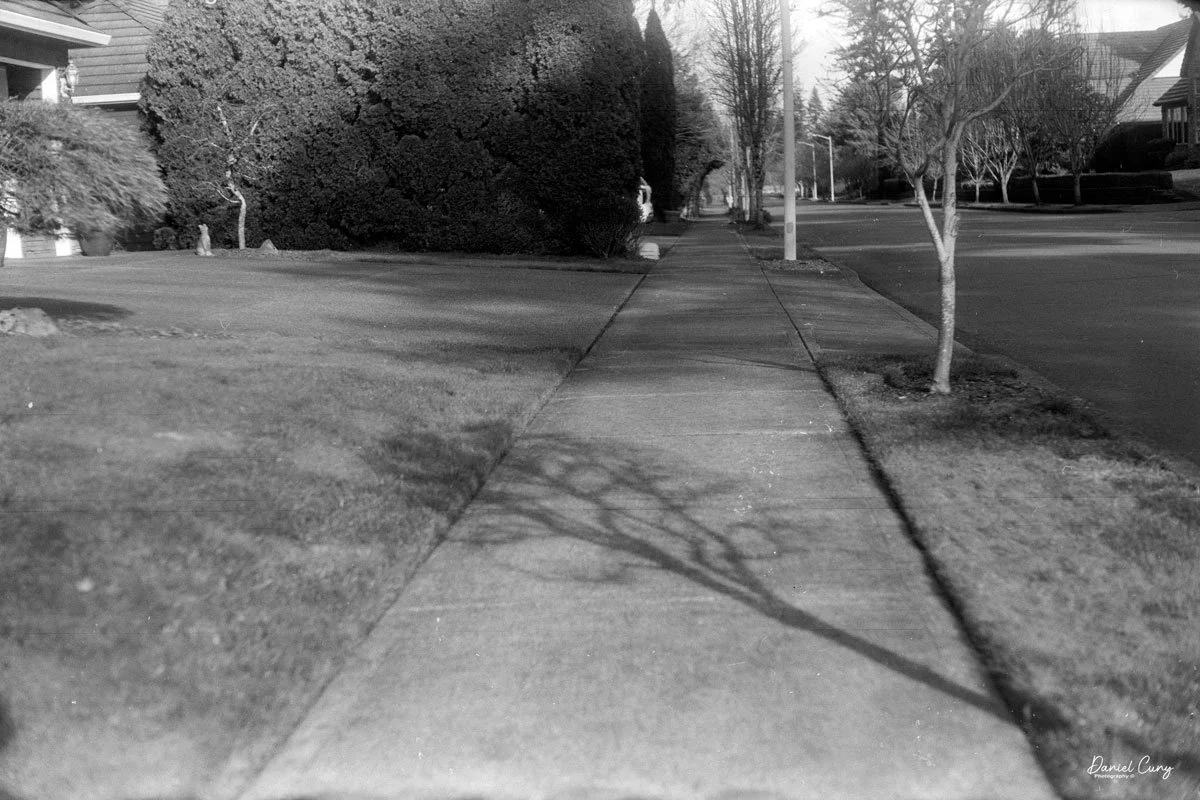
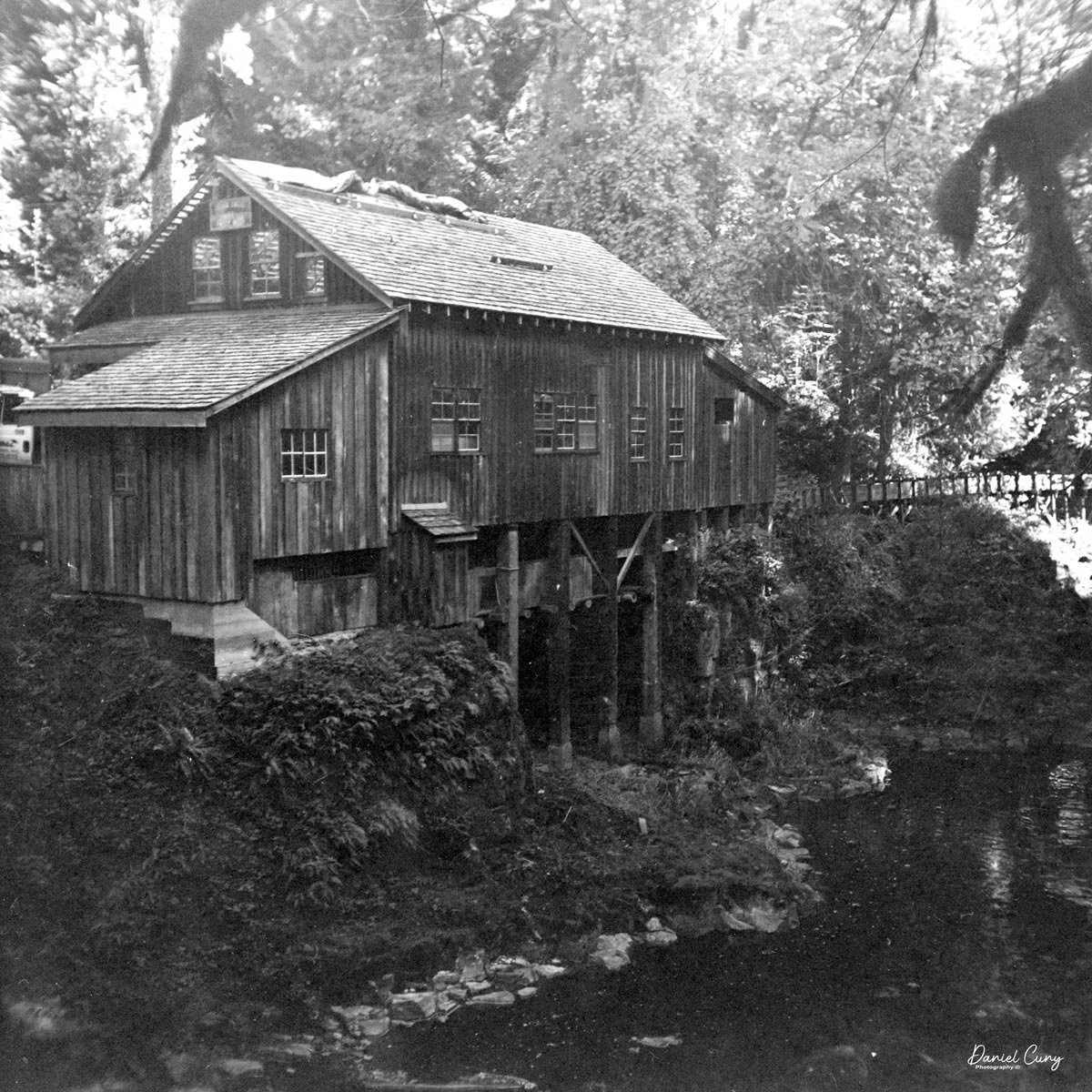
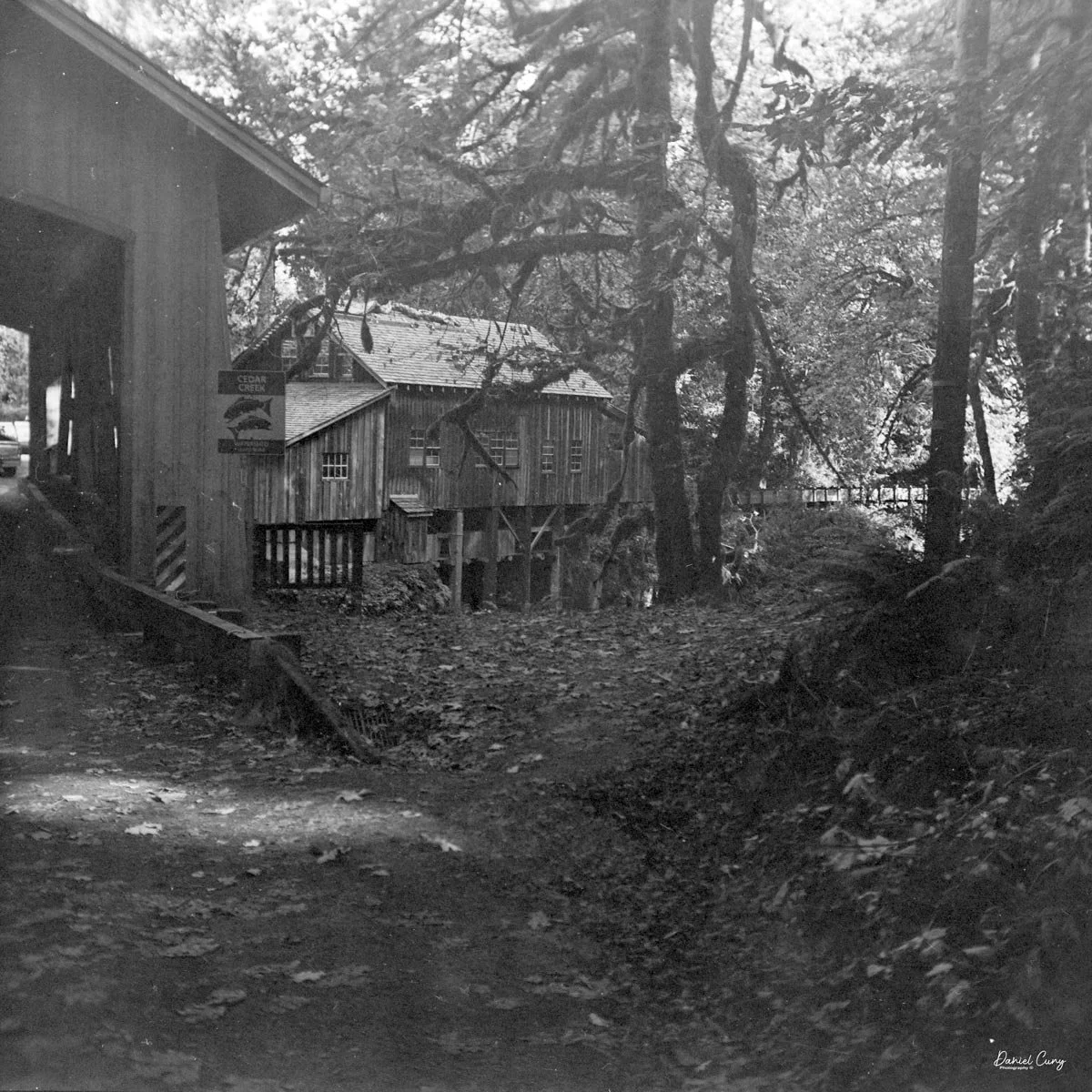
Here are a few of the frames I took while my wife and I visited the Grist Mill, which is beautiful this time of year.
Conclusion:
I've always been a big fan of Voigtländer cameras. To have one that is both medium format and pocket-sized, with sharp lenses, is a real bonus and makes it one of my favorites. The only thing that would make it better would be rangefinder focus. That's what makes cameras like the Zeiss Super Ikontas and other Japanese cameras like the Mamiya Six or Konica Pearl so desirable.
Thank you for taking the time to read about the Bessa 66 cameras I recently added to my collection.
Are you interested in other vintage gear? Here are some of my other Camera Reviews.
Check out my Cuny's Camera Collection YouTube channel, where I am putting together video overviews of the cameras I write about. Be sure to subscribe and like the channel, too!
Cuny's Cameras and Photos is my online eBay store, where you will find some of the cameras I have reviewed, along with a wide range of other cameras, lenses, and items from my collection that I am thinning out.
Until next week, please be safe.