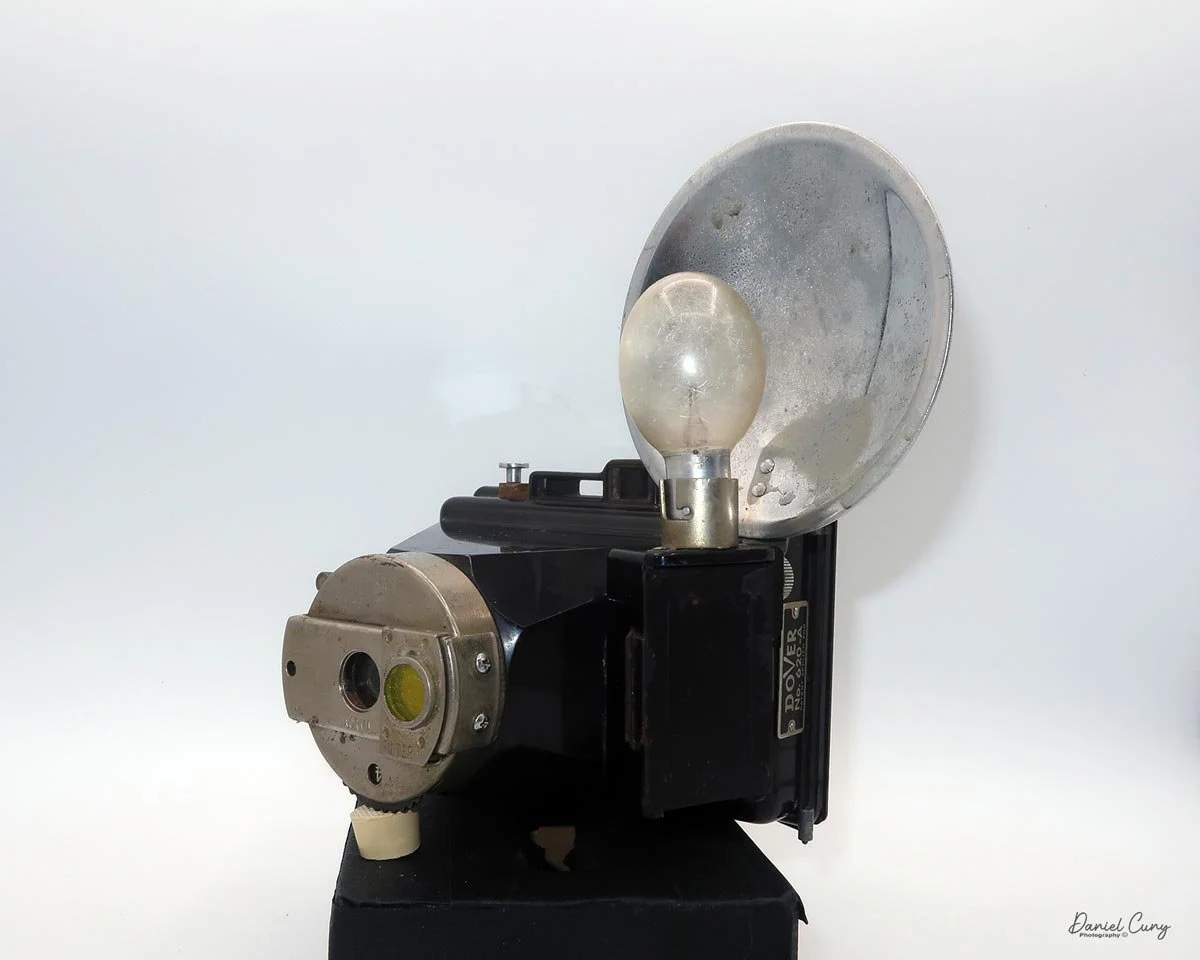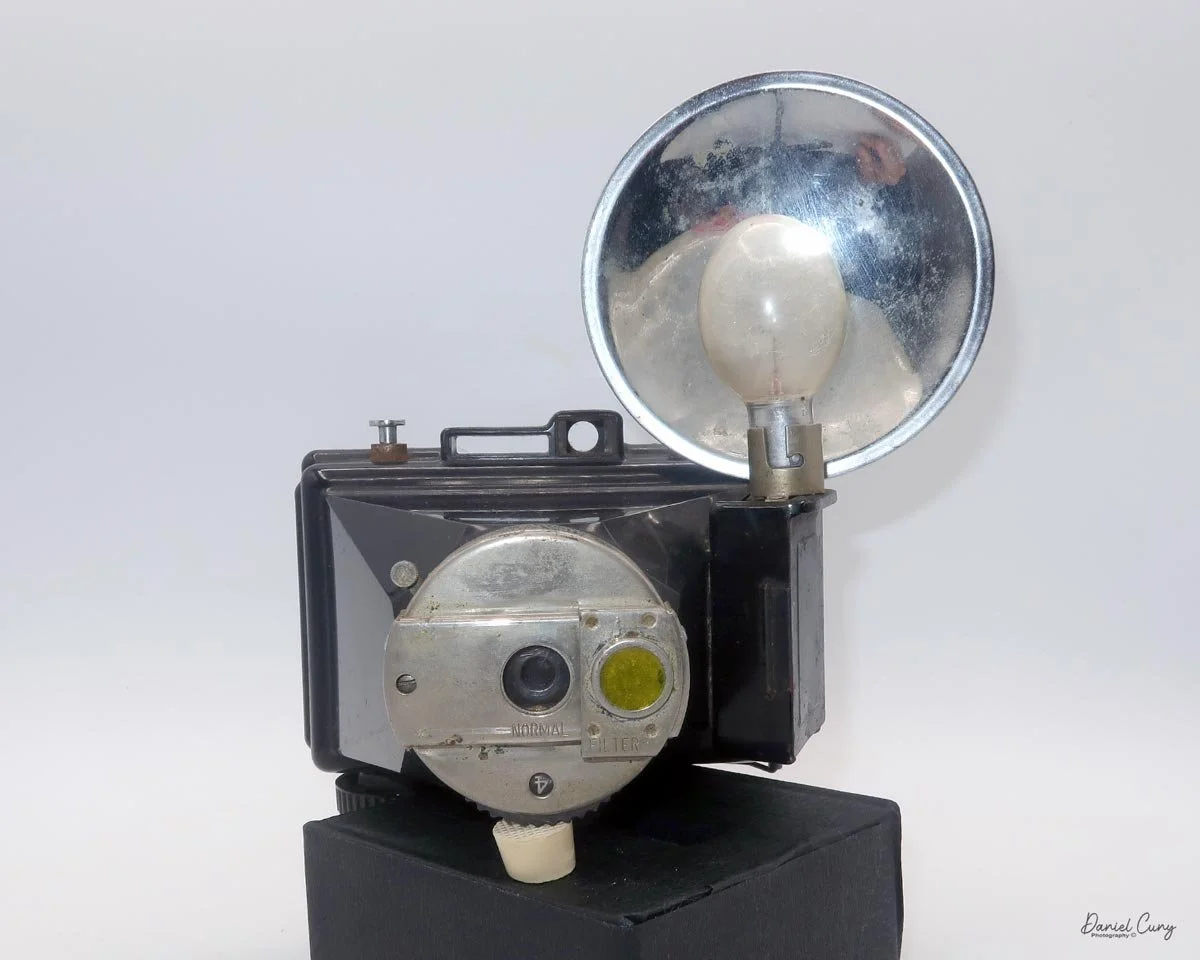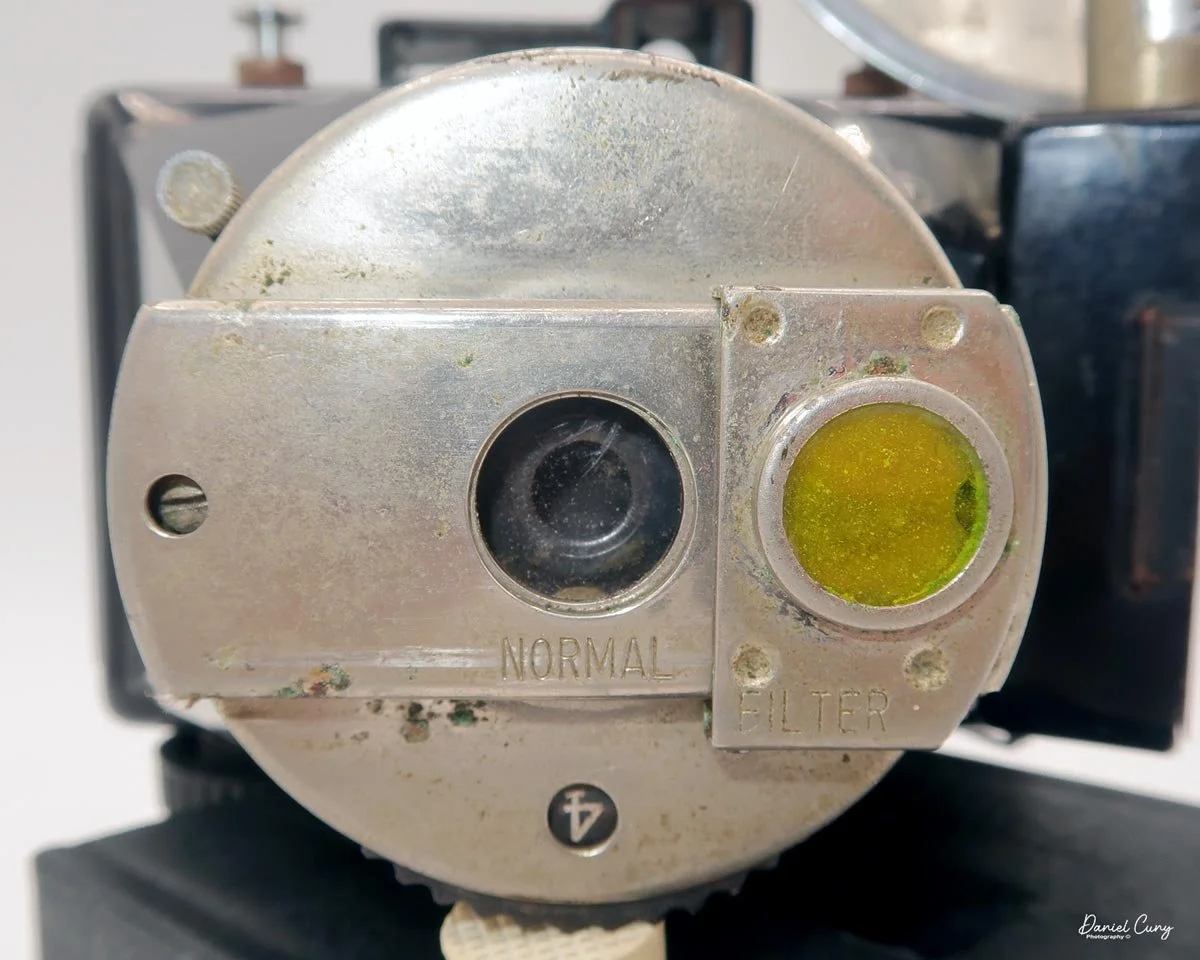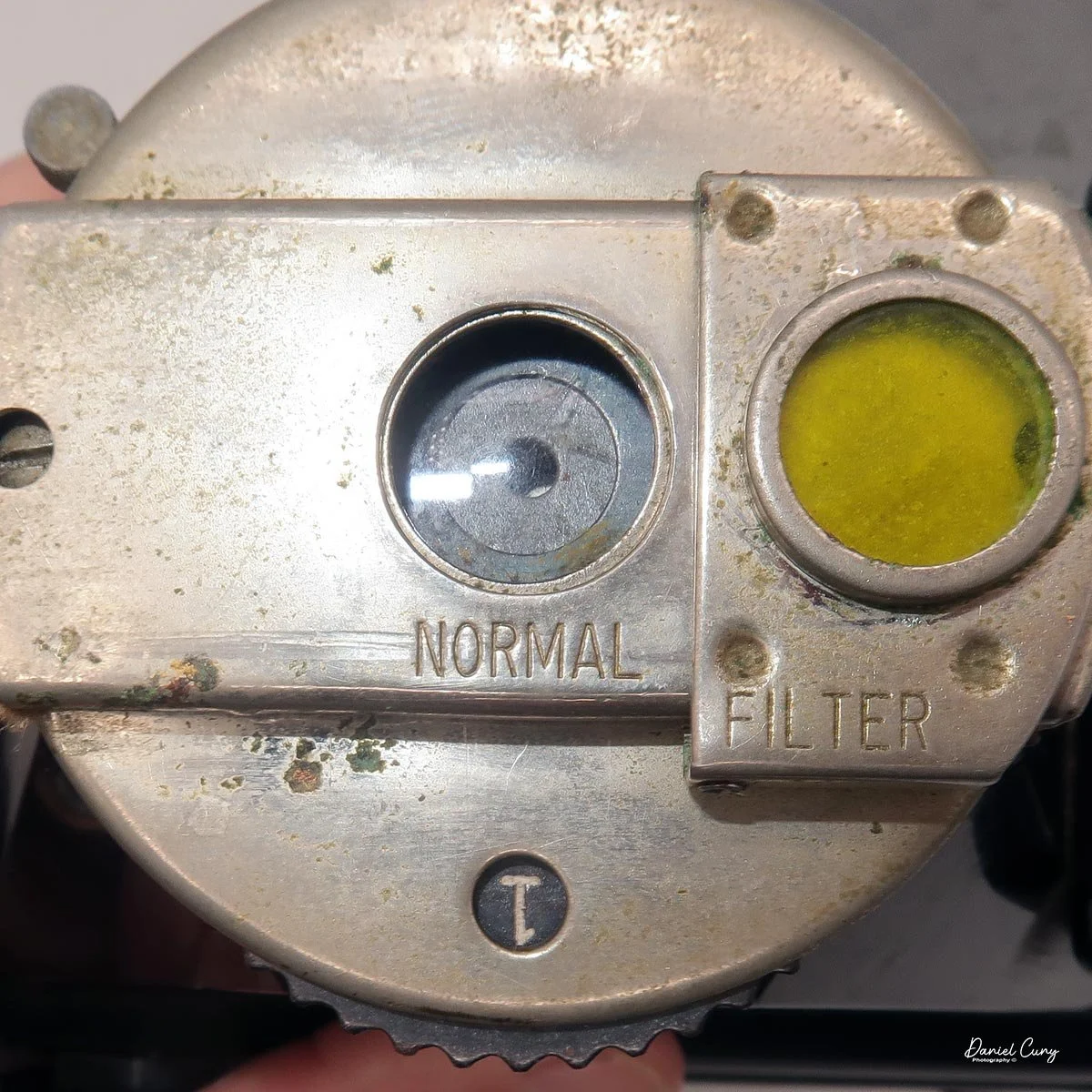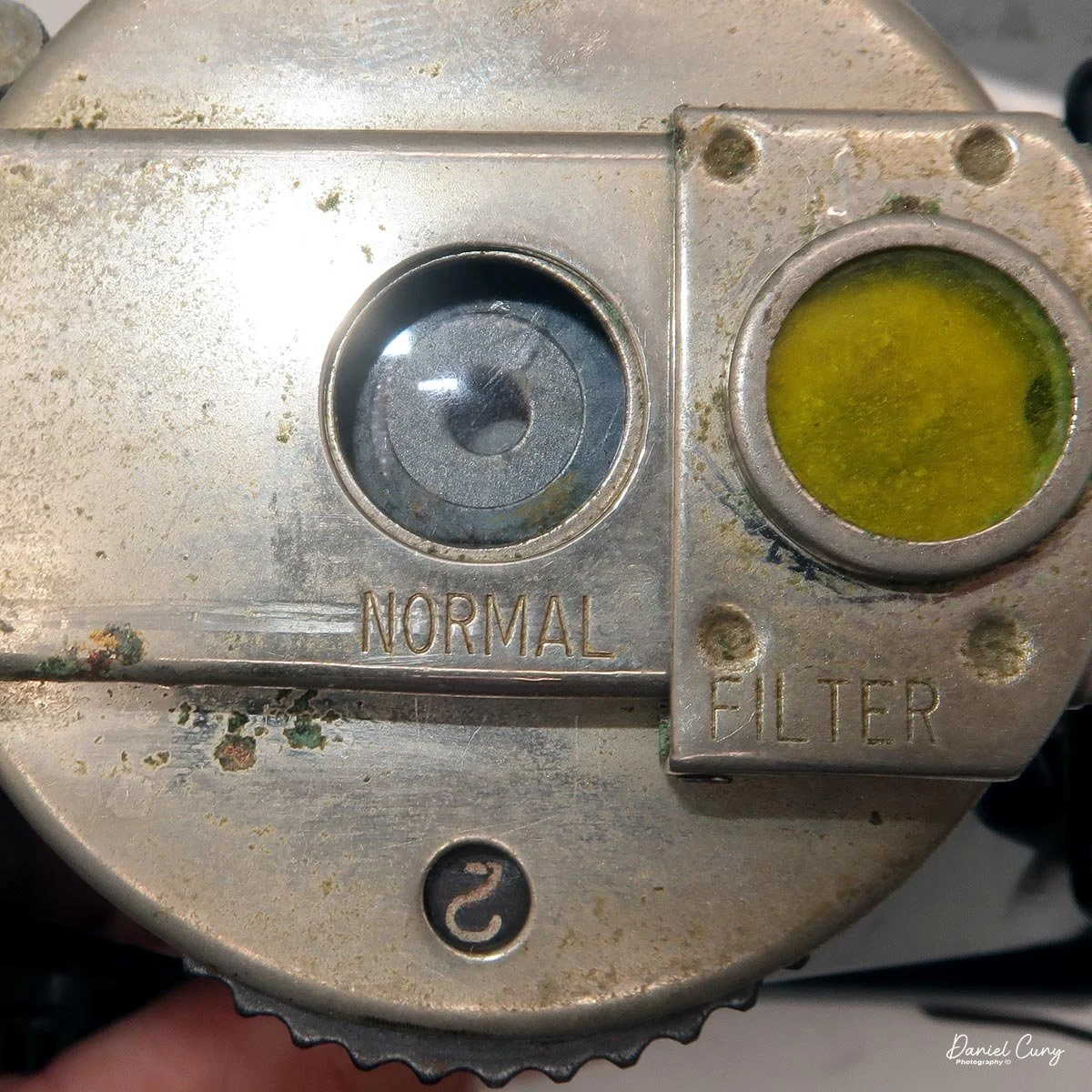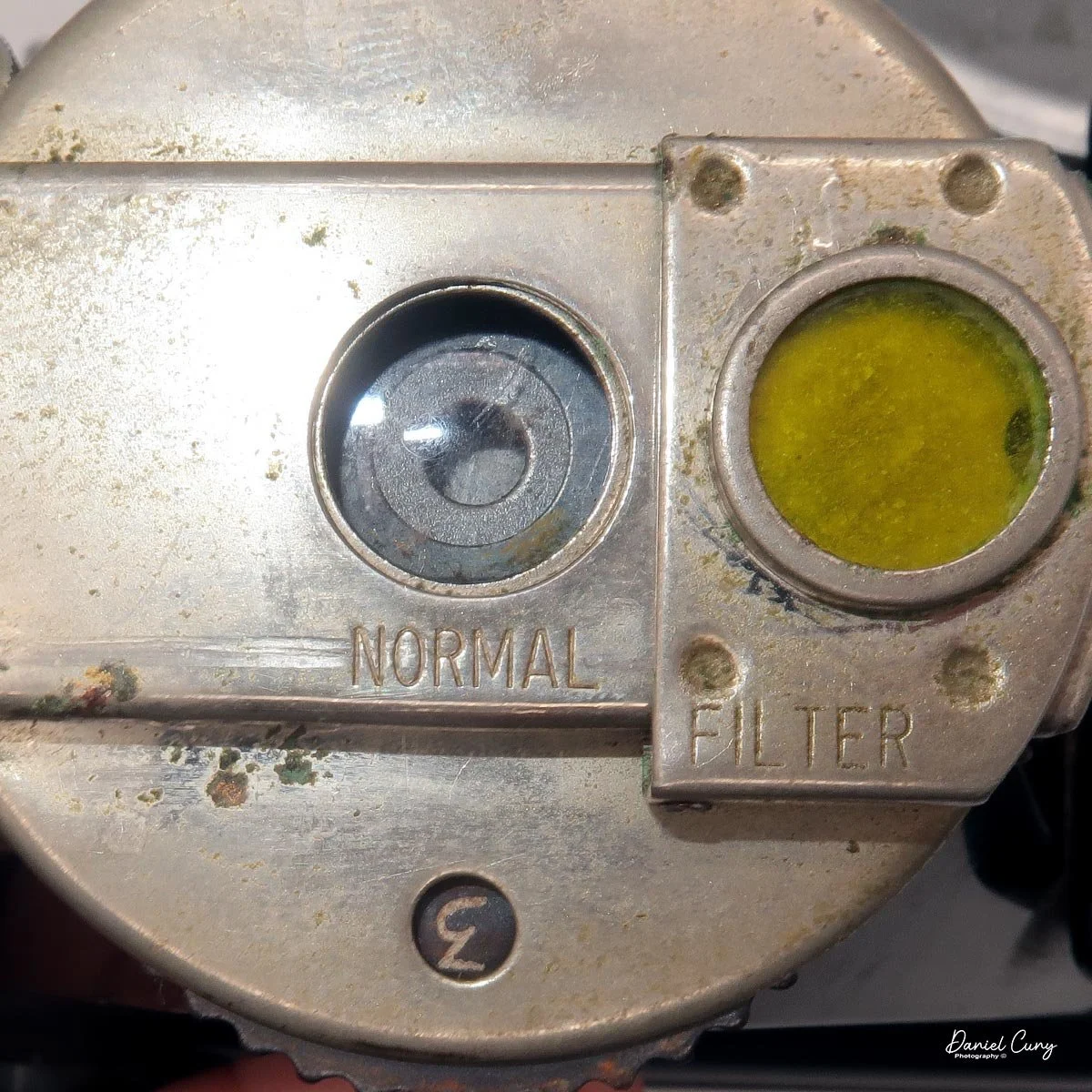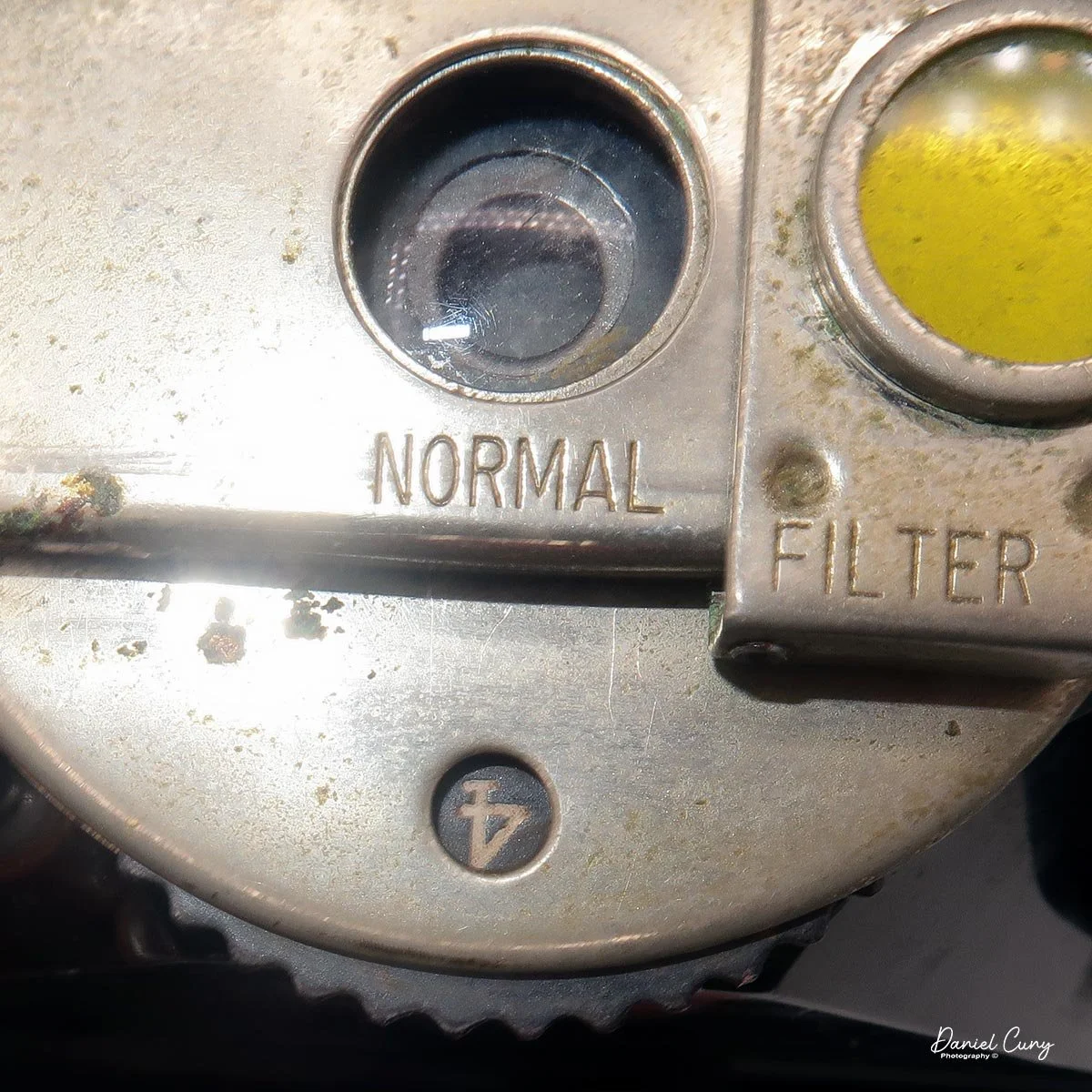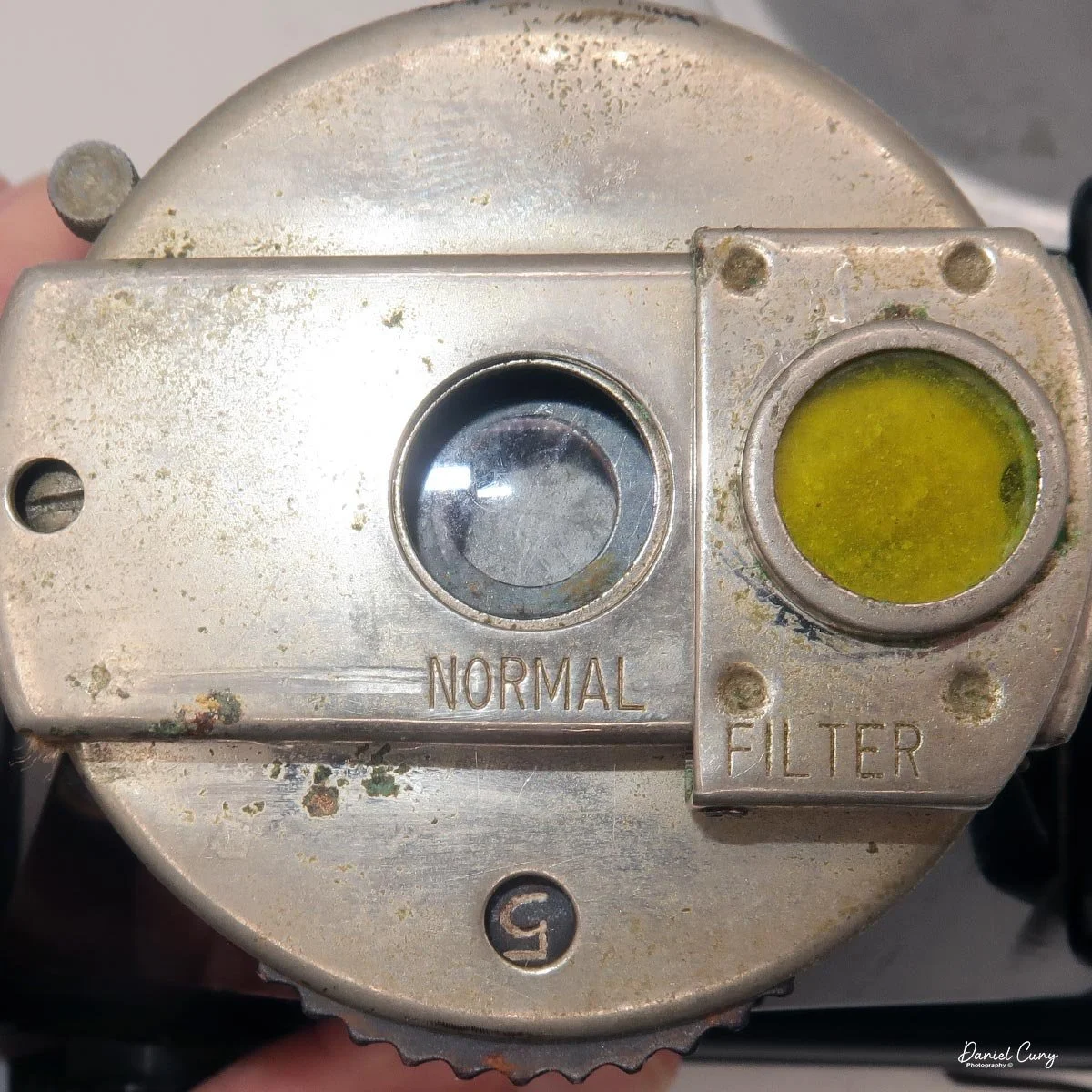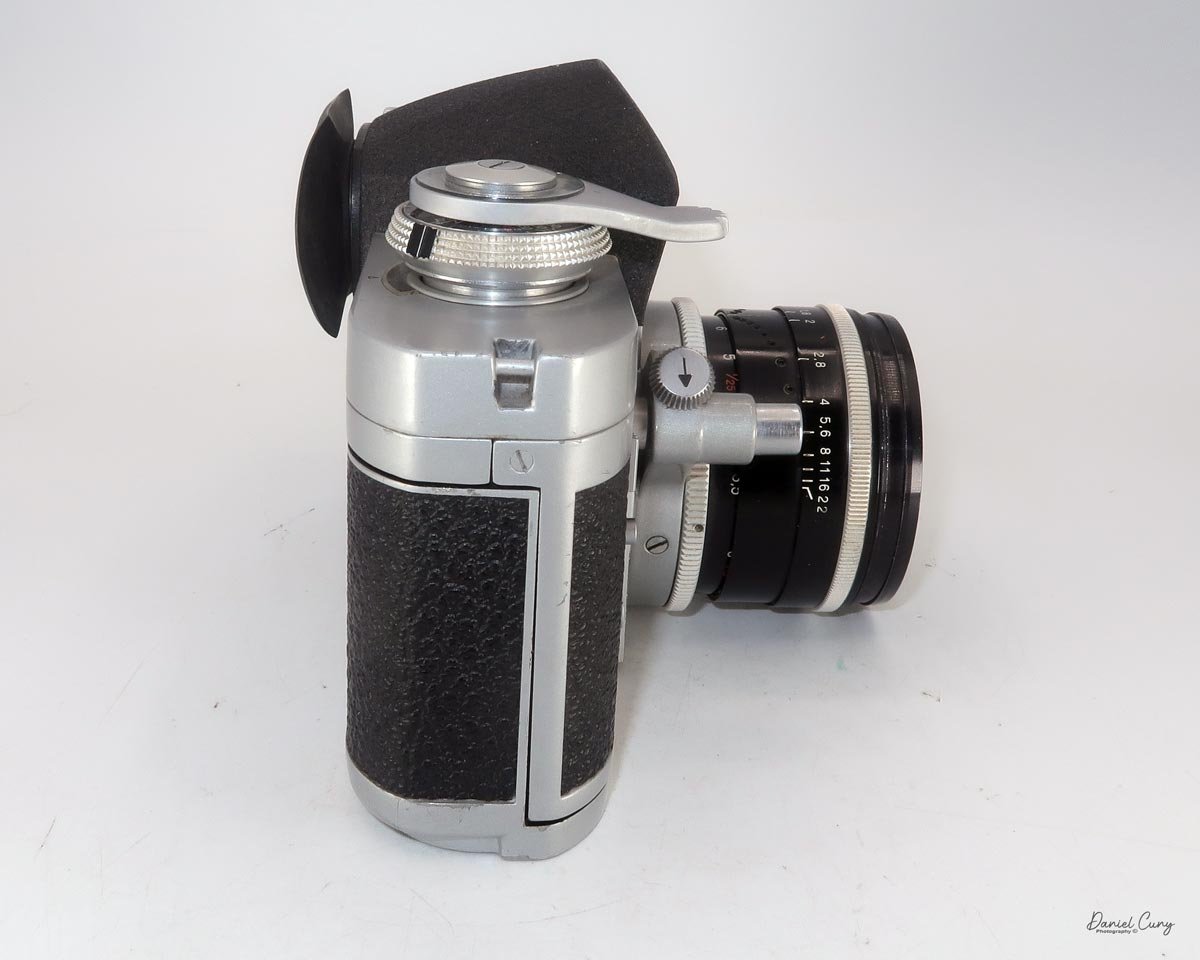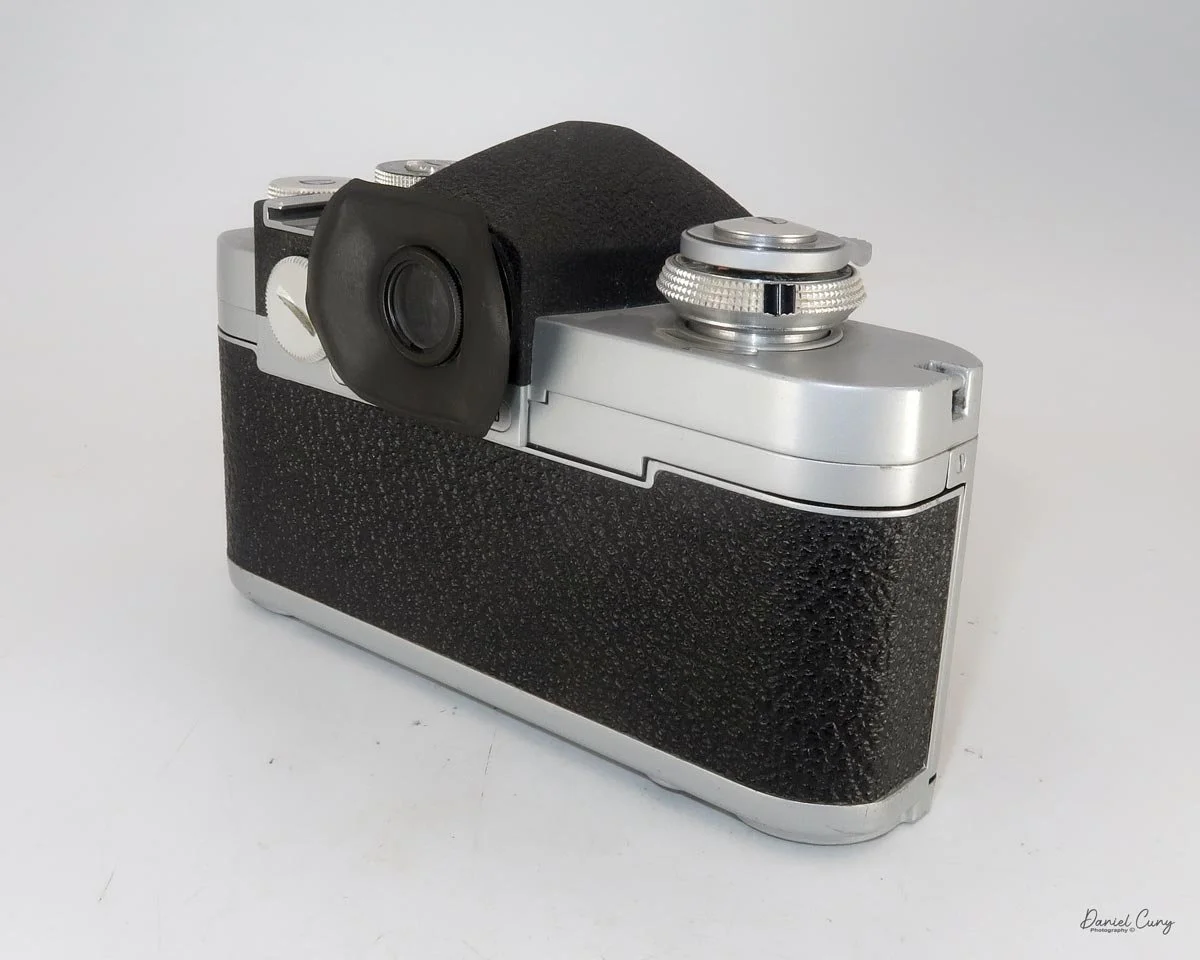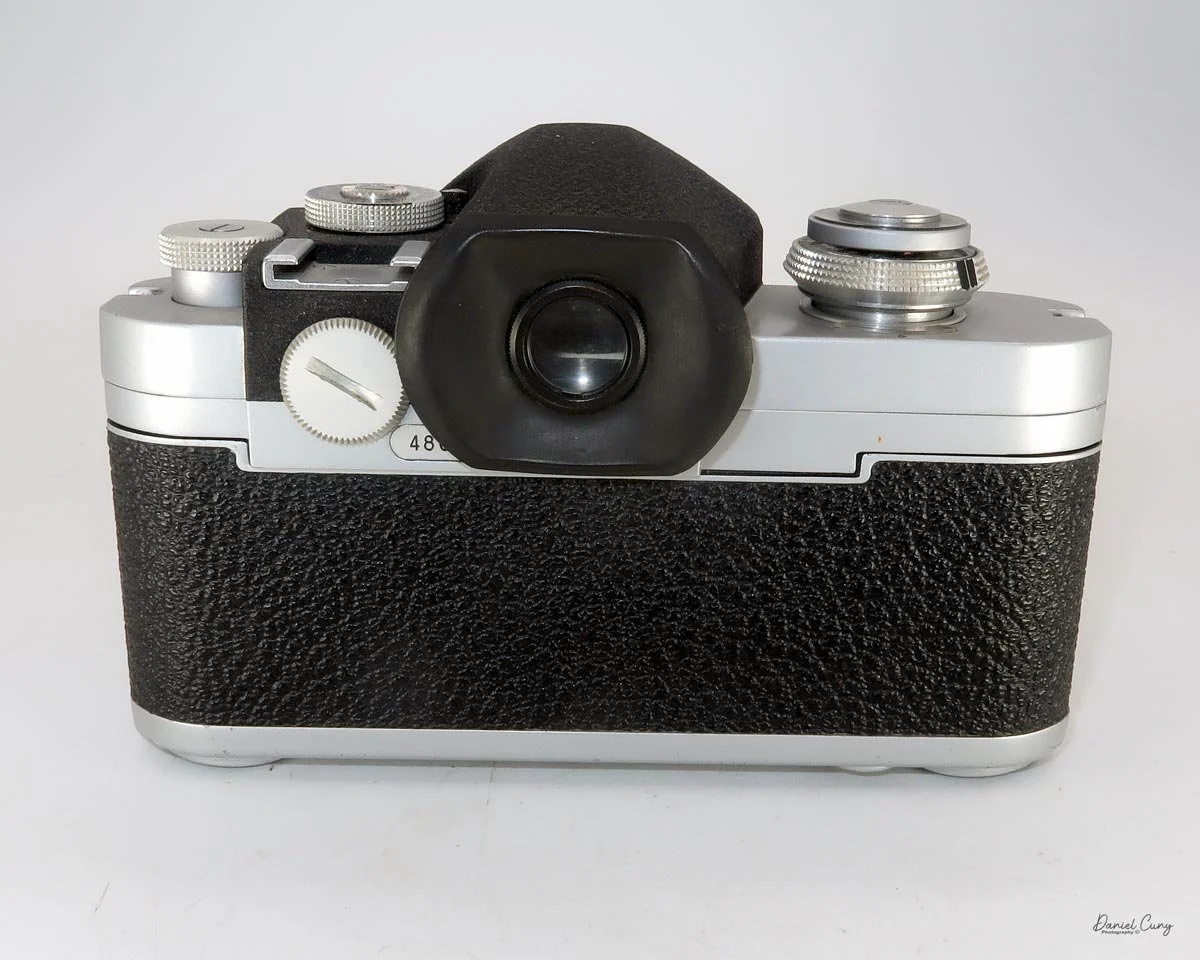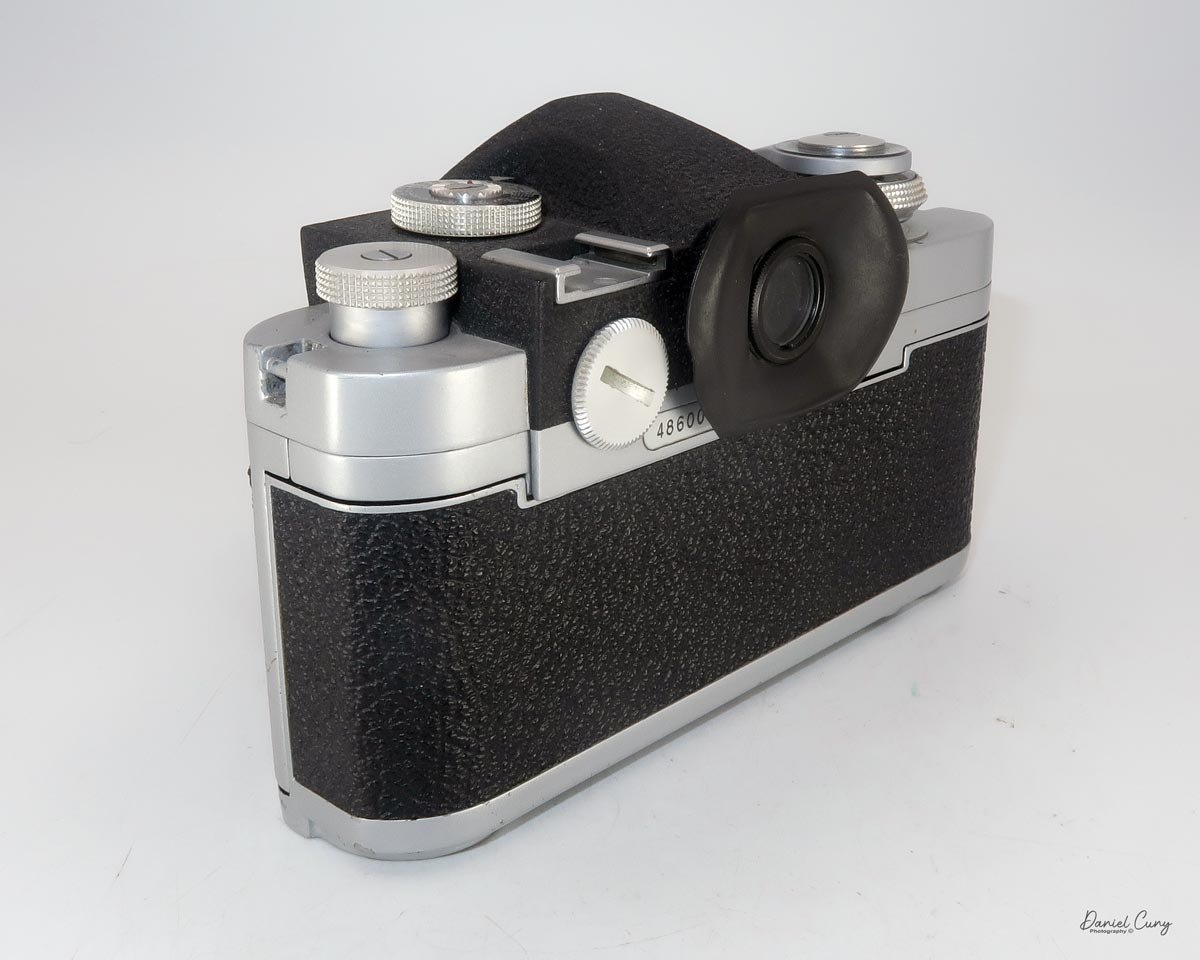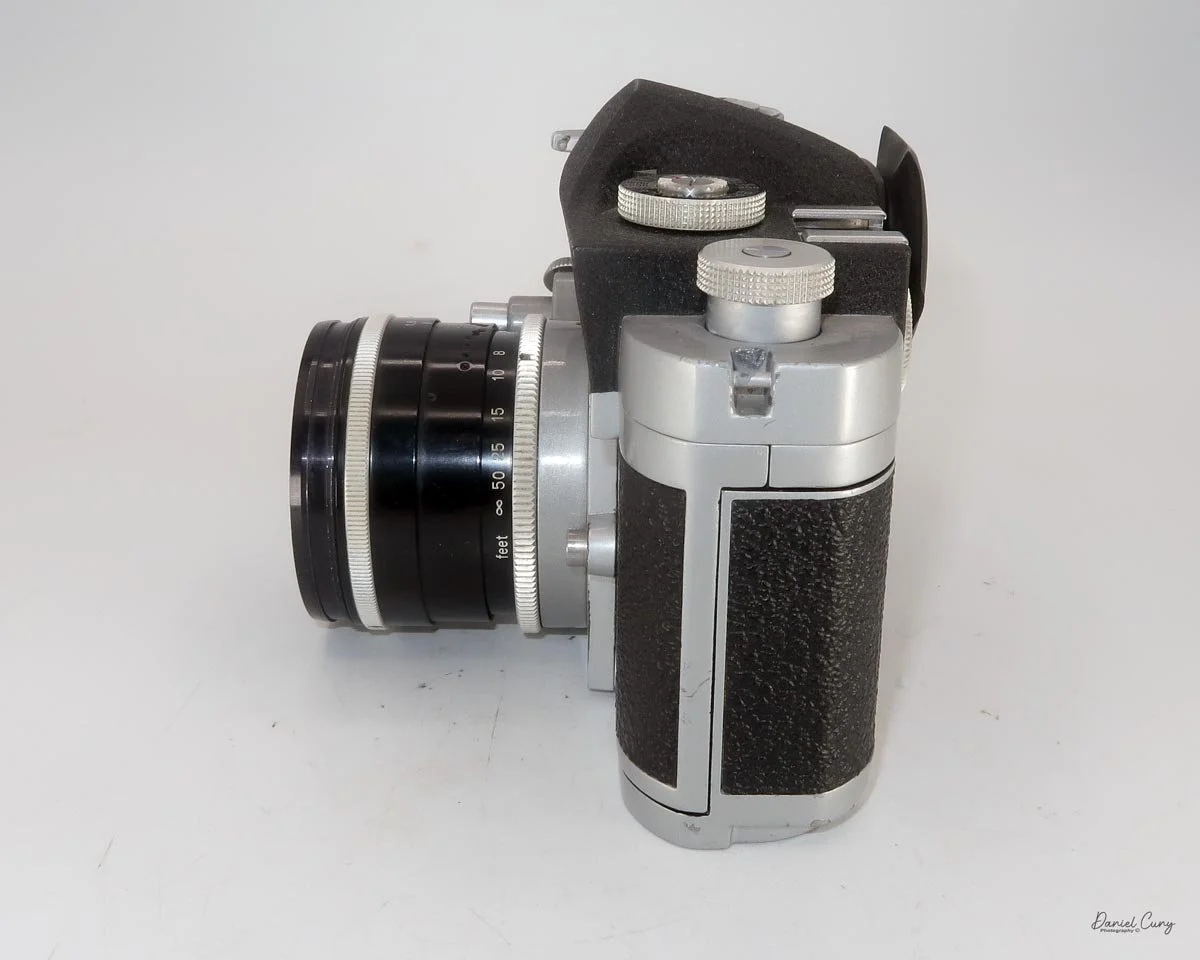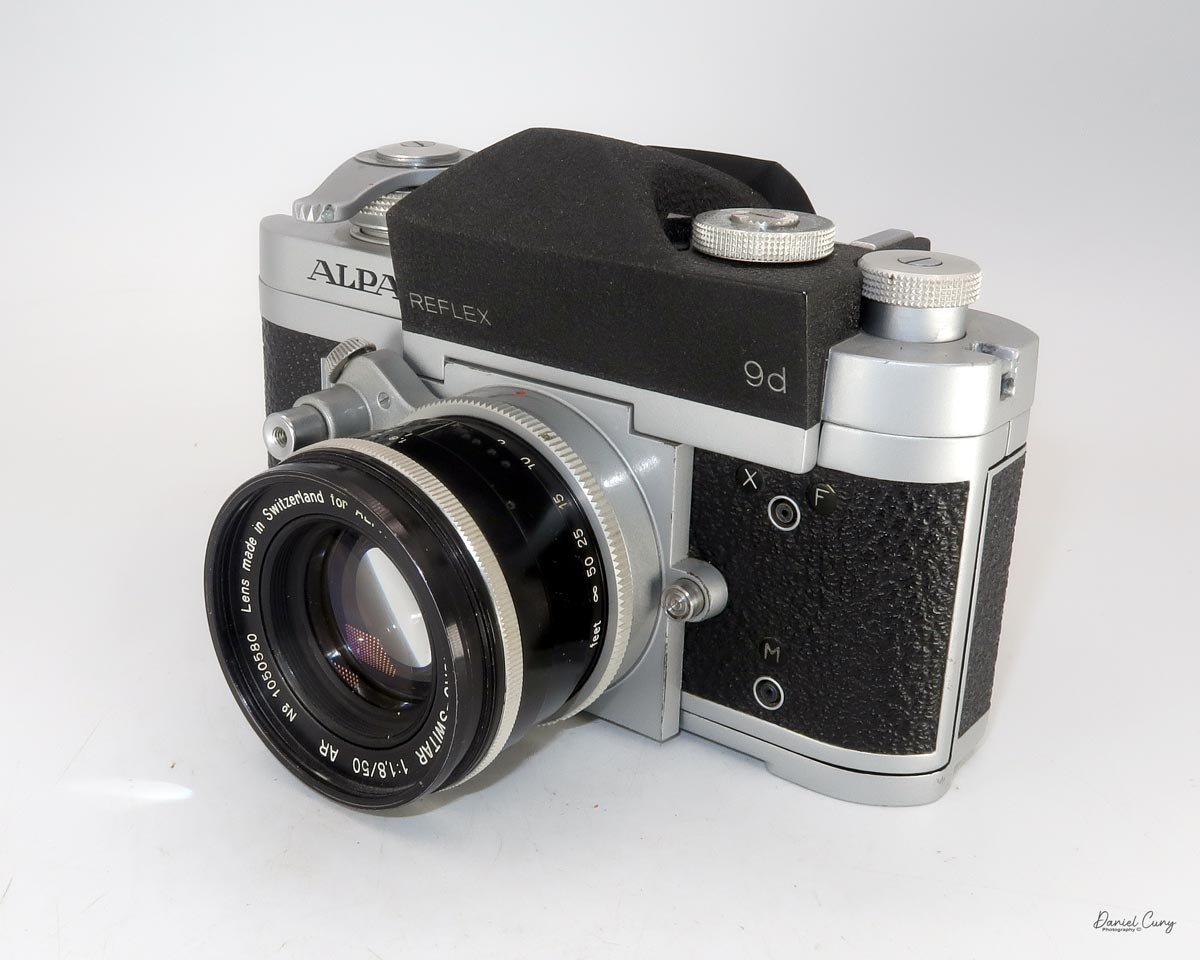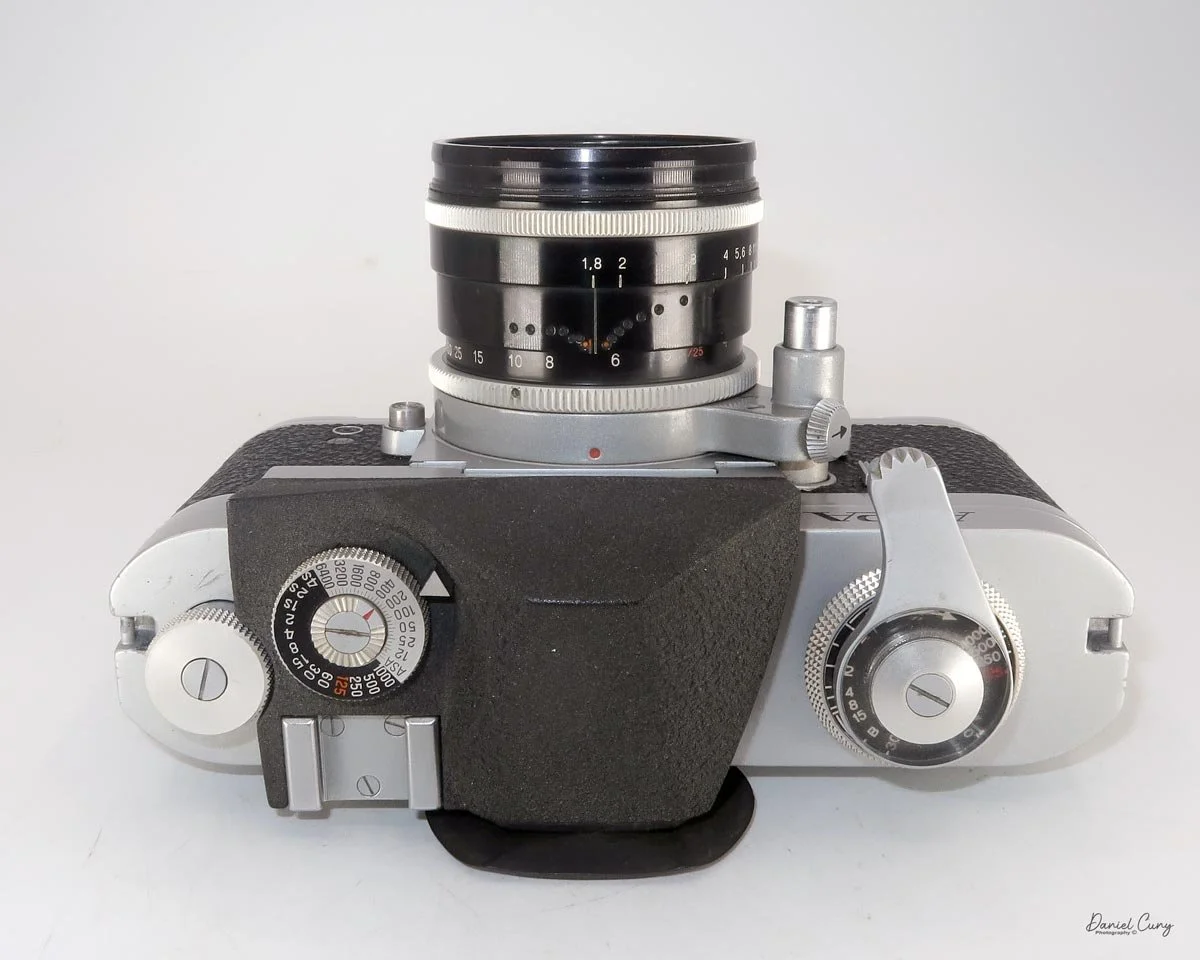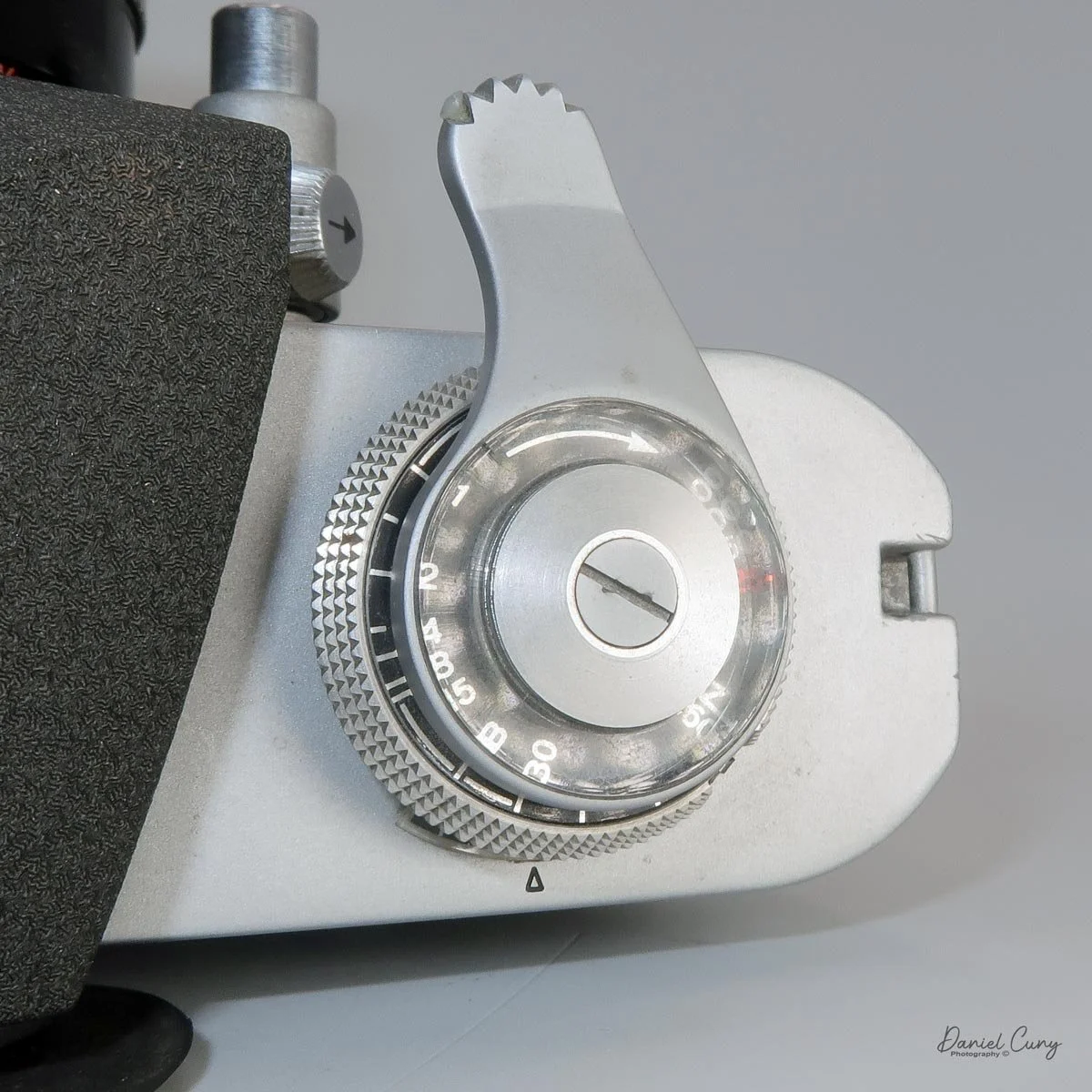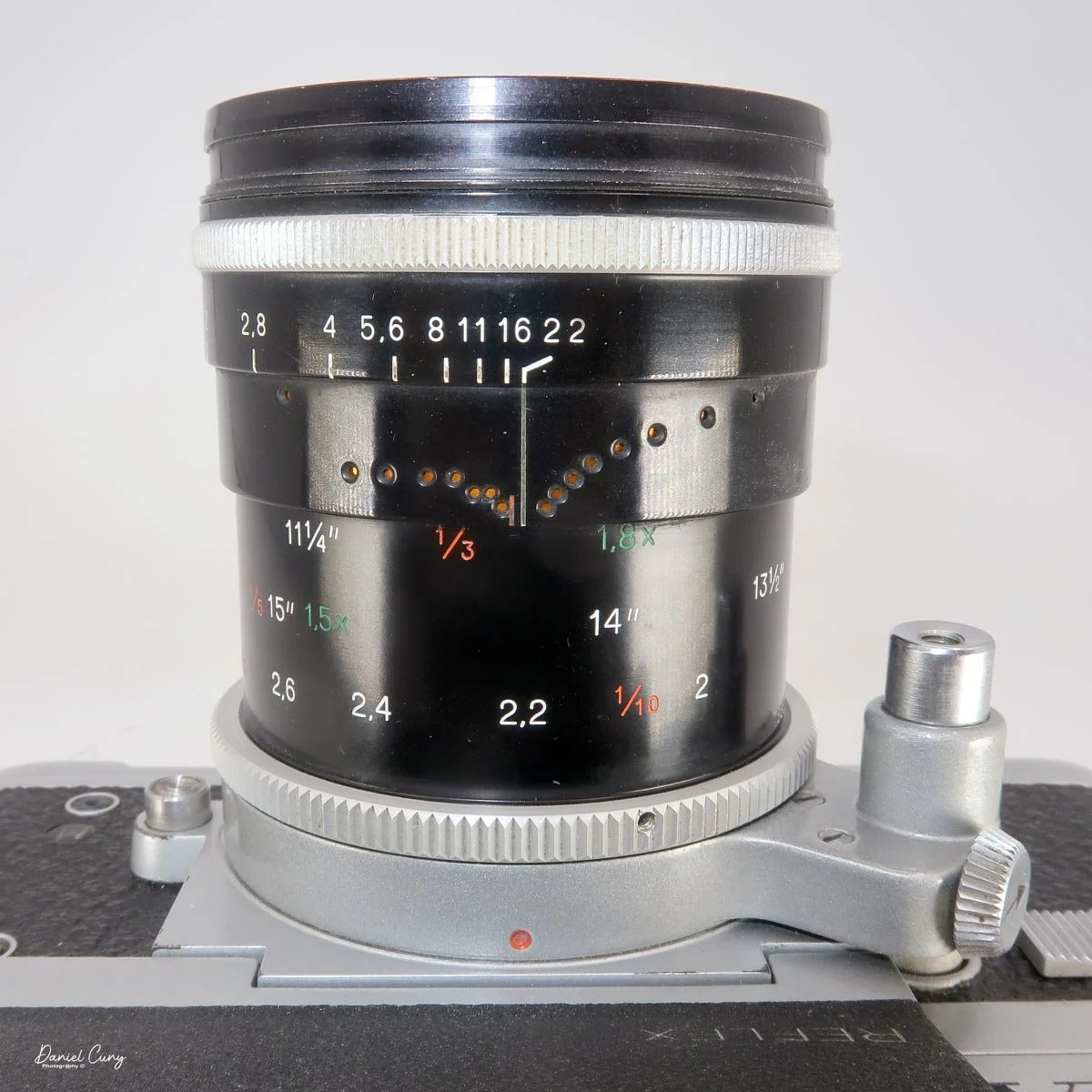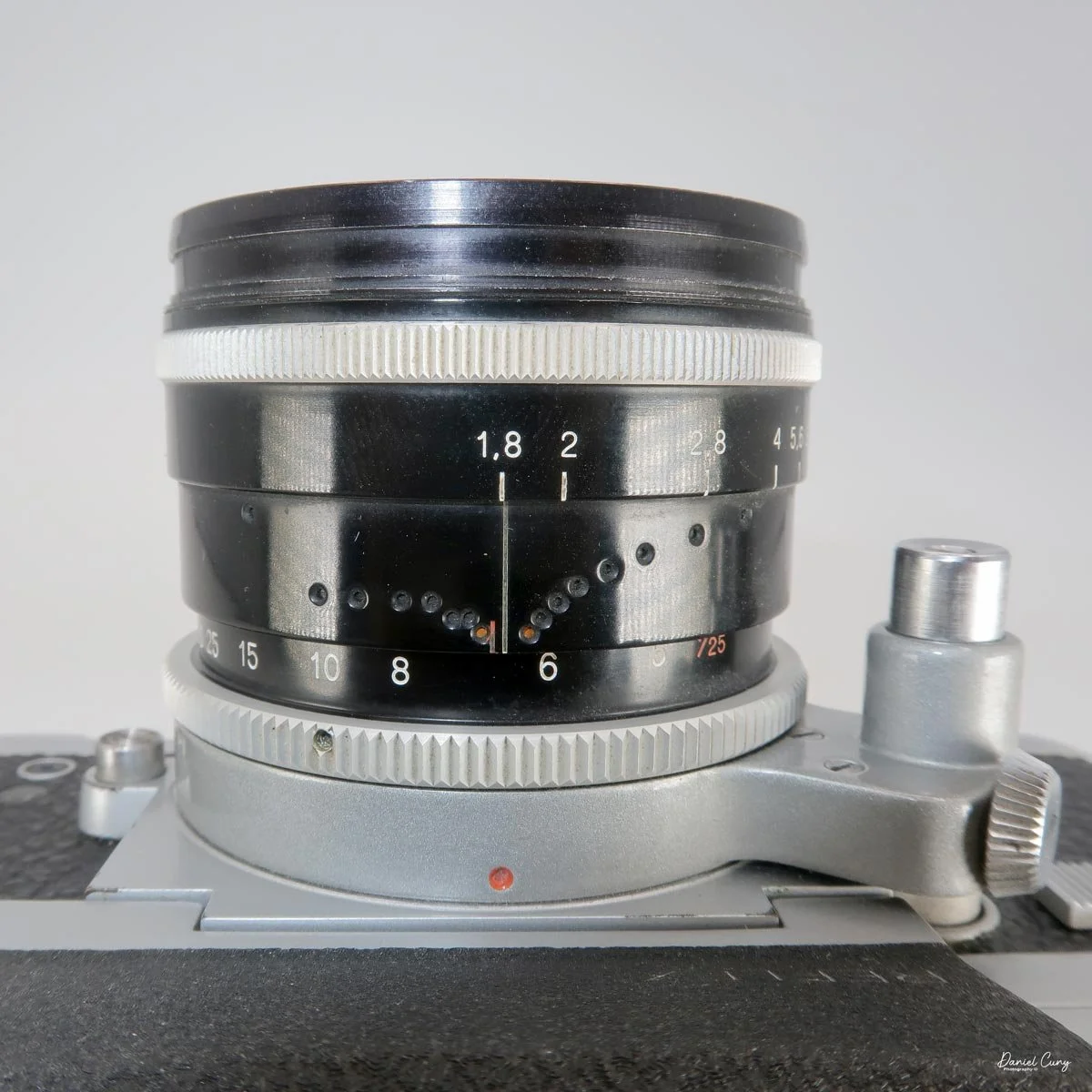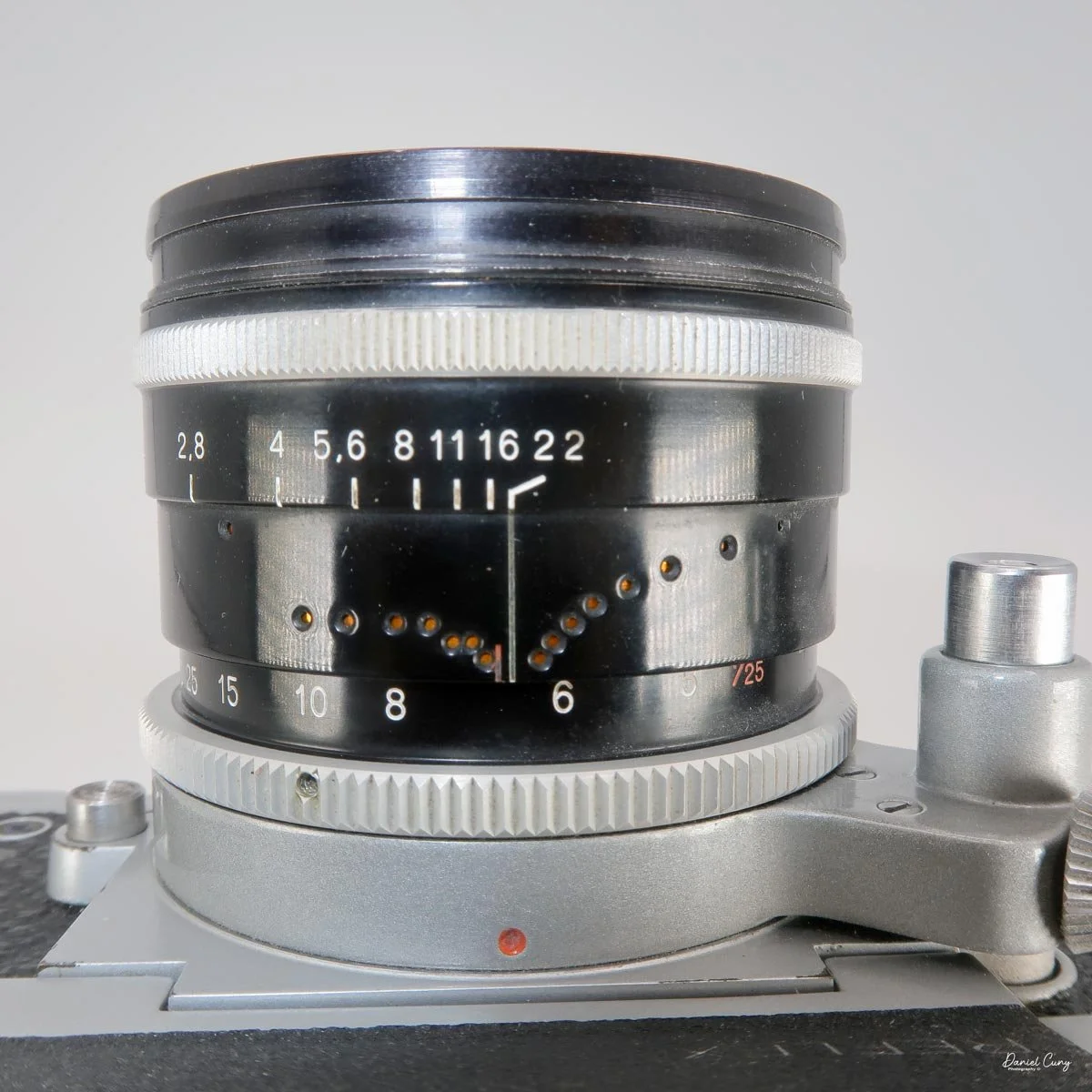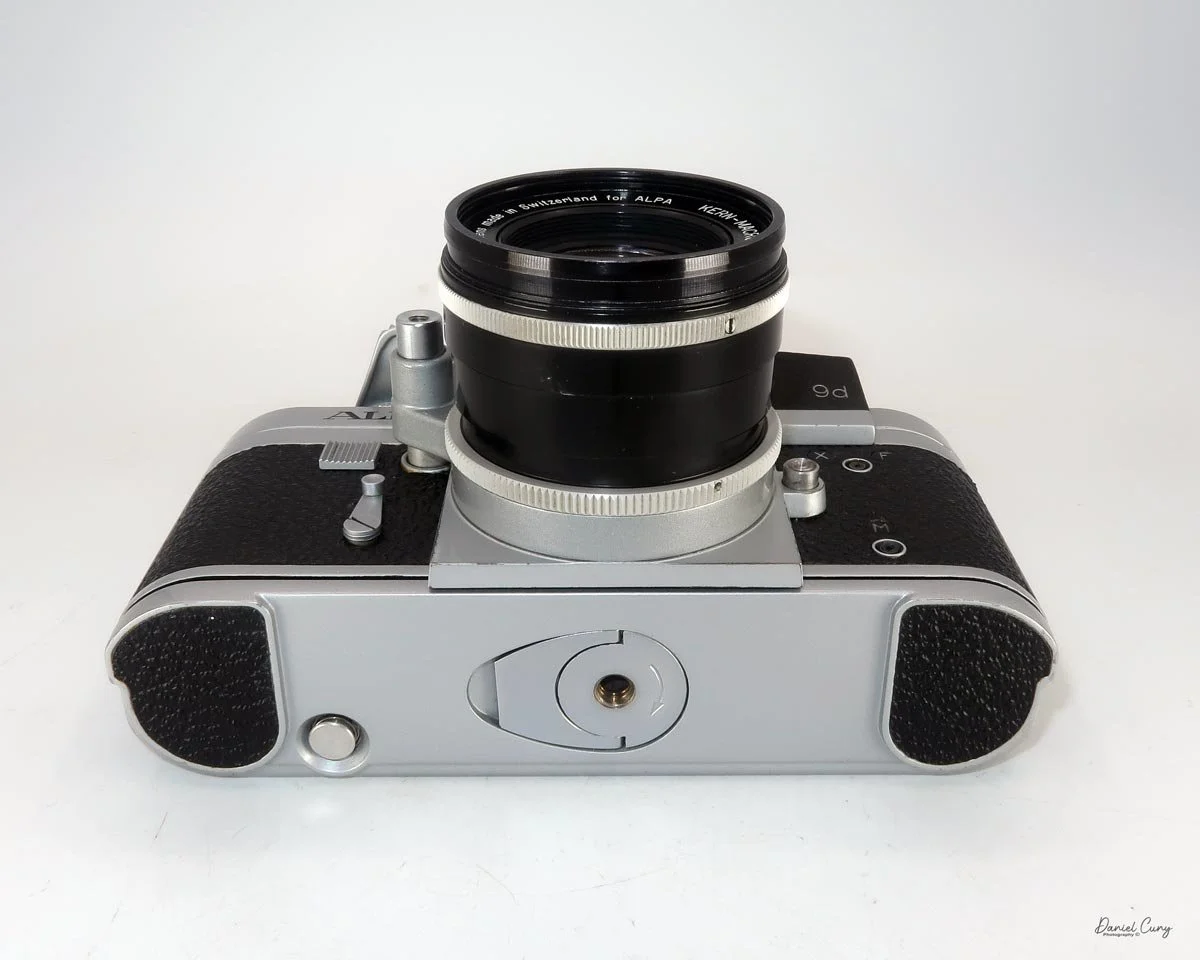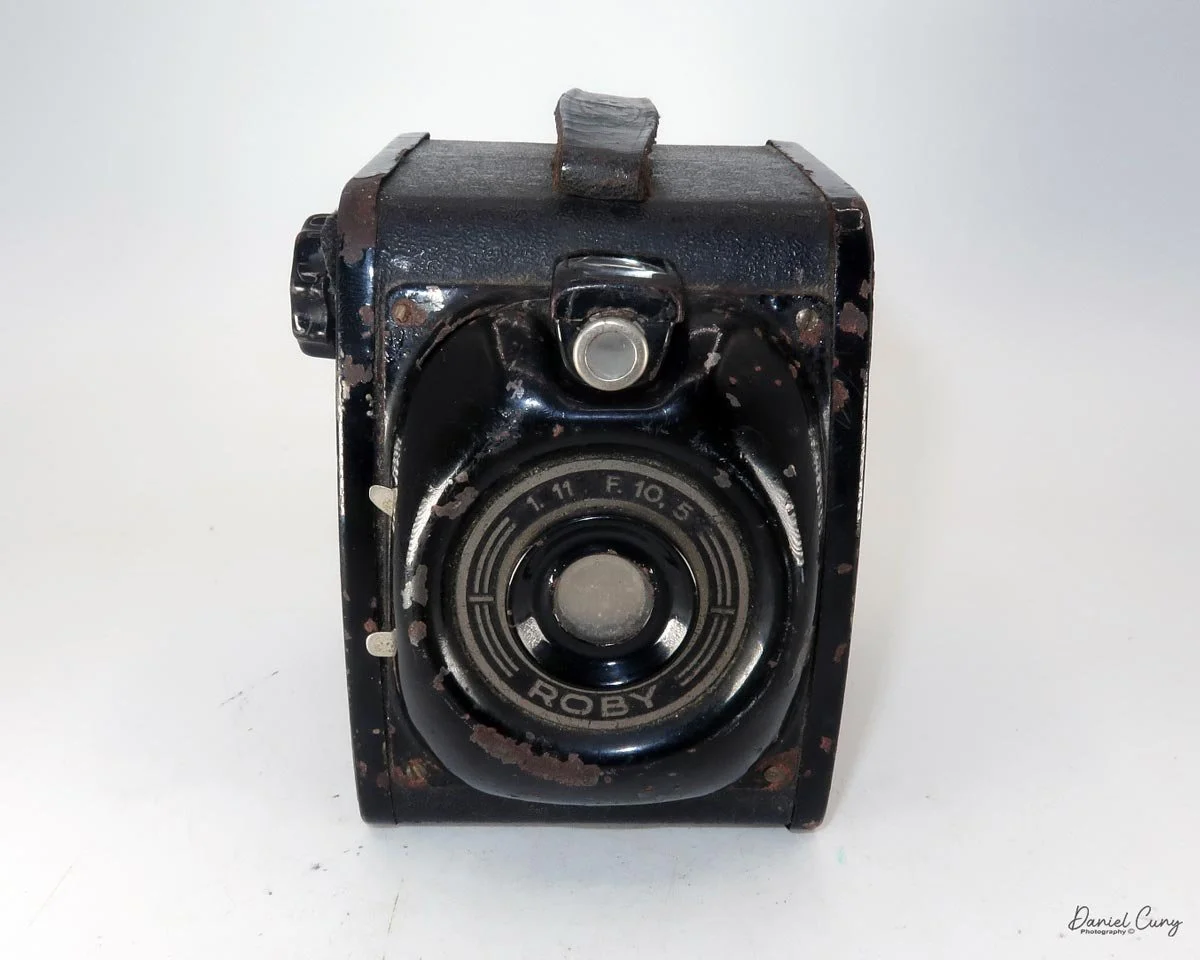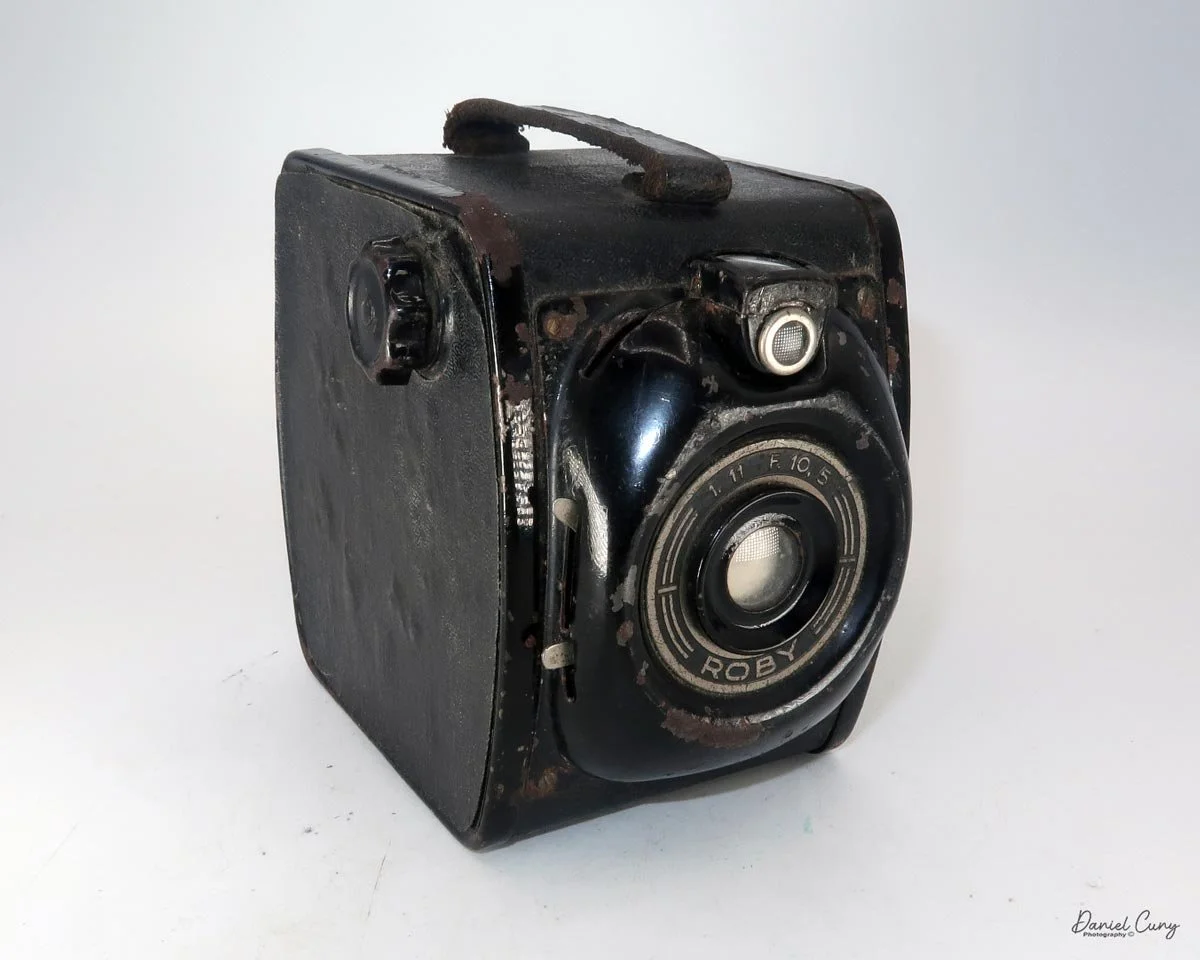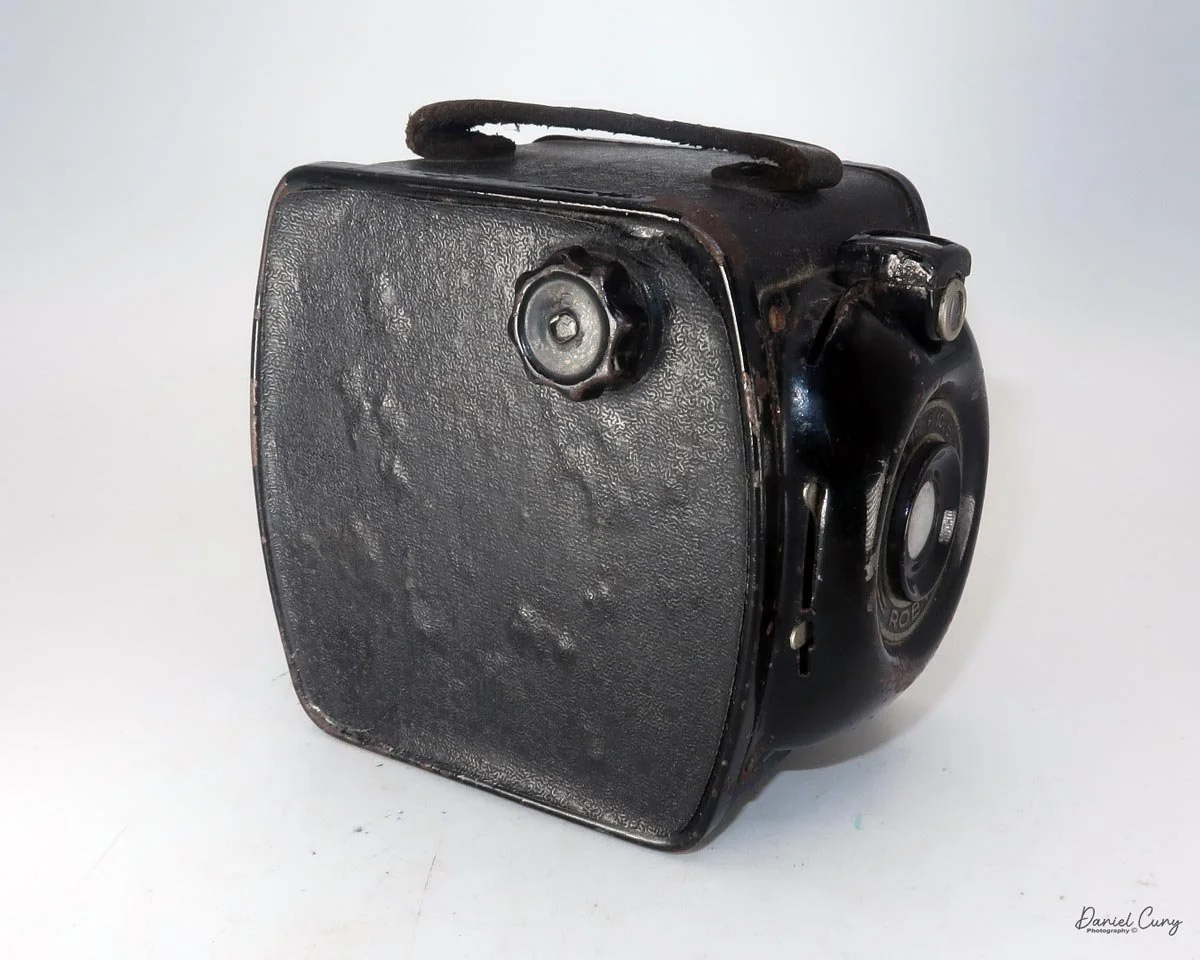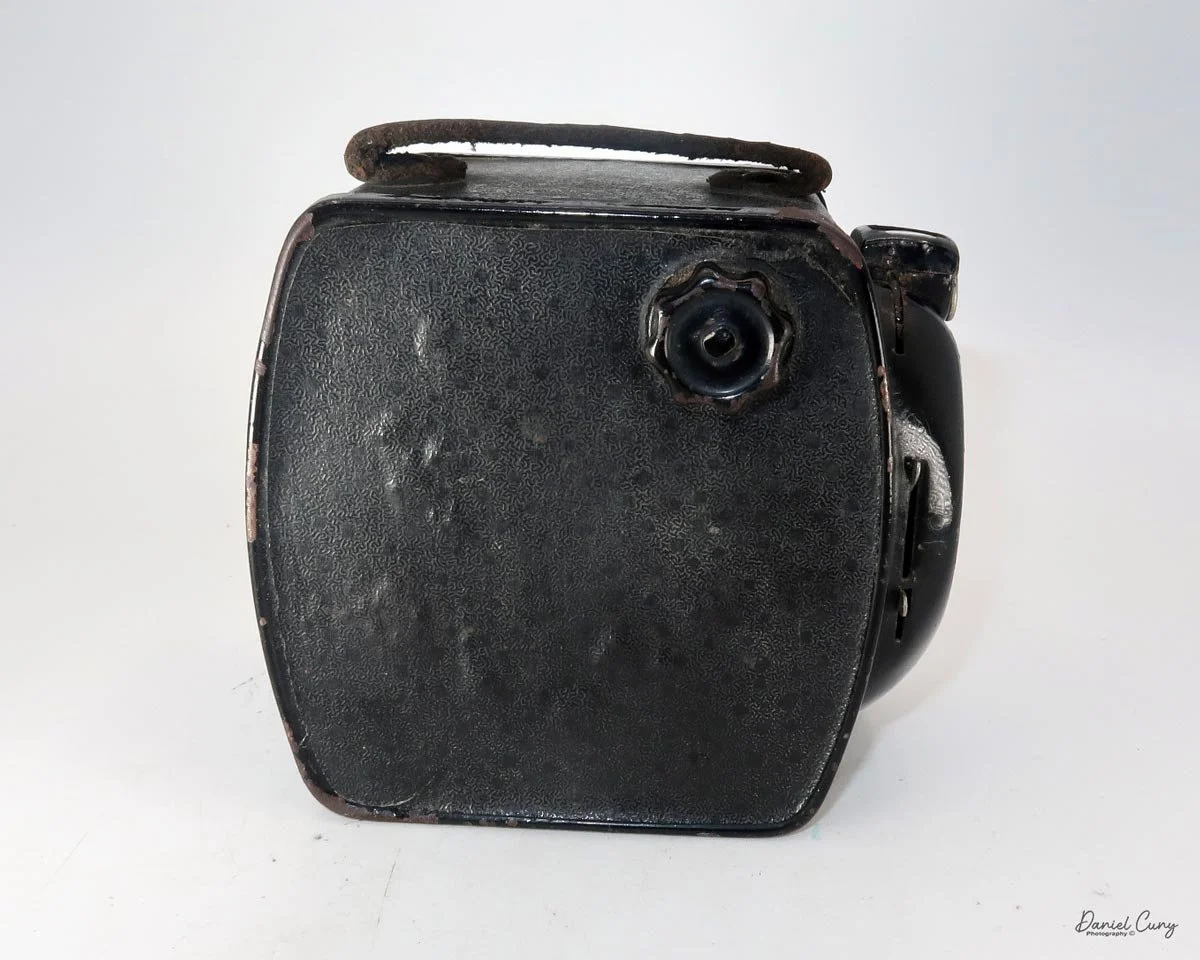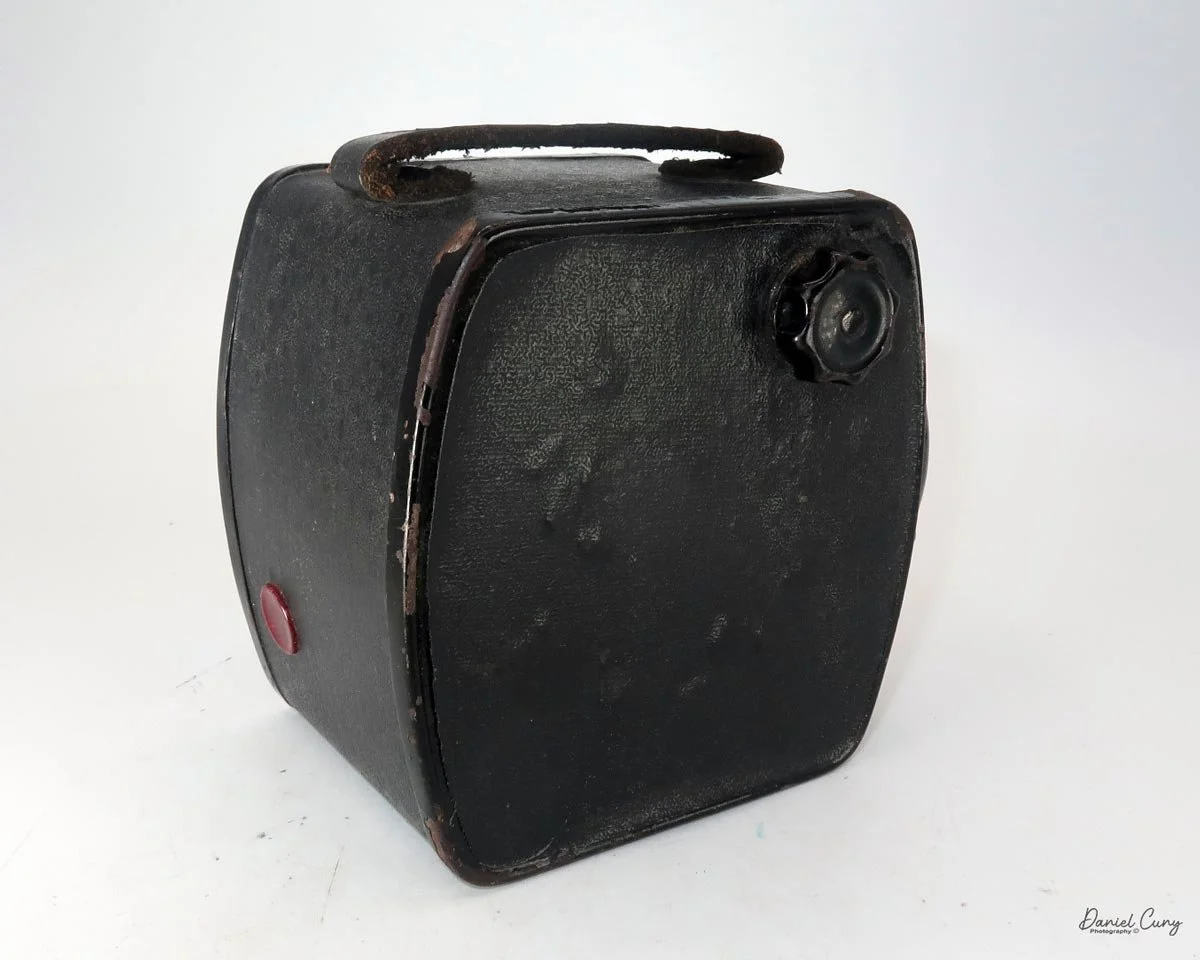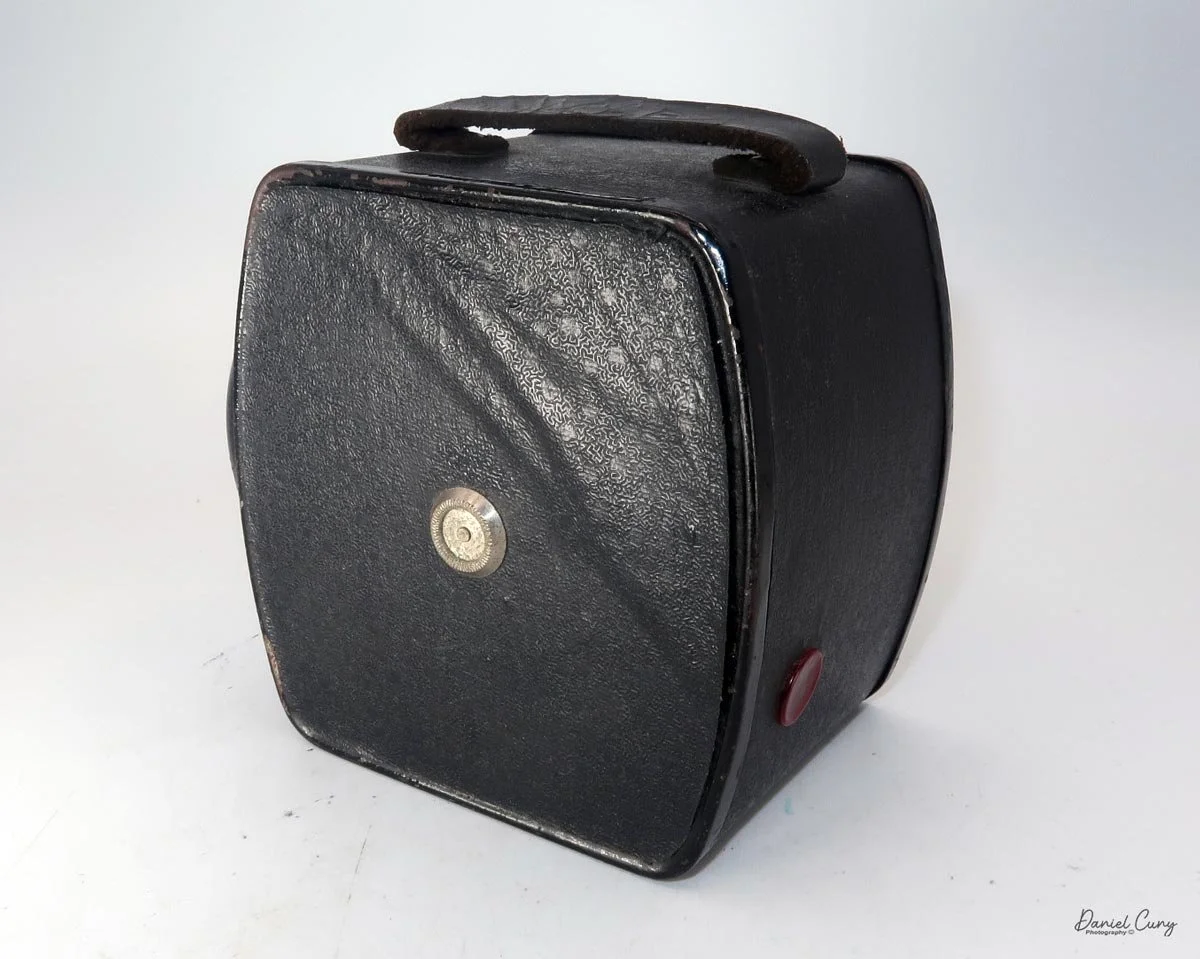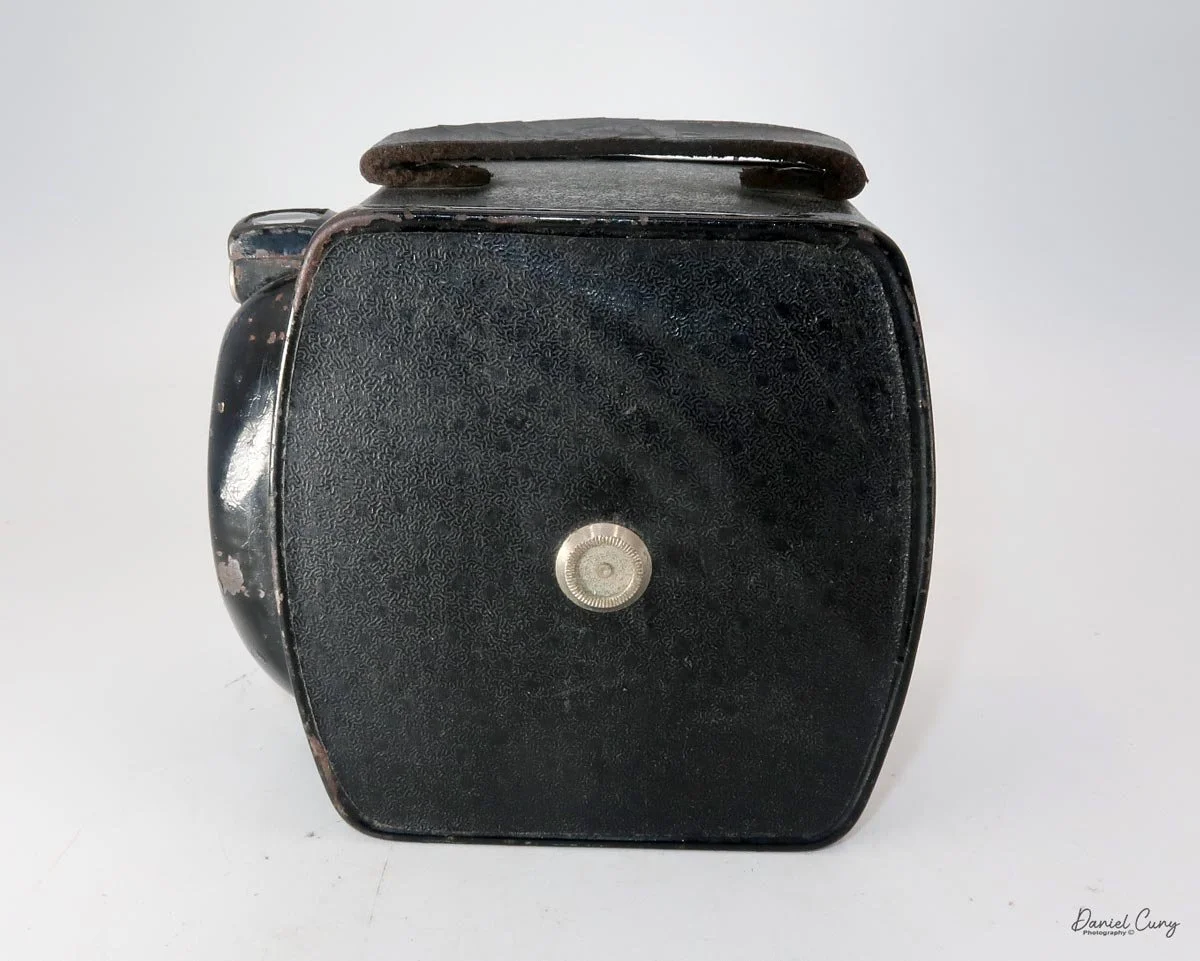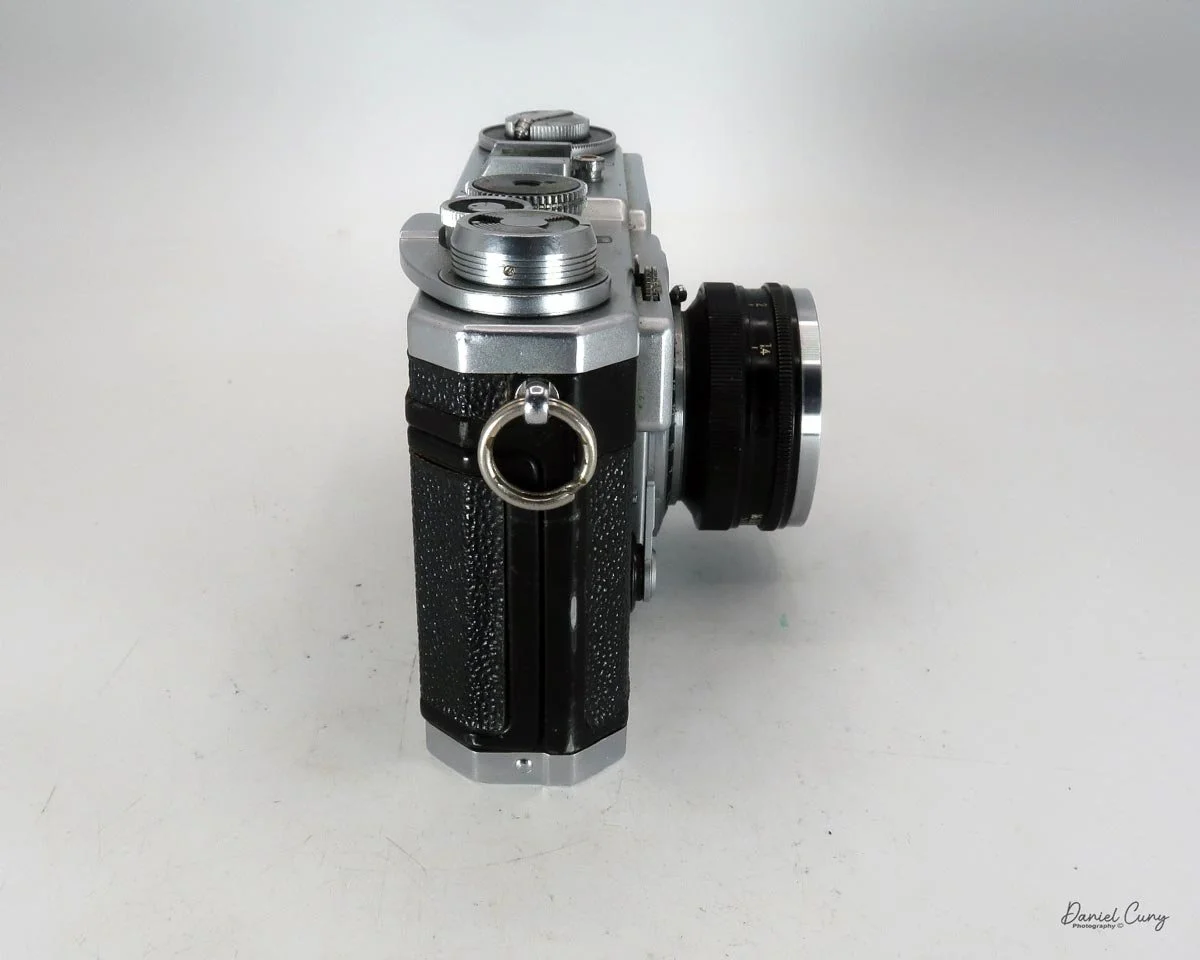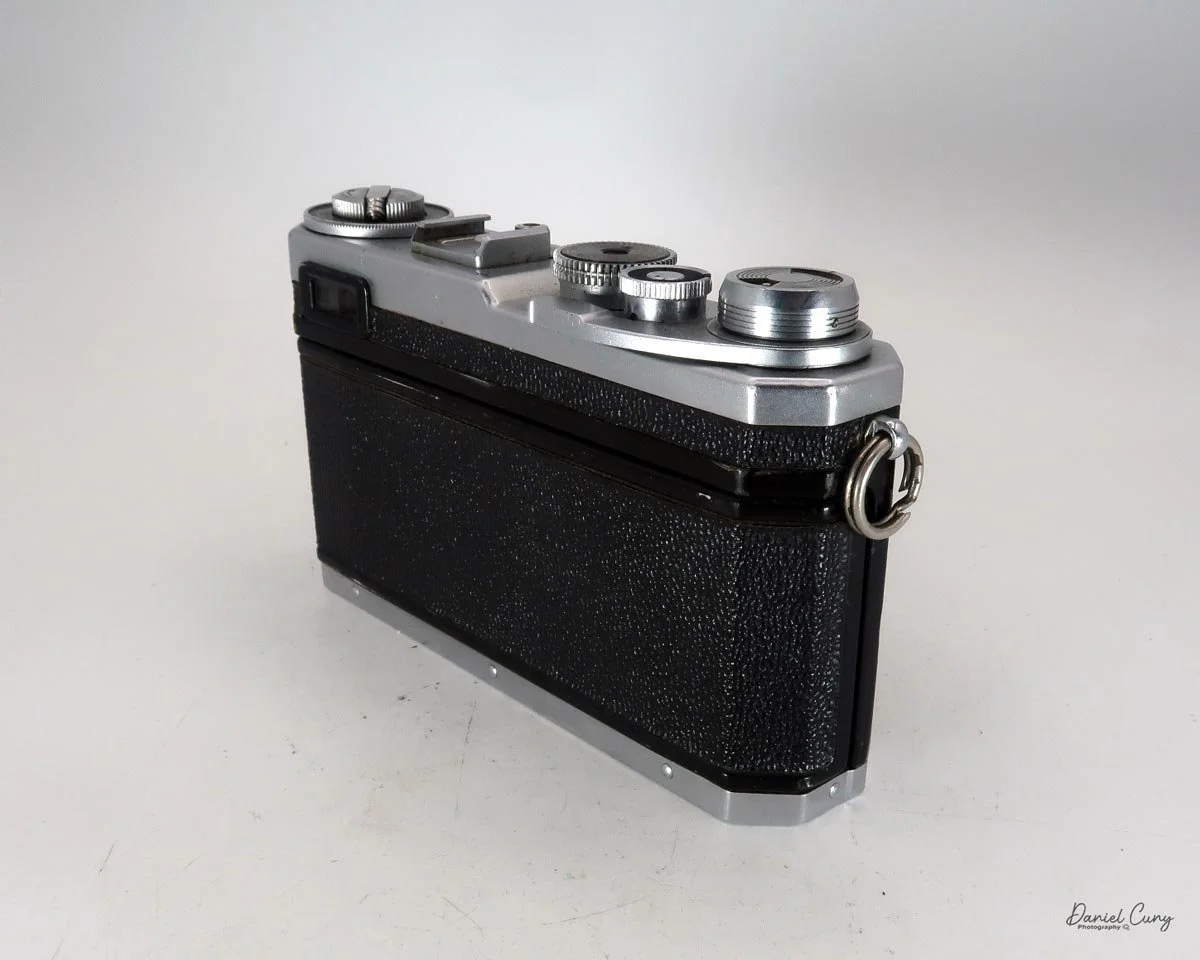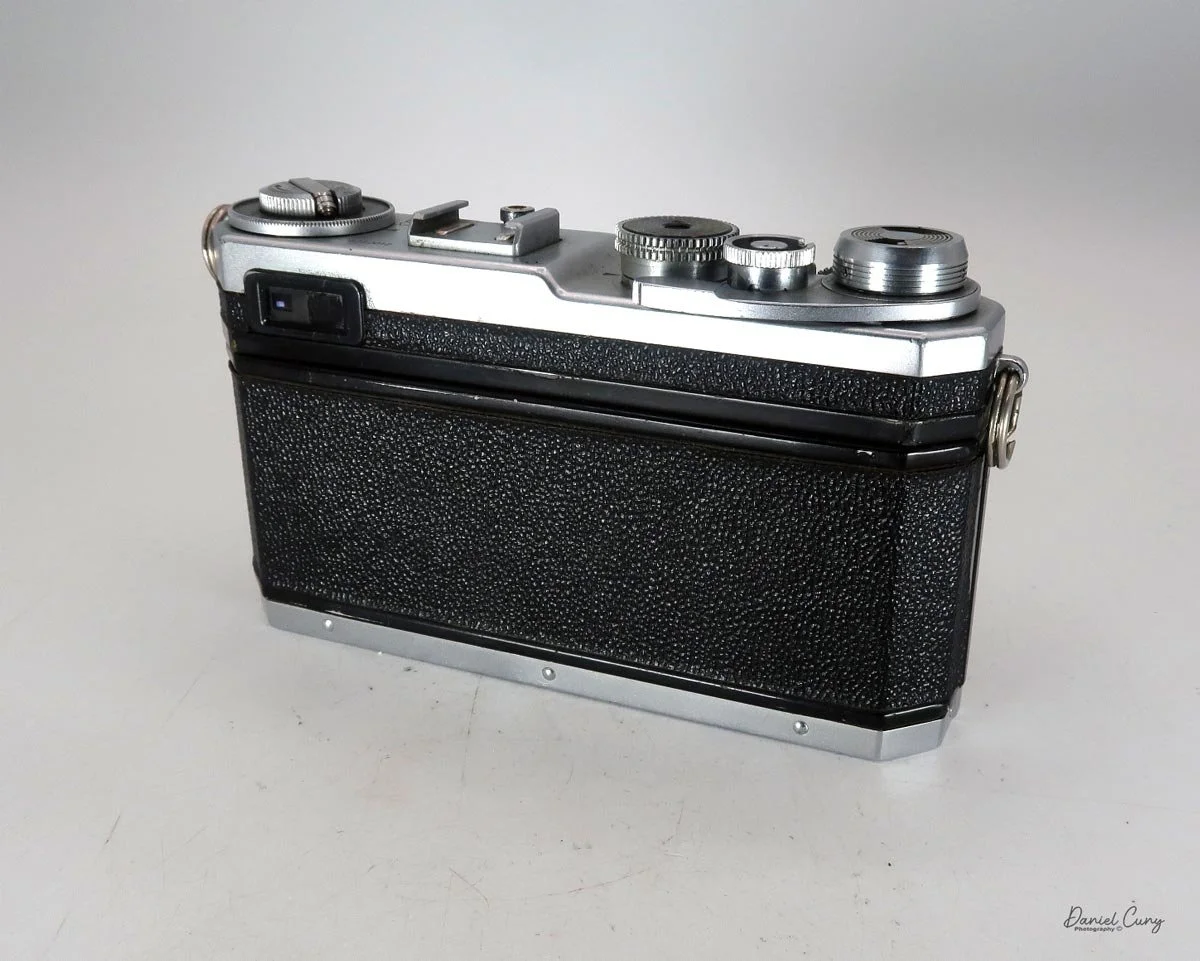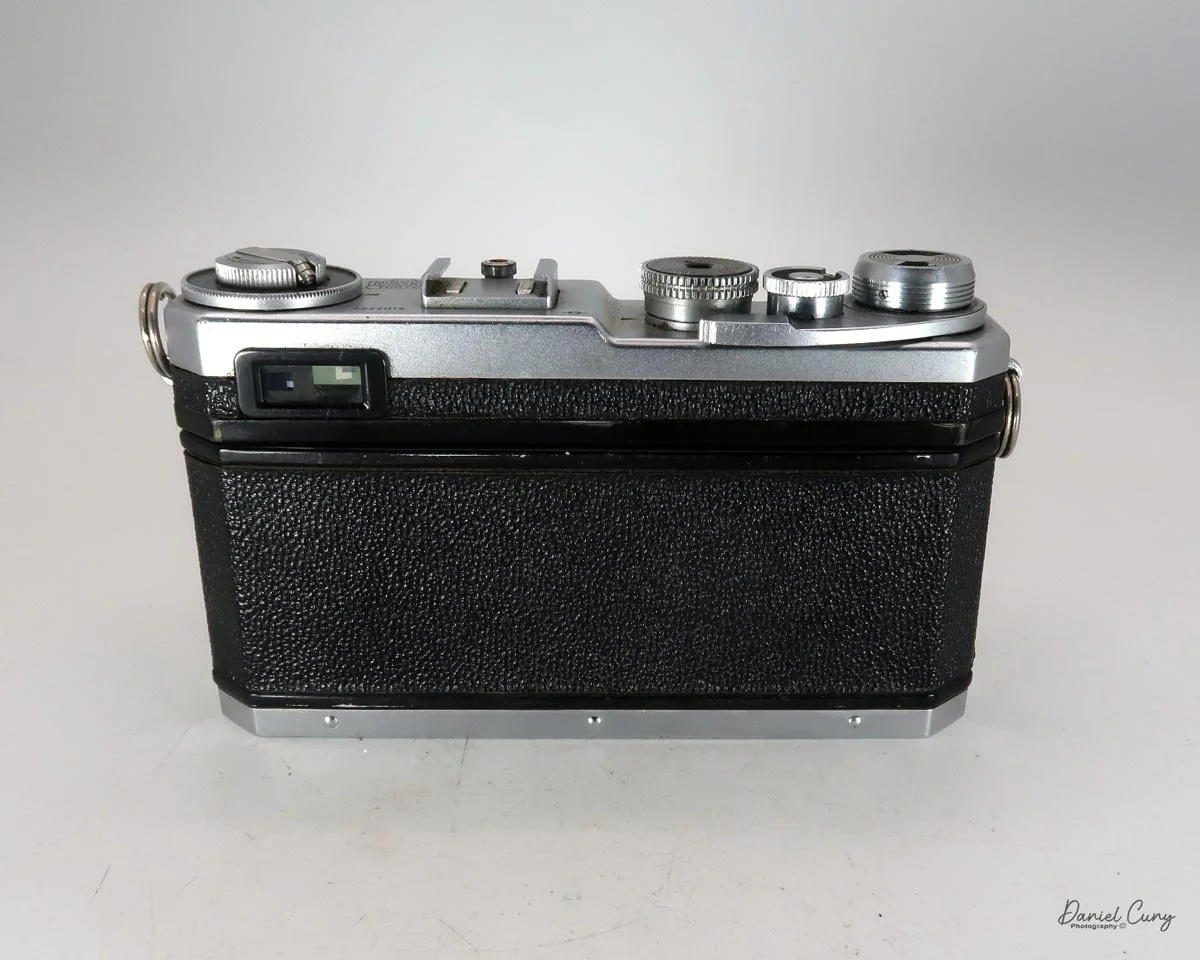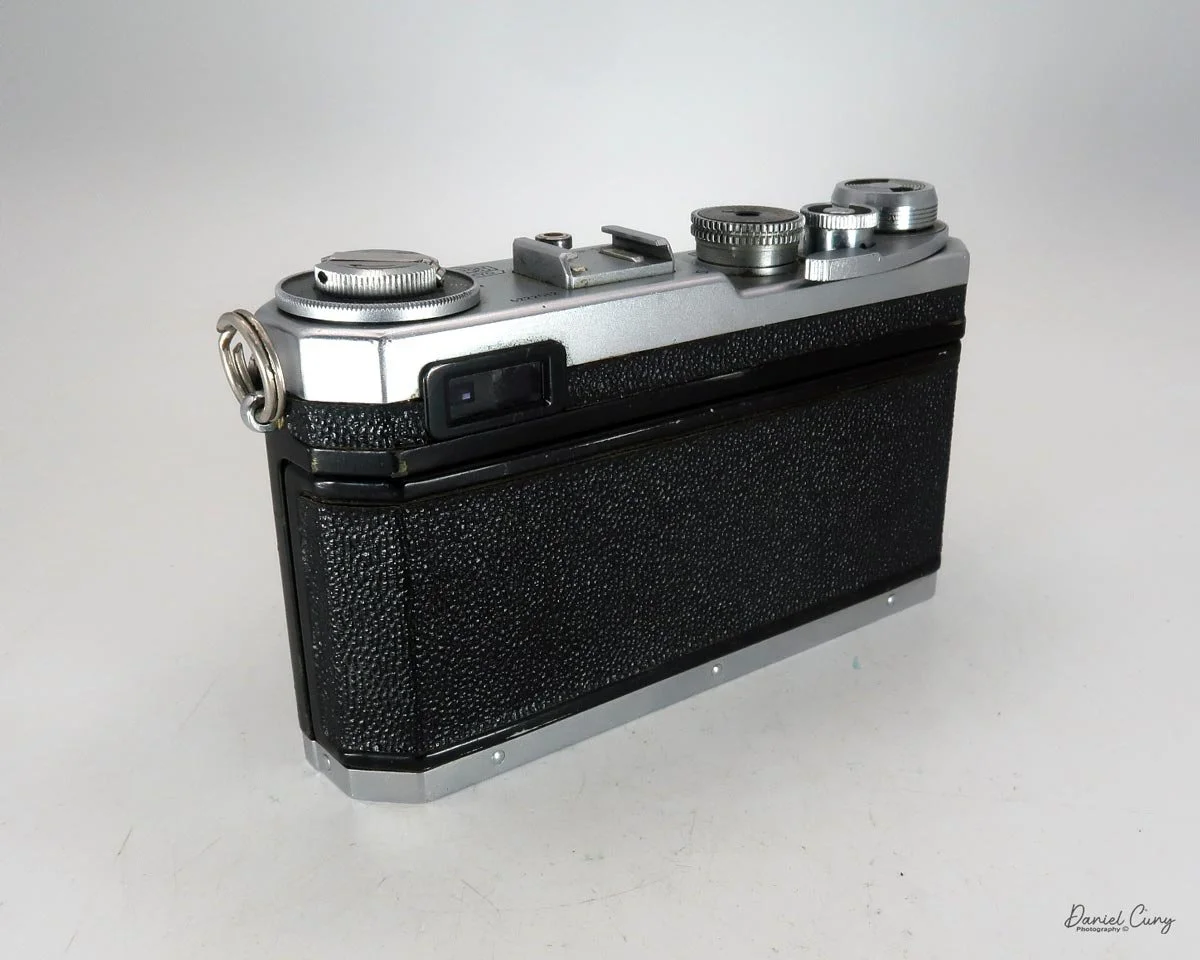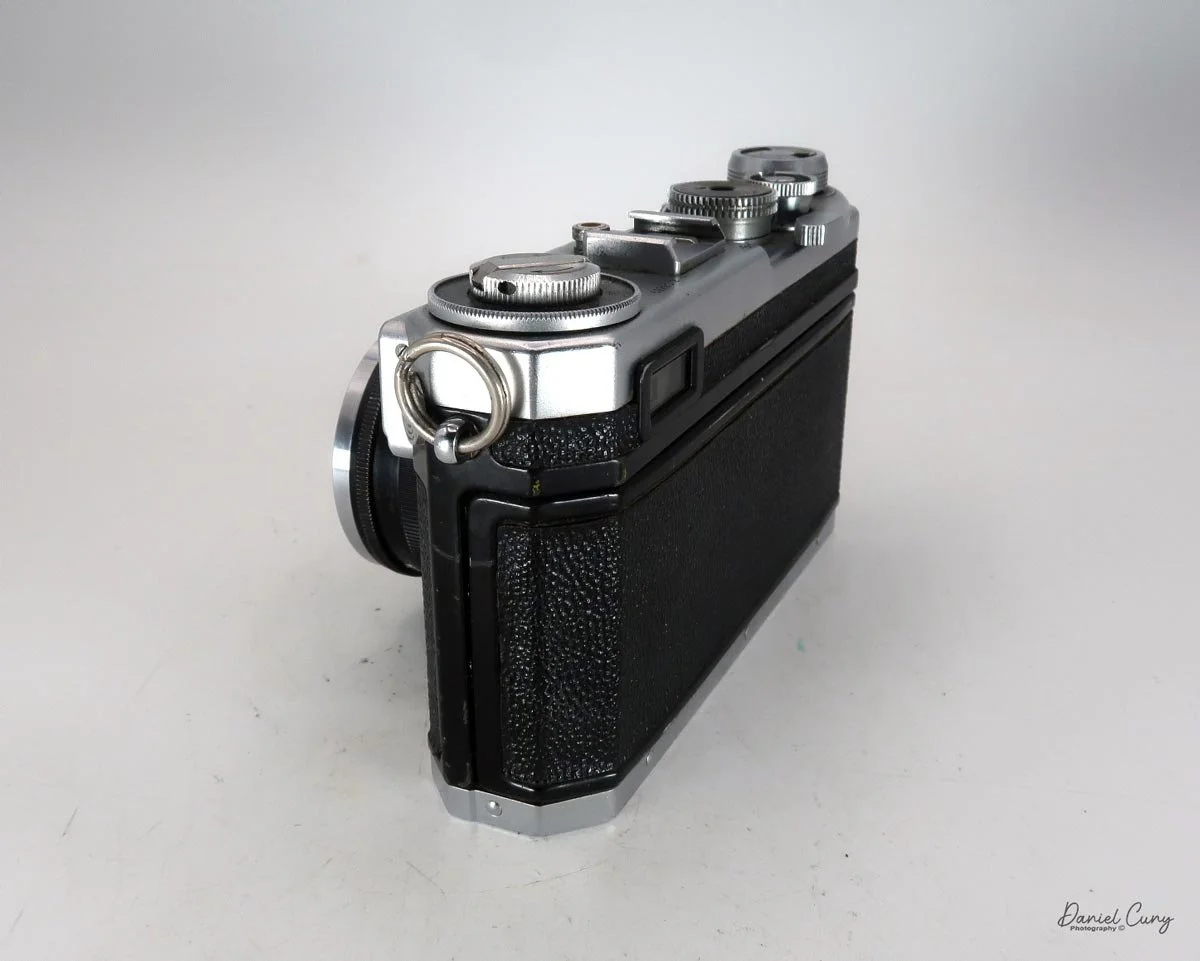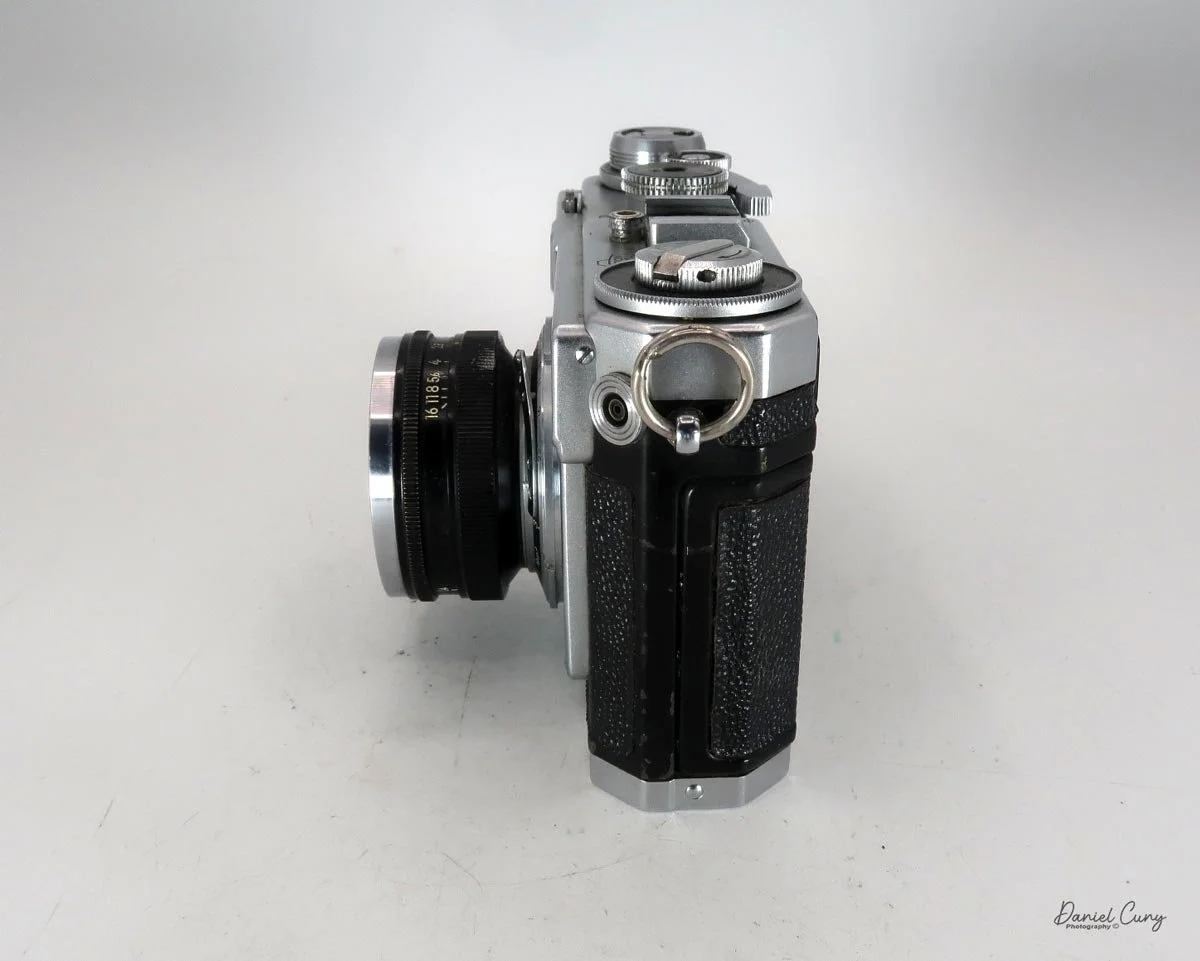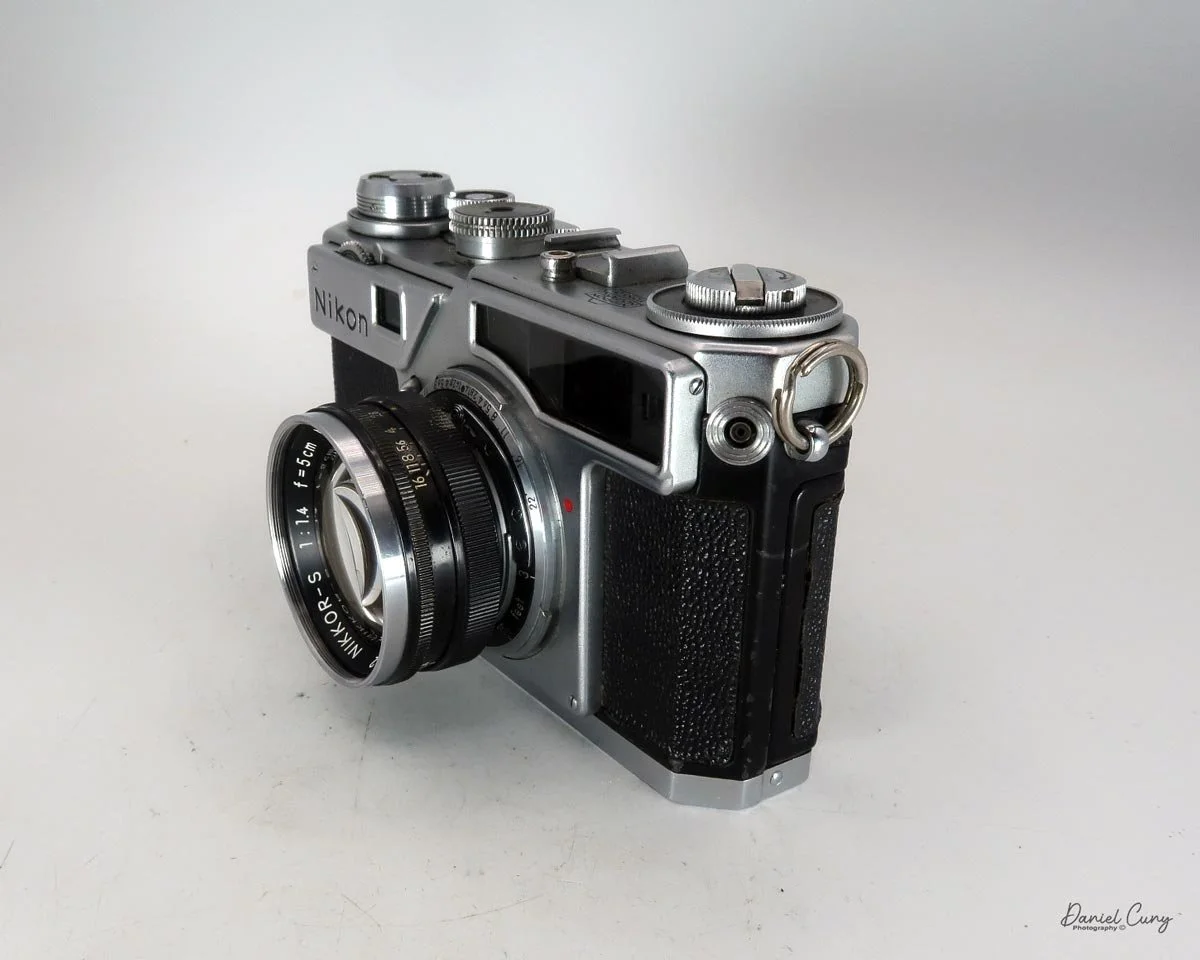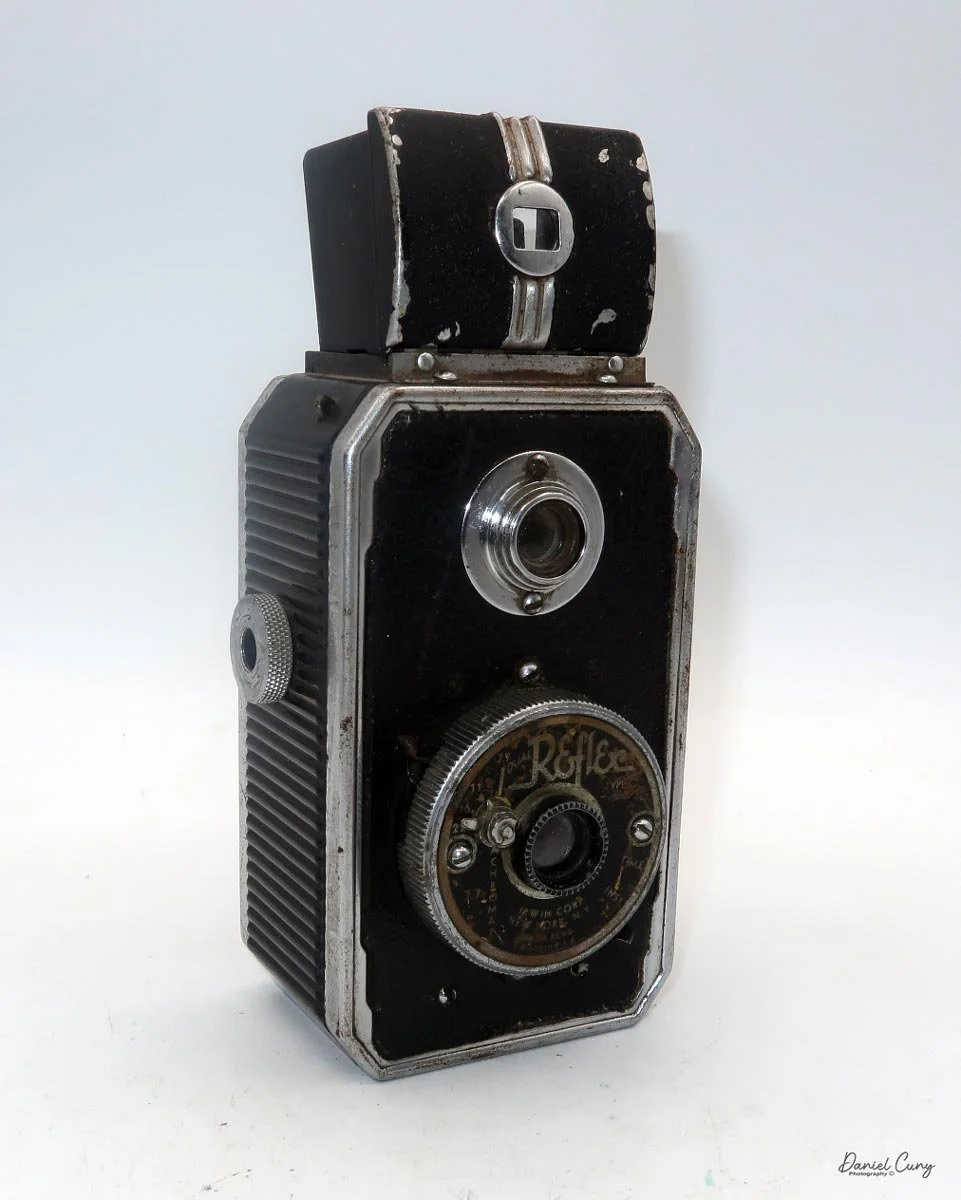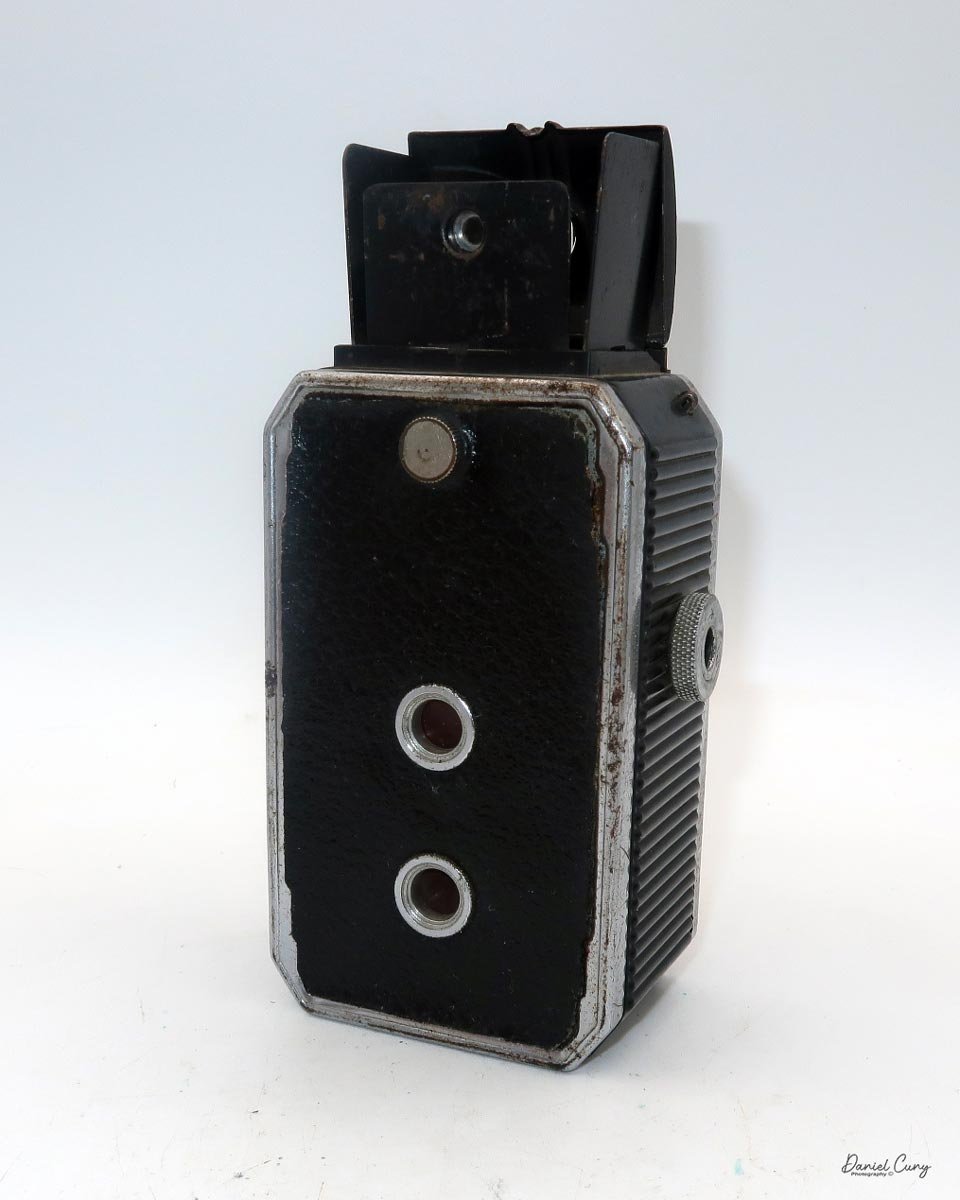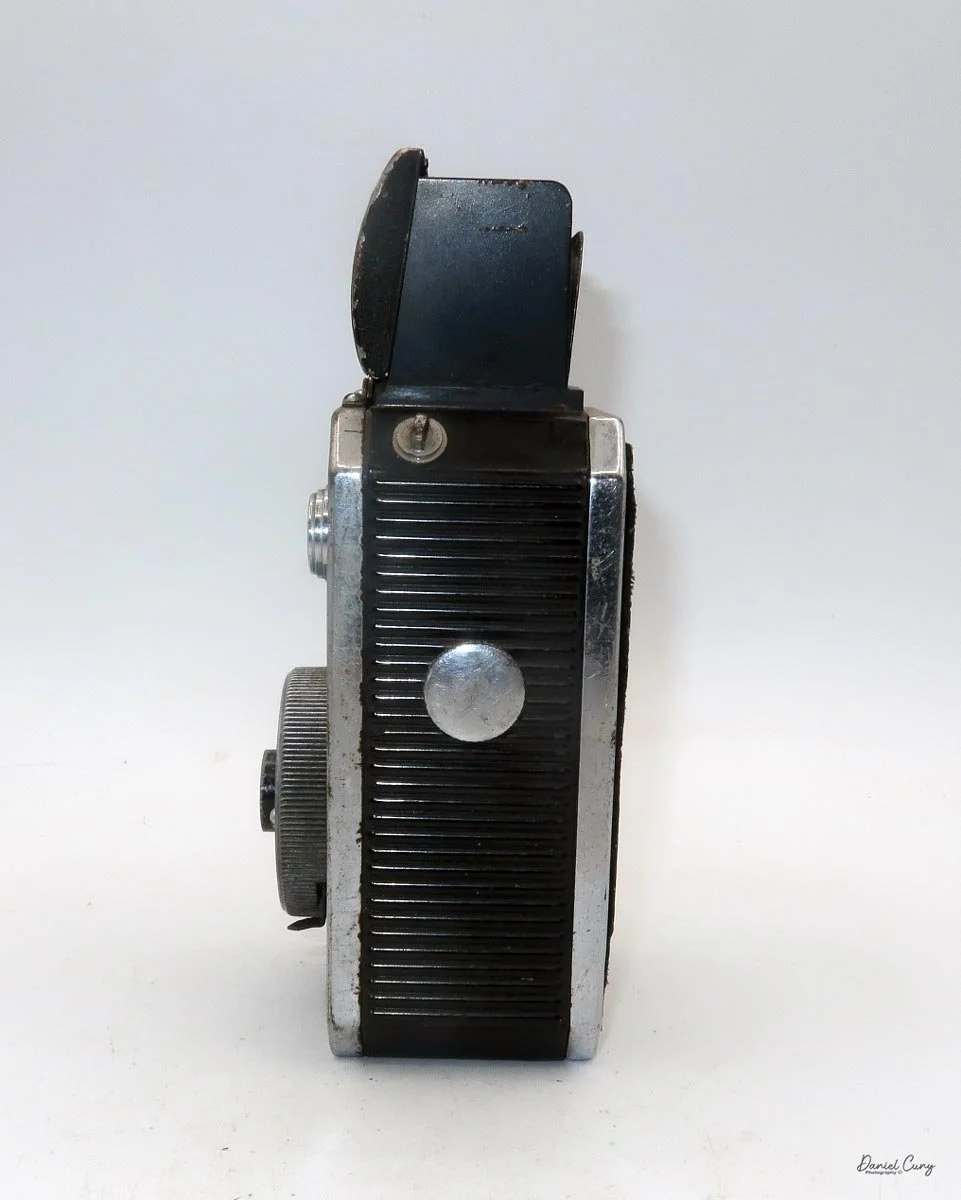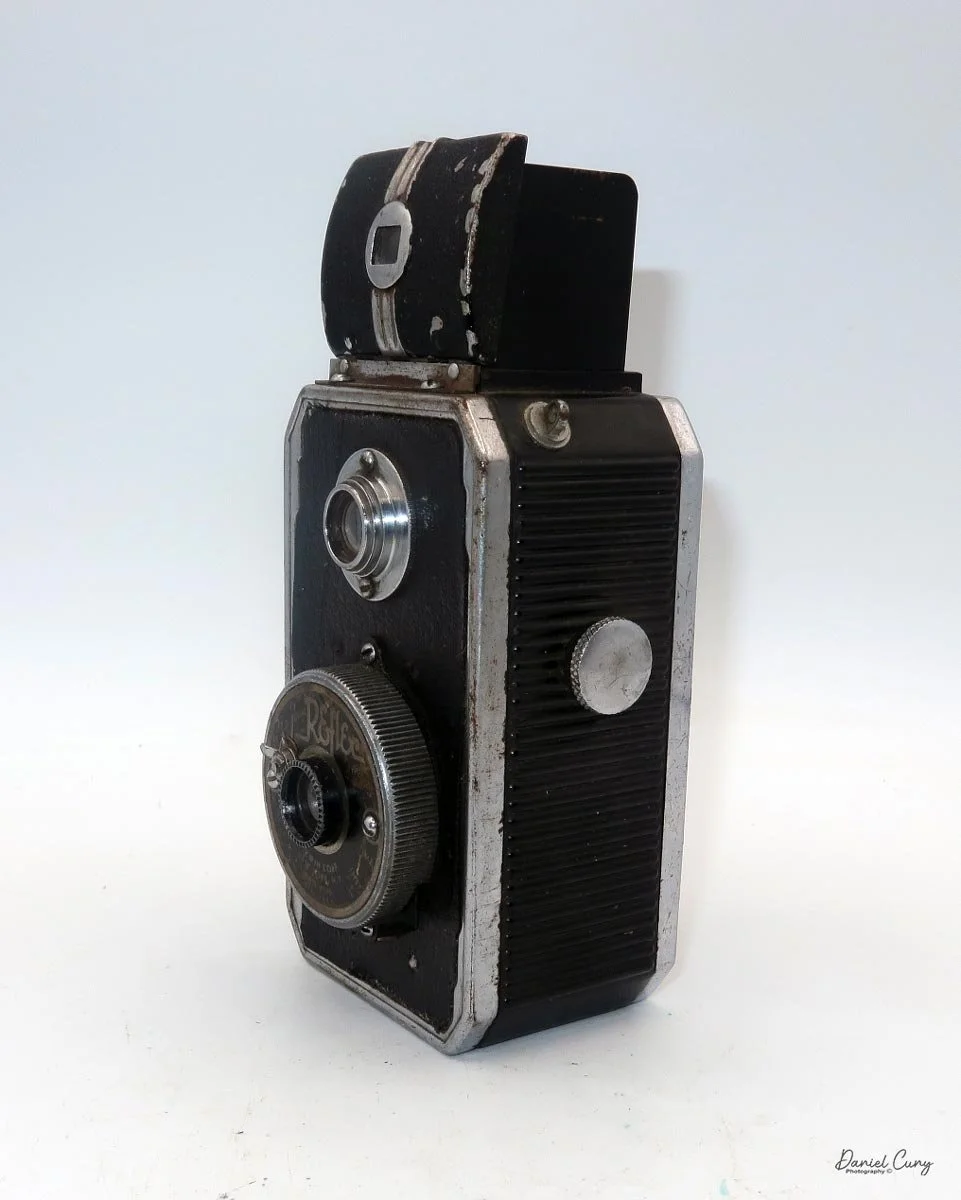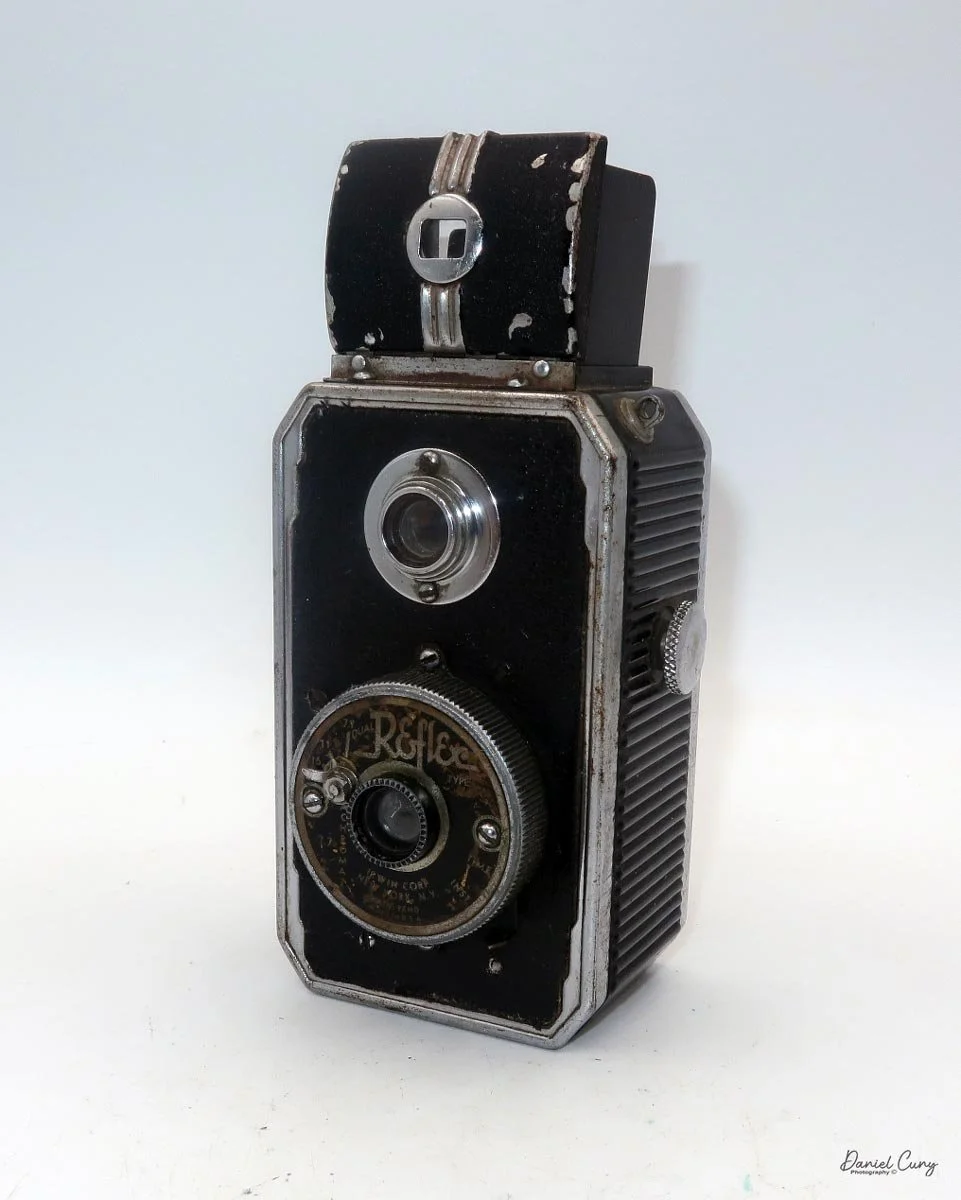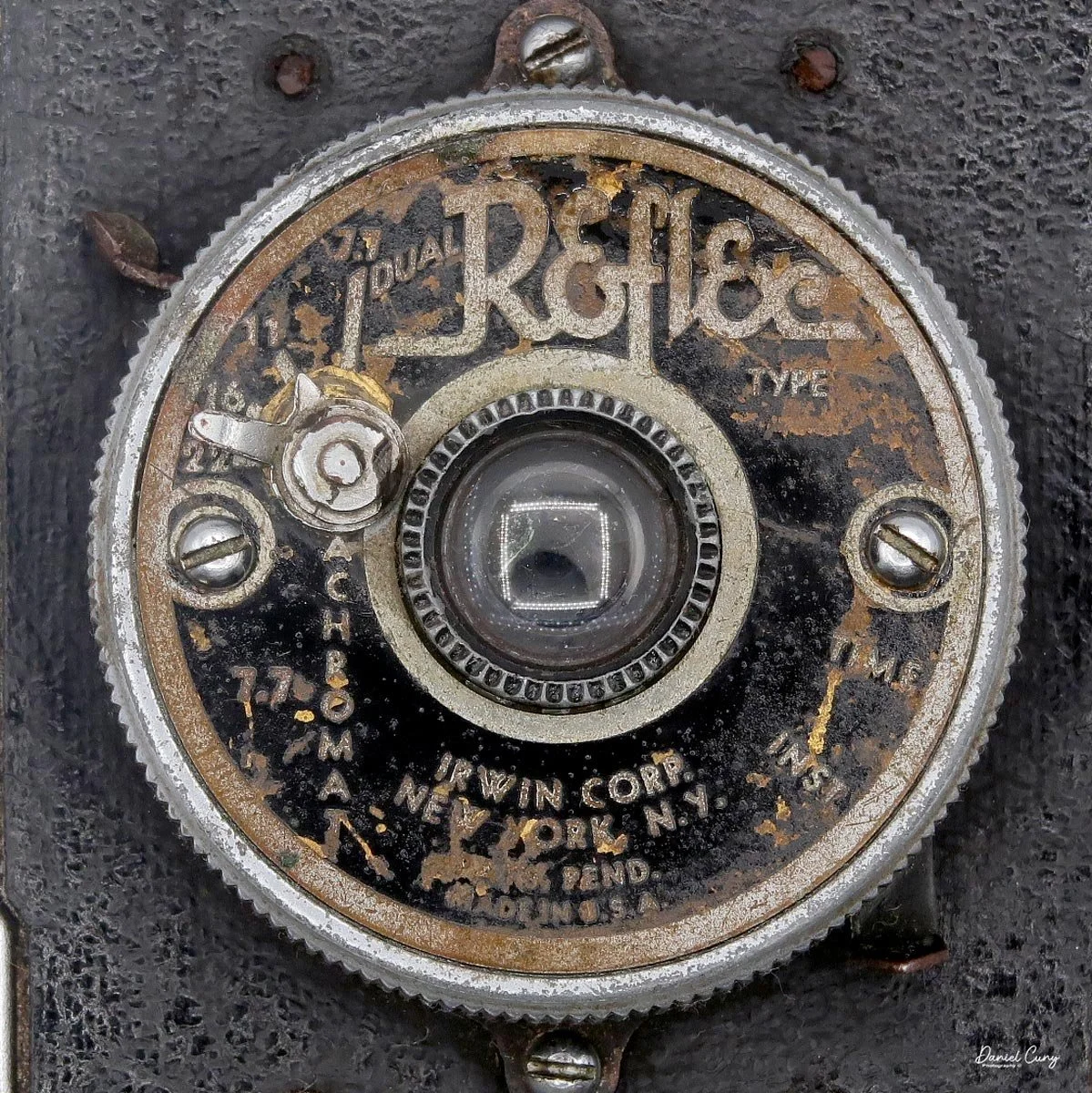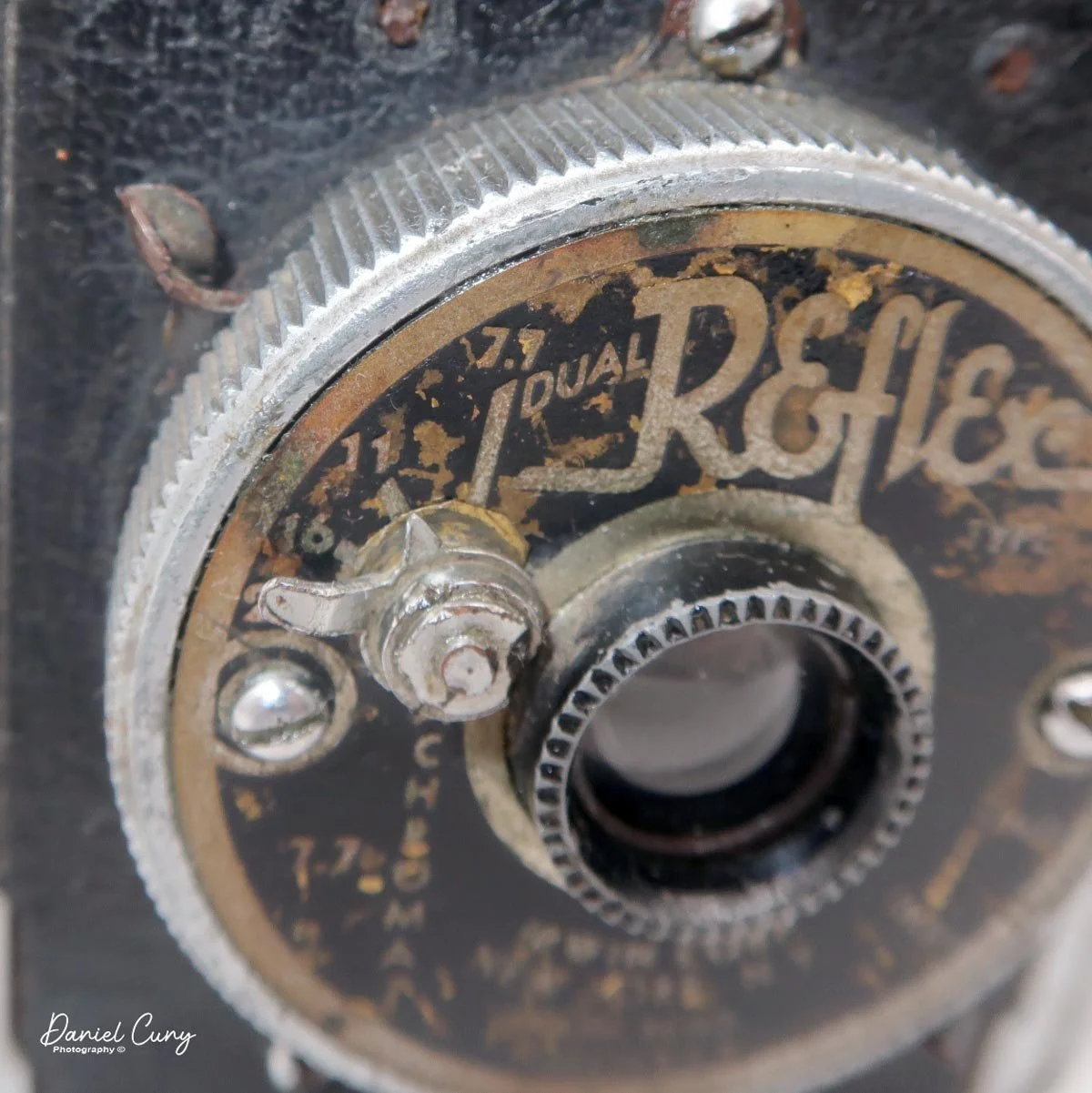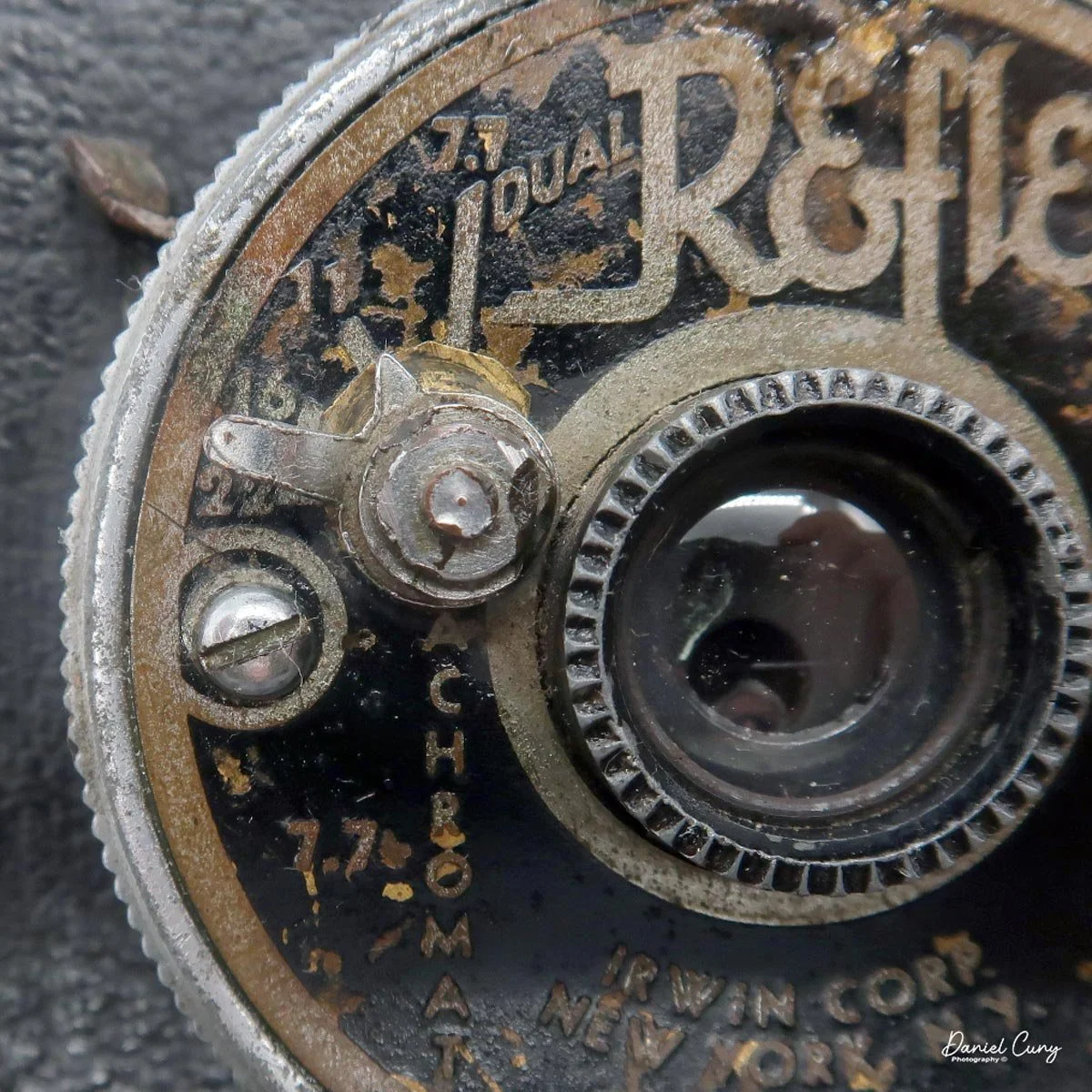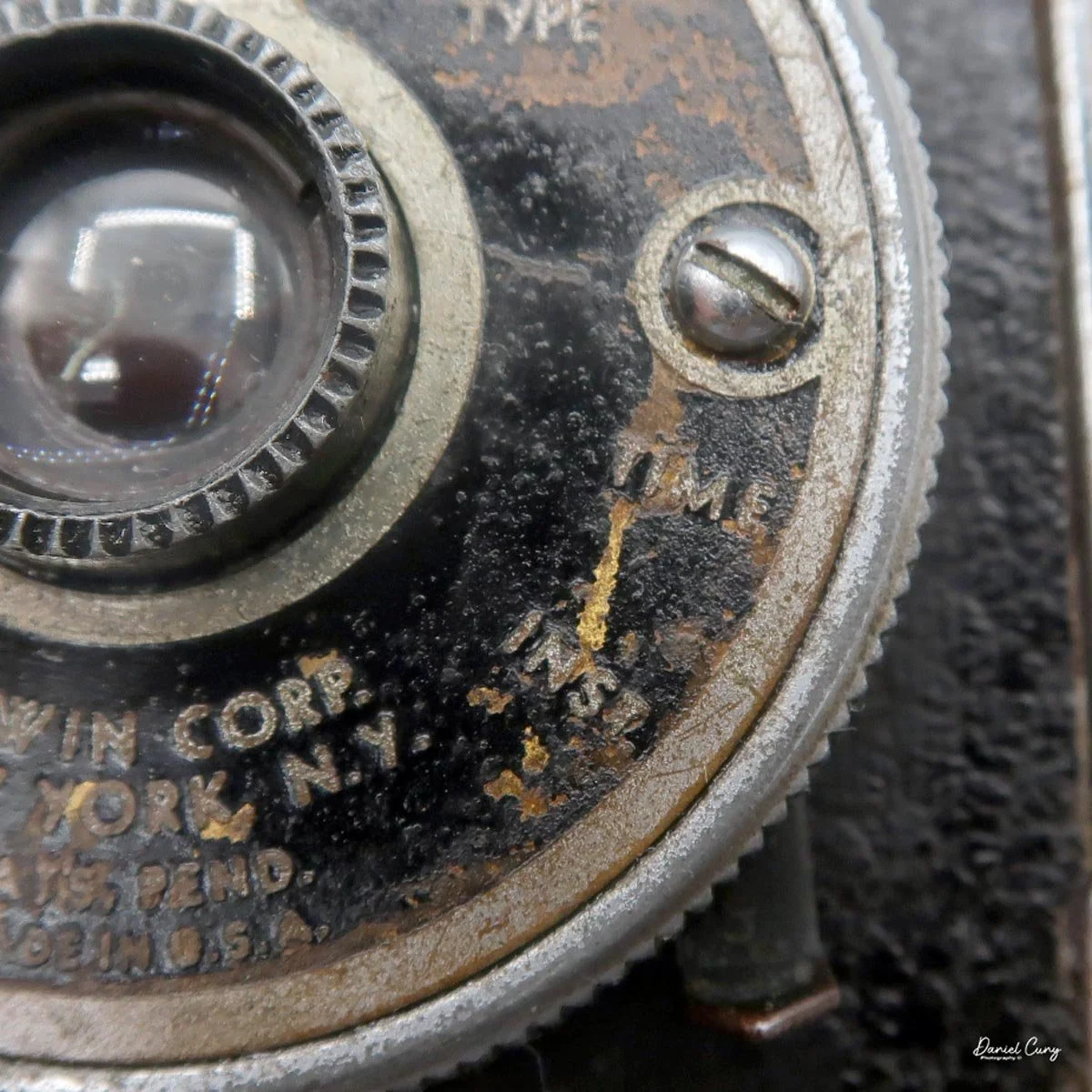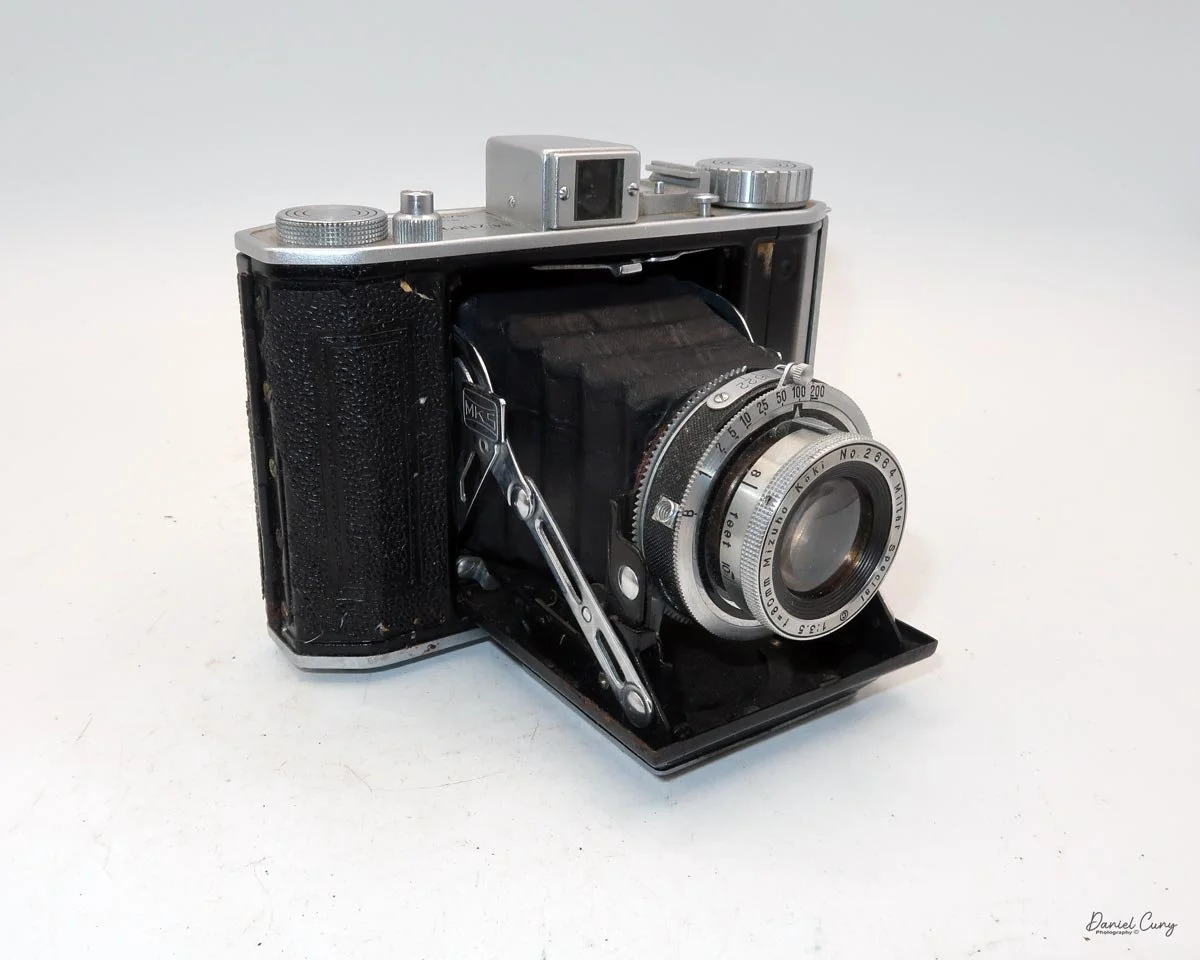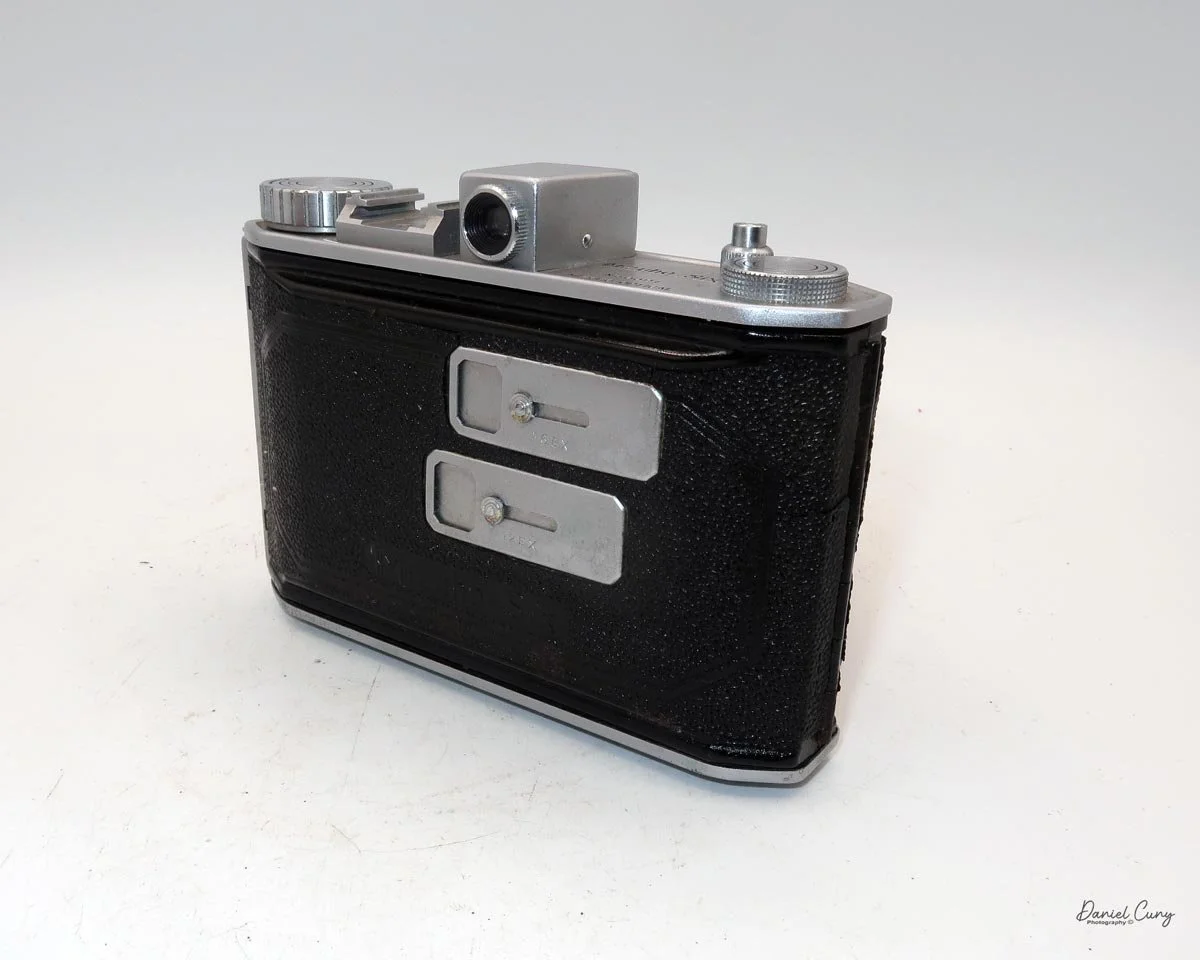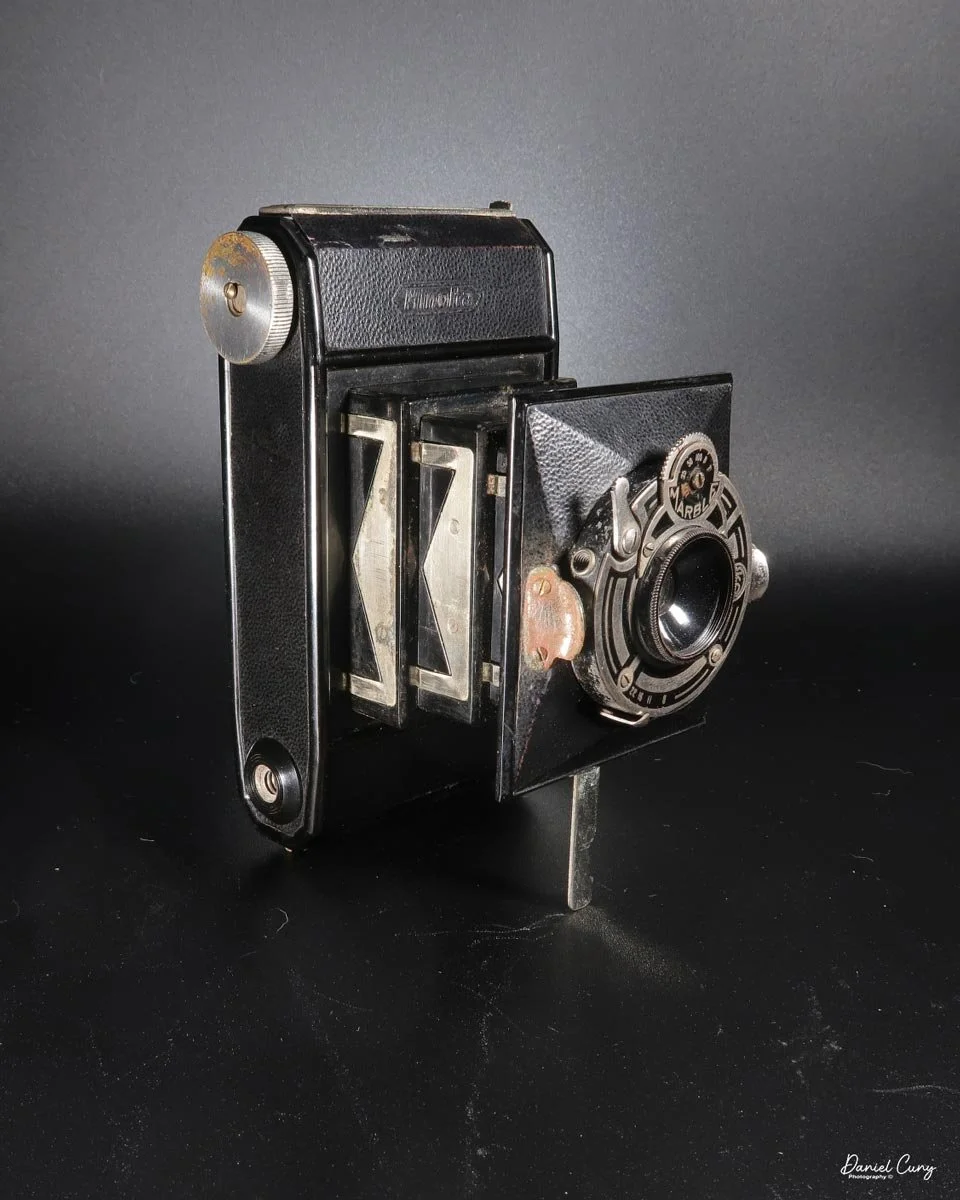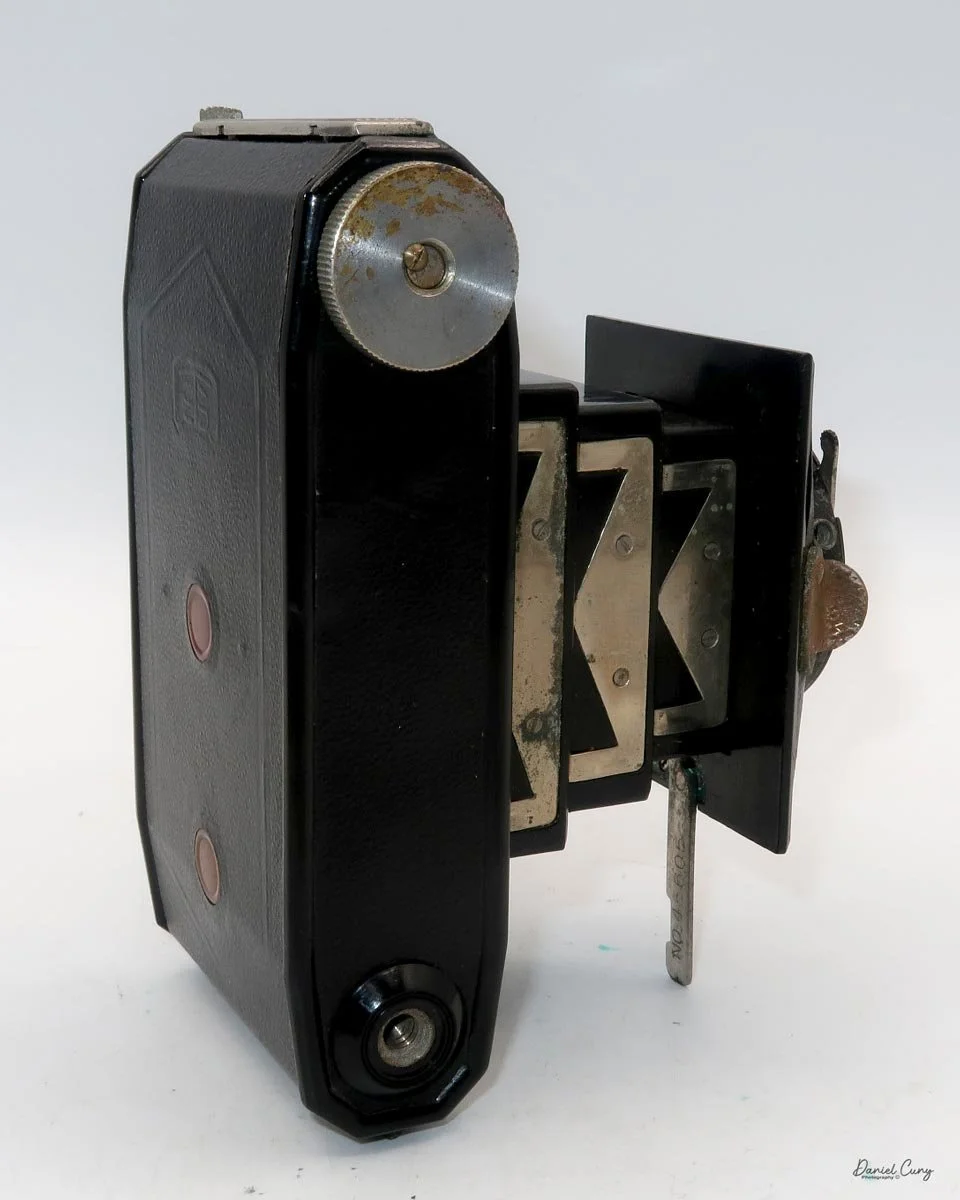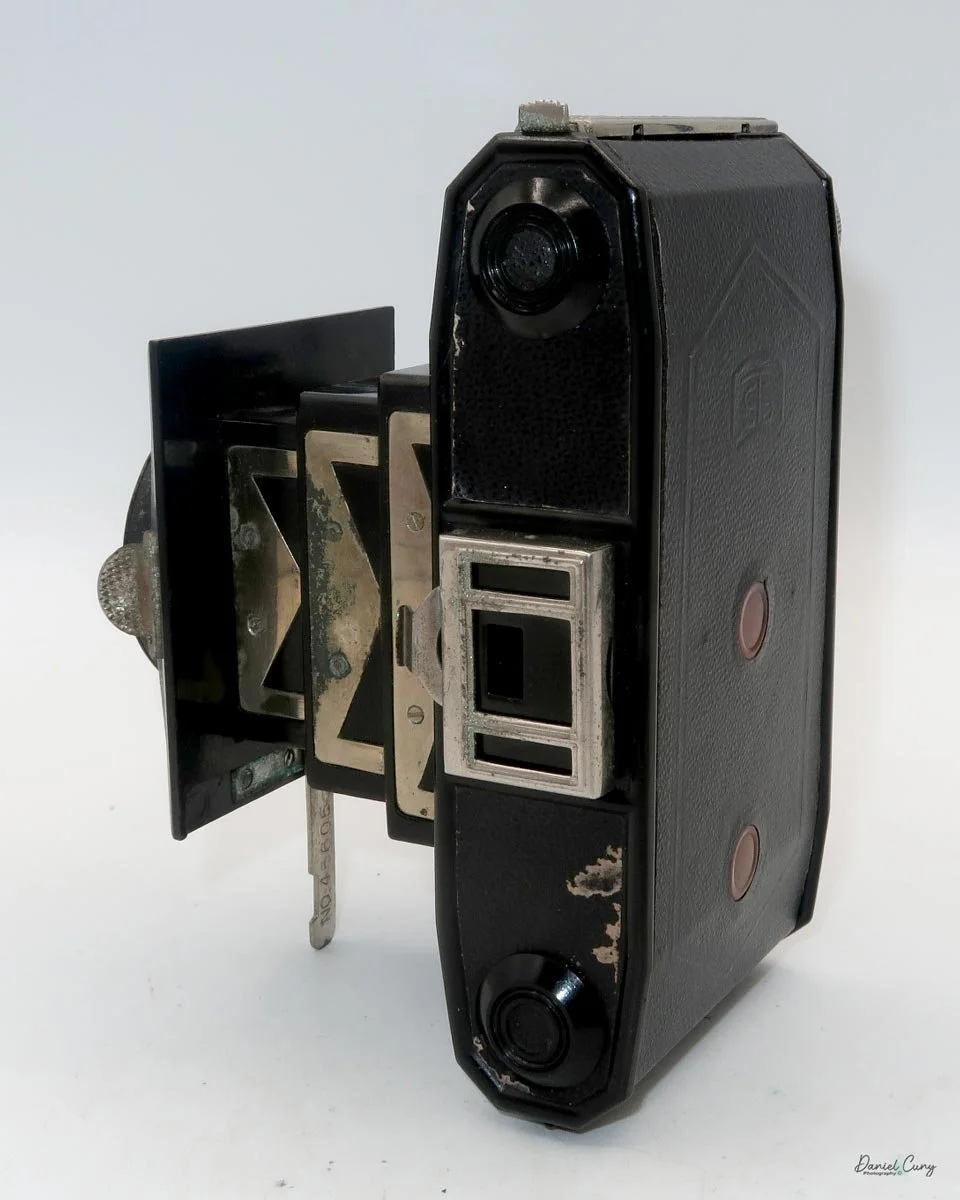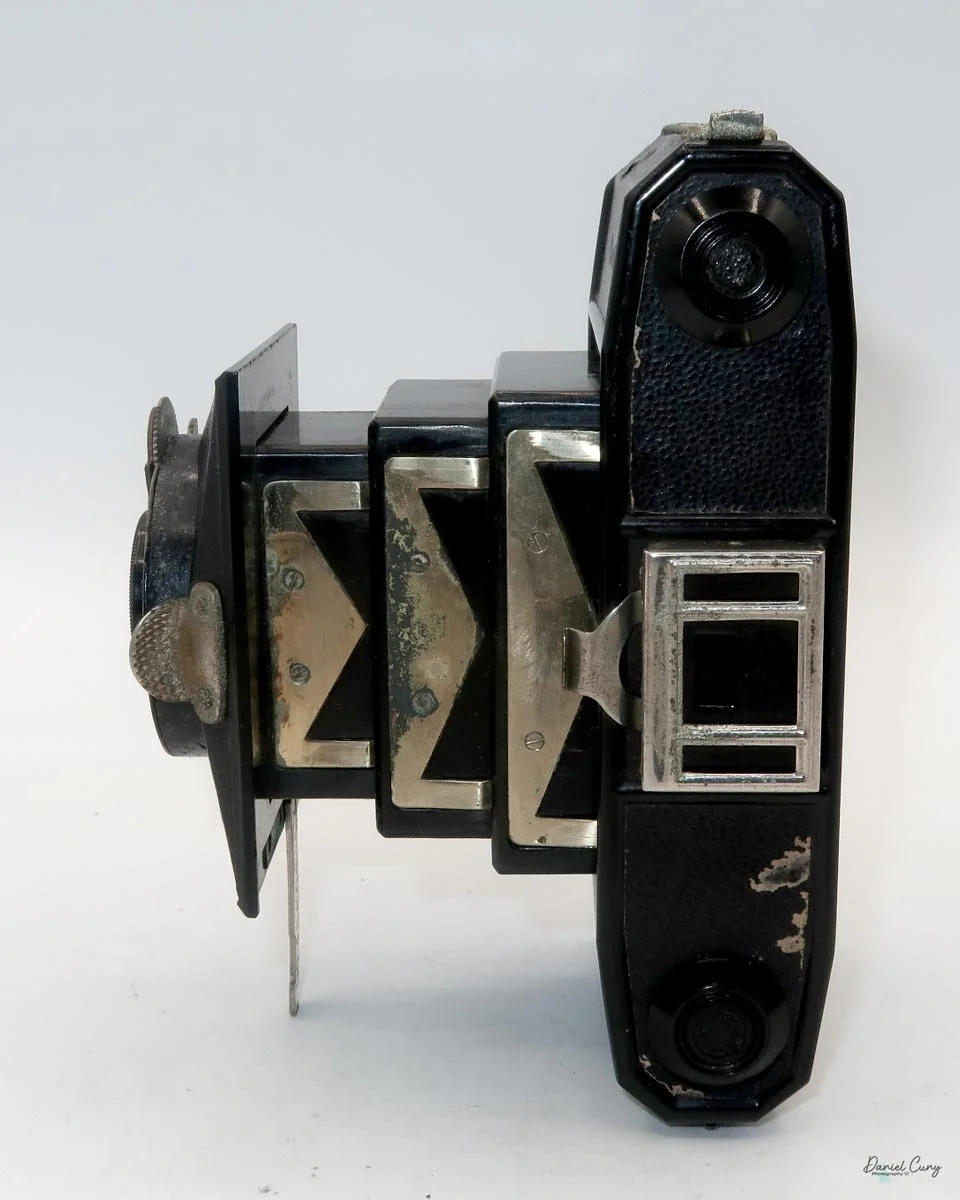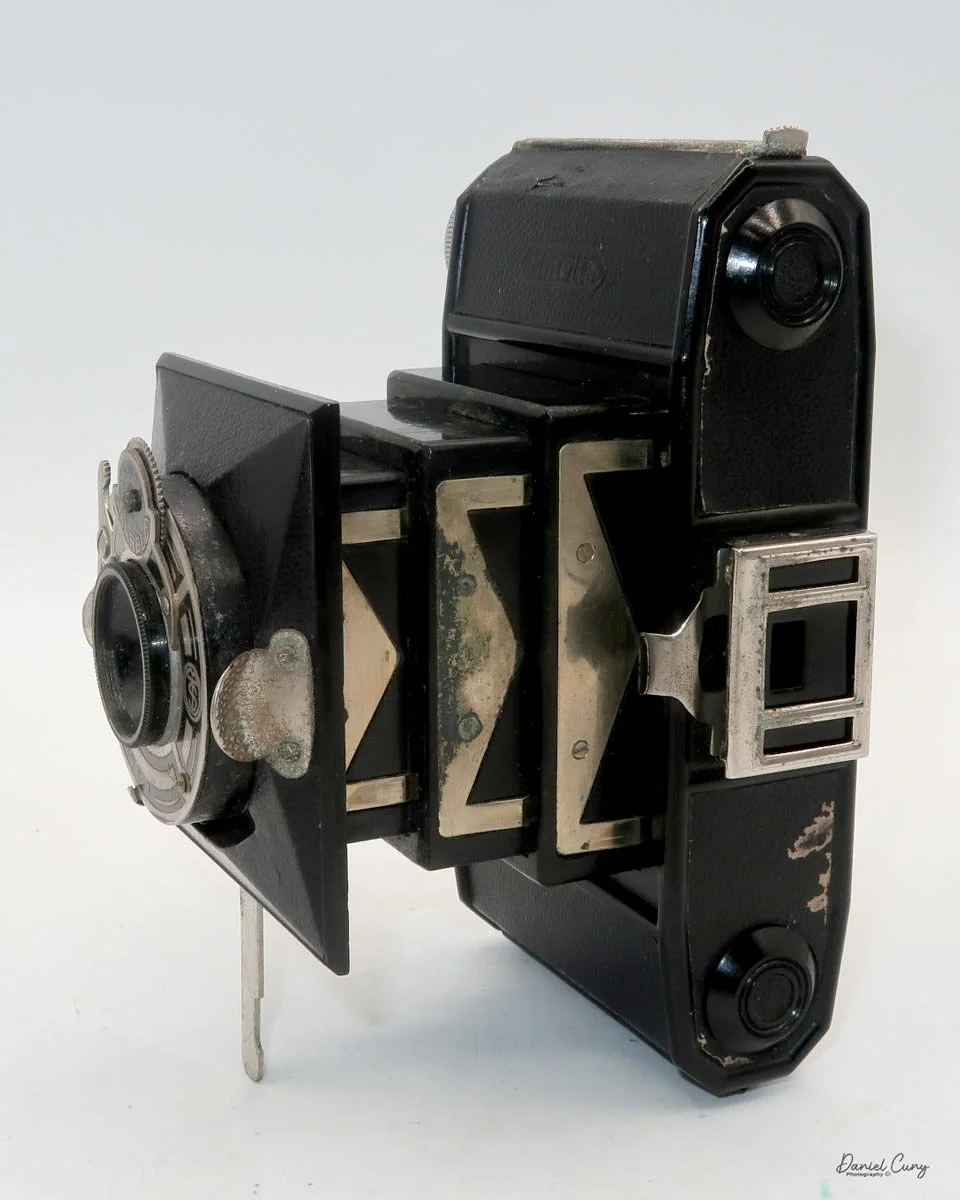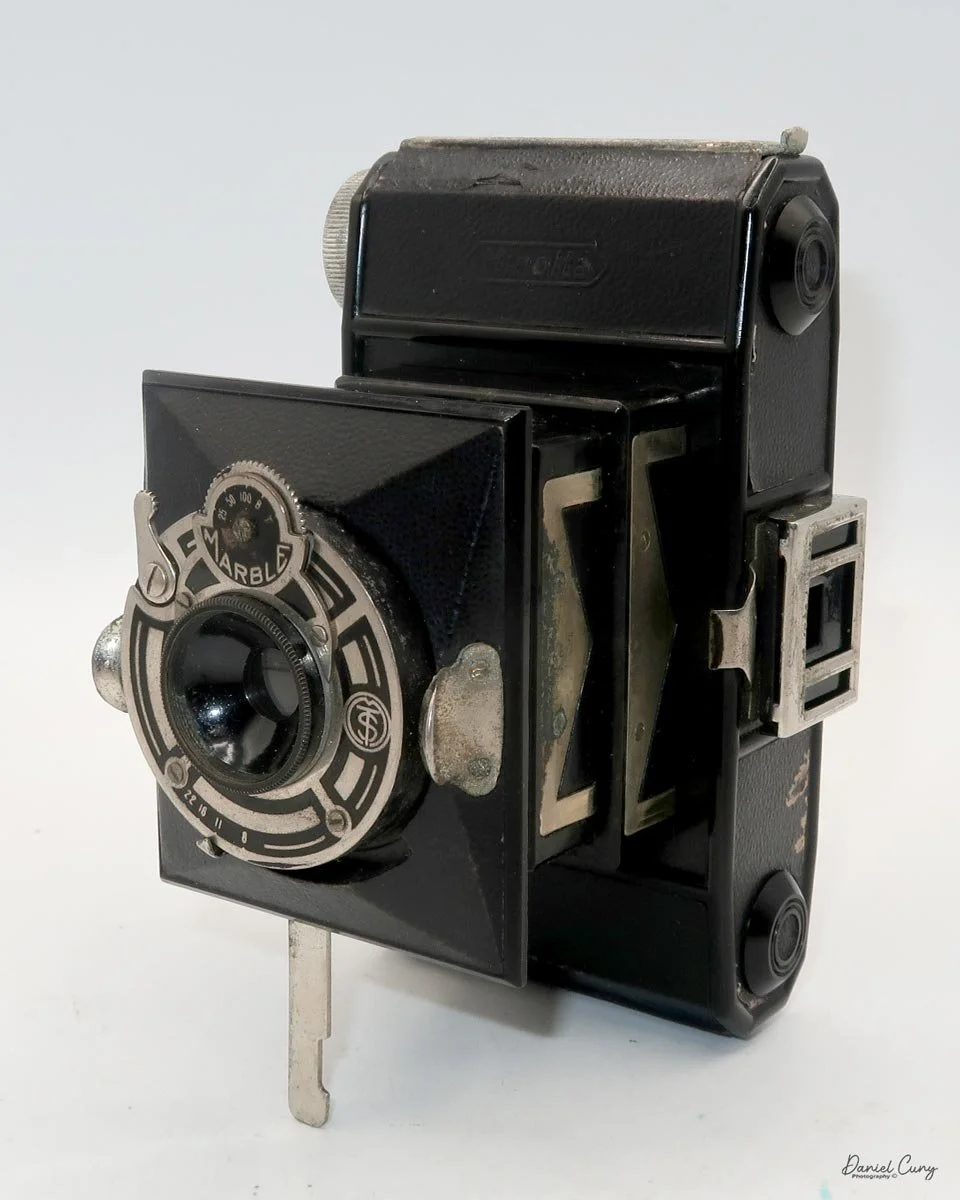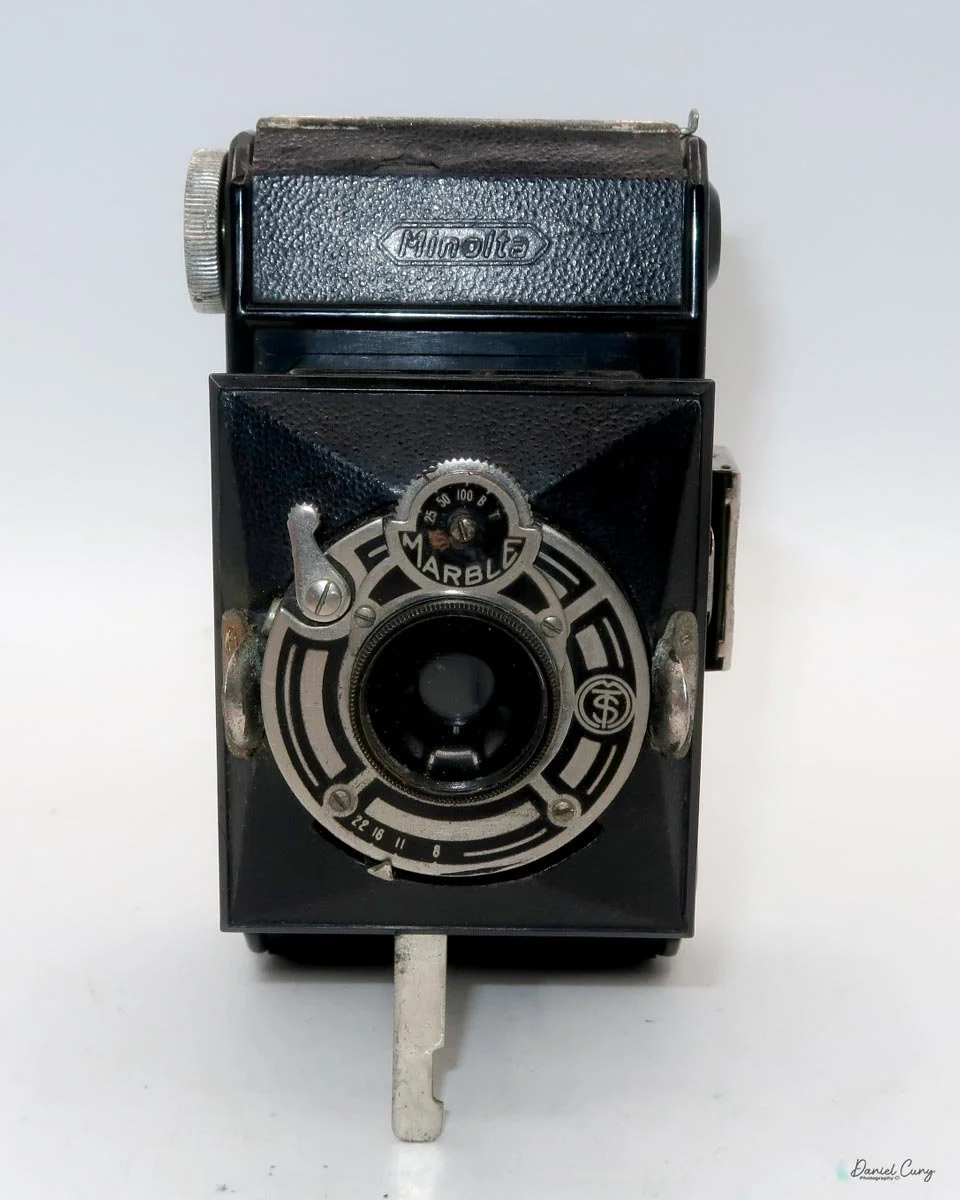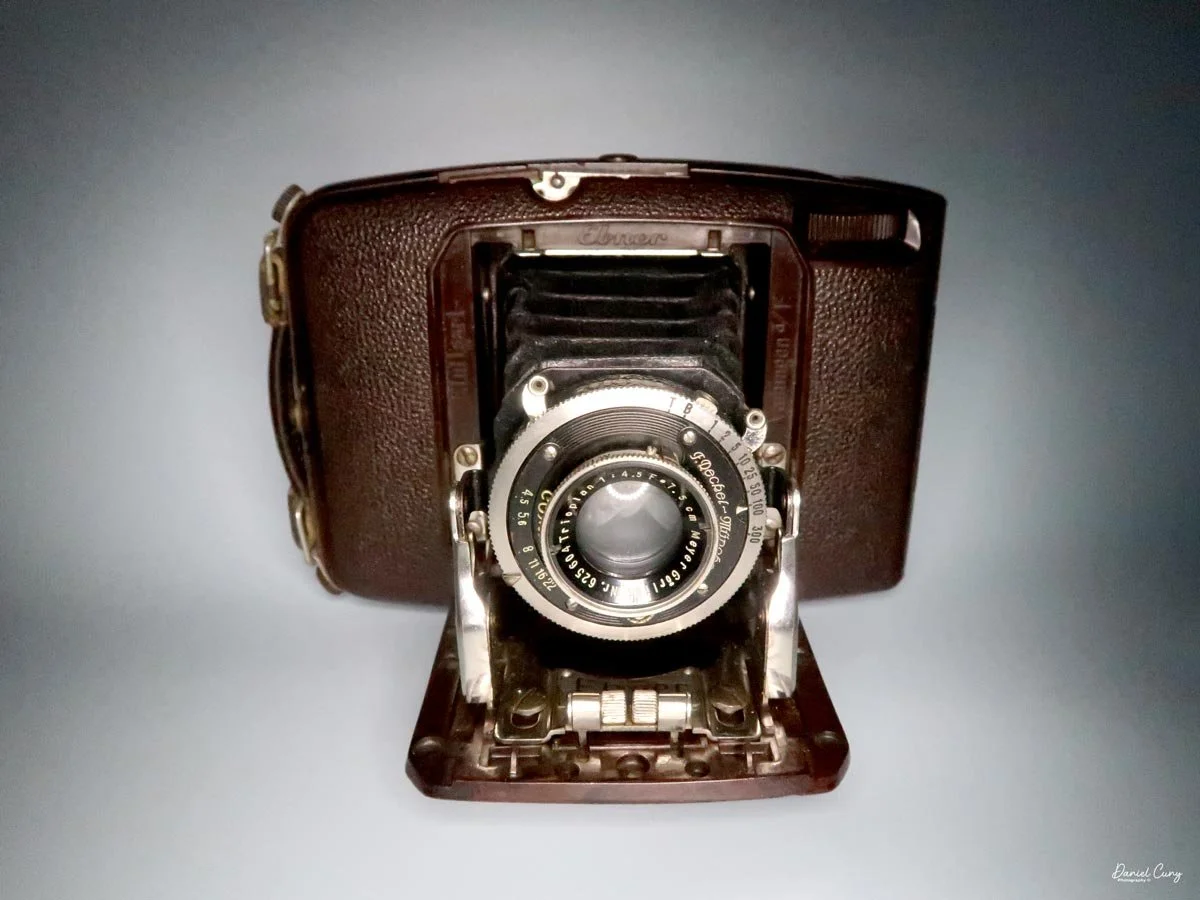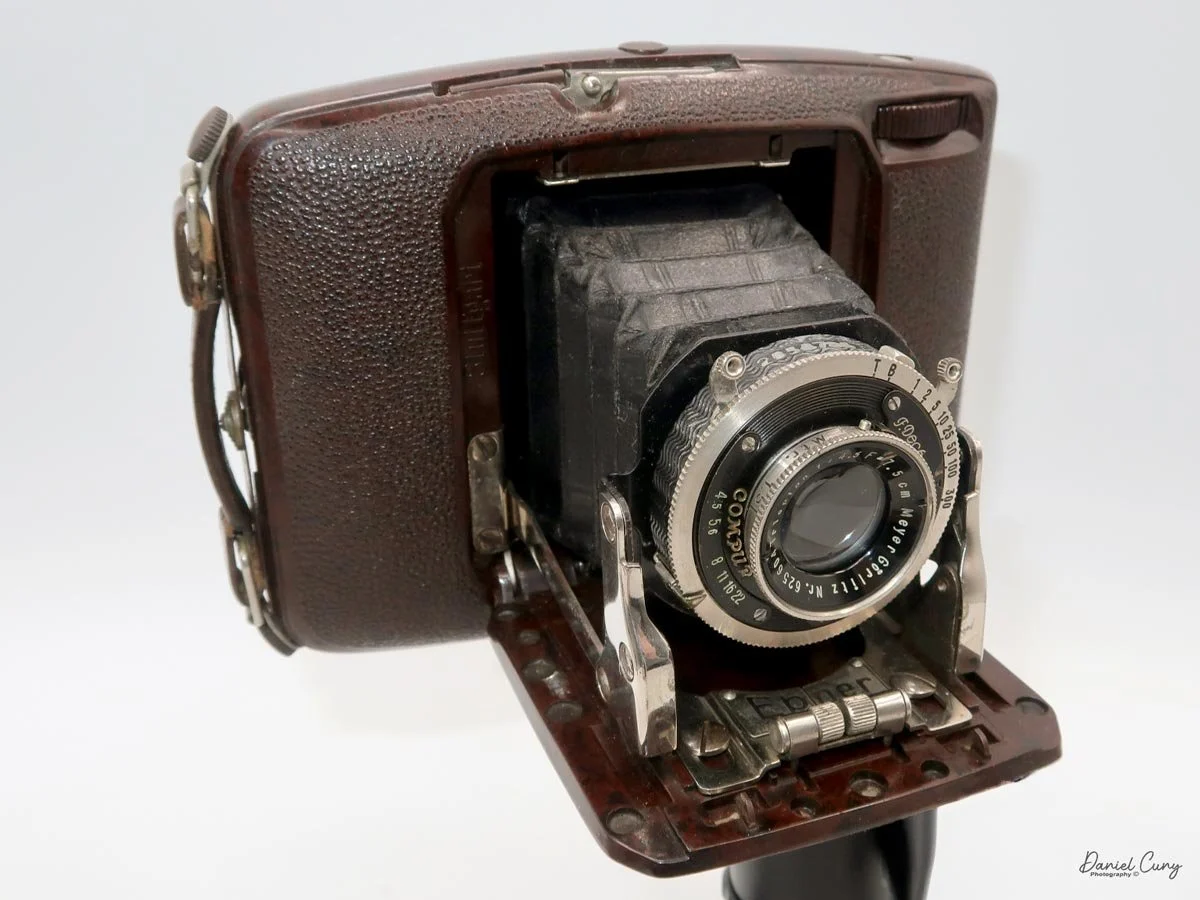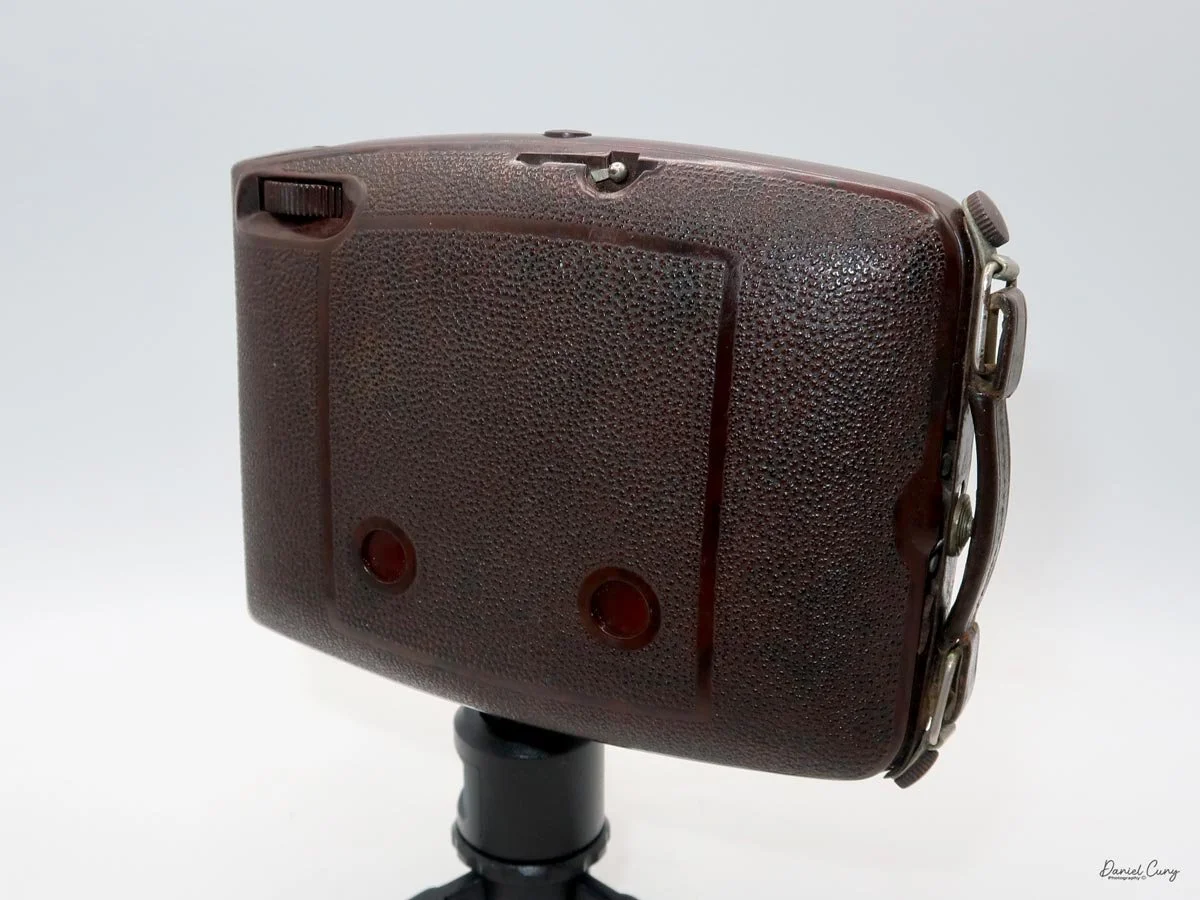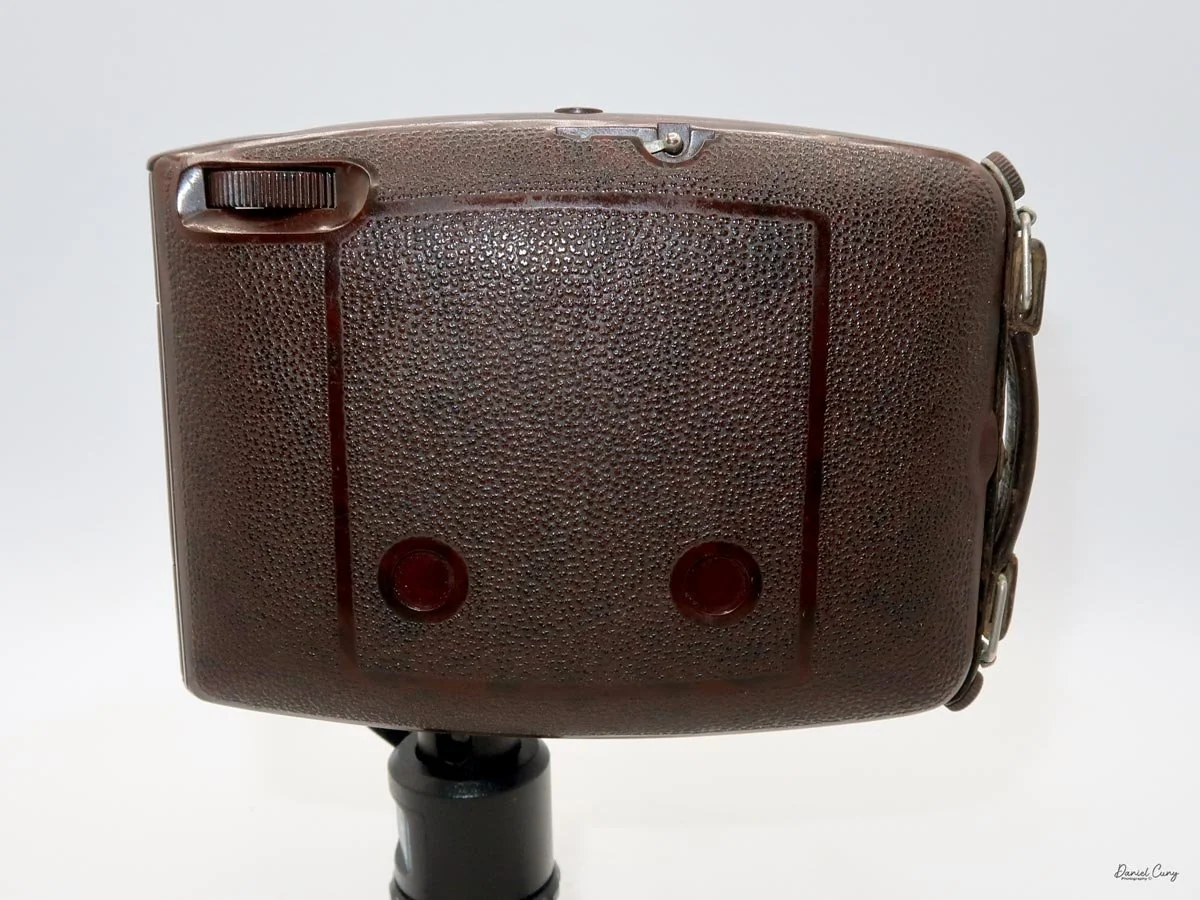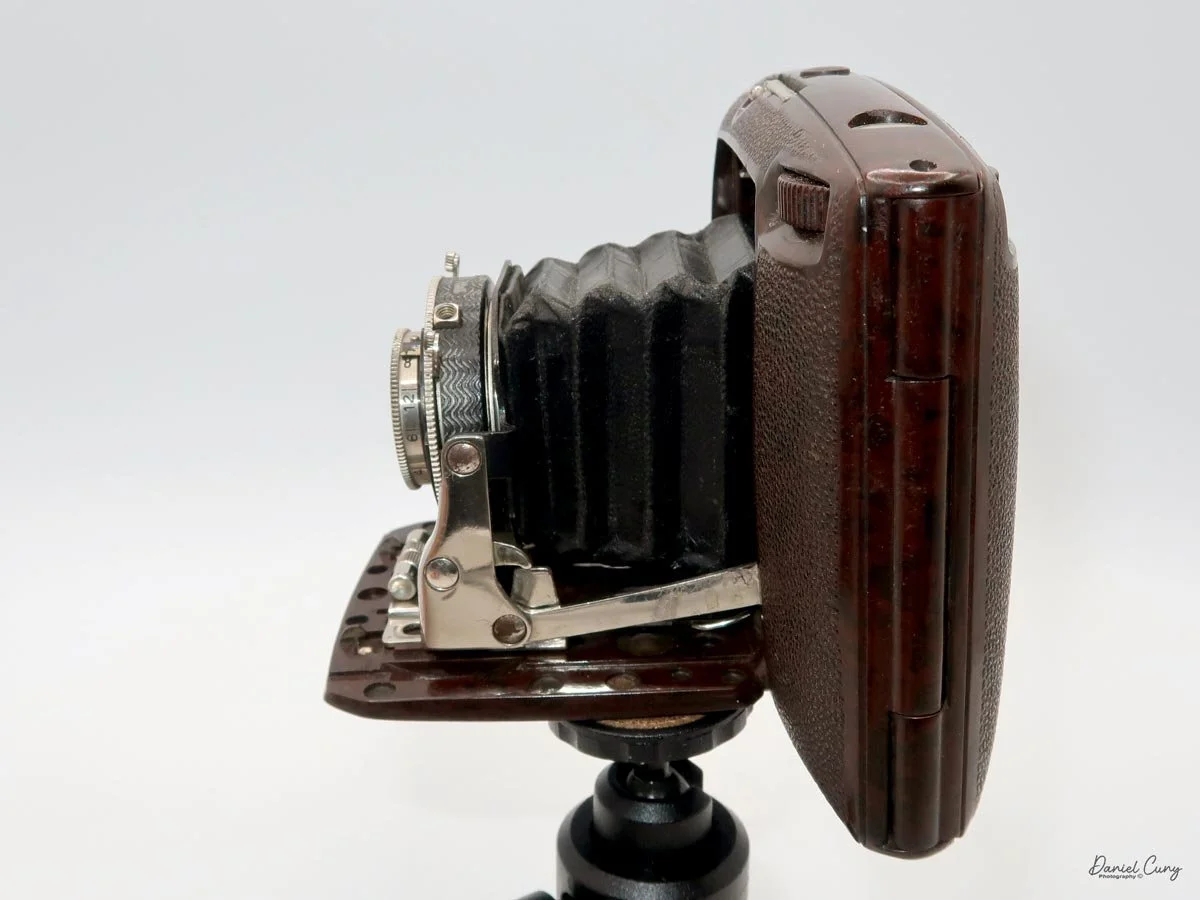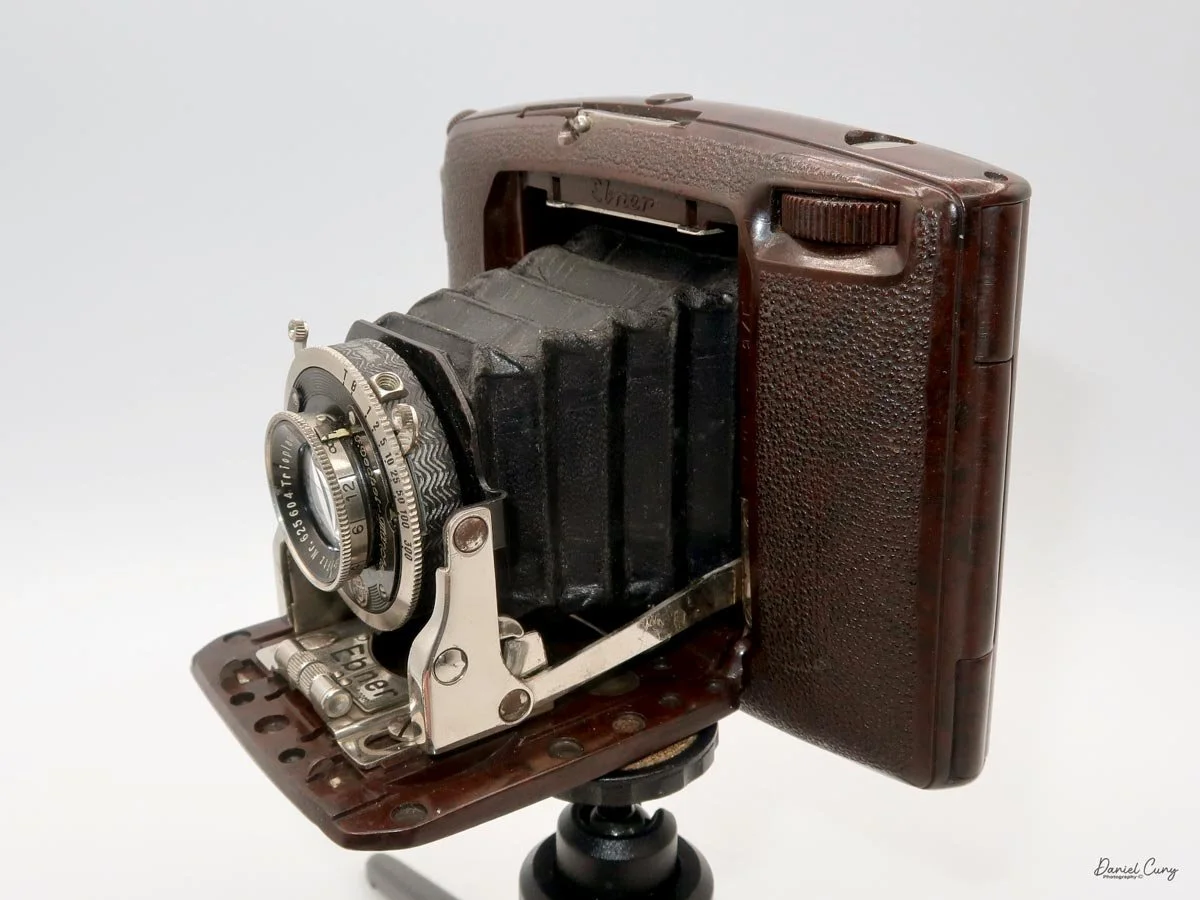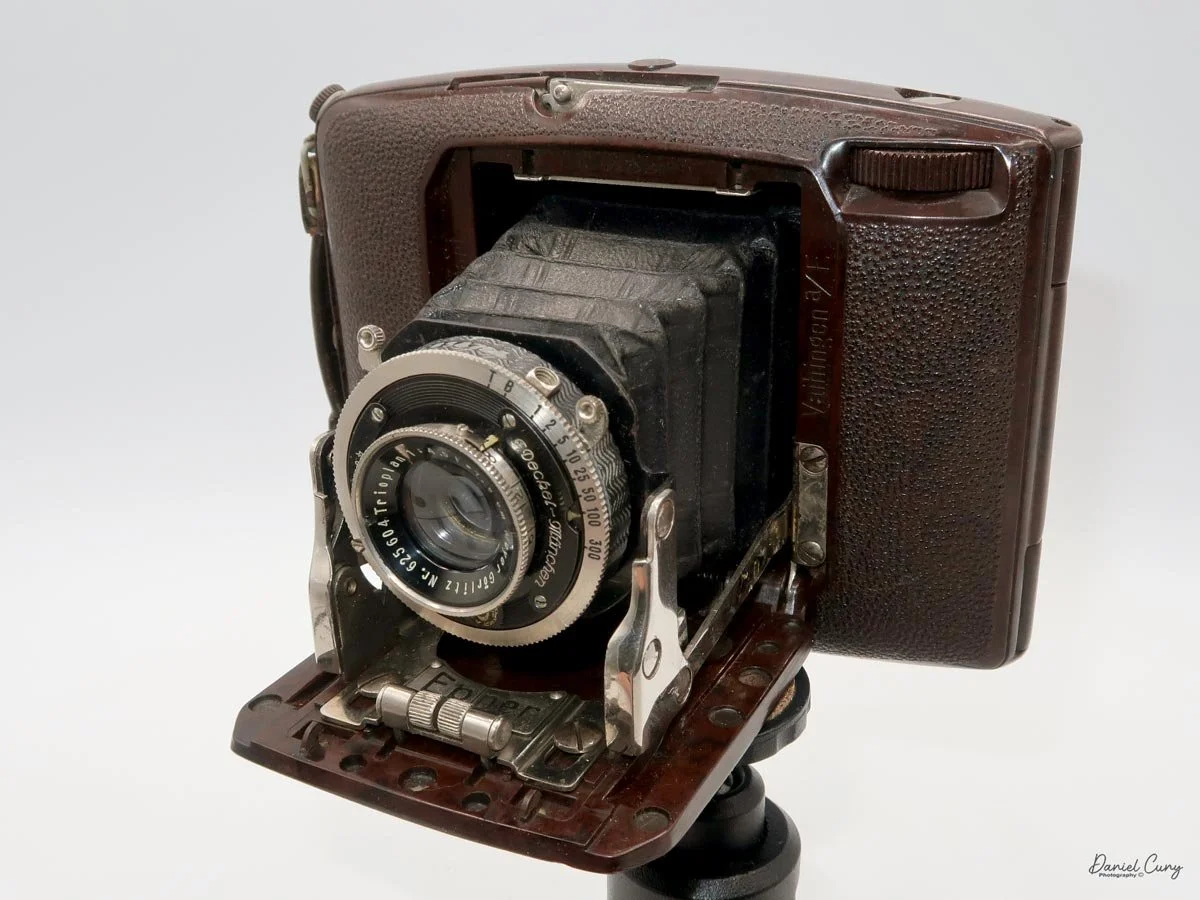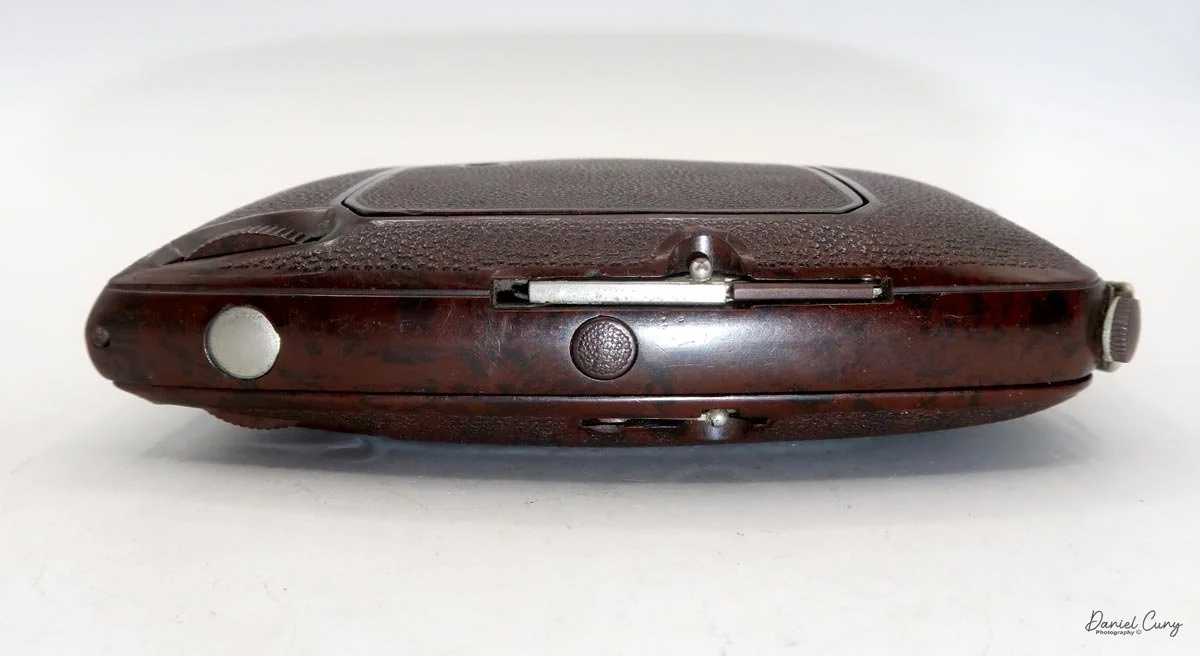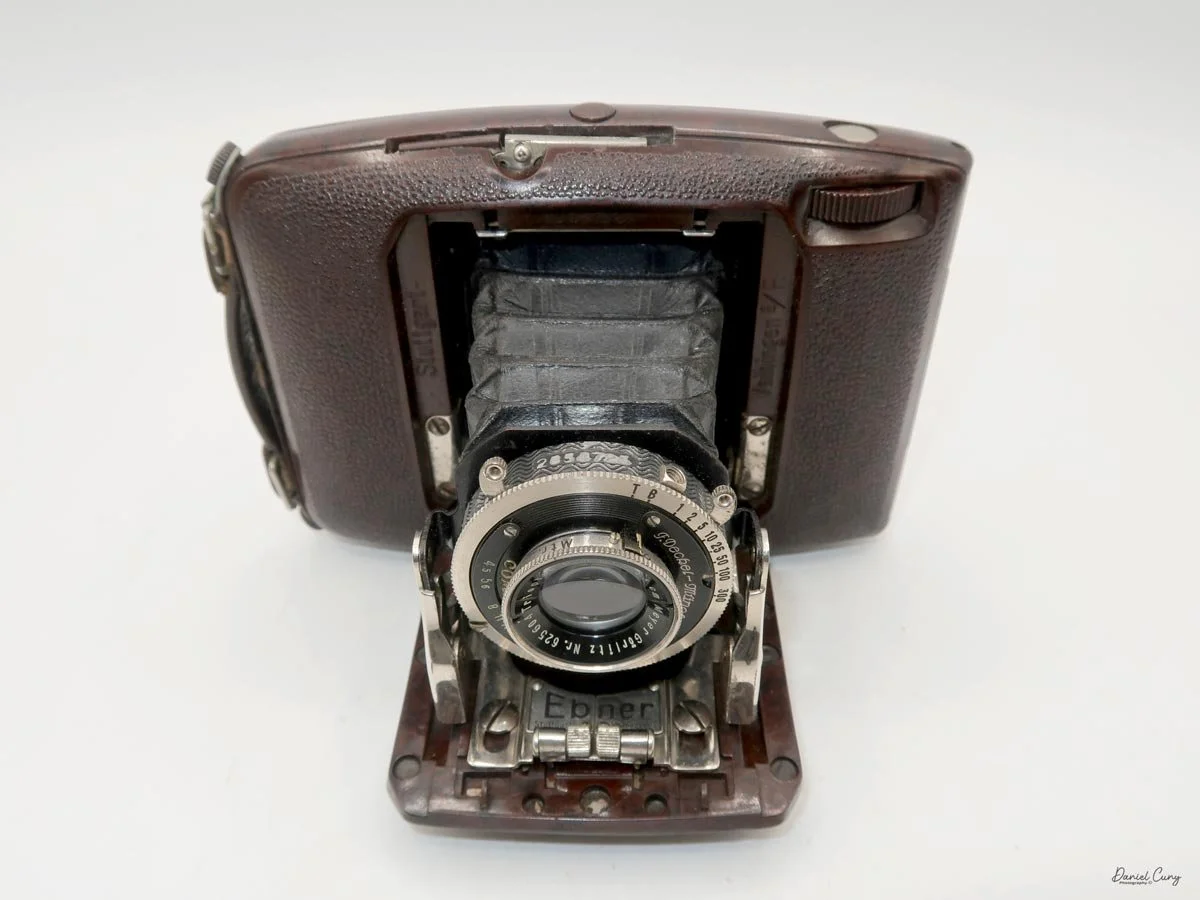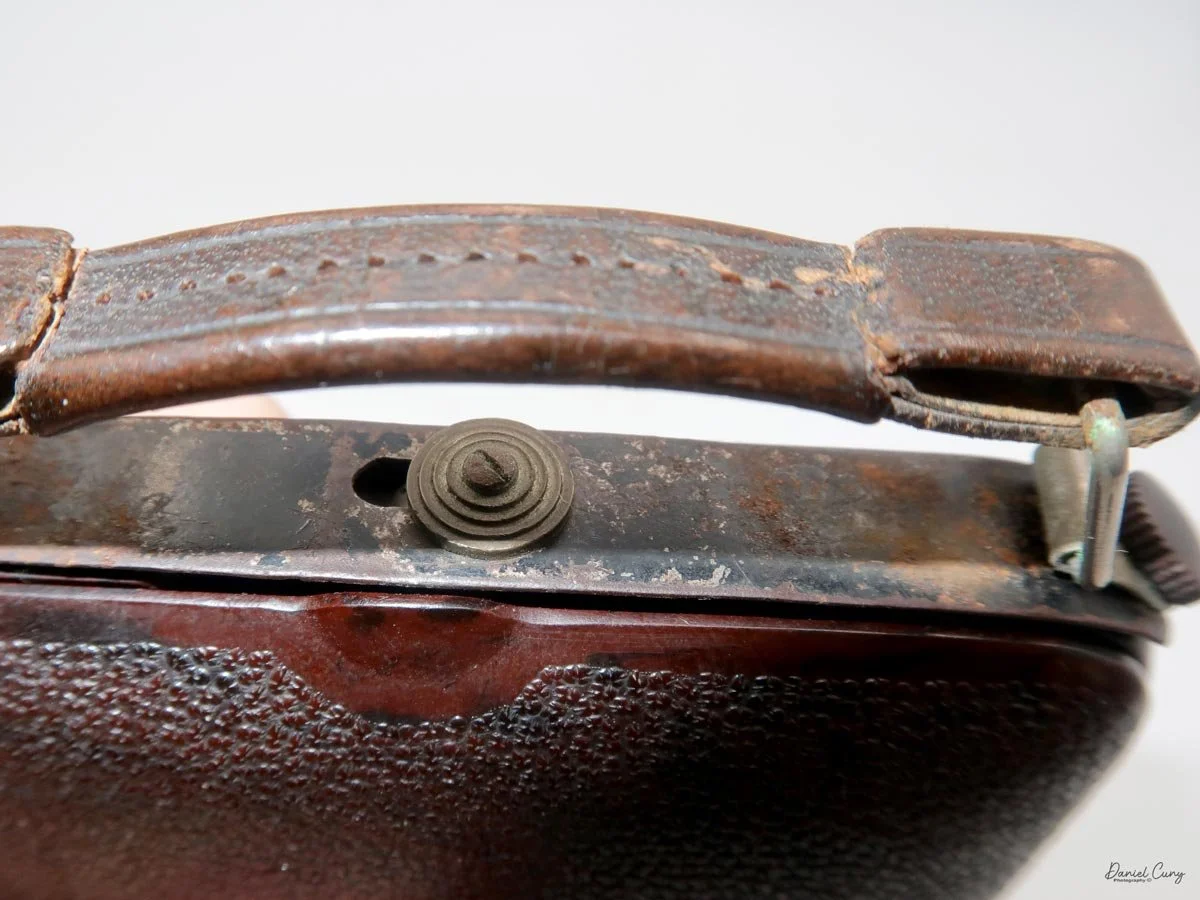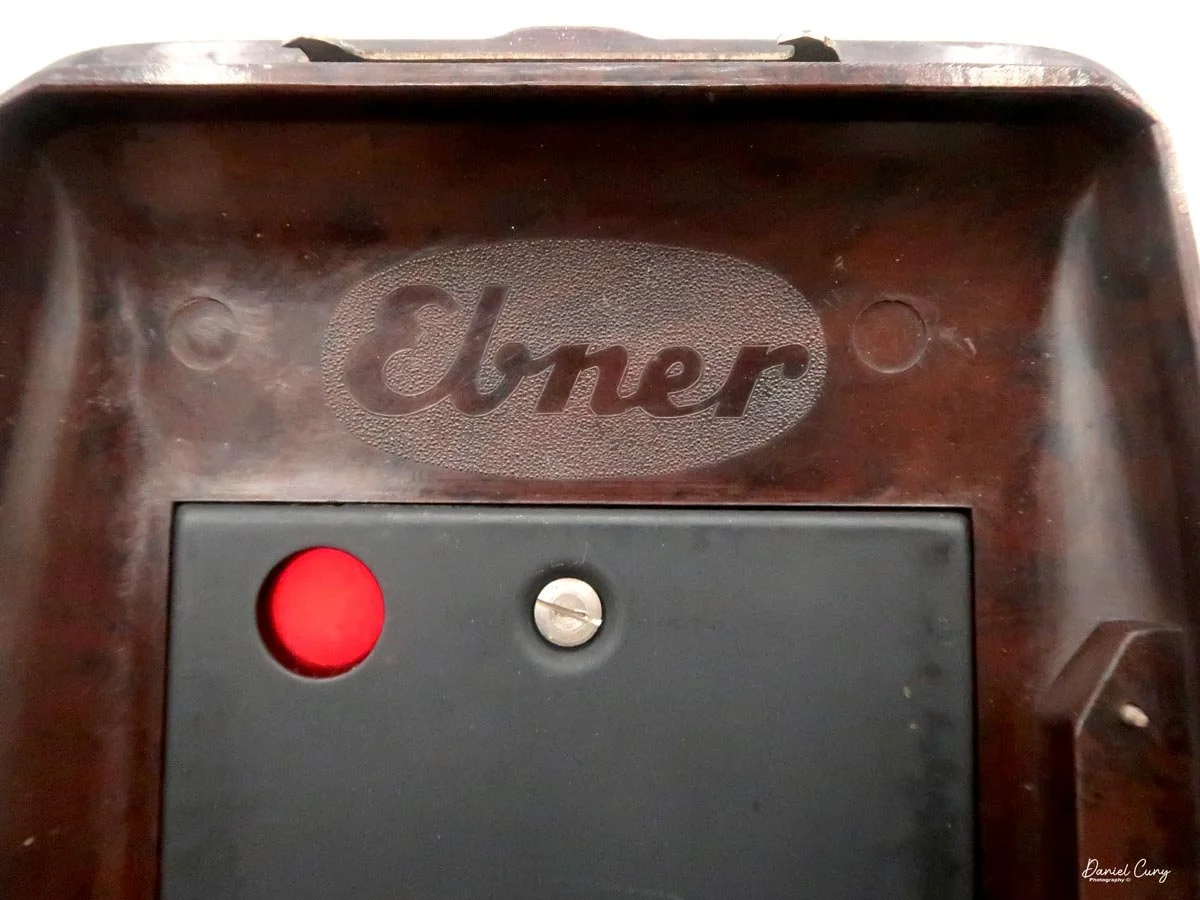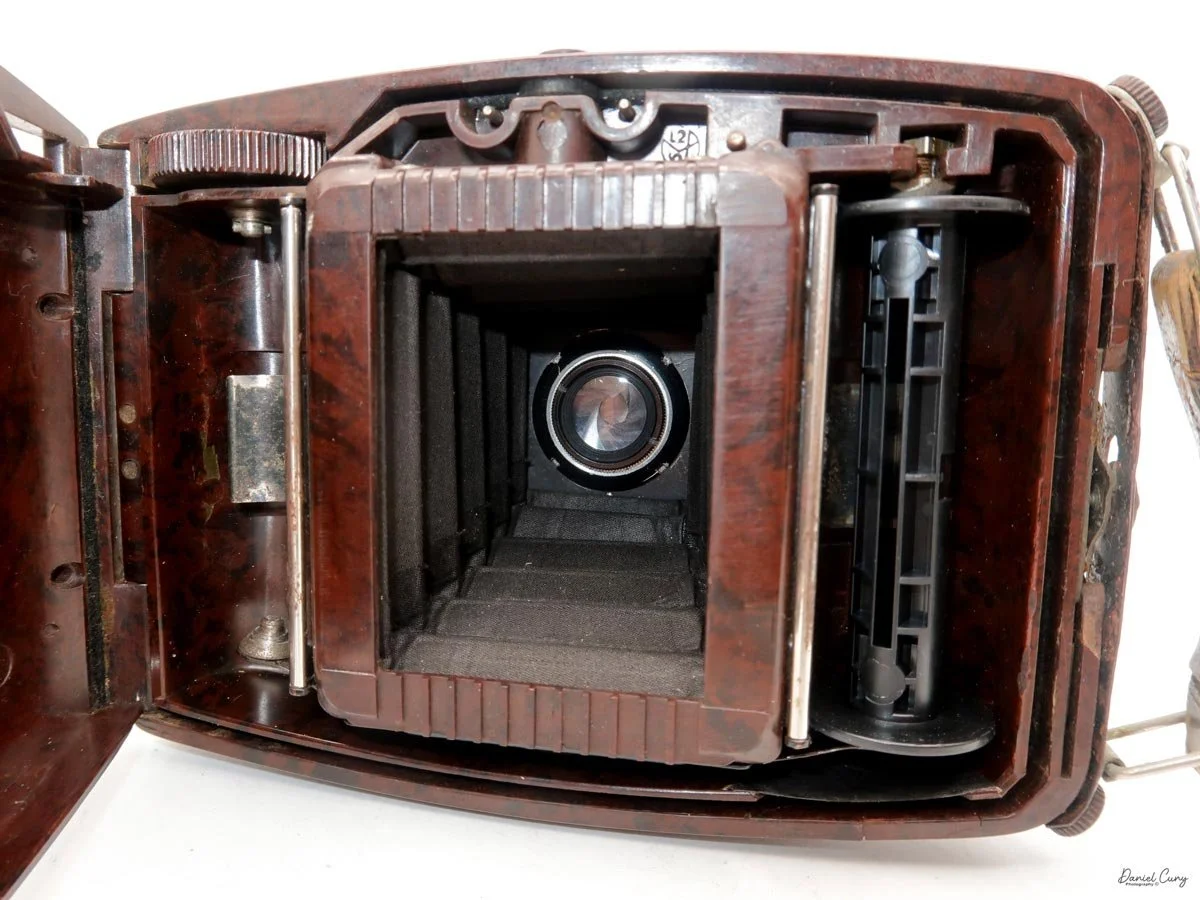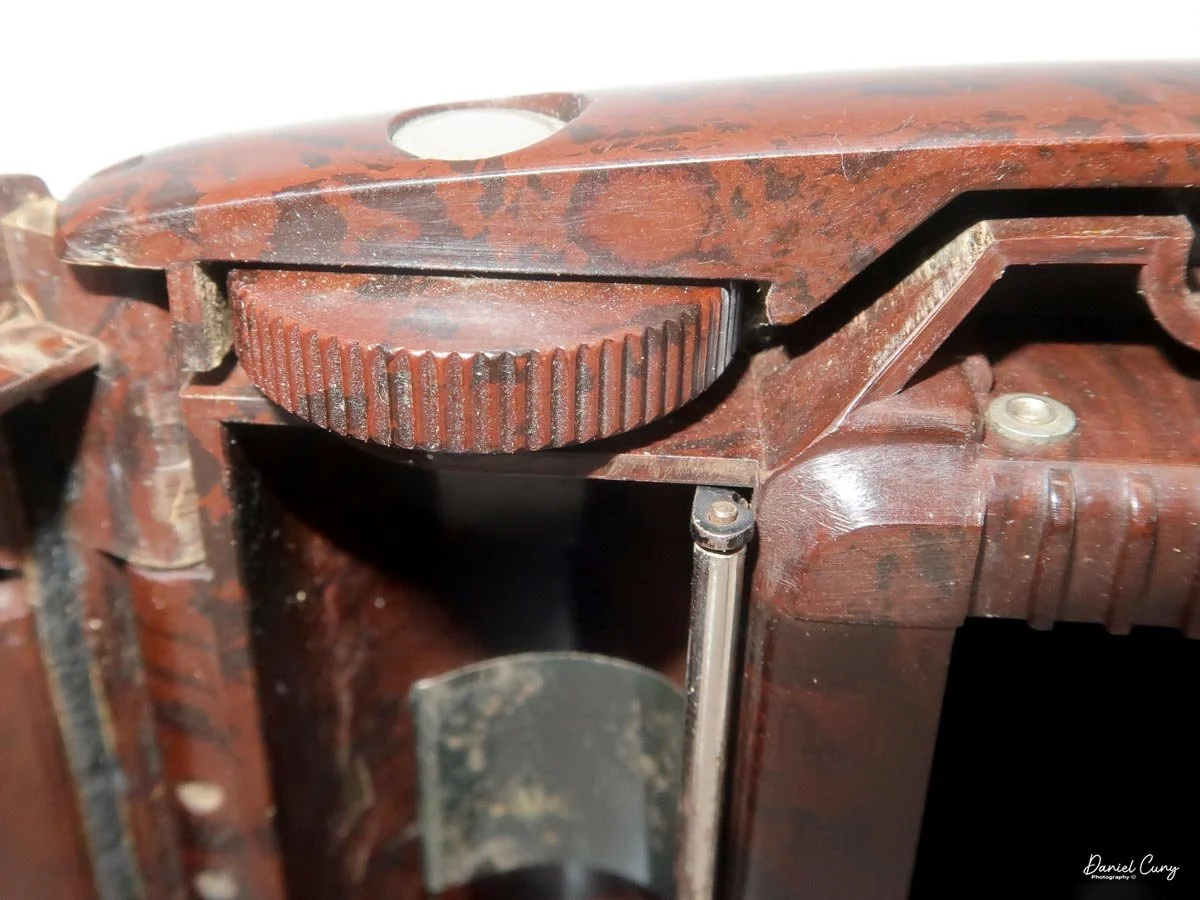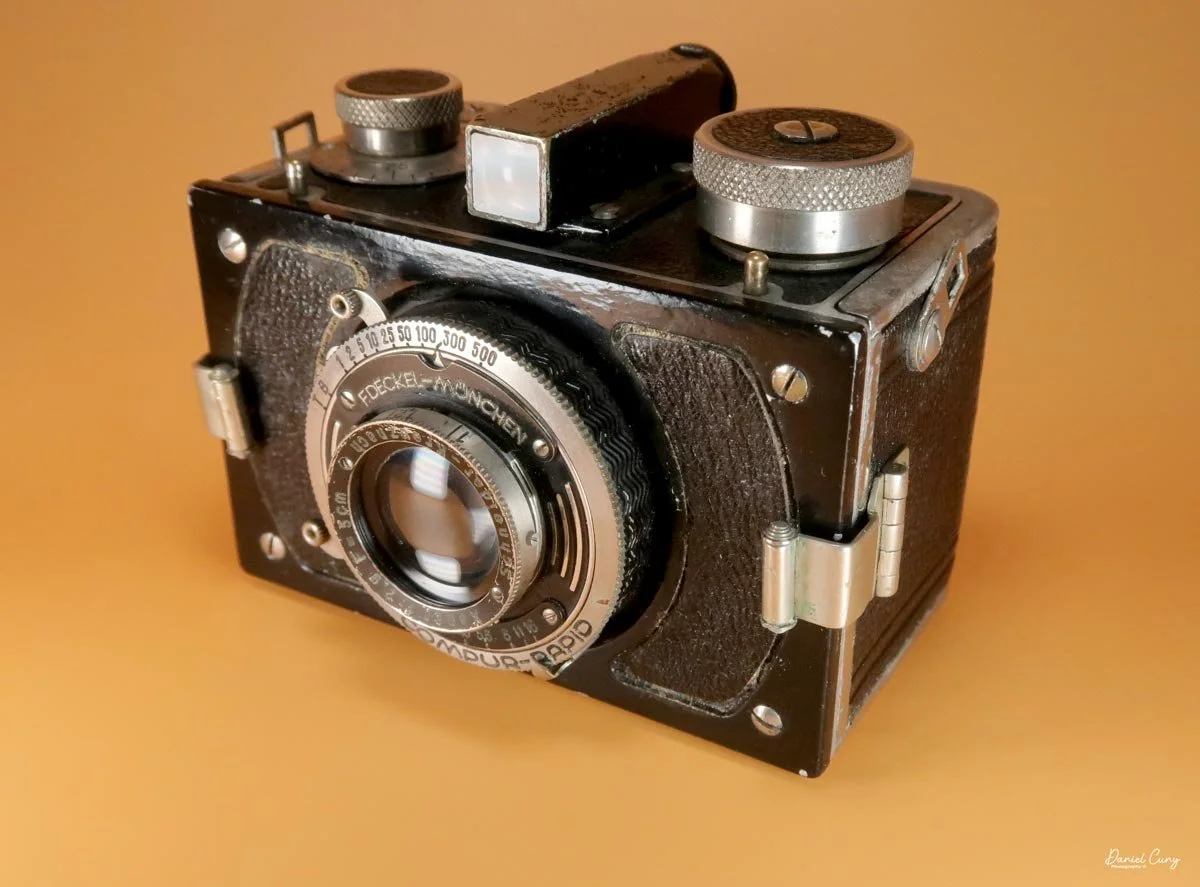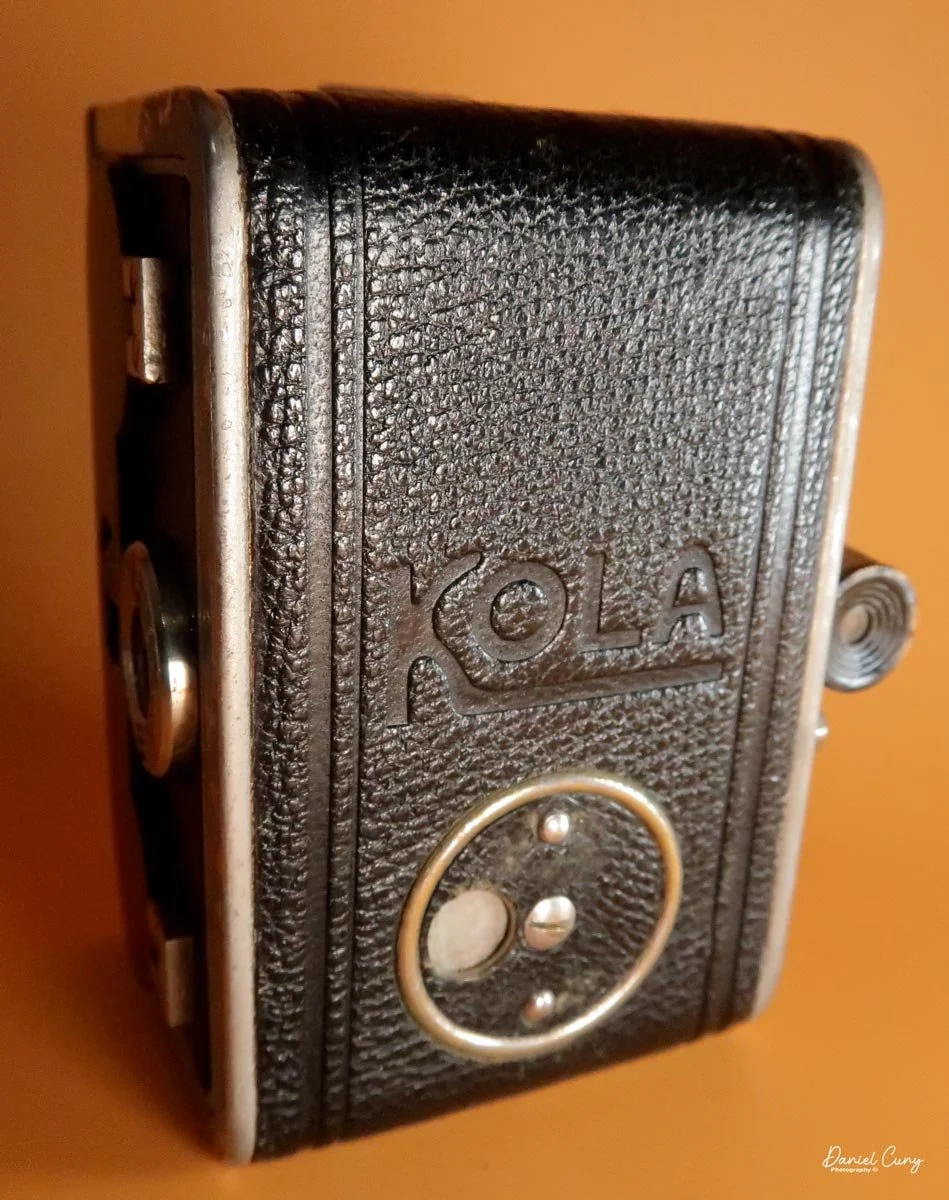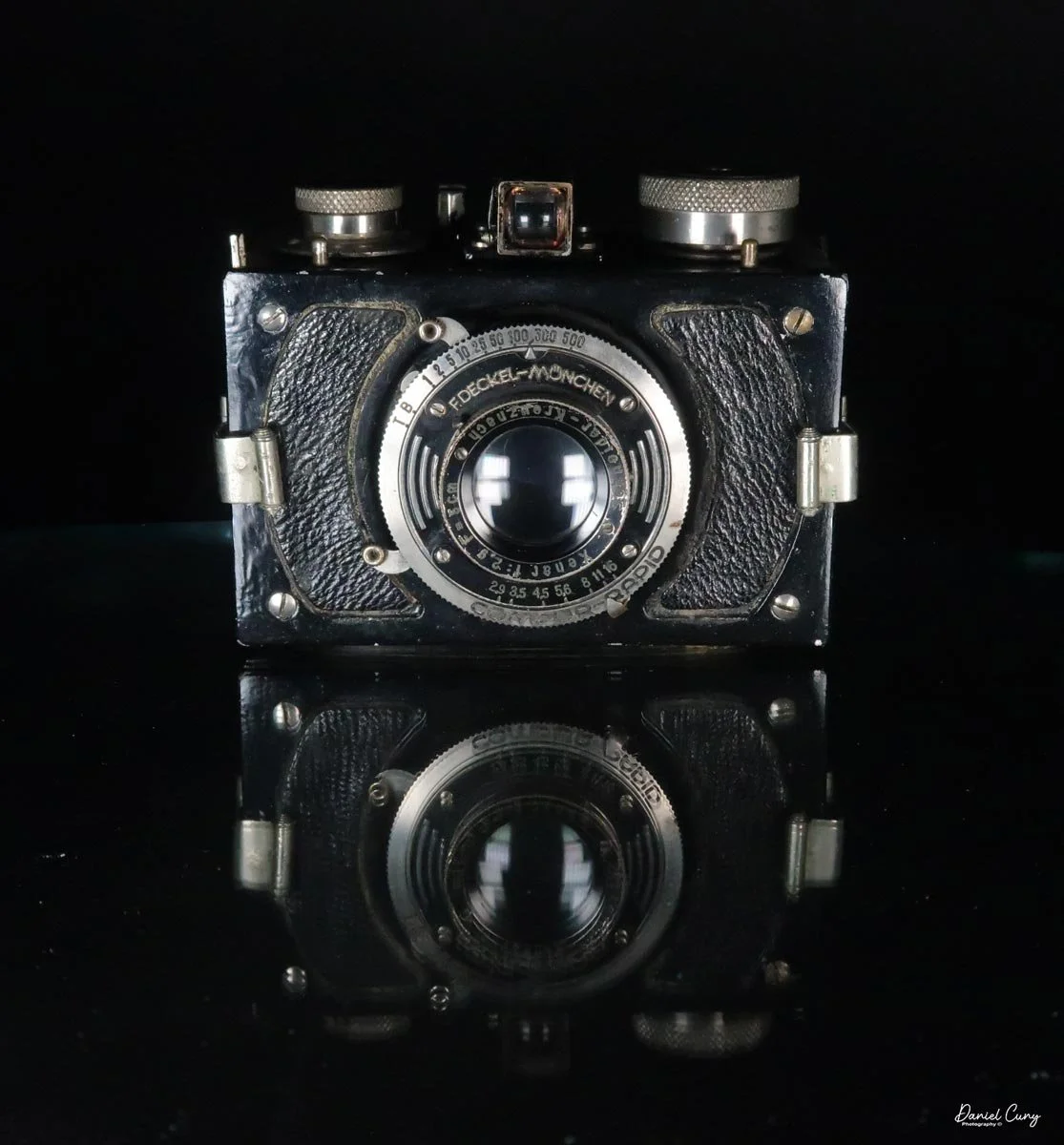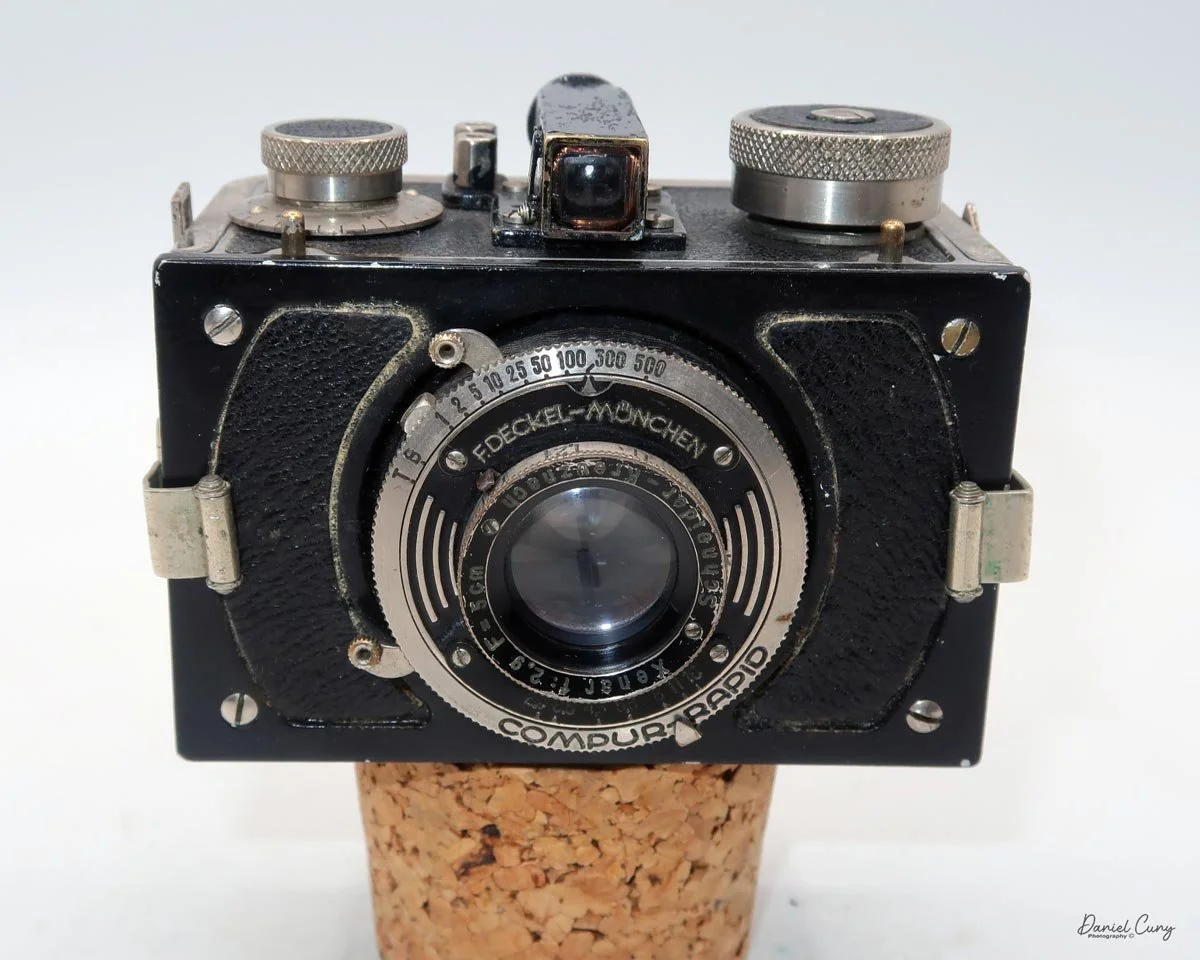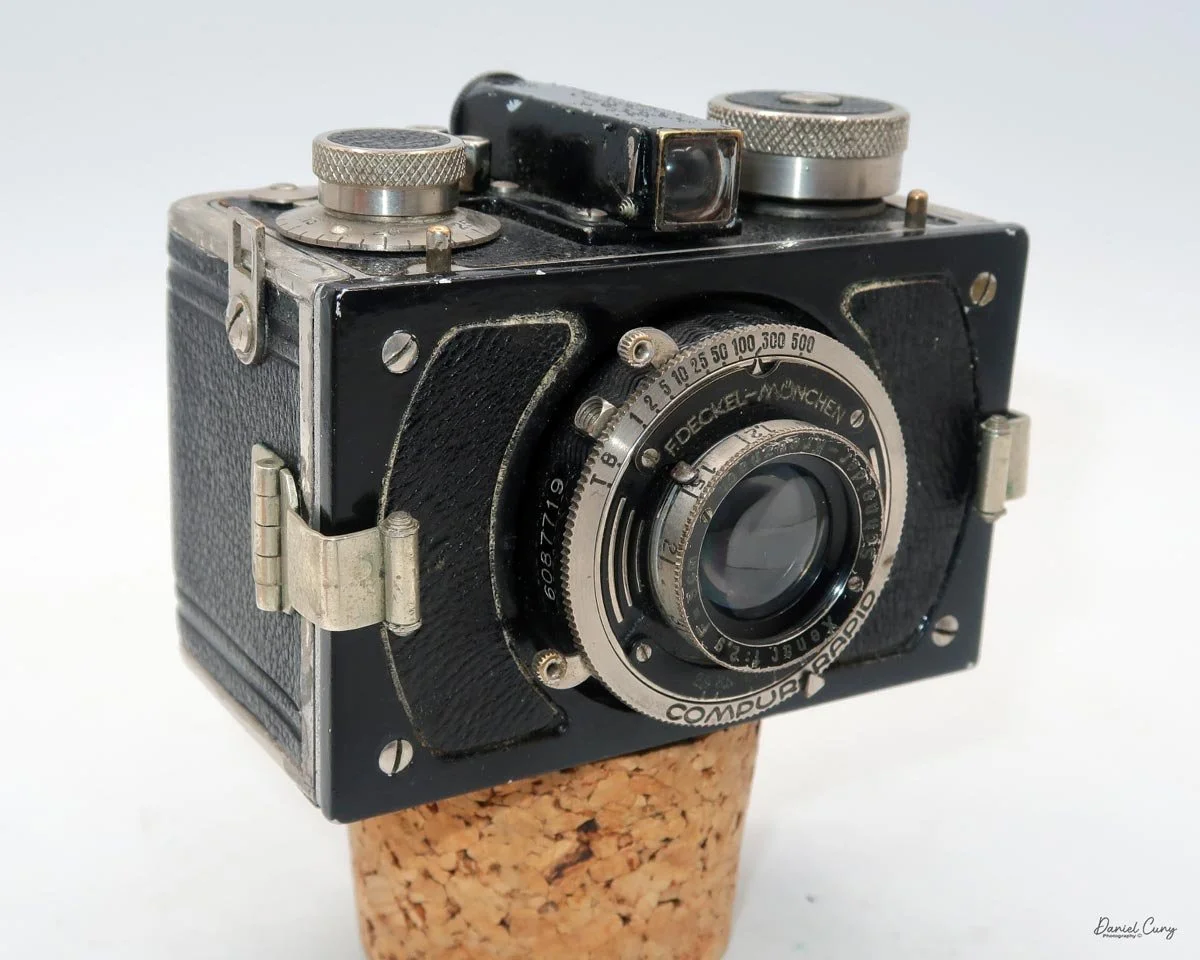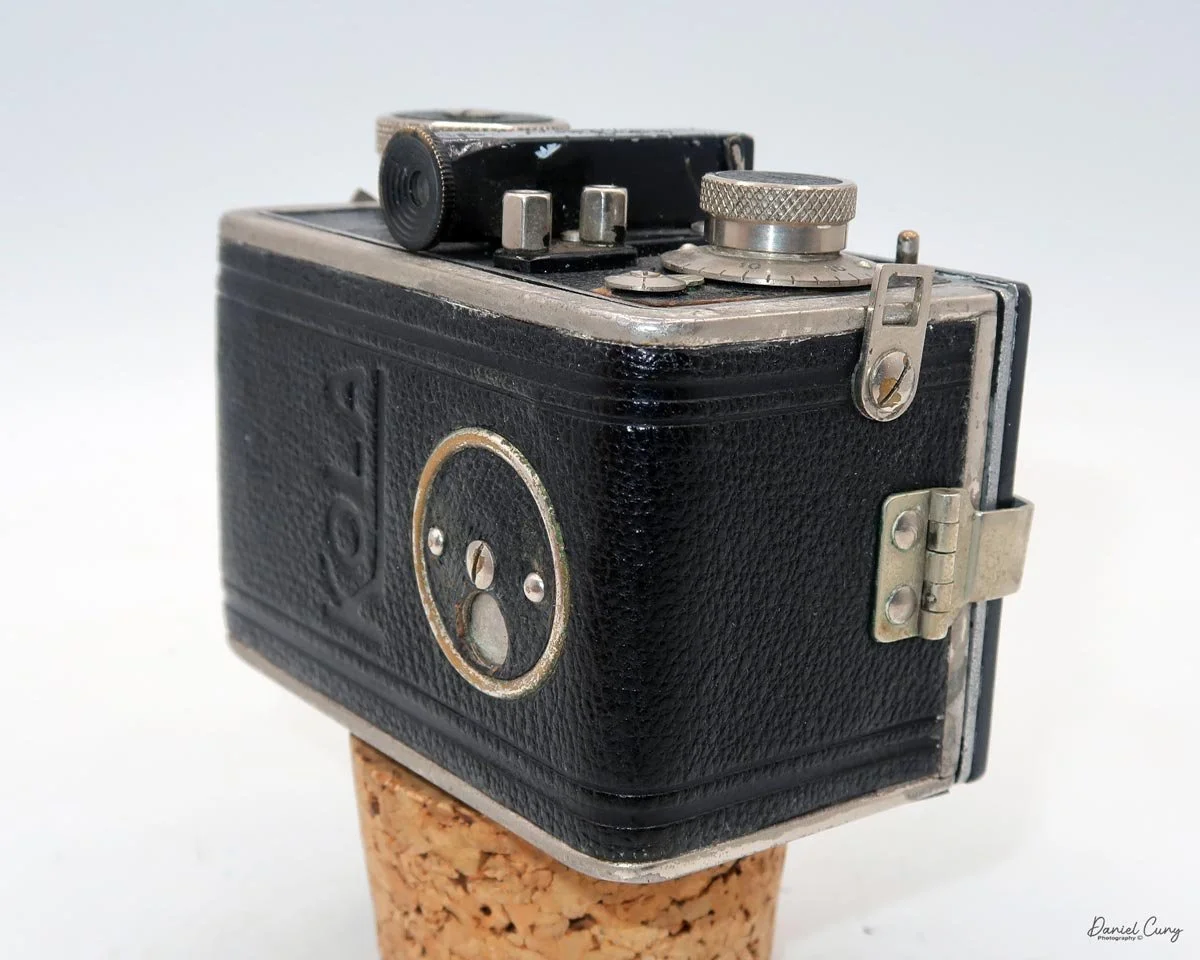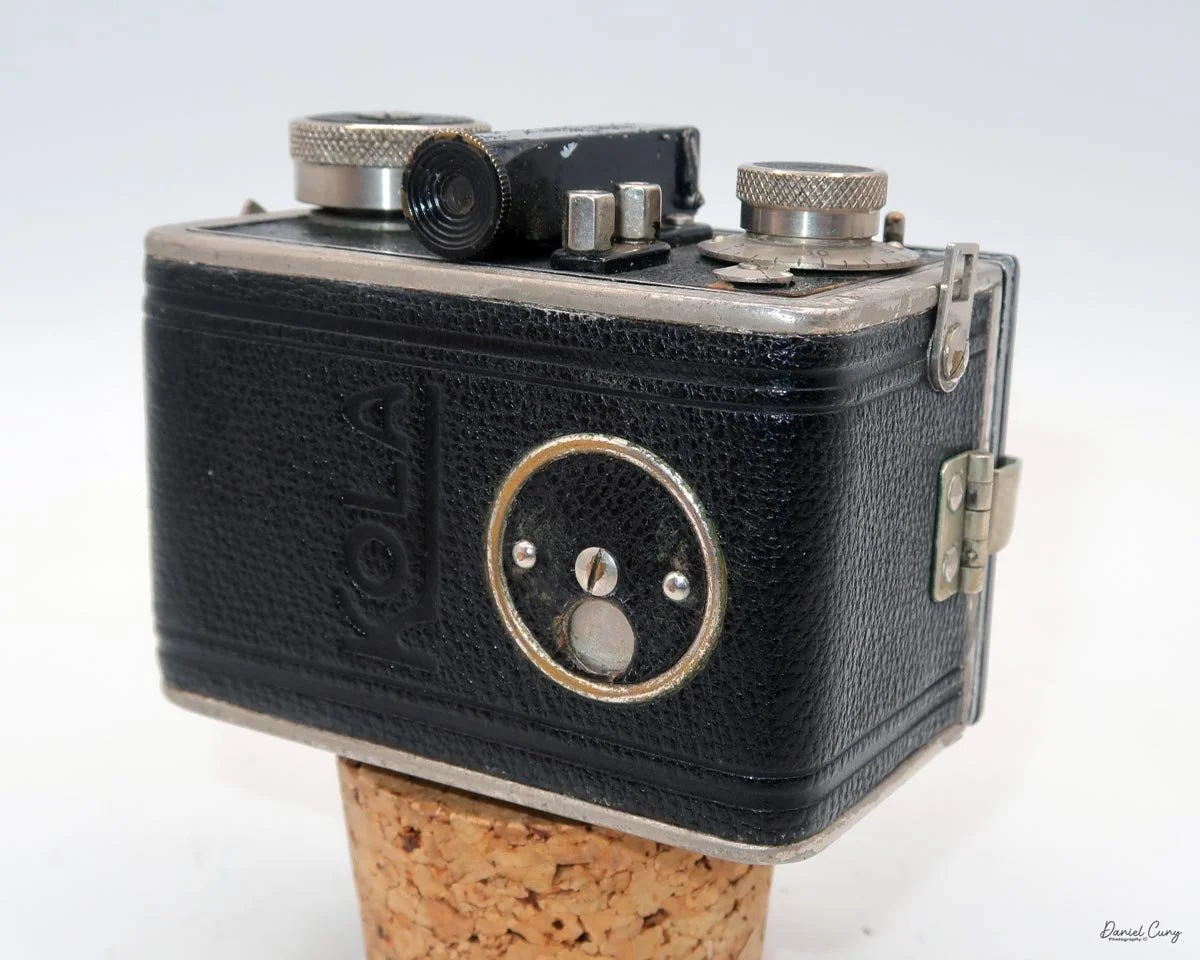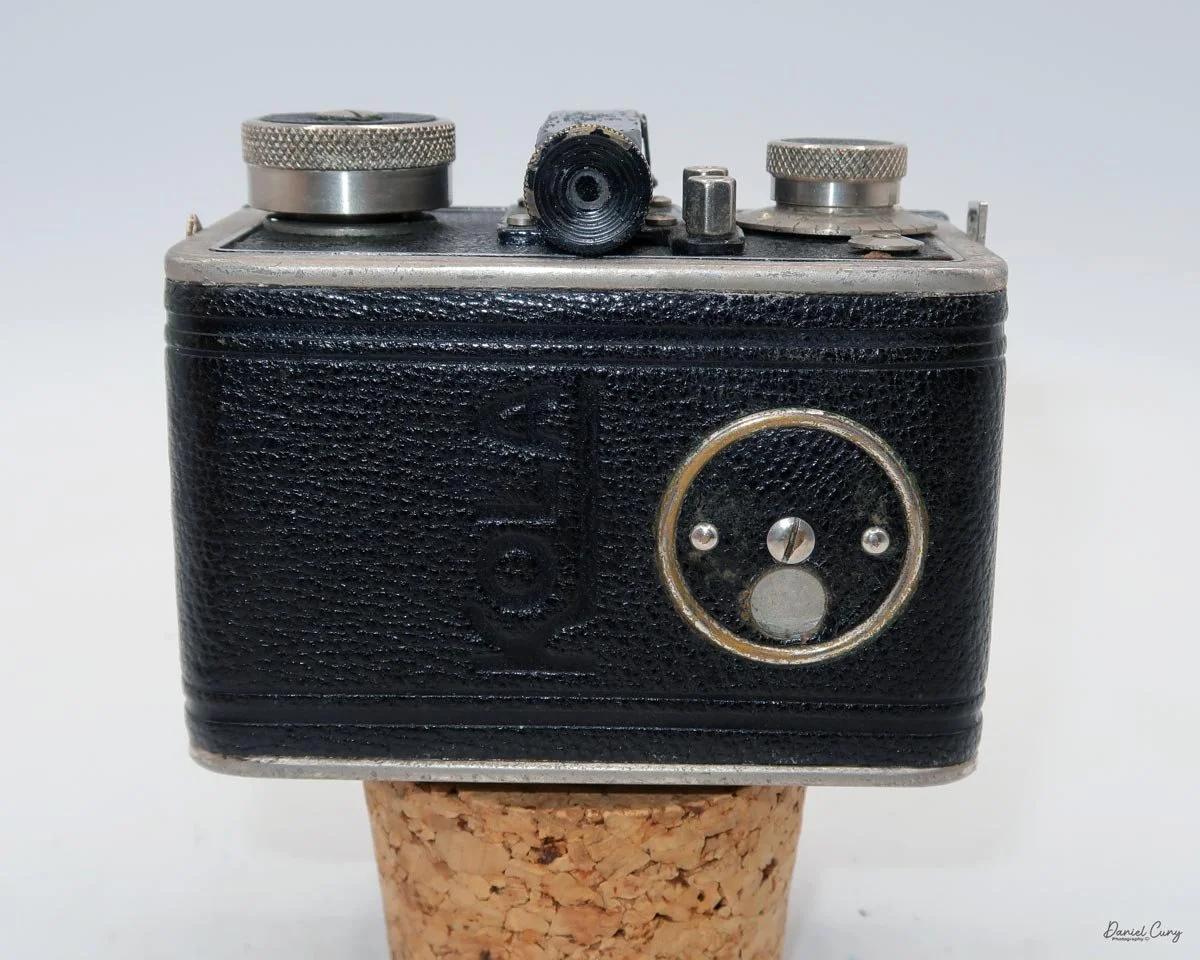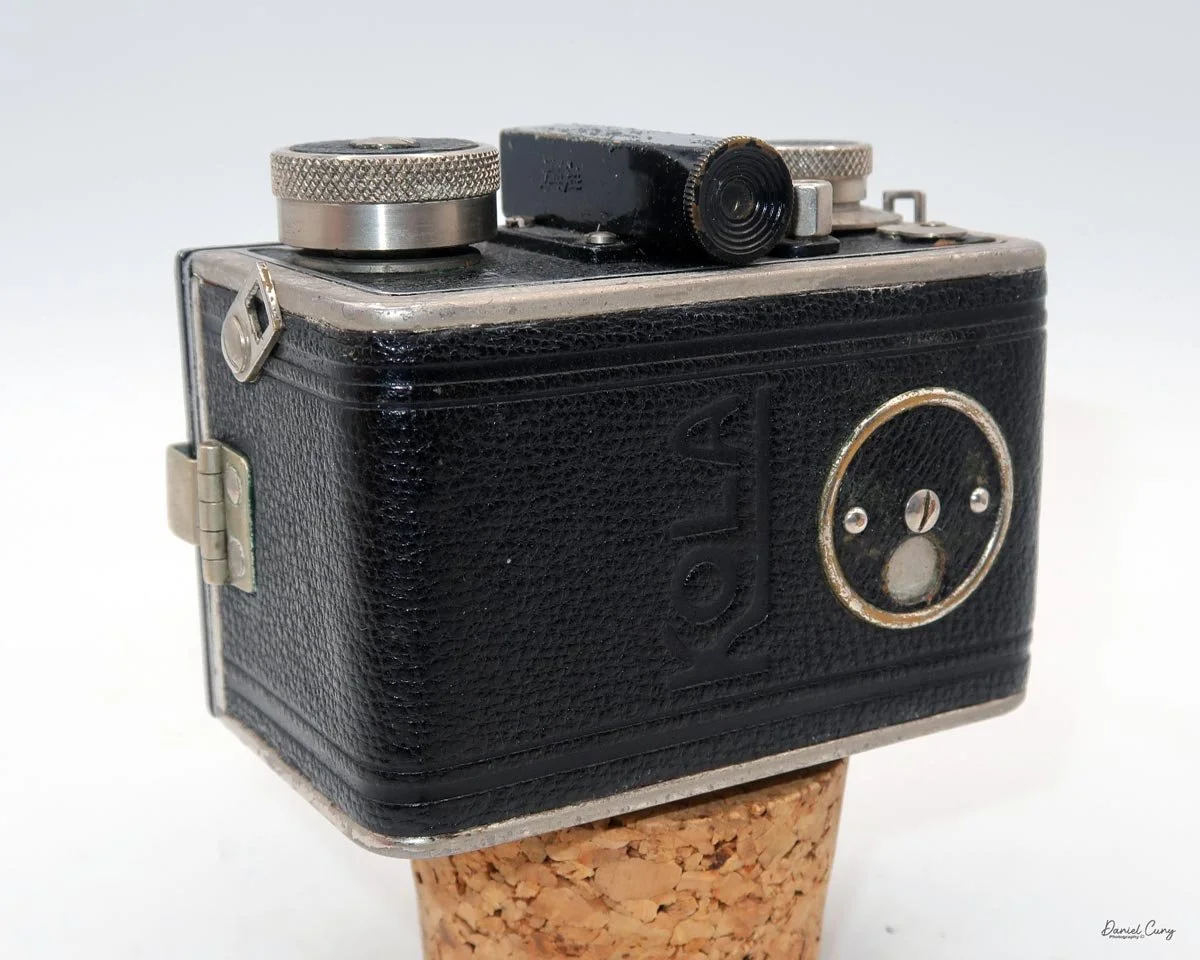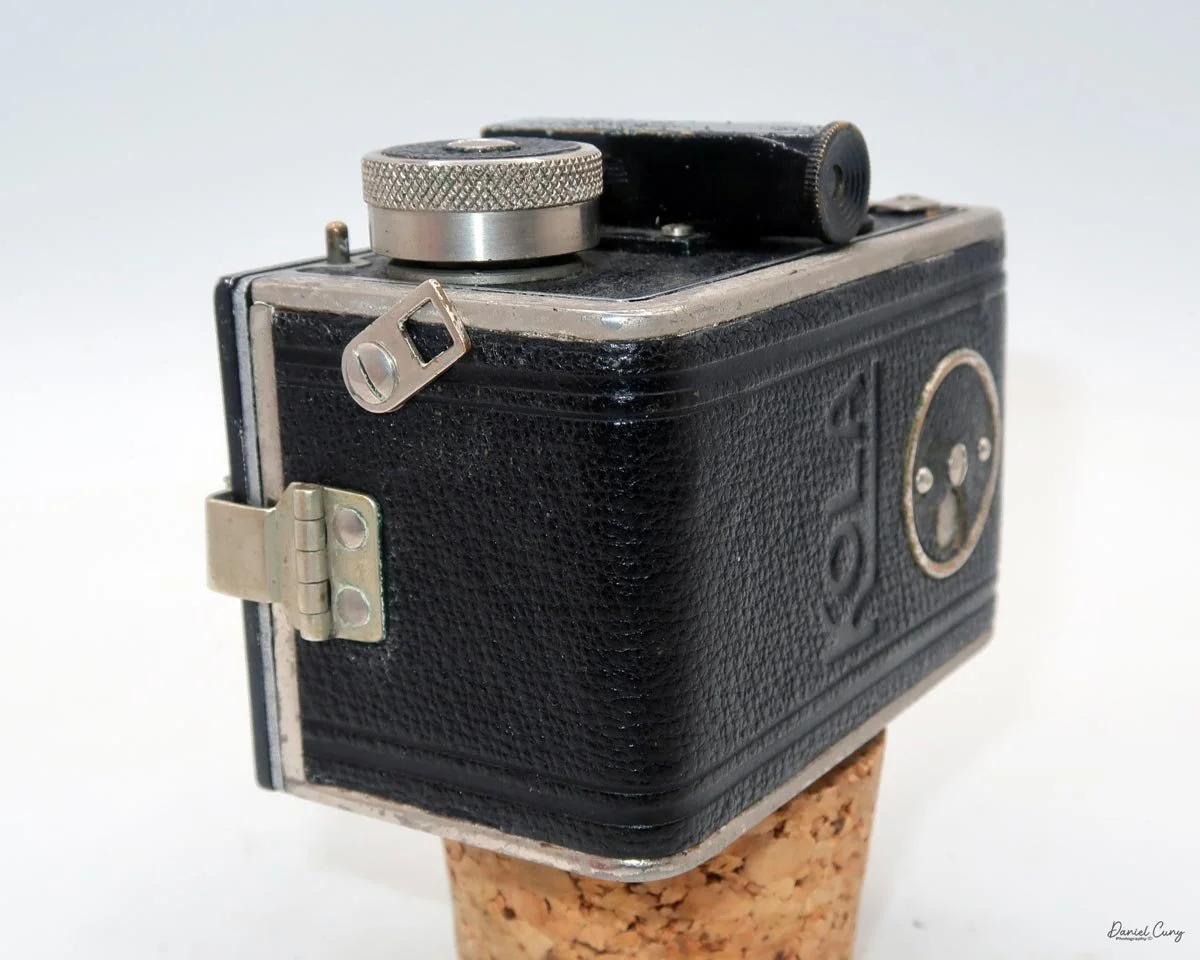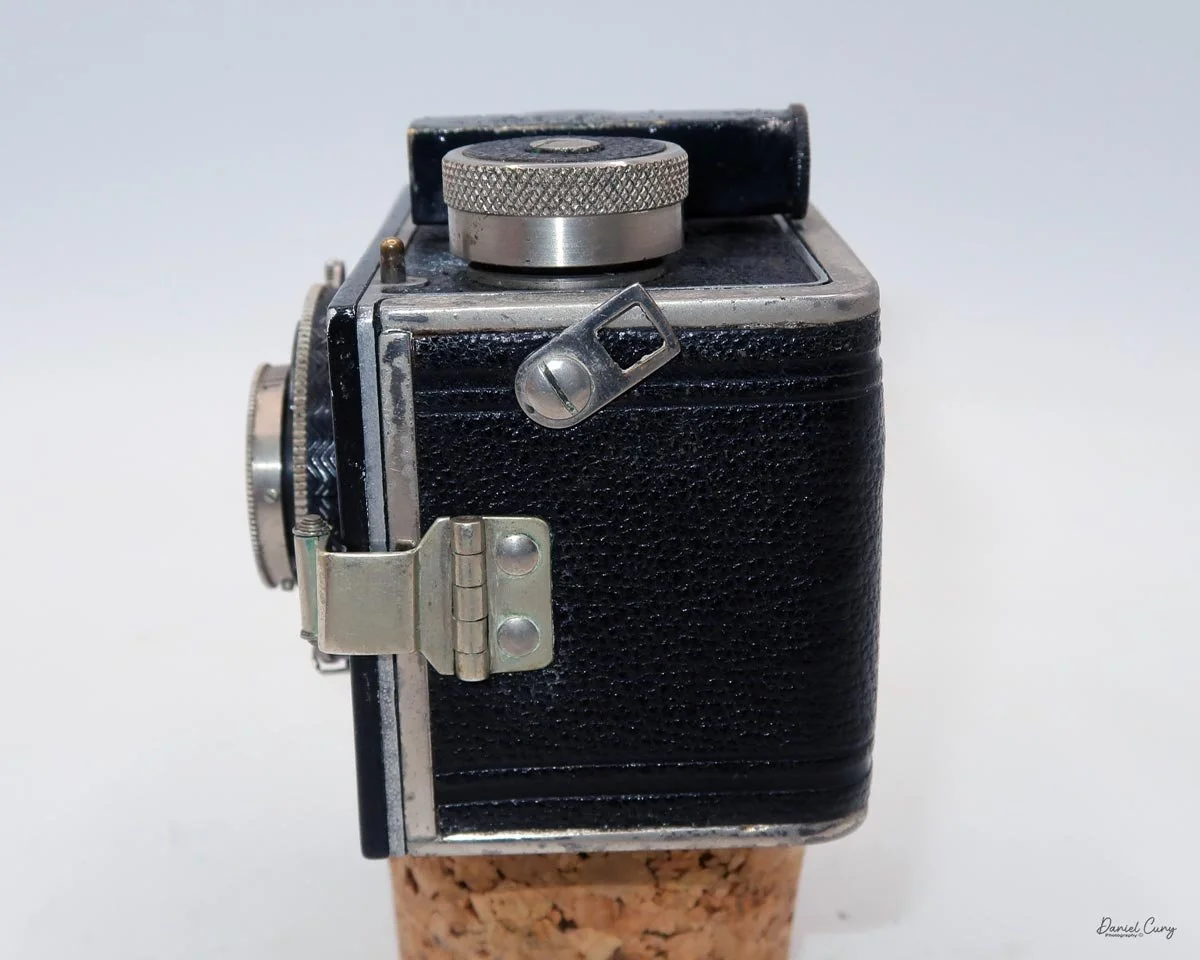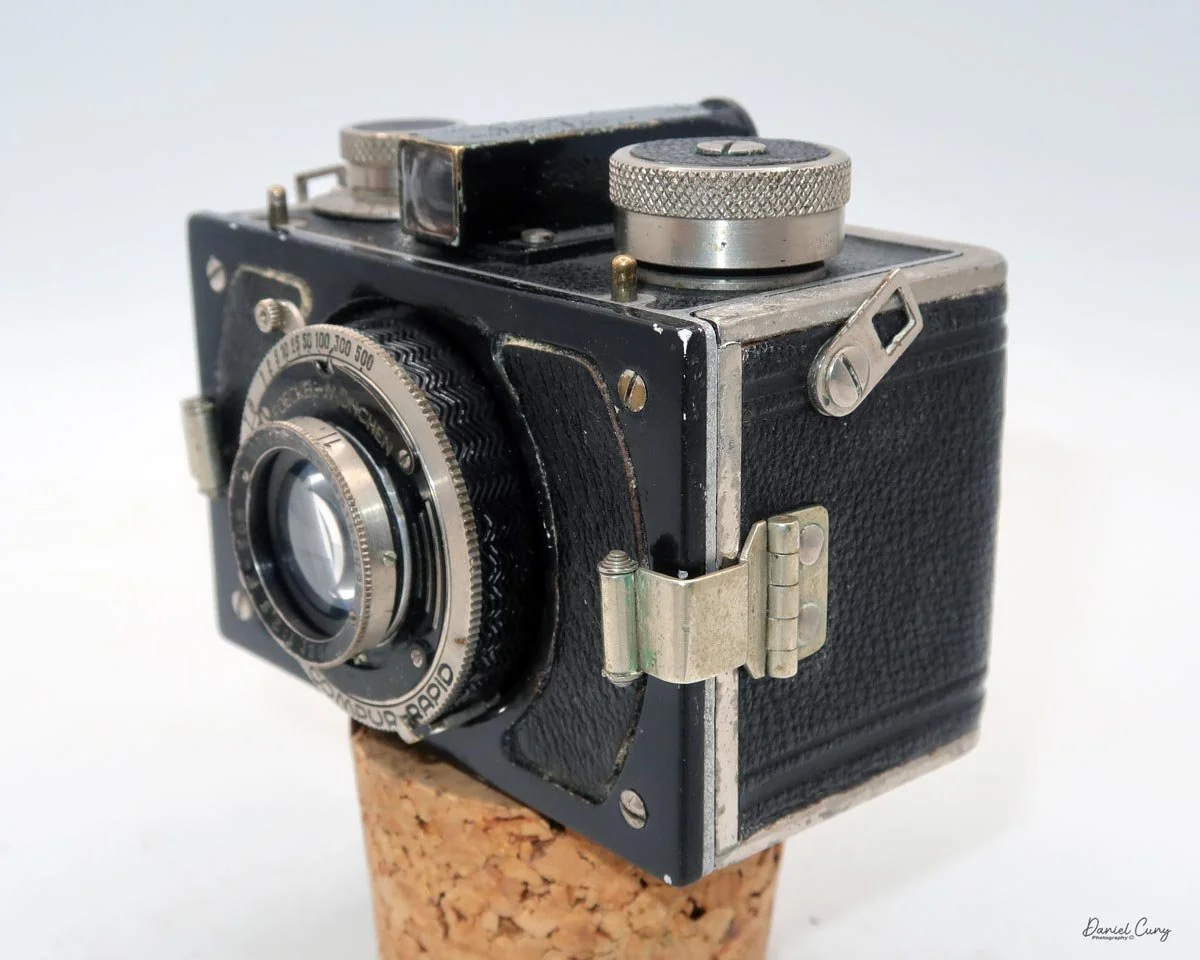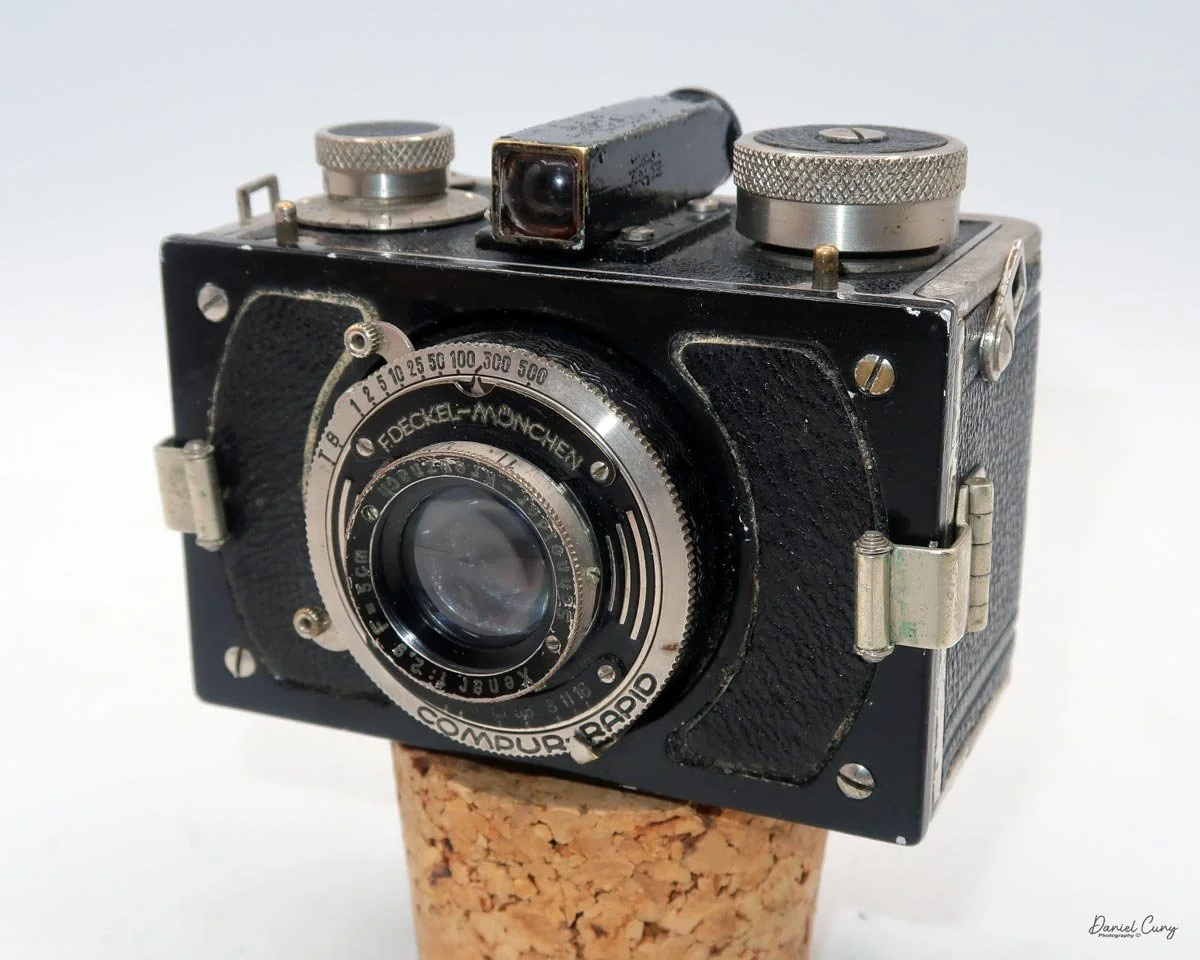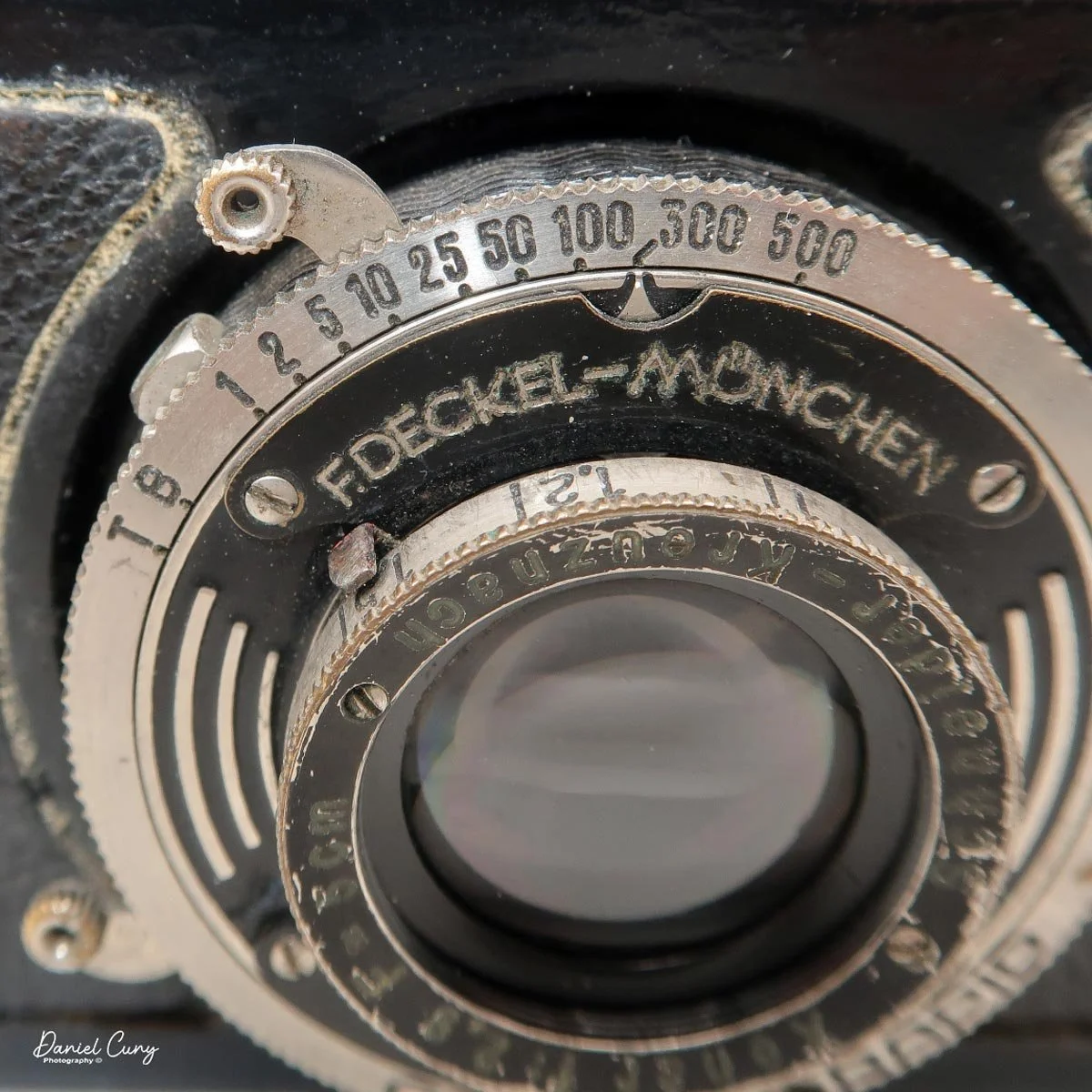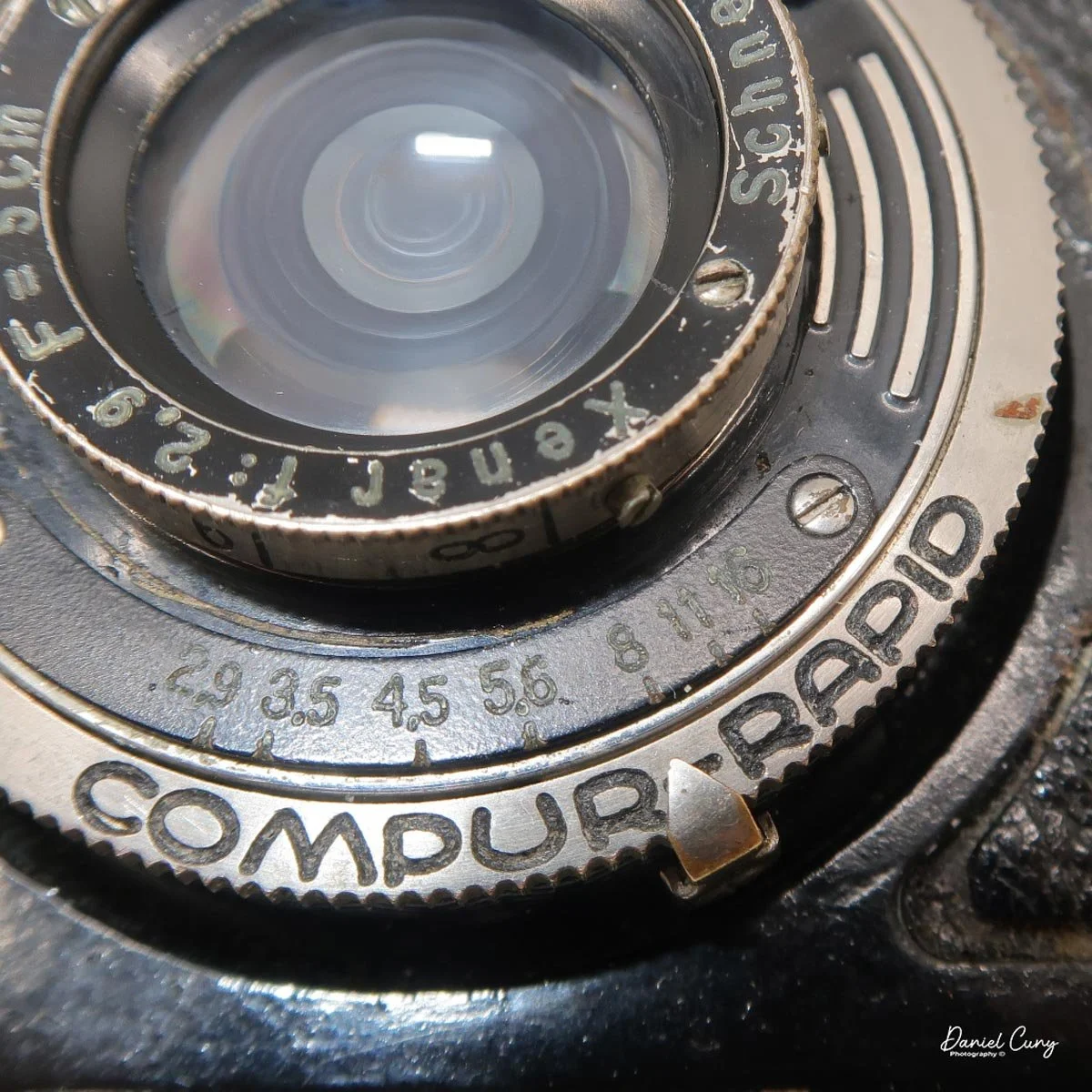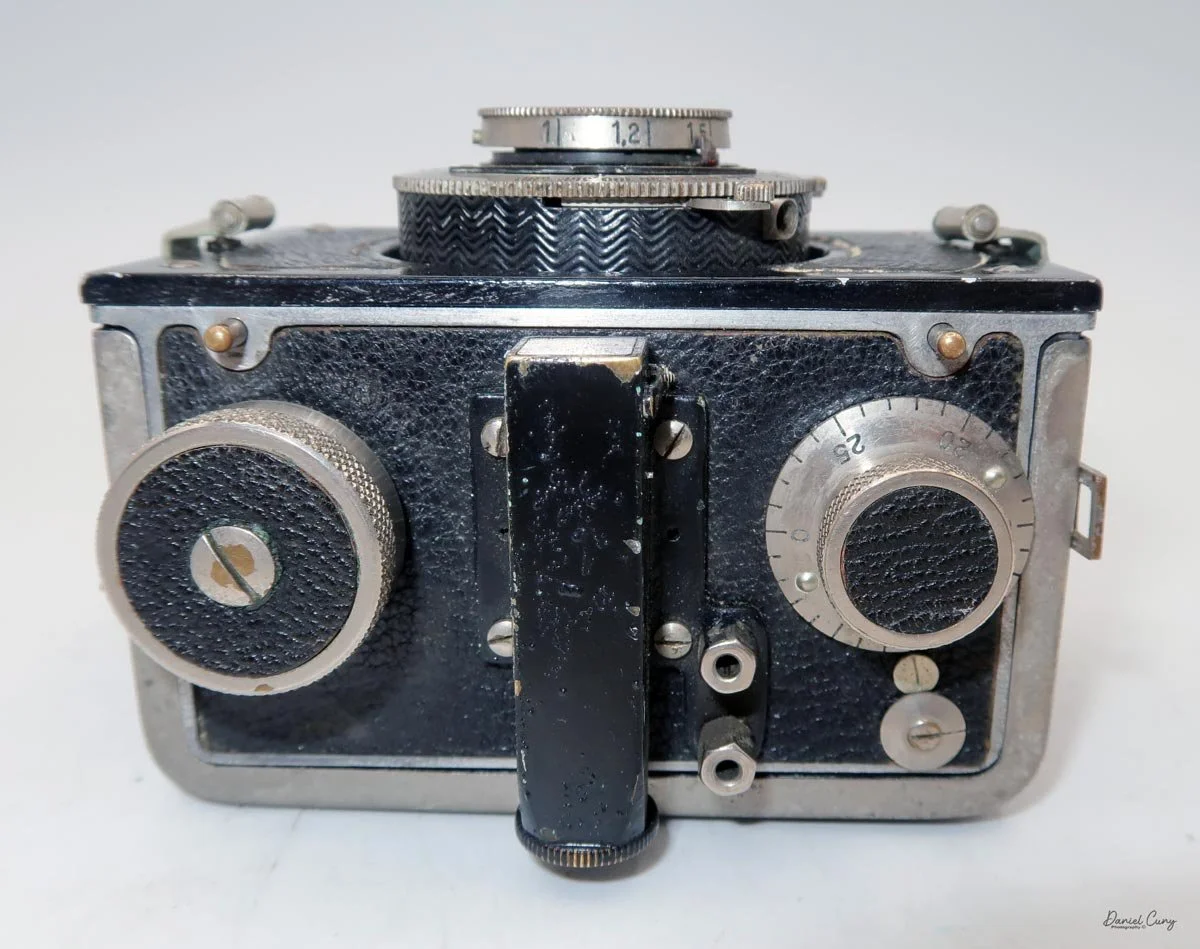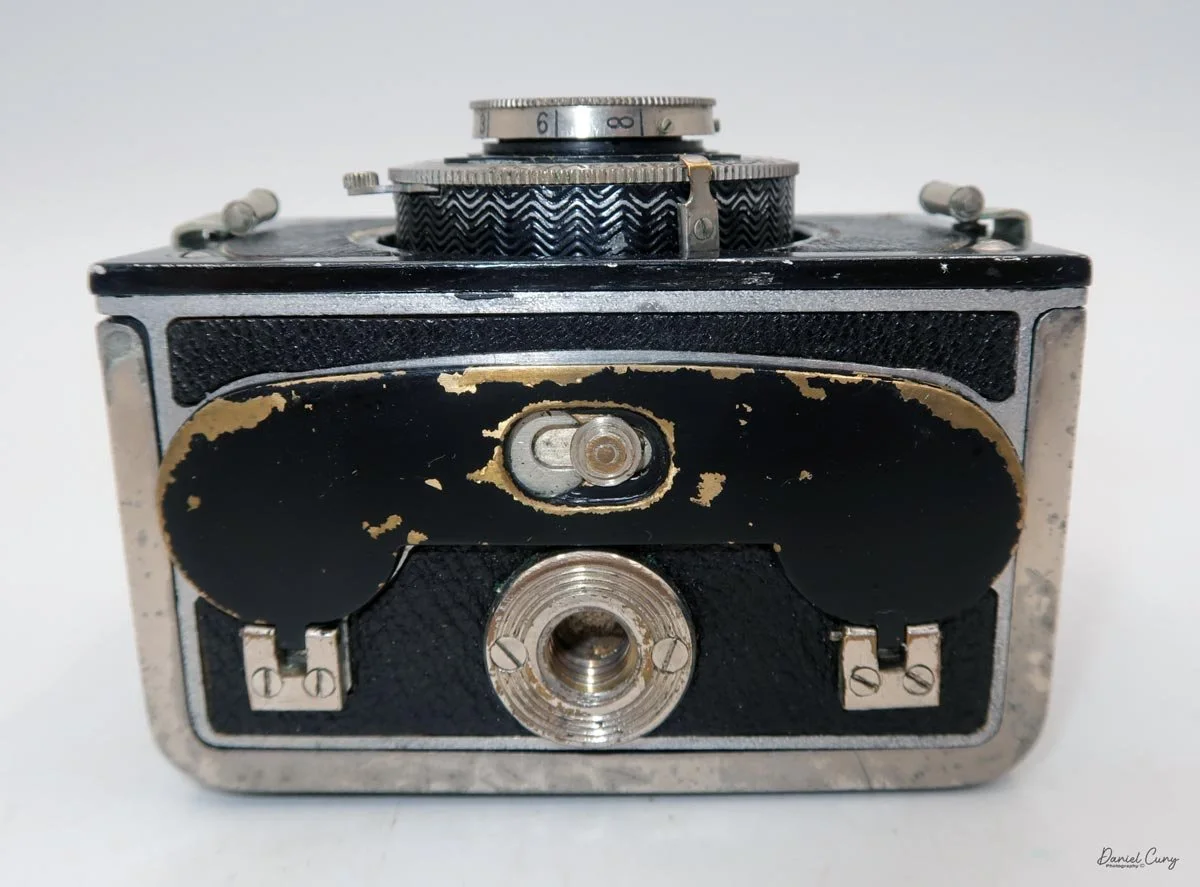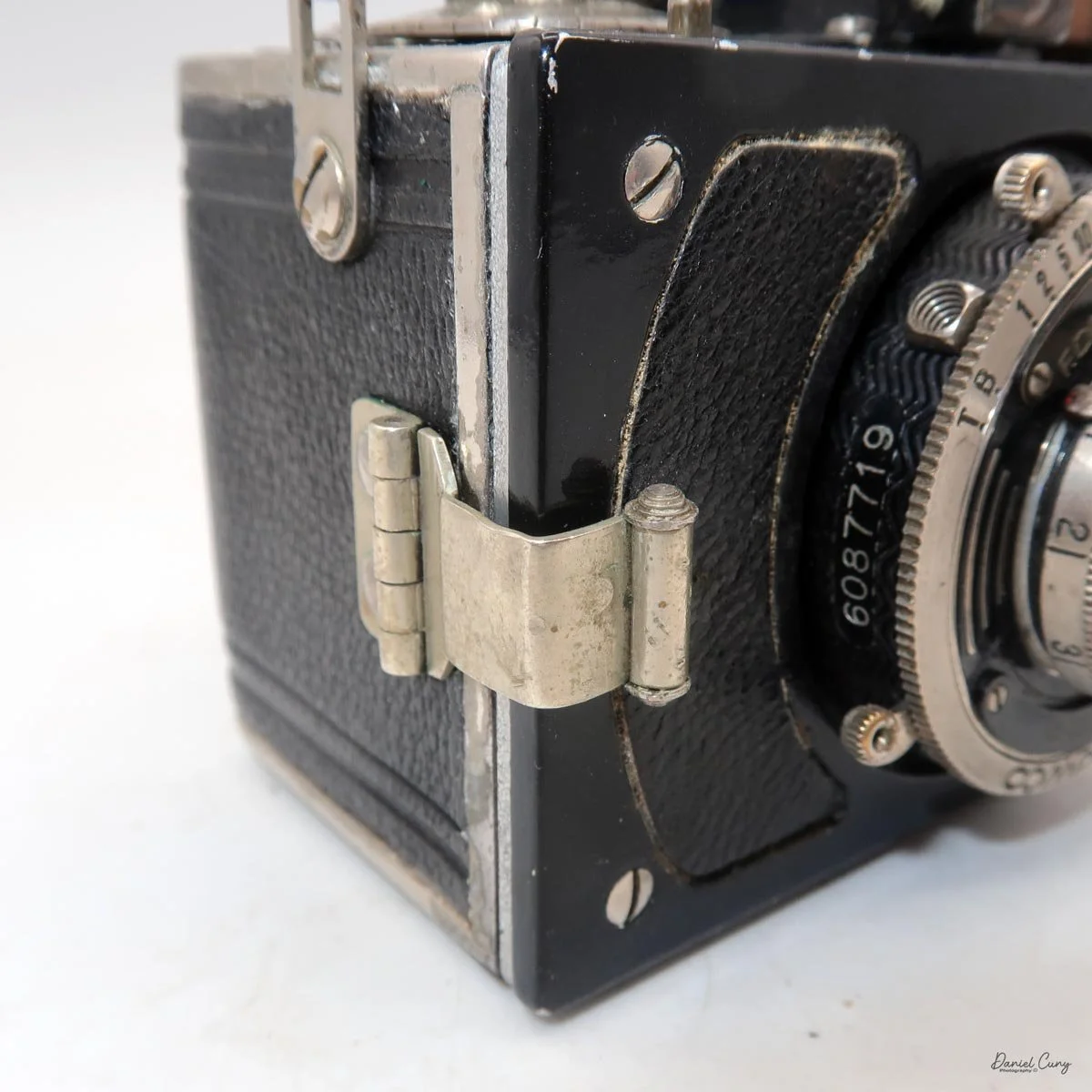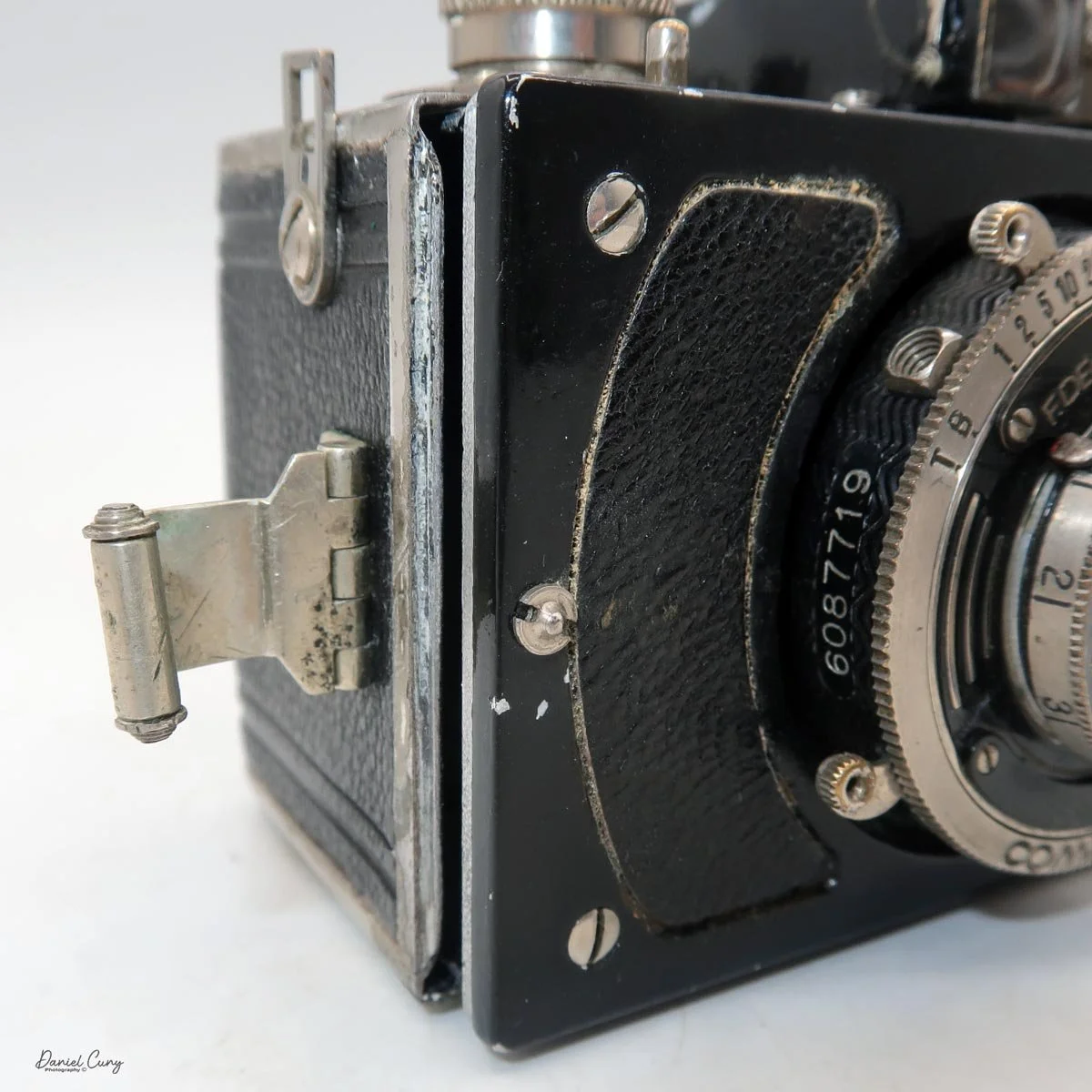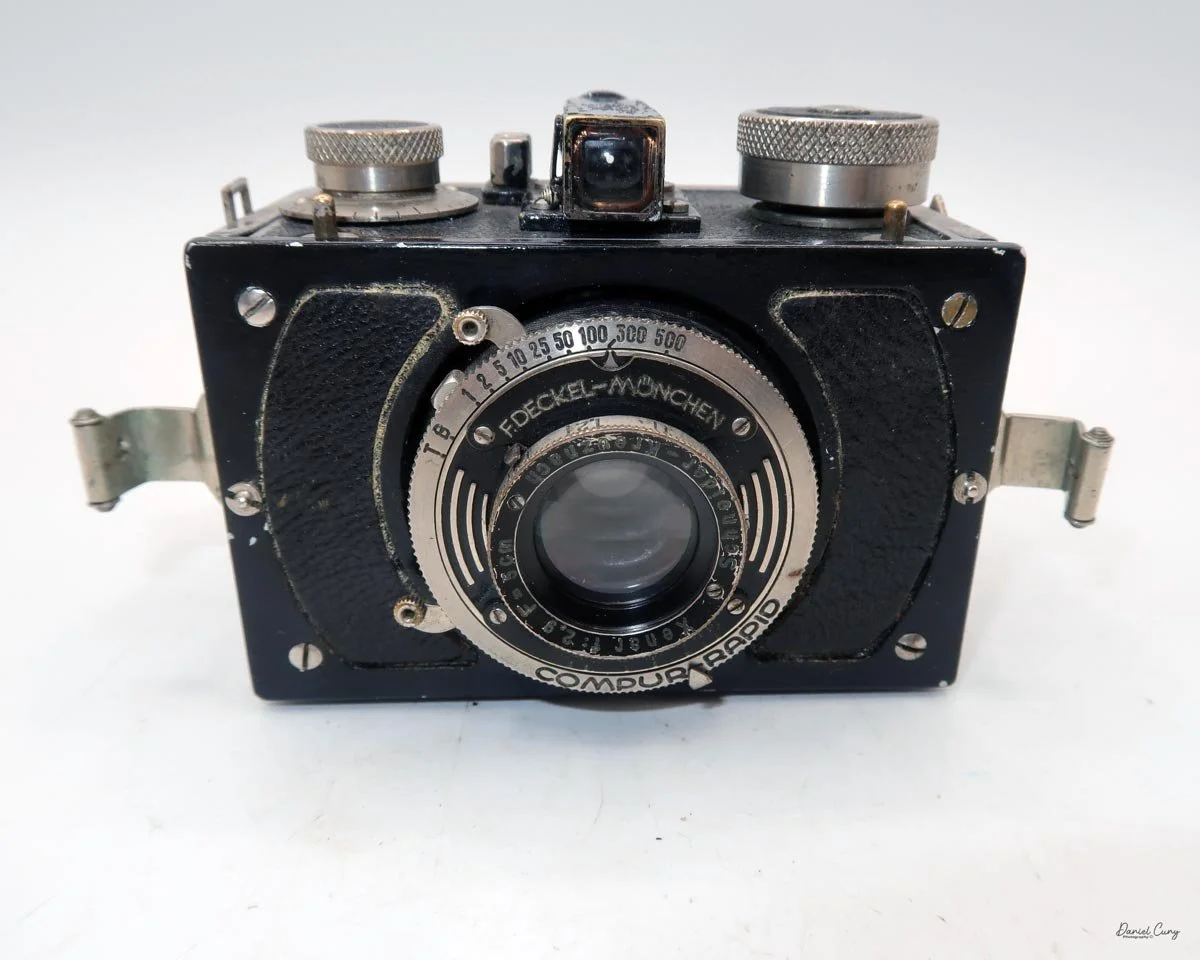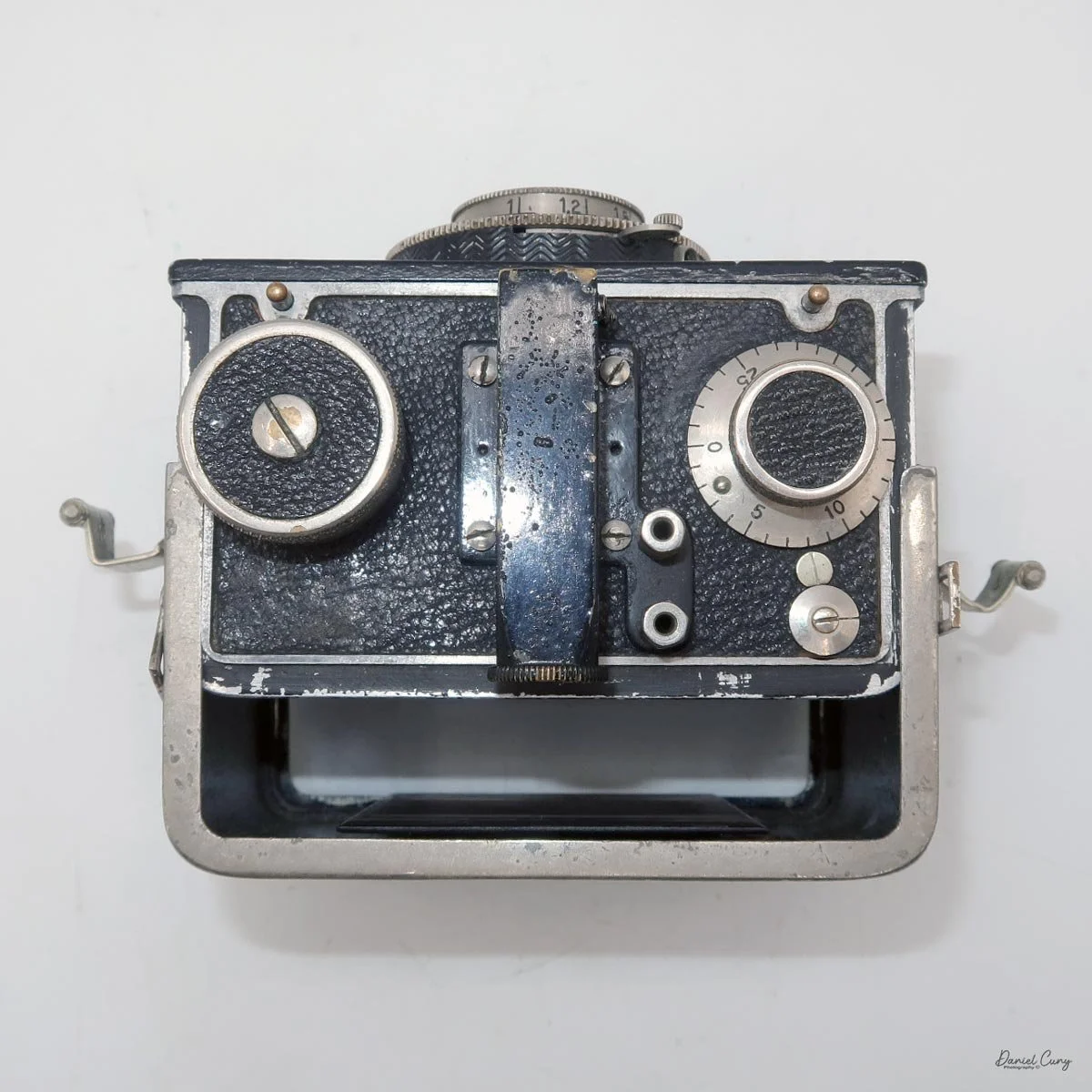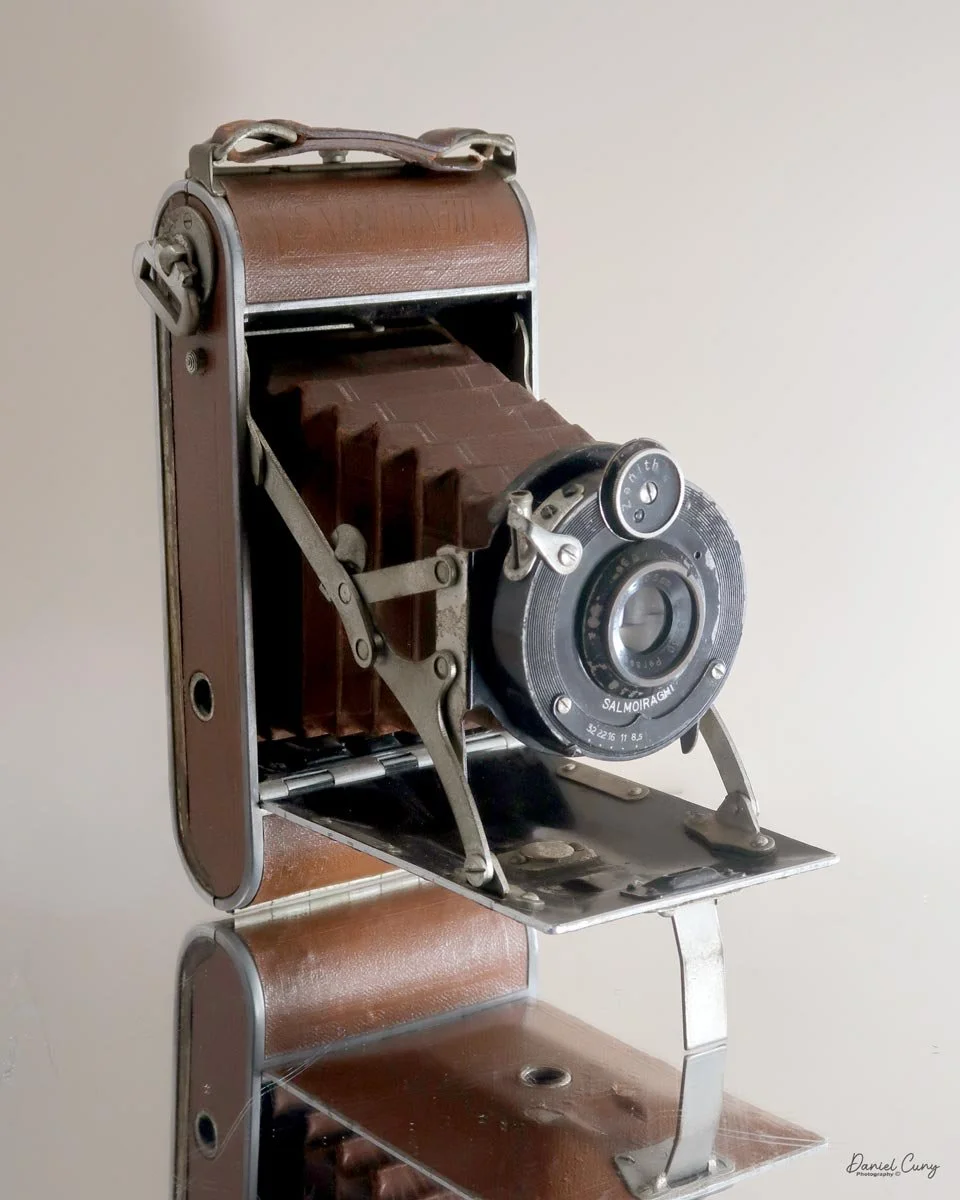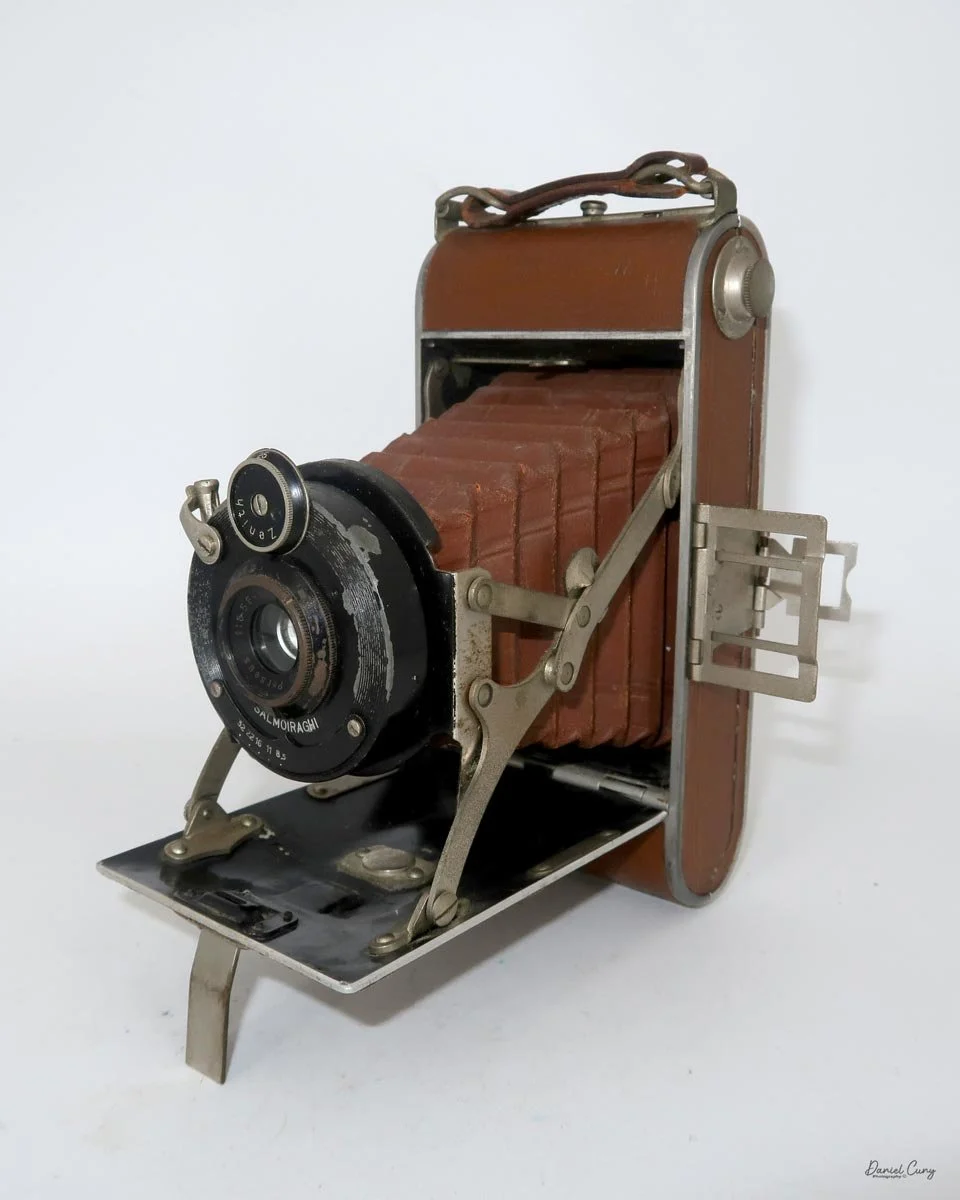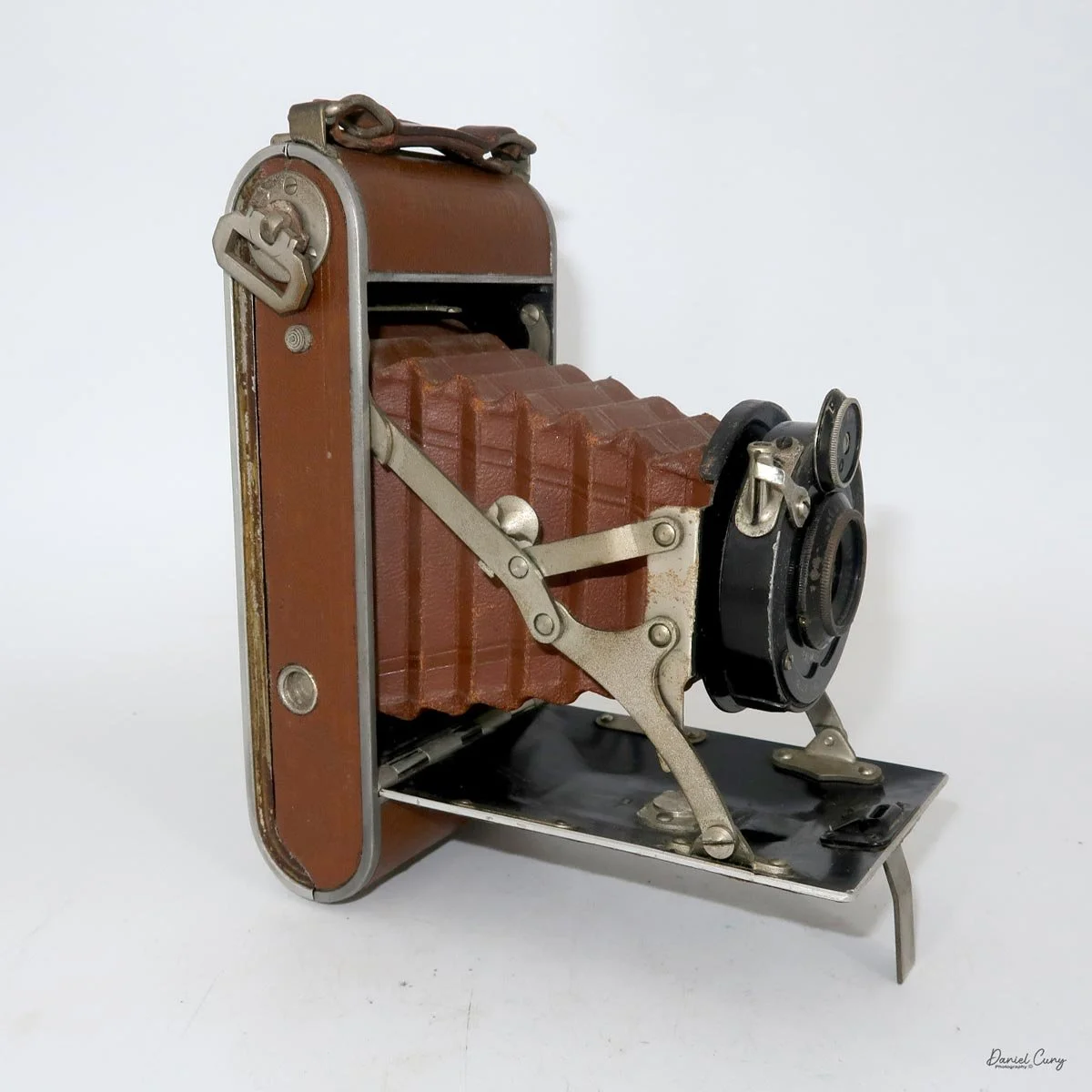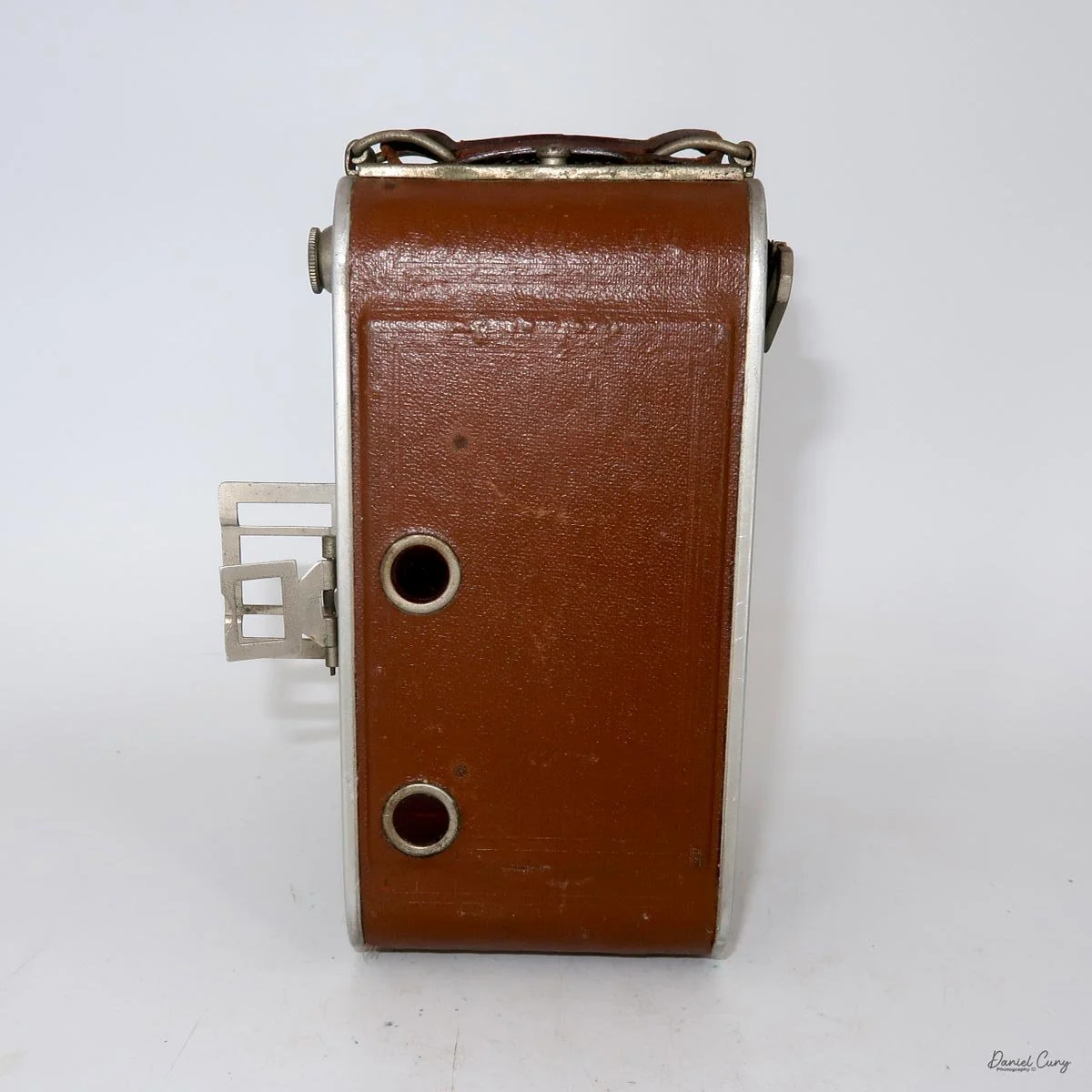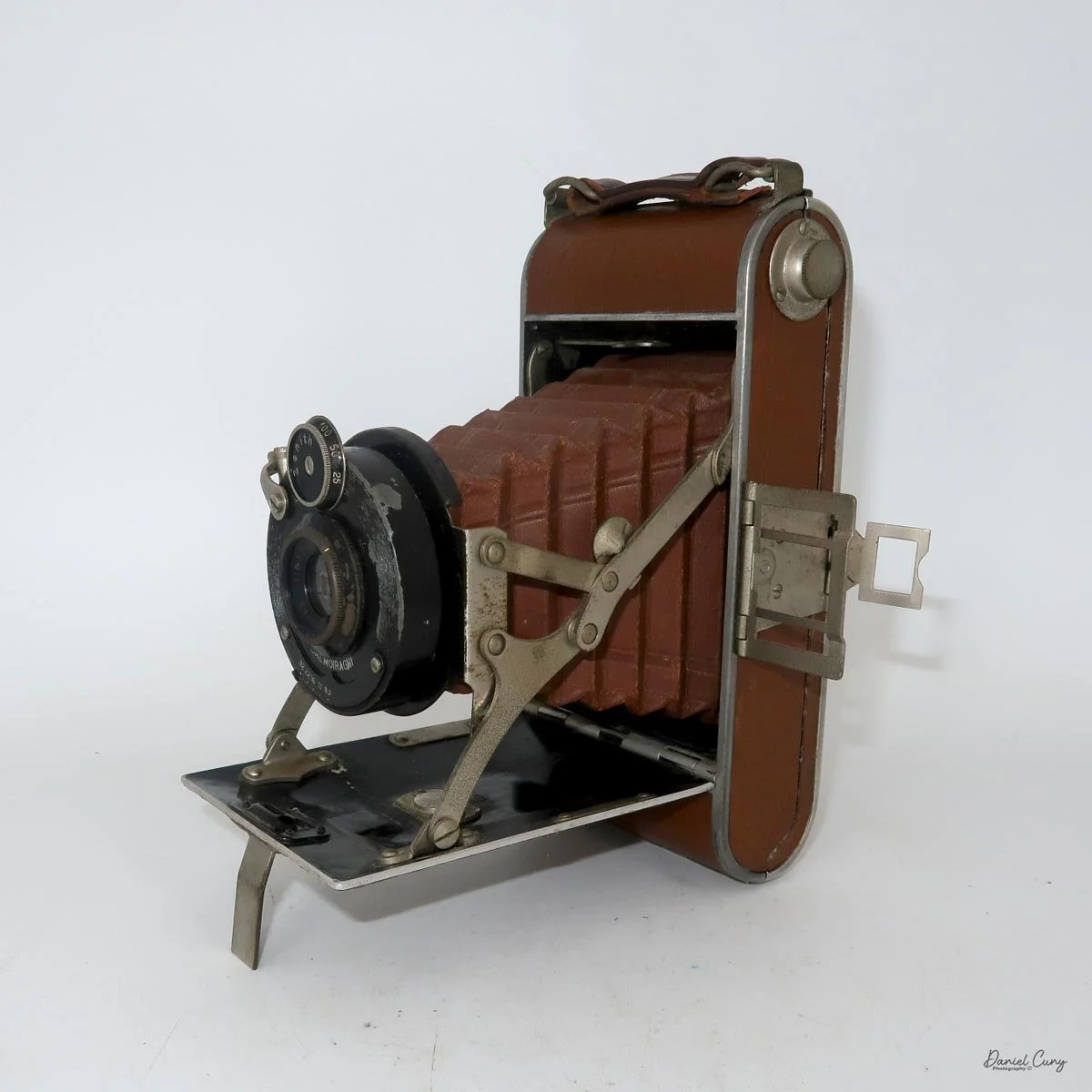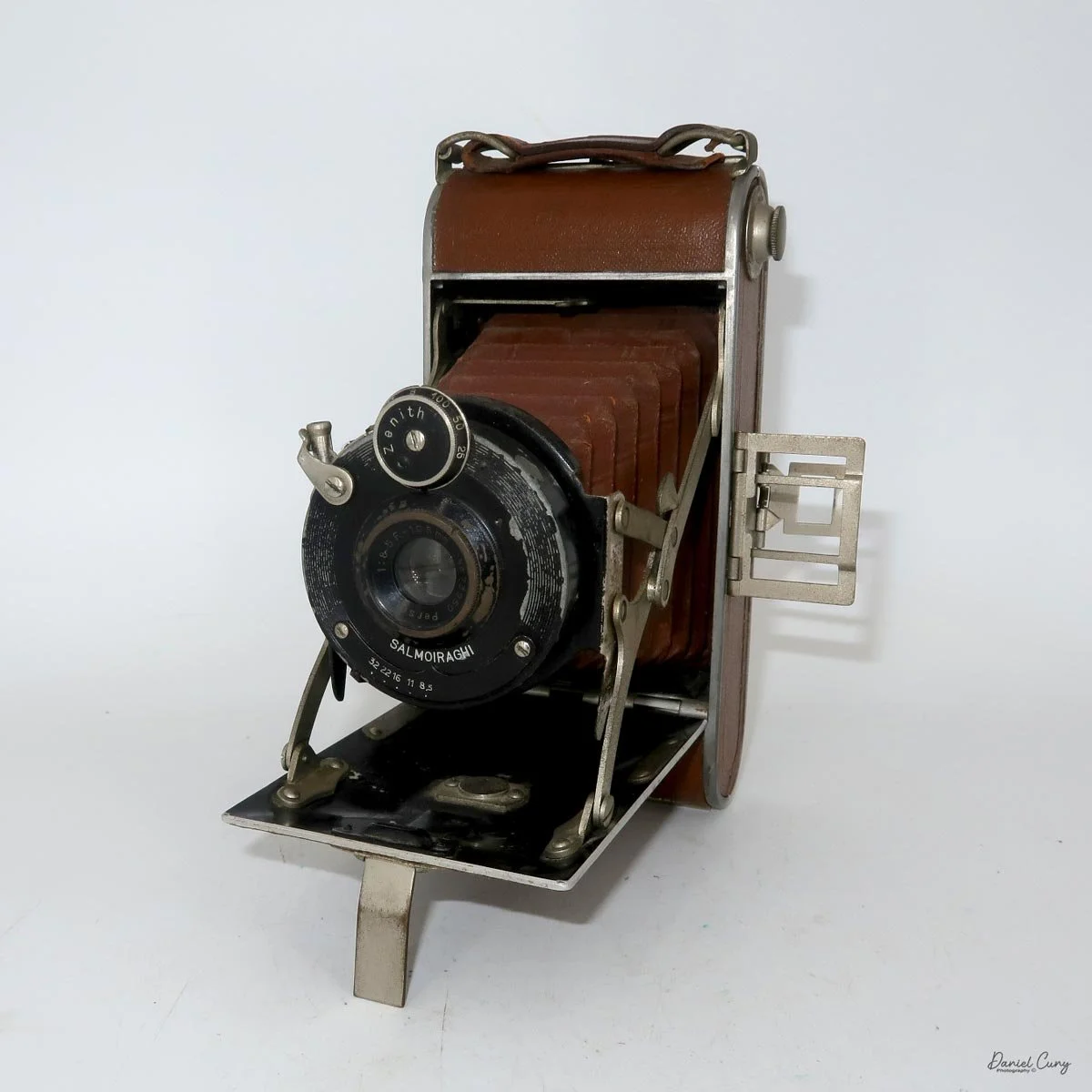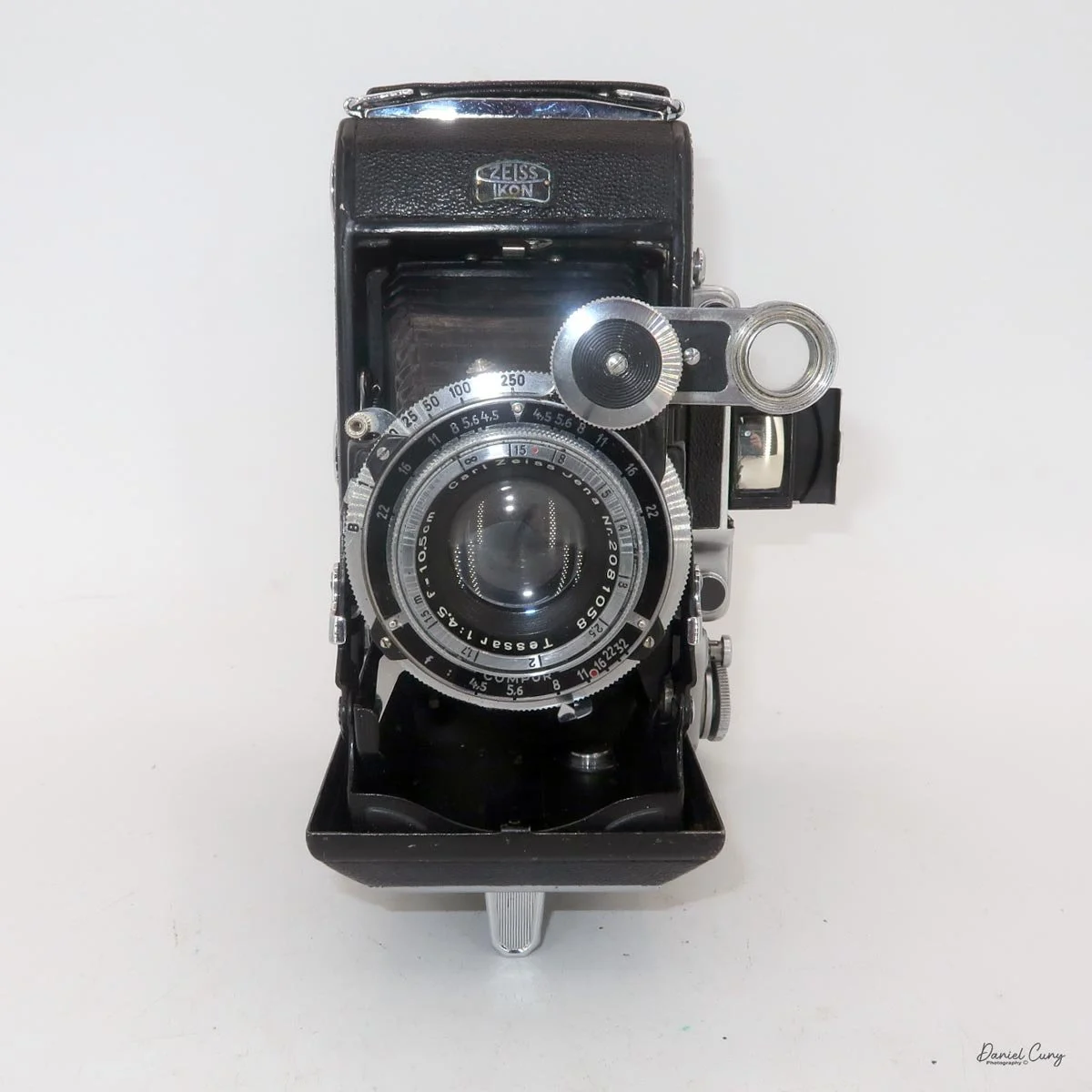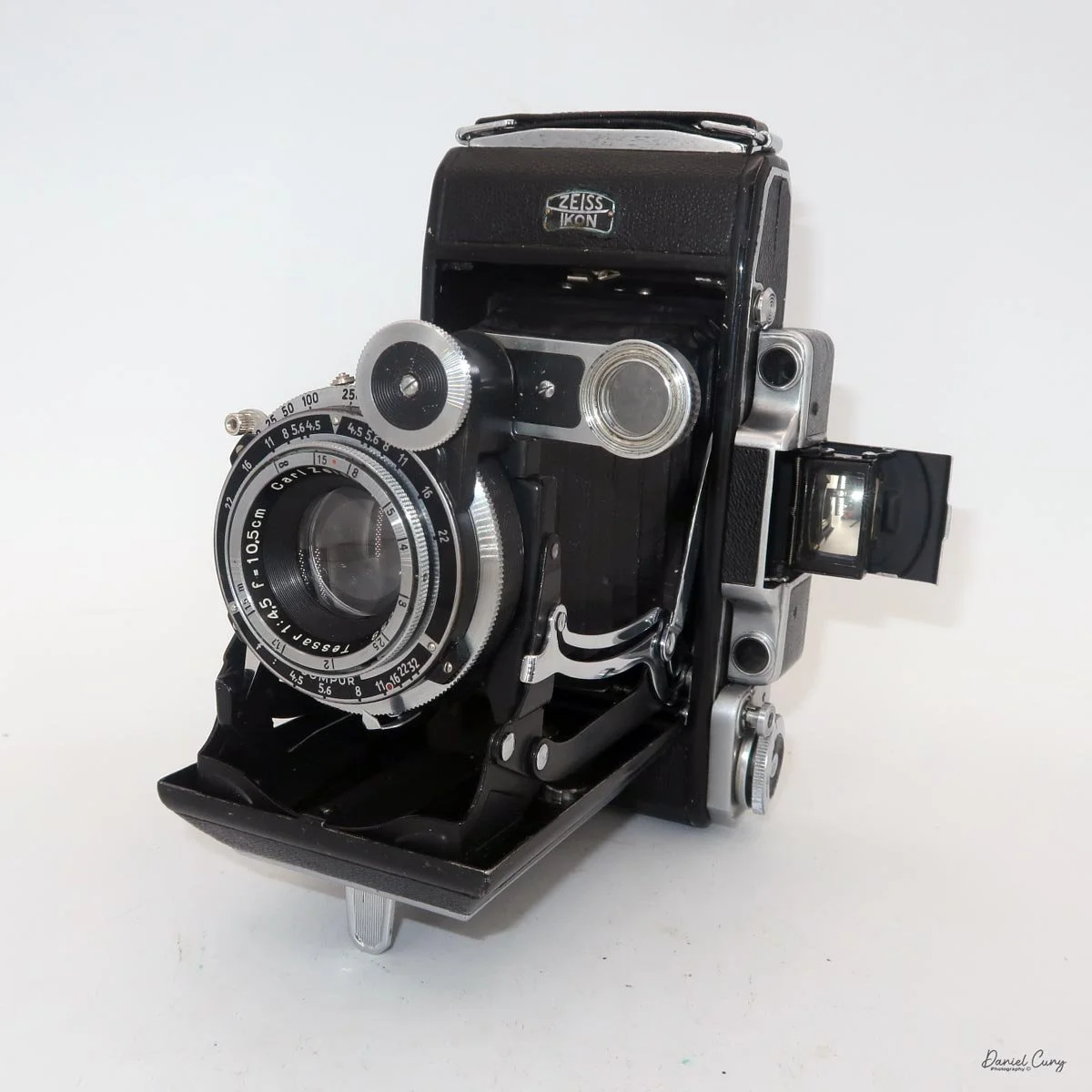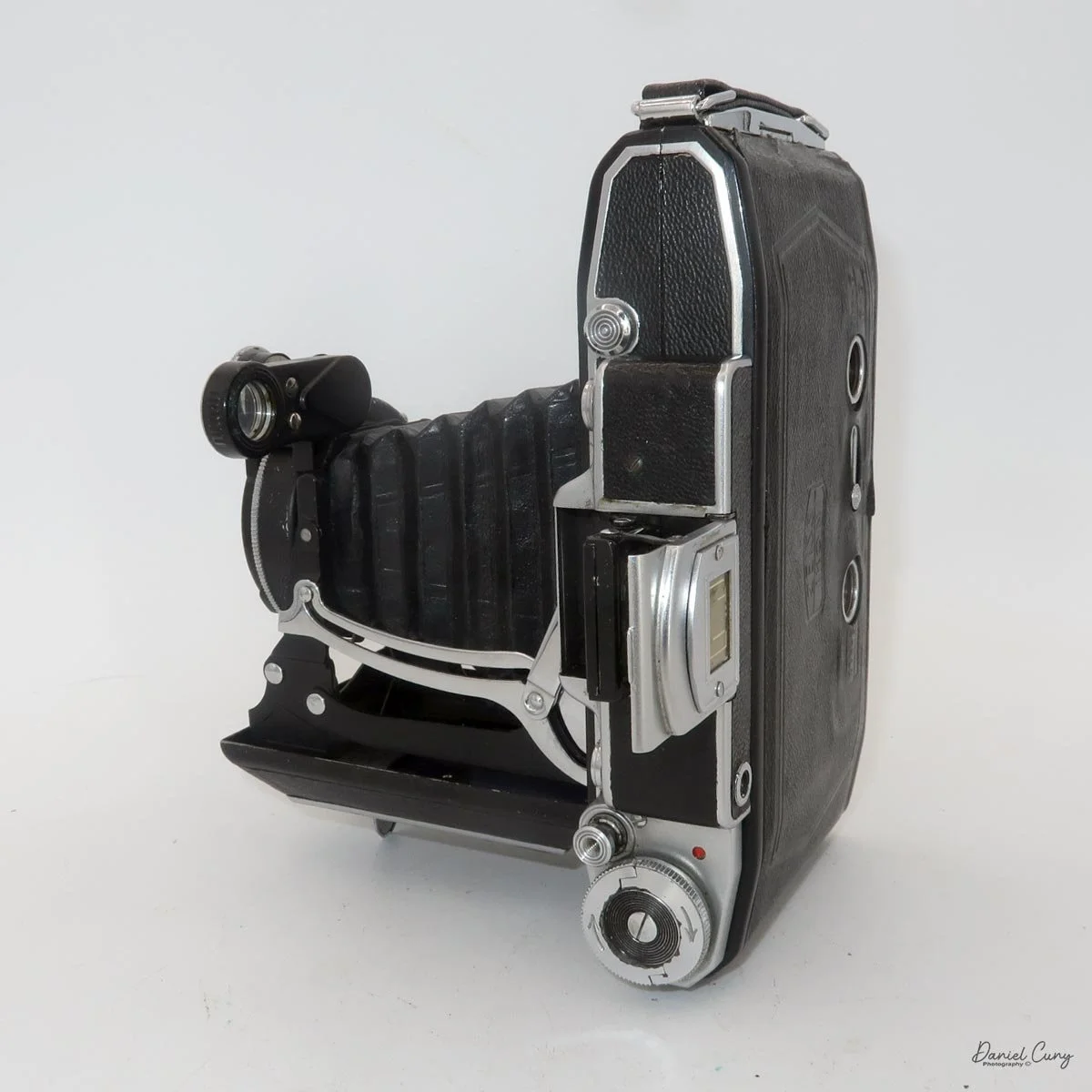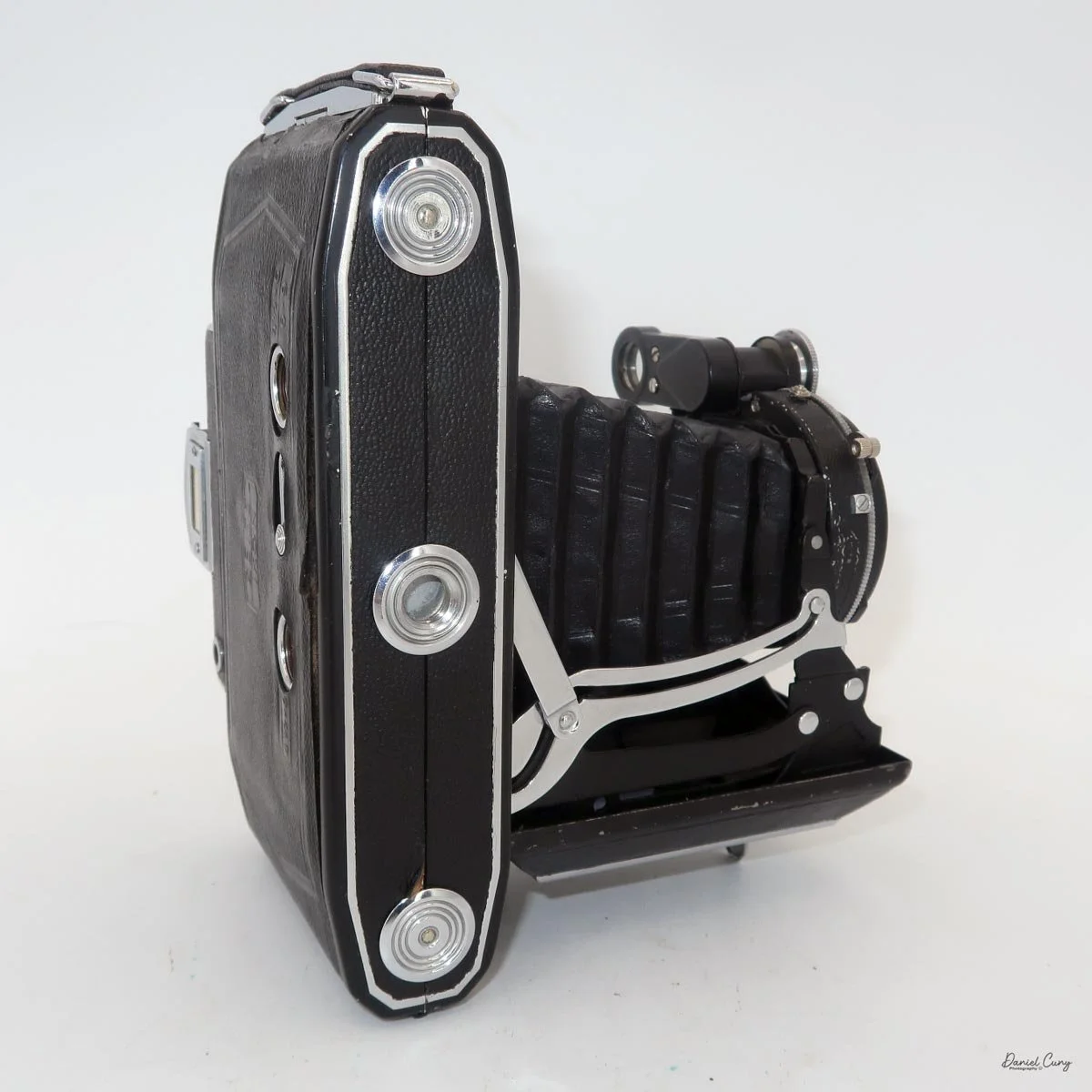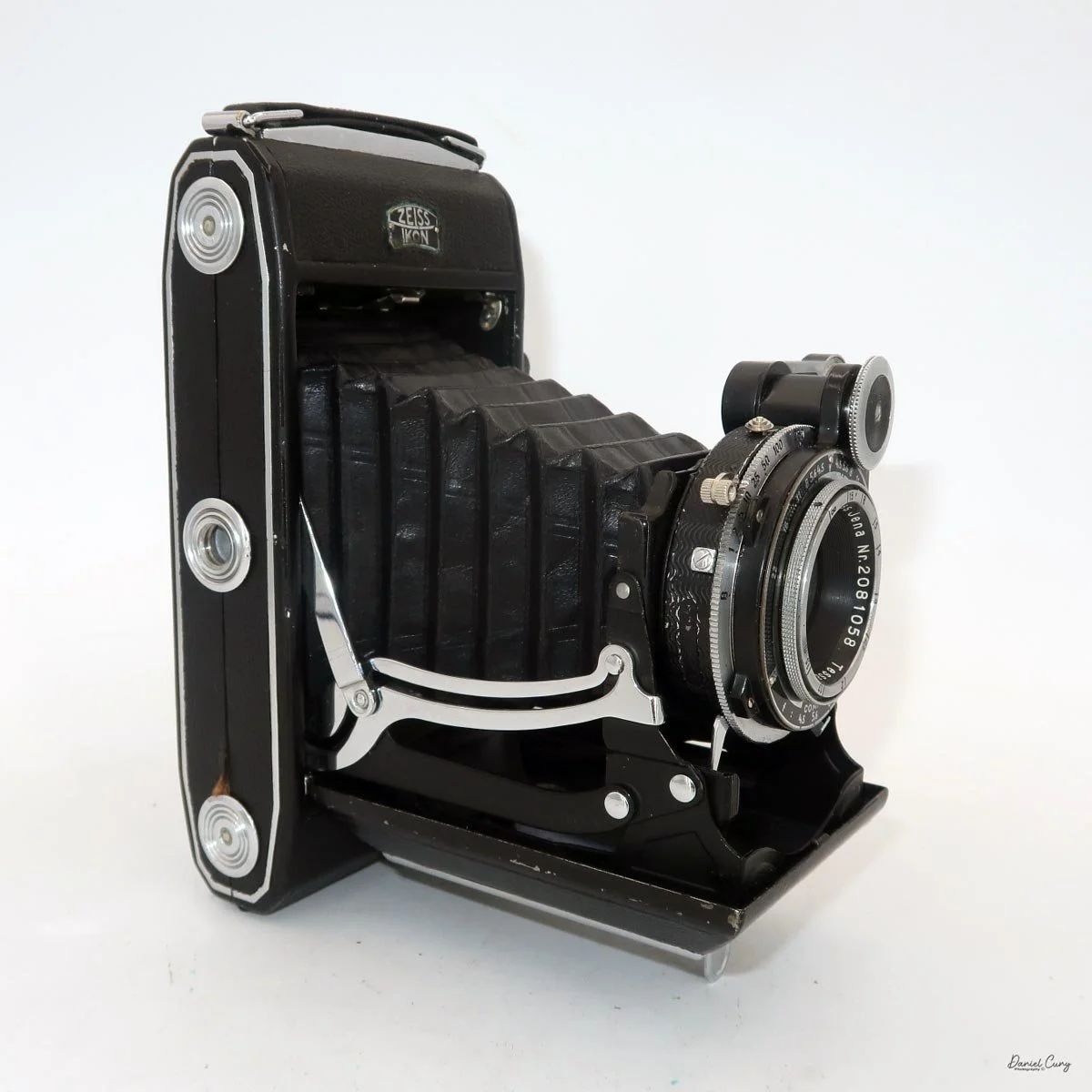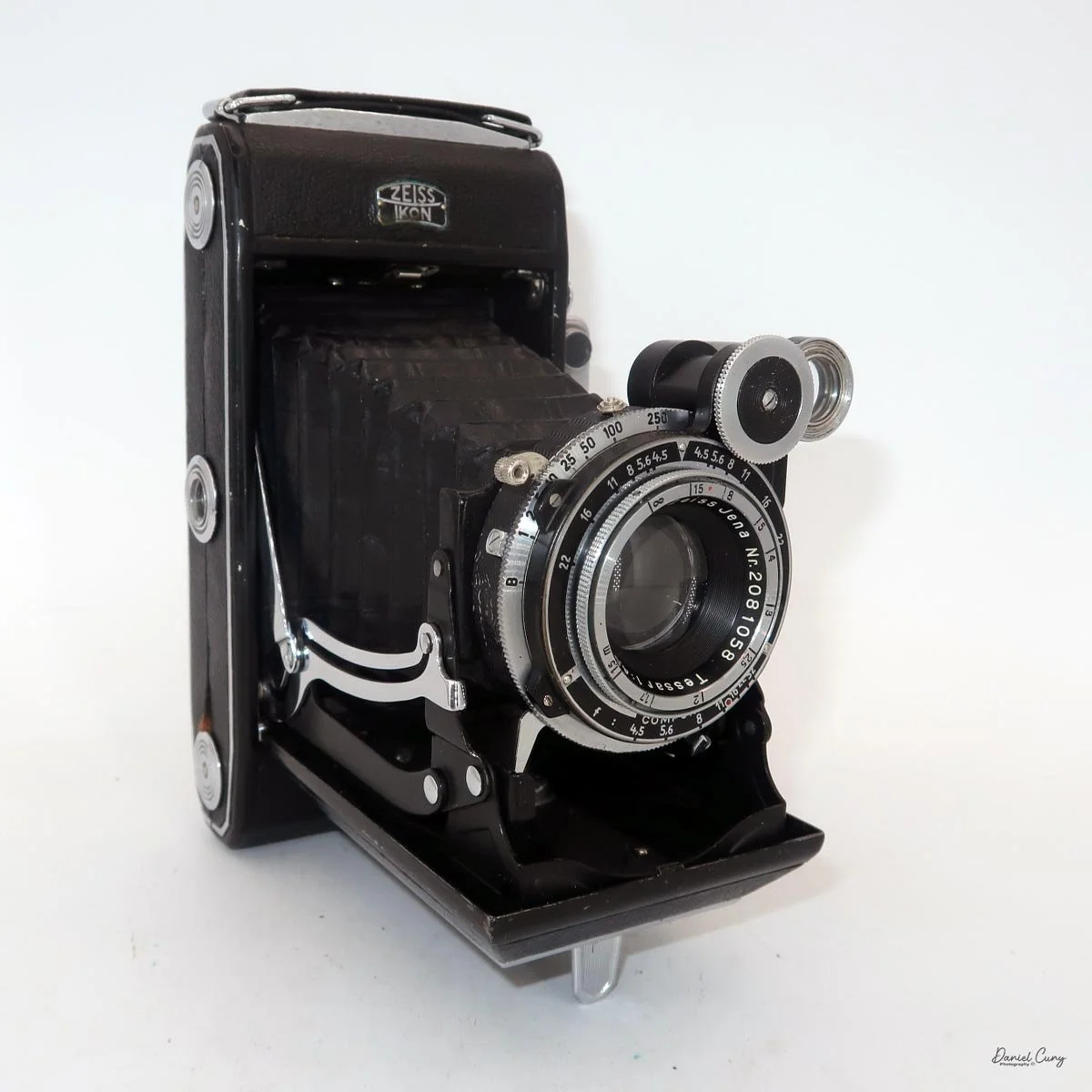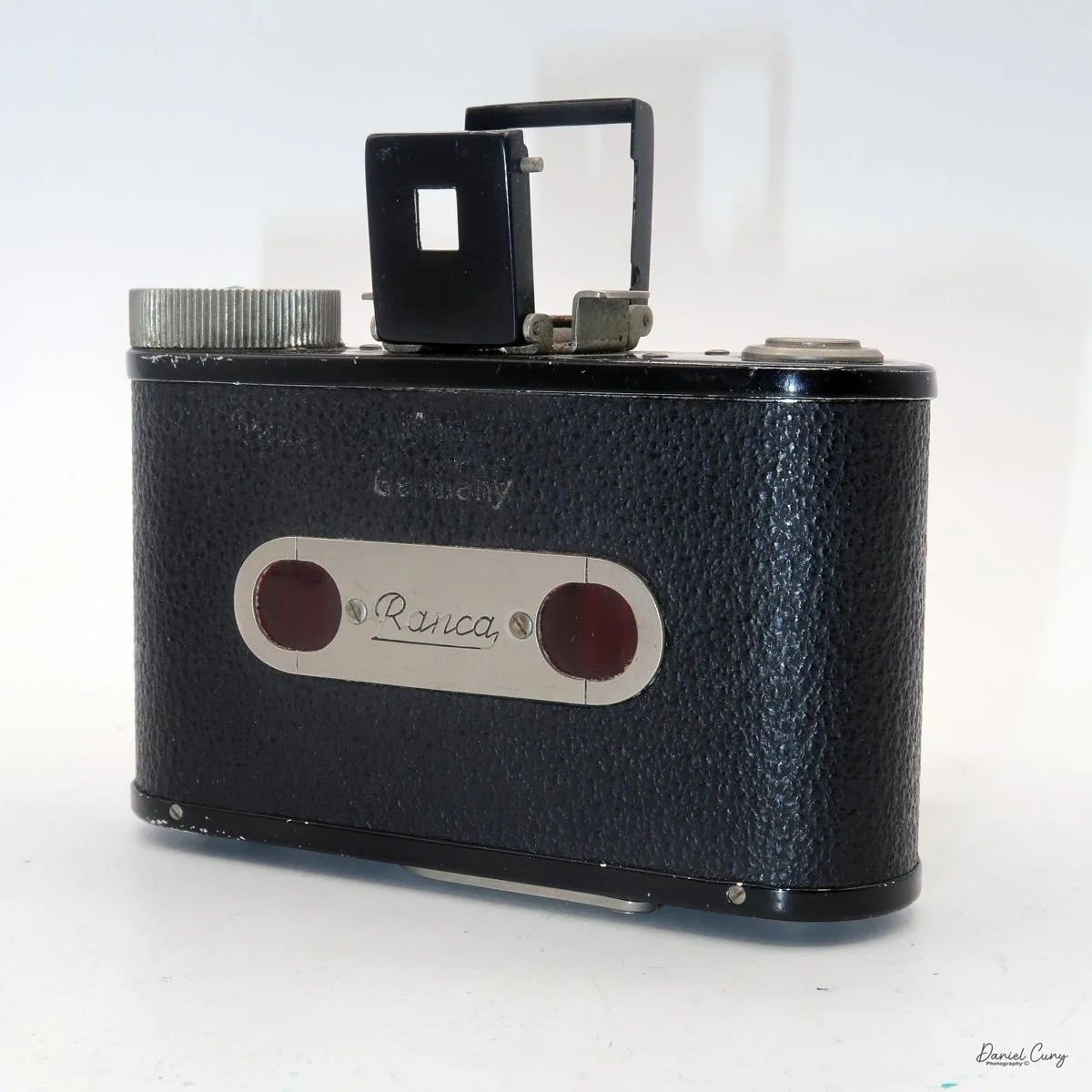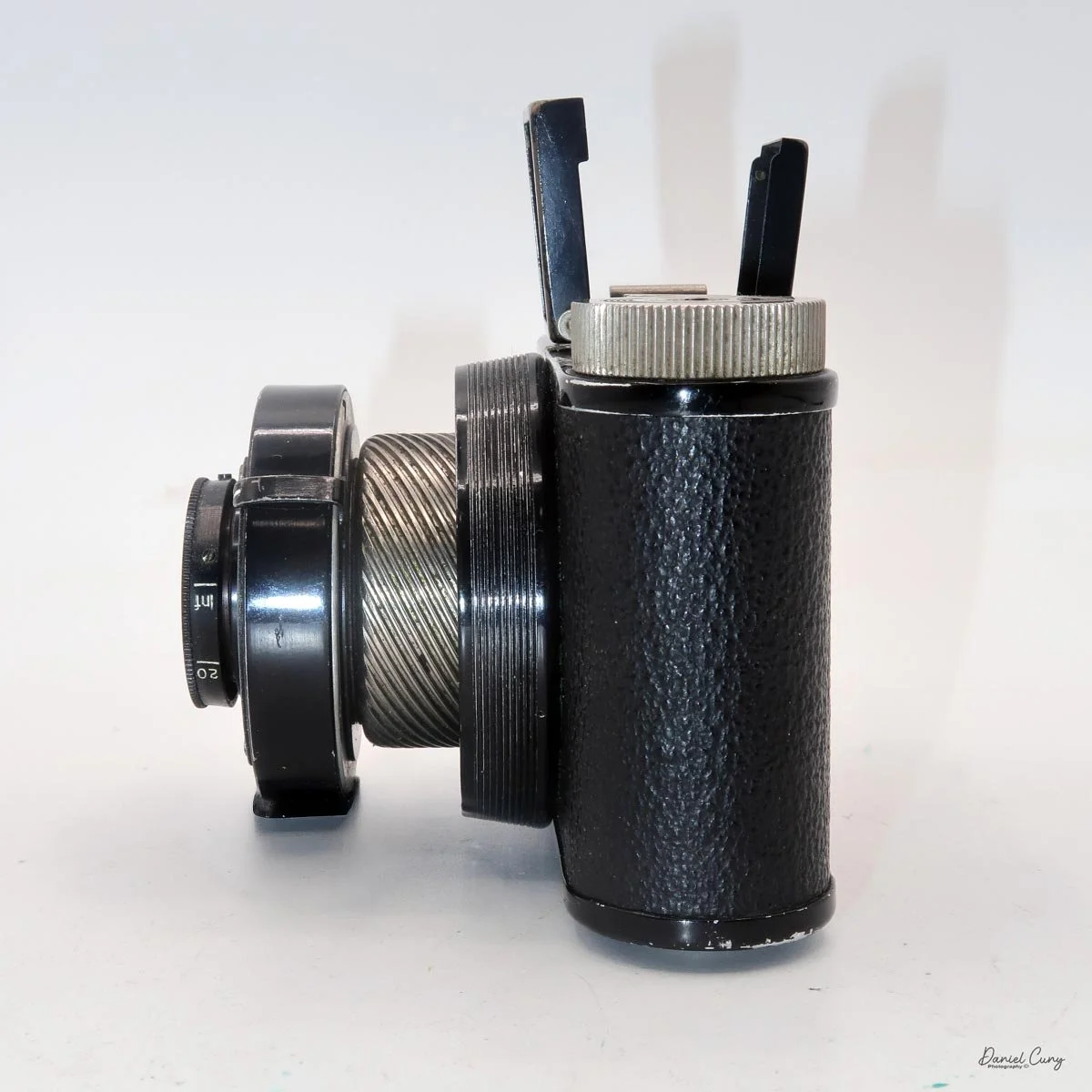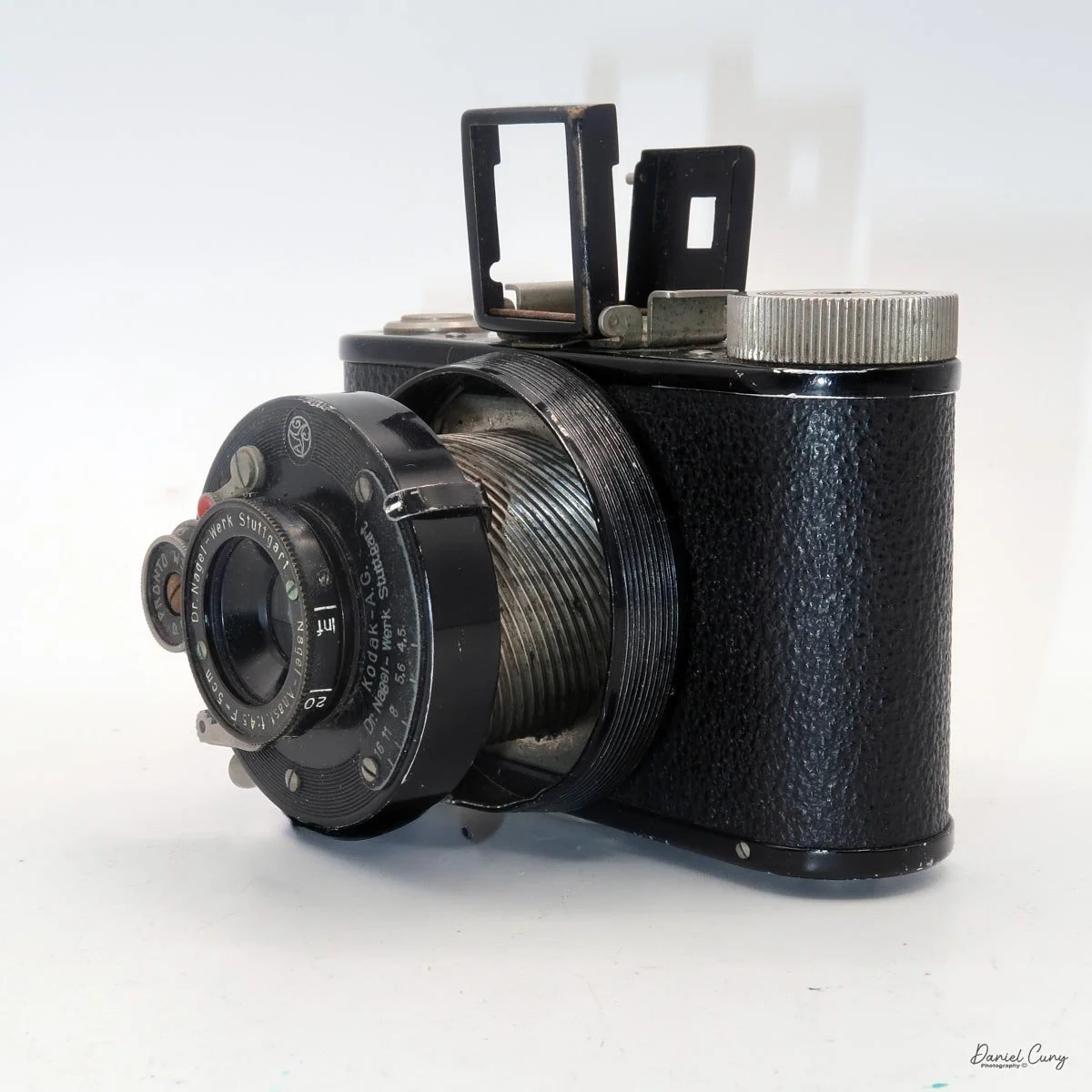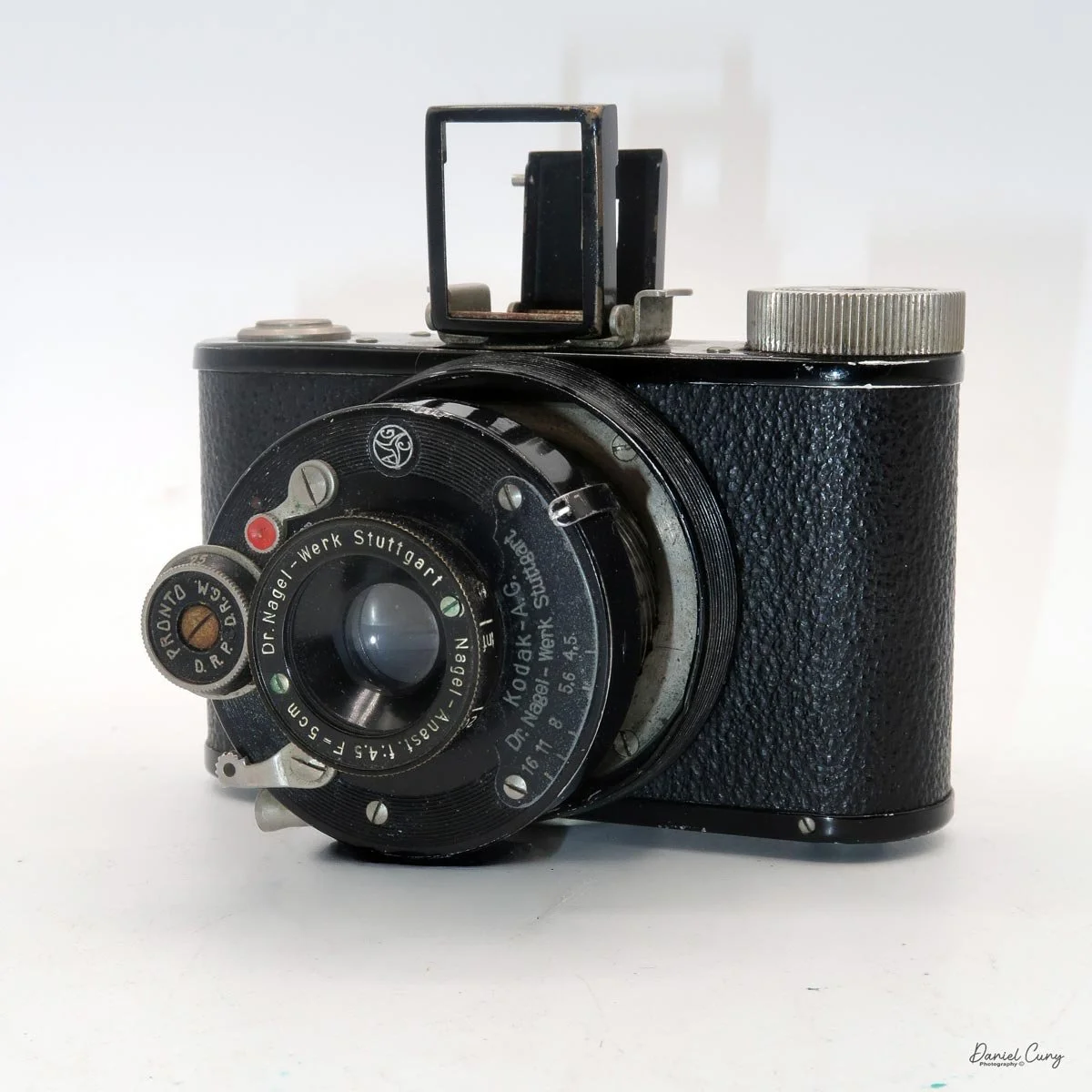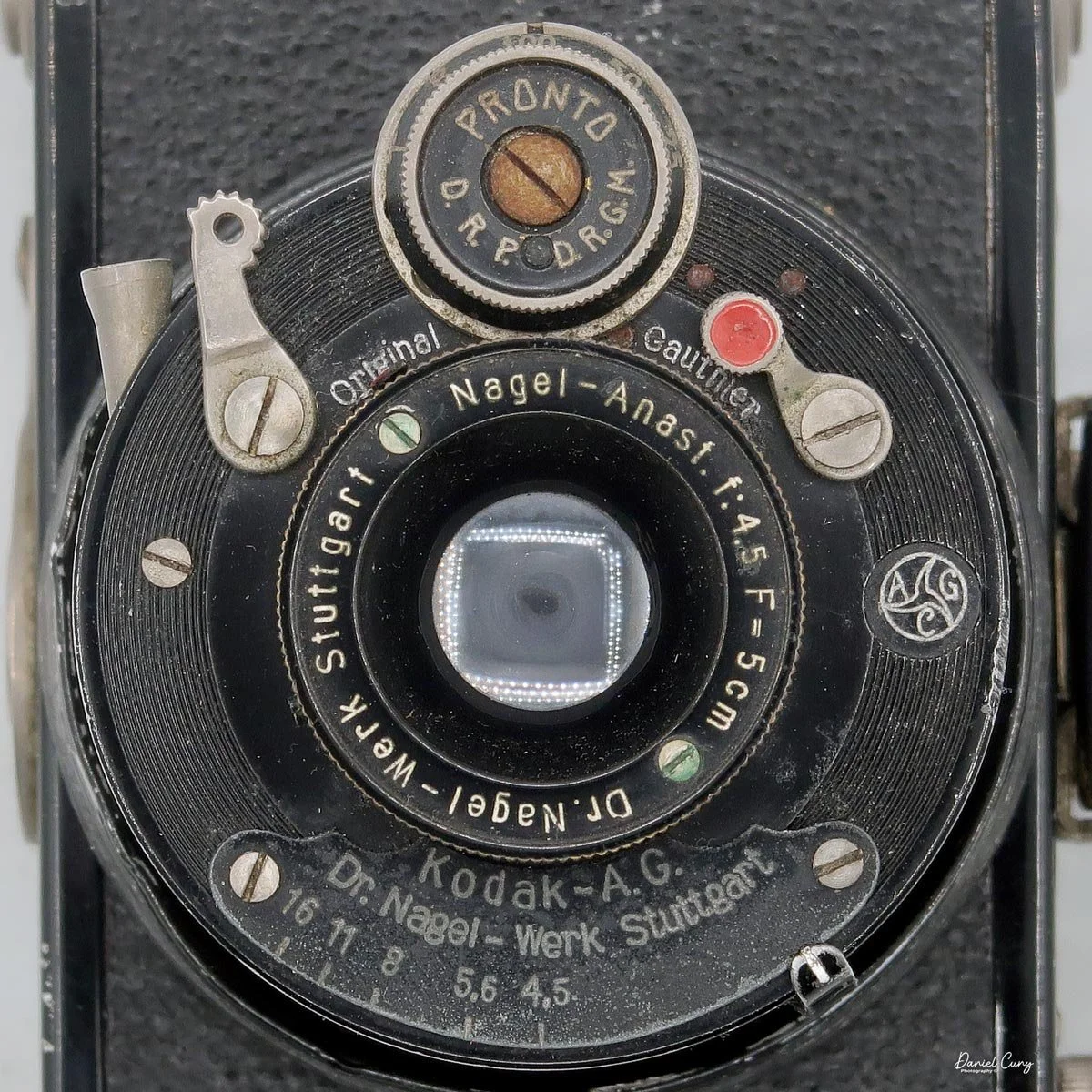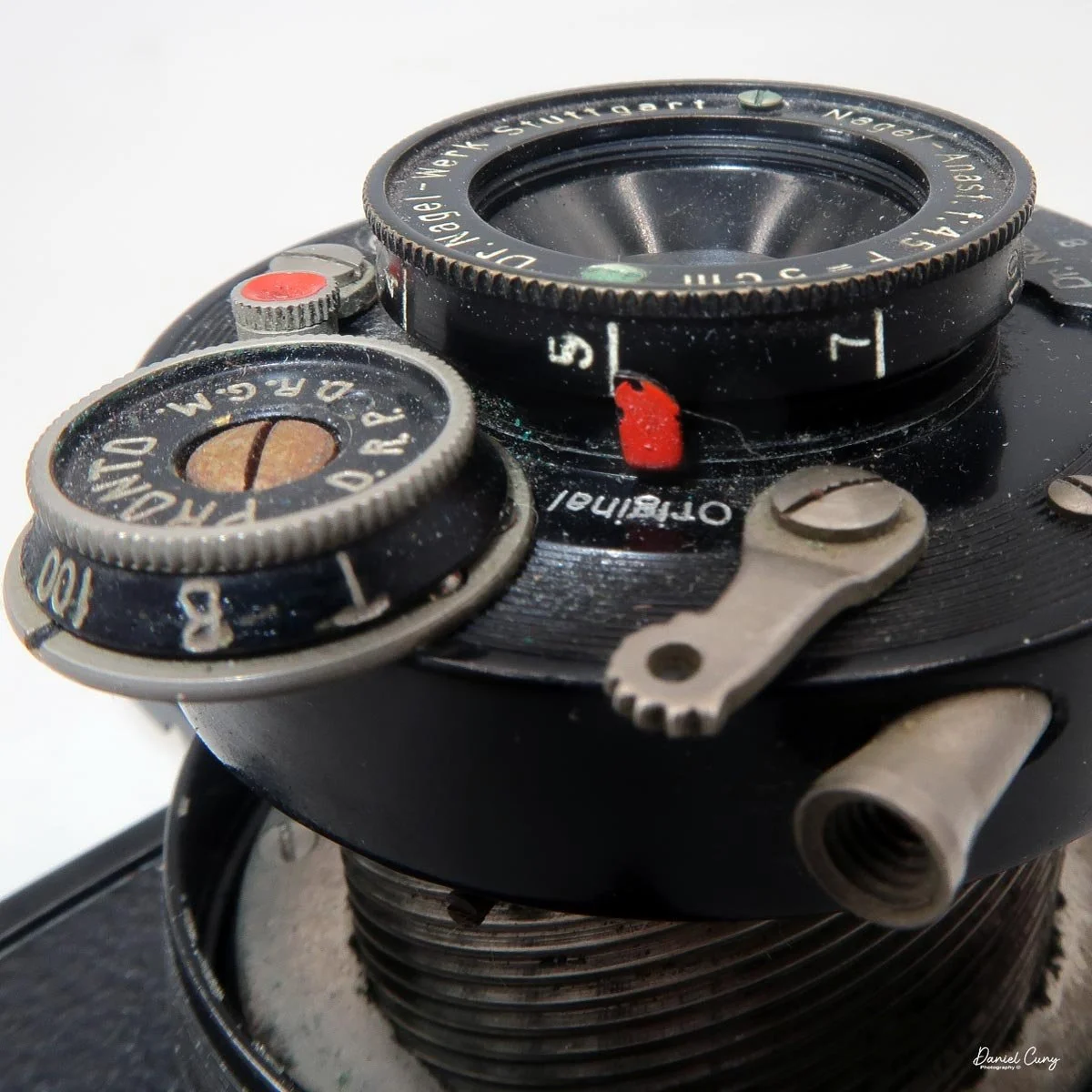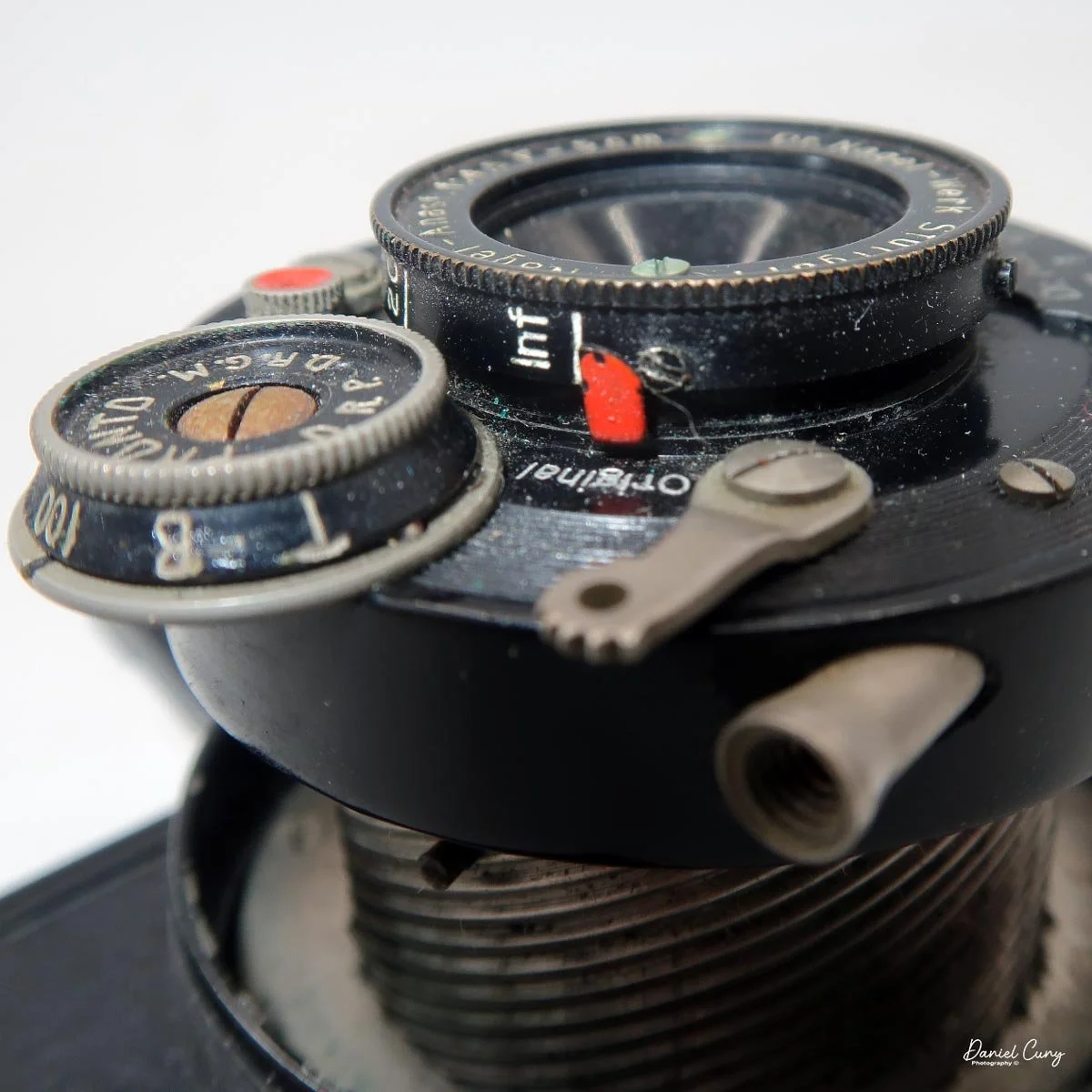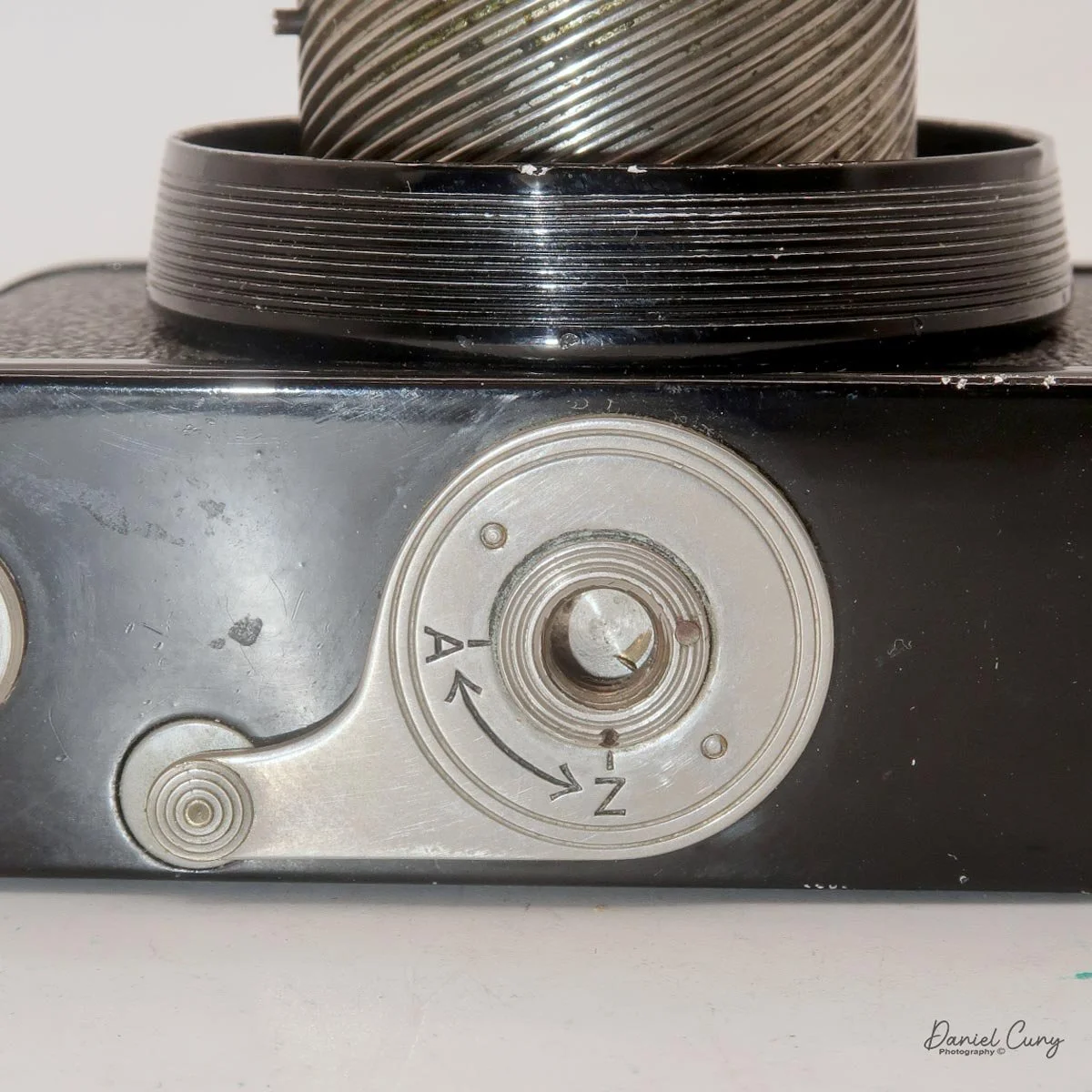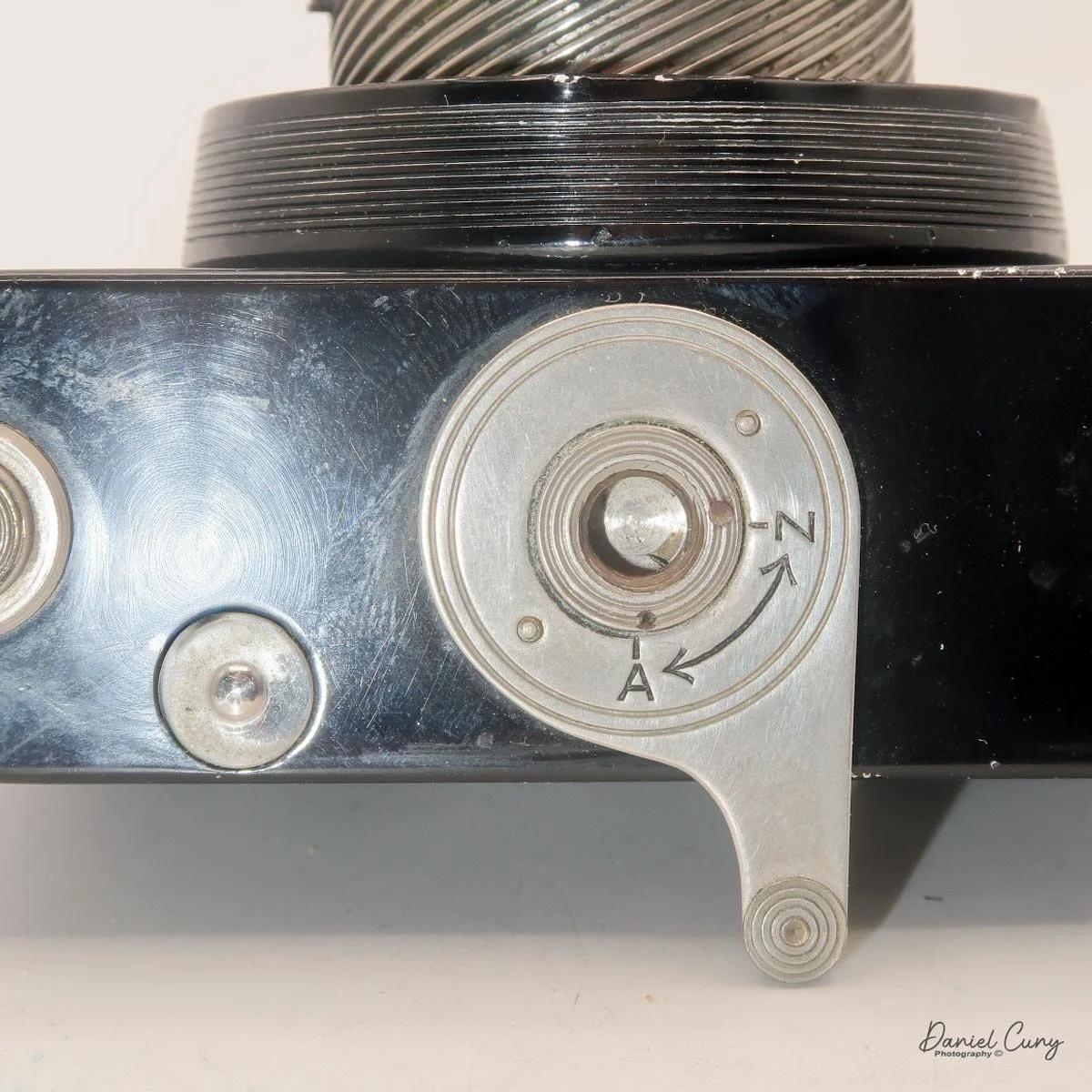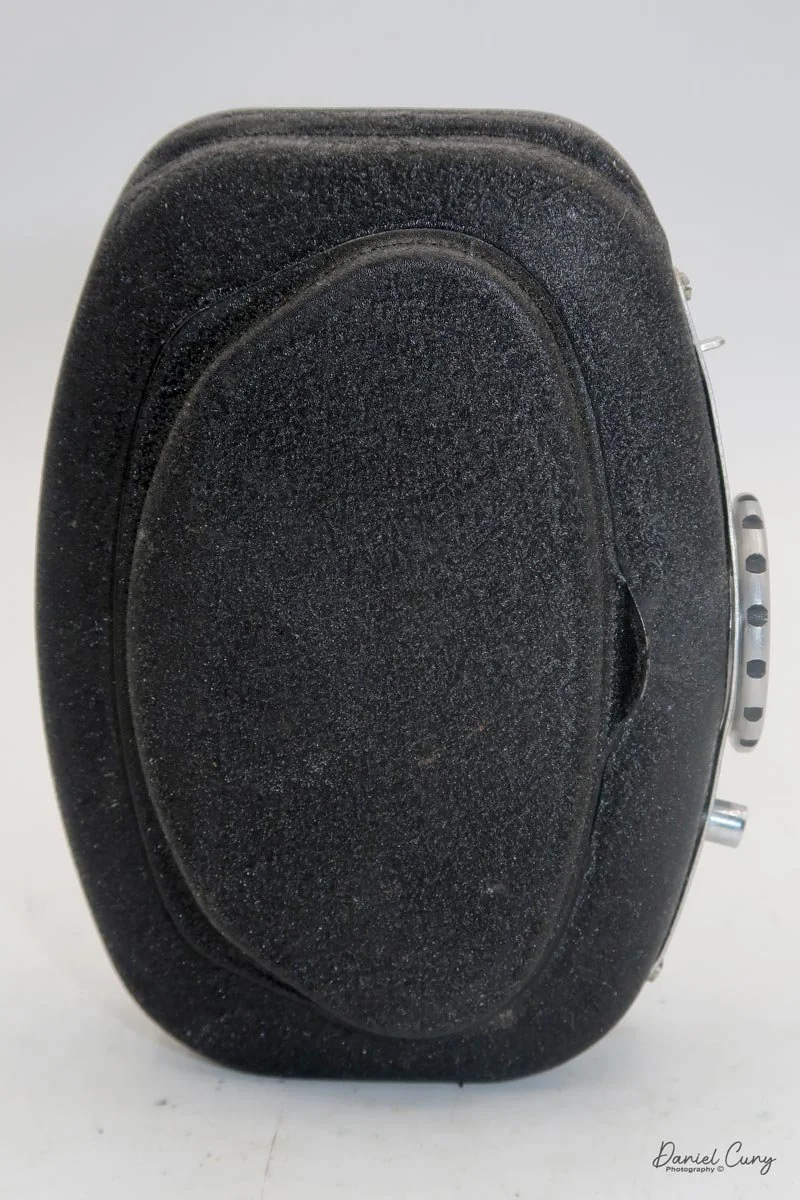
Salmoiraghi Luxus camera

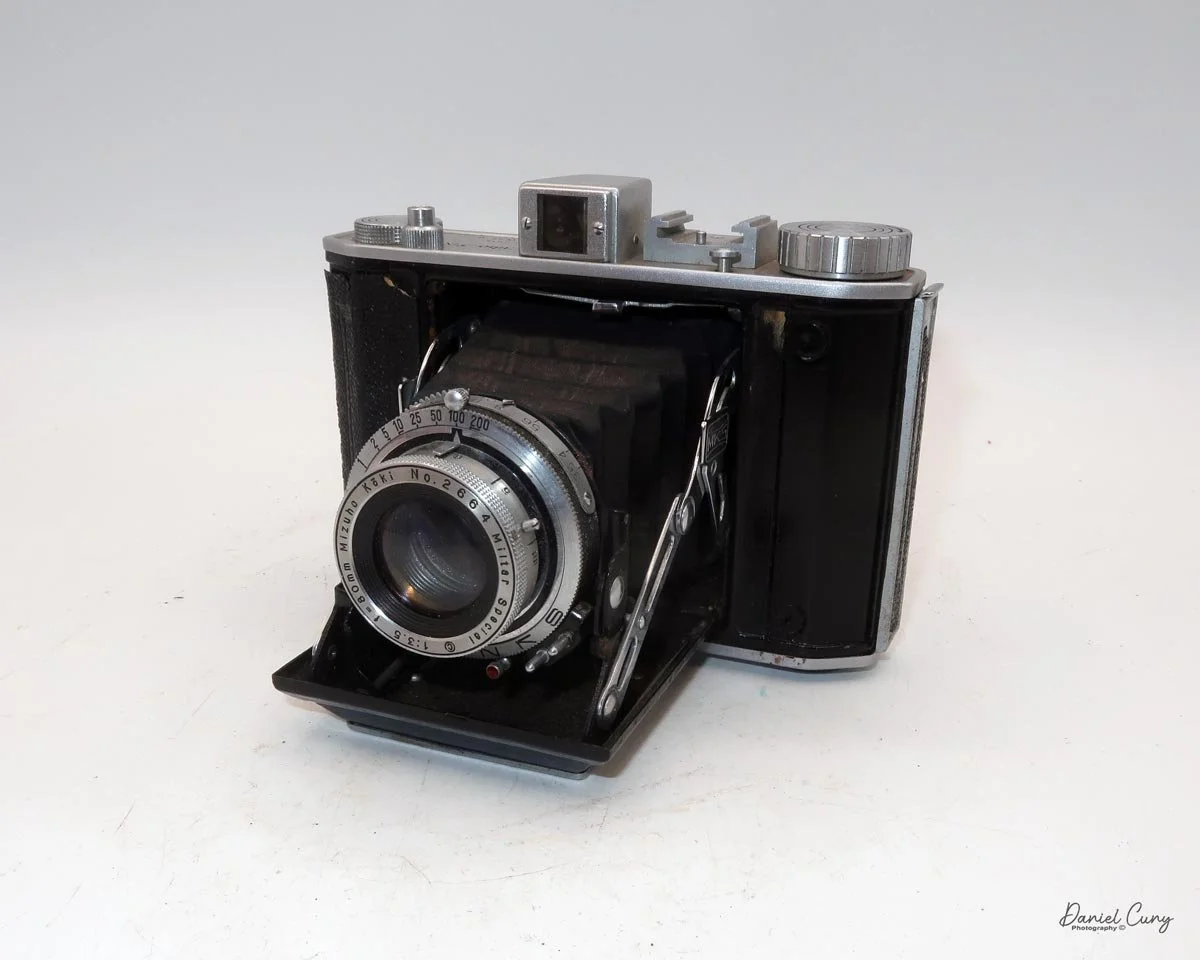
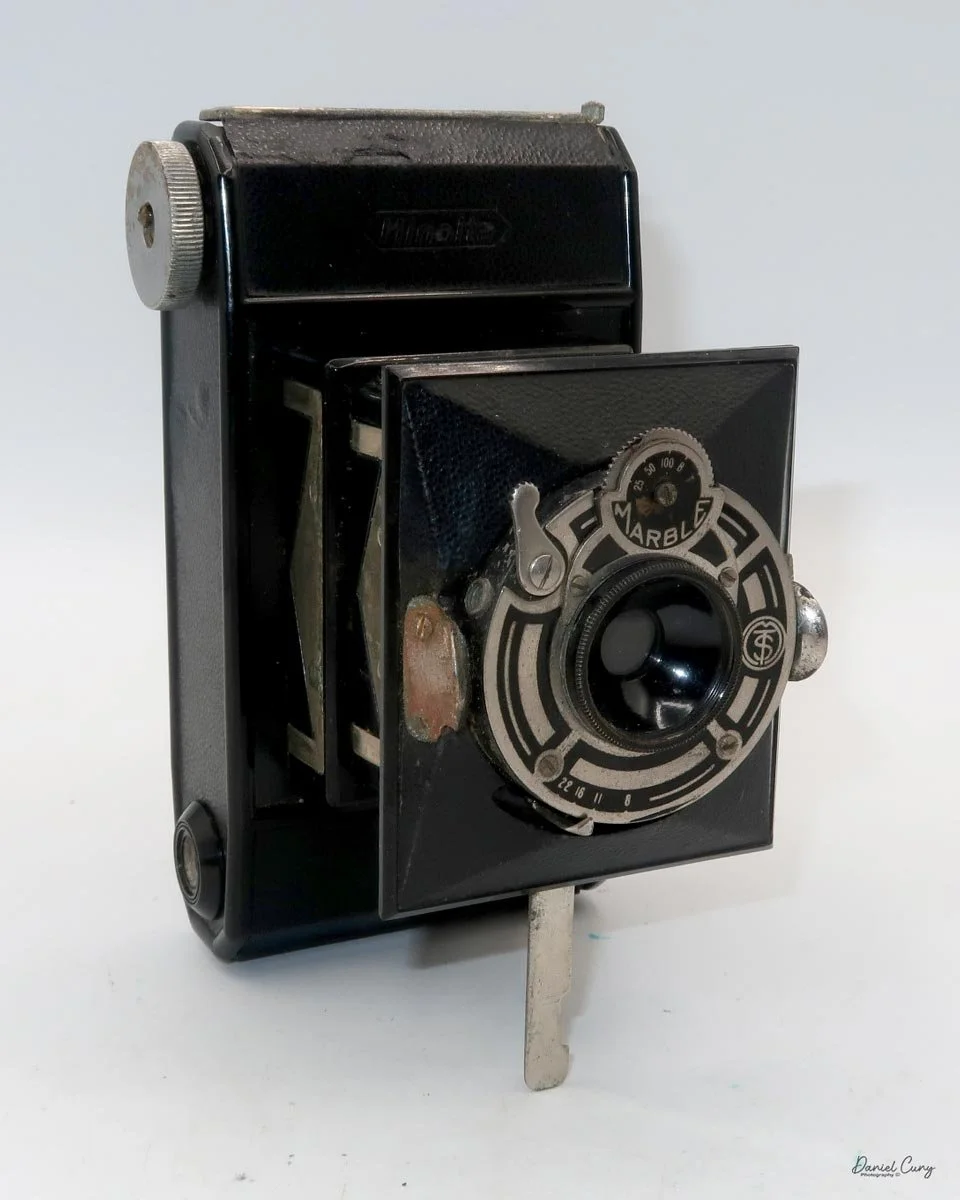
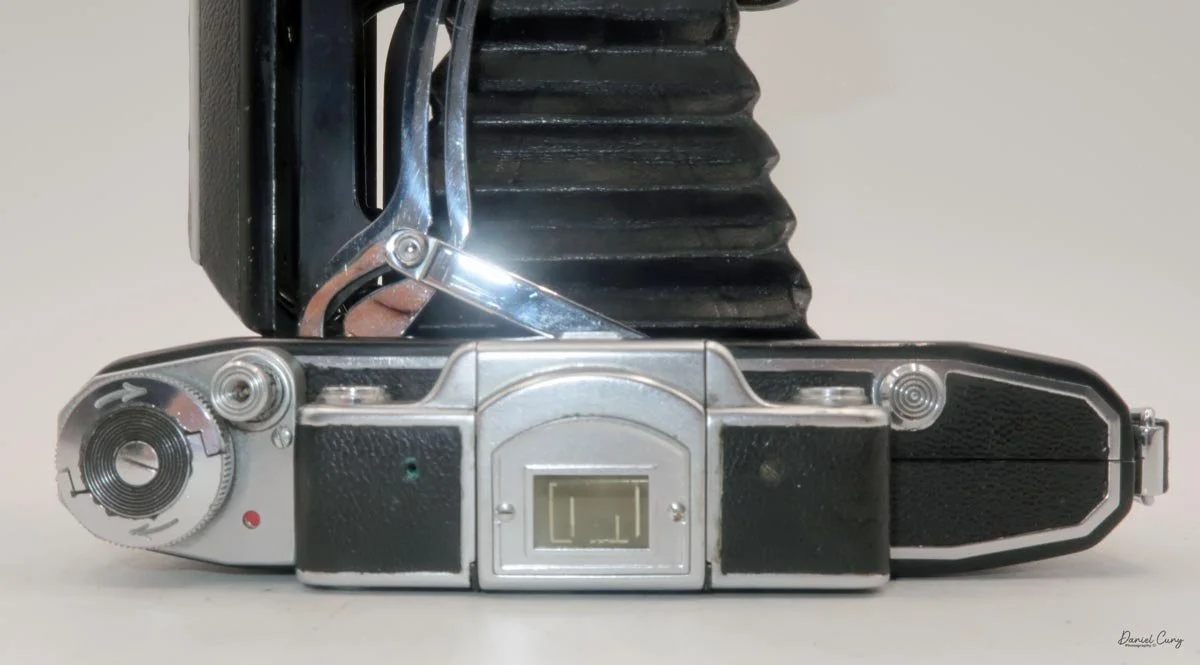
My Salmoiraghi Lexus camera

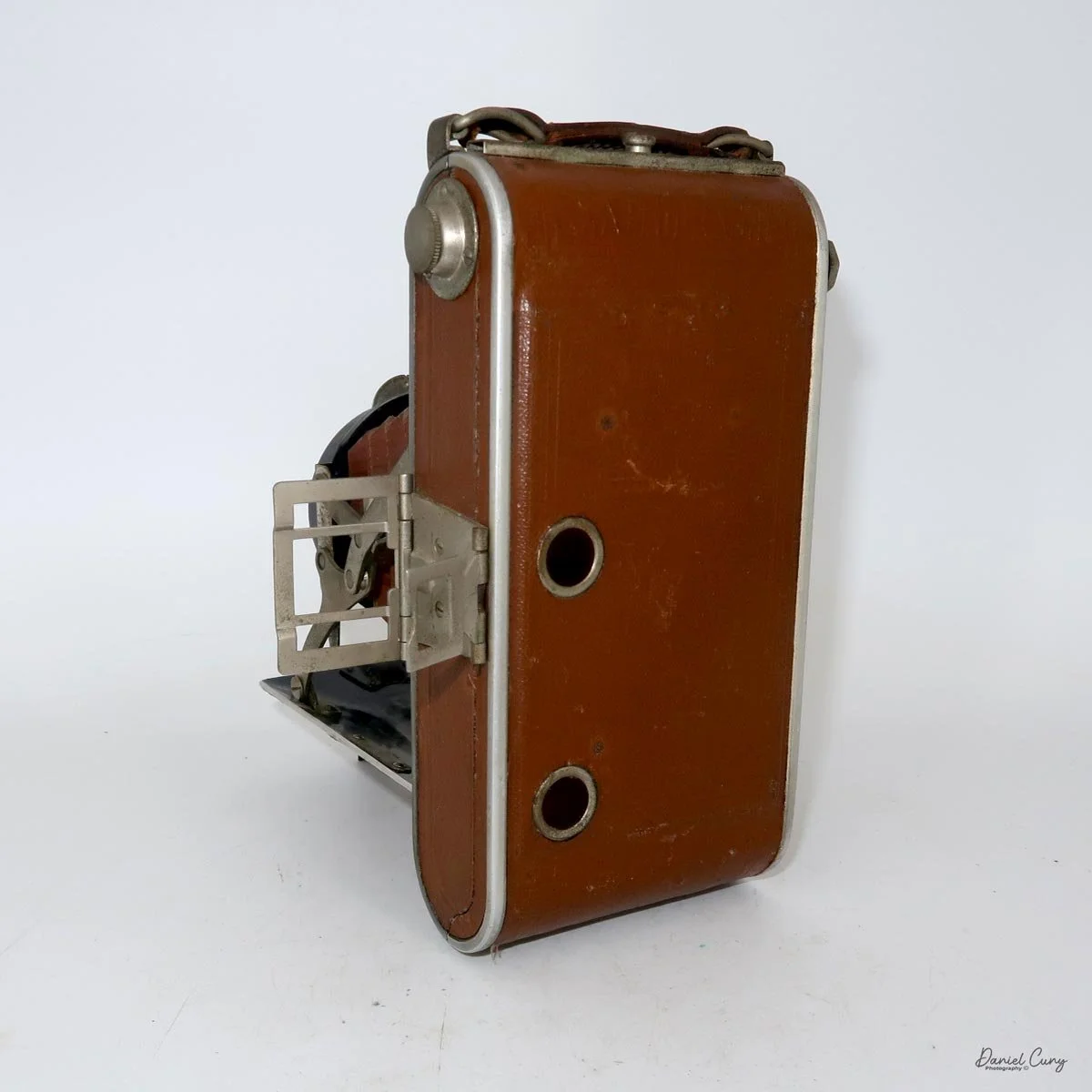
I truly don't remember purchasing this camera, so my best recollection is that it was part of a larger lot of cameras I purchased. What drew me to this particular camera, as with many others in my collection, wasn't the name or rarity of the camera, but the camera's color. The beautiful tan color, along with the colored bellows, are things that I'm drawn to.

 The Salmoiraghi Lexus has been on my shelf for a few years, and it wasn't until this past weekend that I noticed it again. It was tucked away behind some other cameras in my collection. 

 Next week I'm traveling to Japan to do some camera and flea market shopping, hoping to find some treasures to write about in some of my upcoming blogs. I guess that about a thousand others are looking for the camera treasures while there, and figure, what better way to spend my time in Tokyo than to photograph the town, attend a few flea markets, and visit a few camera shops.

 I was gathering items to take to a camera show in the suburbs of Seattle last week when I noticed it. I questioned whether I really wanted to take the camera, as I knew I would eventually want to write about it. I put the Salmoiraghi Lexes with many other items I was taking to the show, but in the back of my mind, my willingness to sell them was half-hearted.

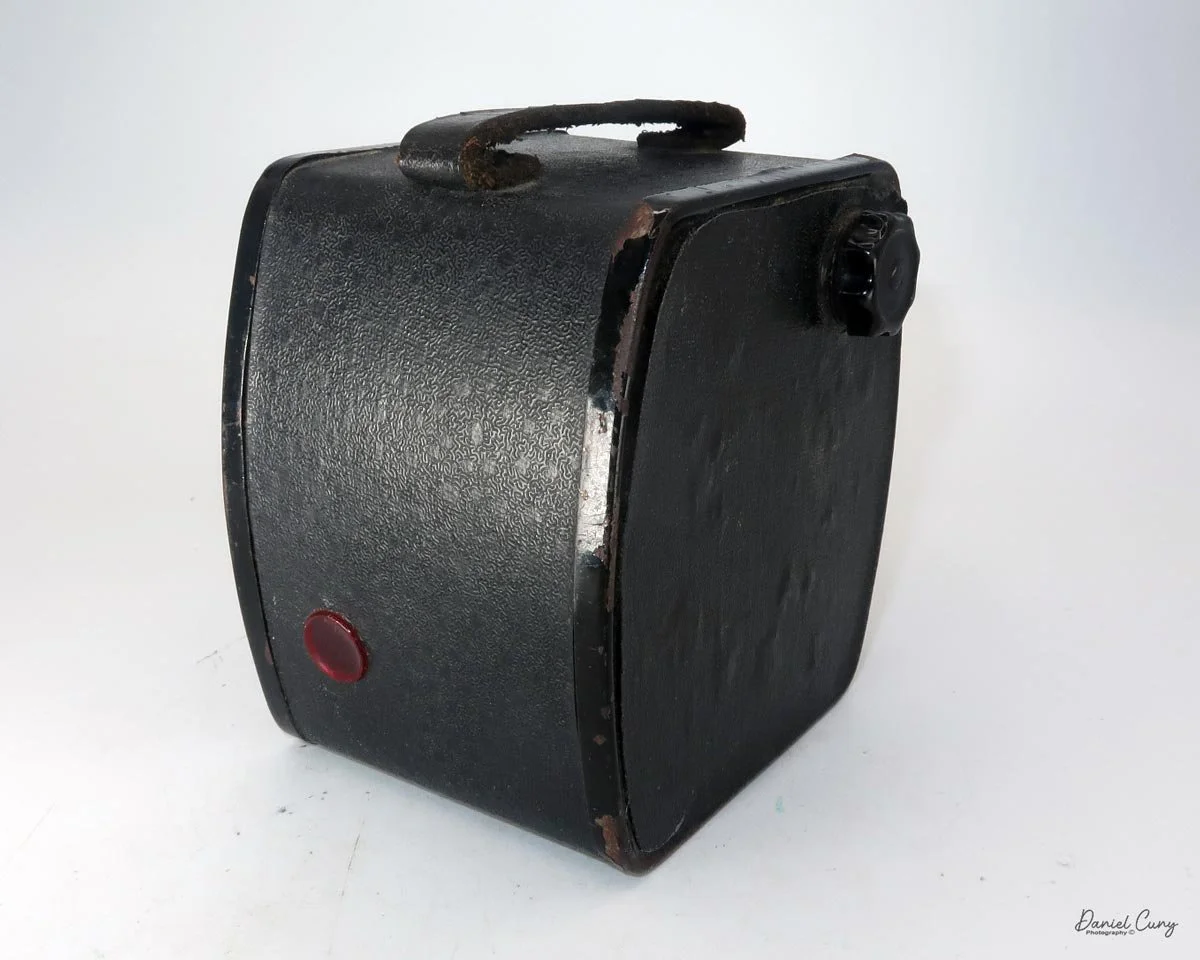
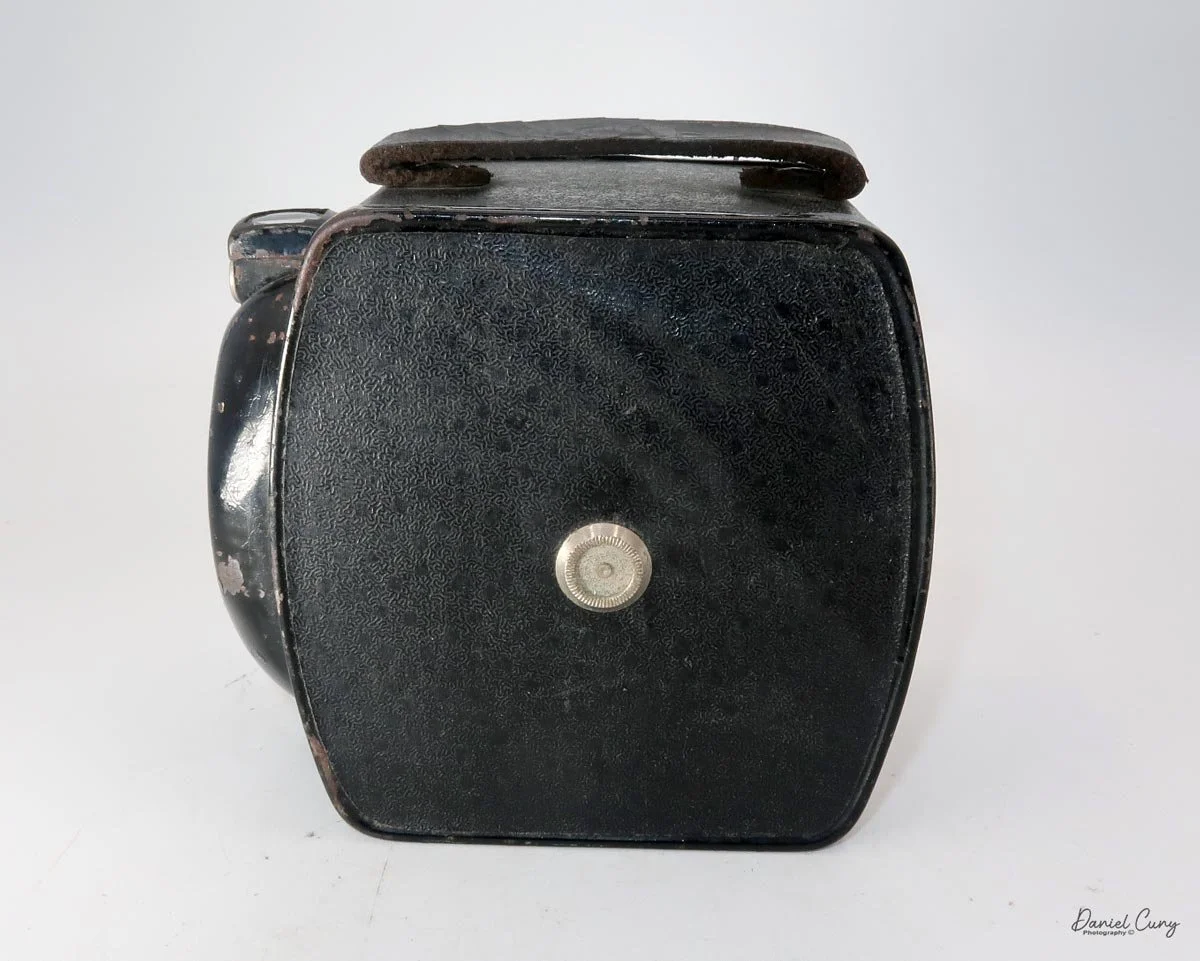
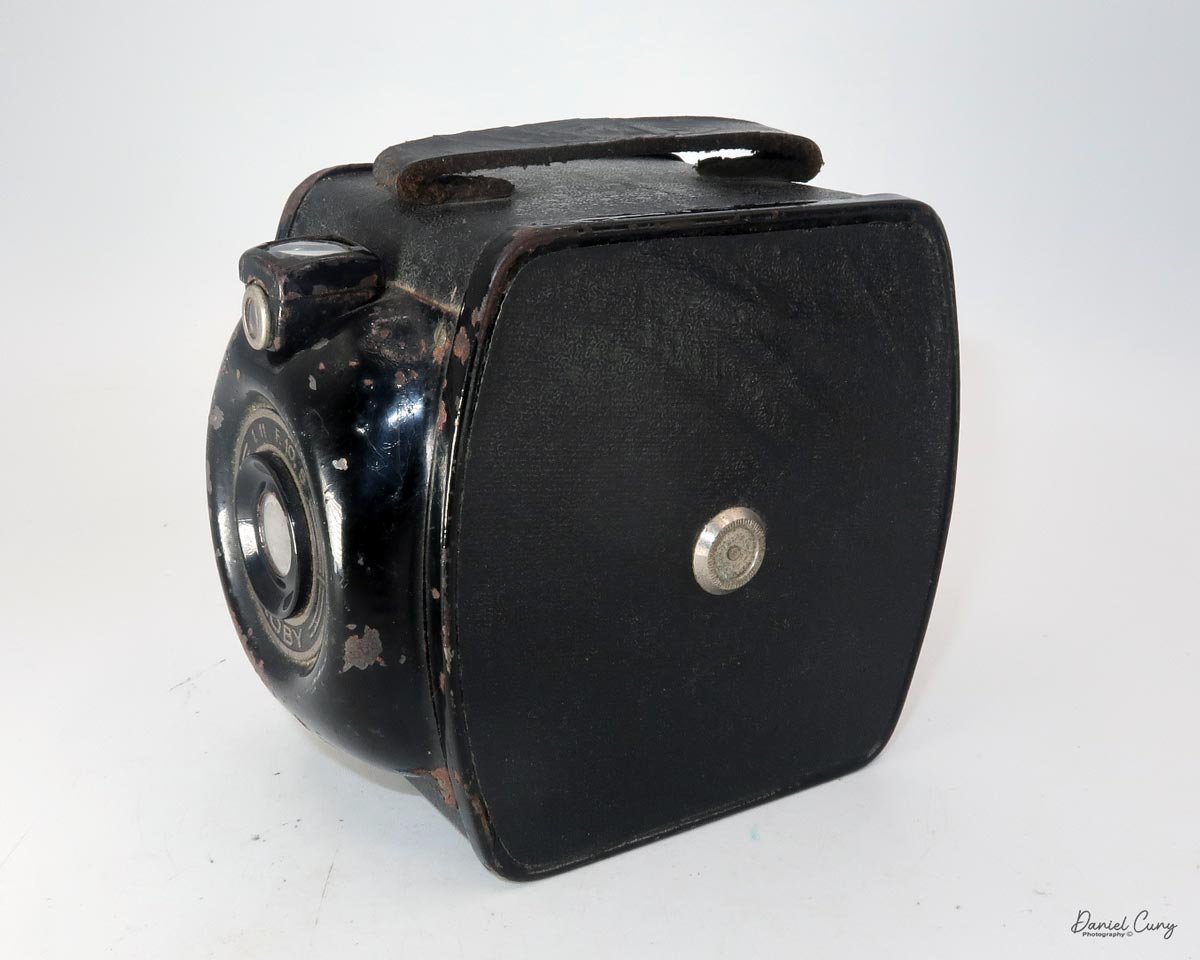
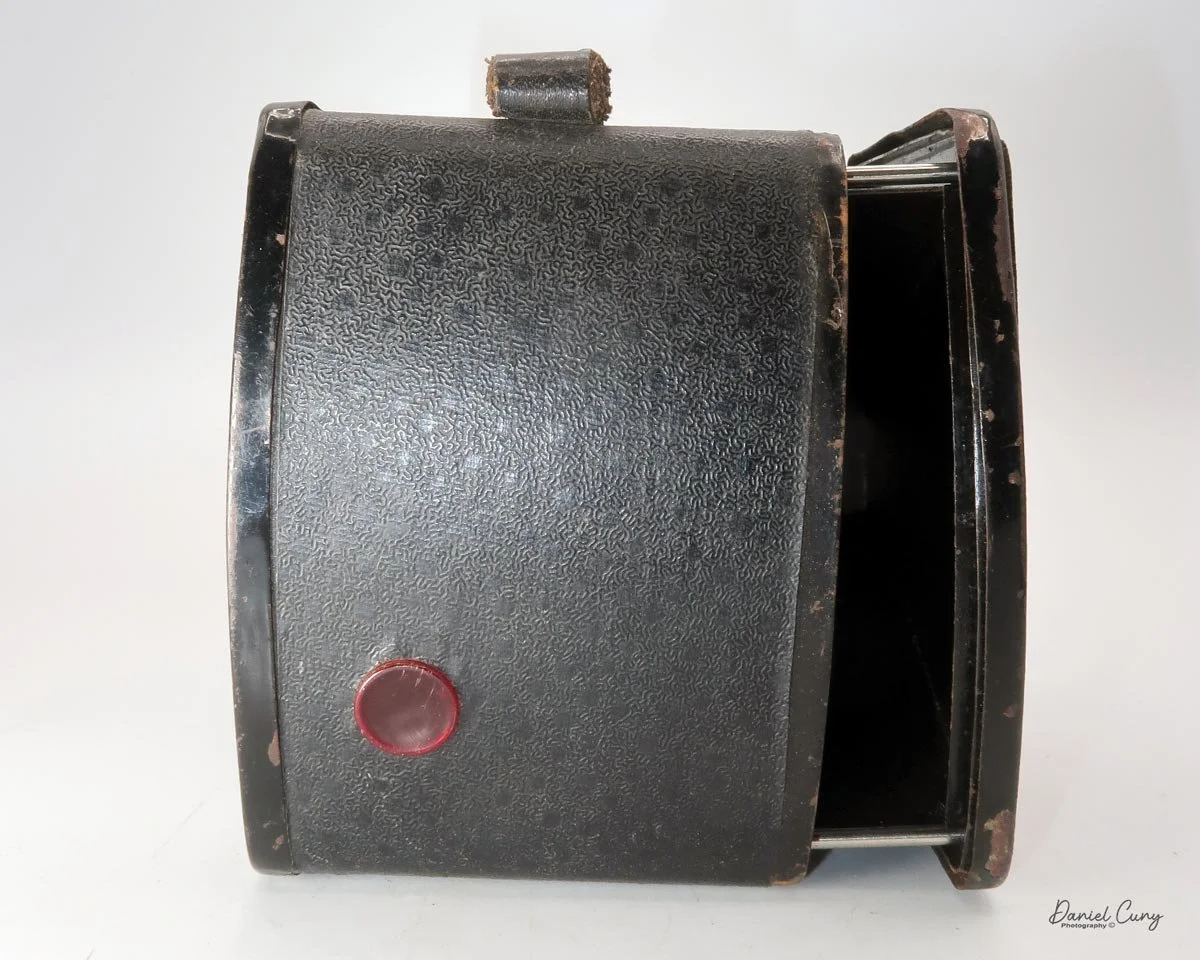
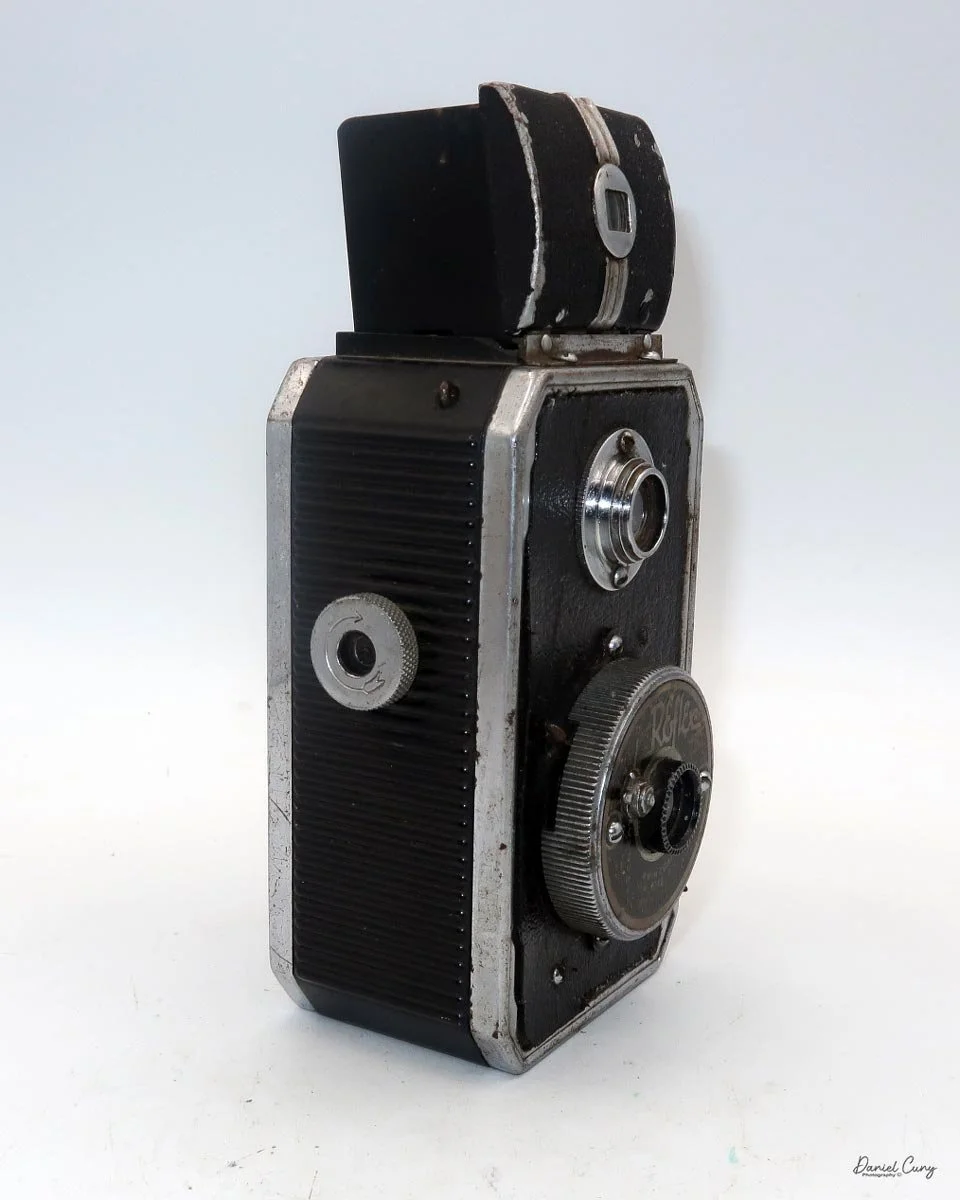
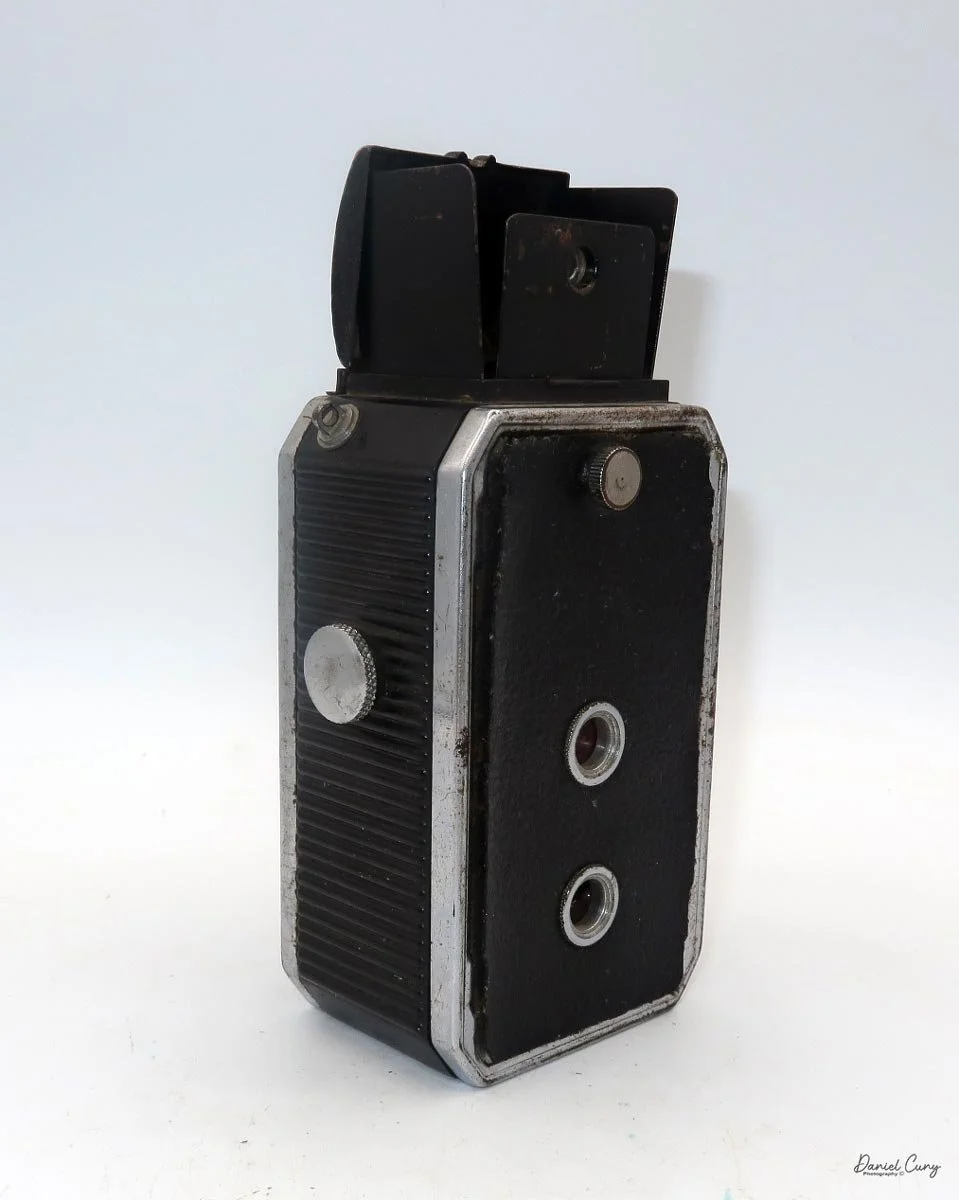
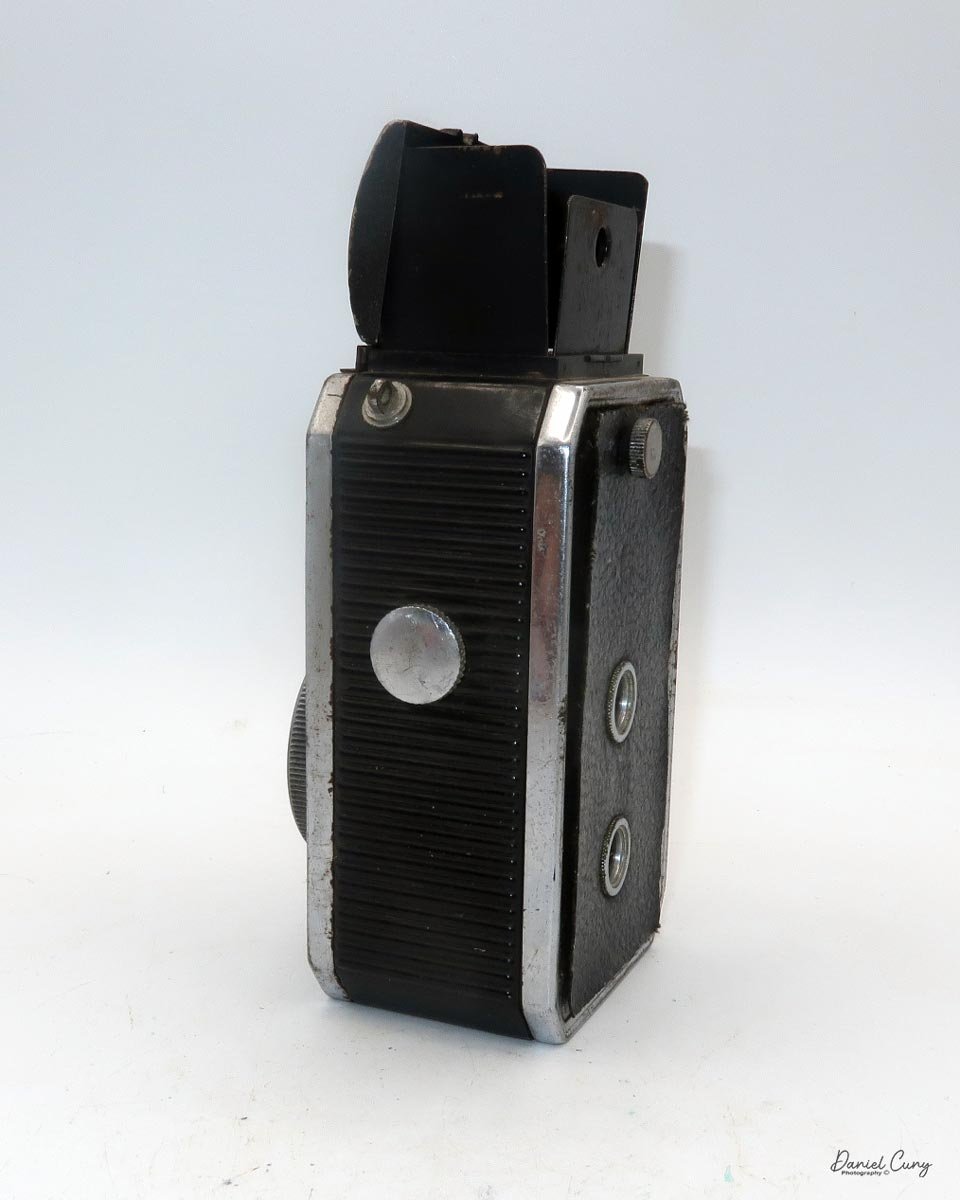
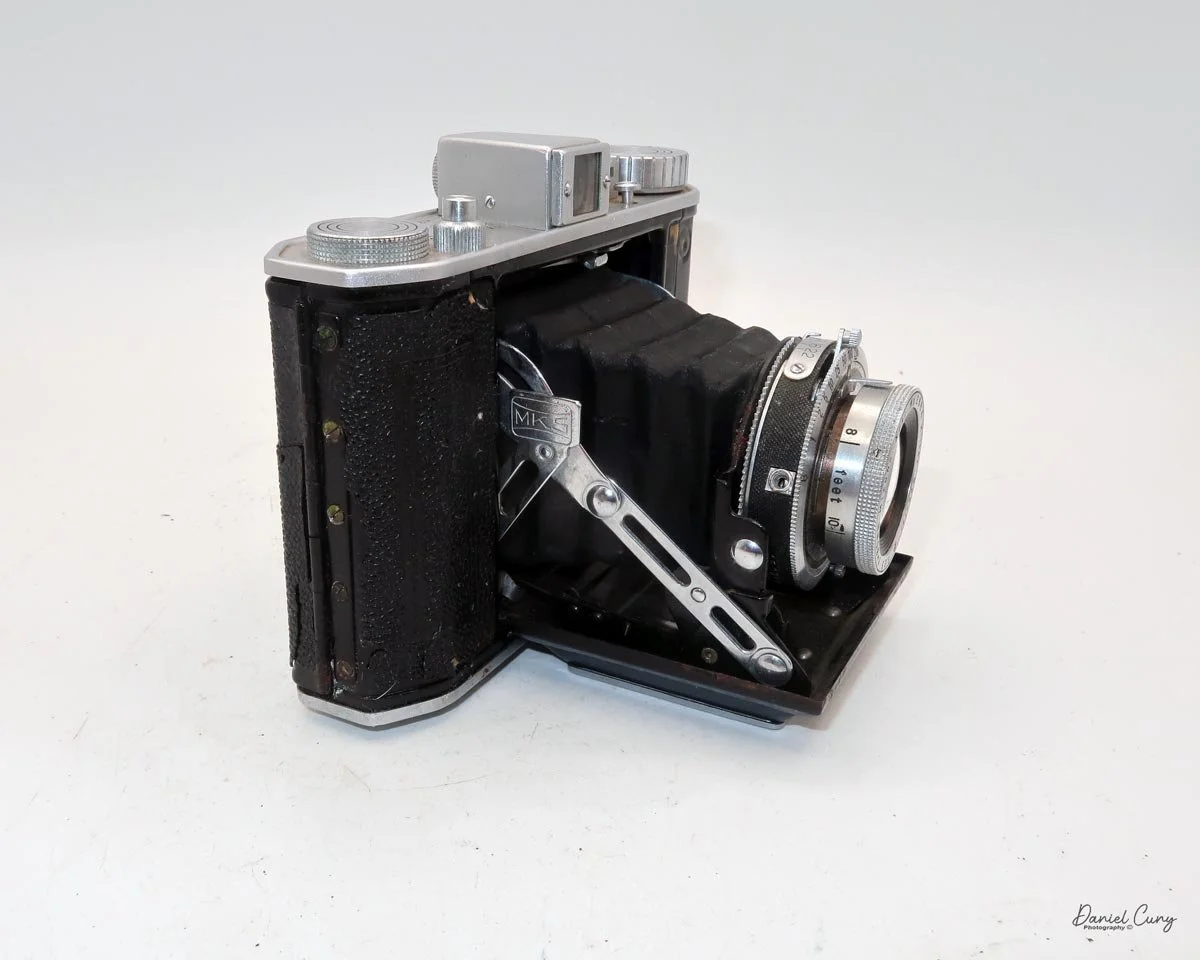
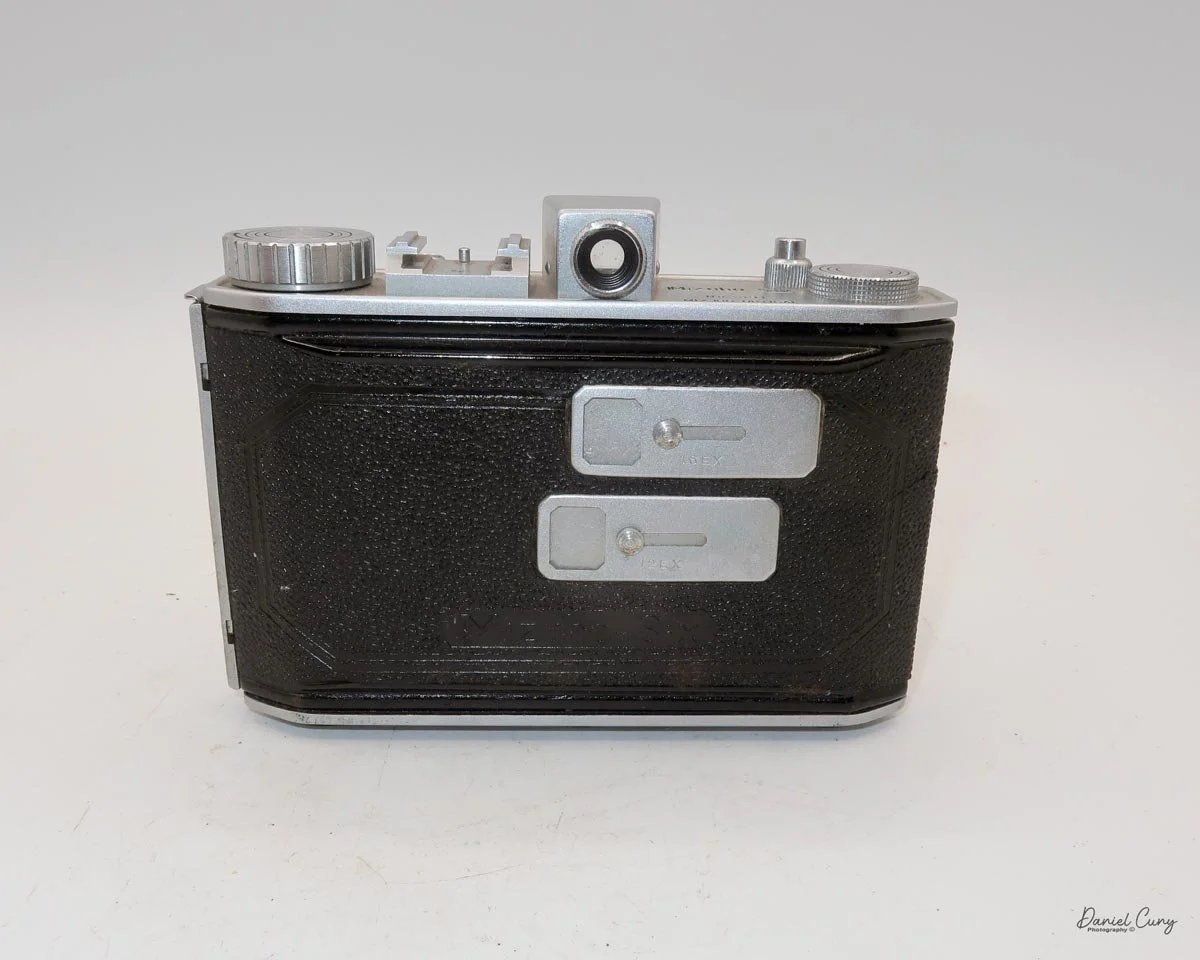
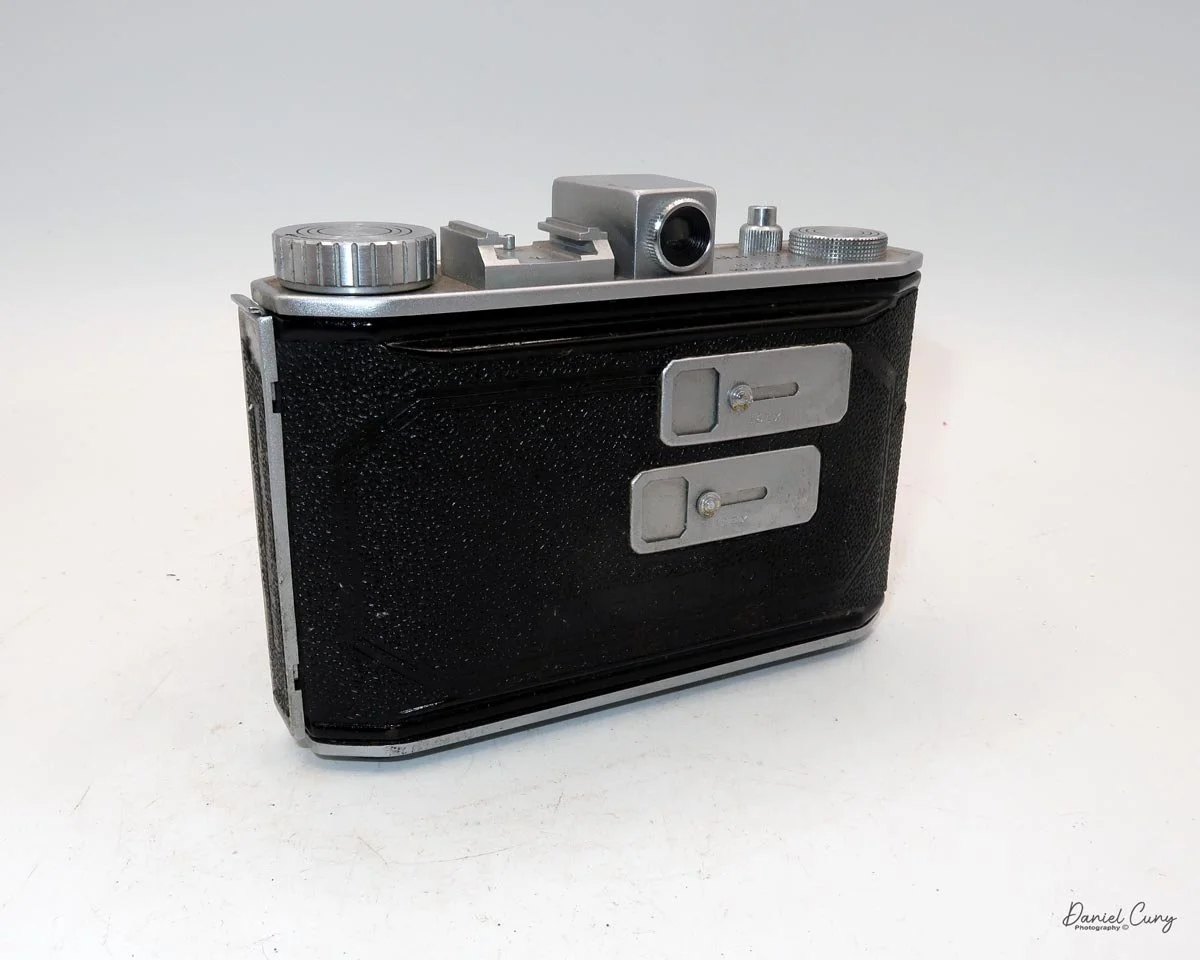
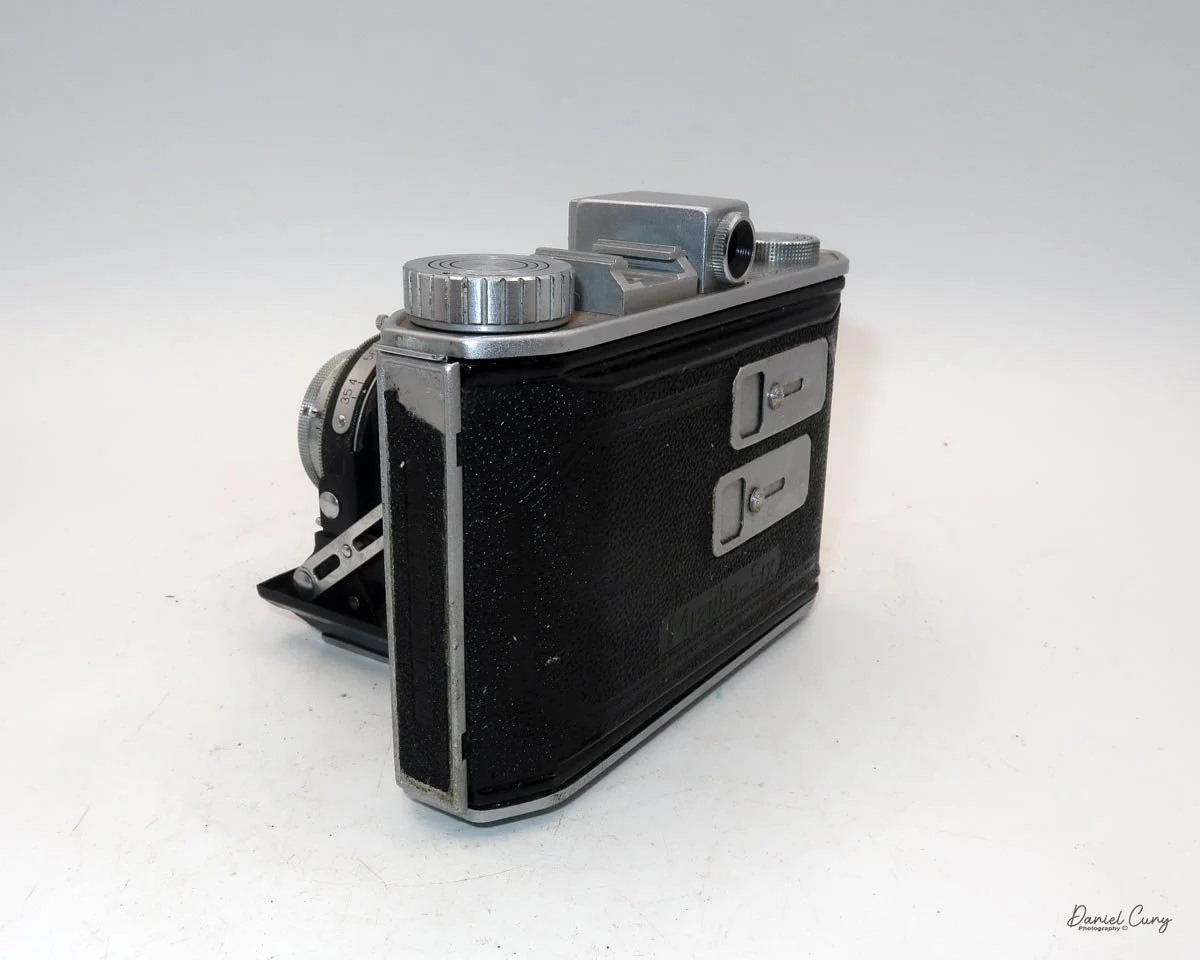
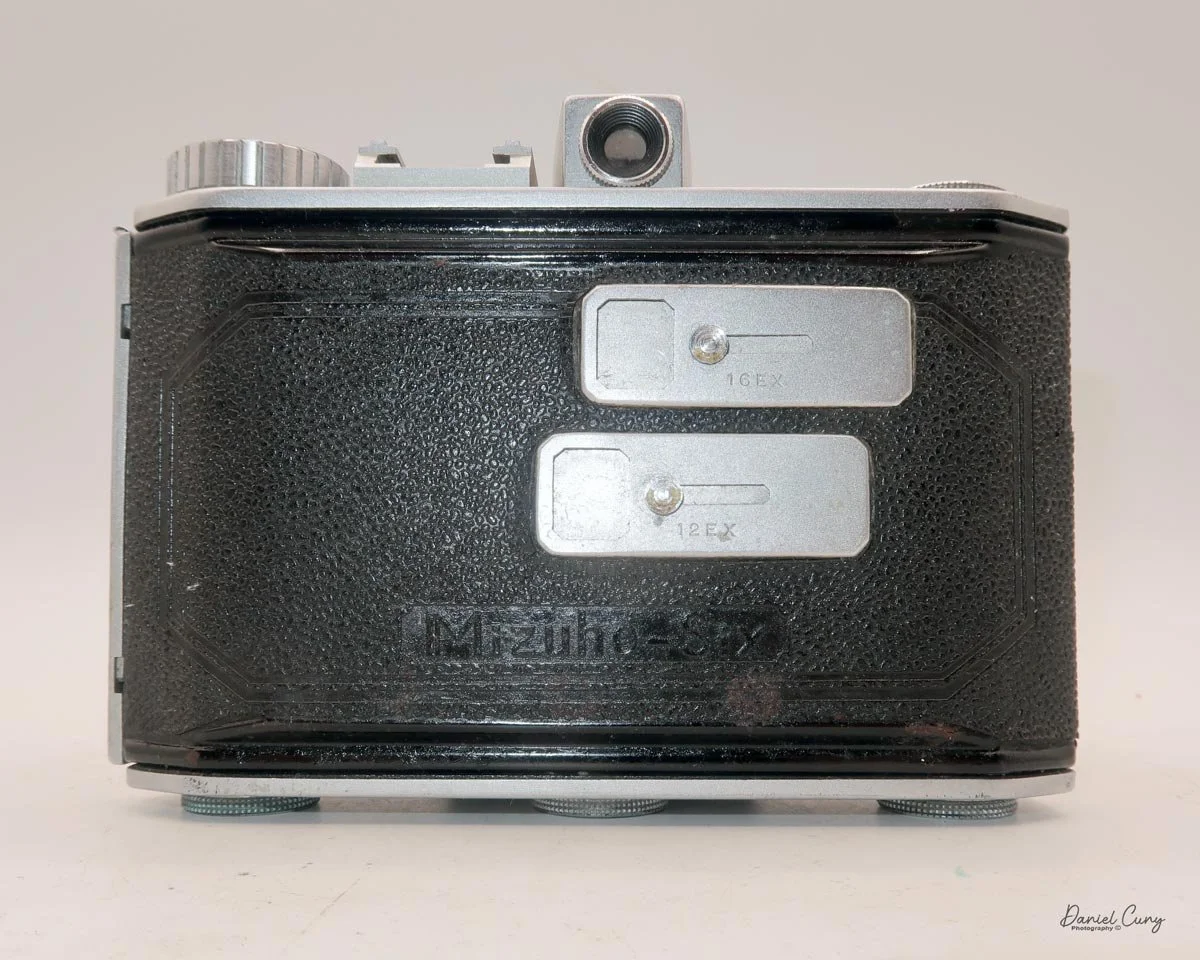
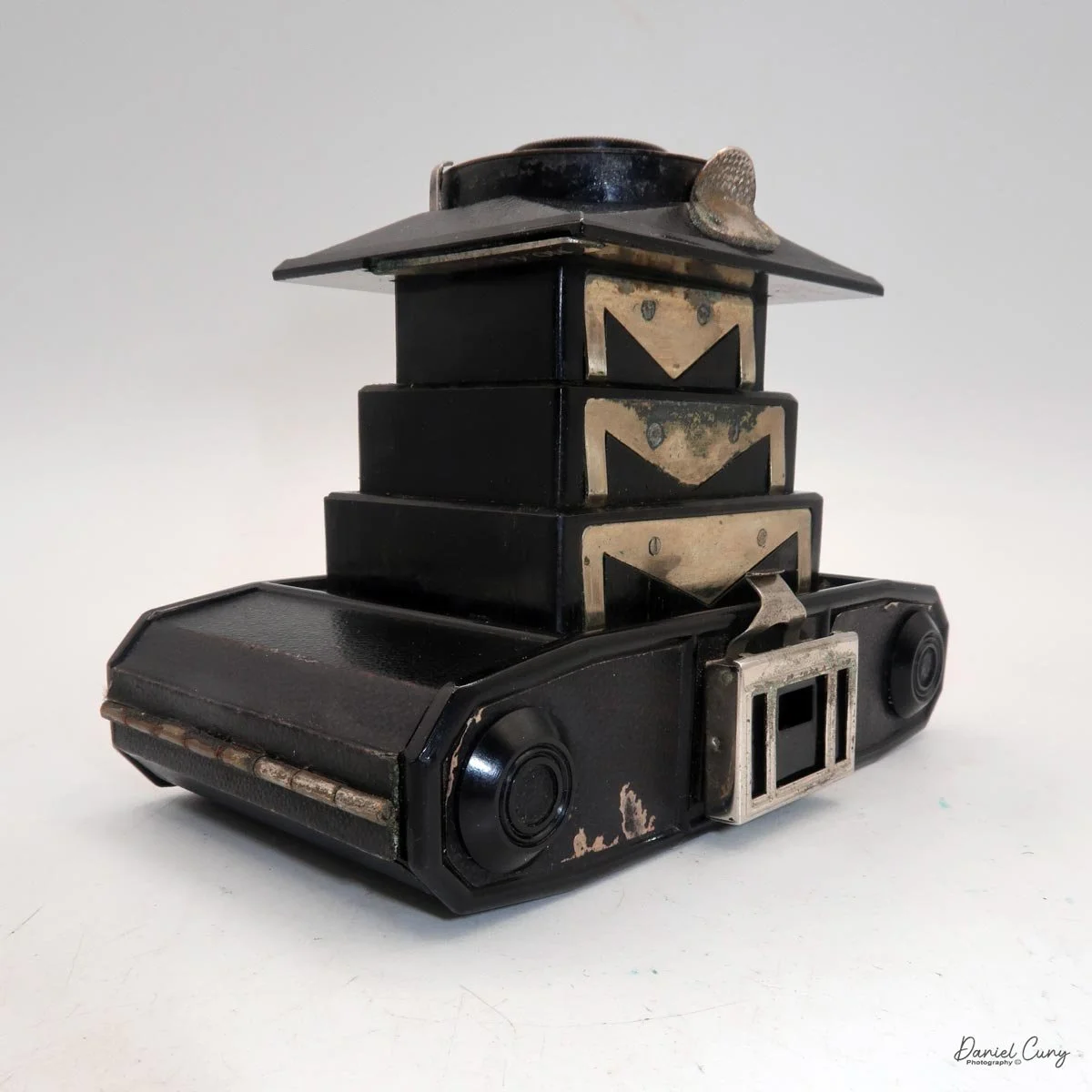
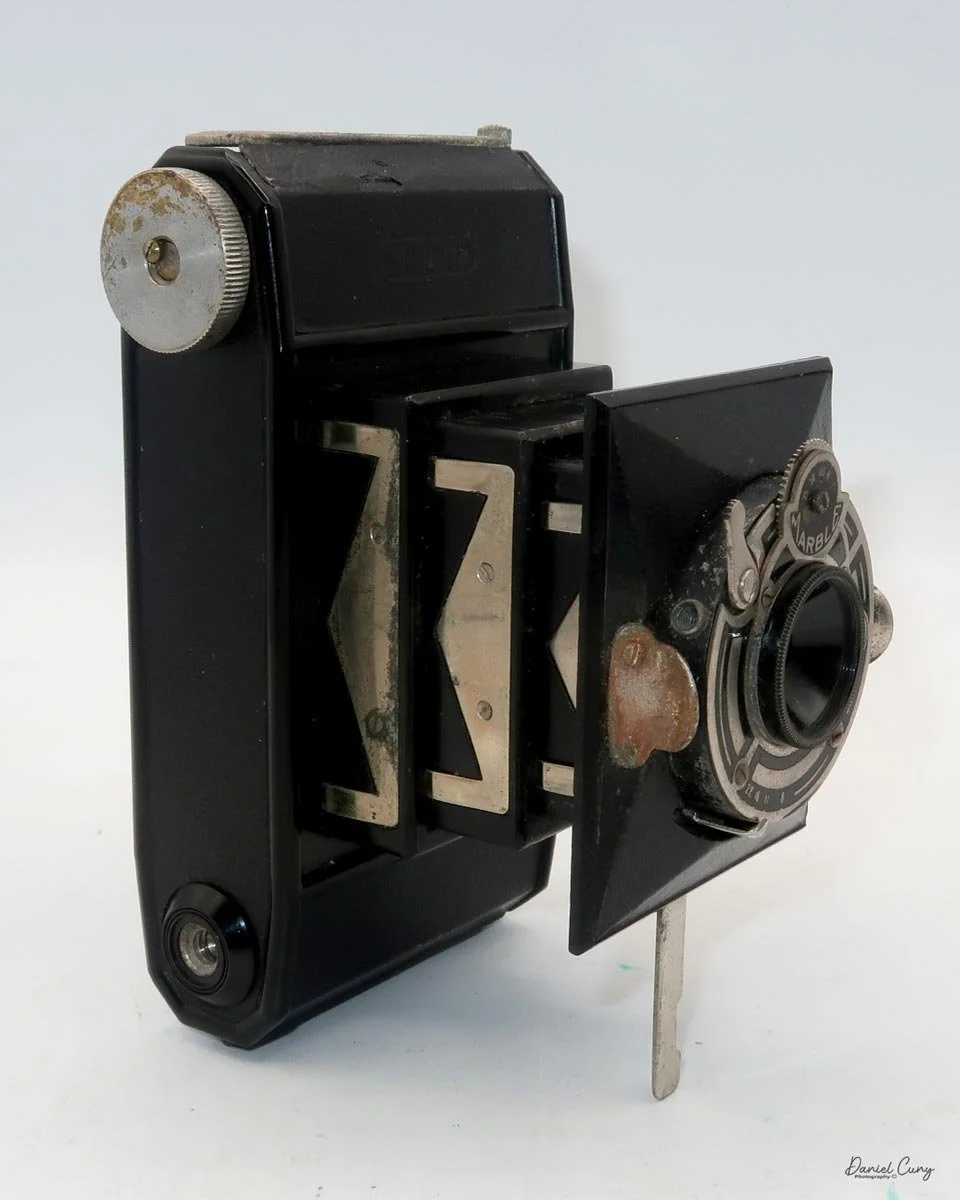
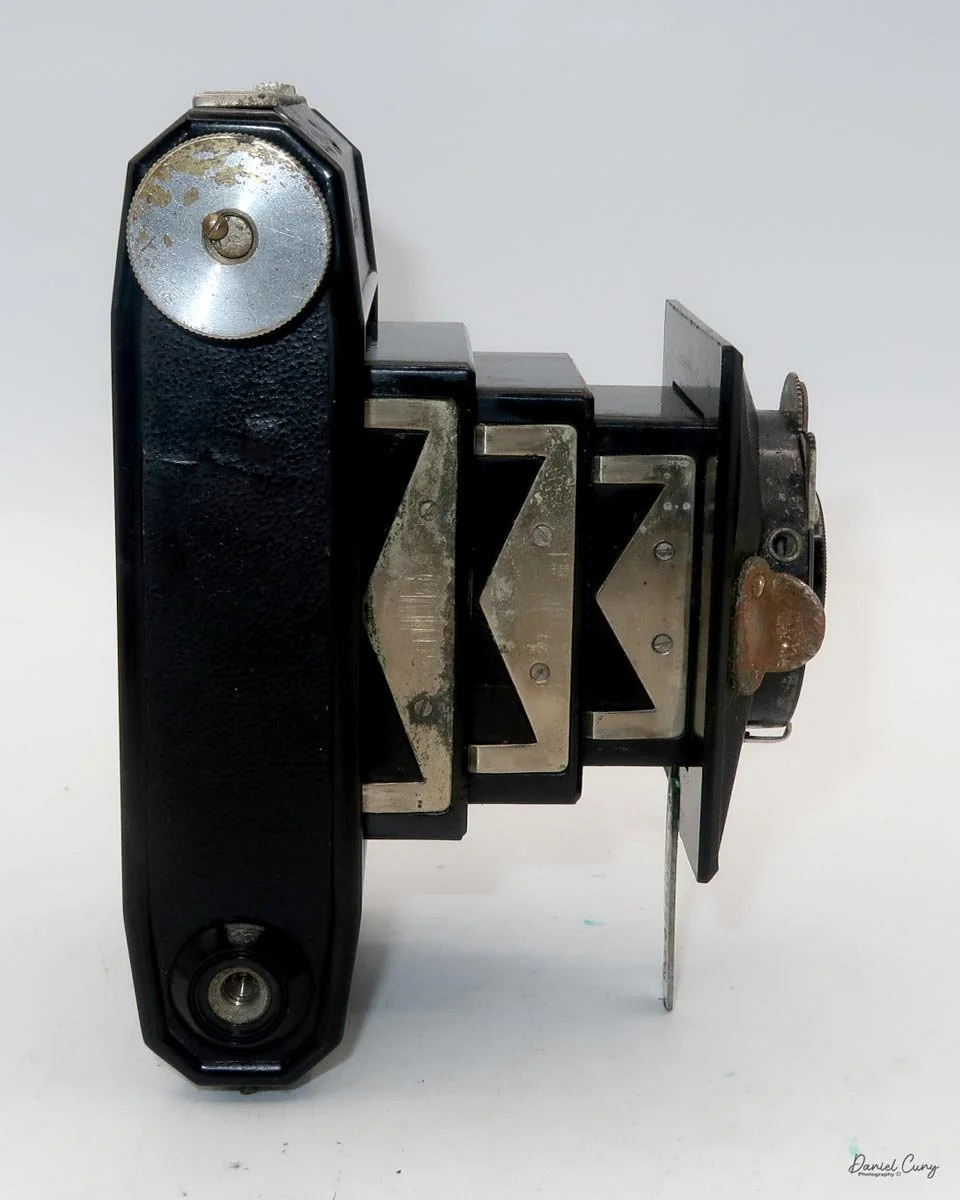
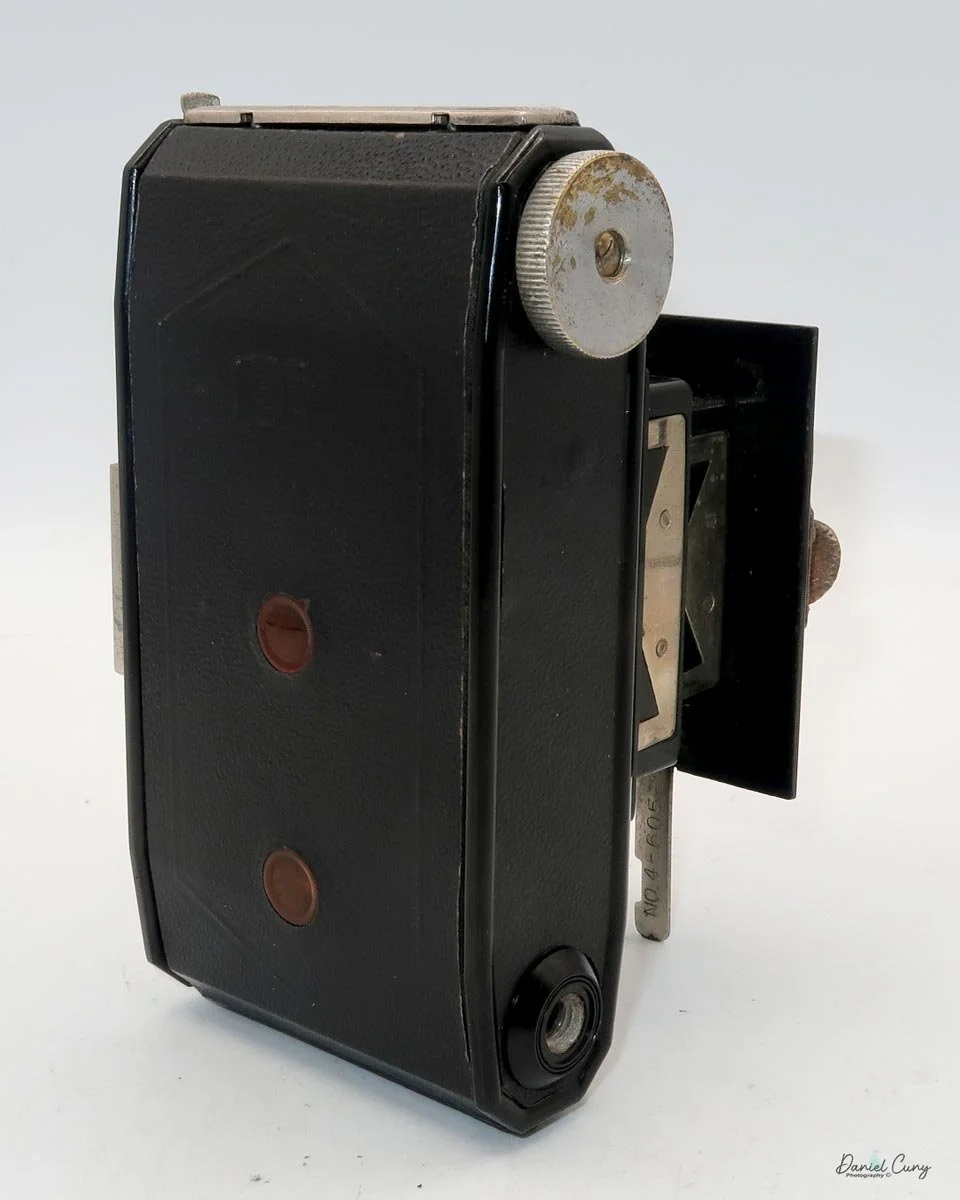
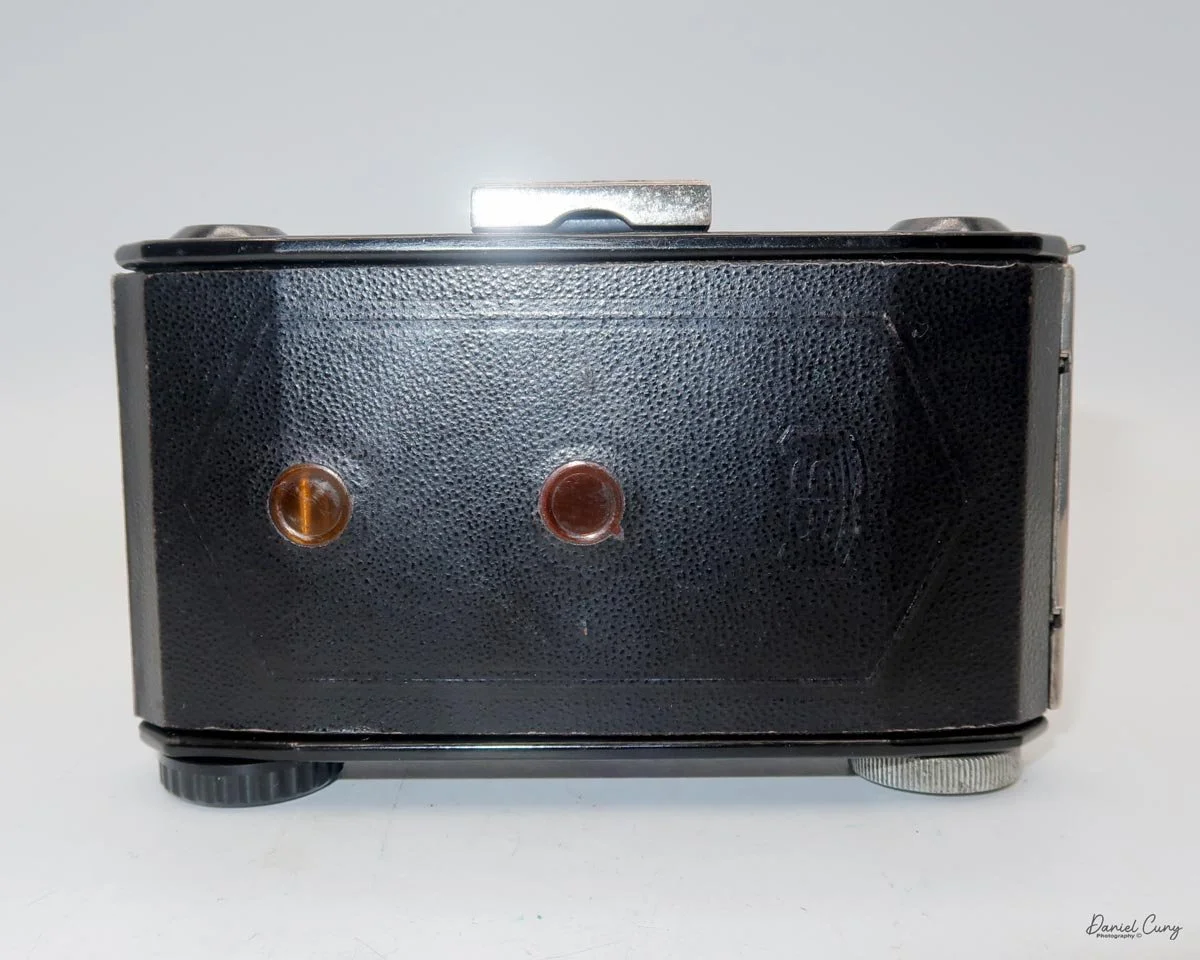
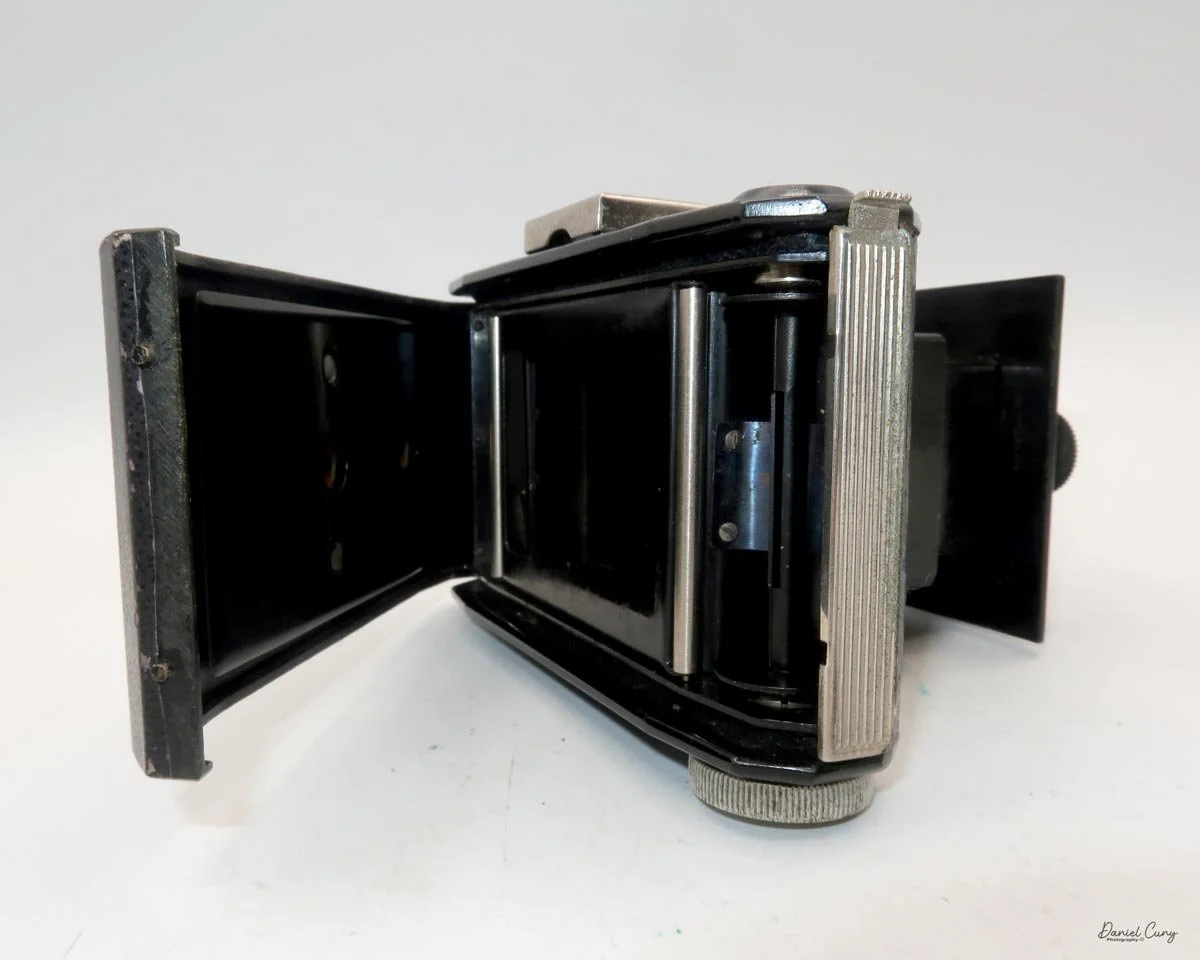
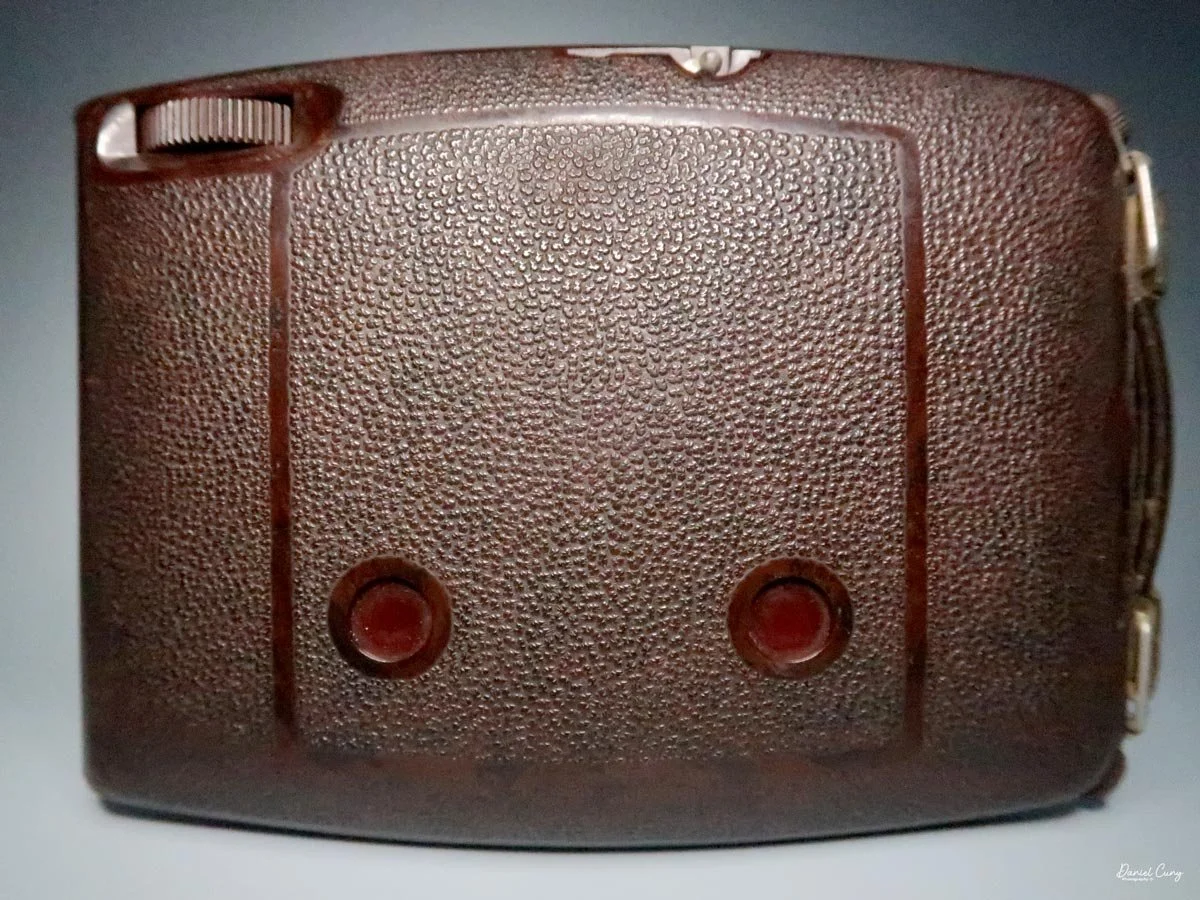
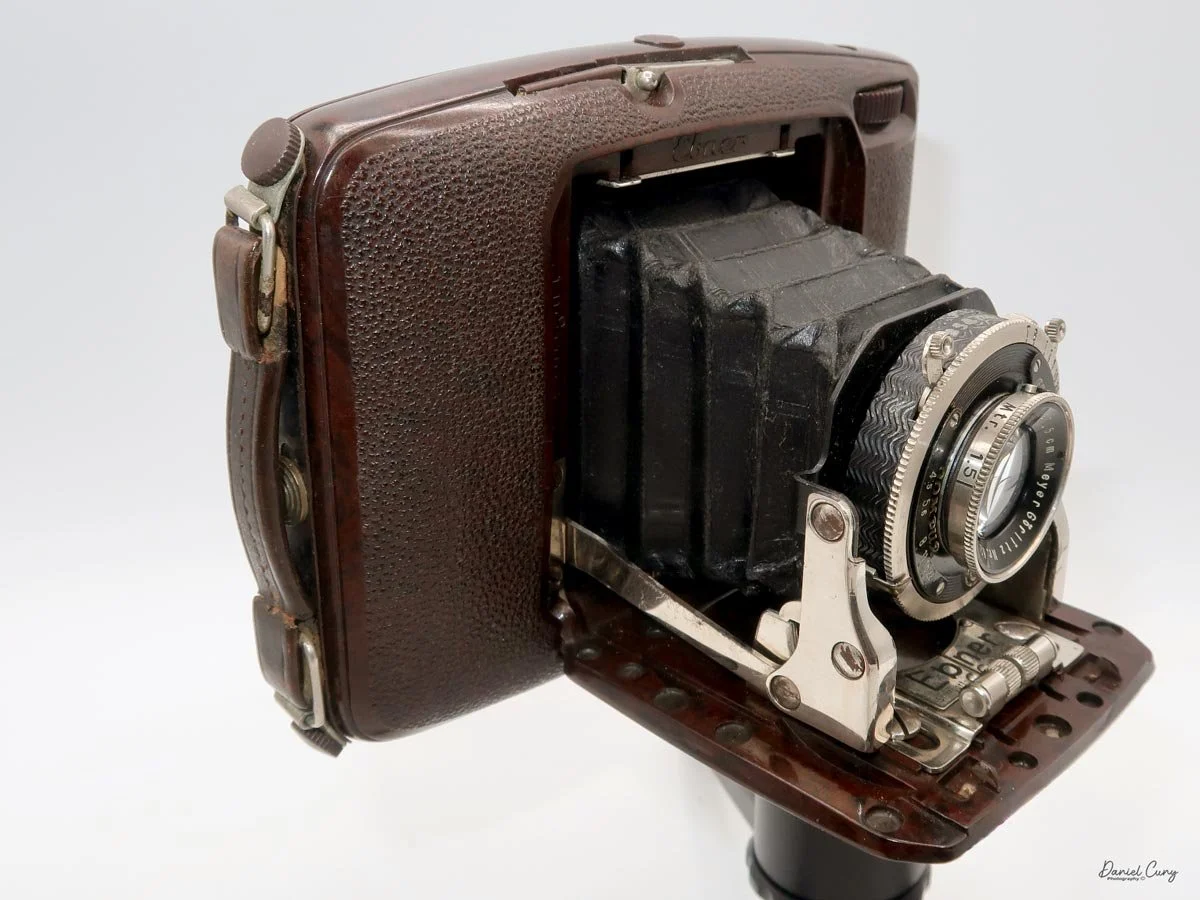
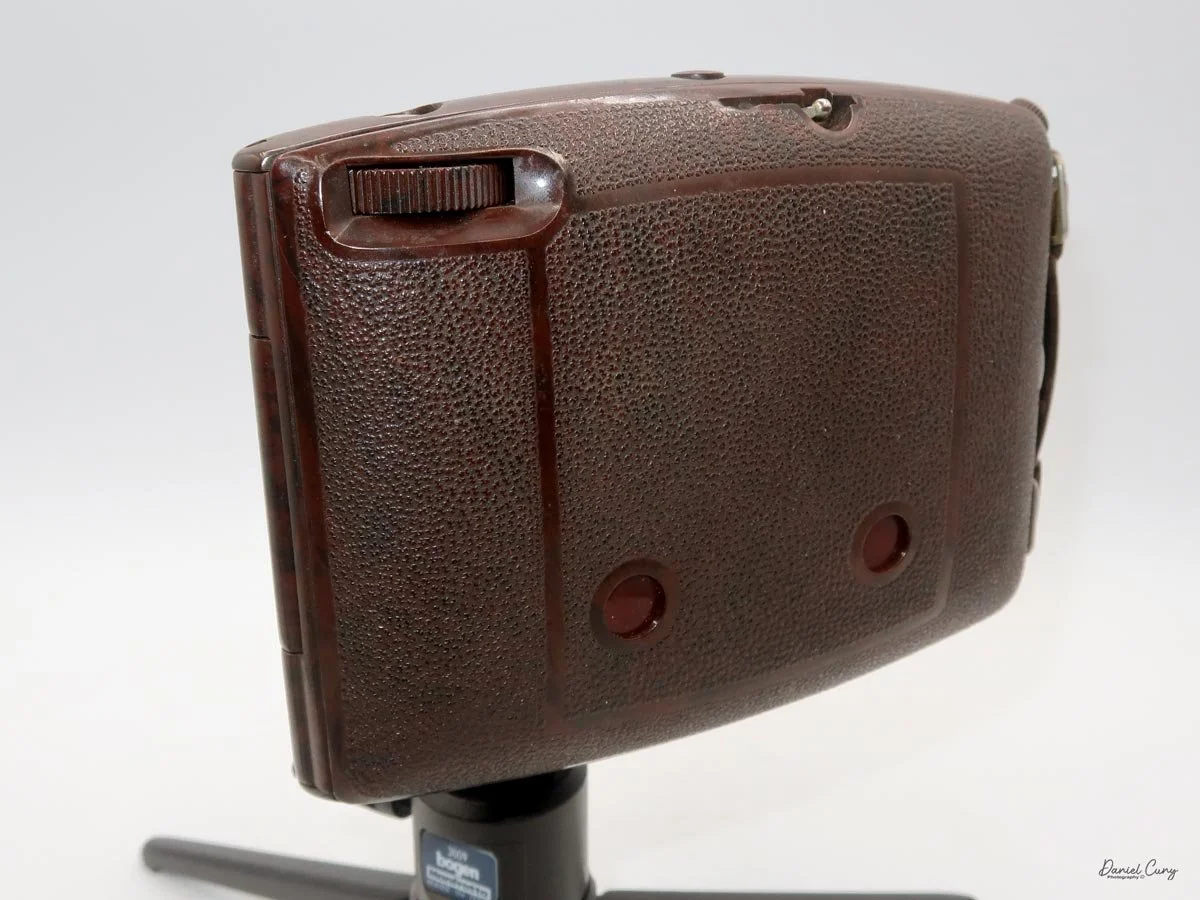
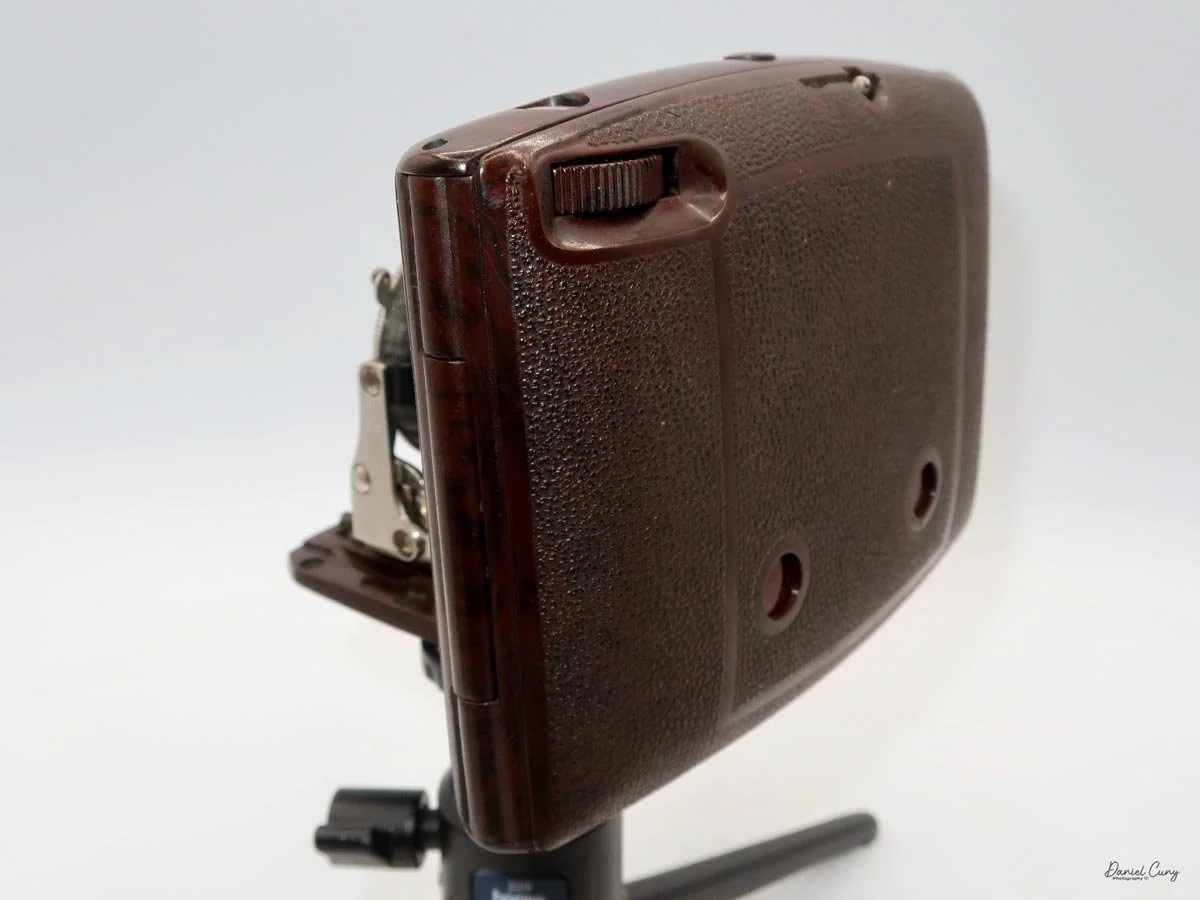
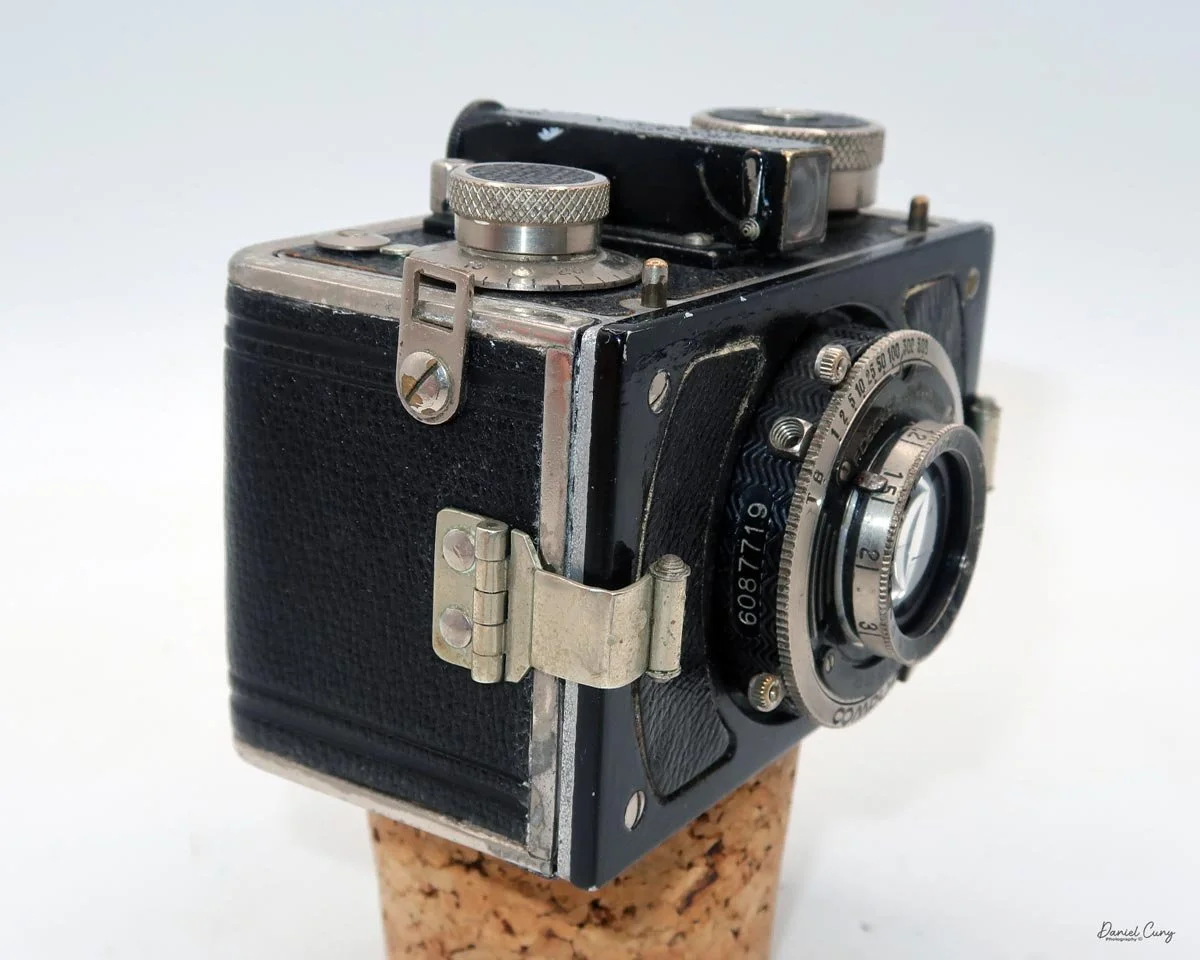
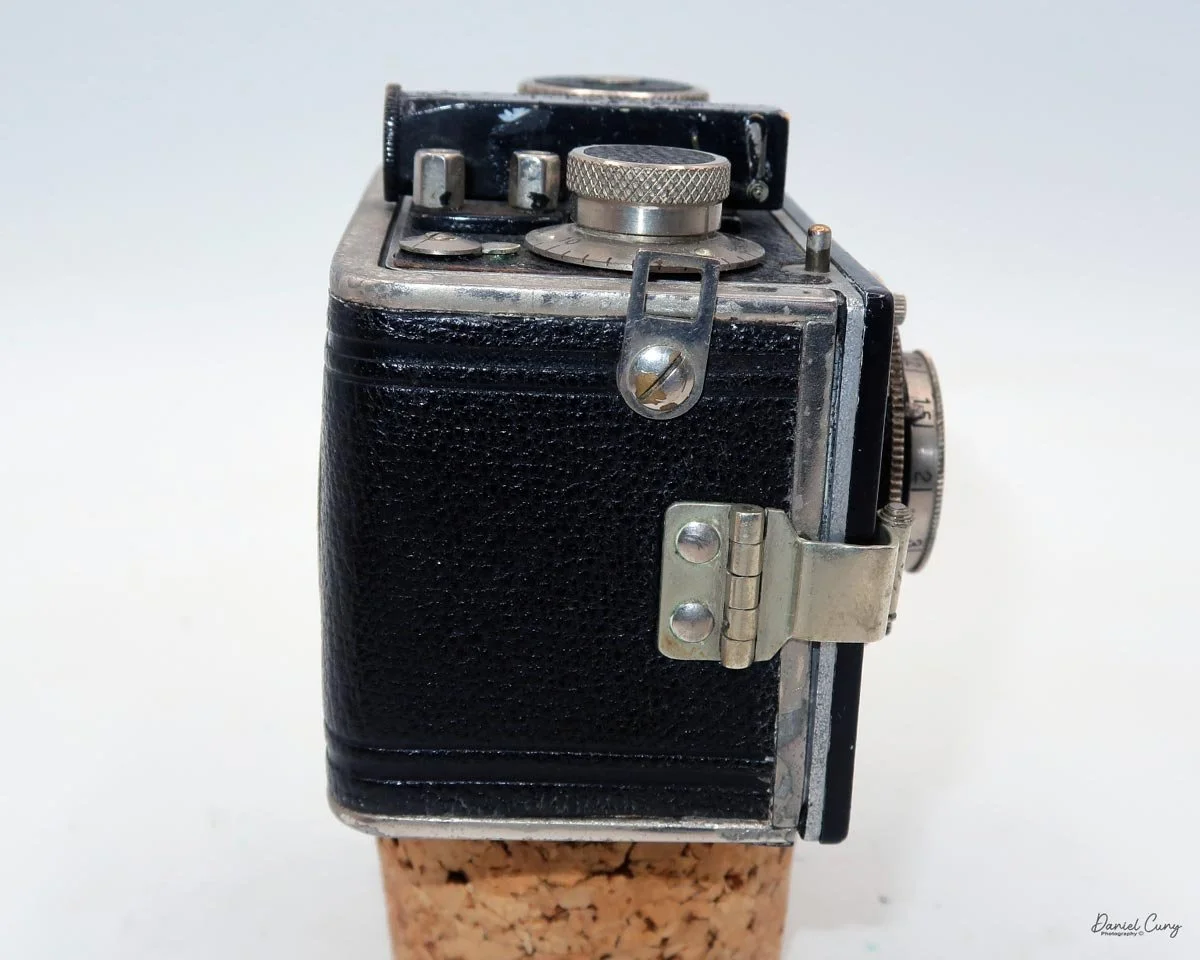
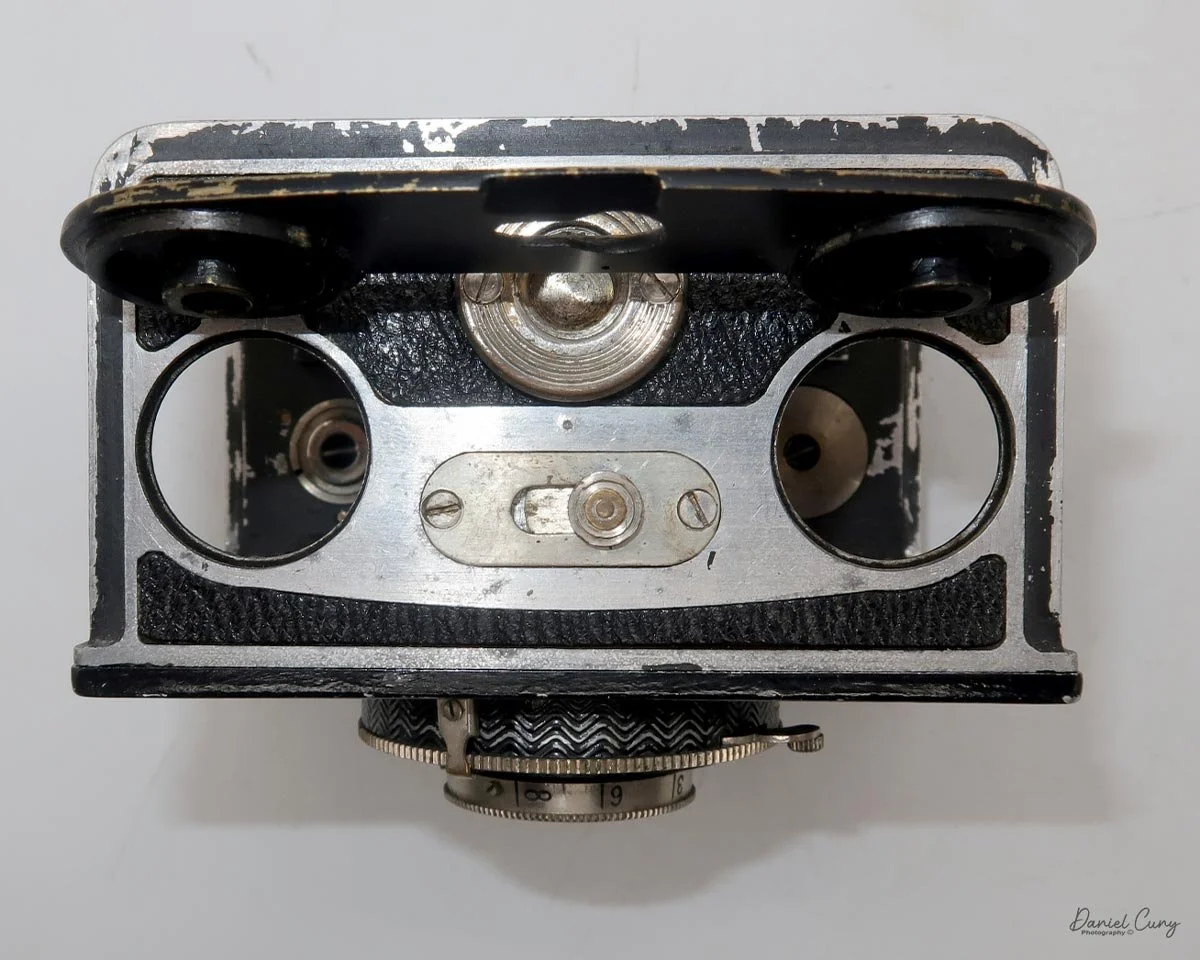
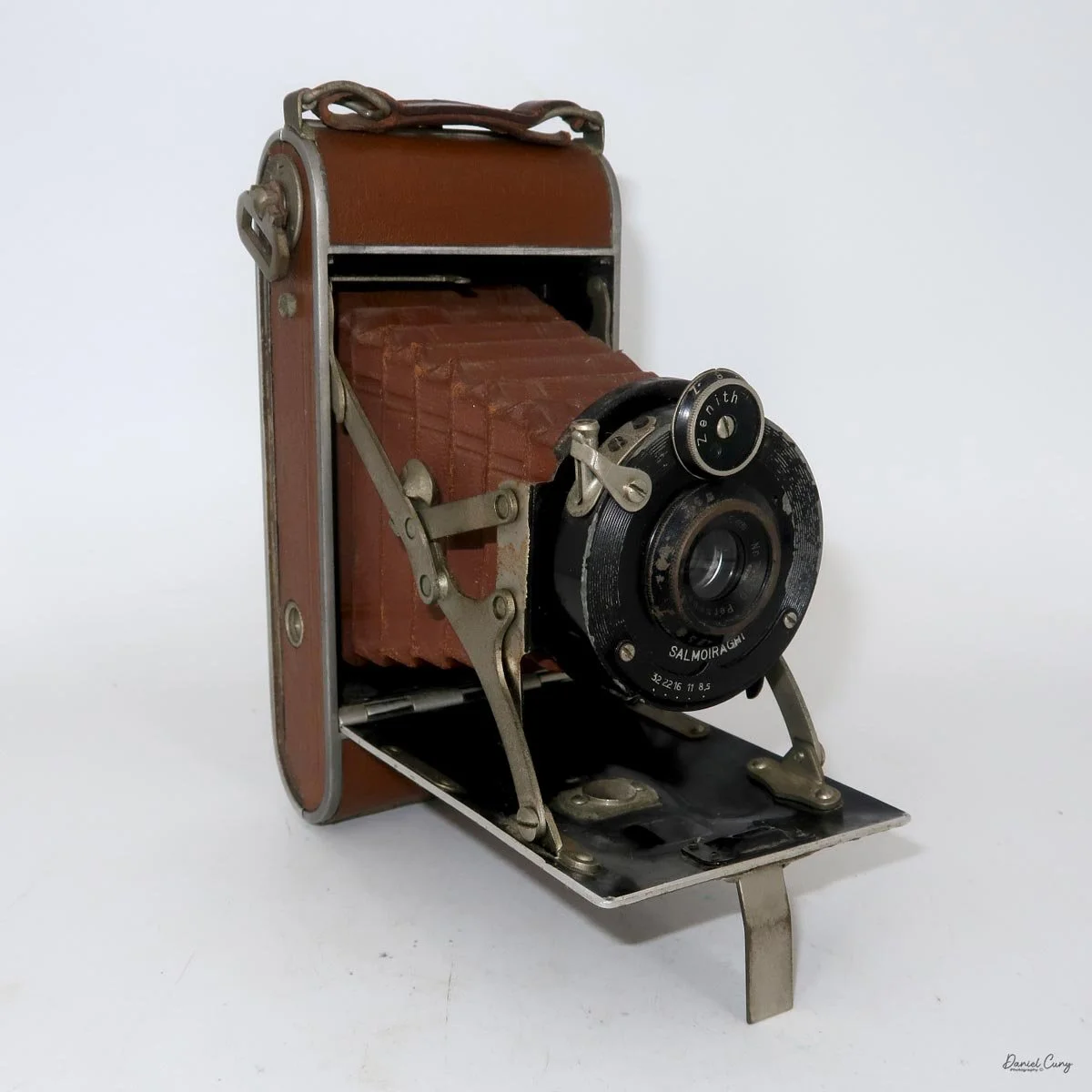
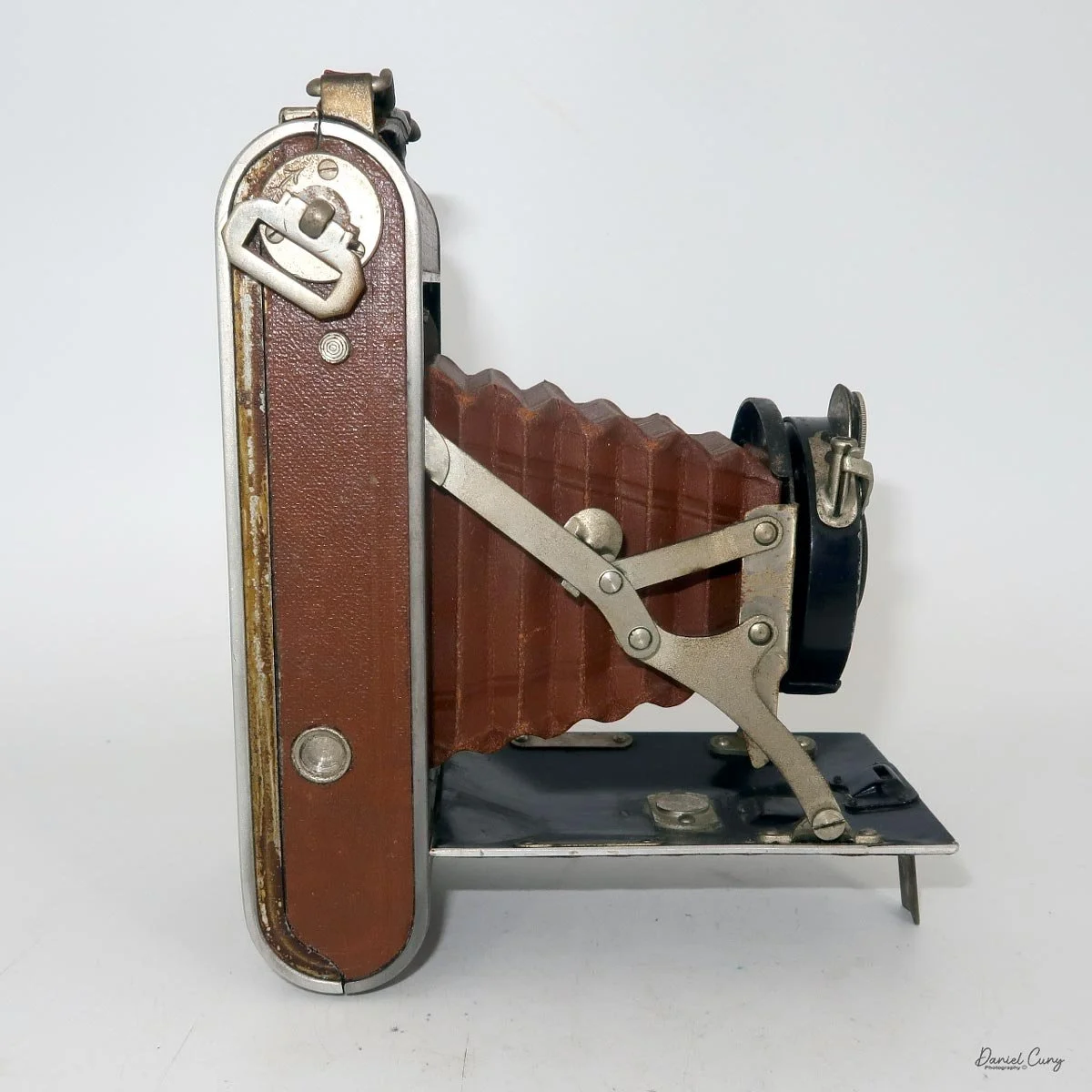
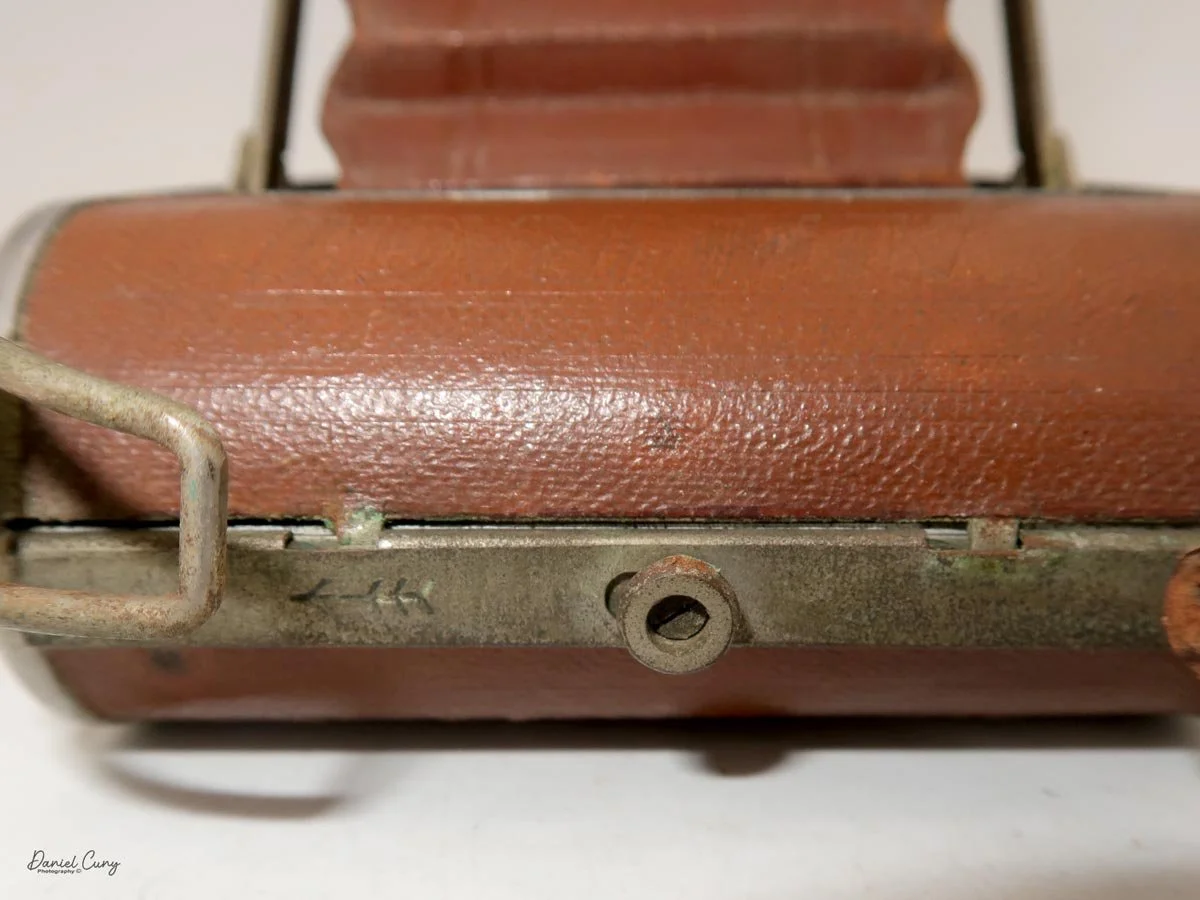
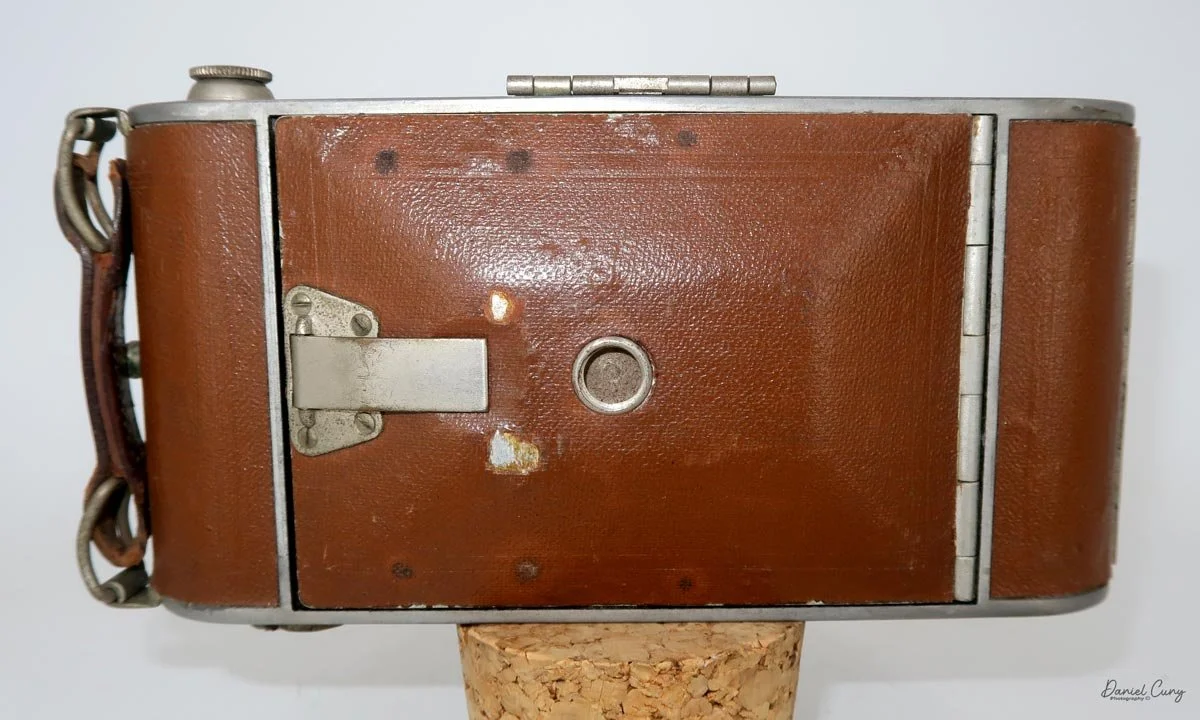
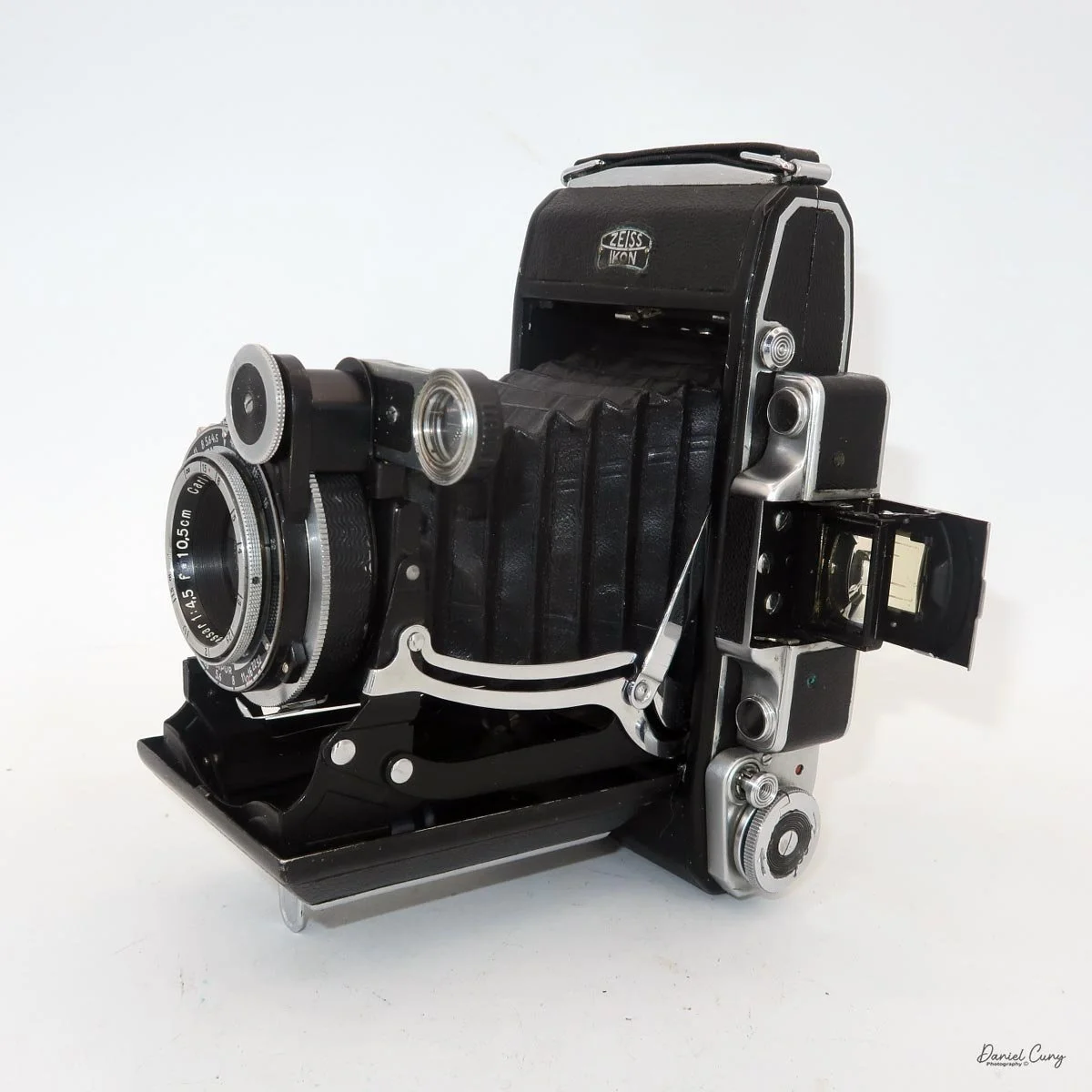
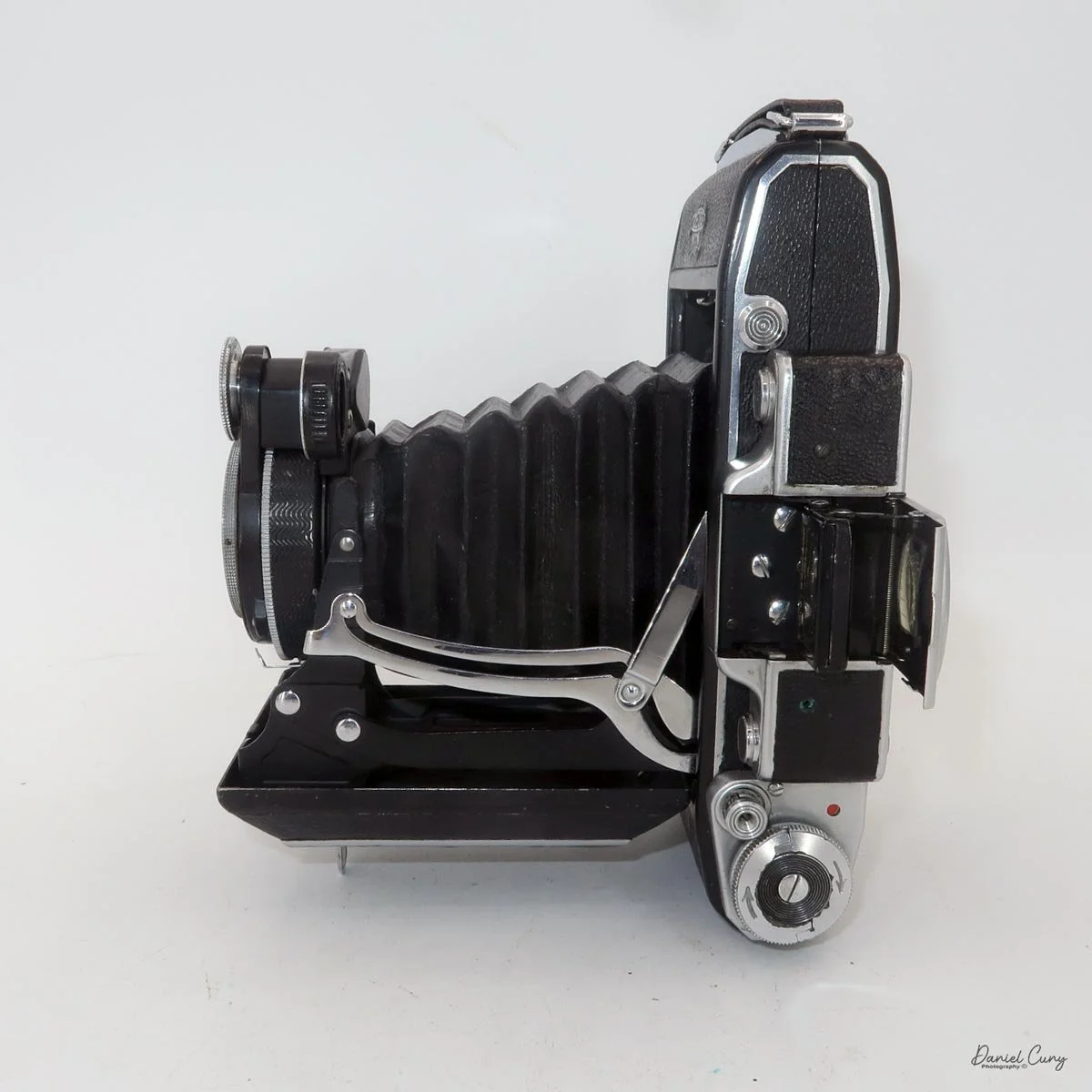
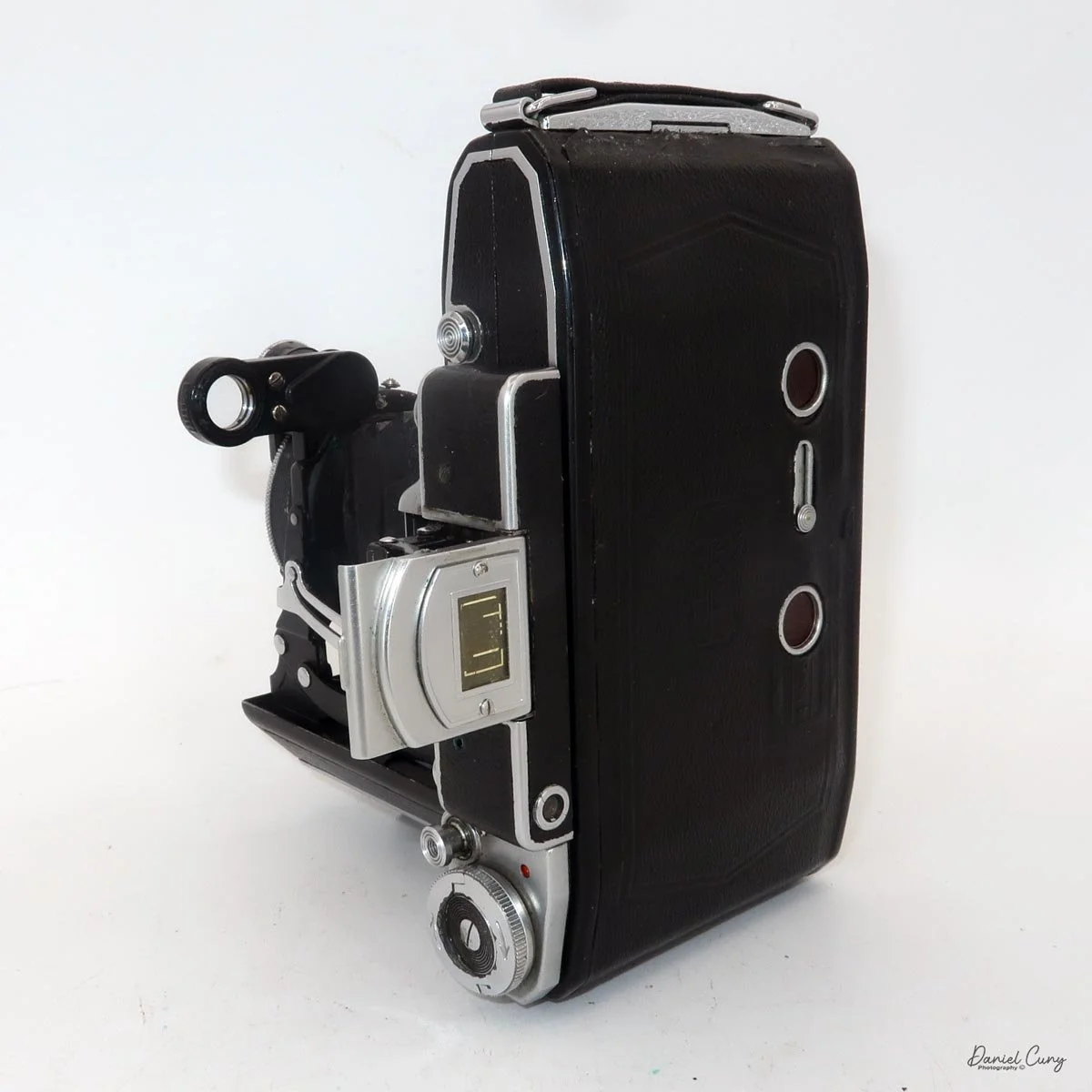
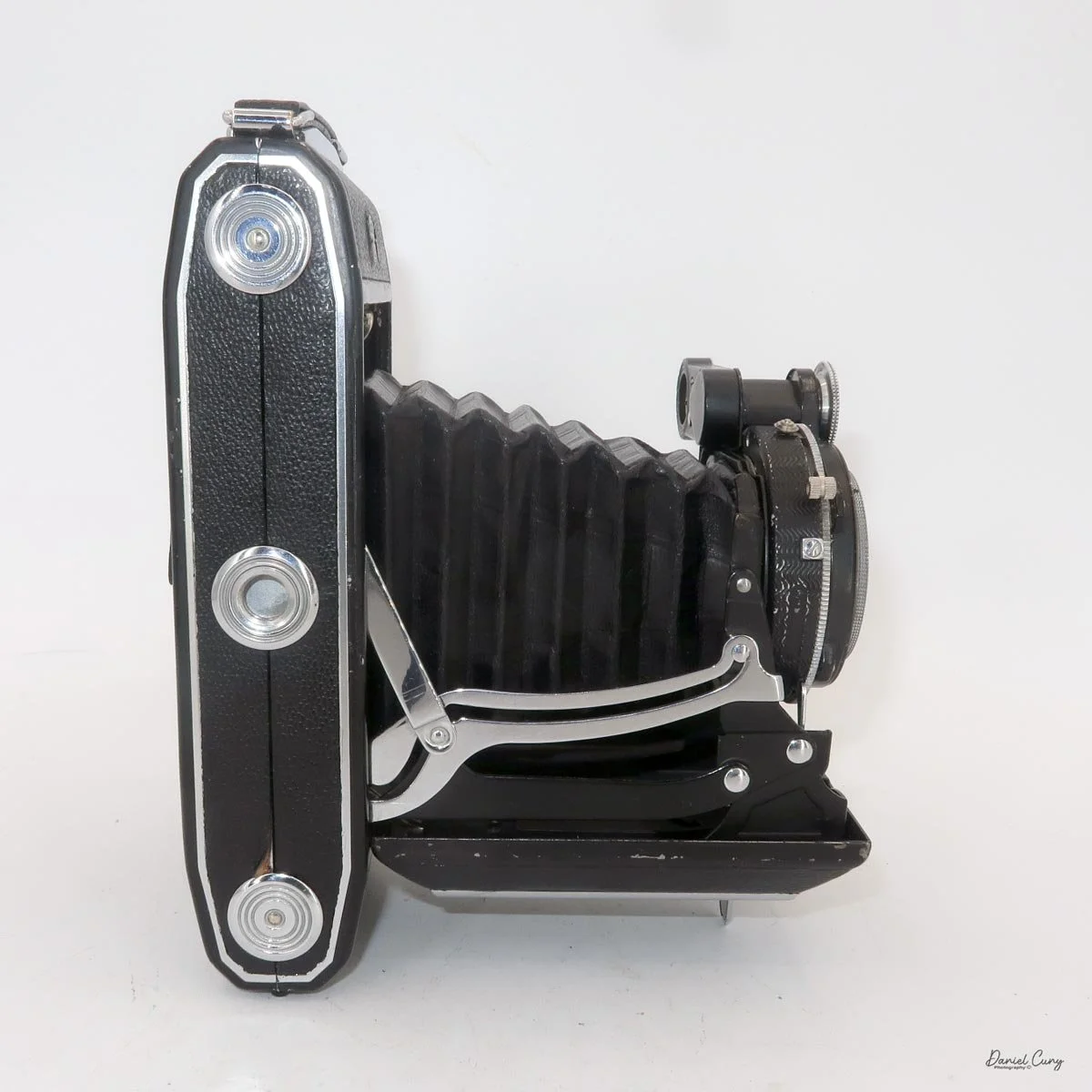
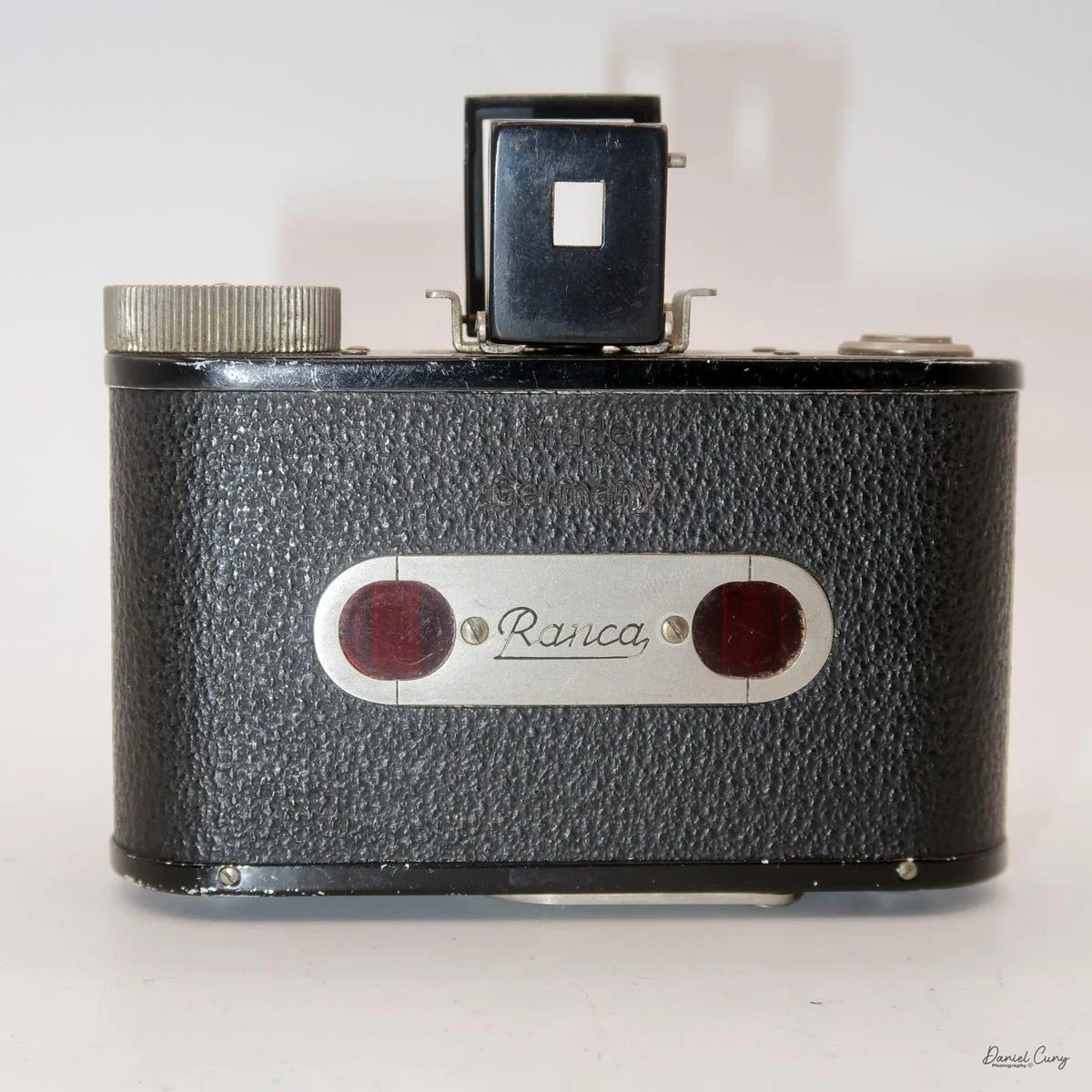
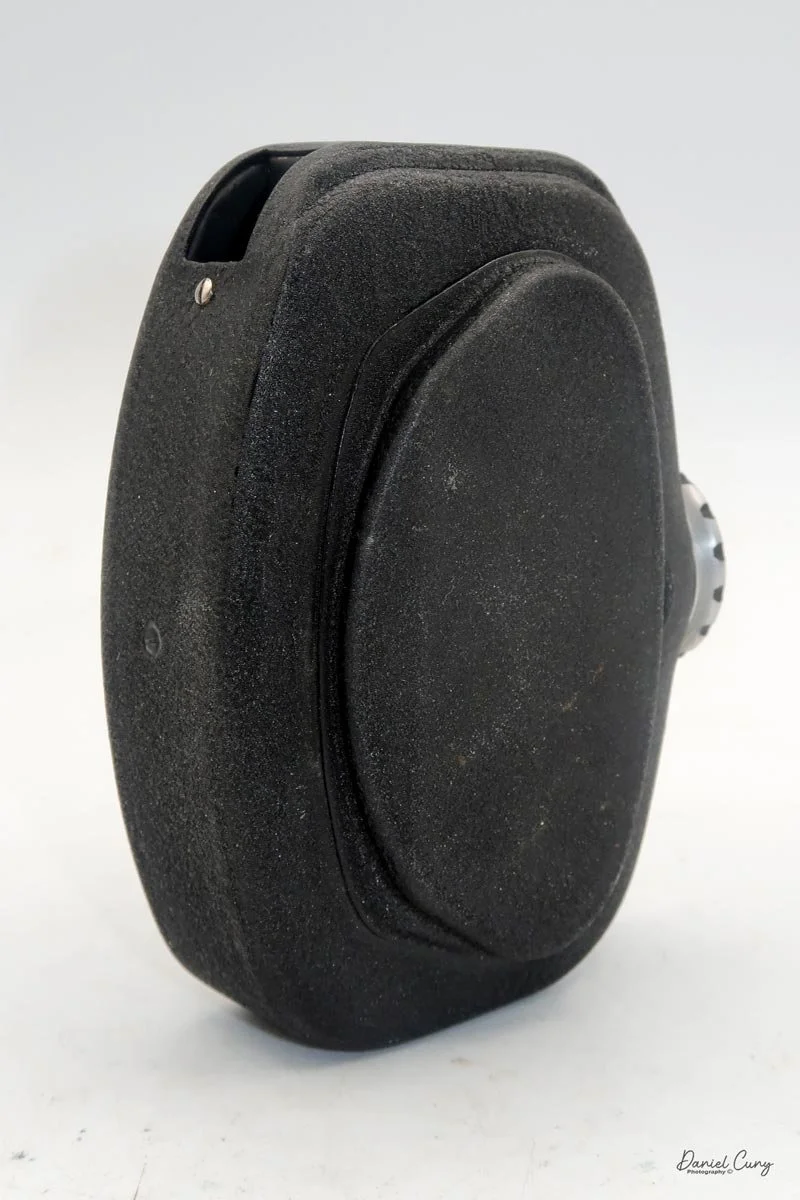
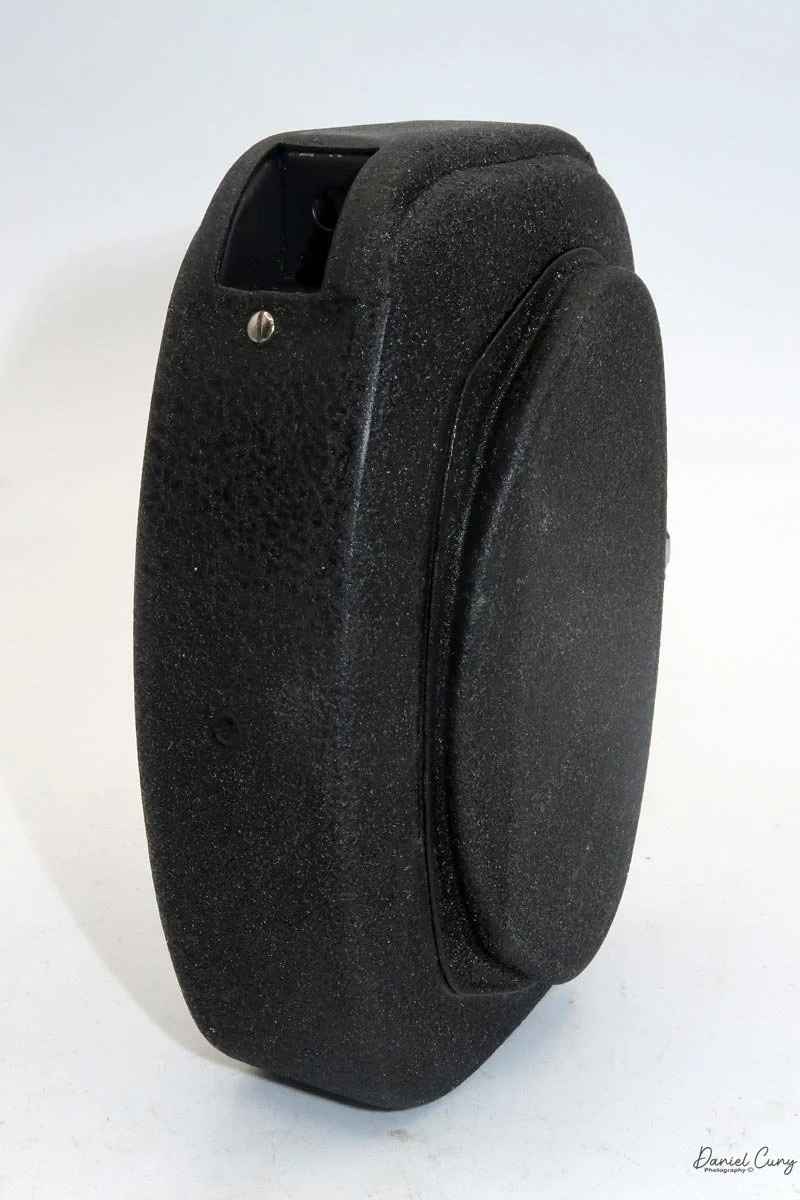
The other side of the Salmoiragi Lexus camera

 As I was pulling cameras out of the boxes to put on my tables for the camera show, the Salmoraghi Lexus was unfolded and put out for sale. Some people casually looked at it, but there was no real interest in the camera. There were a few people who liked the colored camera, but that was about it.

 In the back of my mind, I had already picked the camera I wanted to write about this week, but as I was putting away the cameras left over from the camera show, the Salmoiraghi Lexus just seemed like the camera to write about. 

 When I opened the camera, thinking about putting film in it so I could shoot with it for the blog, I checked the shutter to make sure it was working, but unfortunately, it's stuck open. So, at this point, I won't be able to photograph with it for the post. That's not Ideal, but what was gnawing at me was, What is a Salmoiraghi camera? I wasn't familiar with the brand at all, so I wanted to dig into the company and what this camera was all about.

 As I was doing my research for the camera, there was very little reference information, but I found MisterMondo Italian Camera, which had a great selection on 

History:

 Salmoiraghi cameras are a small and somewhat obscure chapter in Italian camera history, remembered mainly for a few postwar experimental and medium-format designs rather than for mass-market success. Collectors often discuss the name because the surviving models are uncommon, visually distinctive, and tied to the period when Italian manufacturers were trying to build a domestic camera industry after World War II.

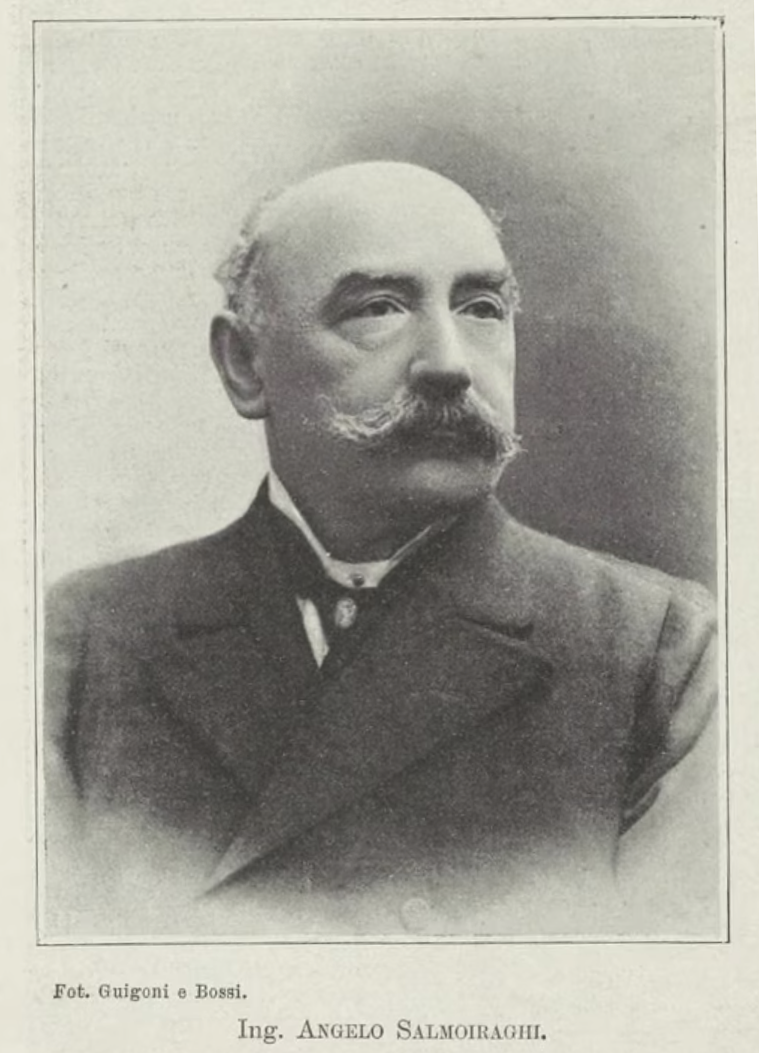
Angelo Salmoiraghi. (From website)

 Salmoiraghi SpA, better known as La Filotecnica, began in Milan in 1865 when Angelo Salmoiraghi founded the Scuola-Officina Filotecnica. The school-workshop blended training, research, and production, reflecting Salmoiraghi's aim to turn precise scientific instrument making into an industrial enterprise. Over time, the company became associated with high-quality optical and surveying equipment, while keeping close ties to technical education and innovation. That early mix of craftsmanship and science helped establish La Filotecnica as a notable name in Italian instrument manufacturing.

 The best-known Salmoiraghi-related camera from the collector world appears to be a medium-format model developed in Milan around 1946–47. Reports from collectors describe it as a "pseudo twin-lens reflex" camera, built with a Bakelite body and alloy fittings, placing it squarely in the immediate postwar era, when makers were using practical materials and inventive layouts to reduce cost and complexity. That design choice suggests a company experimenting with form as much as function, aiming to create a camera that looked modern and handled differently from the boxy standard models of the time.

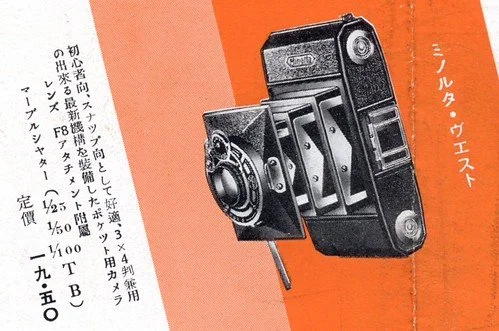
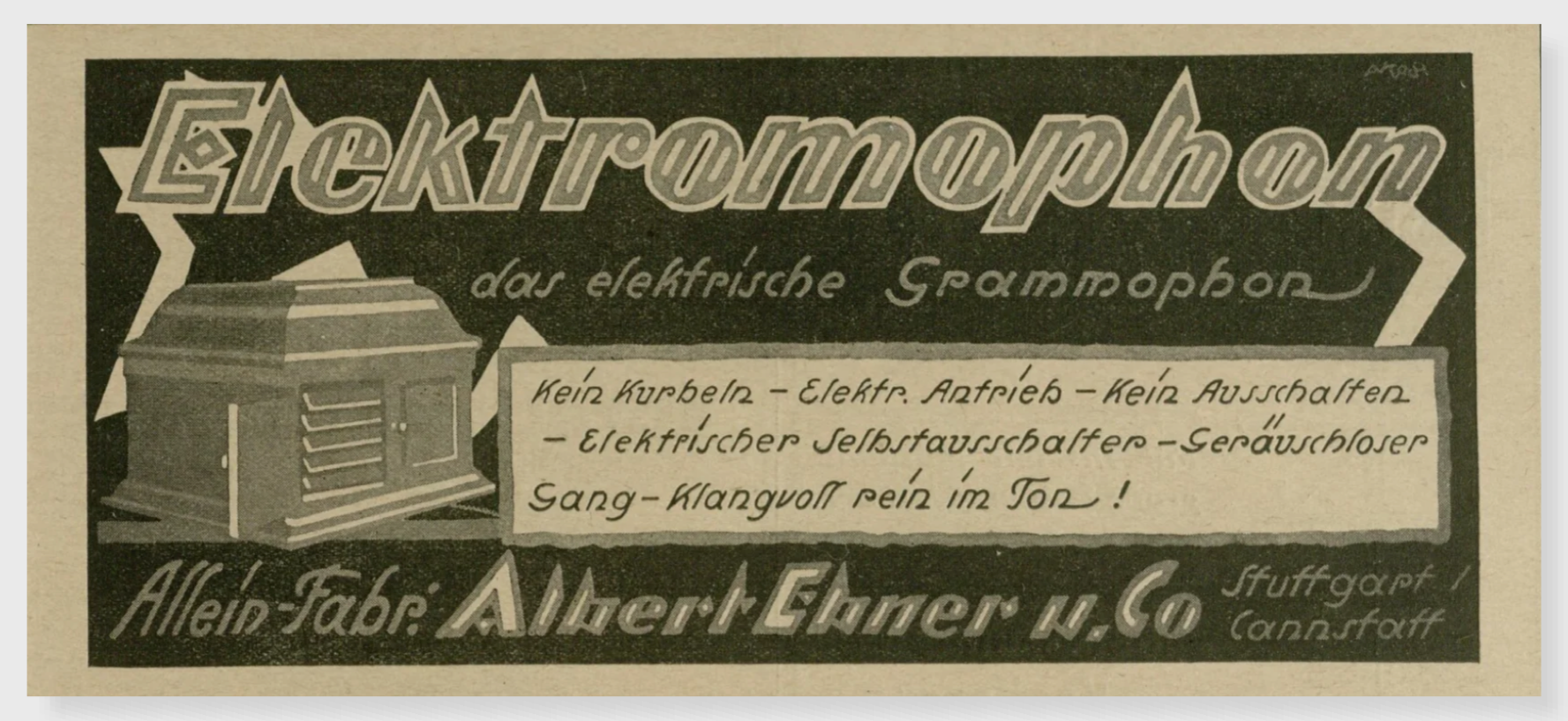
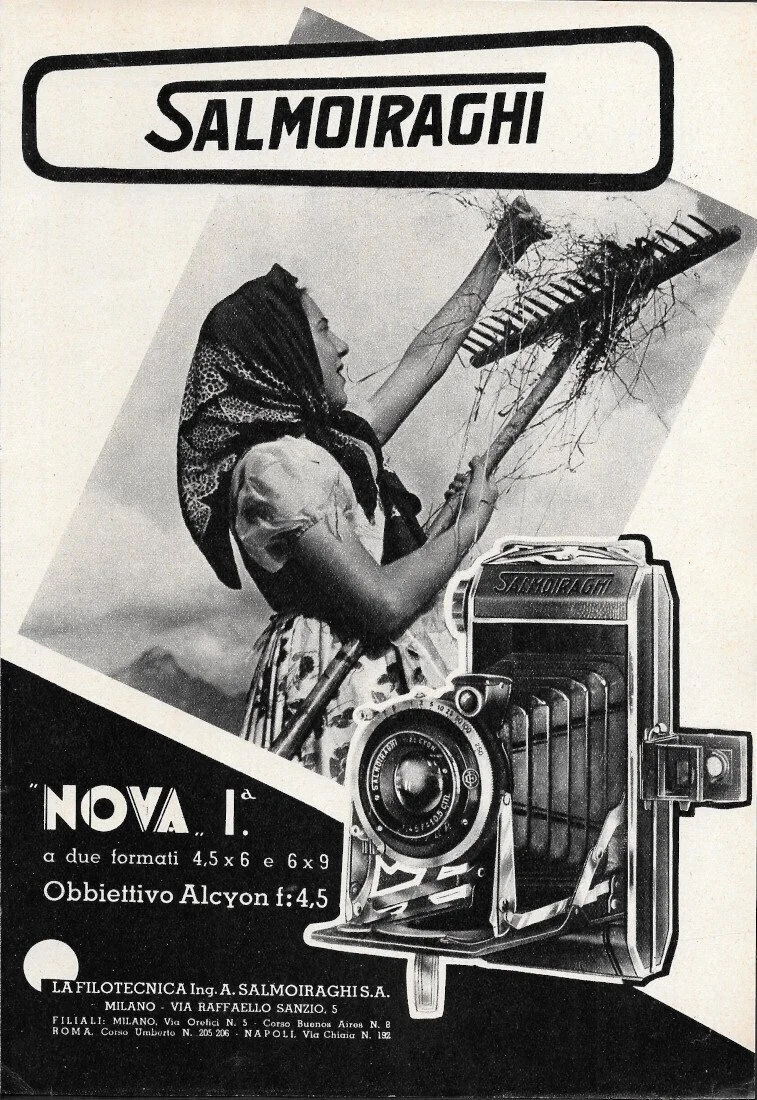
Italian advertisment for Salmoiraghi Nova I camera.

 What makes Salmoiraghi interesting is not a long production line but the rarity of the surviving evidence. Unlike the big Italian optical firms that became widely known through lenses, projectors, or industrial products, Salmoiraghi cameras seem to have been limited-run products that left only a thin paper trail. Much of what is known today comes from collector discussions rather than catalogs or formal company histories, which is why exact model details and production numbers remain hard to pin down.

 In that sense, Salmoiraghi cameras reflect a broader story in European camera manufacturing: many firms tried to enter the market in the 1940s and 1950s, but only a few scaled up successfully. Salmoiraghi's contribution appears to have been more inventive than influential, with its cameras now valued for their curiosity, design, and historical context. For photographers and collectors, they represent the optimism of a rebuilding Italian industry and the short-lived creativity of smaller makers trying to find a place beside better-known German and Japanese brands.

 Today, Salmoiraghi cameras are mostly encountered in collections, forum posts, and auction listings. Their scarcity means they are better known to specialists than to the general public, but that rarity is exactly what gives them historical appeal.

My Camera:

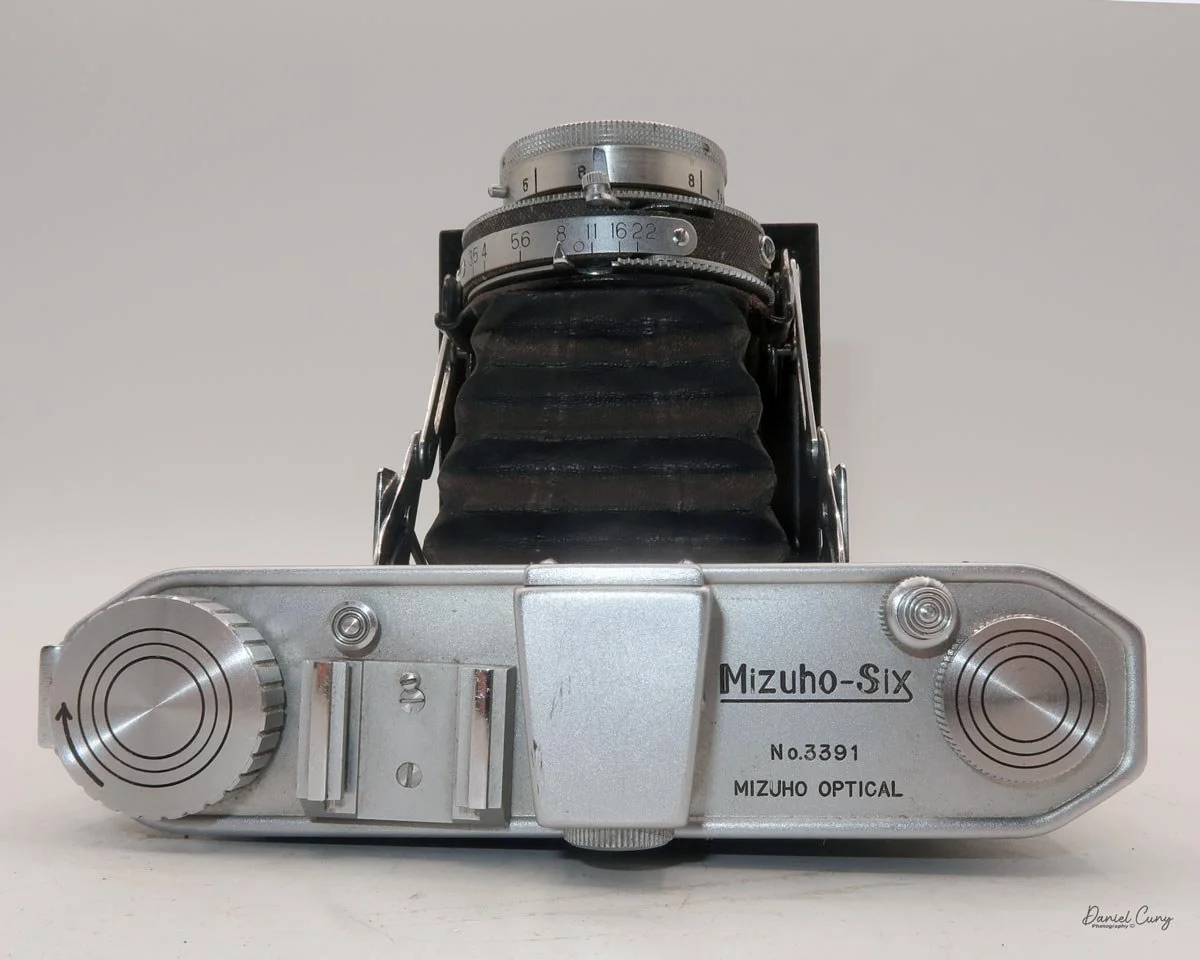
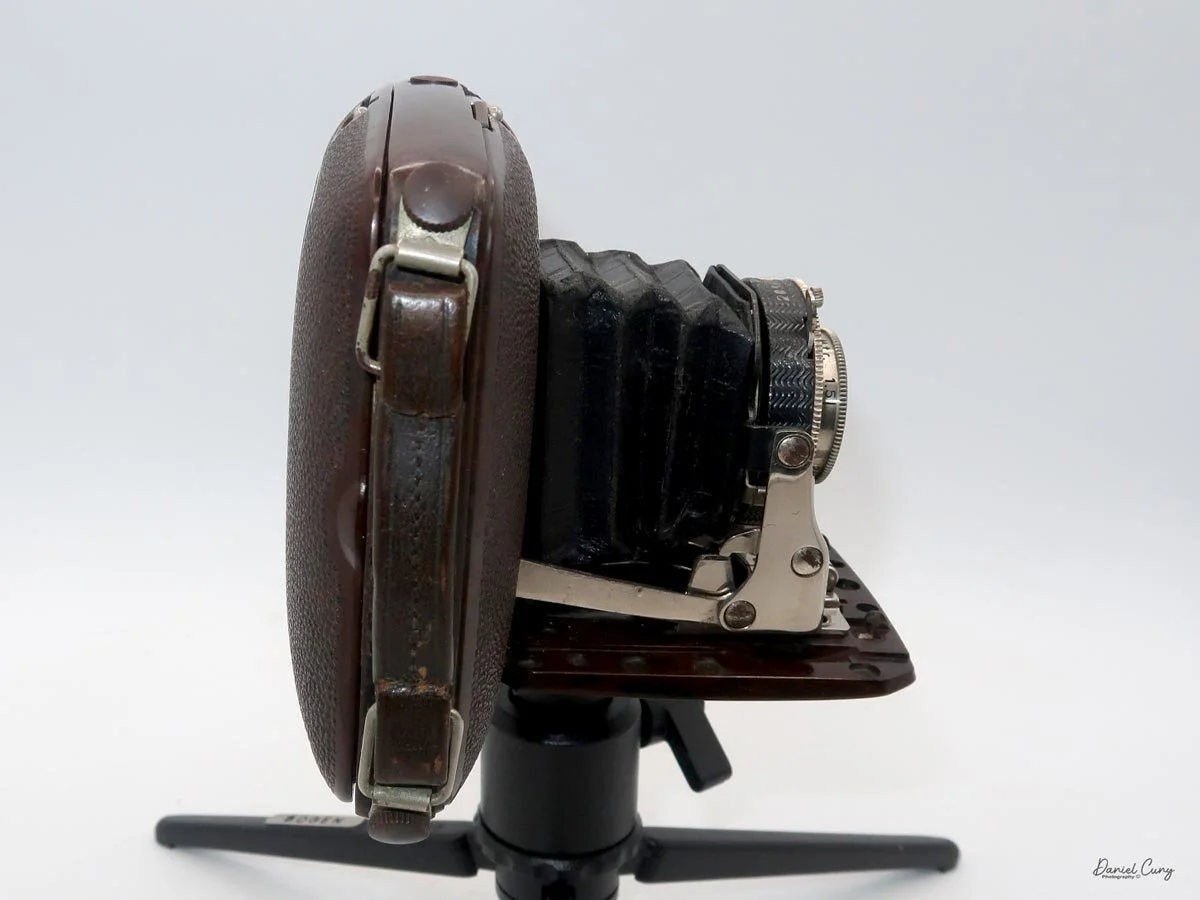
 My Salmoiraghi Lexus camera is very similar to many of the other 120 film, 6x9cm folding medium-format cameras from this era. The camera is 6" long by 3" tall and 1.5" deep when closed, and 5.25" deep with the lens extended. The camera weighs 1 pound, 0.1 ounces, unloaded.

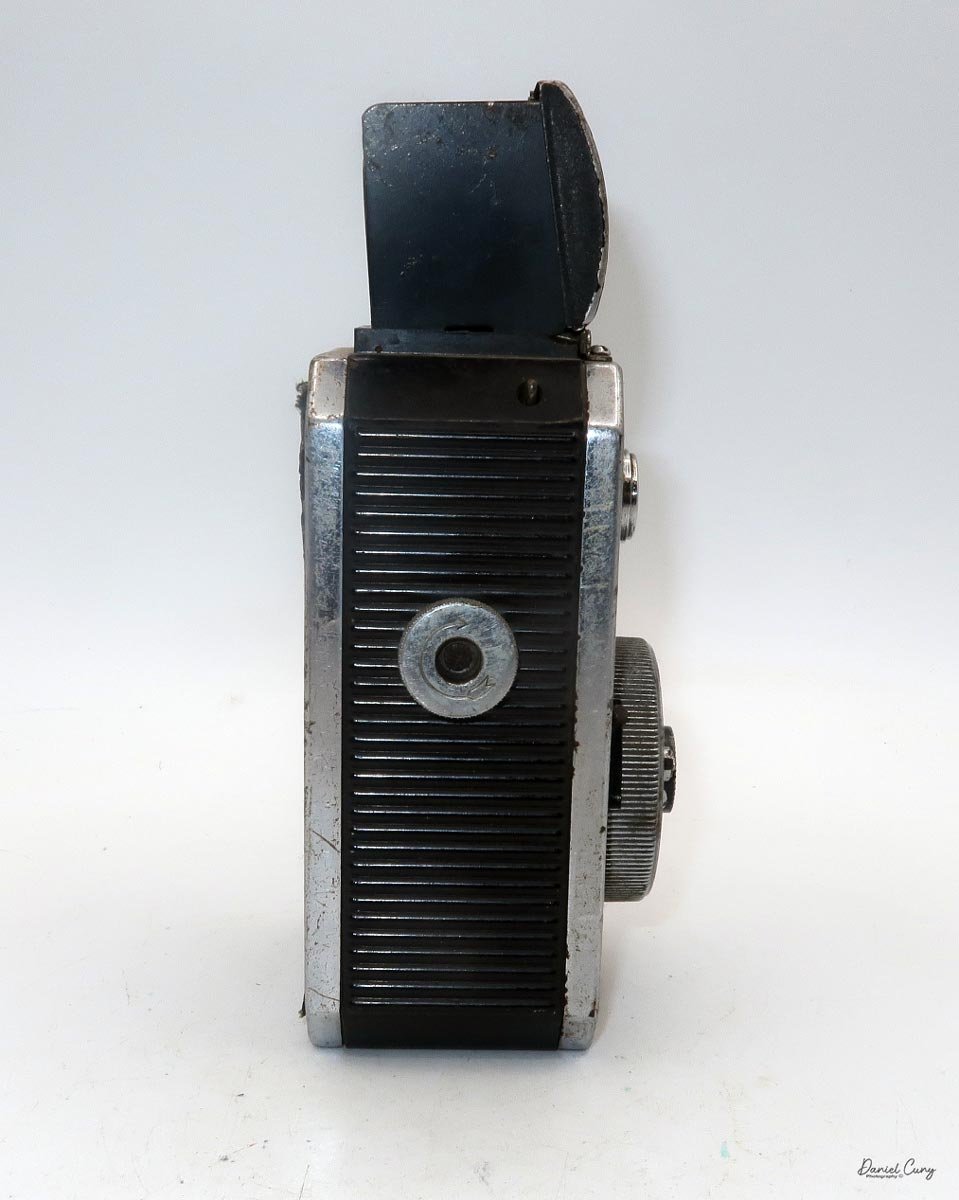
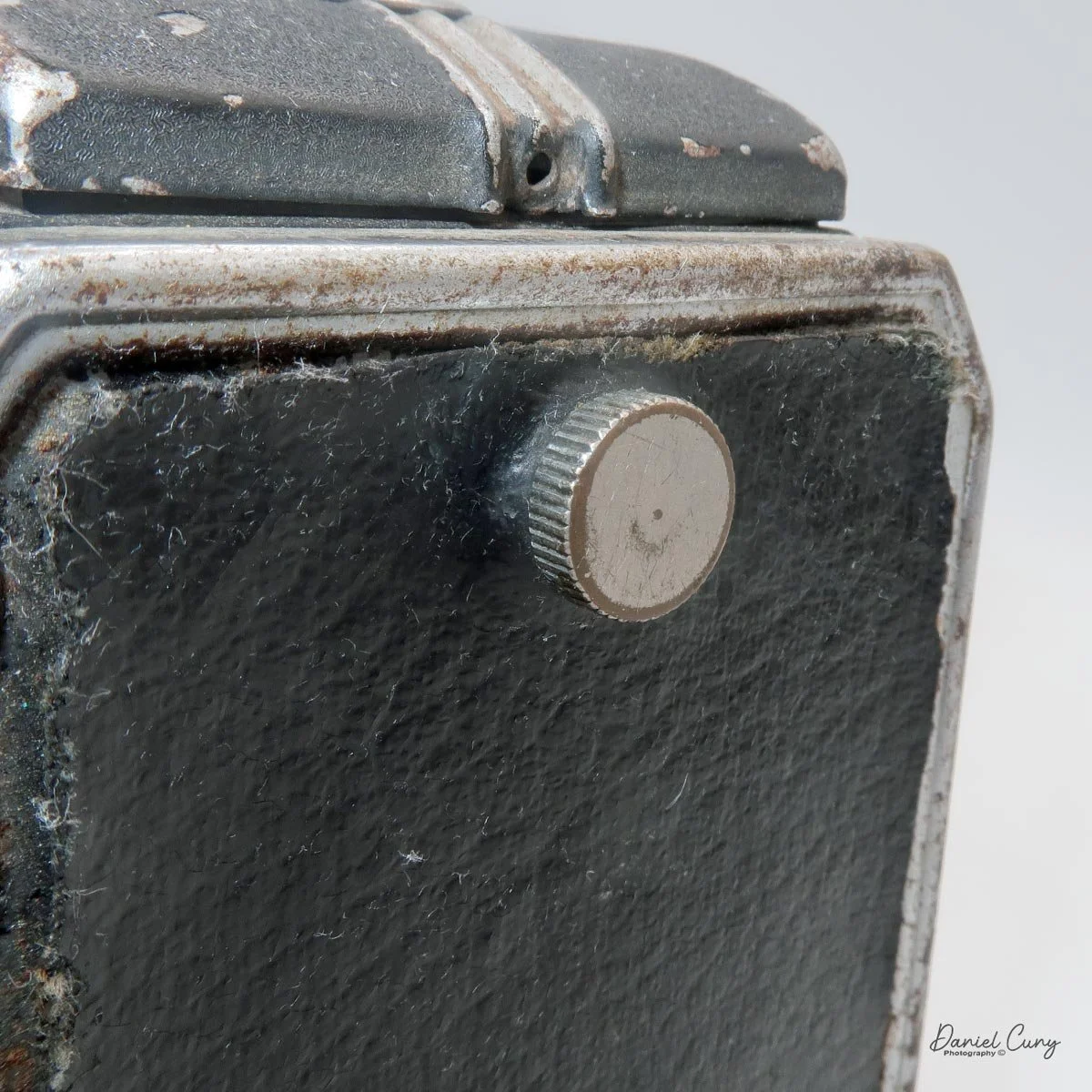
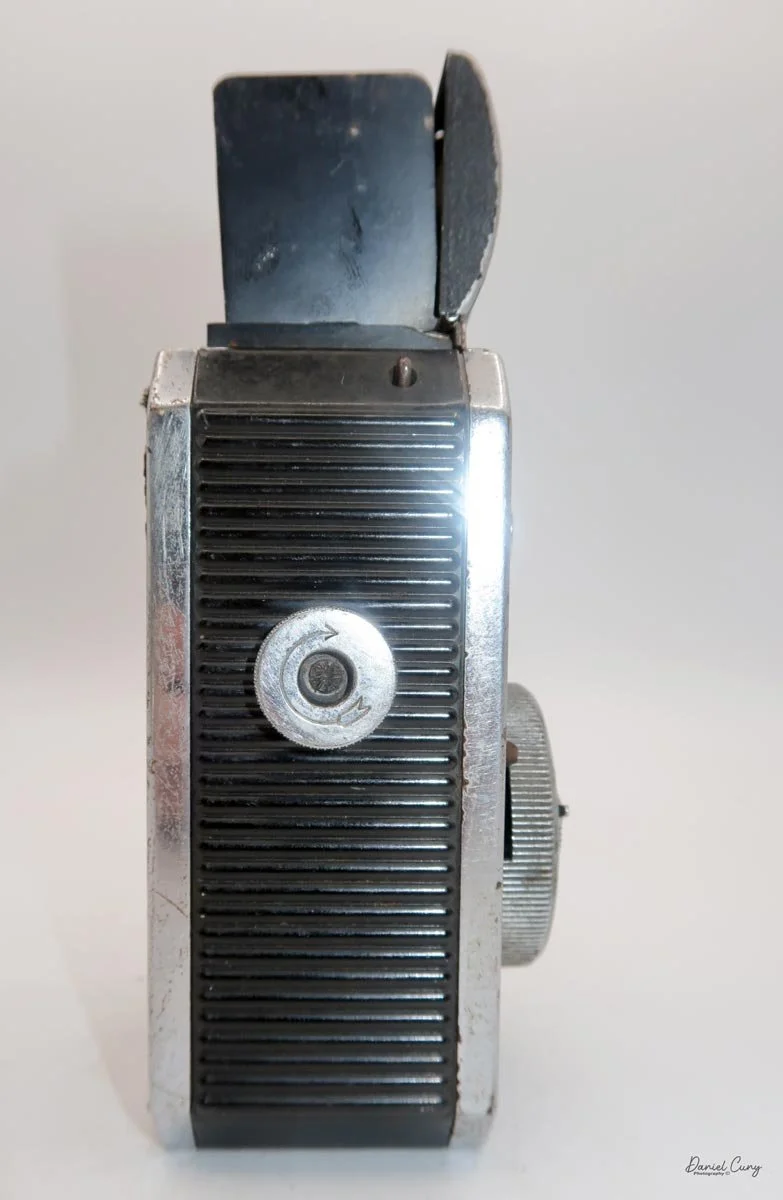
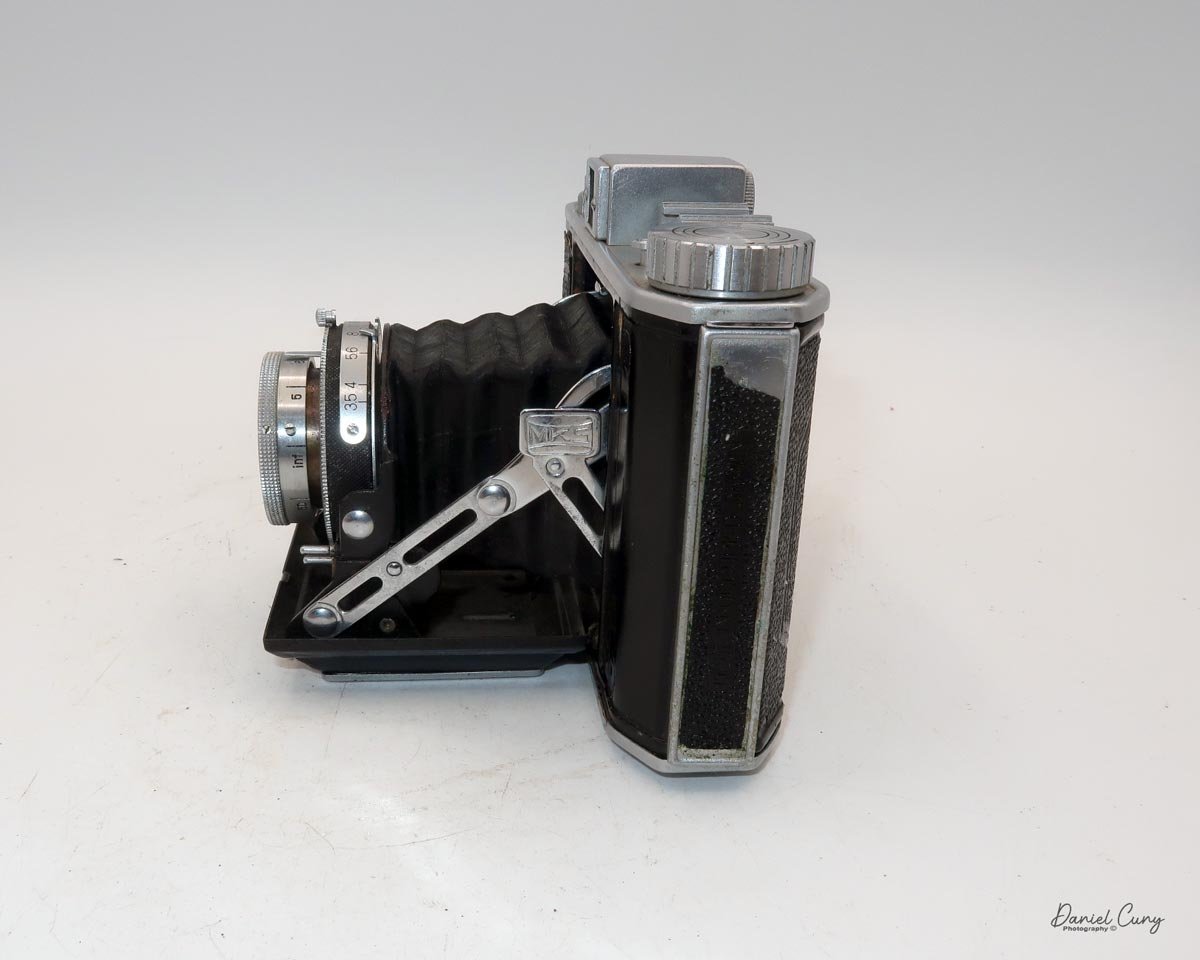
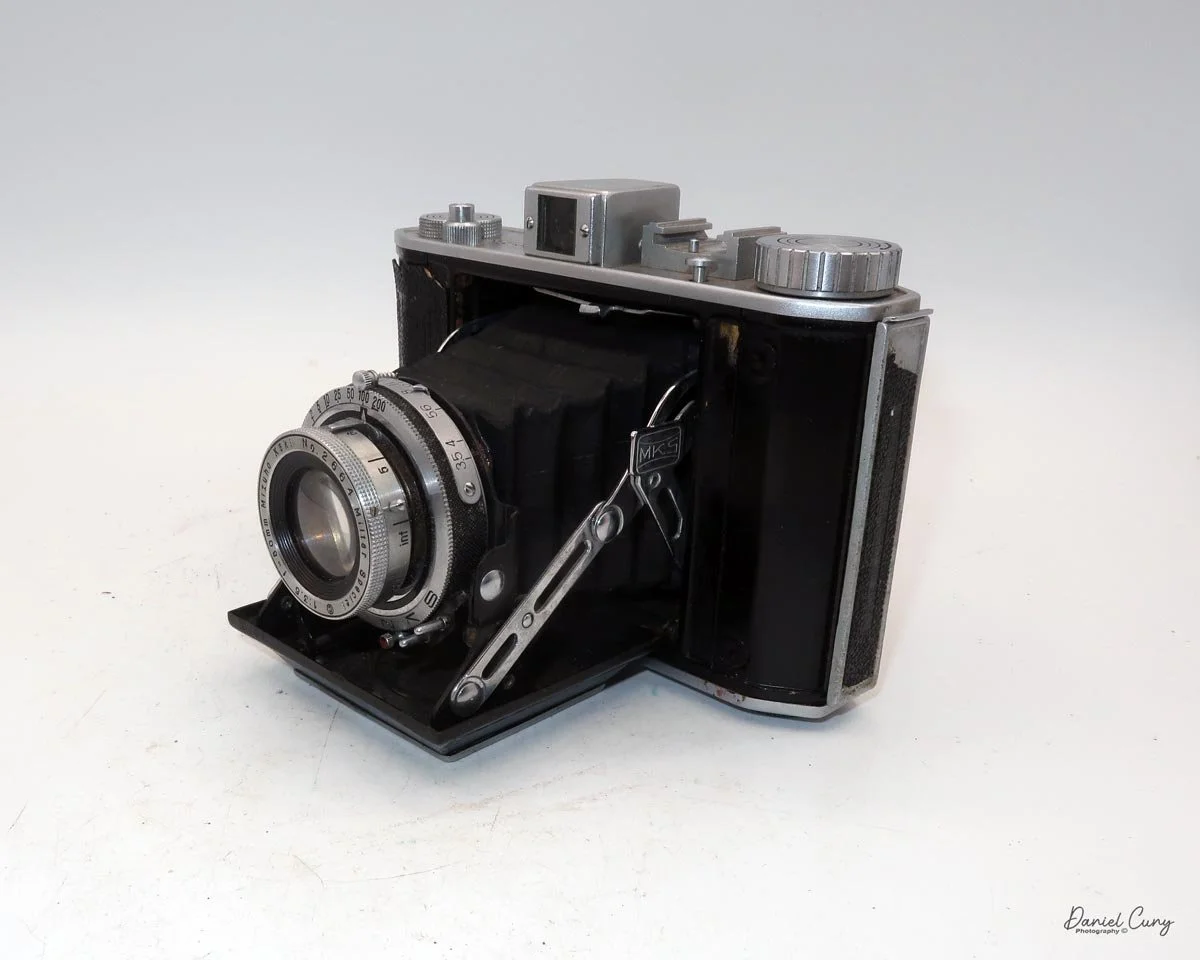
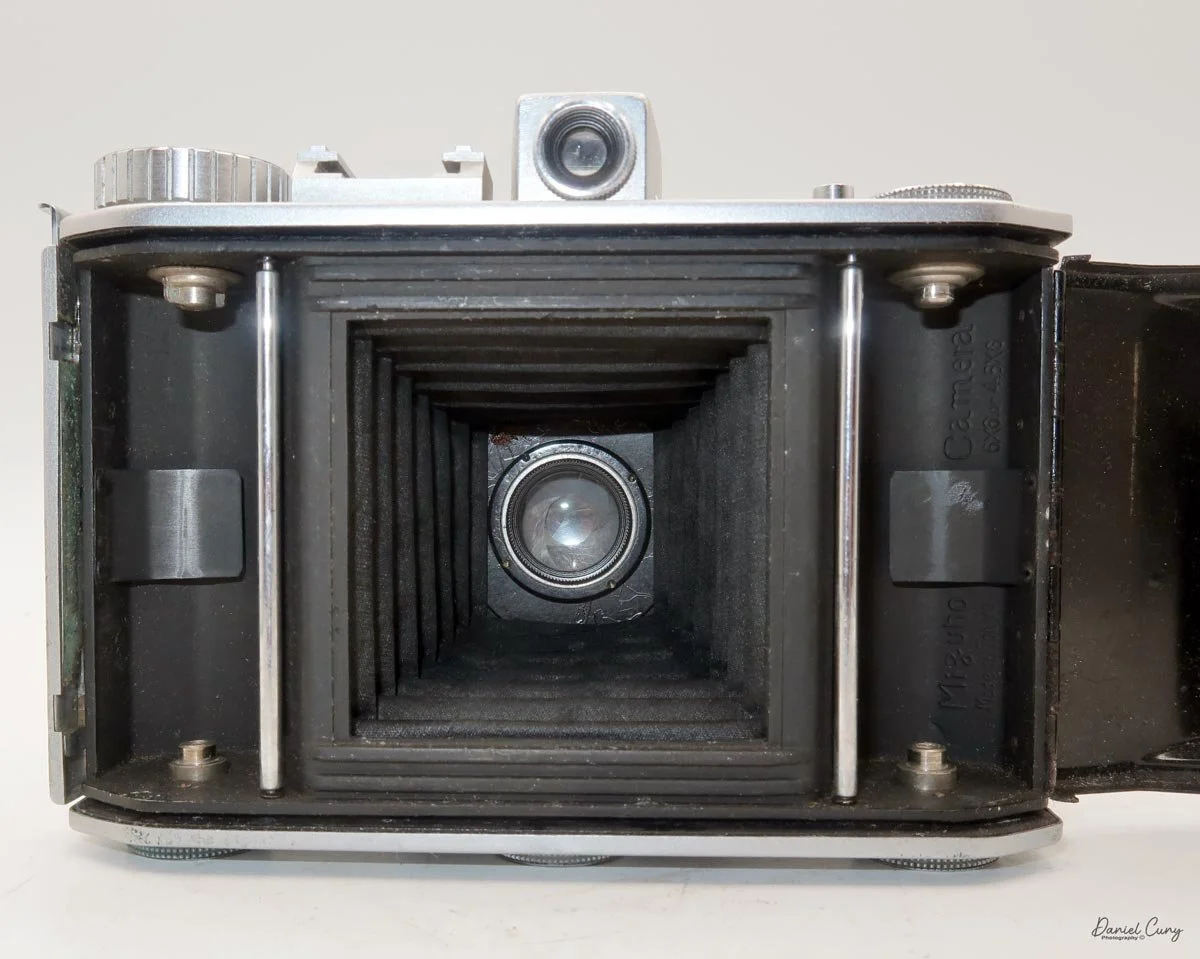
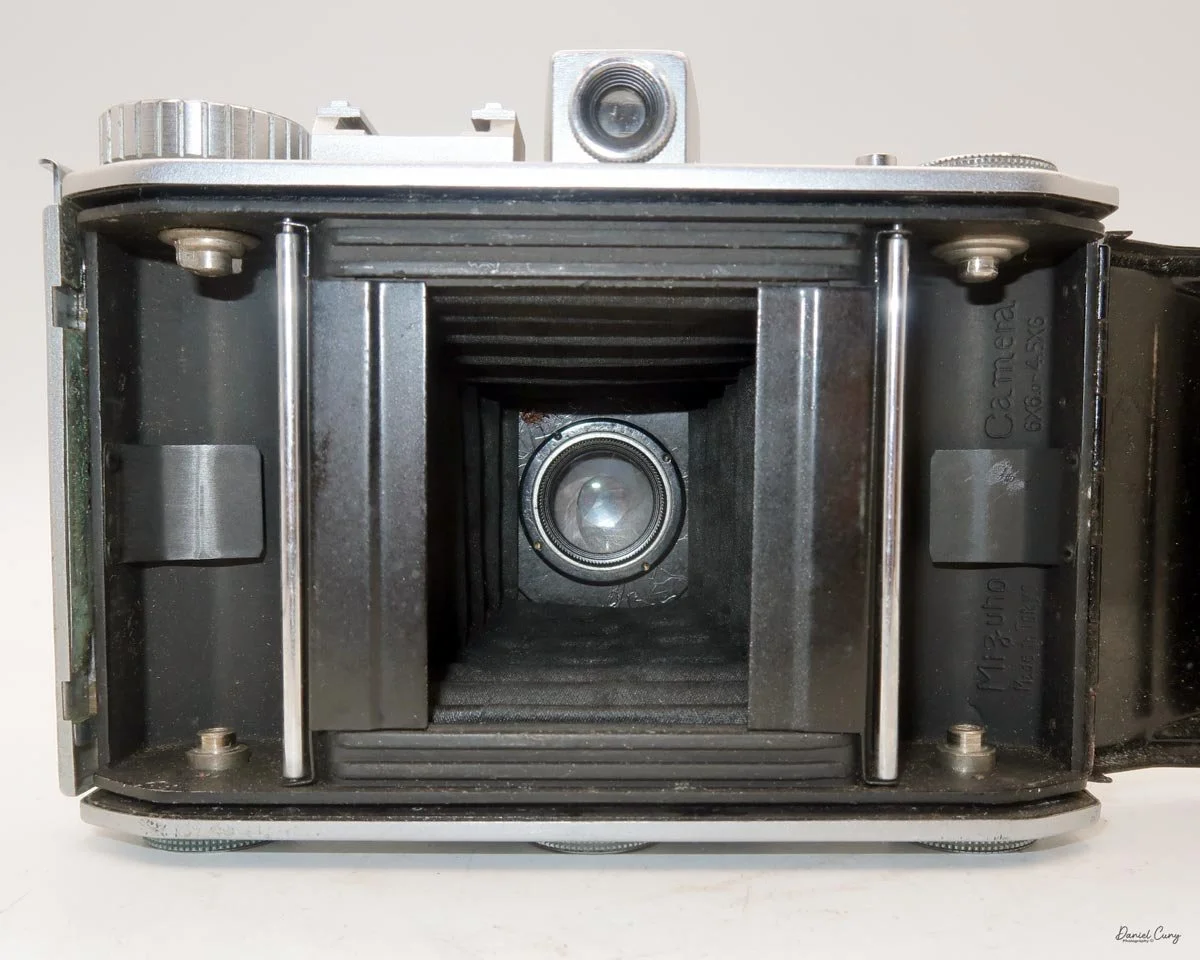
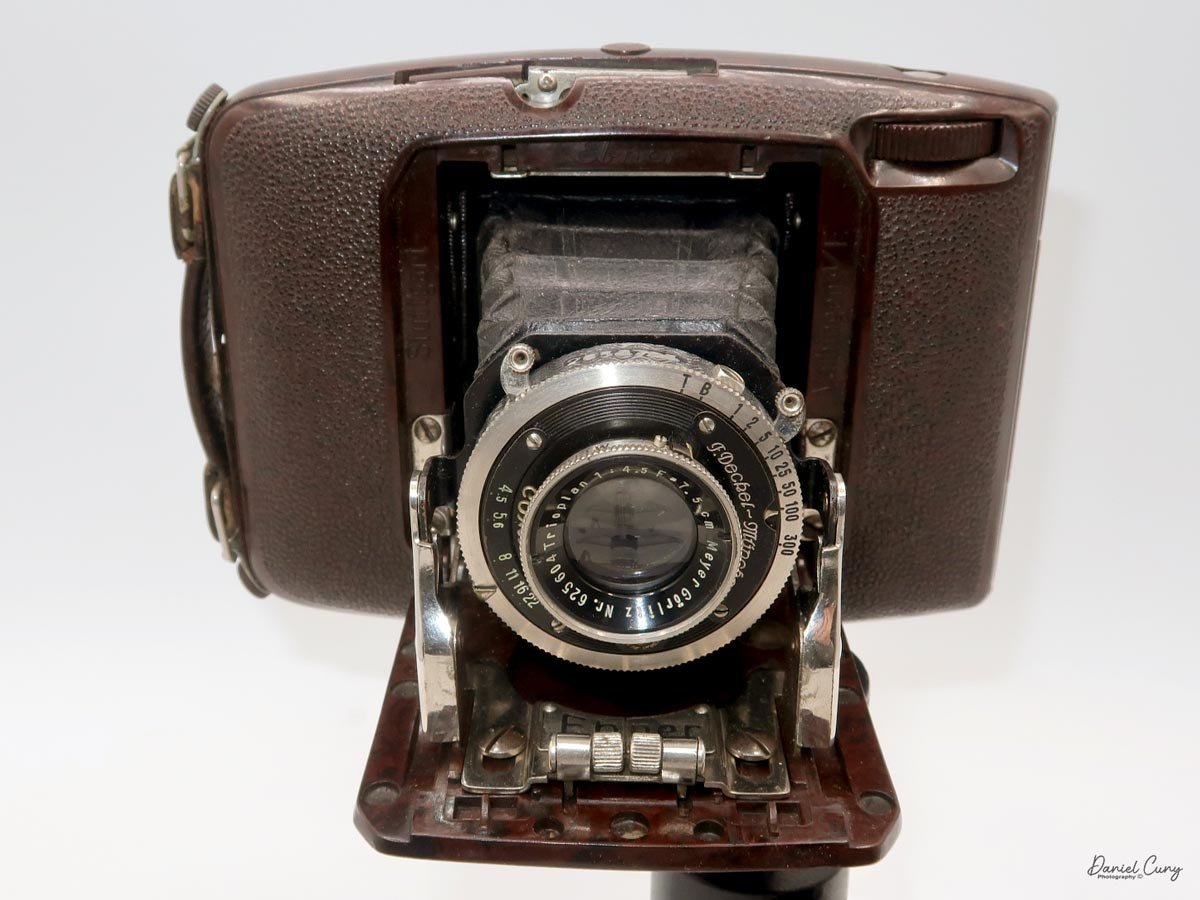
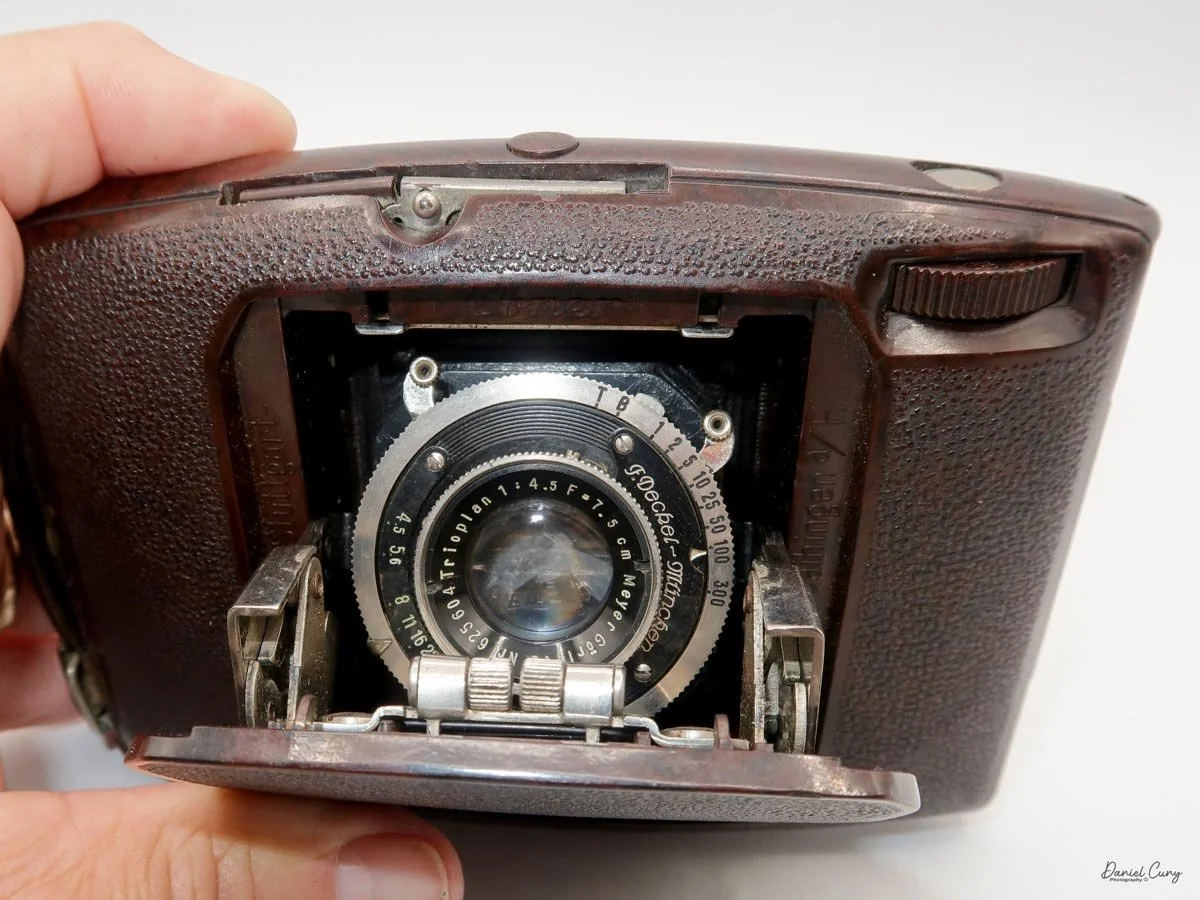
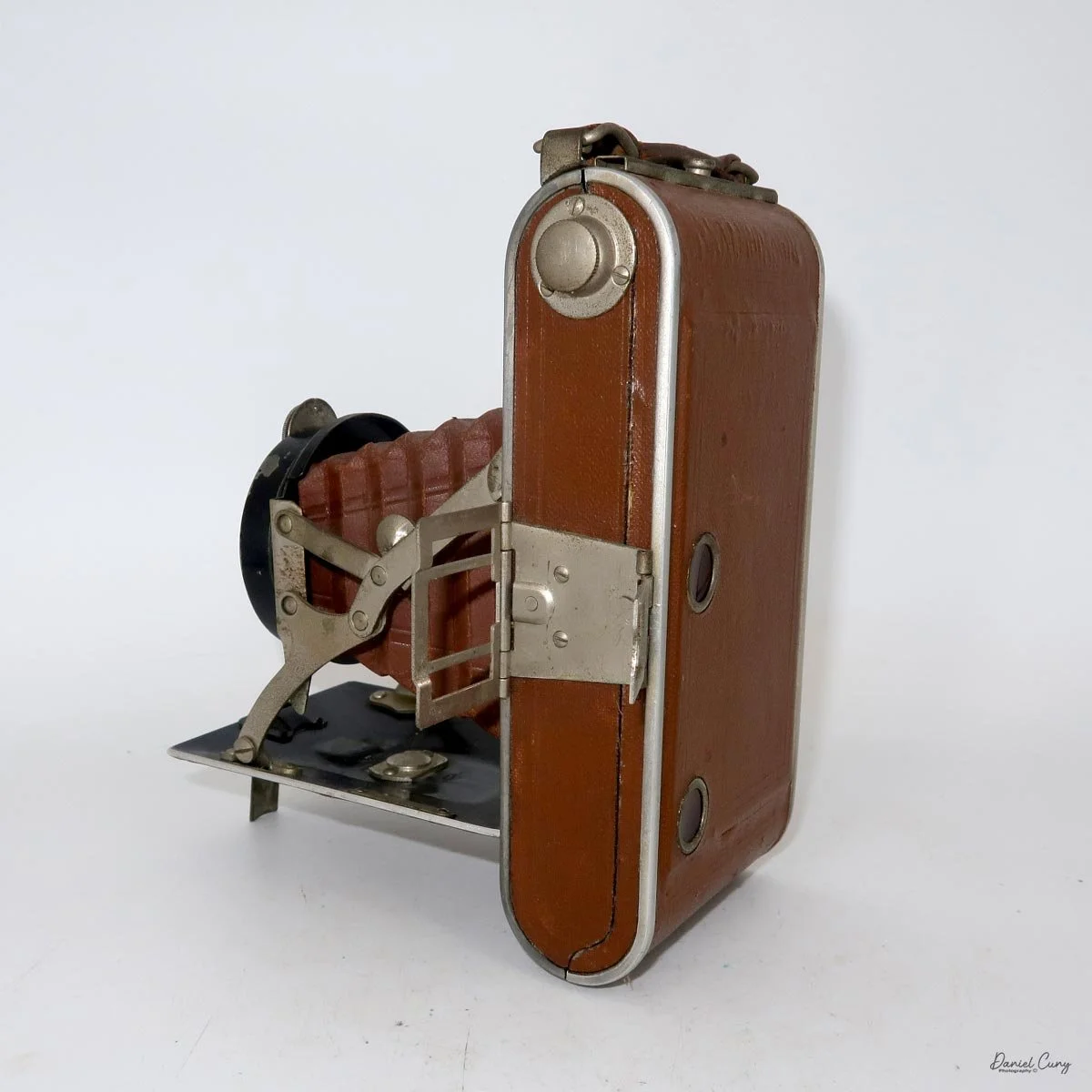
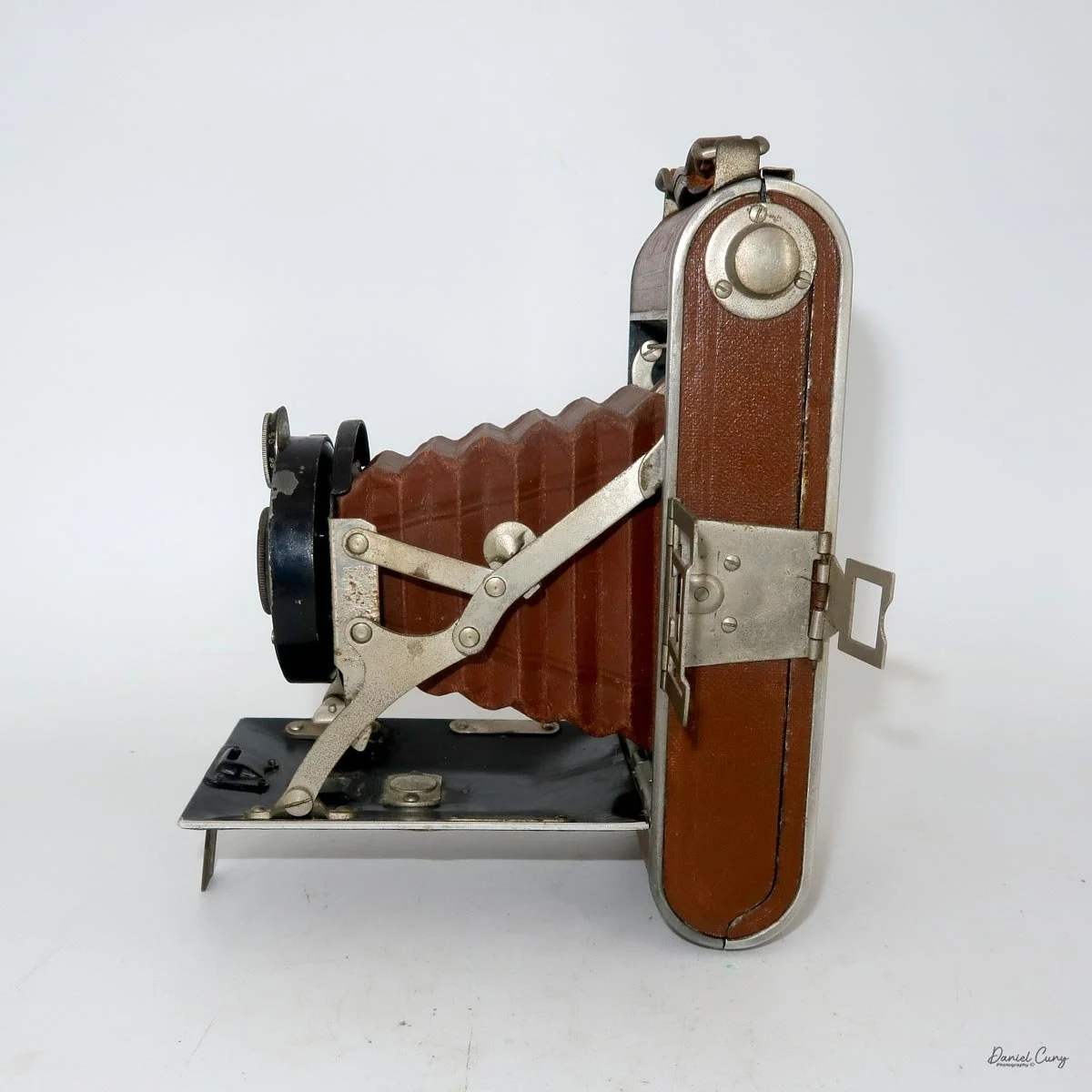
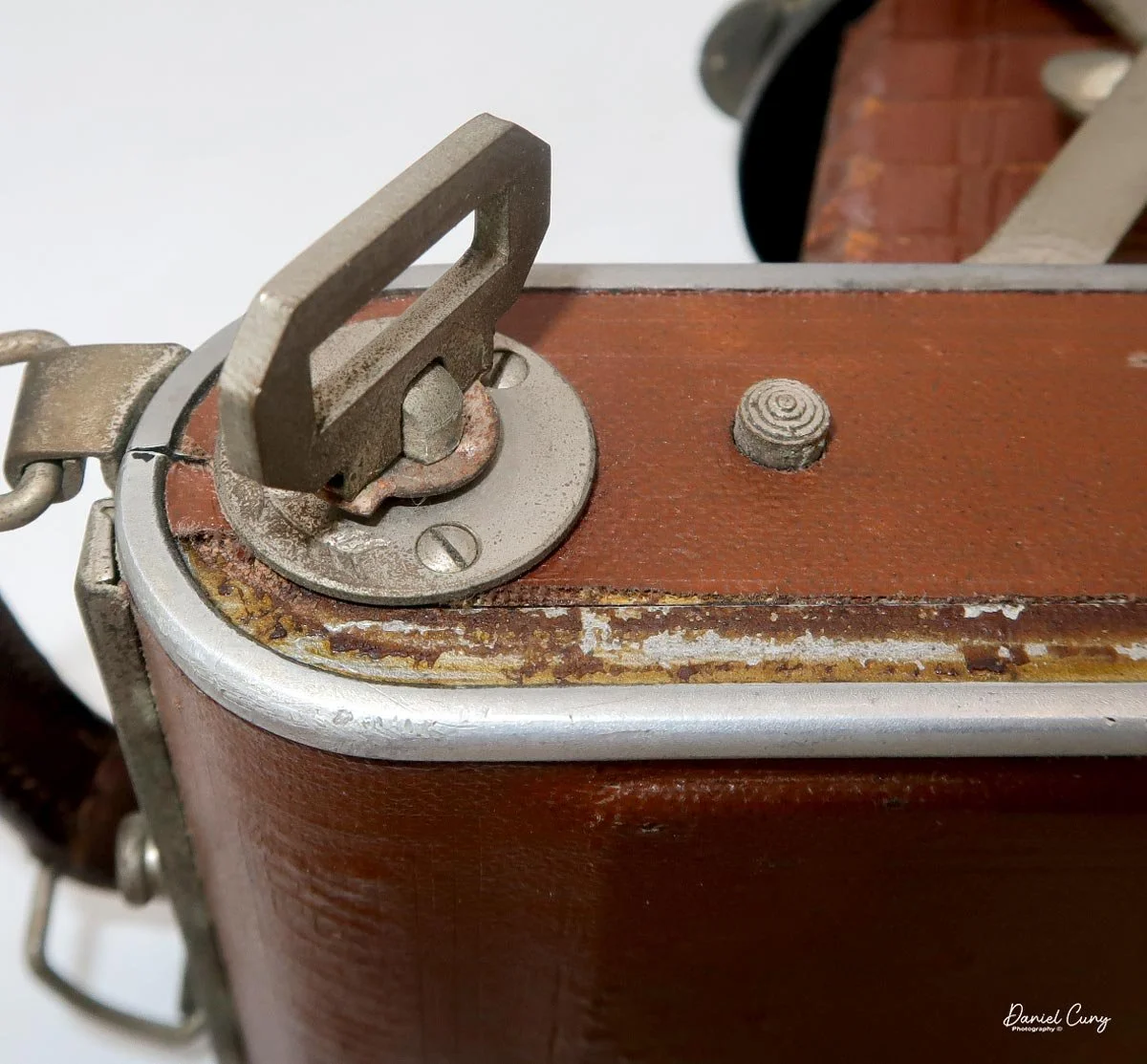
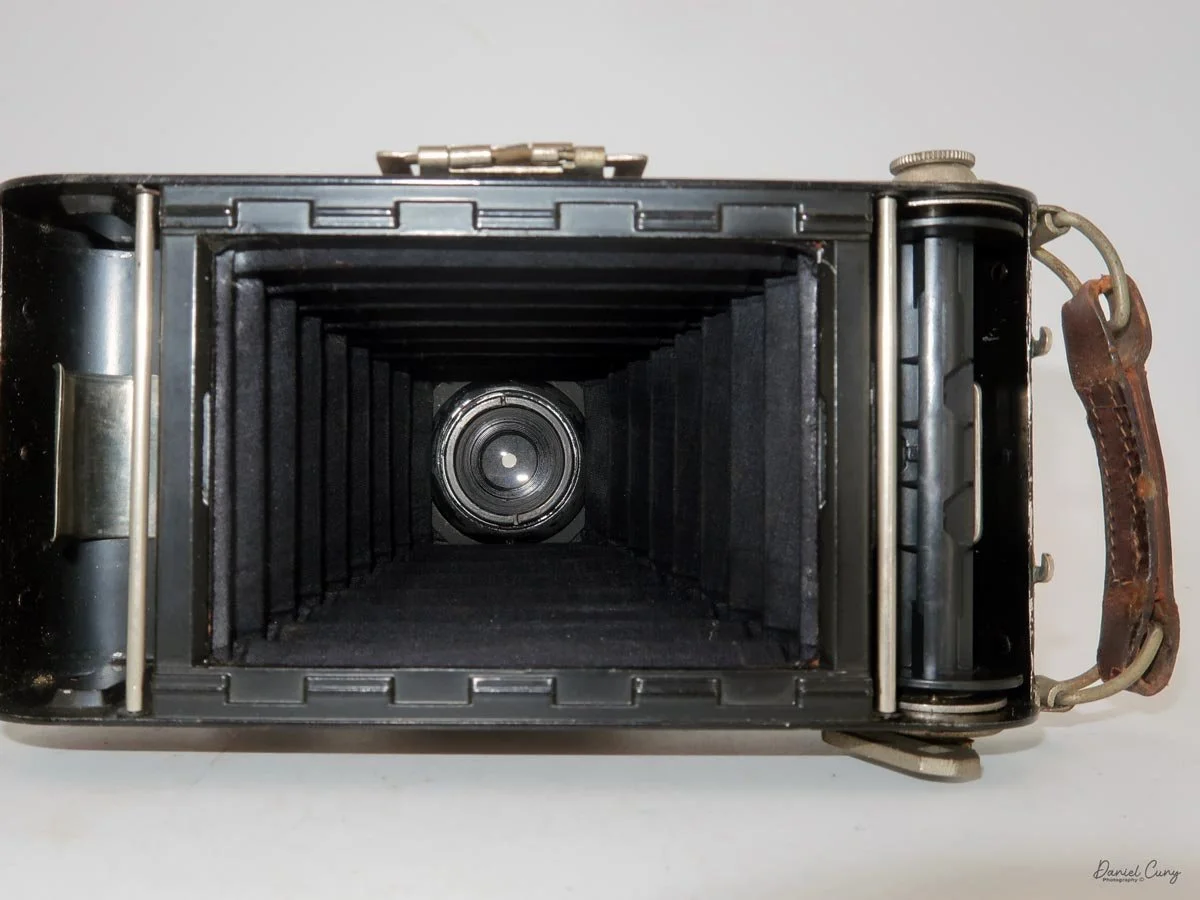
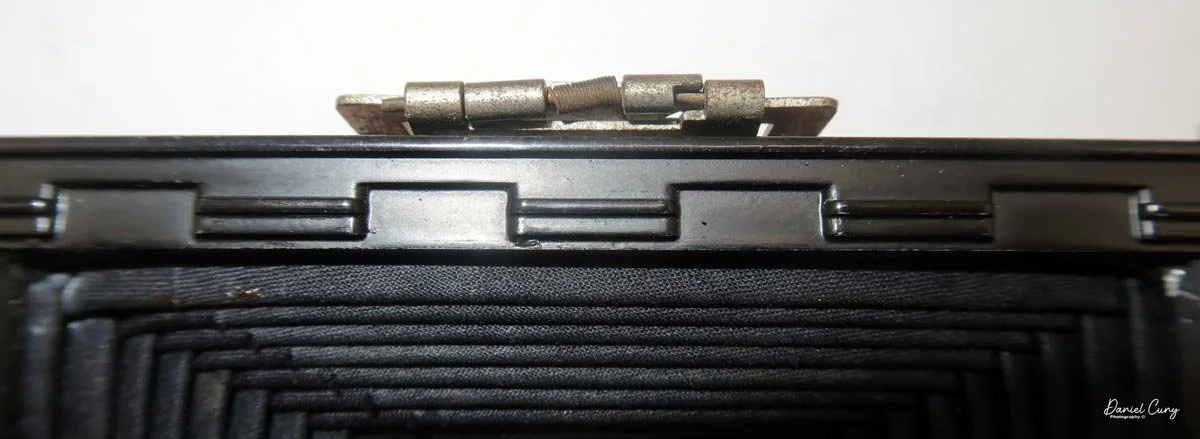
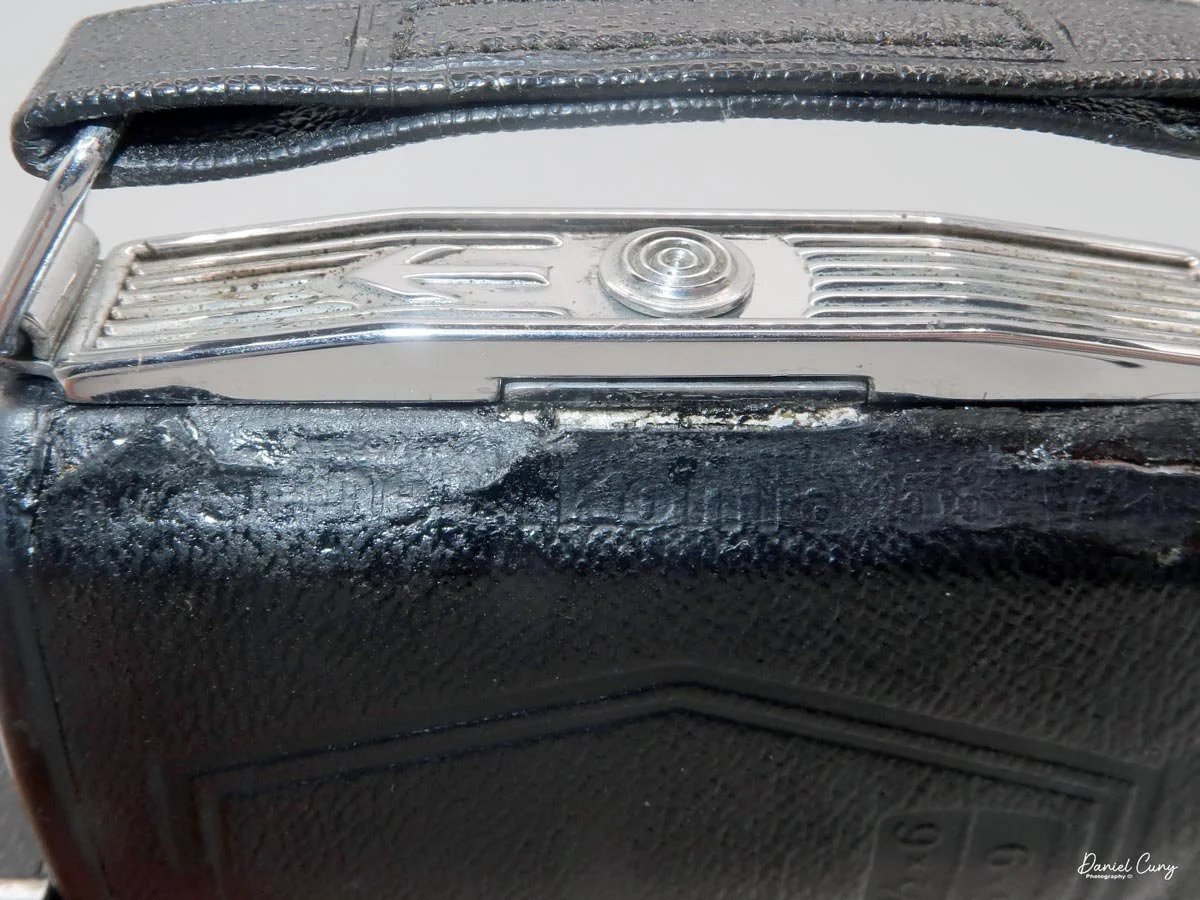
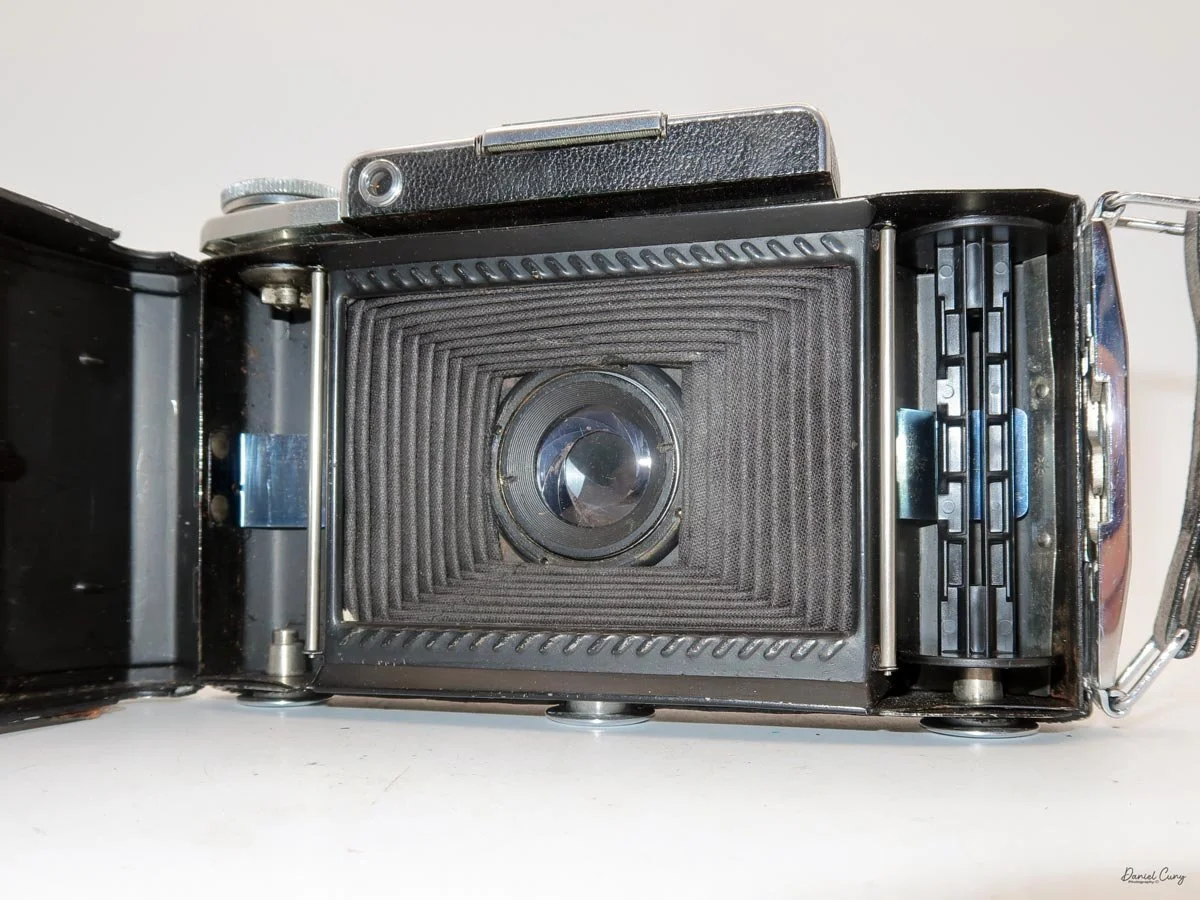
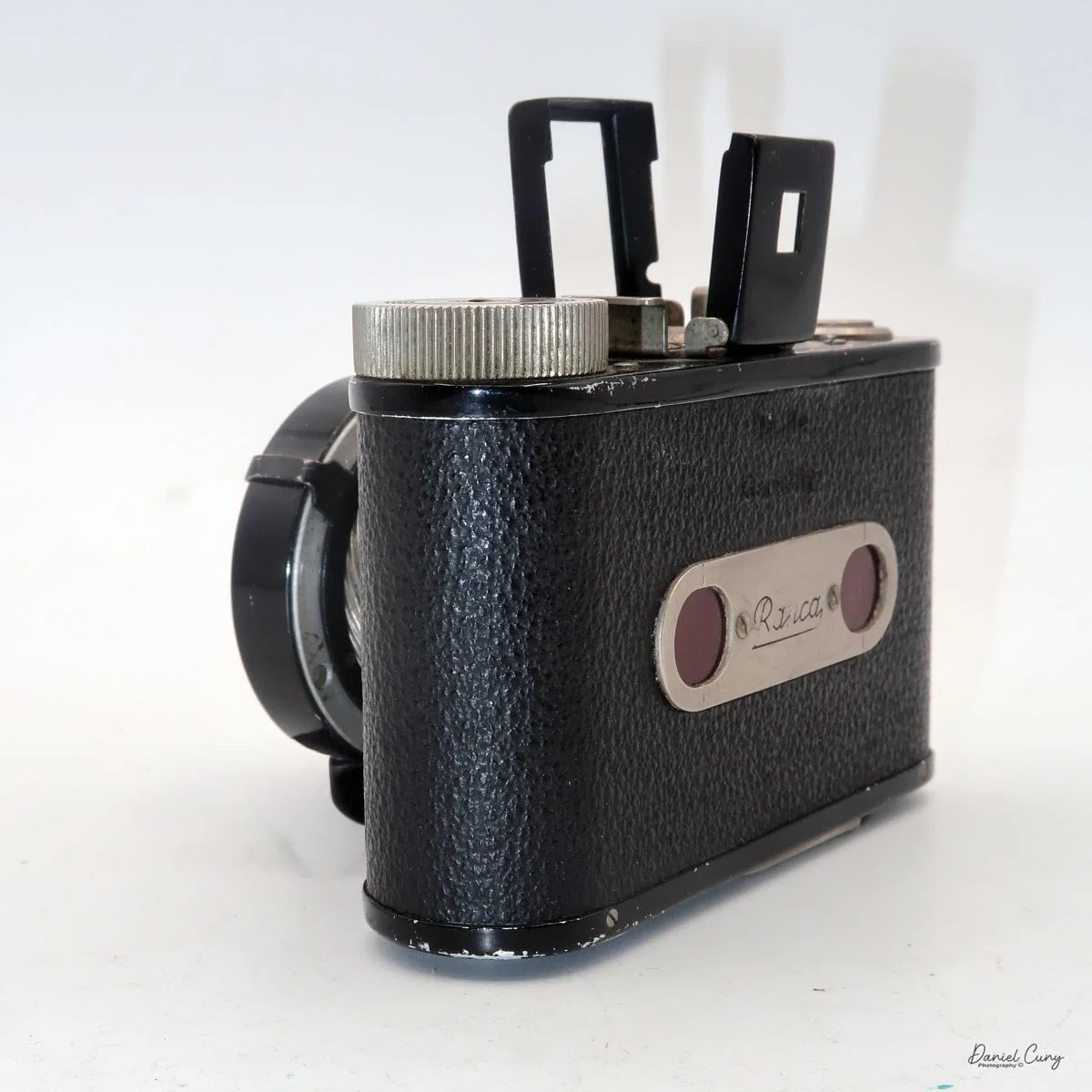
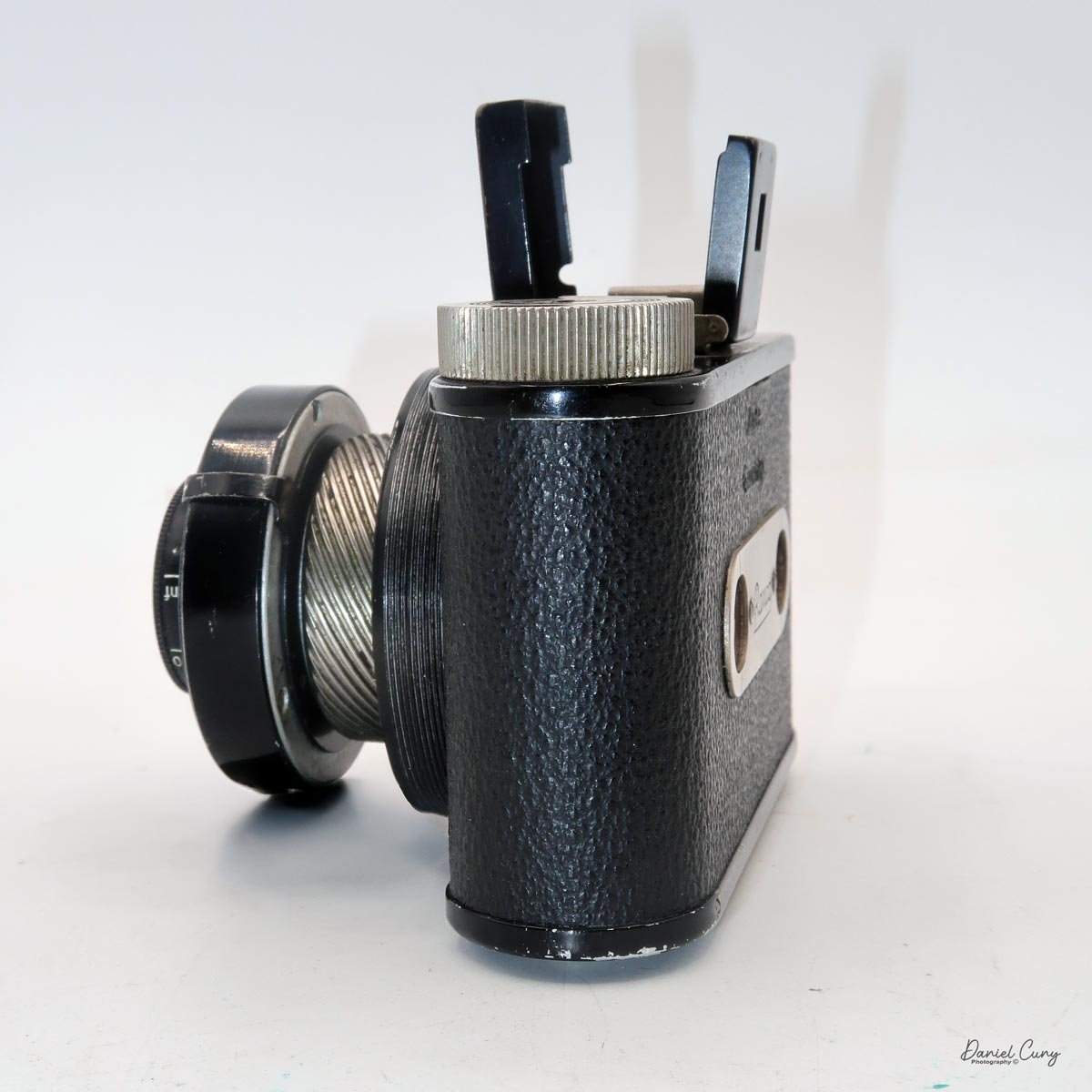
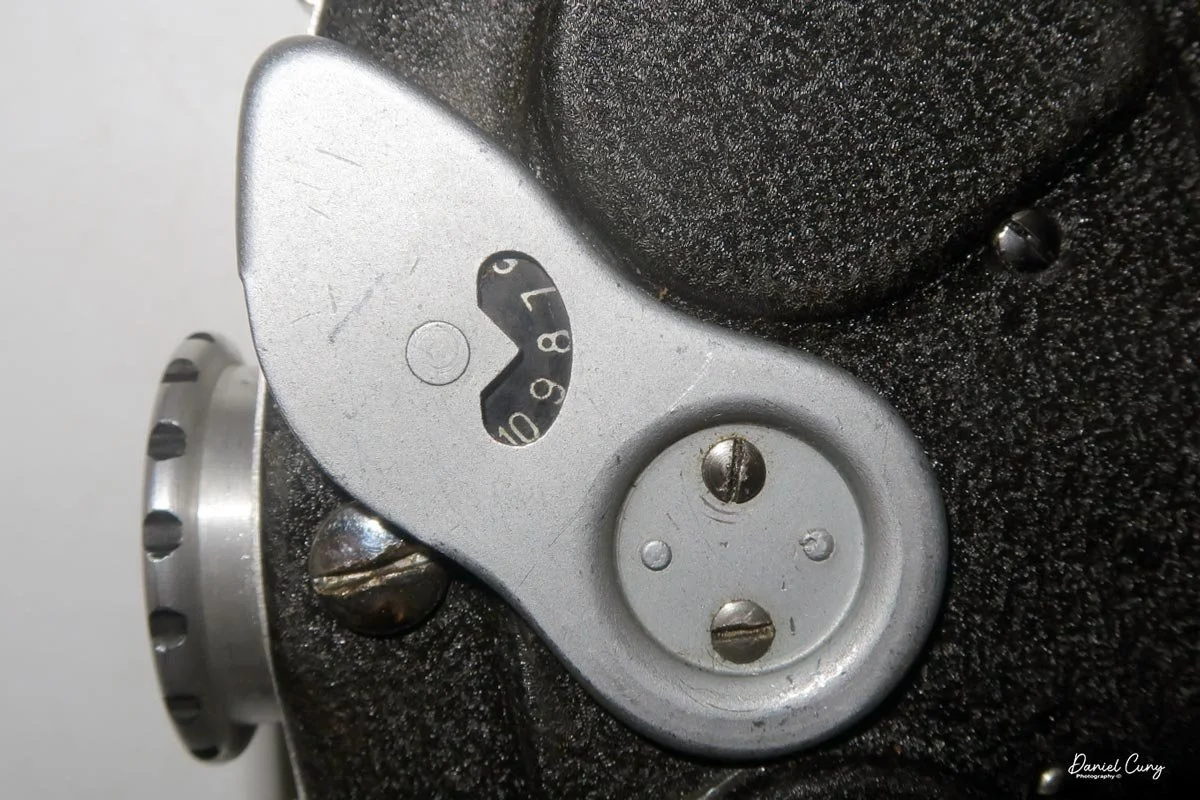
To open the front of the camera and extend the lens, on the side of the camera, close to the film winding knob, is a small button to press that opens the front, exposing the beautiful original brown bellows.

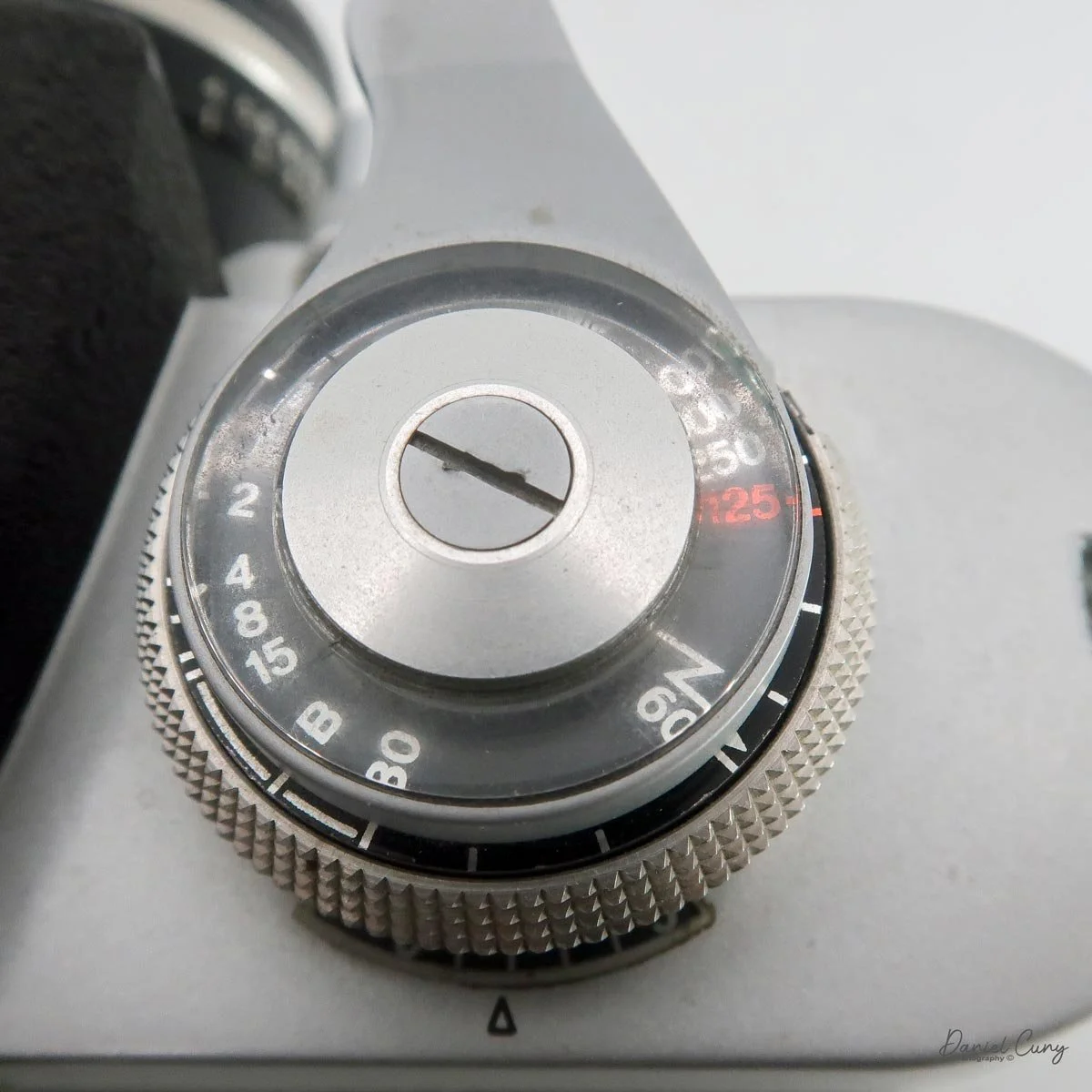
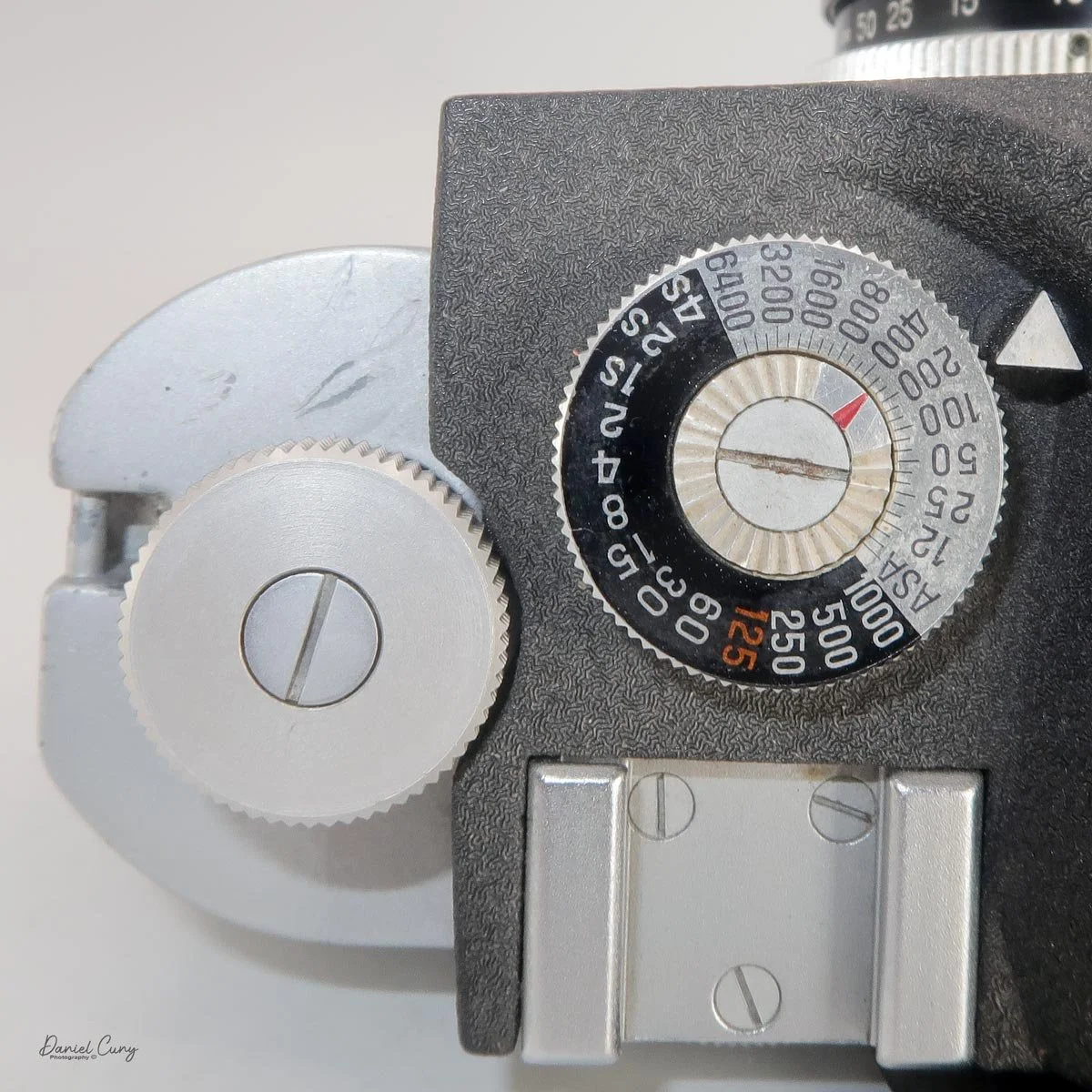
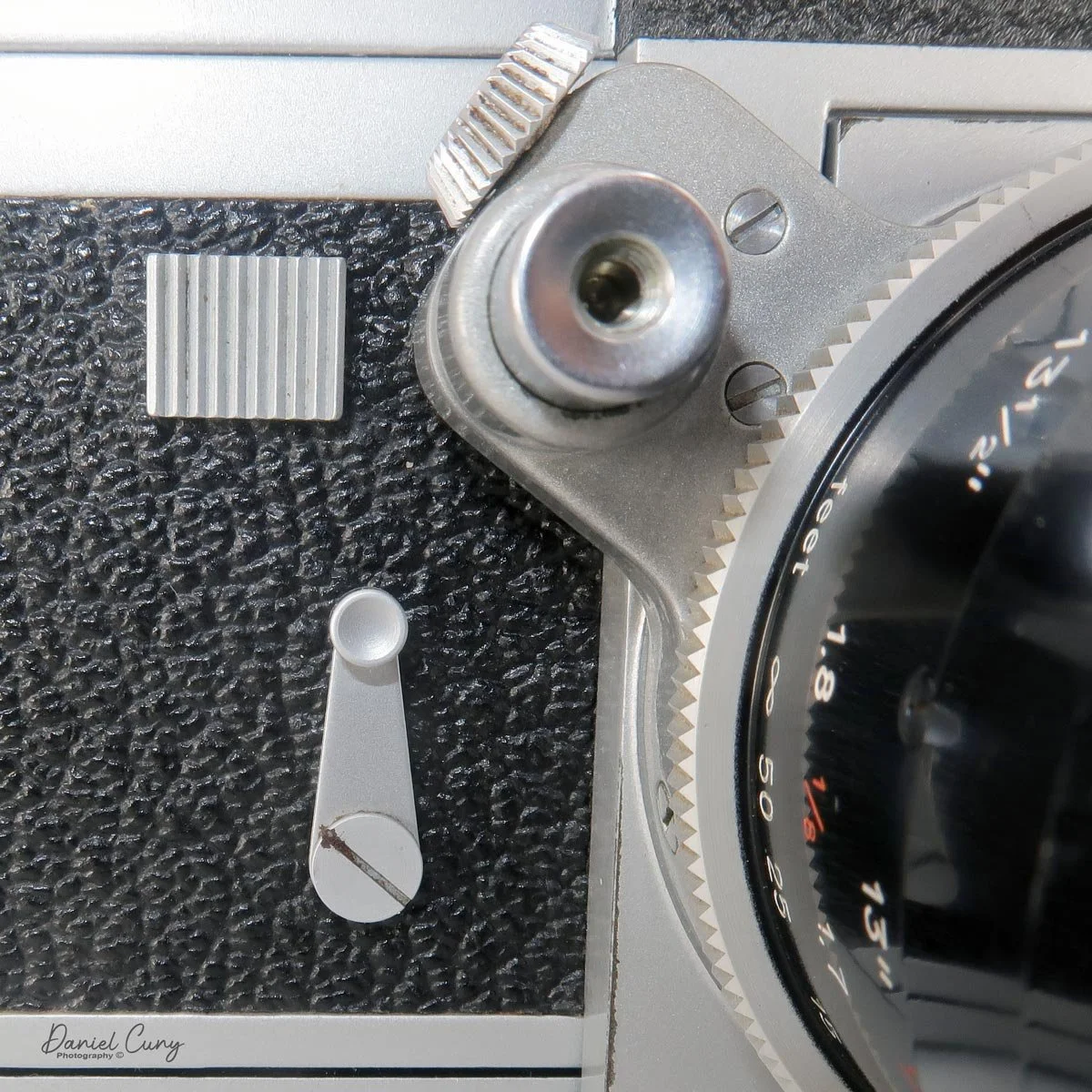
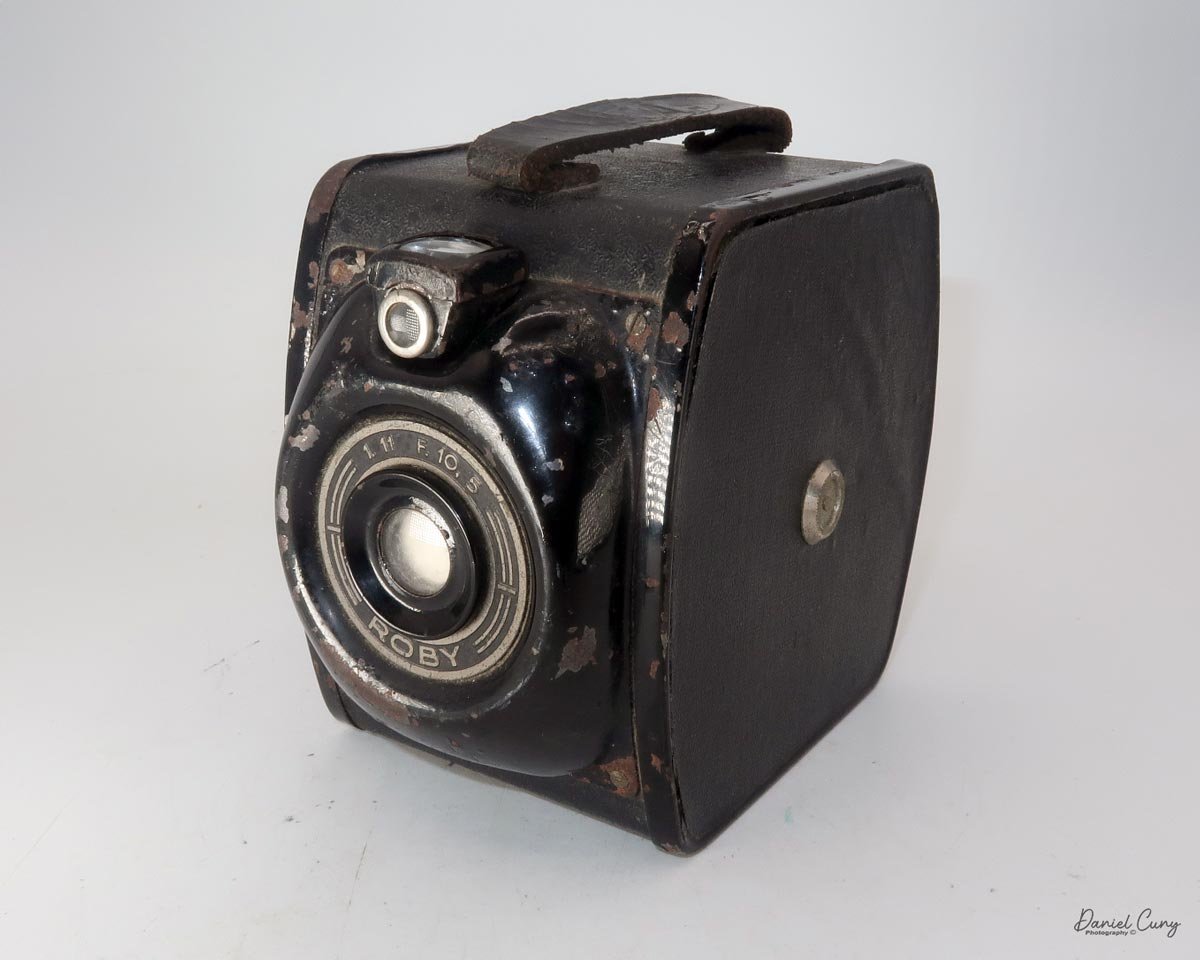
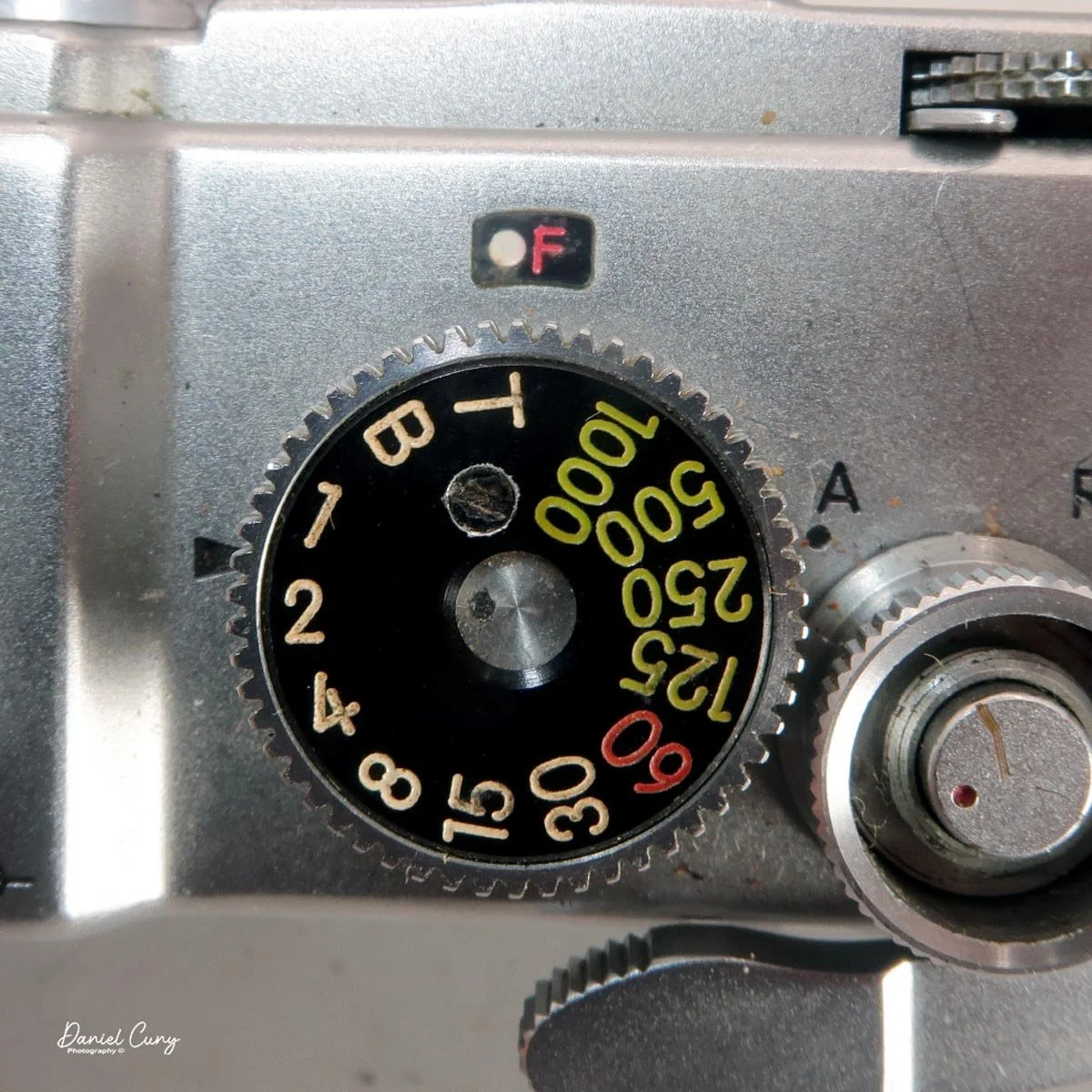
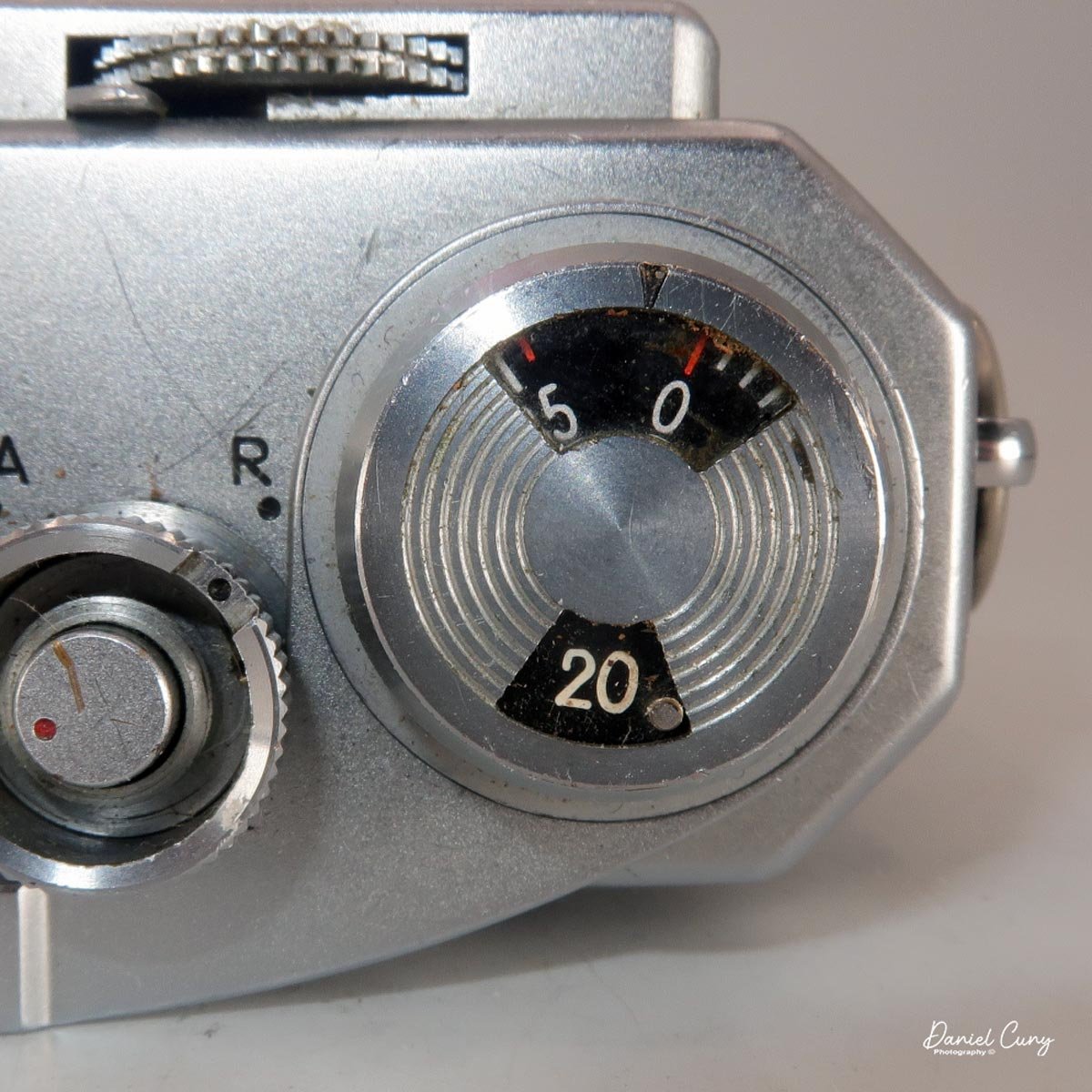
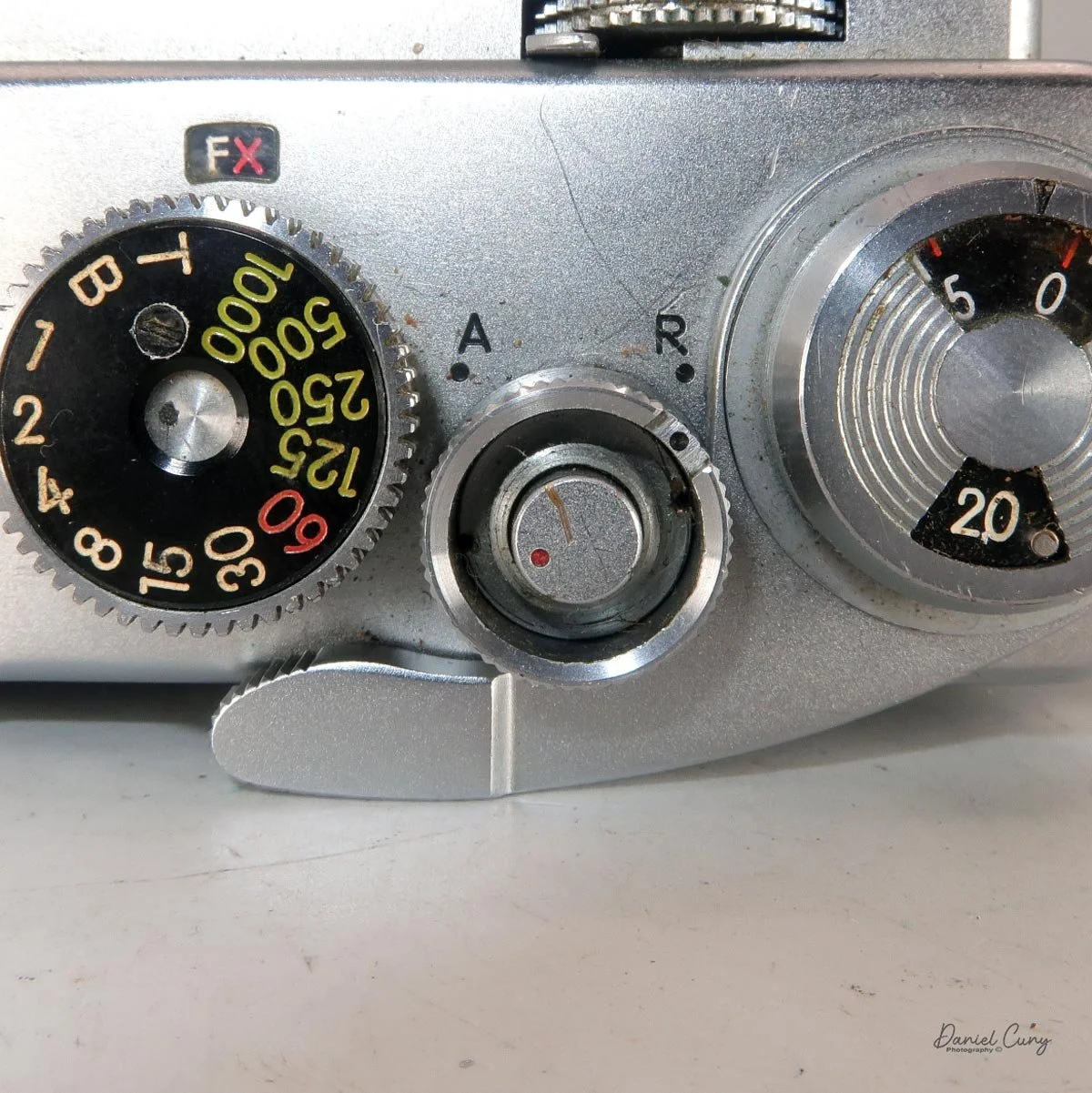
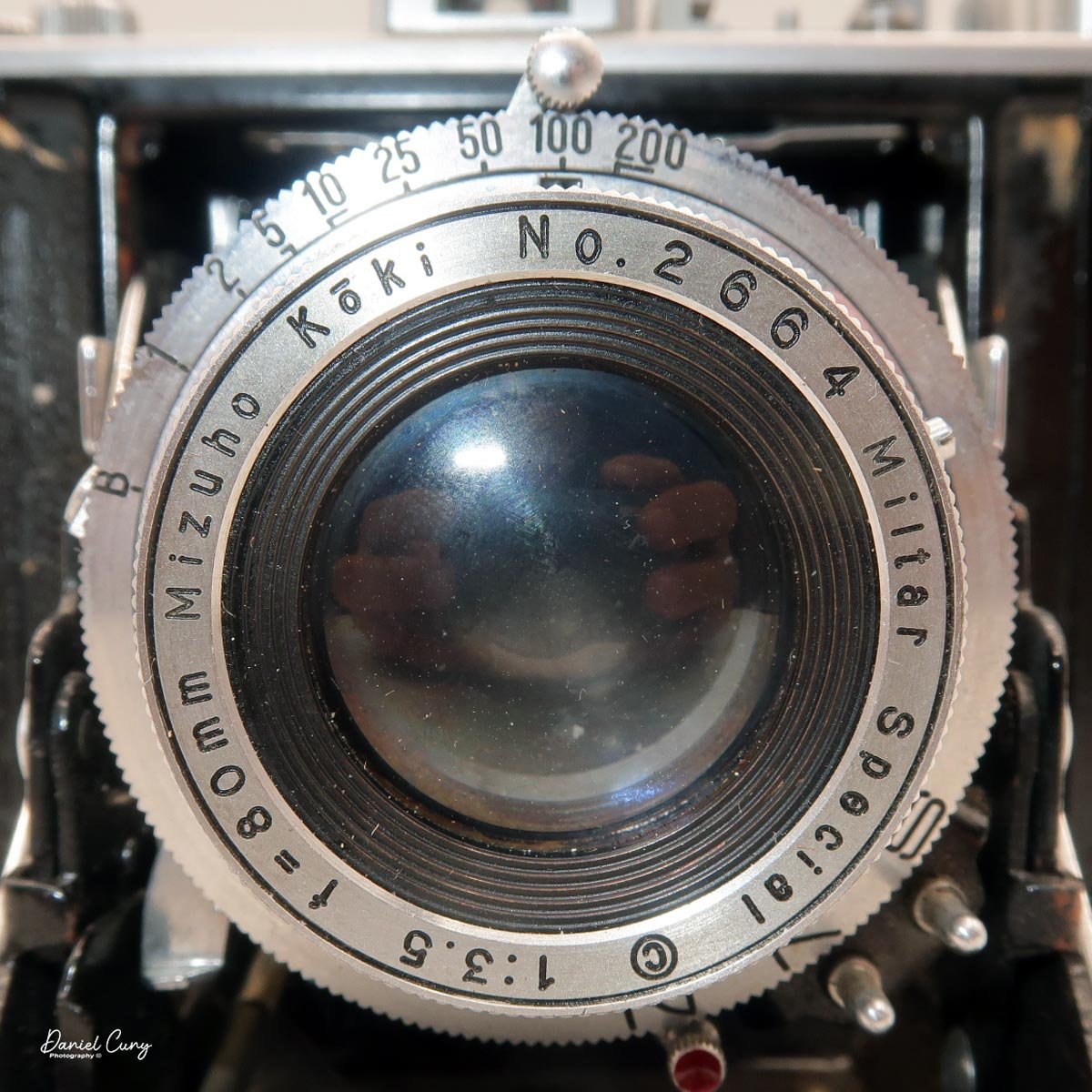
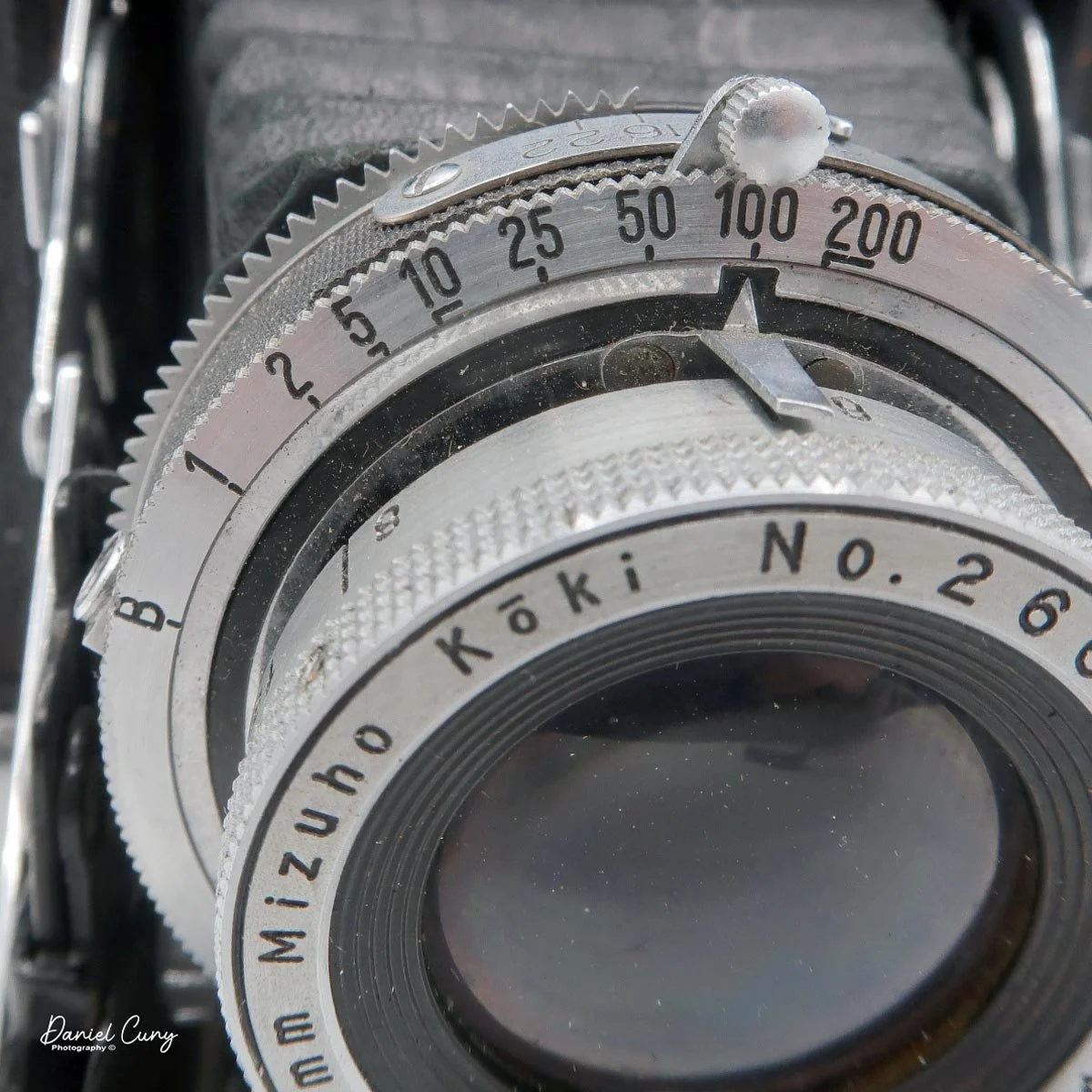
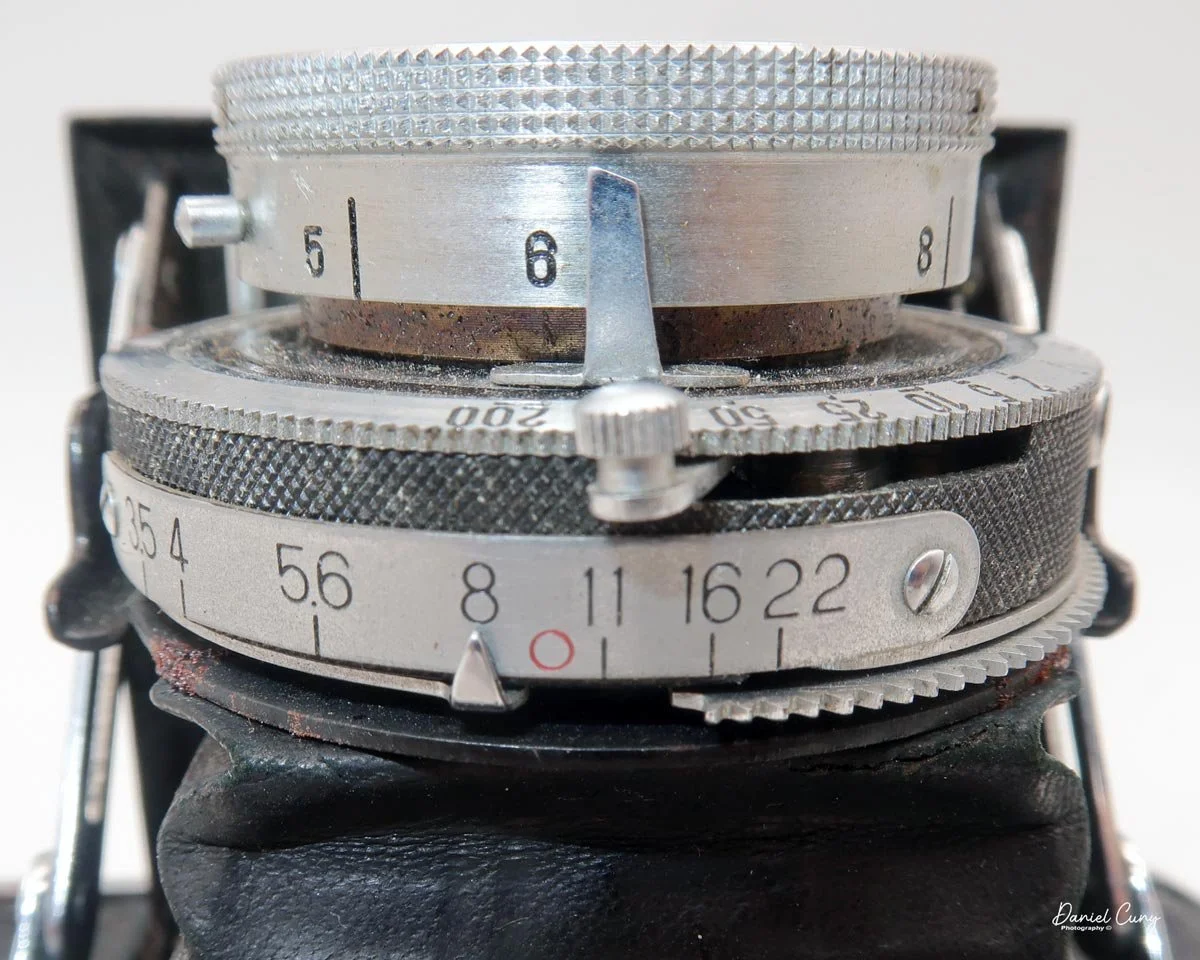
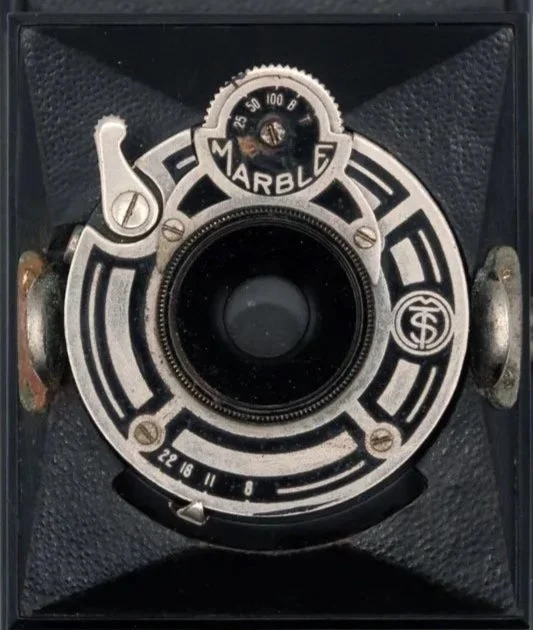
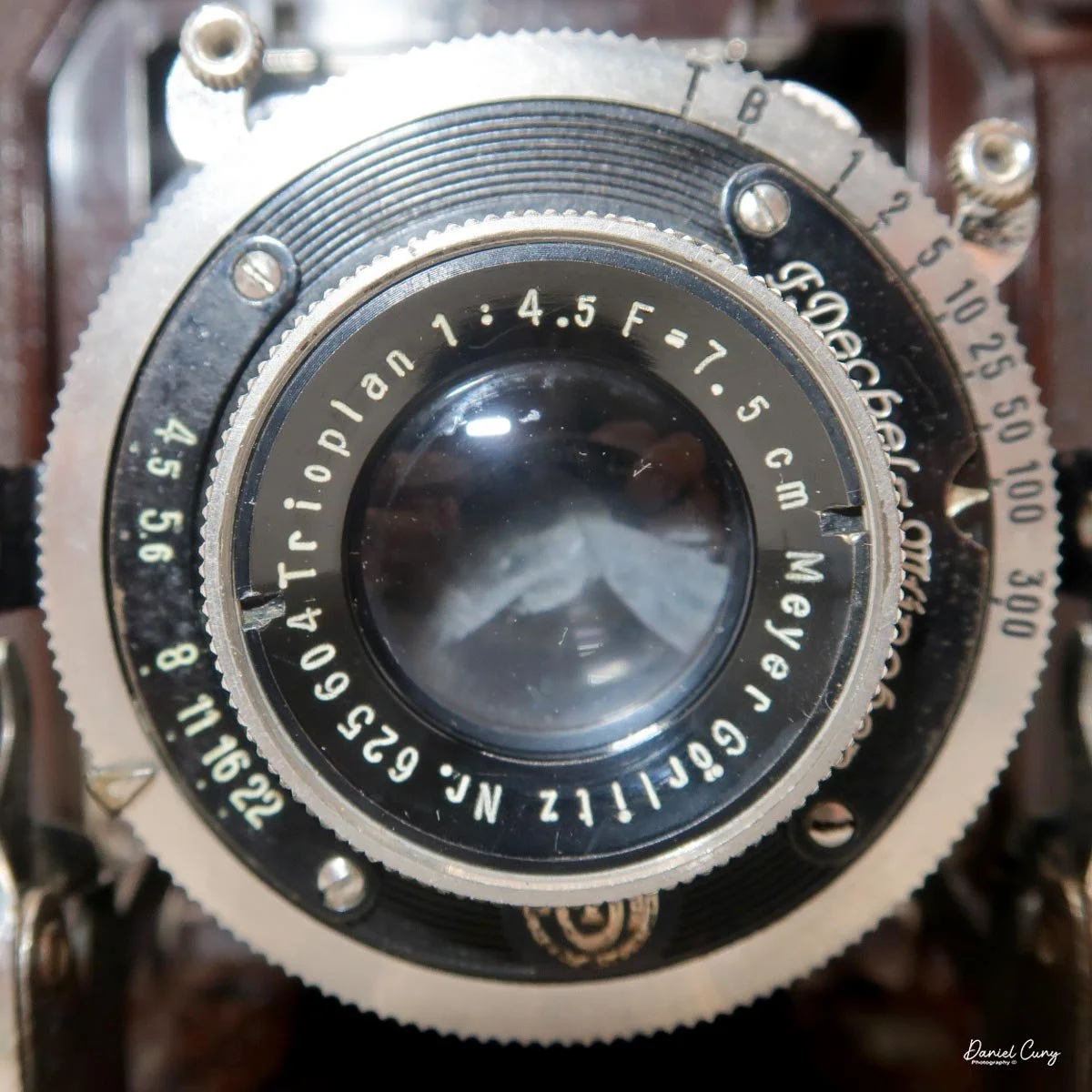
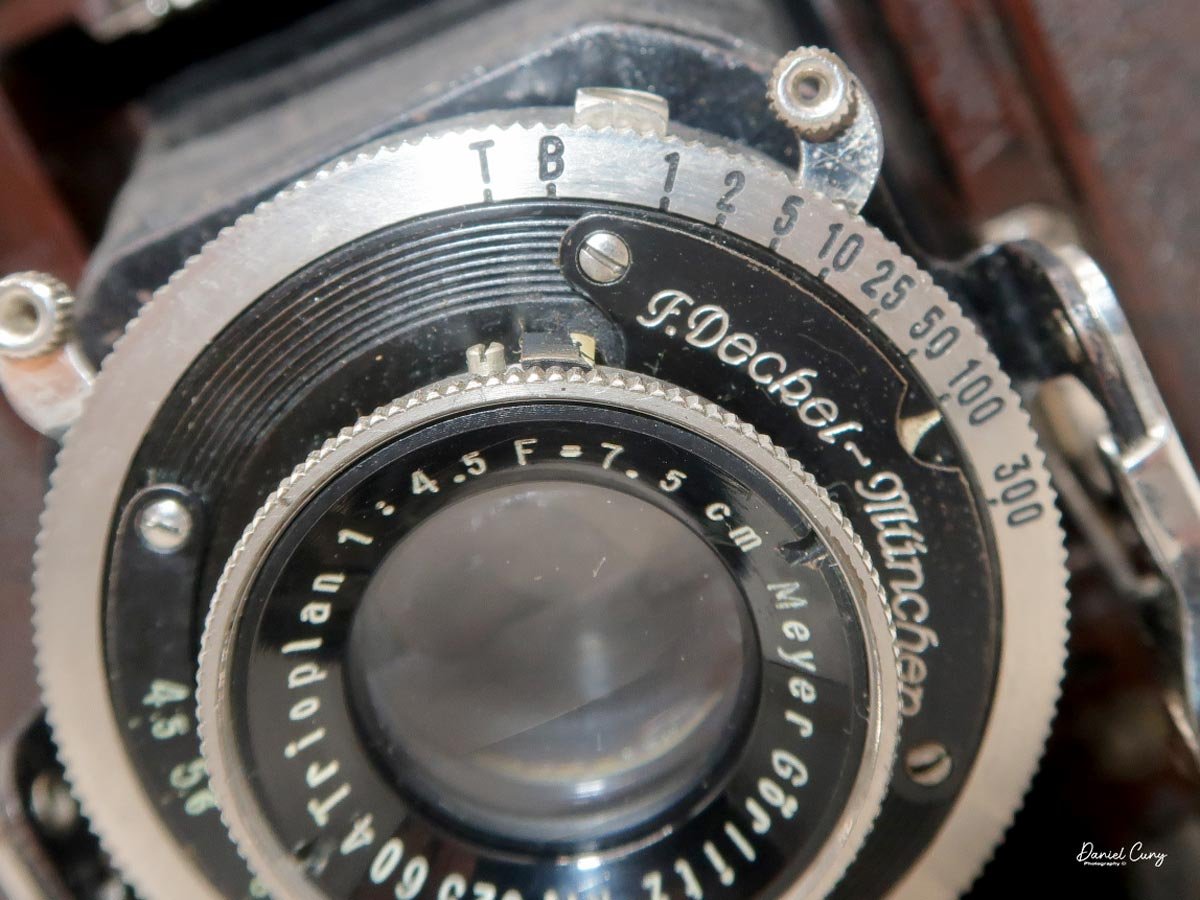
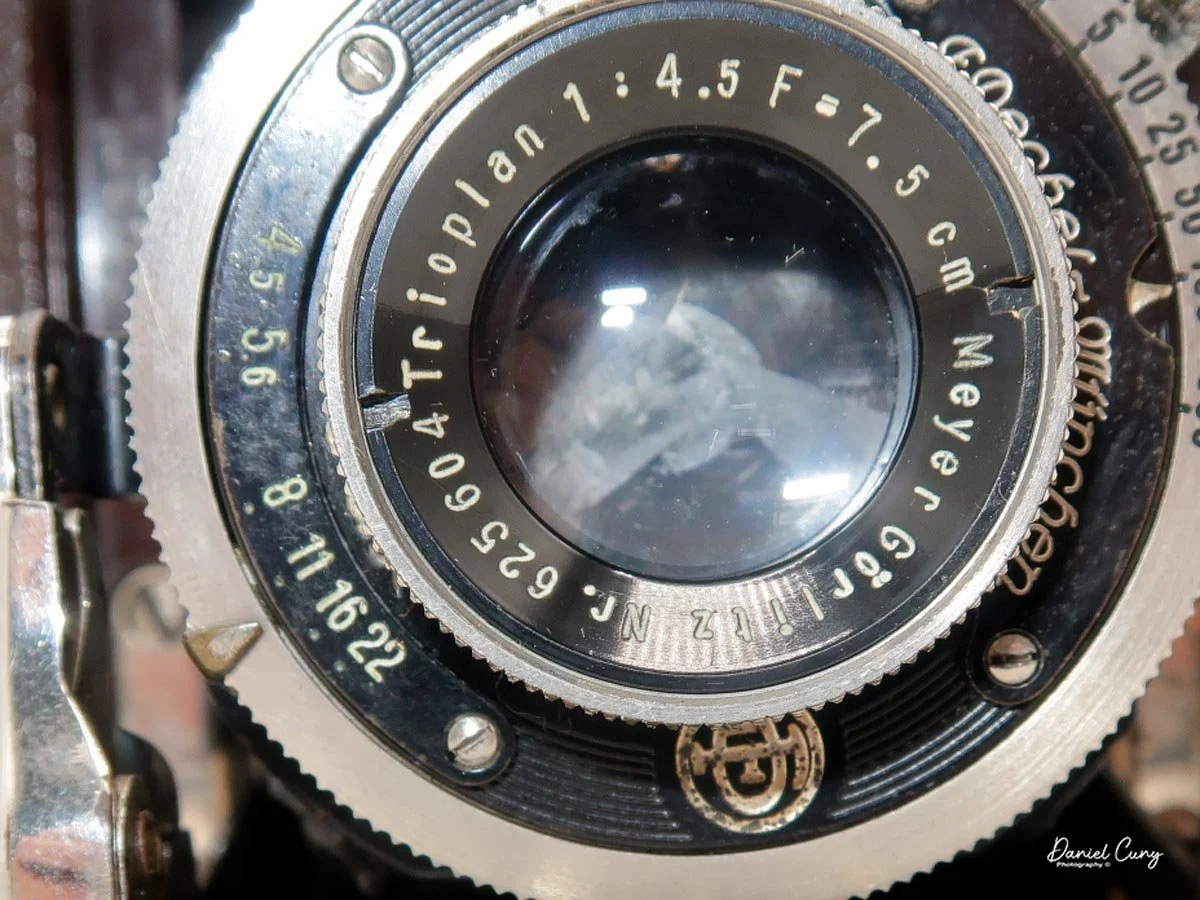
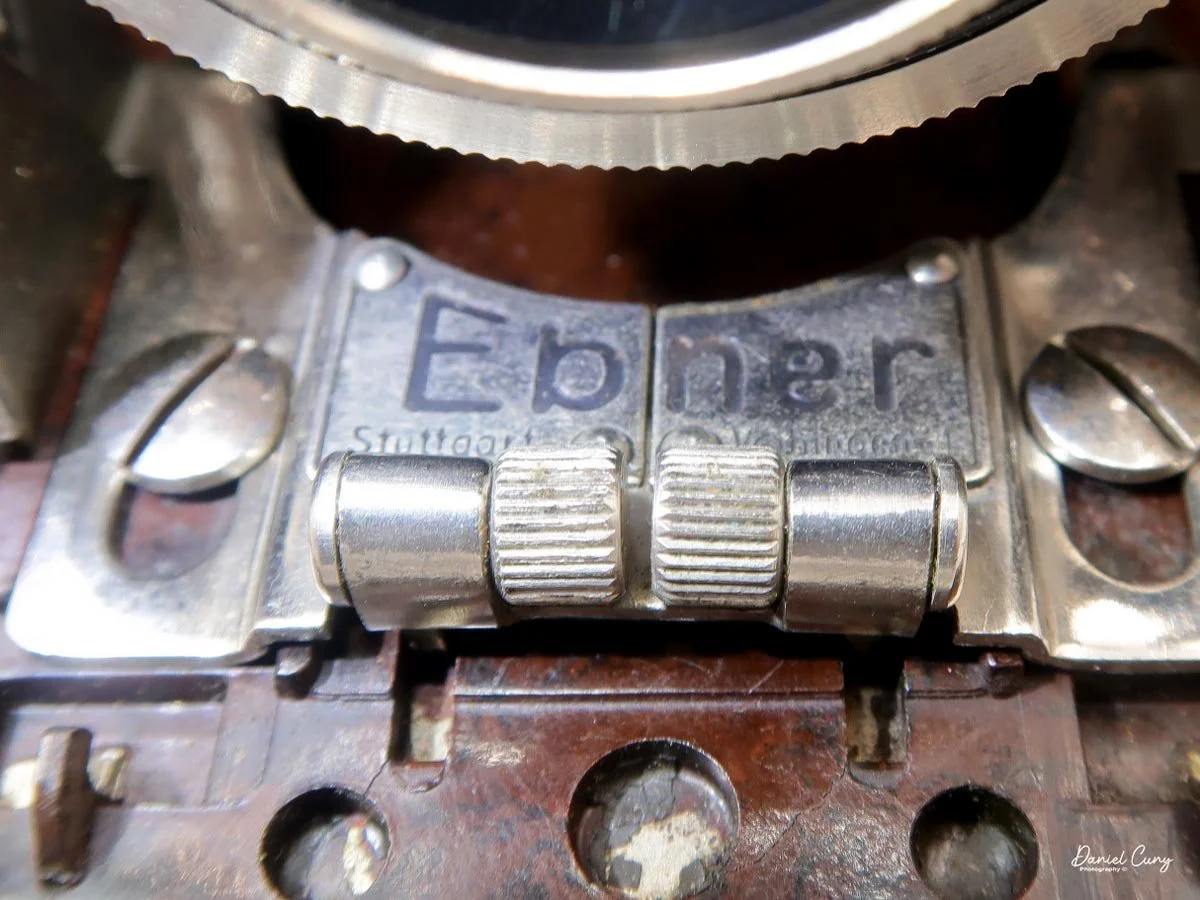
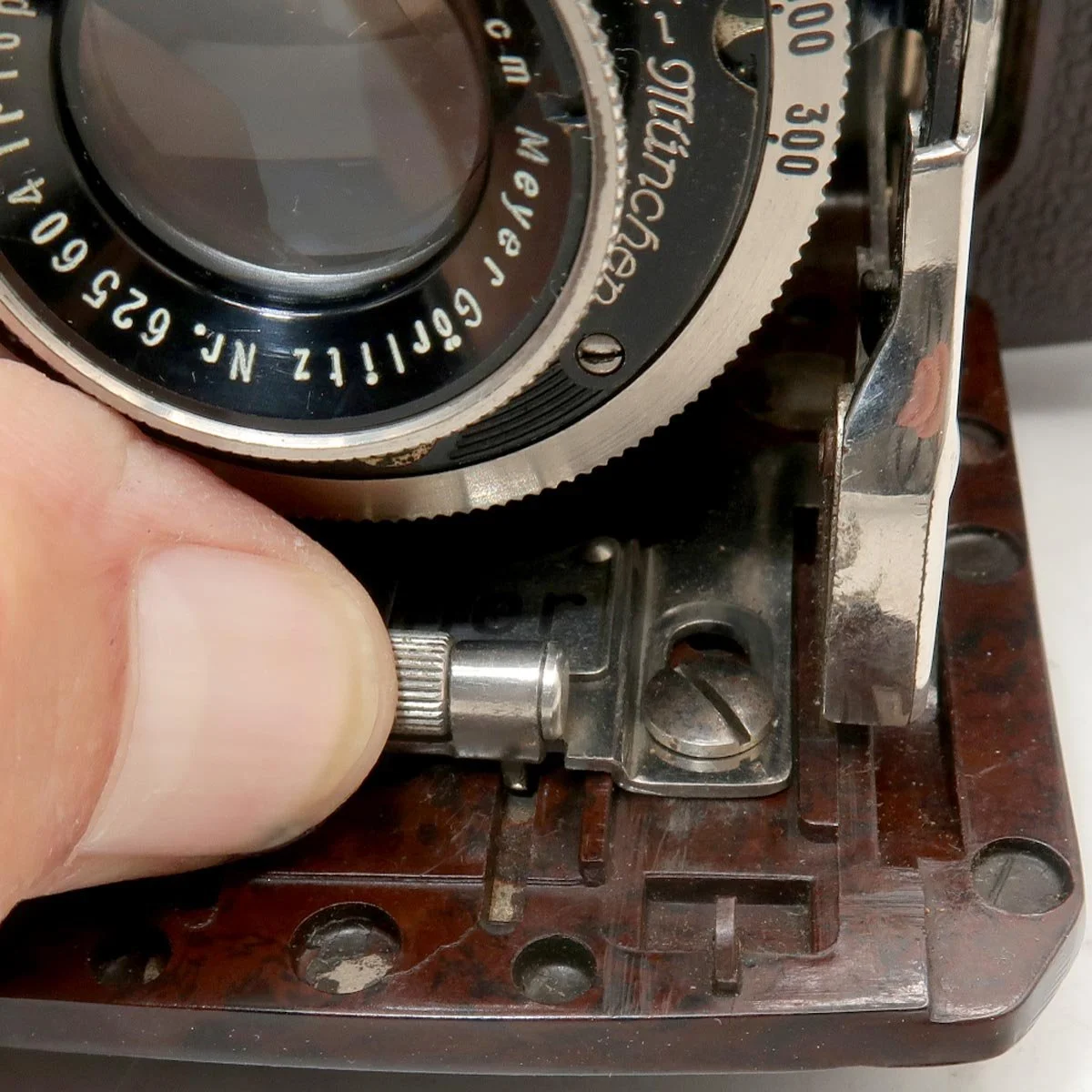
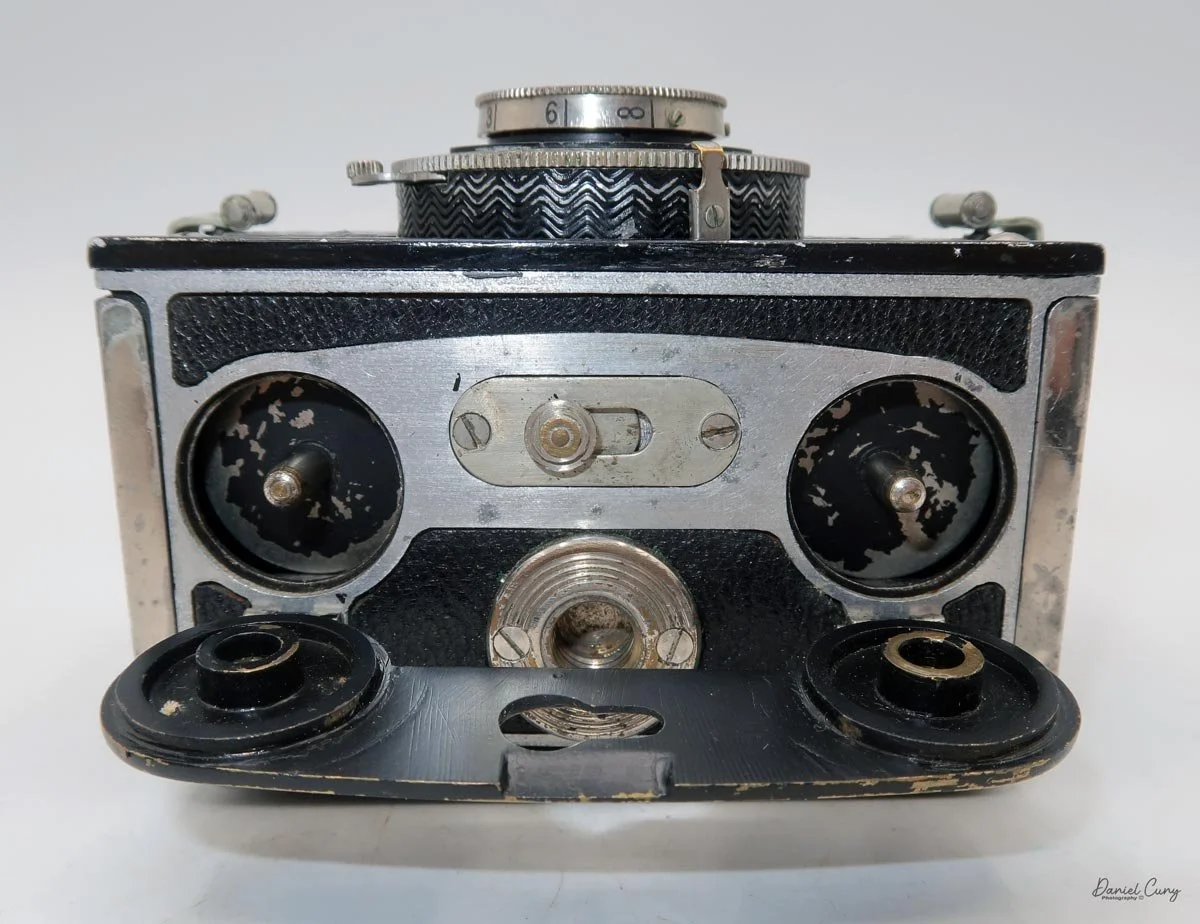
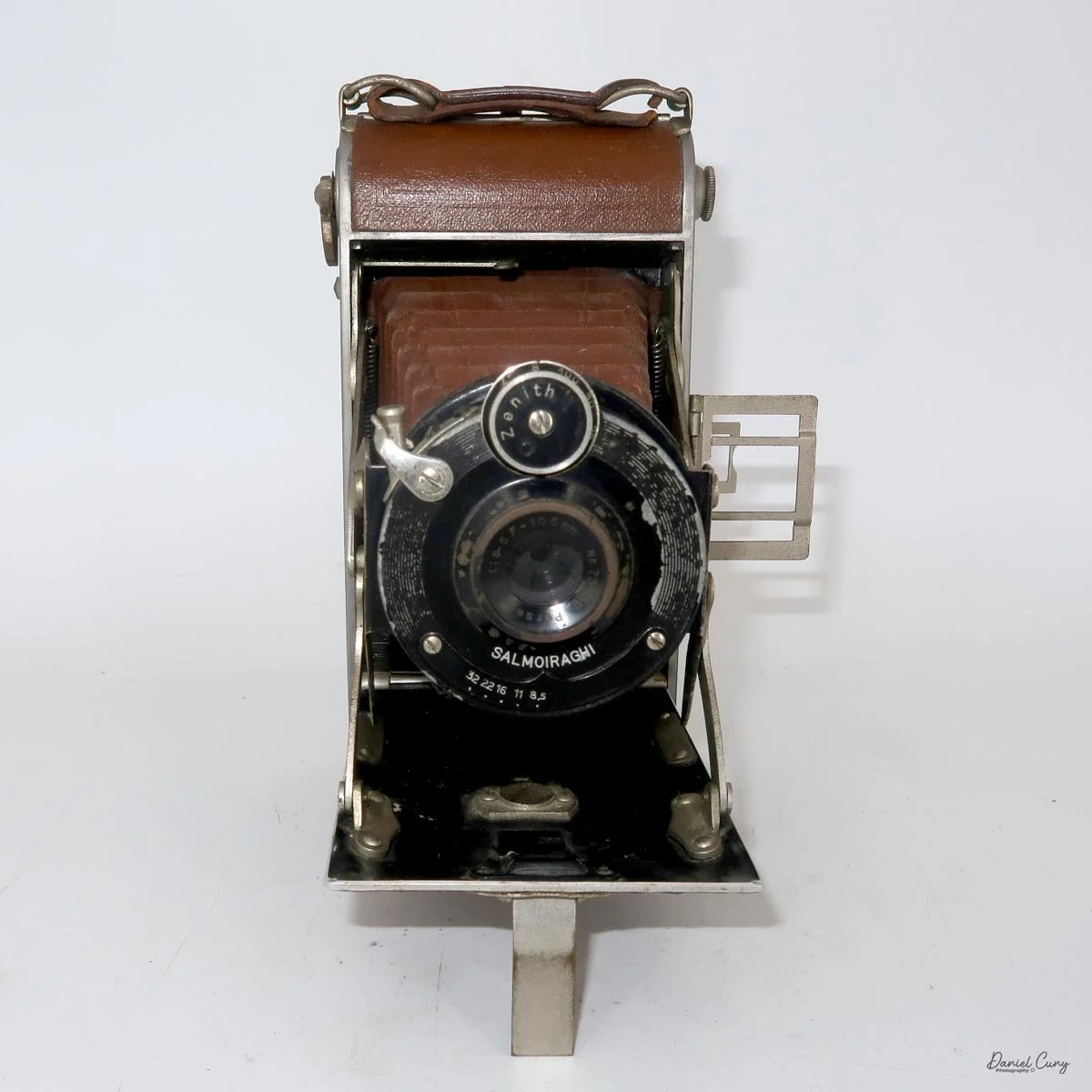
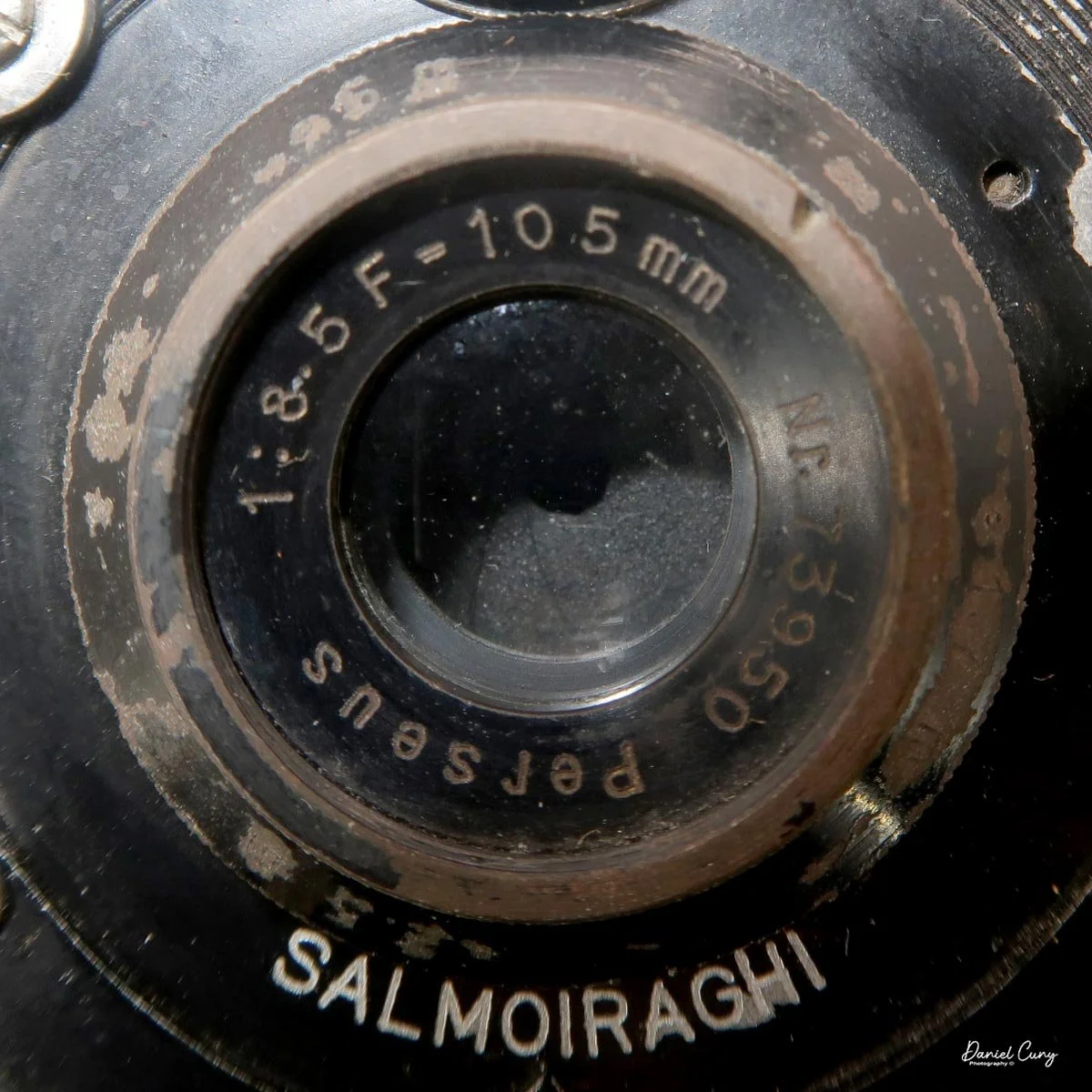
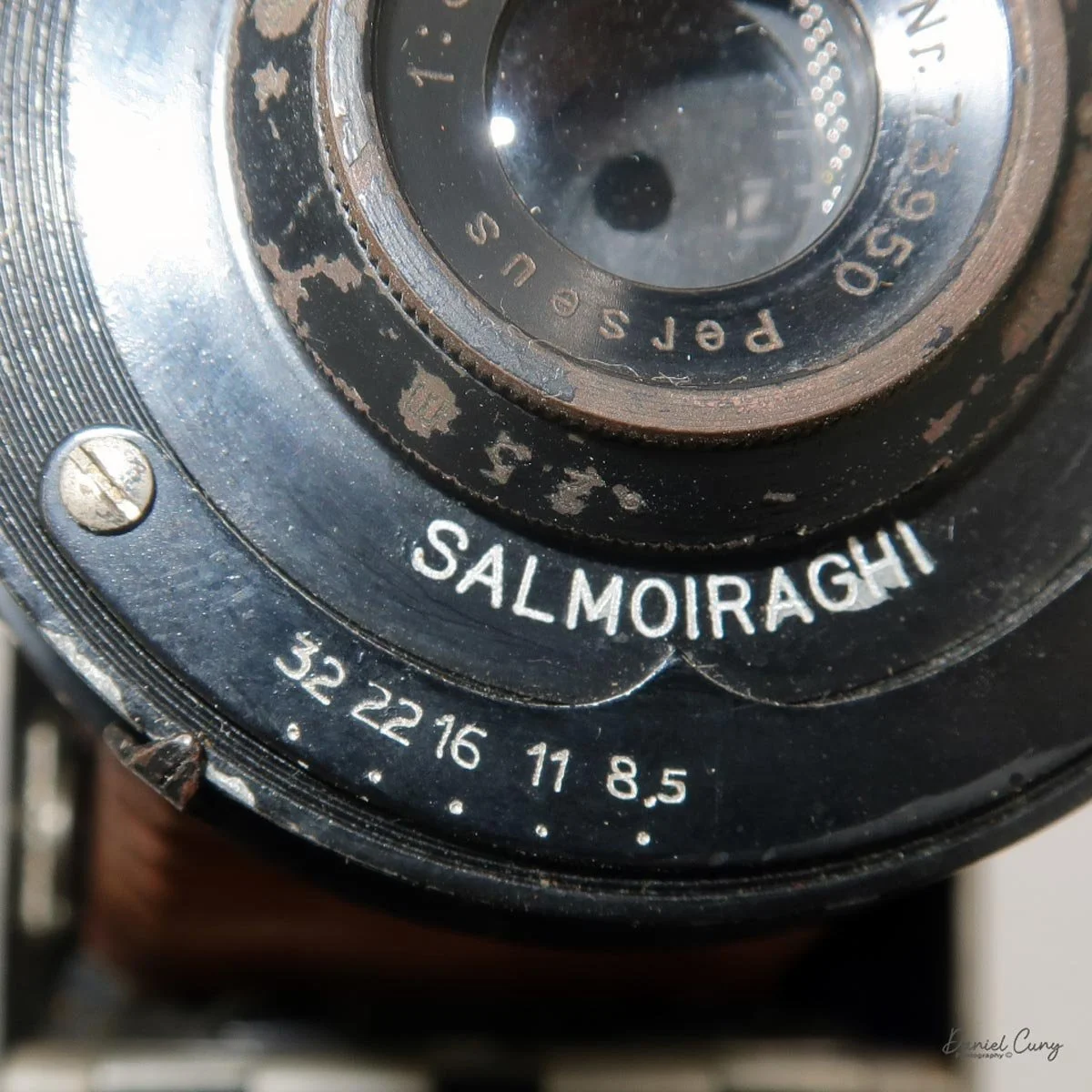
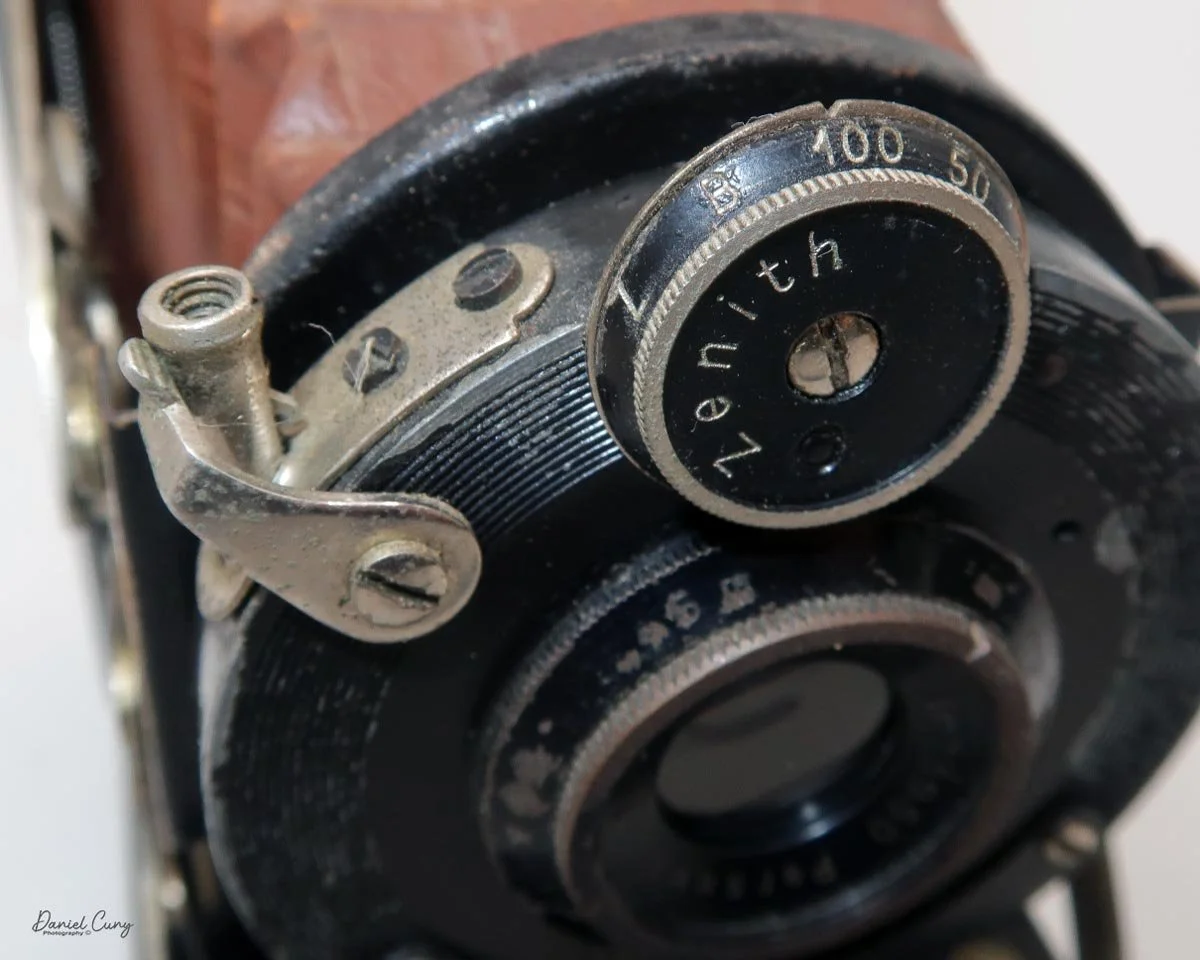
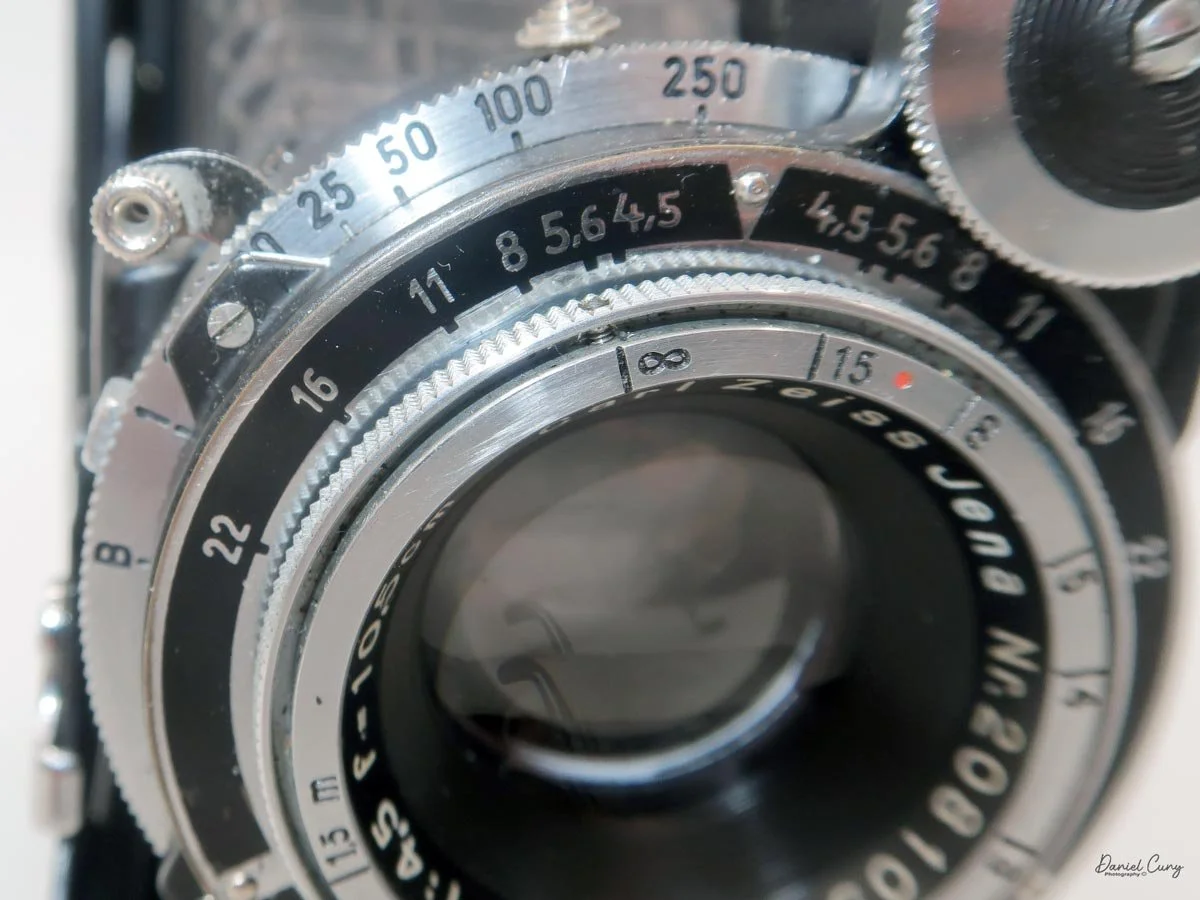
 Looking at the front of the camera, the Salmoiraghi Lexus has a Perseus 105mm F/8.5 lens with aperture settings from F/8.5 to F/32, which can be set by a small sliding bar under the lens. The camera also has a Zenith shutter with speeds of 1/25, 1/50, 1/100, along with "B" and "Z" for timed exposures. Just to the right of the shutter speed selector, as you're holding the camera, is the shutter release. The shutter release also has a cable release socket for timed exposures.

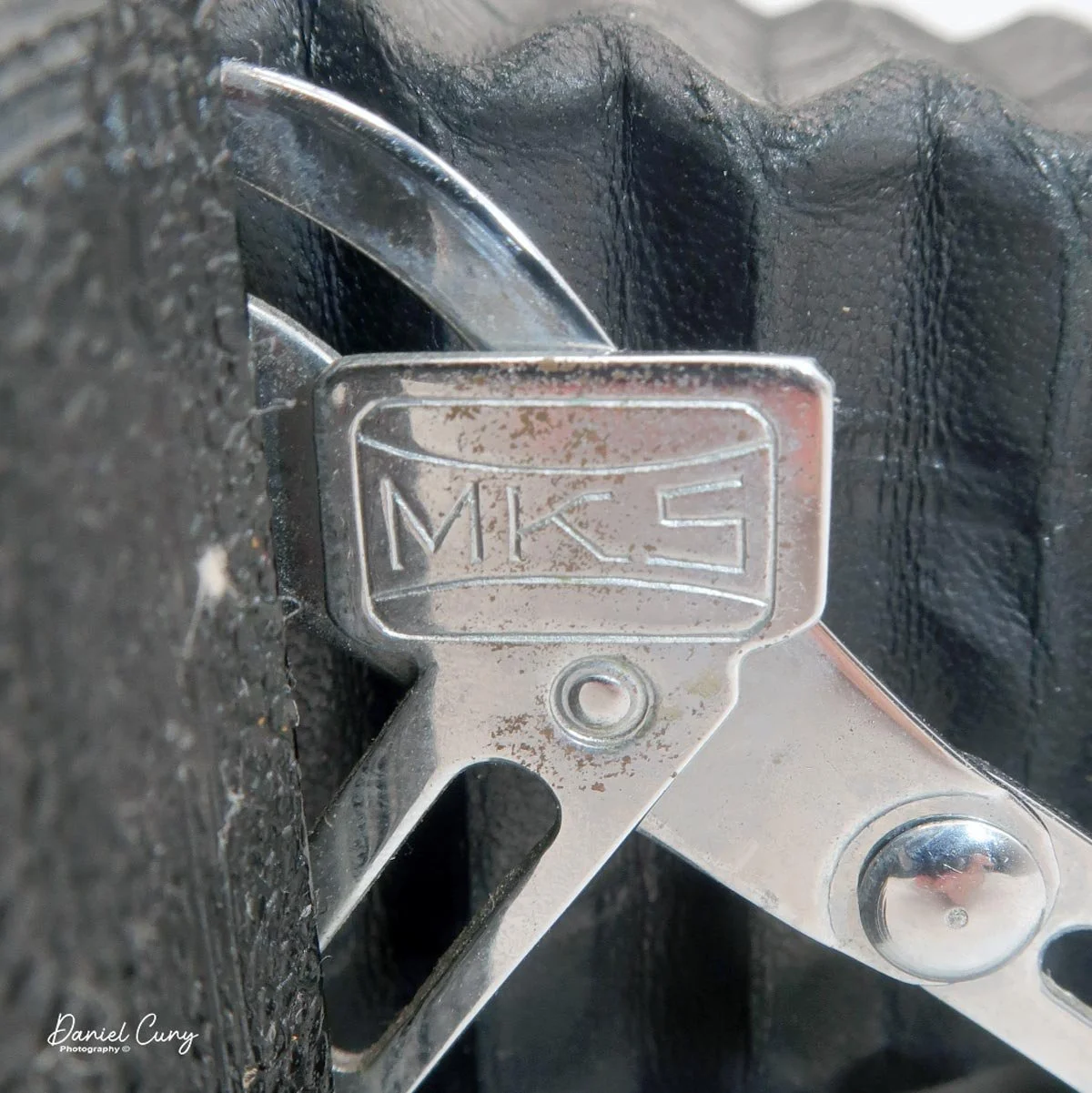
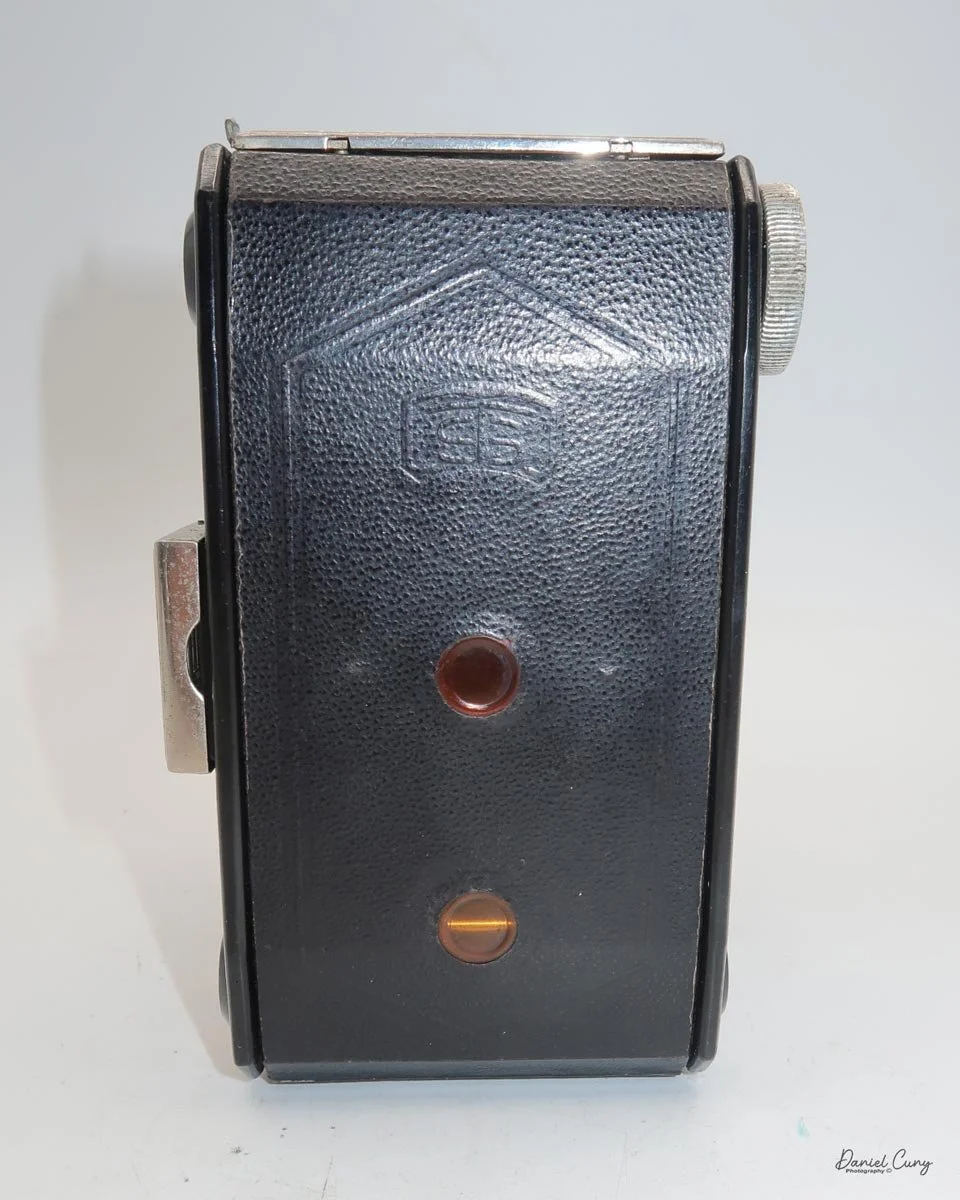
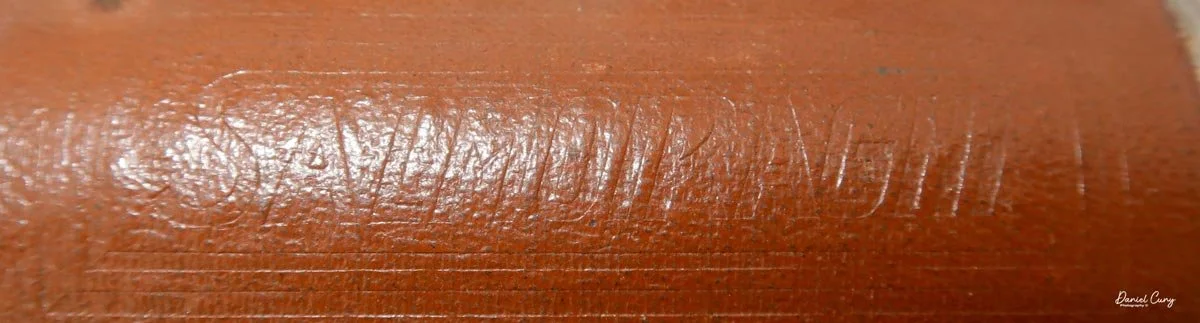
The name Salmoiraghi is also imprinted under the lens, embossed in the brown leather on the top front and rear.

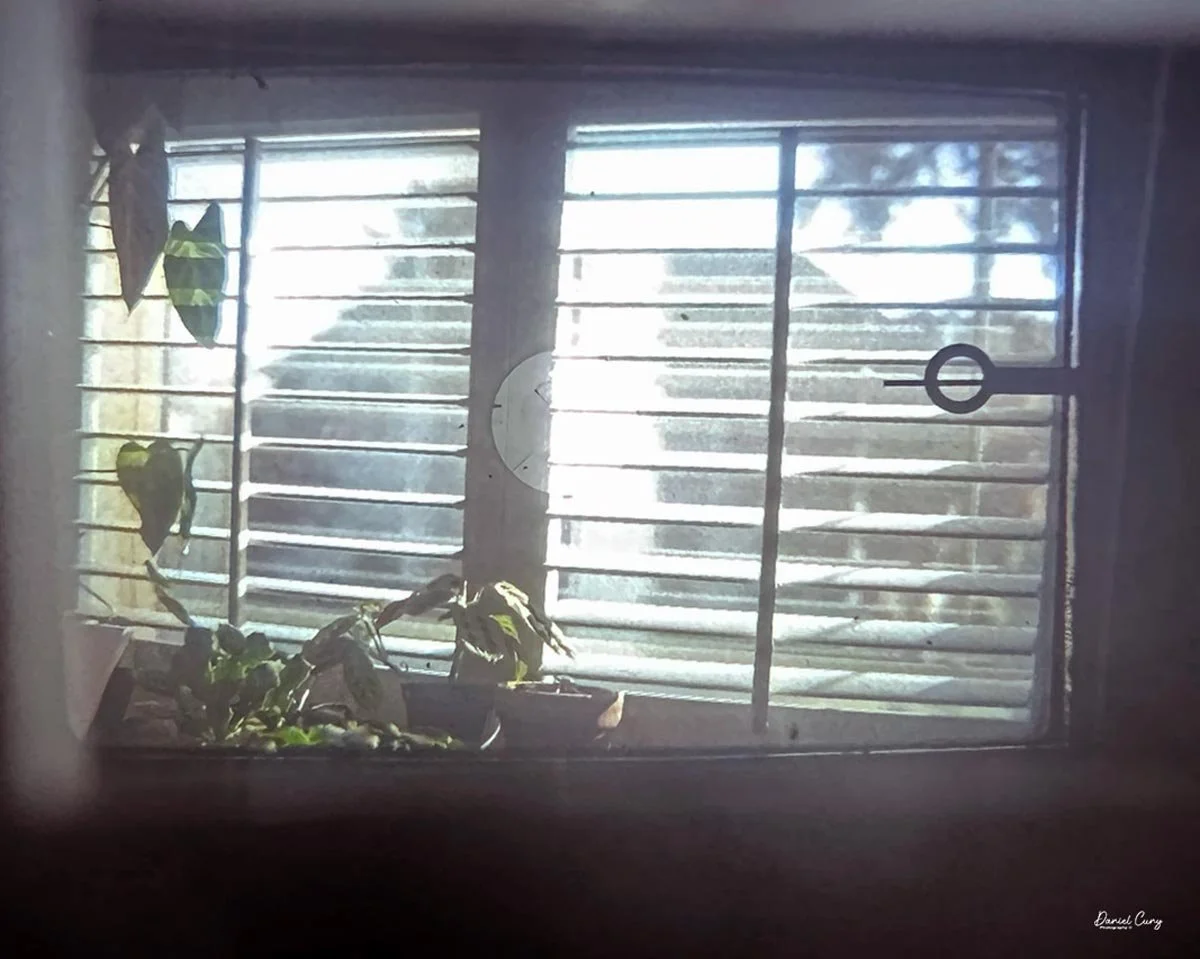
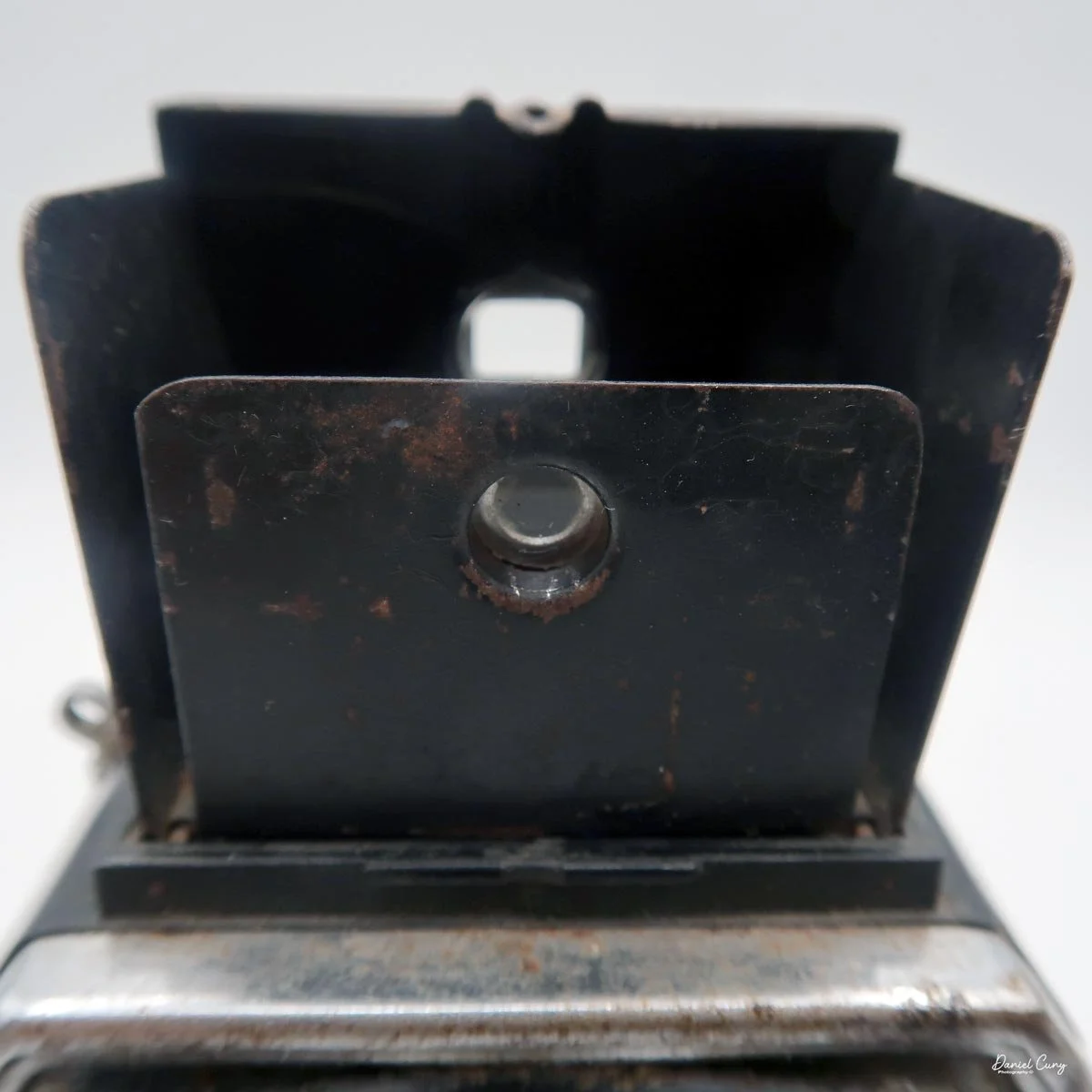
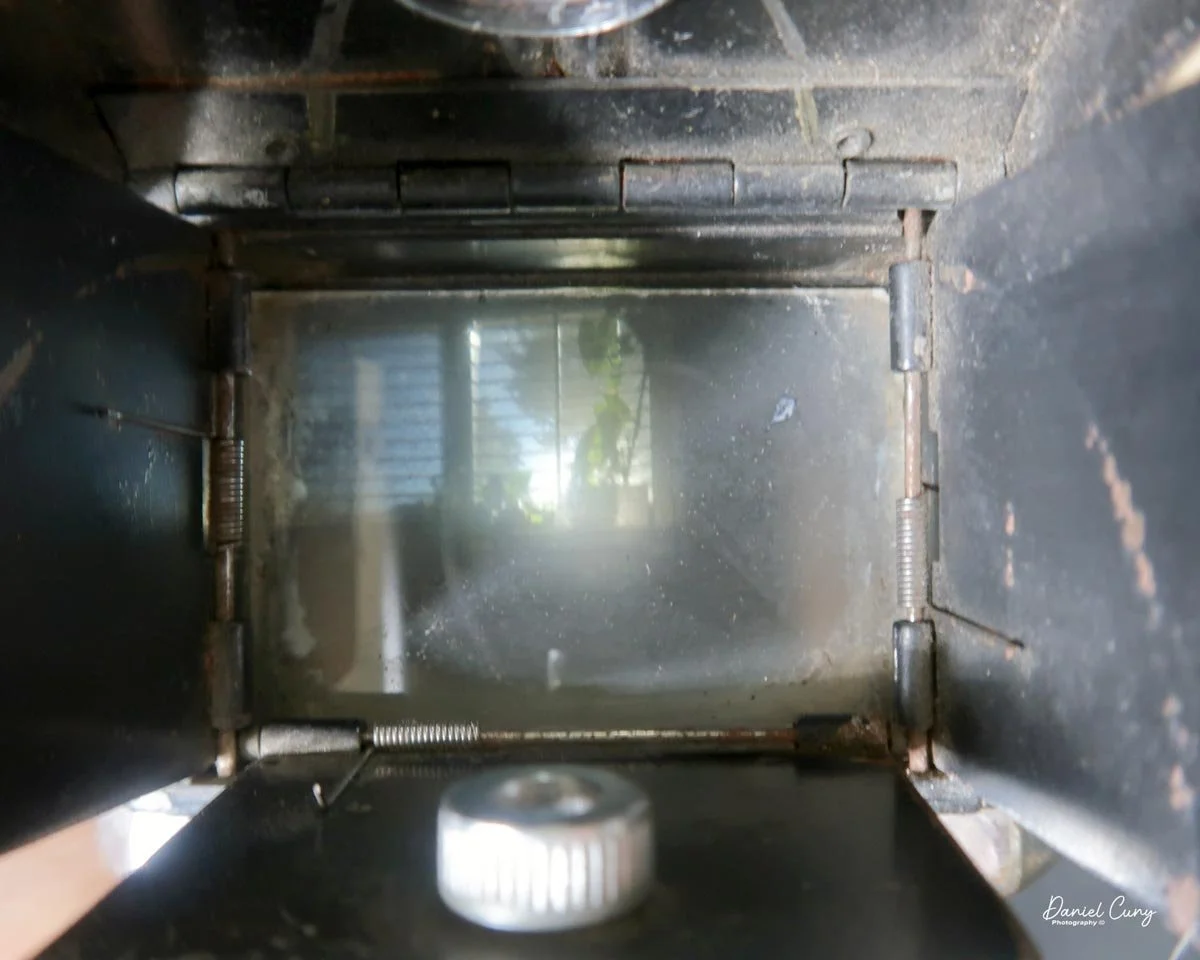
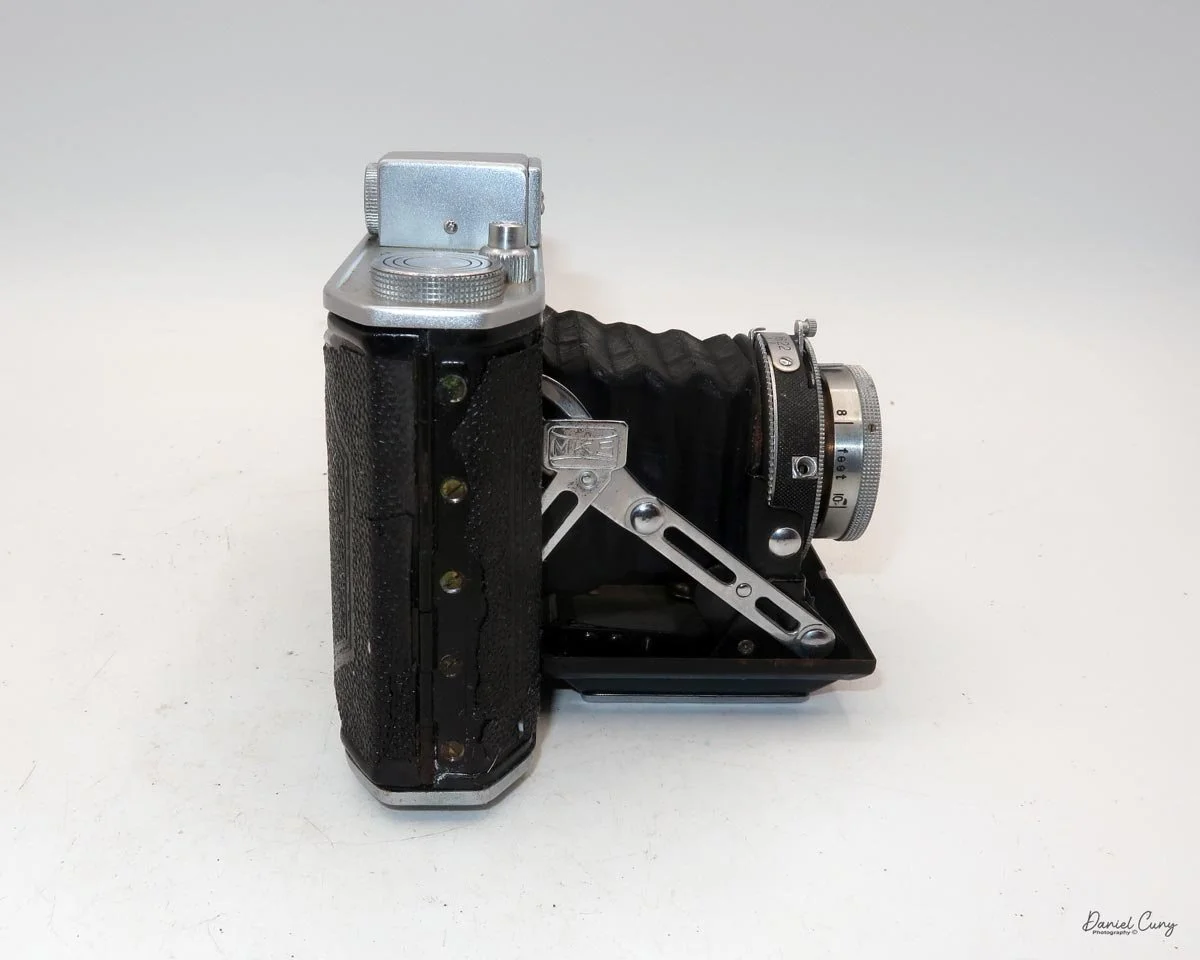
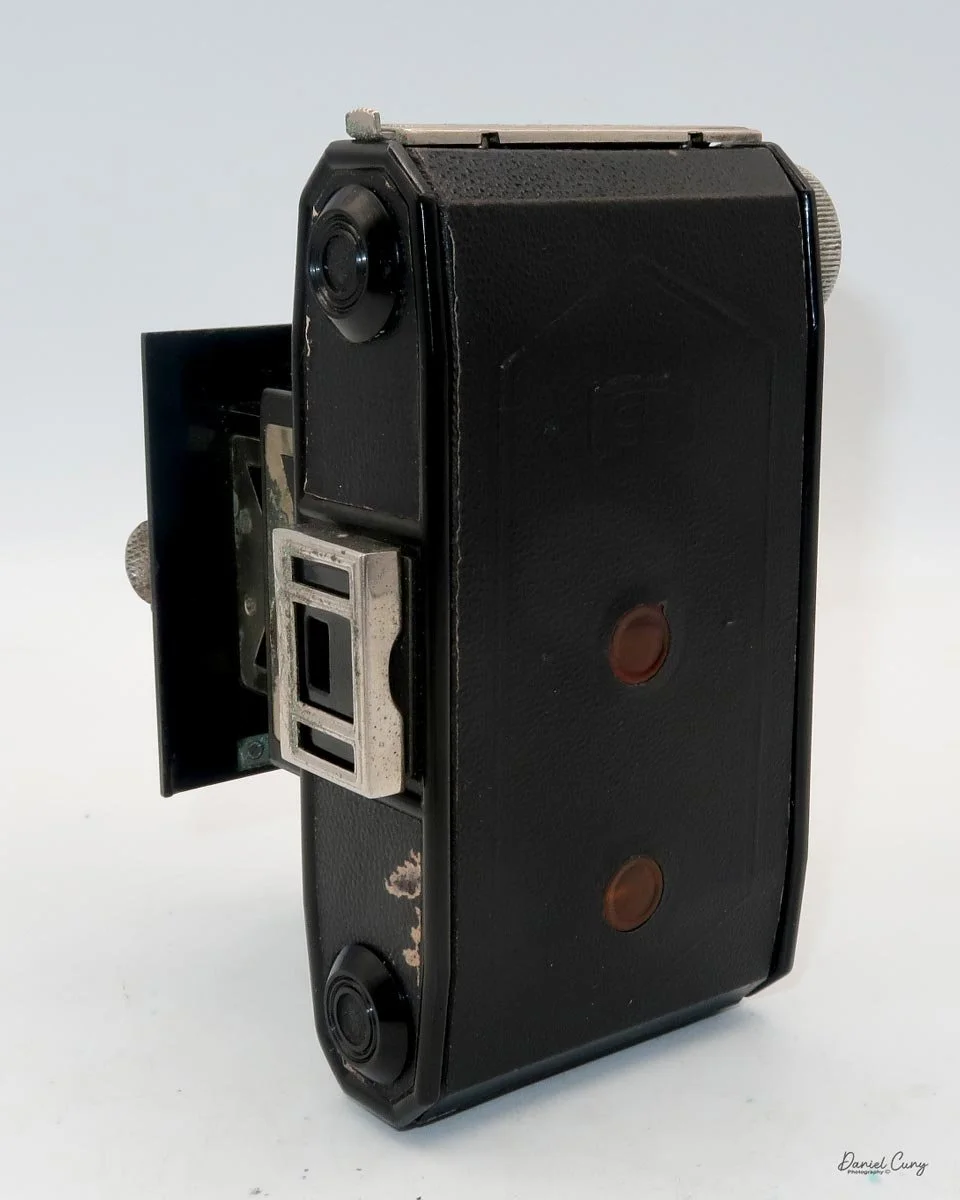
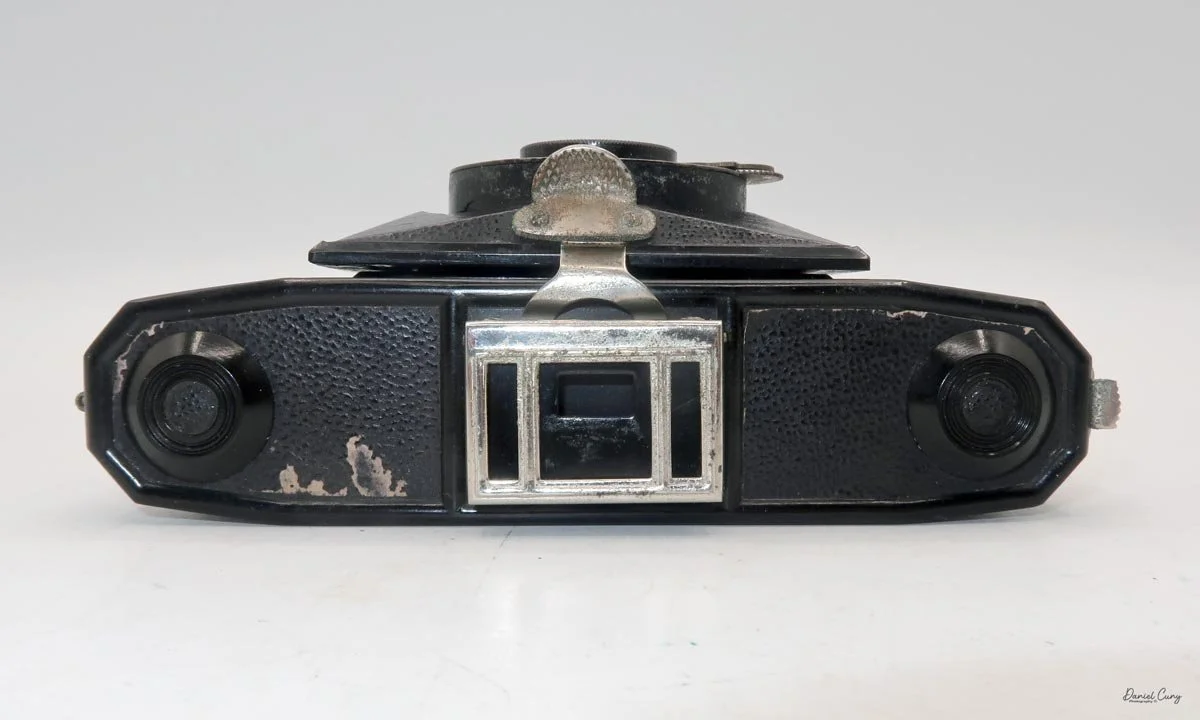
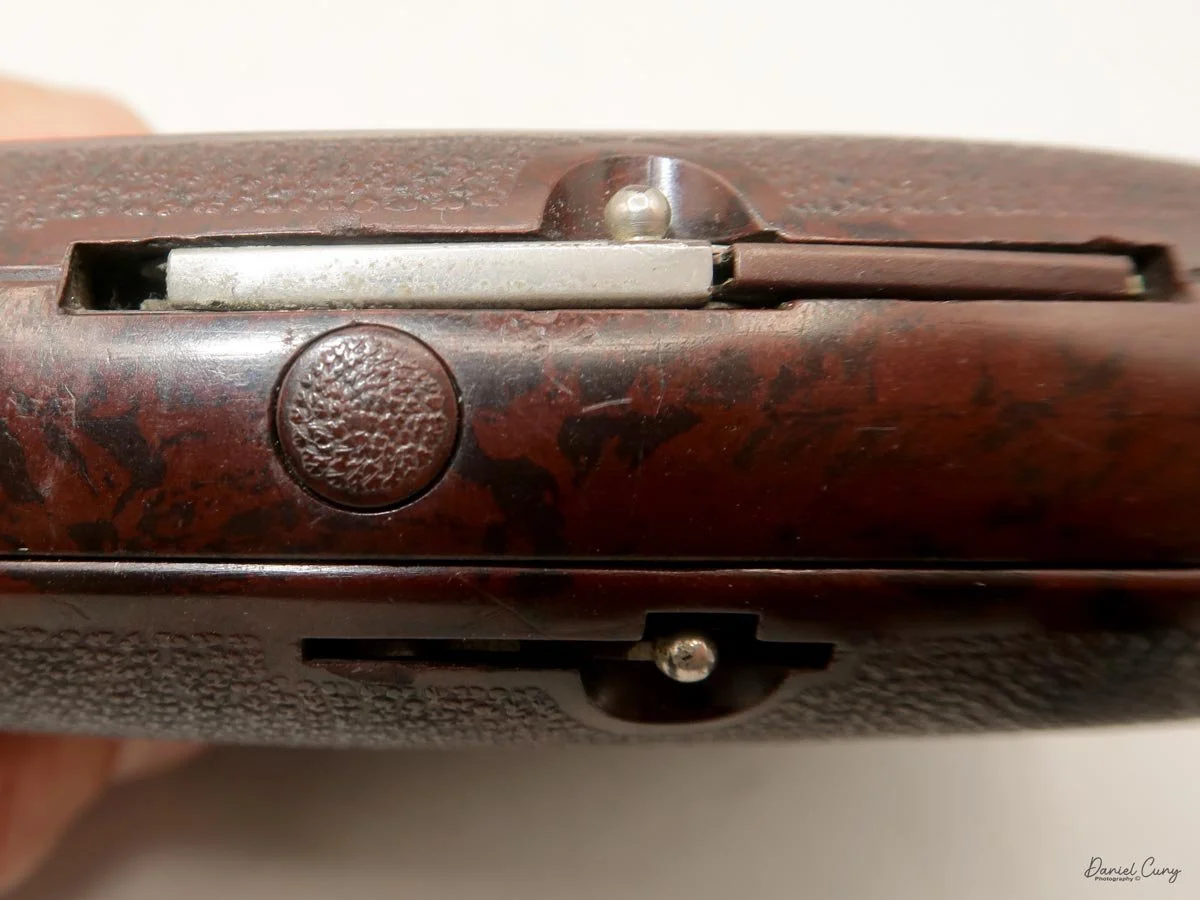
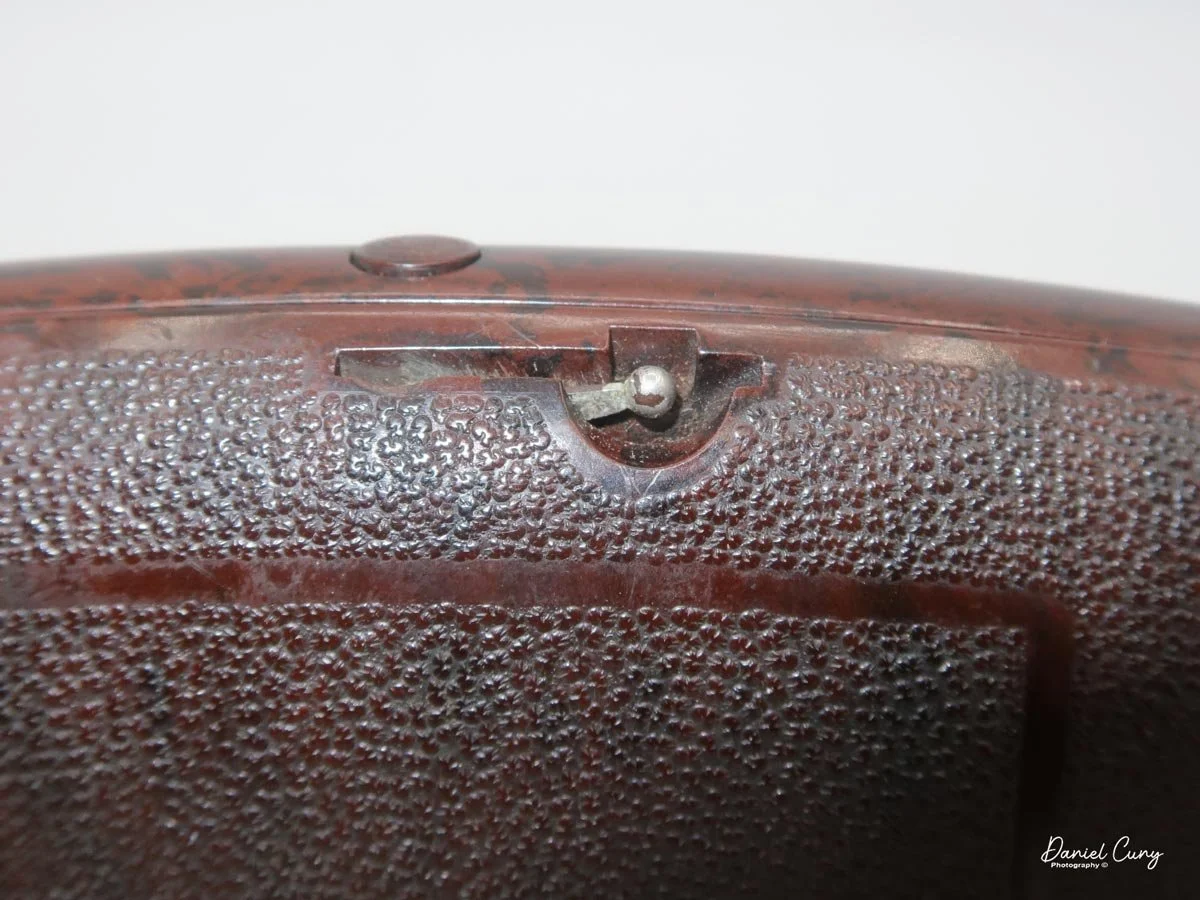
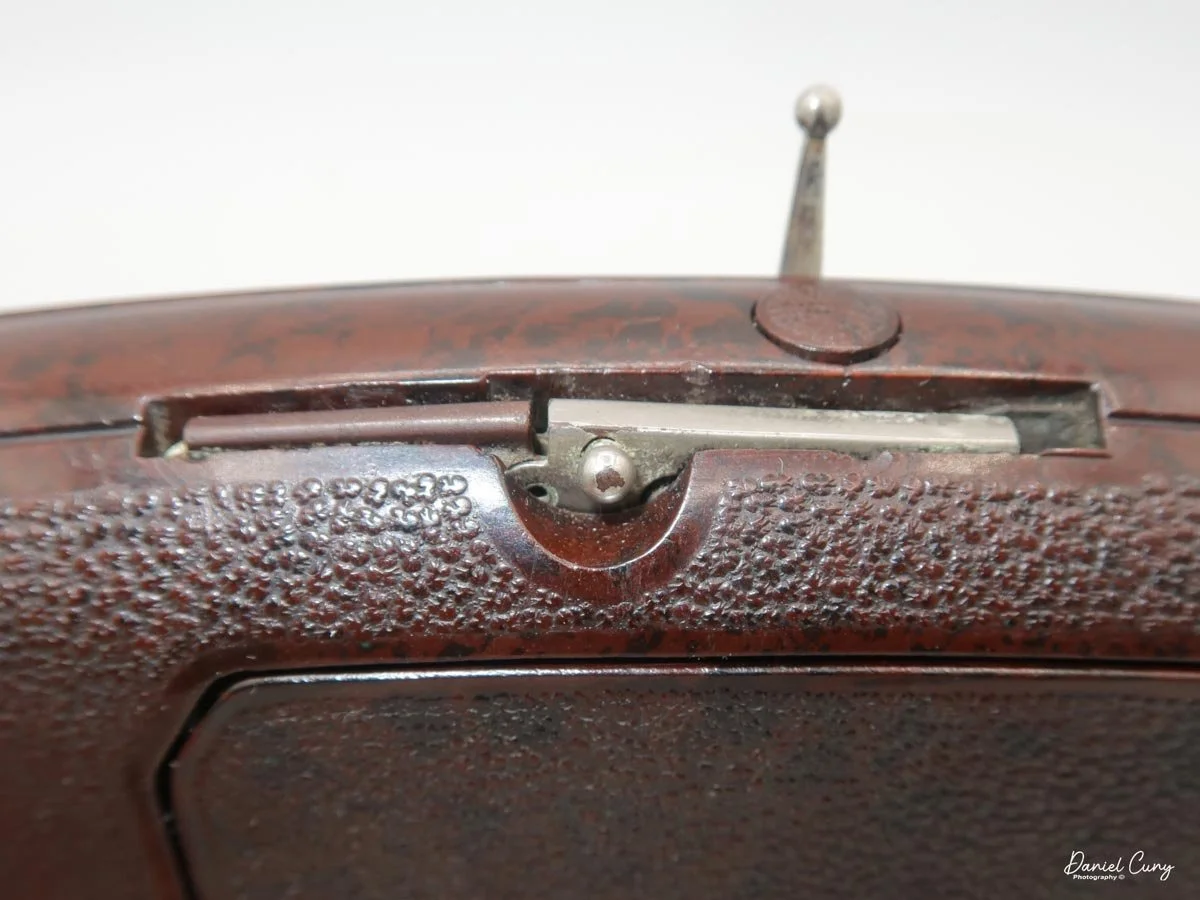
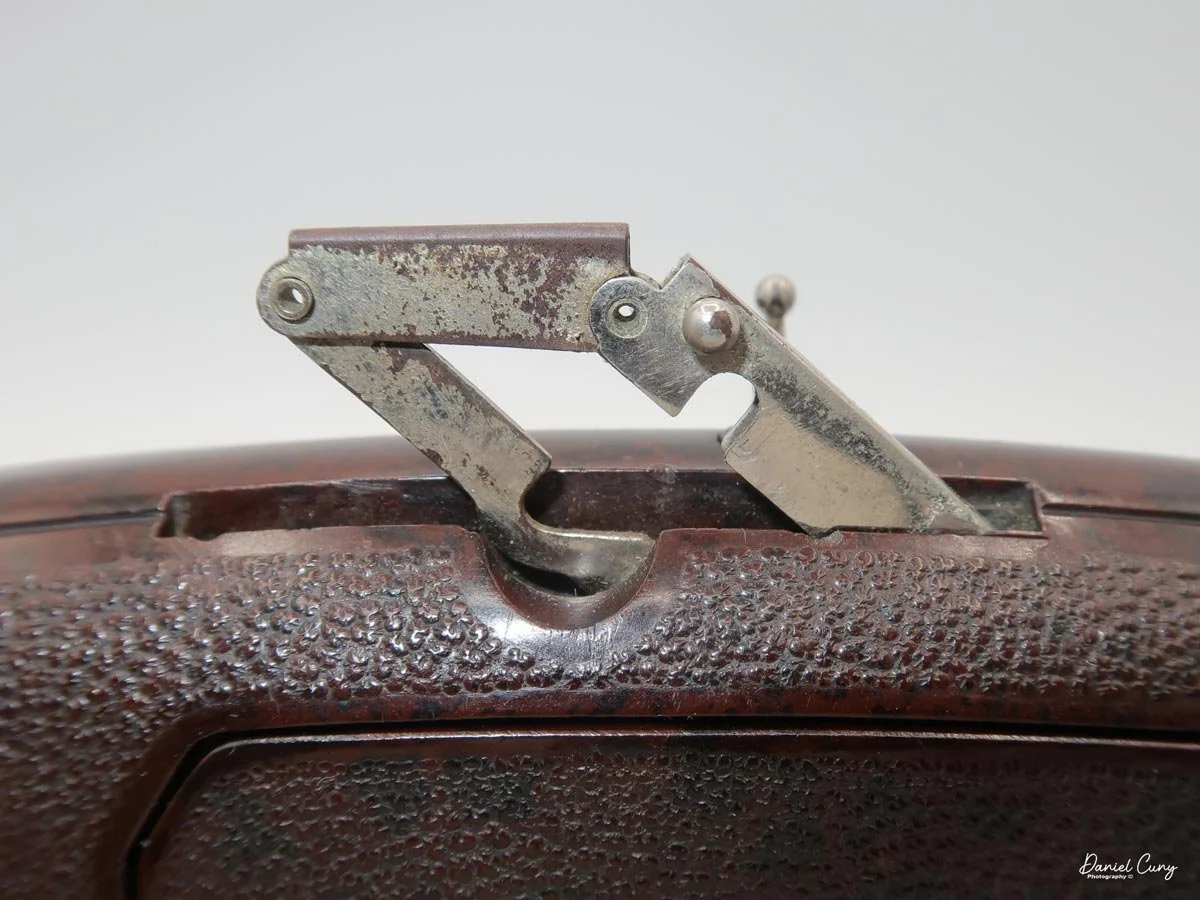
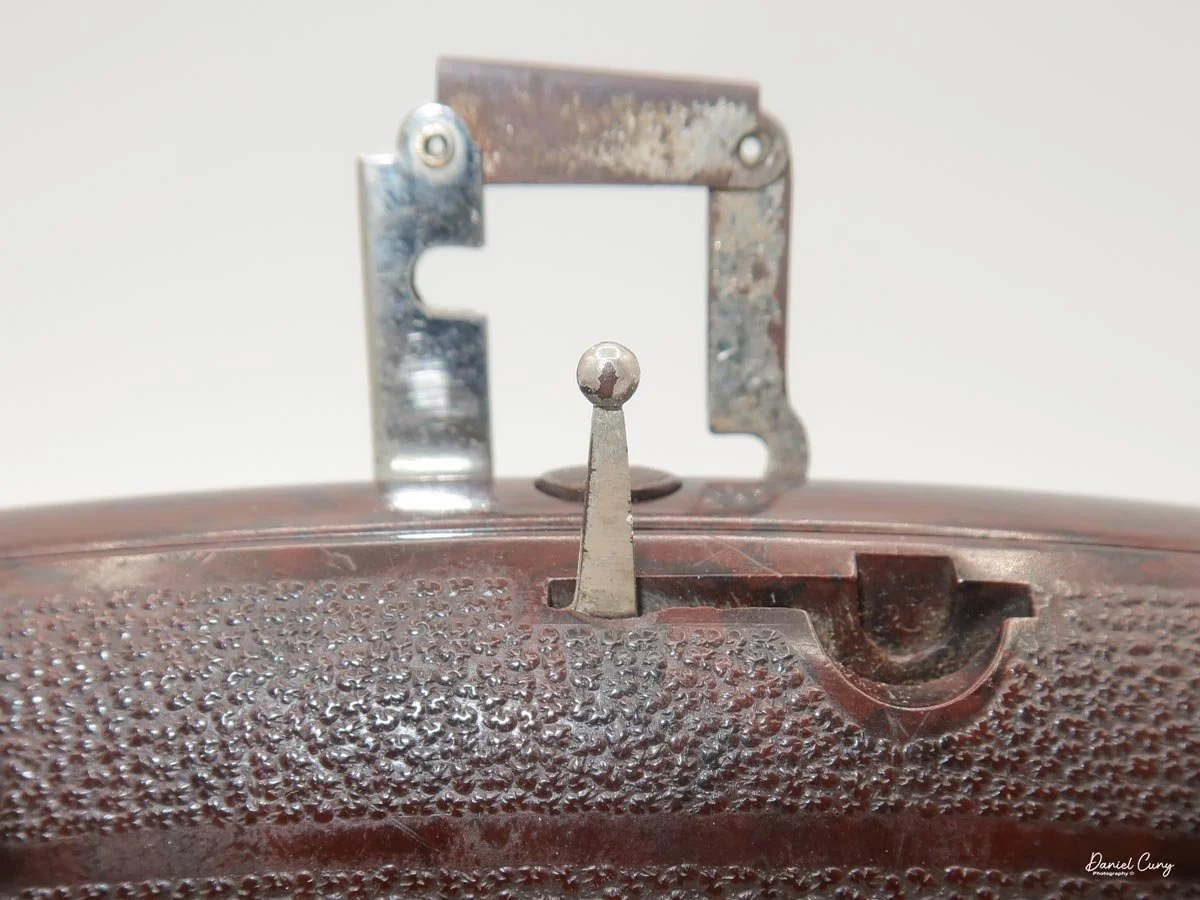
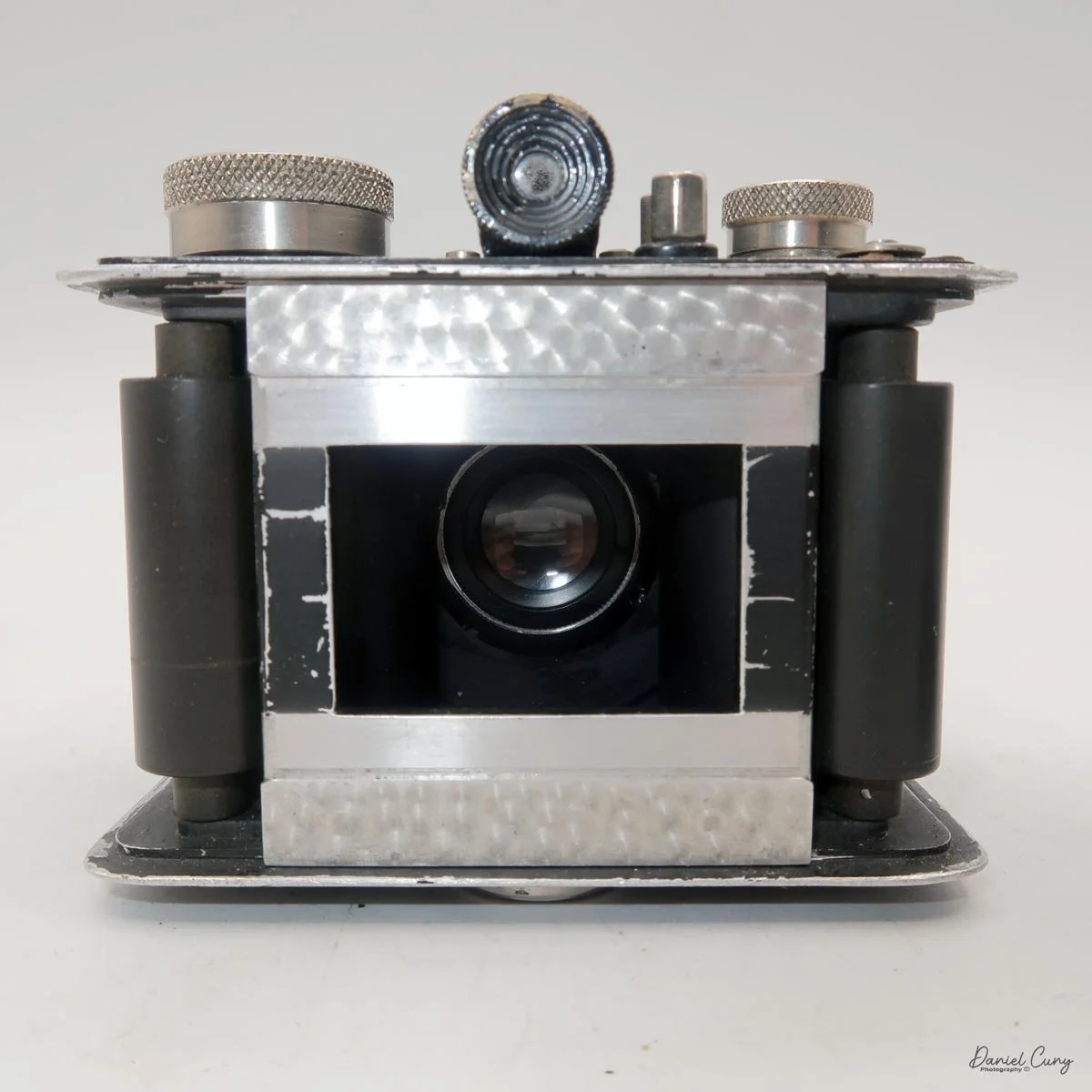
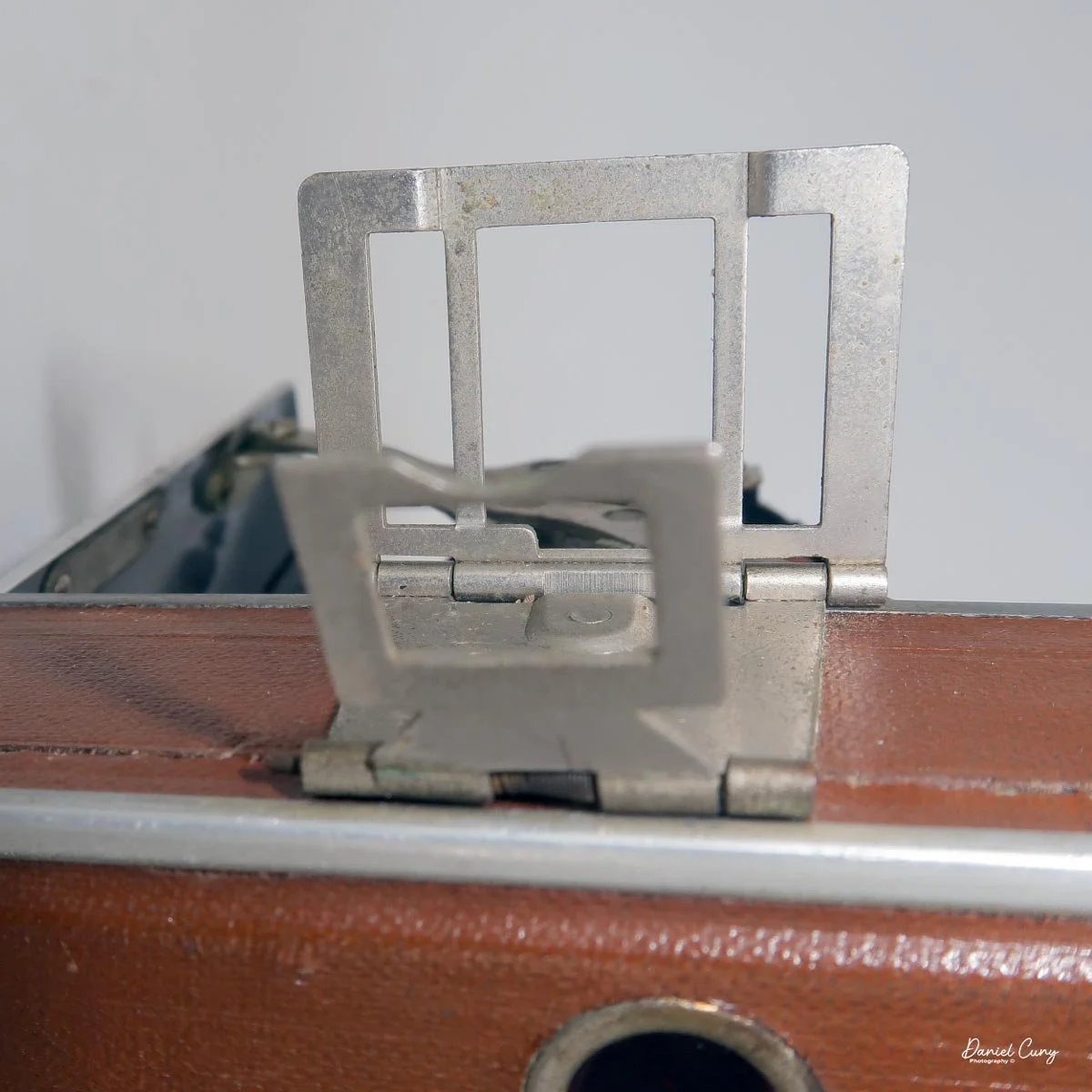
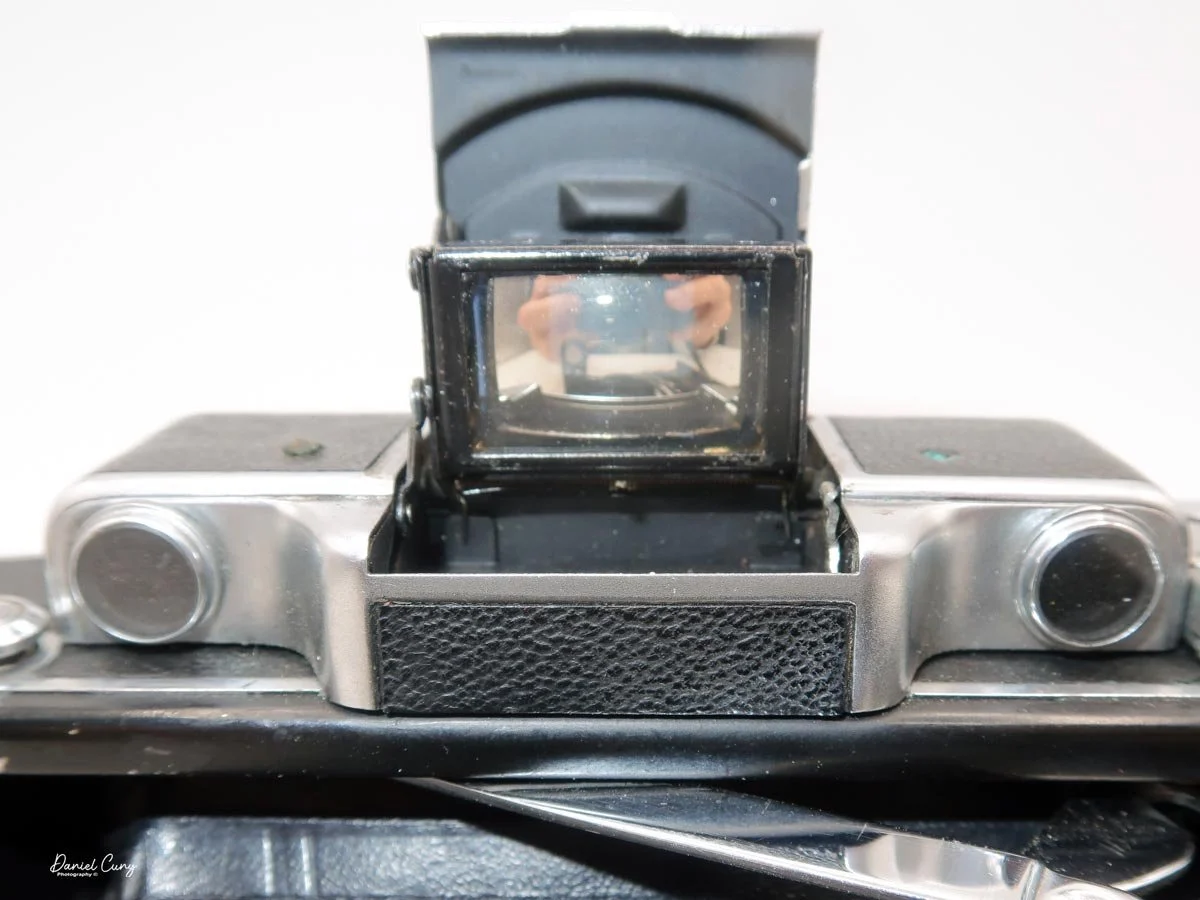
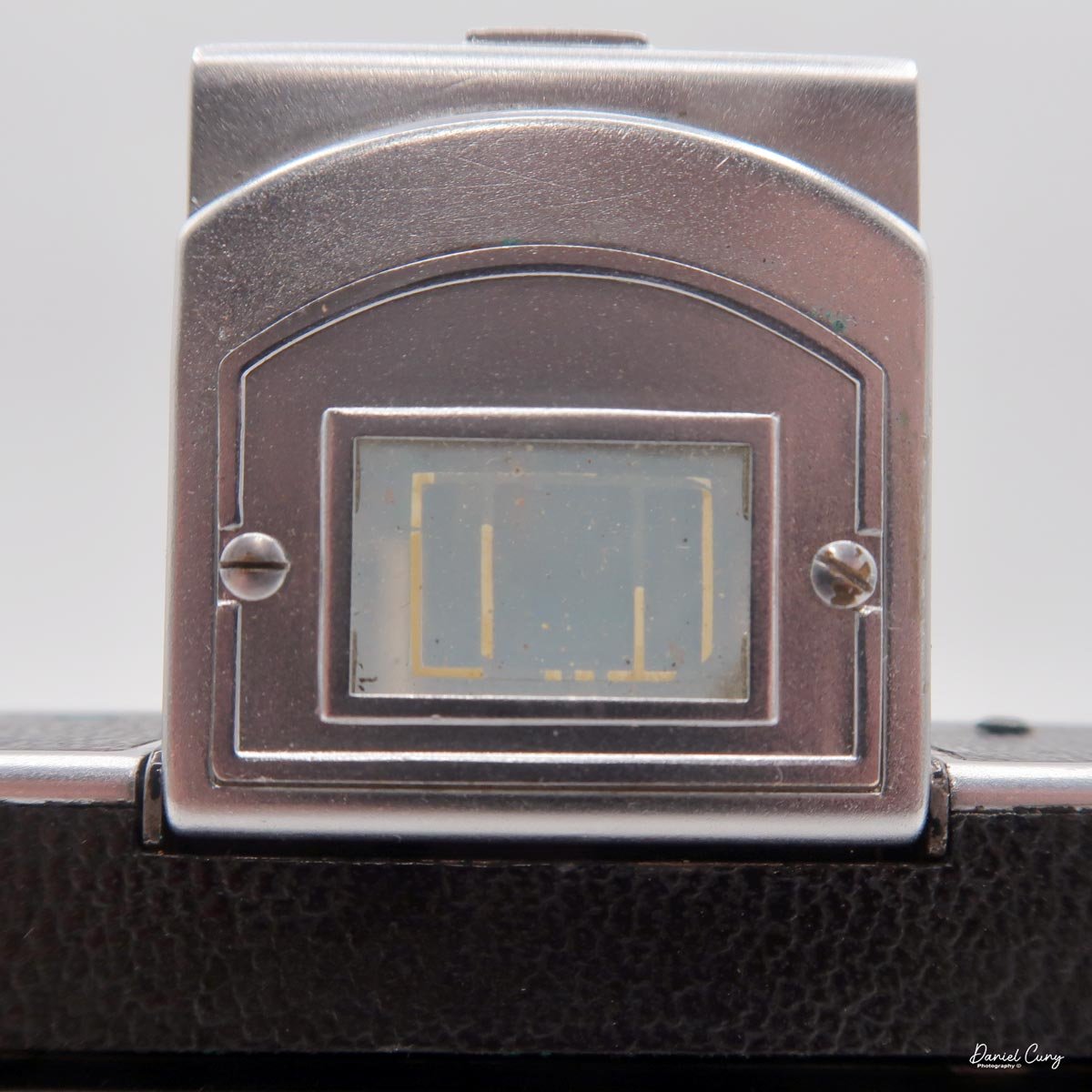
 There isn't a waist-level finder on the Salmoiraghi Lexus, only an eye-level finder which can be unfolded from the side of the camera. The sports style finder isn't very thick, and on my camera, which is common, the rear, or at times the front, doesn't stand up straight and seems to lean.

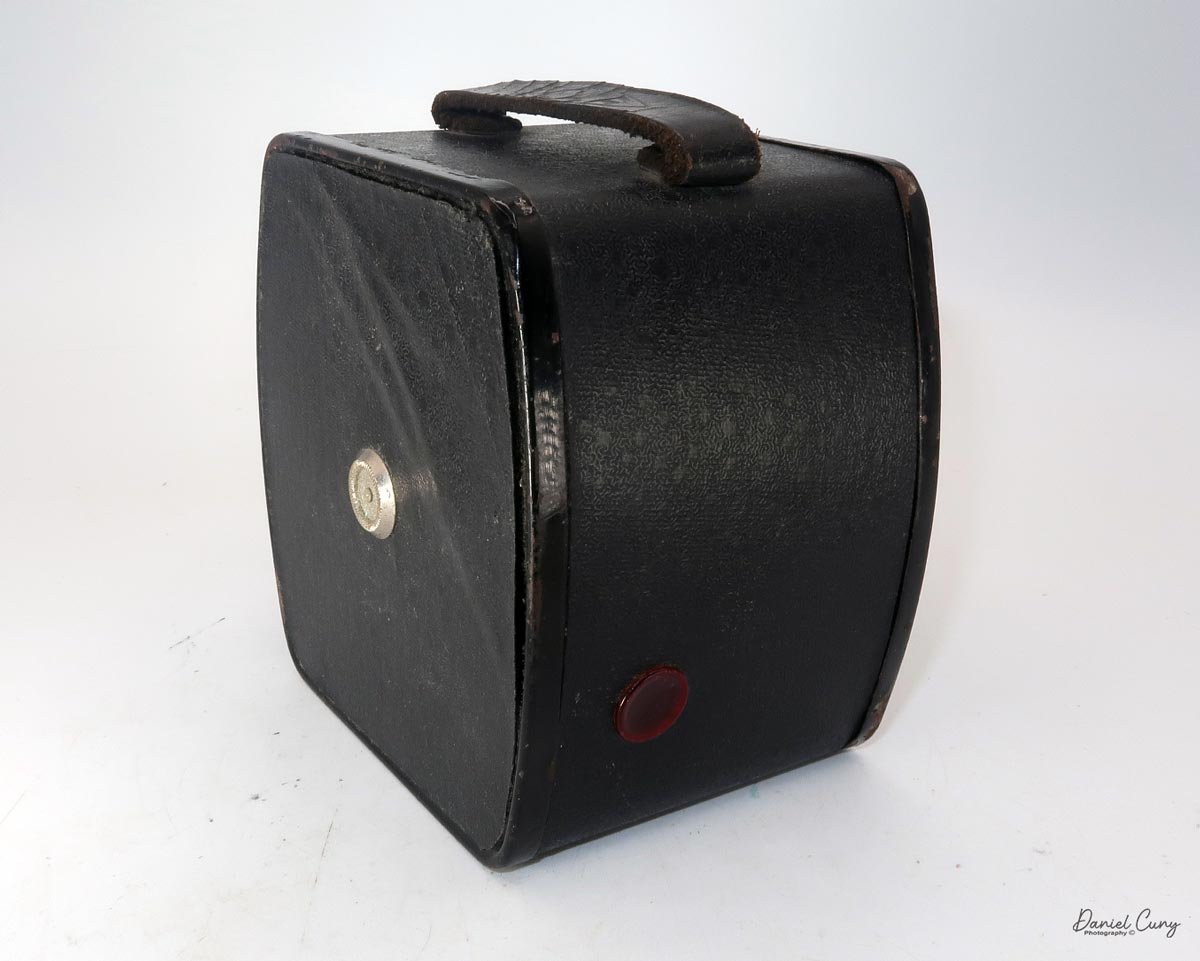
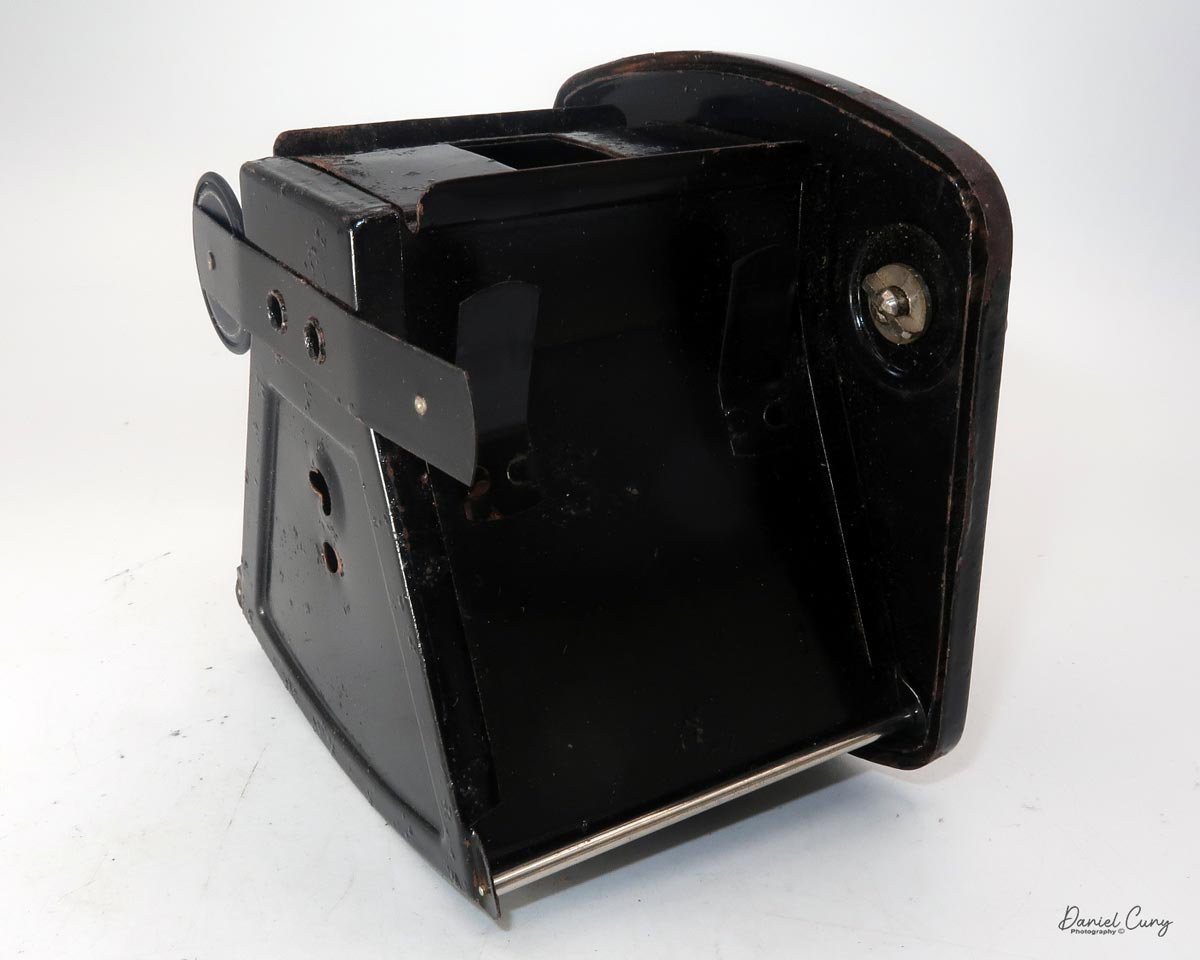
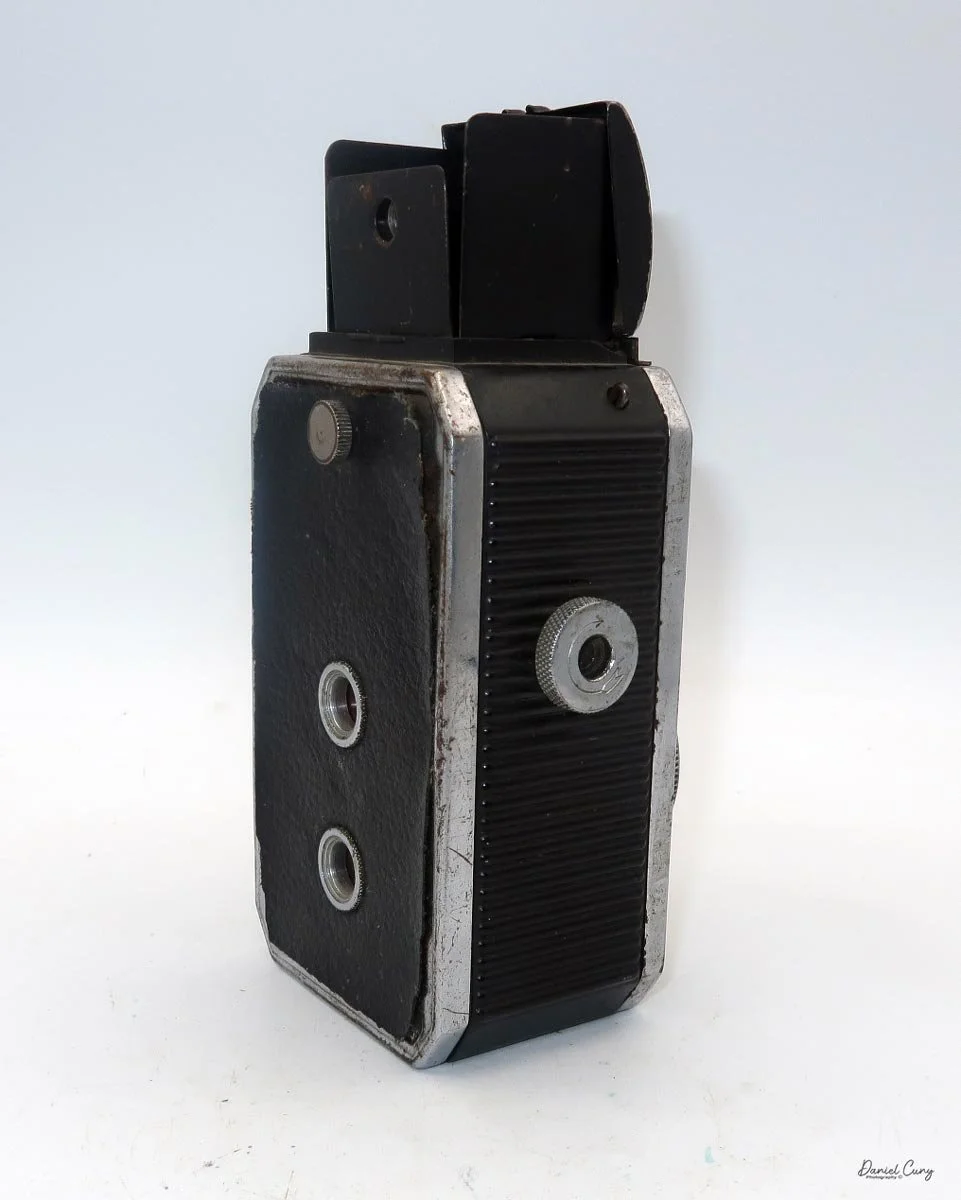
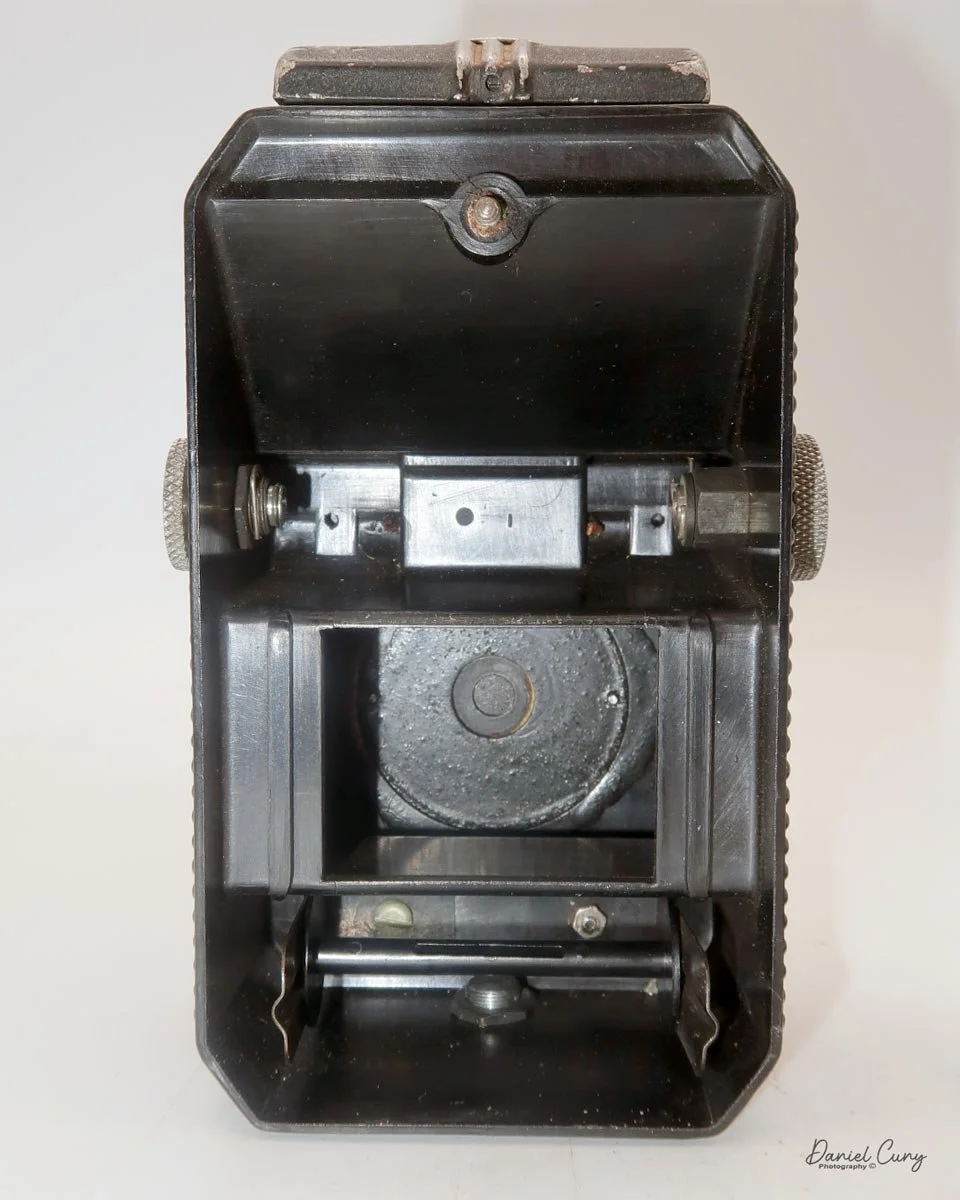
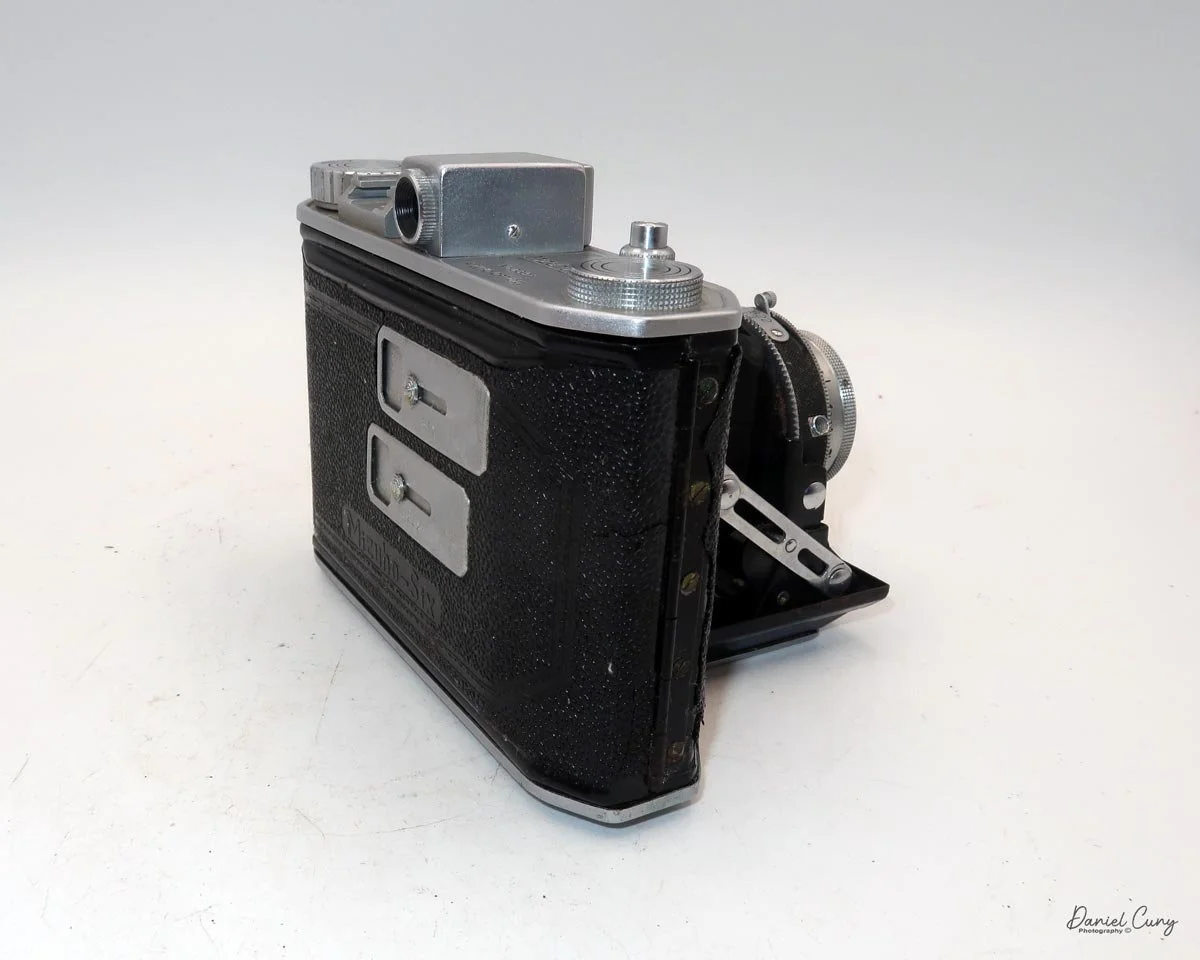
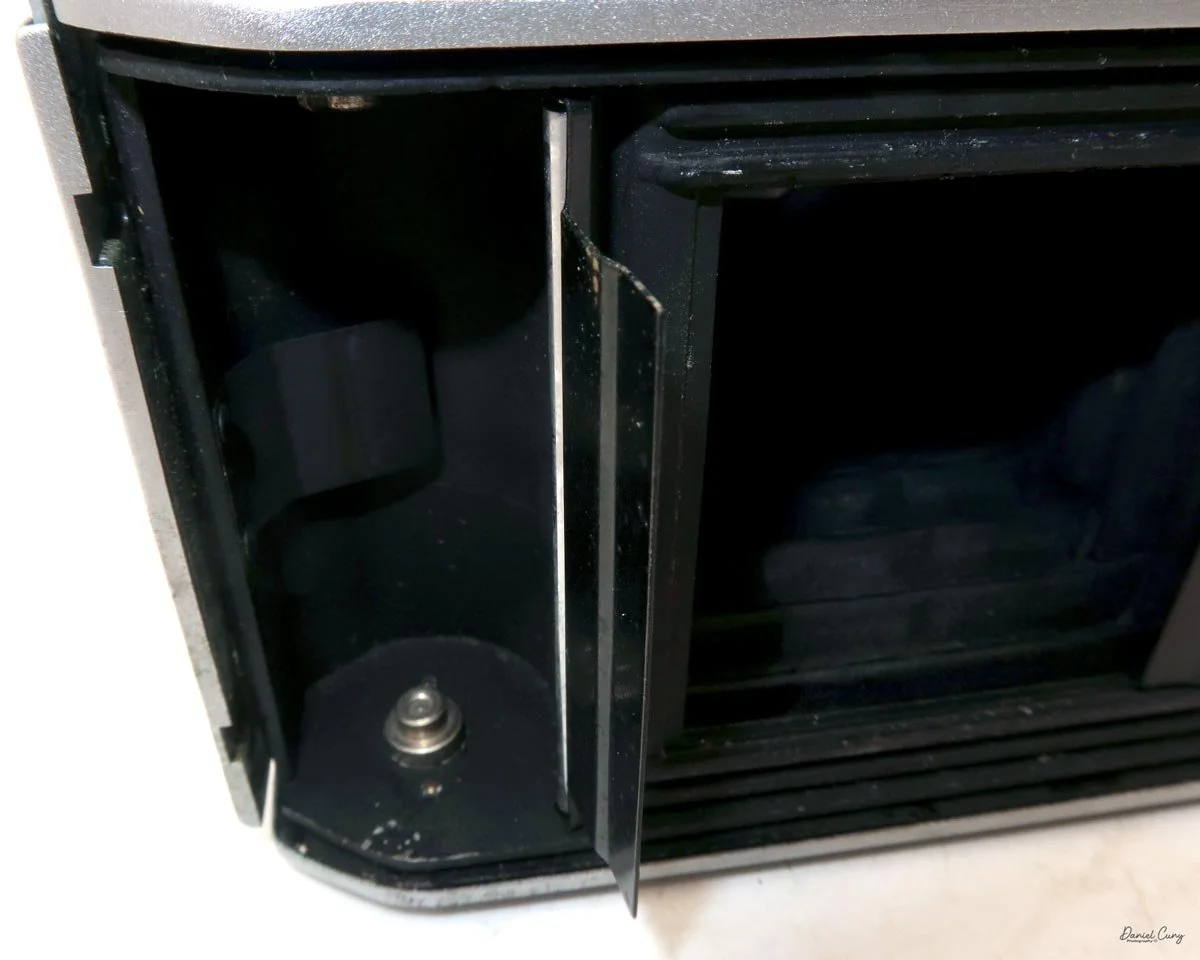
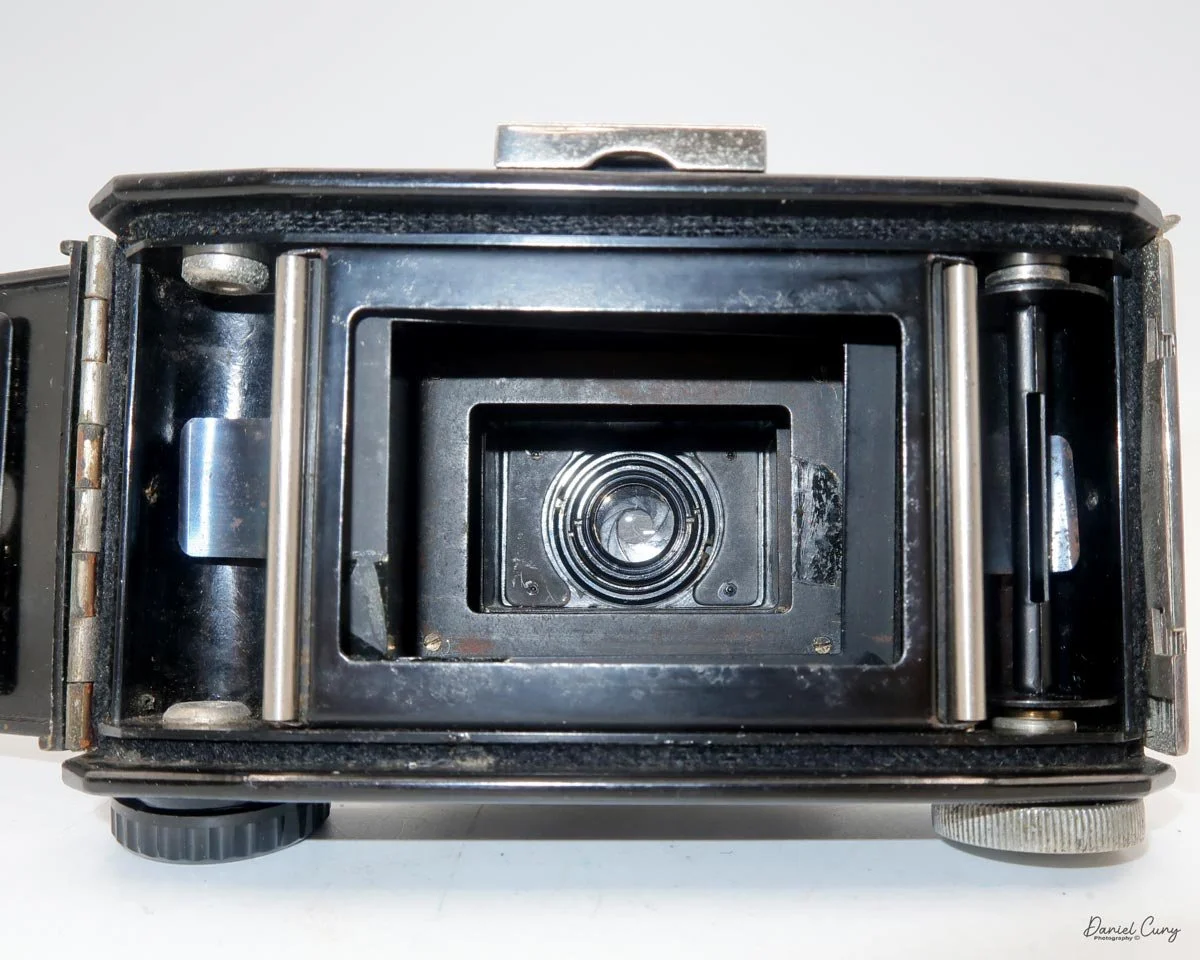
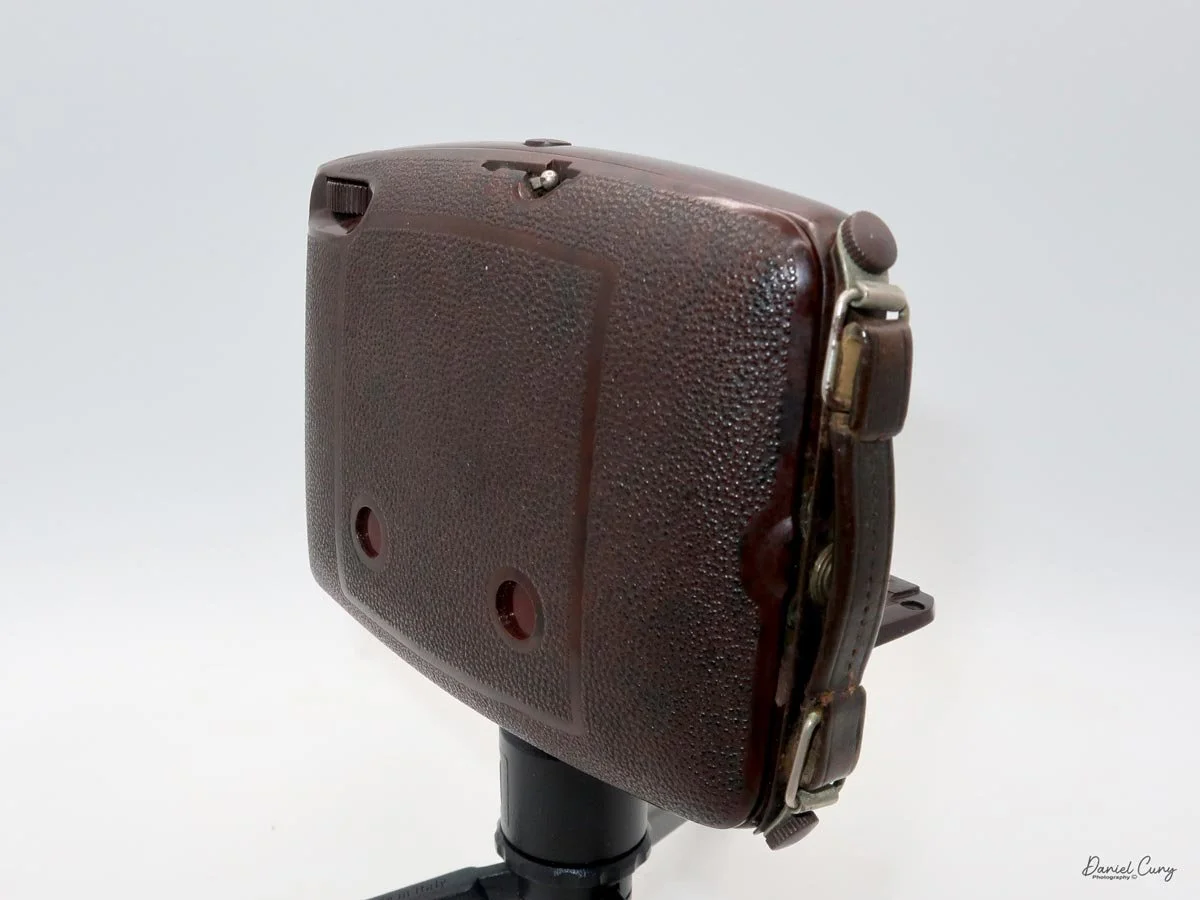
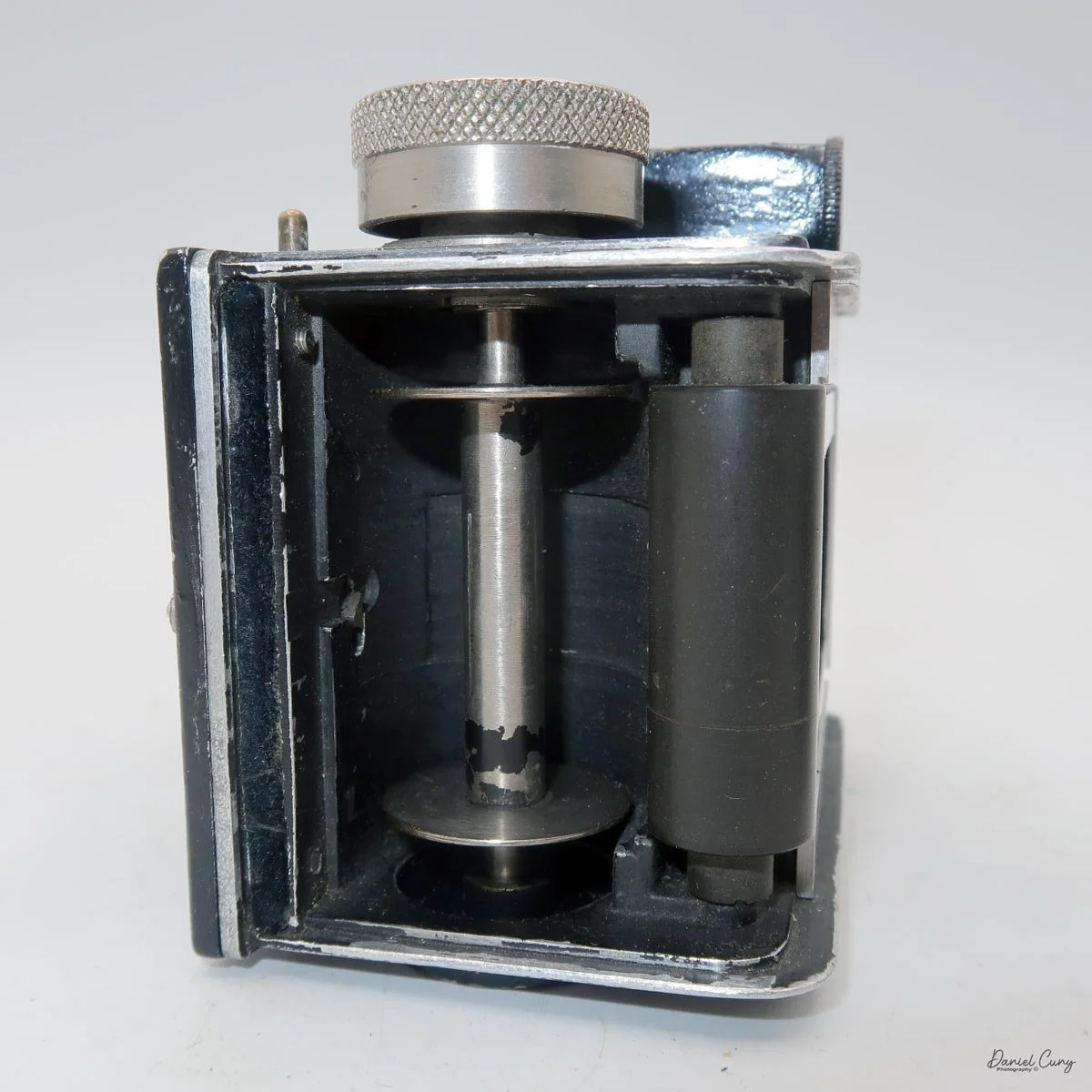
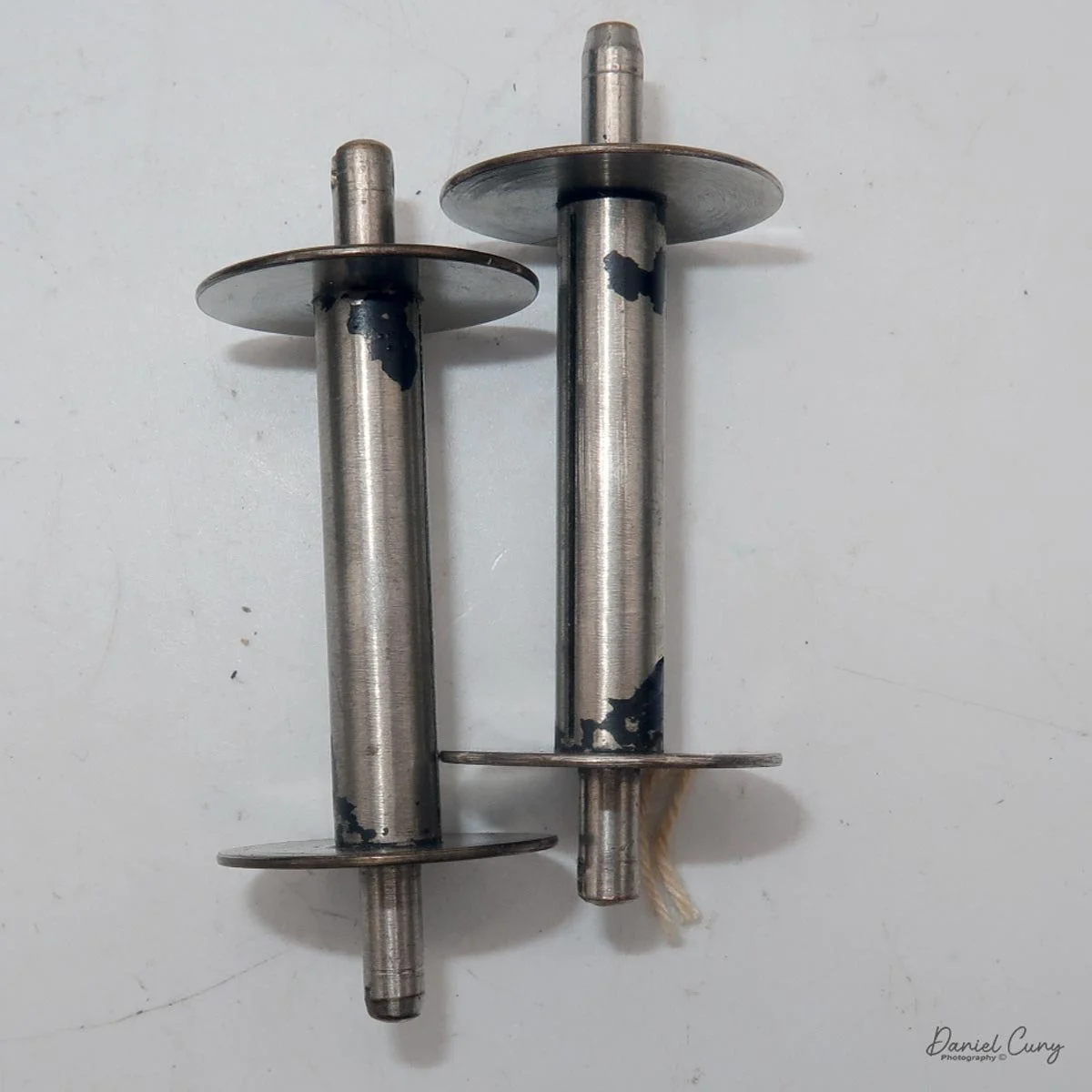
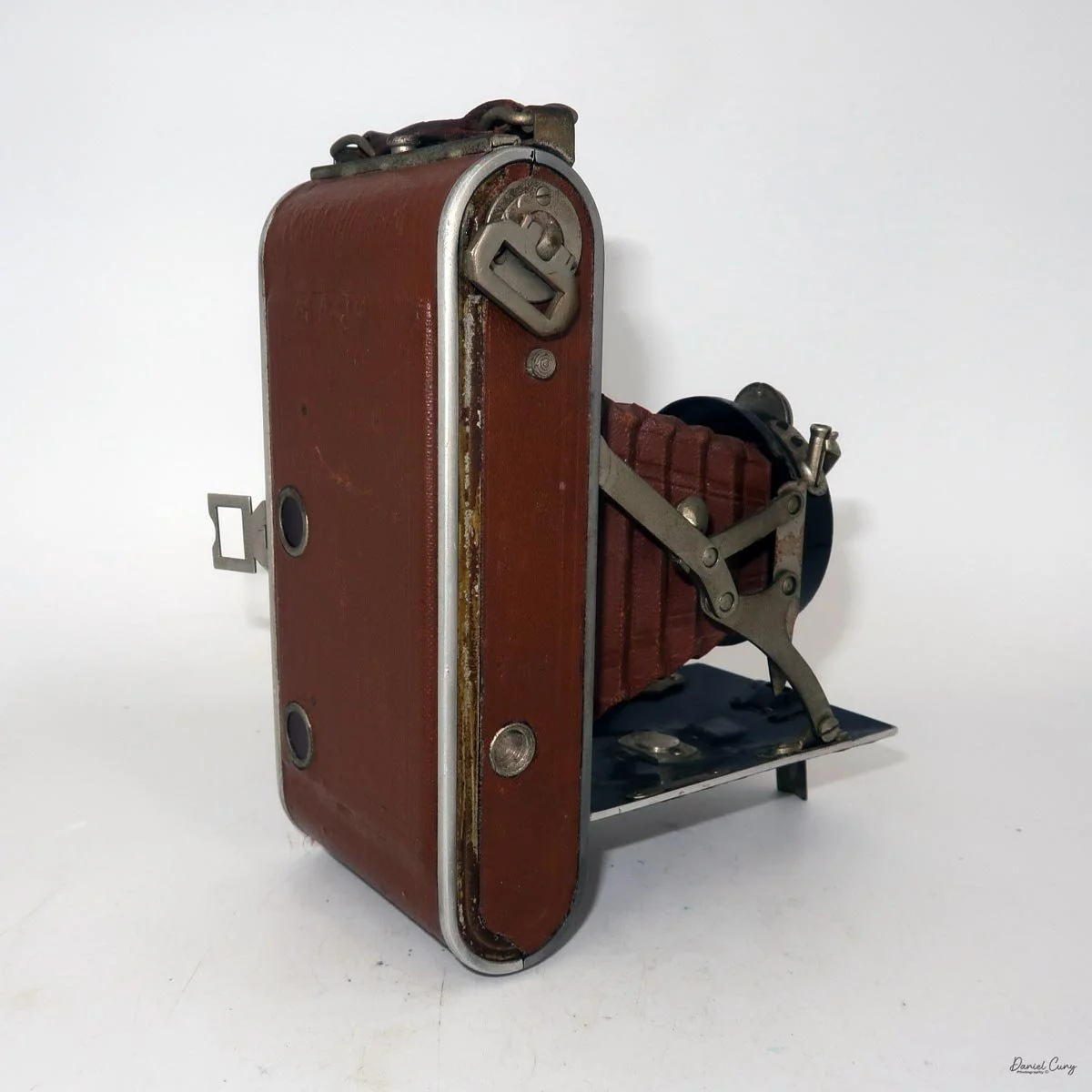
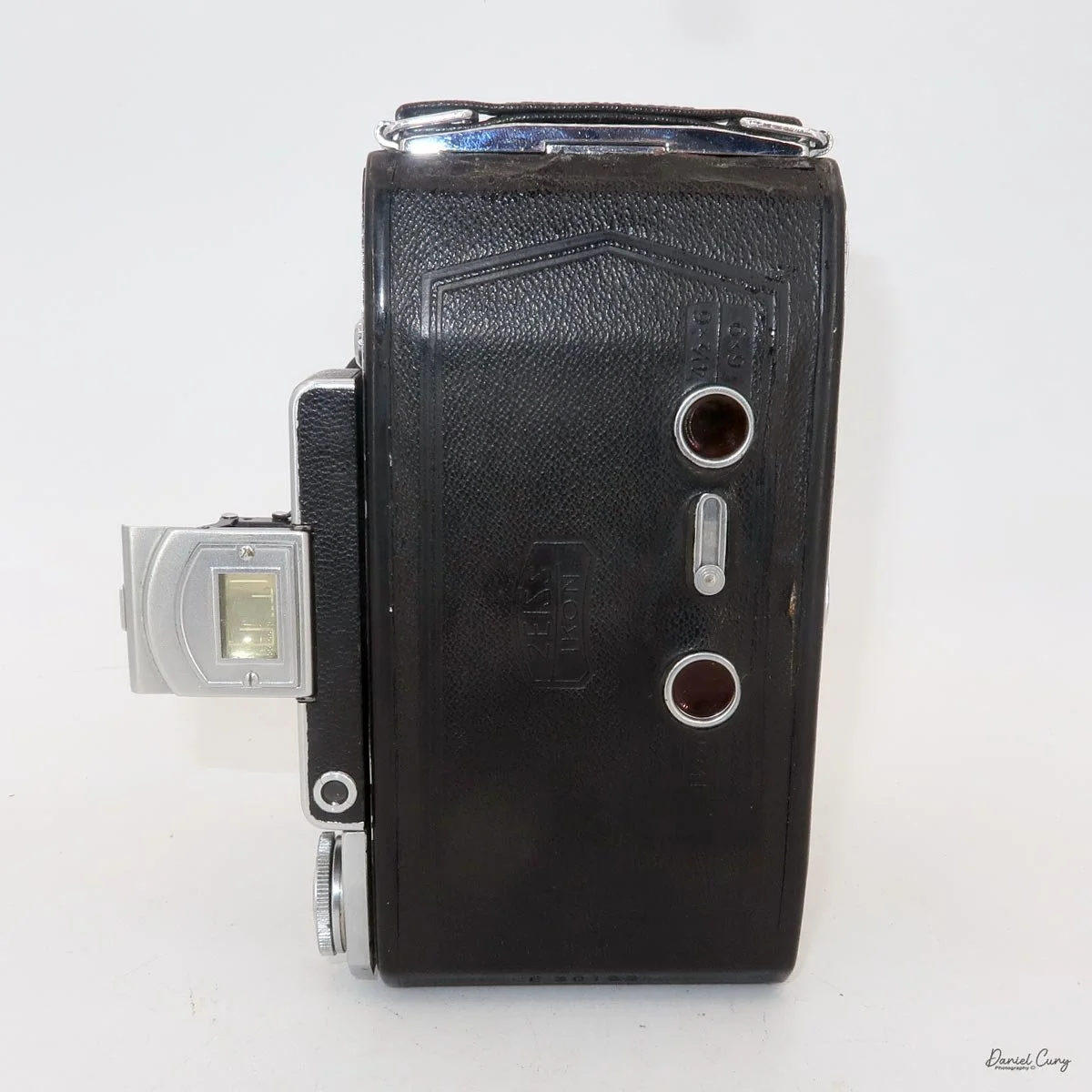
 To open the back of the camera to load film, under the strap is a lever you slide over to unlock the back. Swing the back open to reveal a very standard film-loading system. The winding lever doesn't pull out to load the empty spool, but on the other side is a silver button that pulls up to load the spool.

There's nothing on the other side to keep the new roll of film in place except a metal clip that wraps around the unexposed film and holds it in place.

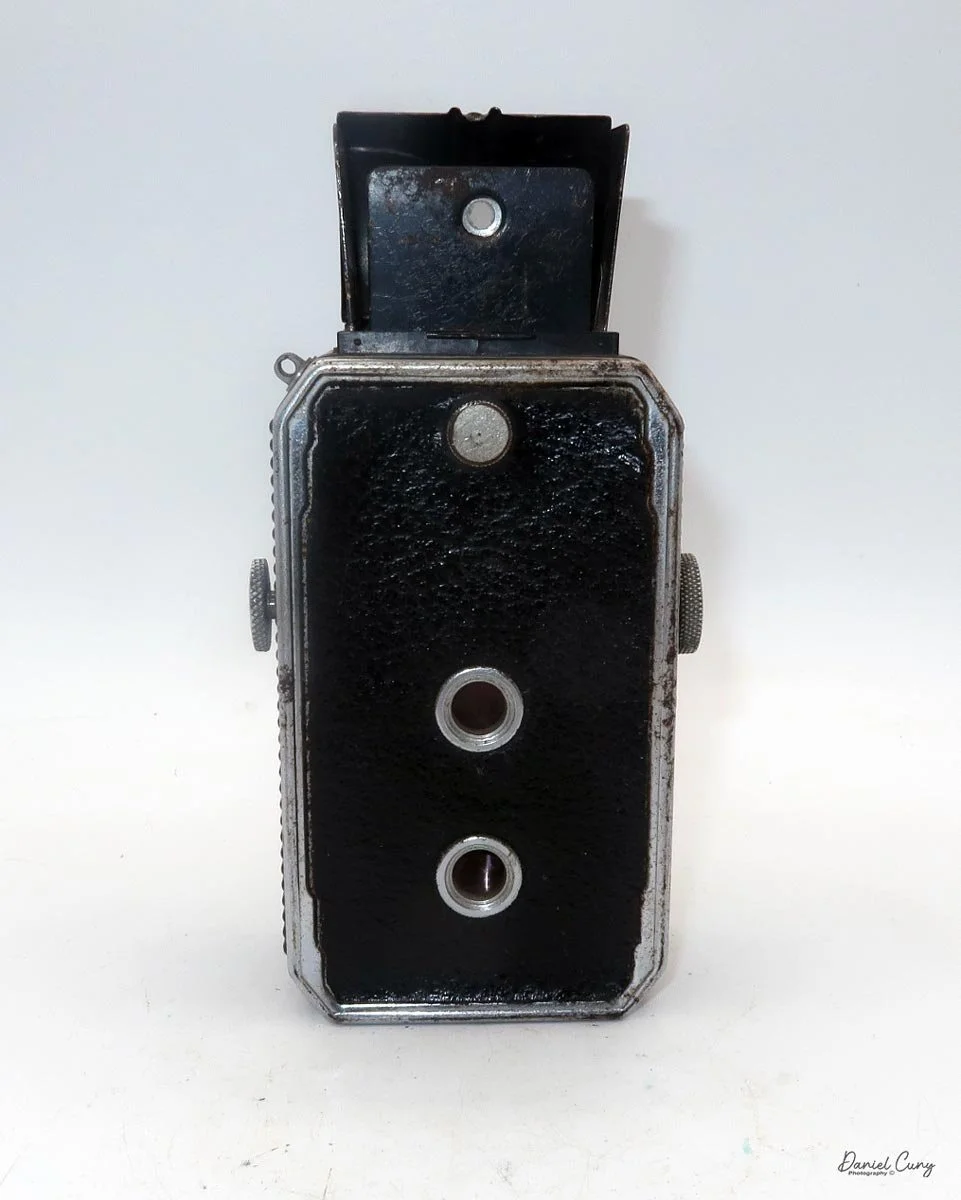
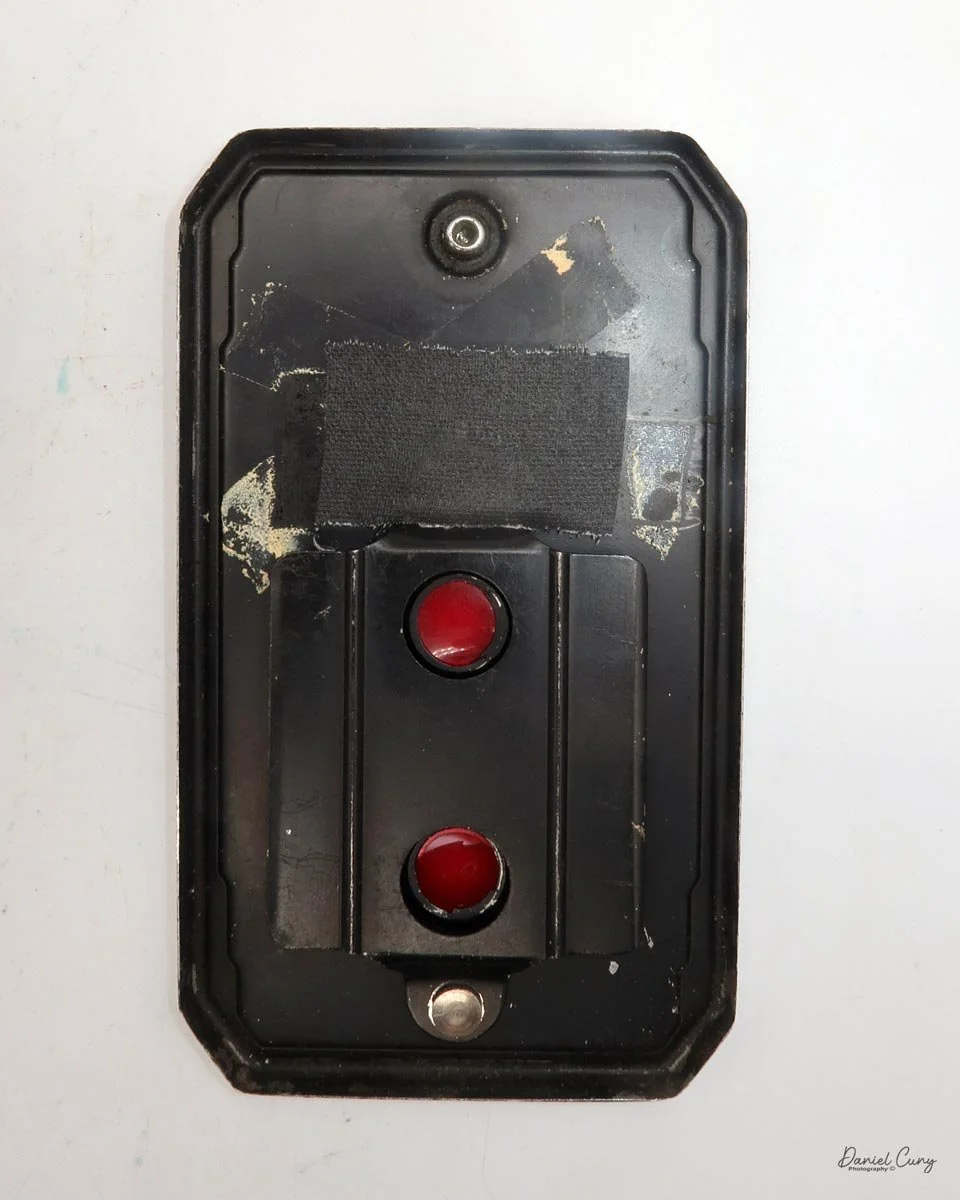
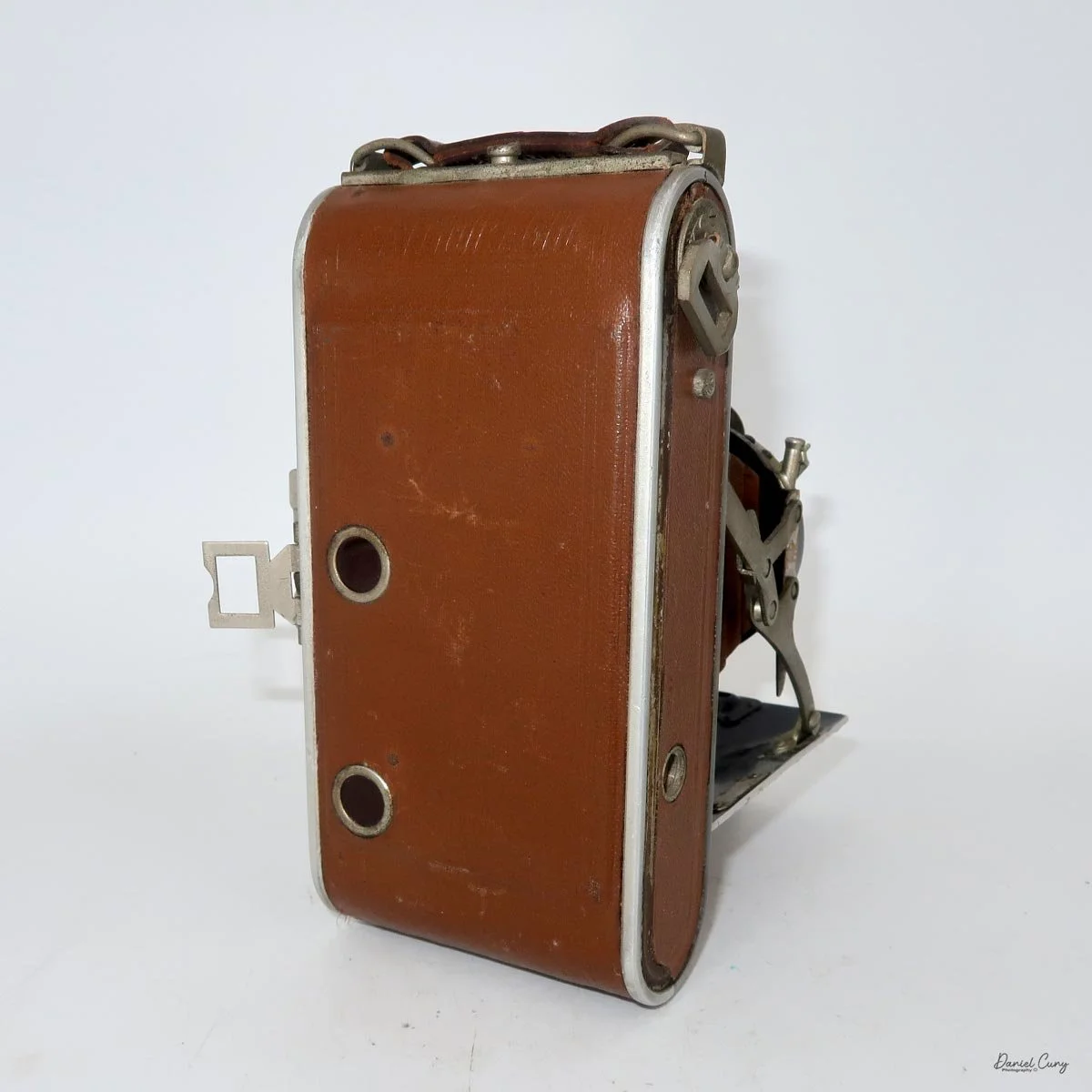
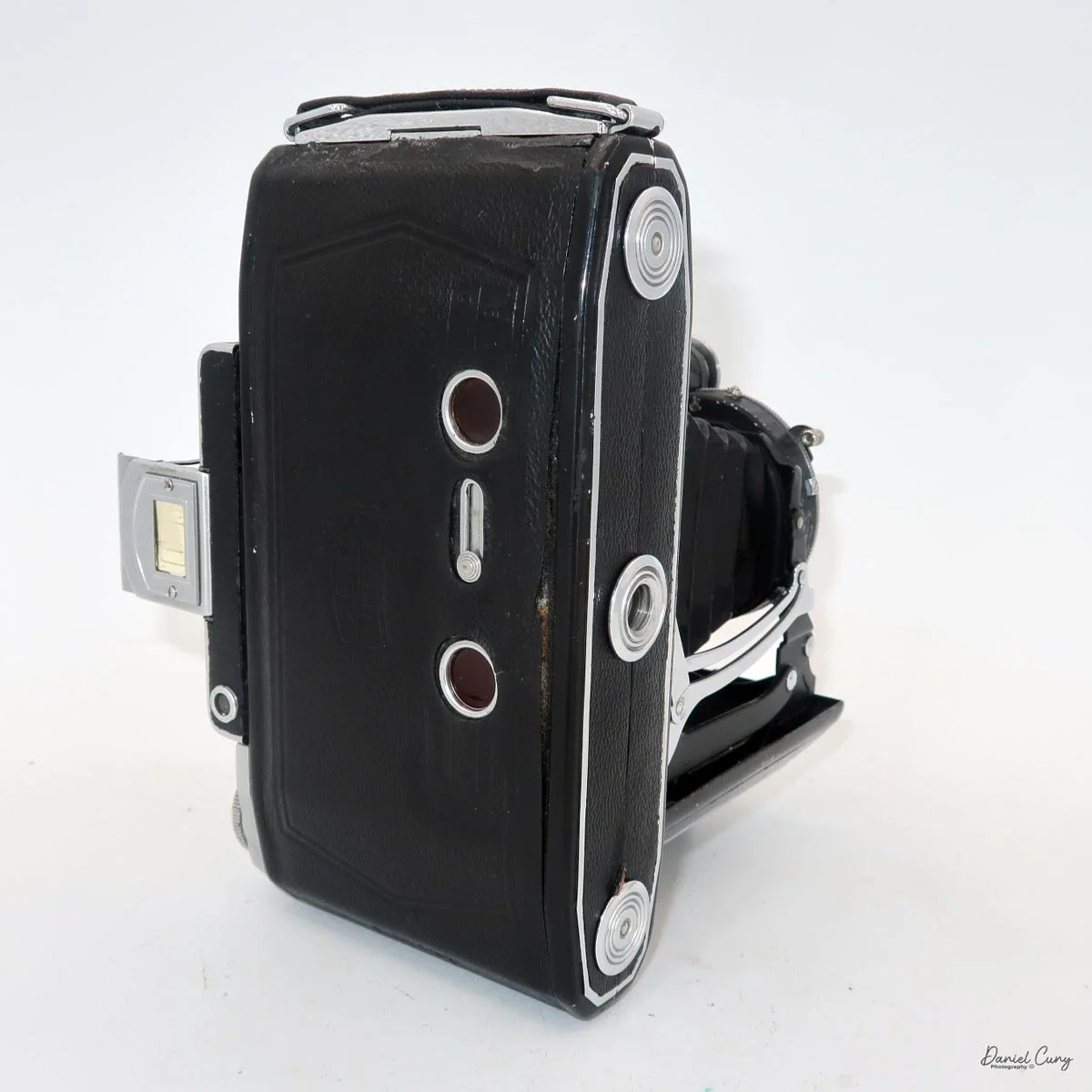
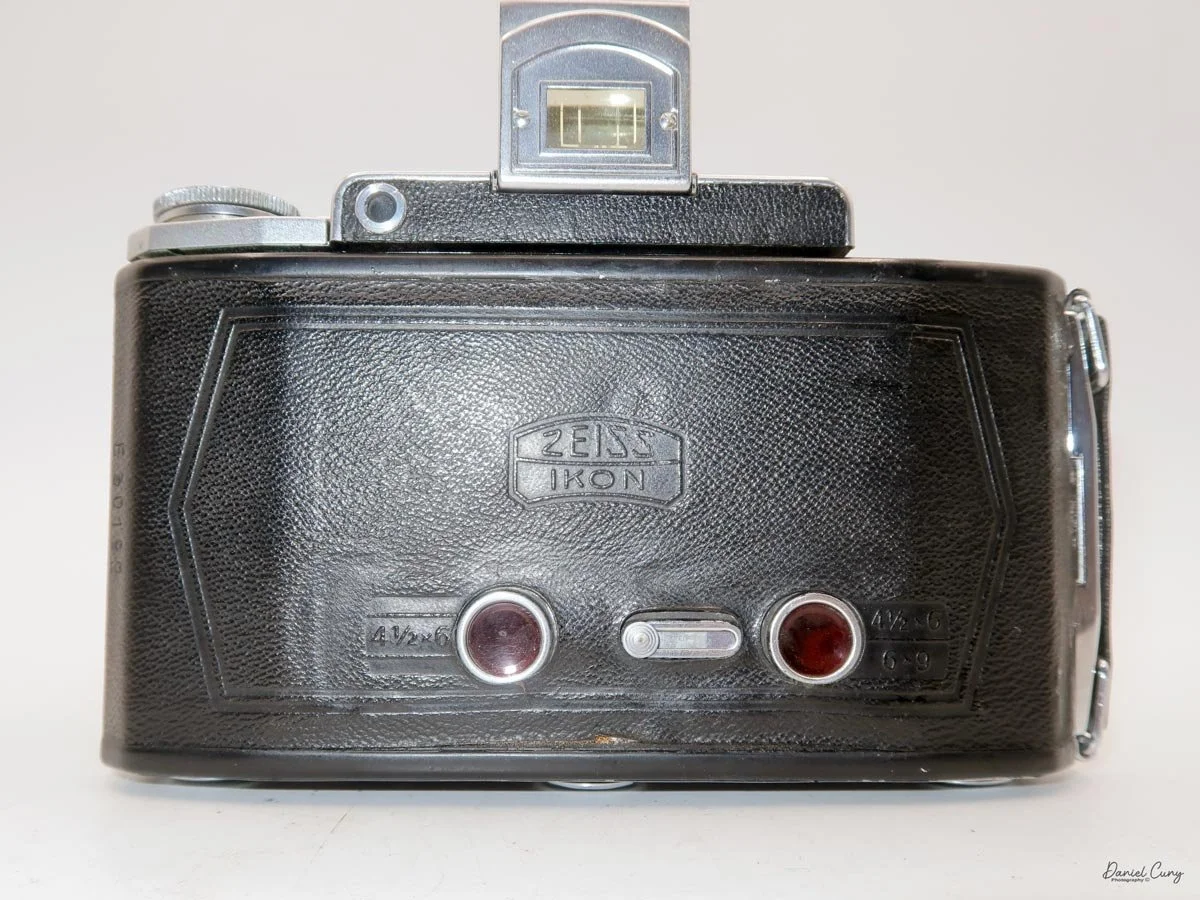
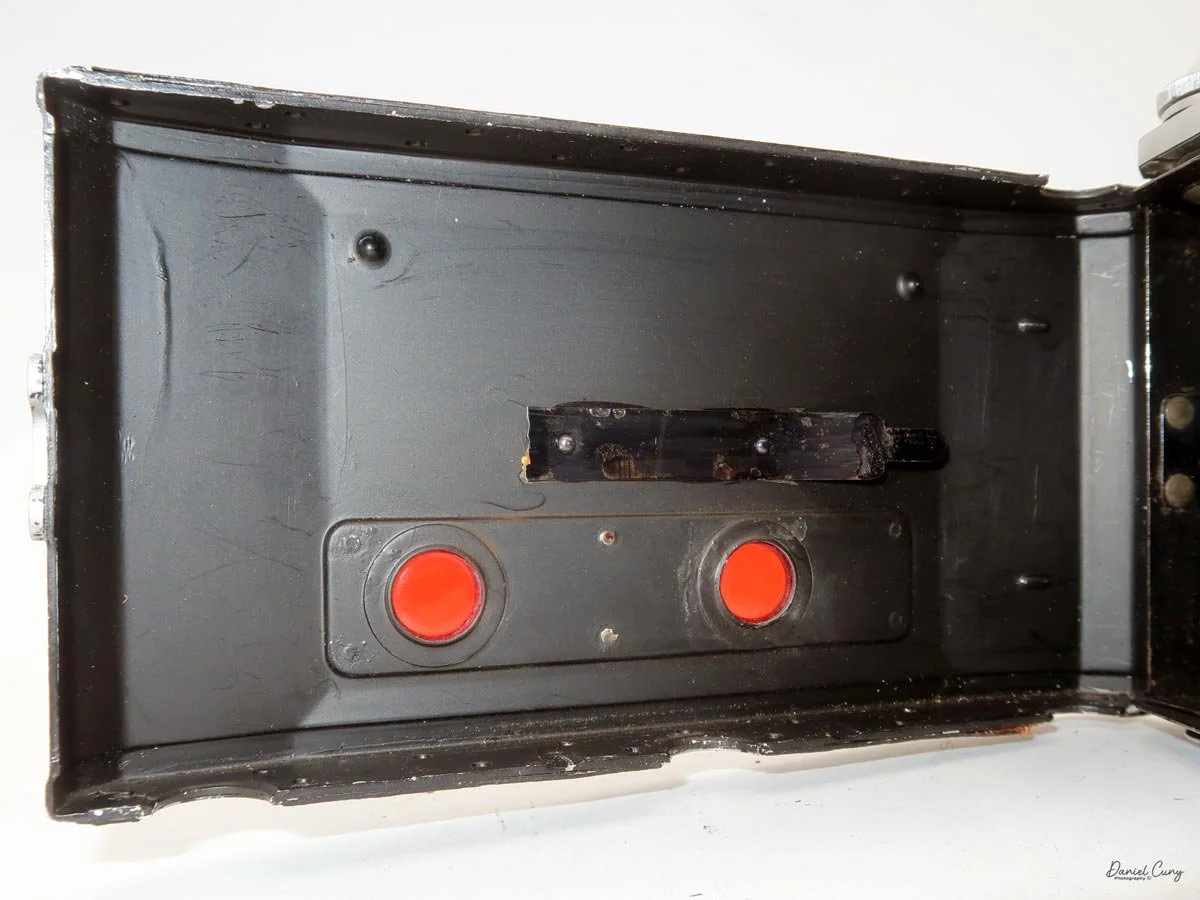
 On the camera's back, two red windows generally indicate that the camera can handle multiple formats, as with the camera I wrote about last week, the Zeiss Ikon Super Ikonta 531/2. Generally, there would be an insert for the camera to do both 6x9cm and 6x4.5cm images on the 120 roll of film. 

 Looking at the pattern for the film guides on the back of the camera, there may have been an insert for the camera. There are indents evenly spaced across the back, which would indicate there may have been one, but my camera doesn't have one, and I can't find any online references to one.

Once the film is loaded in the camera, close the back of the camera, making sure it's latched, and wind the film to the first frame.

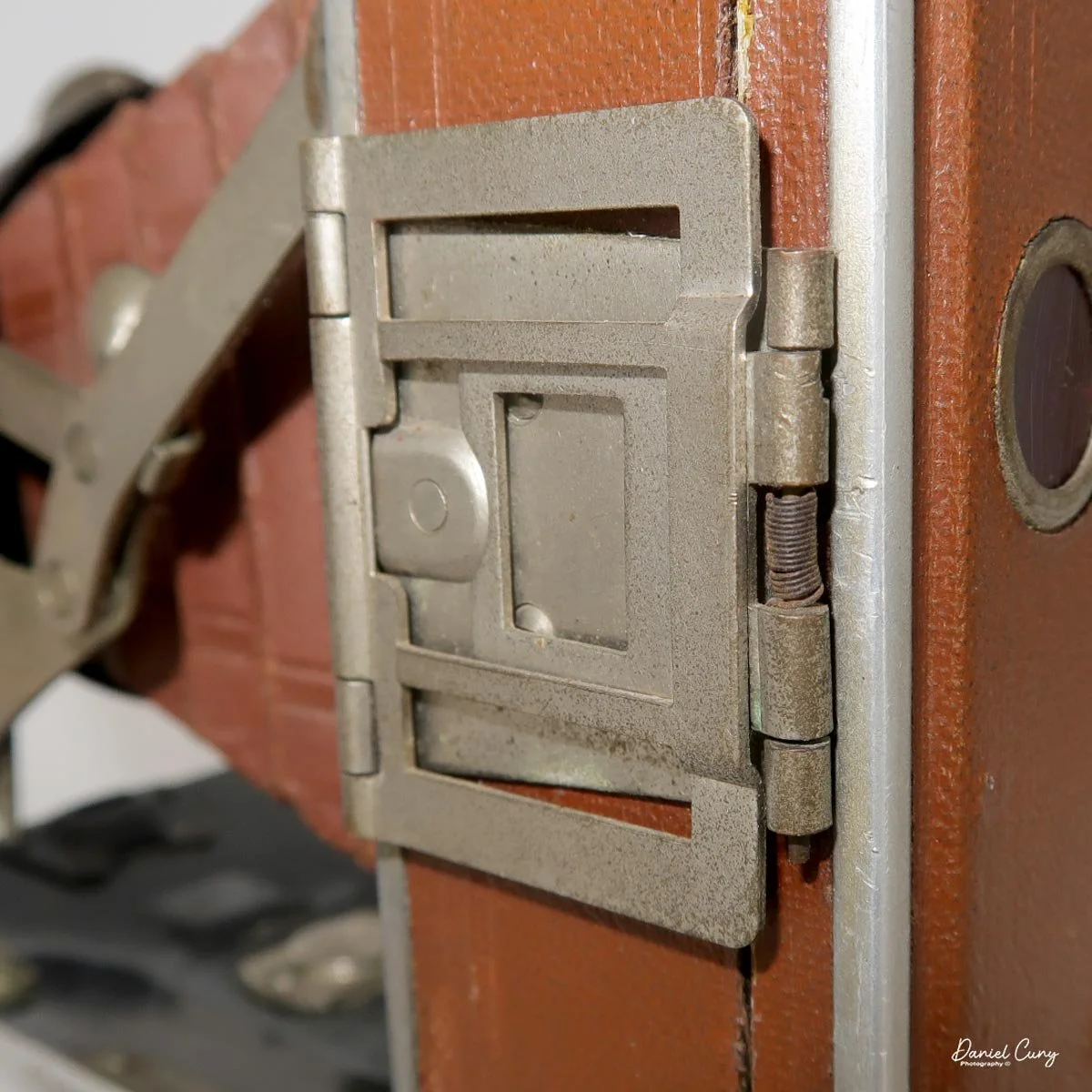
 To close the front of the camera, there are two locking stops on the camera's struts, on either side, that need to be pressed in. By doing so, the front of the camera can collapse the lens and bellows back into the camera body.

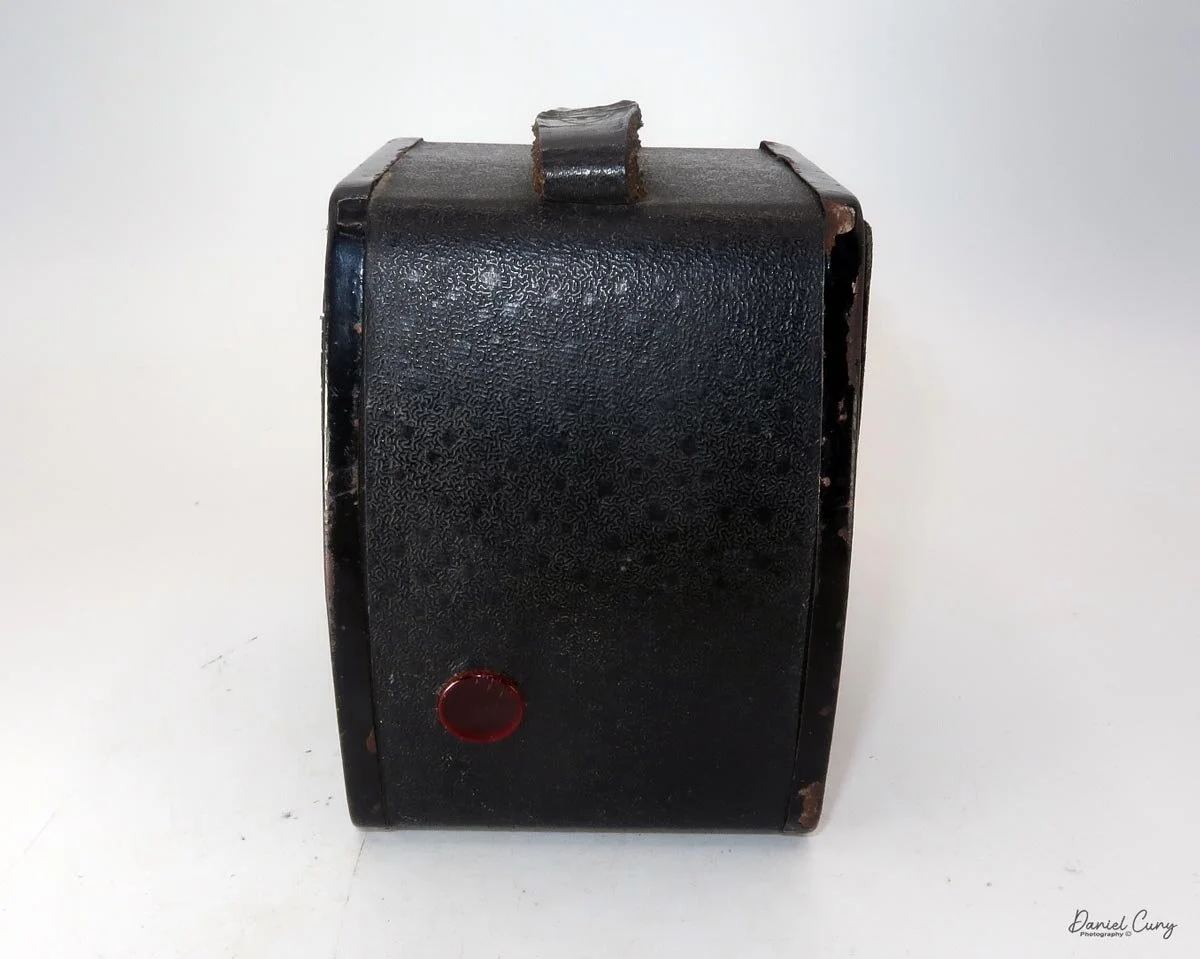
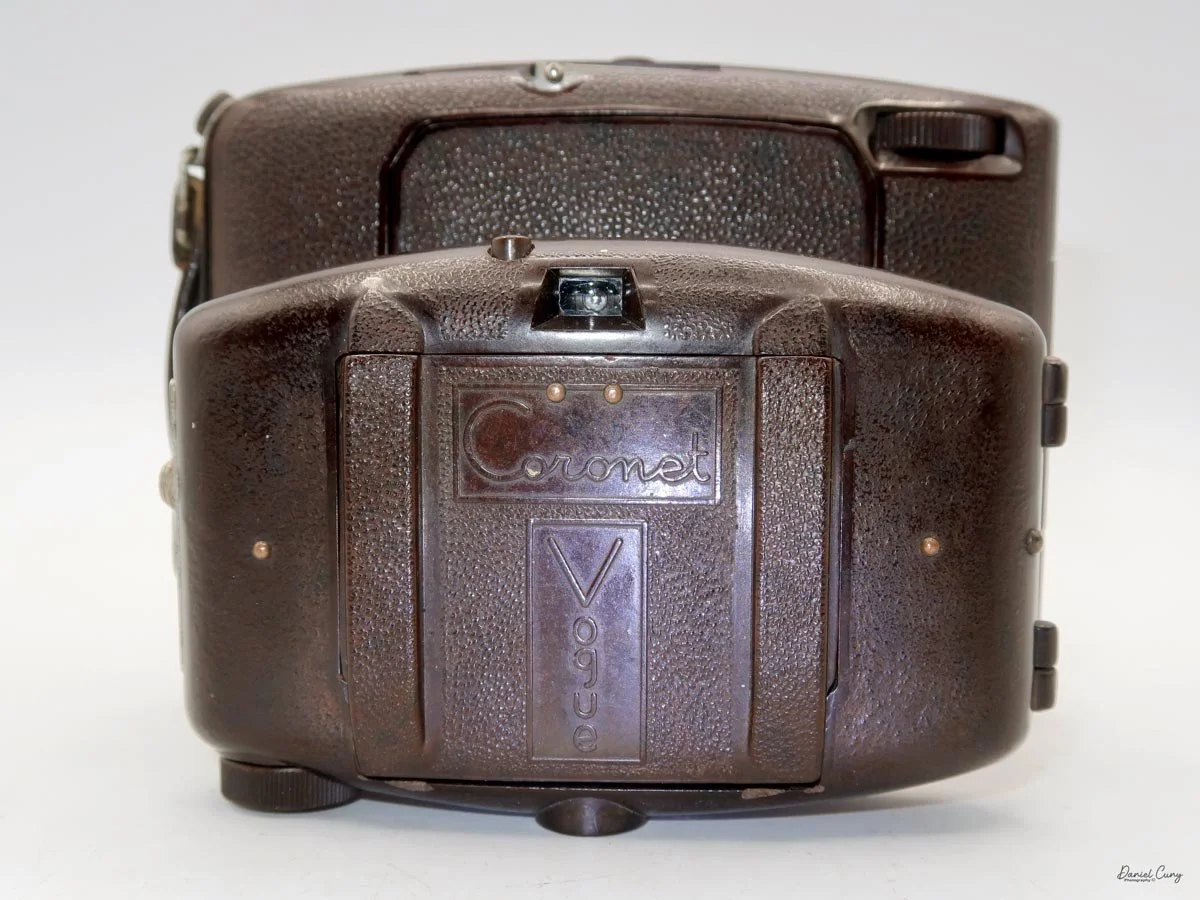
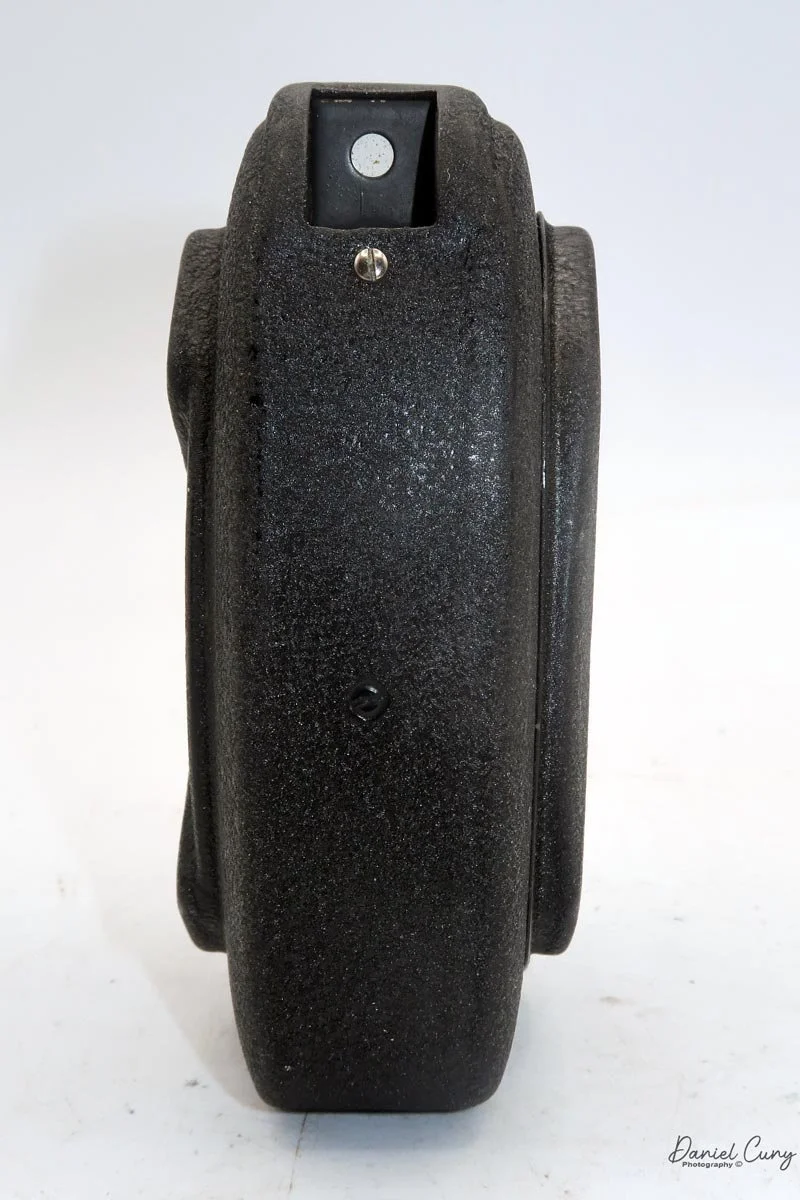
Front view of Salmoiraghi Lexus camera when closed.

Results:

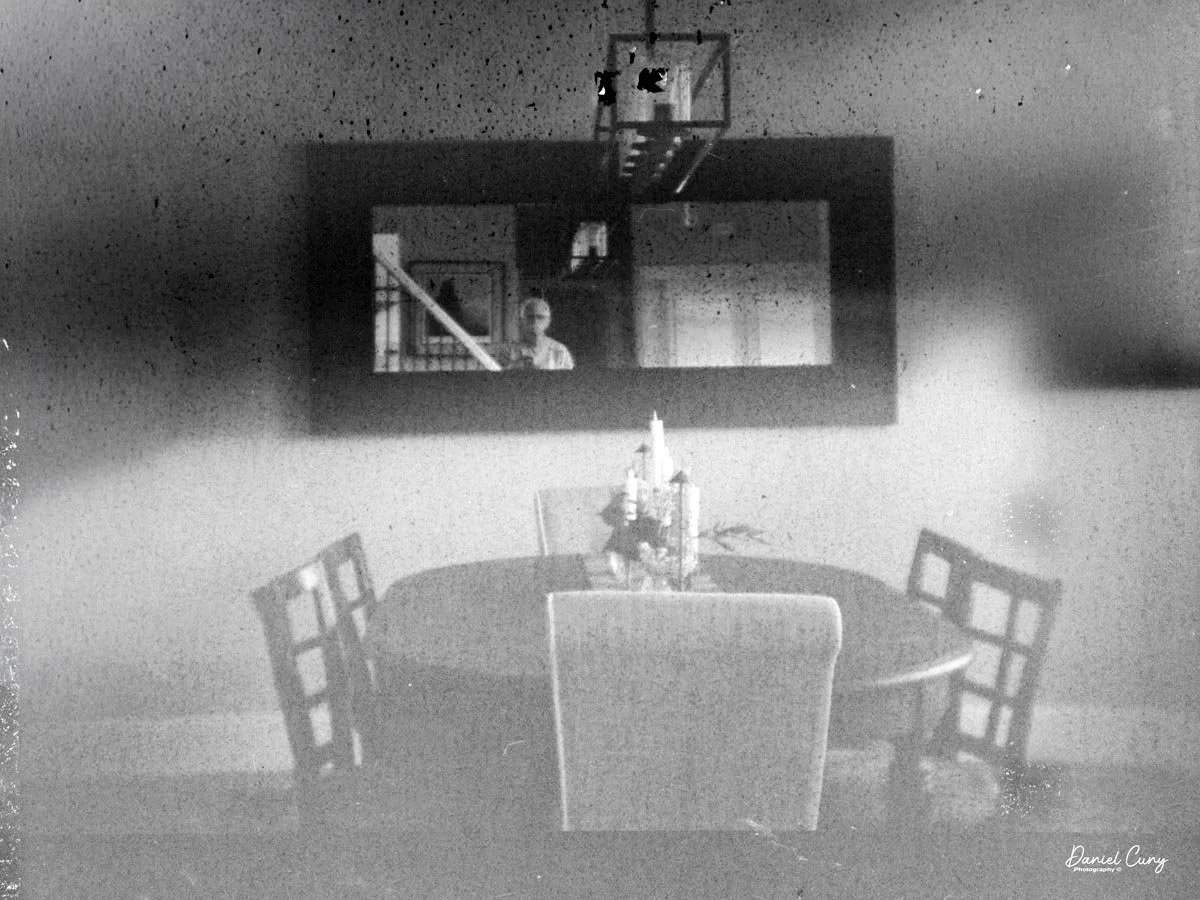
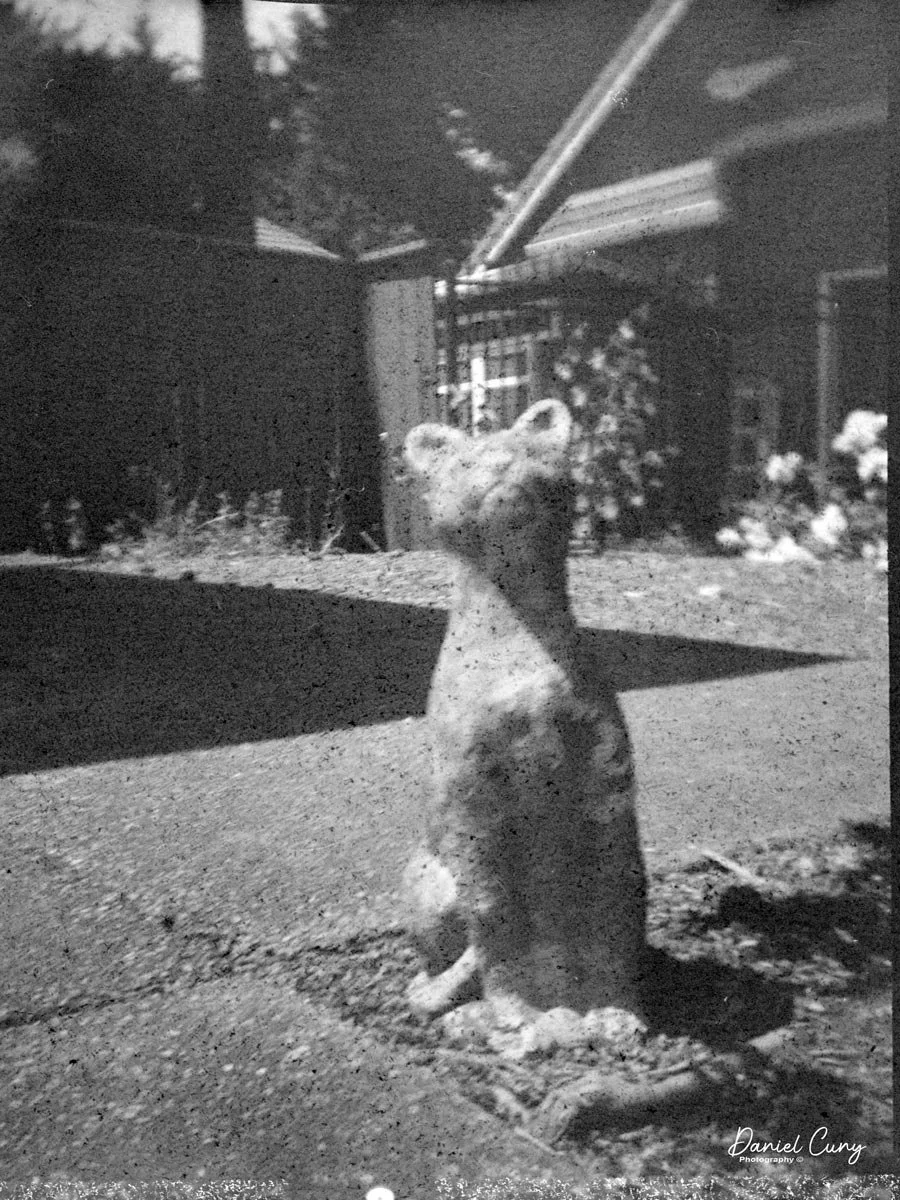
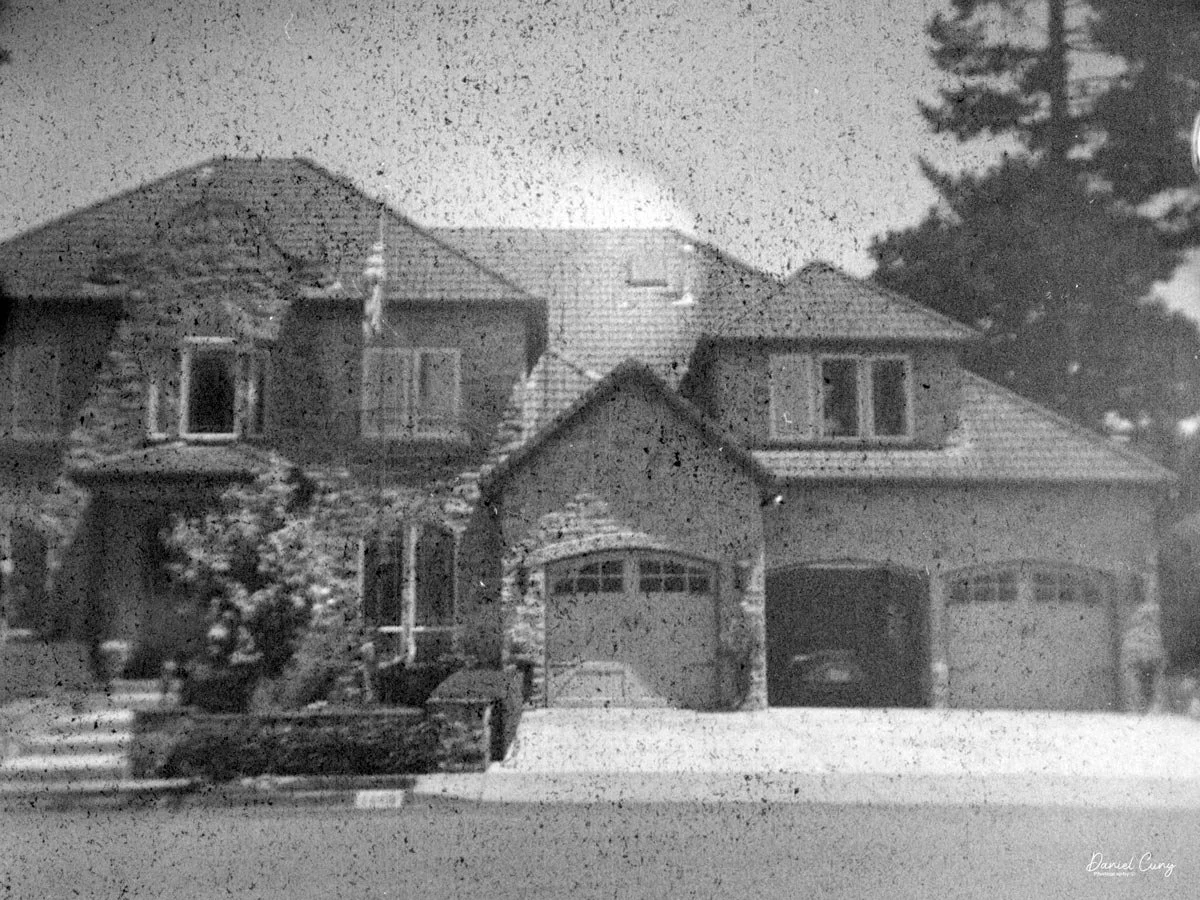
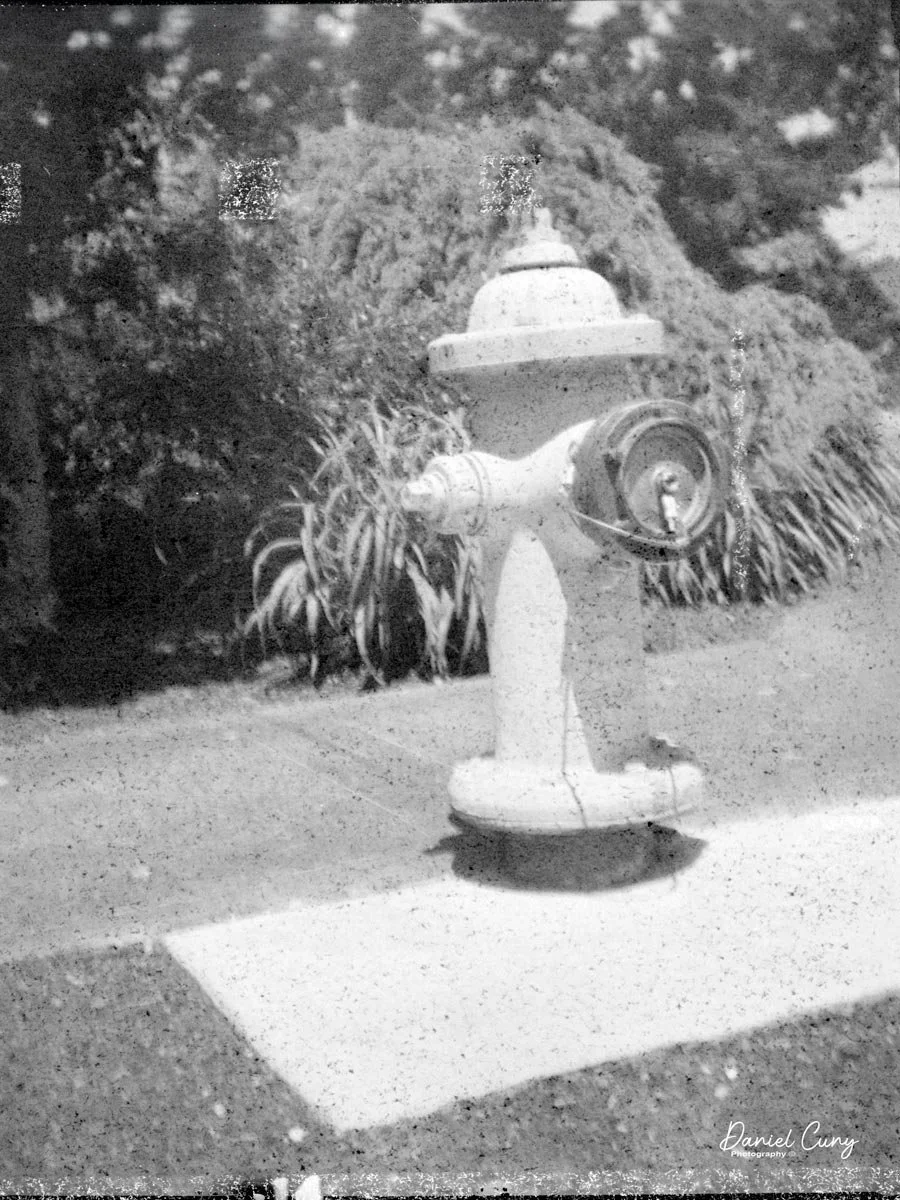
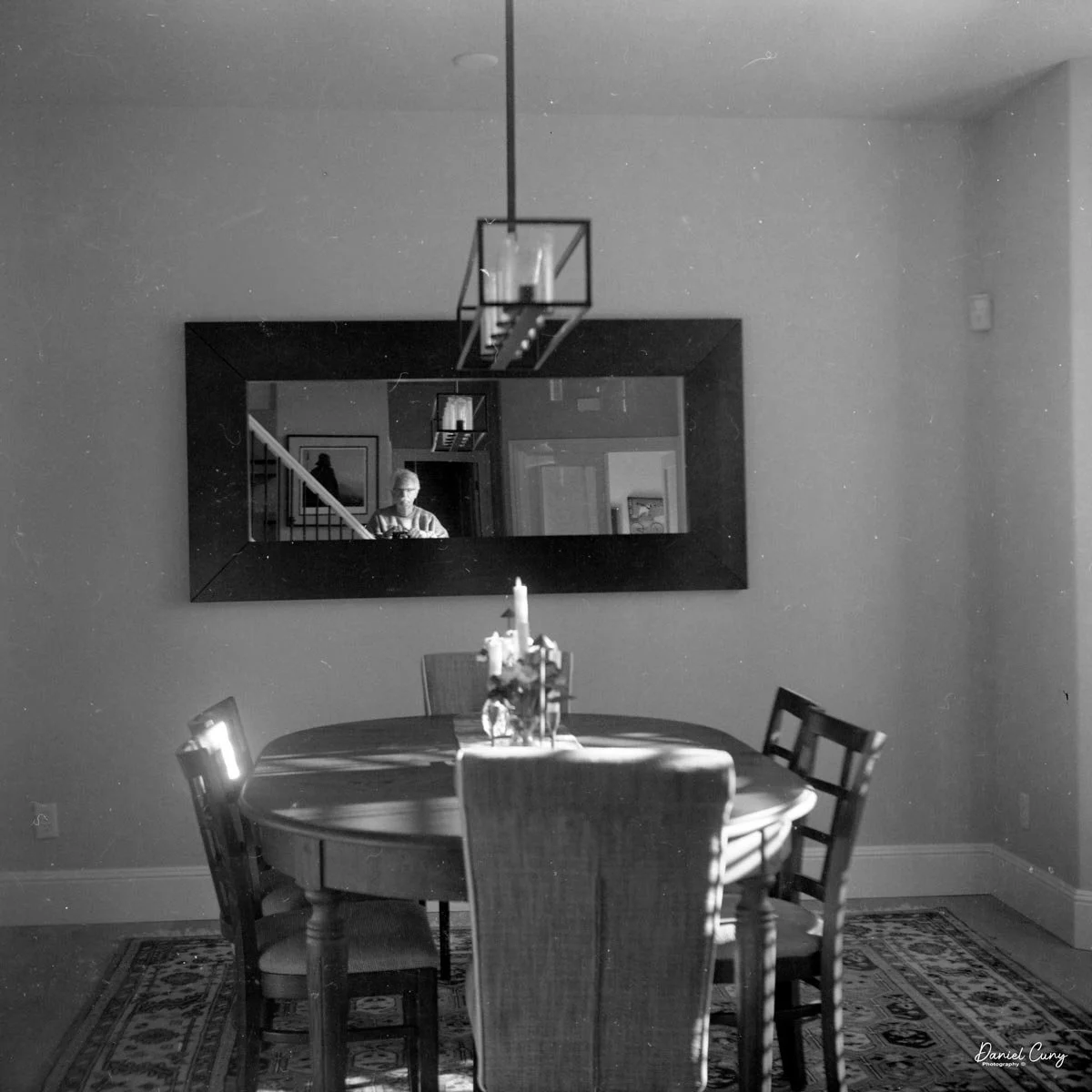
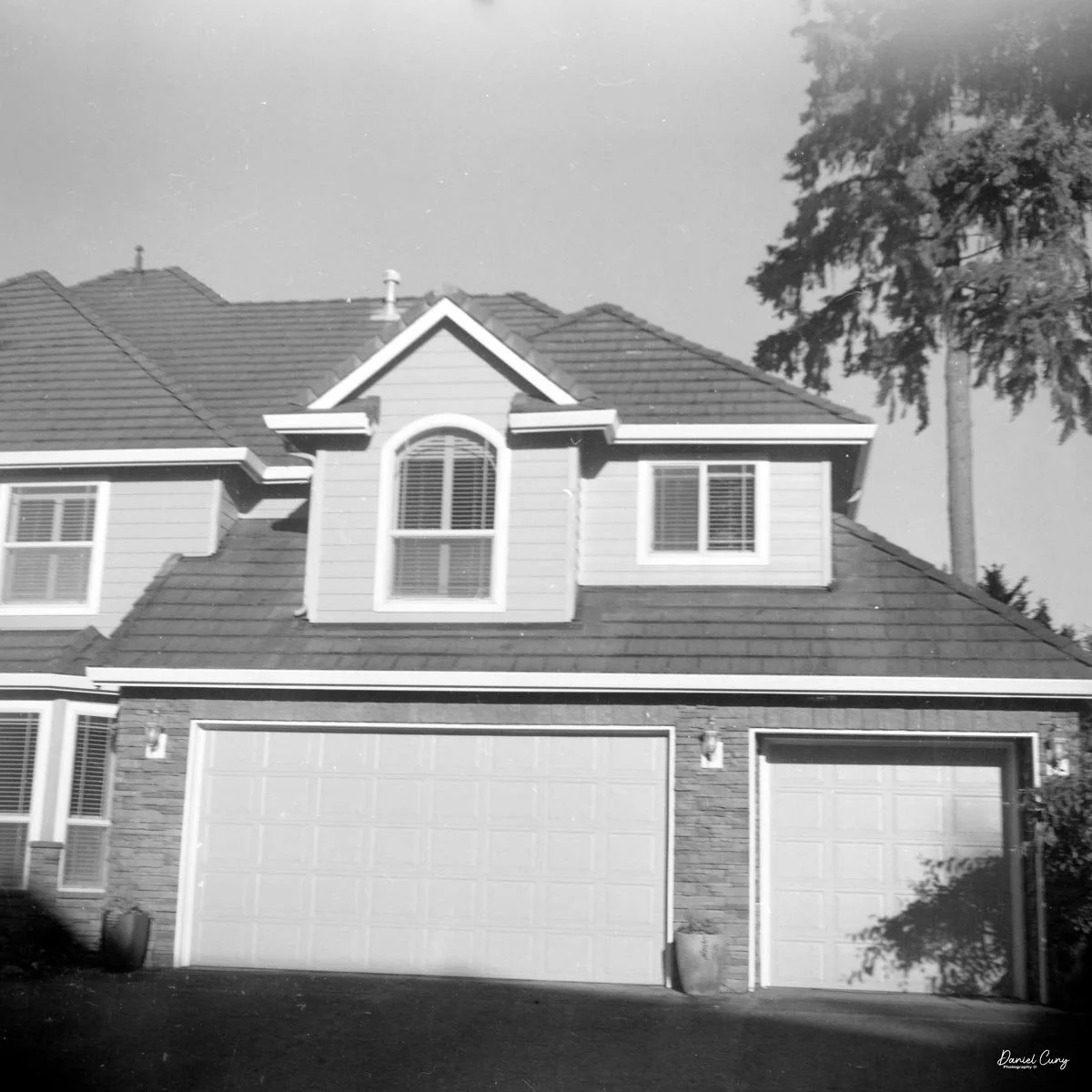
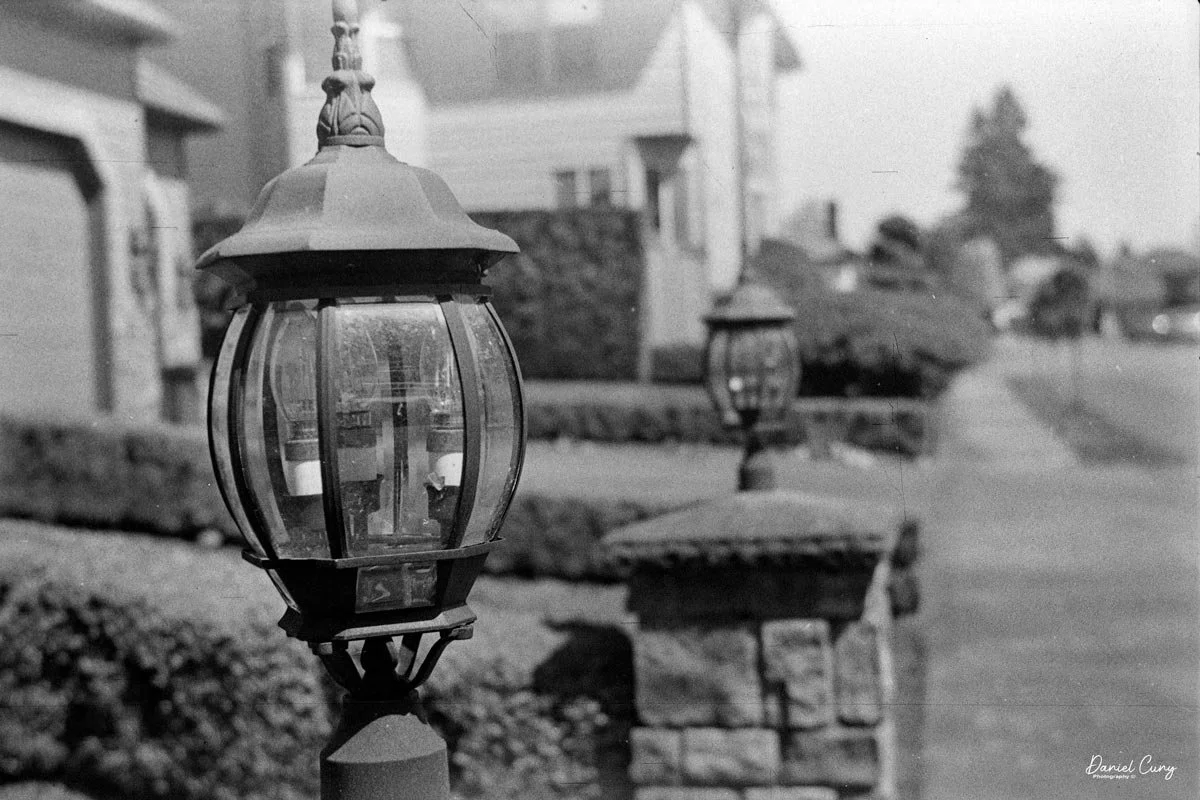
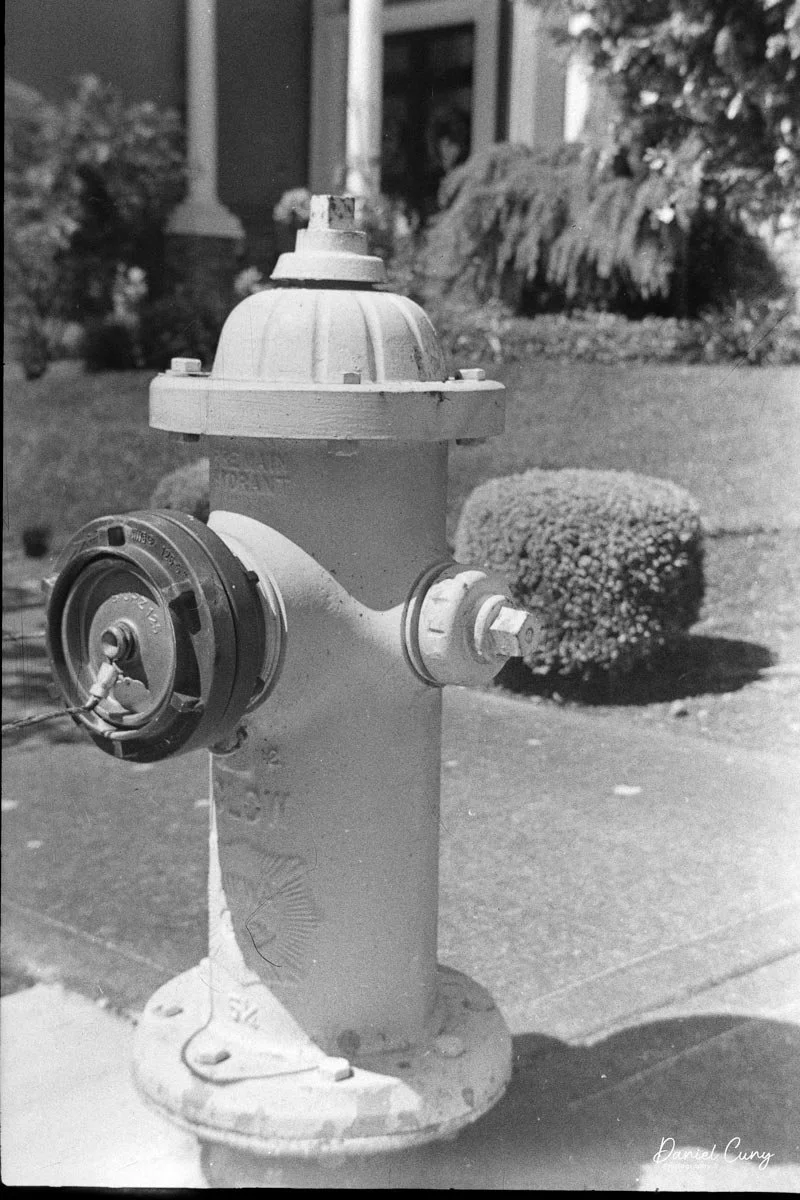
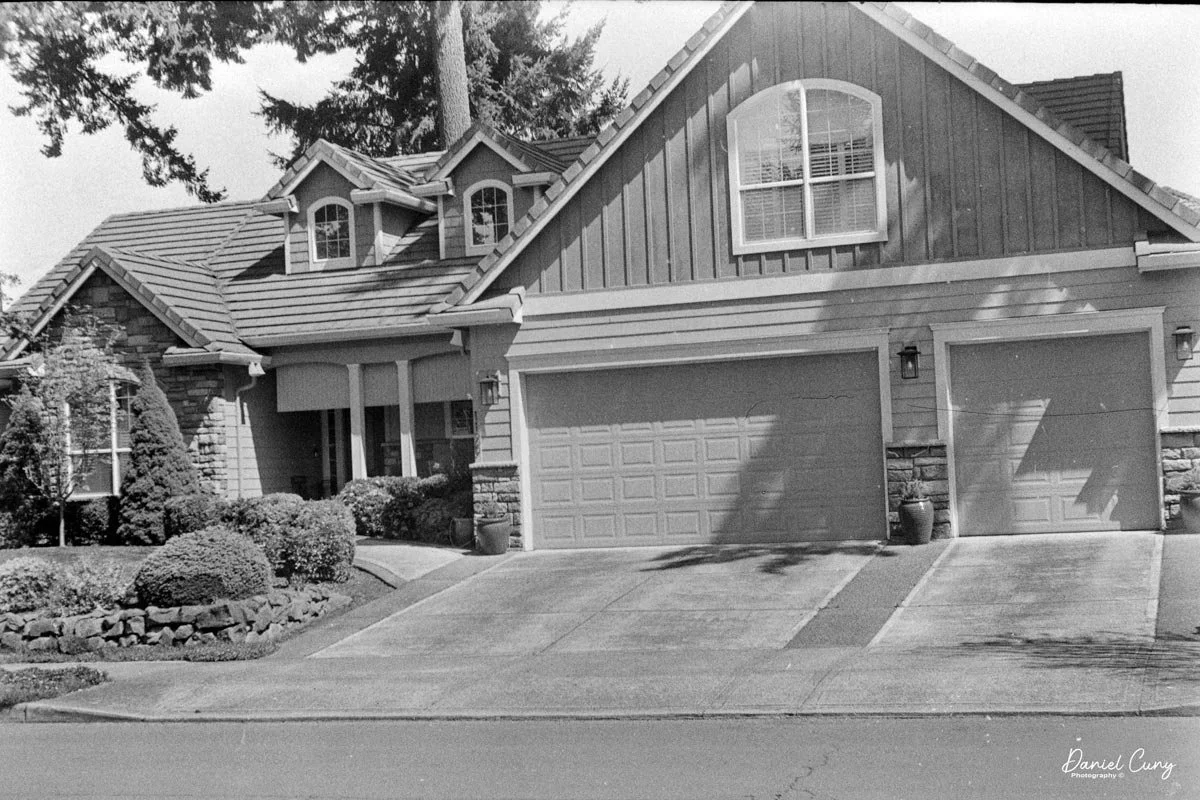
Since the shutter on the Salmoiraghi Lexus camera is inoperable, I wasn’t able to shoot a roll of film through it.

I may try at some point to disassemble the shutter and get it back in working condition. If/when that happens, I’ll be sure to update the post with images.

Conclusion:

 While I knew little about this camera when I purchased it, and really bought it for its wonderful color and matching bellows, I'm elated that I didn't sell it at the NW Camera show last weekend because of its rarity.

 It's not really well-made and doesn't offer many features, but the scarcity of the camera made in Italy means this will be in my collection for the time being. I'm sure, as I get older and whittle down my collection, it'll pass to another collector, and I hope they understand its rarity in the world of camera collecting.

 If you have questions or comments, please feel free to reach out to me; I'm always interested in discussing what you have in your collection, as well as the cameras I've reviewed.

 Thank you for taking some time to learn more about this Italian camera. To me, what I enjoy about this camera is the wonderful brown leather covering and matching brown bellows.

 Here are my other Camera Reviews.

 Cuny's Cameras and Photos is my online eBay store where I sell some of the cameras I've reviewed, along with many other camera oddities I've stumbled upon in the past few years.

 Until next week, please be safe.

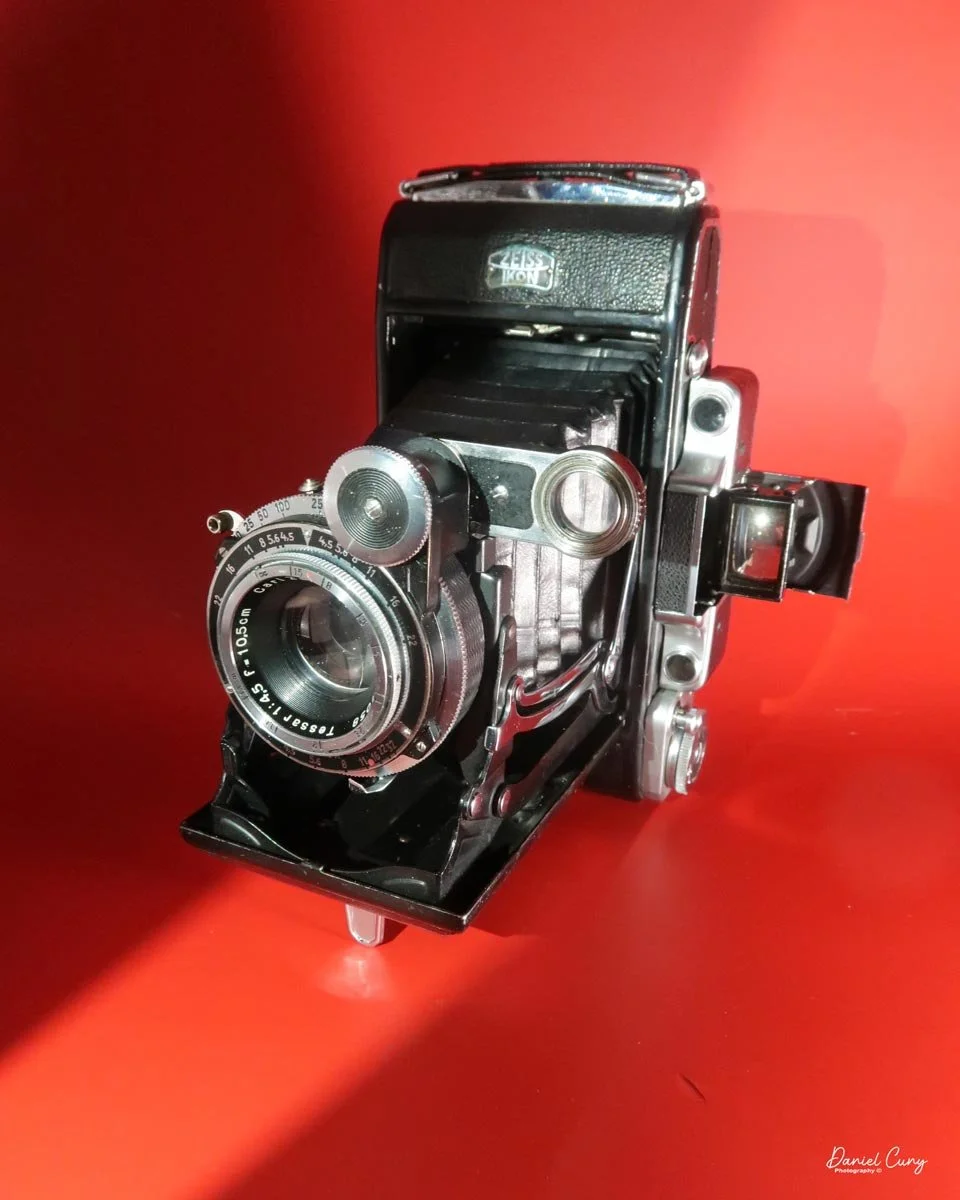
Zeiss Ikon Super Ikonta 531/2

My Zeiss Ikon Super Ikonta 530/2 camera

Walking through flea markets, garage sales, or camera shows, I always stop to look at what Zeiss cameras they have, and the cameras that I always pick up to look over are any of the Zeiss Ikon Super Ikonta cameras. Not only because they look impressive even when closed, but also because I'm always struck by how well-made and intricate they are for a camera that's 90 years old.

 To me, the Super Ikonta cameras are like looking at a masterpiece of art. They are timeless in their form, compactness, and mechanical intricacies. When closed, they are compact and sturdy. They have a heft to them that you know they were manufactured to last a long time.

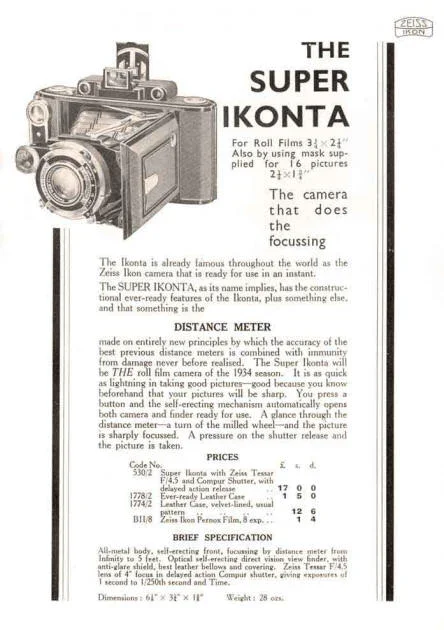
 Zeiss Ikon made four different Super Ikonta styles. There were the smaller models in 6x4.5 or 6x6cm formats, then they also made a larger, specifically longer version that shot 6x9, and a rare version that shot 6x11cm. The 6x9cm version came with a metal insert that reduced the image size to 6x4.5, essentially allowing the photographer to get twice as many images on the 120 roll film loaded in the camera.

 Having owned both in my life, I'm torn between them. On the one hand, I prefer the longer negatives, so the 6x9cm version is appealing, but it's also a bit bigger to carry. The more compact 6x6cm version is a terrific camera to carry when you travel. They are compact, fit in your pocket, have wonderful optics, and use a rangefinder to focus.

 Looking at the cameras on my shelf for a camera to write about, the Zeiss Ikon Super Ikonta 530/2 was a camera I recently got back from a full CLA, so I knew, or at least hoped there wouldn't, or shouldn't be an issue putting film in the camera and running a roll of film through it. 

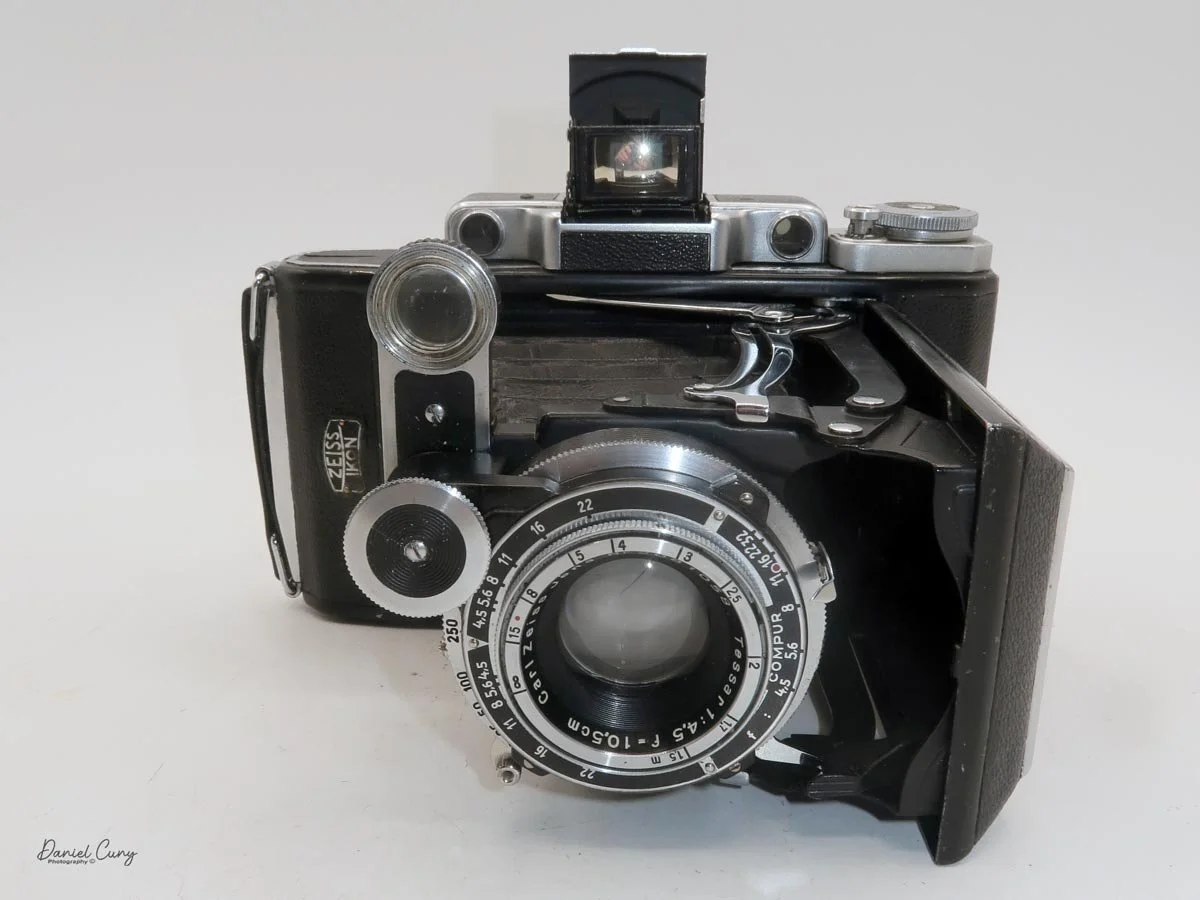
Horizontal view of my Zeiss Ikon Soper Ikonta 530/2 camera

 The camera I had purchased almost a year ago was from an online auction. I saw it at the auction along with a few other cameras, placed a fairly low bid, and won it. The camera was shipped to me, and upon inspection, I noticed the shutter wasn't working. It worked at higher speeds, but the camera needed servicing, so I sent it for CLA.

 My camera came back from the technician and looked flawless. The rangefinder was bright and accurate, the lens was bright, the focus was smooth, and the lens popped out of the camera as if it were new. 

 Whenever I see a Zeiss Ikon Super Ikonta or another rangefinder folding camera, the first thing I check is the shutter to see if it's opening/closing, especially at slower speeds. Then I check the focus to see how smoothly the lens and focus knob turn. It seems that many of the cameras have very stiff focusing, so when the camera came back, and the focus knob turned so nicely, I must have had a large grin on my face, as this was a new experience for me: a smooth focus.

 With all that said, it was time to put a fresh roll of 120 film into the camera and take a walk through the neighborhood on a wonderful spring afternoon. The sun was out, and so many of the trees and flowers were in bloom, it was the ideal opportunity to take my newly CLA'D Zeiss Ikon Super Ikonta for a spin.

Brief History of the Zeiss Ikonta Cameras:

 Zeiss Ikon and the Ikonta cameras sit at an important crossroads in European camera history. Formed in 1926 from the merger of four major German makers—Contessa-Nettel, Ernemann, Goerz, and Ica—Zeiss Ikon became one of the largest and most influential camera companies in the world, backed by the Carl Zeiss optical tradition.

 The Ikonta line emerged around 1929 as Zeiss Ikon's premium folding-camera family. It was introduced in several sizes, including 6x4.5, 6x6, and 6x9 roll film frames, and represented the company's effort to rationalize and modernize the crowded product lines inherited from the merger. These cameras were built as elegant folders: compact when closed, but capable of producing high-quality medium-format images when opened.

 What made Ikonta especially significant was its market position. Zeiss Ikon used better lenses and more refined construction on Ikonta models, while cheaper versions sometimes carried the related Ikomat name. The line became closely associated with Carl Zeiss lenses, such as the Tessar, which helped the cameras earn a strong reputation for sharpness and image quality.

 A major step forward came with the Super Ikonta series, introduced in 1933. The "Super" name indicated the addition of a coupled rangefinder, making focusing far easier and more accurate than the original scale-focusing Ikontas. That innovation helped define some of the best prewar folding cameras available.

 Production continued through the war years and into the postwar period, but folding cameras gradually lost favor as photography shifted toward more modern fixed-lens designs and 35mm systems. Even so, Ikonta and Super Ikonta remain admired today for their craftsmanship, portability, and classic Zeiss optical quality.

My Camera:

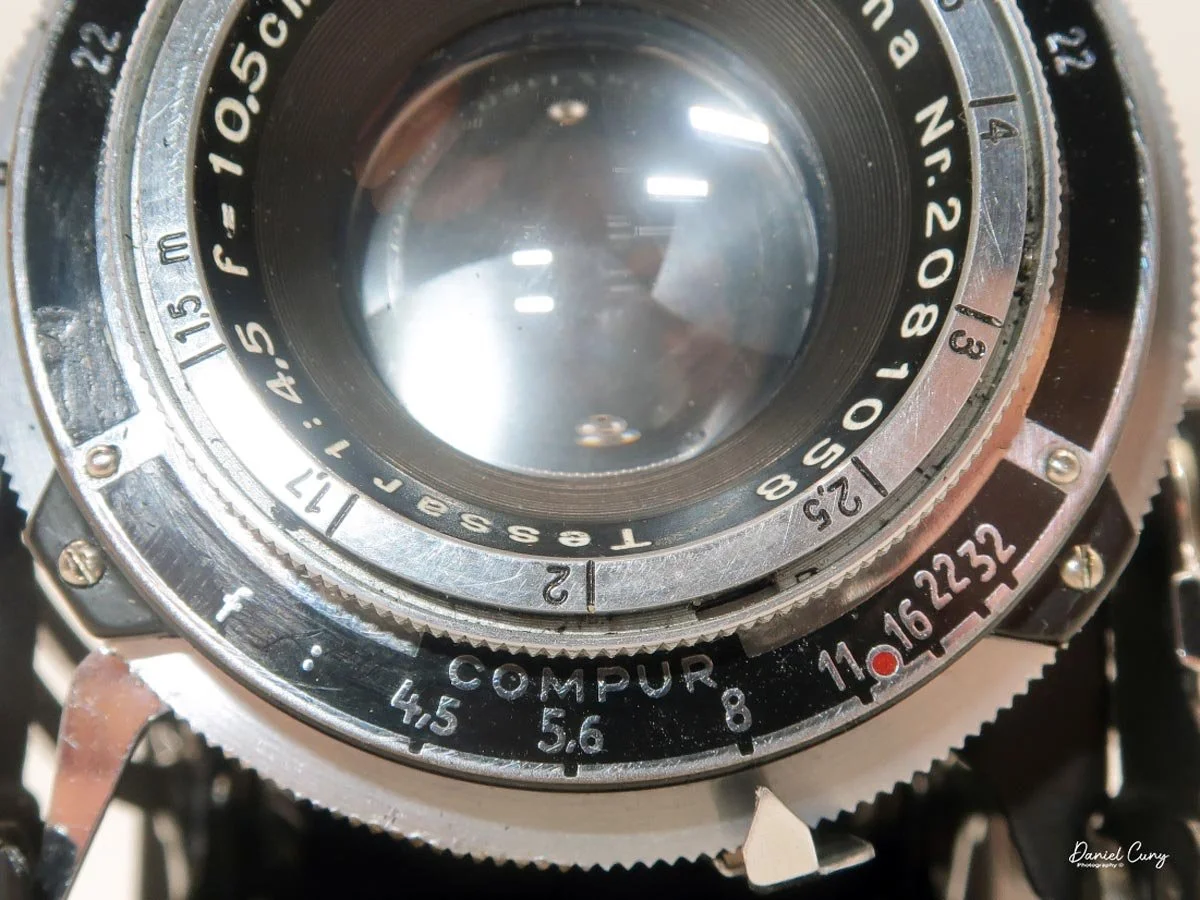
 My Zeiss Ikon Super Ikonta 531/2 is 7" wide by 4" tall and 2 "deep when the lens is retracted, and it's 5" tall when you open the camera, and the viewfinder pops up, and 5.5" deep when the lens is extended. The camera weighs 1 pound 15 ounces without the case or film loaded. My serial number is E30192.

The Zeiss Ikon Super Ikonta 531/2 camera has several different options for lens and shutter combinations:

  • Tessar 10.5 cm f/4.5 in a Compur shutter. This combination is the best-documented early setup for the 530/2, especially on black-enamel versions from the early 1930s.

  • Triotar 10.5 cm f/4.5 in a Klio shutter. Some early examples were fitted this way, making it a less common but real configuration.

  • Tessar 10.5 cm f/4.5 in a Klio shutter. At least one documented example shows this pairing, indicating that Zeiss Ikon used multiple shutters during the model's production.

  • Later or related Super Ikonta variants appear with Tessar lenses in Compur Rapid or Synchro-Compur shutters, though those are more typical of later Super Ikonta models.

Looking at the top of the camera, on the right side of the rangefinder, is a button that opens the camera when it's closed. According to the Zeiss Ikon Super Ikonta manual. Hold the camera in your right hand, with the front slightly pointed down. Press the button, and the camera should open slightly. Then pull down on the front cover so the bellows and lens extend to the taking position. Once the lens is extended, you'll need to swing the arm holding the small round lens into place so you can use the rangefinder for focusing. Also, when you open the camera, the Albada (sports) finder springs open. Look through the Albada finder; it has lines for both 6x9cm images in a horizontal format and for 6x4.5cm images for a vertical subject.

Now that the camera is open, you're ready to make exposures once the film is loaded, which we'll get to in just a moment. The shutter and aperture settings are located around the lens. Shutter speeds from 1/250 to 1 sec, plus "B," are set by turning the ring to the desired speed. The aperture is set by sliding the arrowed lever at the bottom of the lens to the desired aperture, which ranges from F/4.5 to F/32 on my camera.

 The focus wheel is on the front of the swing arm you moved over for the rangefinder, just above the lens when the camera is in the vertical position. For focusing, look through the small window on the back of the camera. Turn the dial to use rangefinder focus, which includes a small yellow area in the middle of the finder. When out of focus, the subject will appear as two images. Your main subject, and a second image in the yellow area. Turn the wheel until both images merge into one, indicating the subject is now in focus. 

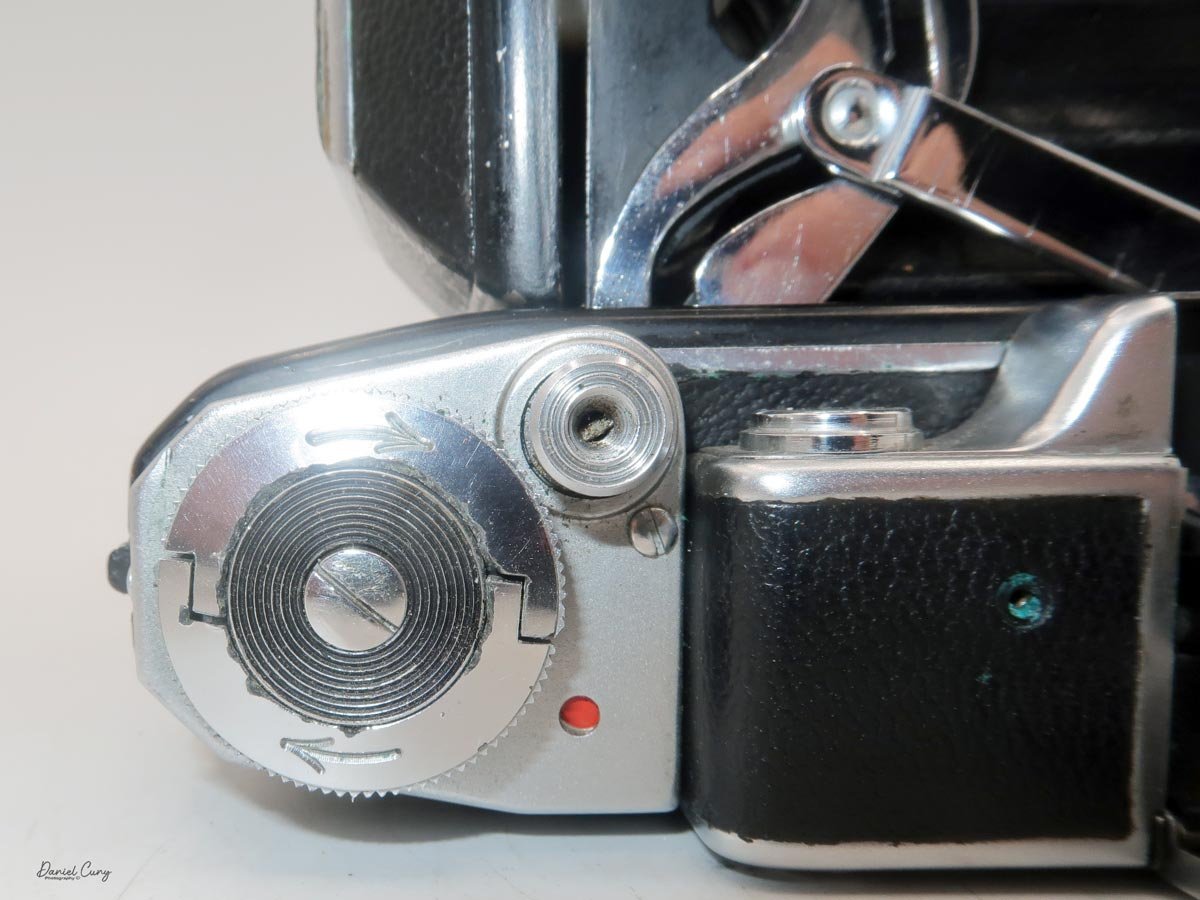
Set your shutter speed and aperture setting, and don't forget to cock the shutter. The shutter release is on the top, left side of the camera. Press the shutter release, which will trip the shutter via a series of linkages that run along the bottom of the lens bed. Just behind the shutter release is a small window. When the window is grey, the shutter has been tripped, and you'll need to turn the film winding lever until the small window turns red. At this point, you can re-cock the shutter and release it. 

To open the back of the camera to load film, under the camera's handle is a small slider with an arrow pointing toward the opening. Slide the small knob in the direction of the arrow, and the camera back will open. Load the film as you would any 120 roll film camera, roll the film so the "start" arrows are showing, then close the back of the camera, and wind the film advance knob so the number 1 shows up in the appropriate window on the back of the camera. 

There are two red widows on the back of the camera: one for 6x9cm images and one for 6x4.5 cm images, if you have the metal insert in. If you have the insert in the camera, you'll use both windows for film advance, as you would with a 127 film camera with two windows. Stop at the number 1 on the far right window, then take your photo. Wind the film until the number 1 appears in the second window on the left, then take your photo. Then wind the film until the number 2 shows up on the first window on the right side, and so on through the number 8. For 6x9cm images, you'll get 8 exposures per roll; for 6x4.5, 16.

 To close the camera for transport, slide the arm you extended for focus back over the bellows. Holding the camera with both hands, press in on the locking arms on the struts to lock the bellows and lens into place; the bed will collapse a bit. Fold the lens back into the camera until the camera clicks closed, then flip down the Albana finder.

My Images:

 Let's take a look at how the images turned out. Here are a few of the images I took with the Zeiss Ikon Super Ikonta camera.

Conclusion:

 The first few images were incredibly sharp, well-exposed, and as I expected. I noticed that towards the end of the roll, the images became softer and less sharp, which concerned me. What did I do wrong?

 To give some background, I had eye surgery on my right eye, which is my dominant eye, about a year or two ago. When I went to see the eye doctor, I could barely make out details with my right eye, so surgery was necessary. Since then, it's gotten a bit better, but not as good as it used to be. Now I'm getting used to putting the camera up to my left eye, which is considerably better than my right. It still feels awkward, but it's my new normal.

Missing pressure plate

 I thought this contributed to the images being soft. Then I remember what a good friend, Mike Eckman, said a few weeks ago when we were discussing image sharpness. He said that he had a similar instance and noticed that the film's pressure plate was missing. At this point, I opened the back of the camera, and sure enough, the pressure plate was missing. 

 How could I miss that when I'm loading the camera? You get so used to looking at and loading cameras that you miss that a camera doesn't have a pressure plate.

 At this point, I'm sure I could manufacture one out of something like thin foamcore and just cut out circles for the red window. Still, it's a lot of fun to use, and the images are incredible. I'll chalk it up as a learning experience and double-check to be sure they have the pressure plate from now on.

 Here are some of the other Camera Reviews I've done.

 Cuny's Cameras and Photos is my online eBay store where I sell some of the cameras I've reviewed, along with other camera accessories, lenses, etc.

 Please feel free to comment on this or any of the other camera reviews I've done. I'd love to hear from you.

 Until next week, please be safe.


Kodak-Nagel Ranca camera

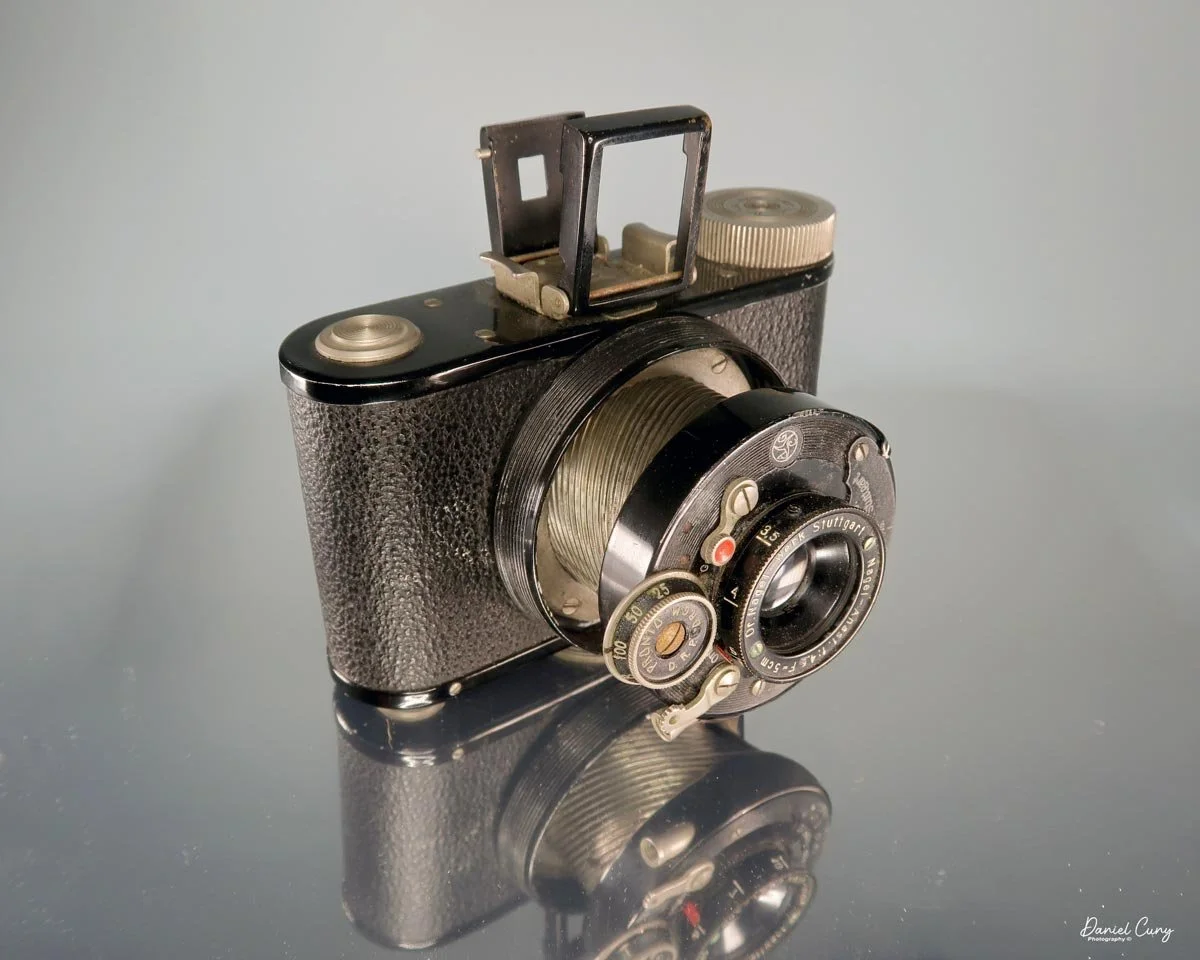
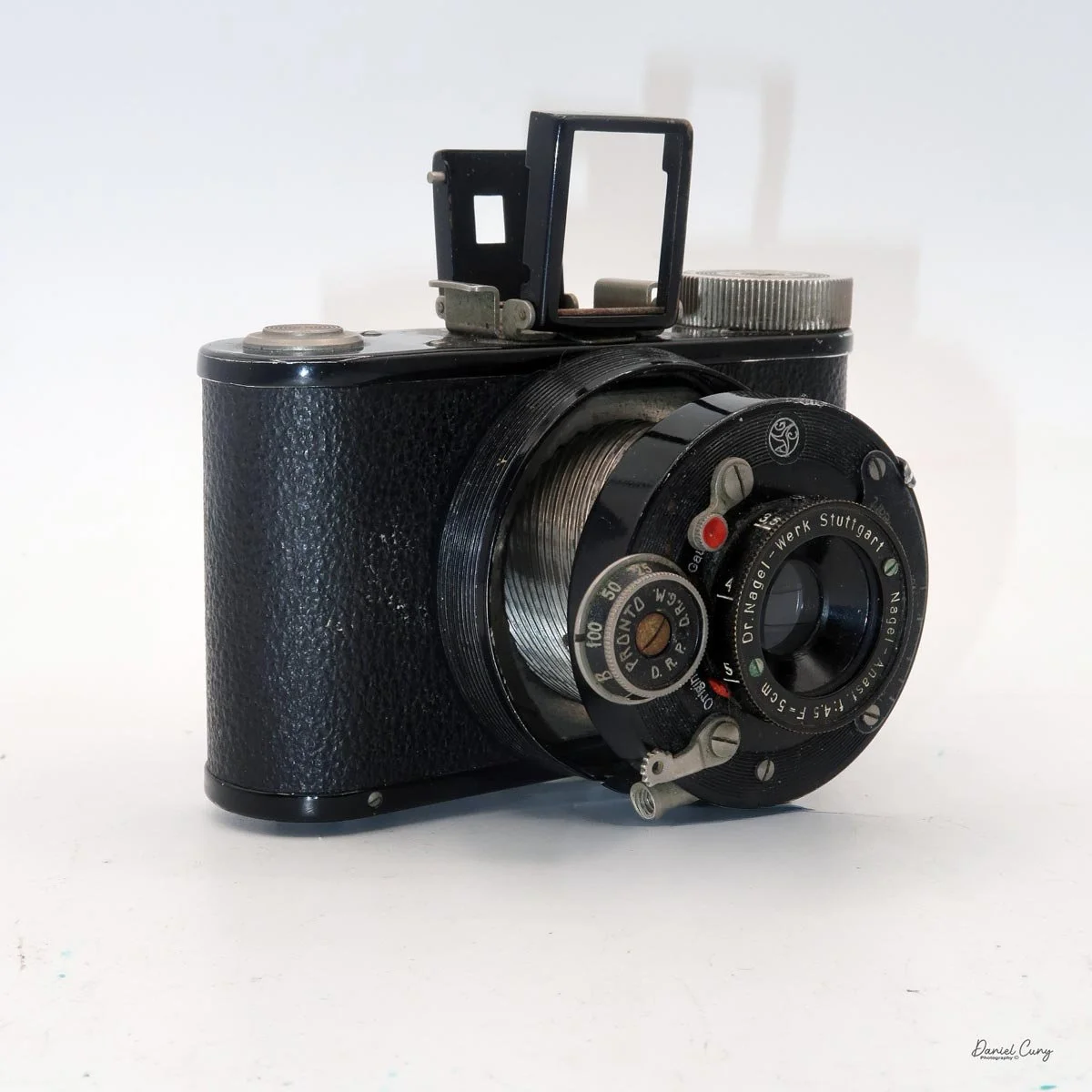
My Kodak-Nagel Ranca camera

Being a collector and working in the photo industry for more than 50 years, and, more specifically, in the photographic retail business for almost 20 of those years. My retail years were in the mid-1970s through to the early 1990s. It was the height of film photography with Nikon F's, Canon AE-1's, Minolta SRT's, Pentax, Rollei, Contax, etc. I can remember the introductions of many of the best-selling cameras from this era. I have seen and sold many cameras. But to this day, I still enjoy them.

 When I look at a camera, especially an older one I'm not familiar with, the first impression strongly influences whether I purchase it. I'm always on the hunt for the odd and unusual camera.  I imagine it's really about what you enjoy collecting. 

 Many collectors look for pristine examples of Leica, Rollei, Hasselblad, or items with a slight difference, making them a "rare" item. Still, if I see a camera I'm not aware of, and it has an unusual appearance or color that stands out, that's what catches my eye. It doesn't have to be expensive or rare; it just has to be unusual to me.

 That's where the camera I'm writing about this week comes in. The Kodak Ranca is a camera I first saw on my friend Mike Ott's website. Mike is the longtime owner of Pacific Rim Camera and one of the best photographic resources around. It's a website I often visit, very similar to Mike Butkus's Camera Manual, which offers information on cameras, catalogues, manuals, etc. 

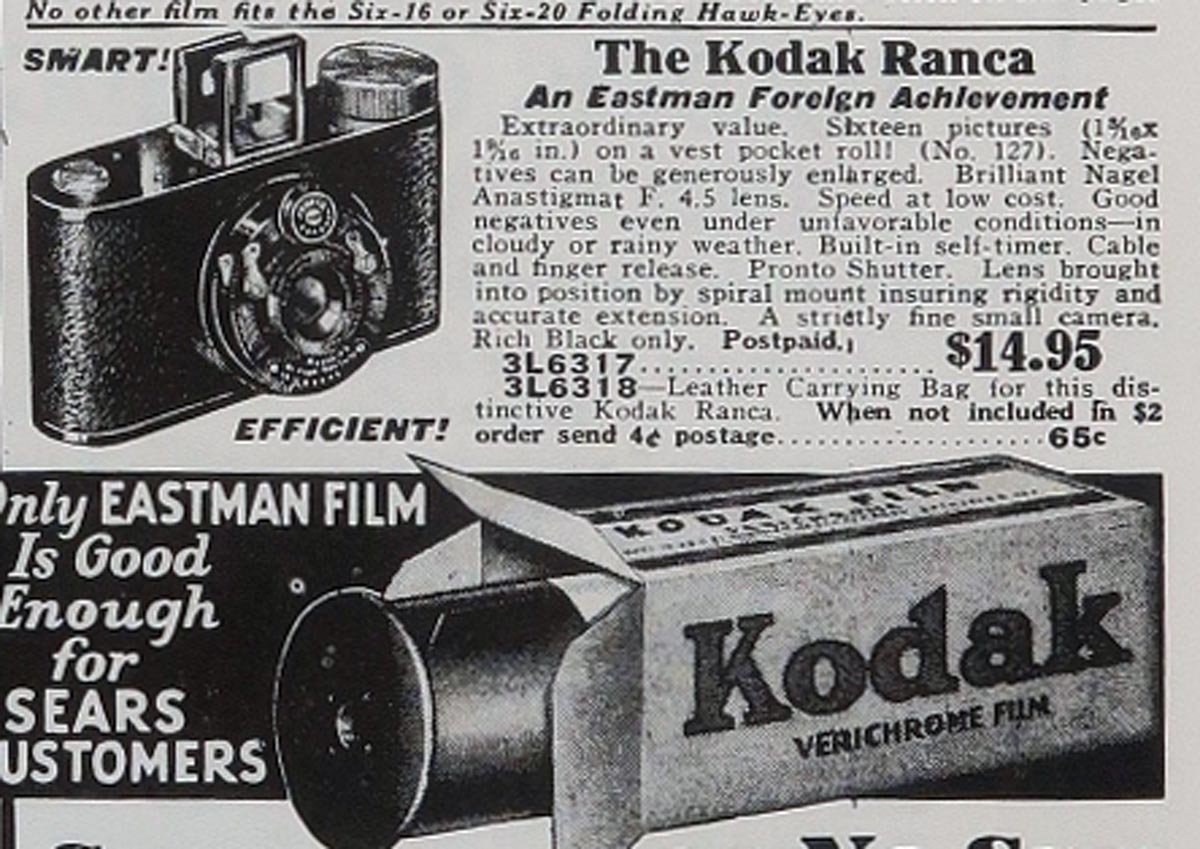
 I purchased the Kodak Ranca because it was a compact camera I wasn't familiar with. It wasn't until it arrived that the camera had a very similar look and feel. I was aware that it was a Nagel-made camera, which was another reason I was attracted to it. Still, when I dug into the camera after it was purchased, it's considered the "less expensive" version of the very popular Nagel Pupille camera, which I reviewed a few months ago.

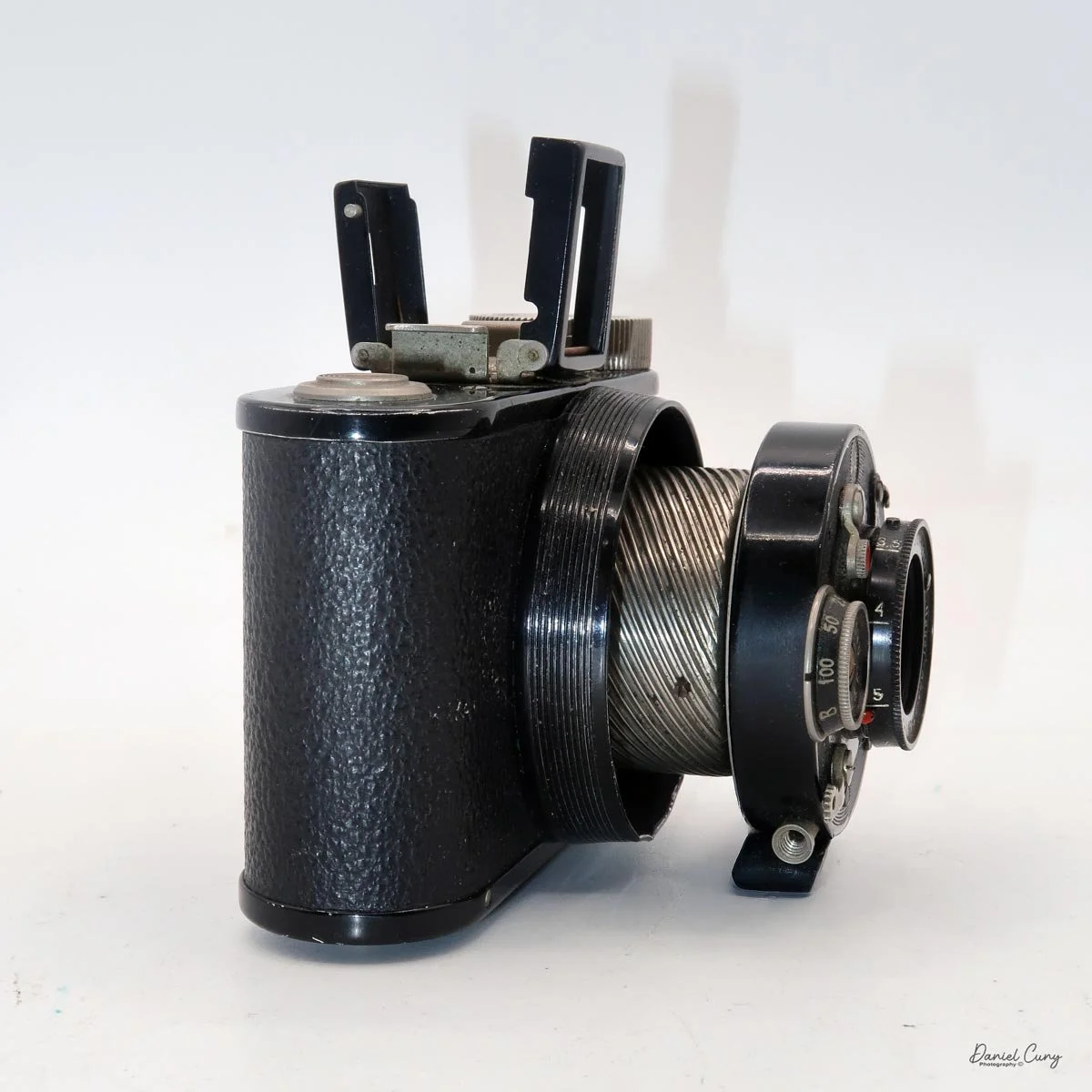
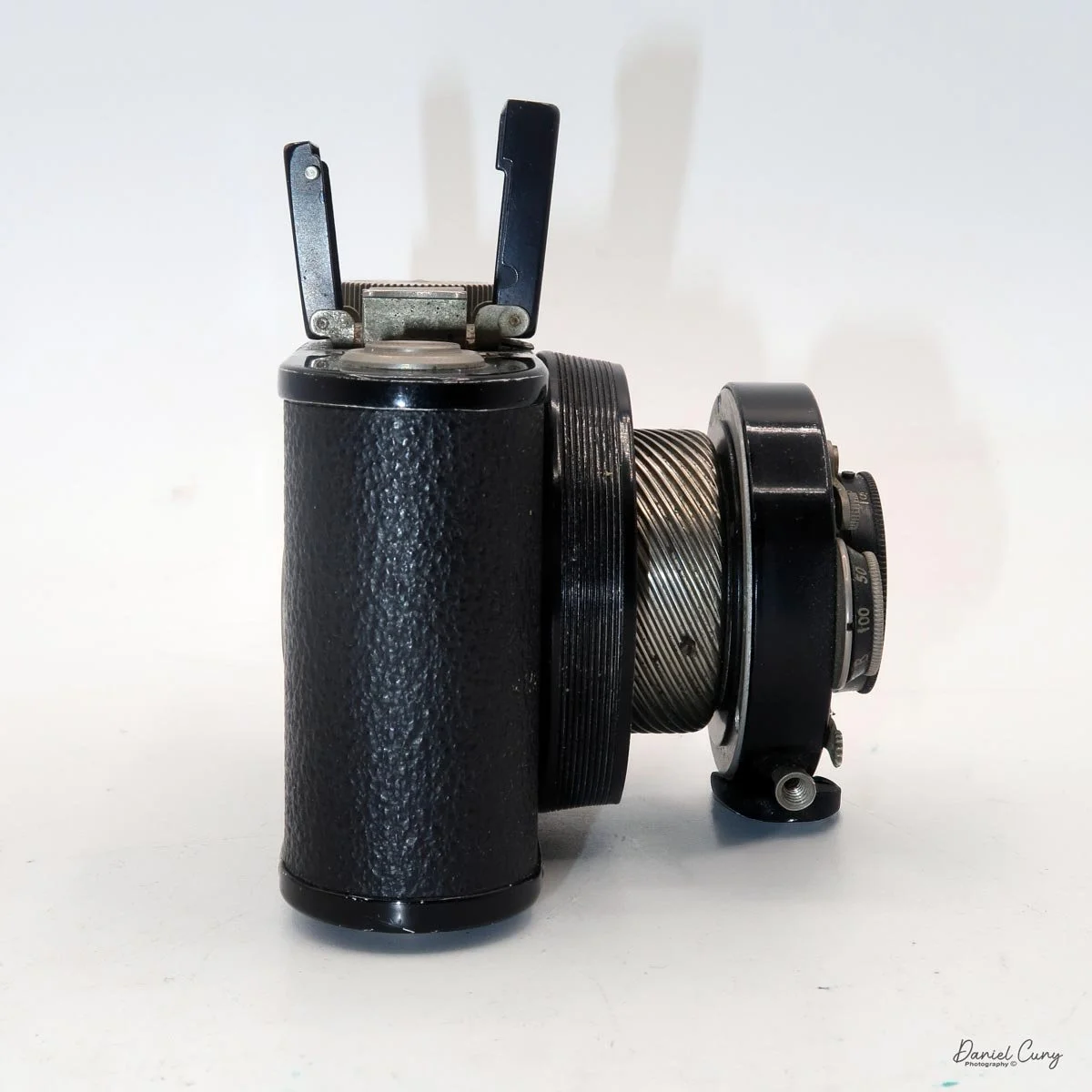
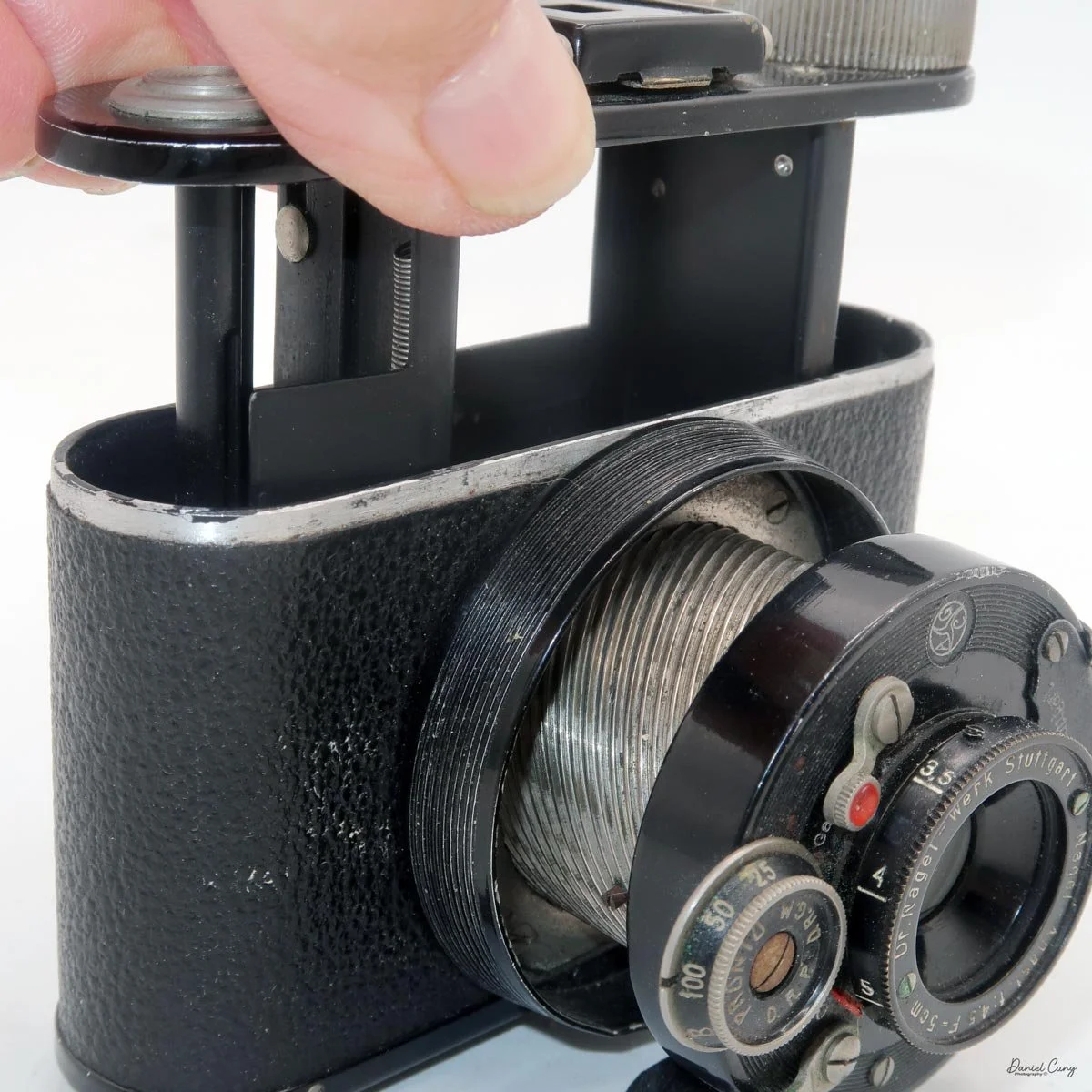
 According to my reading of the Ranca camera, there were two versions. The earlier model, known as 46/0, has a helicoid lens and shutter system that rotates out from the camera's body when you grip and rotate the shutter/lens area a quarter turn counterclockwise. This also exposes the helicoid on which the lens/shutter rotates. The second version is the 46/1, which has a rigid lens barrel with the lens and shutter on the end. 

 The camera was introduced in the middle of 1930 and remained available for only approximately 1 year, until the latter part of 1931. Both the Nagel Pupille and Ranca camera take 127-size film, producing 16, 3x4cm images on the roll. 

 Sources state that a total of 2,200 Ranca cameras were produced, compared to 5,000 of the more expensive, better-featured Pupille cameras. While the Pupille has superior features, fewer Ranca cameras are produced. Yet, the Pupille is more of a collector's item and fetches a higher price, even today.

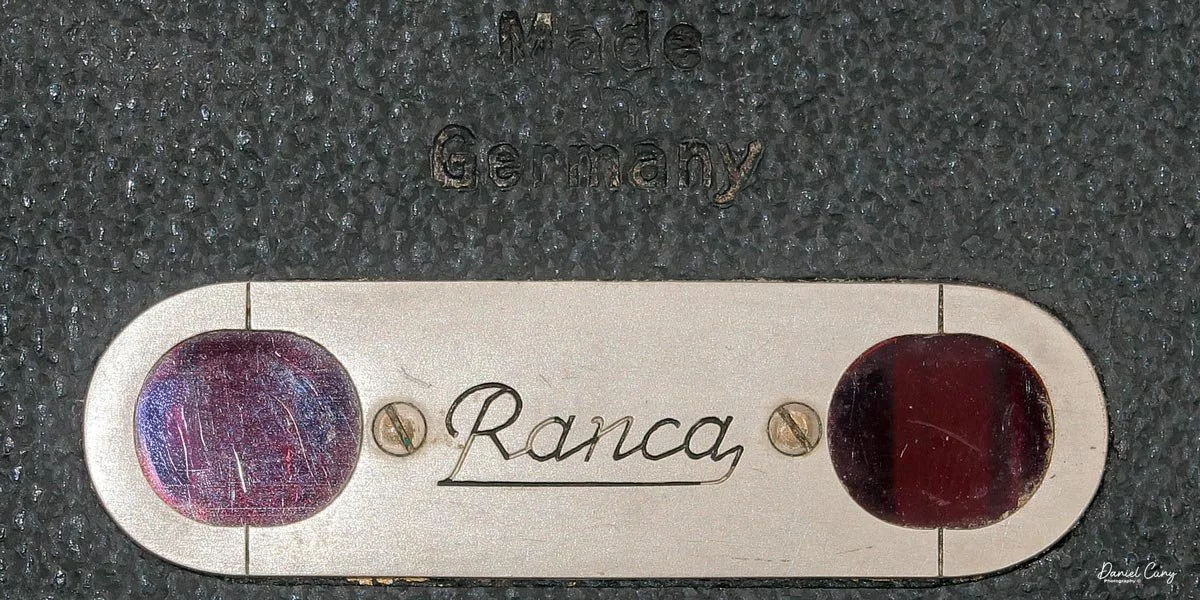
 Some of the other differences between the two models: both cameras have "sports"-style pop-up viewfinders; some have glass on the front, and some don't. Different shutters, either Prontor or Ibsor, were available. The camera uses a front focus system, with some cameras opting for a very simple distance scale for portrait, group, or landscape. In contrast, others have the distance in feet on the lens barrel. 

History:

 Dr. August Nagel was one of the most important European designers ever associated with Eastman Kodak, and their partnership reshaped Kodak's position in the precision‑camera market. In 1932, Eastman Kodak purchased Nagel's Stuttgart-based firm, Dr. Nagel-Werke, and reorganized it as Kodak A.G., retaining Nagel as managing director and head of design. Before this acquisition, Kodak was dominant in film and popular roll-film cameras. Still, German makers like Leica and Contax defined the high‑end miniature camera segment. Kodak wanted a German-built precision camera to compete directly, yet at a lower price and in a form that fit its mass‑market philosophy. Nagel, already respected for compact folding designs and his work on Contessa-Nettel and Zeiss Ikon models, was the ideal partner to bridge that gap.

Kodak Ranca advertismant

 Within Kodak A.G., Nagel used generous Eastman funding and Kodak's global reach to develop a compact 35mm camera that could rival the established German leaders. The result was the Kodak Retina, introduced in 1934 (Type 117), a folding 35mm camera that offered solid German construction and good optics at a far more accessible price than Leica or Contax. At the same time, Nagel introduced a new daylight-loading 35mm cartridge—what became known as Kodak 135 film—which fit not only the Retina but also Leica and Contax cameras. This cartridge standardized 35mm still photography worldwide. It made 35mm use far easier for ordinary photographers, who no longer needed to roll film into cassettes in the dark.

 Nagel's collaboration with Eastman Kodak extended beyond the Retina itself. Under the Kodak A.G. banner in Stuttgart, he and his team produced several notable pre‑Retina and companion models, such as the Recomar plate cameras, the compact Pupille, the Vollenda folding cameras, and the Duo 620 medium‑format folders. These cameras married Nagel's hallmark precision and compactness with Kodak's branding and distribution, giving Kodak an instant foothold in the "serious enthusiast" and professional market that had previously looked almost exclusively to other German makers. 

 Although Nagel died in 1943, the Retina line continued to evolve with the introduction of the rangefinder. Later SLR versions, and the 135 cartridge he introduced, remain the standard for 35mm film, making his association with Eastman Kodak one of the most consequential designer–manufacturer partnerships in camera history.

My Camera:

 My Nagel Ranca camera is 4" wide by 2.5" tall with the viewfinder retracted, and 3.25" tall with the viewfinder extended. The camera is 2.25" deep with the lens retracted into the camera body. When it's extended and ready to take a photo, it's 2.75" deep. The camera weighs 10.1 ounces when a roll of film is not loaded.

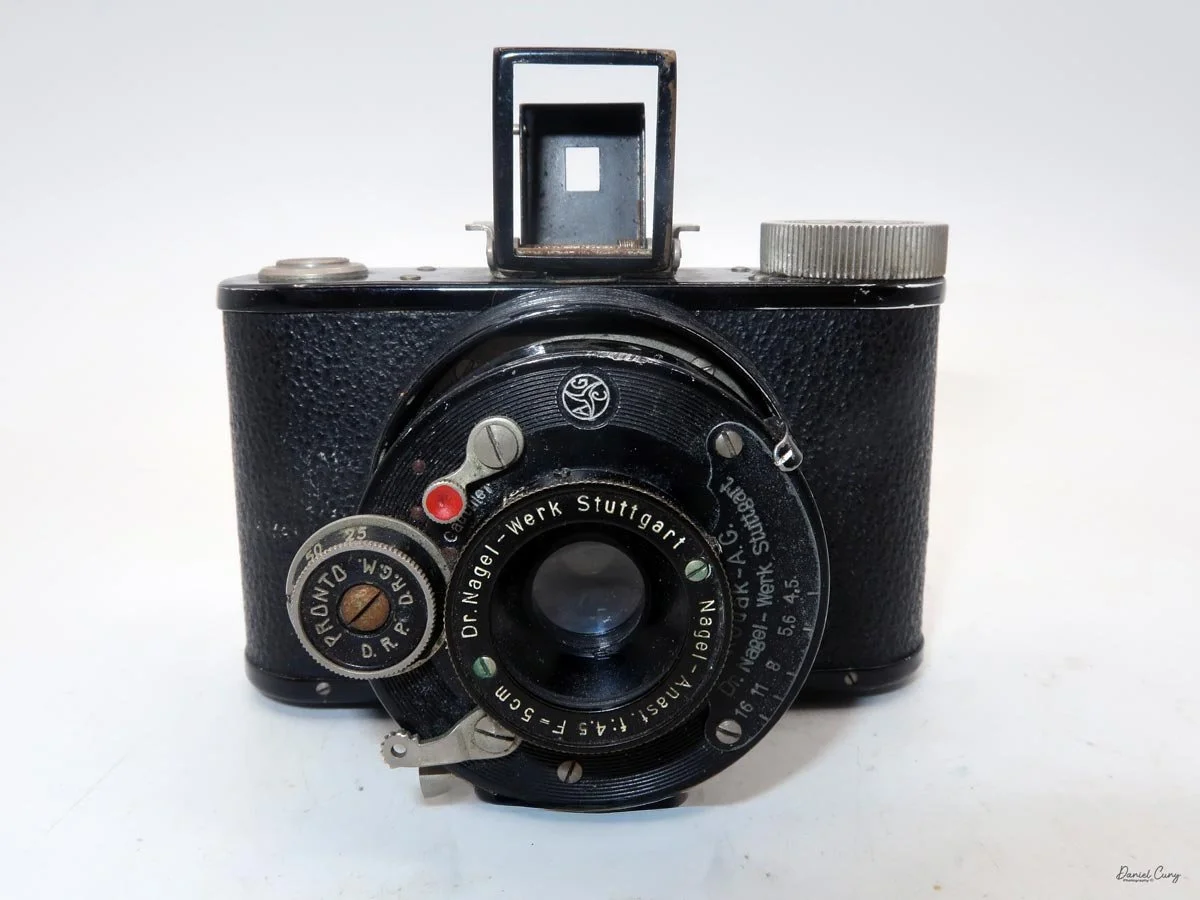
 My Nagel Ranca has a Nagel Anistigmat 5cm lens, an F/4.5 lens, a Protar shutter located above the lens with only three shutter speeds: 1/100, 1/50, 1/25, along with "T" for timed and "B" for Bulb. The aperture ring, which is located below the lens, has a slide that controls the aperture. The minimum aperture setting is F/16.

Shutter/Aperture settings on Kodak Ranca camera

As mentioned previously, the lens/shutter needs to be turned counterclockwise a quarter turn to extend the lens on the helicoid. The unusual thing about doing this is that the shutter release is now in an odd and awkward position for use. The lens/shutter is retracted, and the shutter release is in the 11:00 o'clock position, which is ideal for tripping the shutter. However, when the lens is extended, it puts the shutter release in the 7:00-8:00 o'clock position, making it a bit more awkward, in my opinion. 

 There is a shutter release socket behind the shutter release if needed. On the right side of the shutter dial is a self-timer with a large red dot. Pull it down to set the self-timer, then press it to activate it. Mine isn't working properly, which is common for cameras from this era.

The lens is a front focusing lens. This means you rotate the lens itself to the desired distance from you to the subject. This is shown on the lens by a red line, which is also in an awkward position when the lens is extended. As opposed to being on the top, it's now on the side.

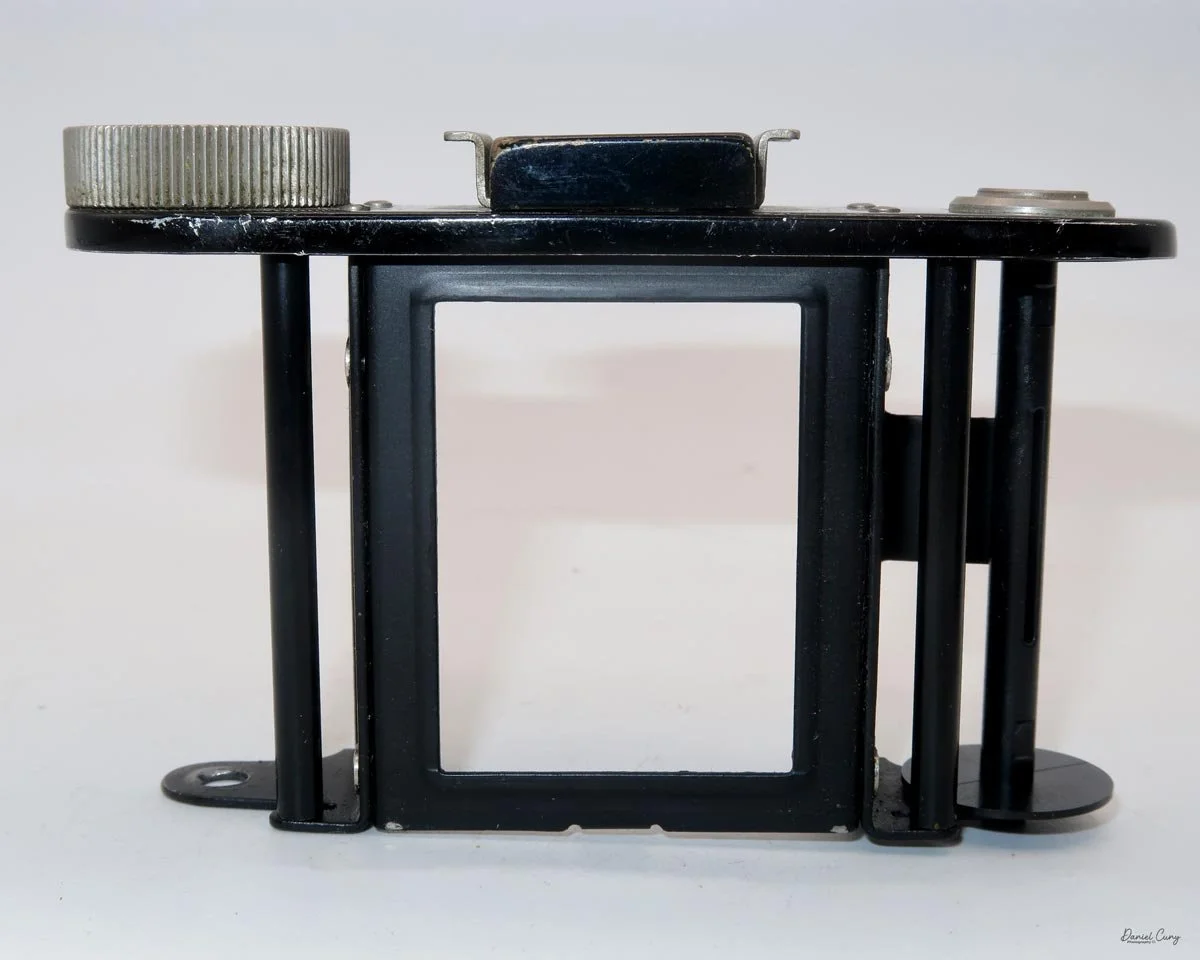
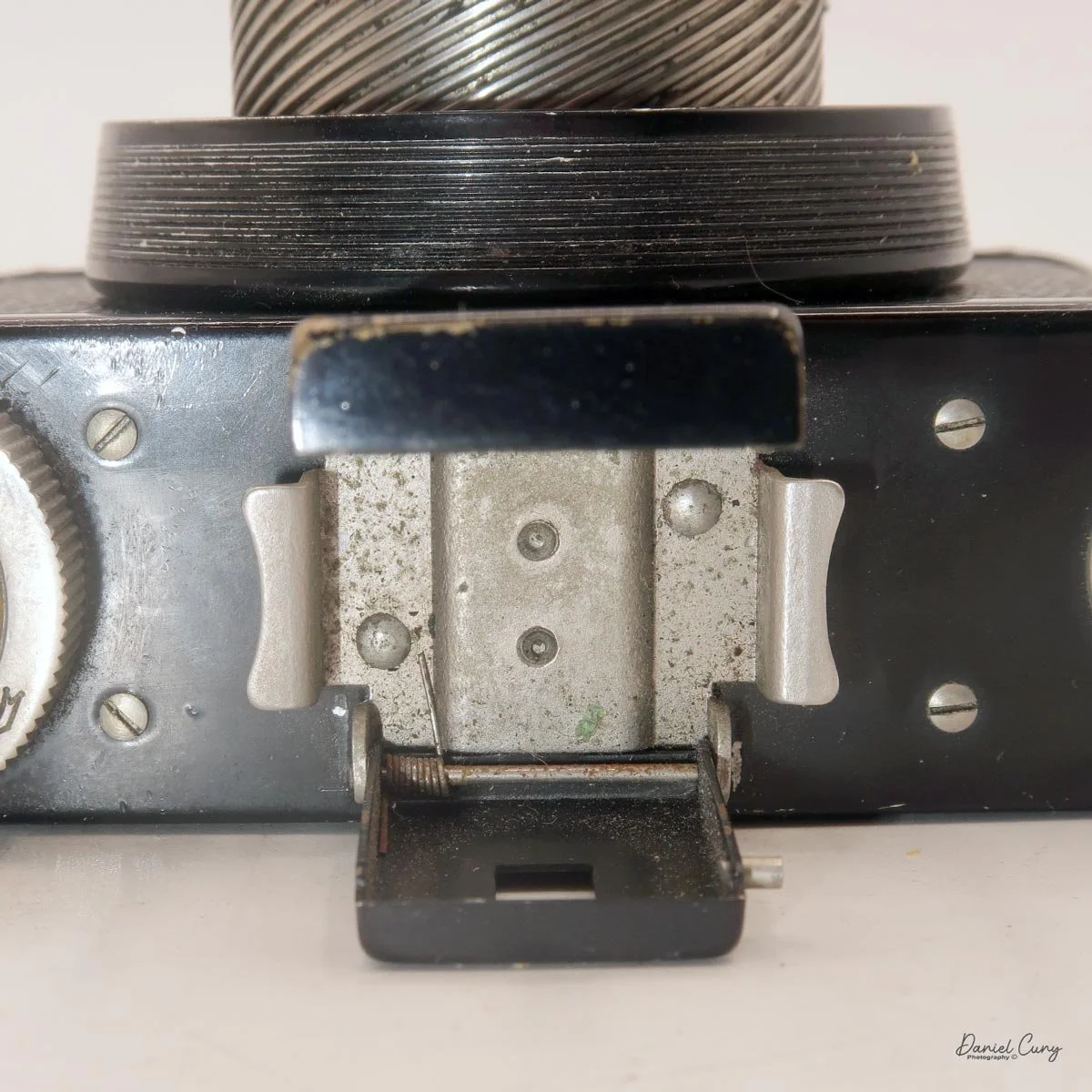
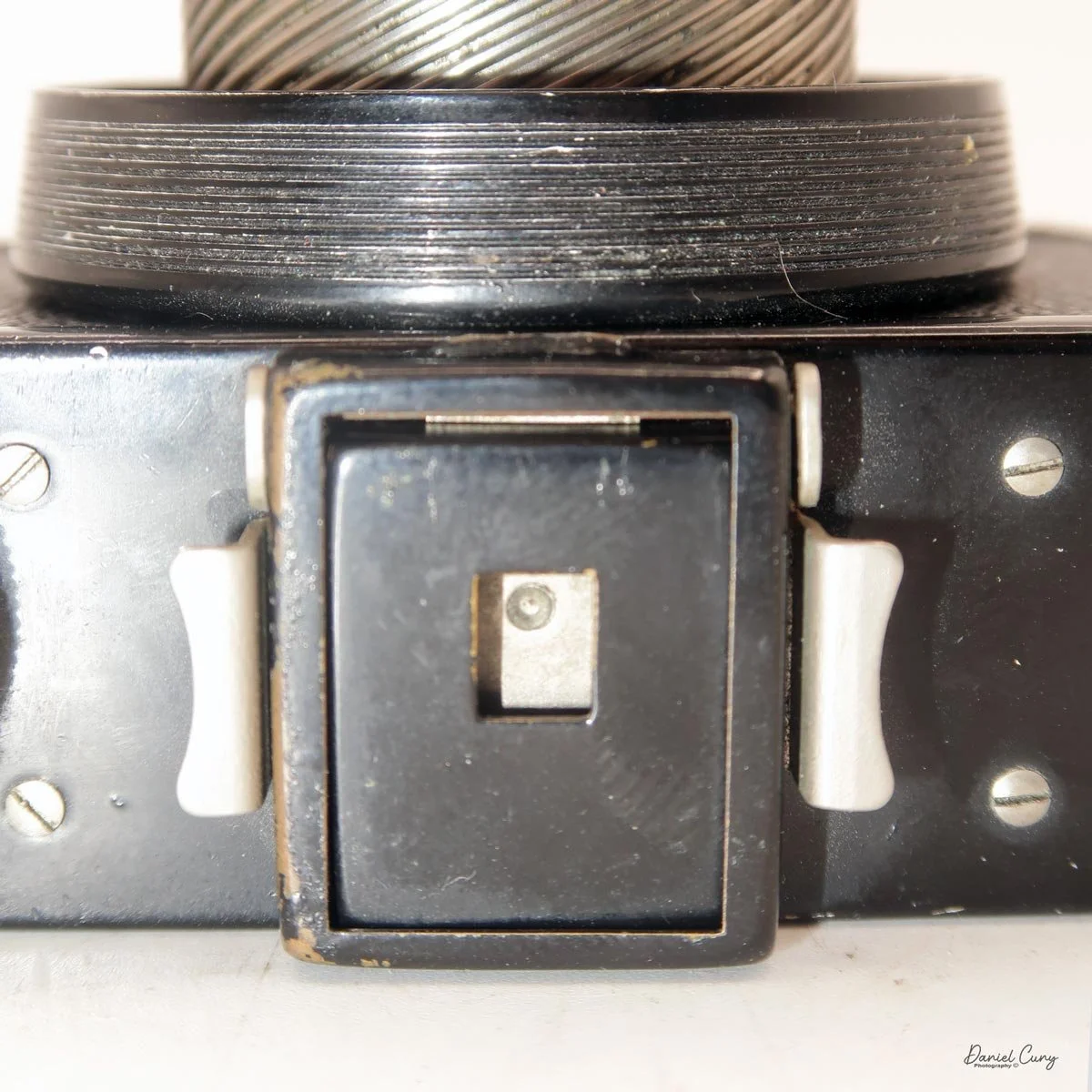
 The lens doesn't need to be extended to open the camera to load film into it. Slide the lever on the bottom of the camera to unlock the film chamber from the camera body. Gripping the chrome handles on either side of the viewfinder and lifting up allows you to remove the film chamber. Once removed, load the 127-size film into the film holder, then slide the film holder back into the camera body and lock it in place with the bottom locking mechanism.

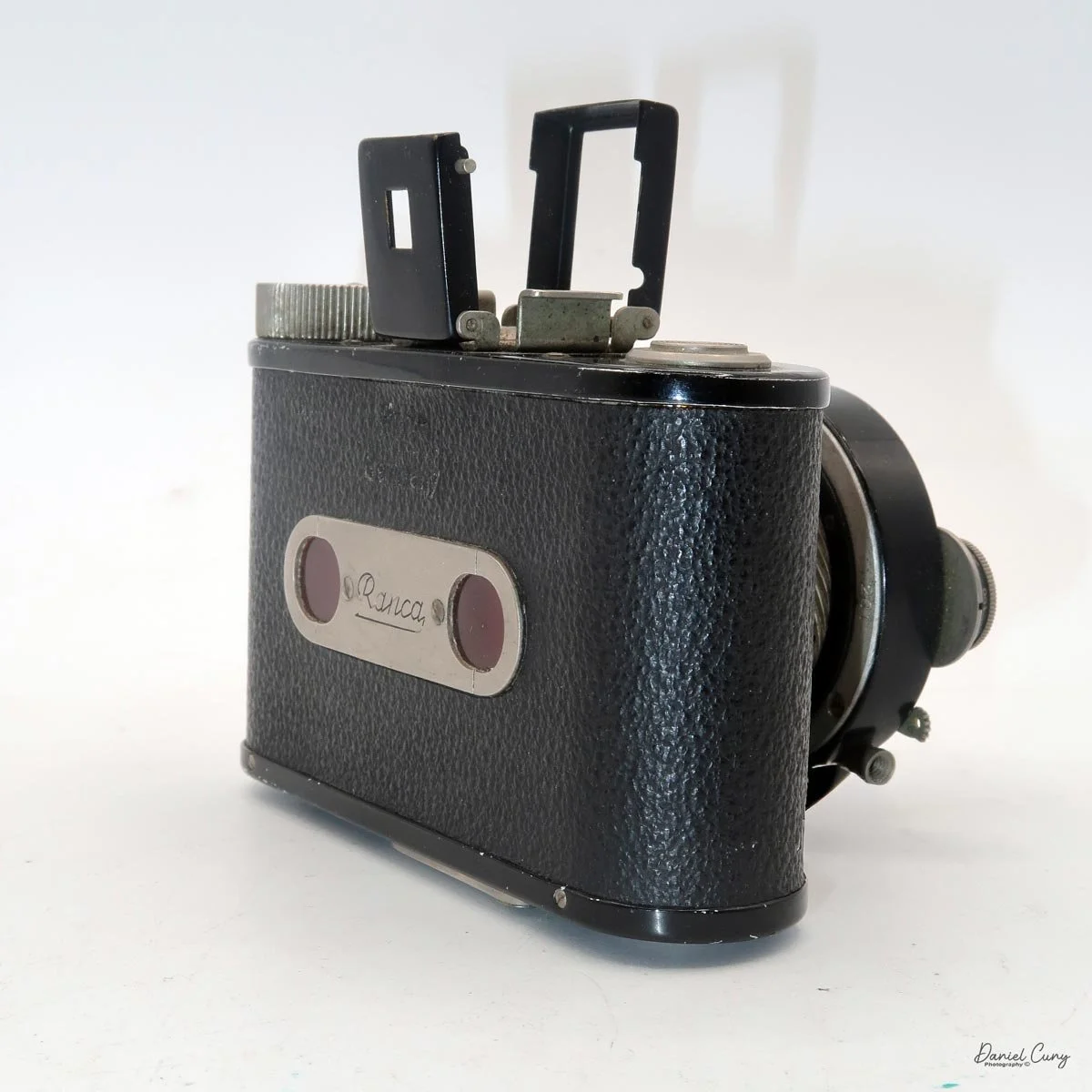
Since there are two red windows on the back, these are used to advance the film. First, wind the film until you see the number 1 in the right side window. Then take your photo. Now wind the film until you see the number 1 in the left side window. Take your next photo. Wind until you see the number 2 in the right side window. Then repeat this process through the number 8. At this point, you've taken 16 photos on your film, and it's time to get it processed, or process it yourself if you have the equipment and chemicals to do so.


My results:

 I loaded a roll of 400 ISO film into the Nagel Ranca camera because the day started out overcast. With the limited shutter speeds available, I needed the extra sensitivity to make good images.

 The day turned out sunnier than expected, and the lack of a high-speed shutter meant I needed to shoot all the images at 1/100, f/16. Even then, the negatives turned out a bit denser than anticipated, but I made the corrections needed in post-processing.

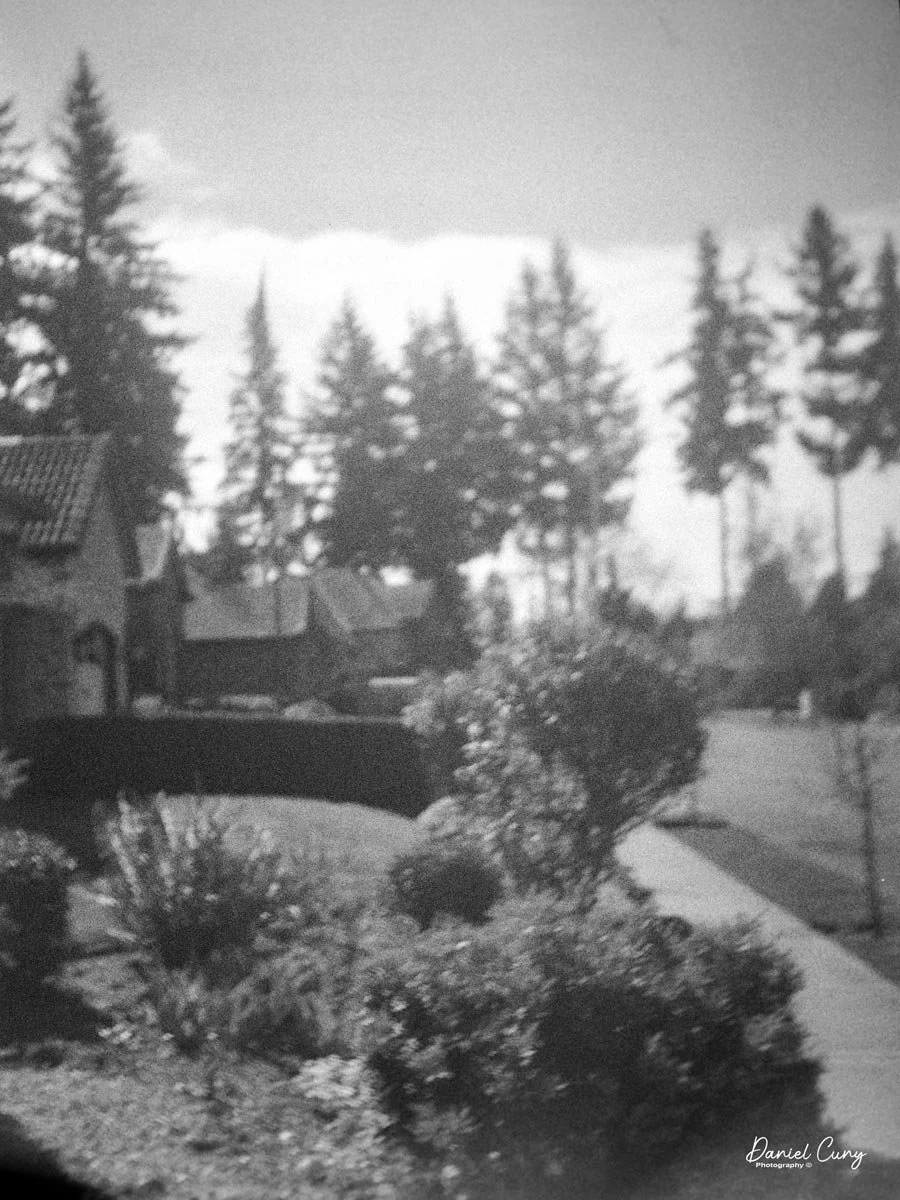
 I tried some close-ups and a few longer shots to assess the camera's lens quality. I was both surprised, in a good way, and surprised, in a bad way, by my results.

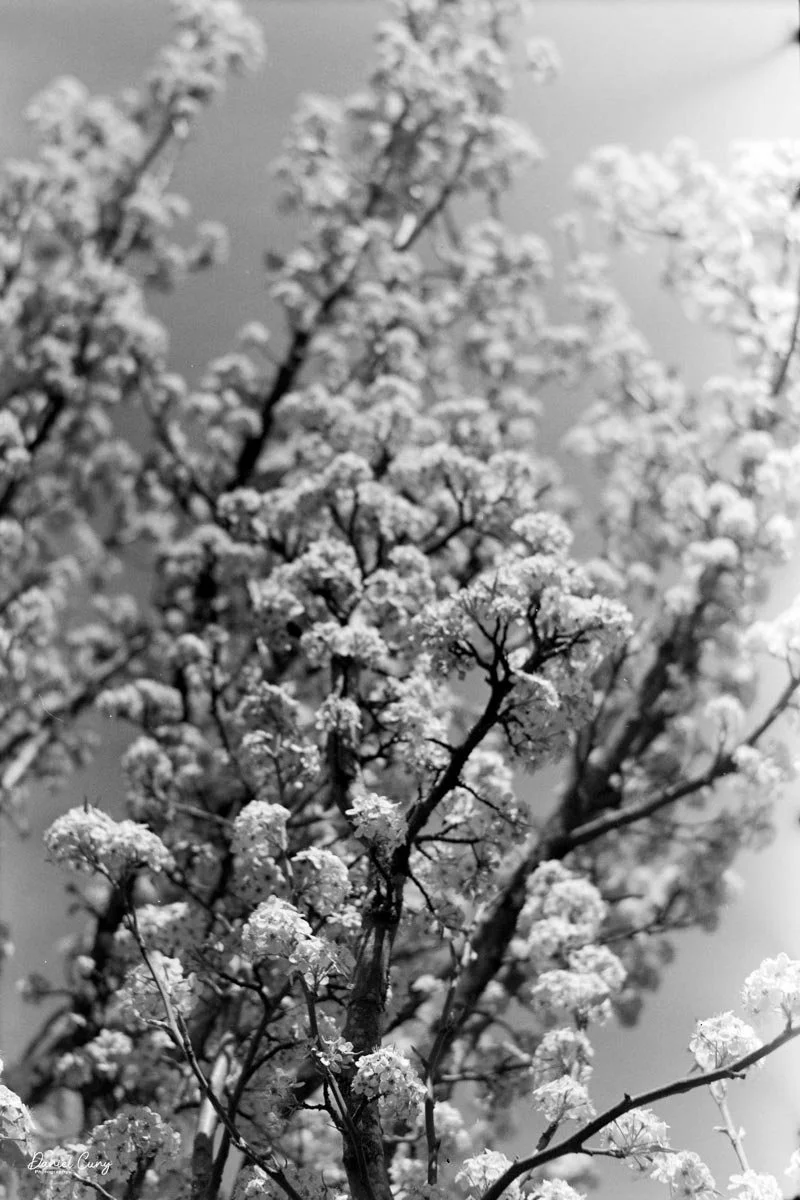
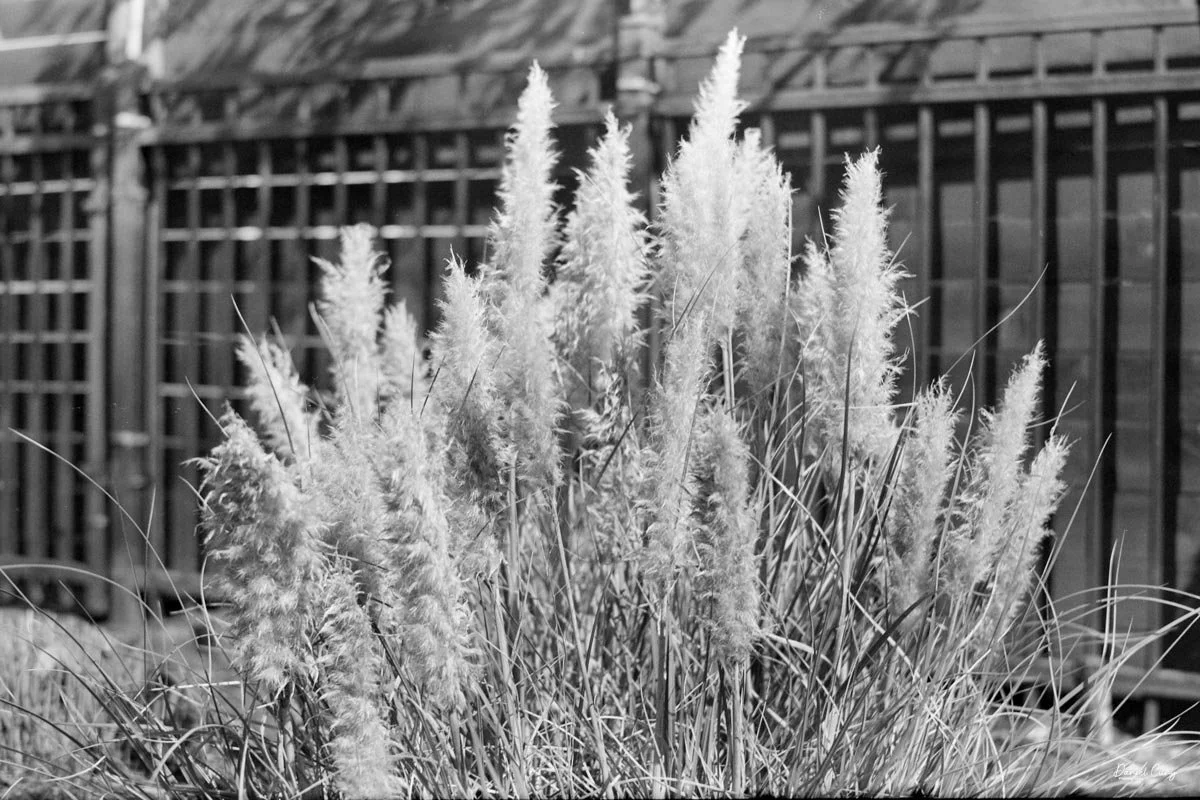
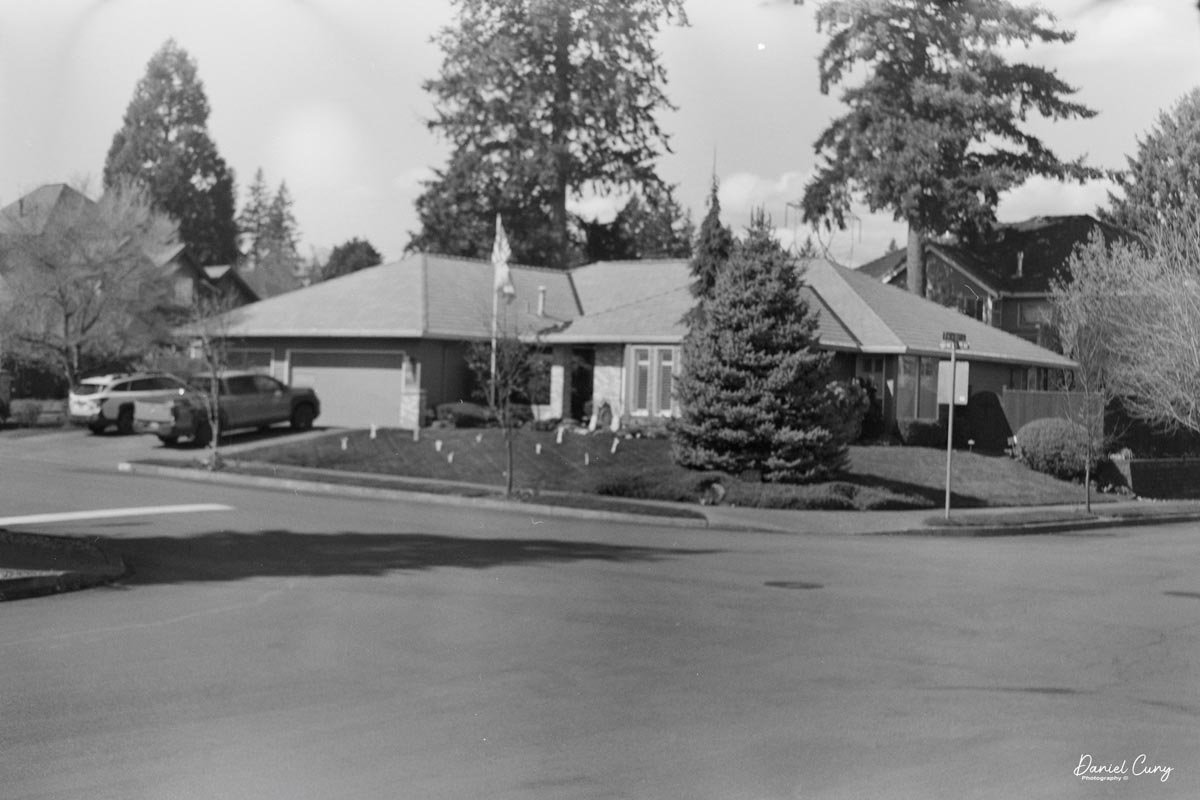
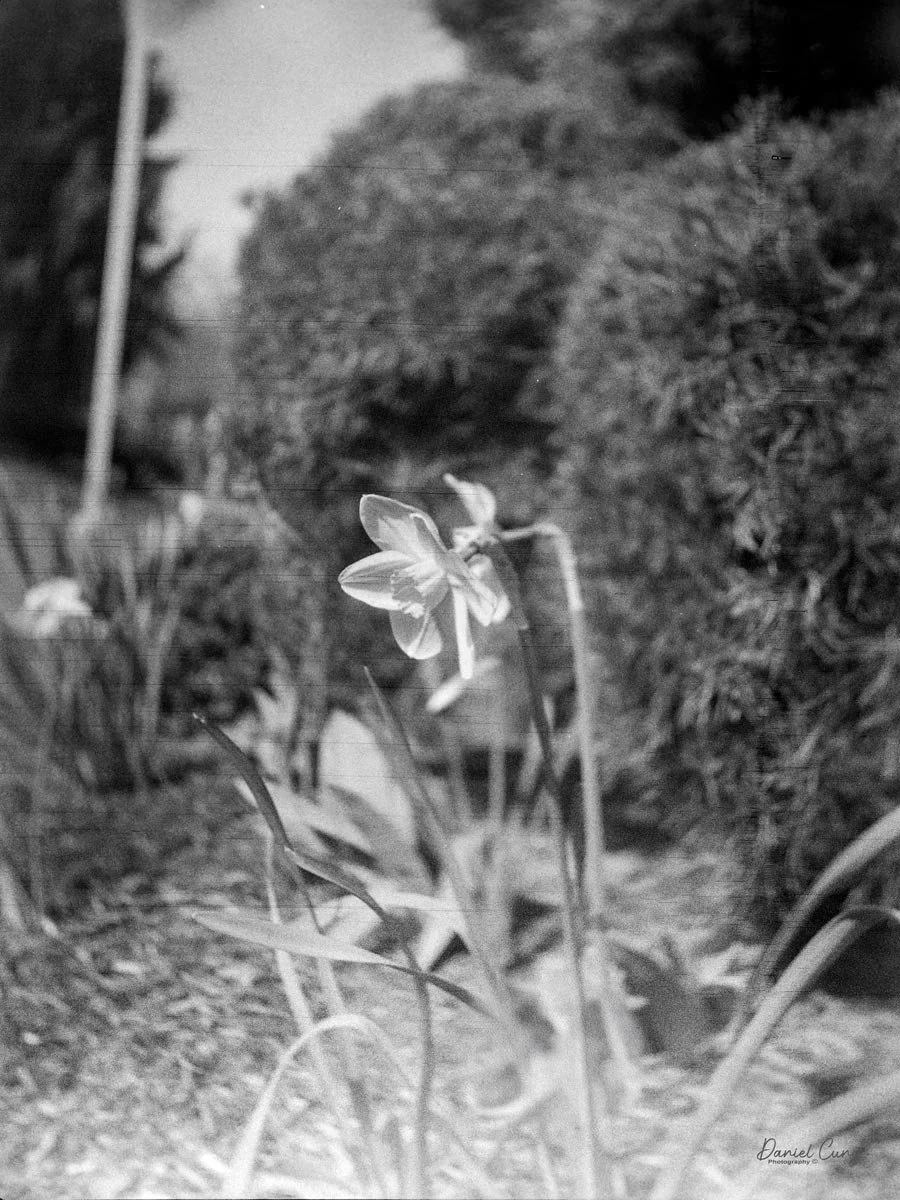
 Here are some of the photos from my walk through the neighborhood. 

Conclusion:

 To say I was disappointed by some of the results is an understatement. The closer images, which I thought wouldn't turn out very well, were the shining light of the camera roll. The images taken at infinity, assuming they would be sharp, especially at F/16, are unsharp and disappointing.

 The camera was fun to shoot with, and I always enjoy shooting 127 film in the 3x4cm format. Still, I was also disappointed with the shutter release's location after extending the lens to the "taking" position. The shutter release was in an awkward position, to the point that I had to shoot the camera with my thumb while resting it in my palm.

 I'll get used to it next time I take the camera out for a shoot, but I prefer using the Nagel Pupille.

 Thank you for taking some time to learn about the "lesser featured" brother of Nagel's Pupille, the Ranca camera. A compact 127 camera made in the early 1930s.

 Here are the other Camera Reviews I've done.

 Cuny's Cameras and Photos is my online eBay store where I sell some of the cameras reviewed, along with many other photo oddities I've accumulated over my 50-plus years with cameras and images.

 Until next week, please be safe.

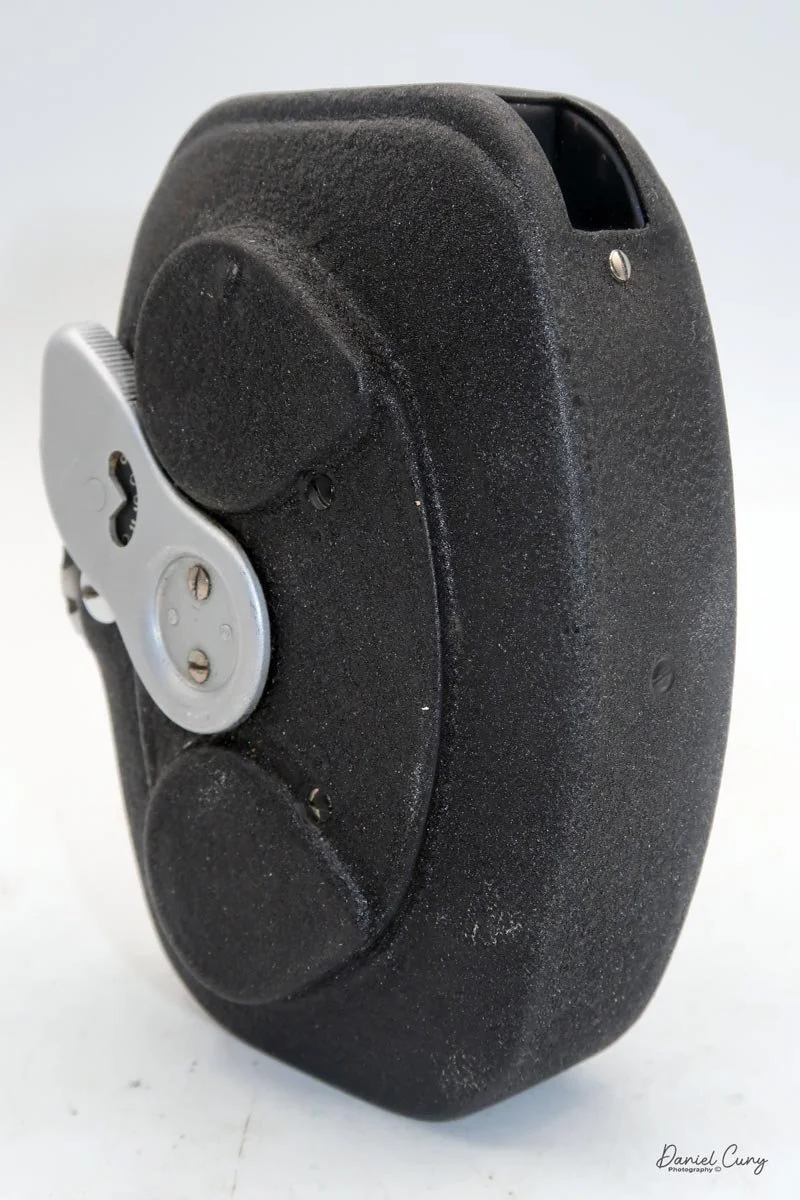
Durst Duca

A Tiny Full‑Frame Surprise: Shooting the Durst Duca

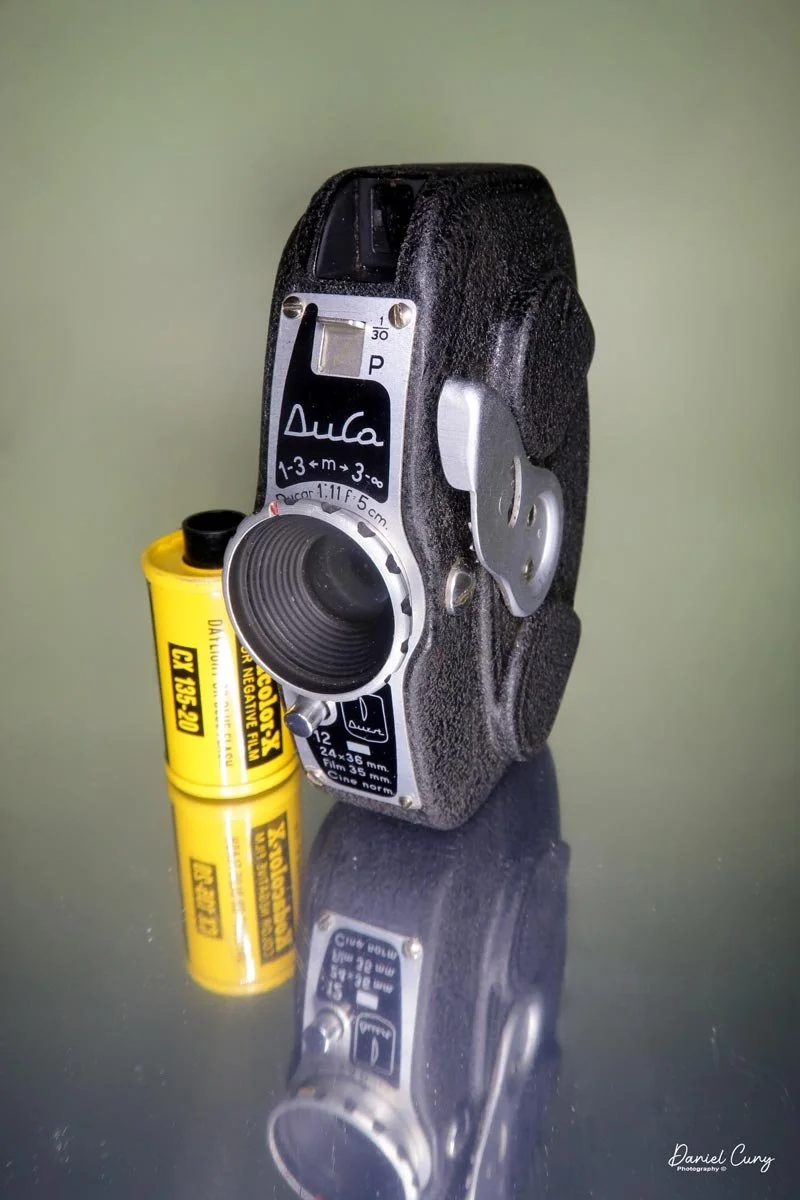
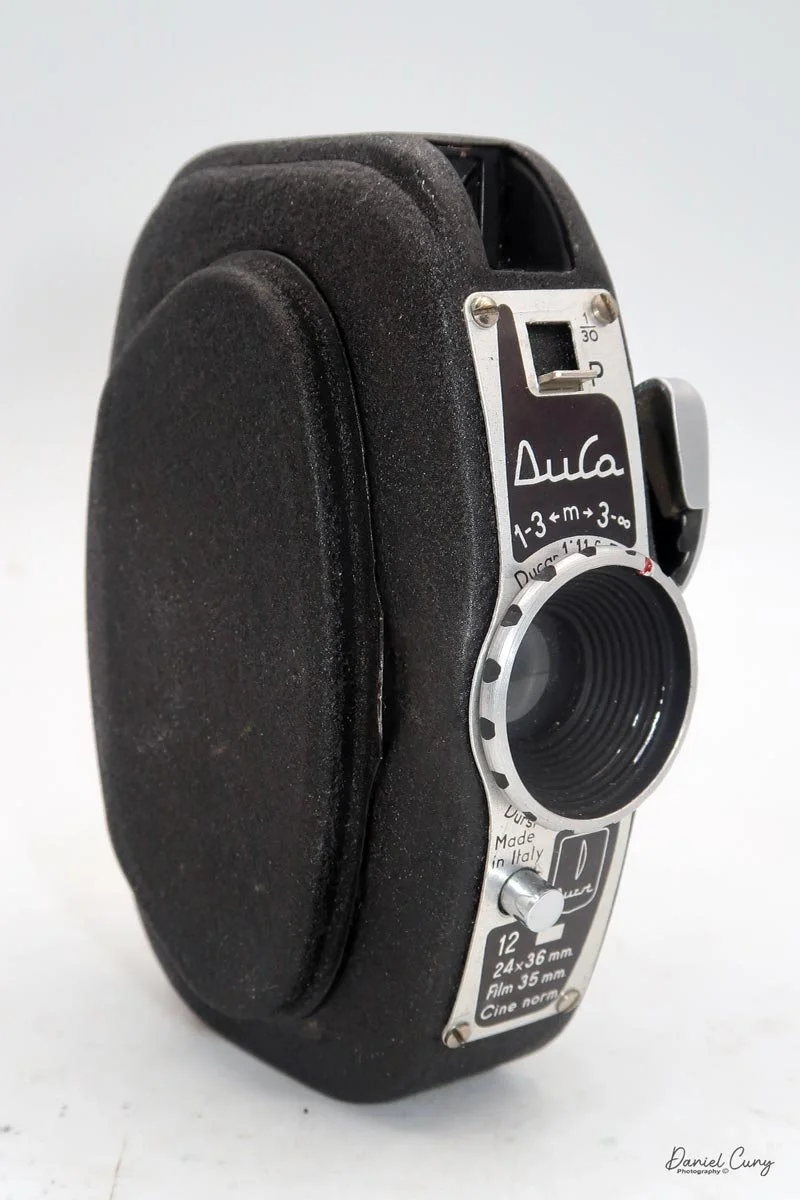
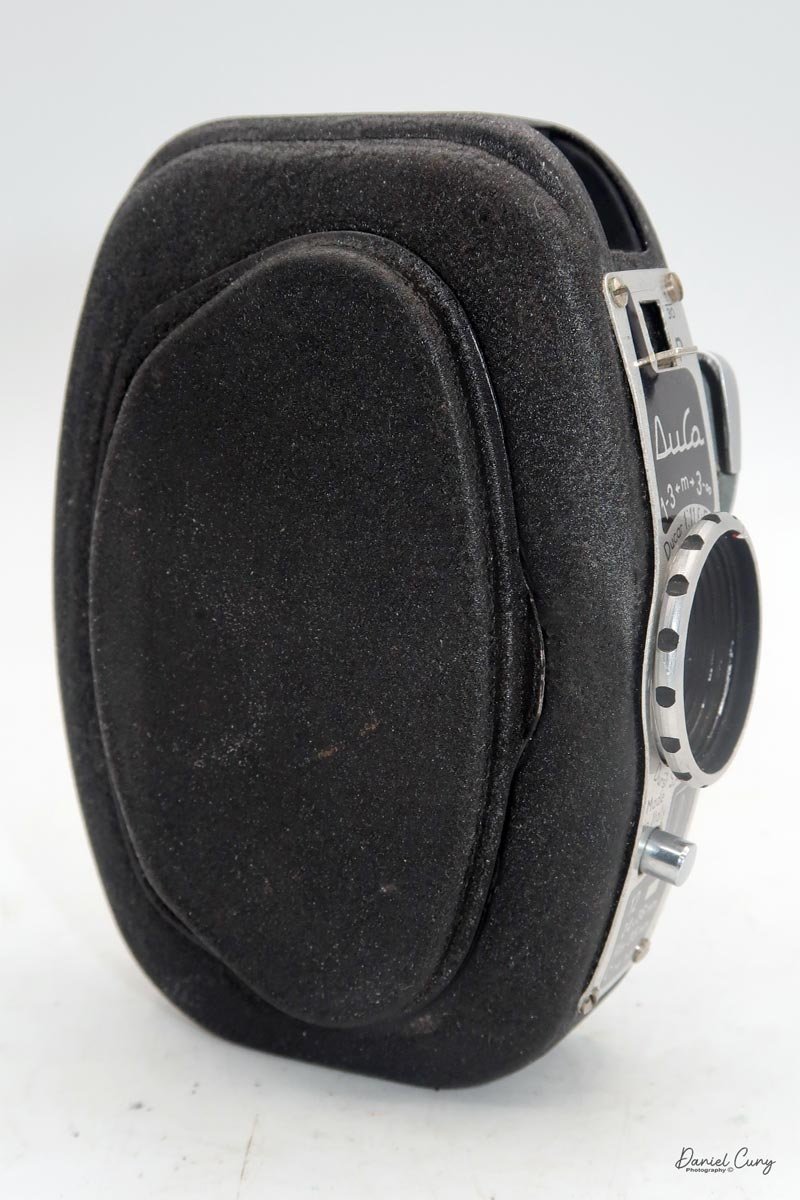
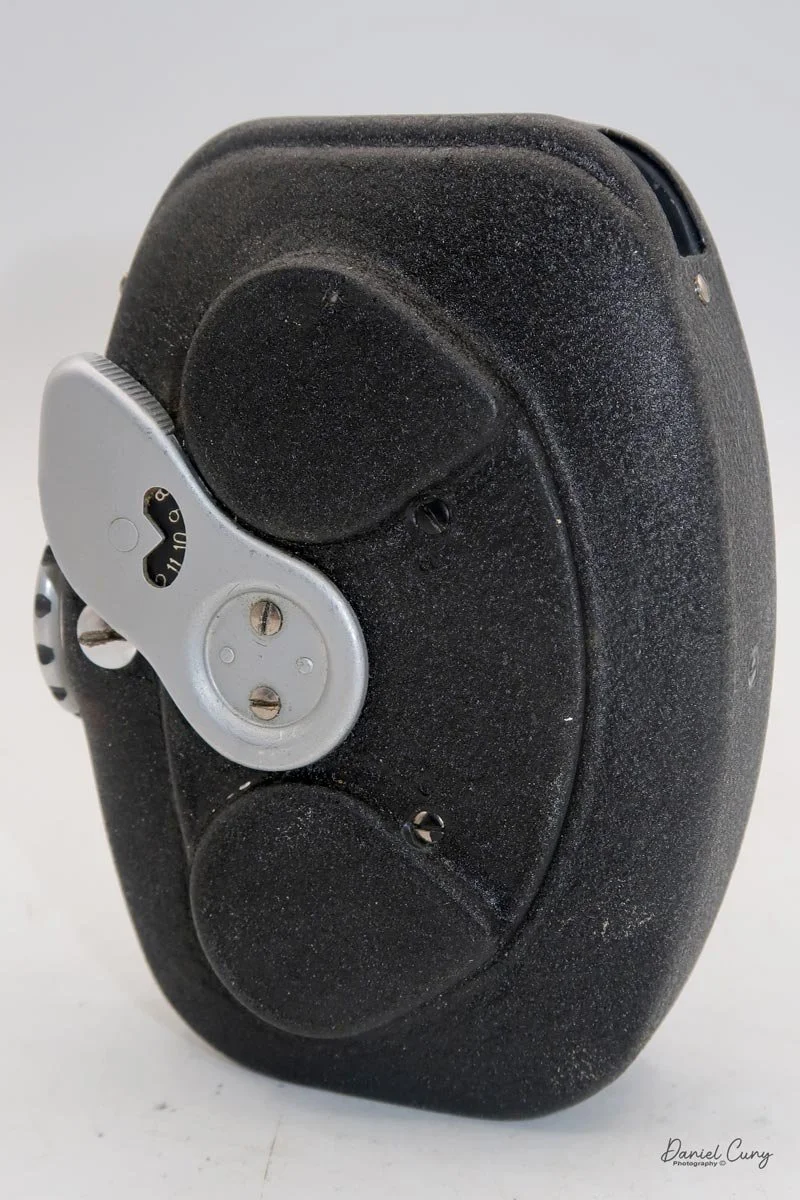
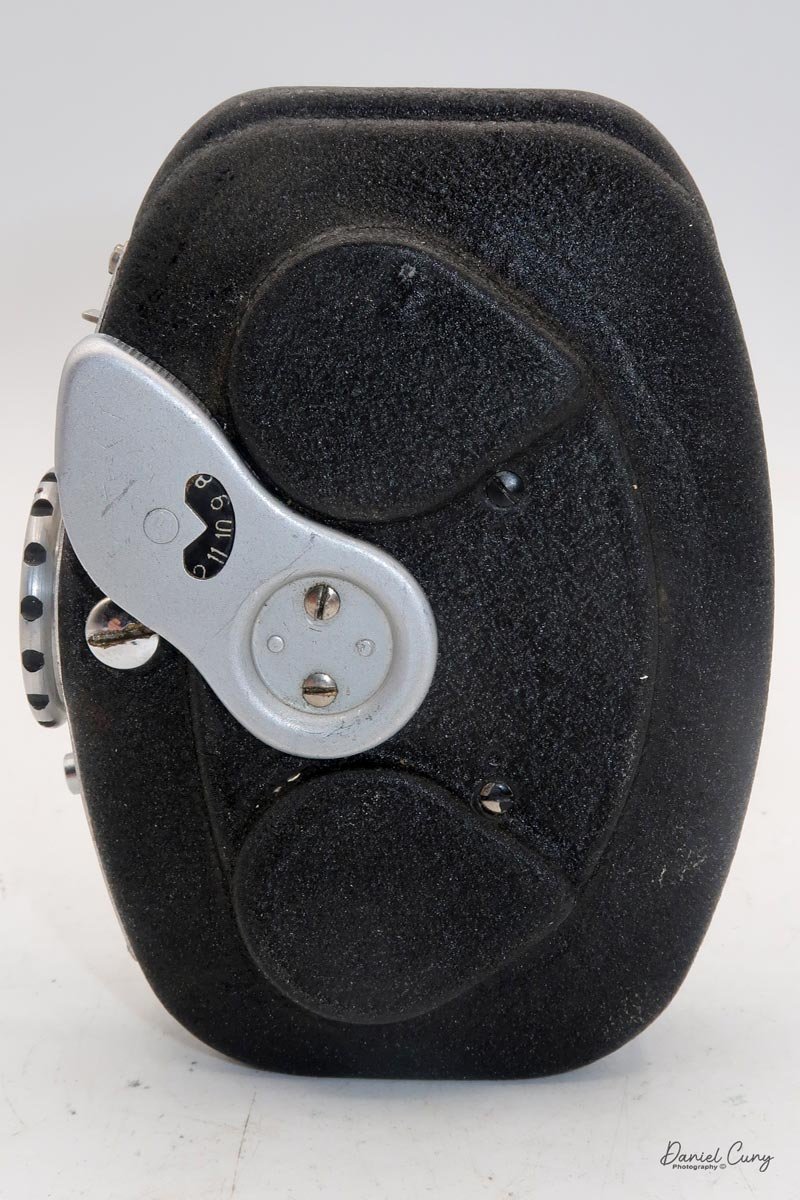
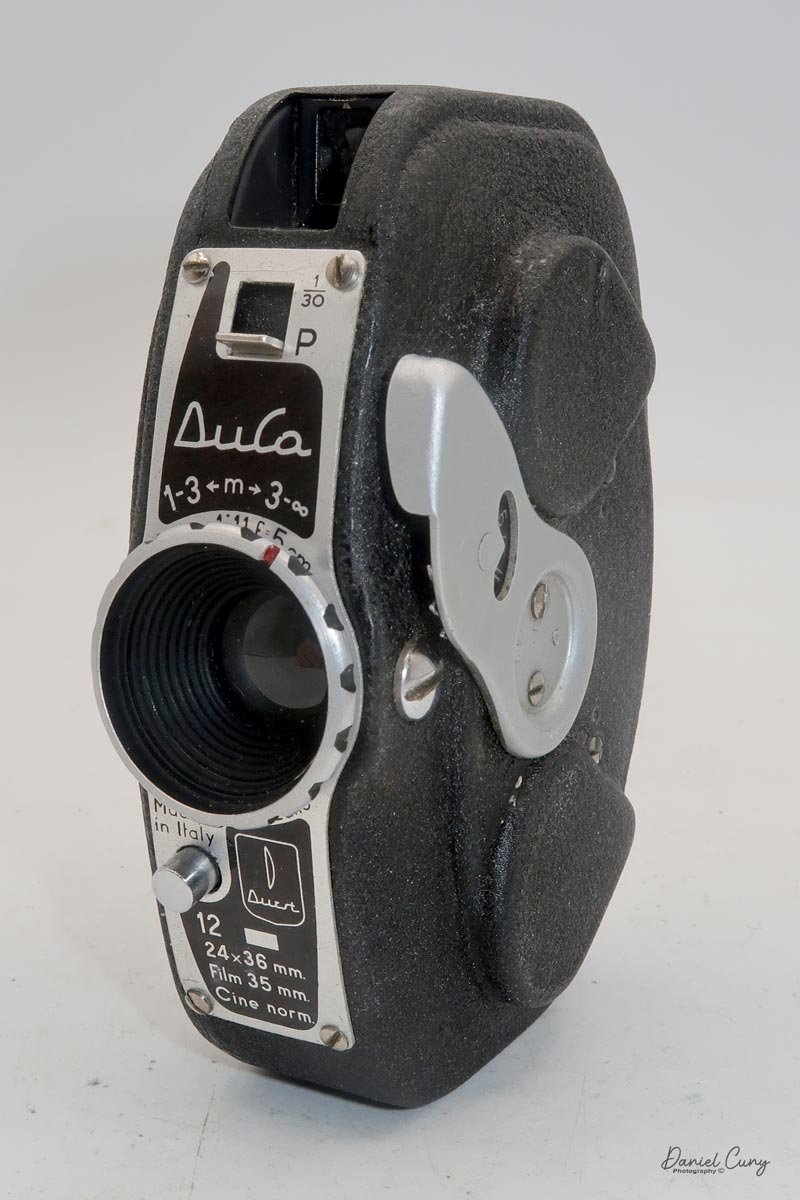
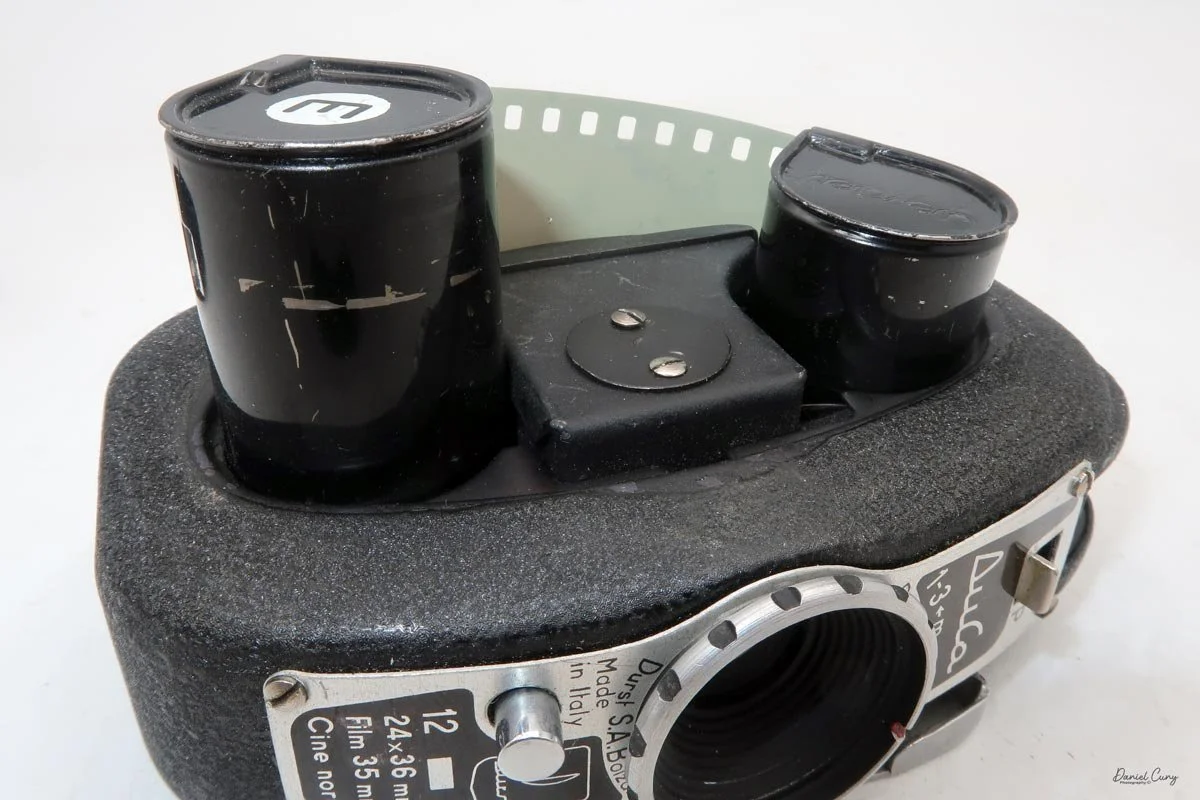
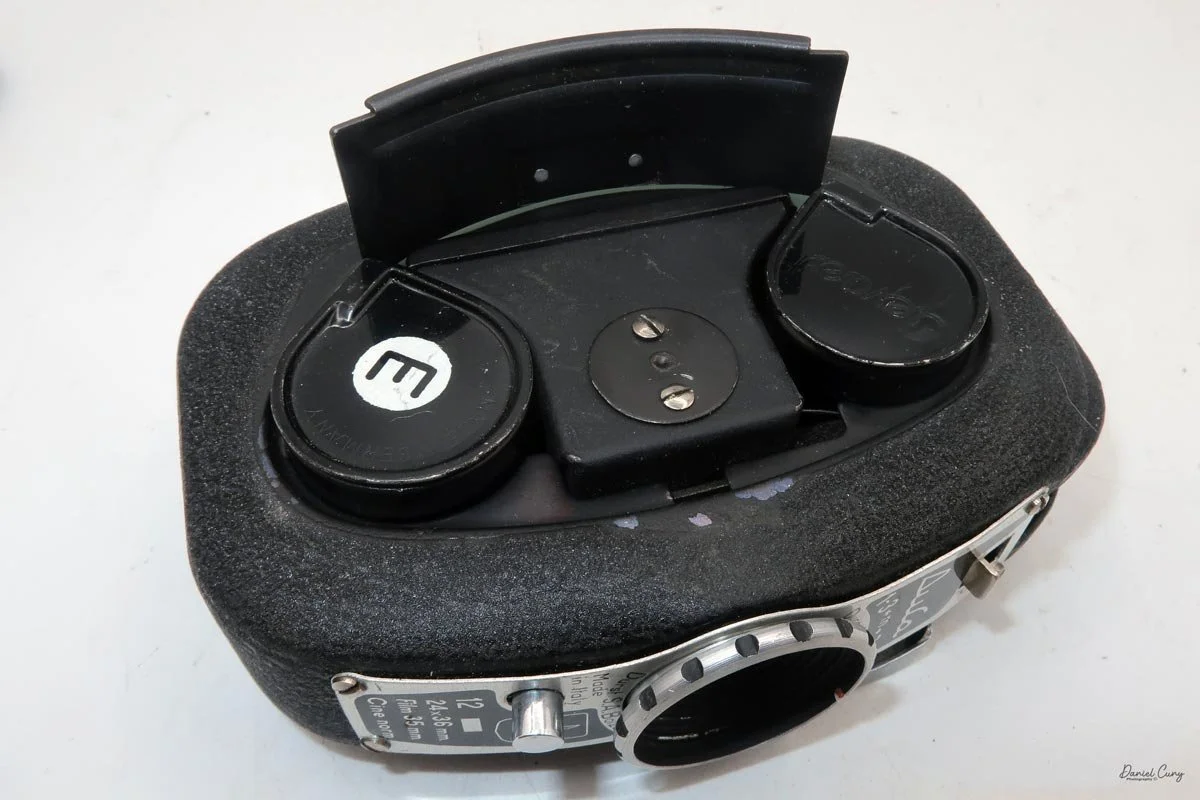
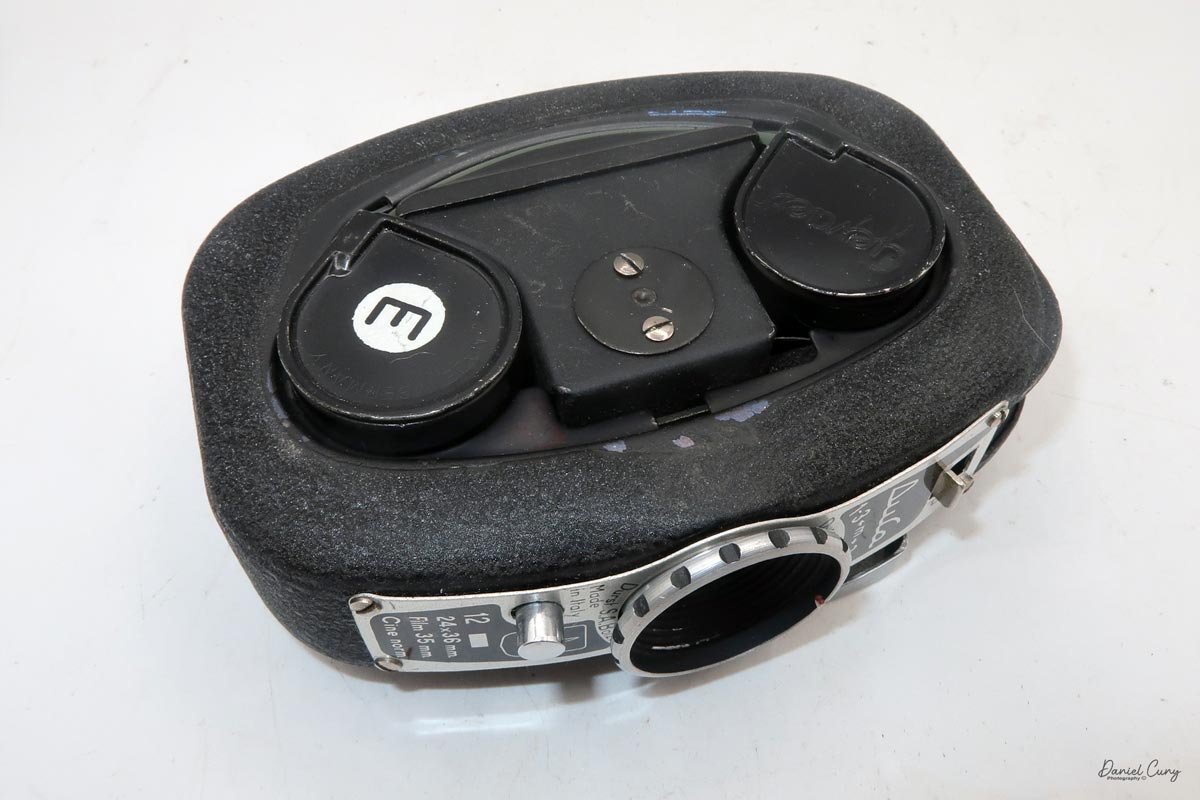
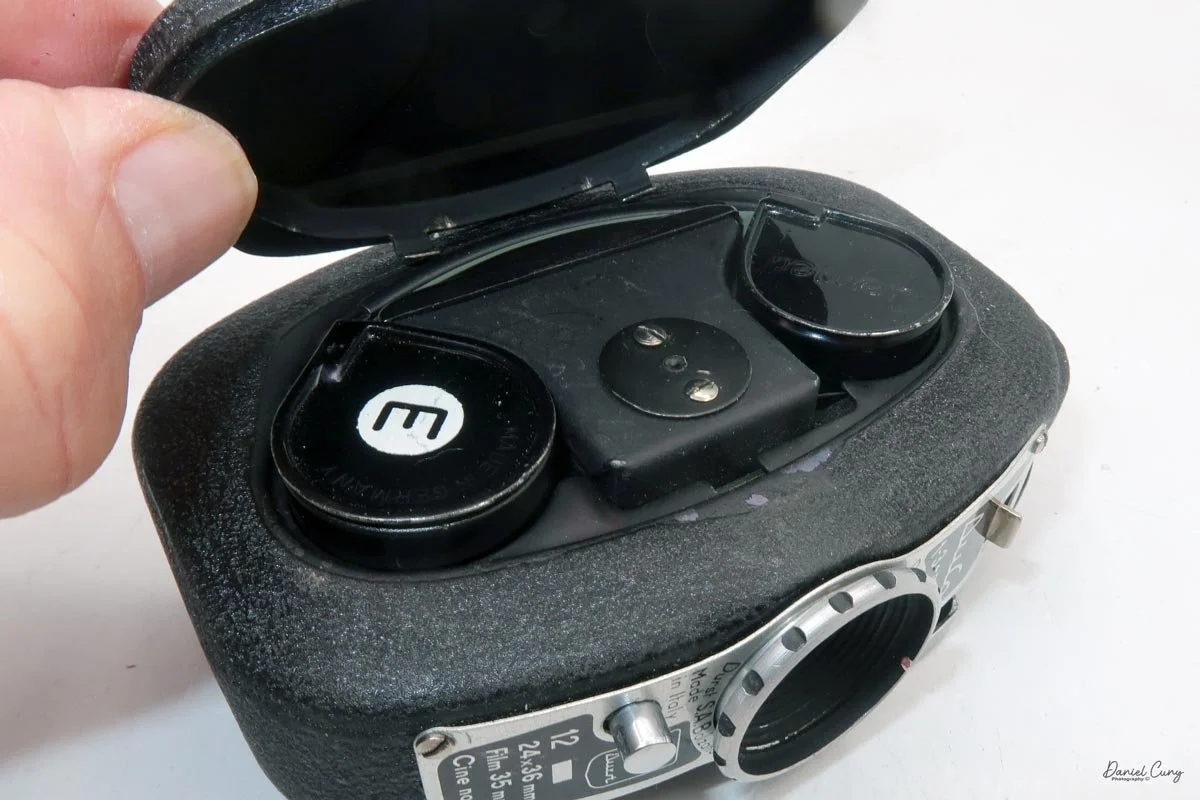
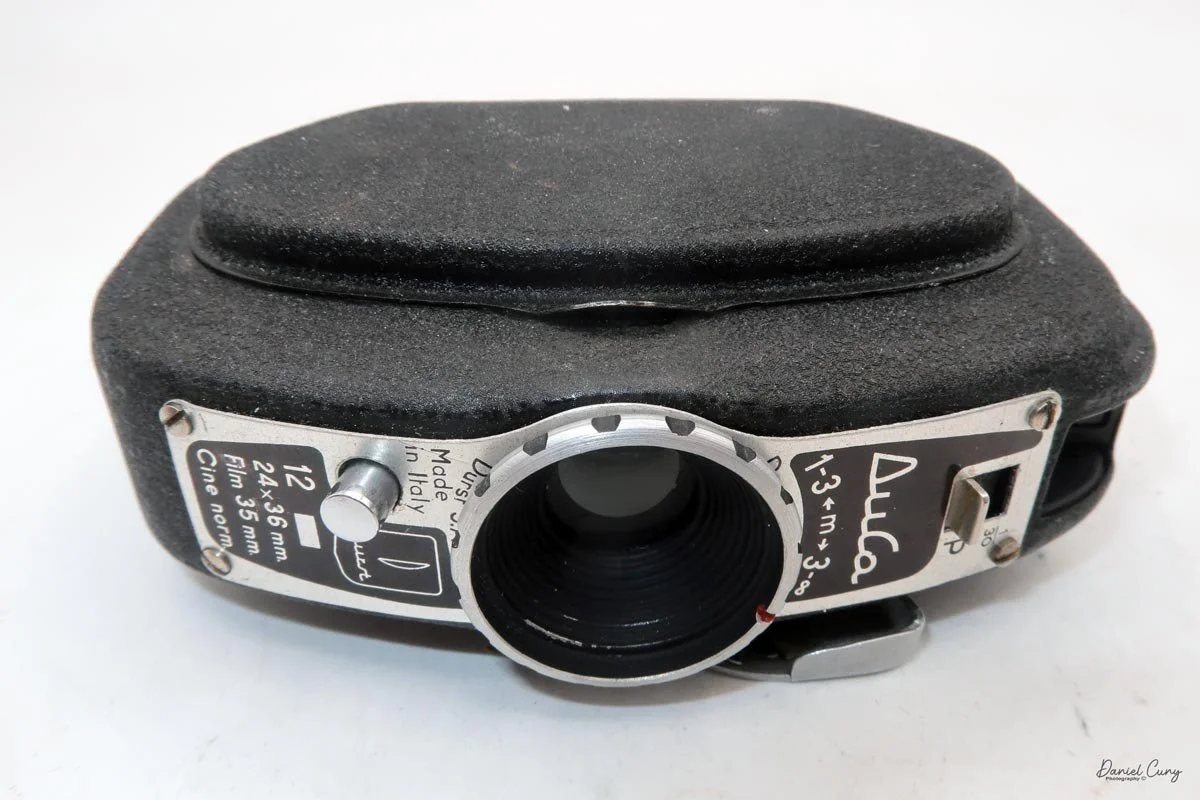
My Durst Duca camera.

I first saw the Durst Duca in McKeown's Camera Guide probably 30 years ago, and I can still remember my first instinct: this had to be a miniature camera. The tall, narrow body looked more like a tiny cine camera than anything that could handle standard 35mm film. With its vertical form, I assumed it used a 16mm cassette like a Minolta 16. So when I read that the Duca is actually a full‑frame 35mm camera, I was shocked.

 It just didn't seem possible. The camera looked too small and too skinny to hide a 35mm cassette sideways, especially with that unusual vertical format. For years, it stayed in the back of my mind as one of those oddball cameras I never expected to actually run across.

Finding My Duca

Being in the U.S., this little Italian camera rarely shows up at the usual places I haunt for gear—flea markets, garage sales, estate sales. On the big auction sites, I do see them once in a while. Still, they're usually priced higher than I'm willing to pay, especially once you tack on international shipping.

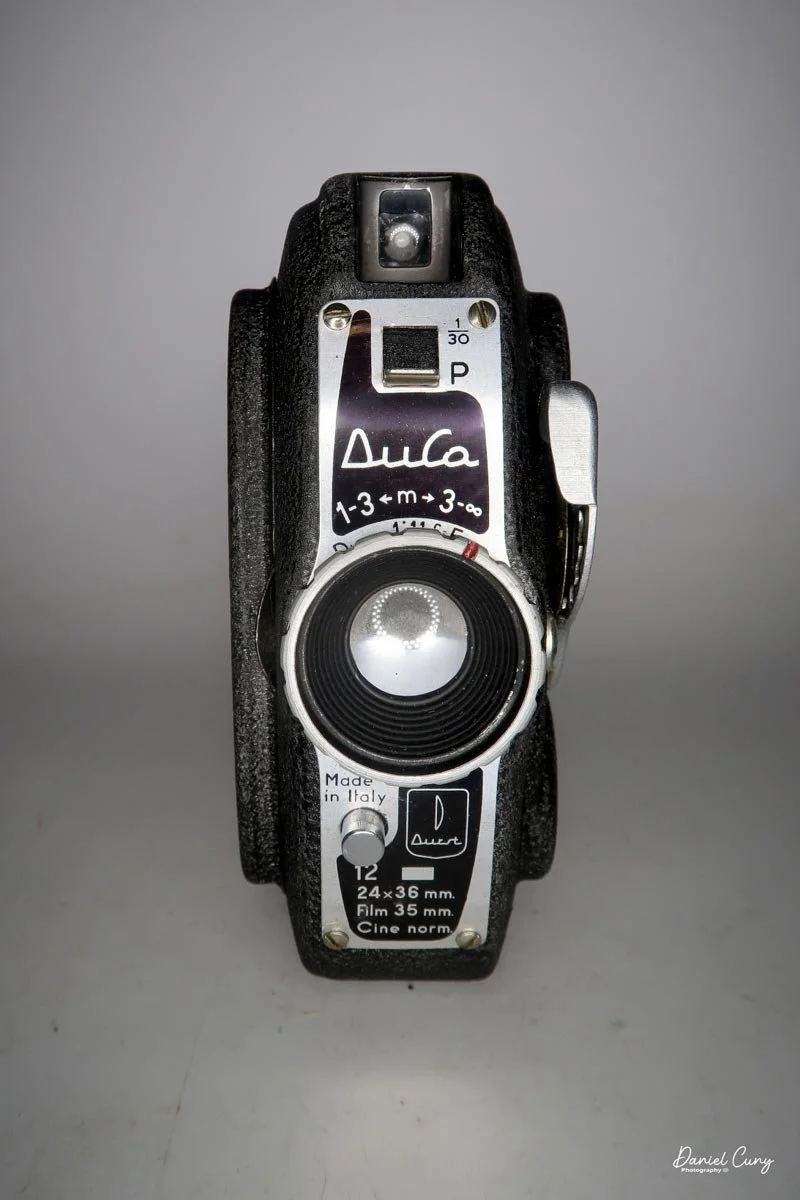
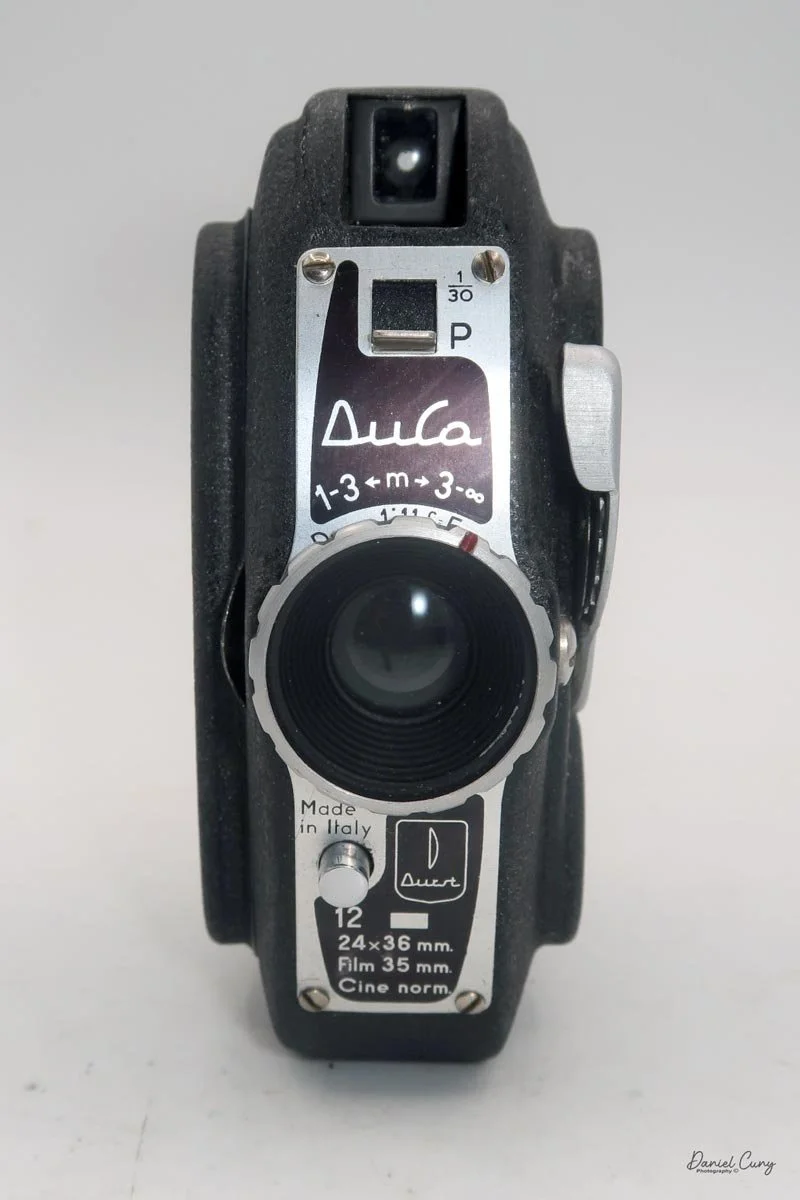
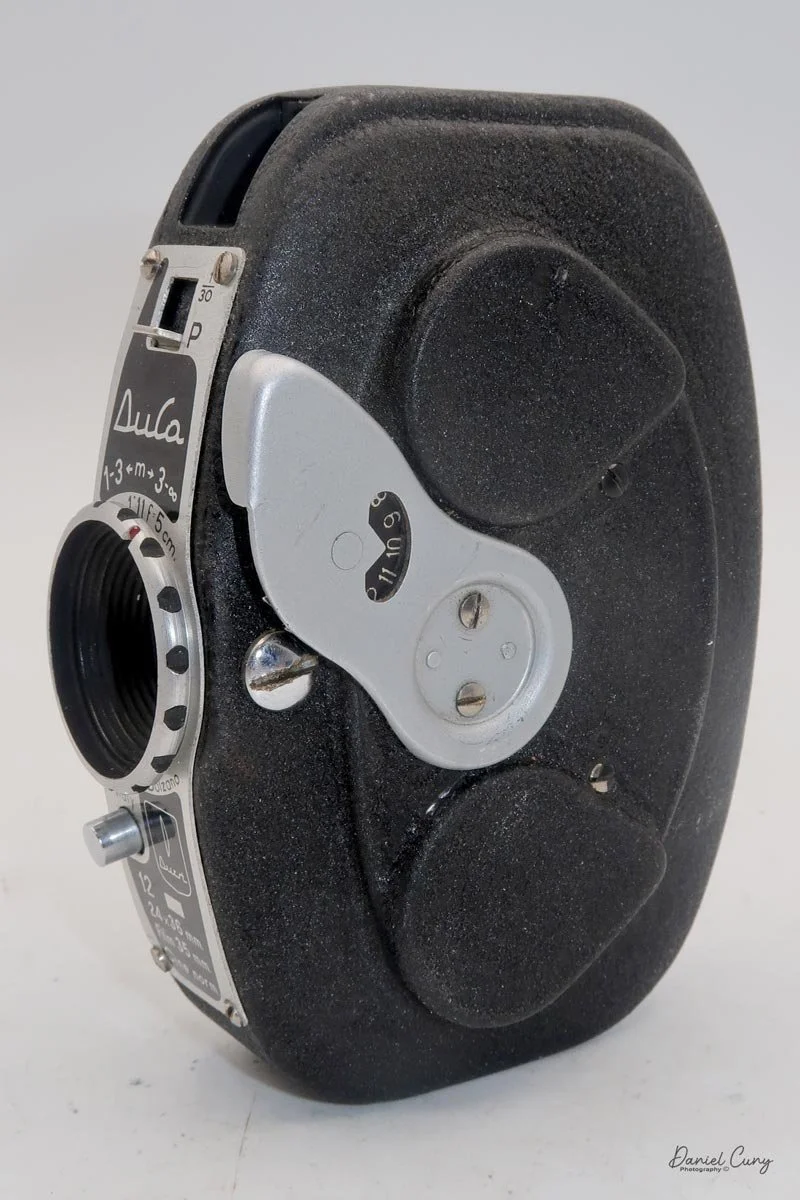
Front view of Durst Duca camera.

 When the auction was about to end, I logged in about 10 minutes before the finish. The price on the Duca had jumped up a bit, and I was outbid, so I nudged my max up—still on the low side—and watched the timer count down. No one else jumped in, and I ended up winning the camera.

The auction house shipped quickly. When I opened the box, I was still surprised by how small the camera is in person. It was even smaller than I'd pictured. I started to check it over, winding the advance lever on the side and cocking the shutter. I heard a faint click, but it was so quiet I wasn't sure the shutter was actually opening and closing.

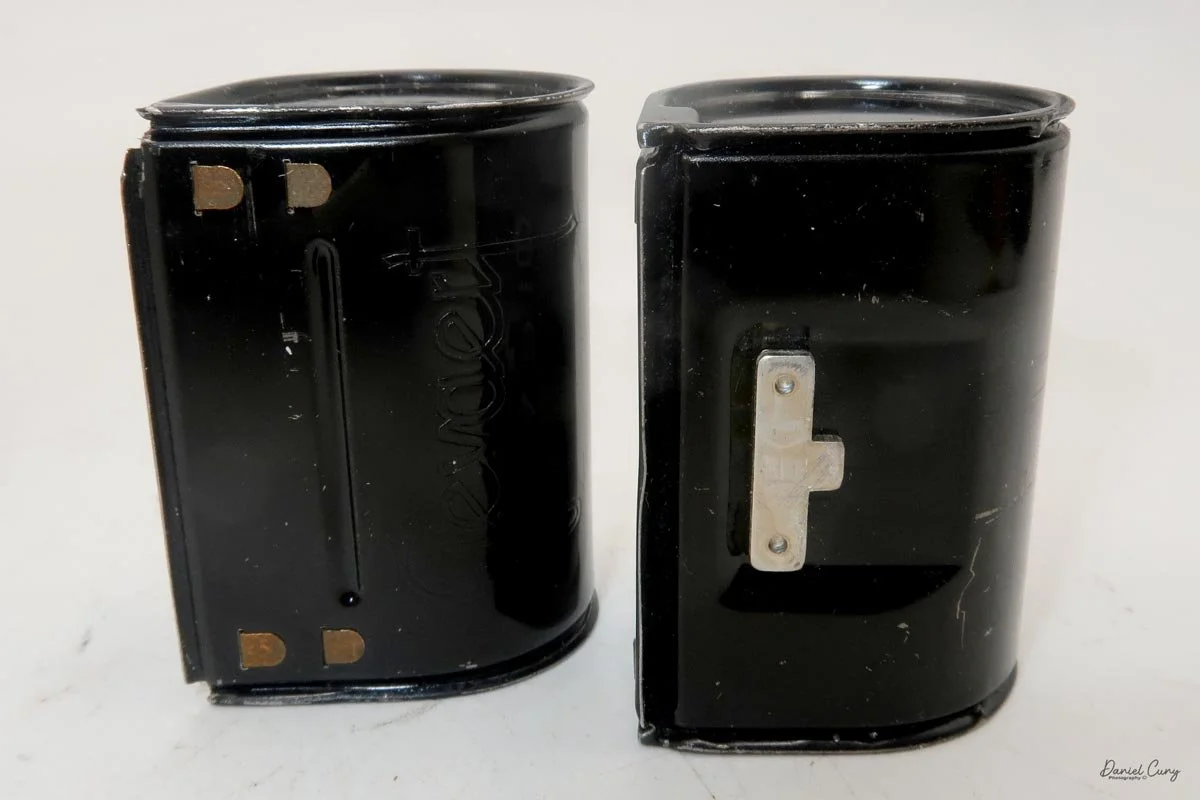
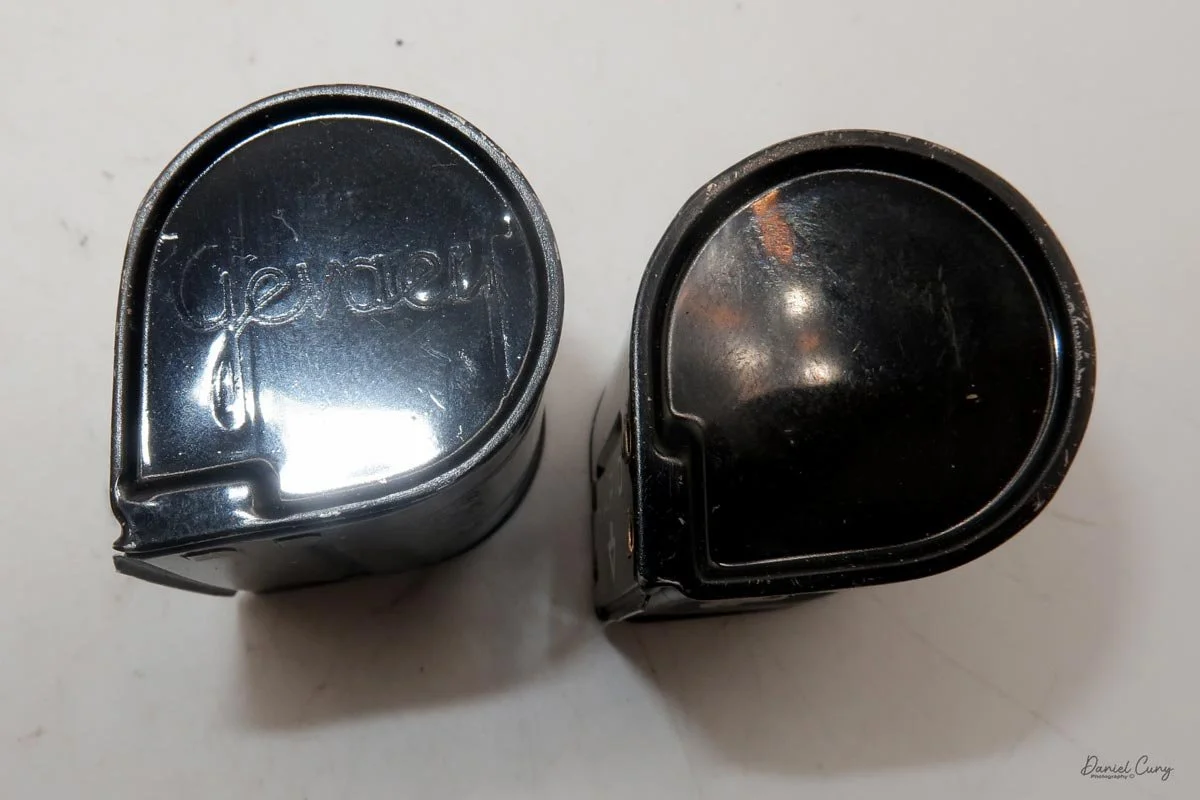
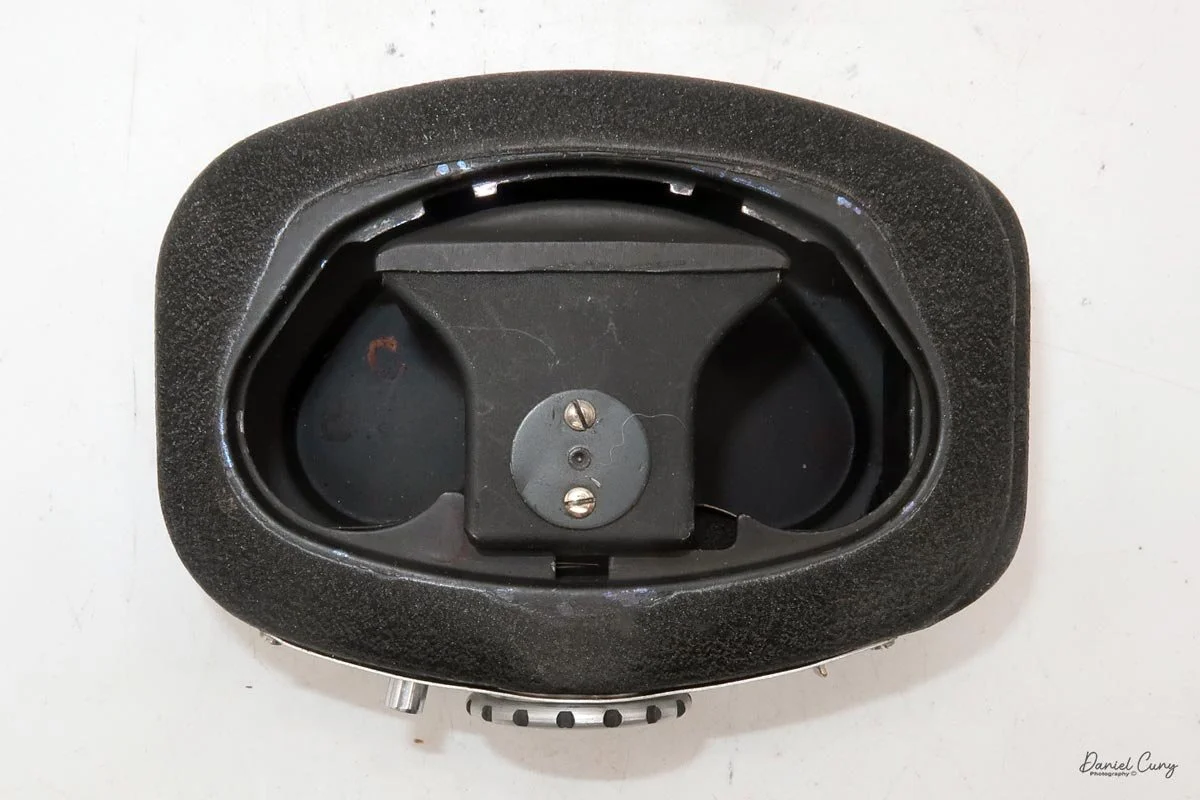
 I pulled the side of the camera off to get at the film chamber and saw that one of the two film cassettes was still inside—that was a nice bonus, since it meant I only needed to scare up one more cassette. Digging around in the drawer where I keep odds and ends of camera accessories, I found another cassette that would work.

 In my darkroom, I shone a flashlight through the lens and fired the shutter. At first, I saw no light at all, and my heart sank; I figured the camera might be dead. Then I noticed the pressure plate that holds the film flat against the rails. I pulled the pressure plate out, pointed the flashlight into the front of the lens again, and tripped the shutter. This time, I saw a brief flash of light through the gate—success. The shutter was working. That was the moment I decided the Durst Duca would be the camera I'd write about for this week's blog.

A Little Durst History

Durst is best known today for its darkroom enlargers. Still, for about 25 years, the company also made a small, innovative line of cameras that reflected the same experimental mindset they brought to the darkroom. Founded in 1936 in northern Italy by brothers Julius and Gilbert Durst, the firm quickly gravitated toward photographic equipment, especially enlargers, which eventually became its main business.

 Durst's camera story starts with the Gil, a simple 120 roll‑film box camera introduced in 1938 for the growing amateur market. After World War II, Durst resumed production of the Gil and then shifted toward more compact designs, setting the stage for its 35mm experiments.

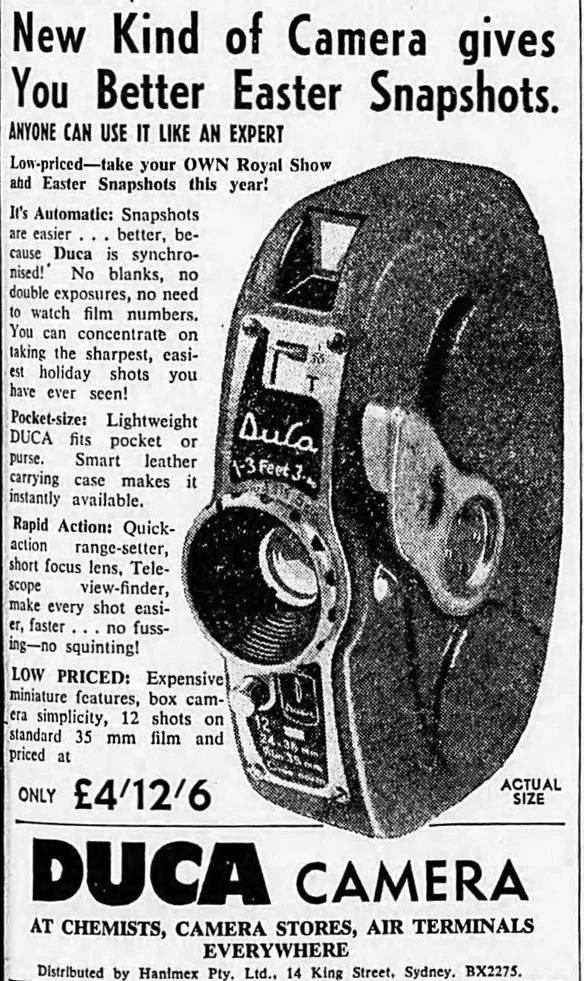
Australian Ad for Durst Duca camera

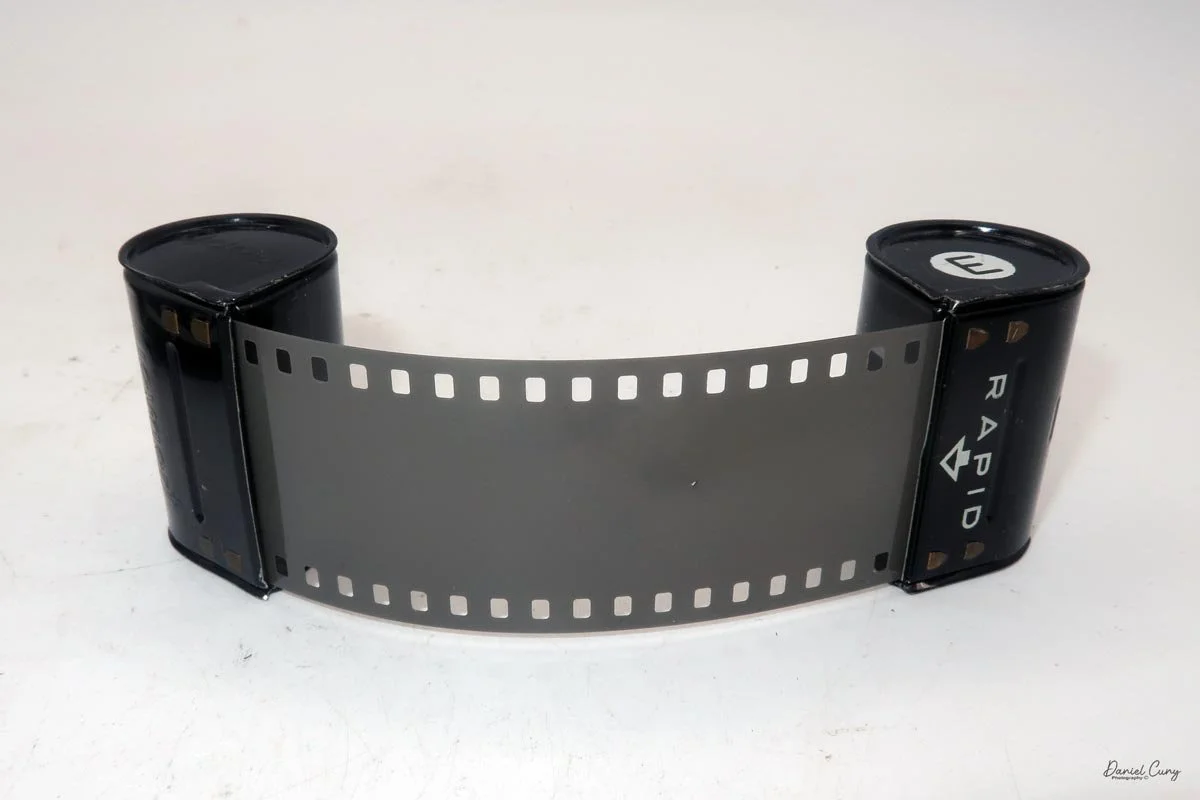
The Duca followed as a tiny 35mm still camera that used Agfa Karat cassettes instead of standard 35mm cartridges. That choice let Durst play with miniaturized body shapes: an oval, cine‑style form in a pocketable size, offered in several colors. This focus on unusual styling and packaging mirrored their enlargers, which often looked different from competitors but emphasized precision and usability.

 Next came the Durst 66, a modestly specified camera with an unconventional shutter and a quirky way of measuring exposure. You can already see Durst thinking outside the box, trying to rethink mechanisms rather than just copying others' work.

 All of that leads to the Durst Automatica, made from 1956 to 1963 and often regarded as the first 35mm camera with aperture‑priority automatic exposure. It used a pneumatic shutter derived from the Durst 66 and wrapped it in a very elegant body. For such a small camera line, it was an ambitious finale and shows how far Durst was willing to push design and automation.

My Durst Duca

The Durst Duca was introduced at the Milan Trade Fair in September 1946 and stayed in production until around 1952. It's a vertical‑format, full‑frame 35mm camera that uses Agfa Karat cassettes, and it was available in five colors: black, blue, red, white, and brown. I've only ever seen the black, blue, and red versions in photos. Still, now that I know more are out there, I'll keep an eye out—even if I suspect the more unusual colors will be priced higher than I'm willing to pay.

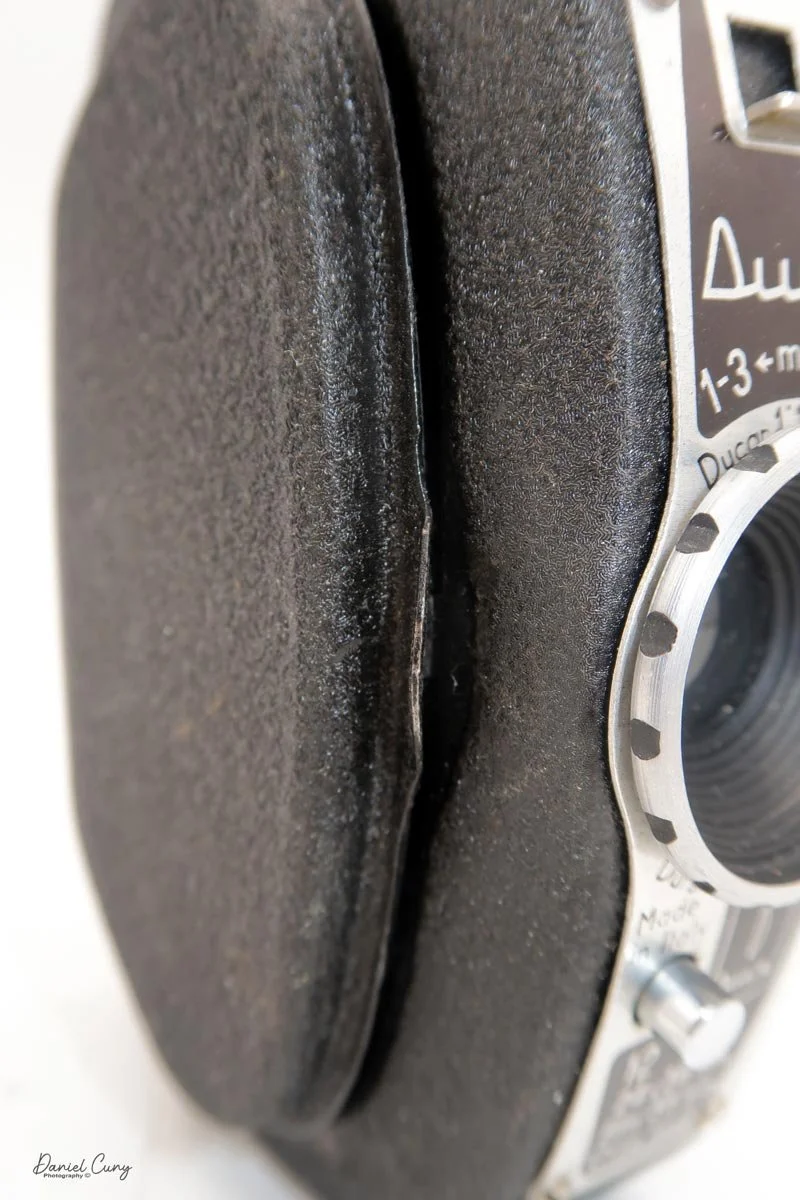
Physically, the Duca is tiny: only about 4 inches tall by 3.25 inches deep and just over 1.5 inches wide, and it weighs 10.1 ounces with the cassettes in place. The body is nicely rounded and fits well in the hand—definitely a camera you could drop in a coat pocket and forget about until you need it.

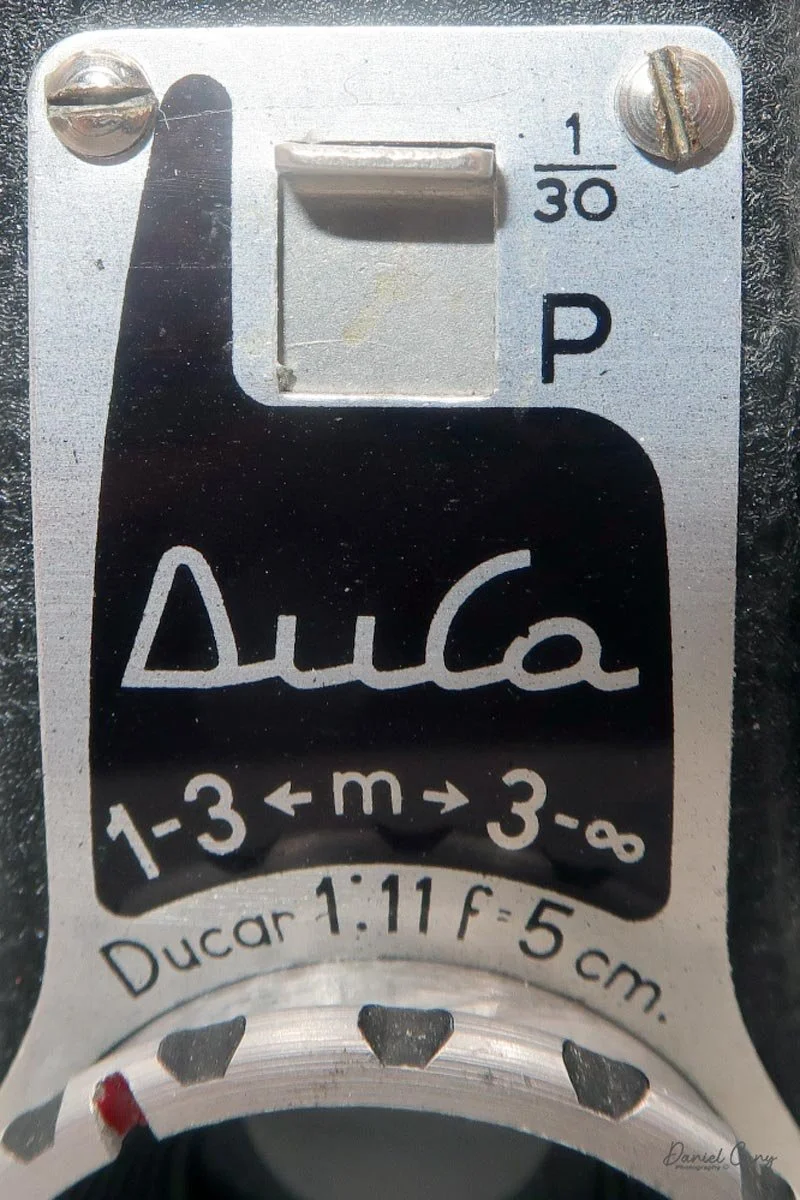
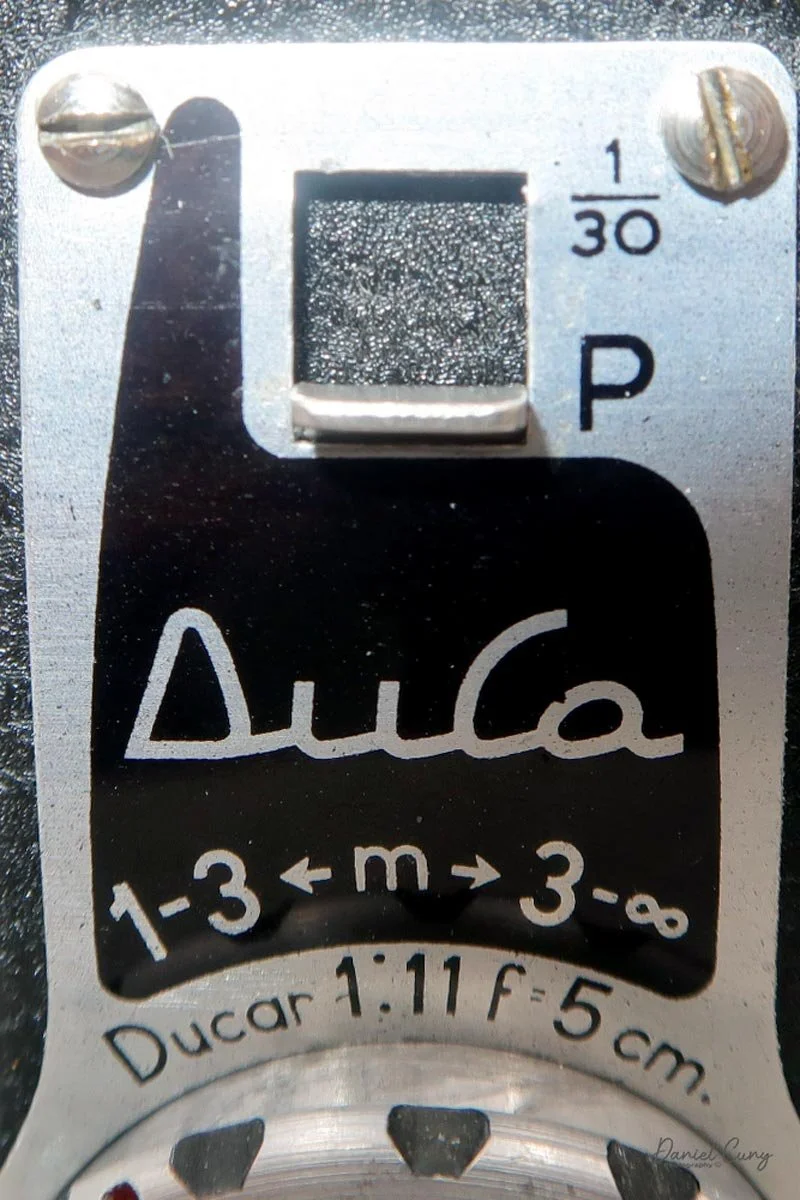
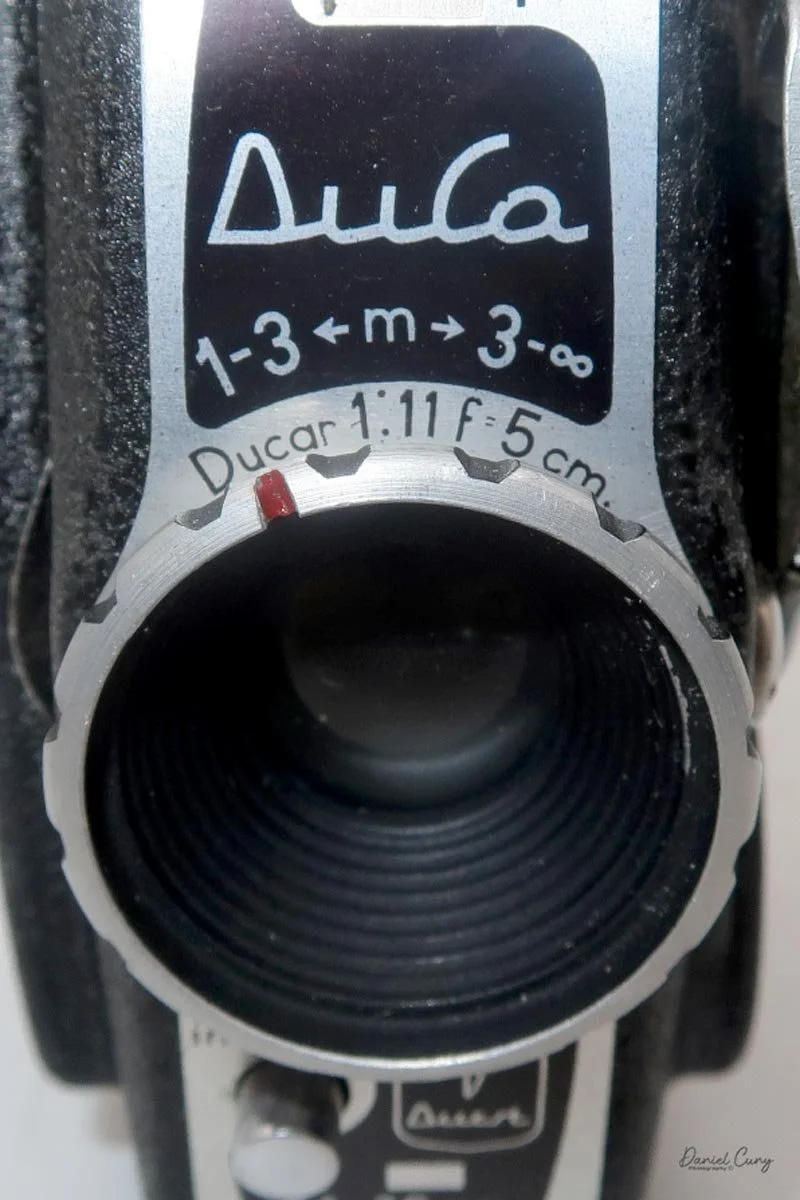
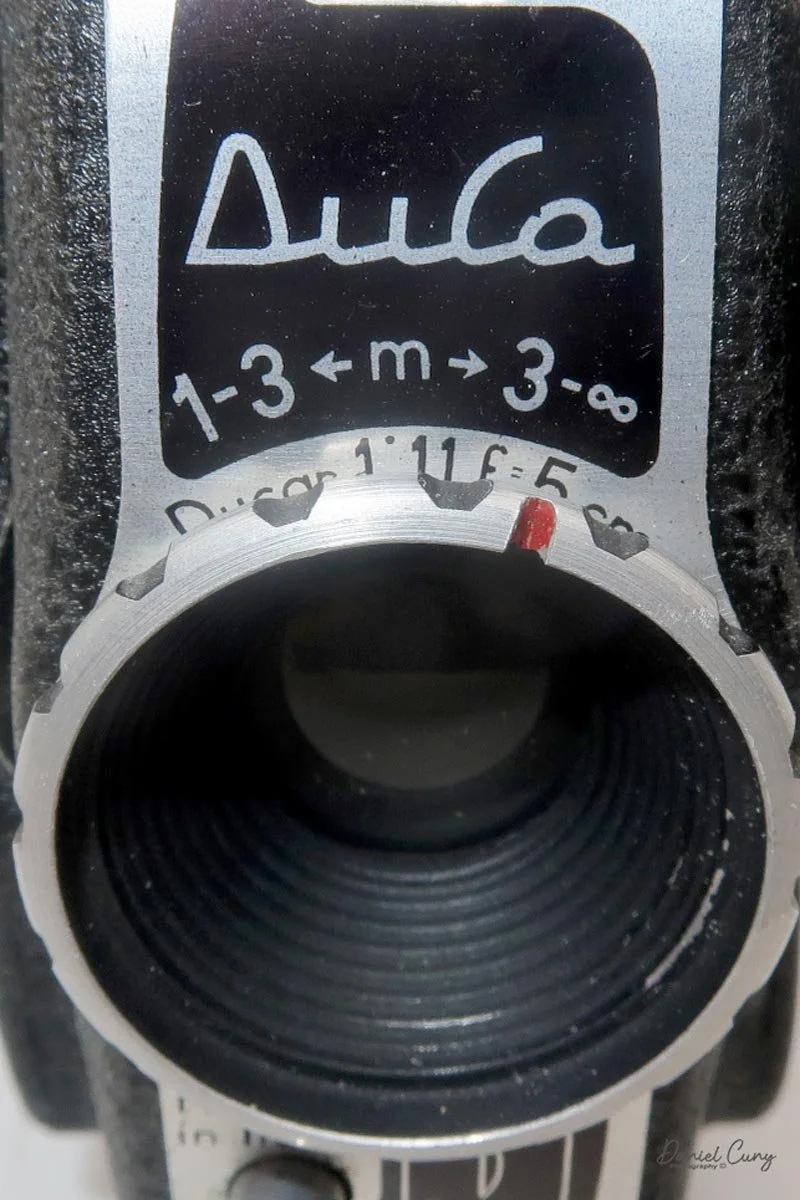
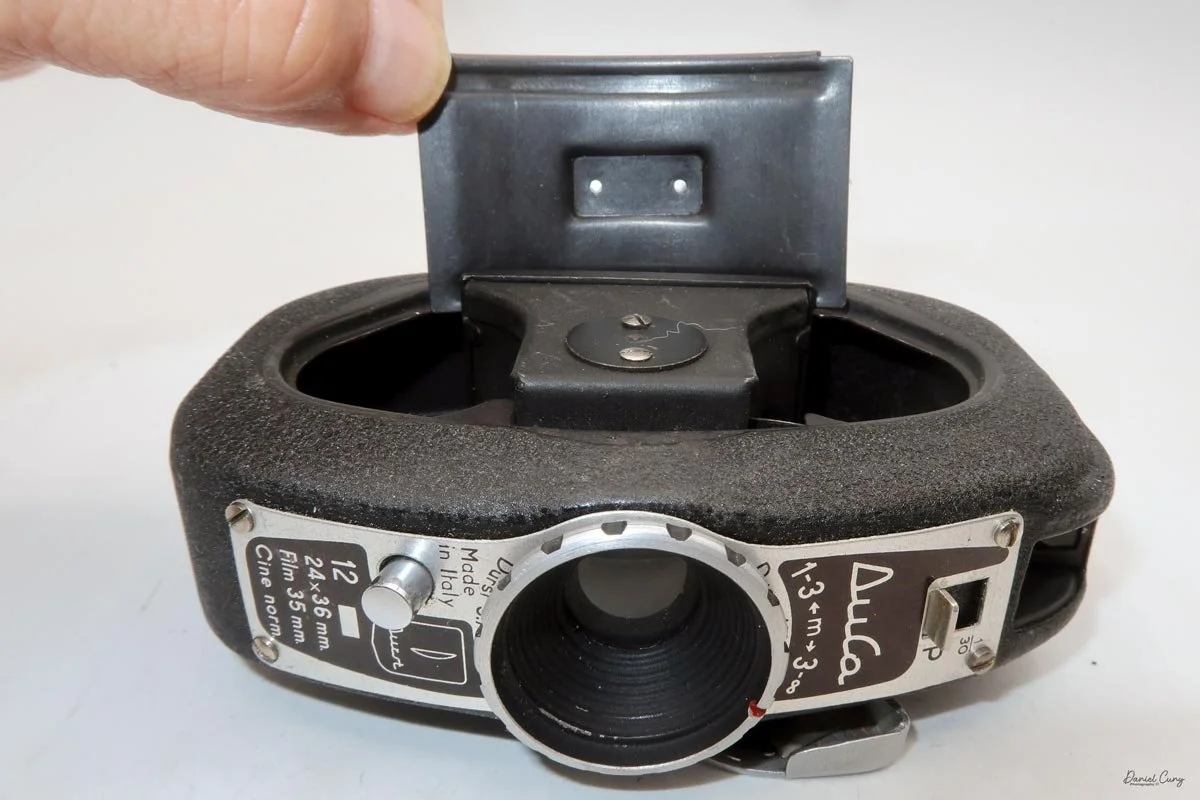
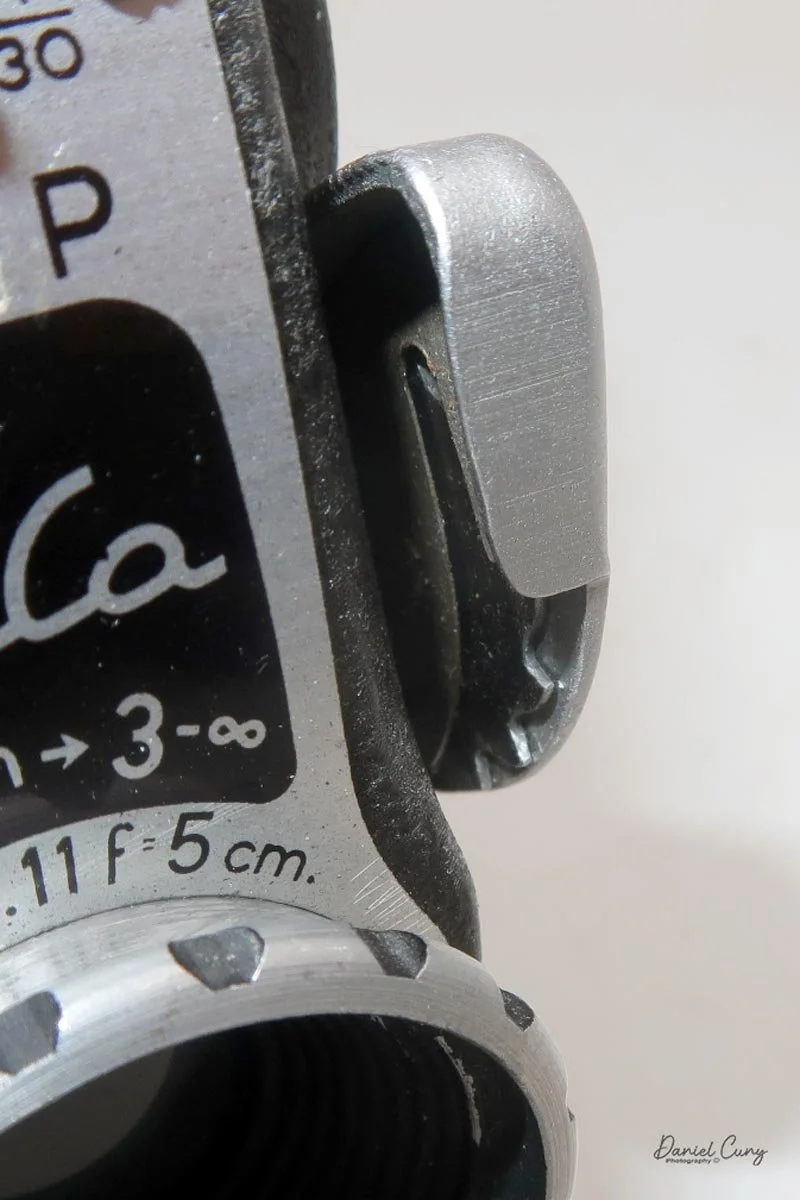
 The camera is very basic. The lens is a fixed 5 cm, f/11 meniscus design, though a rarer f/8 version is supposed to exist. Shutter speeds are limited to just two settings: 1/30 of a second and "P" for timed exposures. A small switch on the camera's faceplate, just below the viewfinder, sets the speed. I've also seen a version where the speeds are marked "I" for instant and "T" for timed. My guess is that mine is a later version, but I can't say that for sure.

 Focusing is done in only two zones. You can set the lens for 1–3 meters or 3 meters to infinity. To focus, you turn the outer ring of the lens until the red line points to the distance you want.

Loading Film and Getting the Duca Ready

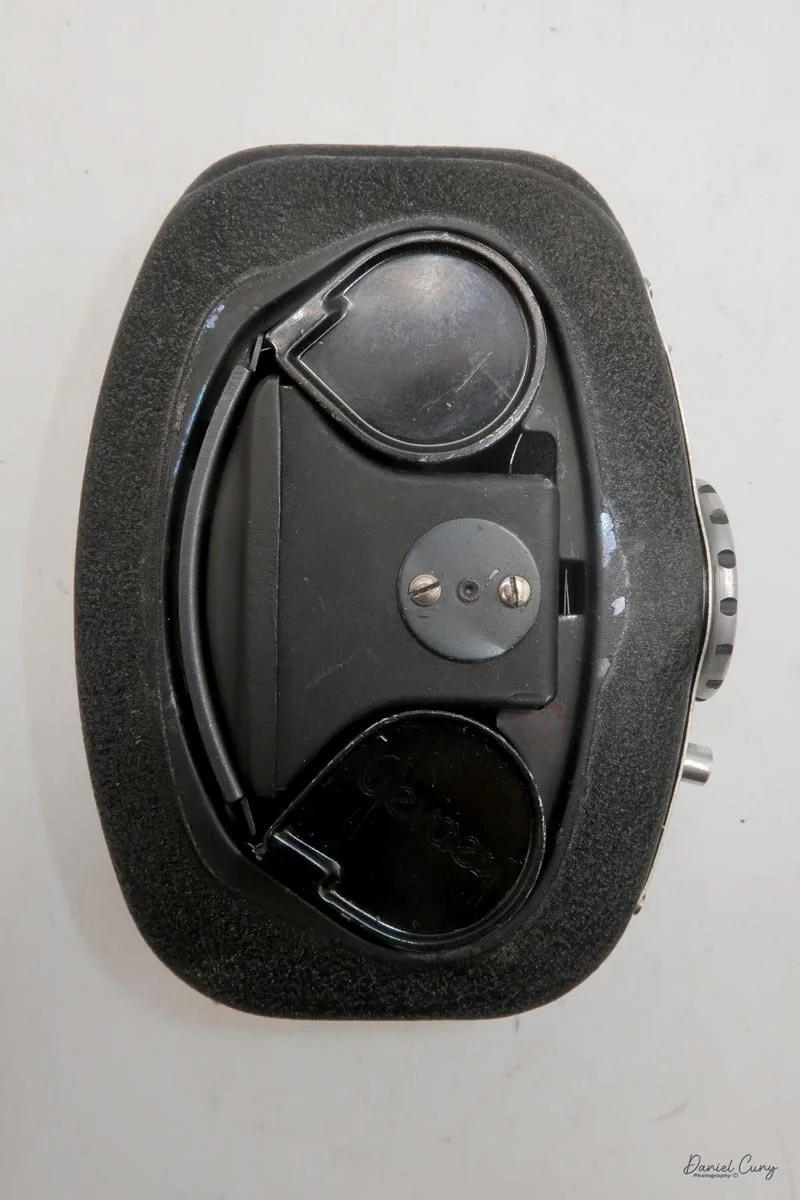
To open the camera for loading, there's a small curled‑up lip on the right side of the body that you lift to swing open the film door. Inside, you'll see the two Agfa Karat cassettes. They pop out along with the pressure plate, which sits just behind the film gate and pulls straight up and out for loading.

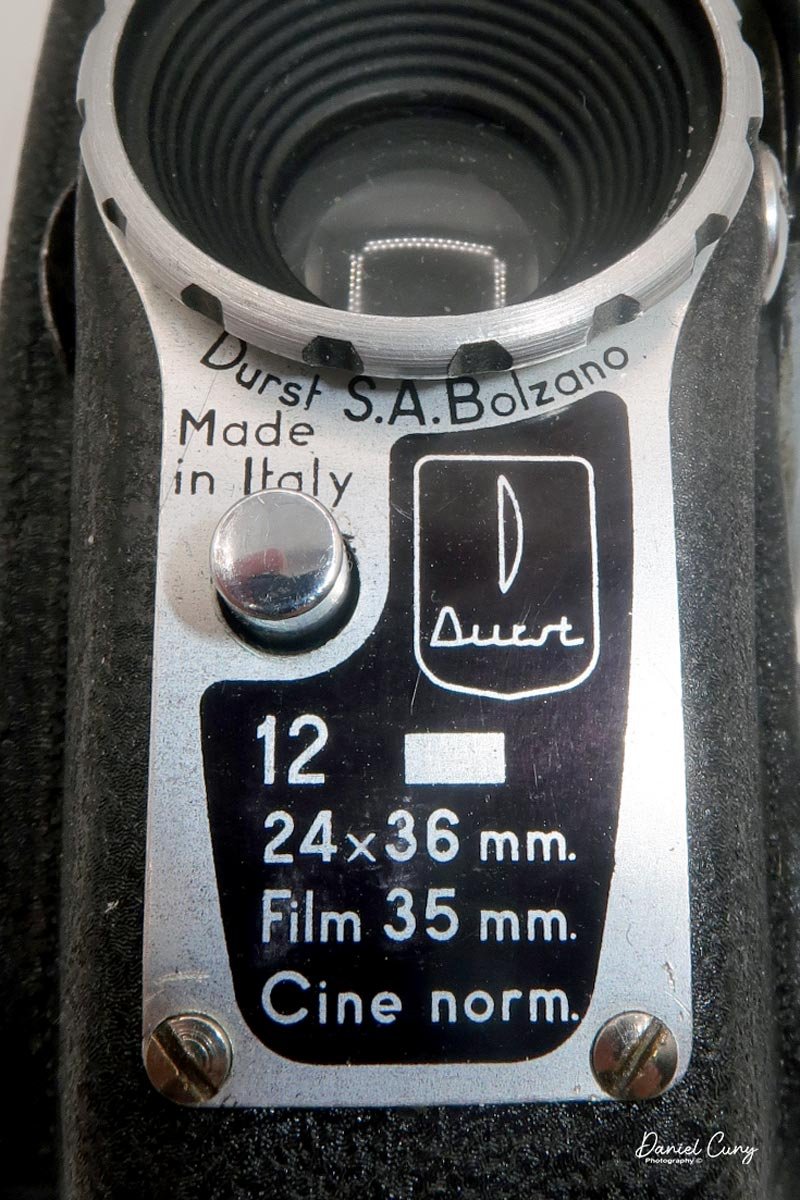
 As mentioned, the camera takes Agfa Karat cassettes. When these were sold new, each roll of 35mm film was cut for 12 exposures, and the front of the camera proudly states that it takes 12 photos per roll. Since I have bulk 35mm film and two cassettes, I loaded my own.

I put one of the cassettes and my bulk loader into a dark bag. Inside the bag, I opened the loader, pulled out what I guessed would be enough film for 12 exposures, and added a bit more to be safe. I fed the film into the first cassette and closed up the loader, leaving a short length to thread into the second cassette. Then I unzipped the dark bag and removed the loaded cassette.

In the light, I could now feed the end of the film from the first cassette into the second one, slide both cassettes into the side of the camera, and drop the pressure plate back into place, making sure the film sat flat against the gate. Before closing the door, I advanced the film a bit to confirm that it was transporting. With the cassettes and pressure plate removed earlier, I'd noticed a small brass pin—very similar to the one in the Ansco Memo—that pops out, grabs a film sprocket, and moves up to advance the film.

Once everything looked right, I swung the back door into position and pressed it firmly against the body. Two small notches on the back have to line up with the body; if they're off even a little, the door won't sit snugly.

 Before heading out, I took a look at the lens and saw that the front element was pretty grimy. With some lens cleaner and tissues, I managed to clean the front, but because the camera is built the way it is, I couldn't get to the rear element at all. With the film loaded and the transport confirmed, I was ready to go for a walk through the neighborhood.


Shooting with a Vertical 35mm

With film in the camera, I headed out around the neighborhood, trying to photograph some of the same subjects I usually shoot—houses, parked cars, trees, little details I run across on my walks.

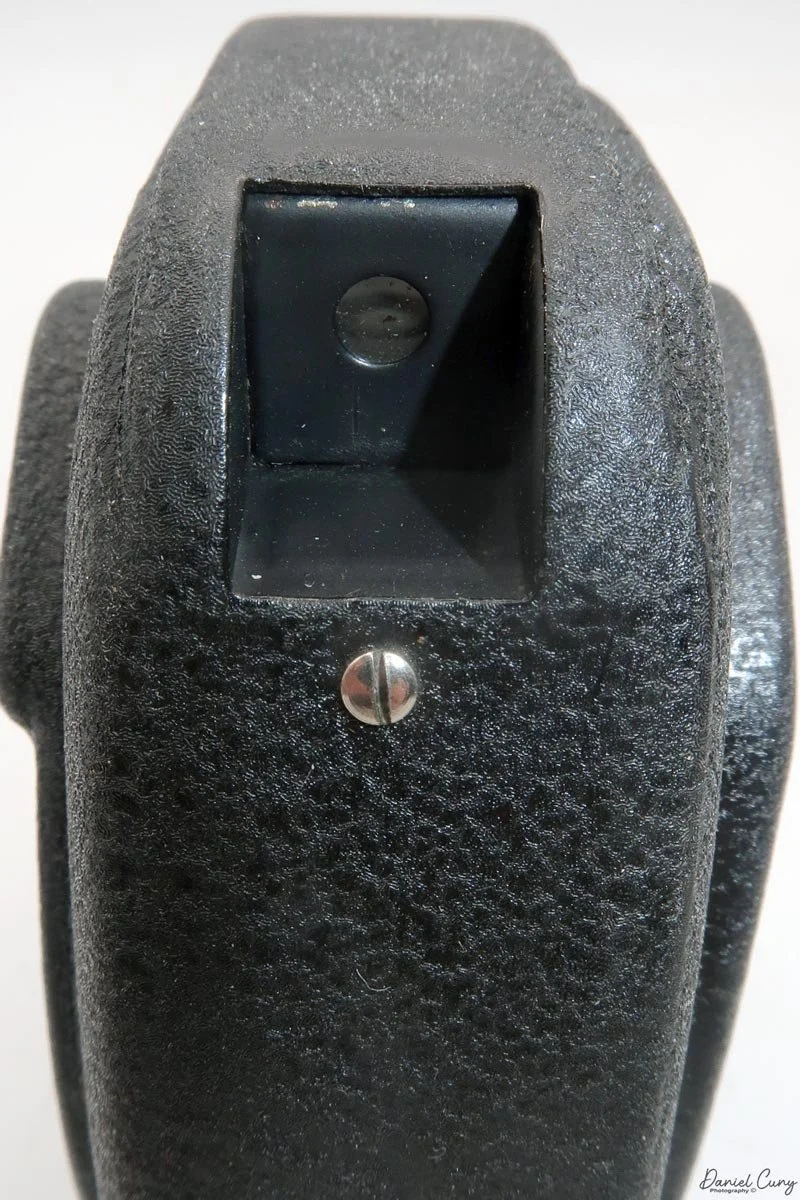
 The camera's faceplate shows a horizontal rectangle next to the number 12, while the viewfinder is vertical. I found that confusing at first. Was this meant to be a horizontal or a vertical camera? With only 12 exposures per roll, it seemed logical that they'd be in a horizontal orientation to match most 35mm cameras. Still, the vertical viewfinder was telling me otherwise. I wasn't sure, so I shot in both orientations early on, turning the camera back and forth.

 Once I processed the film and looked through the negatives, it was obvious: the Duca is a vertical‑format camera. If you want a horizontal image, you turn the whole camera on its side. It's not complicated, but it does take a little mental adjustment when you're used to most 35mm cameras being the other way around.

Results and Thoughts

Some of the images turned out great, and some didn't. There are a few reasons for that. One is focus—I didn't always remember to switch between the two focus zones when I changed subject distance. The other is exposure. With only one shutter speed and one aperture, you're basically at the mercy of the light. The negatives showed some variation, but nothing I couldn't deal with in post‑processing. It reminded me a lot of shooting with an Instamatic: pick a film with a wide exposure latitude and let it do the heavy lifting.

 I got 14 frames on the roll before the film refused to advance into the second cassette, which tells me my length estimate in the dark bag was close. The camera itself handled well. The viewfinder is on the small side and can be difficult to look through, especially if you wear glasses, but it's usable once you get used to it.

 The transport worked smoothly, and the shutter opened and closed as it should. The lens, however, is still dirty on the rear element, and there's really no easy way to clean it without taking the camera apart. That shows up in the photos as a general softness, almost like shooting with a soft‑focus filter. On some subjects, the look can actually be pleasant; on others, it just makes things a bit mushy.

 Overall, the Duca was a fun camera to use, and I'll definitely shoot it again. The whole process—from loading the Karat cassettes, to working with the vertical format, to seeing the results—was enjoyable. It's the kind of camera you could toss in a pocket when you head out on a trip and forget about until something catches your eye. I like that it's doing all of this as a full‑frame 35mm camera in such a tiny body.

 Thanks for taking the time to read about my experience with this little Italian wonder of a camera.

 If you'd like to see more of my camera adventures, here's a link to my other camera reviews. And if you're interested in cameras, lenses, or other photo gear I'm letting go of as I thin the collection, you can visit my Cuny's Cameras and Photos online store.

 Until next week, please be safe.

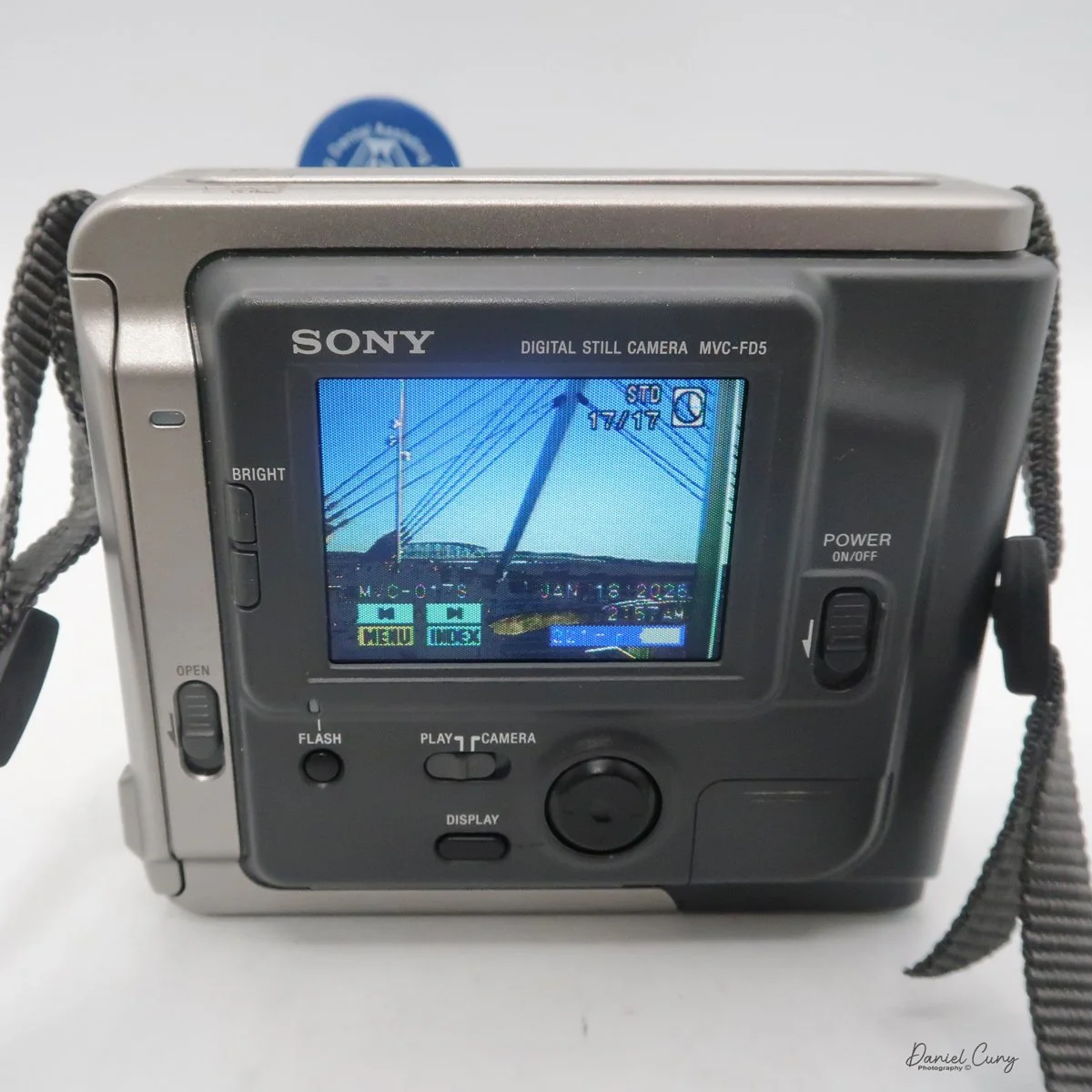
Sony Mavica MVC-FD5

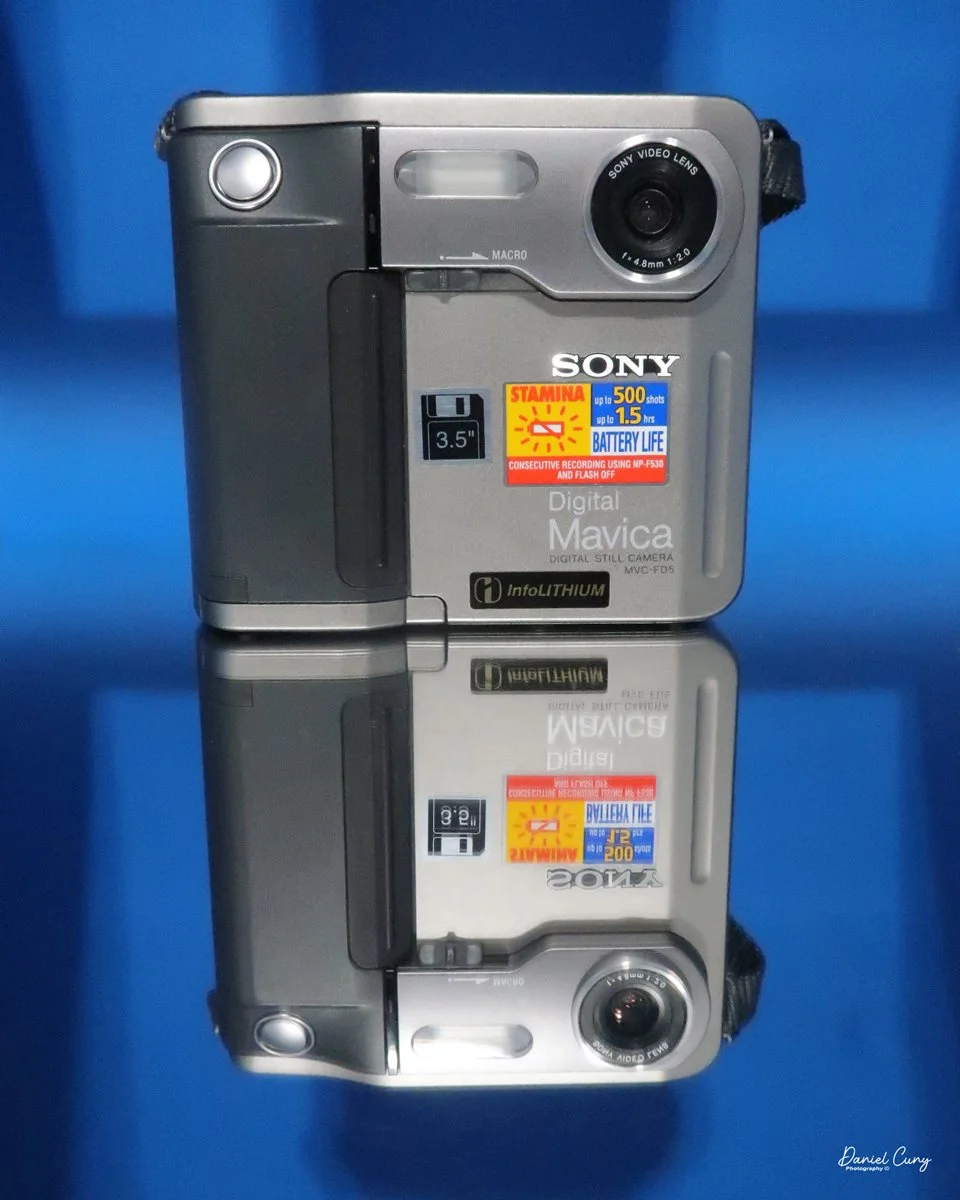
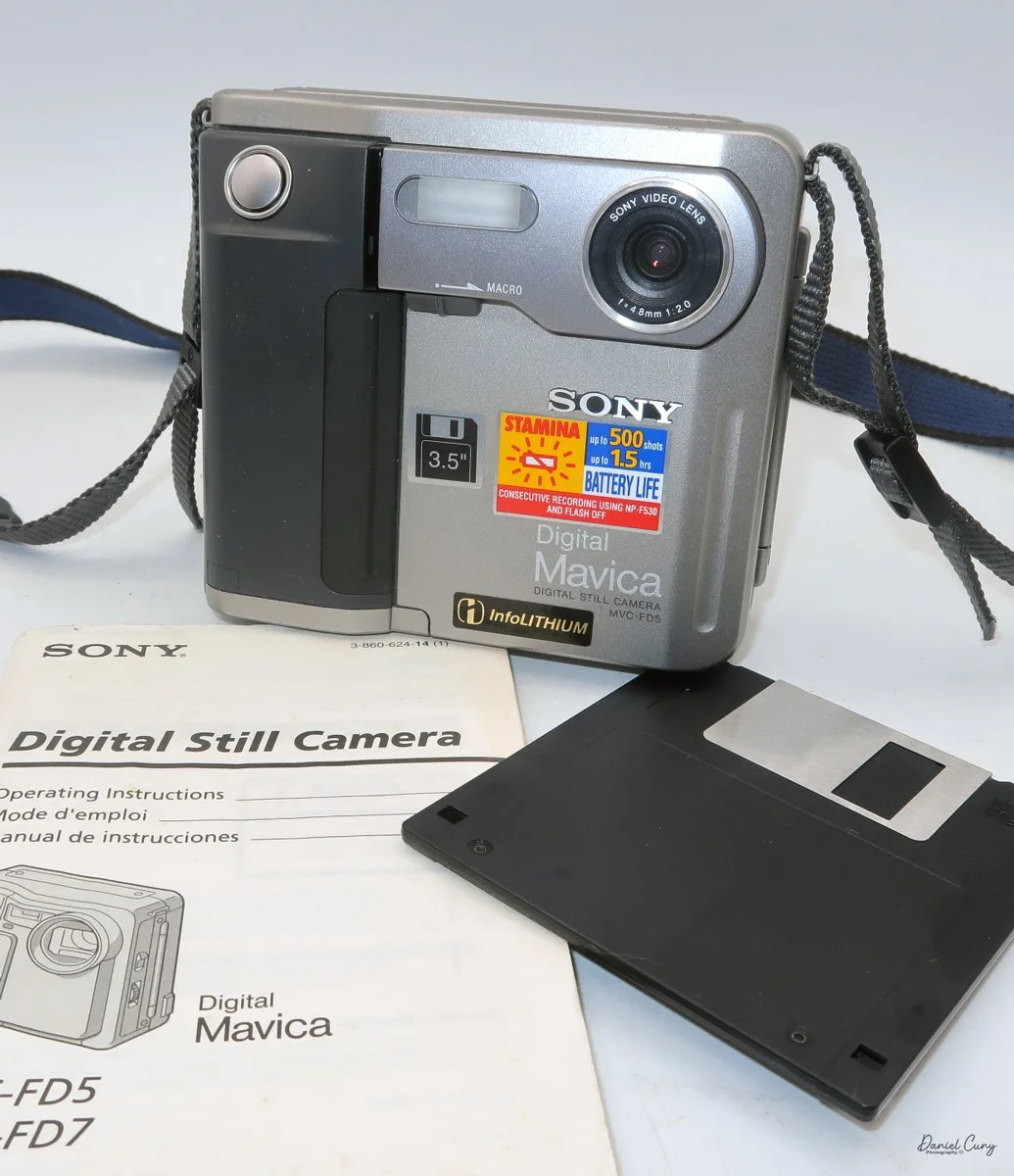
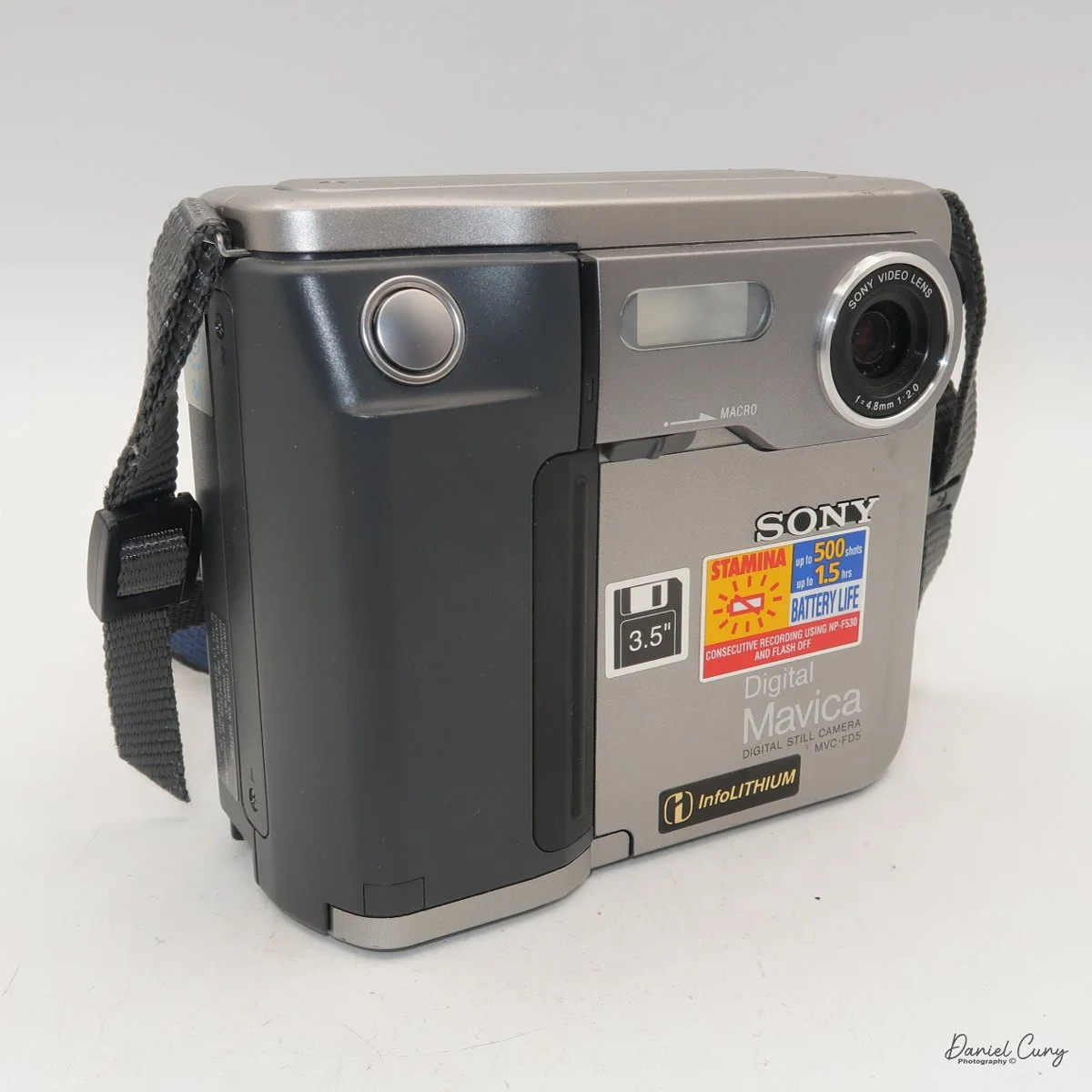
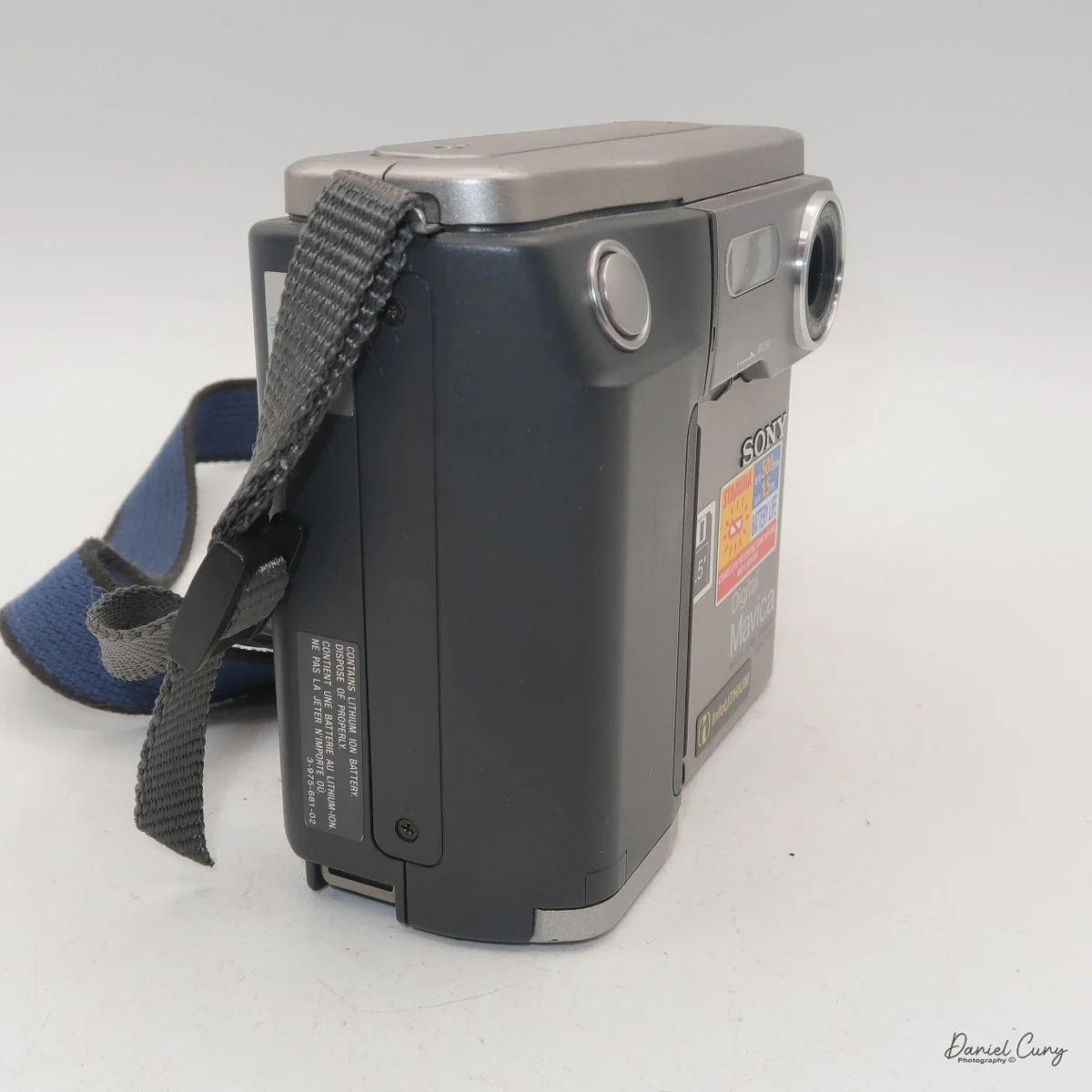
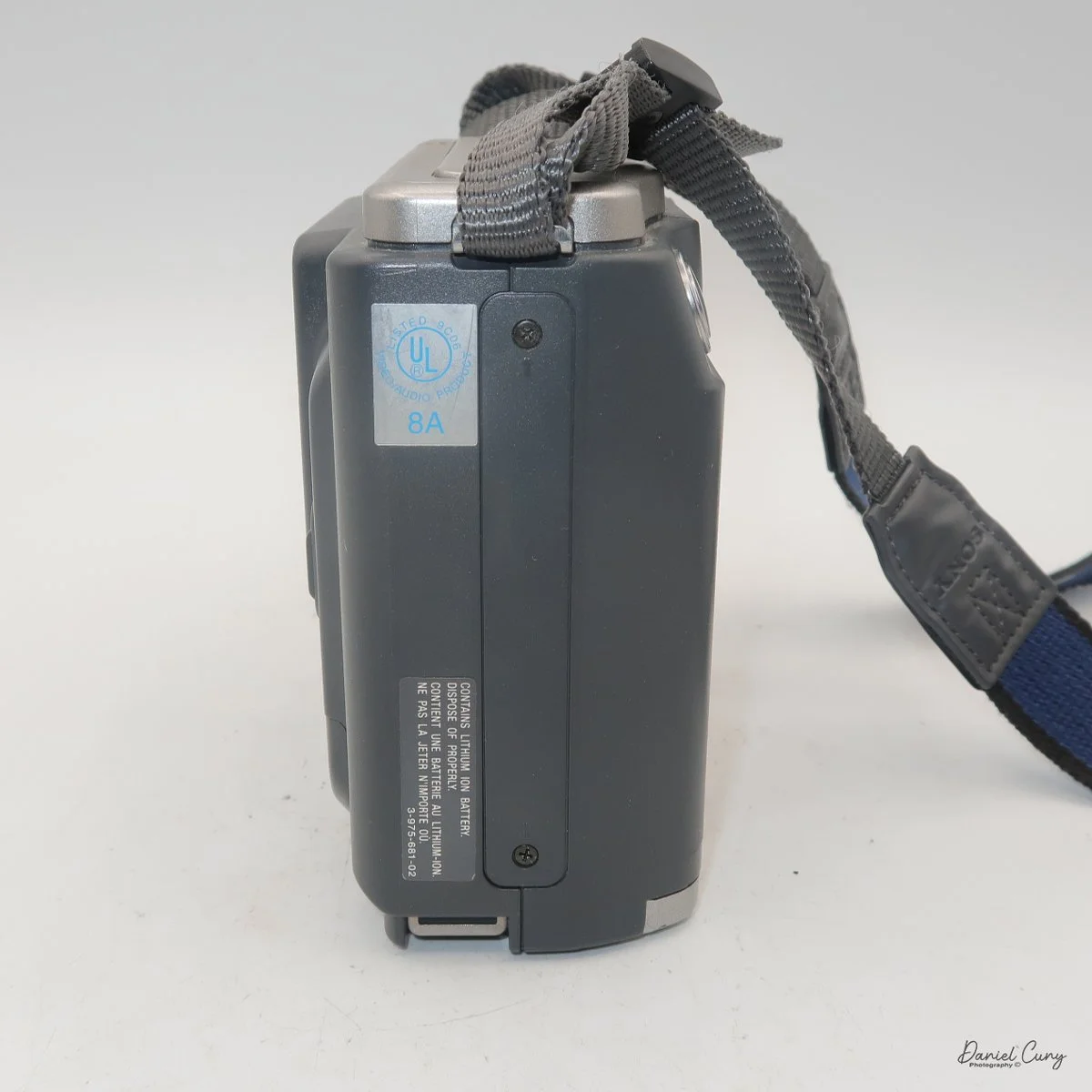
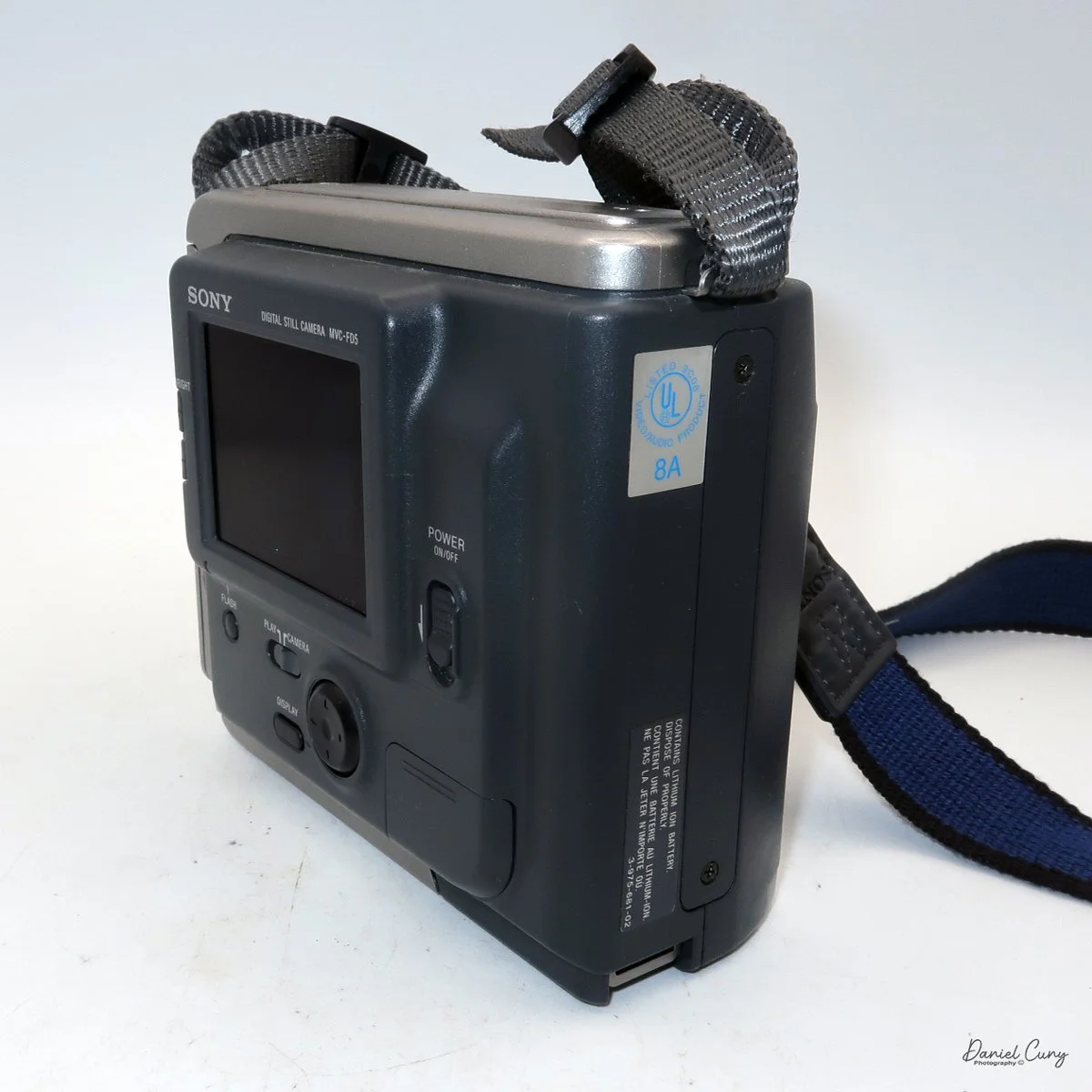
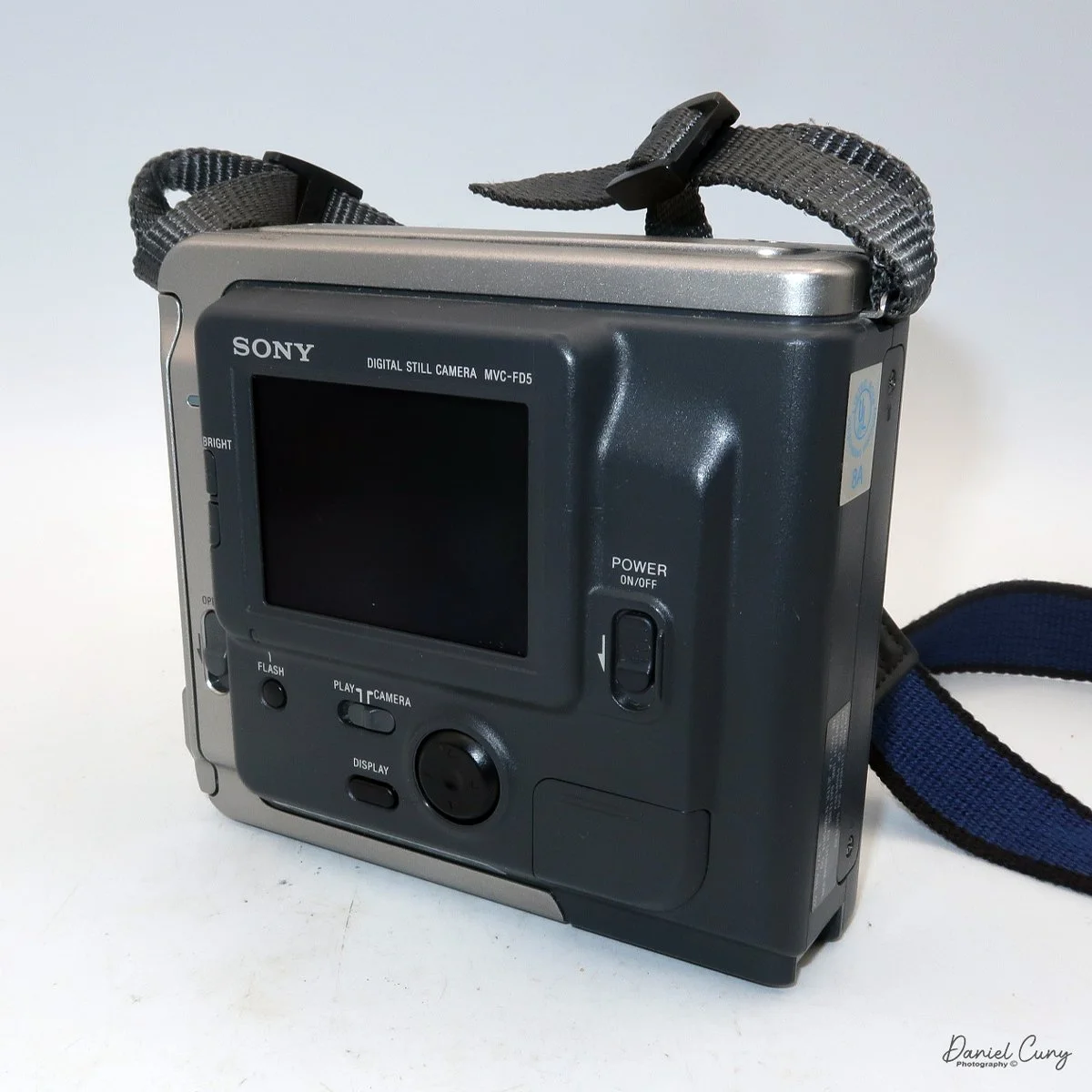
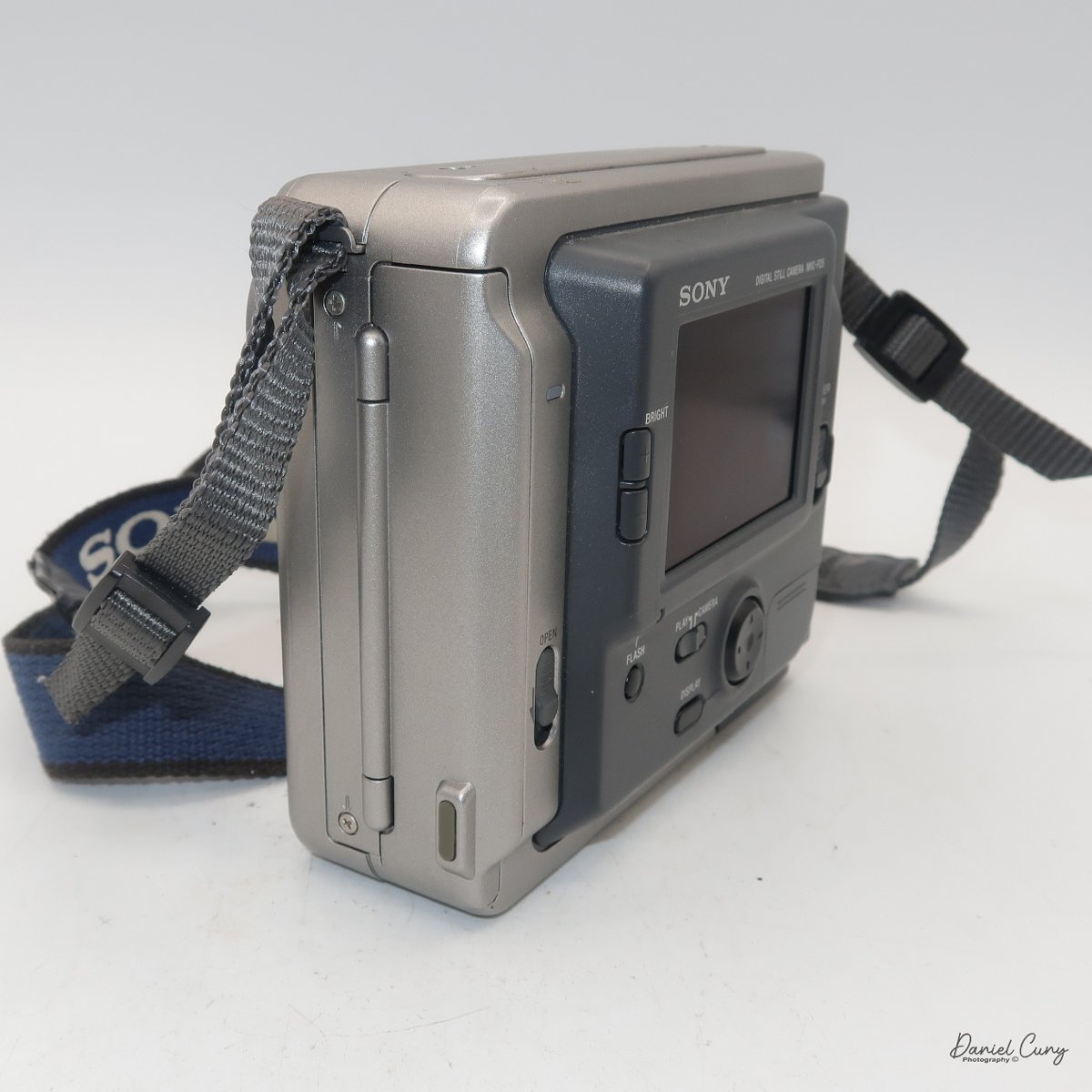
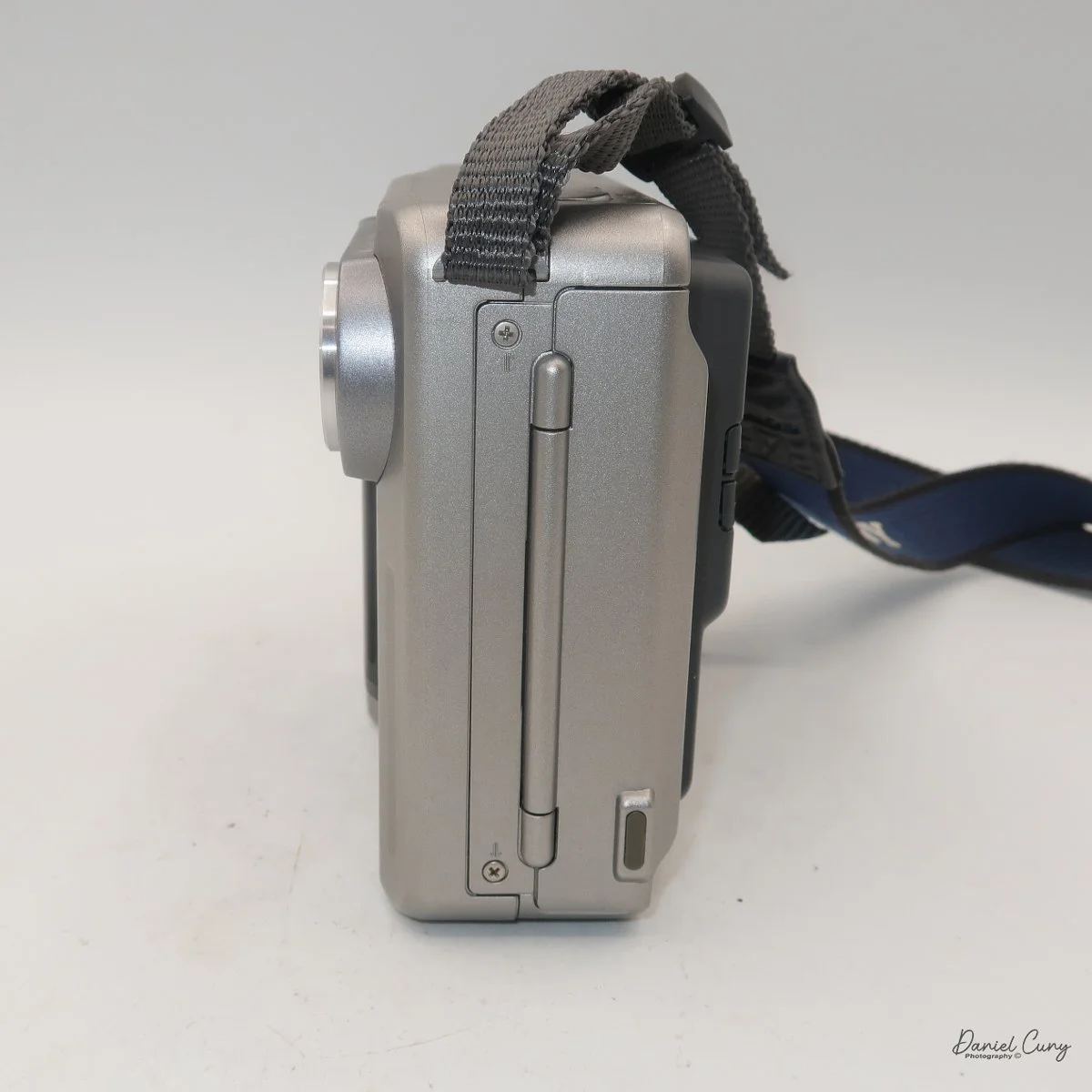
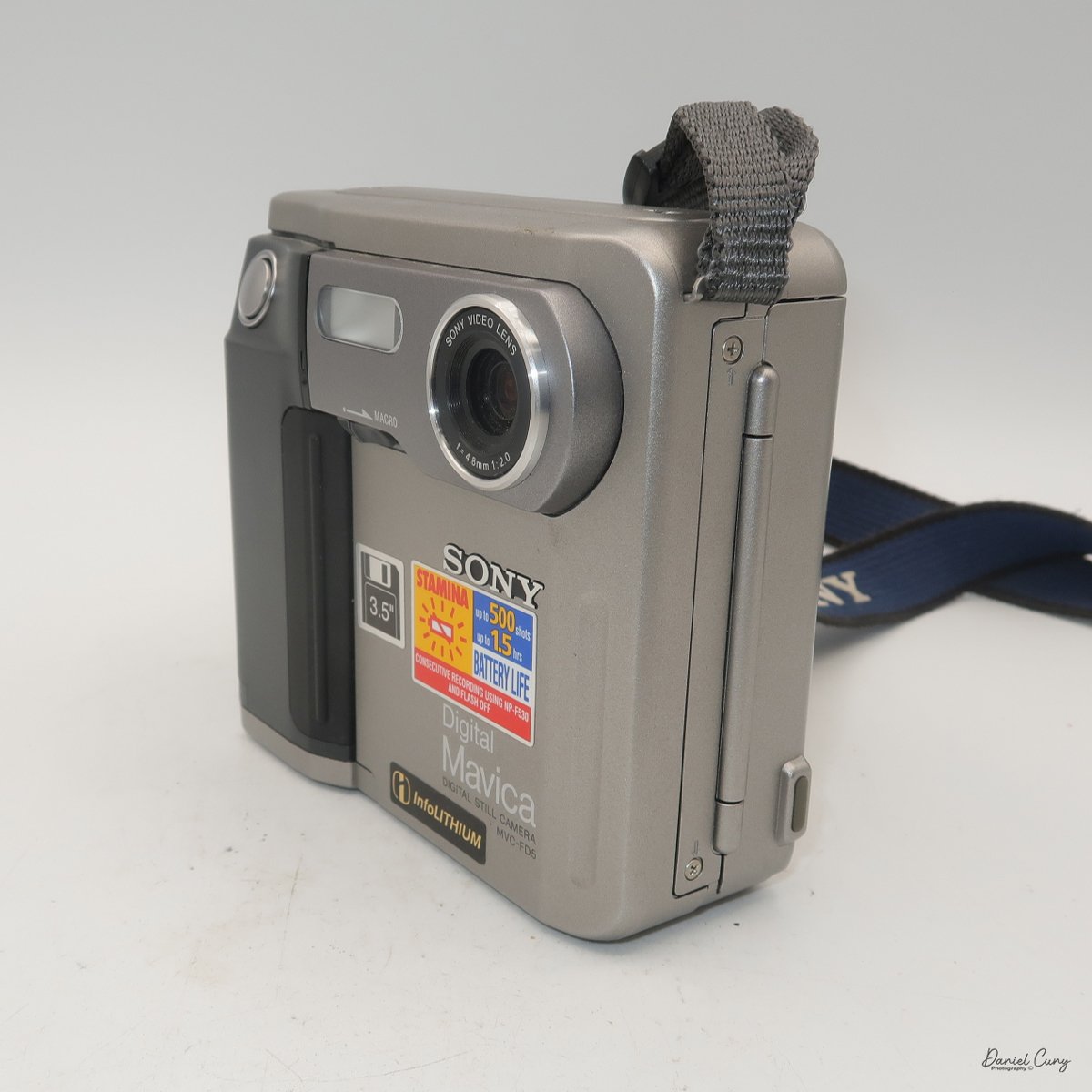
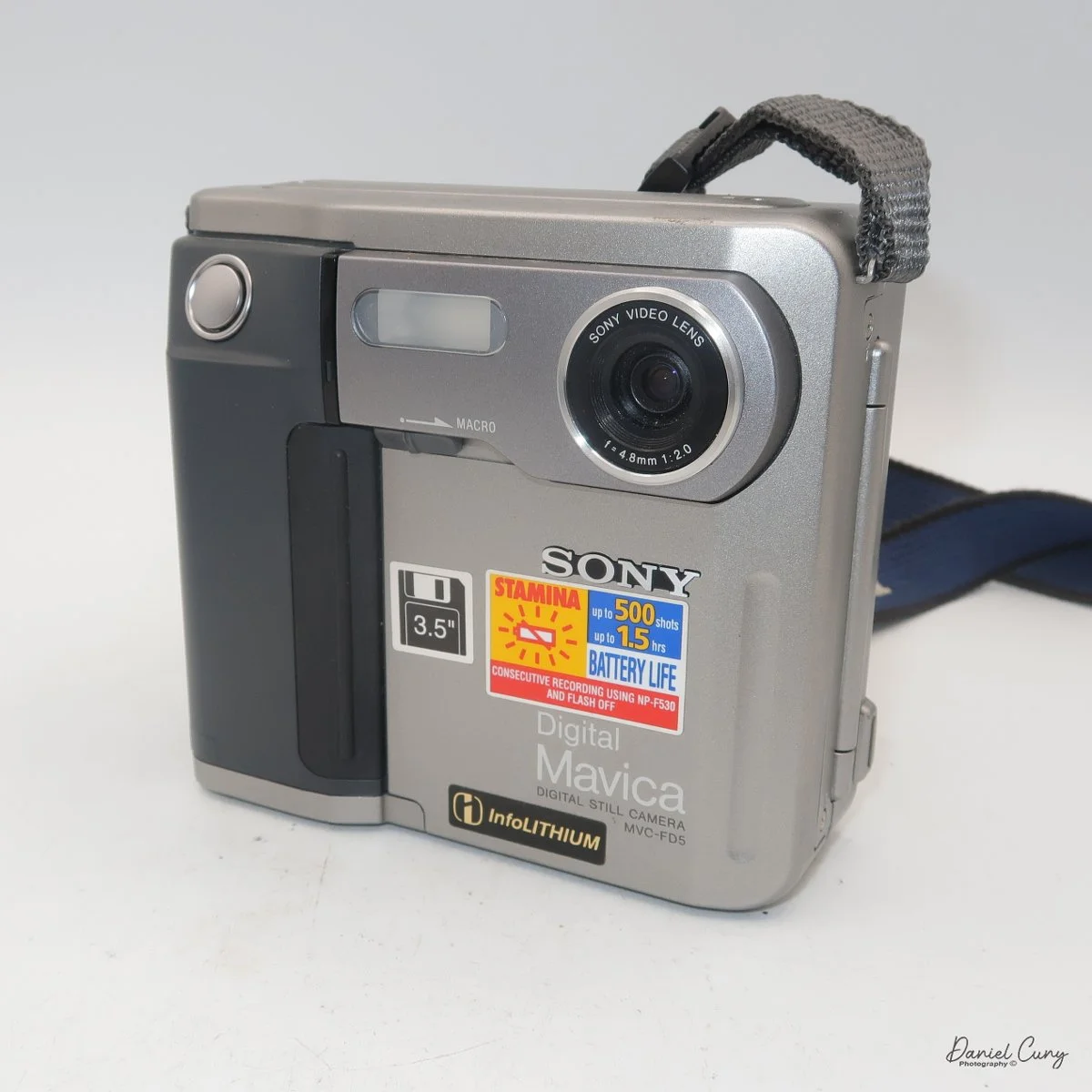
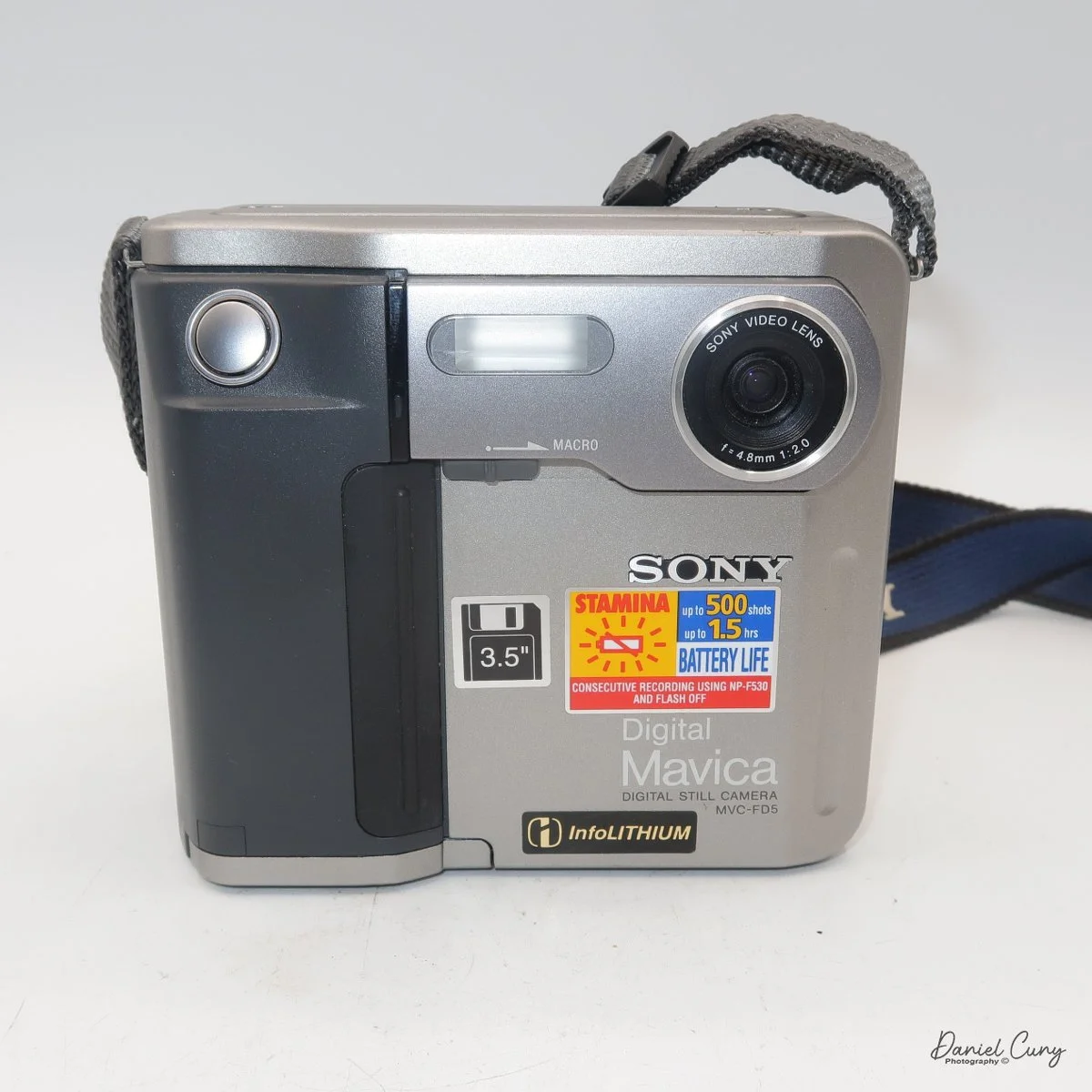
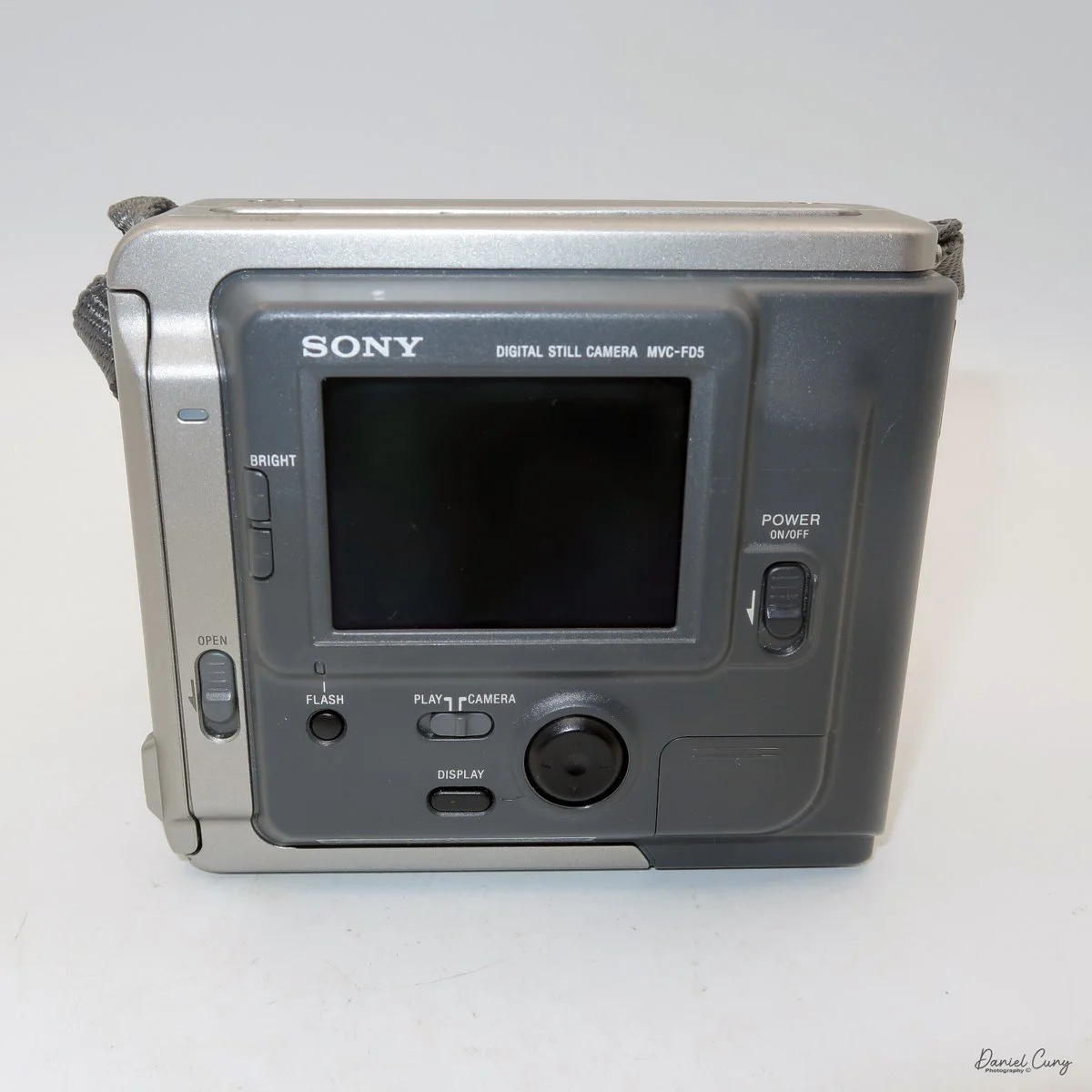
My Sony Maniac MVC-FD5 camera.

I started working in a retail camera shop way back in 1975. The store where I worked was dominated by non-professional photographers, with more of a consumer-based customer base. We sold a lot of film and processed a lot of film. At that time, the store where I worked had a good mix of simple cameras, such as the Kodak Instamatic, and some of the more basic Polaroid models of pack cameras. 

 But if you wandered over to the more professional side of the store, the cameras on that side of the store had Nikon F and Nikkormat, Minolta SRT series, Canon FTb, Pentax Spotmatic, mainly single-lens reflex and simpler rangefinder cameras were available. The market in our store didn't offer higher-end brands such as Leica, Hasselblad, or large-format brands like Sinar or Toyo.

My camera with floppy disk, and manual

 The owner of the camera shop was always looking at new technology and ways to set us apart from the other local camera stores. I still remember back in 1988, when we were introduced to "new technology" that didn't capture images on film. Still, it was a rather small 2" floppy disk. The odd thing about this new revolutionary camera was that it didn't come from a "regular" camera company, but from the major consumer electronics firm from Japan, Sony. At that time, Sony was known to most Americans for their radios, televisions, and other electronics.

 The camera was named the Mavica (magnetic video camera) MVC-C1 which was a consumer based camera which was flat shaped, that fit well in your hand, and held a 2" floppy disk called the Mavipak. At the time, these were what we consider "digital images", but rather Still Video Images recorded onto the floppy disk, and intended to be played back on your television. You could record up to fifty images on the Mavipak. Once the images were taken, you'd connect the camera to your television using the MAP-T1 adapter and display the images on the television screen.

 In December 1988, Canon introduced a similar camera, the XapShop. It too was a similar-shaped camera that captured still video images on a 2" floppy disk. While both cameras were making a splash in the market, it wasn't until early 1989 that the Sony MVC-C1 became readily available to consumers.

 At the time, the idea of capturing images on a floppy disk was odd, and the image quality was poor. Also, when the camera was introduced, it had a hefty price of $650.00 for the Sony and a similar price for the Canon XapShot kit, which, for our consumer-based market, was a steep purchase.

 Still, the owner of the camera stores thought well enough of the cameras that we picked up a few of both the Sony and Canon lines of still video cameras, and for a while, we did well selling them to the early adopters in the community. These were the same people who had early Motorola mobile phones.

Sony Digital History:

 Sony's ascent to the top of the digital imaging world didn't happen overnight; it was the result of decades of transition from analog video heritage to high-resolution silicon. While many associate the "digital revolution" with the late 90s, Sony's groundwork began much earlier with a device that wasn't technically digital, but fundamentally changed how we perceived photography.

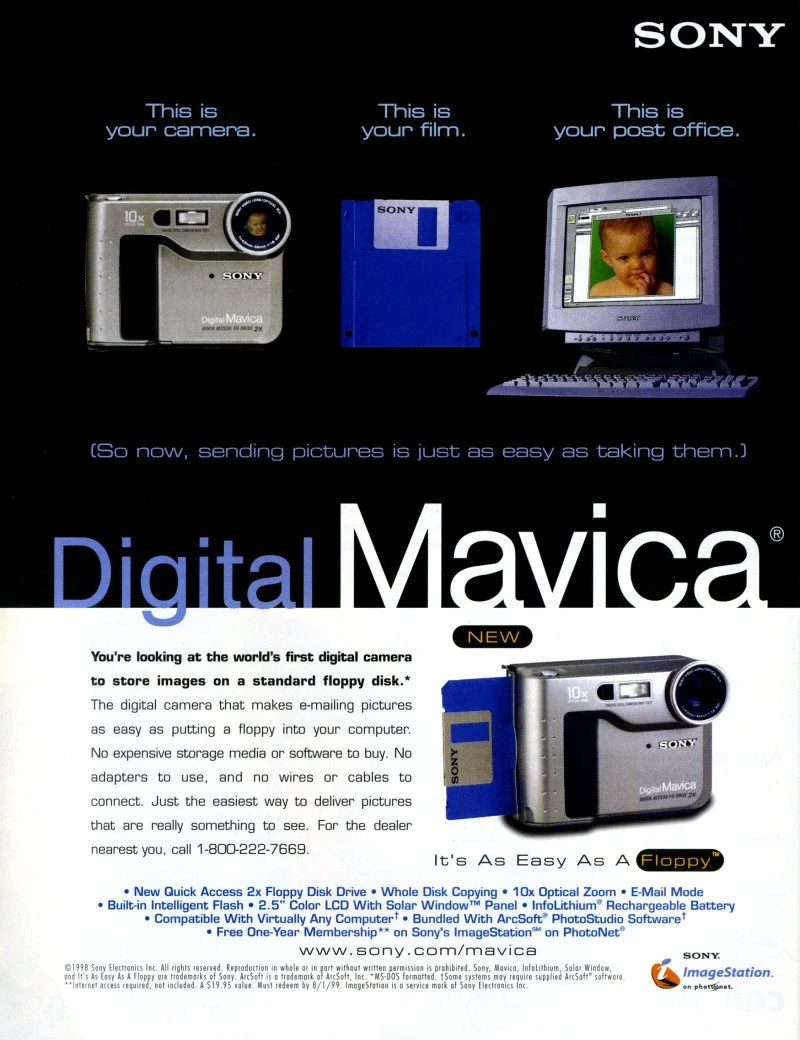
Sony Mavica advertisement.

 In 1981, Sony unveiled the Mavica (Magnetic Video Camera). It is often cited as the spark for the digital revolution, though it was actually a "still video" camera. Instead of film, it recorded analog signals onto a proprietary 2-inch floppy disk called the "Mavipak." While the resolution was equivalent to just 0.28 megapixels and intended for television viewing, it proved that the industry could move away from chemical processing toward instant gratification.

 It wasn't until the late 1980s and early 1990s that Sony moved into fully digital territory. In 1988, they introduced the MVC-C1, the first Mavica aimed at consumers. However, the real breakthrough for the masses arrived in 1996 with the Cyber-shot DSC-F1. This camera featured a distinctive swiveling lens, a built-in flash, and a 1.8-inch color LCD screen—a luxury at the time. It utilized a 0.35-megapixel CCD sensor and marked the birth of the "Cyber-shot" brand, which would dominate the point-and-shoot market for the next two decades.

 In 1997, Sony released the Digital Mavica MVC-FD5 and FD7. These were iconic because they used standard 3.5-inch floppy disks as storage media. While competitors were struggling with expensive, proprietary cables and software, Sony users could pop their disk into any PC and view their photos instantly. This ease of use allowed Sony to capture roughly 40% of the digital camera market by the end of the 1990s.

 As the 2000s began, Sony pivoted from a gadget manufacturer to a serious contender in the optics market. By acquiring Konica Minolta's camera business in 2006, Sony gained the mechanical "know-how" of traditional SLR systems. This led to the birth of the Alpha series.

From the experimental Mavica to the launch of the first full-frame mirrorless systems, Sony's beginning was defined by a willingness to abandon tradition in favor of electronic innovation. They didn't just join the camera industry; they forced it to go digital.

My Camera:

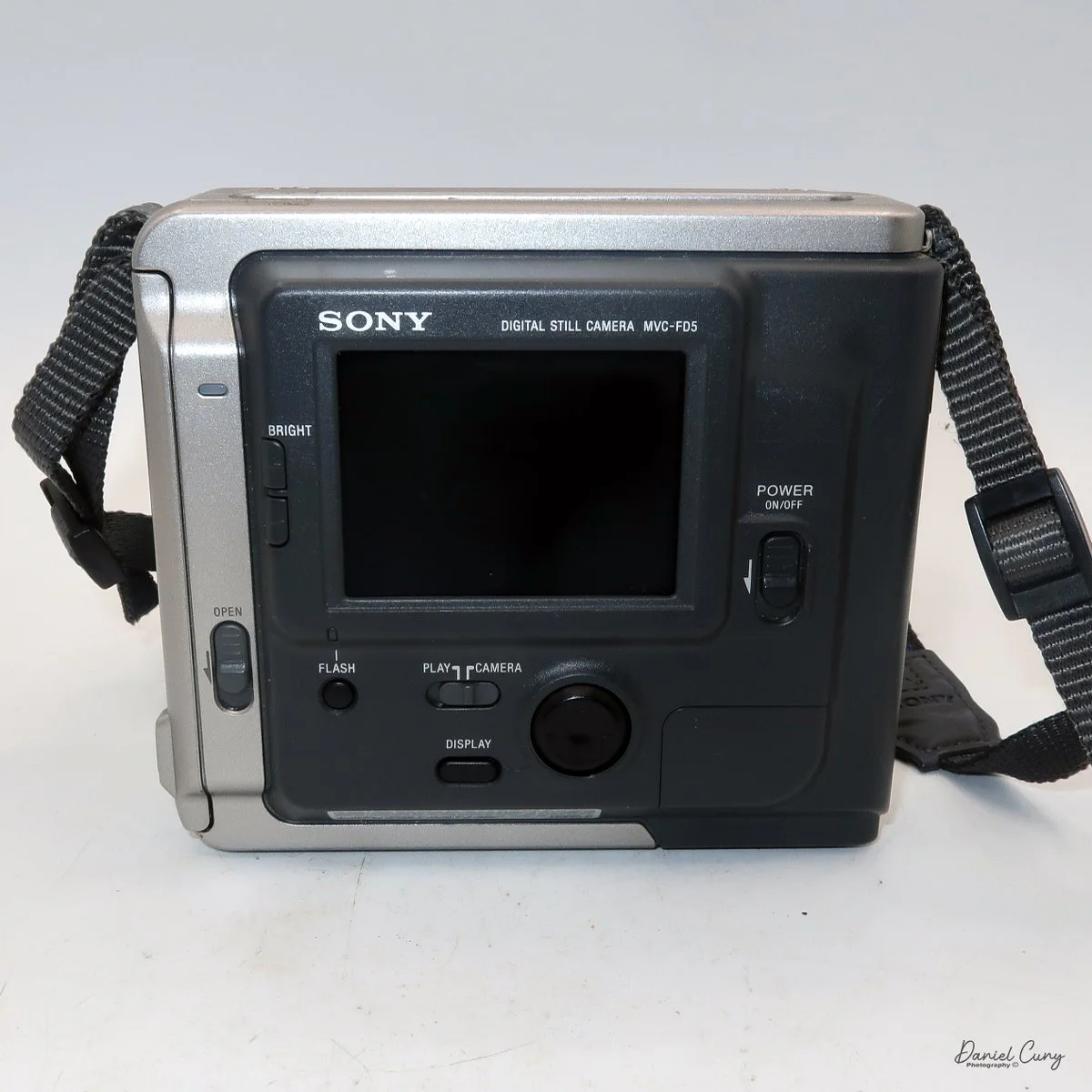
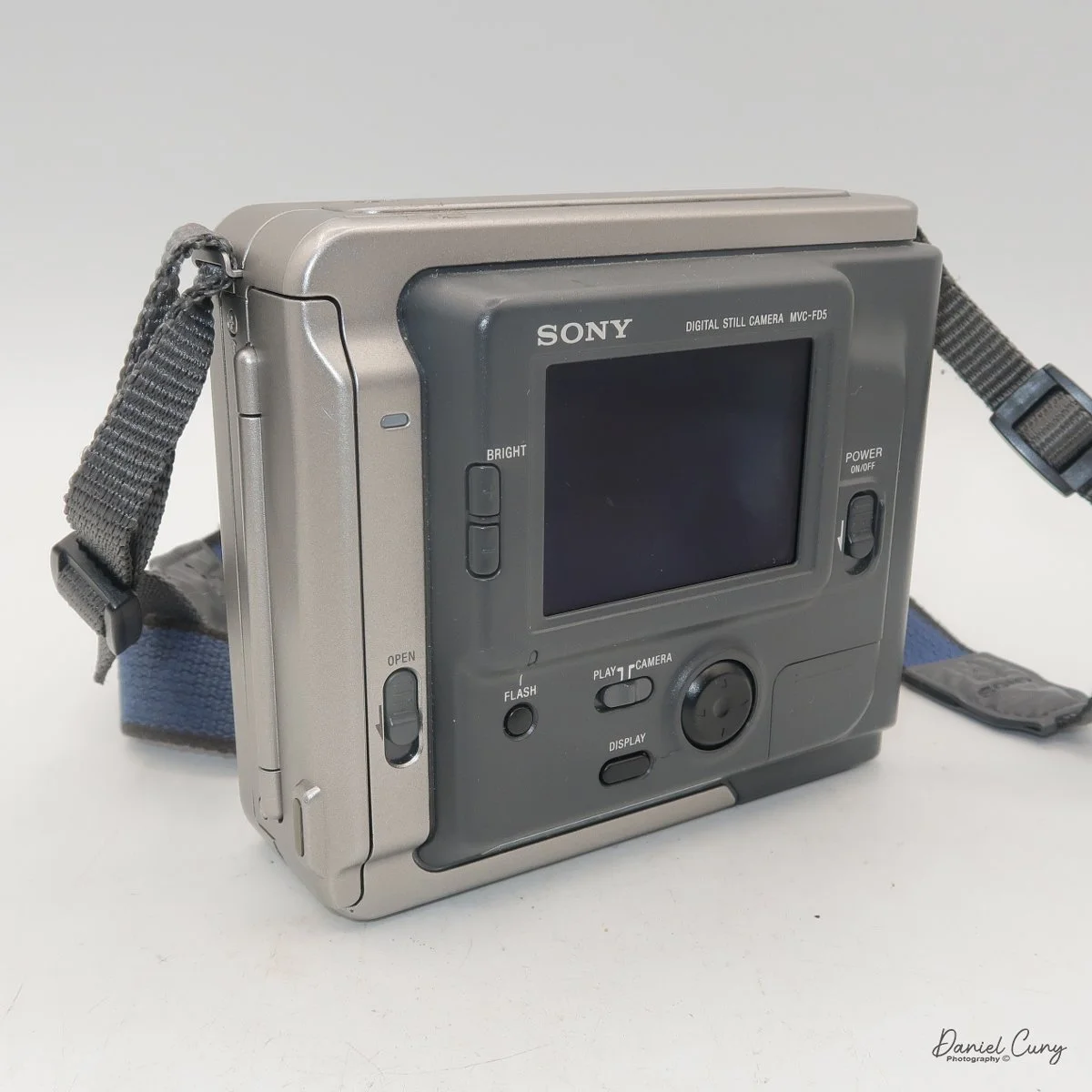
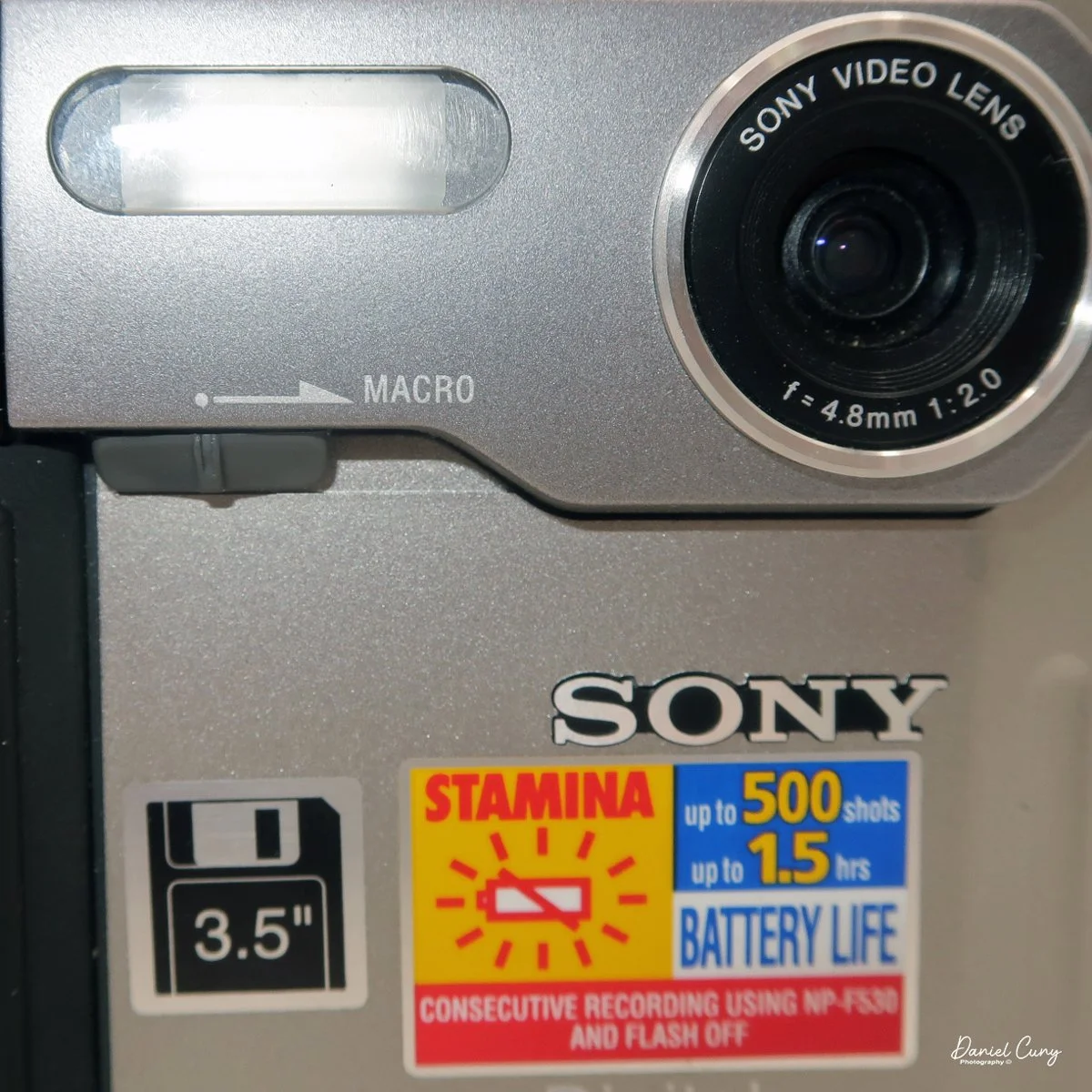
 My Sony Mavica MVC-FD5 was introduced in late 1997 or early 1998. It's a fairly large camera, measuring 5" wide by 4.25" tall by 2" deep, and it weighs 1 pound, 5.7 ounces with the battery, strap, and a 3.5" floppy disk installed. The camera has a 4.8mm F/2.0 lens, equivalent to a 47mm lens on a 35mm camera. The camera is a fixed focus camera and in normal mode will focus to approximately 4' from the lens. The camera does have a macro lens. Under the flash, there is a sliding bar you slide to put the camera in macro mode; then the focus distance is 3"-9" from the lens surface. 

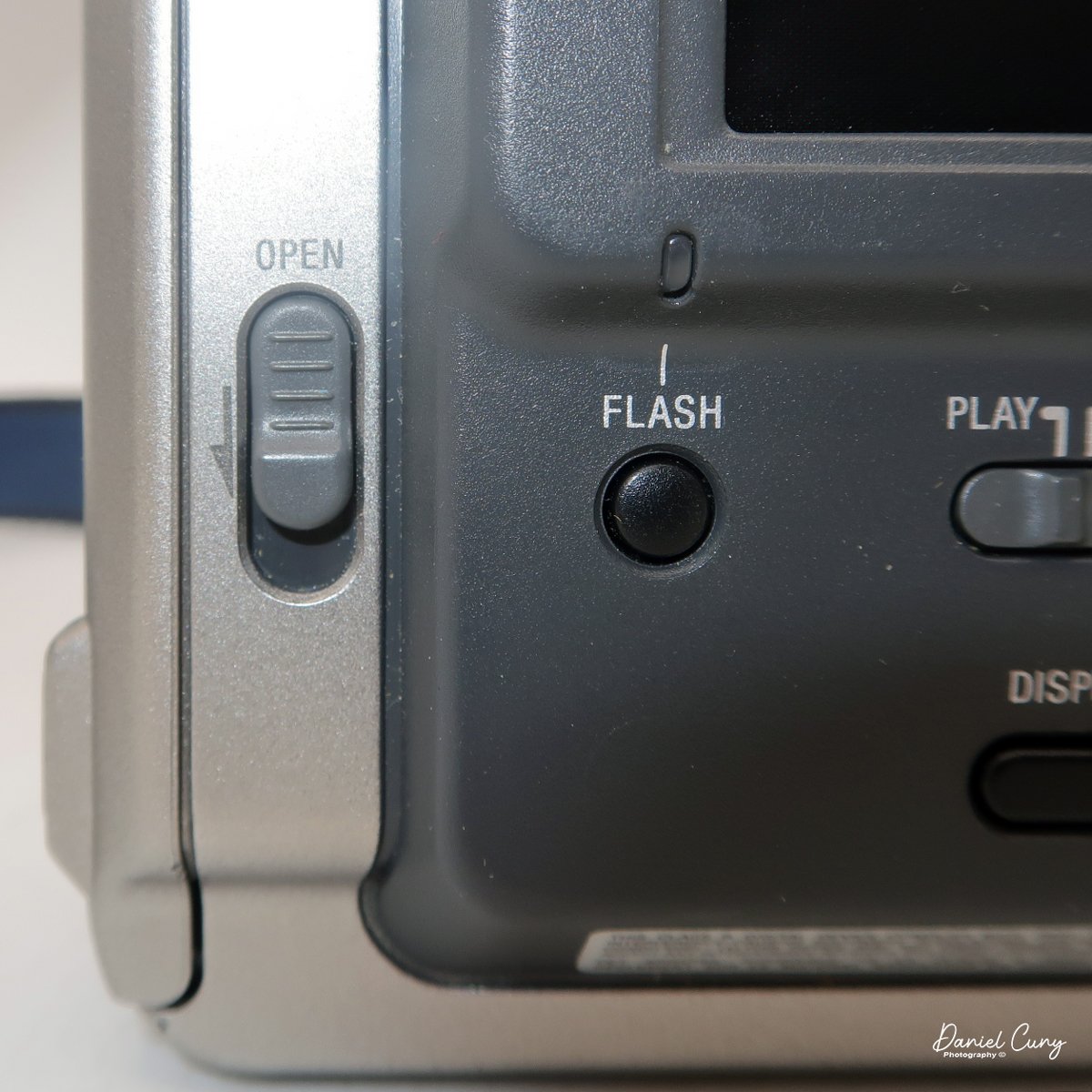
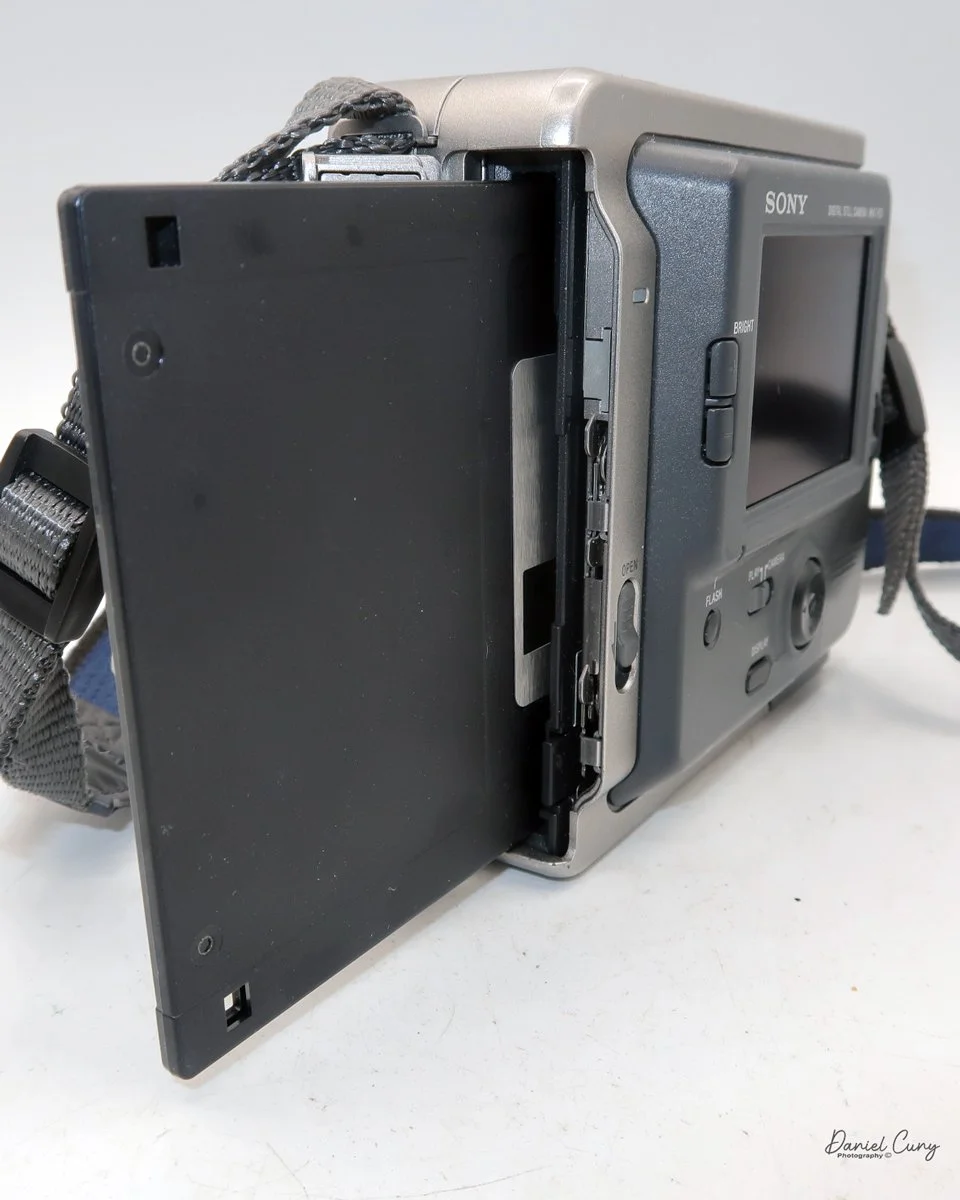
The images are recorded onto a standard 3.5" floppy disk (1.44mb) which is inserted into the camera through a door on the left side of the camera. On the back of the camera, in the lower left corner is a switch which says, "open". Sliding the button down, opens the door where you insert the 3.5" floppy disk. To remove the disk, press the button inside the disk's door, and the floppy will be ejected. 

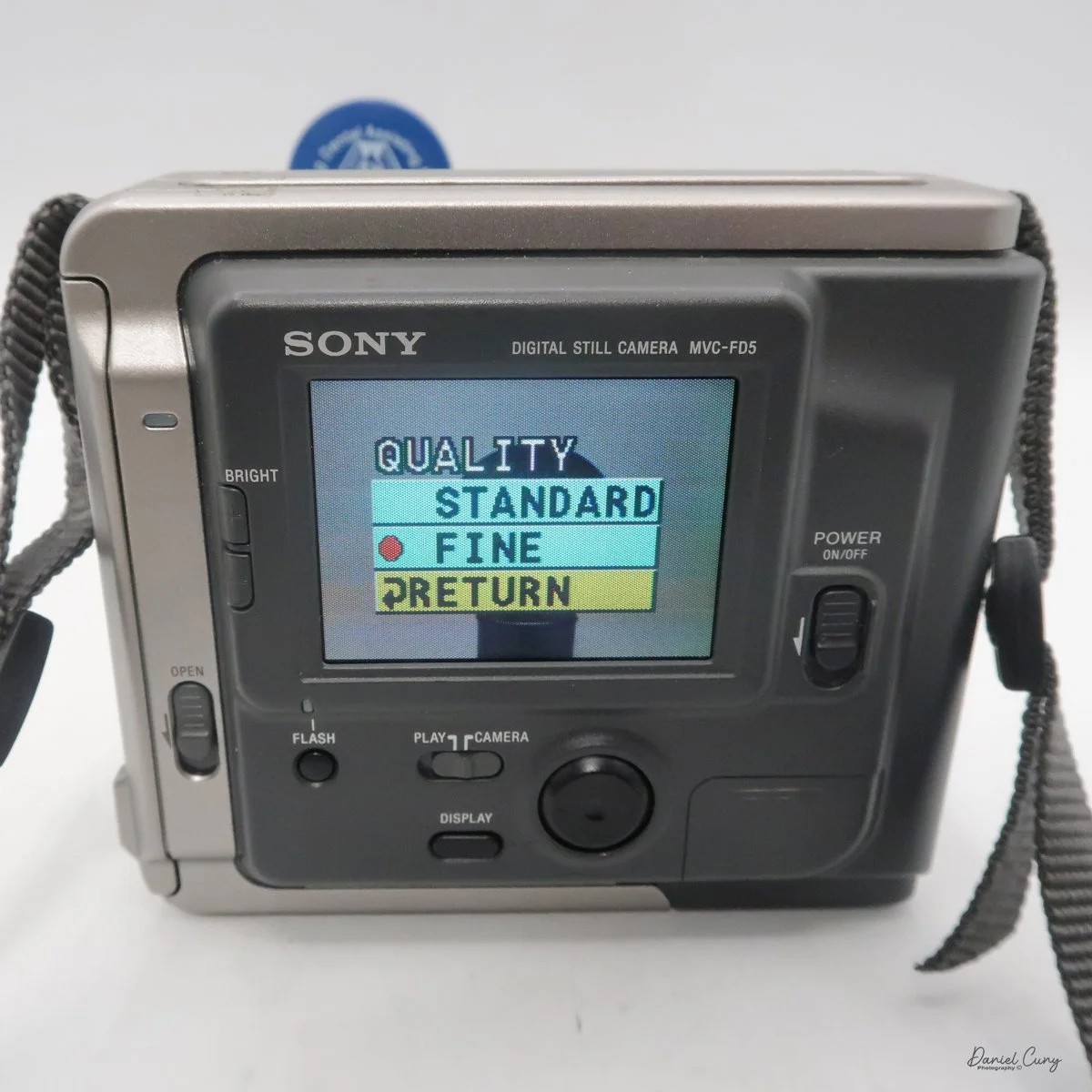
 The camera records images at 640 x 480 resolution in JPEG format and has two shooting modes: Standard and Fine. Each floppy disk will hold 30-40 standard images or 15-20 fine images.

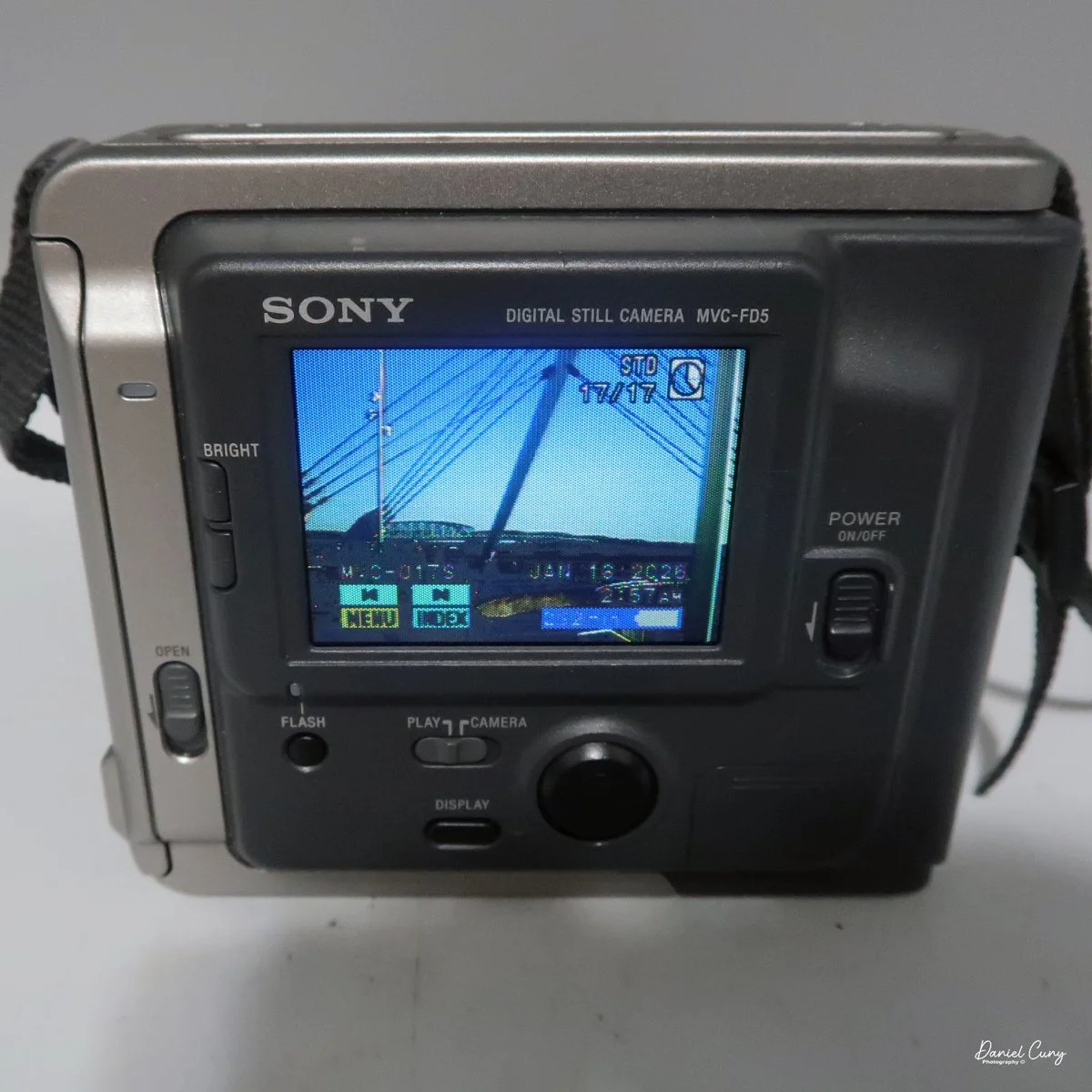
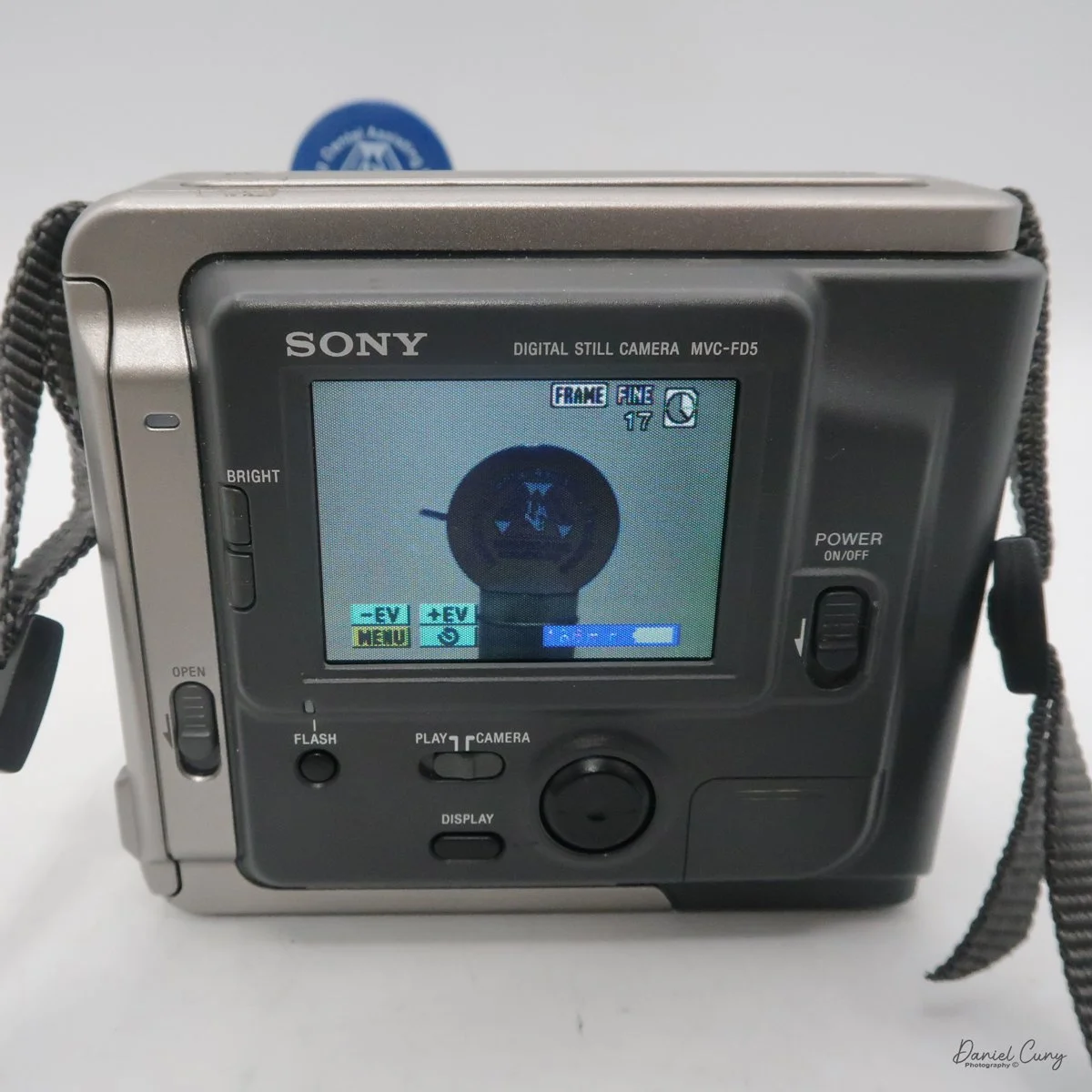
All the controls on the Sony Mavica MVC-FD5 camera are located on the back. The controls are around the main 2.5" screen, which has a total of 61380 dots. Once the camera is turned on, which is done by a sliding switch to the right of the screen, named "power on/off". Slide the switch down to turn the camera on, and to shut it off, slide it down again.

It's very interesting, and something I didn't remember from owning this camera soon after it came out in the late 1990s. Still, once you turn the camera "on, and there's a floppy disk in the camera, you'll hear a noise of the internal disk drive spinning and making sounds because the camera is checking the disk, making sure it's seated correctly and can write to it. It's also the sound you hear when you switch the button on the back of the camera from "play" to "camera," or vice versa, as the camera spins the disk to read images or prepare to accept them. It also makes a sound when in "play" mode, as you go from one image to another. Here's a short video of turning on the camera and taking a photo.

Video showing the camera being powered on and the time to record an image with camera sounds.

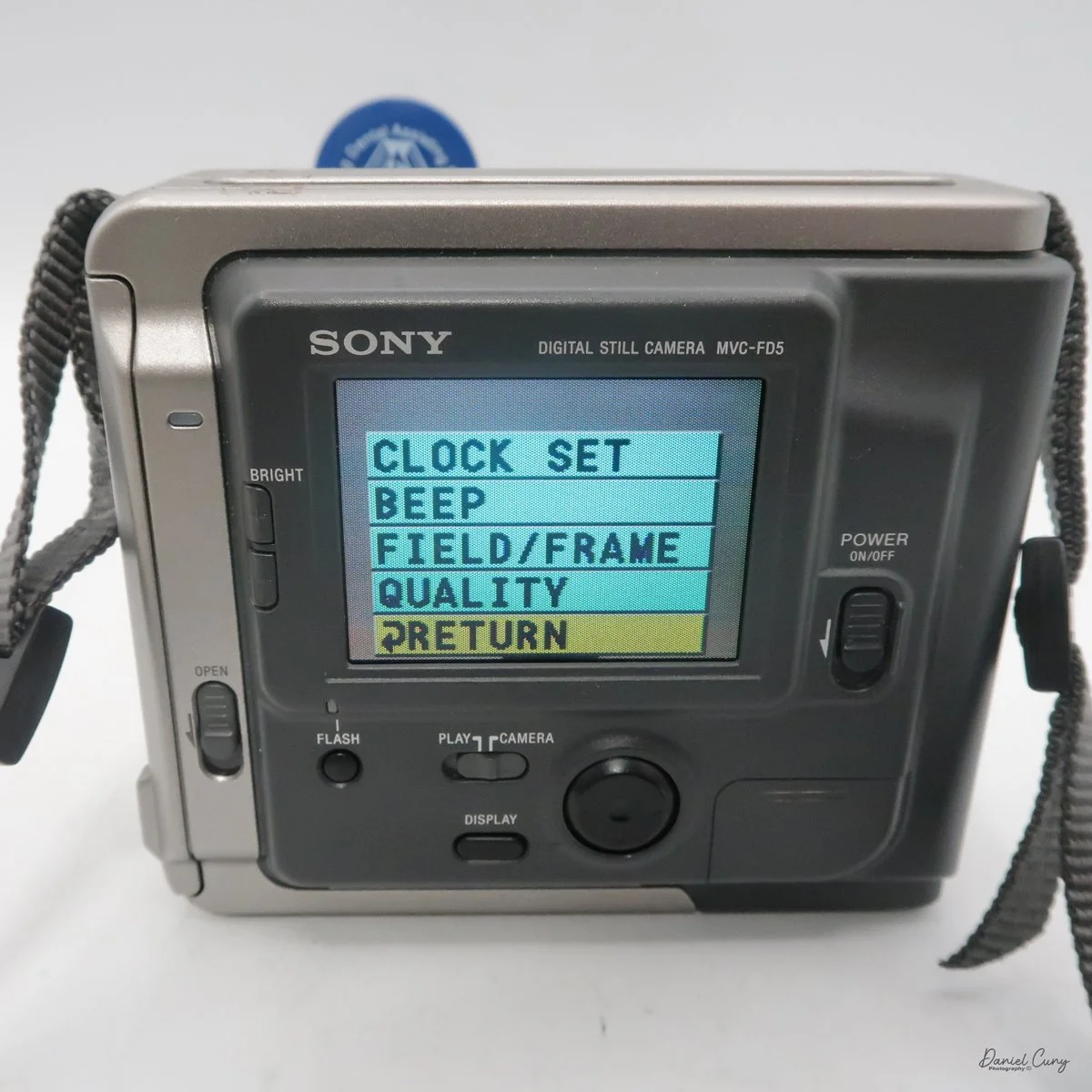
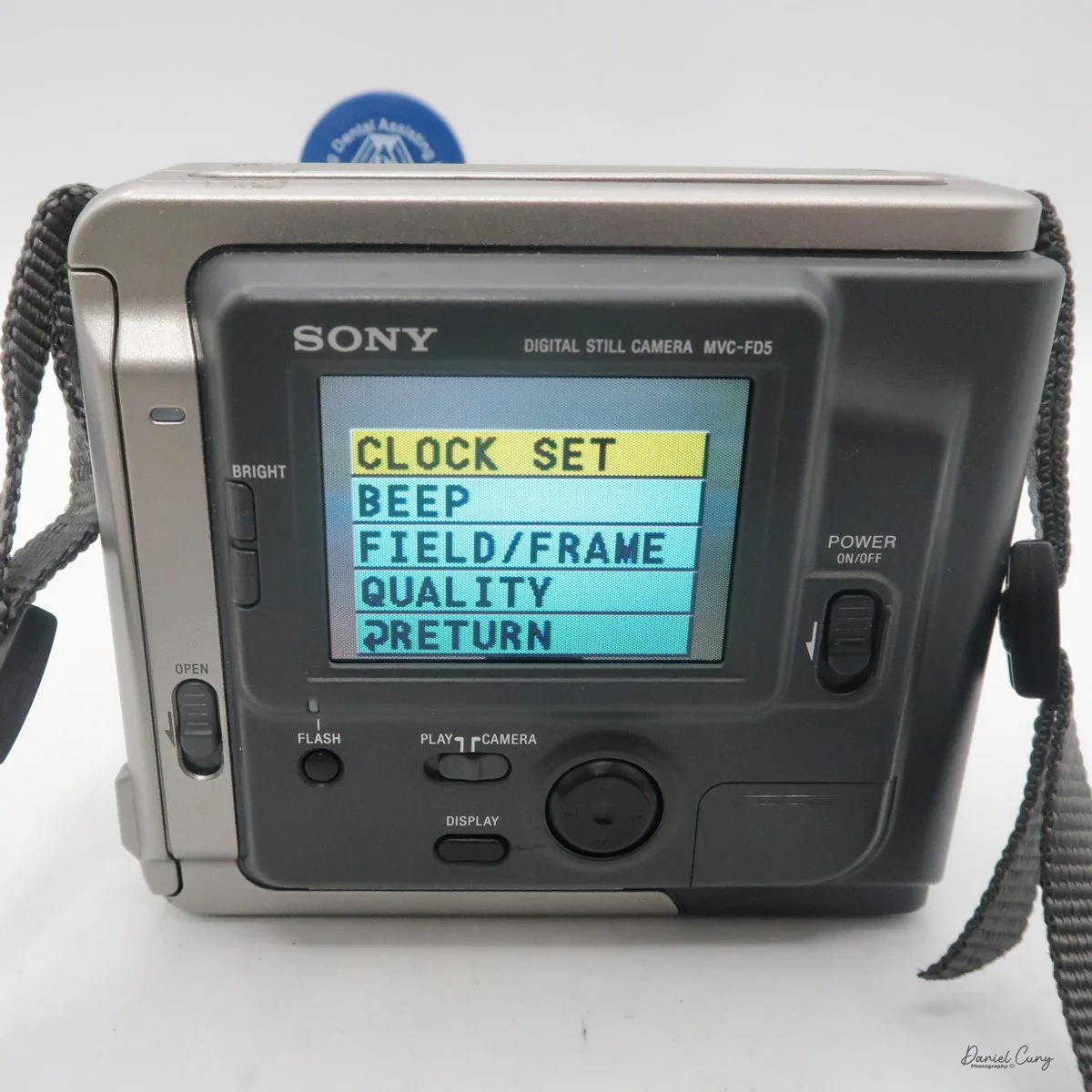
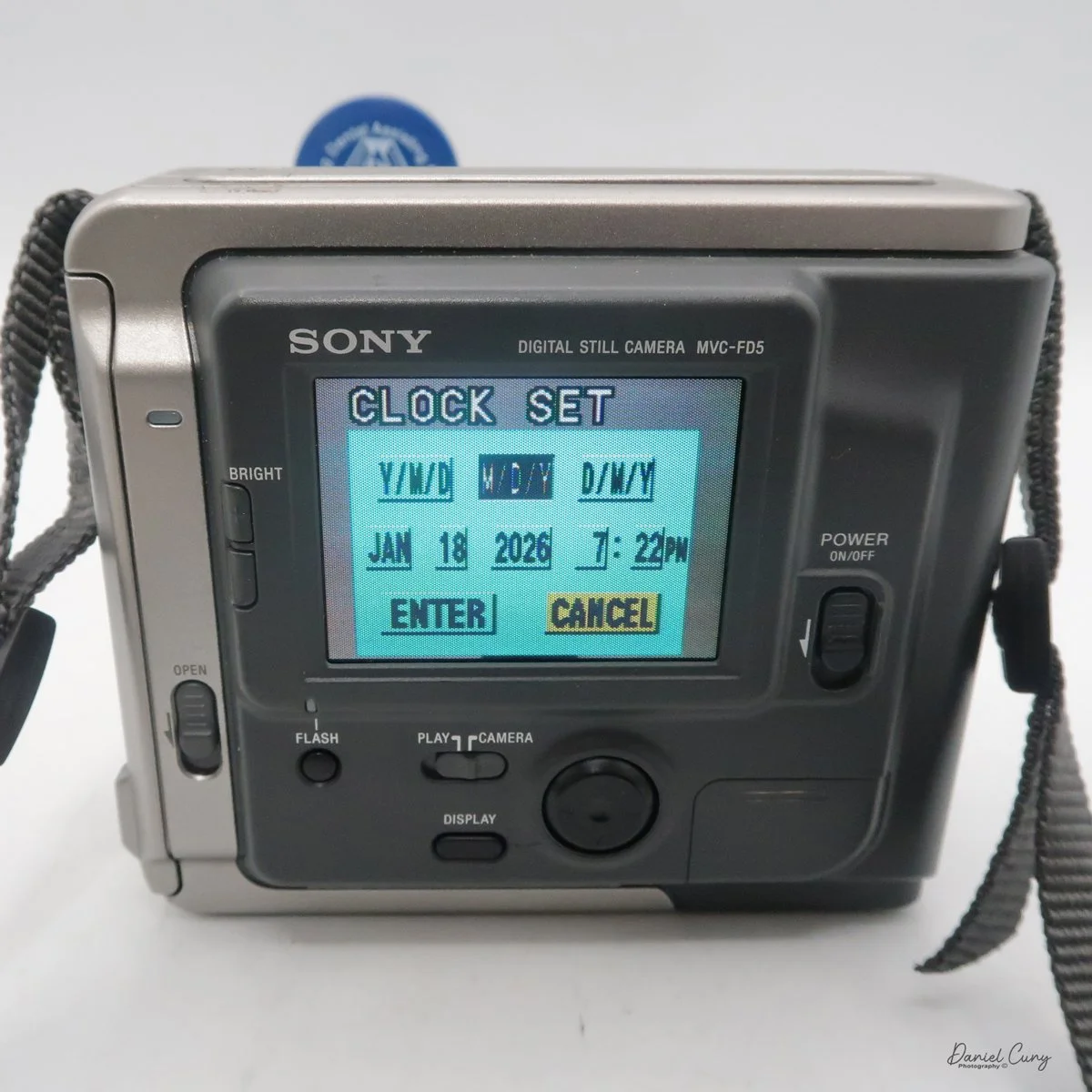
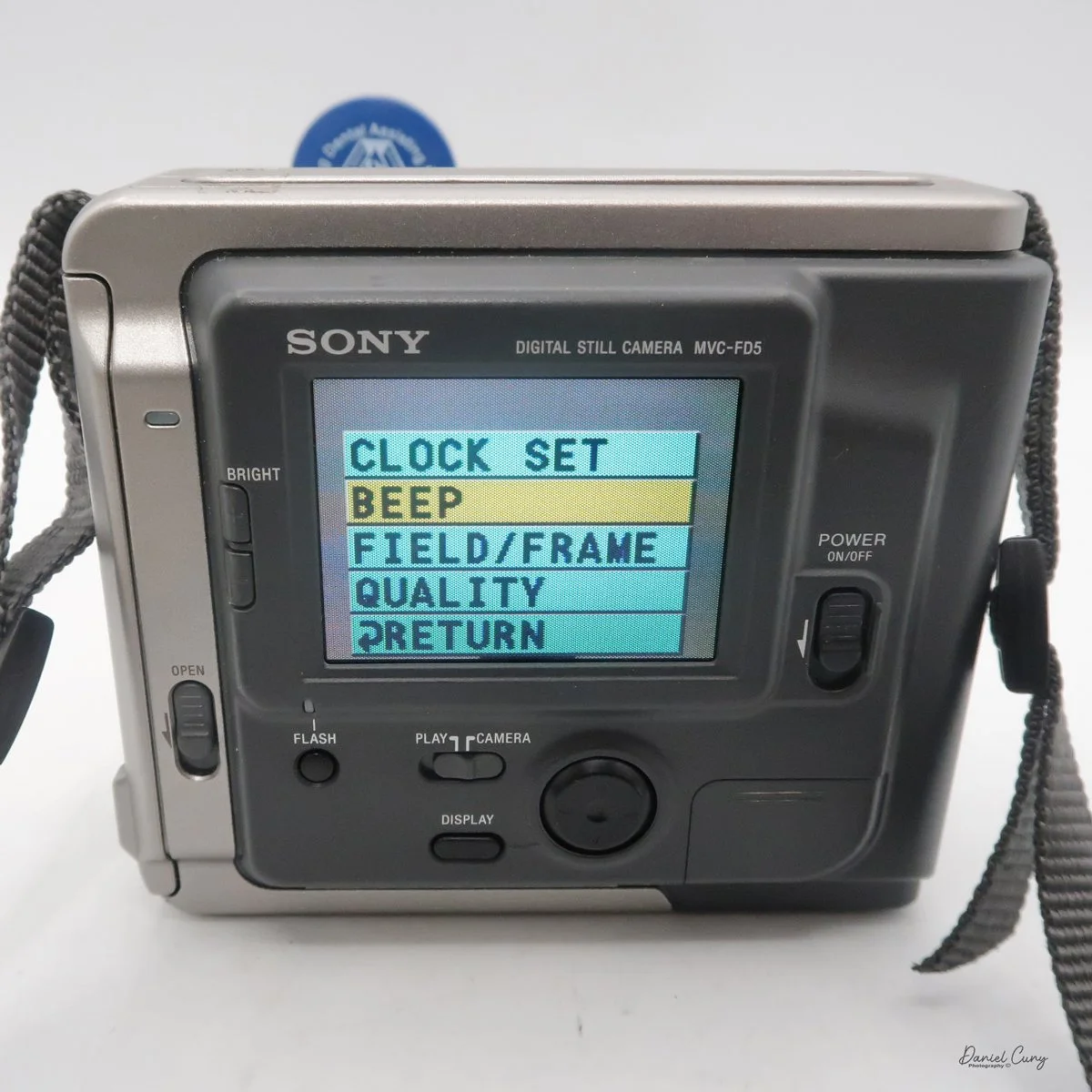
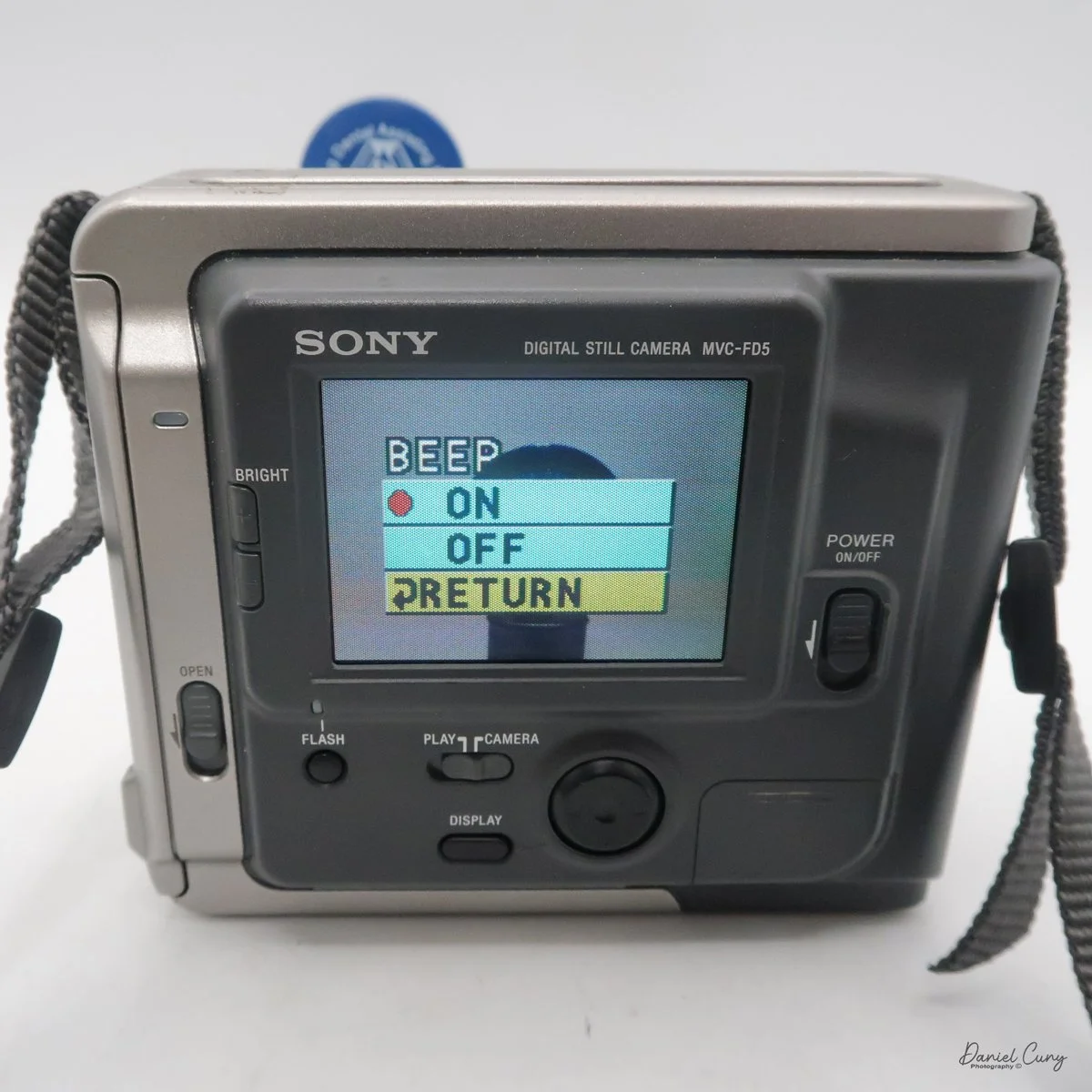
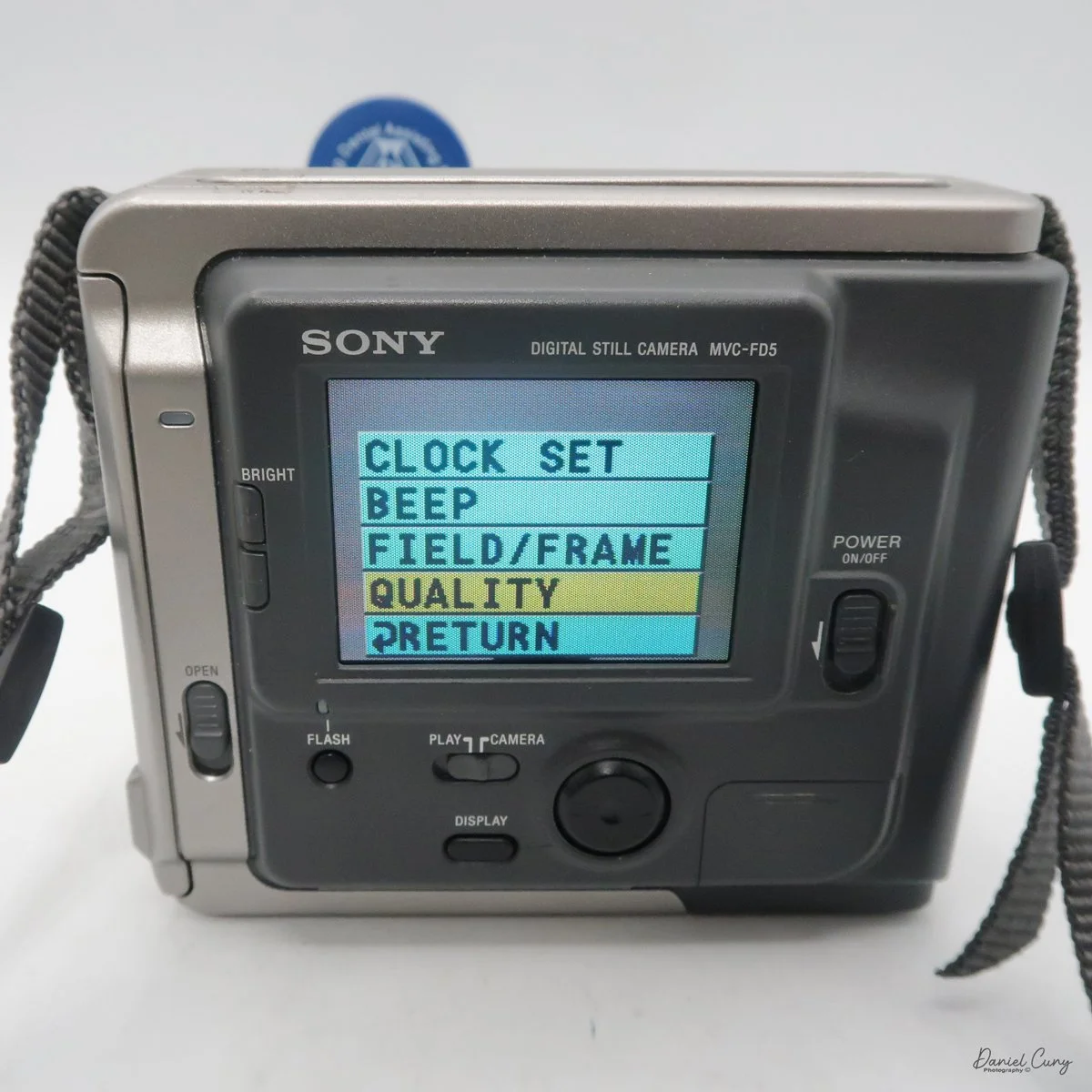
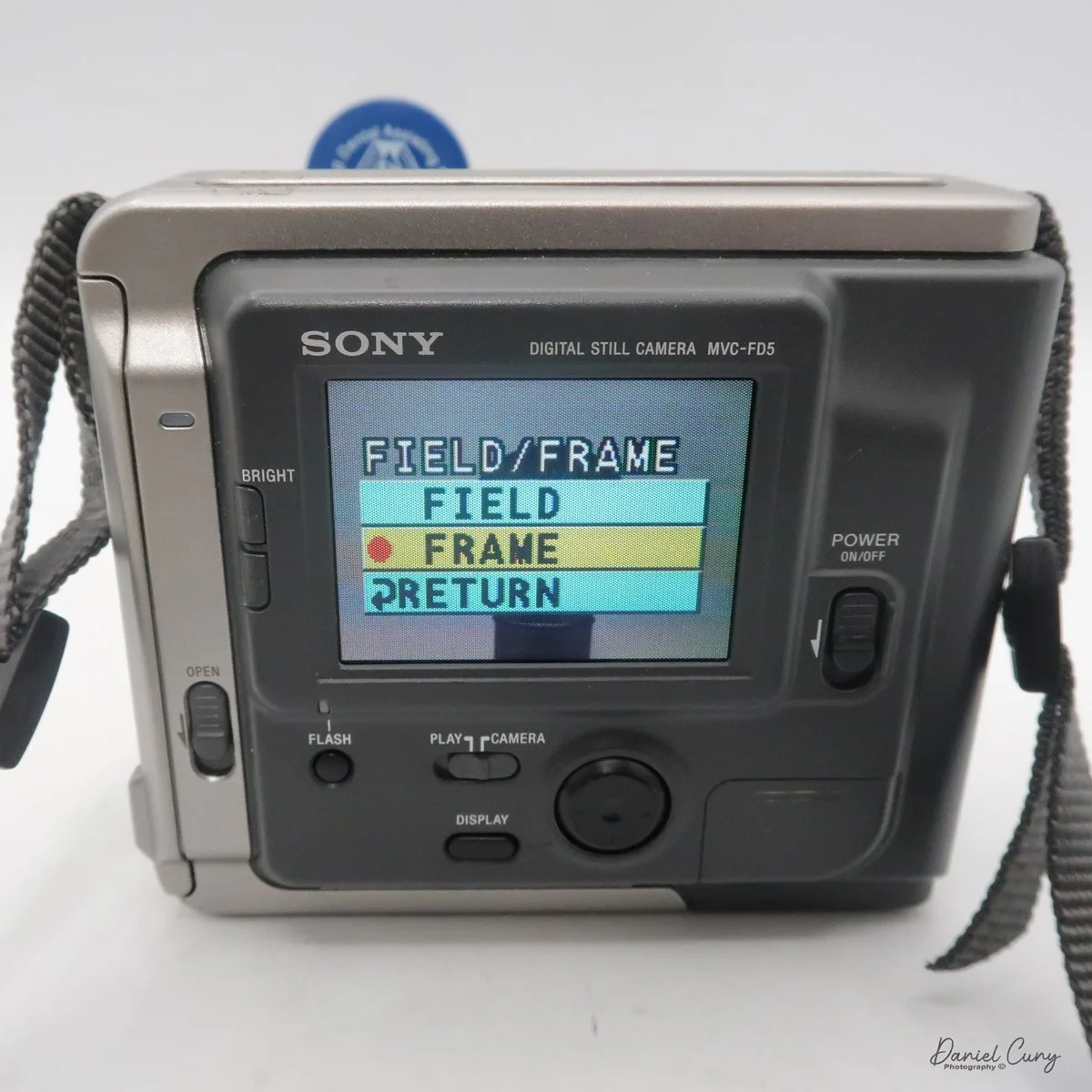
Once the camera is powered "on", most controls are set via a rocker switch and a button to the lower right of the camera's screen. As mentioned previously, there is also a switch for "camera" or "play" which allows the camera's settings to be set in each mode. If you press the rocker switch when it's in the "camera" mode, a menu will pop up with options for Clock Set, Beep, Field/Frame, Quality, and Return.

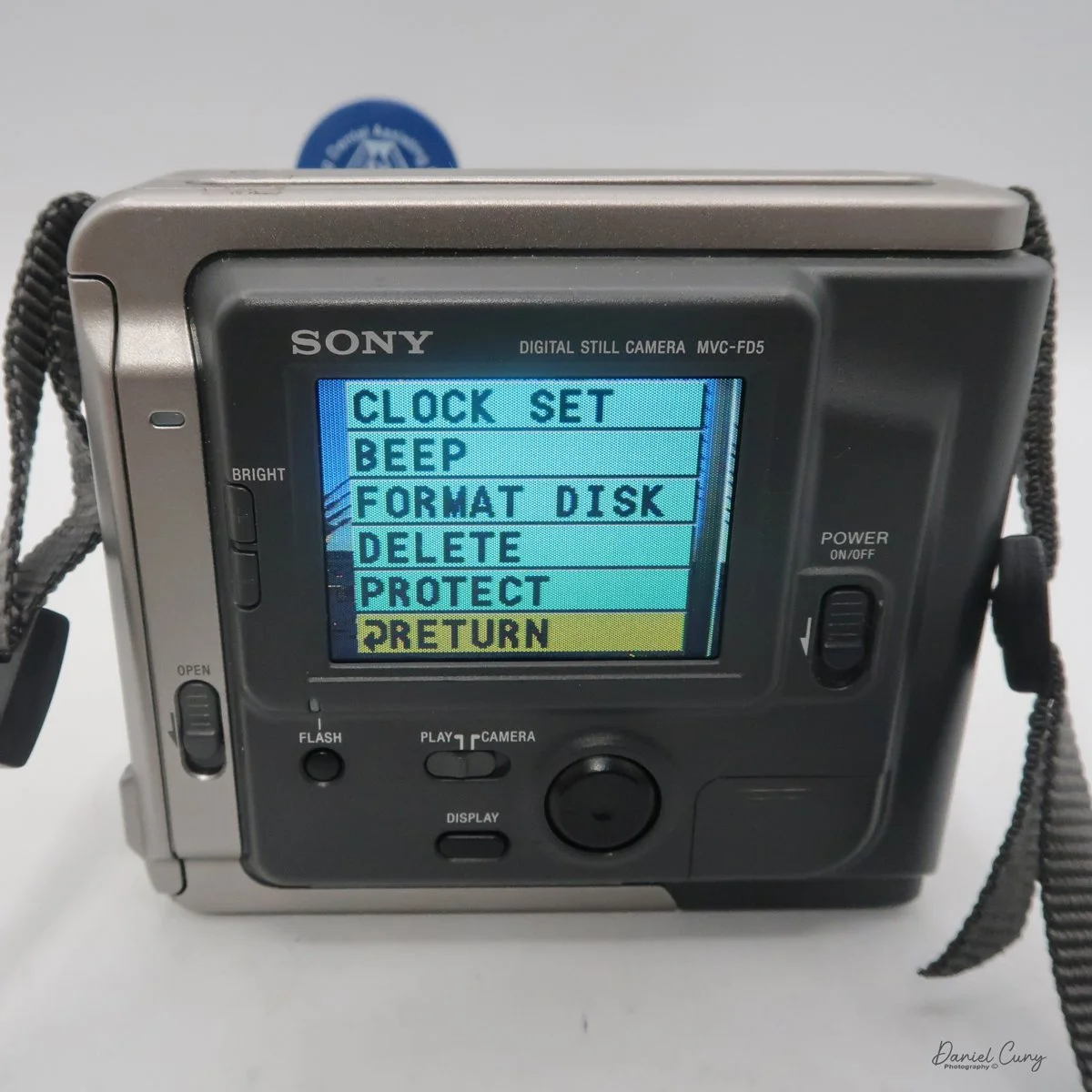
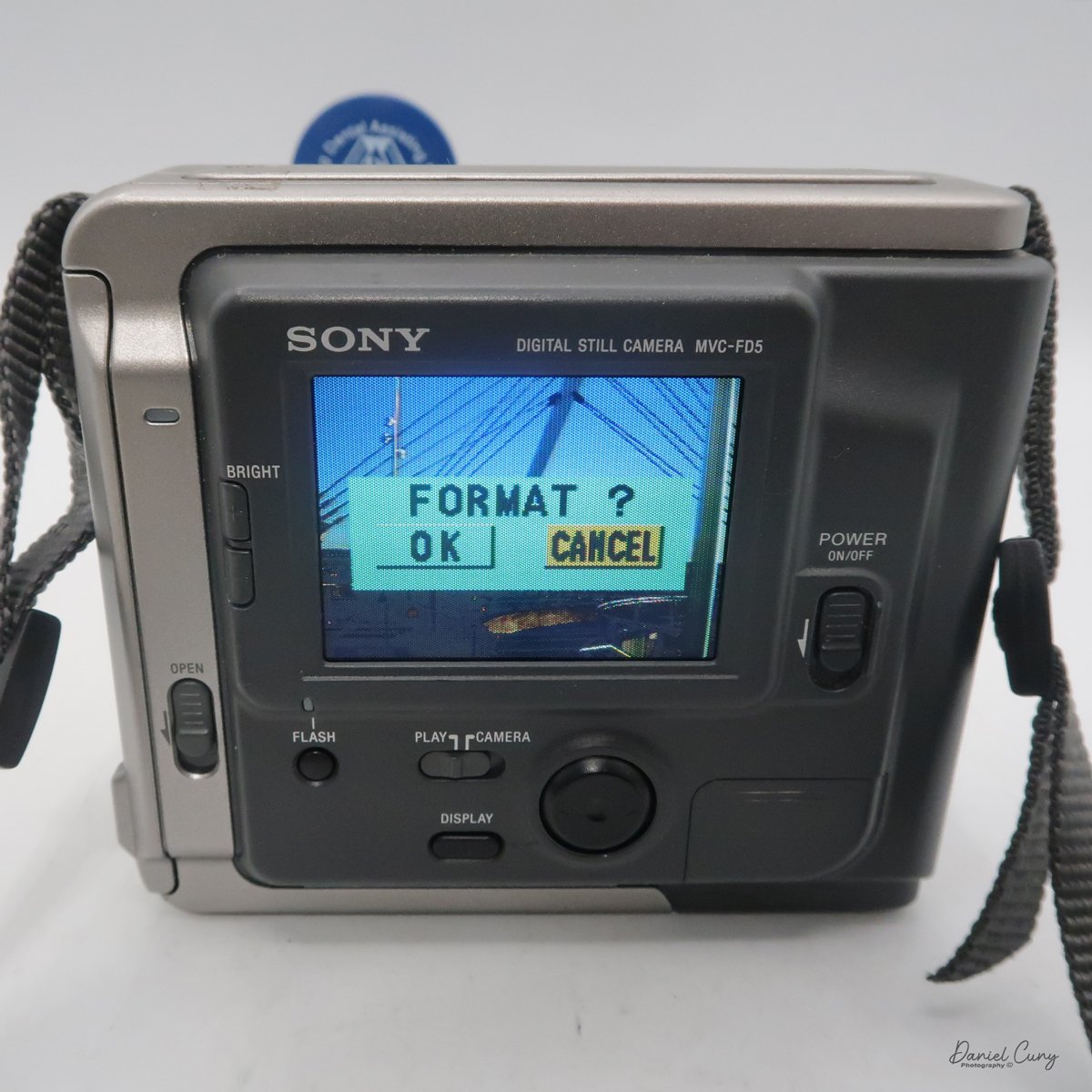
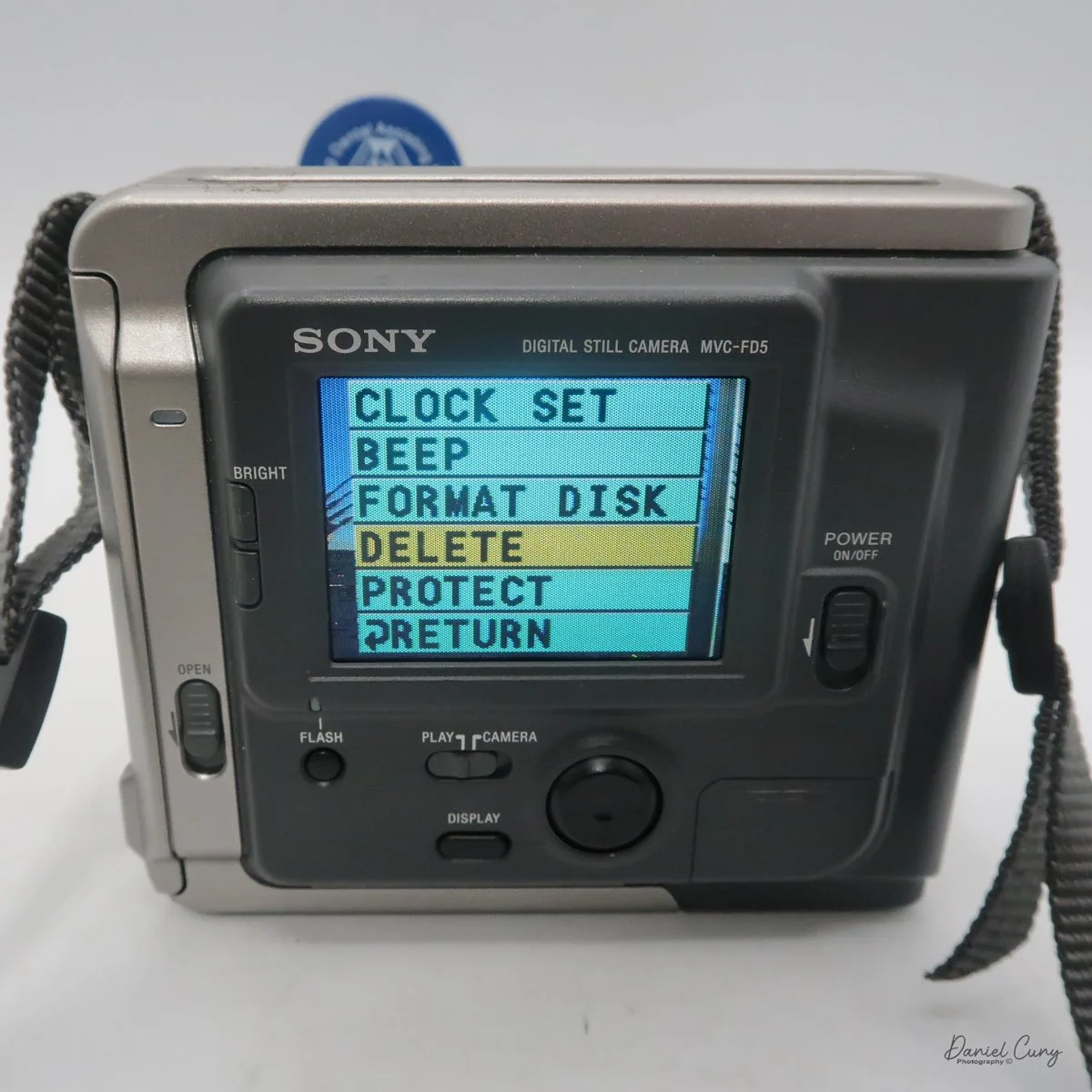
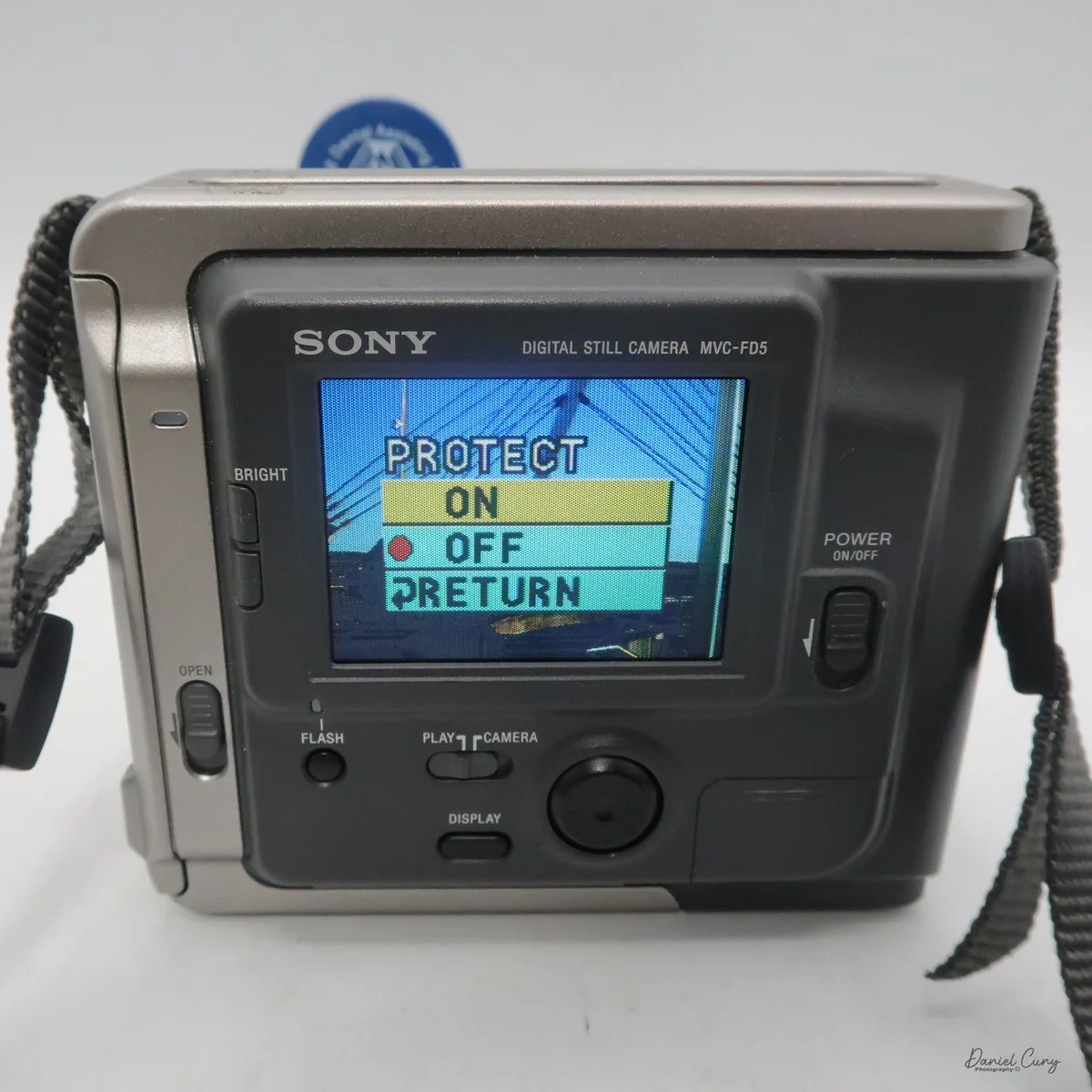
In the "play" mode, the menu settings are Clock Set, Beep, Format Disk, Delete, Protect, and Return. Interestingly, Clock Set and Beep are in both the camera and play menu. 

One other button on the back of the camera is "display," which turns the menu on or off on the camera or in play settings. It lets you focus on the images on the screen without being distracted by menu settings that can cover parts of the screen.

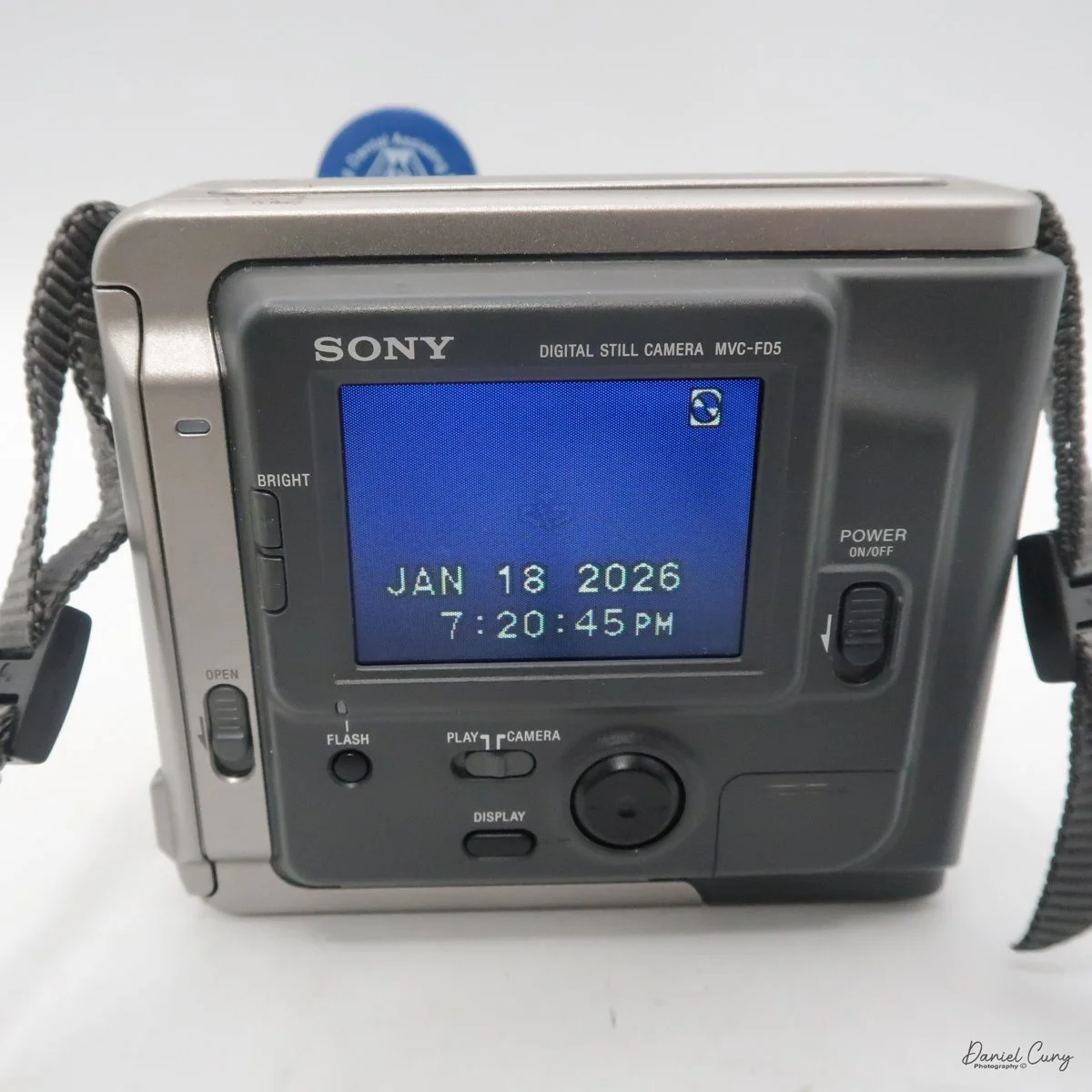
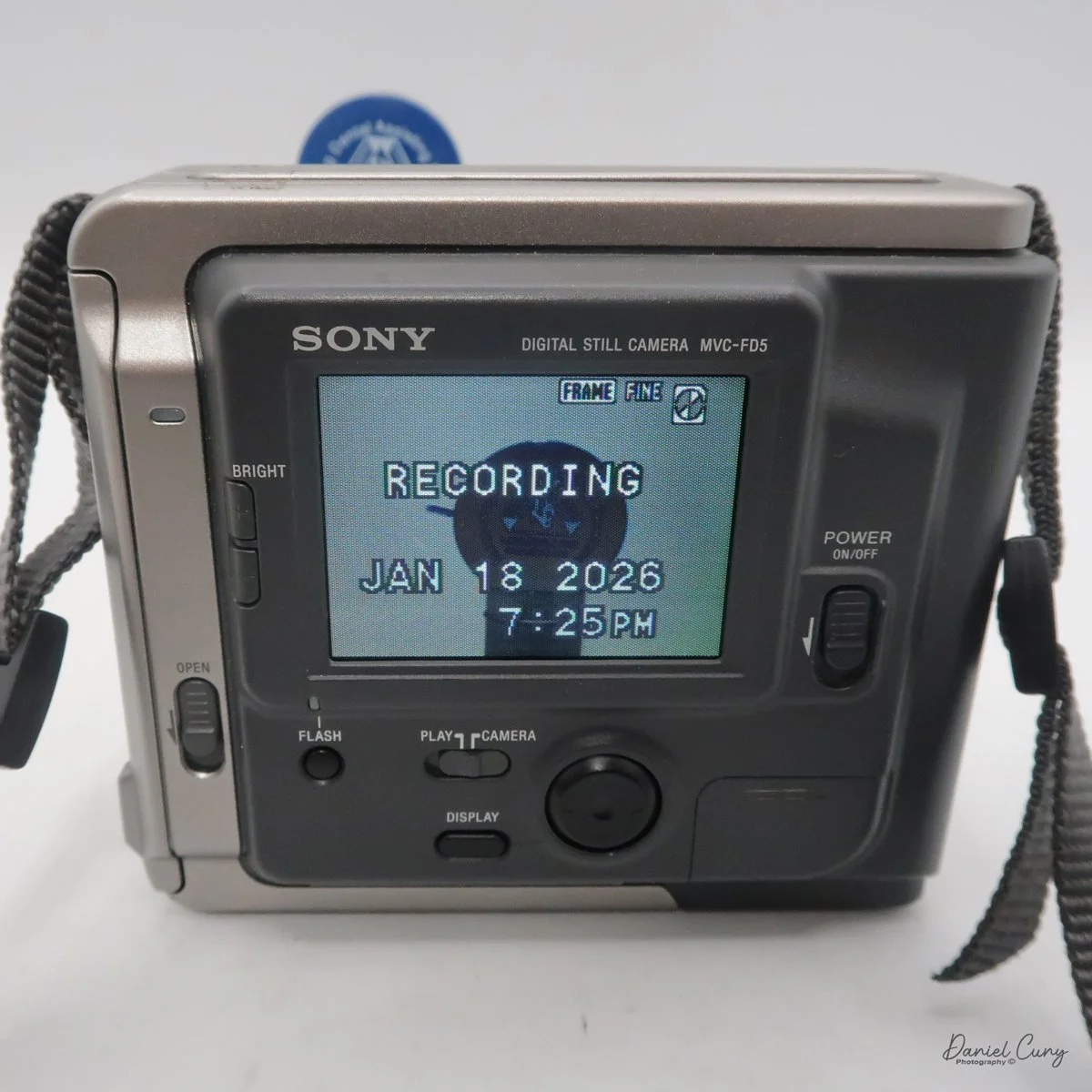
 Once the clock settings are set, you've turned on/off the beep sound, and you have the floppy disk in the camera. You're ready to power on the camera to take a photo. When you turn on the camera, you'll hear disk noises, see the date pop up on the back, and, in the upper right corner, see a spinning circle indicating the disk is turning inside the camera. Now you're ready to take photos.

 The camera doesn't have a viewfinder, so once the camera is powered on, and the screen has gotten past the time function, you've seen the spinning disk, the camera will go into "live" mode, where you'll see the images you're pointing the camera at on the back screen. Like many cameras from this era, the screen is dark, and you can barely see an image on a bright, sunny day. You can brighten or darken the screen with two switches to the left of the screen, named "bright" with a "+" on the top button, and a "-" on the bottom.

There is no shutter or aperture control on the camera, as exposure is automatically controlled. You can make the images brighter or darker by up to 1.5 stops by changing the EV setting on the camera's screen once the camera is turned on and in "camera" mode.

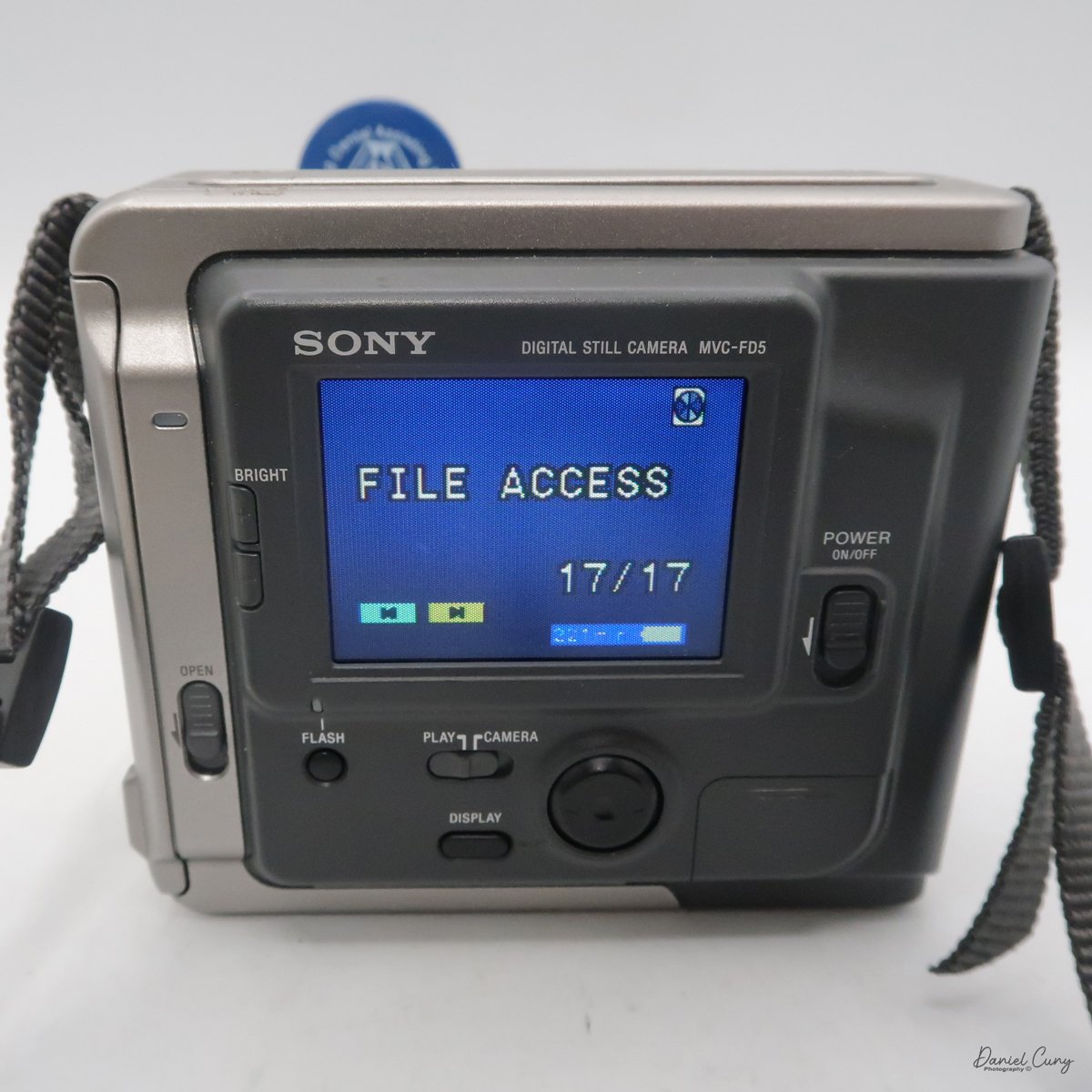
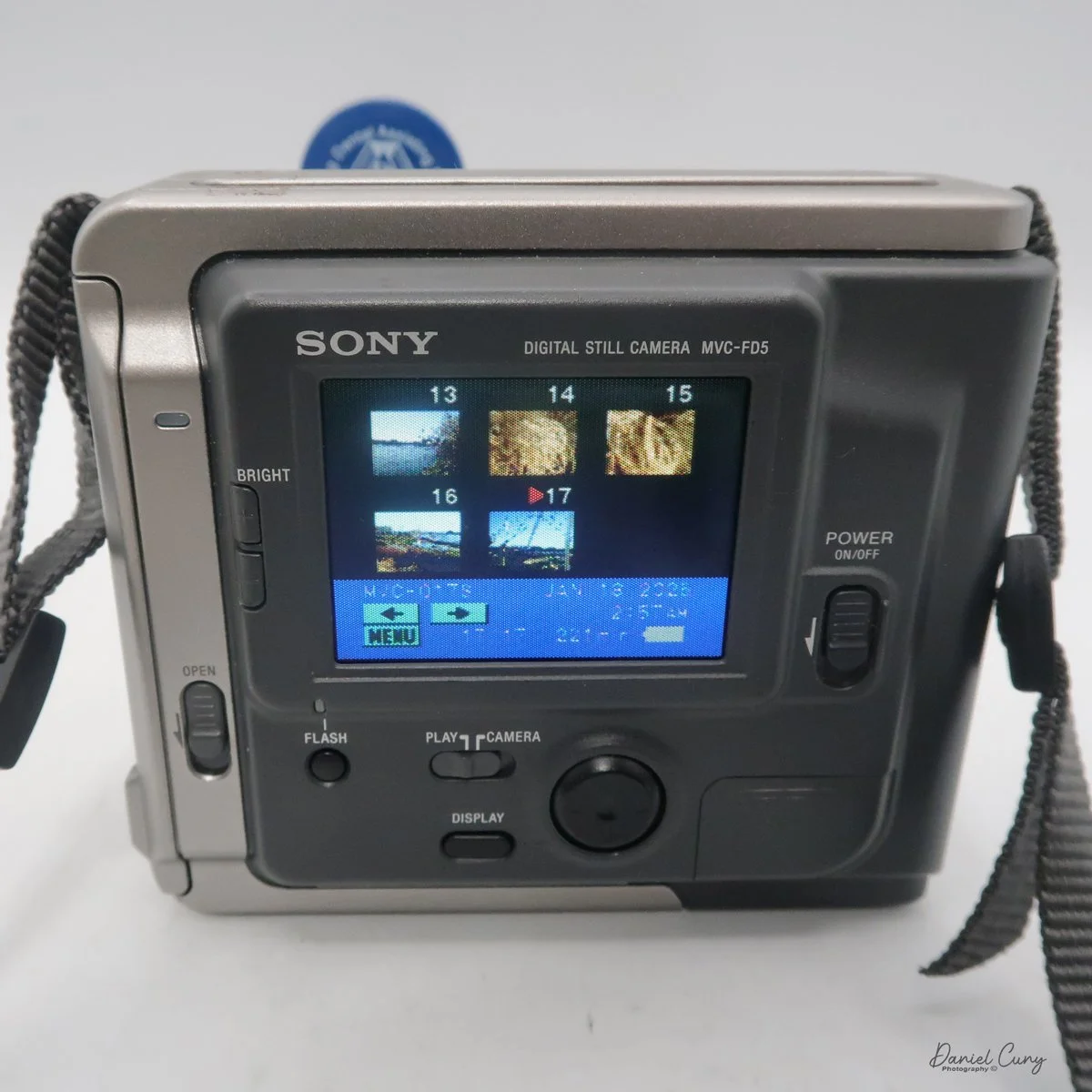
 Another oddity of this camera, as with more modern cameras, is that the Sony Mavica MVC FD5 doesn't display the "just taken" photo on the screen once it's captured. To see that image, you'll need to switch from "camera" to "play" mode. The camera will whizz the floppy disk, and you can preview the previously taken image. In the "play" mode, you can view either single images by pressing the arrows forward to backwards, or you can press "index" so you can display a series of six images at a time and scroll to the image you want to see, and press the rocker button to display. PLEASE REMEMBER: every time you switch from one image to the other, the camera displays a message on the back screen that says "accessing file," and it takes a few seconds to show the image.

 In the "play" menu, you can also "protect" or "delete" images. Still, like the other settings, it takes a few seconds for the camera to complete the request, since it's basically a small computer with a built-in floppy disk and has to find, access, and complete the request you're making.

 At the bottom of the camera is the door, which you open and insert the charged battery to power the camera. The camera's battery isn't rated in shots, but in time. Once you power the camera "on", in the lower right-hand corner of the screen, you see the time in minutes remaining on the battery before recharging is needed.

My Images:

 My wife, daughter, daughter's dog, Bean, and I went for a walk on the town's downtown walkway on the Columbia River. It's a relatively new section of town with shops, restaurants, and housing. It was a sunny and somewhat warm January day in the Portland, OR area, so I took the camera on our trip.

 Since it was a bright sunny day, the rear screen was difficult to see, especially when you're trying to have the sun on the subject, meaning the sun is also hitting the screen as you're taking the images.

 Another interesting fact is that these files are small. Even the largest files the camera produced were only 70kb for Fine and 34kb for Standard images. These were specifically made for viewing on your computer or television, and are not really intended to be printed, especially not anything larger than the standard 3x5 photo.

 Here are some images from our walk.

Conclusion:

 I never would have guessed that a 2-inch floppy disk would eventually bring the Nikon F's reign to an end. The MVC-FD5 wasn't a 'pro' tool—it couldn't compete with a Hasselblad for clarity—but it offered something those giants couldn't: the end of the waiting period. It traded resolution for time, a trade-off that eventually redefined the entire industry.

 It's interesting for the young photographers of today to compare this camera to what's available on our phones; it's an eye-opening comparison:

Camera: Sony Mavica MVC-FD5 (1997) Modern Smartphone (Approx.)

Resolution: 0.3 Megapixels (640 x 480) 12 - 48 Megapixels

Storage Media: 3.5" Floppy Disk (1.44 MB) Internal Flash (128 GB+)

Photo Capacity: ~20 "Fine" Image 30,000+ Images

Write Speed: ~4-6 Seconds per photo Instant

 I had owned this camera sometime in the late 1990s. It wasn't long after it was introduced that I purchased a used one. It was in 1999 when I had one. 

 Thinking back, this was a pretty fun camera to shoot with, and now that I have it again, it's fun to hear it make the different noises as it accesses the files to show on the screen. The images are very small and, as mentioned, made for screen viewing, not much resolution to make prints from. Even by today's computer standards, the images look very pixilated due to the higher resolution of today's screens.

 I'm happy to have this camera back in my collection, more as a marker of digital photography's growth than something I'm going to use daily. It is, just like with older film cameras, fun to see how these image-making machines have progressed over time.

 Thank you for taking the time to read a bit about this older digital camera from my collection. Next week will be the final installment of January's Early Digital month, and I have a rare and good one for you. Please remember to keep an eye out for it.

 Here are some of my other Camera Reviews.

 I also have a store on eBay, Cuny's Cameras and Photo, where I sell some of the cameras reviewed, along with many other camera odds and ends. If there's something that interests you, drop me a line, and I'll offer a discount.

 Until next week, please be safe,


Fujifilm FinePix 4700 Zoom

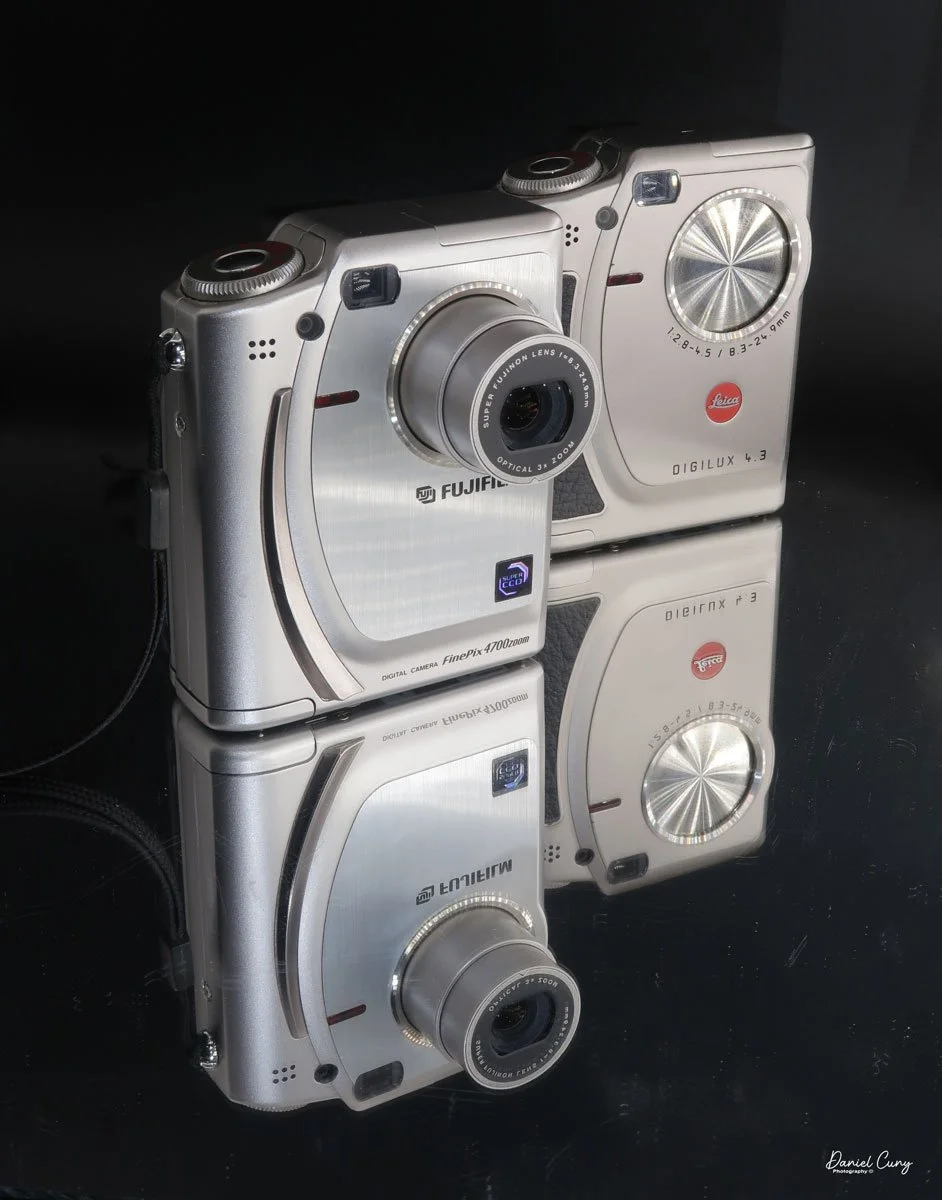
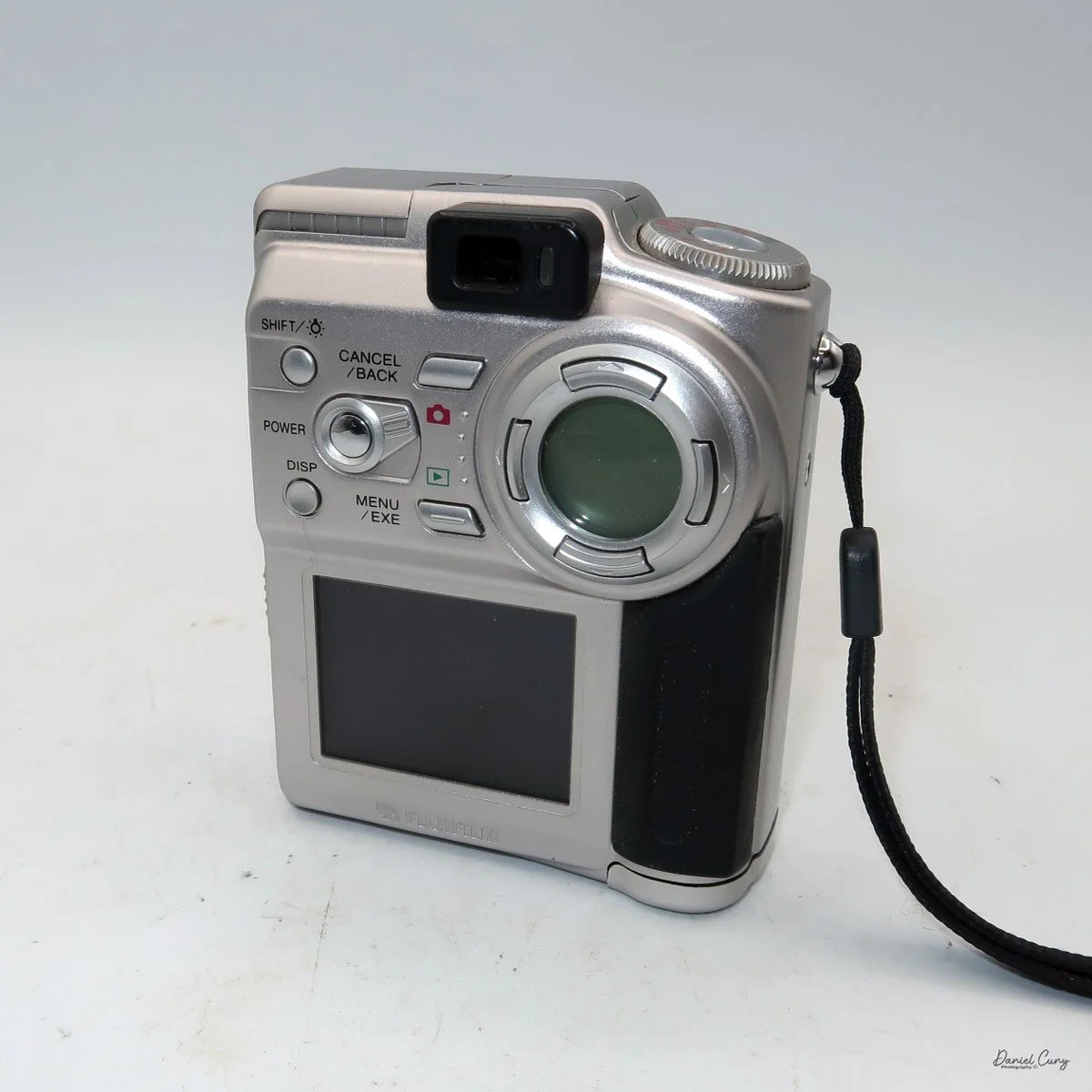
My Fujifilm FinePix 4700 Zoom and Leica Digilux 4.3 cameras

Sometime in late October or early November 2025, I was sitting back at my desk, looking at some of the cameras around me and thinking about cameras to write about for this blog. There was one camera on the top shelf above my desk that has always piqued my interest, and one that I've had for 15 years or so, but it wasn't a film camera; it was a relatively early digital camera. I hadn't included a digital camera in my blog, but that's going to change.

 To start 2026, it would be a nice change of pace if we went away from traditional film cameras and focused on some of the early digital cameras in my collection. With that said, for January, I'm picking four early digital cameras and writing about them. 

 Focusing on the early digital camera in my collection brought me unexpected challenges that were difficult to navigate at times. For many of the cameras I'm reviewing this month, I had to get my mind, and even more challenging, a computer, the computer's hardware, and software back into the late 1990s to early 2000s. Sharing these experiences can make readers feel connected and motivated to explore vintage digital cameras themselves, especially potential buyers interested in the history behind these devices.

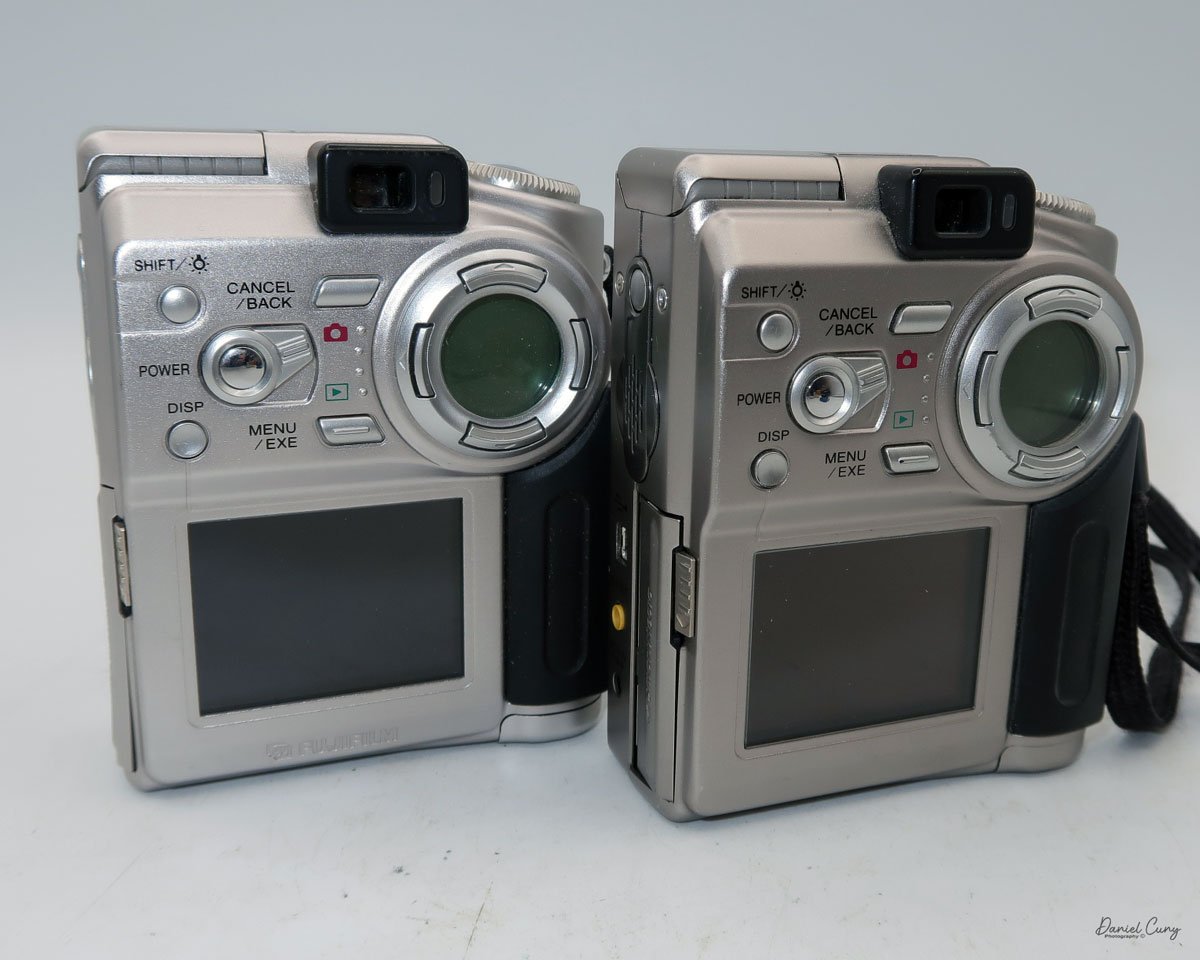
Rear view of Fujifilm FinePix 4700 zoom & Leica Digilux 4.3

 The first camera I'm going to discuss isn't as challenging as some of the cameras I'll be writing about later this month. My difficulties are mainly because I'm still working out some hardware issues with the computer, which I'll discuss in my write-up about the cameras. 

 All of the cameras are in good working condition. Aside from their specific camera menus, which are very basic compared to what we have now, the computer issues have been considerably more challenging and, at times, very frustrating, especially when finding a computer from that timeframe that functions. Still, I'll discuss that when the camera comes into play.

 It is also interesting that Fujifilm makes cameras for other brands. The two most well-known camera companies, Hasselblad and Leica, have had cameras made for them by Fujifilm. The Hasselblad XPan was produced in partnership with Fujifilm. Also, their "H" series lenses and viewfinder were developed with Fujifilm's involvement. 

 As you can see in the photos of the cameras above, the Fujifilm FinePix 4700 zoom is rebranded as the Leica Digilux 4.3. This was the third camera that Leica rebranded. The first was the original Digilux, Digilux Zoom, and  Digilux 4.3

The Company:

 Fujifilm's history in Japan mirrors the country's own journey through modernization, war, recovery, and technological reinvention. The company was founded in 1934 as Fuji Photo Film Co., Ltd., established by the Japanese government to create a domestic photographic film industry and reduce reliance on imports, particularly from Germany and the United States. Its first factory opened in Minami-Ashigara, near Mount Fuji, which inspired the company's name and enduring brand identity.

 In its early years, Fujifilm focused on mastering the complex chemistry of photographic film, producing black-and-white film, photographic paper, and motion picture film. During World War II, like many Japanese industrial firms, it was drawn into wartime production, supplying optical and imaging materials for military use. The war left Japan's economy devastated, but Fujifilm survived and quickly pivoted back to civilian products during the postwar recovery.

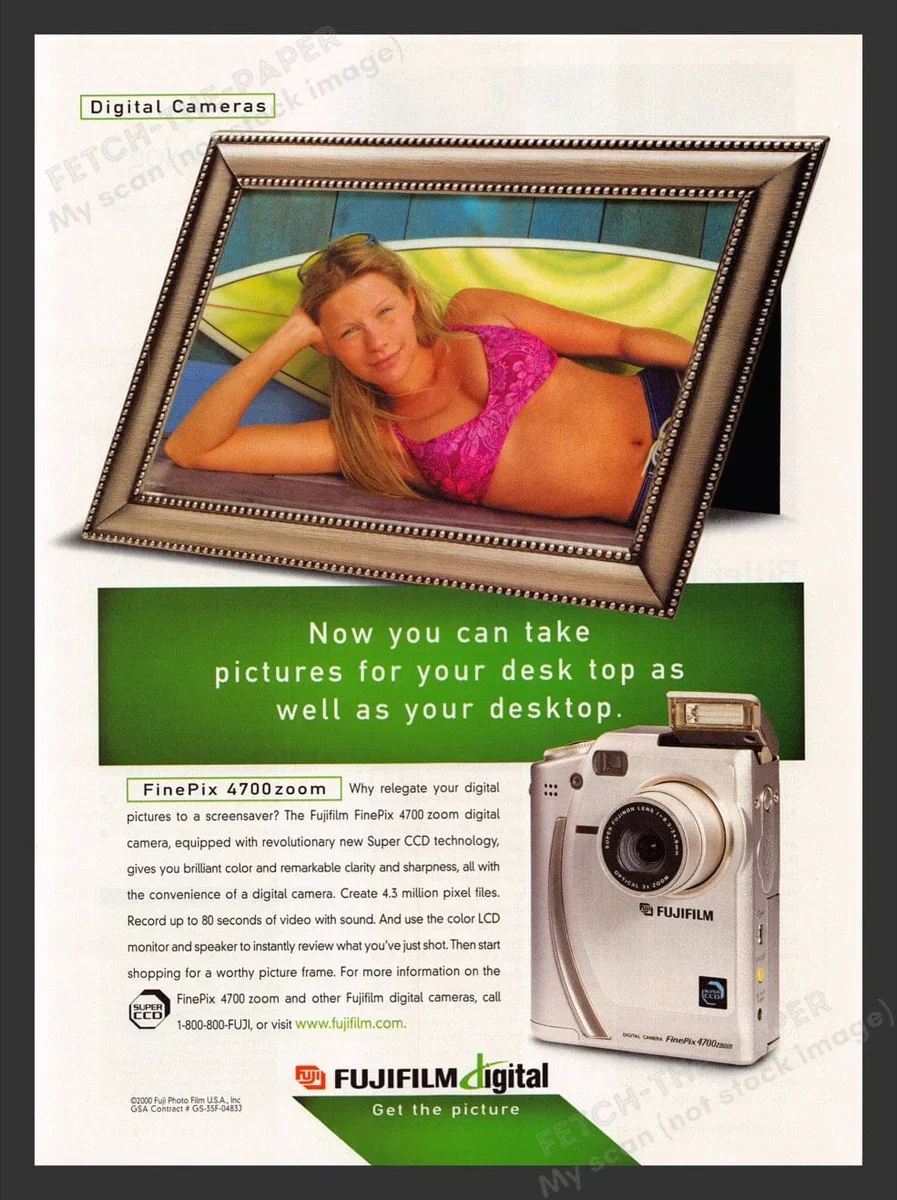
Fujifilm FinePix 4700 zoom advertisment

 The 1950s and 1960s marked a period of rapid growth. As Japan rebuilt and consumer culture expanded, photography became increasingly popular. Fujifilm introduced color film to the domestic market and steadily improved its quality, competing both domestically and internationally with companies such as Kodak. At the same time, the firm diversified into related fields, including magnetic tape, optical lenses, and X-ray film, laying the groundwork for its future resilience.

 During Japan's high-growth era of the 1970s and 1980s, Fujifilm became a global brand. It invested heavily in research and development, embracing advanced chemical engineering and precision manufacturing. These capabilities allowed the company to move beyond consumer photography into medical imaging, printing systems, and industrial materials. Fujifilm's strong export orientation also reflected Japan's emergence as a significant technological power.

 The late 1990s and early 2000s posed an existential challenge: the rapid decline of photographic film amid the rise of digital imaging. While many traditional film companies struggled, Fujifilm undertook one of the most notable corporate transformations in modern Japanese business history. Drawing on its expertise in chemistry and materials science, it diversified aggressively into healthcare, pharmaceuticals, cosmetics, electronic materials, and data storage. The company officially changed its name to Fujifilm Holdings Corporation in 2006 to reflect this broader mission.

 Today, Fujifilm remains a symbol of Japanese adaptability and long-term thinking. While it still honors its photographic heritage, its core businesses now lie in healthcare, imaging, and advanced materials. From its origins near Mount Fuji to its global presence, Fujifilm's history illustrates how a Japanese company can evolve with changing times while preserving technical excellence and cultural identity.

My Camera:

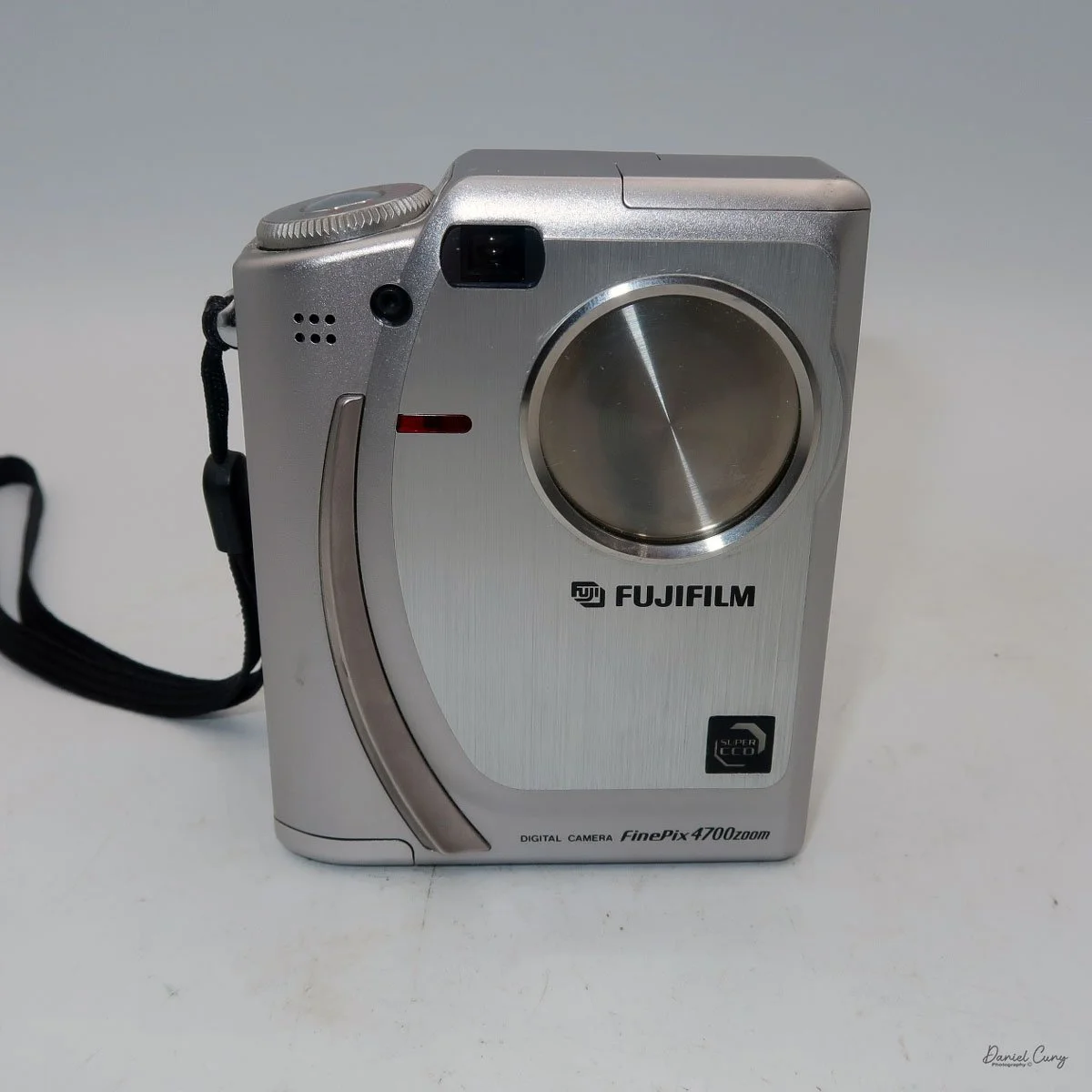
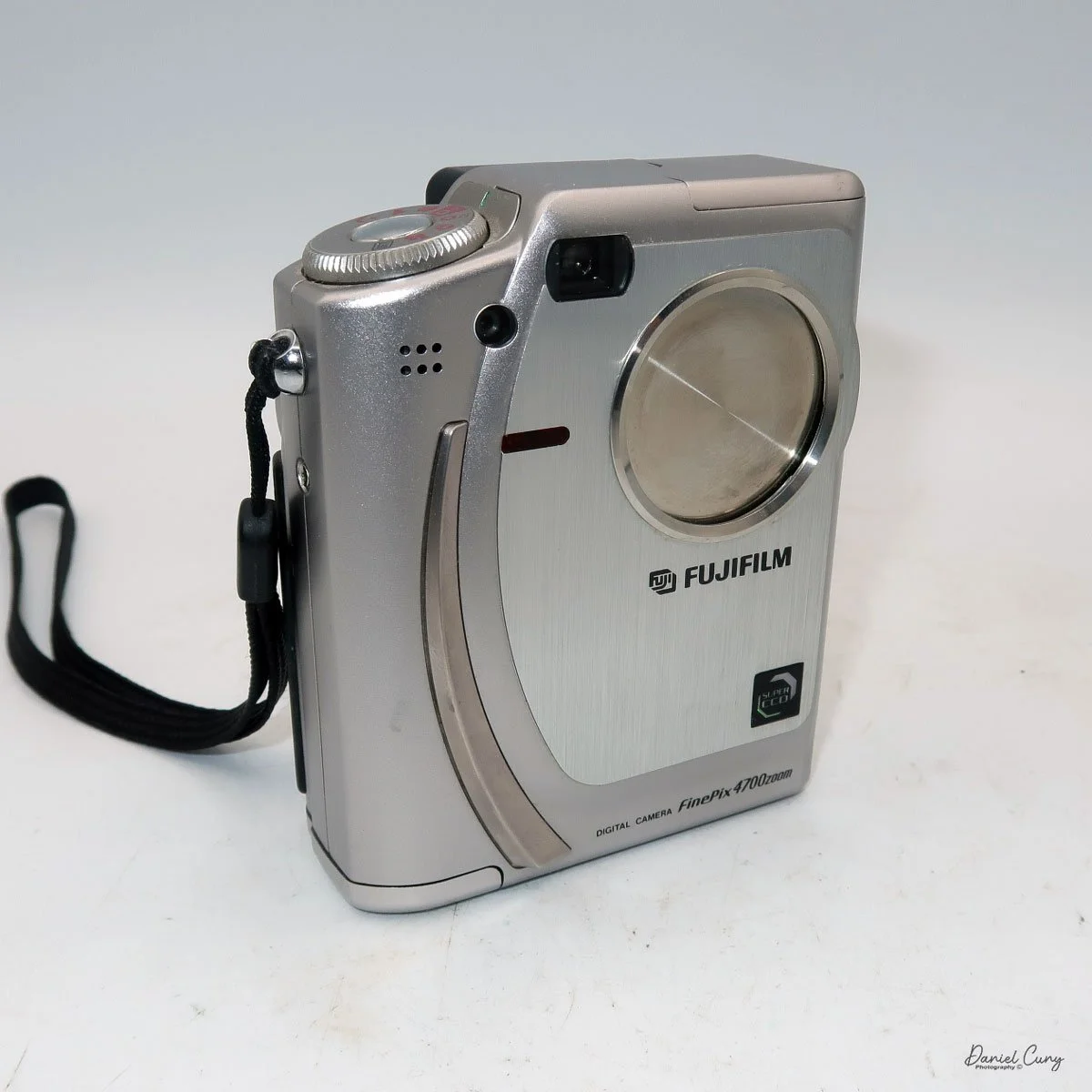
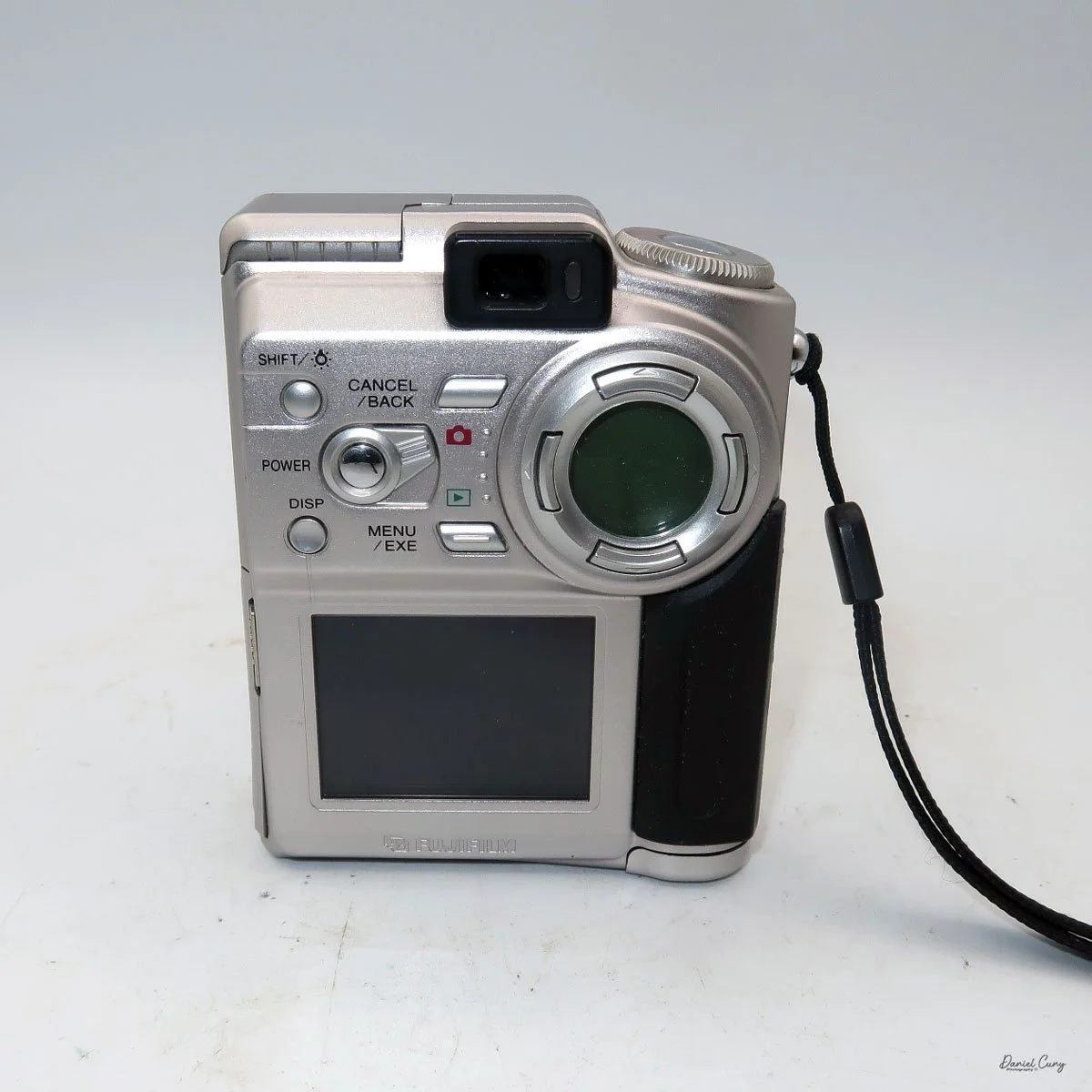
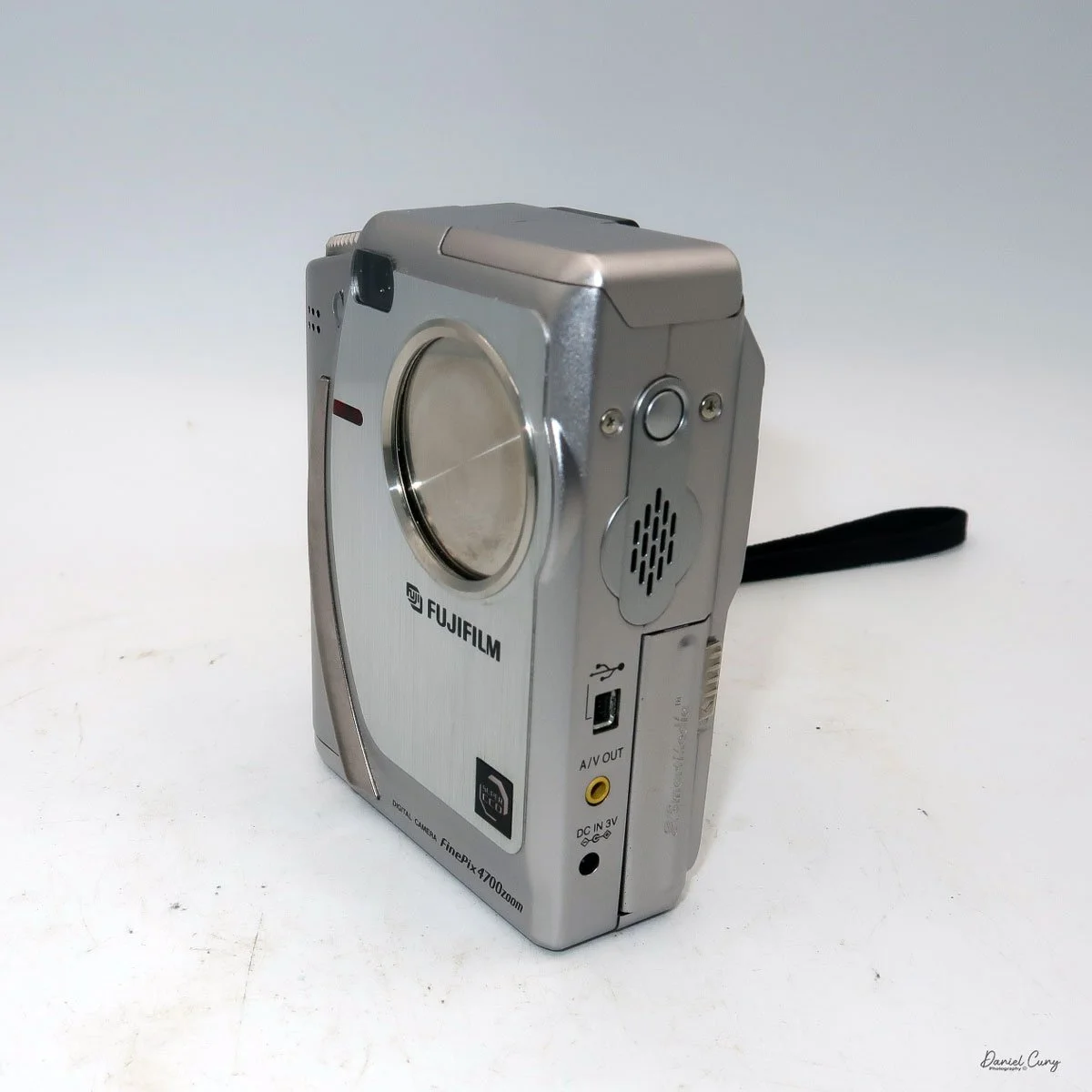
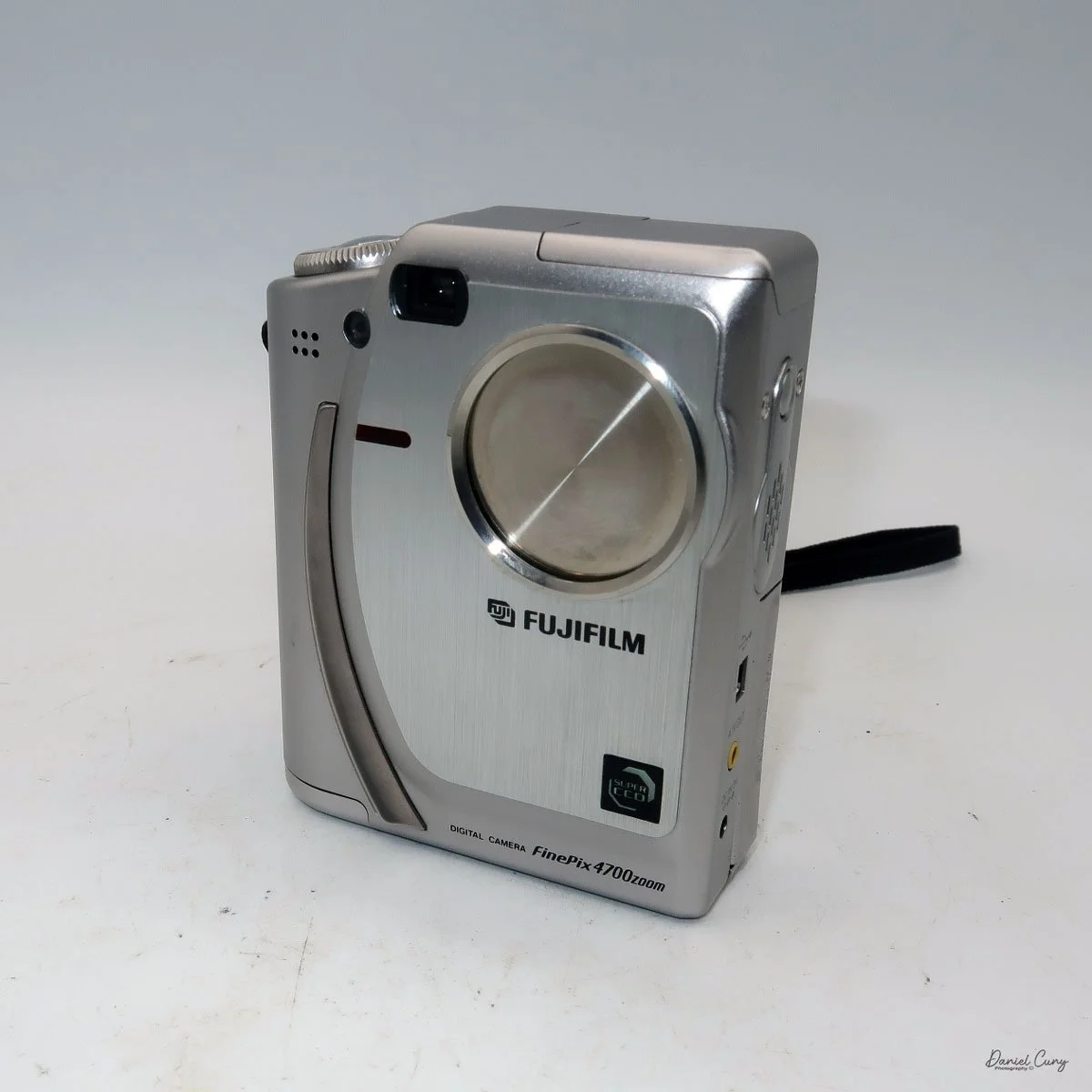
 The Fujifilm FinePix 4700 zoom may be the highest resolution digital camera I'll be writing about this month, coming in at a whopping 2mp, with a 1/1.7" SuperCCD imaging sensor which can produce a maximum resolution of 2400 x 1800-sized JPEGs on a Smart Media Card. The Fujifilm FinePix 4700 zoom has a Super Fujinon 8.3-24.9mm lens with a maximum aperture of f/2.8 to f/4.5. This 3x zoom lens is the 35mm equivalent of a 36-108mm lens.

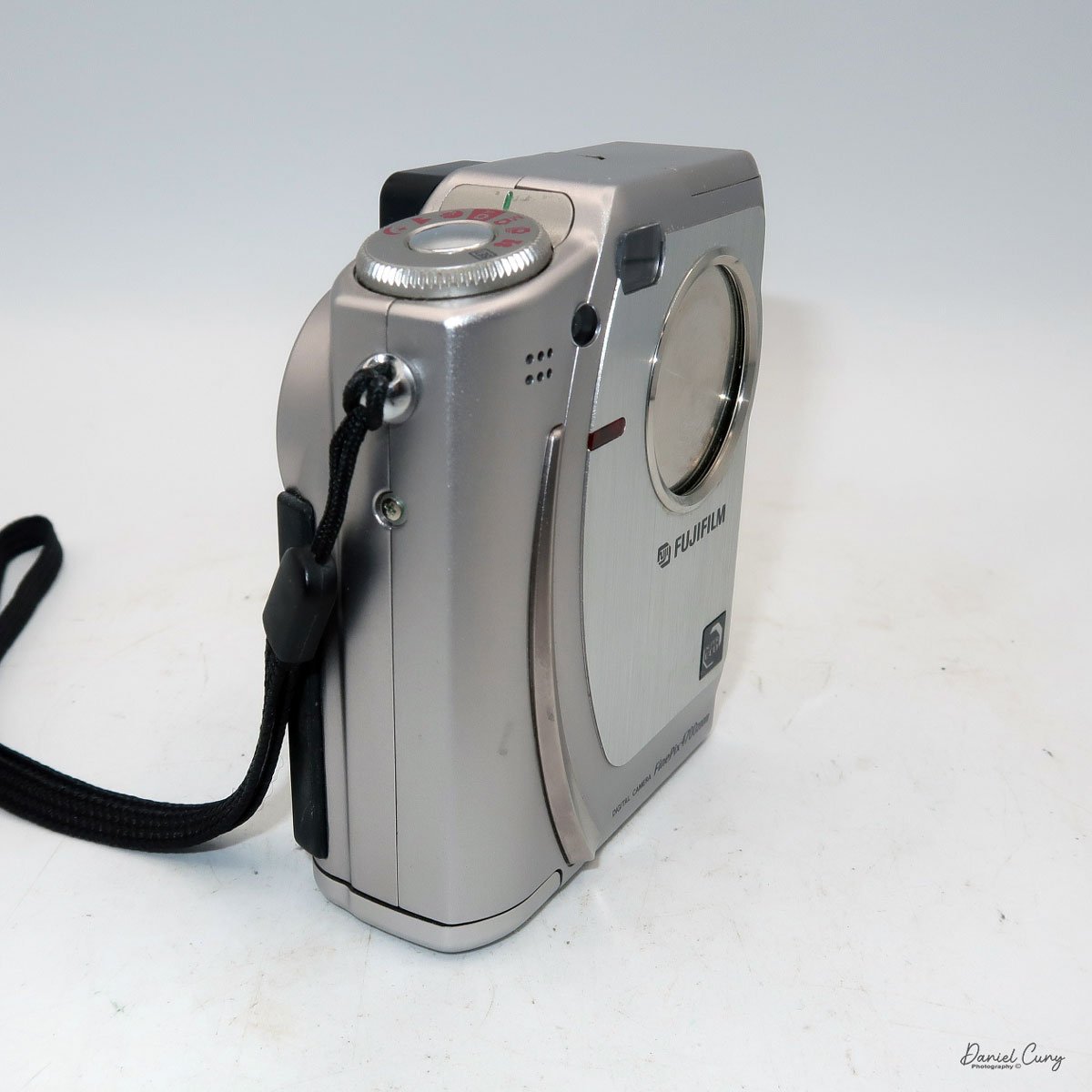
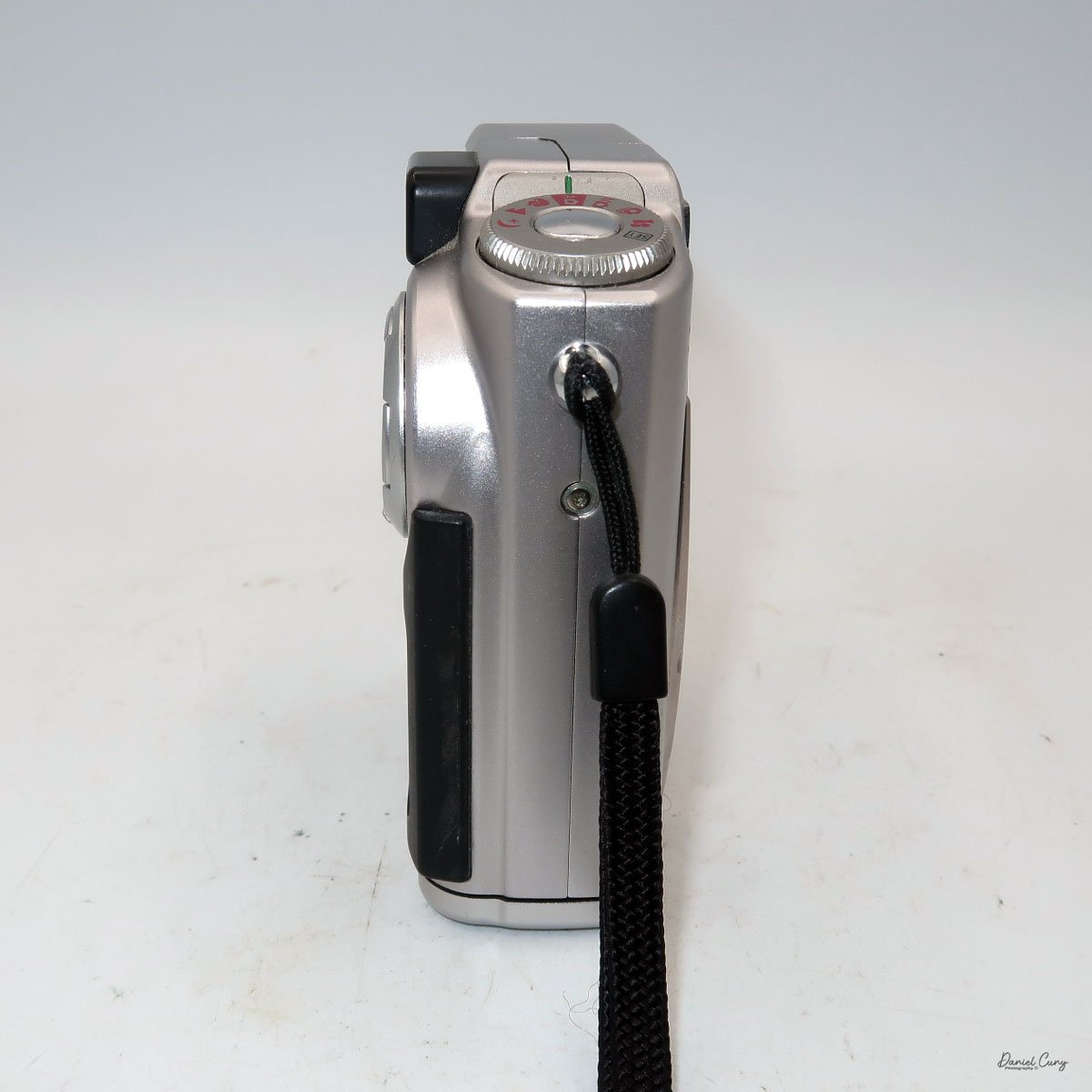
 While the Fujifilm FinePix 4700 zoom is an unconventional vertical-format camera in stature, it is very easy to hold and use. The dimensions of the camera are 4" tall by just a bit over 3" wide by 1.5" thick, and it weighs in at 10.8 ounces with the two "AA" batteries that power the camera.

I don't want to get into the full minutia of everything the camera has to offer and go into each specific button and control, but instead talk about the basic controls of the camera and how I generally use this style of camera, which is similar to probably 95% of the intended users. If you want to look at specifics and know what each button does, you can go online and find a copy of the Fujifilm FinePix 4700 instruction manual.

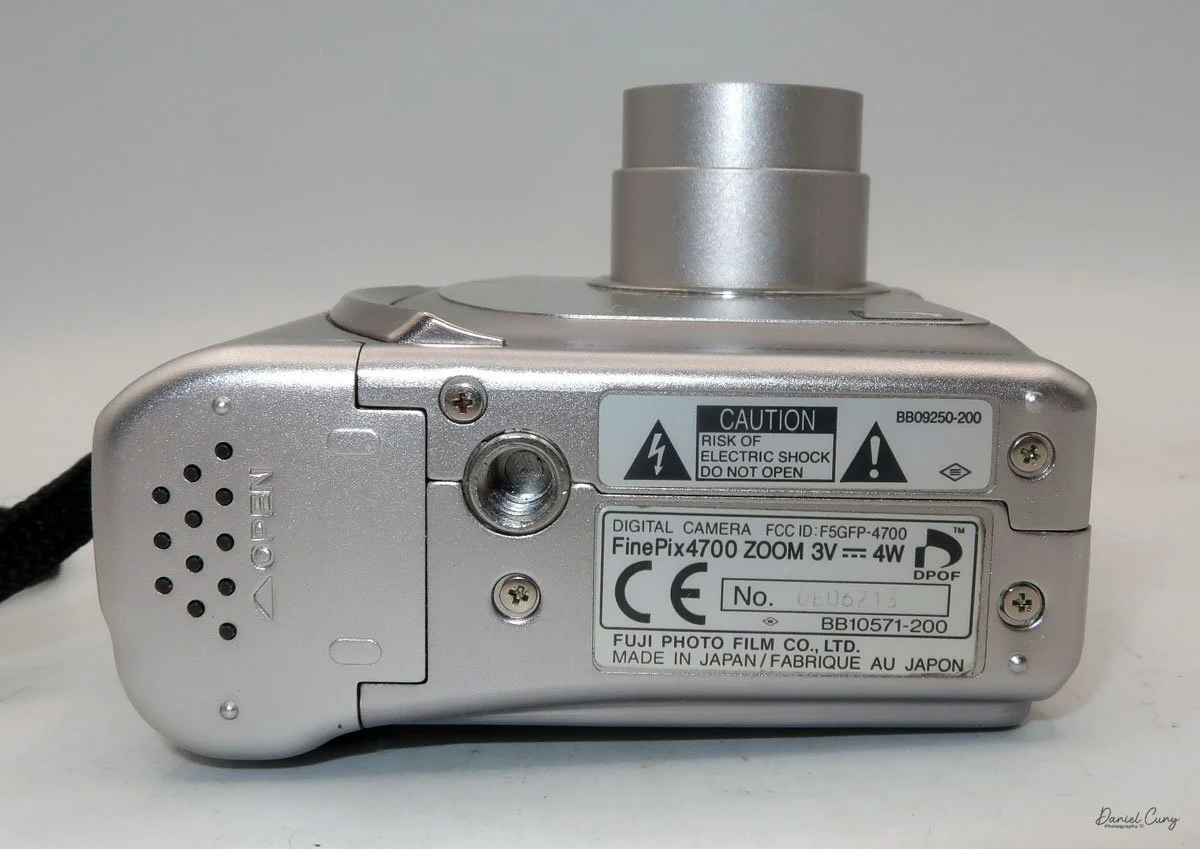
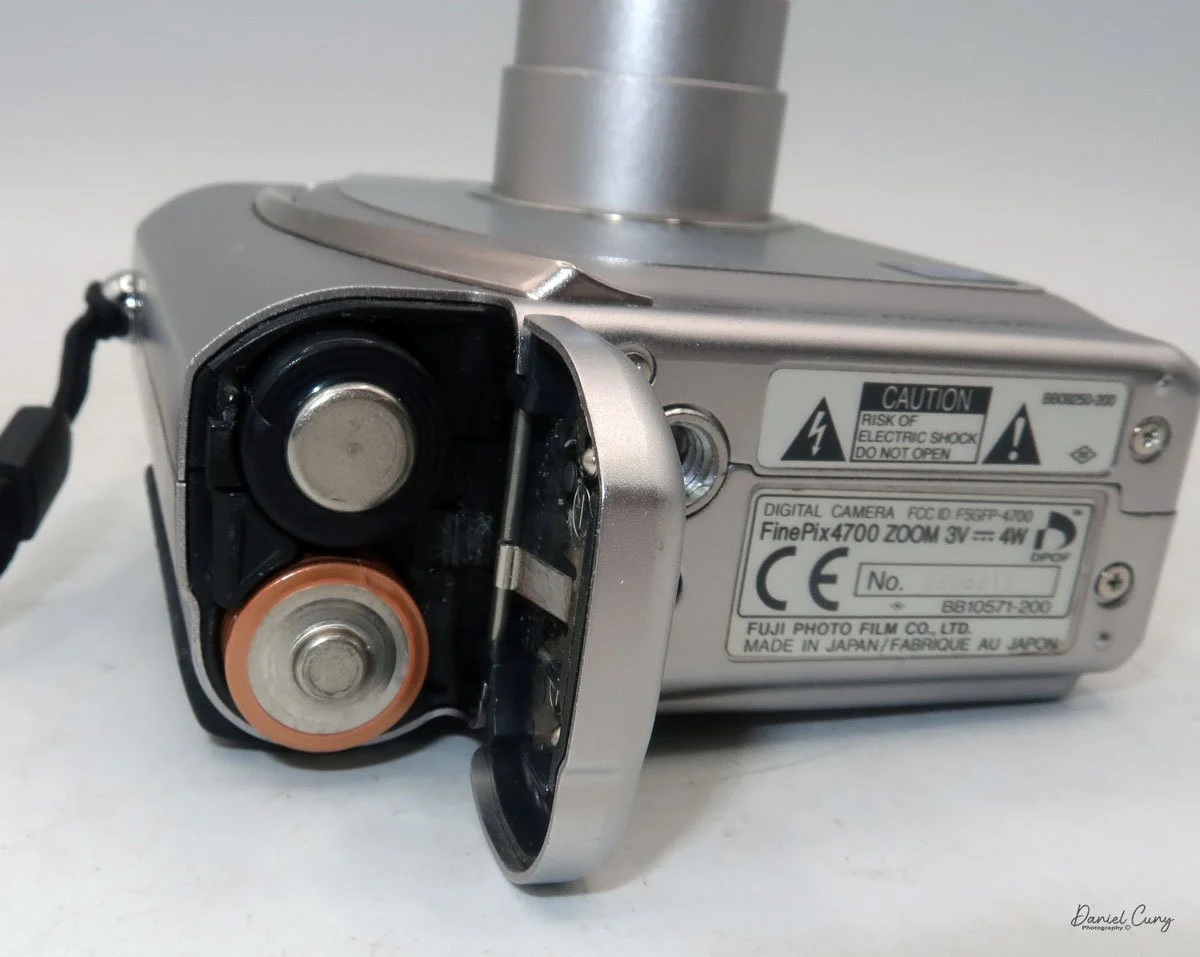
 Let's start at the beginning. To put in the 2 "AA" batteries, on the bottom of the camera is the battery door. Slide the cover outward, and the door will swing open. Insert the 2 "AA" batteries as shown on the battery lid, then close the lid and slide it back to close the battery door. 

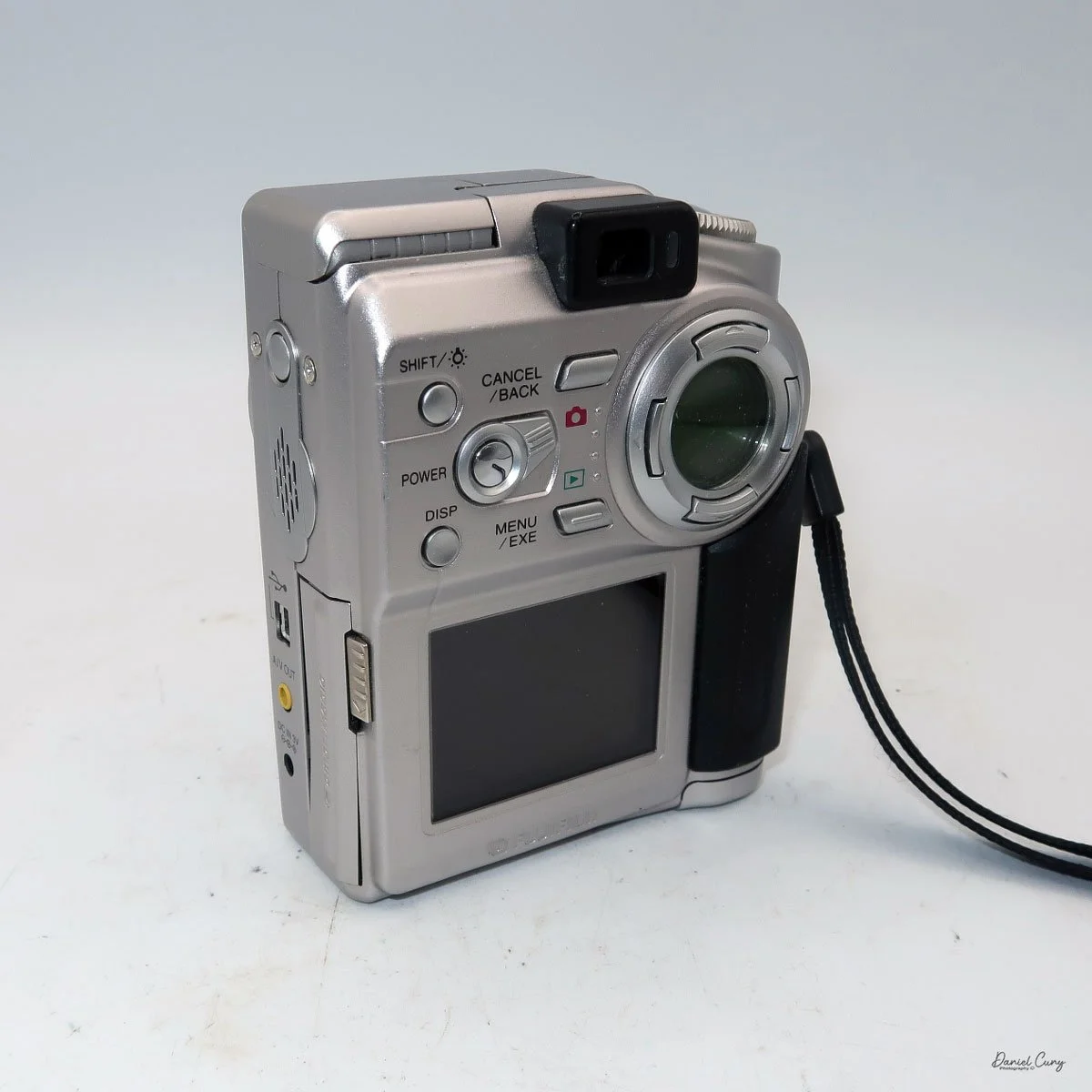
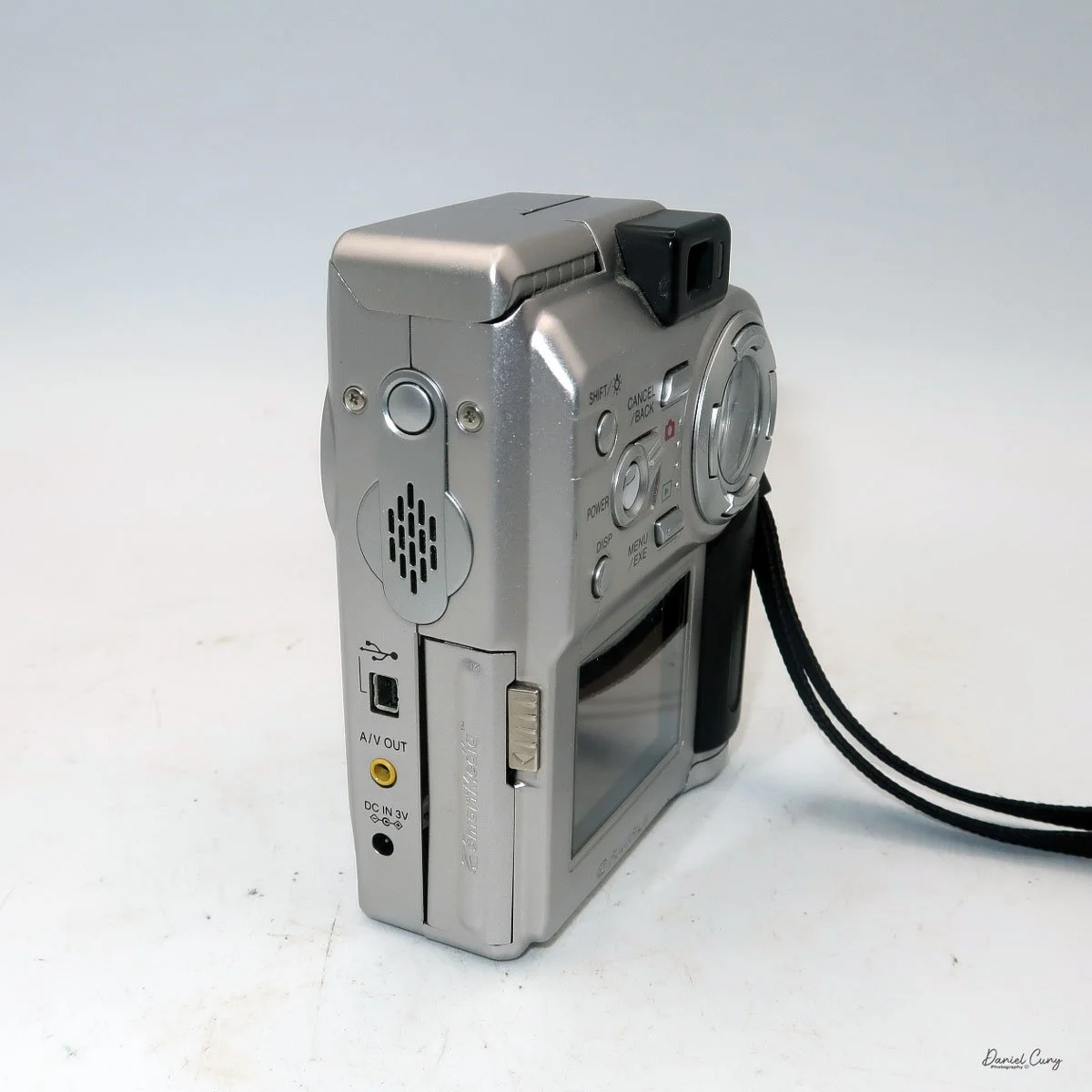
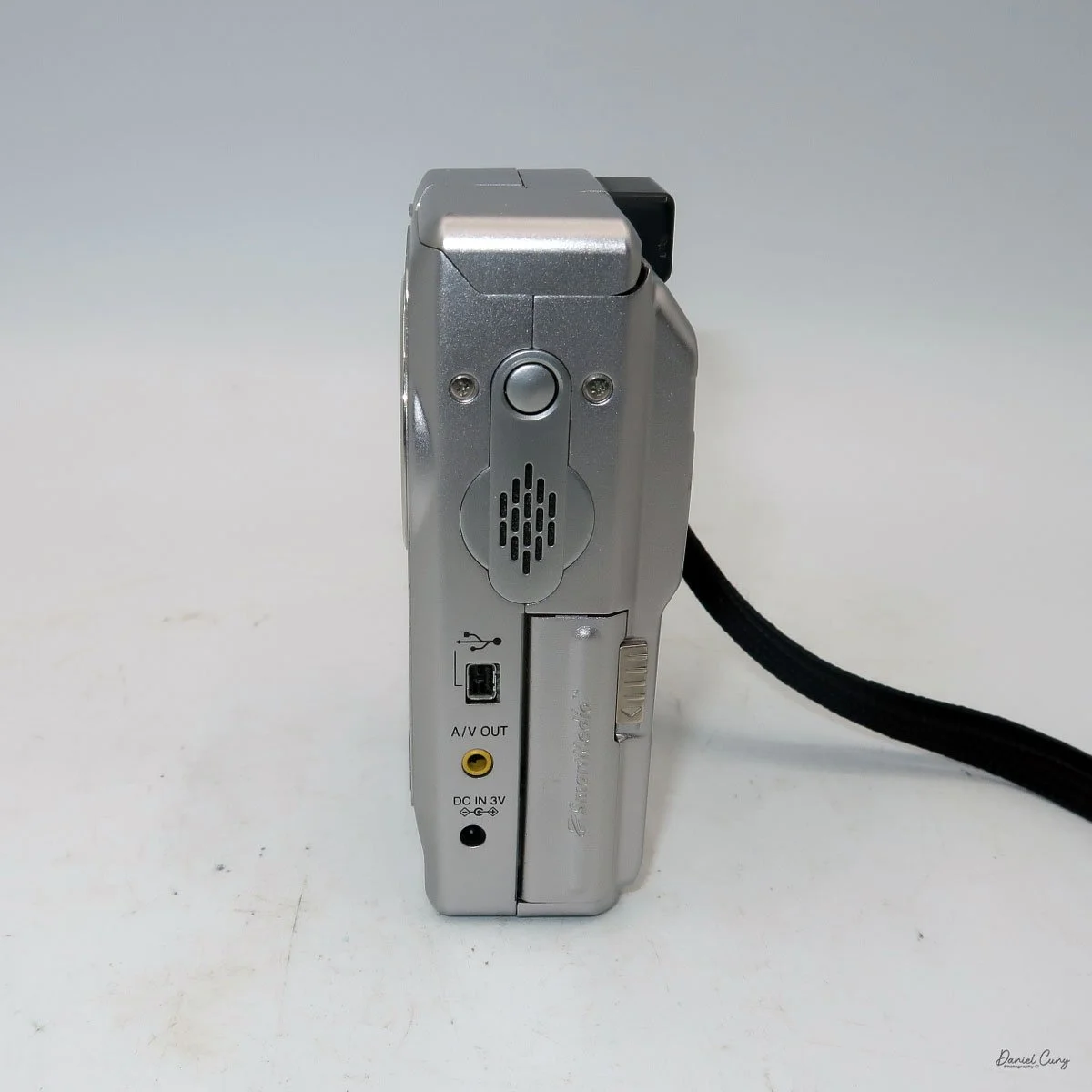
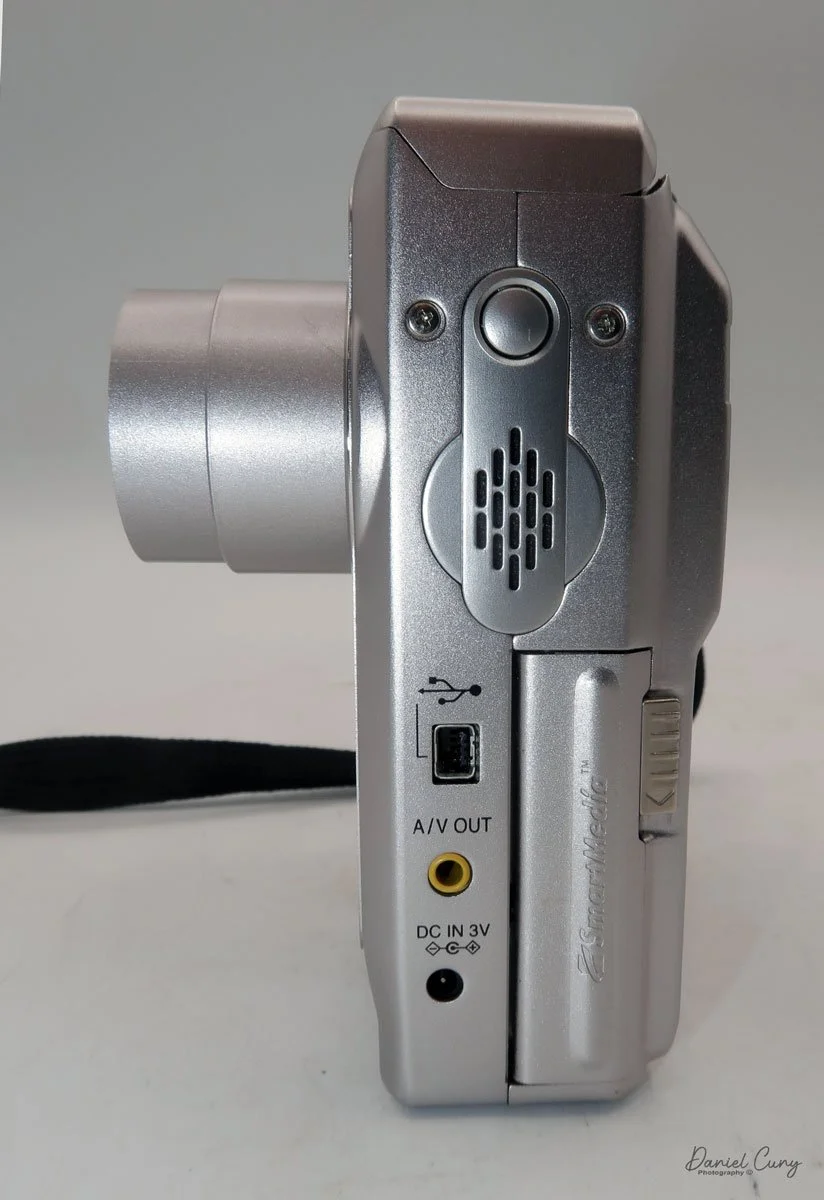
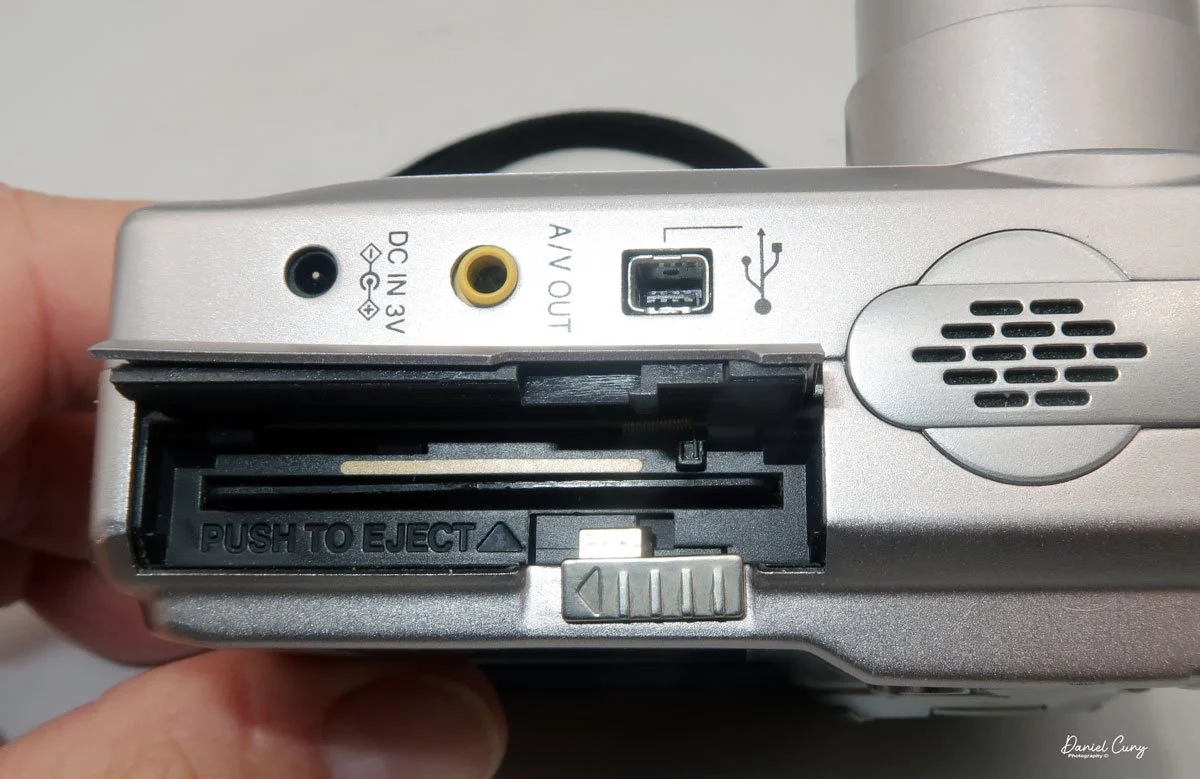
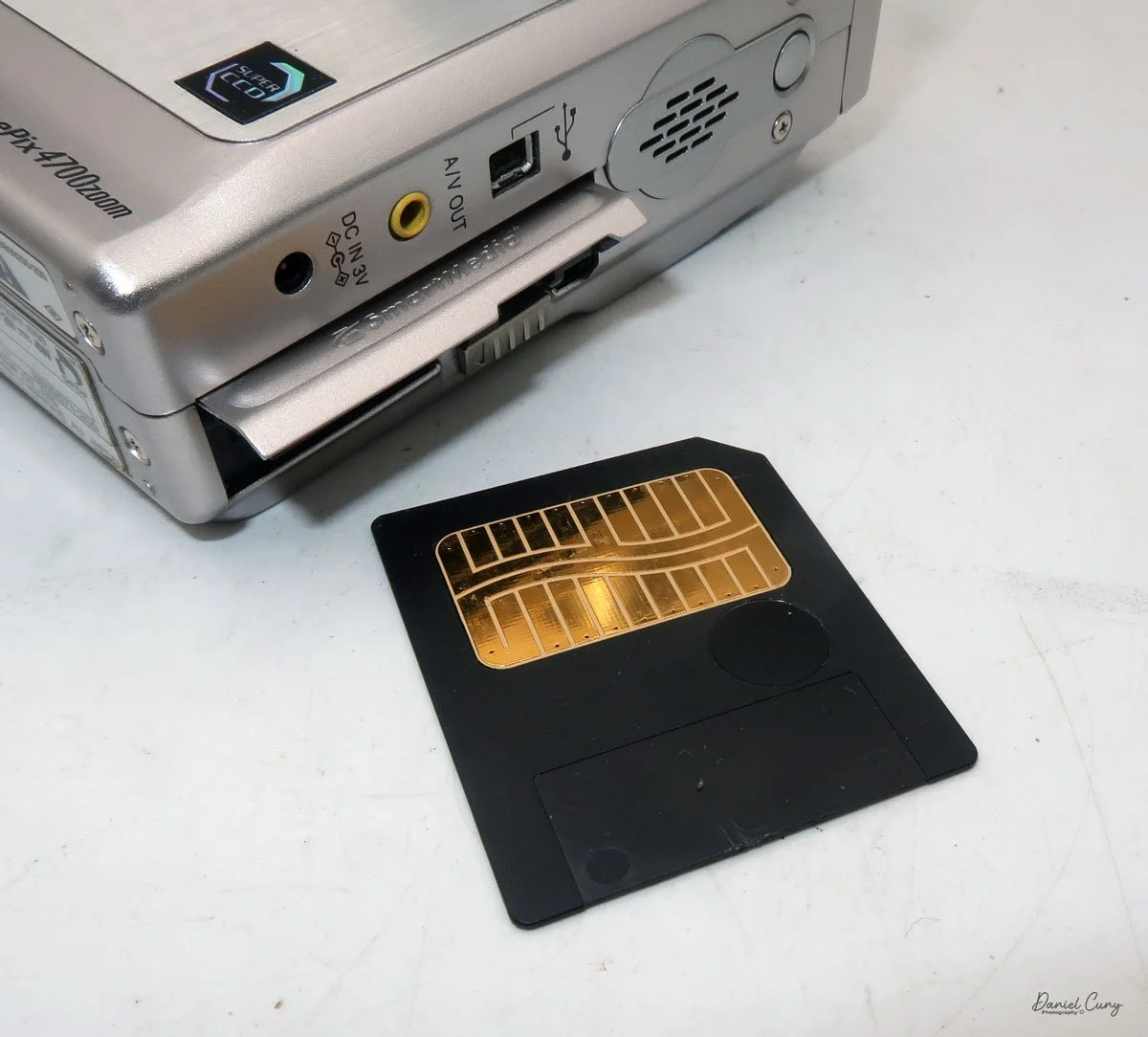
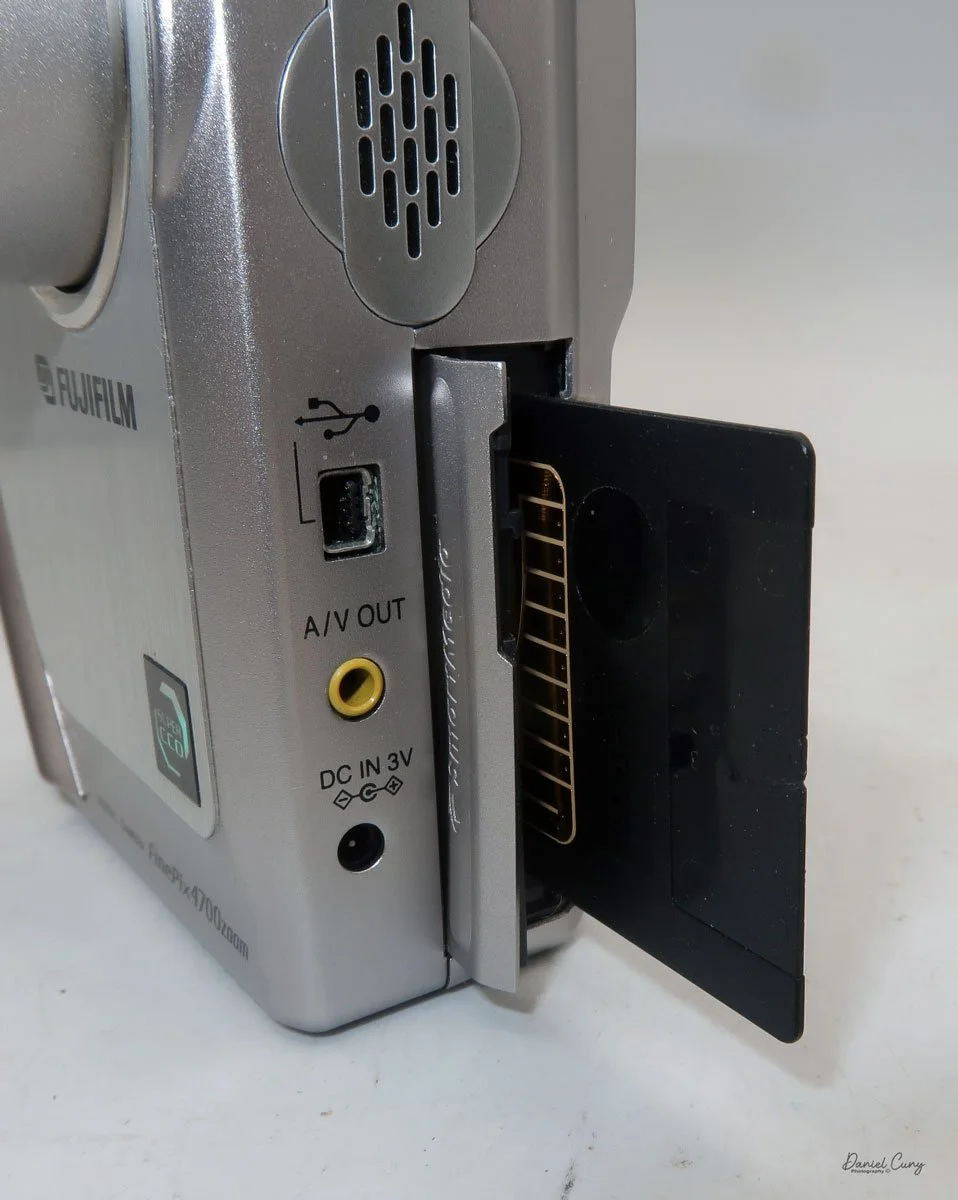
On the left side of the camera is the door where you put in the Smart Media card. Flip the small button downwards to open the memory card door. Insert the memory card so the brass portion faces the front of the camera, and press it in all the way until it stays in the camera. To release the memory card, push it in a bit, as it's spring-loaded, and it will pop out, so you can grab it and pull it out of the camera. Once the memory card is inserted in the camera, you can close the memory card door.

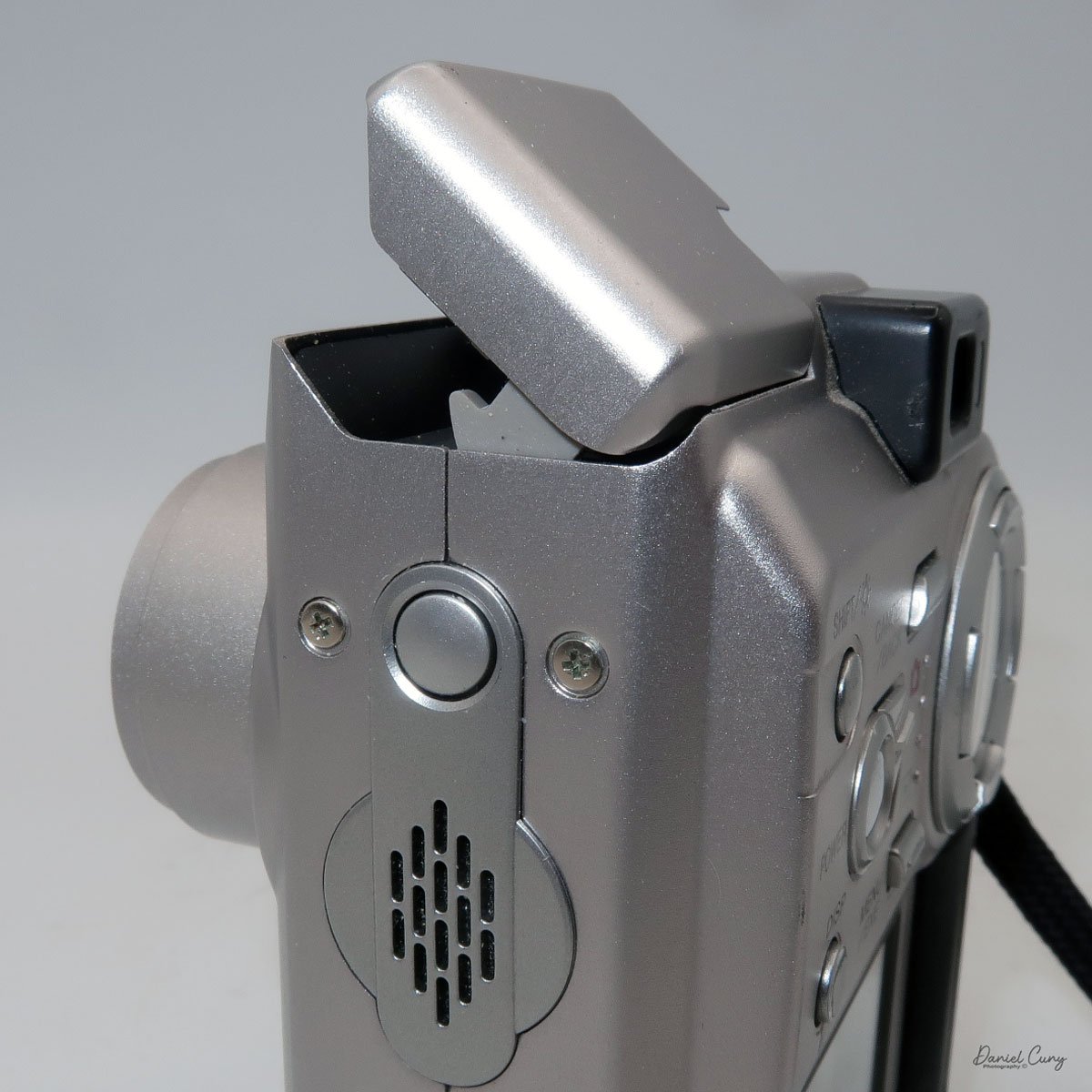
 Above the memory card door is a small speaker; above that is a small button to turn on the flash, which will pop up after the button is pressed. Also on the left side are ports for a charging device, A/V out, and a USB port.

Two main areas control the camera: the selector on top of the camera, which surrounds the shutter release button, and the back of the camera, which is the main control center.

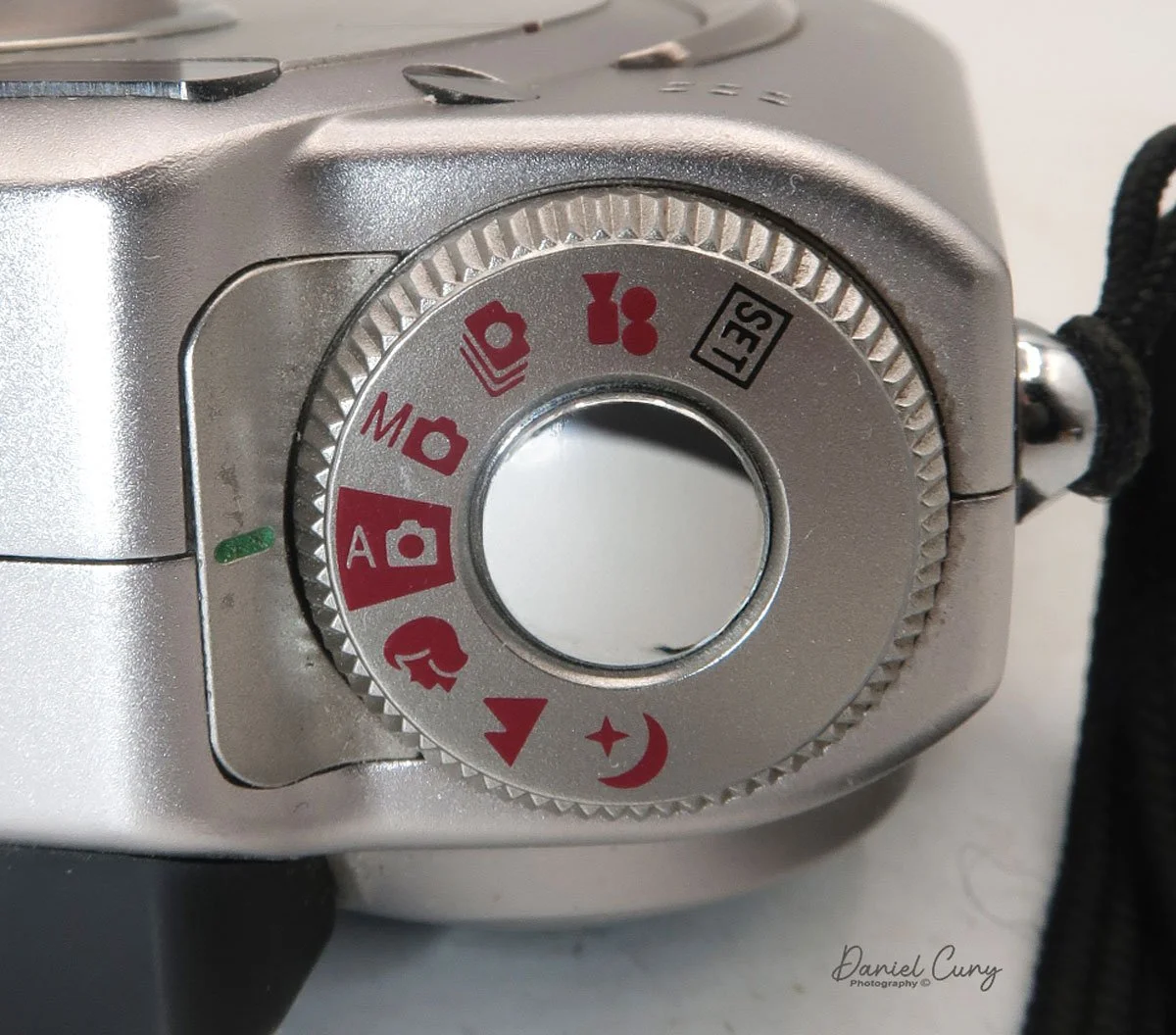
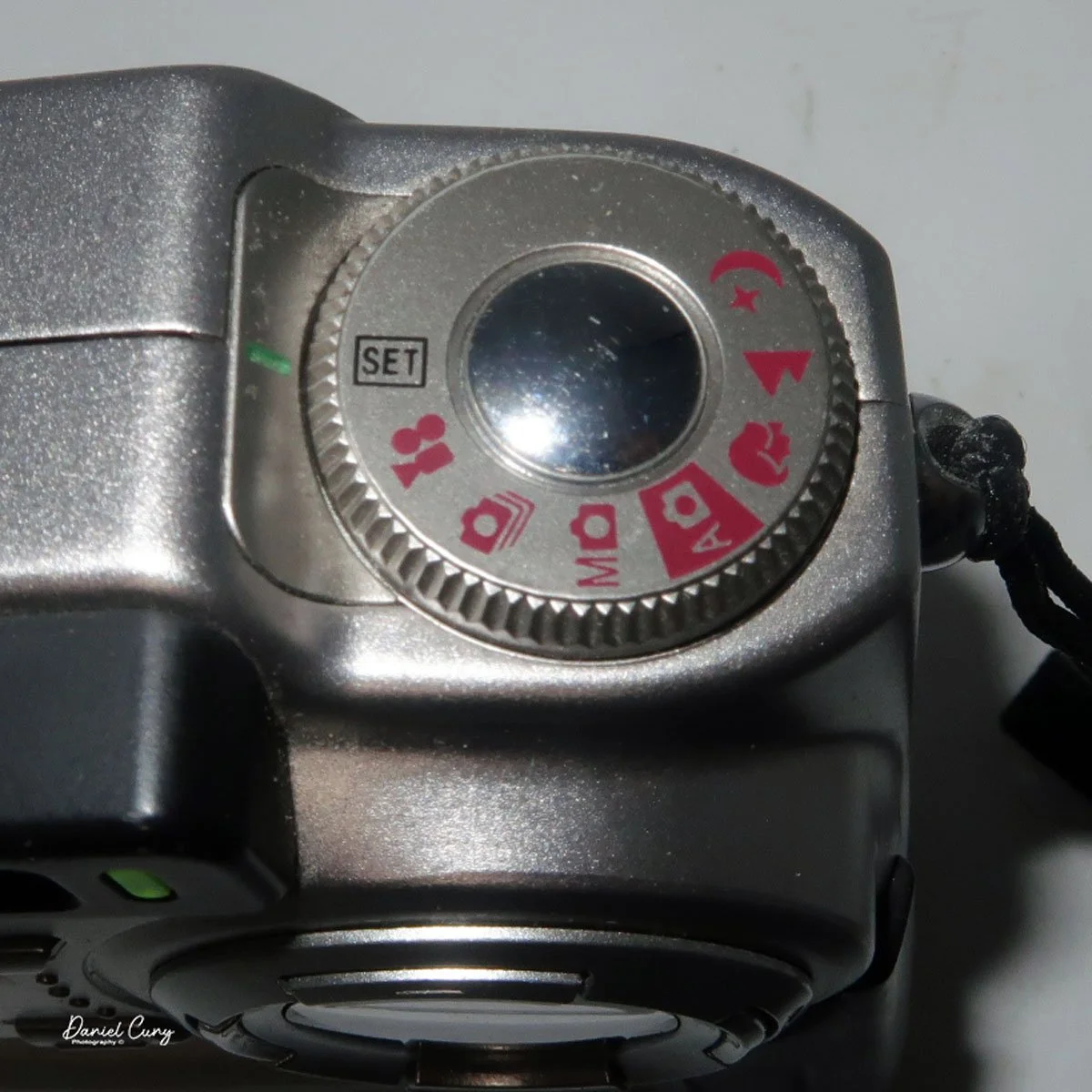
 The top controls the camera's shooting mode. Looking around the dial, from top to bottom, is Set (some of the main camera settings are set here, with controls from the camera's back). The next is Video Mode, then Multi Mode  (continuous shooting), Manual Mode, Auto Mode (the primary setting in red), Portrait Mode, Landscape Mode, and Night Mode. Initially, you'll want to put the camera into "set" mode so you can adjust basic settings.

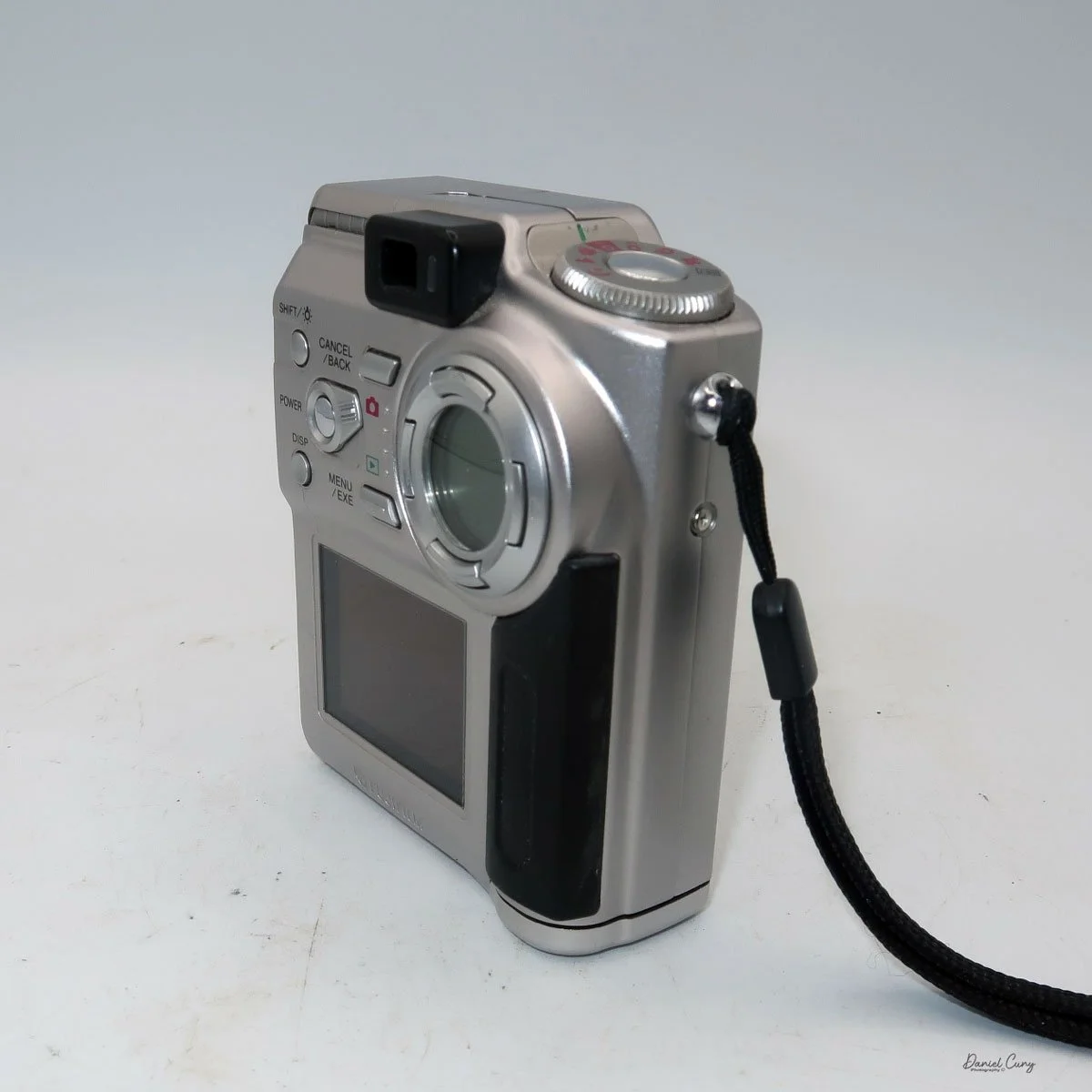
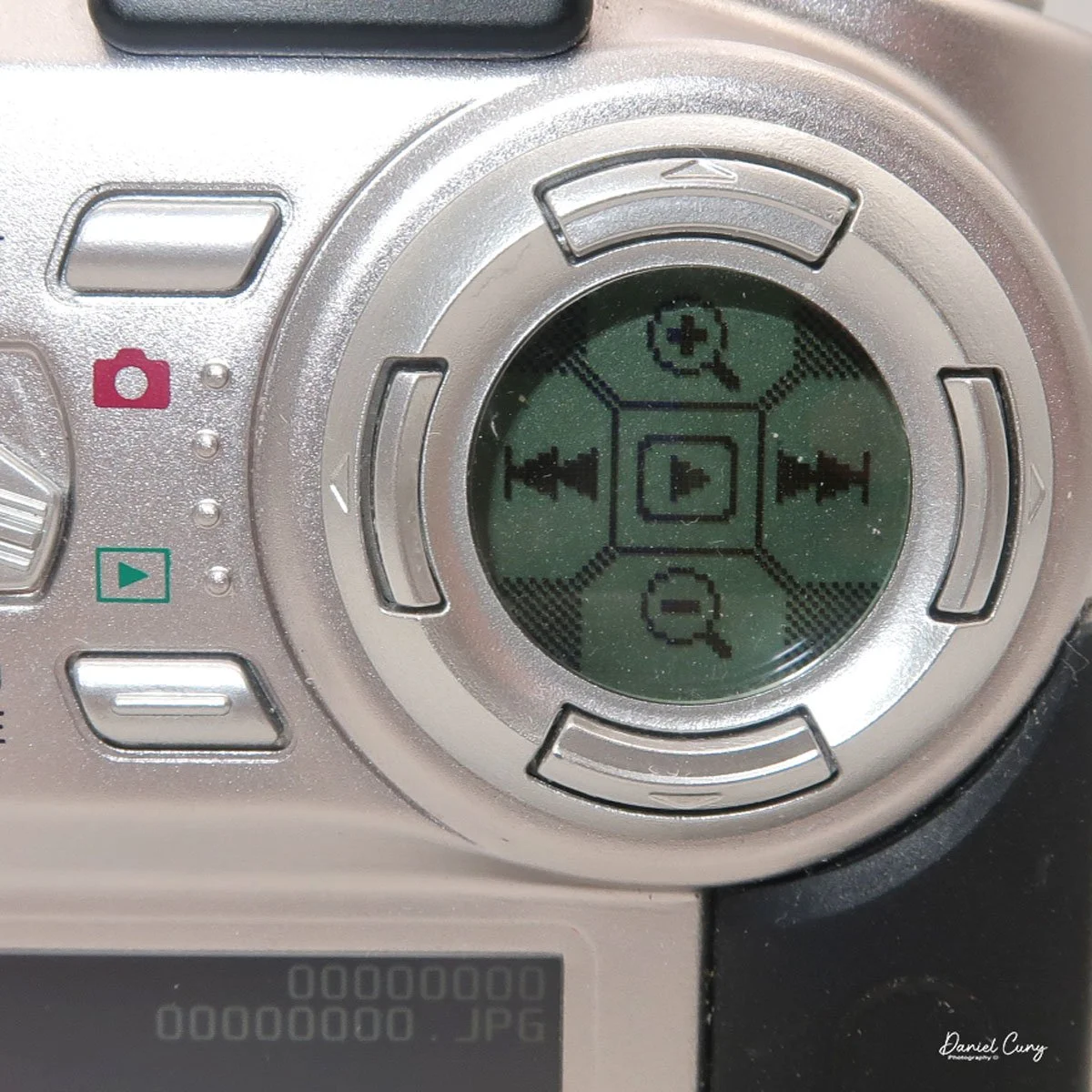
On the back of the camera are many different buttons, along with two separate screens. One circular screen in the upper right of the camera with directional controls that control certain items once the camera is on and the mode is selected. Located on the lower portion of the camera's backside is a larger 2" rectangular screen with a resolution of 130,000 pixels, which is also used in the "set up" process, along with displaying the image after it is taken.

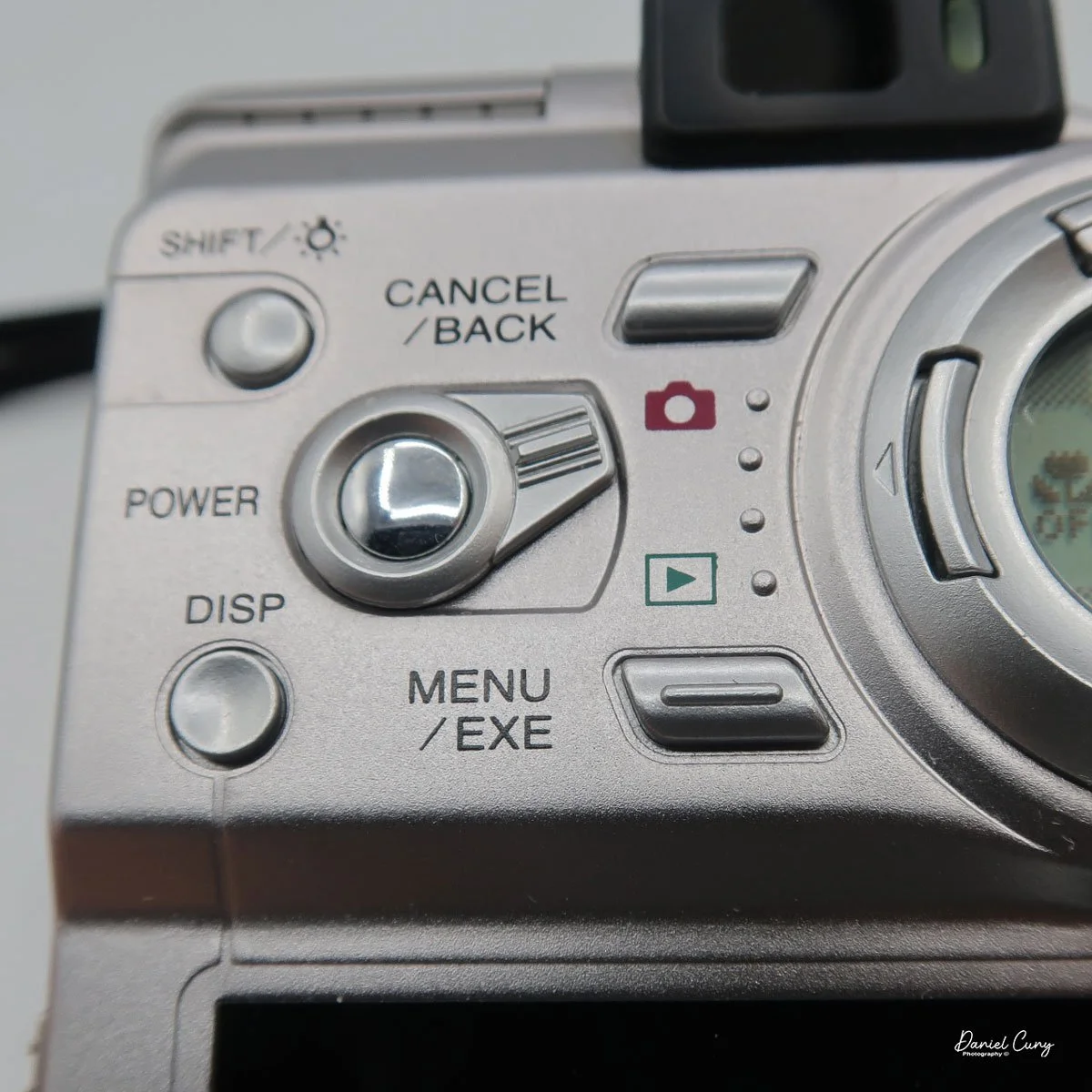
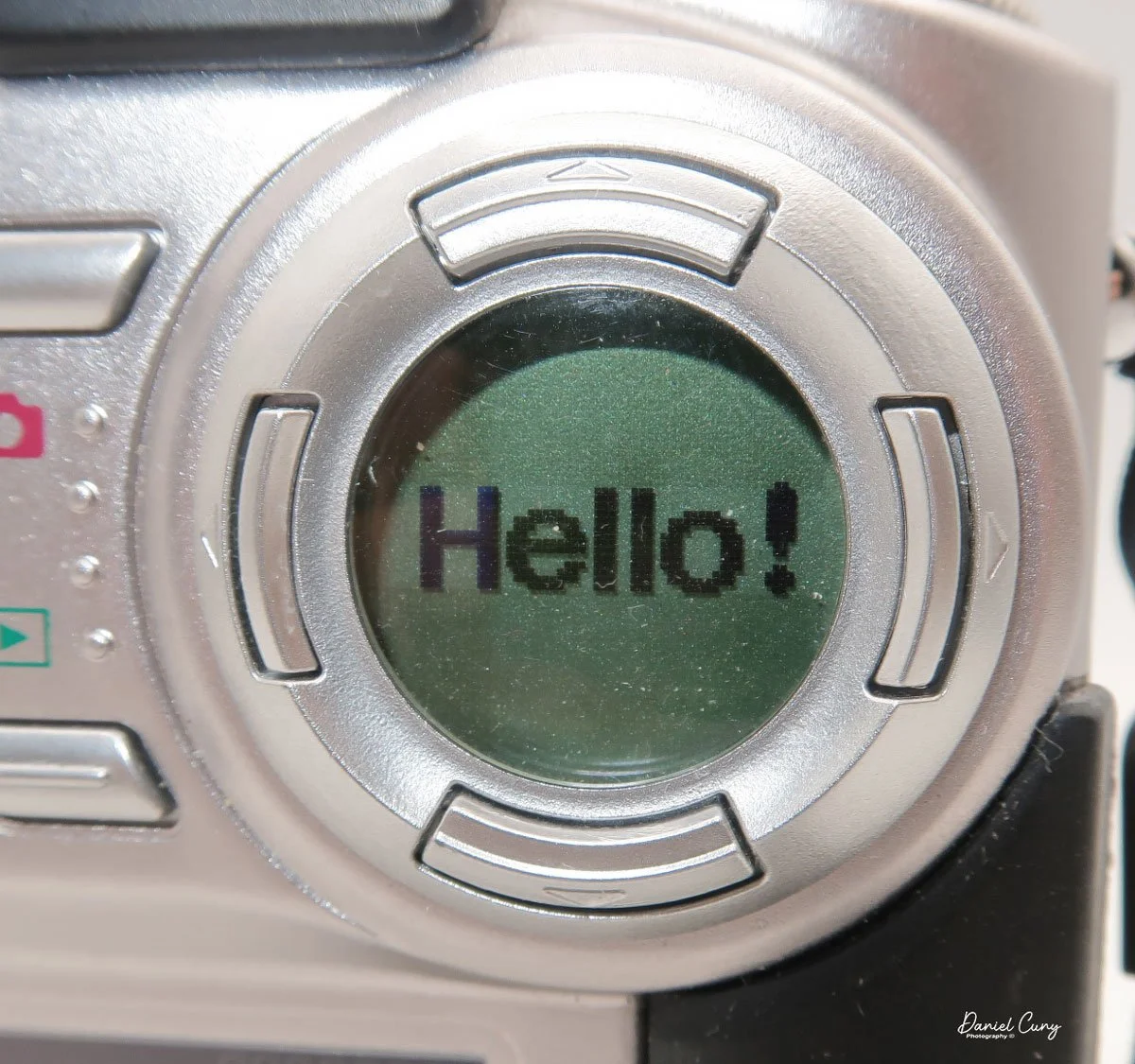
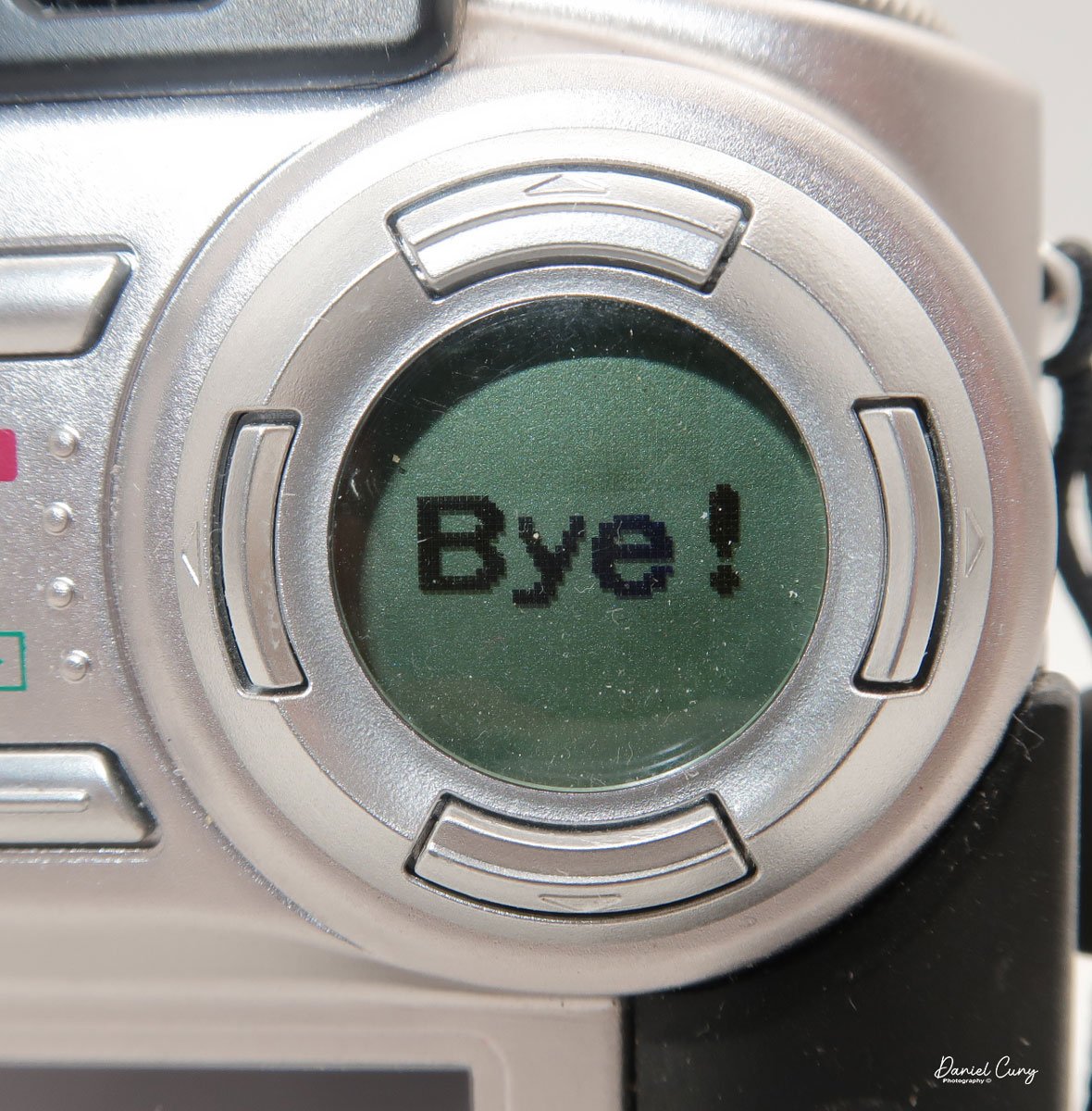
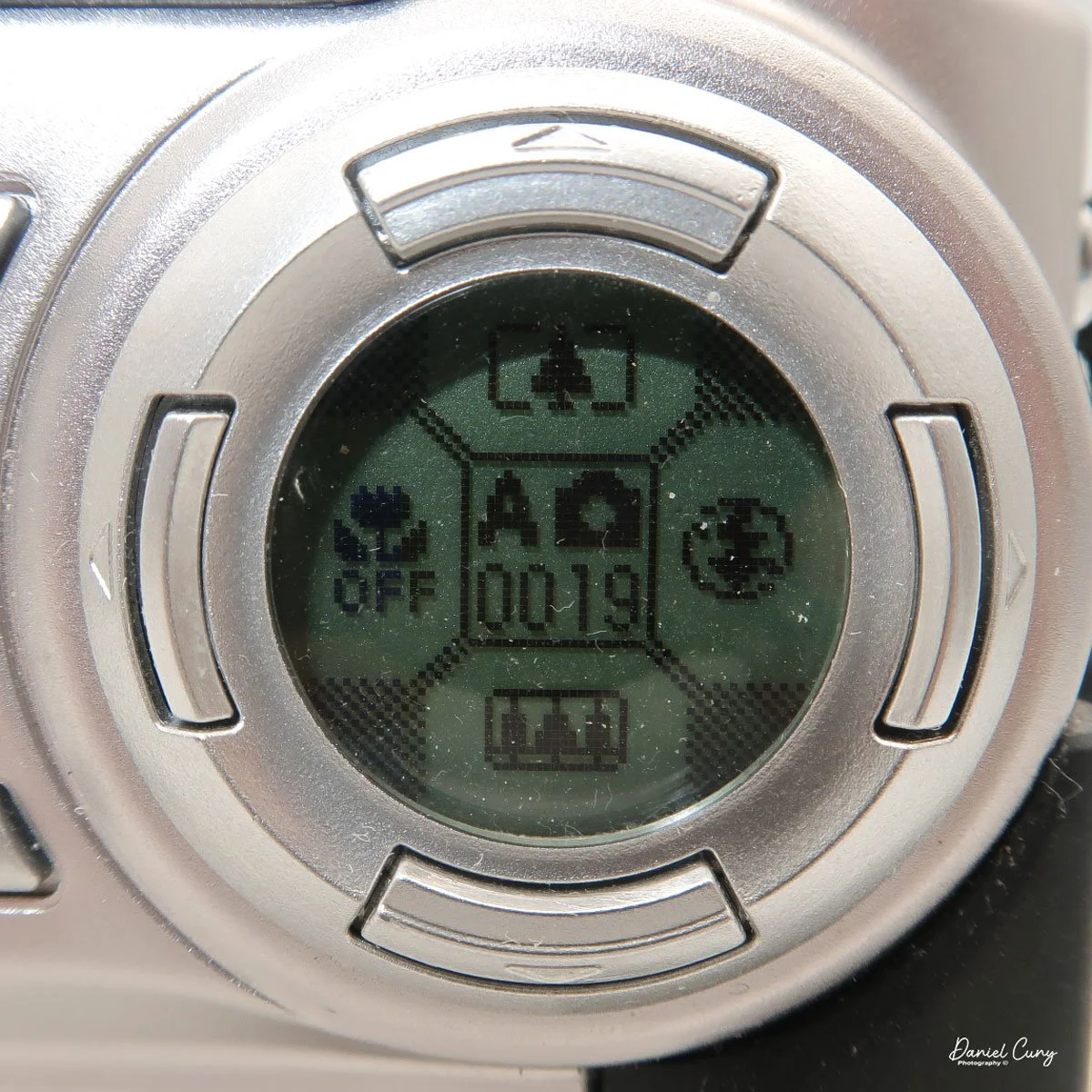
 Above the 2" screen is a series of five buttons along with a sliding pointer to a red camera or an arrow within a box. Making sure the camera is in the "Set" mode on the top wheel, put the slider to the "red camera", and press the power button inside the slider. One of my favorite things about this camera happens at this point. Inside the circular window you'll see "Hello!" illuminated inside the circular window, and the 2" screen is now in the "setup" mode. When you turn off the camera, "Bye" will appear in the window.

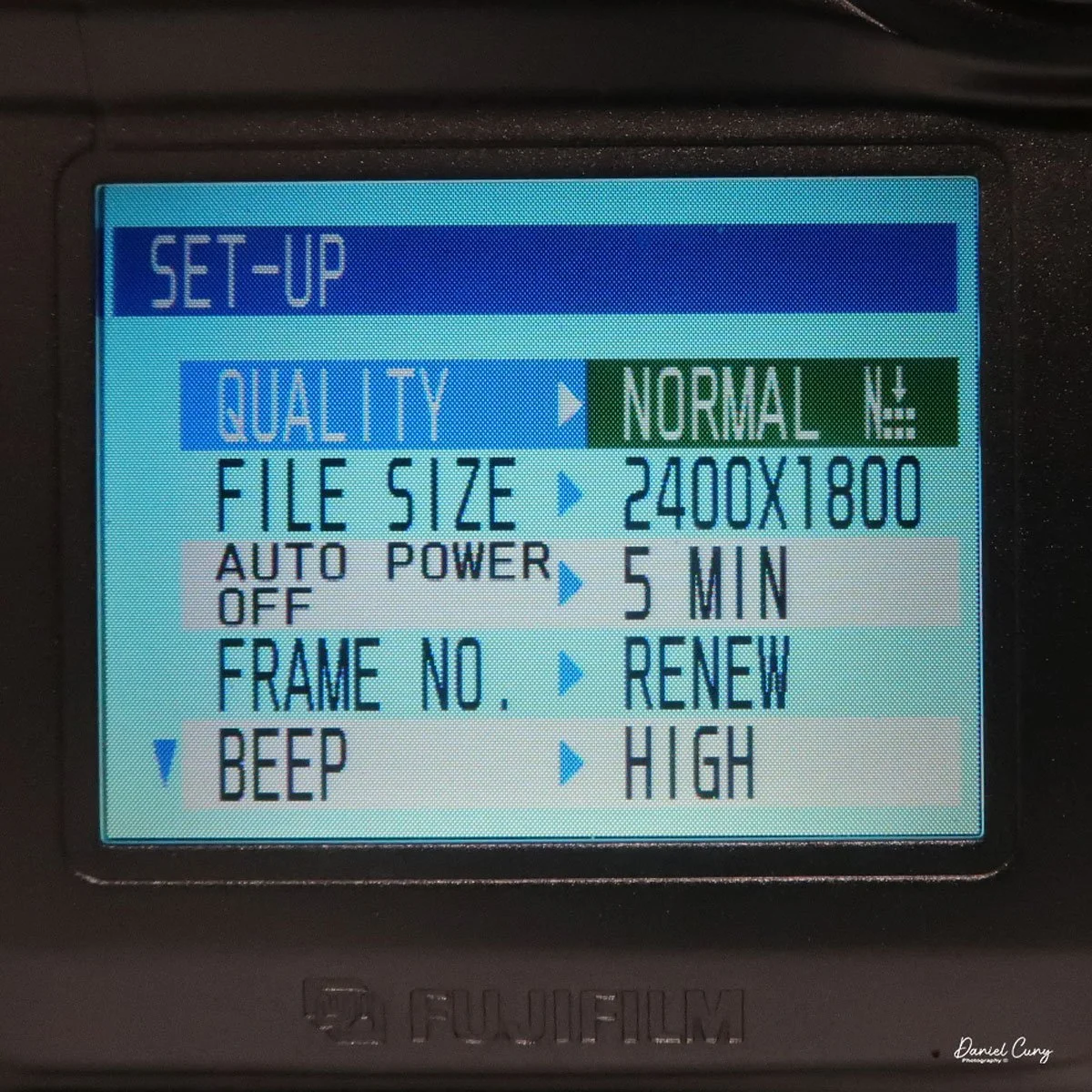
Here is where you'll set the image quality to Basic, Normal, or Fine by moving the directional buttons around the circular window. Next is file size, 640x480, 1280x960, or 2400x1800. Within each file size, you can choose to shoot in Basic, Normal, or Fine, giving you file sizes anywhere from 44kb in Basic and in 640x480 resolution, to 1.9mb shooting in 2400x1800 resolution and in Fine.

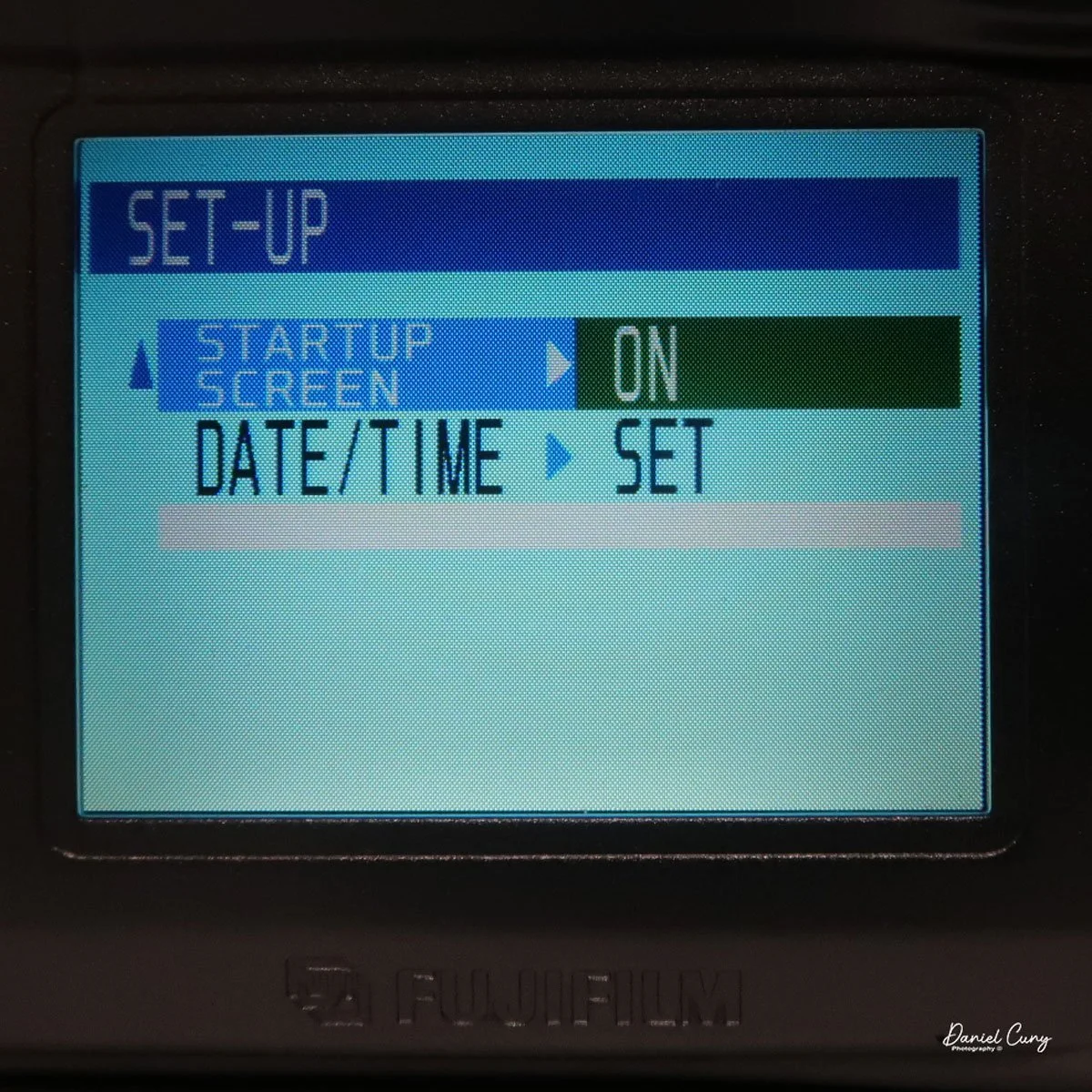
 Next is the "auto-off" setting, which is either 5 or 2 minutes, or No. Then moving down to "Frame No." with either Renew or Cont., then below that is "Beep" which can be High, Low, or Off, onto the second page and to "start up scree" either On or Off, and last on the setup screen is setting the Date. Once you make any of these choices, the button on the back of the camera, which has "Menu/Exe", is the button to press to make the changes desired.

With the camera still in "red camera" mode, when you move the top dial to a specific shooting mode, like Portrait or Auto, the lens door slides over and the lens extends from the camera. Now you're in shooting mode, with the camera actually recording images to the memory card. When you're in the "shooting" mode, you'll see information inside the round directional window with details on the zoom function with the buttons pointing up or down, the macro setting on the left side of the window, and the flash setting on the right, and in the center is what "mode" you're in and the frame count.

 Just above the control buttons on the back of the camera is an optical viewfinder to look through to frame your image. You can also click on the "display" button, which will activate the "live video" feed on the 2" monitor on the back of the camera. Also on the back of the camera is a button for the Menu/Exe functions. This button sets the menu item you want to control. In the upper-left corner is a button labeled Shift and a light bulb. It allows you to light up the round window while also seeing other settings within the camera.

These are the basics for using the camera, since it is a sophisticated little camera. You have the option of manual focus, over/under exposure, flash over/under exposure, focus lock, rear screen brightness, white balance settings, image sharpening, and metering types like spot, average, and multi metering, which is the most common for this camera.  I didn't even touch on the video capabilities of this camera, which were relatively plentiful for a small digital camera from this era.


My Results:

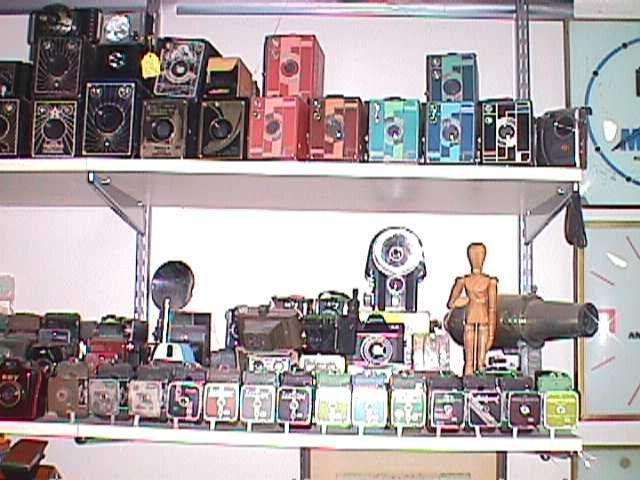
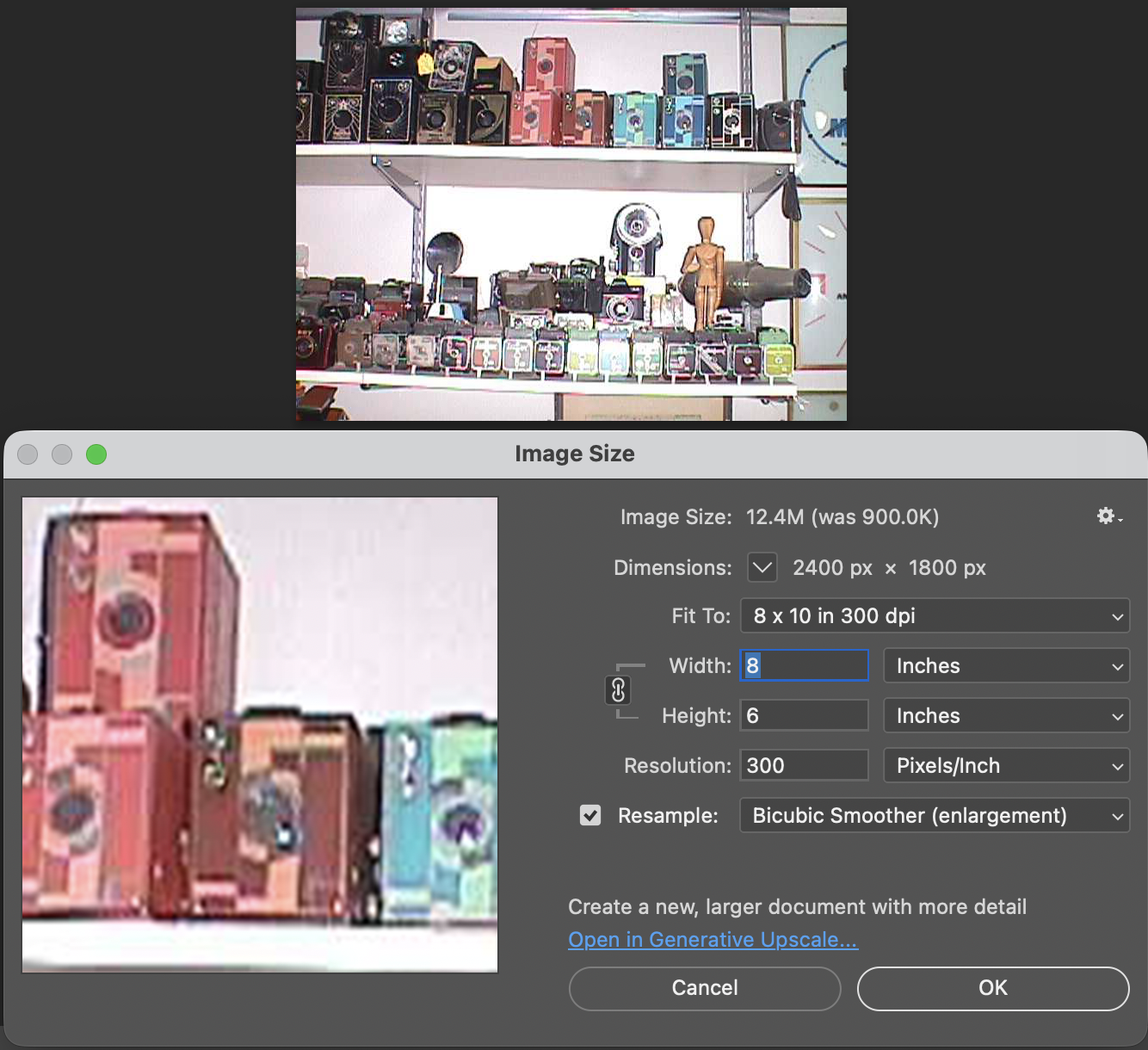
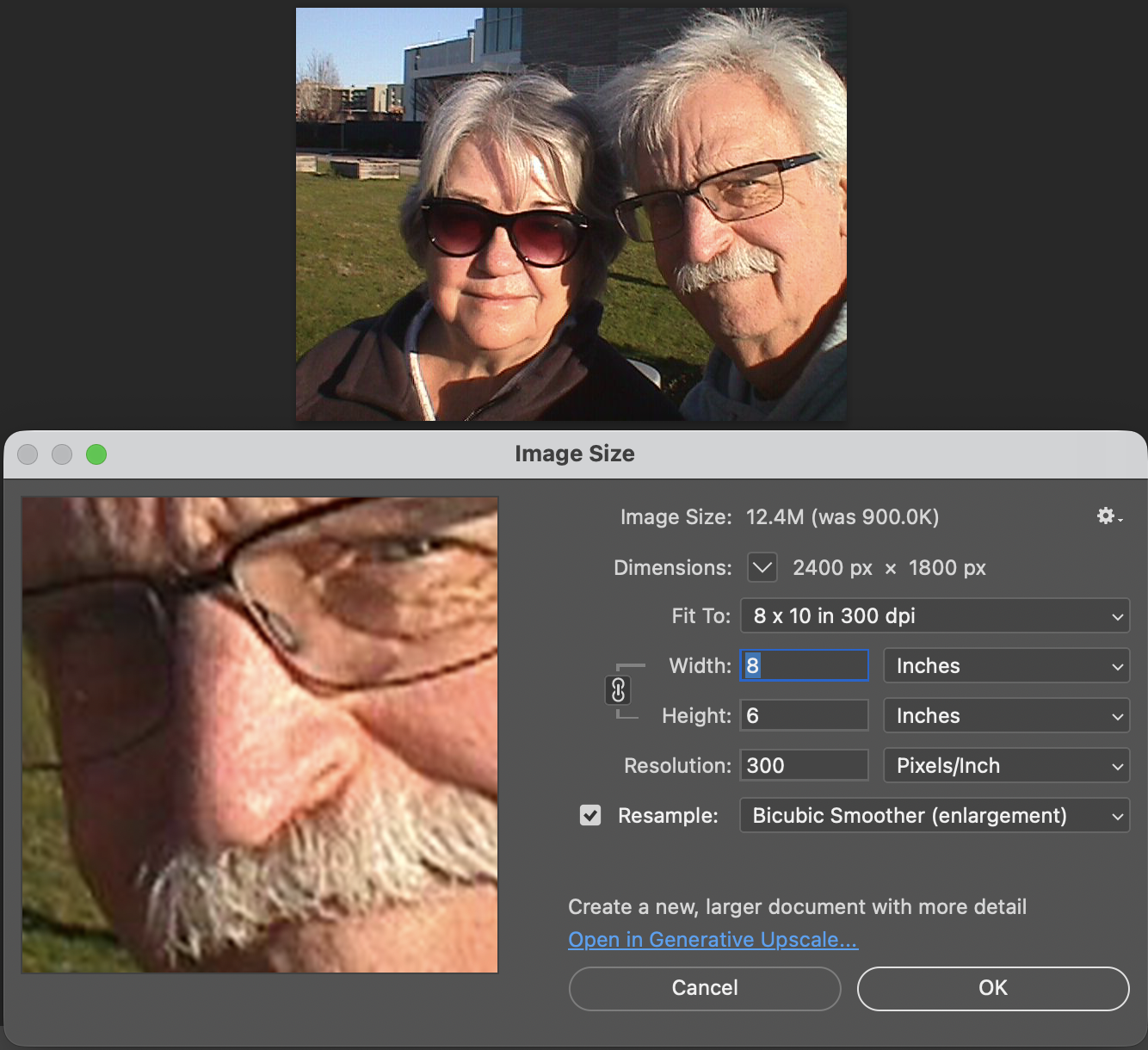
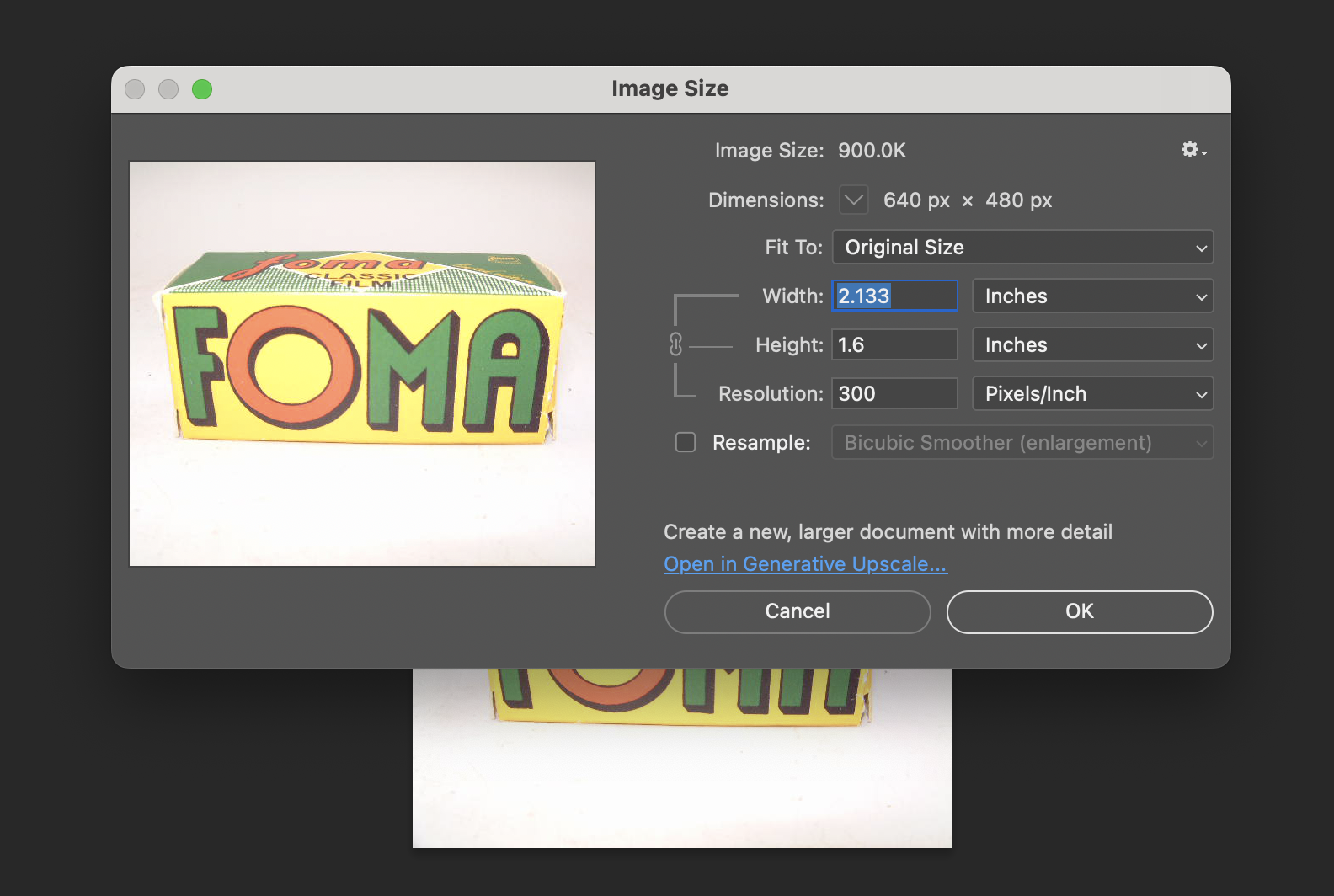
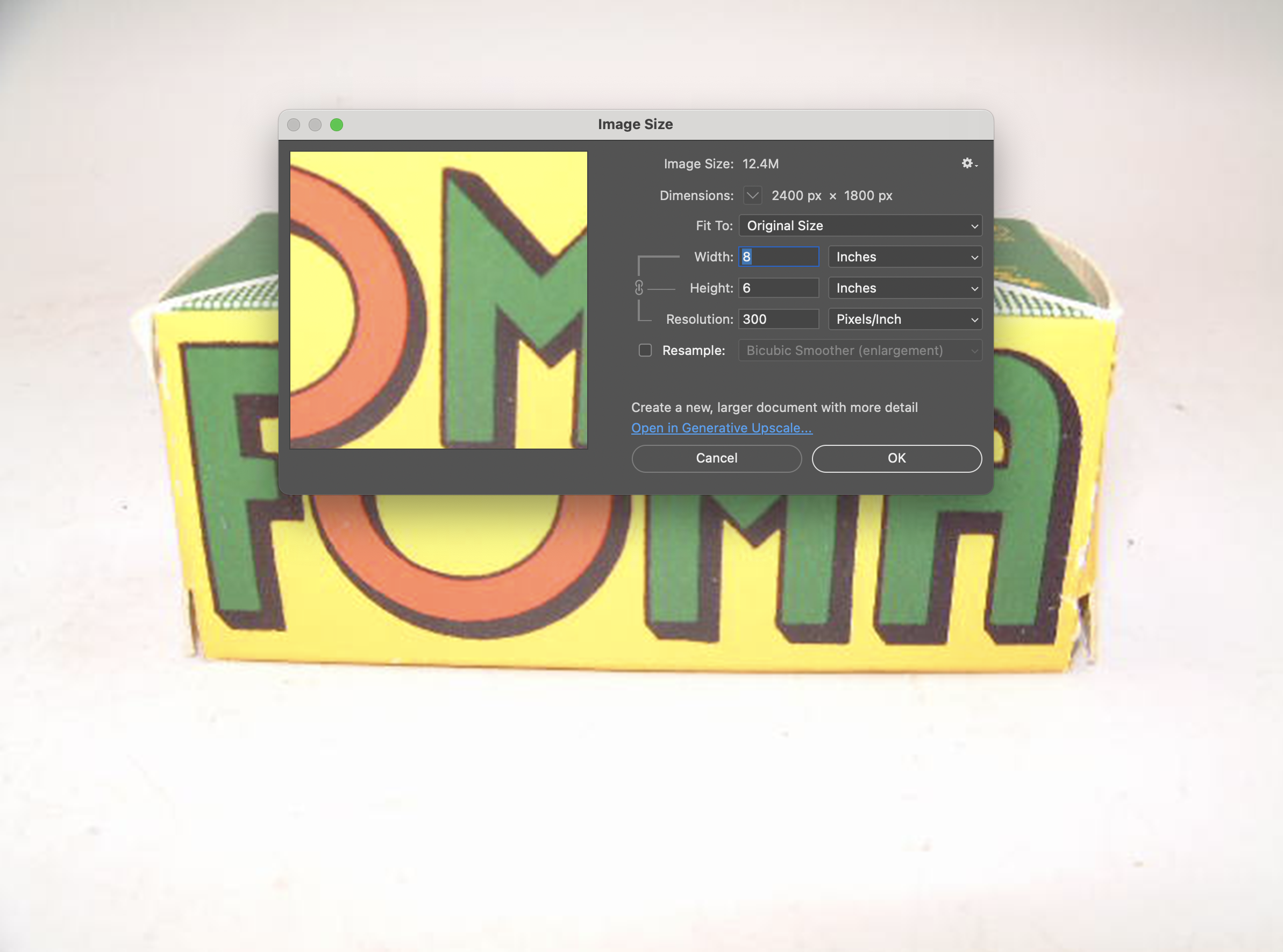
 To look at the different resolutions and shooting modes, I photographed a film box in my portable studio to compare image quality. I'm sure there's going to be a vast difference since the smallest file is only 44kb and the largest is 1.9mb.

Here are some screenshots in Photoshop showing the image size of the smallest and largest files taken with the Fujifilm FinePix 4700 zoom.

I also took a regular and macro shot, which you can see here.

Then I used the camera at our New Year's Eve get-together with some neighbors. I'll have to admit, I haven't made it to Midnight for many years.

Conclusion:

 It's nice to pull out some of the older digital cameras and run them through their paces every once in a while. The camera is compact, easy to use, and fun to shoot with. While there are many drawbacks to cameras from this era, such as file size, and in many cases the phone you have takes better photos, it often lacks many of the controls a real camera has (yet).

 Thank you for taking the time to travel back in time about 25 years, when digital cameras were coming into their own and putting film companies out of business, except for Fujifilm, which diversified and actually embraced digital.

 Feel free to look through my other Camera Reviews.

 I also have an online eBay store, Cuny's Cameras and Photo, where I sell many of the cameras I've reviewed, along with other cameras, lenses, and camera accessories. If you find something there, please let me know, and I'll offer a nice discount.

 Until next week, please be safe.