Rolleiflex SL66

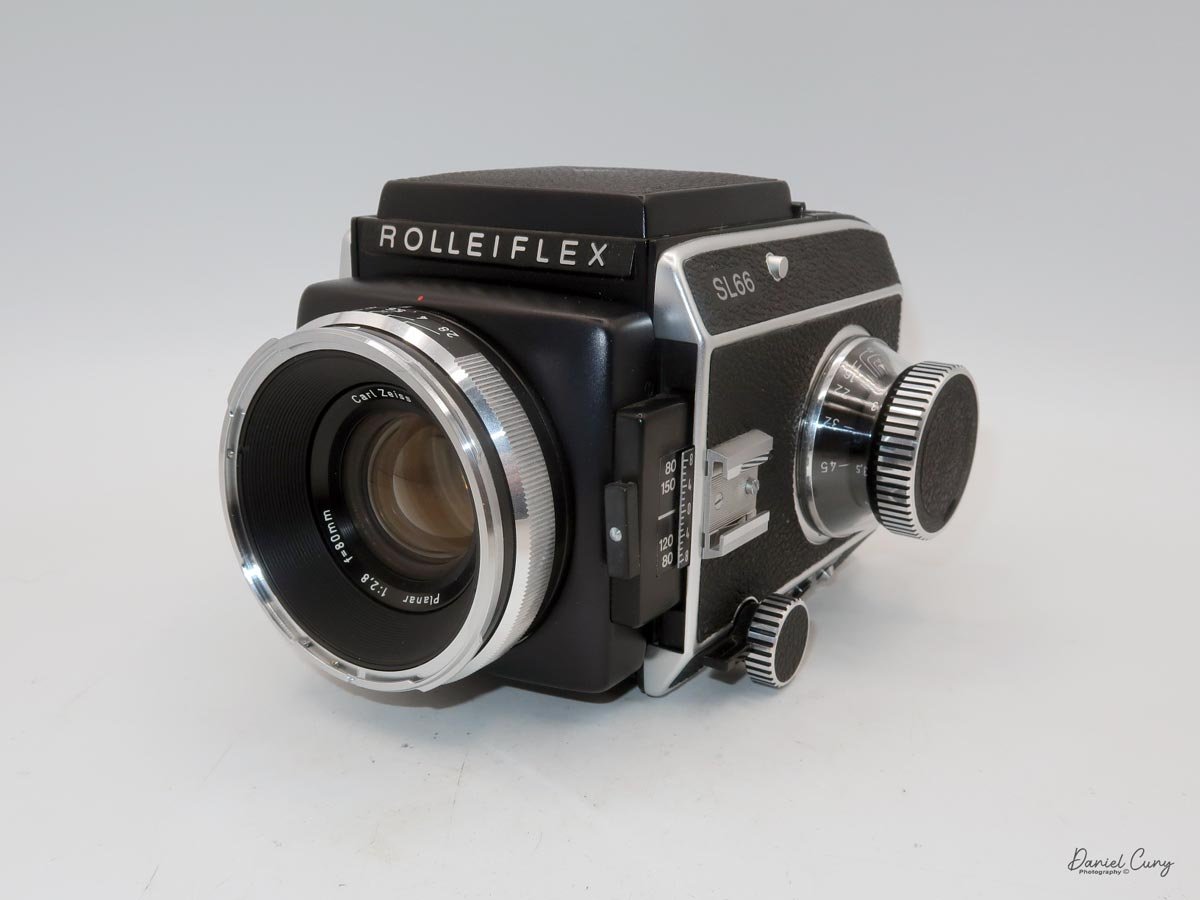
My Rolleiflex SL66

As a photographer and photo industry professional for well over 50 years, I've had the privilege of working with just about every kind of camera you can imagine. From everyday 35mm SLRs and rangefinders to Hasselblad systems, I've logged a lot of miles with medium‑format gear as well.

 In the late 1990s, I represented Sinar, which meant regular time behind some of the finest large‑format cameras available. Later, repping Leaf digital backs put me in front of Mamiya RBs and 645s, Hasselblad V and H systems, Fuji GX680s, and the Contax 645. With all that variety, there was still one big gap in my experience: I had never actually photographed with a Rolleiflex SL66.

 About a year before I retired—so roughly three years ago—I finally had my chance. An SL66 with 80mm, 50mm, and 250mm lenses came up for auction online. I wasn't sure about the condition, but I rolled the dice and bid anyway.

 When I won the lot at a surprisingly low price, my first reaction wasn't joy; it was suspicion. Inexpensive cameras often have a story. To my surprise, the body turned out to be mint‑to‑near‑mint, and the lenses were in equally excellent shape. The real question, of course, was whether it worked.

 I pulled off the lens cap, removed the dark slide, cocked the shutter, and pressed the release. At a fast speed, the camera rewarded me with that beautiful, crisp shutter sound. Then came the real test: I set it to 1/2 second. The shutter opened, paused, and closed exactly as it should. At that point, I had a big grin on my face—I knew I had a mechanically healthy SL66 on my hands.

 And then, like so many good intentions, the camera went on a shelf.

Background: Rollei's Leap into SLRs
Rollei Advertisment

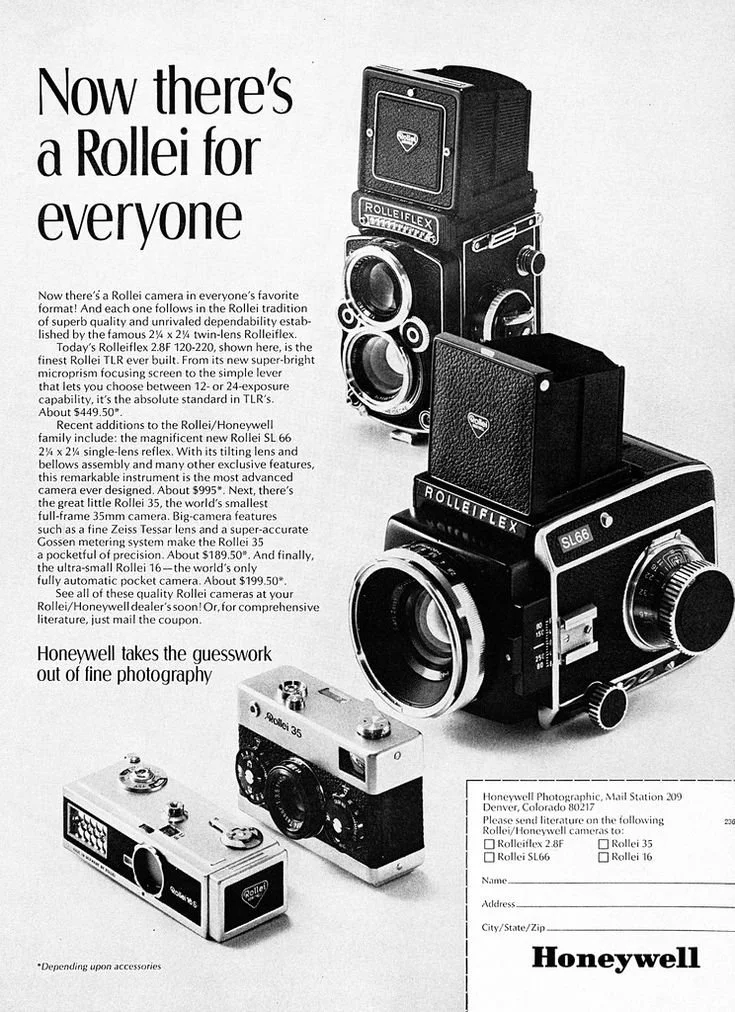
For decades, "Rolleiflex" meant twin‑lens reflex. That changed with the introduction of the Rolleiflex SL66 at Photokina 1966, Rollei's serious move into the professional 6×6 SLR world. Designed as a studio‑oriented system to challenge Hasselblad, the SL66 combined a focal‑plane shutter, modular film backs, and interchangeable finders with familiar Rollei ergonomics: left‑hand focusing and right‑hand film advance.

 Rollei had explored the idea of a medium‑format SLR as far back as the mid‑1950s, but strong TLR sales kept those projects on the shelf until demand shifted and Hasselblad began to dominate professional work. When it finally arrived, the SL66 was a true "engineer's camera": bellows focusing, the ability to reverse‑mount lenses for close‑up work, and front‑standard tilt for plane‑of‑focus control—features that gave it some of the movements you'd normally associate with a view camera.

 Built from 1966 to 1982, the SL66 used 120/220 roll film in 6×6 backs and typically wore Carl Zeiss Planar glass, firmly placing it in the high‑end studio category. Later SL66E and SL66SE models added through‑the‑lens metering and improved electronics. Still, the core concept stayed the same: a heavy, extremely capable, close‑focus‑friendly studio machine in a world increasingly moving toward lighter, more electronic medium‑format systems.

My Camera

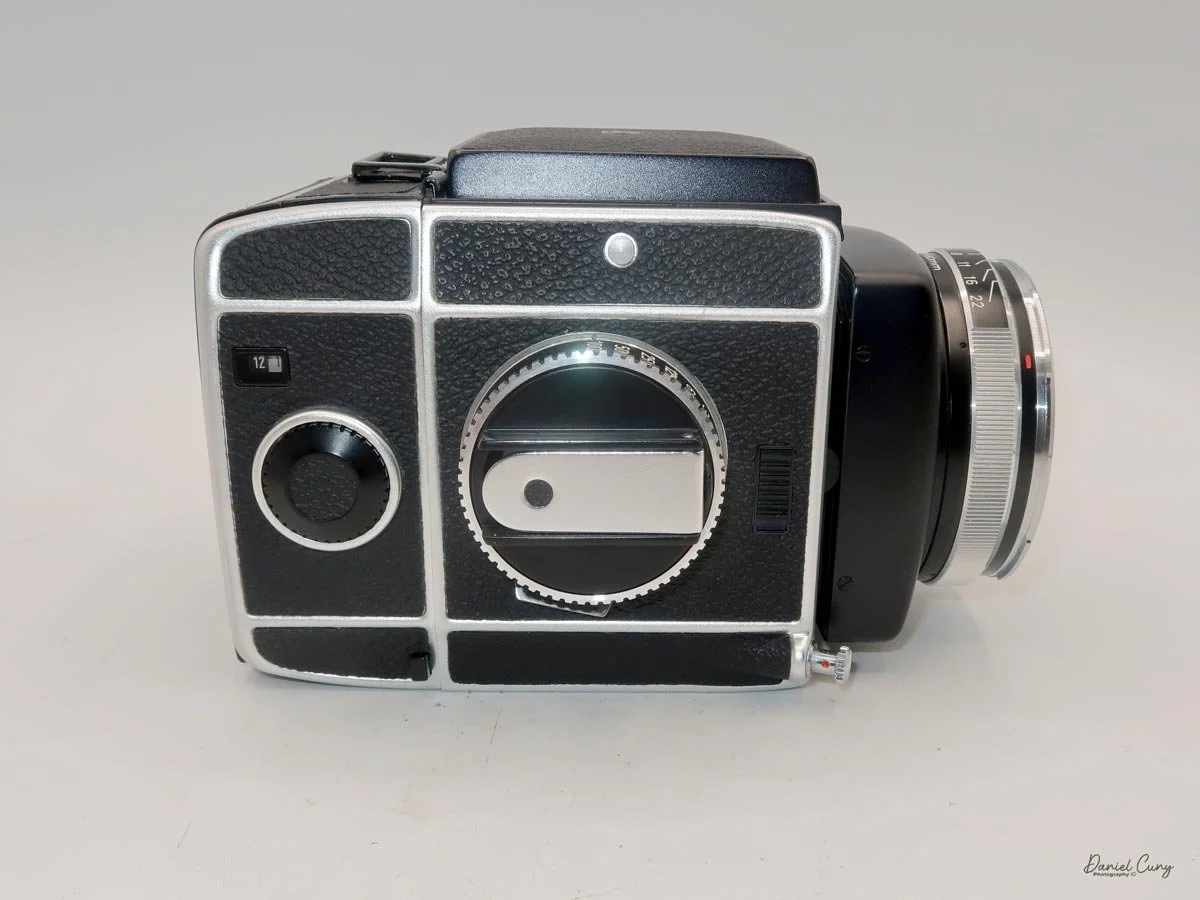
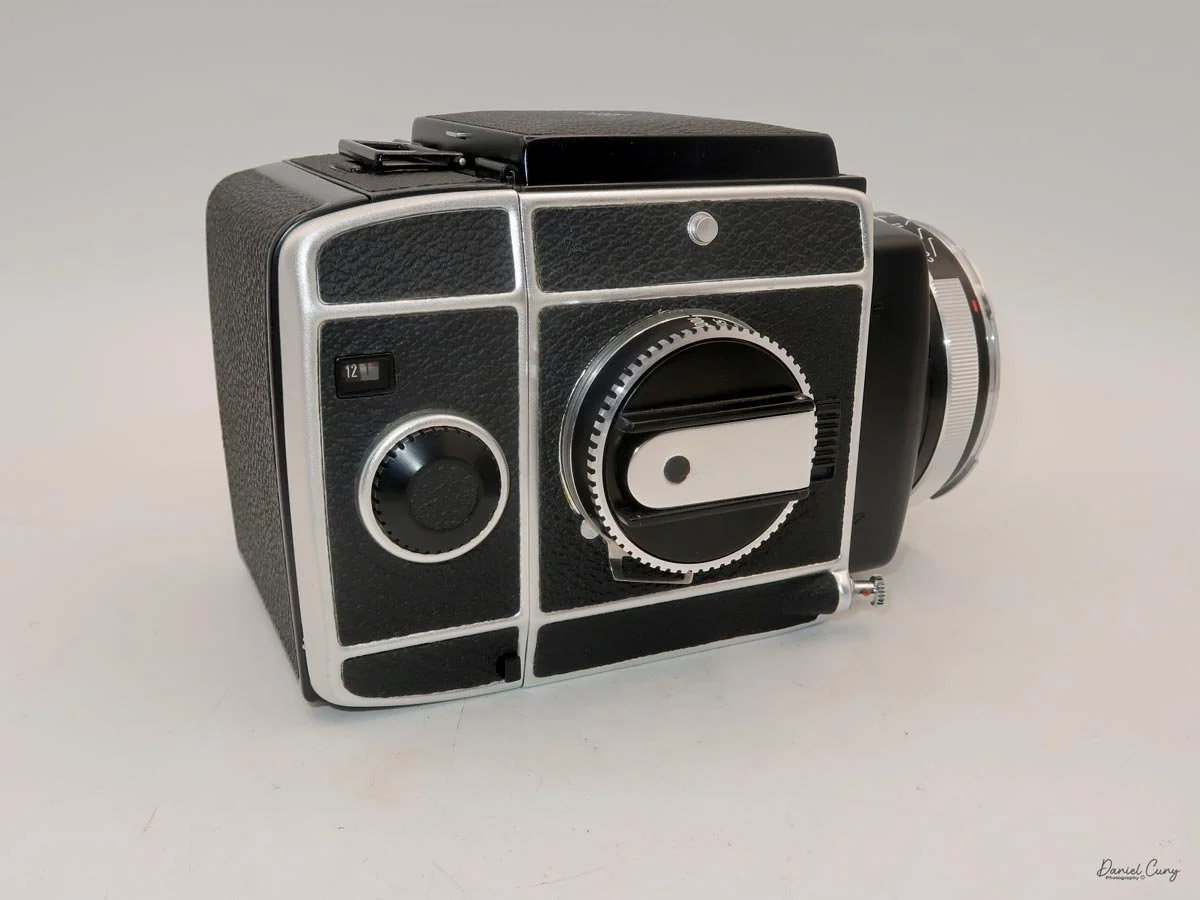
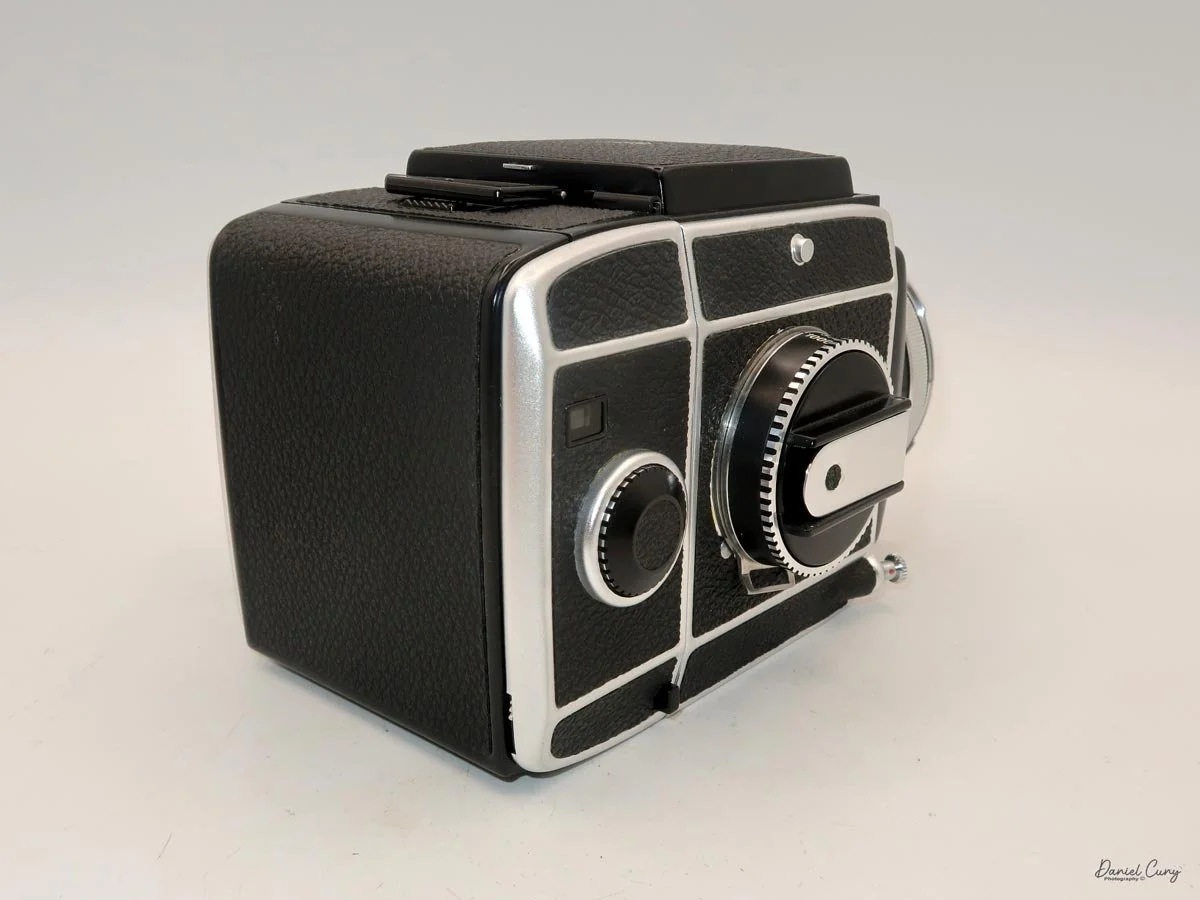
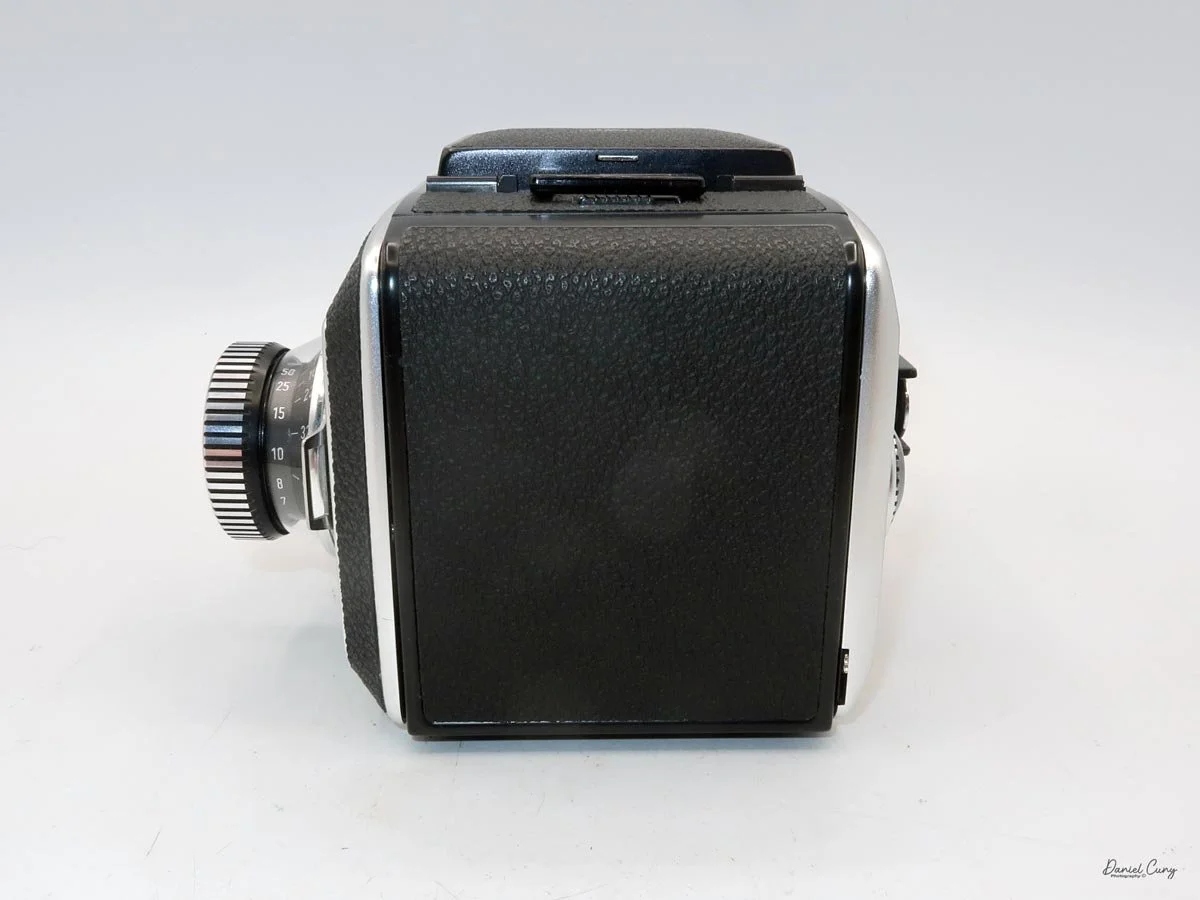
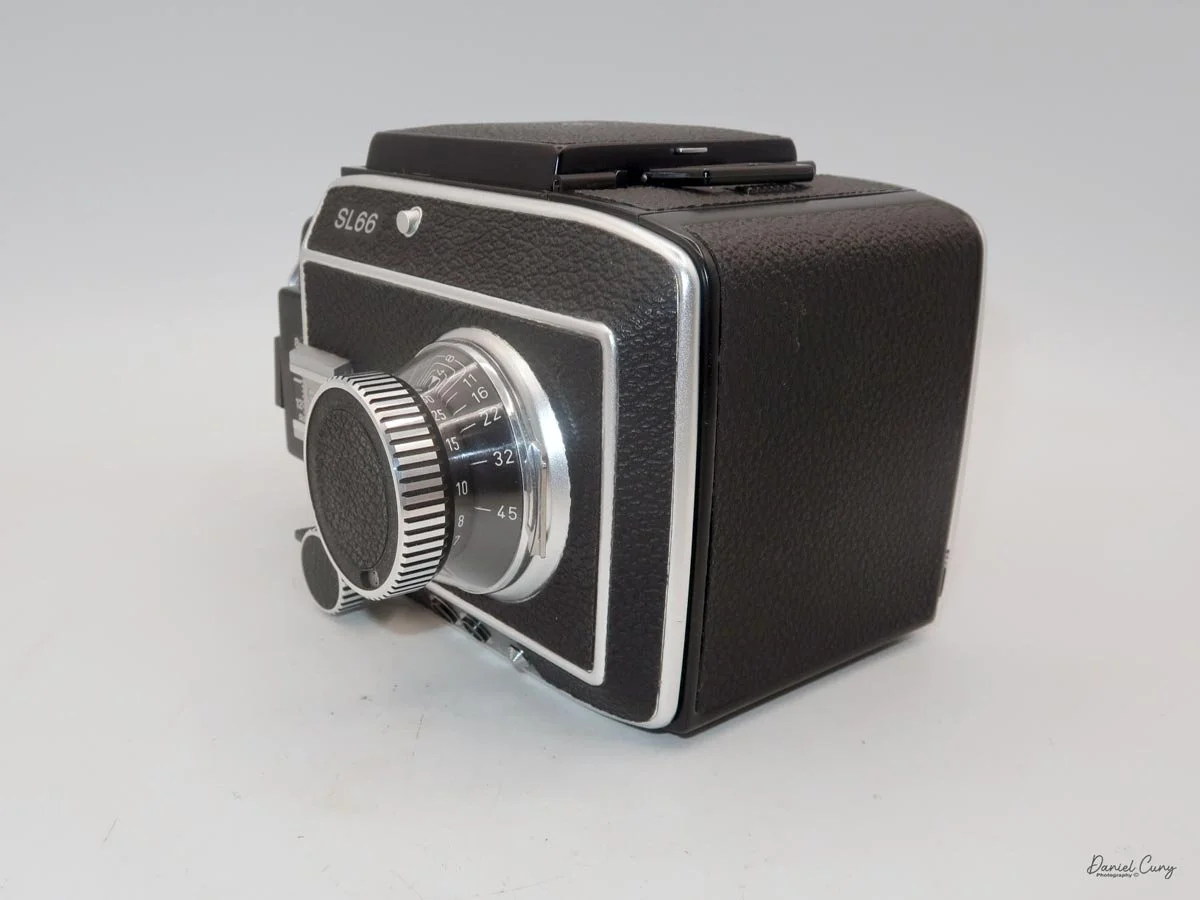
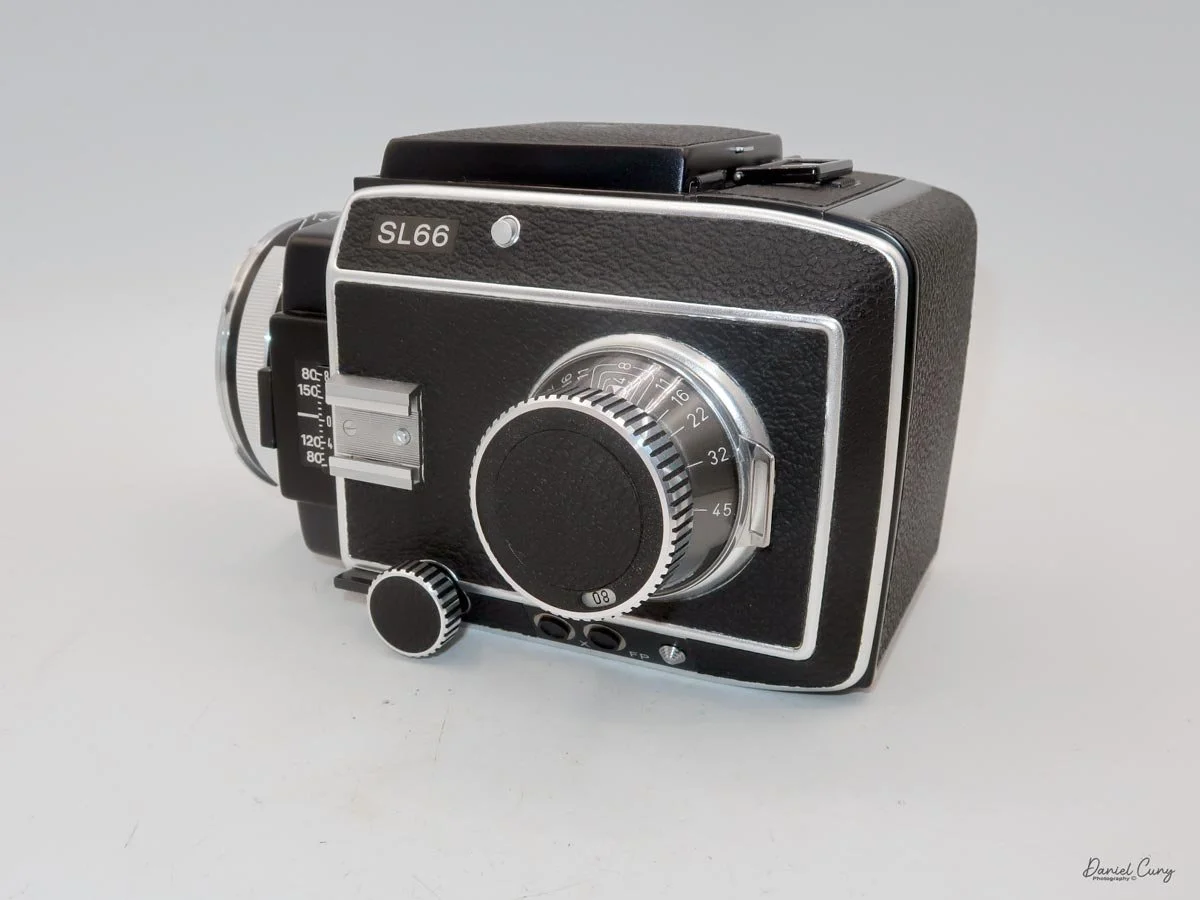
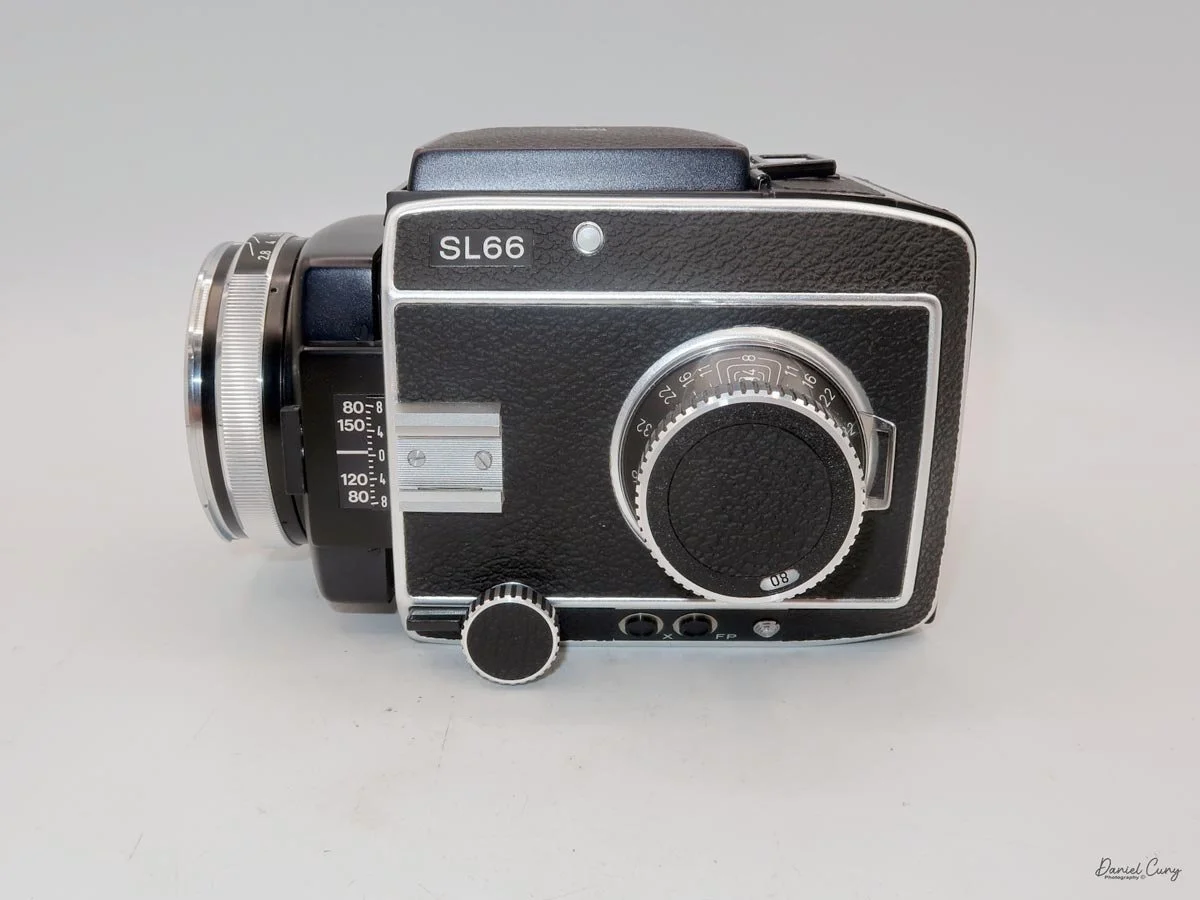
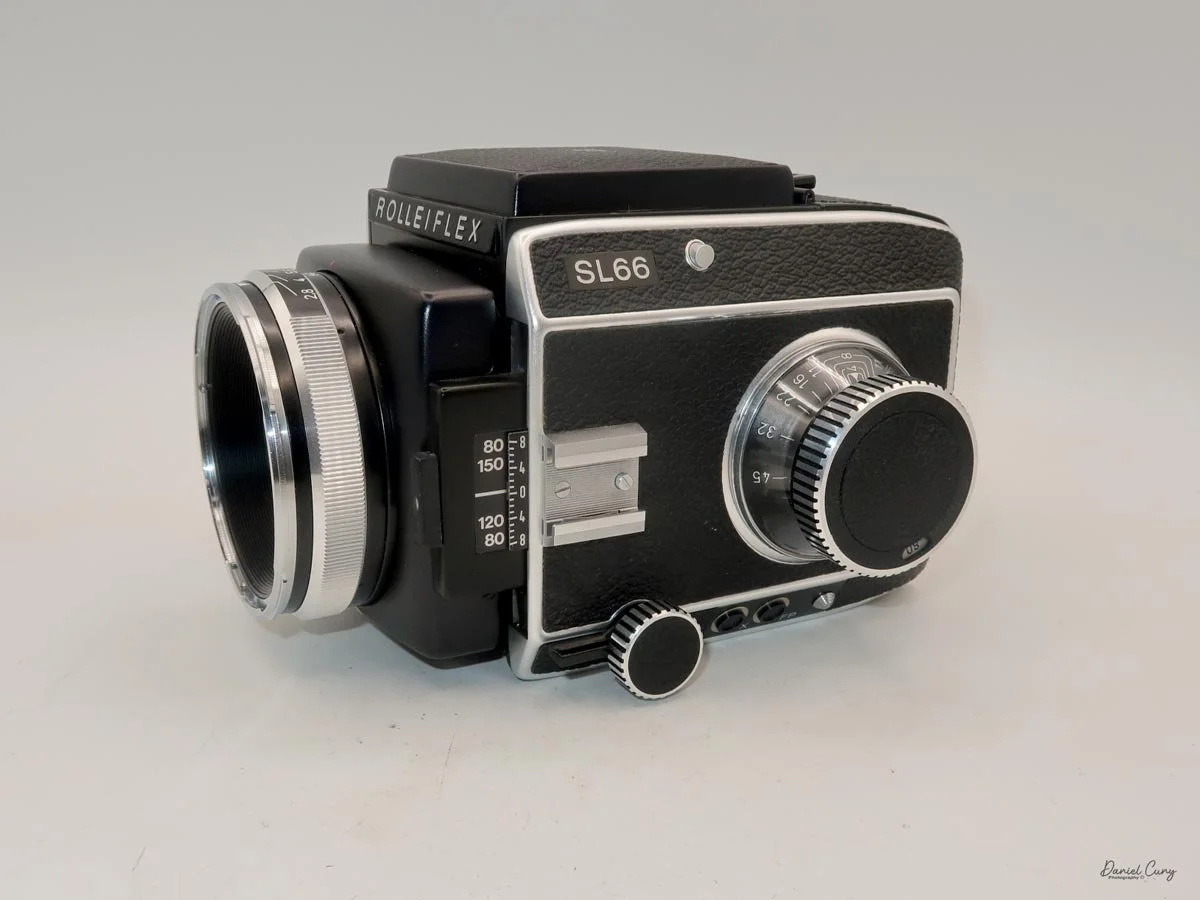
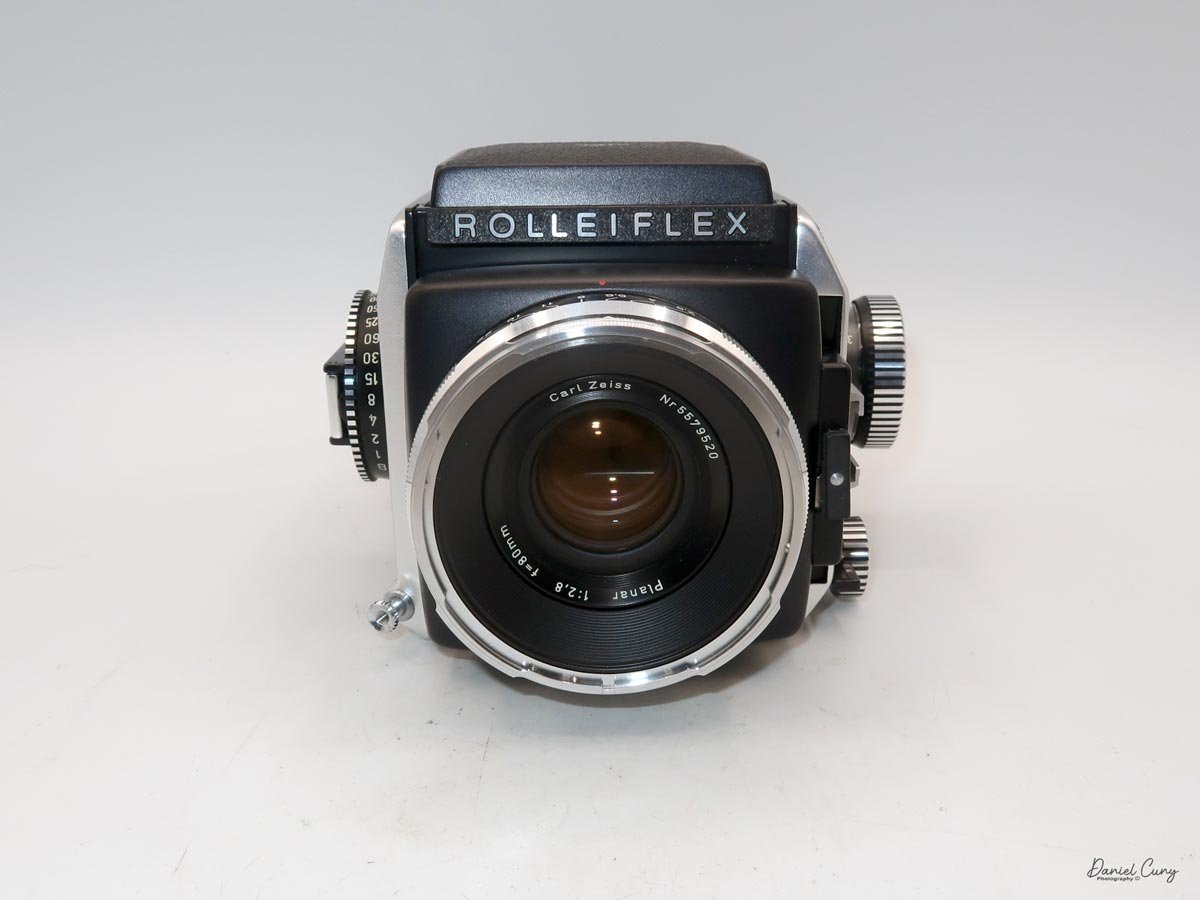
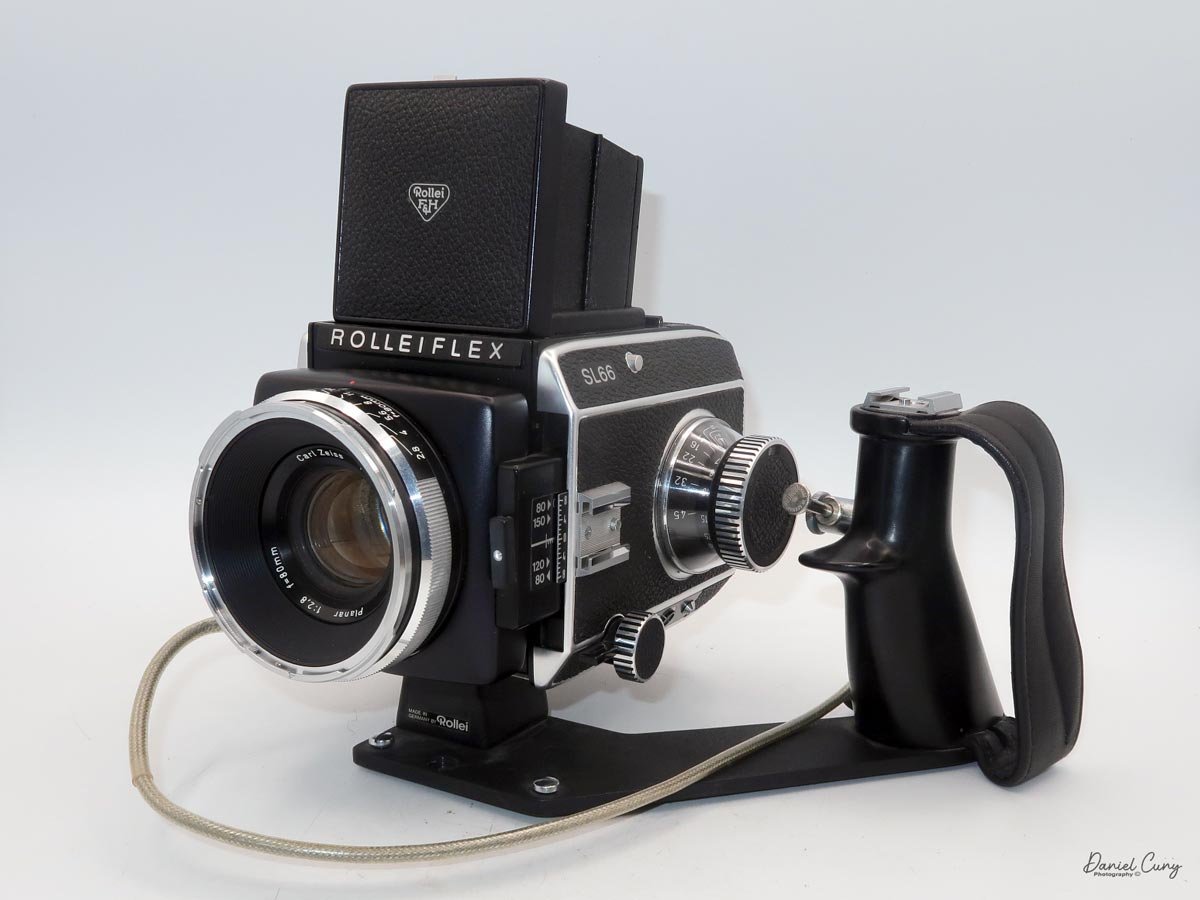
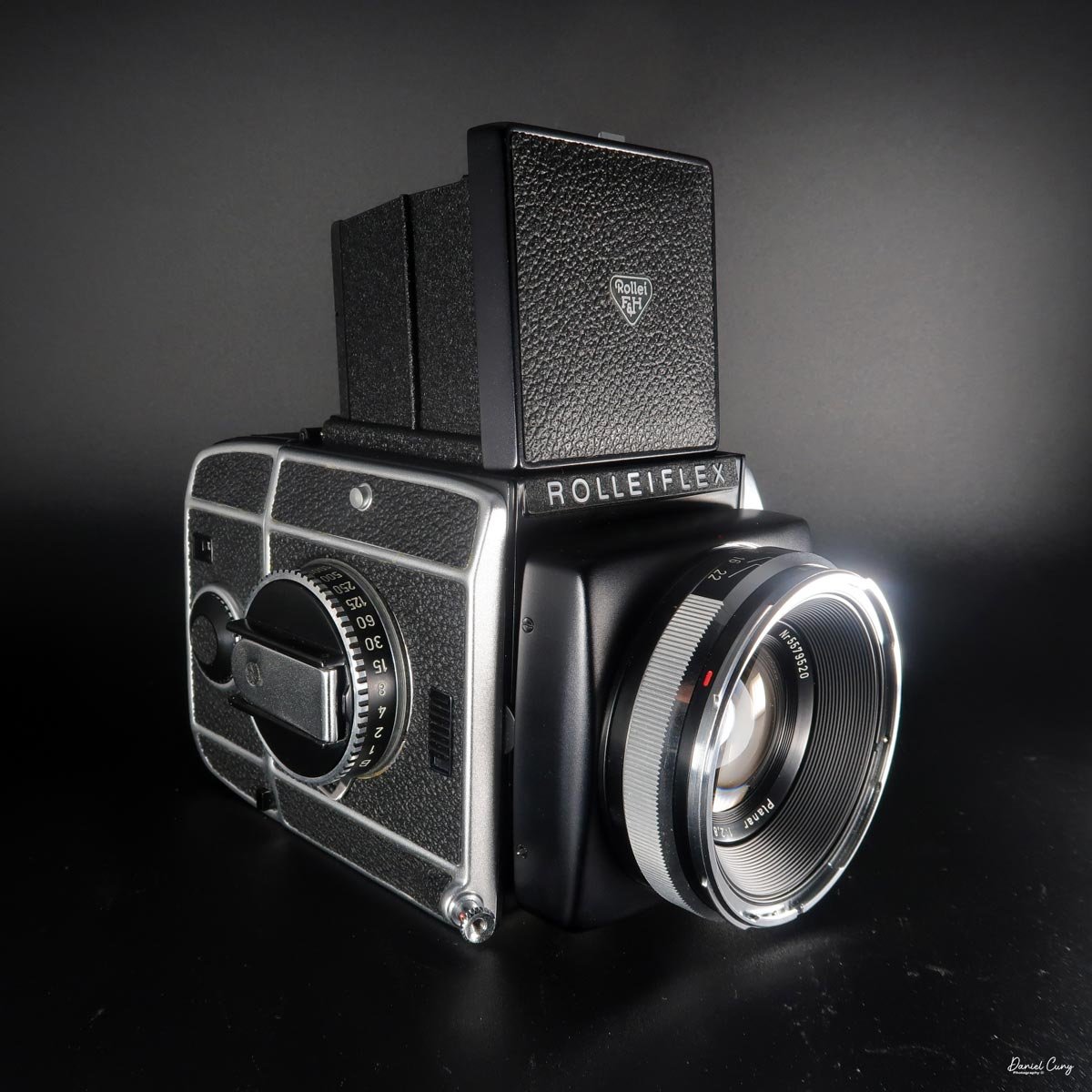
My Rolleiflex SL66 is a substantial camera. With the 80mm lens retracted, it measures about 7" front to back; with the bellows fully extended, it's closer to 9". It's roughly 6" wide thanks to the oversized focusing knob, about 4.5" tall with the waist‑level finder closed, and around 7" tall when the chimney is open. On the scale, the body with a back and an 80mm lens comes in at about 4 pounds, 4.5 ounces—this is not a casual walk‑around point‑and‑shoot.
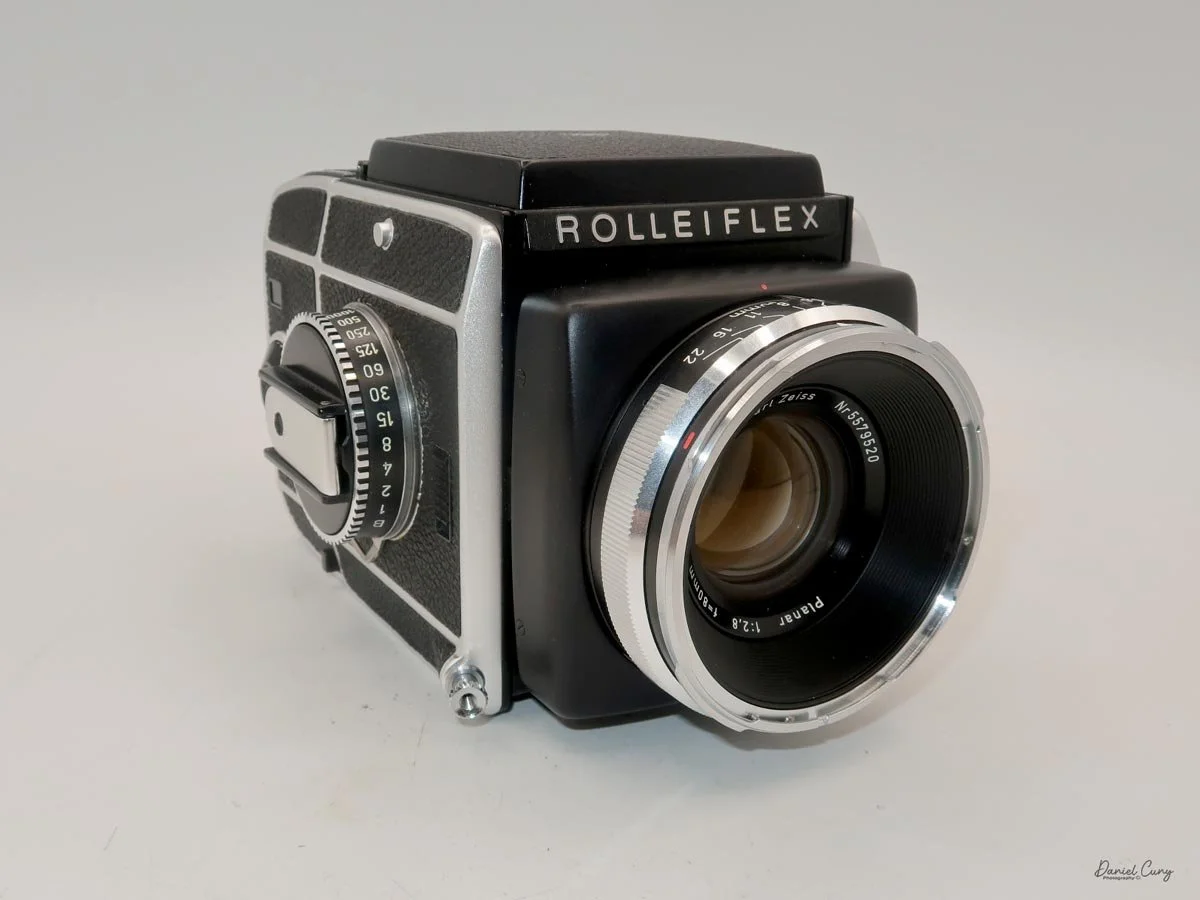
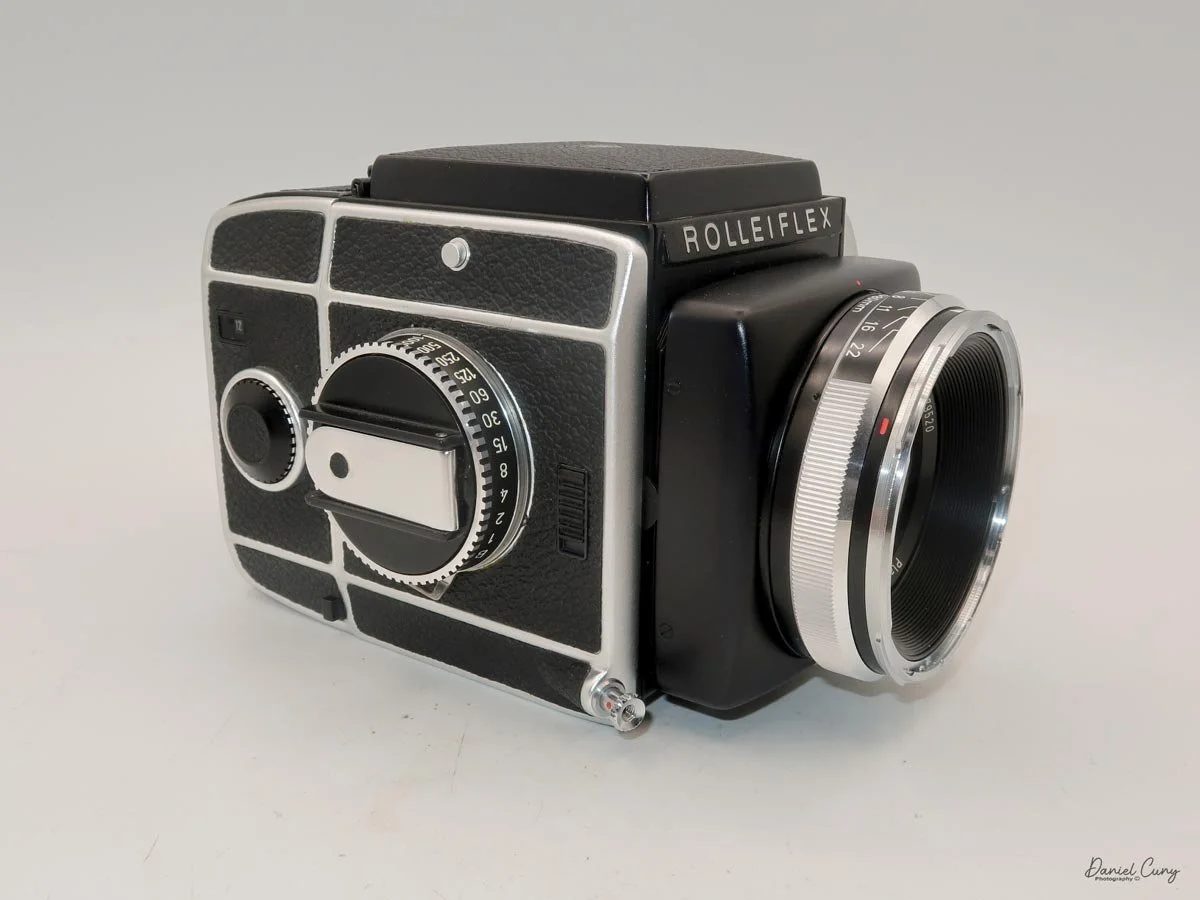
That weight buys you some very unique capabilities. The standout feature is the built‑in bellows, which allows the SL66 to focus much closer than most medium‑format SLRs I've used. Mamiya RB/RZ cameras also use bellows and can get in tight, but the SL66 manages similar close‑focus versatility in a slightly more compact, much lighter and a better‑balanced package. For anyone who loves close‑up or macro work, that alone makes the camera worth a serious look.
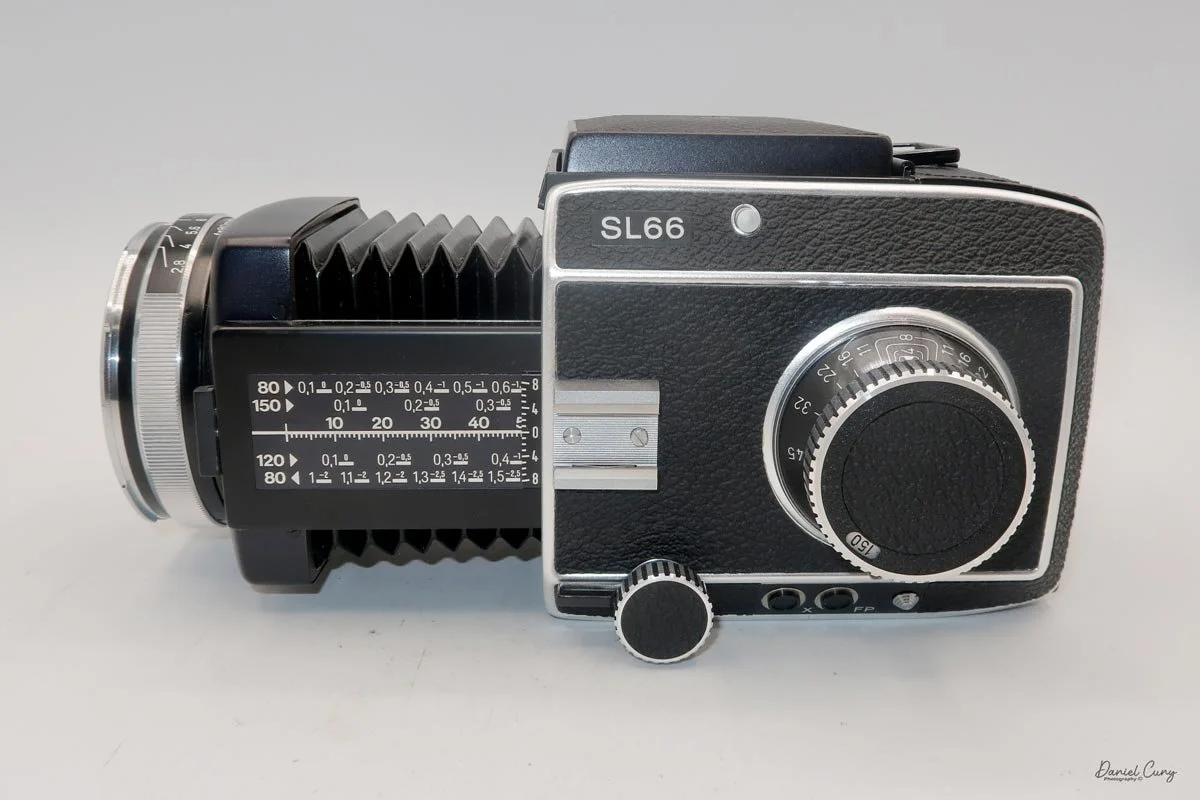
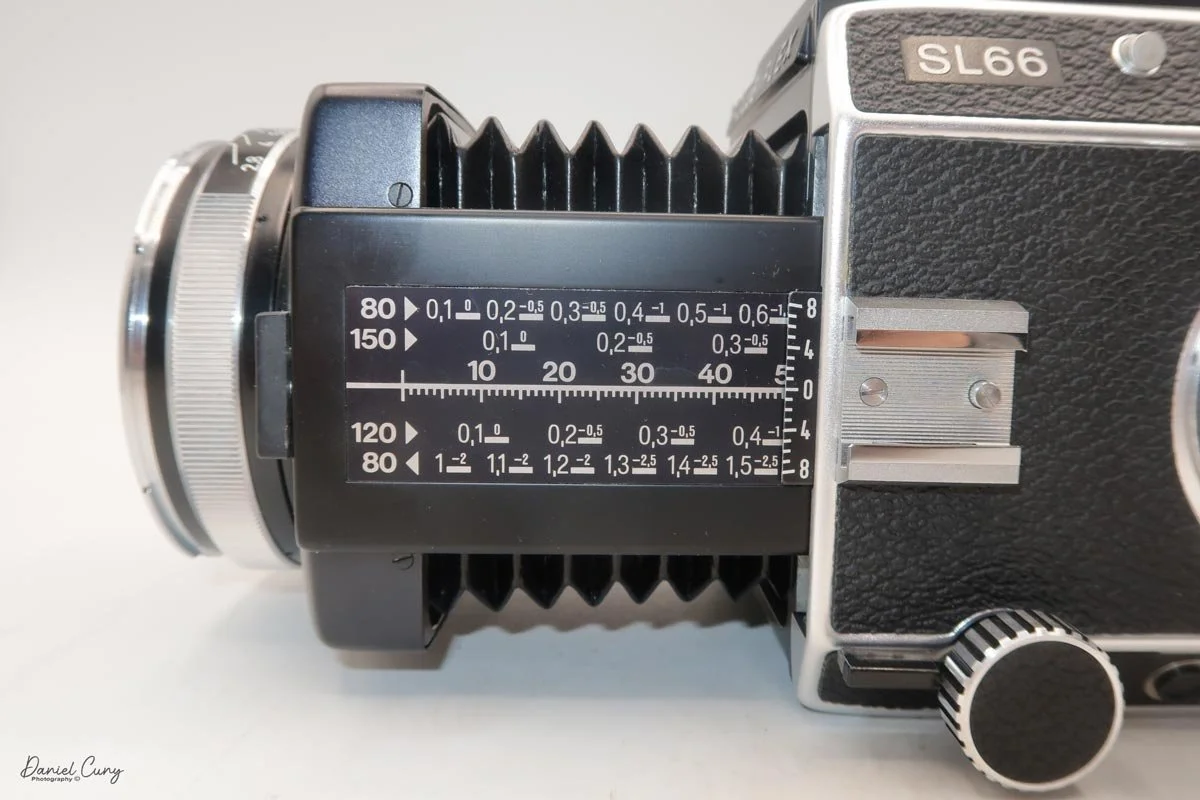
The second signature feature is the double-bayonet lens mount, primarily used with the 50mm, 80mm, and 150mm lenses. The lenses can mount in the normal way, with automatic aperture operation, or be reversed on the body for even greater magnification. In reversed mode, the aperture becomes manual: you open up to focus, then stop down to your chosen aperture for the exposure. It's slower than modern macro setups, but the flexibility it provides is excellent for tabletop and product work.
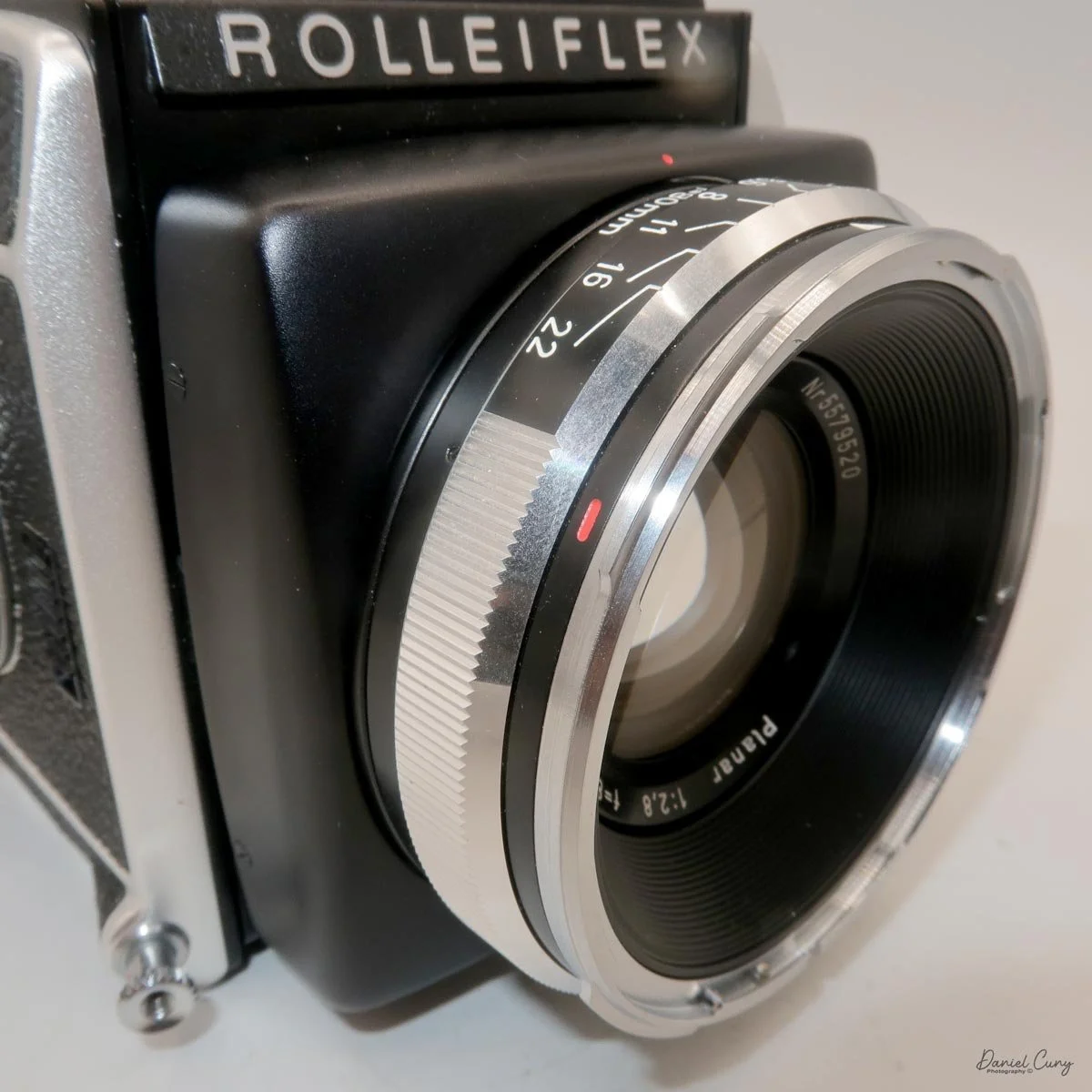
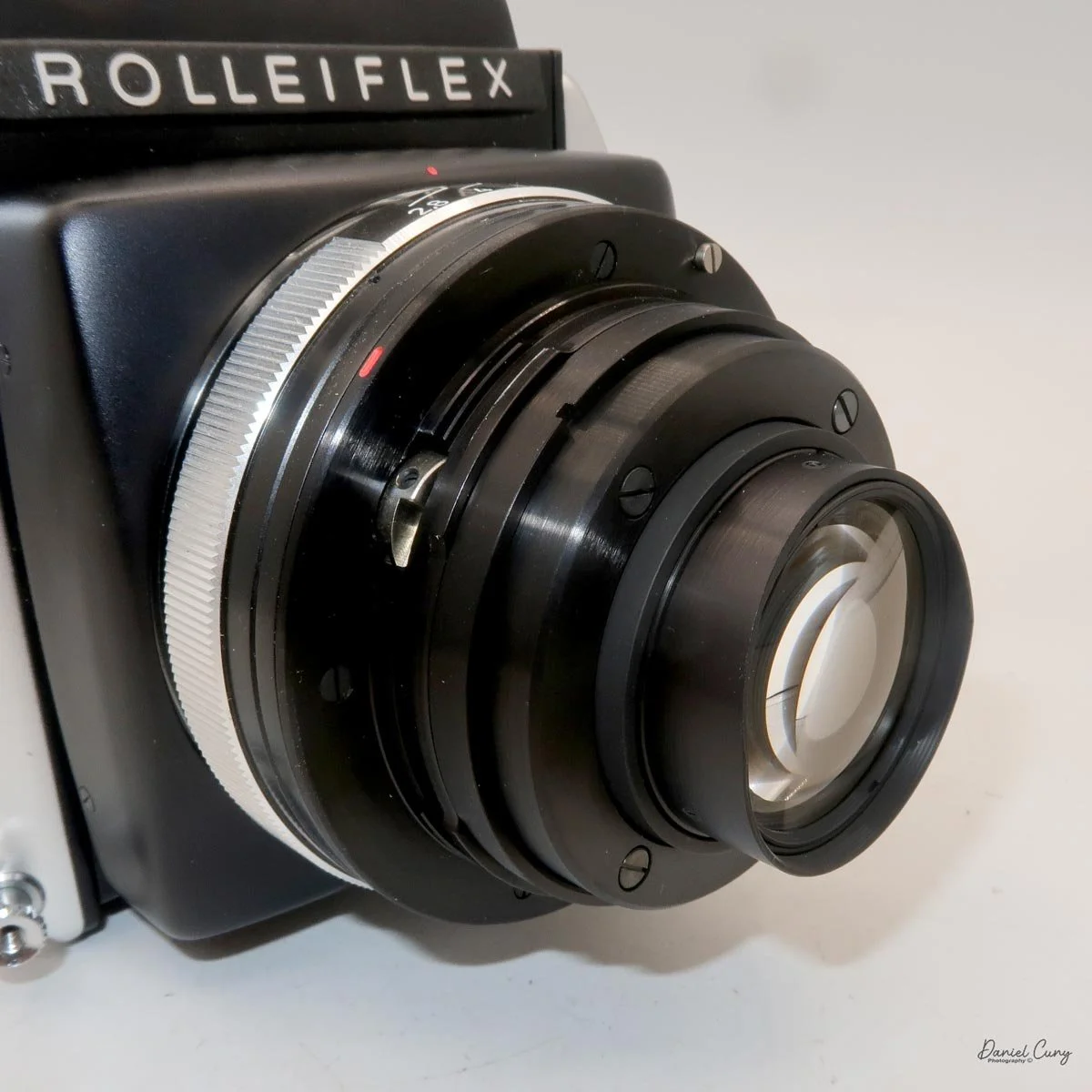
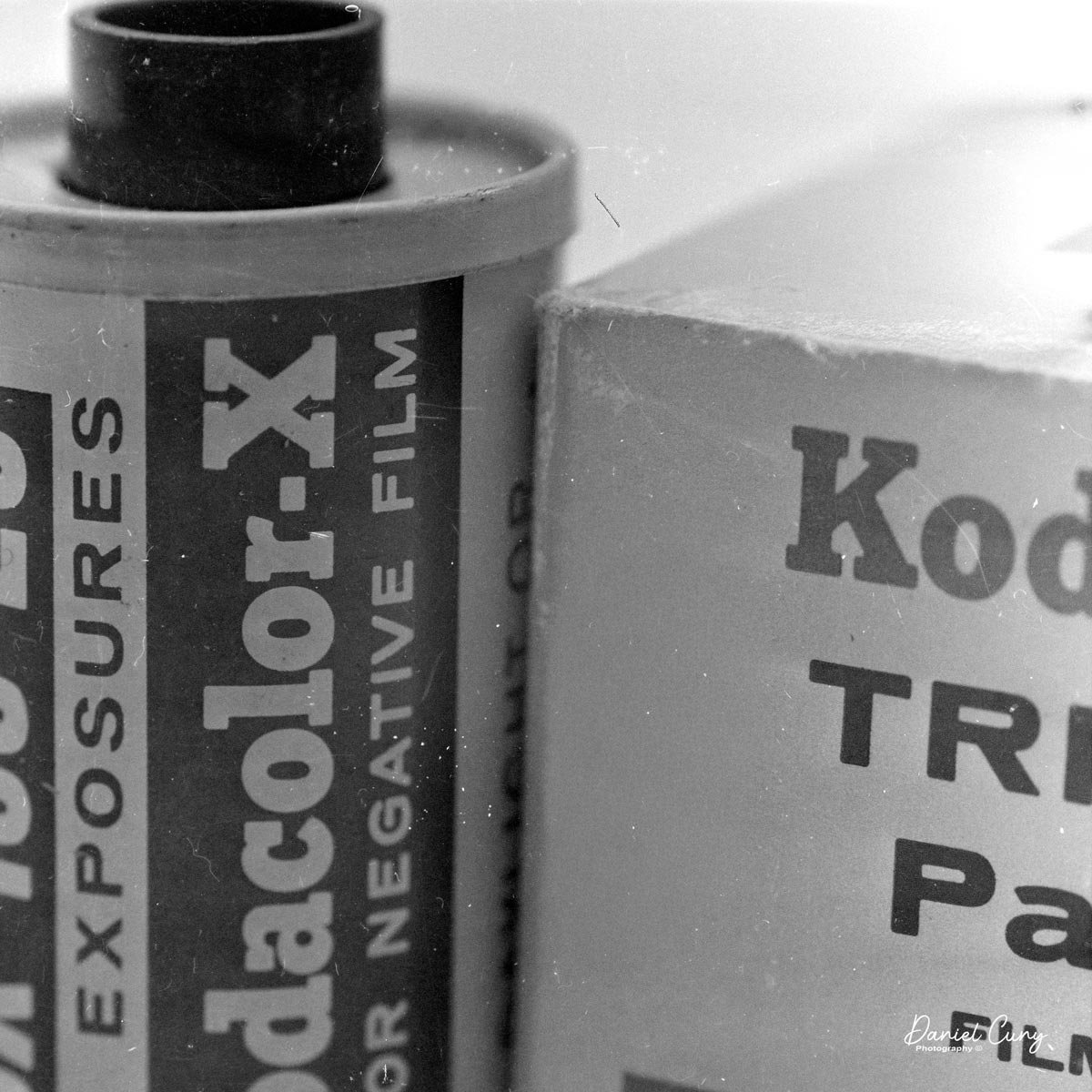
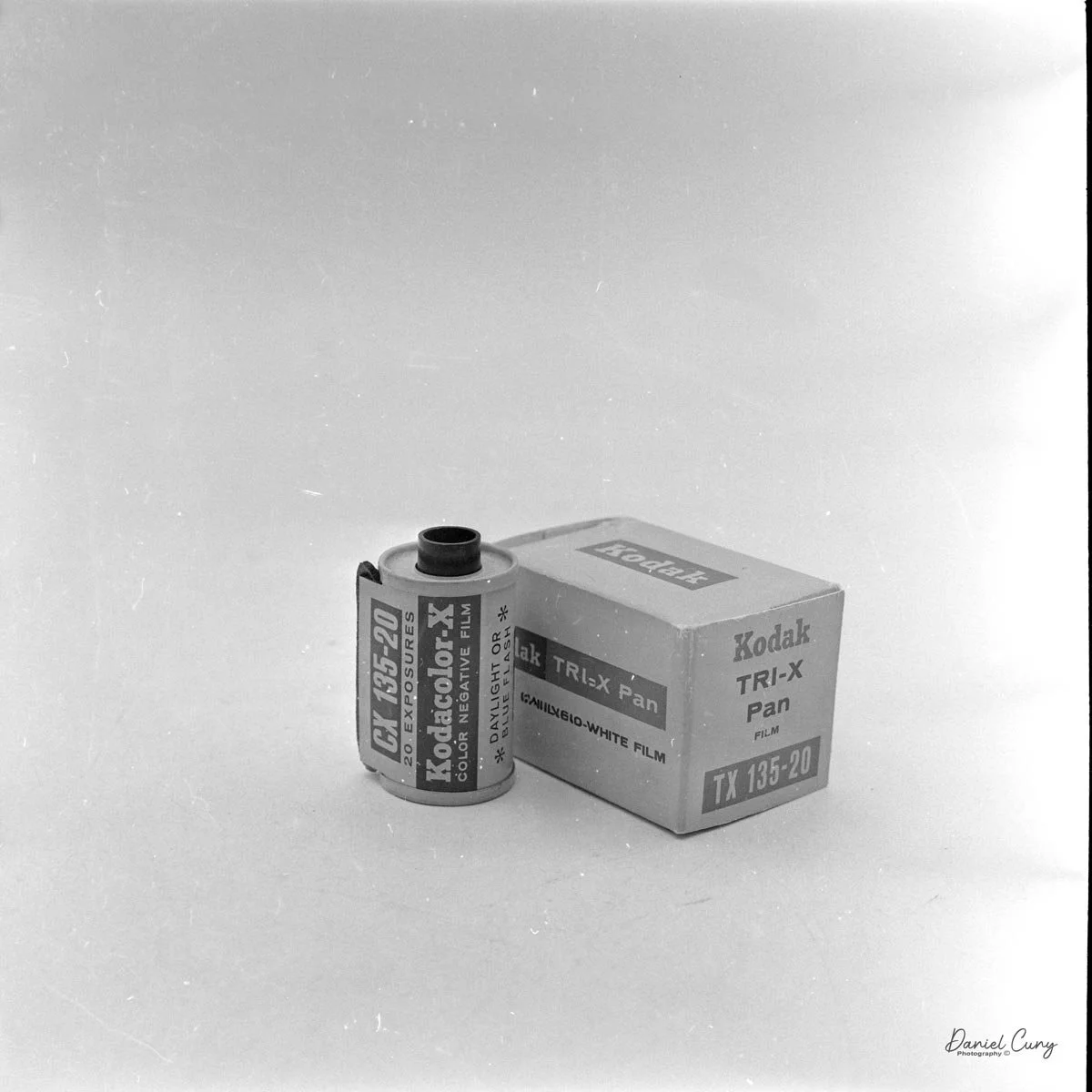
In addition to bellows and reverse mounting, the SL66 offers up to 8 degrees of lens tilt. That tilt lets you "lay down" the plane of focus, bringing more of a product or subject into sharpness at wider apertures. In practice, it means I can photograph something like a 35mm cassette and its box at close range and keep both on‑axis surfaces acceptably sharp without having to stop down to the smallest apertures.
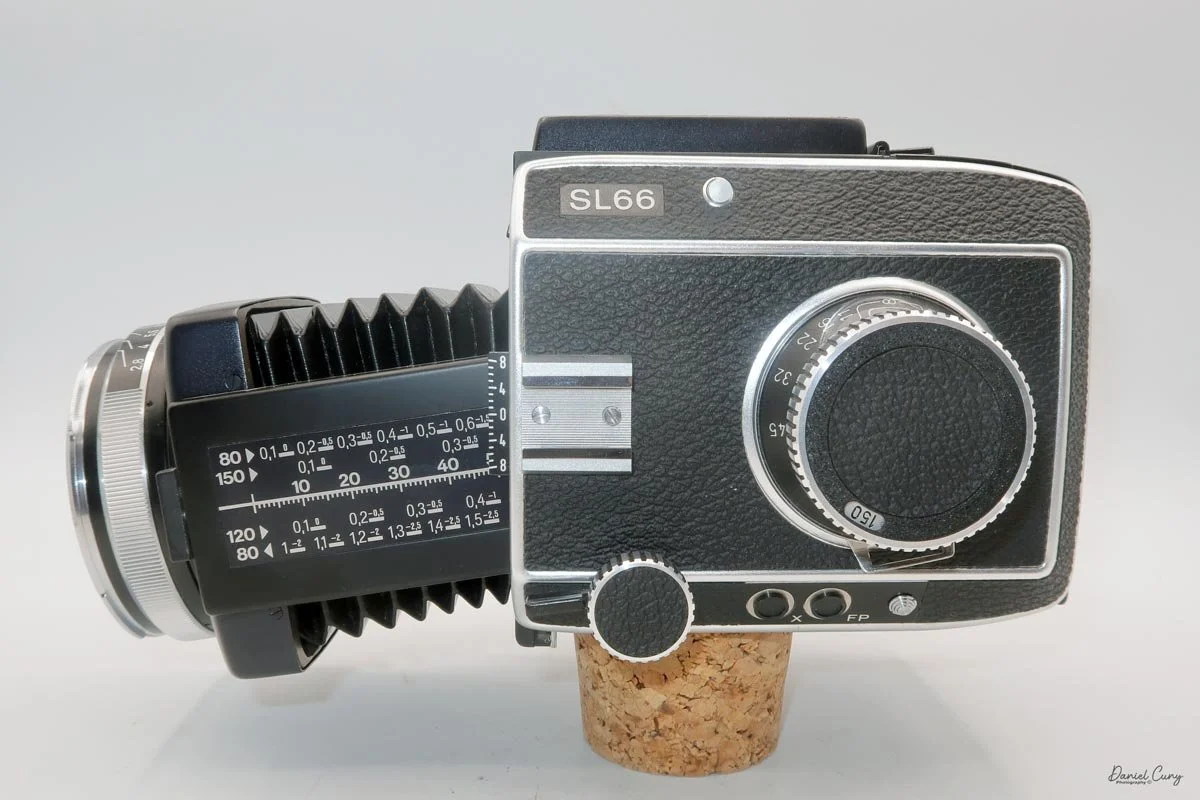
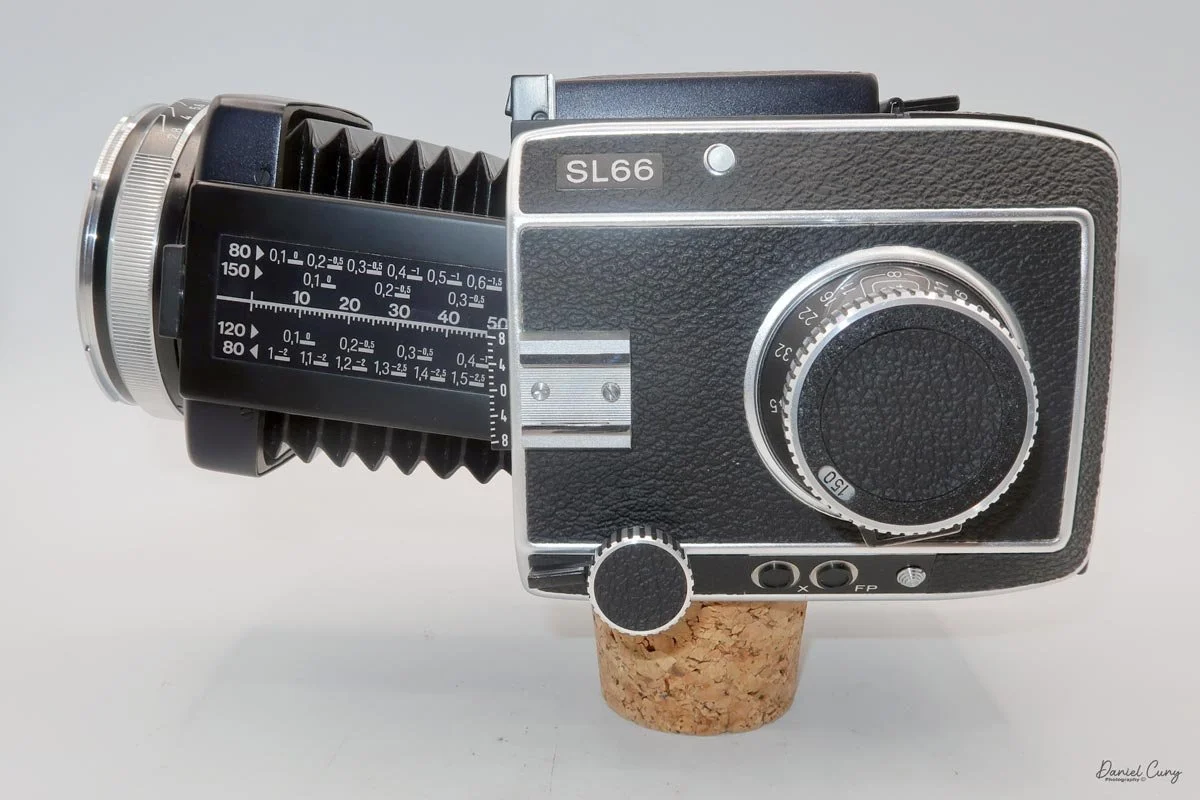
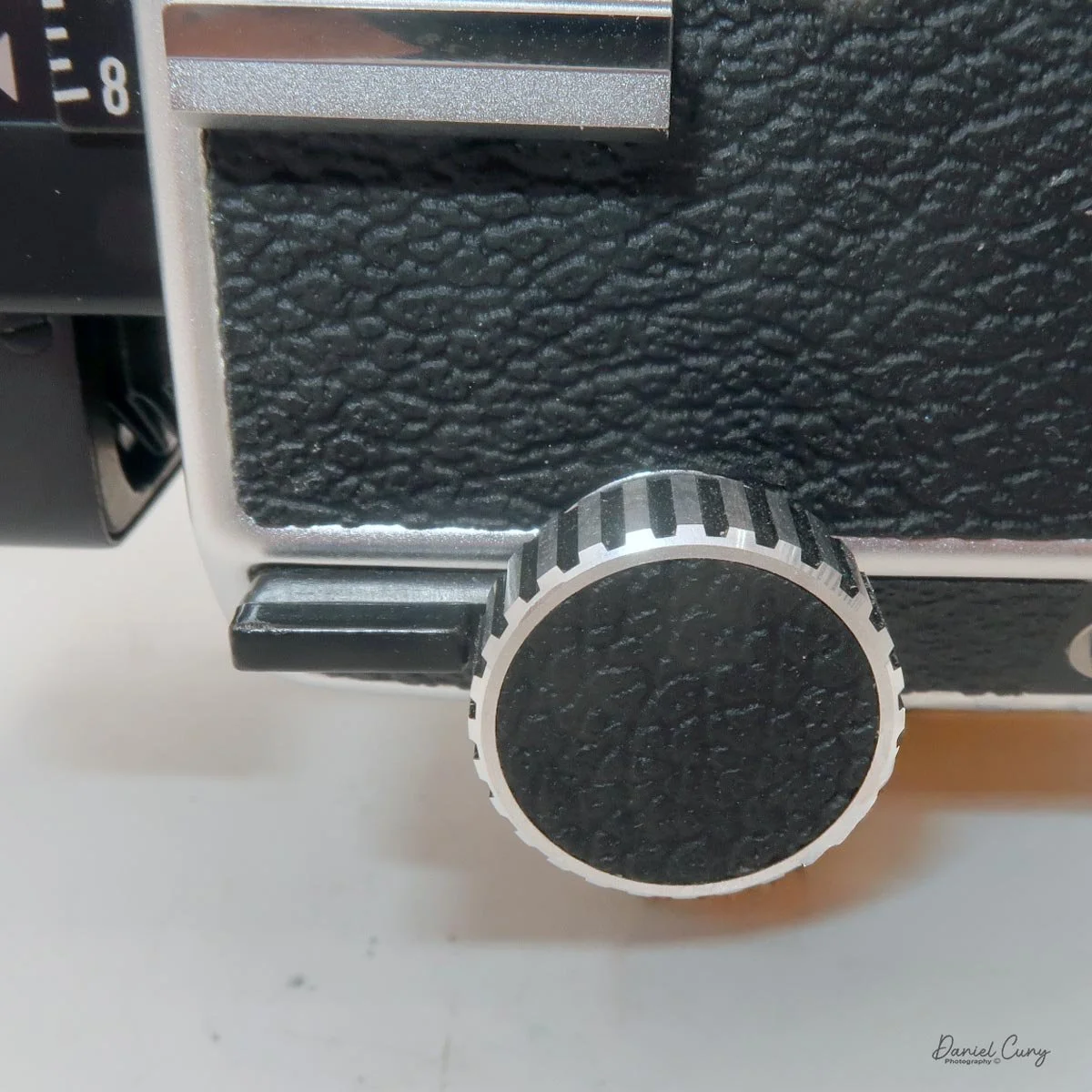
Unlike Hasselblad V‑series cameras, which use leaf shutters in the lenses, the SL66 uses a focal‑plane shutter in the body, with speeds from 1 second to 1/1000 plus "B" for long exposures. Flash sync is limited to 1/30, but for studio or location strobe work, the flash duration actually stops motion, so I haven't found the 1/30 sync speed to be a practical limitation with decent strobes. The shutter speed dial is integrated into the film advance: you pull out the handle, advance clockwise until it stops, then swing it back counterclockwise to cock the shutter for the next frame. Inside the crank is a multiple‑exposure switch, which makes stacking exposures on one frame very straightforward once you know where to find it.
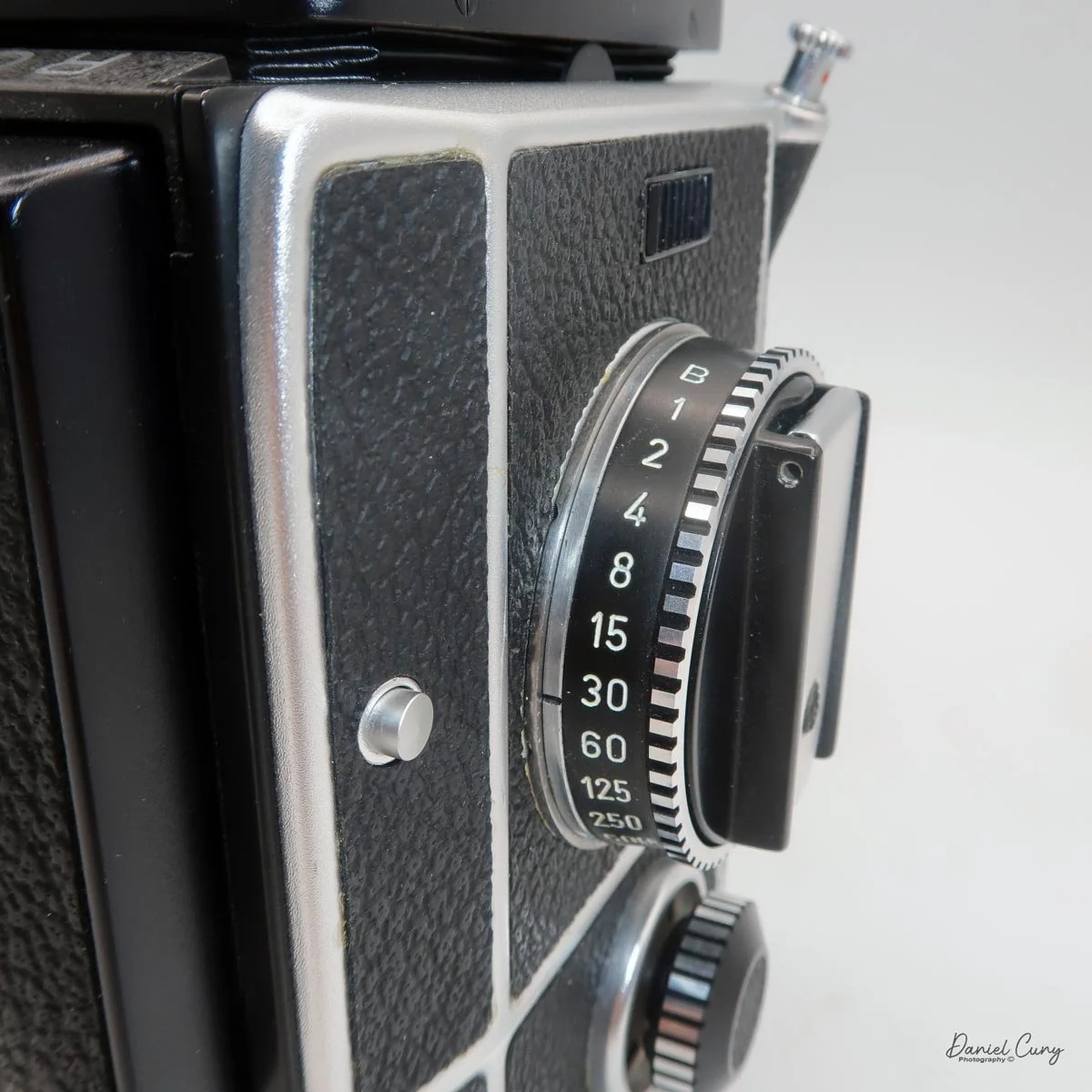
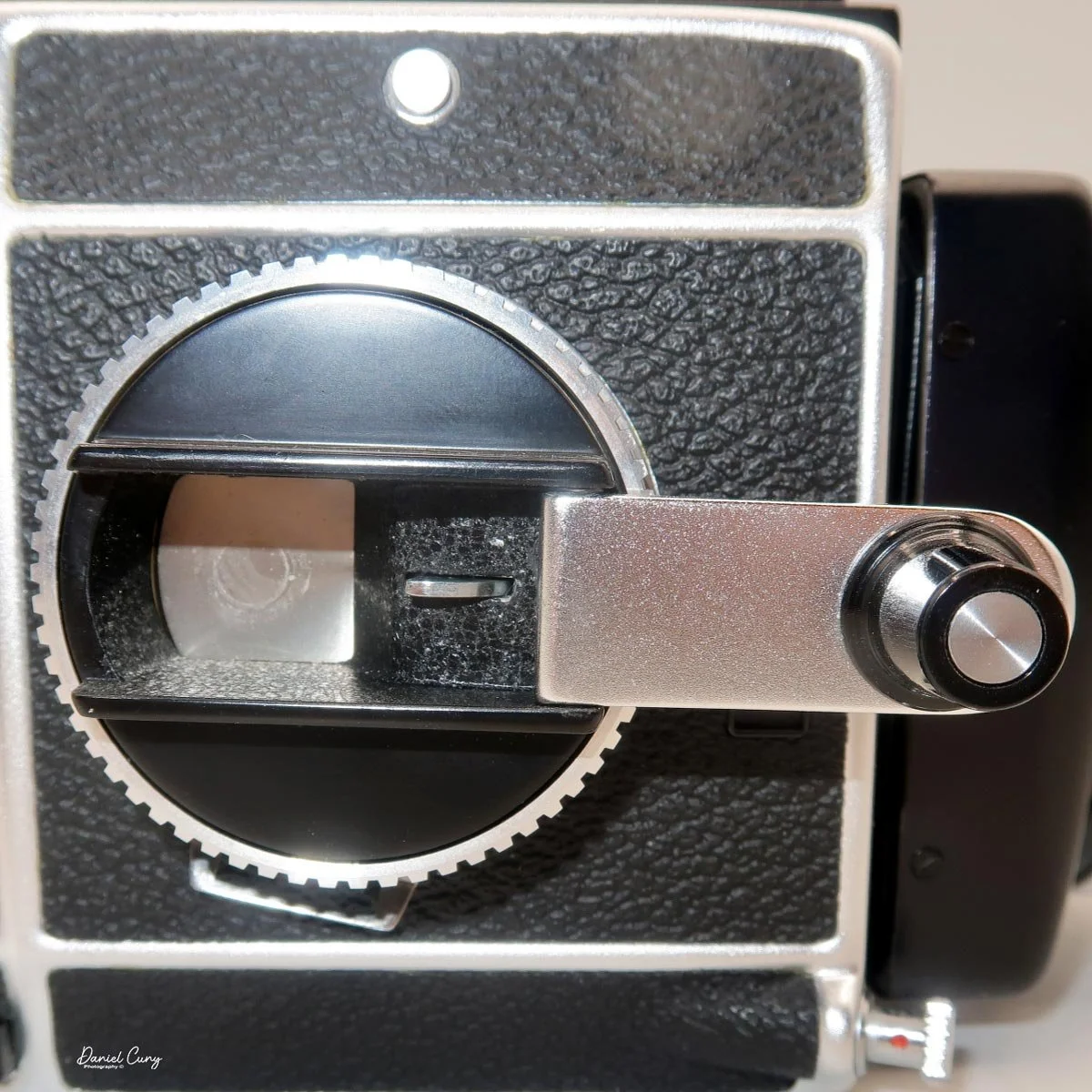
The SL66 lens lineup was designed by Carl Zeiss, and it shows. Optically, the lenses I have are excellent, with contrast and sharpness fully in the "top tier" I expect from Zeiss glass. The system spans from 30mm all the way to 1000mm, and Rollei also offered two leaf‑shutter lenses—an 80mm Distagon and a 150mm Sonnar—with flash sync up to 1/500 for shooters who need higher sync speeds. In my experience so far, the standard lenses deliver exactly the kind of image quality you want from a camera of this size and weight.

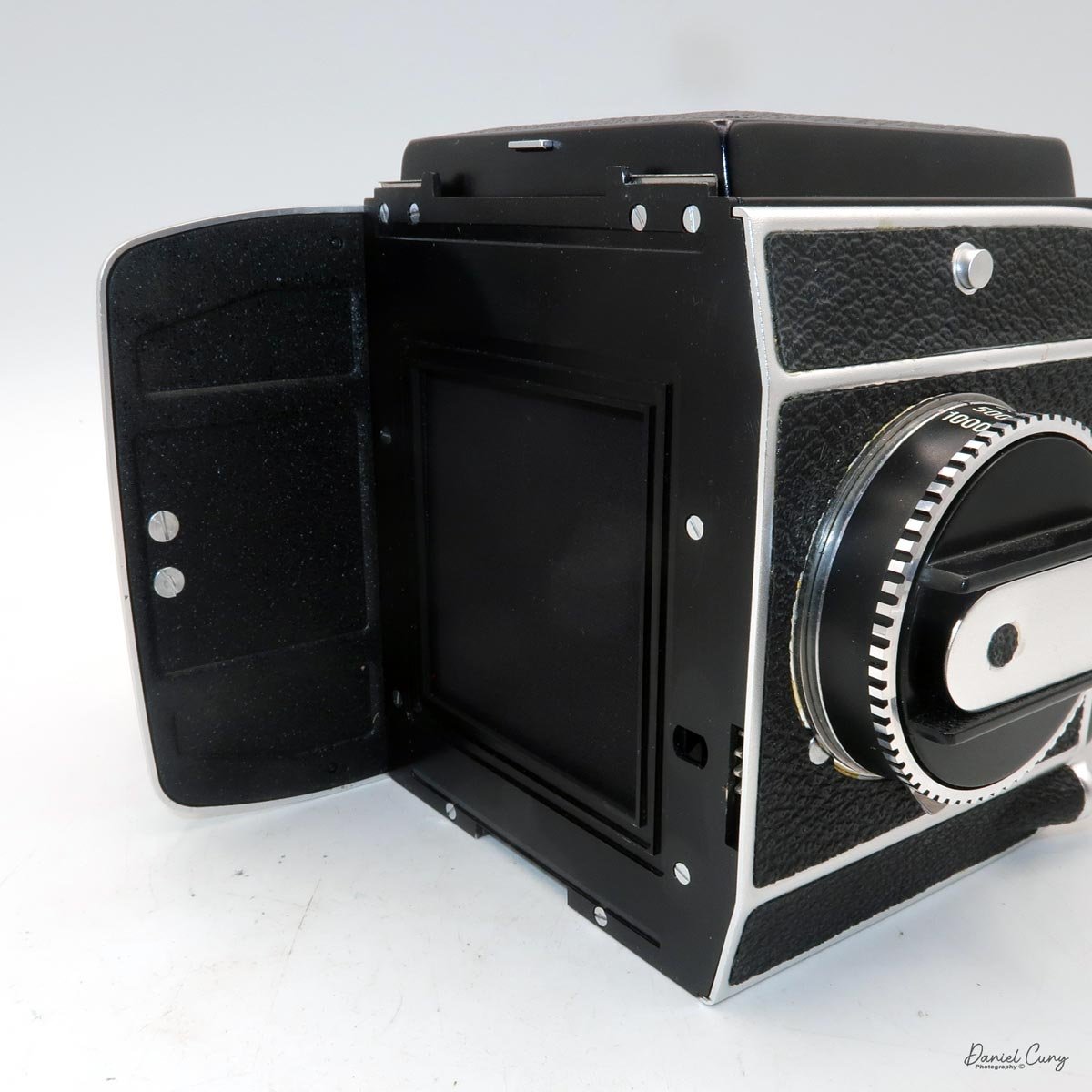
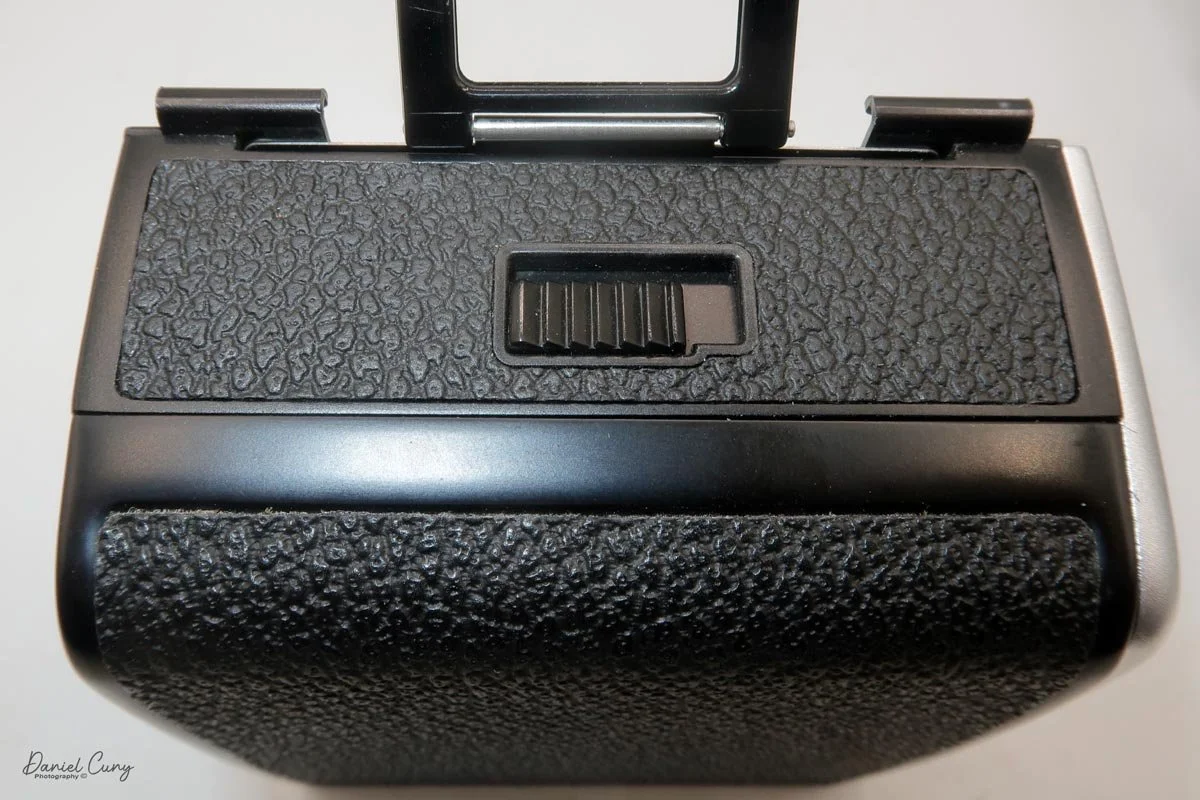
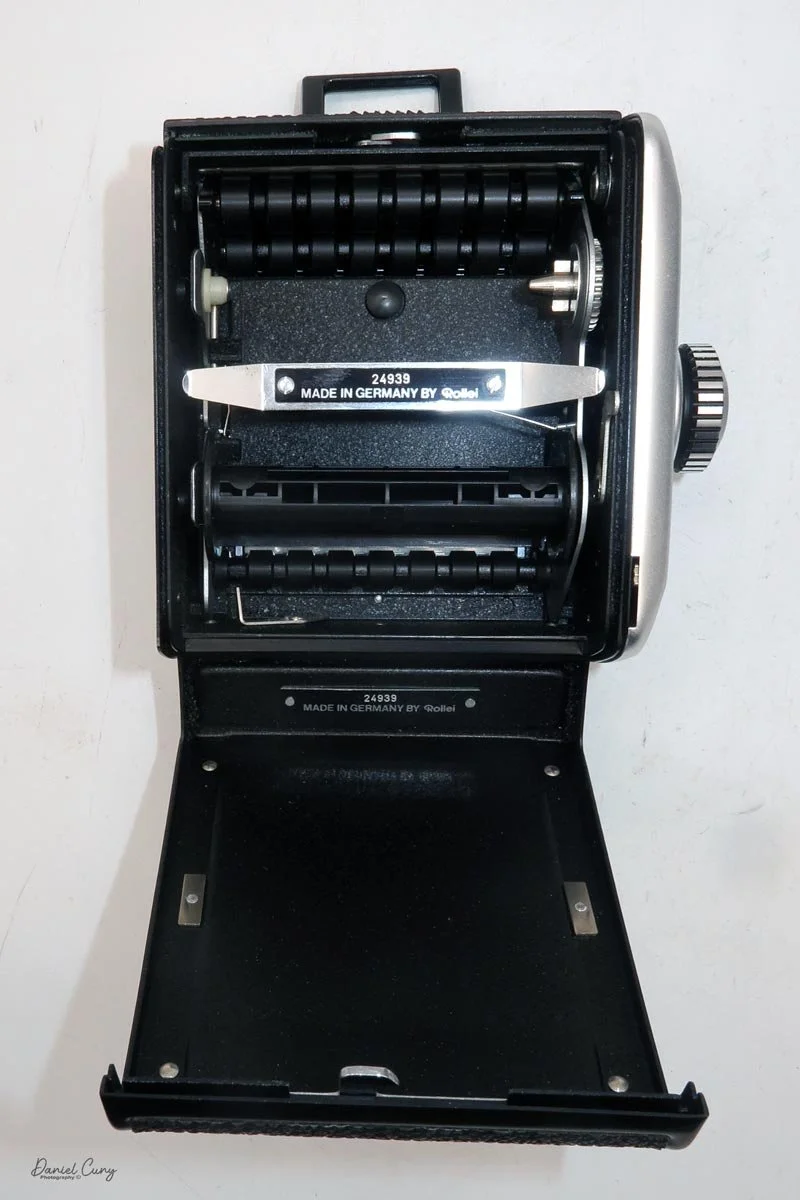
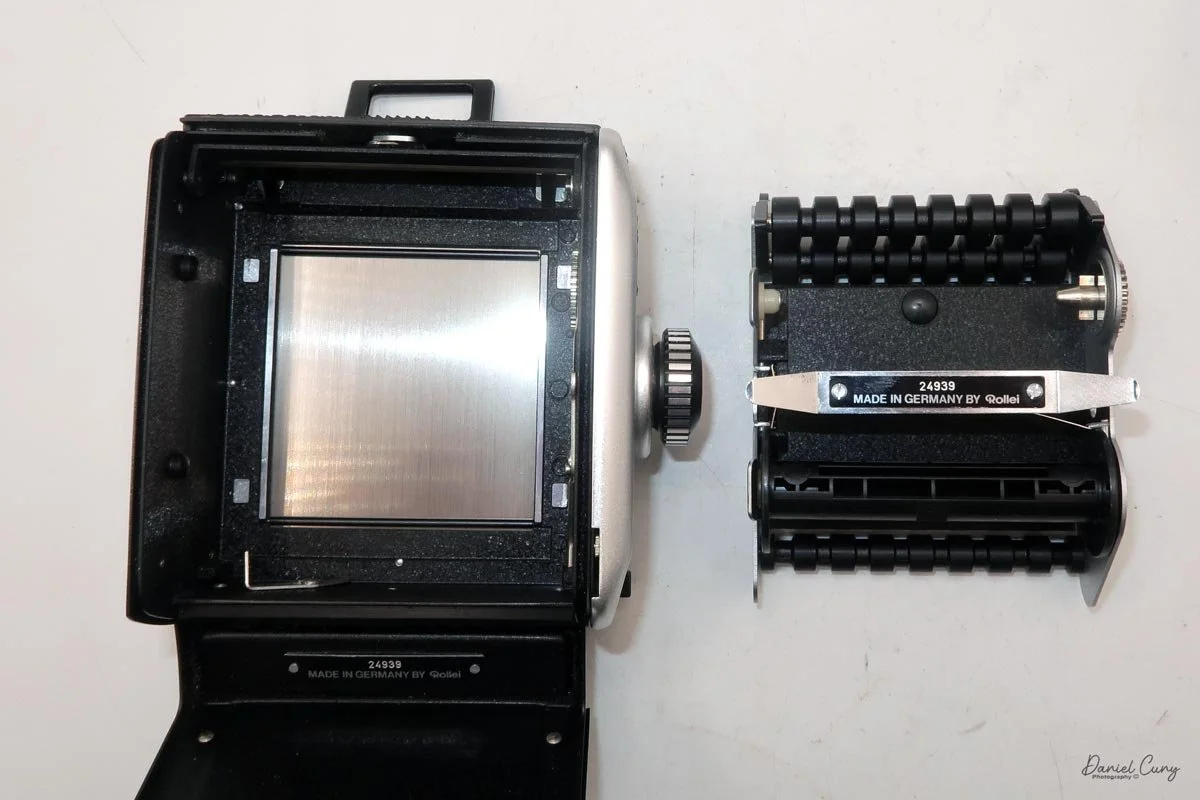
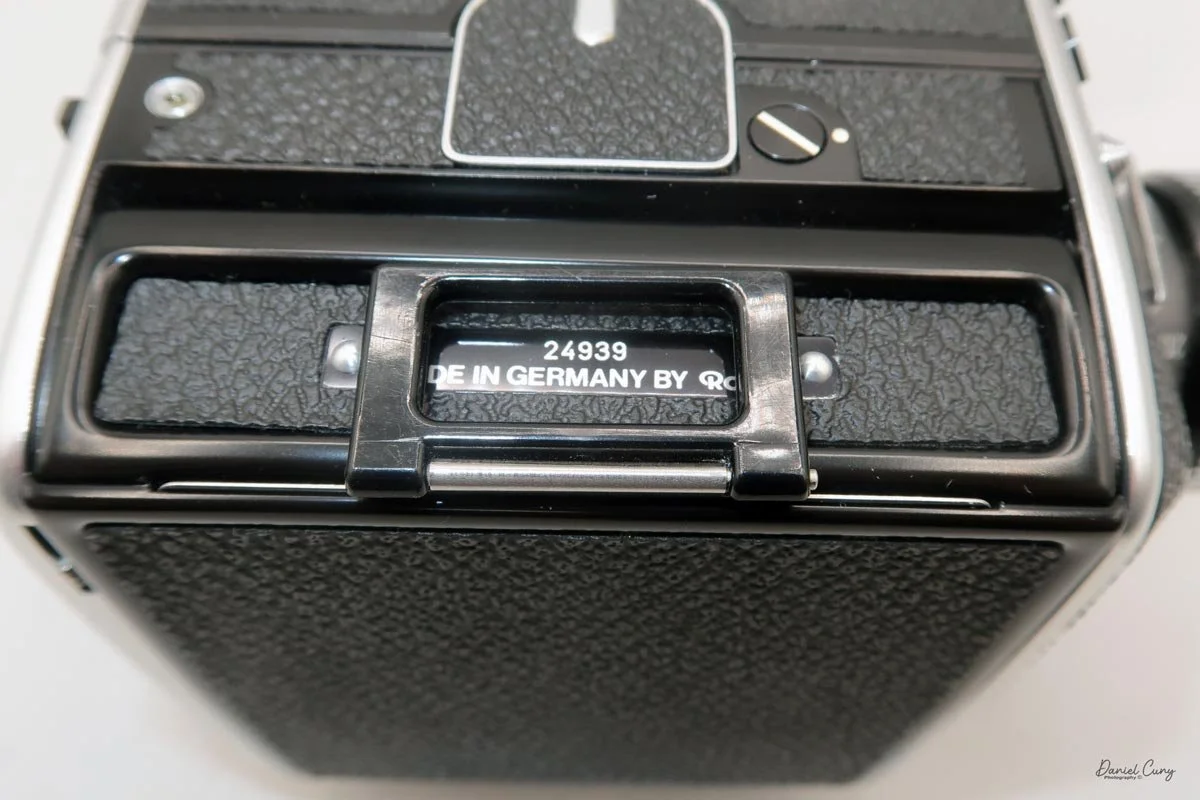
 The film back system is well thought out. The standard back takes either 120 or 220 film, and you can get inserts and backs for 6×6 or 6×4.5. The dark slide parks neatly on the back when you're shooting, which means you're not constantly wondering where you set it down. Loading is similar to Mamiya's insert‑based backs: open the door, pull the insert, load the film, reinsert, then wind to the first frame. A pop‑out winding wheel on the side of the back helps tension and advance the film before the main crank takes over. Once you've shot the twelve frames on 120, the wheel pops back out to let you wind the roll off before opening the back.
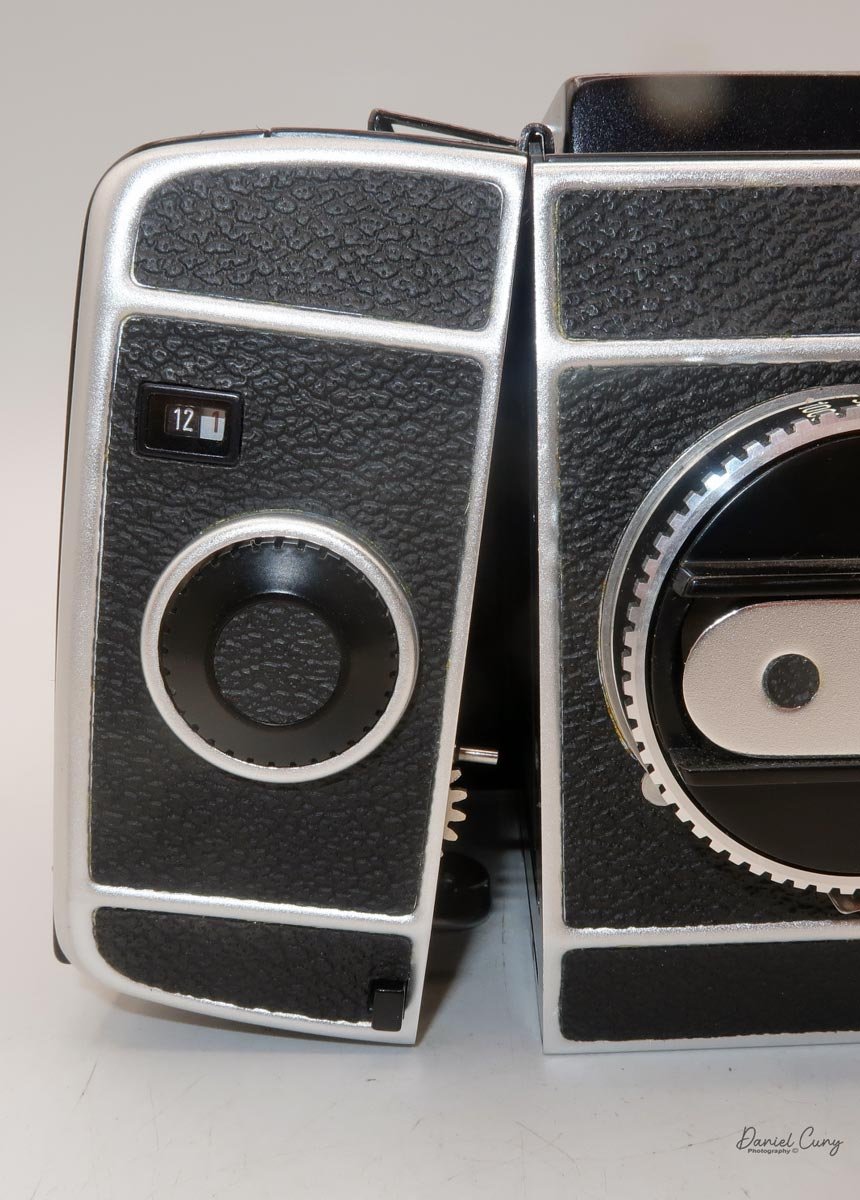
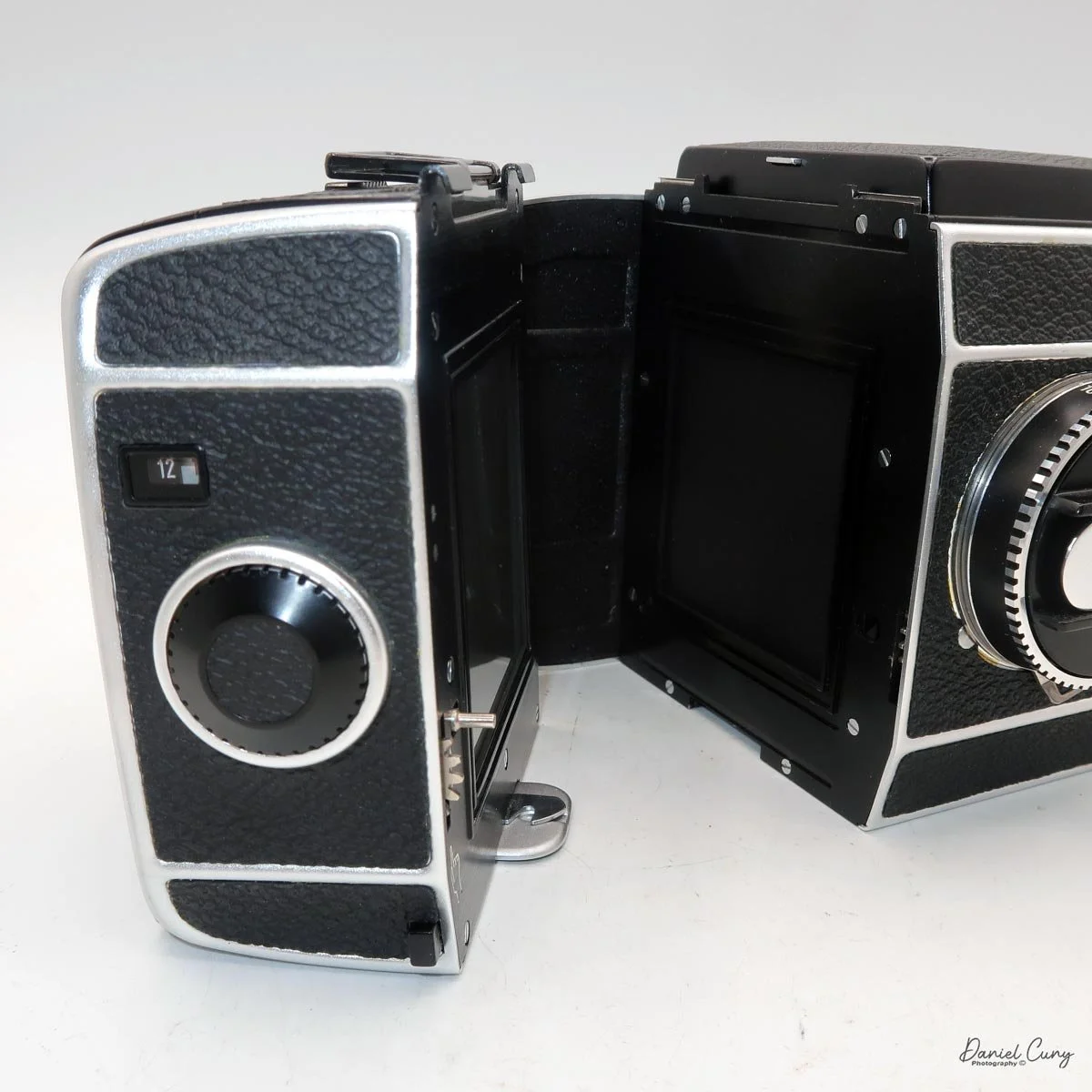
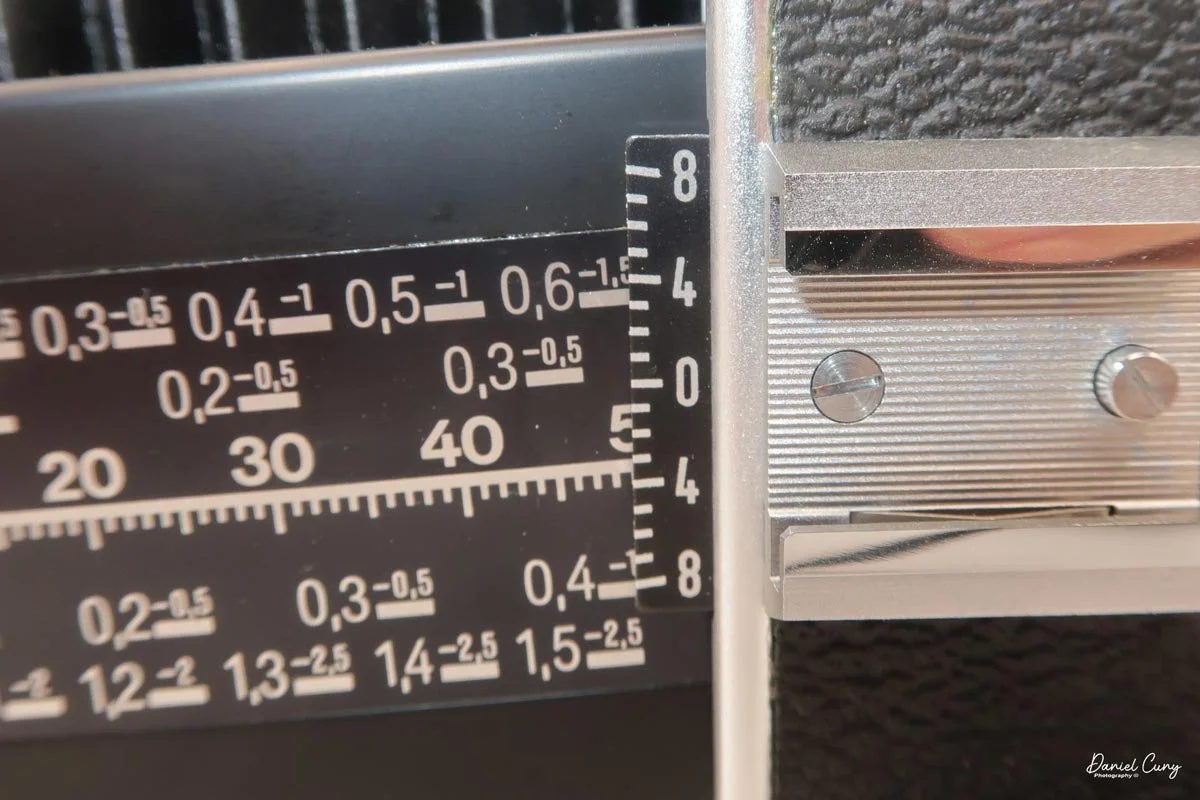
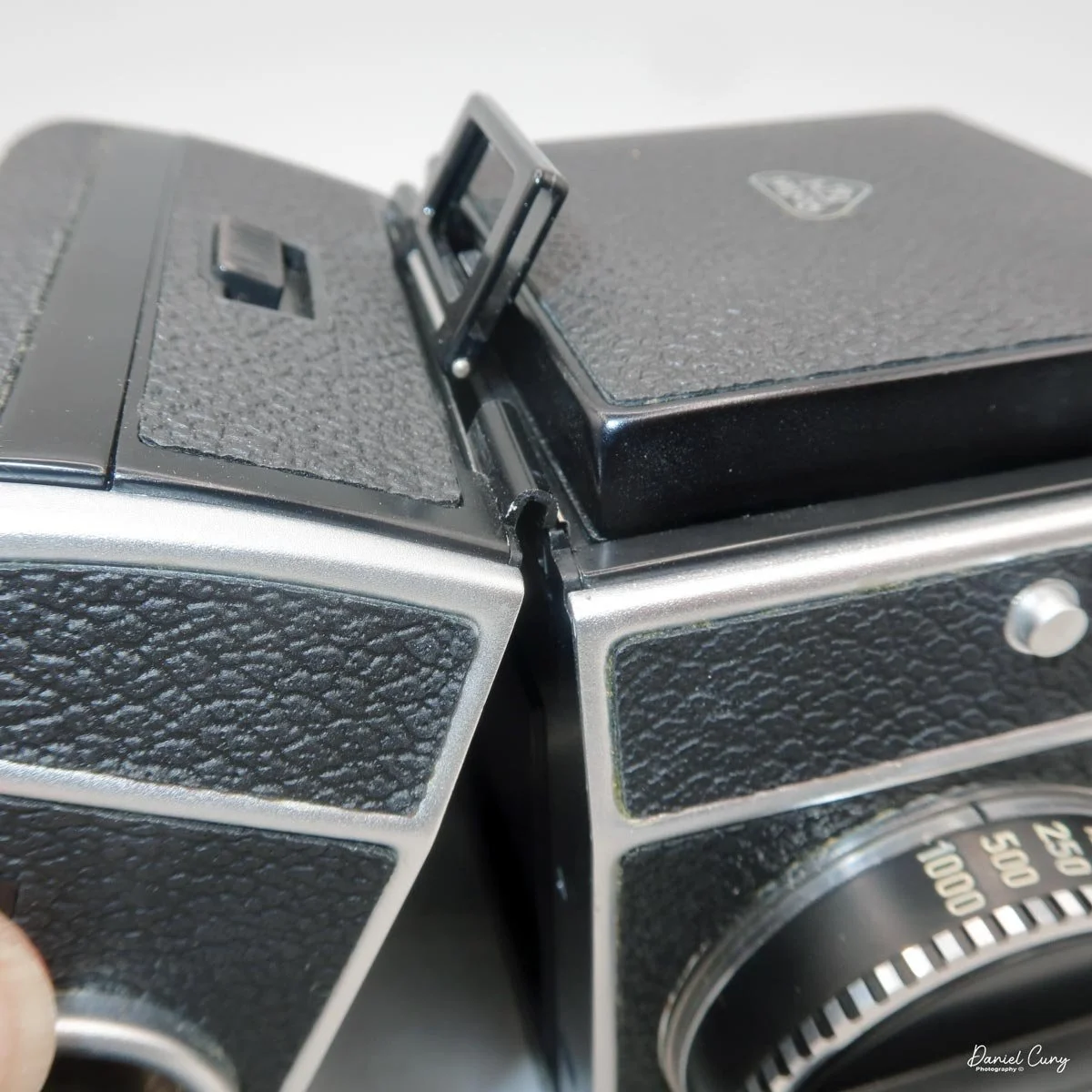
On the camera body's left side is that big focusing knob, which doubles as a reference for the lens in use; you can pull it out and set it for your focal length. The knob turns quite a bit when you're focused in tight, but the throw is smooth and precise. Just ahead of it is the tilt control: a locking lever and wheel for setting and securing the lens tilt angle. The body also carries a cold shoe for accessories and a pair of covered flash sync ports. Up top, pressing the chrome button opens the waist‑level finder, and a second press pops up the magnifier for critical focusing.
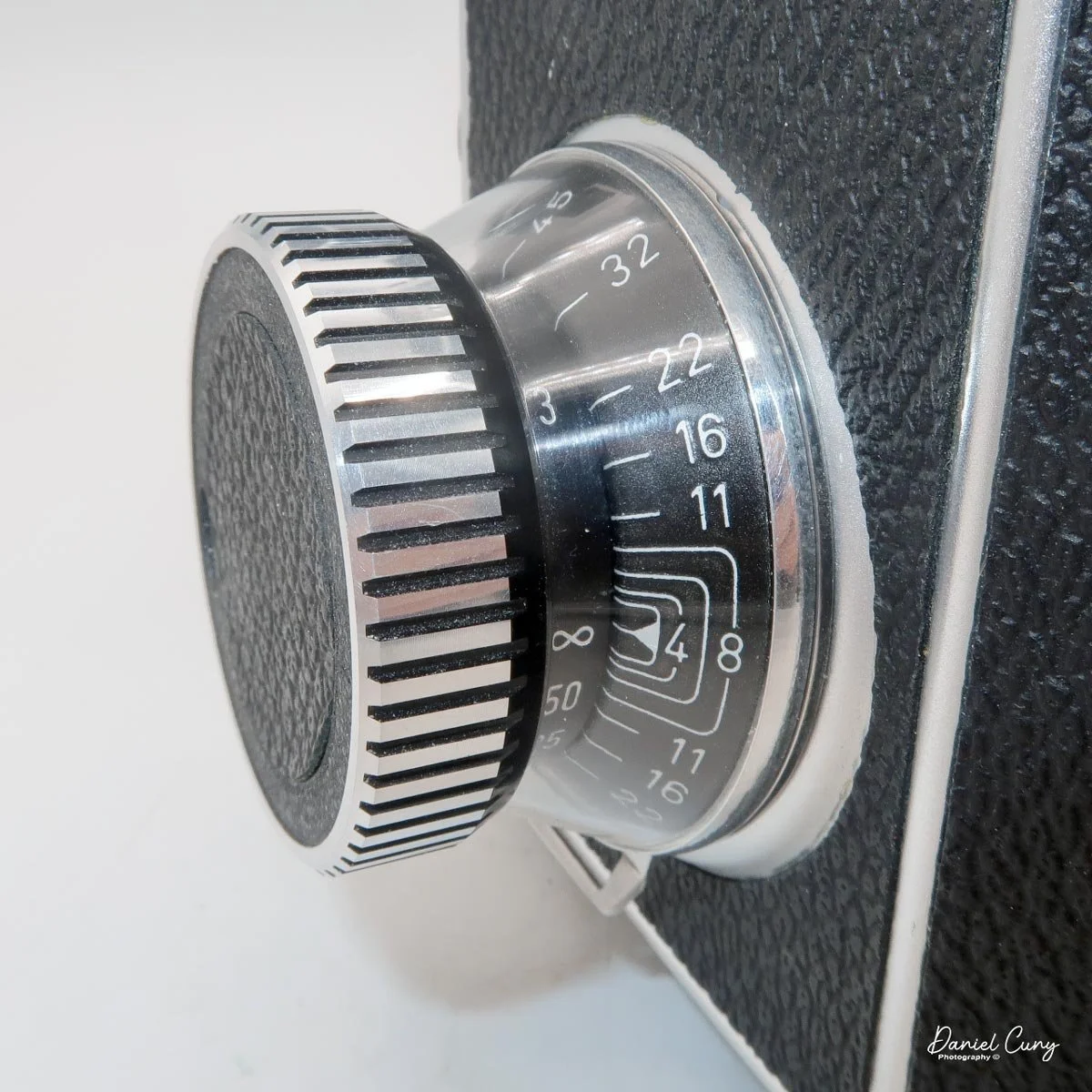
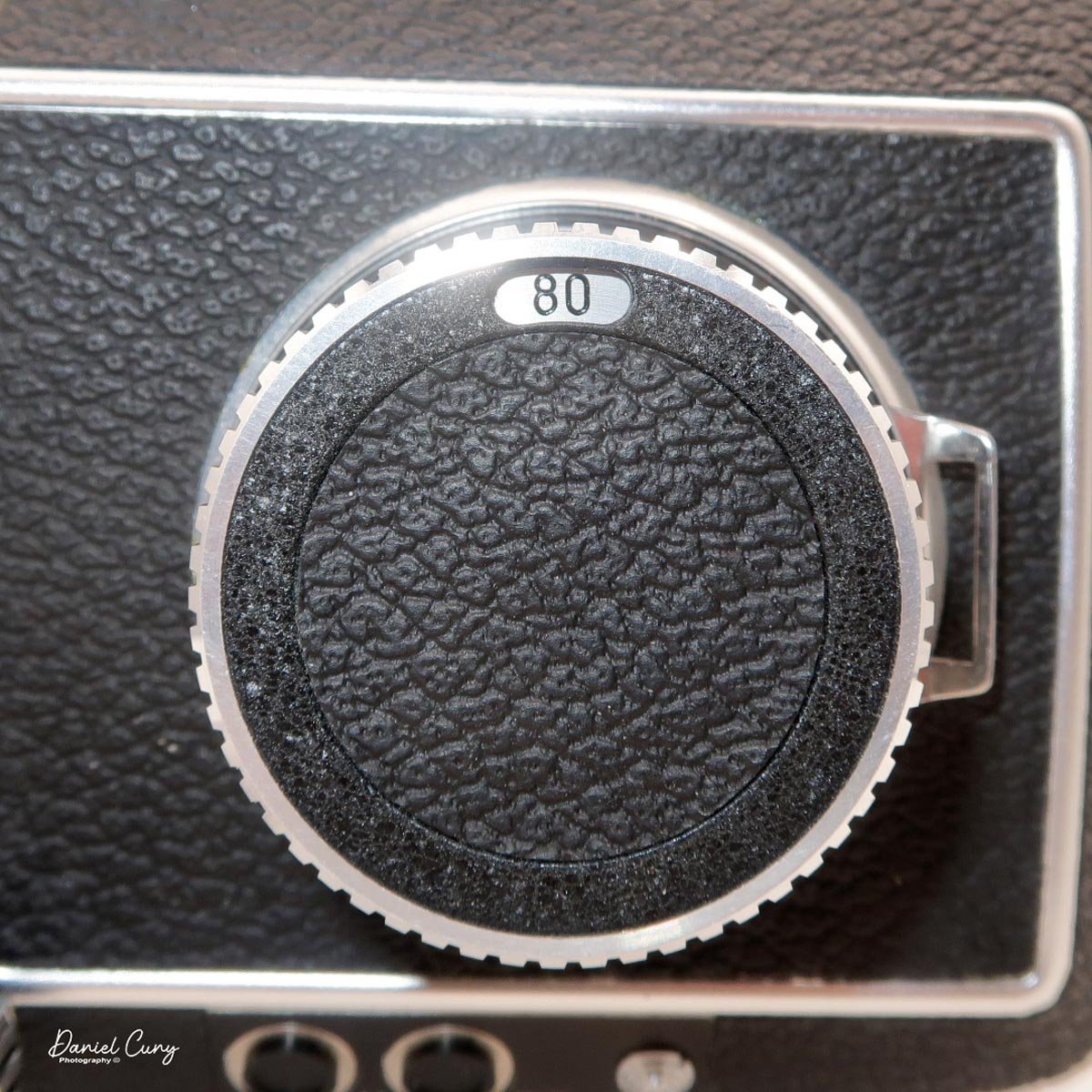
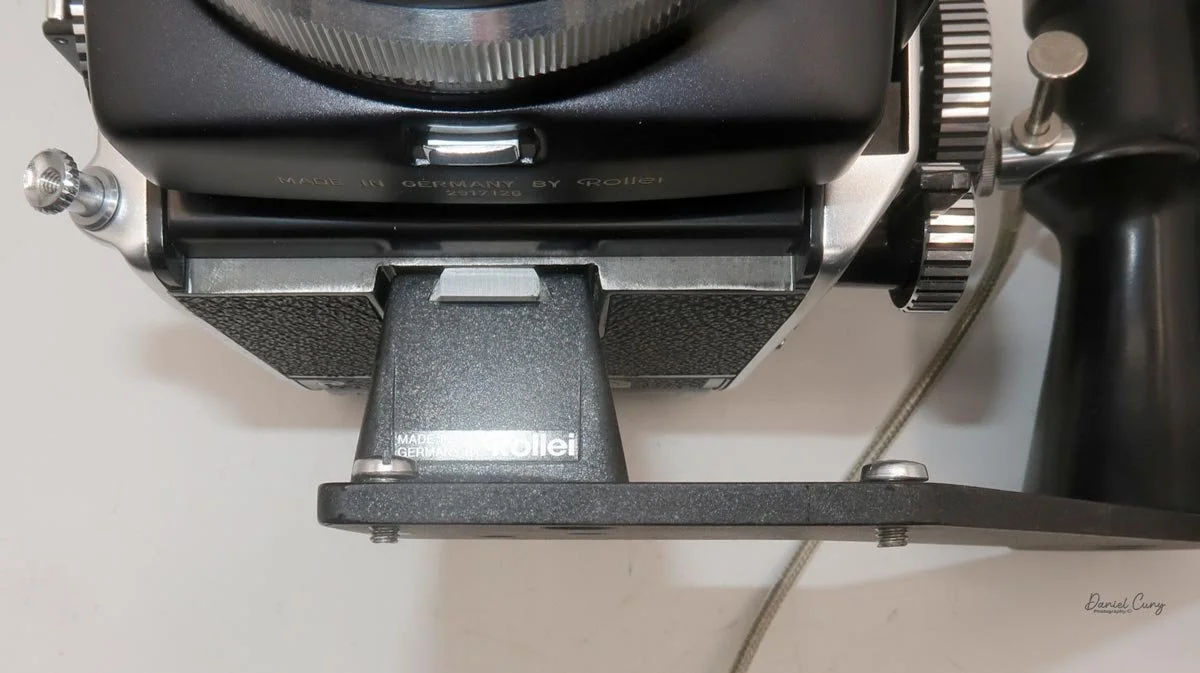
I use an L‑grip that mounts into the bottom quick‑mount slot alongside the tripod socket. That grip transforms the camera from a studio brick into something I'm comfortable hand‑holding for a walk, letting my left hand manage focus and support while my right handles shutter release and film advance. It doesn't make the SL66 light, but it does make it surprisingly usable off a tripod.

My Results

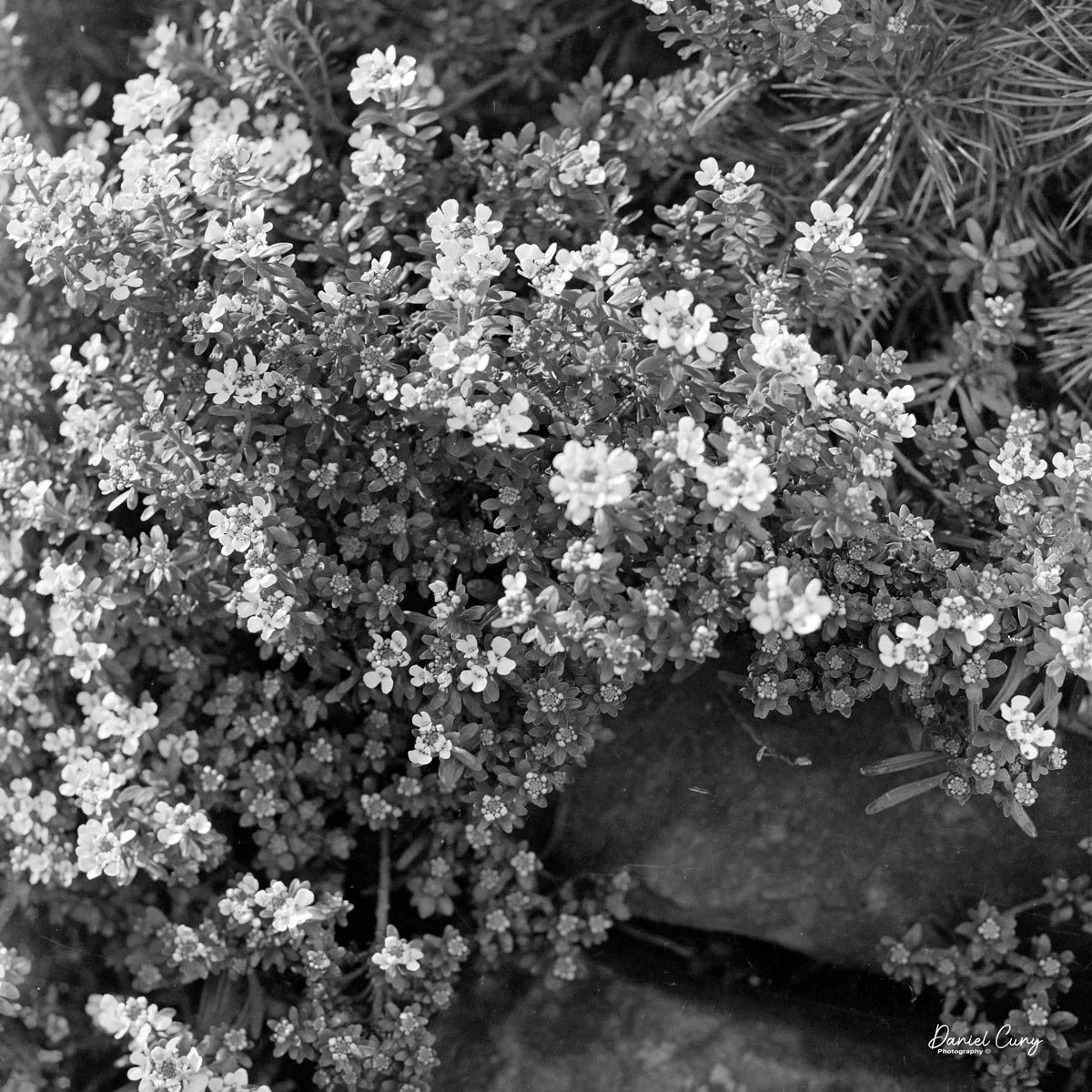
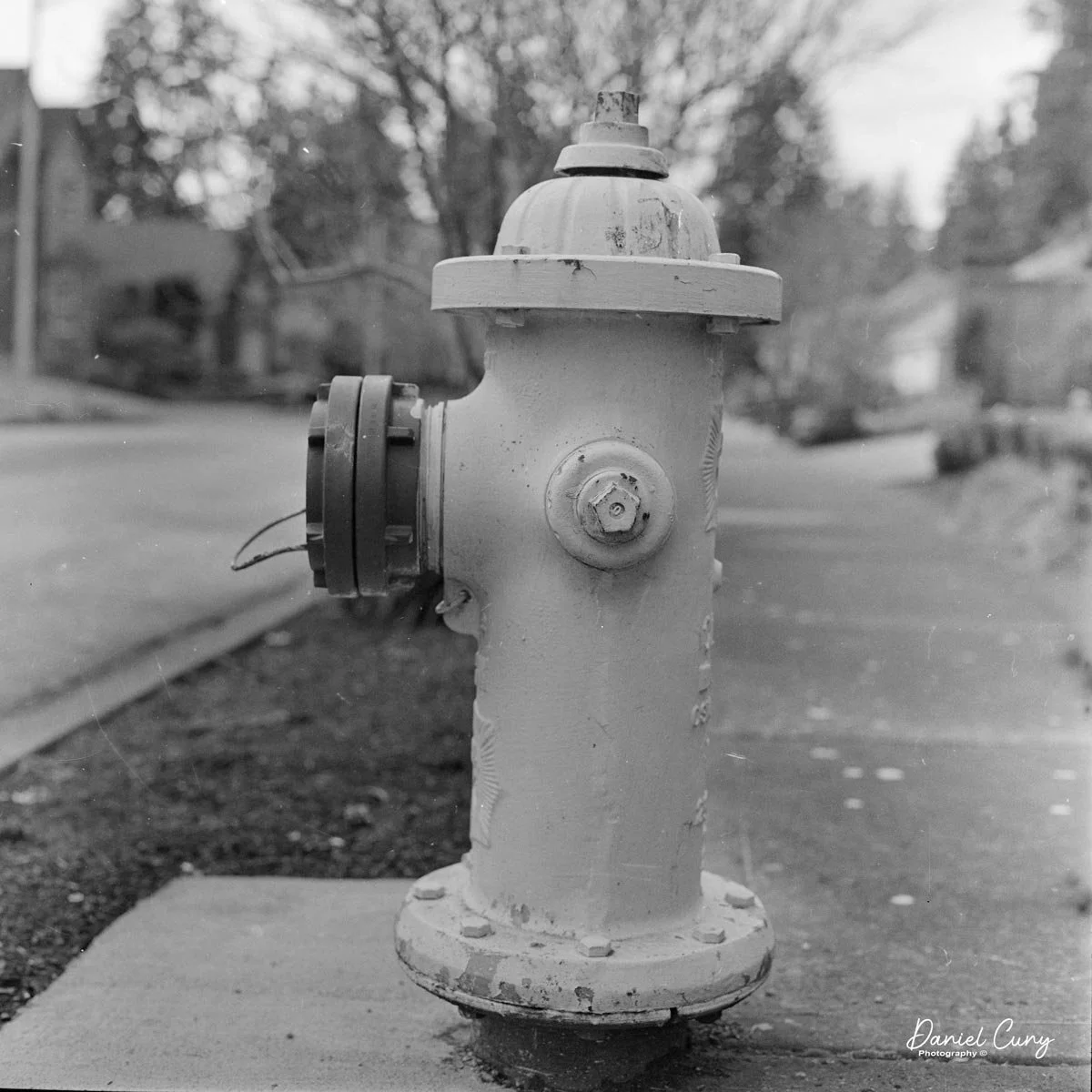
When I finally pulled the SL66 off the shelf this year, I decided not to overthink it. I loaded a roll of film, stepped out into my neighborhood on an uncharacteristically sunny February day in the Pacific Northwest, and treated it like any other camera I'd take for a walk. The first few frames were simple subjects—houses, trees, textures—mainly to get a feel for the shutter sequence, the advance, and how the camera balanced with the L‑grip in hand.

 What struck me almost immediately was how deliberate the camera feels. The weight and long focus throw slow you down in a good way; you don't "spray and pray" with an SL66. Composing on the waist‑level finder is a pleasure: the screen is bright, the magnifier makes critical focusing easy, and the big focus knob lets you land focus precisely rather than hunting back and forth. By the time I finished that first roll, the camera felt intuitive in a way only a well‑designed mechanical tool can.
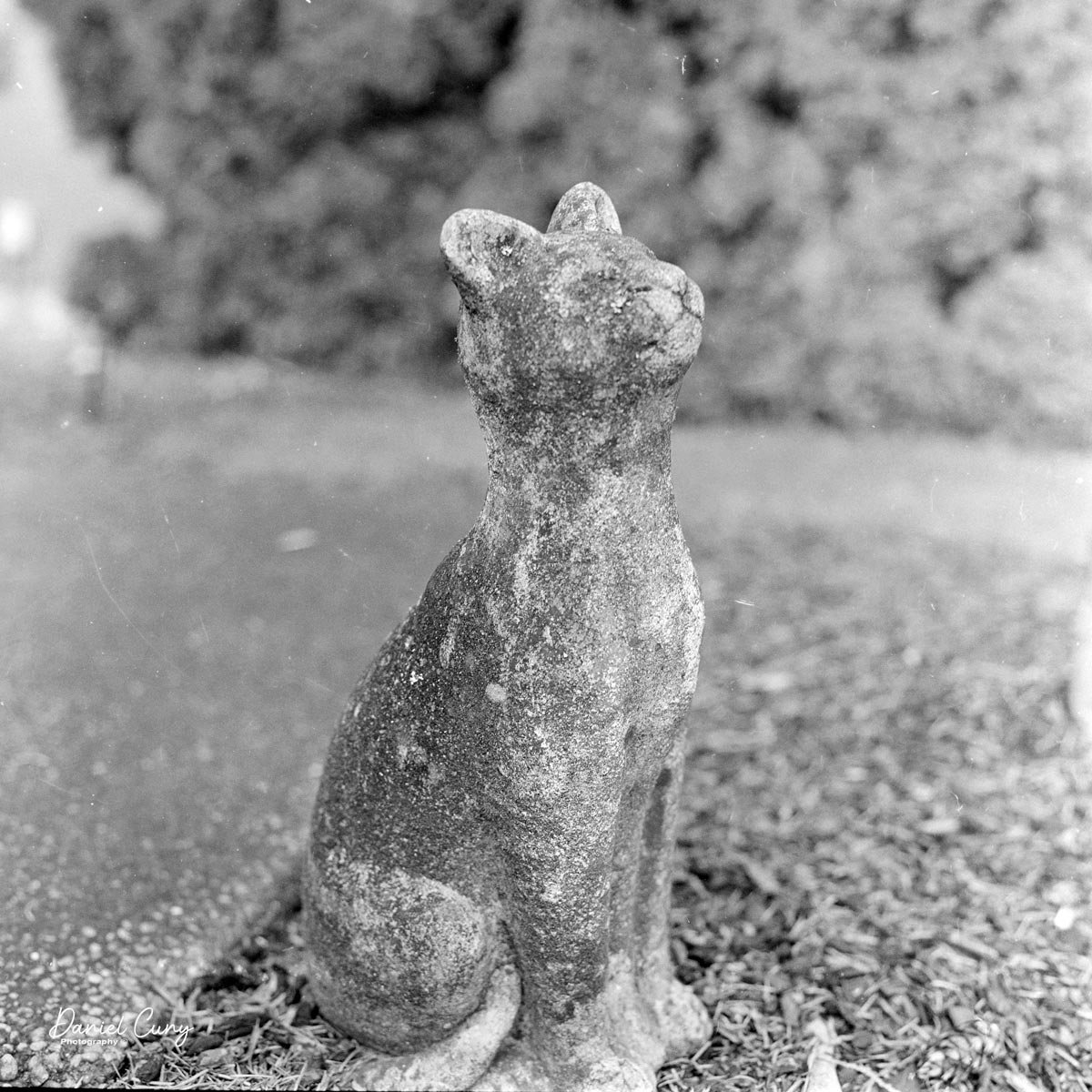
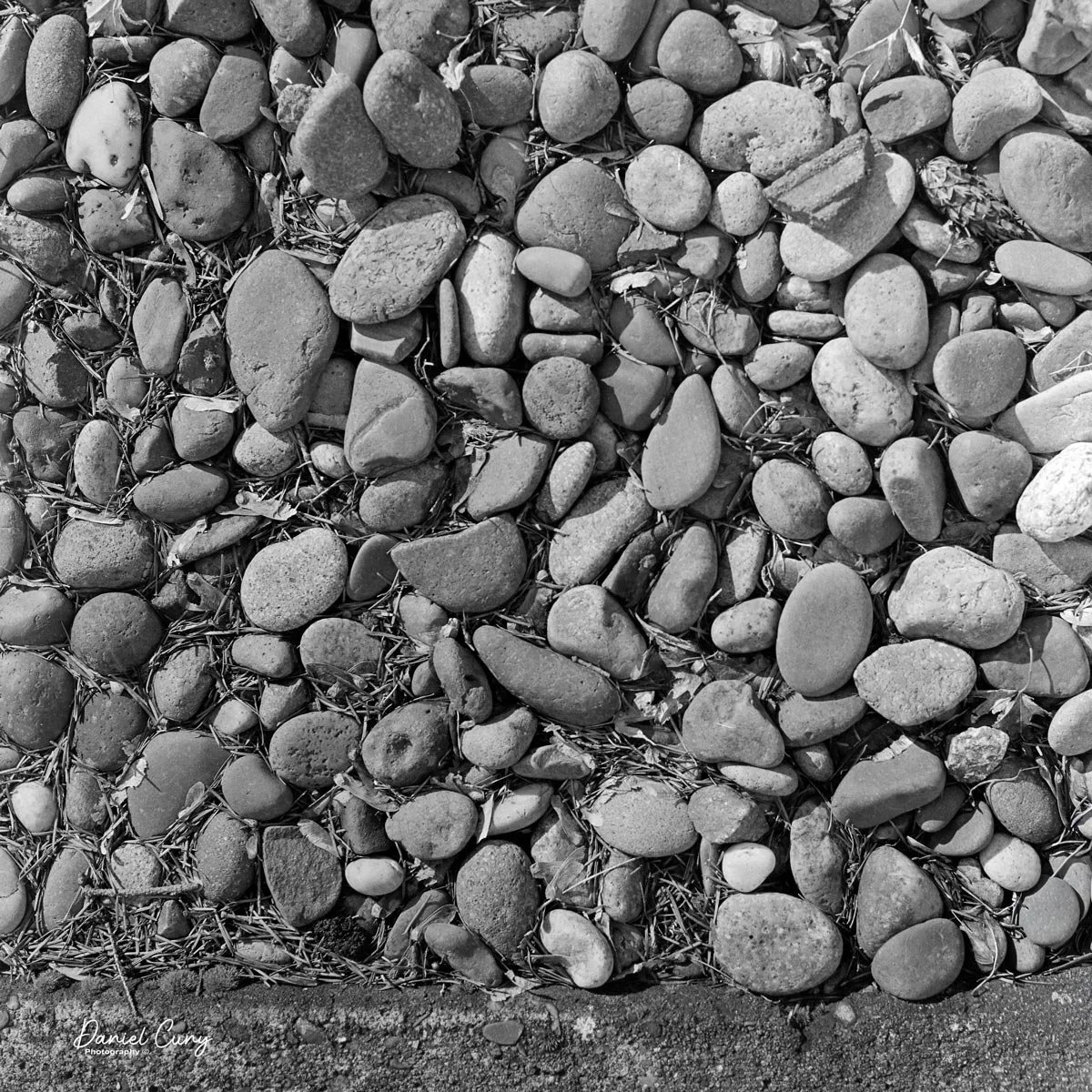
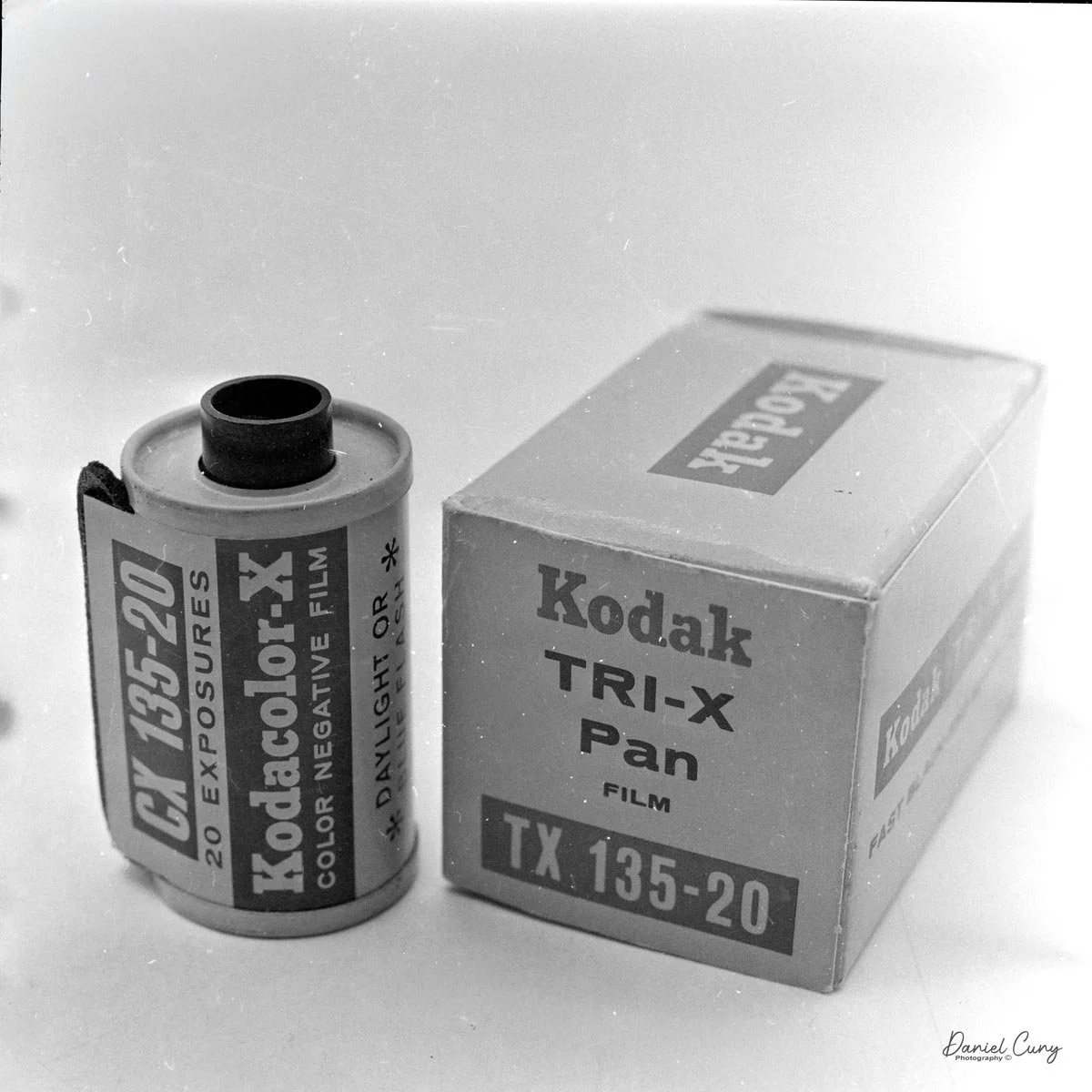
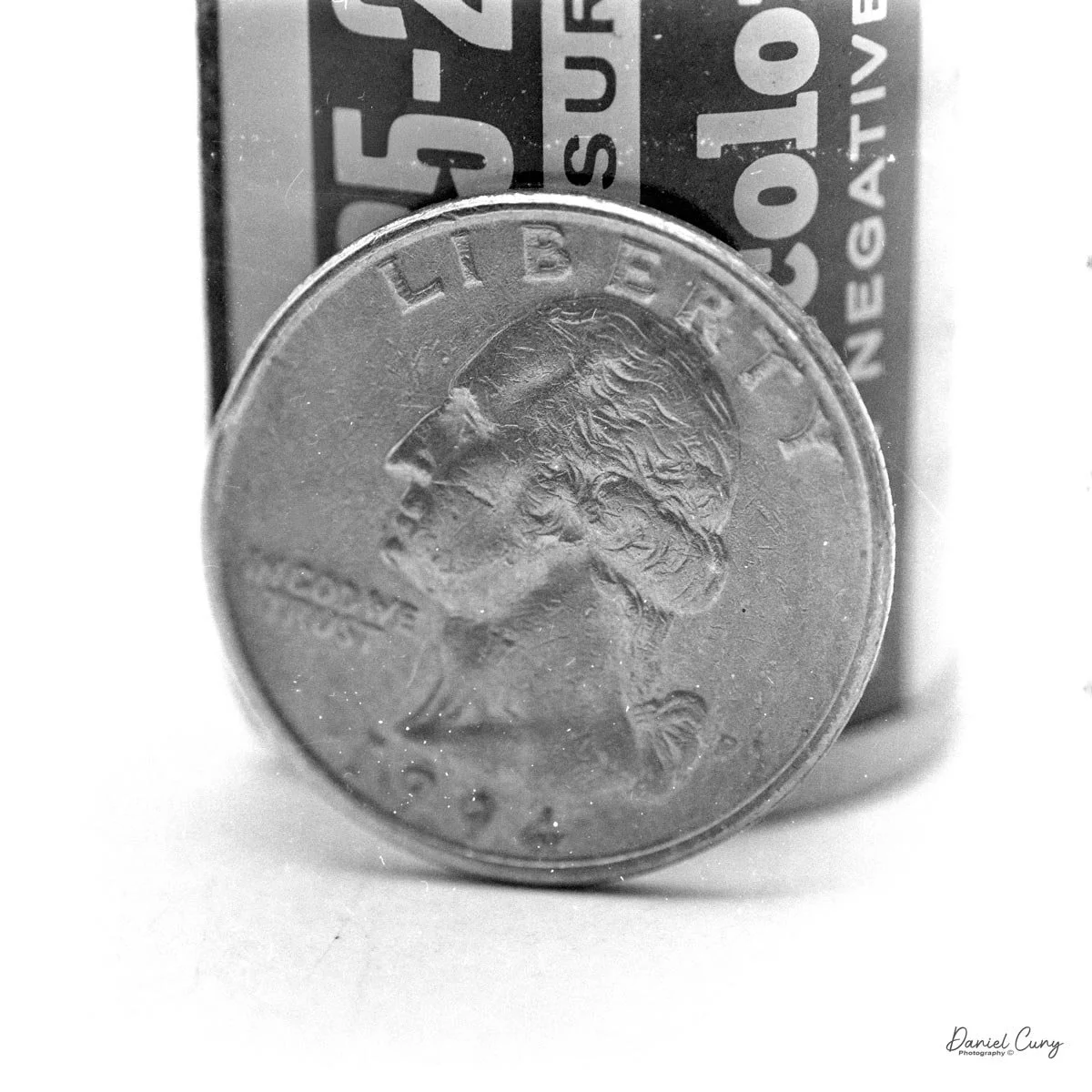
Back at home, I wanted to see what the SL66 could really do in its natural habitat: close‑up work. I set up a small scene with a 35mm film cassette and its box, first focusing as close as I could with the lens in the normal position. Even without reversing the lens, the built‑in bellows let me get in surprisingly tight. Then I flipped the lens around on the double bayonet mount and repeated the setup. The difference in magnification was obvious—the frame filled with the cassette and text on the box —and the tilt function came into its own, letting me hold both the front and top surfaces in focus at a reasonable working aperture.

My apologies for the dusty images.
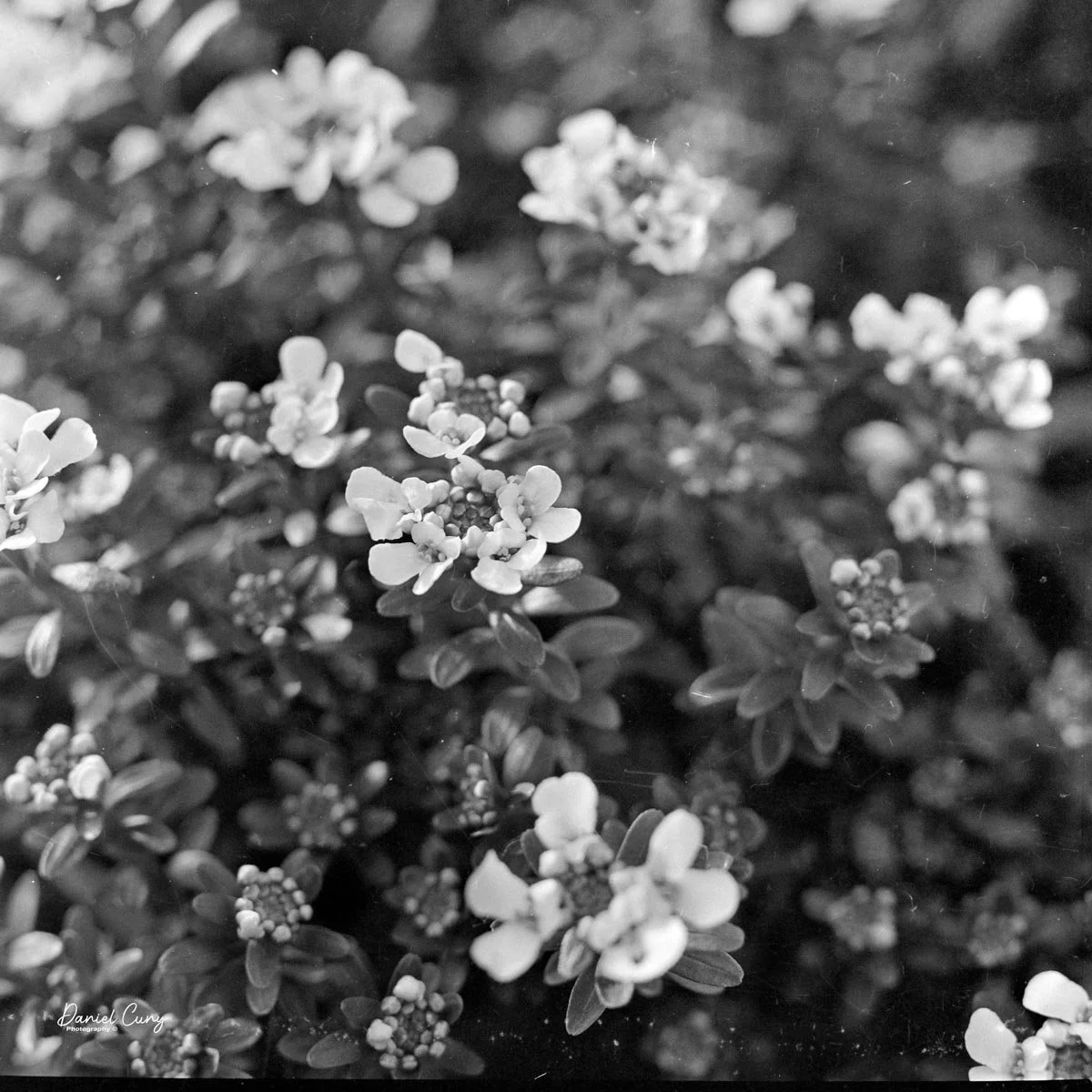
I also pointed the camera at a plant in my office, working closely again. Here, the combination of bellows, tilt, and that Zeiss glass really shone: crisp detail where I wanted it, smooth falloff where I didn't, and a rendering that feels more like a small view camera than a traditional medium‑format SLR. The process is slower than with a modern macro lens and autofocus, but the results—and the experience of making the images—are deeply satisfying.
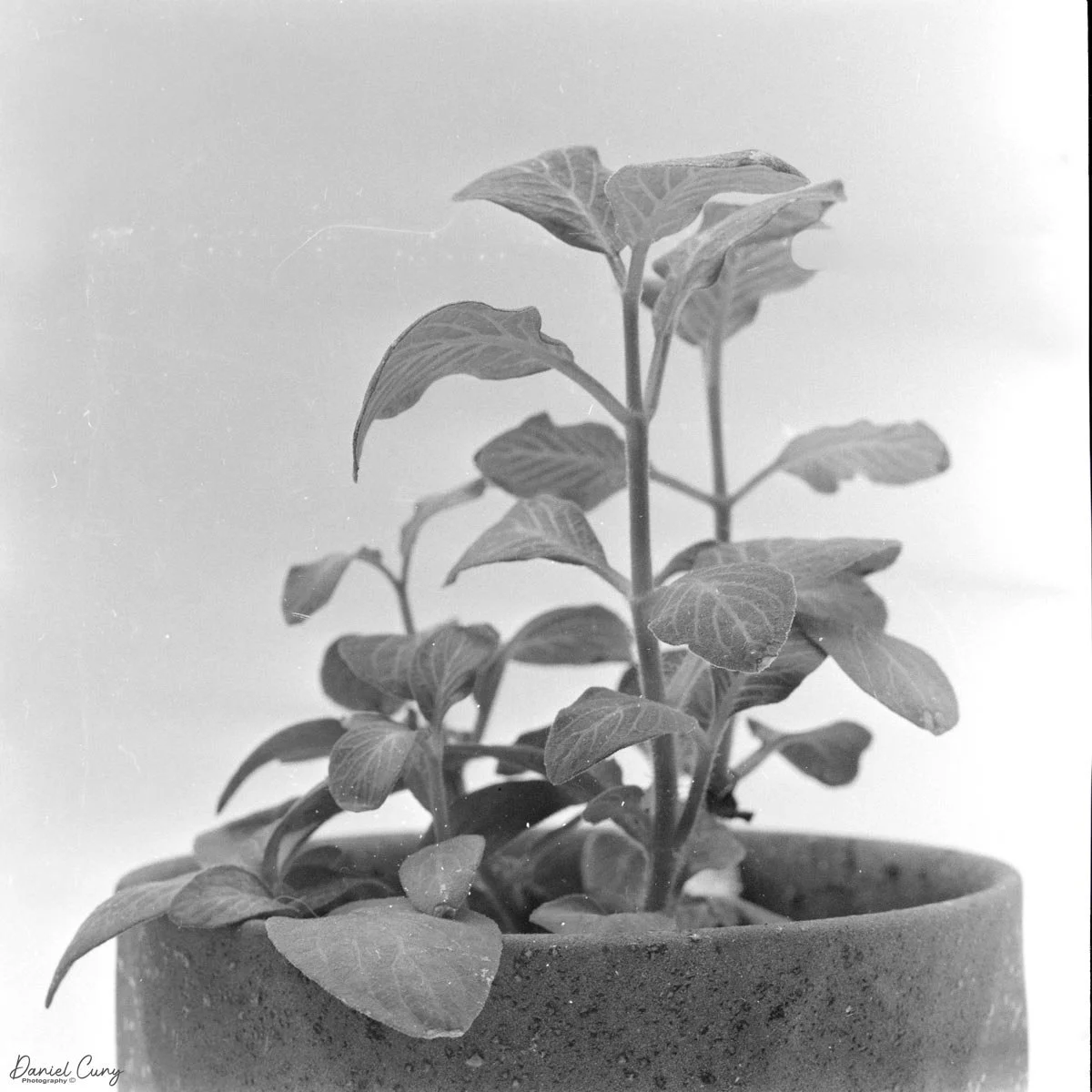
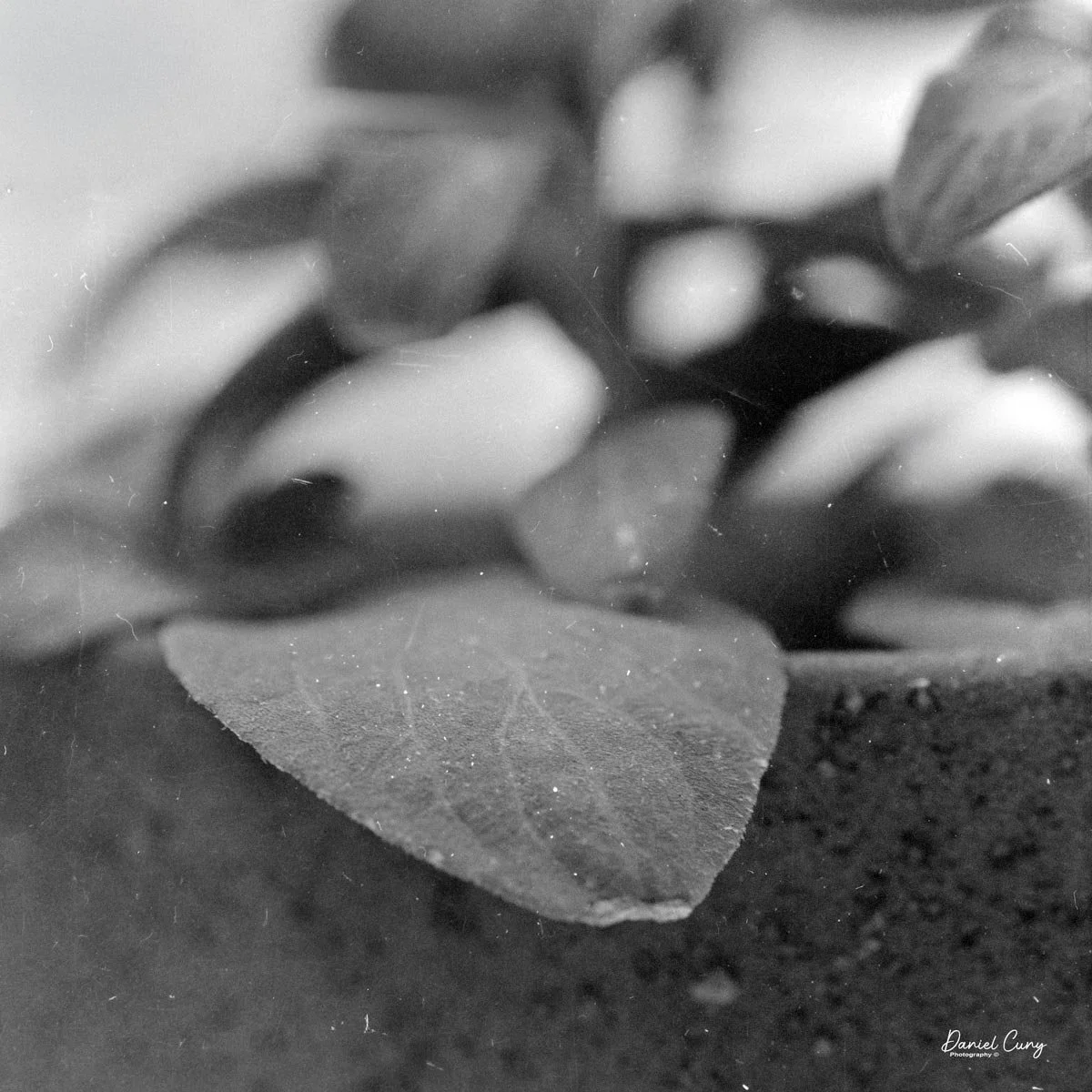
Conclusion: Is the SL66 the Best Medium‑Format SLR?

In my personal opinion, the Rolleiflex SL66 is the best medium‑format single‑lens reflex camera I've ever used. It isn't the lightest, fastest, or most convenient option, but as a creative tool—especially for close‑up, product, and careful location work—it's truly exceptional.

 Why I let it sit so long is beyond me. The camera is a joy to shoot, and the results justify the effort. Small design touches like the dark‑slide holder, the smart film advance on the back, the generous close‑focusing via bellows, and the ability to reverse lenses for even greater magnification all add up to a macro photographer's dream. The overall build quality, leatherwork, and control layout make it feel every bit the premium instrument it was intended to be.

 That said, it's important to be honest about the downsides. The SL66 is heavy and bulky compared with many 6×6 systems; accessories and lenses can be harder to find and more expensive than Hasselblad equivalents, and the focal‑plane shutter's 1/30 flash sync may be a deal‑breaker for some styles of studio work. It's also an older, complex mechanical camera, which means a good technician and a healthy maintenance budget are essential.

 If you value portability, fast handling, and high sync speeds above all else, there are better choices. But if you're drawn to careful composition, close‑up and tabletop work, and you appreciate a camera that rewards deliberate, thoughtful photography, the Rolleiflex SL66 is tough to beat. It has become one of my favorite medium‑format cameras, and I fully expect it to see regular use.

 Thank you for taking the time to learn about my new favorite medium‑format camera. I'd love to hear your experiences with the SL66—or your questions about this or any of my other camera reviews—and if you're curious about owning one yourself, feel free to stop by my eBay store, Cuny's Cameras and Photos, to see what I currently have available.
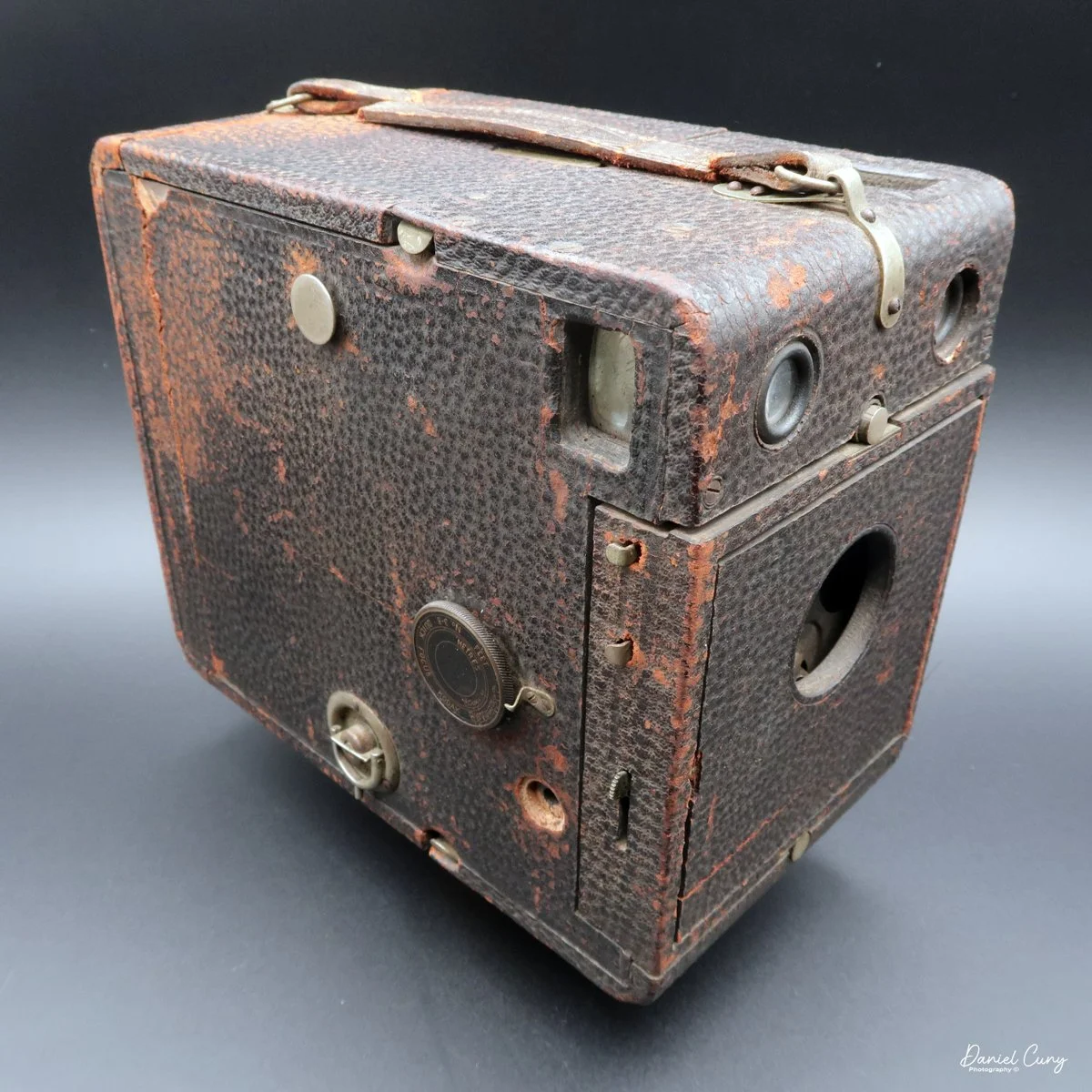
No. 3B Quick Focus Kodak

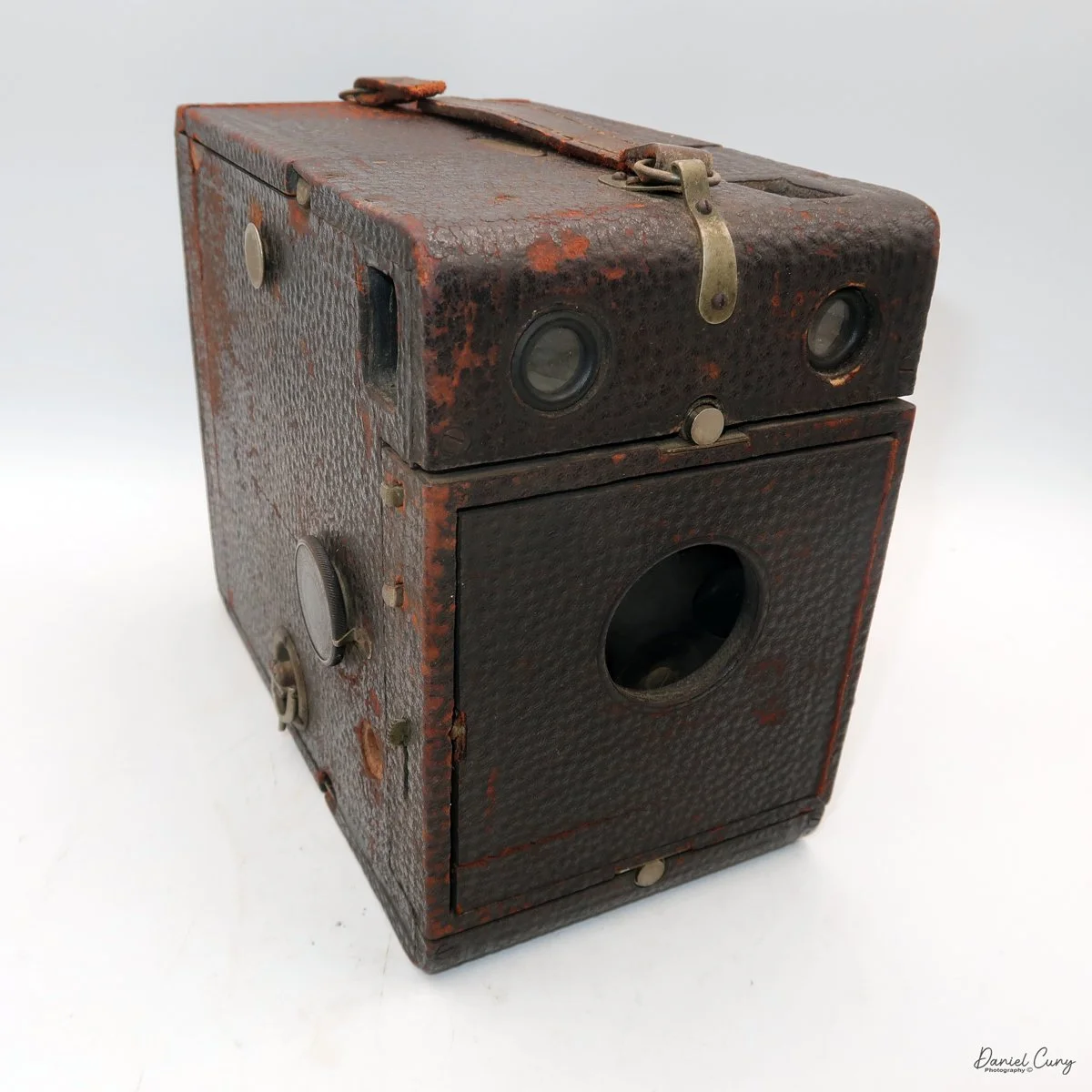
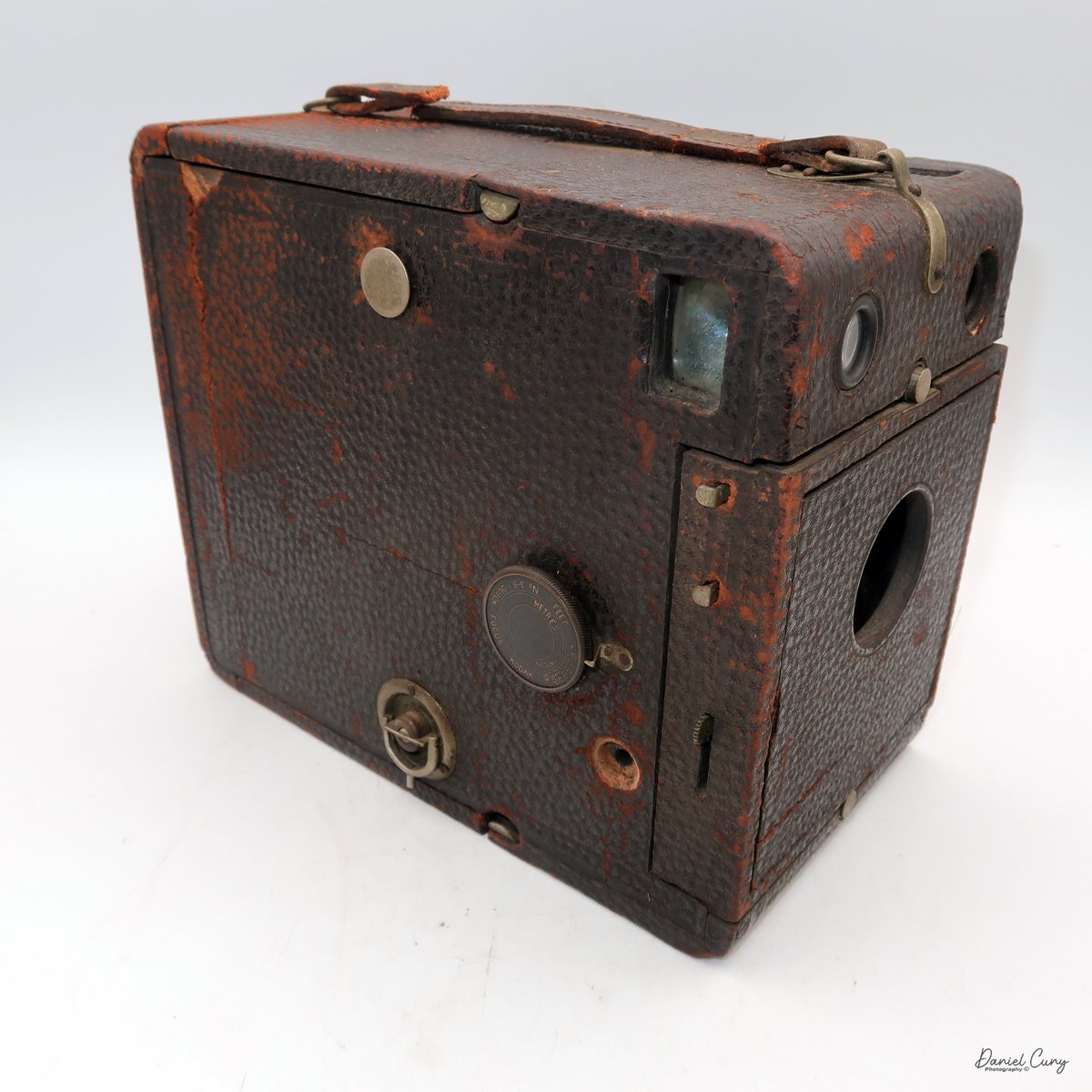
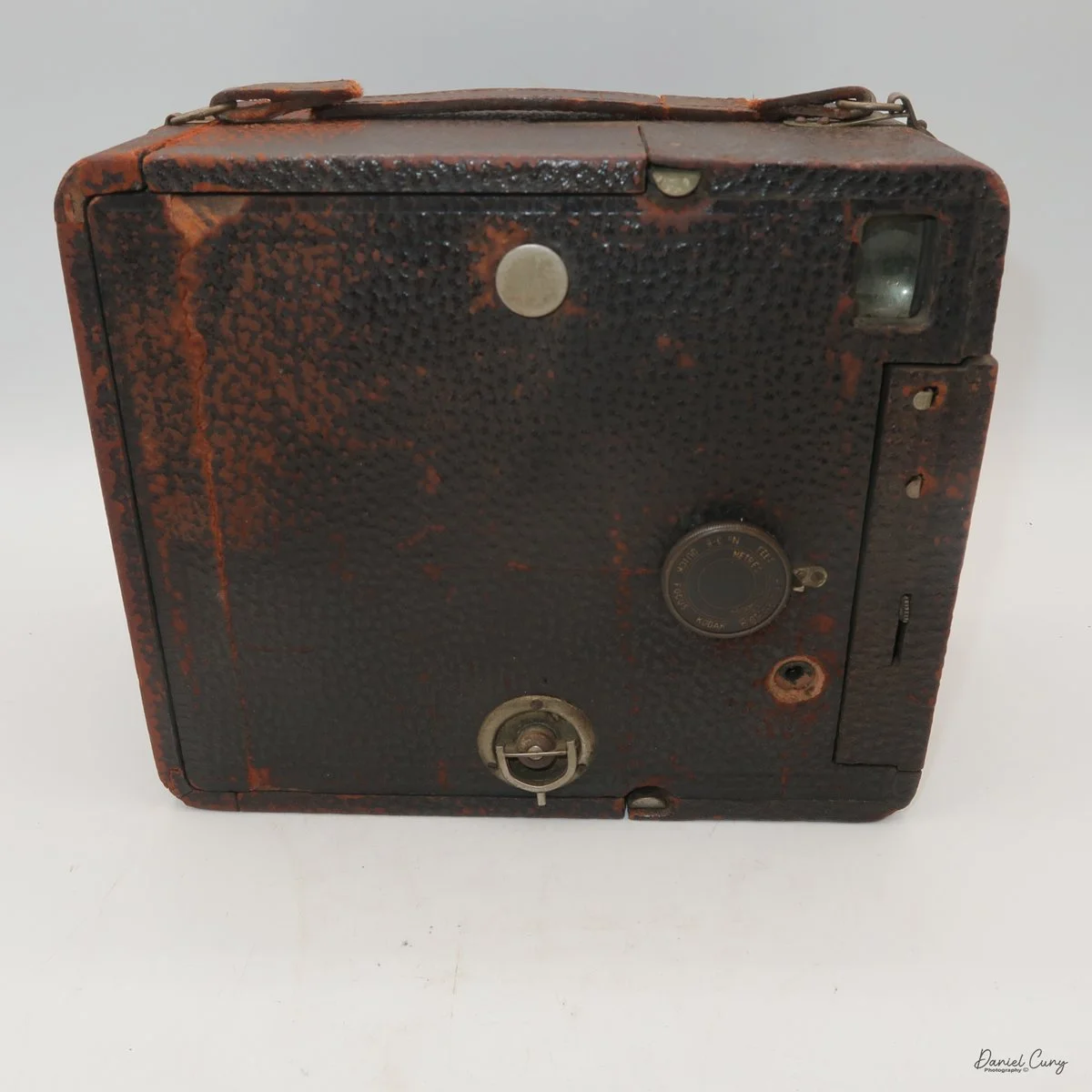
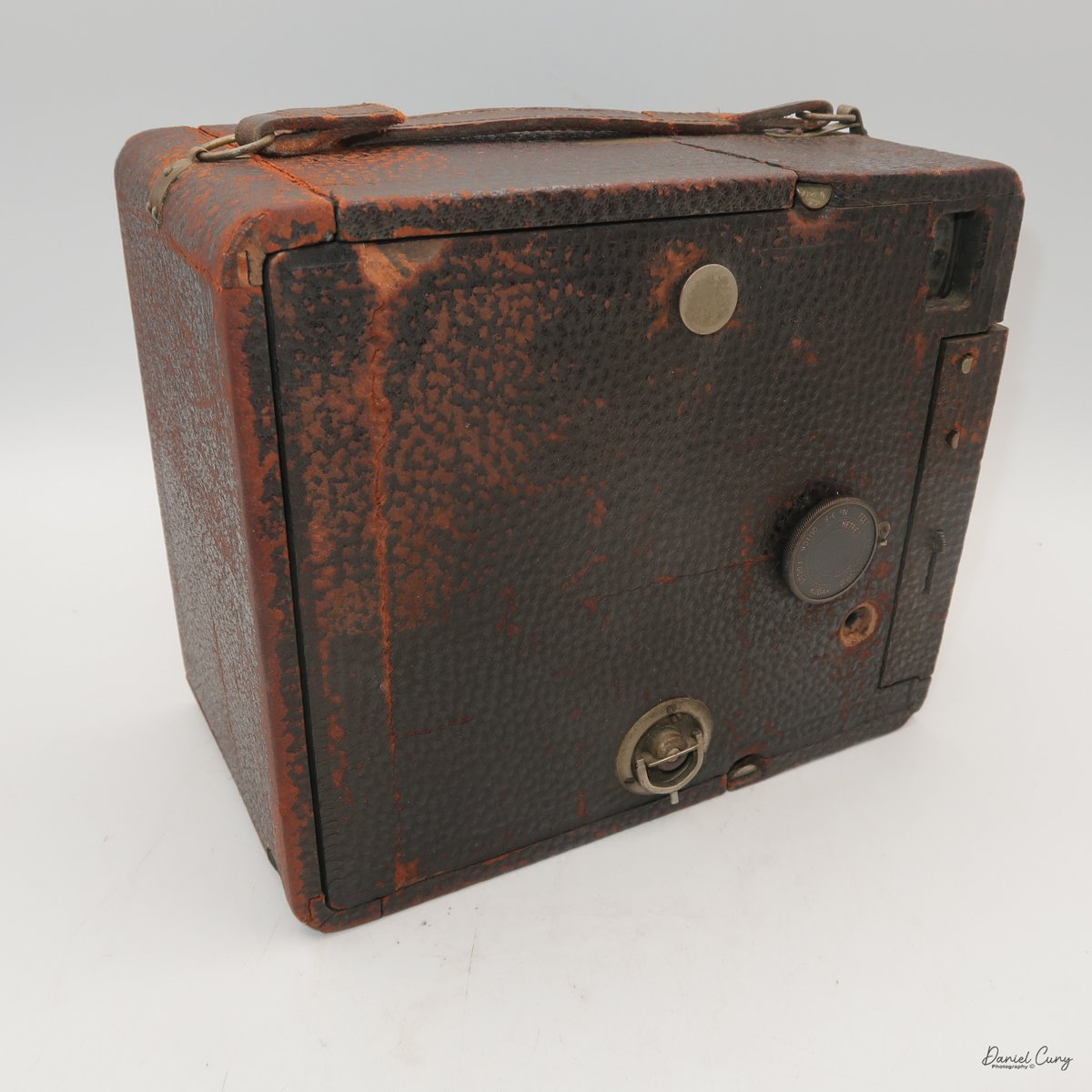
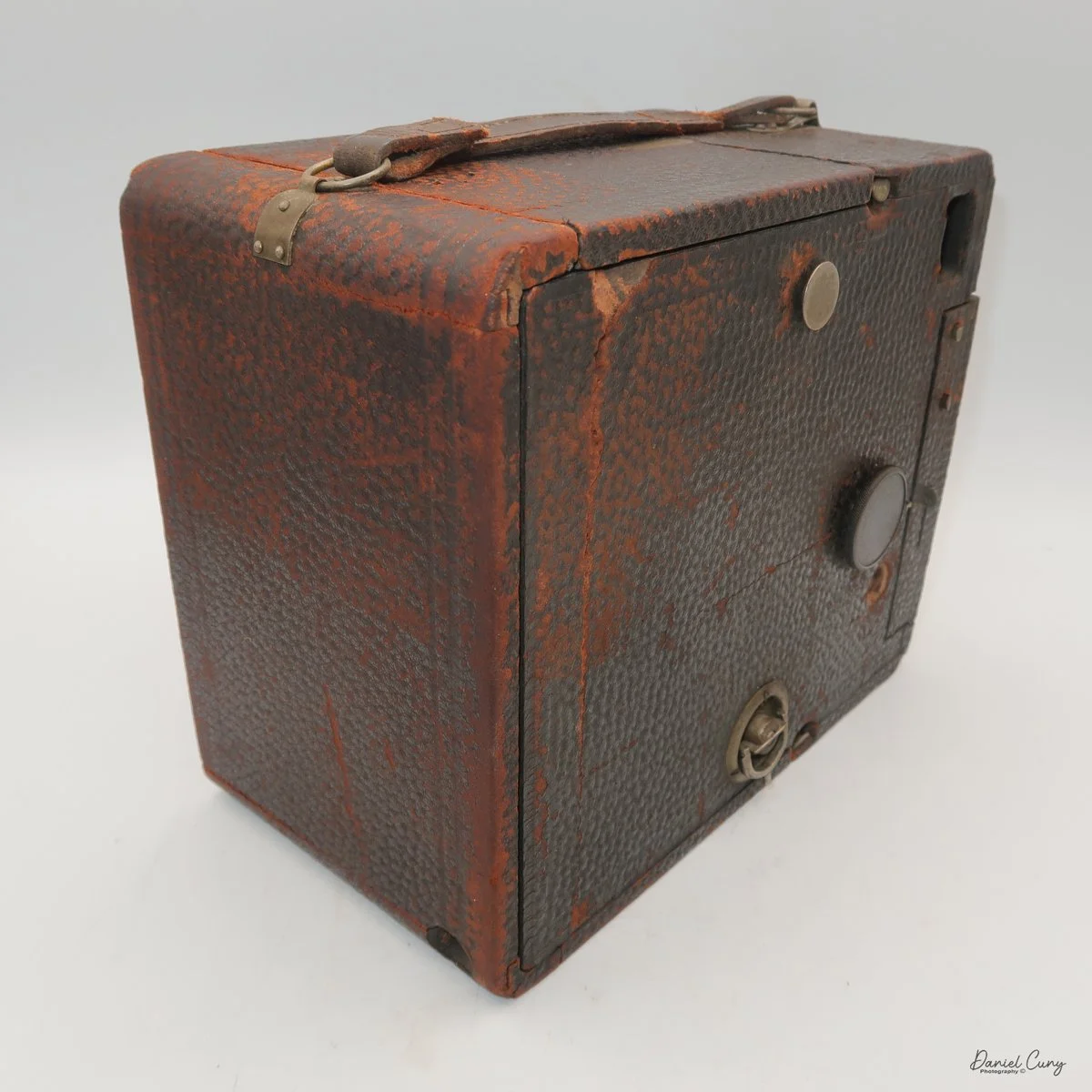
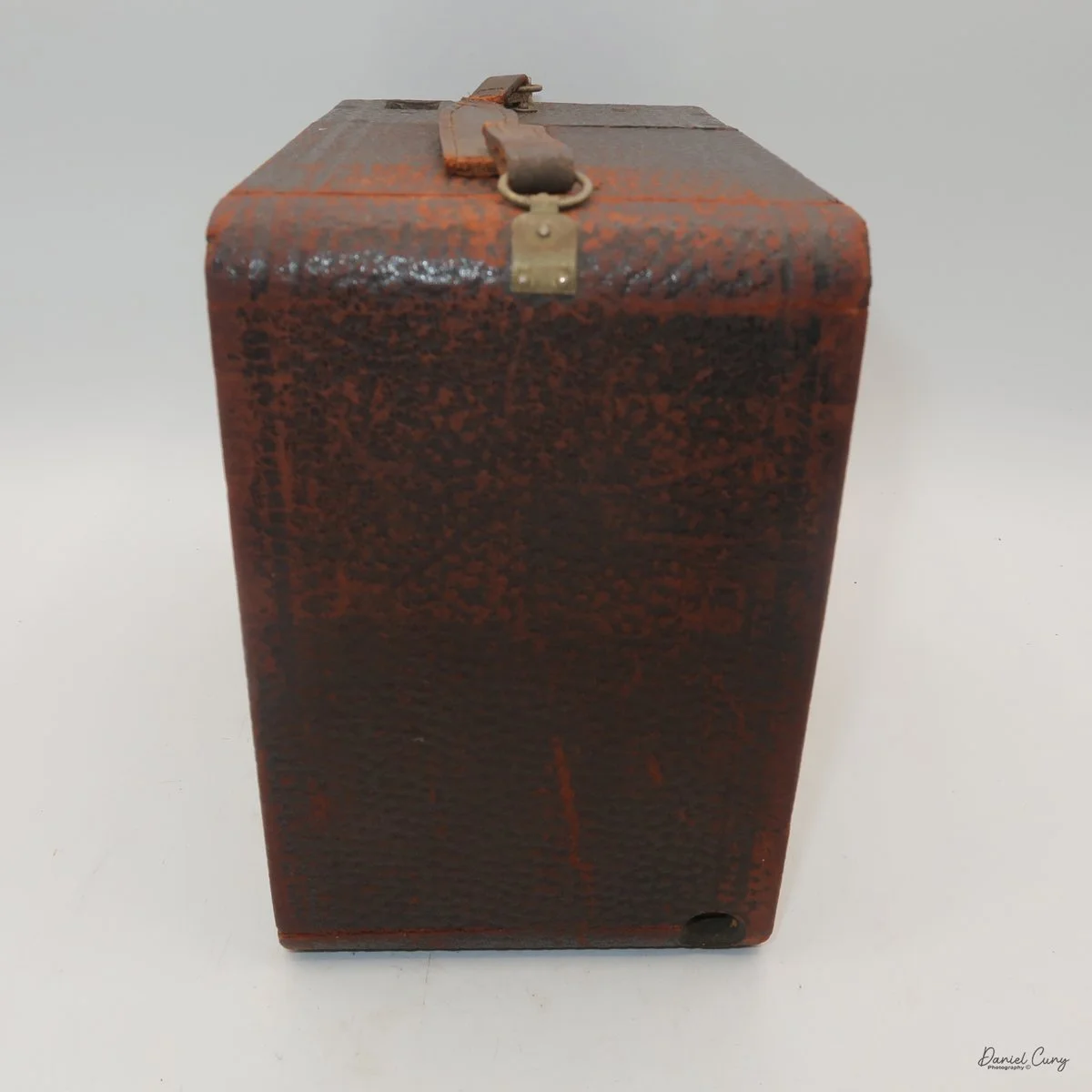
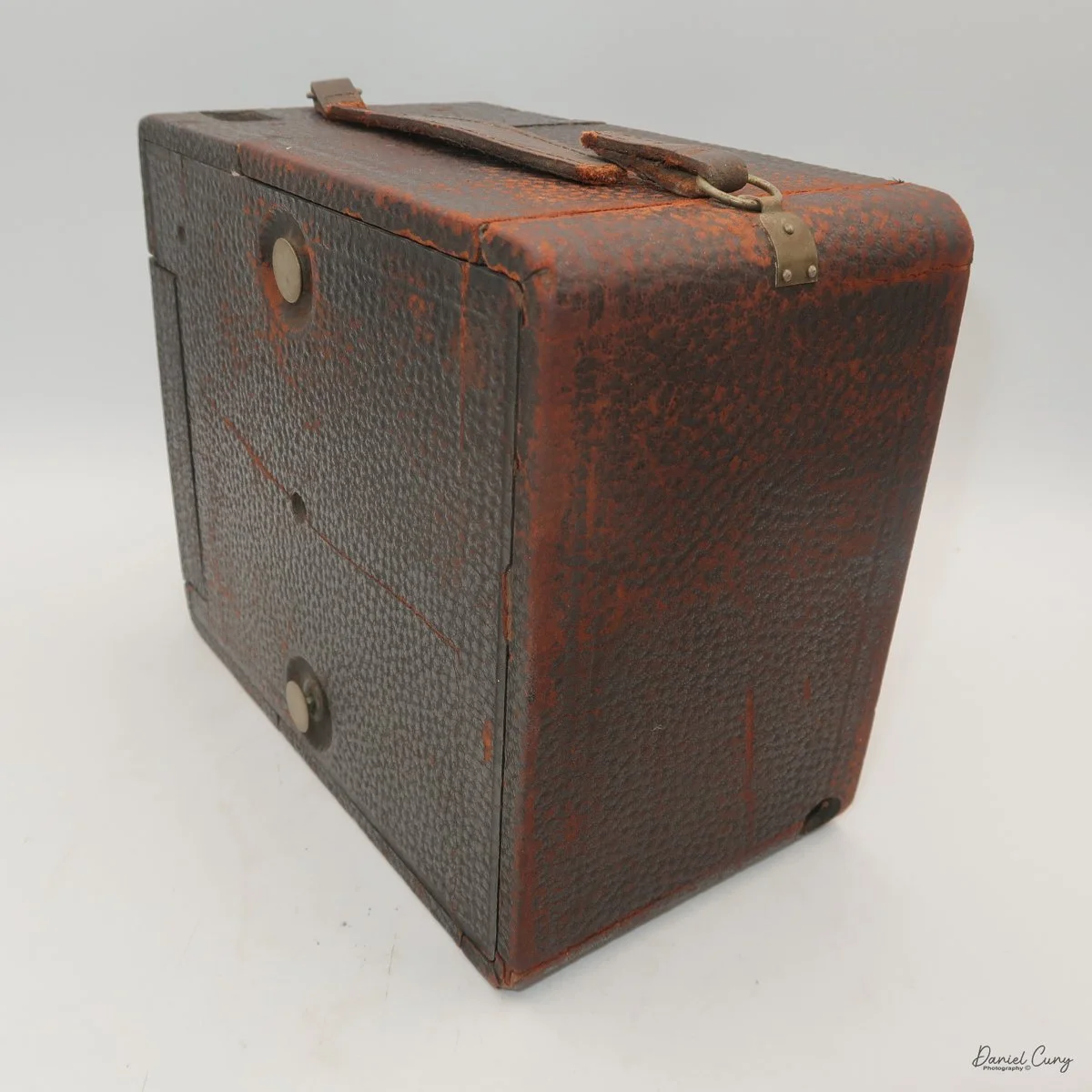
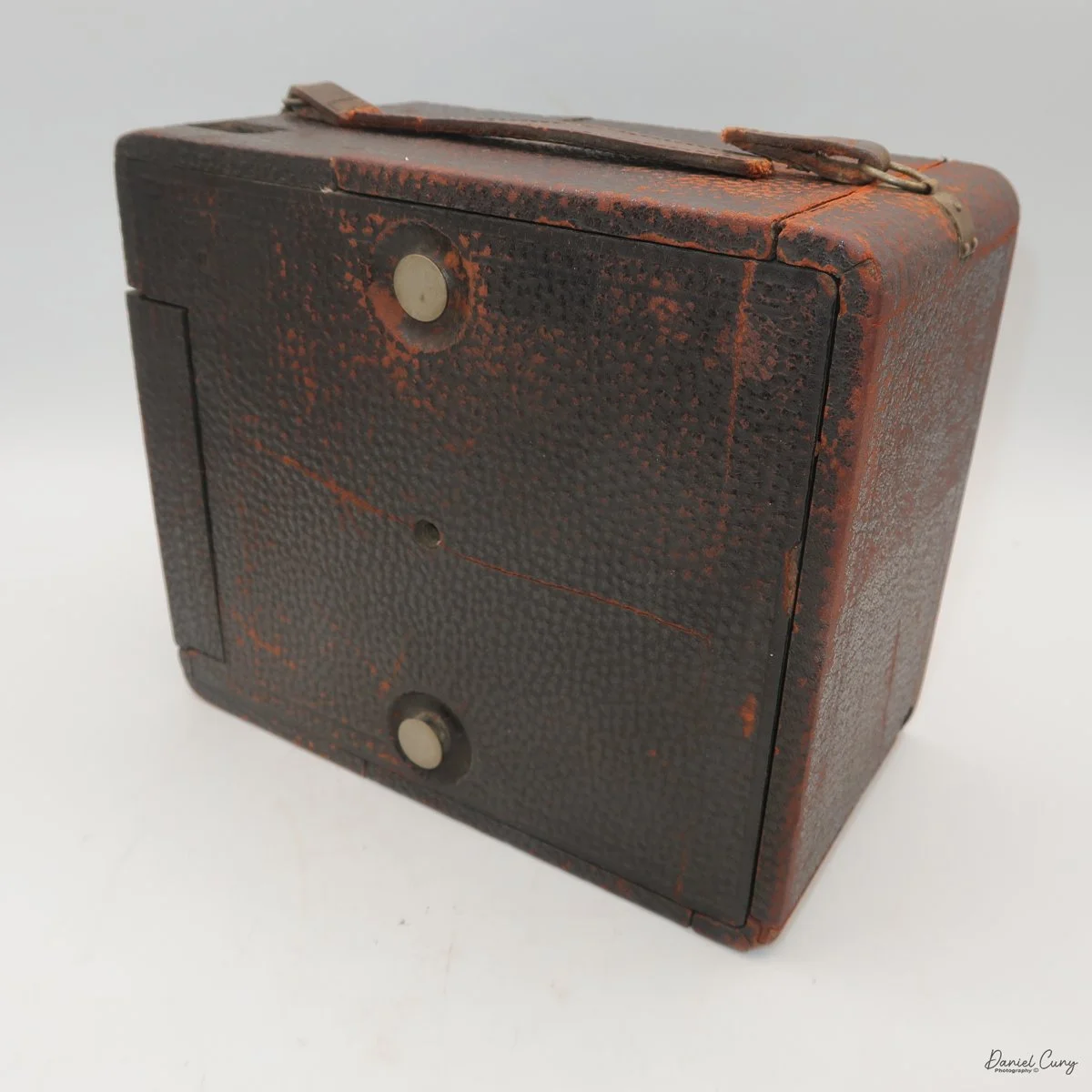
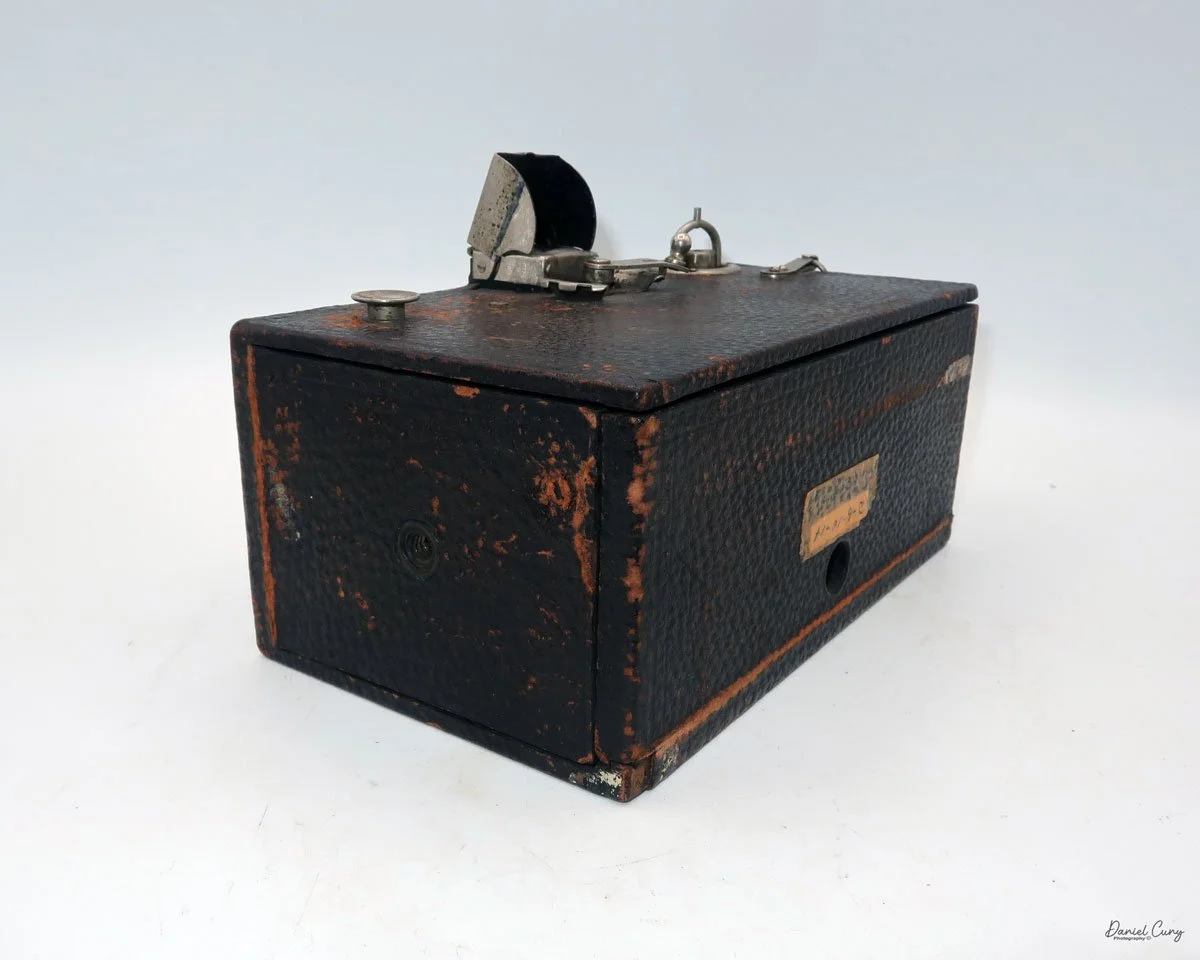
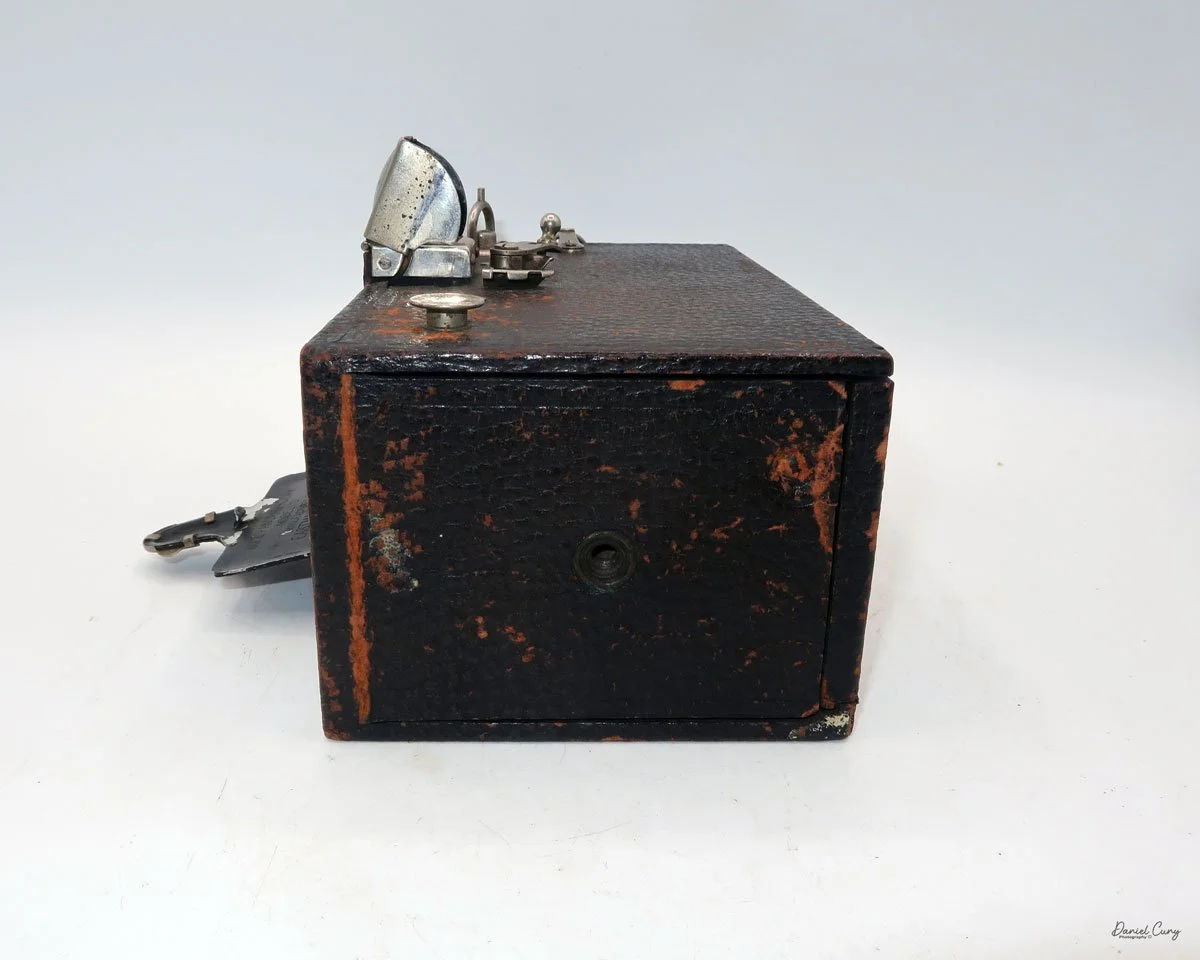
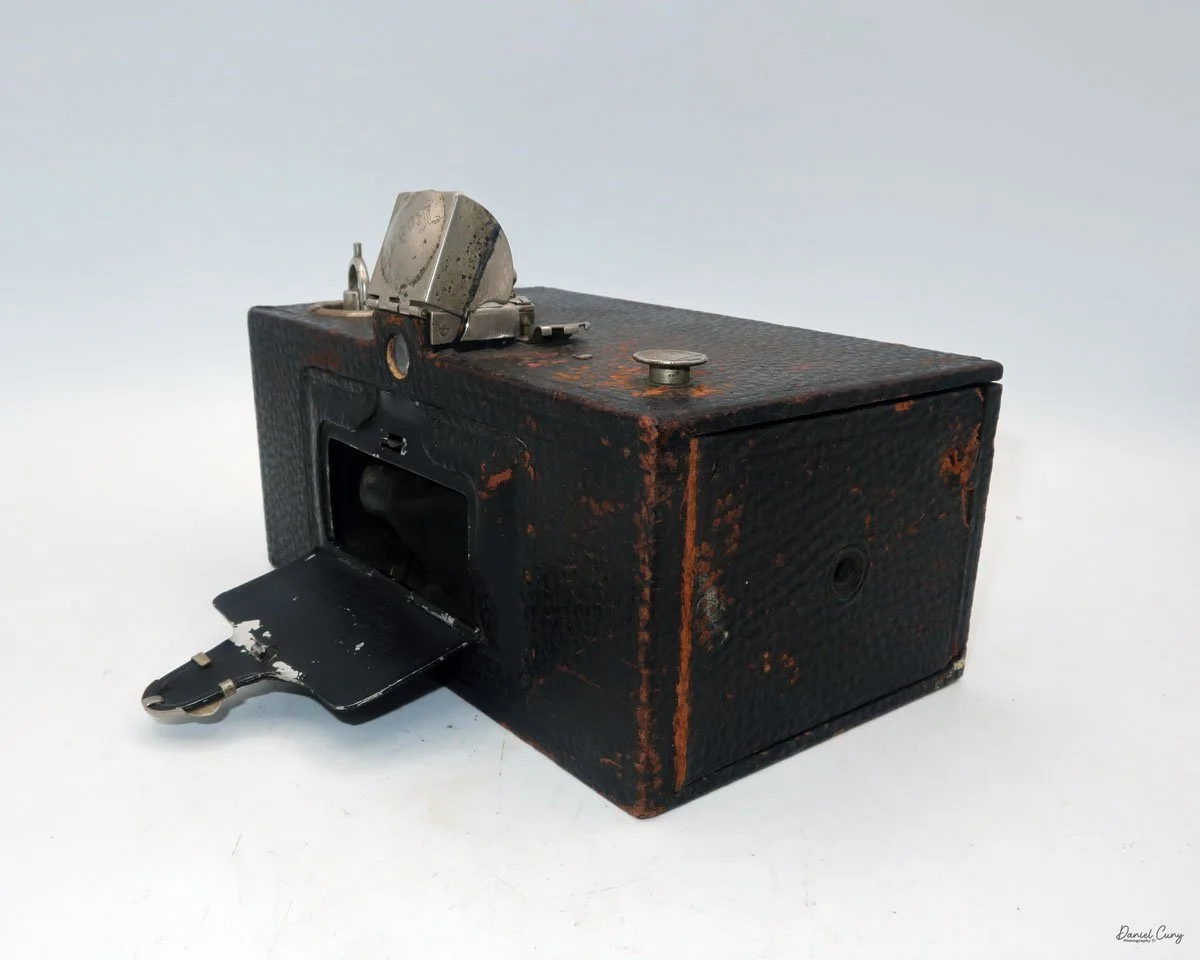
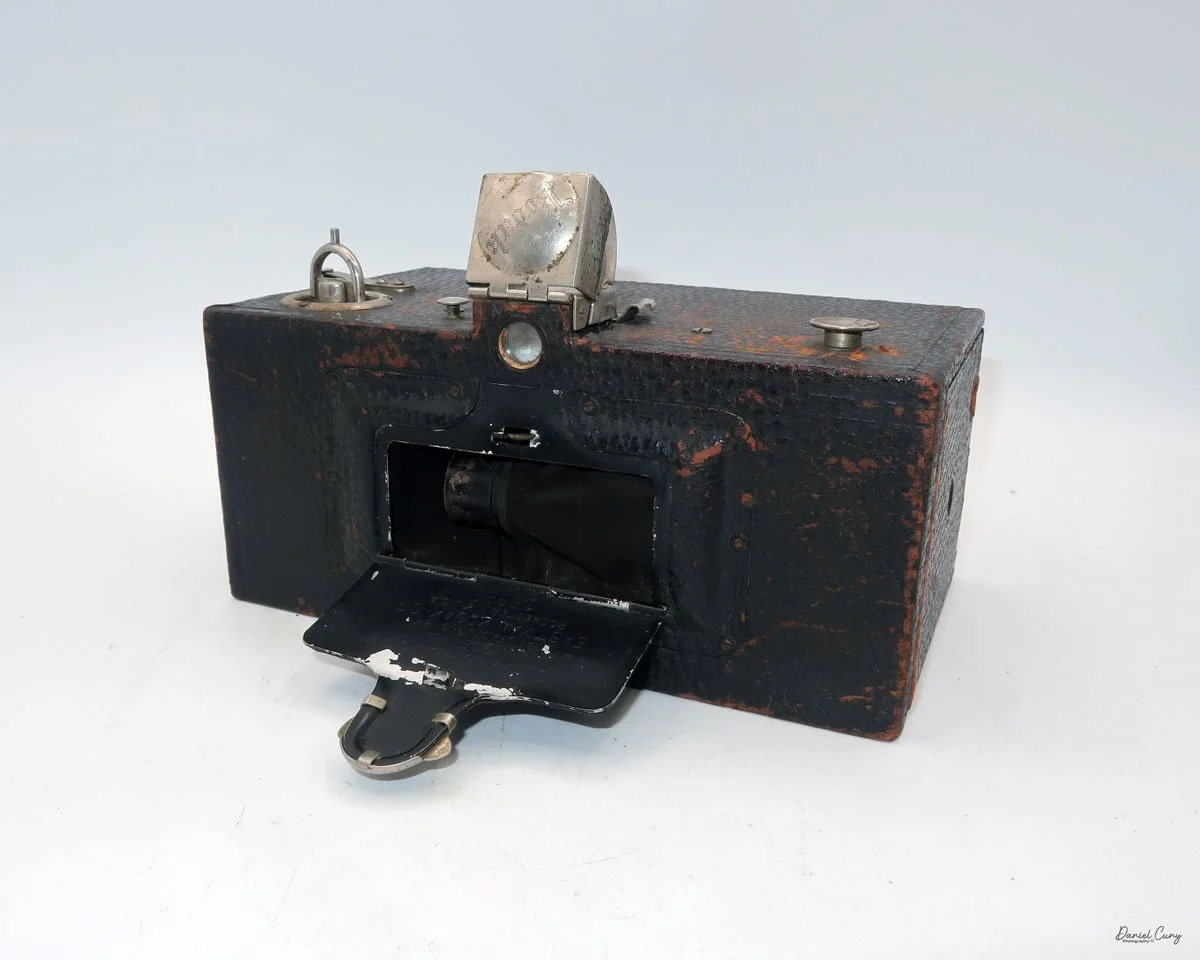
My No. 3B Quick Focus Kodak camera

As I've mentioned in several of my posts, I've always been drawn to the odd, unusual, colored, or panoramic cameras, so when I had the opportunity to purchase a No. 3B Quick Focus Kodak many years ago, I jumped at the chance. 

 I found this camera while visiting an antique store during a business trip to Philadelphia. During my sales calls, if I had some spare time between appointments, I'd seek out antique malls and stores close to where I was and spend some time looking to see if there was anything interesting. On this particular day, as I was upstairs in the shop's attic, which was musty and smelled of stale air, I found the No. 3B Quick Focus Kodak.

 Not knowing much about the camera beyond seeing it in McKeown's Camera Price Guide, it appeared to be in decent condition. I started turning dials and pressing buttons to get a sense of the camera's condition. 

 It appeared to be pretty solid, but there were a few flaws, but when I looked at the price tag, which was only $25.00, I figured I give it a shot, so I brought it downstairs to talk to the shop owner, and asked if they'd offer a slight discount on the camera, and I offered them $20.00, which they took. The shop owner said the camera's been up in the attic for many years and was happy to give it a new home where it would be appreciated.

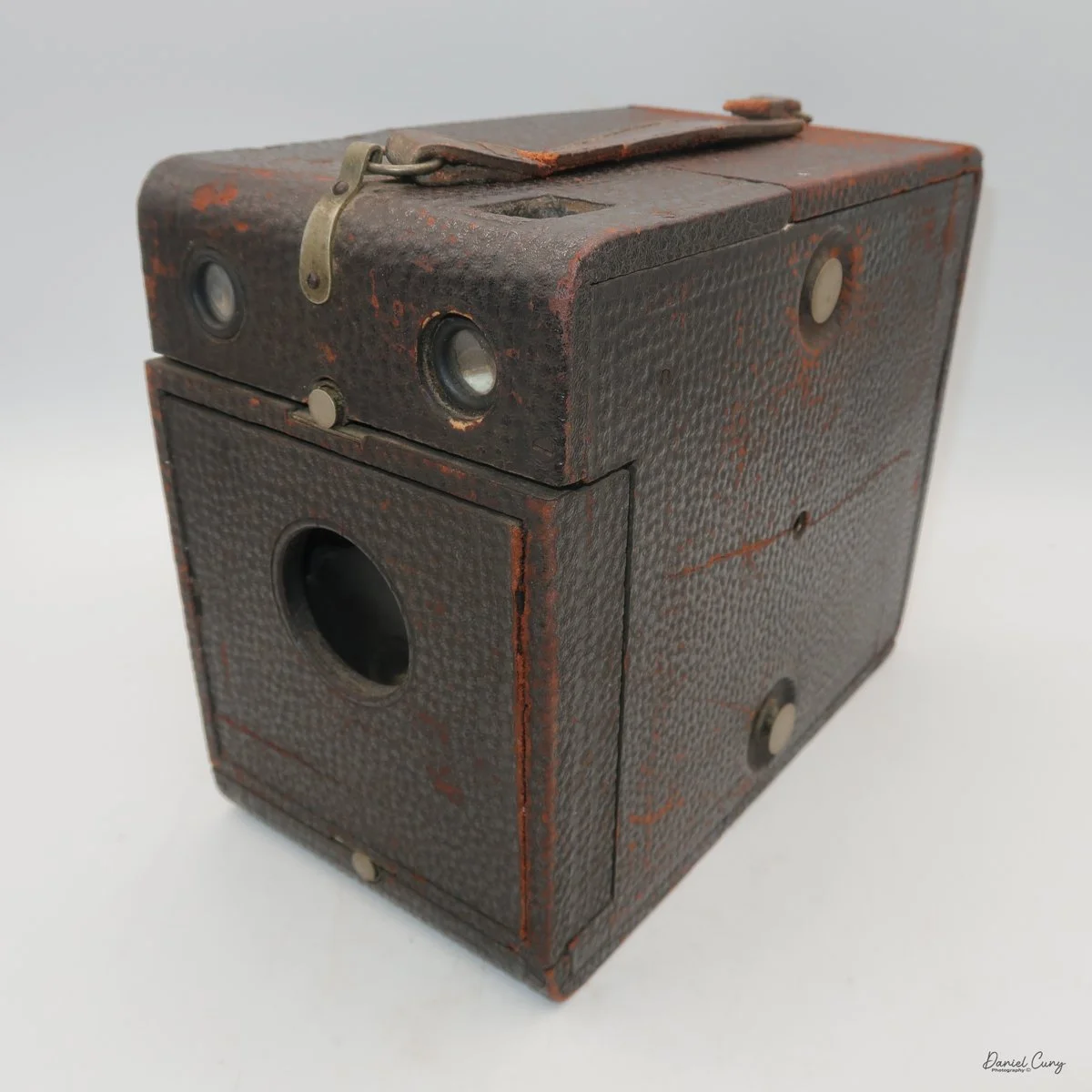
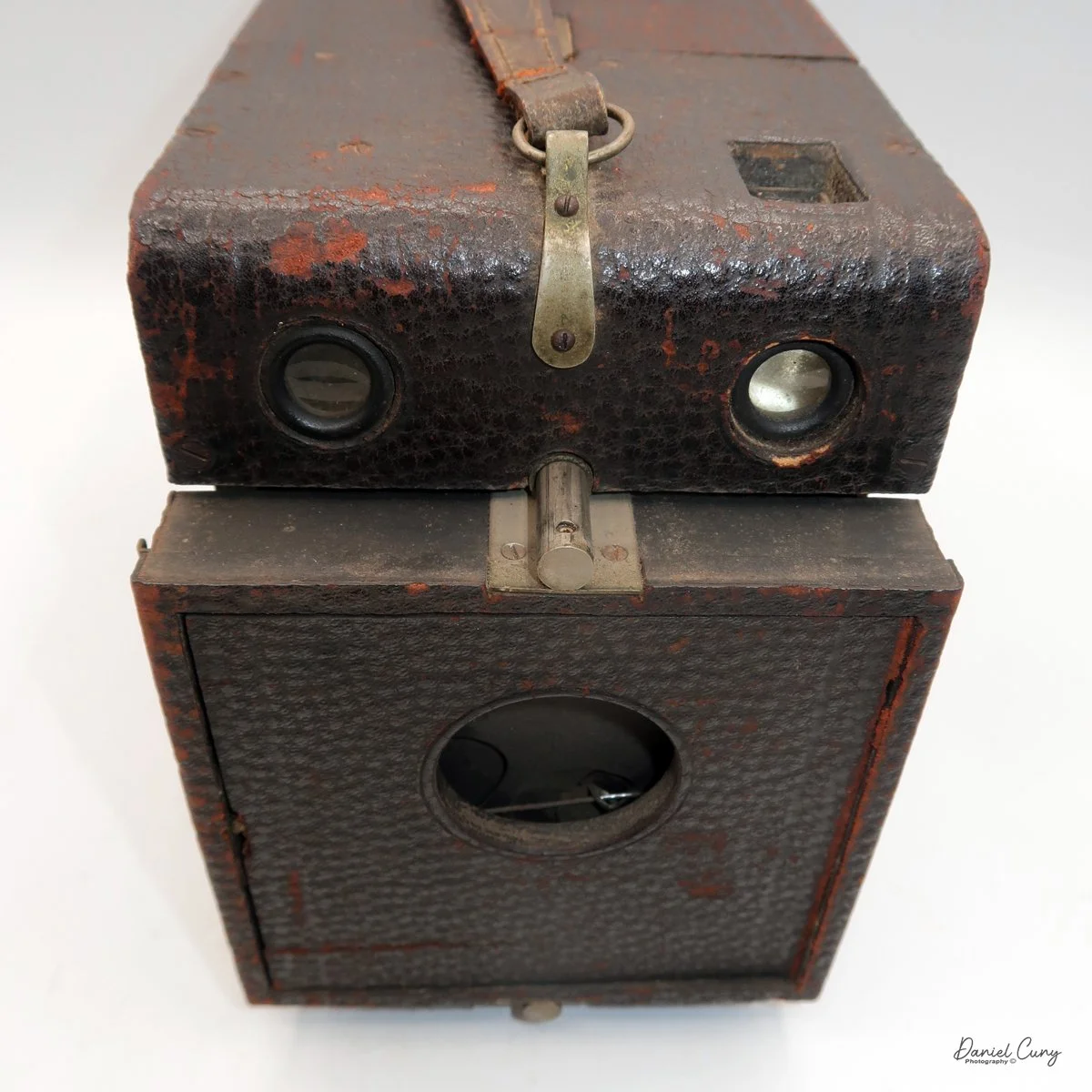
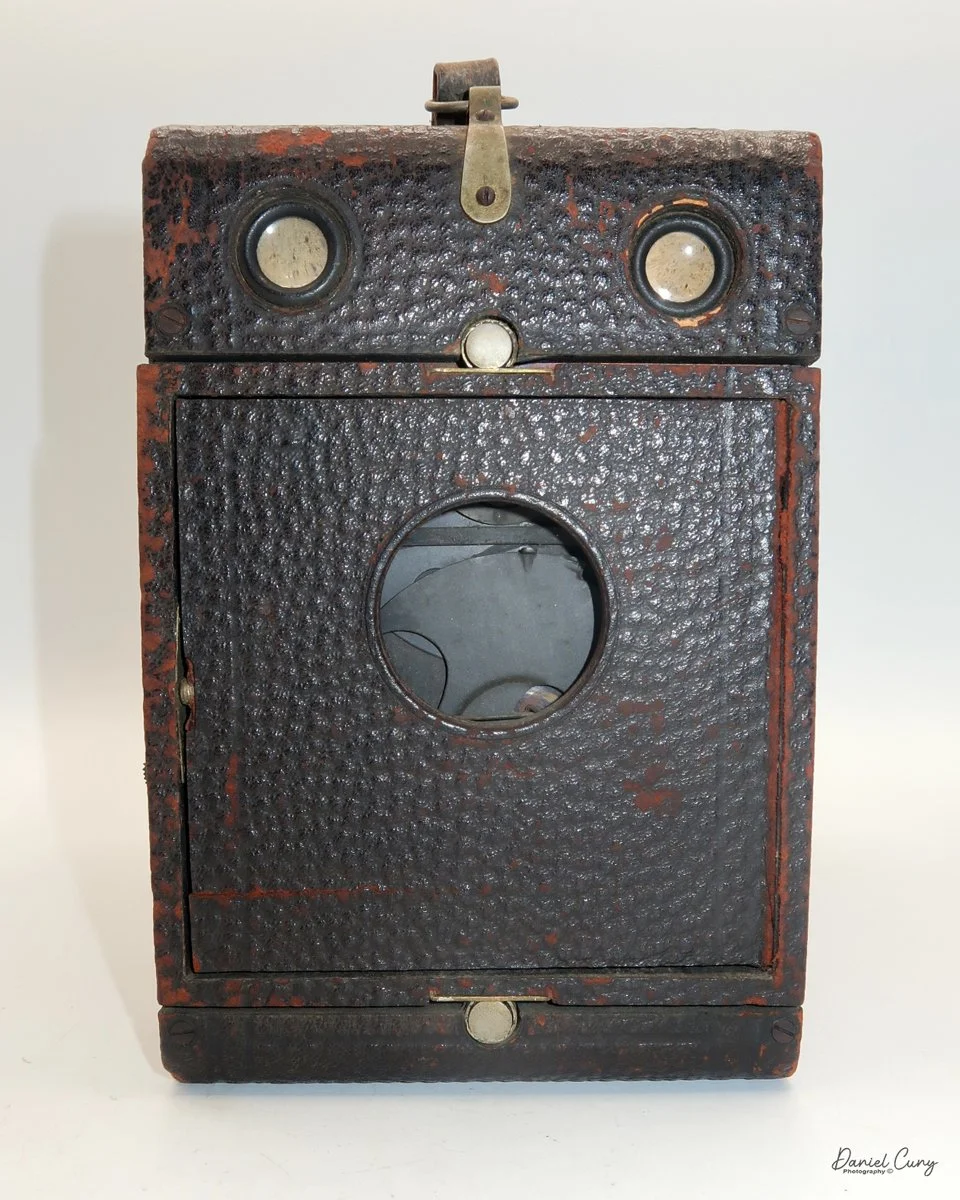
Front view of No. 3B Quick Focus Kodak

 Now that I had the camera in hand, I was setting the camera in the car seat next to me, getting ready to go to my next appointment, the thought of how was I going to get the camera home, since all I had was a carry on bag, and my case for my computer, and other office related gear which I brought with me during sales calls.

 Luckily for me, this wasn't the first time I've run into this issue. There have been time during my travels, that I've had to cram so many items, mainly cameras or lenses in my suitcase, I'd be afraid that I'd struggle lifting the suitcase over my head due to the weight of it, but I've always managed to move items around in my suitcase, fitting even larger items, like the No. 3B Quick Focus camera in there and safely transporting them home safely tucked securely in my carry-on bag.

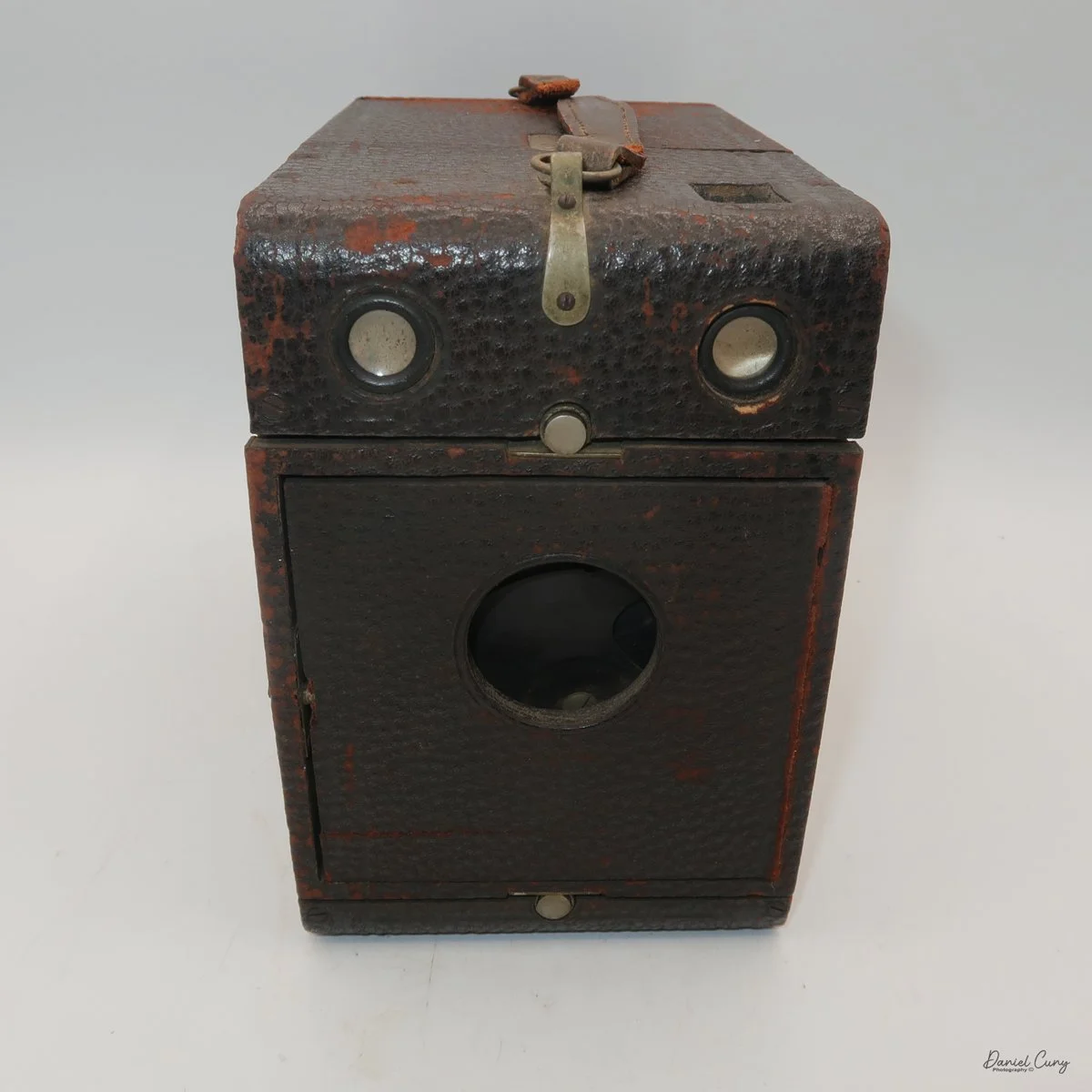
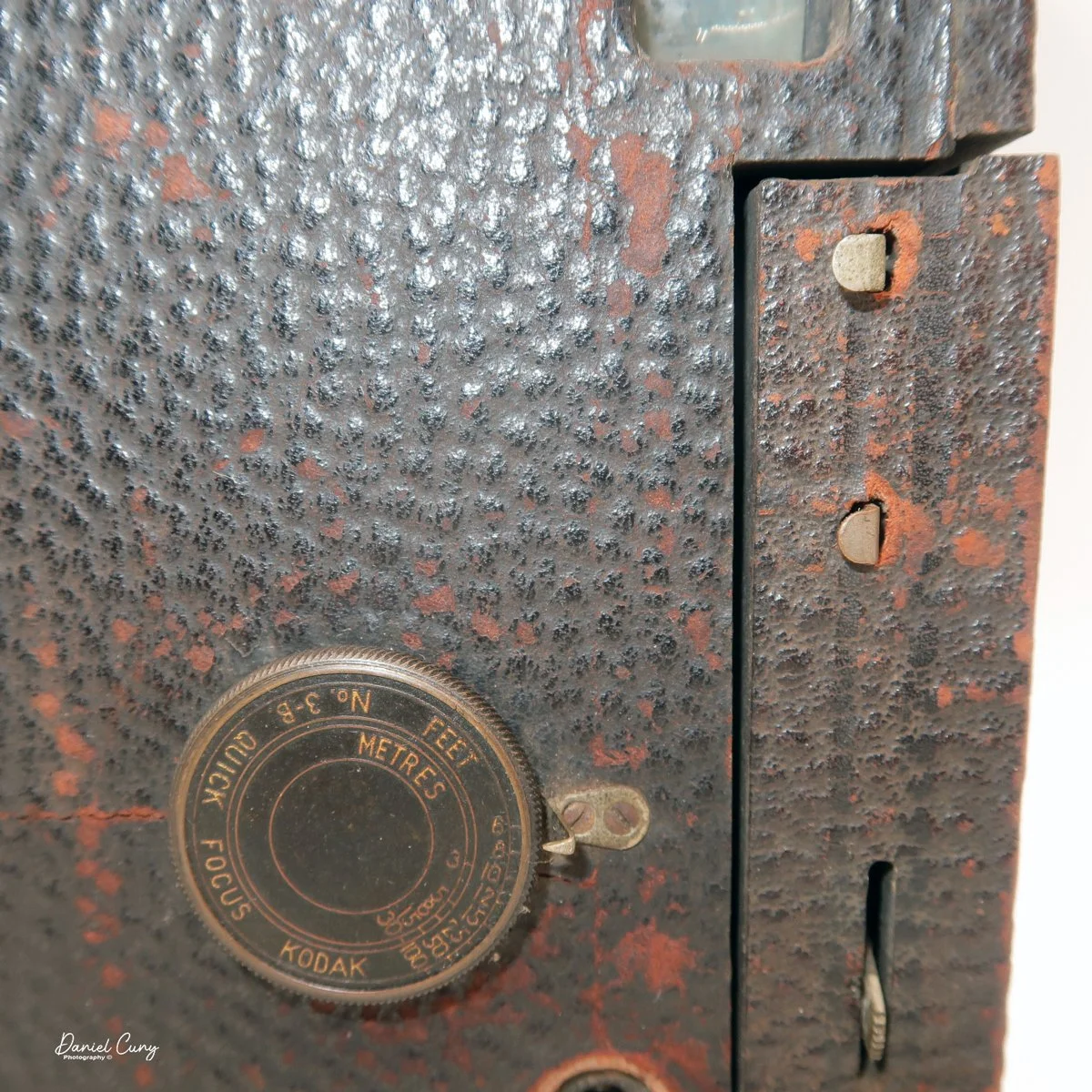
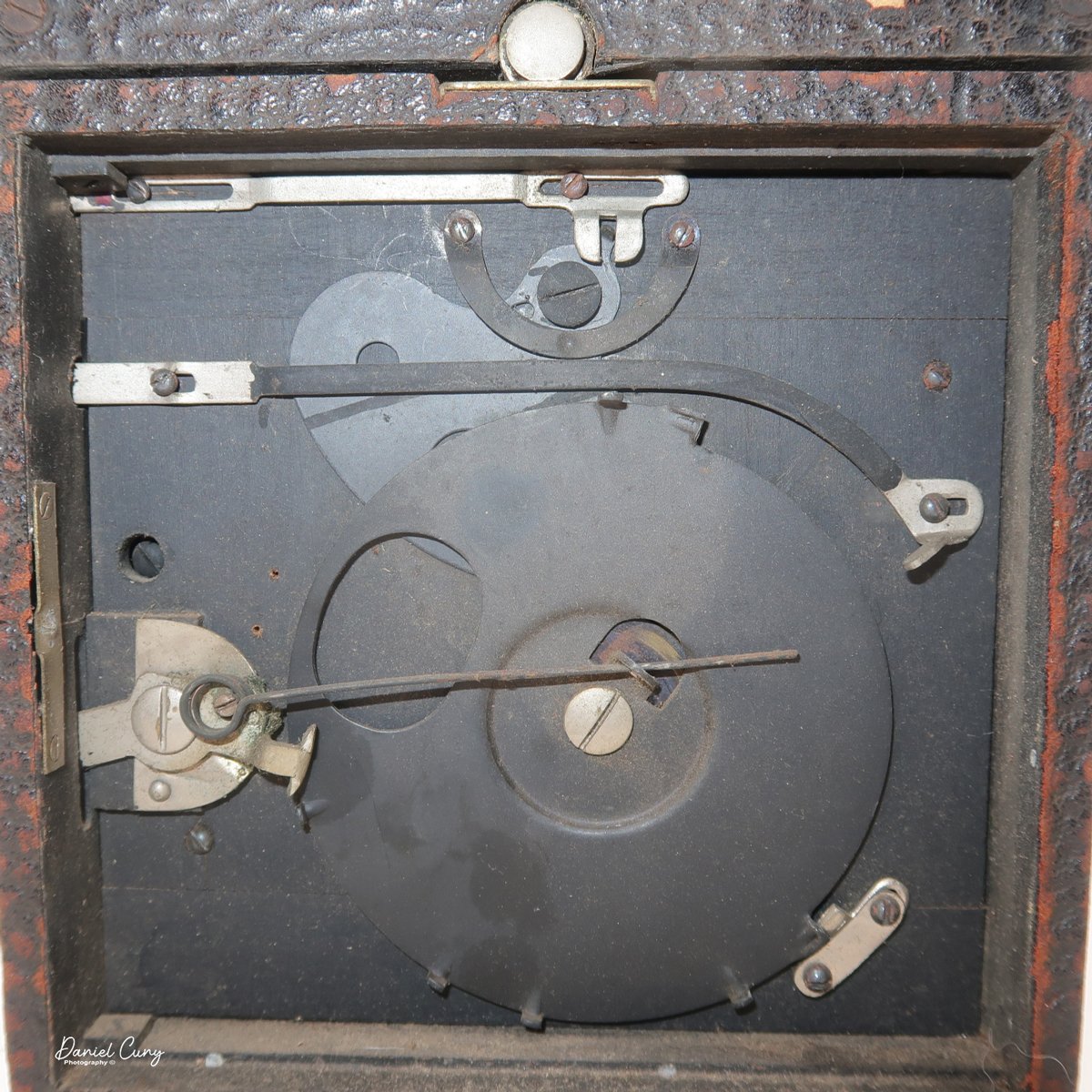
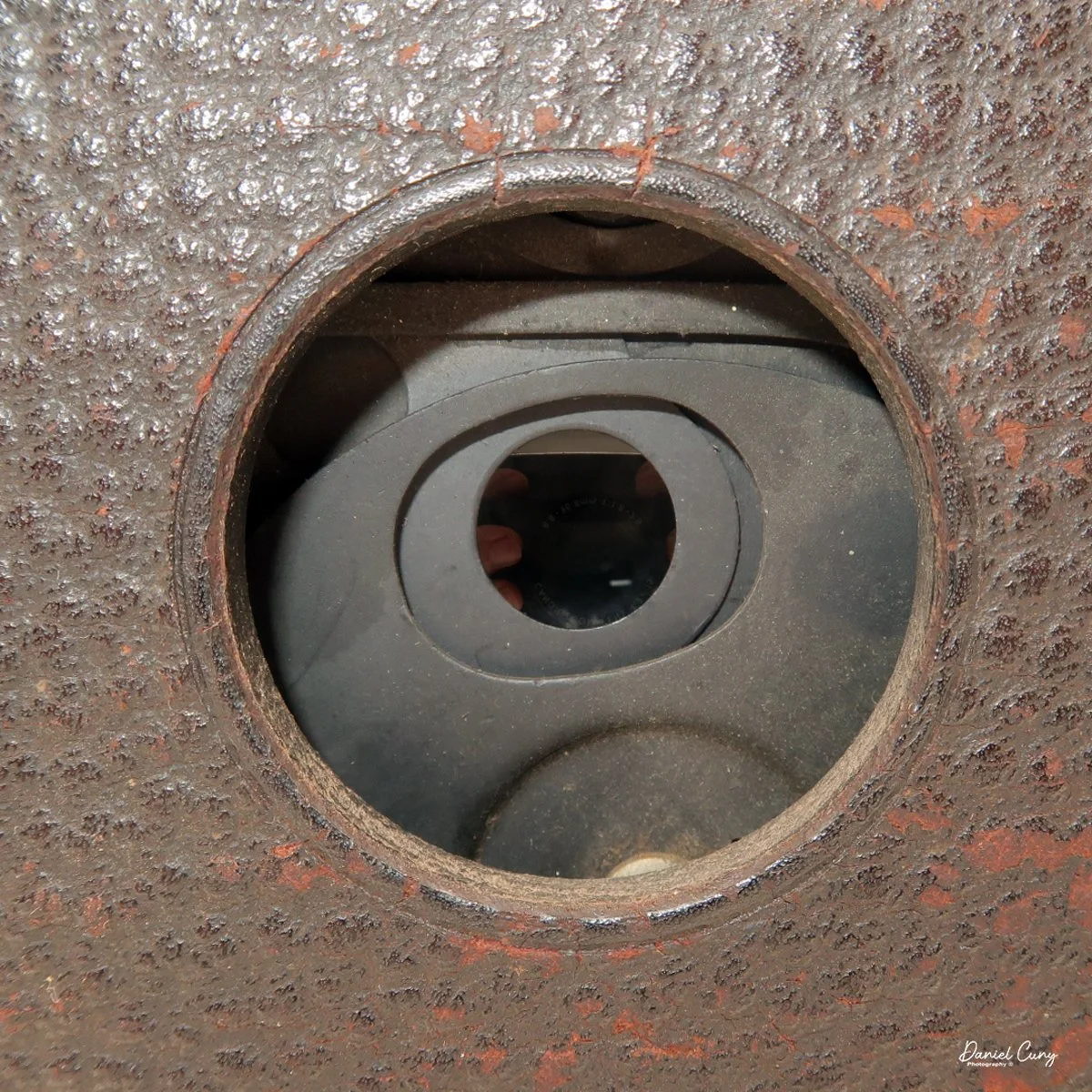
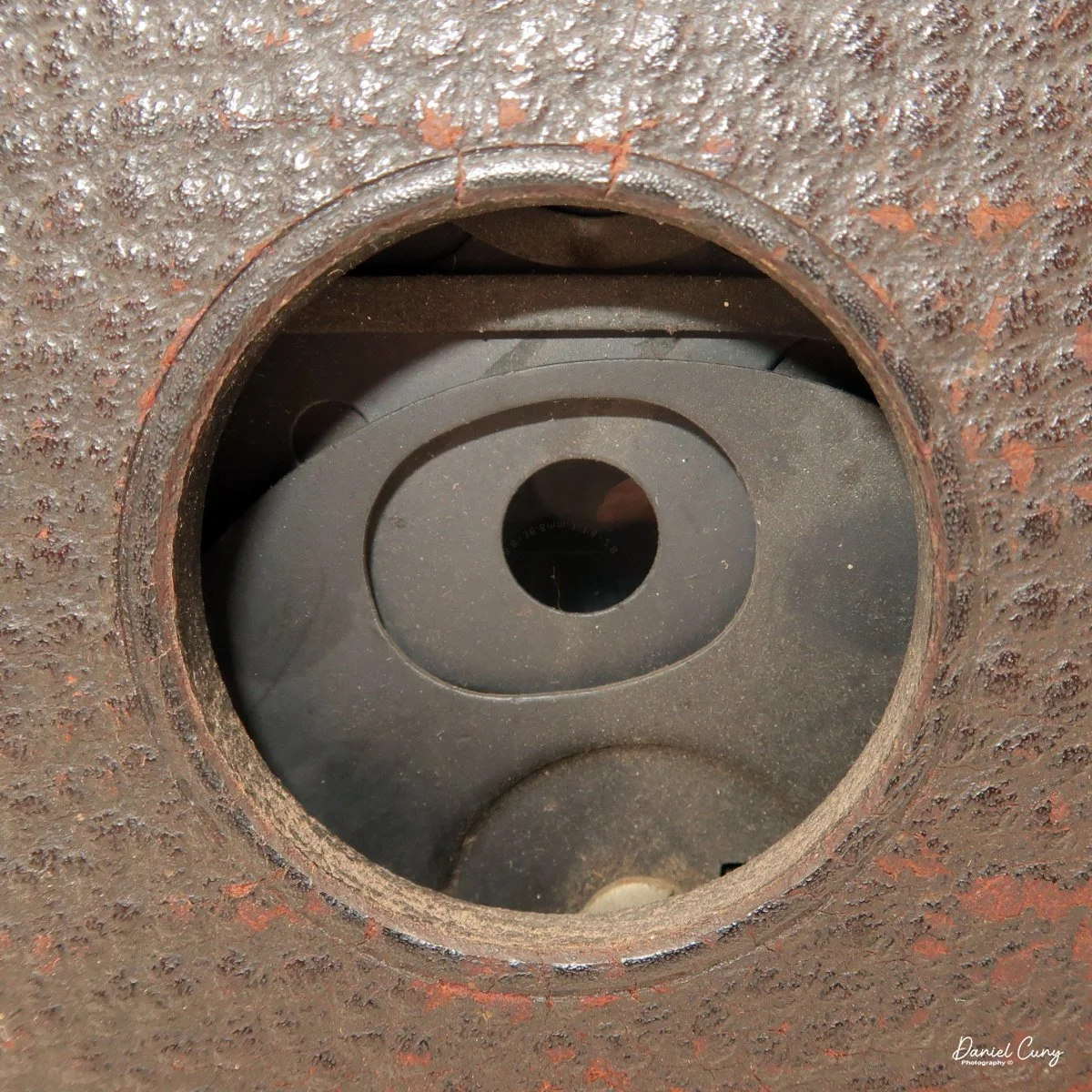
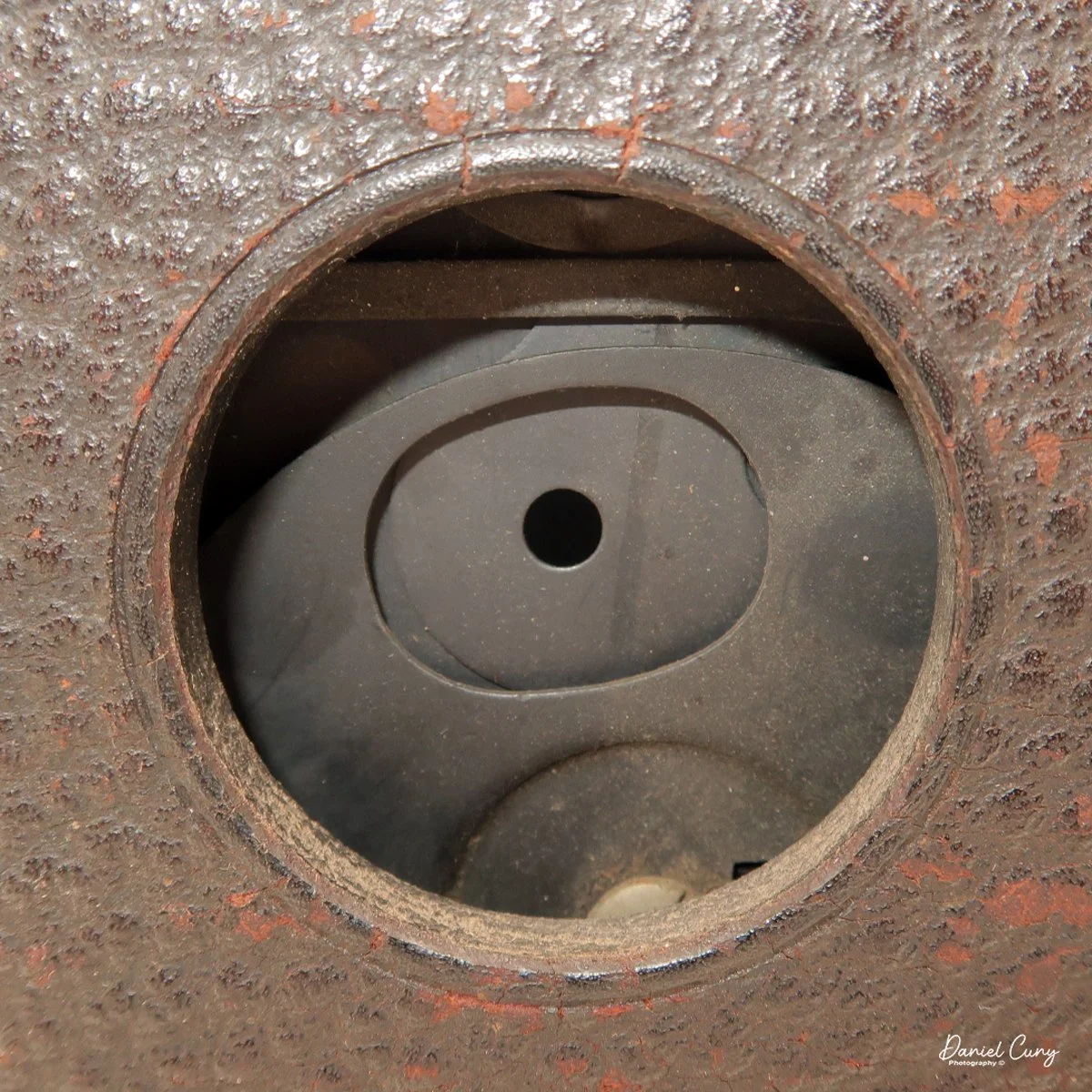
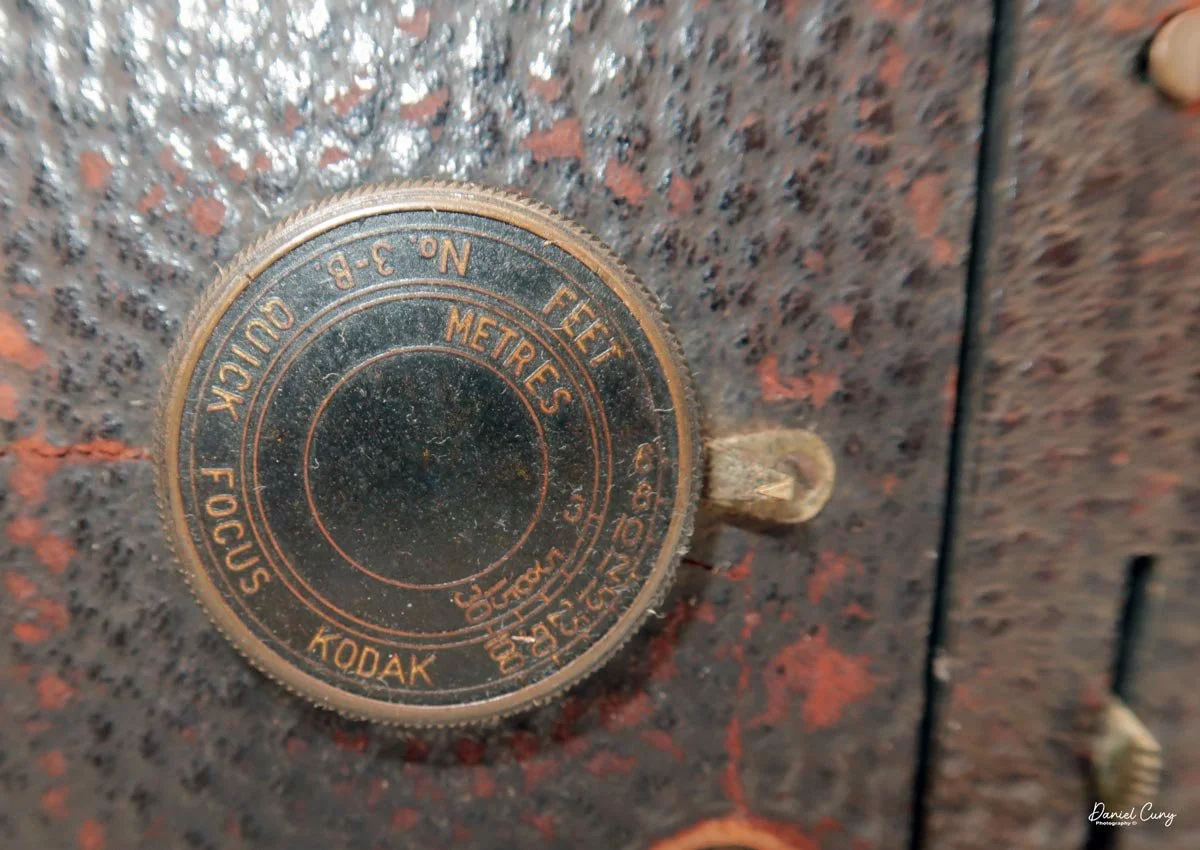
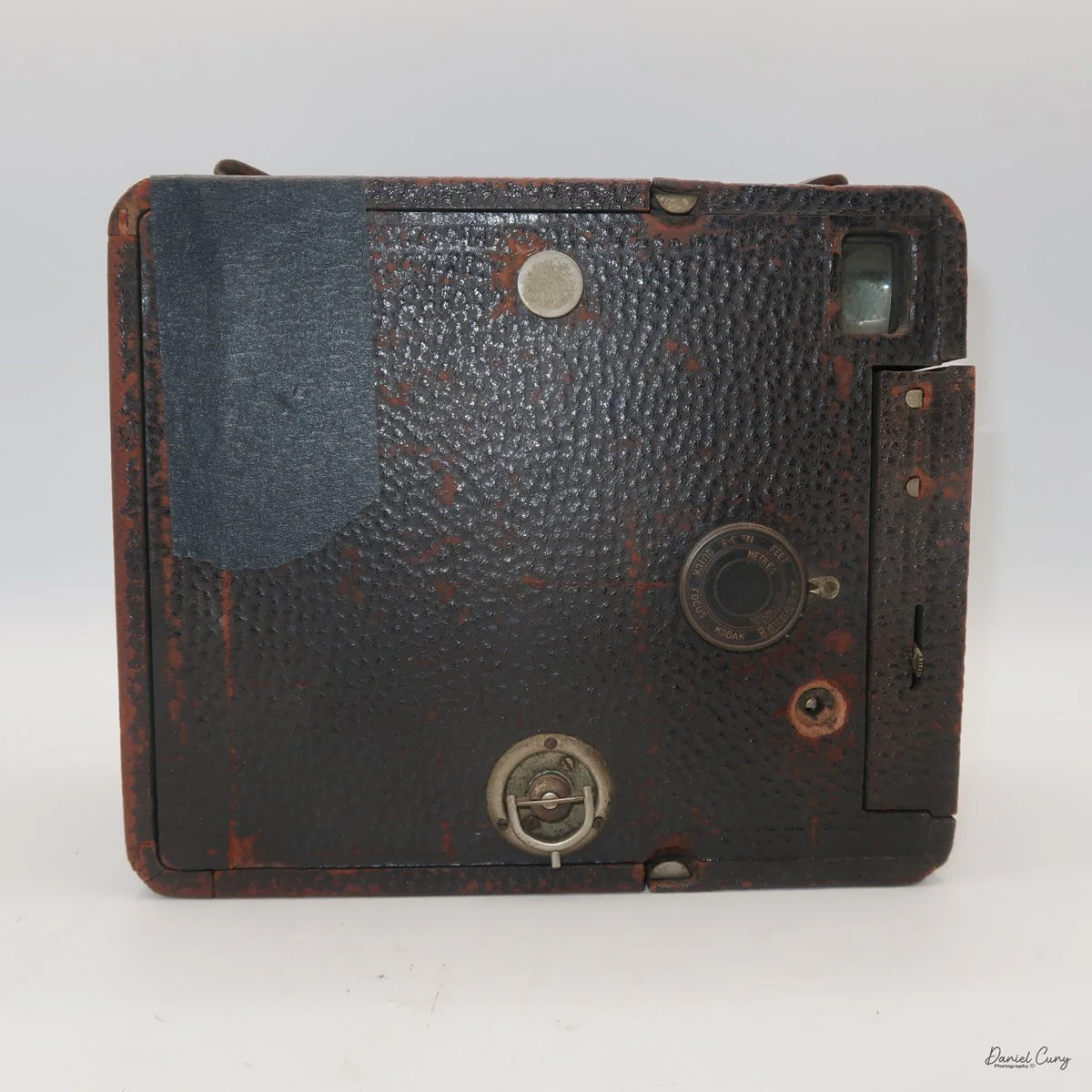
 While the camera looks very ordinary on the outside, resembling many other box-style cameras, the one thing that sets it apart is its ability, as the name suggests, to focus quickly on the subject. This system is still just a guestimate process as there is no ground glass or focus screen in the camera. Still, rather than setting a wheel in the later versions or sliding a bar to an approximate distance from you to the subject, press a button. The camera springs the lens to an approximate distance from the film plane, replicating the distance required to produce a sharp image on the film.

 I've owned the No. 3B Quick Focus camera for more than 20 years, and it wasn't until I was going through some boxes of cameras I have that I came across the camera. Looking at the camera, it's in relatively good condition for a camera made between 1905 and 1911, with only a few modifications. The main difference was that earlier versions had a sliding lever to adjust the focus distance, whereas later versions used a circular wheel.


 Early Kodak History:

 The period between 1880 and 1910 was a time of rapid innovation in industrial history, transforming photography from a complex process into a popular hobby, which makes owning a camera from this era especially meaningful for history buffs and enthusiasts.

Early Kodak Advertisment

 Before 1880, photographers had to use "wet plates," which required coating glass with chemicals and developing them immediately before the emulsion dried. In 1880, George Eastman began manufacturing dry plates in Rochester, New York. These could be stored and sold, effectively decoupling the act of taking a photo from the chemistry of preparing it. In 1884, he transitioned from glass to paper film rolls, a pivot that laid the technical foundation for the modern snapshot.

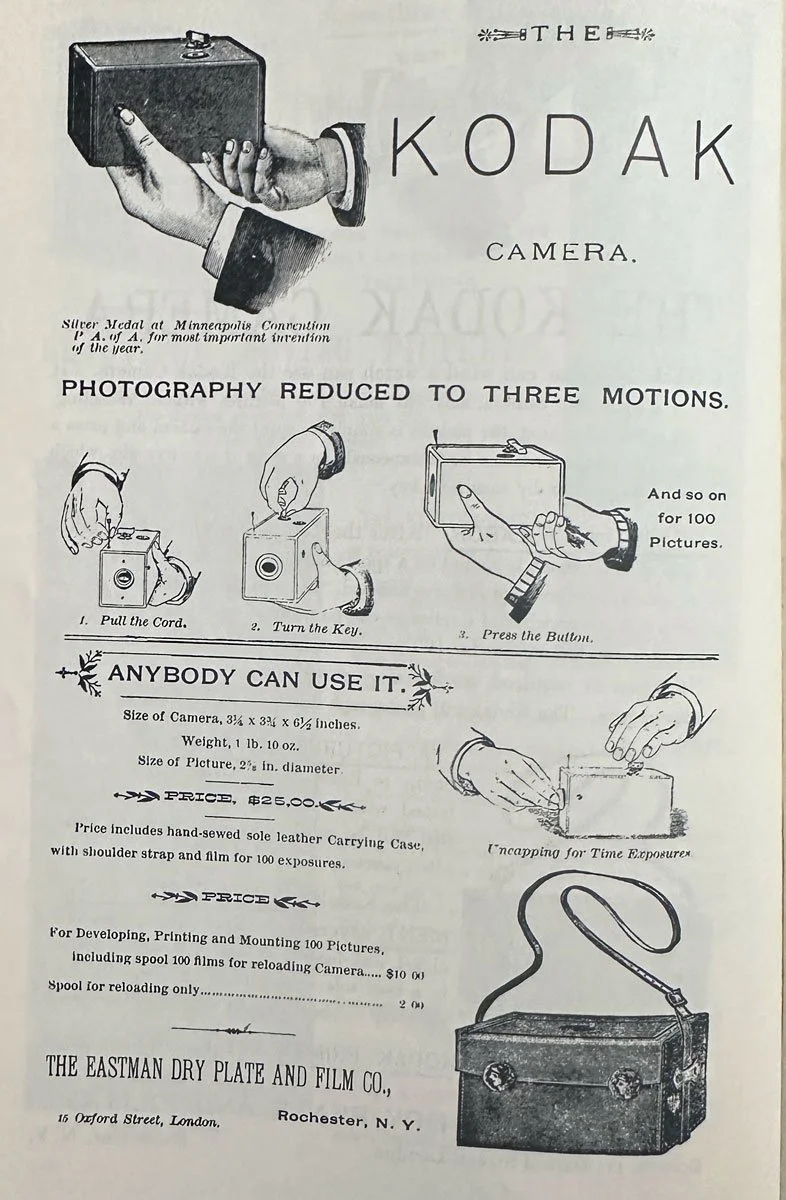
 In 1888, the first Kodak Camera was released. It was a simple box pre-loaded with enough film for 100 exposures. When the roll was finished, the owner sent the entire camera back to the factory. Kodak would develop the film, print the photos, and return the camera reloaded with new film. This "System of Photography" changed the medium's identity from a technical craft to a consumer hobby.

 By 1889, Eastman Kodak introduced transparent nitrocellulose film, which was flexible and clear. This wasn't just a win for photographers; it was the catalyst for the motion picture industry, as it provided Thomas Edison with the material needed to create the first movies.

In 1900, the Brownie camera was launched. Selling for just $1 (with 15-cent film rolls), it was marketed specifically to children. It solidified Kodak's "Razor and Blade" business model: sell the hardware at cost to create a permanent market for the consumables (film and chemicals).

 By the end of the first decade of the 20th century, Kodak had streamlined its corporate structure and expanded into Europe. The company pioneered the "Folding Pocket Kodak" during this time, making cameras small enough to travel anywhere. By 1910, Eastman Kodak wasn't just a company; it was a monopoly of the "snapshot," having successfully democratized the visual record of human life.

My Camera:

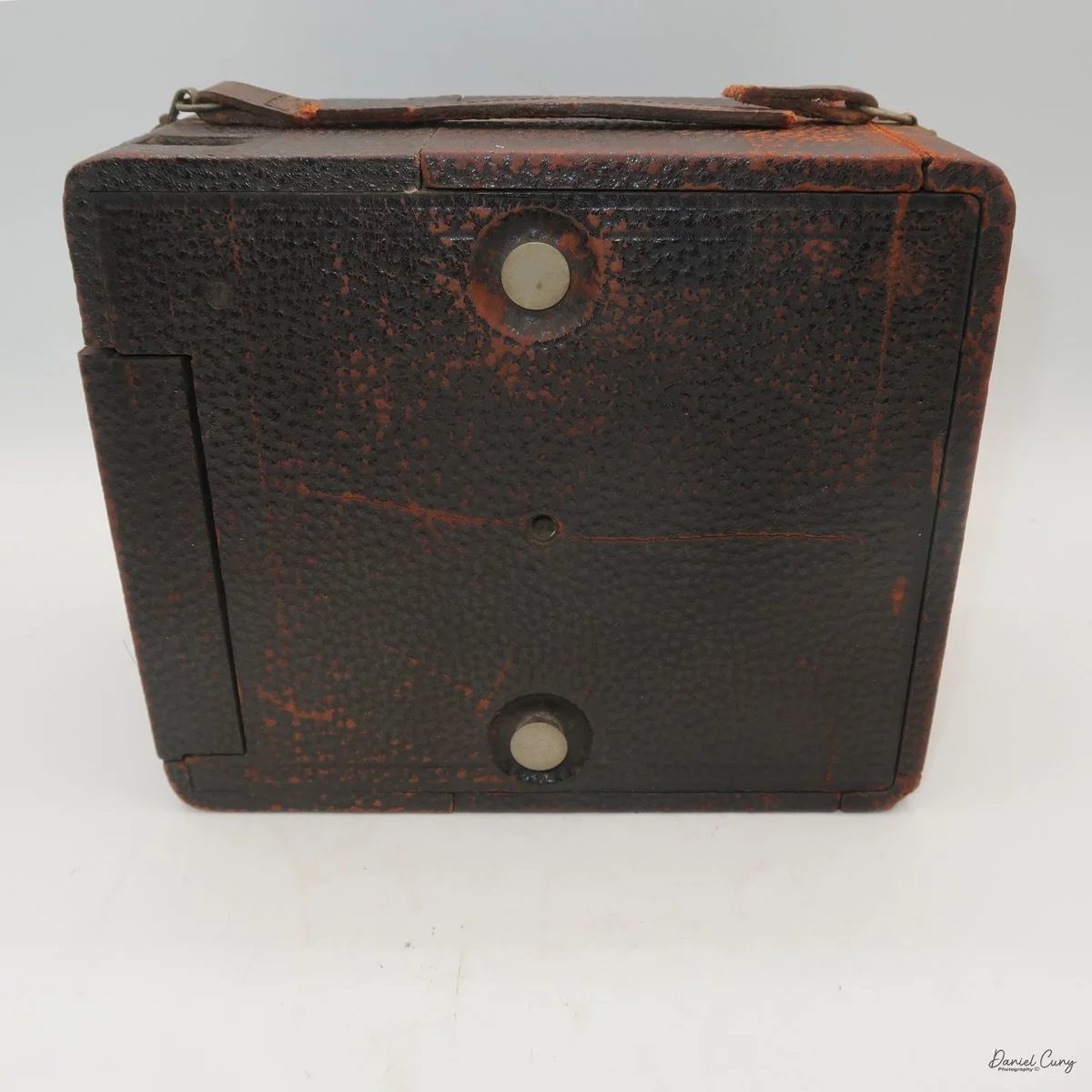
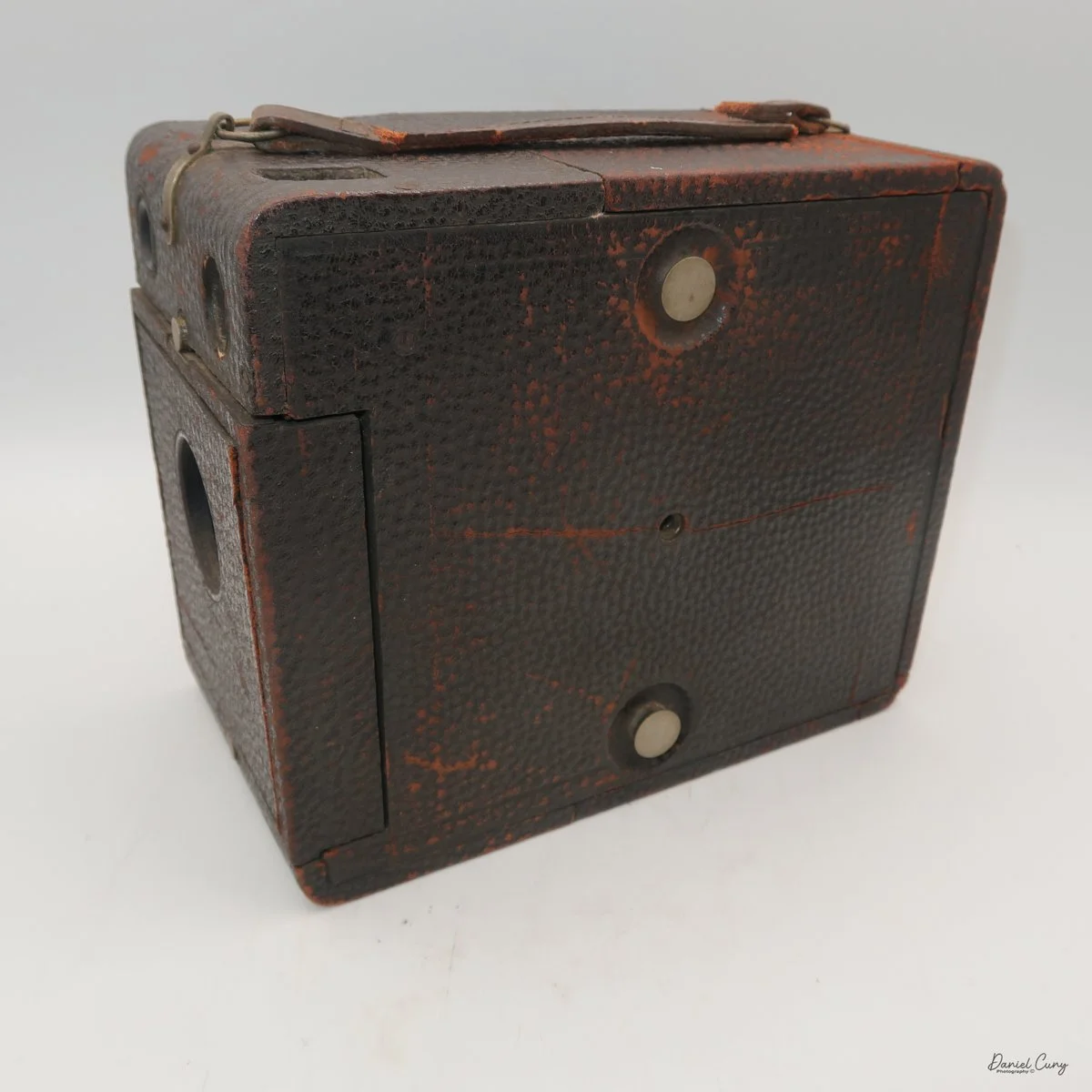
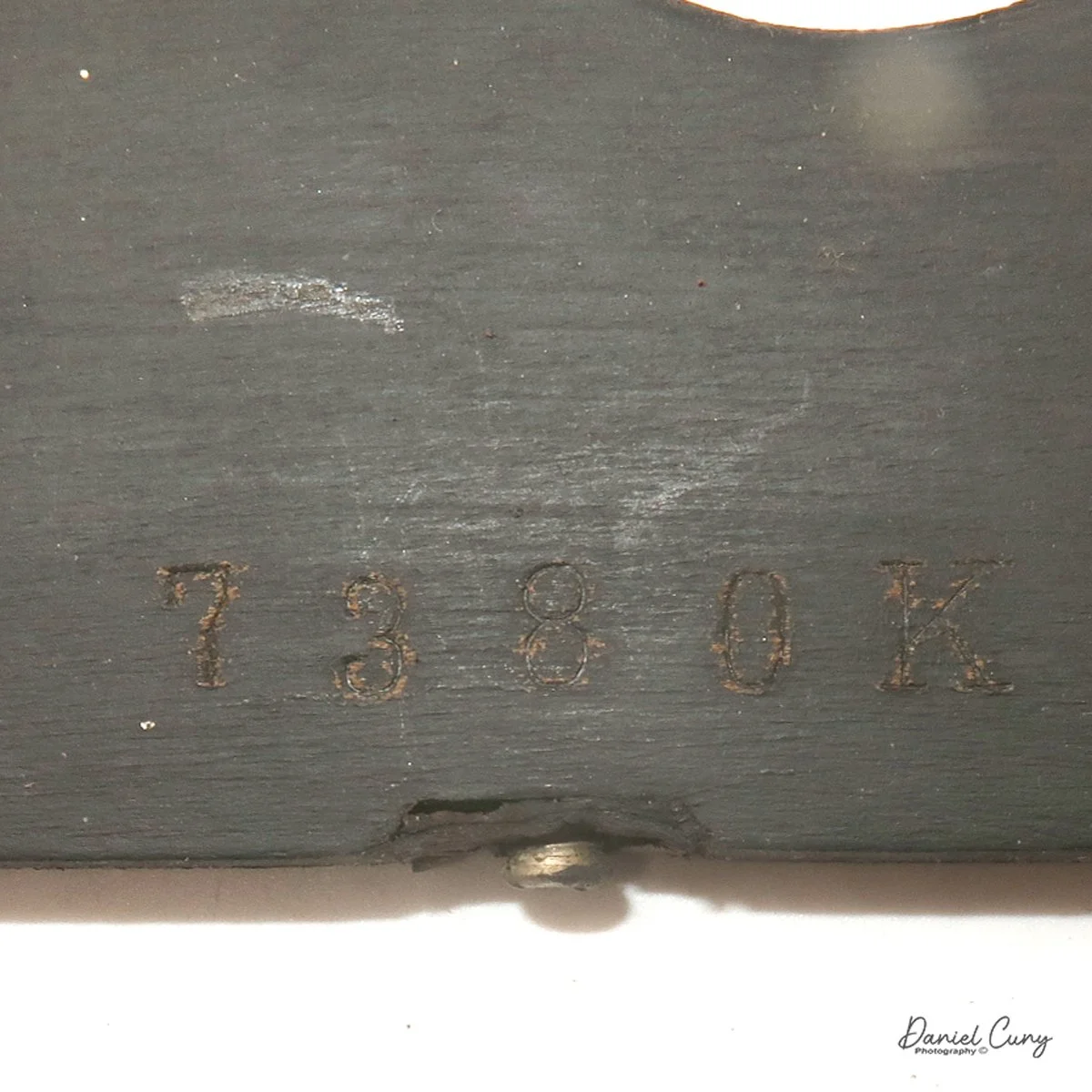
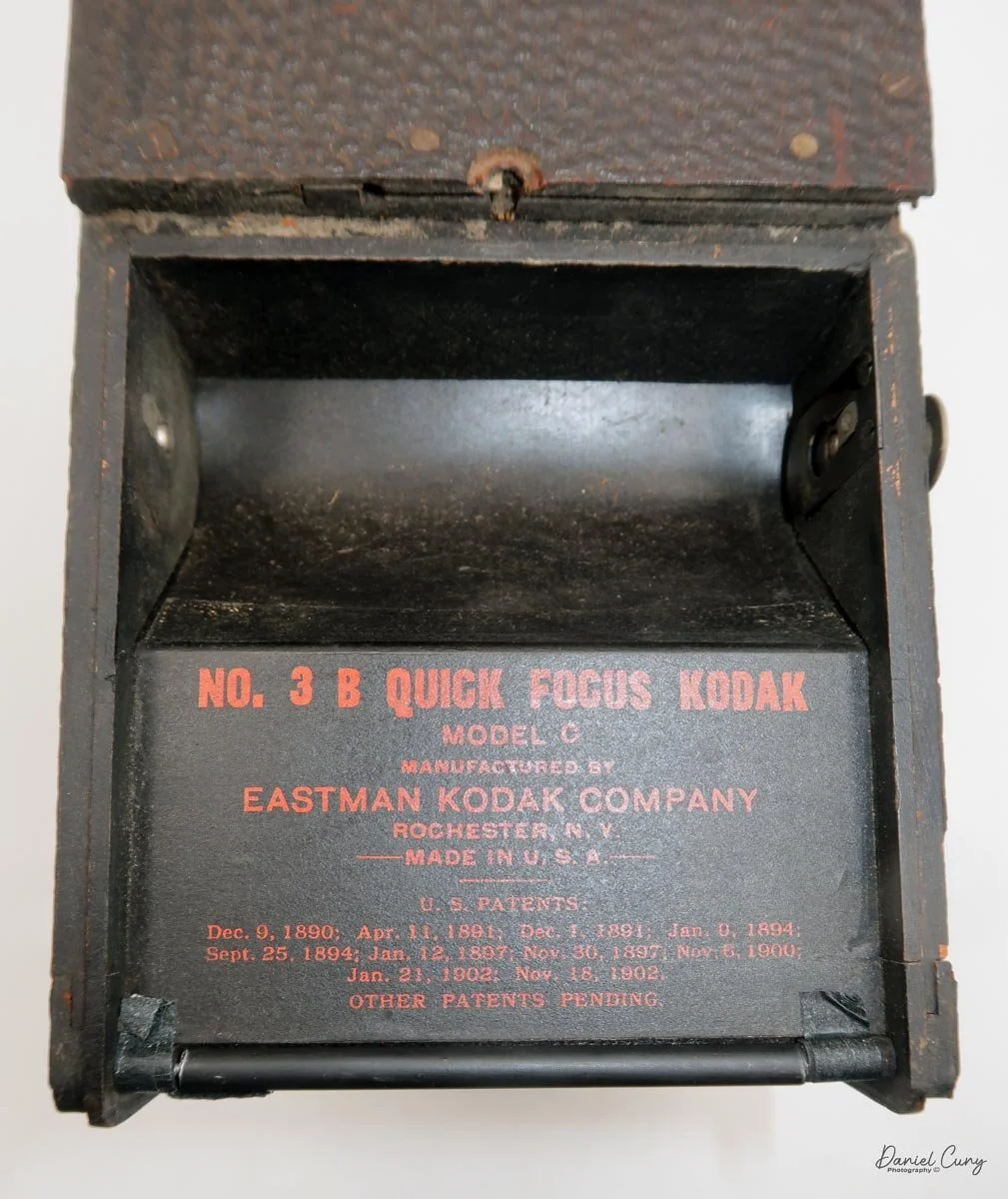
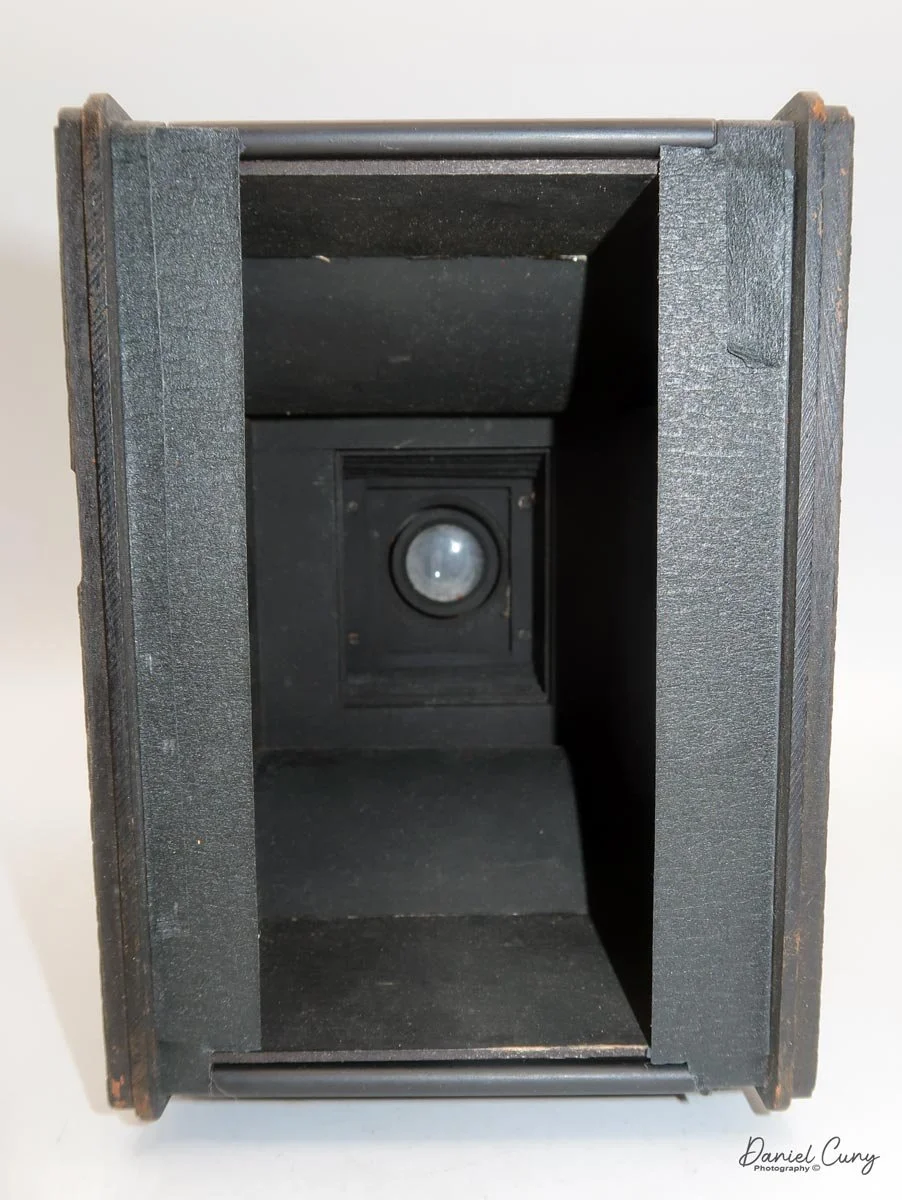
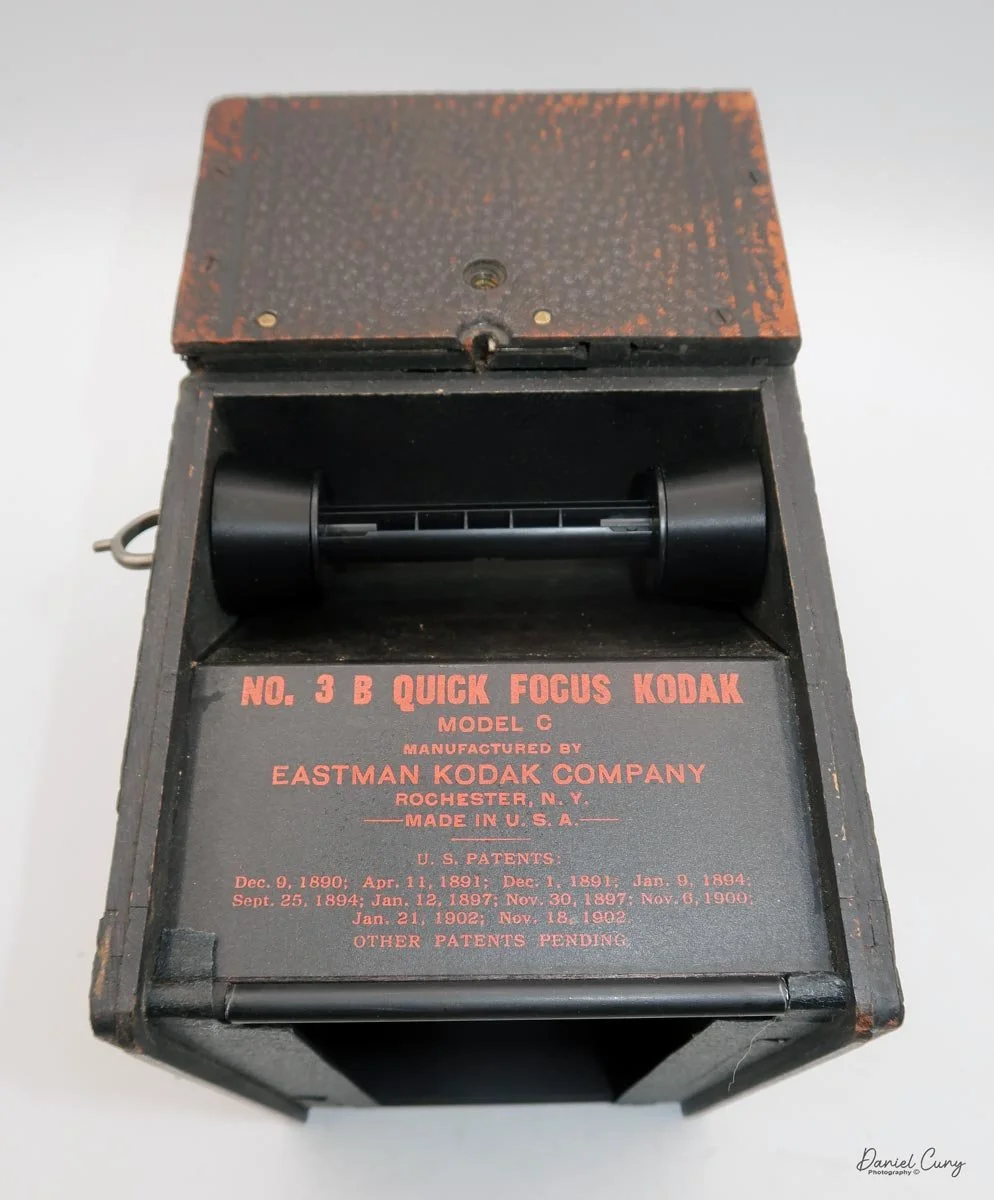
 My No. 3B Quick Focus camera is 7" tall by 8.25 " long with the lens retracted, and 4.75" wide, and weighs 2 pounds, 13.4 ounces. The serial number of my camera is 7380K, which you can find on the inside of the plate covering the shutter on the front of the camera. Thank you to Pacific Rim, which has a No. 3B Quick Focus Kodak manual.

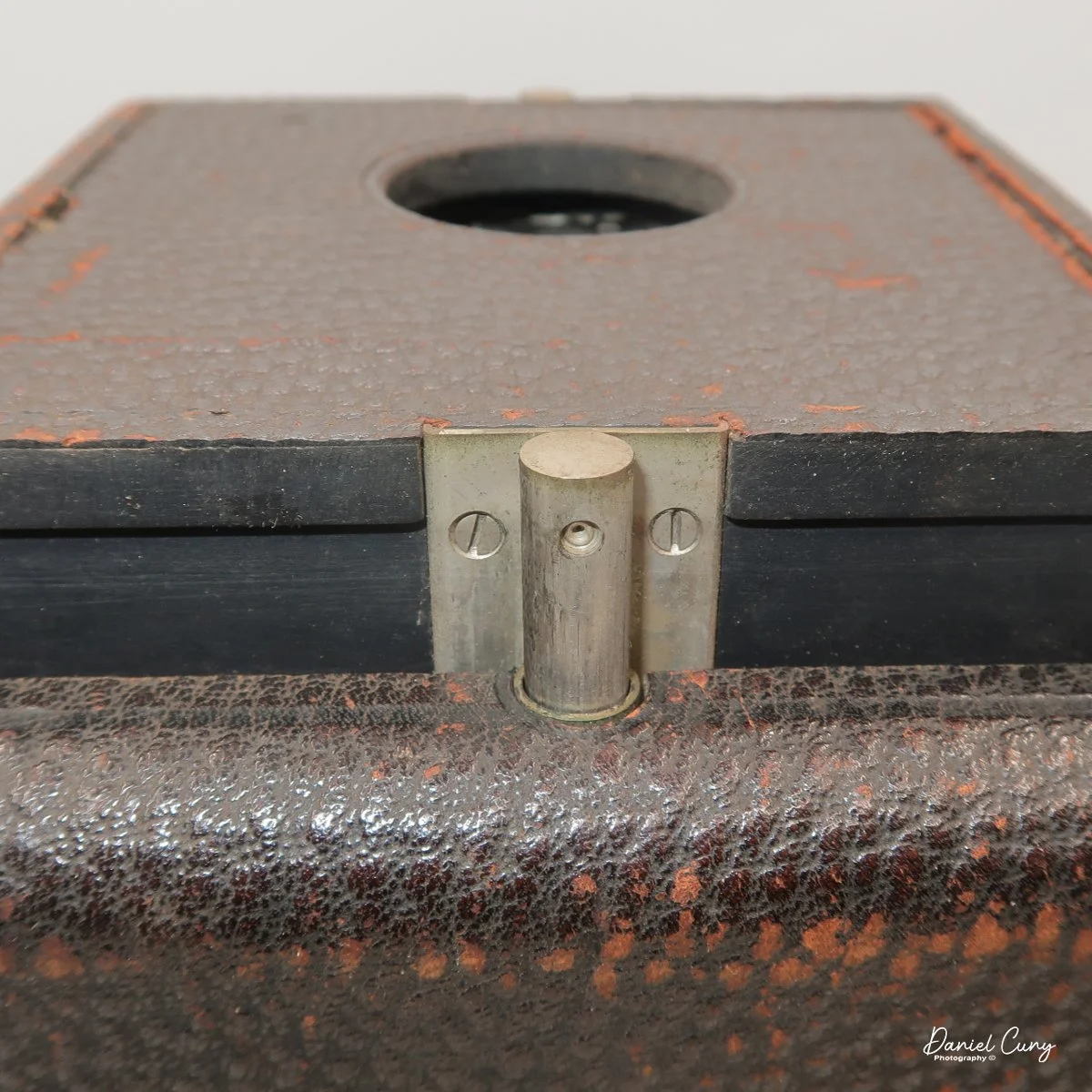
The camera has two viewfinders: one on the top for vertical images, and, when turned on its side, one for horizontal images. The camera's shutter release is on the right side; it's a "one motion" release, meaning you slide it down, and the shutter opens and closes. Then slide the shutter release up, and it repeats the open/close motion.

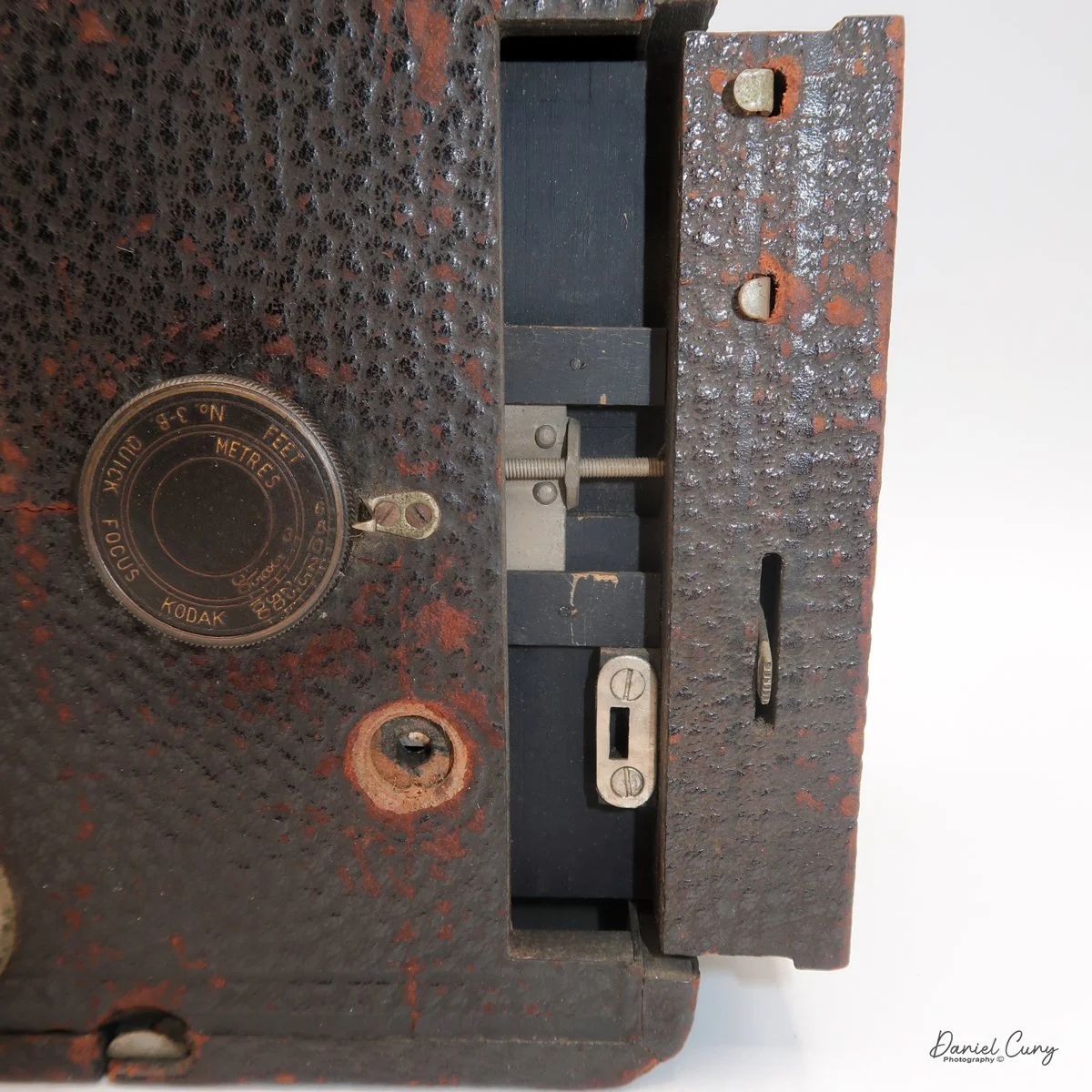
 Also on the right side of the camera is the aperture setting, which is controlled by pulling out a lever to three different positions to set the aperture. Below the aperture settings is another lever you use to set the shutter speed to instant when the lever is in, or to time exposure when you pull it out. In time exposure, you'll need to flip the shutter release up or down to open the shutter, then back to close it.

The strap on my camera is broken, and on the right side of the camera is the wheel to set the distance, as you guessed, but unfortunately, the button to focus the camera is missing. I put in a temporary item, similar to a large thumb tack, to activate the "quick focus" mechanism.

 Mechanically, the camera focuses quickly when you set the wheel to the proper distance, and the lens springs to the focused position very quickly. At this point, since the camera appeared to be in good working order, I figured it was time to put some film in and write a blog post about it. 

It's at this point that I decide to write about a certain camera, only to run into snags that make the process of making images and writing about the camera longer than anticipated. In my younger days, I didn't have the same patience as I do now, as I learned from many similar stories of starting a project: due to unforeseen issues, the process is longer than anticipated.

 When I took the back off the camera to inspect the film chamber, I noticed the negative size on this camera is enormous. The camera produces a 3 1/4" x 5 1/2" negative, also called "Postcard size," on a roll of daylight-loaded 125 film. On each 125-size film roll, the camera produced 10 images.

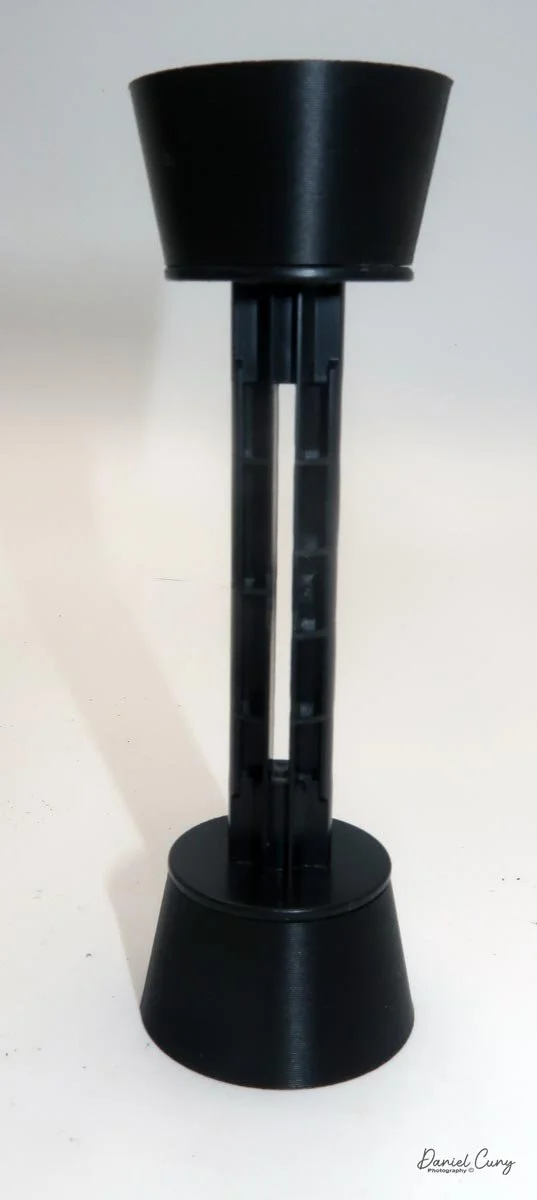
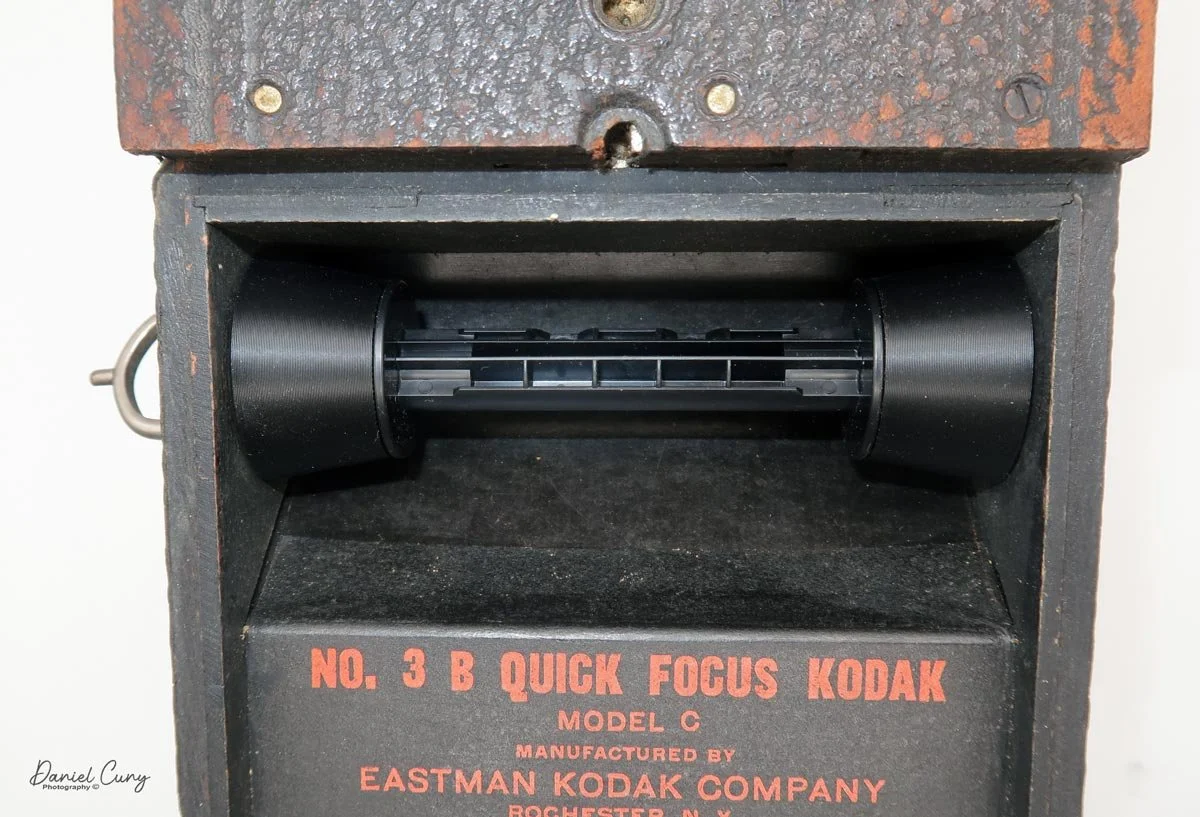
 Since 125 film is no longer available, I needed to adapt the camera to use a more modern roll film. Online, I found someone who makes adapters for new film to fit into older-style cameras, so I reached out to him, and for a nominal fee, he made me four adapters to fit 120-size film into 125-size cameras. At this point, I will likely purchase a 3D printer so I can do these things myself, but as mentioned earlier, that will pose a whole new set of issues that I'll need to address.

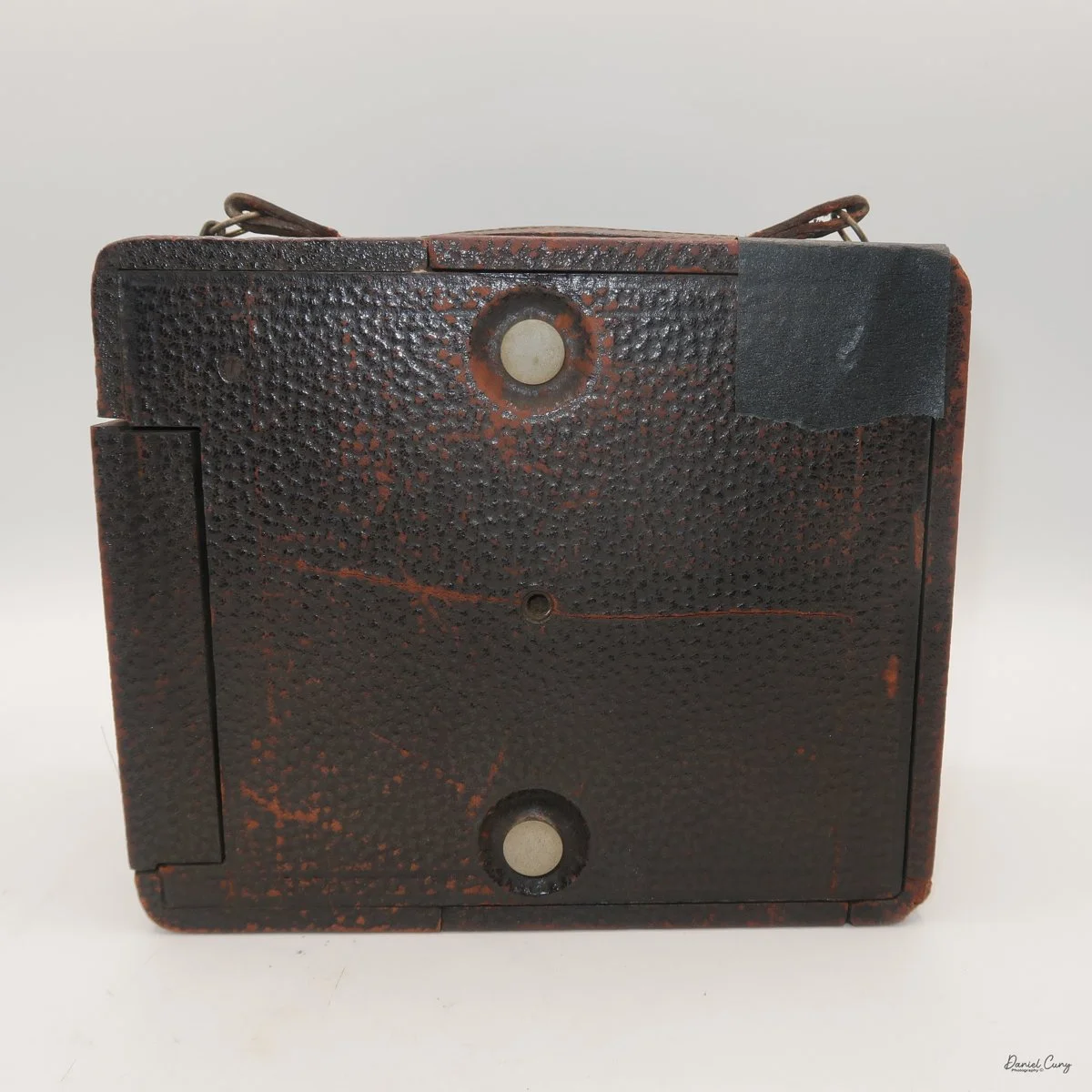
The No. 3B Quick Focus camera has a three-piece hinged back that comes off the camera by pressing in a small button on the top and bottom of the camera, which releases the locking mechanism and allows the camera's back to come off for loading and unloading of film. Due to the age of the camera, one of the hinges is in decent condition, but the other was rather worn, and on one of the times taking the back off, it tore off, and the back was in two pieces, which now needed to be repaired if I wanted to shoot with it.

 I purchased some thick, black book-binding tape, a cloth tape that will allow the back to move slightly while staying intact with the other pieces. The tape was applied on the inside and is very flat and non-reflective. With the back fixed, the film adapters made, I needed to mask off the area of the film opening to accommodate 120-size film, so I needed to mask it off to approximately 2.25" across.

 At the local hobby shop, I found some black, matte construction paper. I cut the construction paper to the desired length and width, and taped it to the back of the film chamber to mask the excess area needed for the 120 film.

After sitting in a box for more than 20 years, the camera's optics needed a good cleaning, so with Q-tips, lens cleaners, and lens tissues in hand, I gave the viewfinders and lenses a good cleaning, which they desperately needed.

 One other thing I needed to figure out was that, since the camera originally used 125-size film, there is a red window on the back so you can tell which frame number you're on. The red window won't work for the adapted 120 film, so I needed to see how much film would be wound per each turn of the advance knob. 

 I put a piece of paper on the spool and turned it one-half turn, which covered the spool. Then I measured that length and determined that it was approximately  1", so to cover the 5 1/4", I'd turn 3 full turns to get approximately 6" of film across the film area. The one thing I didn't know was how much paper backing there was on each roll before reaching the film itself. This I just guessed at and hoped I'd get 5 images per roll since each negative would be 2.25" x 5.25".

 With the camera's back off, I loaded film into the camera, then put the film back on. To guard against any light leaking into the camera through the taped hinge, I put some black painters' tape on the outside as well. Now it was time to go outside and see what the camera could do.

My Results:

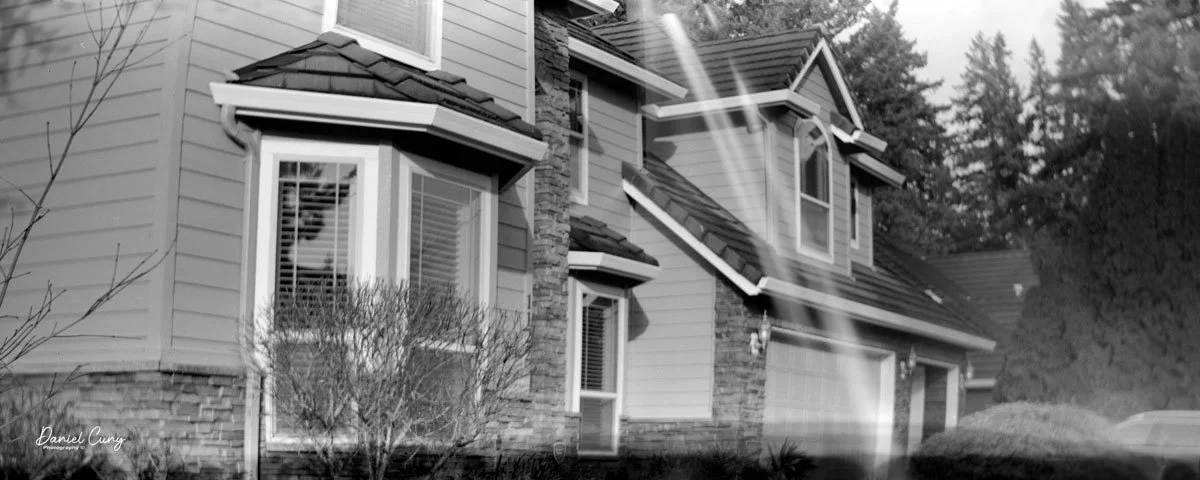
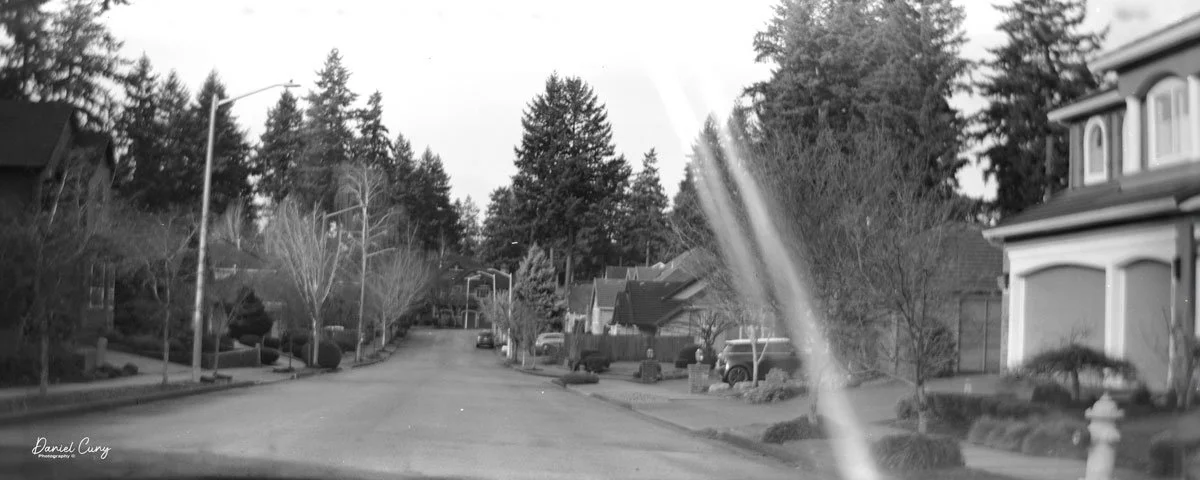
 With film loaded in the camera and guessing at the film's approximate starting point, I walked through the neighborhood, estimated the distance to the subject, set the focus wheel of the No. 3B Quick Focus to that distance, and pressed the focus button. The lens sprang to the distance needed, and I took the photos.

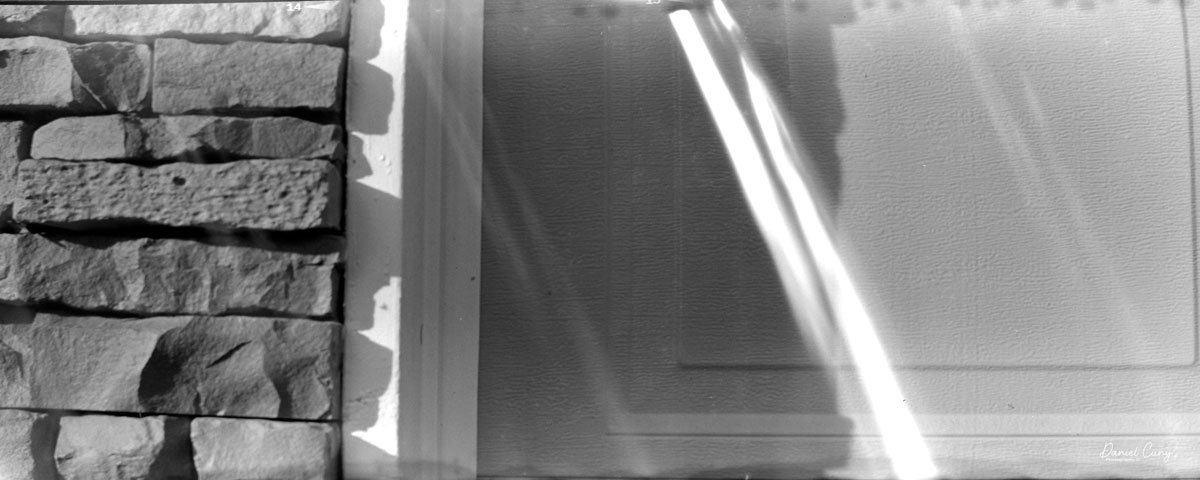
 Here are the images I took during my walk through the neighborhood, knowing I'd only have 4-5 images to shoot.

Conclusion:

 Well, after all that work, I still had light leaks. They are all in the same direction and at the same place, so I didn't plug up any areas with a pinhole that caused the light leak.

 Taking the back off the camera and going into a dark room, I shone a light into certain areas around the shutter and the quick focus area. The only spot I saw a light leak was in the top area by the locking mechanism, which the cover itself should have covered.

 I'll need to do a bit more poking around to see what I can find, but overall, the images were good, aside from the light leak. I needed to take a few more close-up shots to check focus, but from what I can see, it turned out well, and it's a fun camera to shoot with.

 Overall, a fun and very good learning experience working with a 115-year-old camera.

 Thank you for taking the time to read about this camera and the issues I had to resolve to get it back to a usable state for shooting.

 Here's a link to my other Camera Reviews.

 Cuny's Cameras and Photo is my eBay online shop, where I sell cameras I've reviewed, along with other camera and photo oddities I've accumulated over my 50-plus years.

 Until next week, please be safe.

Kodak Panoram 1-Model D

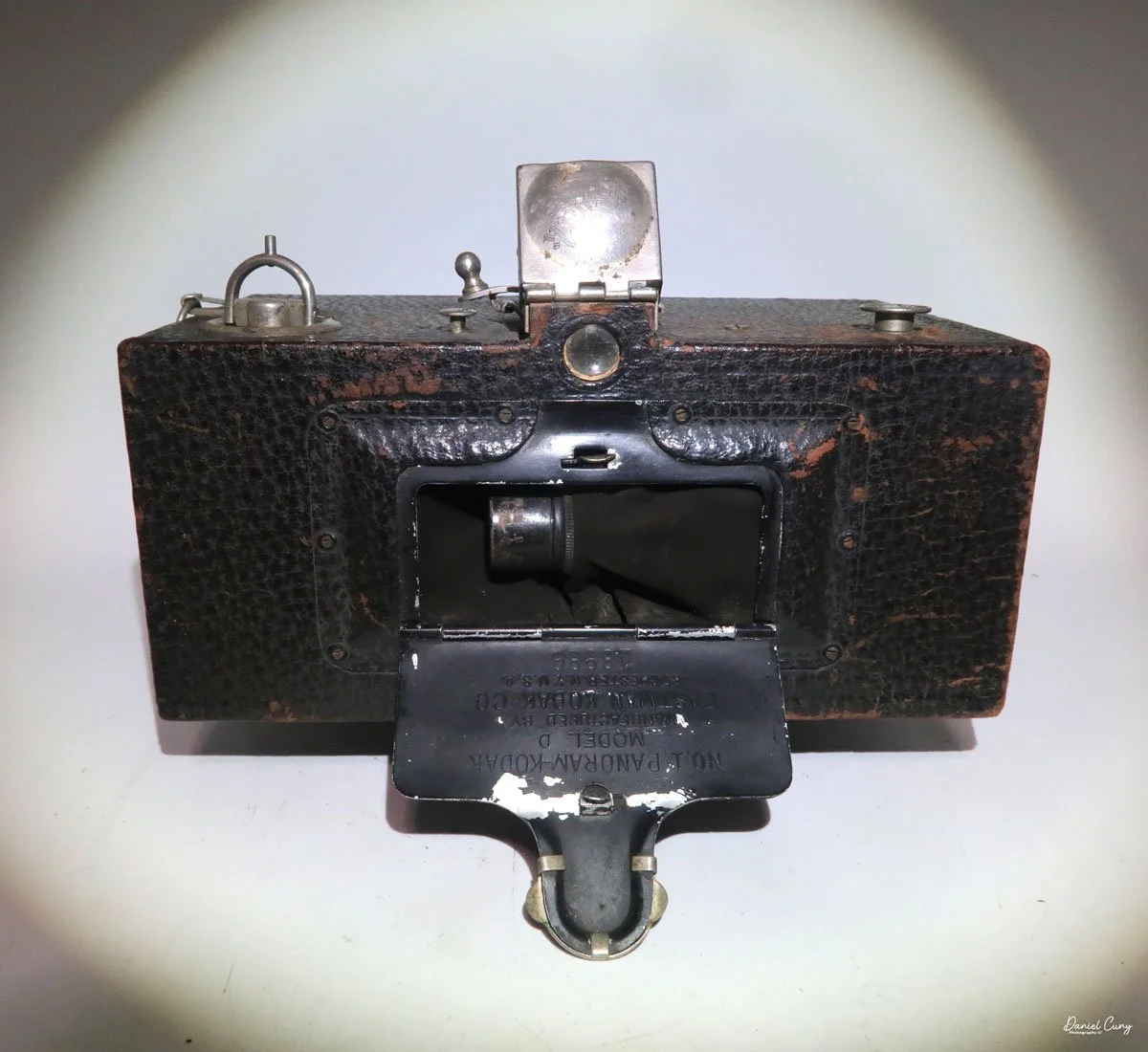
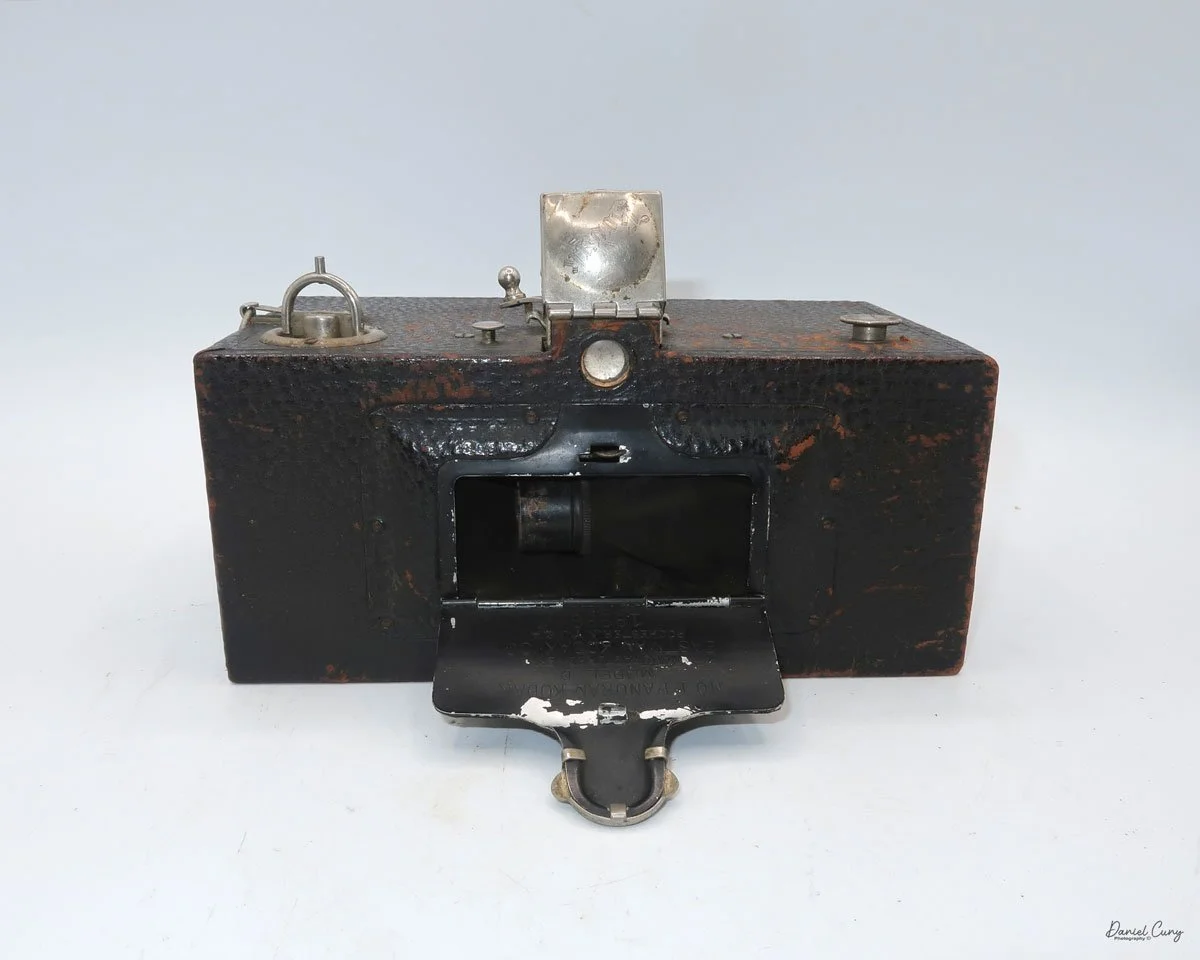
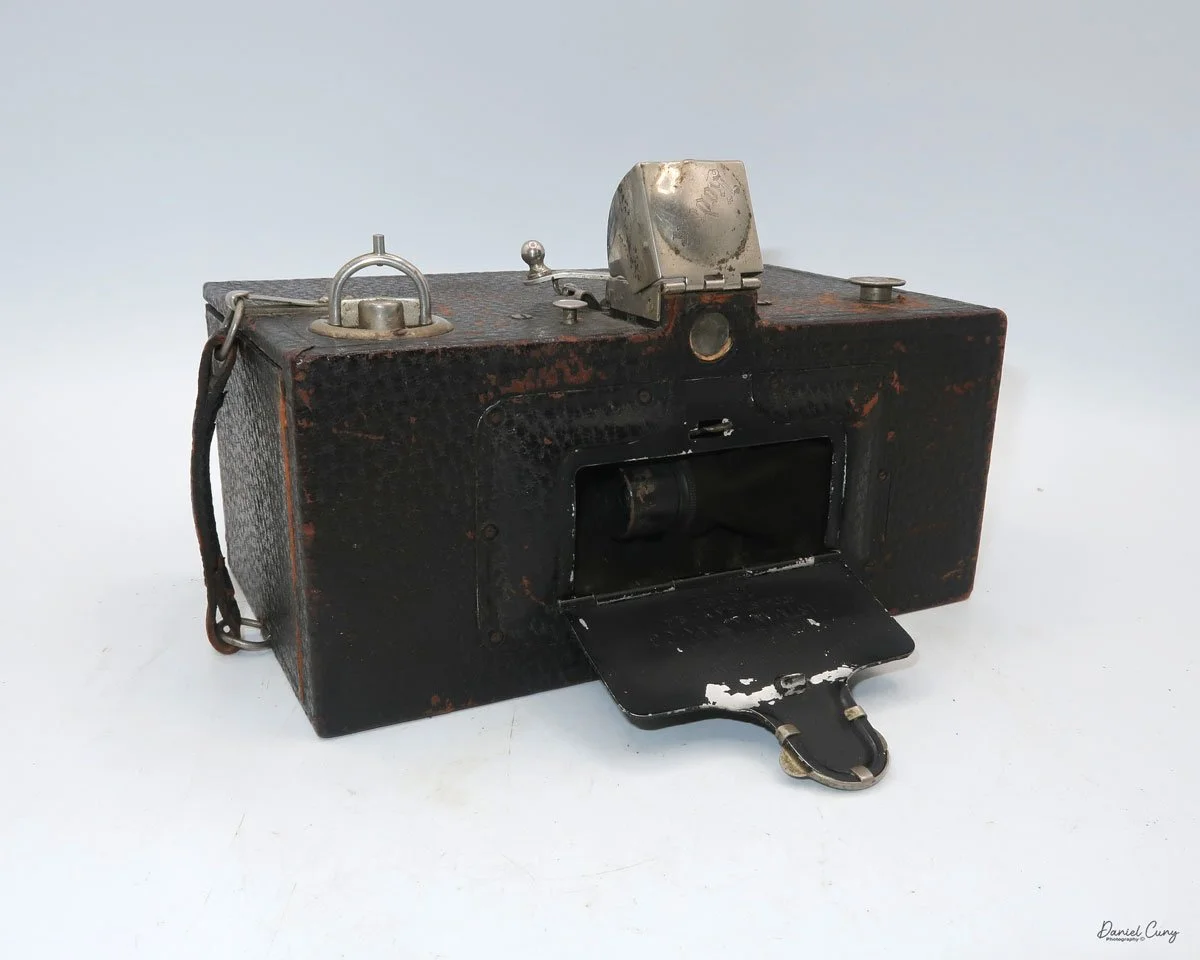
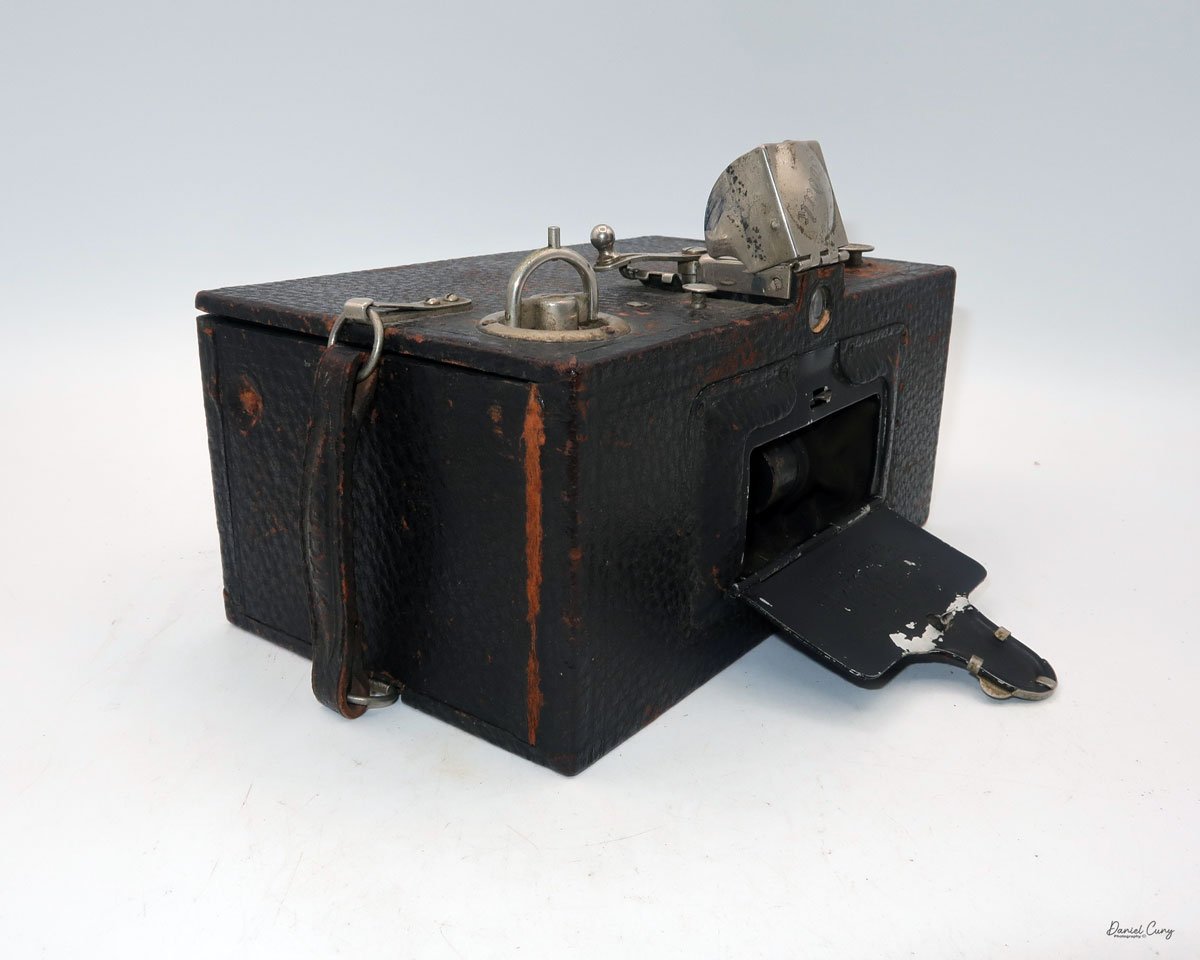
My Kodak Panoram 1, Model D camera

Panoramic cameras and images have always fascinated me. The thought of seeing such a wide area in a photo seems so natural to me. Whenever I look at subjects, the human eye always sees a wide field of view, and narrowing it down to a smaller angle just seems peculiar to me. Even when I look through telephoto lenses, I want to see a wider angle, just closer. Unfortunately, that’s not how lenses work, so the ability to get a wider view is wonderful.

 The Kodak Panoram 1 is one of the first panoramic cameras I've owned. The first panoramic camera I bought was a Russian Horizont, a 35mm model that came with an accessory handle, viewfinder, and case. Unfortunately, this model of camera, due to the lack of workmanship, has a tendency for image "banding" as the lens doesn't rotate smoothly when making the exposure, so when the lens hesitates, it creates a change in exposure, creating a vertical exposure difference, which is darker due to the extra exposure time.

 I only had that camera for a short time, but it was a wonderful one to learn from, and from that experience I found the Kodak Panoram 1. One of the main reasons I knew about Kodak's early panoramic cameras was a set of negatives of two of my friends, which I purchased around 35 years ago. They were a set of 40 nitrate panoramic negatives, measuring 2 1/4" x 7", from a family who visited San Francisco and the surrounding area in 1906. There were photos of the rubble from the 1906 earthquake, along with other images of the family traveling up the delta to Sacramento and into the forest areas. If you're interested, here is a link to pictures from the aftermath of the 1906 San Francisco Earthquake.

 While researching the negative size and cameras built around 1900, I came across the Kodak Panoram 1 and the Multiscope Baby Al-Vista. I believe the Baby Al-Vista's negatives are just a bit smaller. At this point, due to my love of panoramic images, I really wanted to find a good Kodak Panoram 1 camera not only to have in my collection, but also to shoot with.

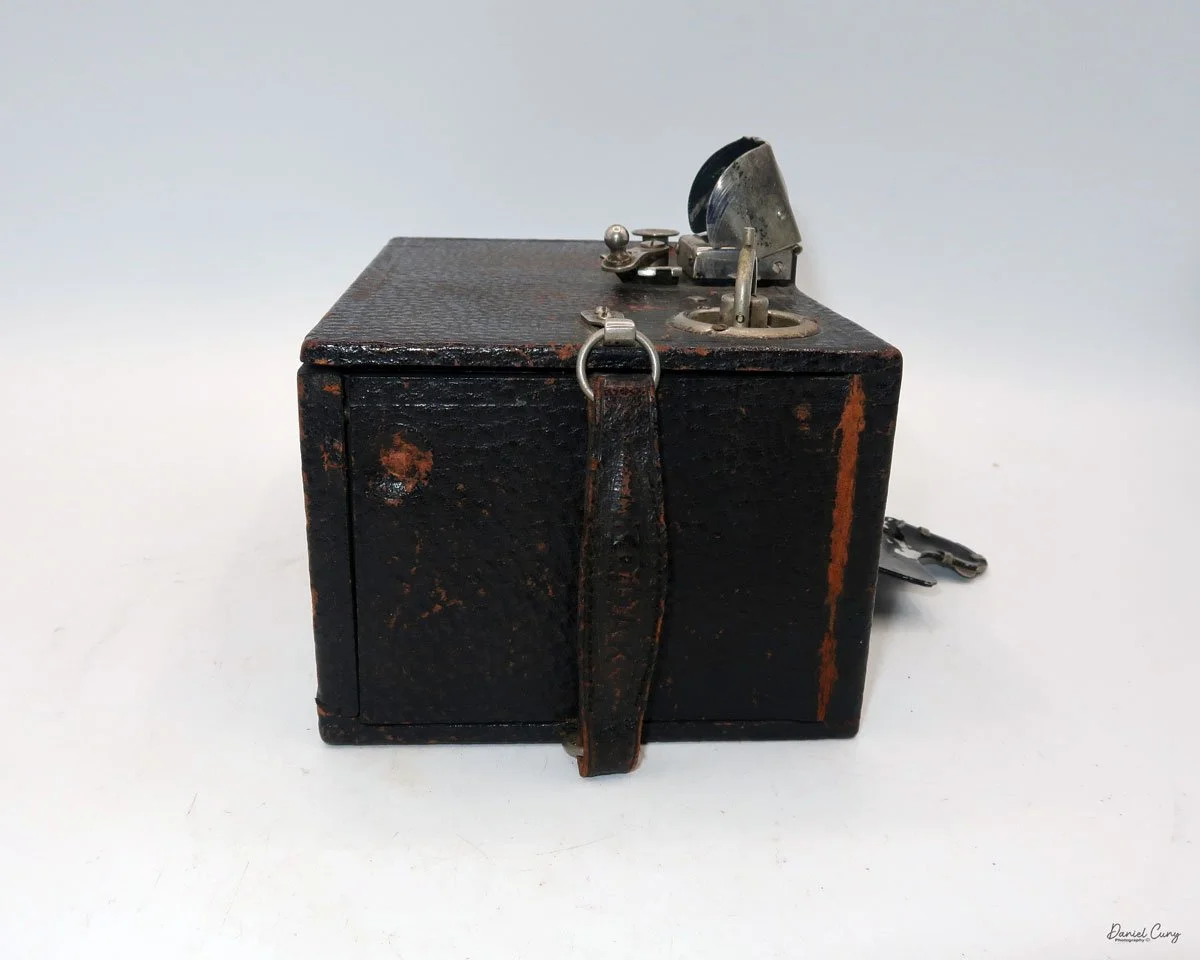
My Kodak Panoram 1, Model D with Case.

 The Kodak Panoram 1 camera used 105 film when it was manufactured, which is the same width as 120 film; the spools are just a bit different, as the flange is wider on 105 spools. Knowing that I could shoot 120 film in the Kodak Panoram 1 camera made it considerably more desirable. 
 Kodak also made larger Panoram cameras, the 3A and 4, which used larger film. The 3A produced 3 1/4" x 10 3/8" negatives on size 122 film; the 4 made 3 1/2" x 12" negatives on size 103 film. Since the necessary larger film is unavailable, choosing a usable Panoram was easy: I purchased the Panoram 1.

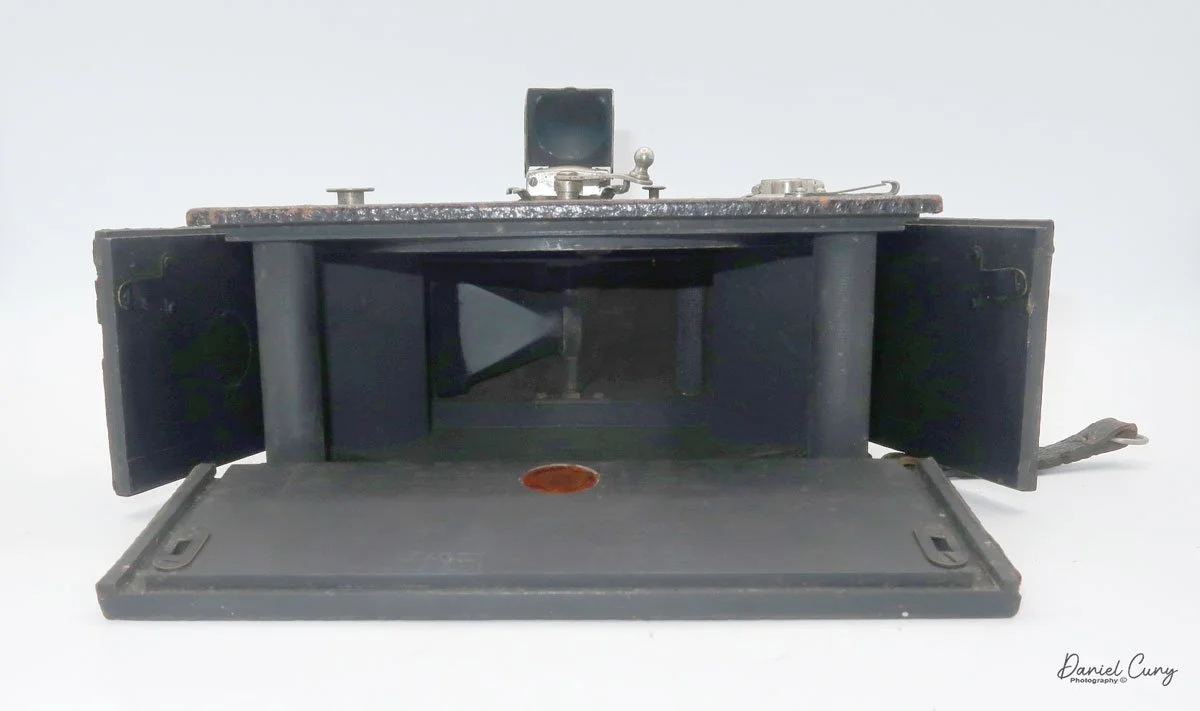
 The Kodak Panoram 1 comes in two distinct versions. There's the original Panoram 1, where the entire back of the camera comes off the body, revealing the curved arc of the film plane. The back of the camera is held to the camera body by two clips. 
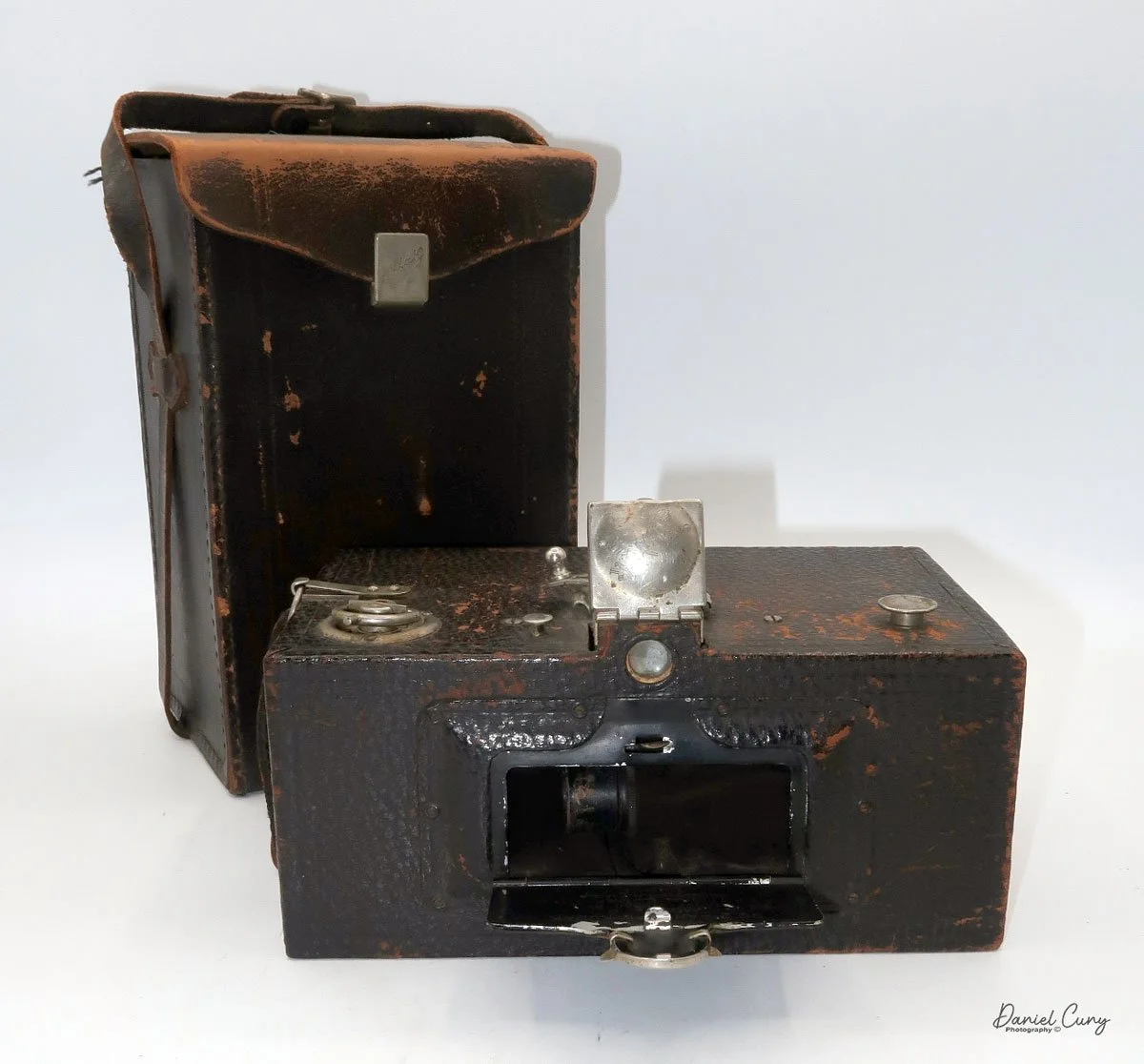
 The second version of Kodak Panoram 1, the Model D, which I've had in my collection for 30-plus years, is slightly different. The back of the camera doesn't detach from the body, but, like some horizontal-folding cameras, there are buttons on either side you press to release it and fold it down. Then the camera's sides swing out to allow you to load and unload film.

 I have owned and restored several of both models, as the lens-swinging mechanism is the same, and the leather or suede bellows are similar. The main reason for the change in style was to reduce the camera's size. I prefer the original with the removable back, but both deliver fantastic images.

History of Kodak Panoram:

 Introduced by Eastman Kodak at the turn of the 20th century, the Kodak Panoram series democratized wide-angle photography, bringing it out of the domain of professional specialists and into the amateur market. Debuting in 1899 with the No. 4 and in 1900 with the smaller, popular No. 1, these "shoe-box"- shaped cameras remained in production until 1928.

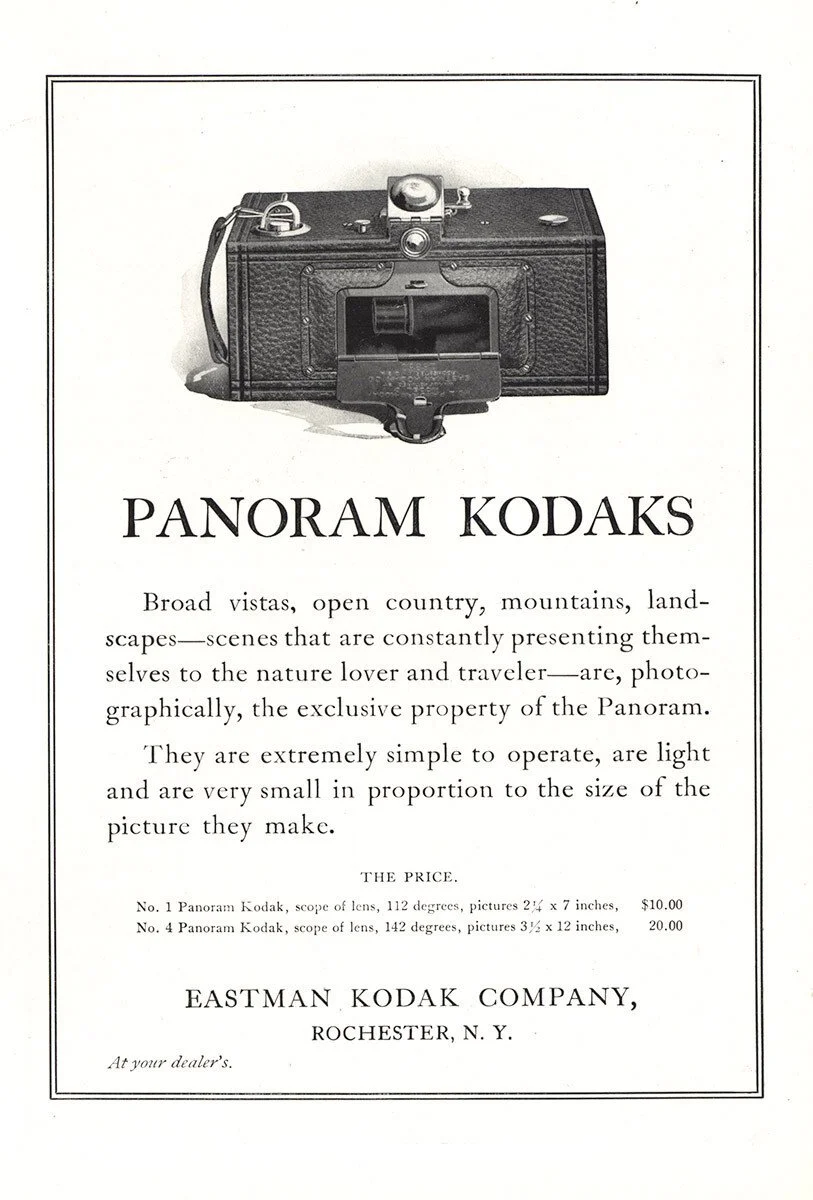
Advertisment for the Kodak Panoram cameras

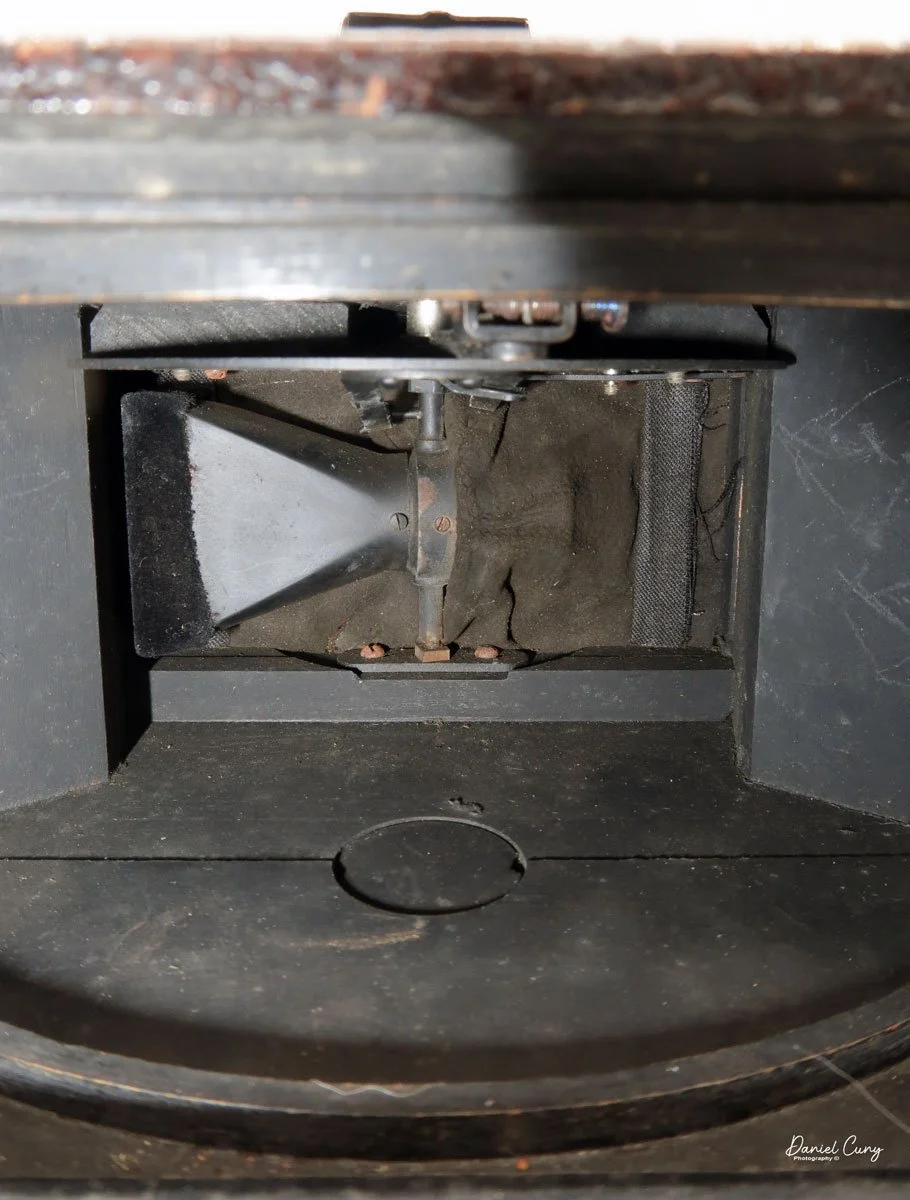
 The Panoram’s defining feature was its ingenious swing-lens mechanism. Unlike standard cameras with fixed lenses, the Panoram featured a lens mounted on a pivoting turret. When the shutter was triggered, the lens swung in an arc—typically between 112 and 142 degrees—sweeping light across a curved plane of film (the area of film bent to match the arc) at the back of the camera. This design minimized horizon distortion while capturing vast landscapes or large-group portraits in a single exposure. A swing-lens mechanism means the camera’s lens actually moves or "swings" during the exposure, rather than remaining stationary as in most cameras, to create a wide panoramic image.

 Aimed primarily at outdoor and travel use, Panoram cameras were used to document landscapes, expeditions, and colonial scenes, including polar exploration and industrial development in Southeast Asia. Their relatively simple wooden-and-leather construction, fixed focus, and minimal controls reflected Kodak’s broader strategy of making specialized photography accessible to non‑experts. At the same time, the nearly three‑decade production run indicates sustained popularity among enthusiasts of wide‑angle views.

 Three primary models defined the line: the No. 1 (using 105 film), the No. 4 (using 103 film for massive 12-inch negatives), and the short-lived No. 3A (introduced in 1926). While eventually displaced by newer formats and the 35mm revolution, the Panoram remains a cult classic today, prized by collectors and photographers for the unique, sweeping perspective that only a mechanical swing-lens can provide.

My Camera:

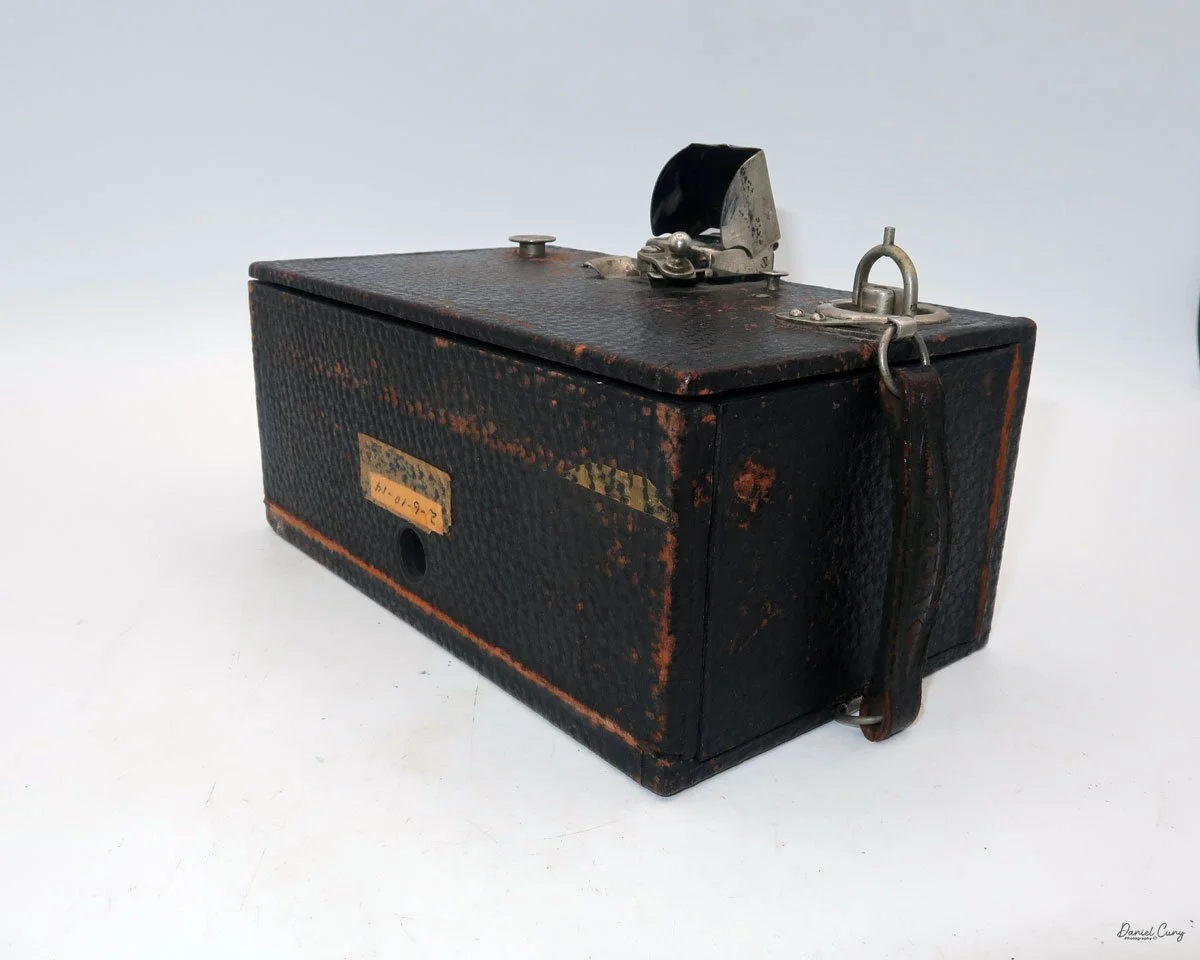
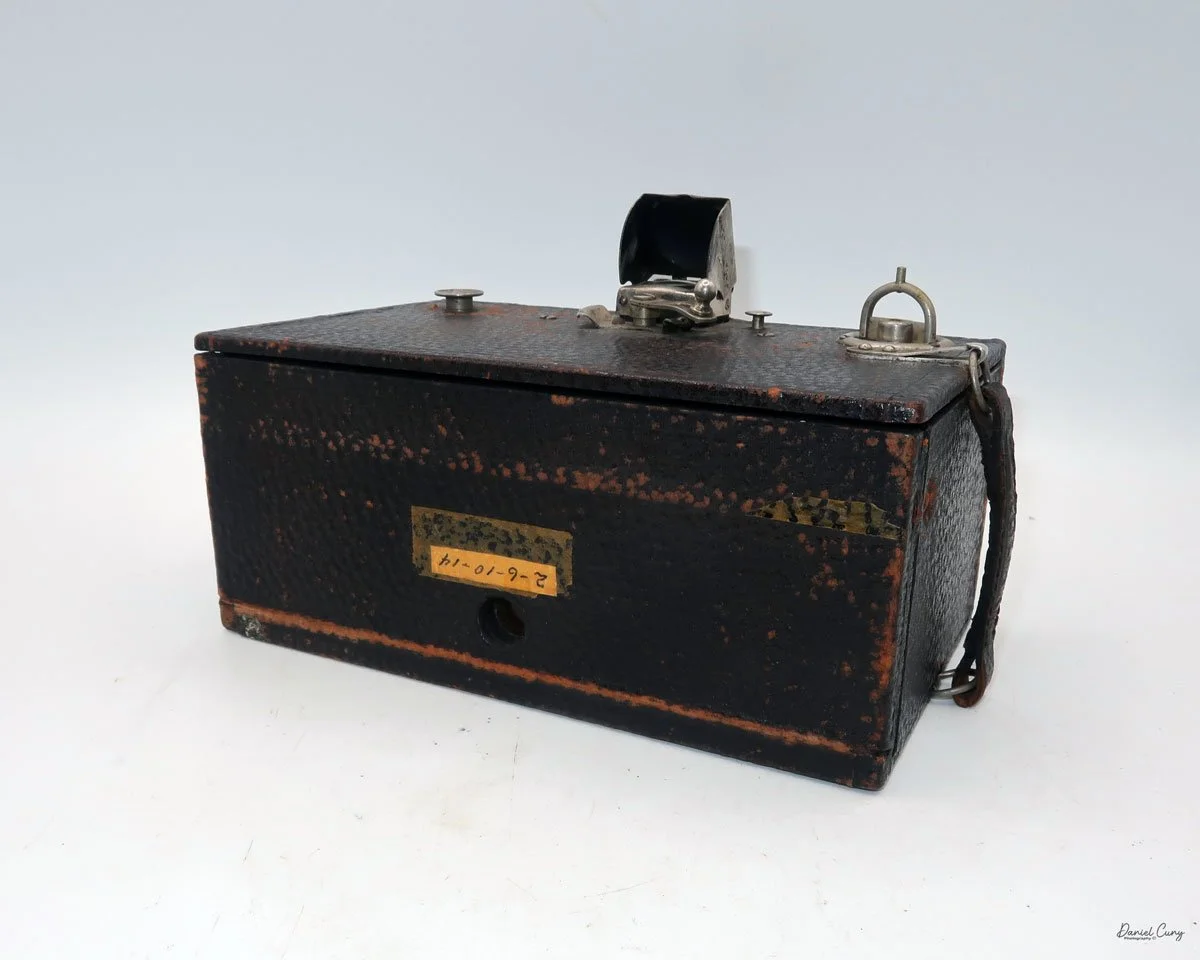
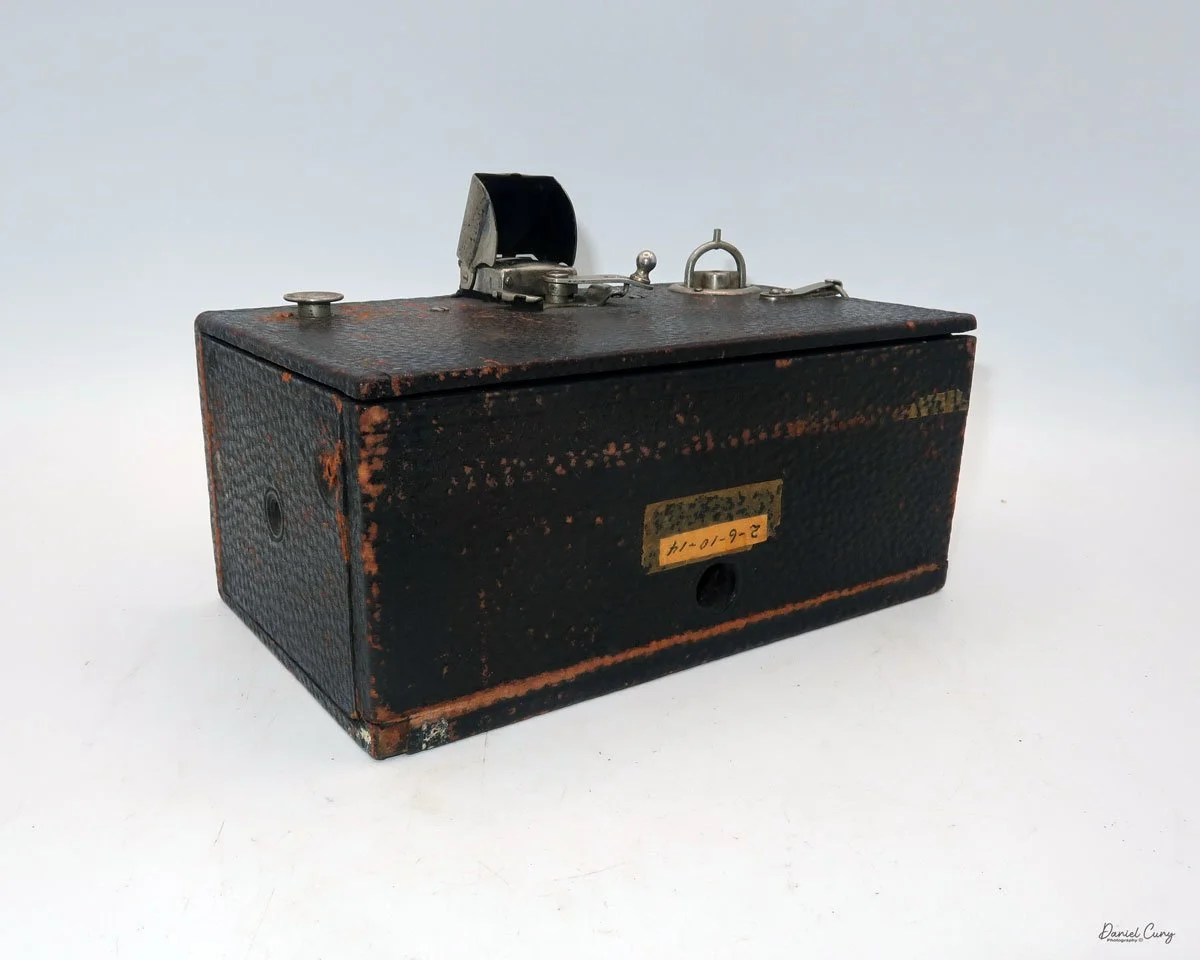
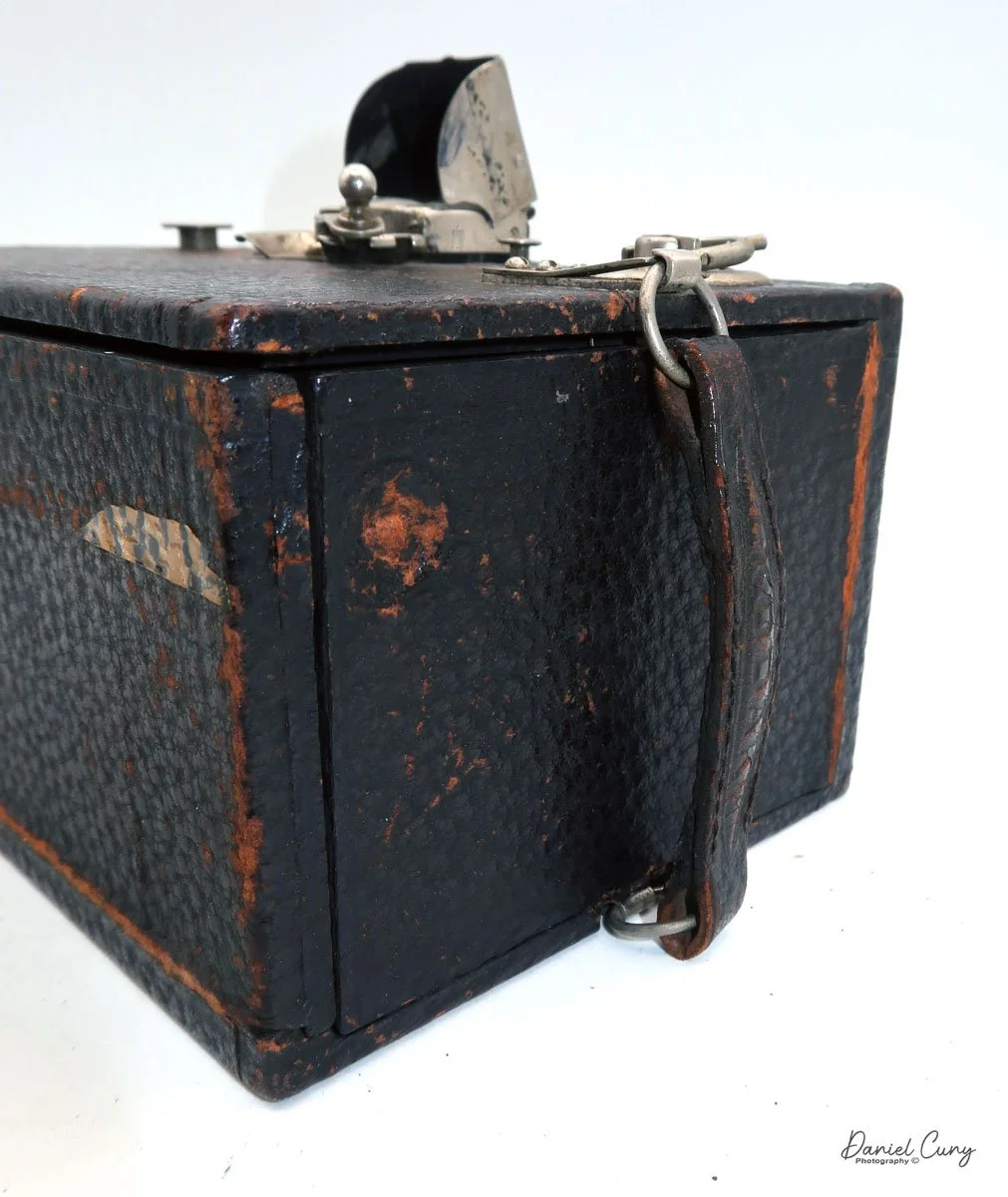
 My Kodak Panoram 1, Model D camera is 7.5" wide with the strap, by 4.5" deep by 4" tall, including the optical viewfinder, and weighs 1 pound 9.5 ounces without film loaded in the camera.

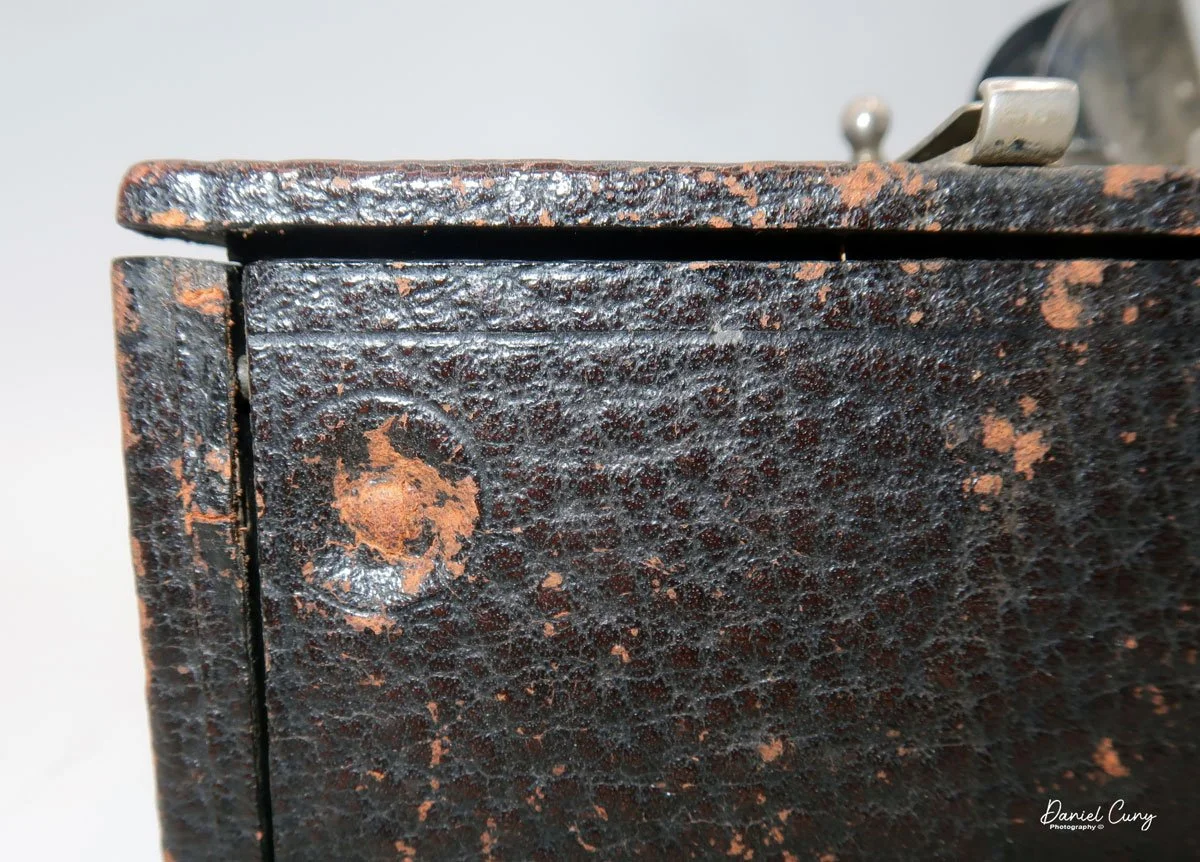
 To open the lens, pull down the front lens cover to reveal the swing lens to one side or the other. If it were pointing straight ahead, the lens cover wouldn't close. On the inside of the lens cover is the camera name, No. 1 Panoram, Kodak, Model D. On the bottom is the camera's serial number. My camera's serial number is 18986.

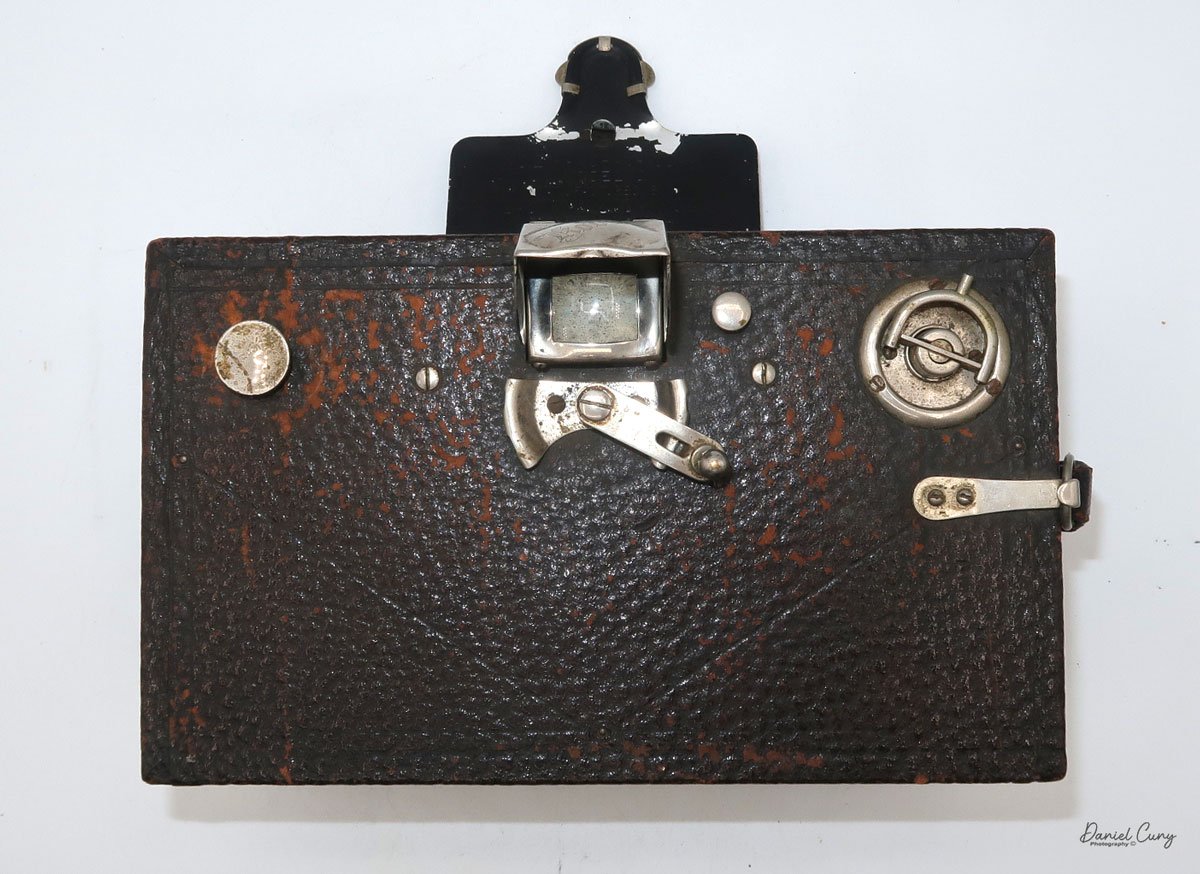
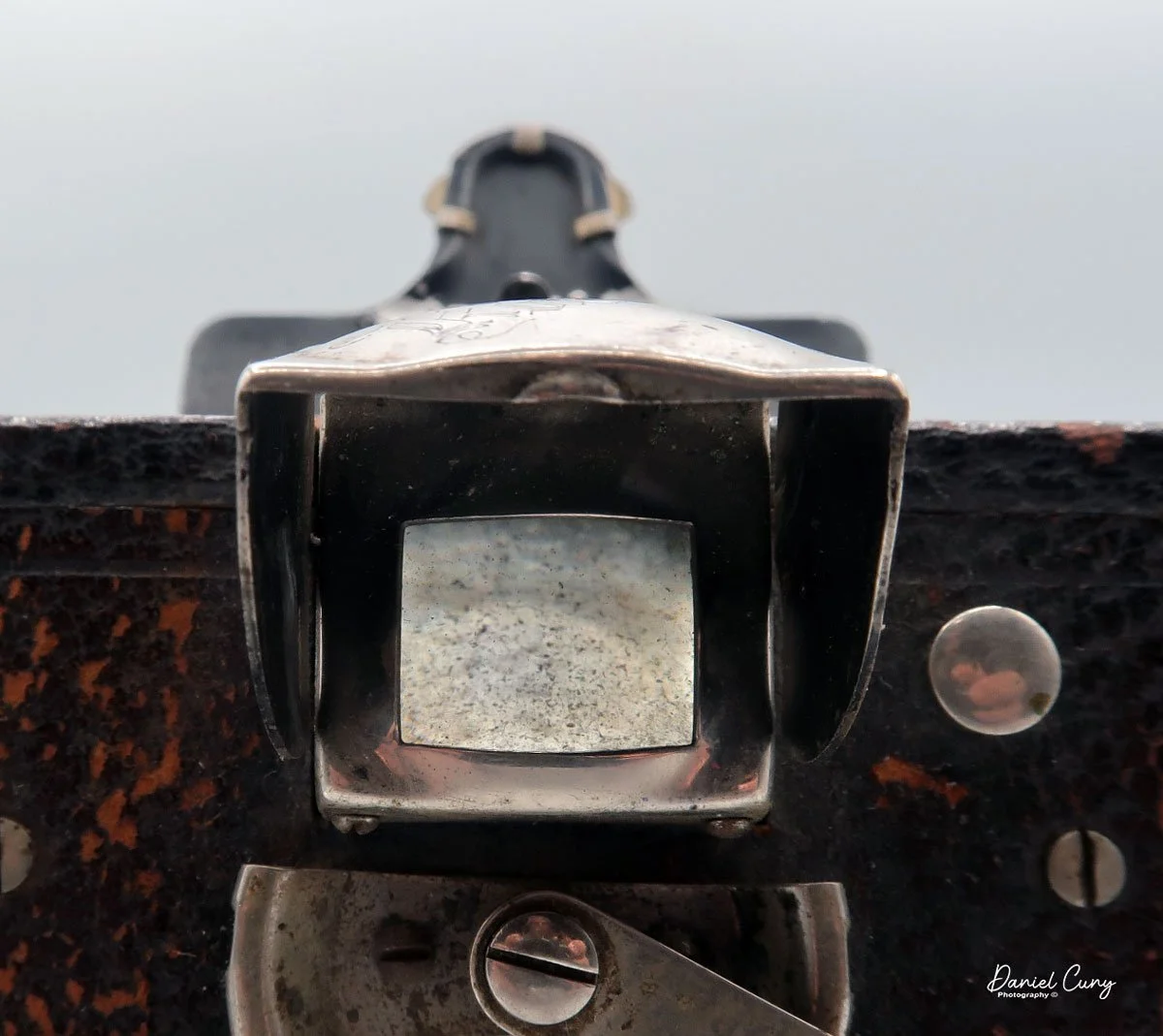
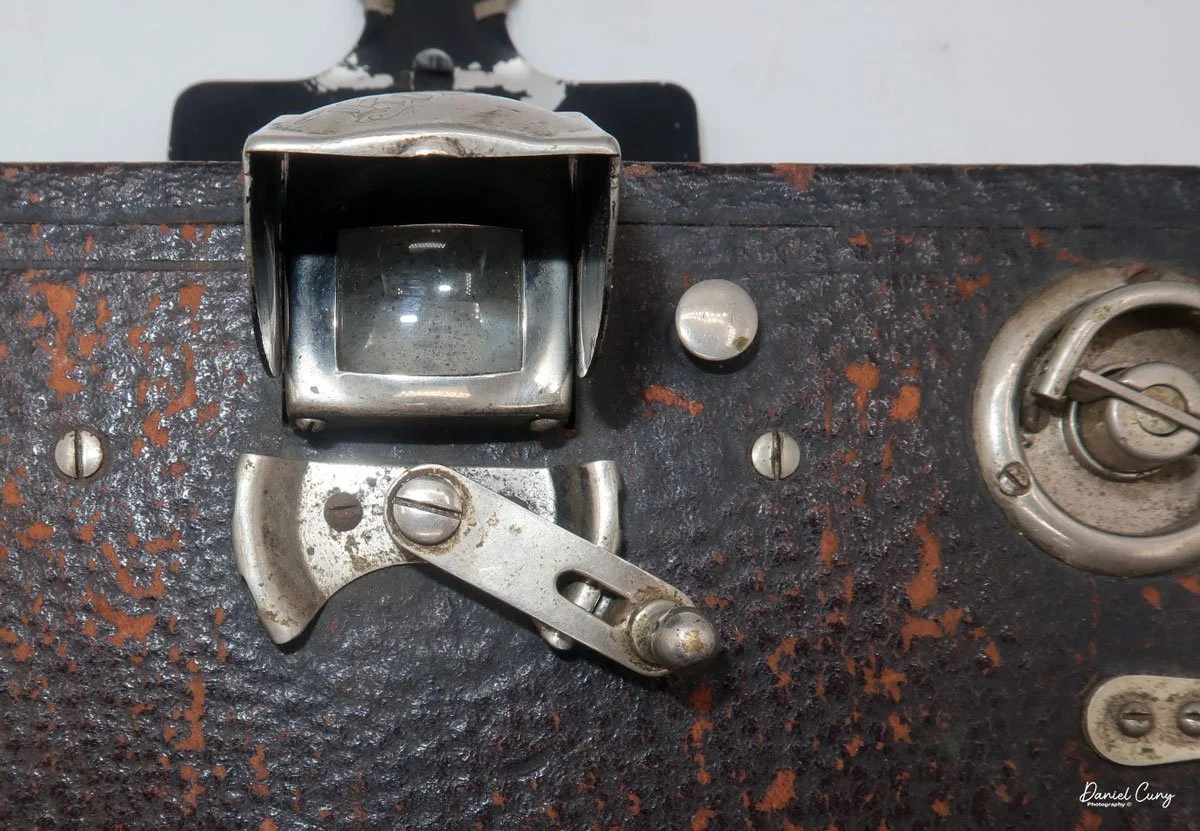
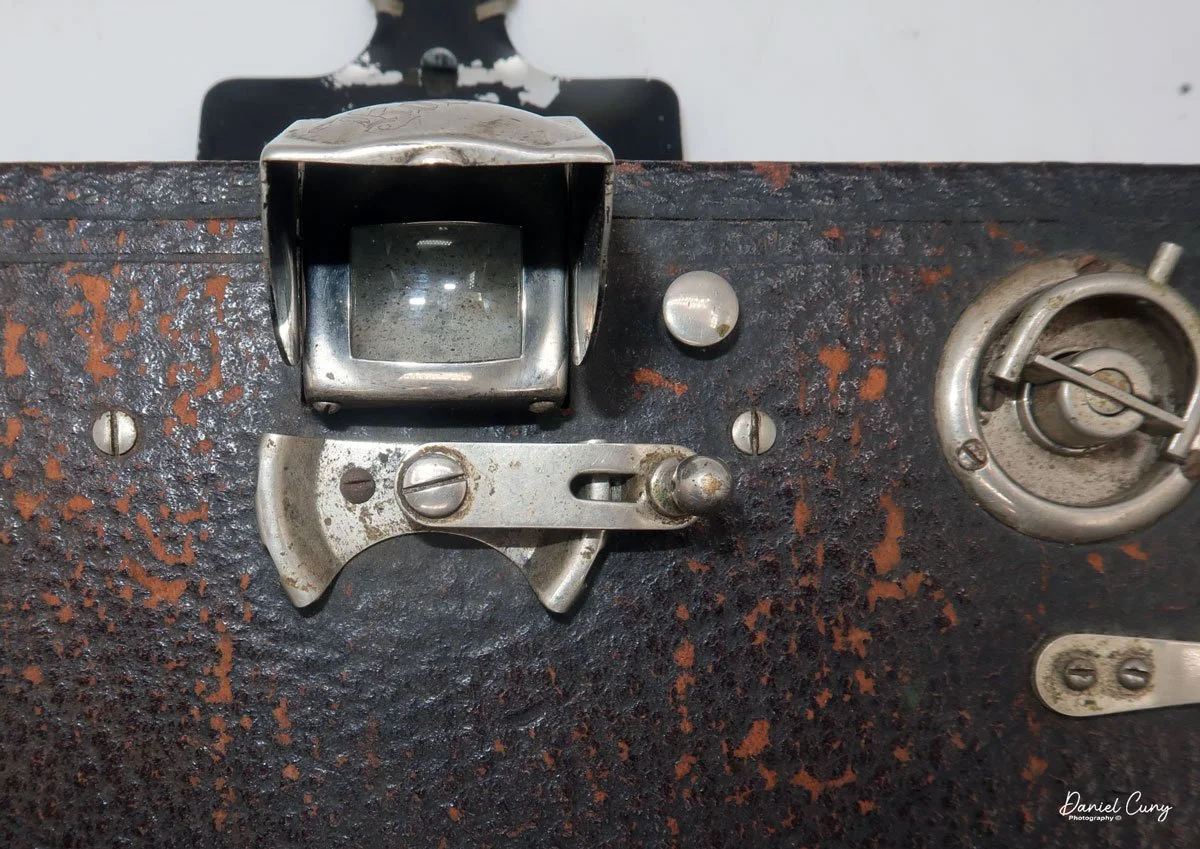
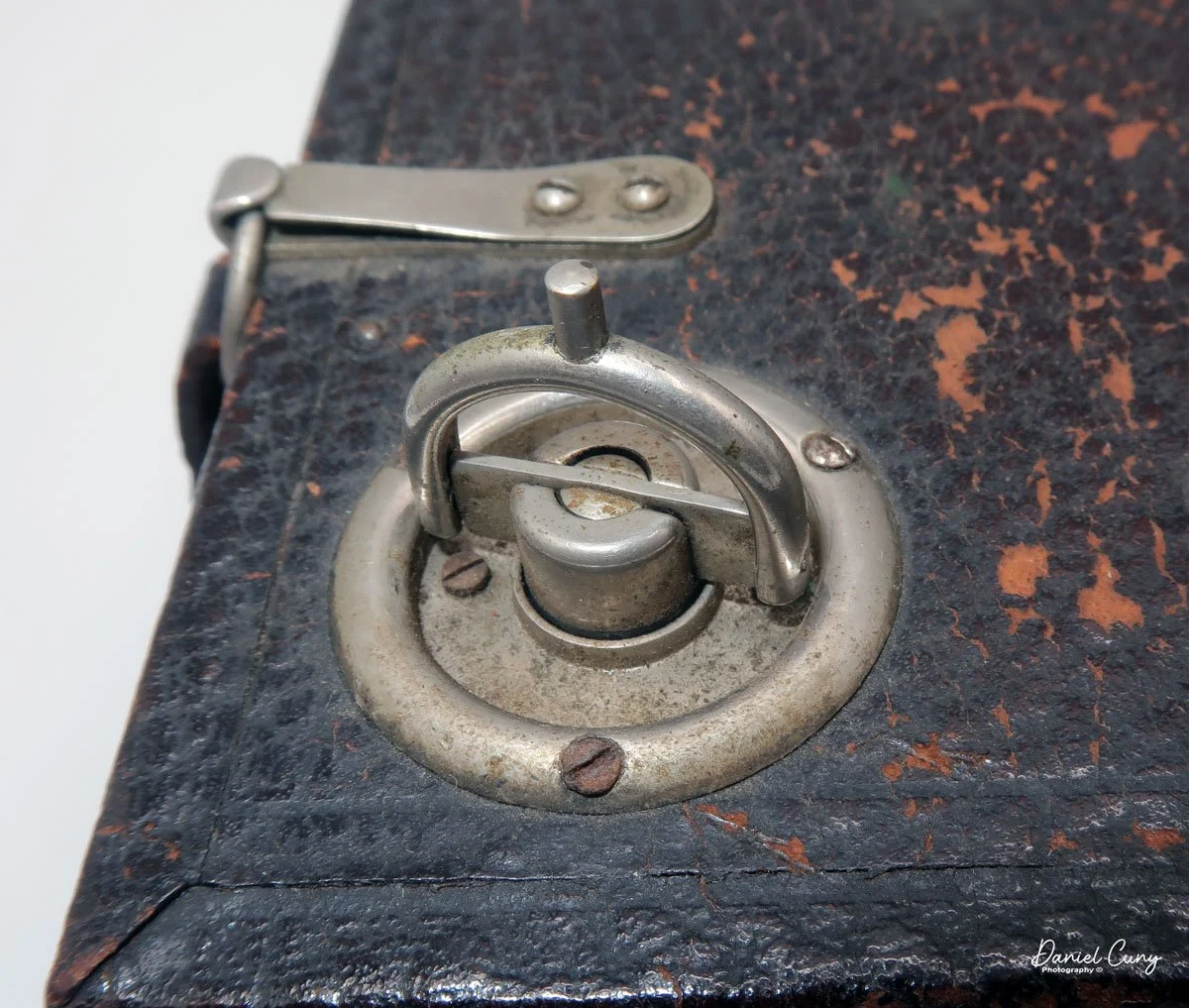
The camera is simple with minimal controls. On top is the etched nickel Kodak waist-level finder, which you lift to reveal the viewfinder. Behind the finder is the shutter speed selector. There are two notches: the one near the center is for a slower shutter speed, and pulling the selector to the end increases spring tension, making the lens swing faster at that speed.

 To set the speed, slide the bar opposite the lens direction. If the lens faces right, slide the bar left to set the next photo's shutter speed. Lock the chosen slow or fast speed with the clip under the selector bar. The shutter release is just right of the optical waist-level finder. Press the shutter button to release the lens and watch it swing to expose the film. Two lines form a "V" at the top, indicating the camera's approximate field of view.

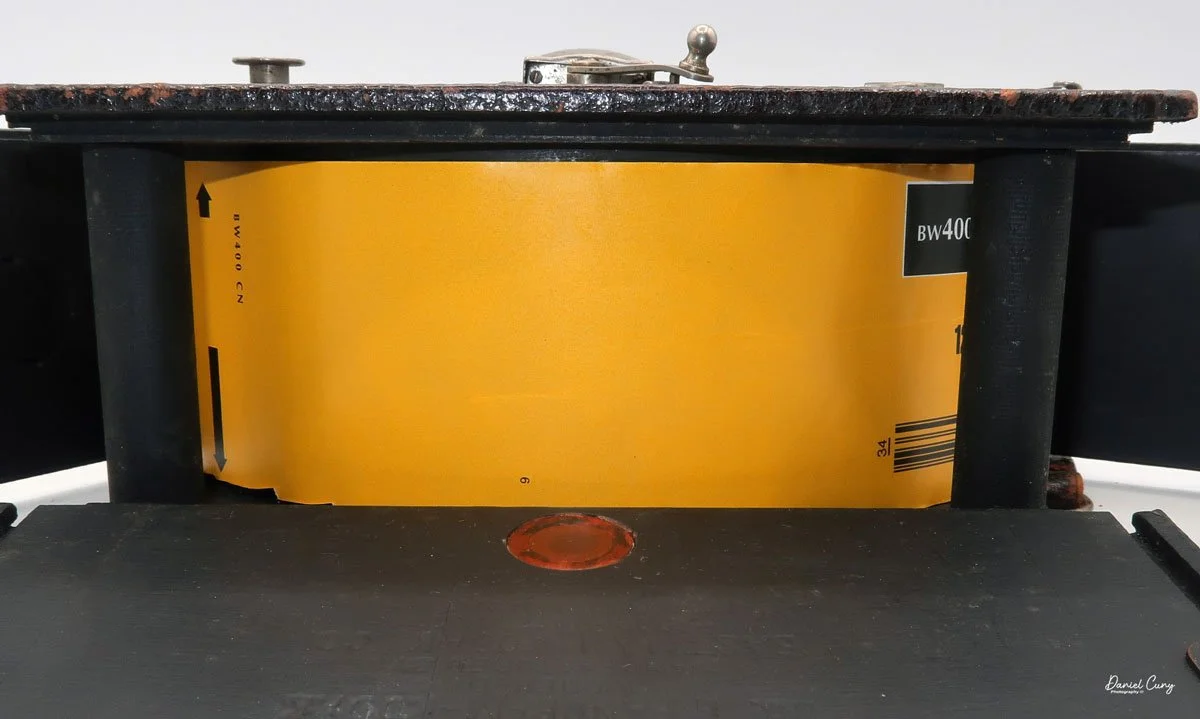
As mentioned previously, to open the back to load the film, unclip the strap on the right side of the camera, then press in the two buttons on the sides of the camera, which will release the camera's back, and it will swing down, and the sides of the camera will also swing open, revealing the film chamber. There you'll see the curved film plane the film travels over, and the very impressive cone on the back of the lens guiding the light onto the film as the lens swings from one side to the other.

To load film into the camera can be a bit tricky because the newer plastic film reels—that is, the circular pieces at each end of a roll that hold the film—can at times be thicker than what was used originally back in the early 1900s, when Kodak would use metal for the reel ends and wood for the film cores, meaning the spools—the cylinder around which the film is wound—would be a bit thinner. When I went to load film for the blog post, I tried a brand I'd never used before. The spool was just a bit too thick and wouldn't fit into the camera easily, and once I did get it in, it was so stiff that the film wouldn't transport across the shutter easily.

 I loaded a new roll by placing the empty spool on the right, then lifting the winding lever and button to fit it. Then I placed the new roll on the left, brought the paper backing over the film plane, and threaded the leader into the empty spool slot. I wound the film until the start arrows appeared, pressed in the camera sides, and swung the back up to lock it.

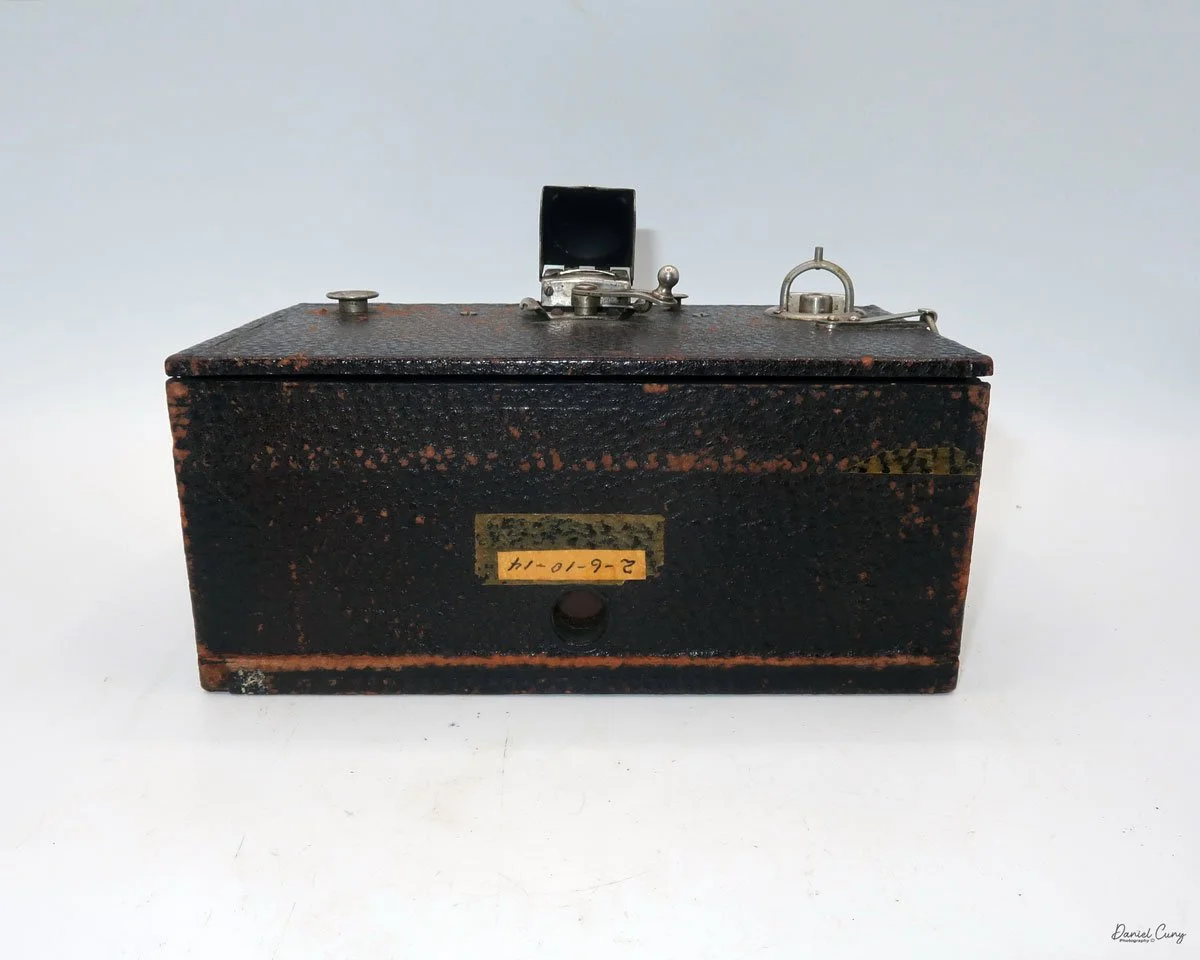
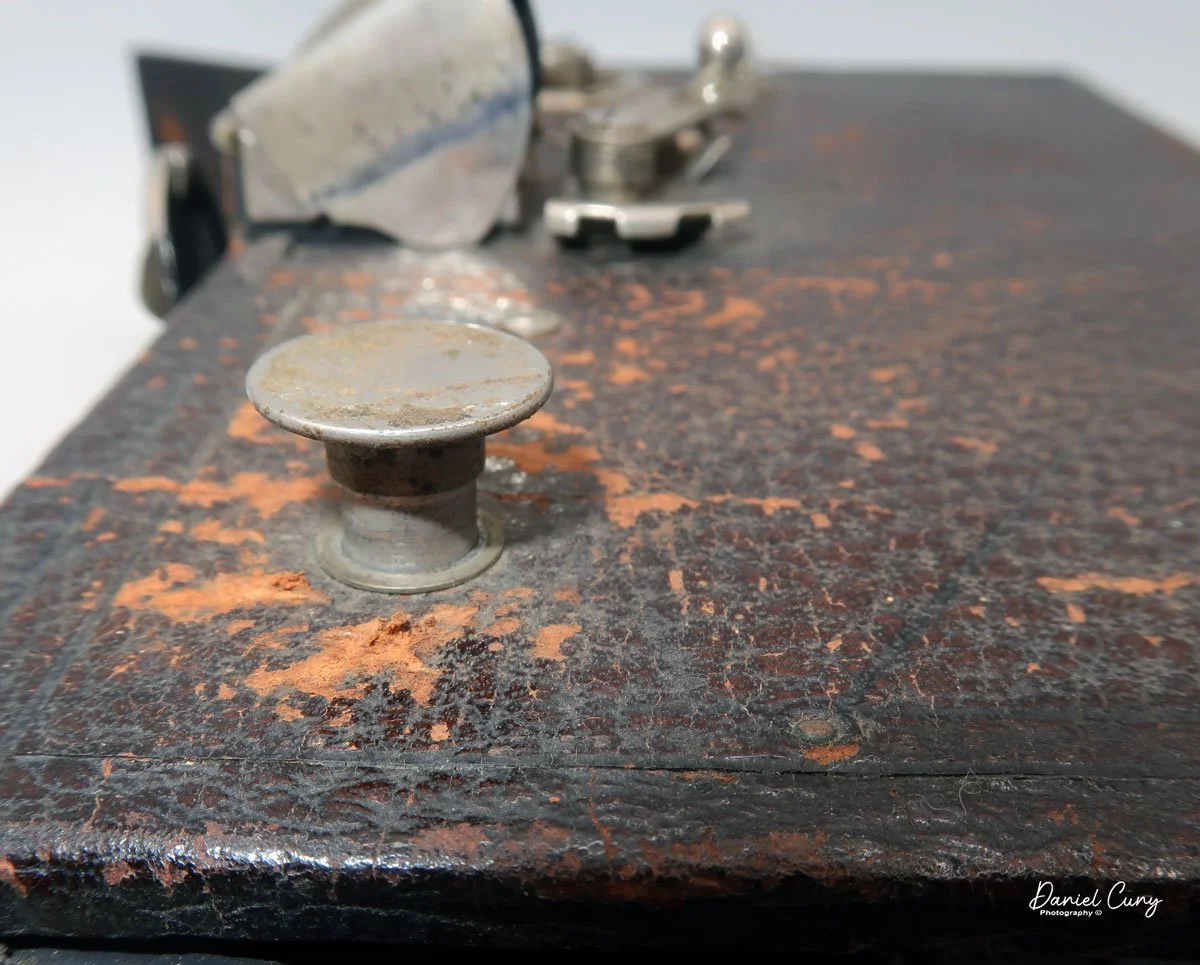
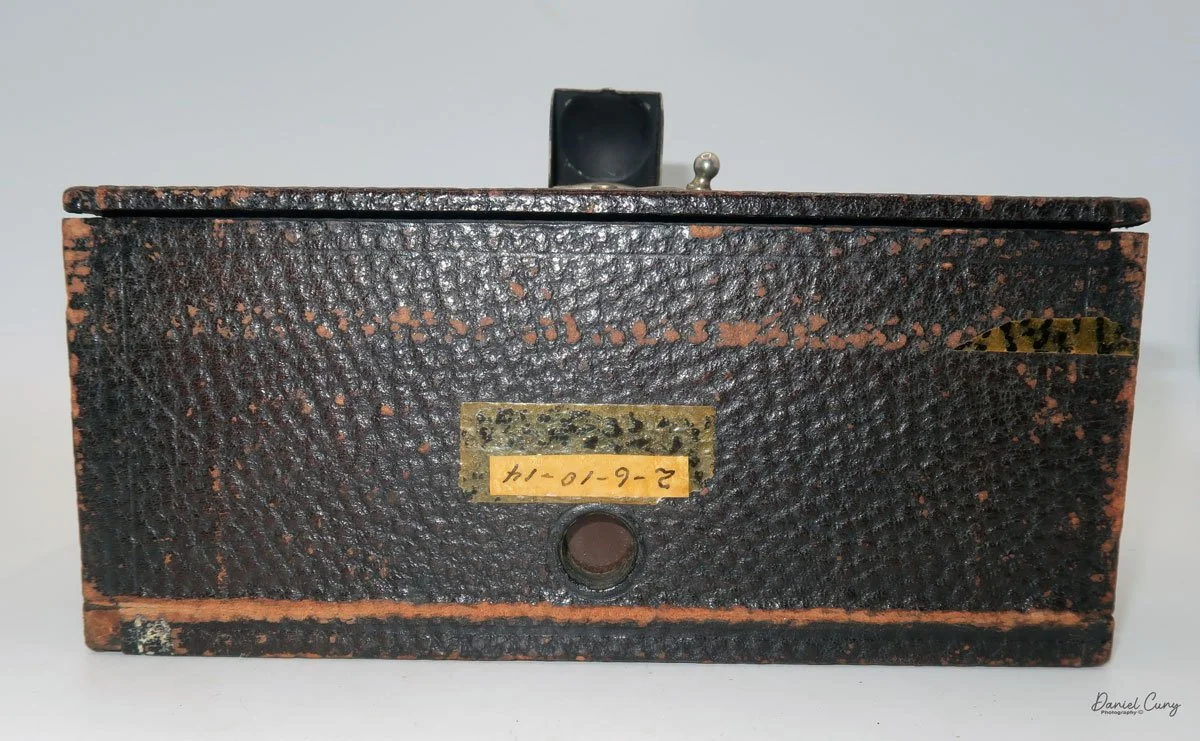
Since 120 film isn't designed for panoramic cameras, the numbers 2, 6, 10, and 14 appear on the back of my camera. These indicate the frame numbers to stop at for each of the four photos on 120 film. I wound the film to 2 and was ready to take my first shot.


My Results:

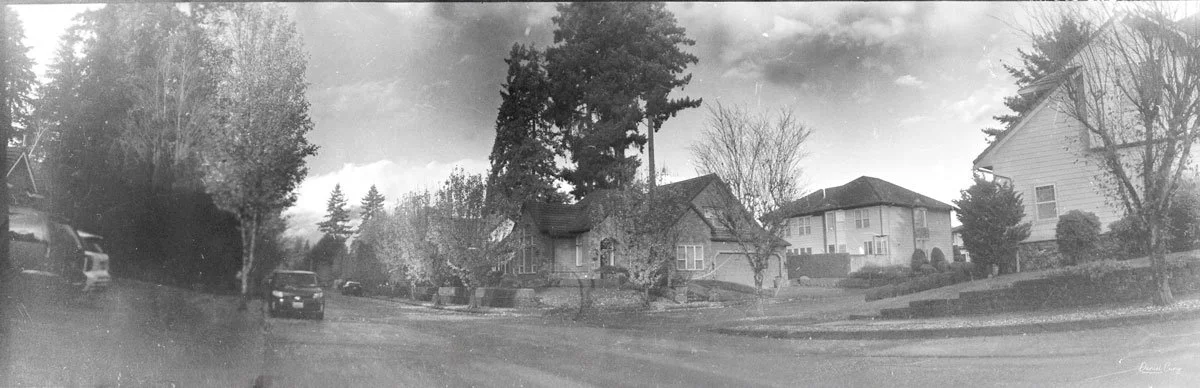
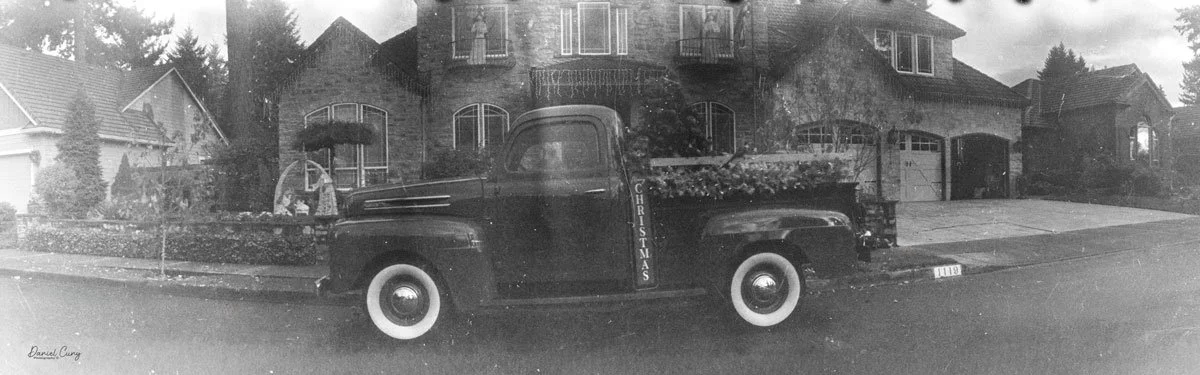
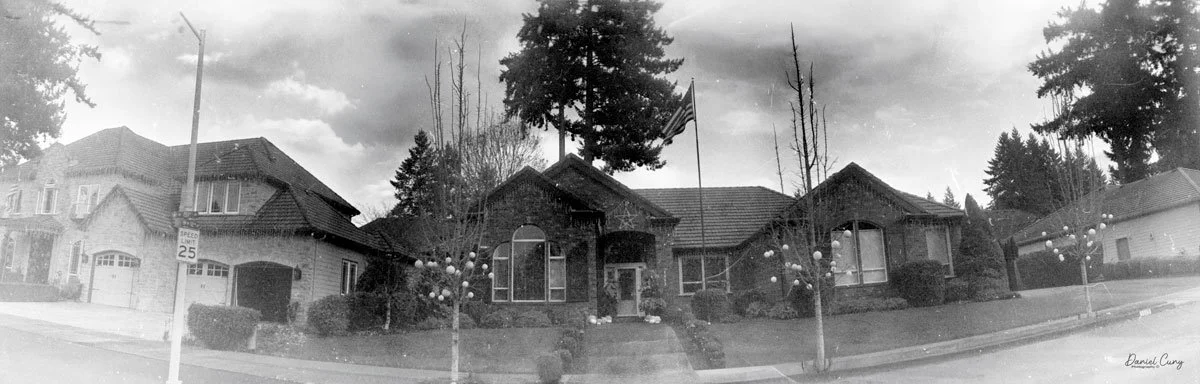
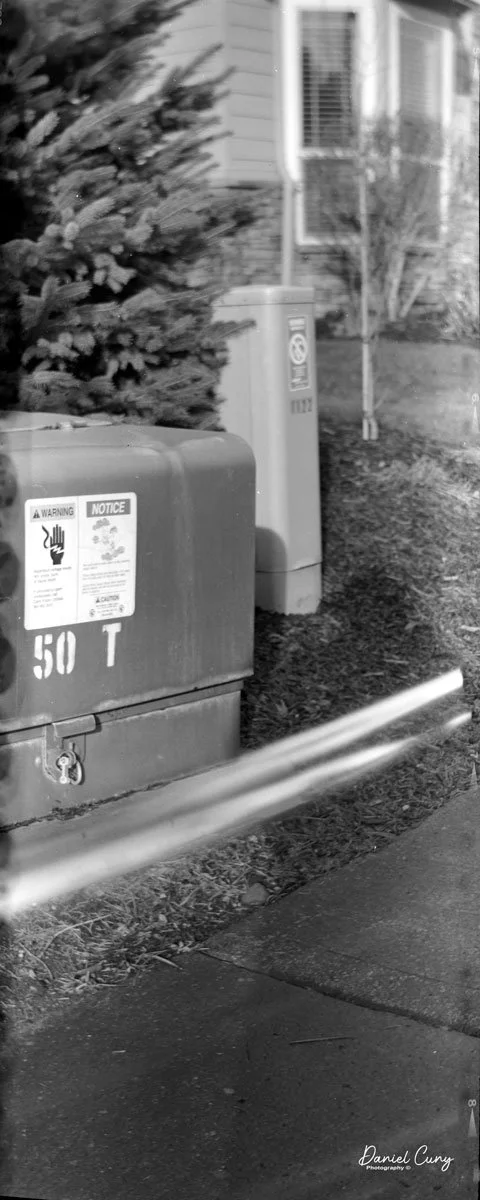
 The film I loaded into the camera was an older roll of Kodak BW400CN film I purchased at a local camera show a few months ago. One thing about the film is that it needs to be processed in C-41 chemicals, which is a standard color film developing process. For the article, I wasn't sure I'd have enough time to get the film processed. Looking online, people mentioned the film can be processed in B&W (black-and-white) chemicals, so that's what I did. 

 There was a break in the rain on Sunday, so I loaded the film into the camera because the Kentmere I had didn't fit because the spool was too thick. I took the photo and went back to the house to develop the negatives. Maybe I didn't process the film long enough, since the images were extremely thin. I had to do some magic in Photoshop to get the images I have, so my apologies for the poor examples.

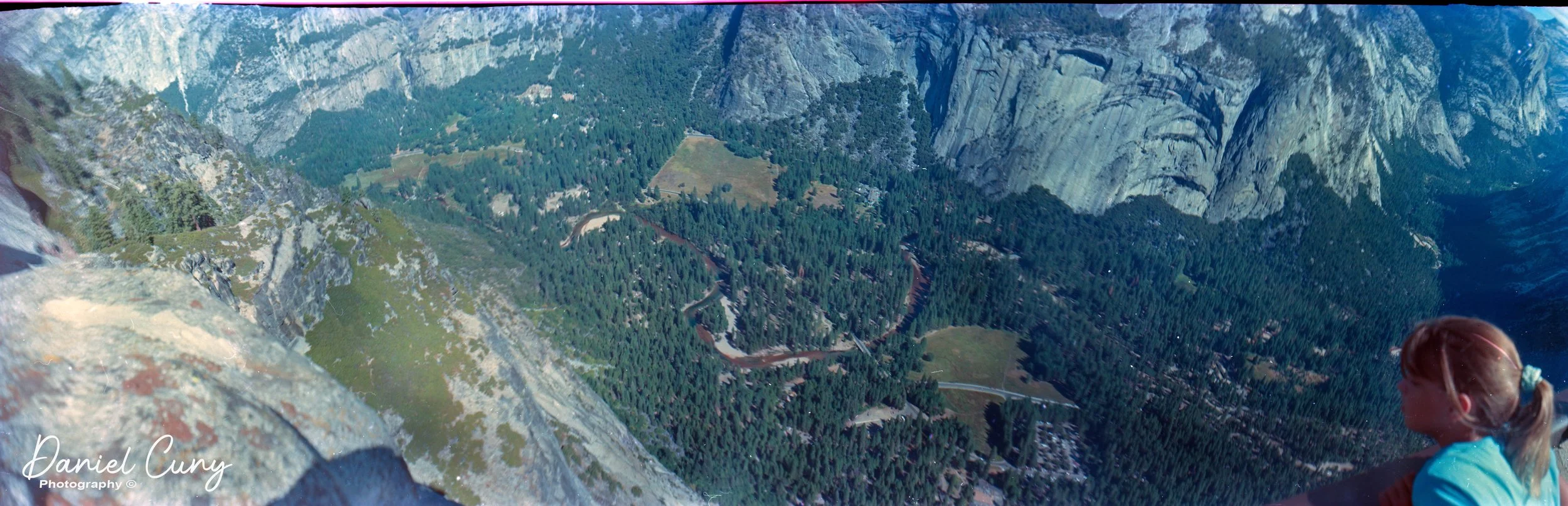
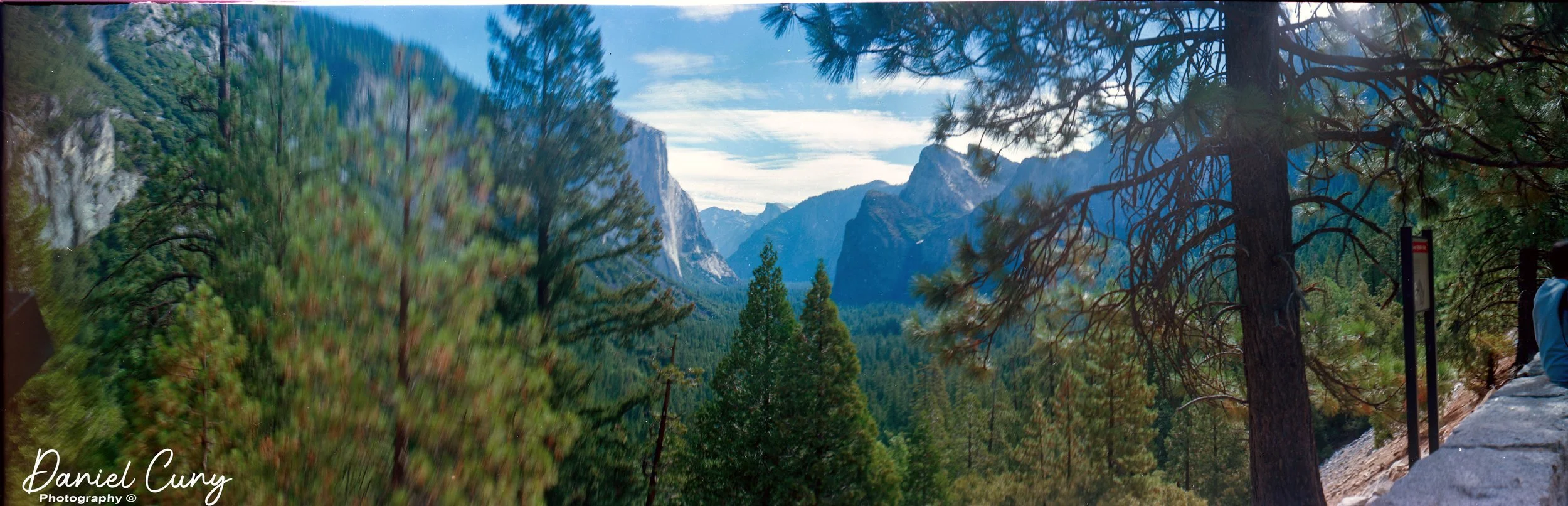
 However, I used the camera when I went to Yosemite a few years ago, and the images turned out great, so I'm adding a couple of color images from Yosemite to this blog to show how well the camera performs.

Conclusion:

 I've always been a huge fan of both the Multiscope Al-Vista and the Kodak Panoram camera. It's interesting that I've only owned the Panoram 1 camera and never the 3a or 4 Panoram, but I do have some of the larger Al-Vista cameras.

 The Panoram 1 is a fun camera to use, and the results are surprisingly good. I should have a camera with a smooth shutter. The cameras are compact, use 120 film, and, unfortunately, are becoming increasingly expensive as people learn about them and how much fun they are to use.

 Fortunately, I've had mine for many years, and I also have the camera case, which is a plus. It's just a real gem in my camera, and truthfully, I'm surprised I haven't written about it sooner than I have.

 Thank you for taking a few minutes from your day to read about his wonderful panoramic camera from over 100 years ago.

 Here's a link to my previous Camera Reviews.

 I also have an eBay shop, Cuny's Camera and Photo, where I sell cameras I've reviewed, along with other photo oddities. If you're interested in anything from my store, reach out to me, and I'll offer a discount. Just mention my blog.

 Until next week, please be safe.